
This post may contain affiliate links. As an Amazon Associate, I earn from qualifying purchases at no extra cost to you.
Let me guess. You’ve done Paris. Maybe Rome. Possibly Prague. And you loved them — truly — but you also spent half your trip navigating tour group traffic, paying €6 for a coffee, and staring at the back of someone’s selfie stick instead of the actual landmark.
Spring in Europe is genuinely magical, but it works best when you’re somewhere the crowds haven’t fully discovered yet. Somewhere the locals are still surprised (pleasantly) to see you. Somewhere a good meal costs €10 and the historic square is yours to wander without a single rope barrier in sight.
That’s what this guide is about.
These are the underrated European cities to visit in spring that travel writers keep quietly recommending to each other — the ones that keep showing up on “best of” lists but never quite break through to the mainstream. Spring is actually the perfect time to visit them, before summer opens the floodgates and “undiscovered” becomes yesterday’s news.
Why Spring Is the Sweet Spot for Off-the-Beaten-Path Europe
Before we get into the cities, let’s talk timing. Spring — roughly mid-March through May — hits a genuinely sweet spot for European travel, especially for smaller and less-touristed destinations:
Prices are lower. Summer rates haven’t kicked in yet. You’ll pay less for accommodation, flights, and often restaurants that haven’t switched to peak-season menus.
The weather is genuinely pleasant. Most of these cities sit in the 14–22°C (57–72°F) range through April and May. Warm enough for café terraces, comfortable enough for long walking days.
You actually get to experience things. No queuing an hour for a museum. No fighting for a table at dinner. No needing to book everything three months out. Spring shoulder season is the quiet window before all of that.
It looks beautiful. Blossom season, green parks, clear skies after winter. Every one of these cities photographs better in April than in the flat grey of winter.
Okay. Let’s get into the cities.
1. Ljubljana, Slovenia — Europe’s Most Livable Secret
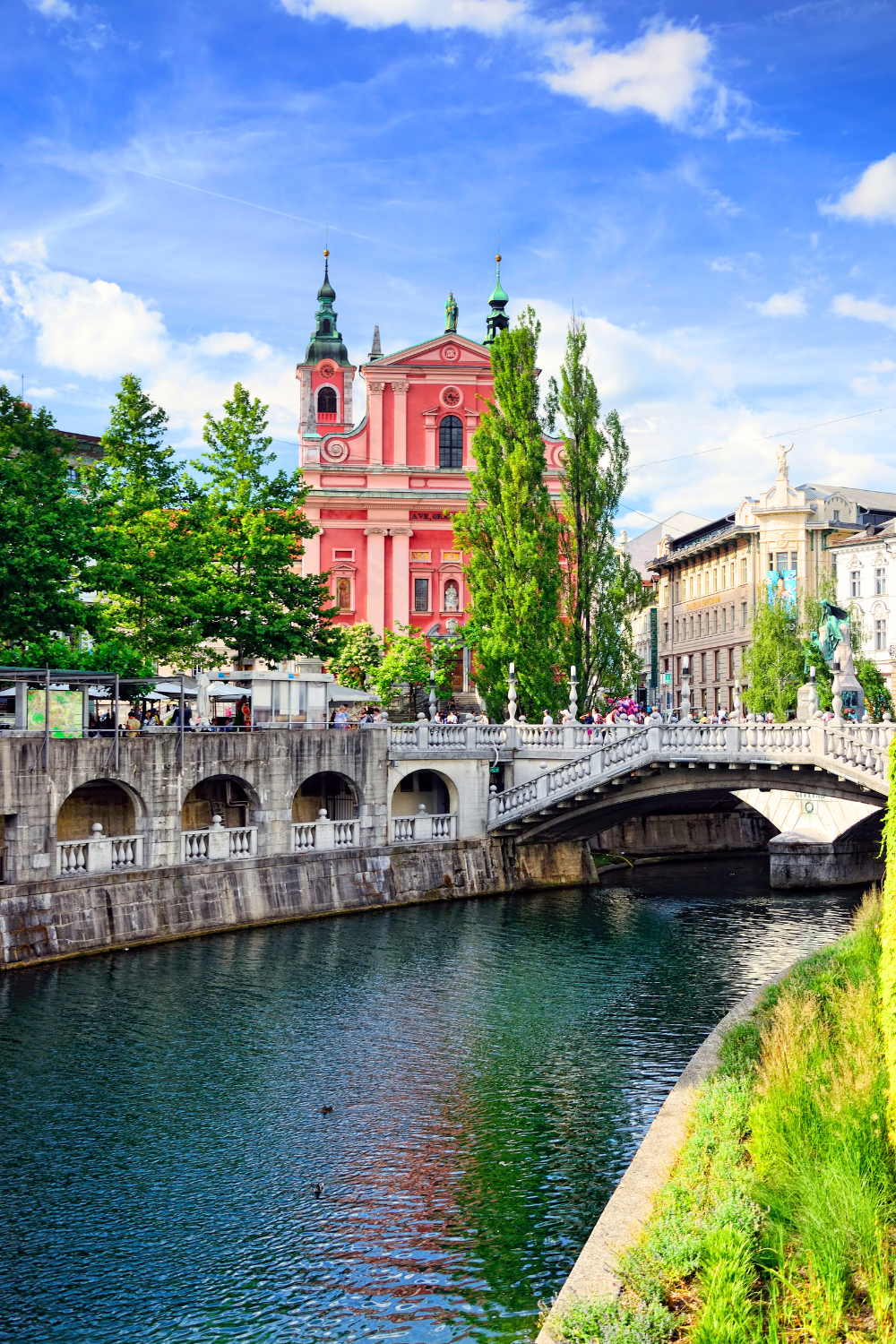
If you’ve never heard of Ljubljana (it’s pronounced lyoo-BLEE-ah-nah, and yes, it takes a minute), you’re about to feel like you’ve discovered something genuinely special.
Slovenia’s capital is one of those rare cities that feels like a fairy tale without trying to be one. The old town is car-free and completely walkable, which already puts it ahead of half of Europe. The Ljubljanica River cuts right through the center, lined on both sides with café terraces, flower stalls, and the triple-arched bridges designed by beloved local architect Jože Plečnik. You will want to sit at one of those riverside cafés and stay for two hours. That’s not a warning, that’s a promise.
Ljubljana Castle sits on a forested hill directly above the city and the grounds are free to enter. The views over red-tiled rooftops and the Julian Alps in the distance on a clear spring morning are the kind that make you understand why people pick up and move somewhere with no plan.
Why spring specifically? The Central Market comes fully alive in spring with local produce, flowers, and street food. Tivoli Park turns green and lush. And because Ljubljana hasn’t hit mainstream tourist radar the way other capitals have, spring crowds here are genuinely manageable — even by off-season standards.
Good to know: Ljubljana is small. You can cover the main sights in a day and a half, but three to four days lets you slow down, take a day trip to Lake Bled, and actually feel what the city is like rather than just ticking it off.
Budget feel: Noticeably cheaper than Vienna or Zurich, which are both close neighbors. A good dinner with wine runs €20–30 per person. Coffee is €2–3.
2. Ghent, Belgium — The Better Bruges (Don’t Tell Bruges)
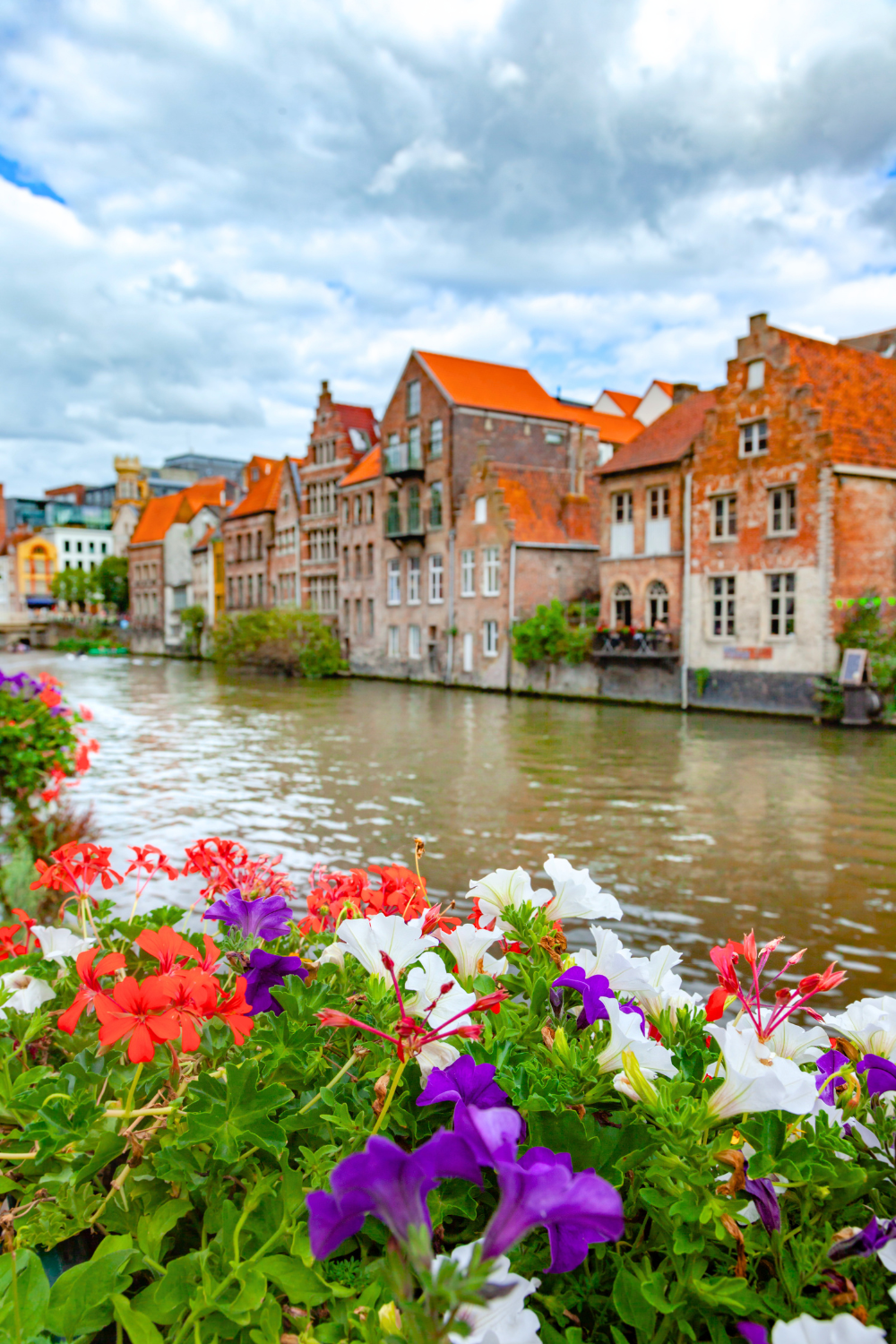
Bruges is beautiful. Nobody’s saying it isn’t. But Bruges in spring is also packed wall-to-wall with day-trippers, and the experience starts to feel more like a theme park than a medieval city.
Ghent is 30 minutes away by train and gives you almost everything Bruges does — canals, Gothic architecture, cobblestones, Belgian beer — without the crowds and at better prices.
The Graslei is Ghent’s showpiece waterfront, a row of guild houses from the 1200s leaning gently toward the canal. It’s genuinely stunning and, on a spring morning before the day-trippers arrive from Brussels, it’s almost completely quiet. Saint Bavo Cathedral houses the Ghent Altarpiece, which art historians consider one of the most important paintings in European history. You can stand in front of it. You can take your time. Nobody is pushing.
Ghent also has a strong student population that gives the city a lively, non-touristy energy. The bar scene is excellent, the food ranges from traditional Belgian to a genuinely diverse international mix, and wandering the Patershol neighborhood — a web of tiny medieval streets — feels like finding something most tourists simply never locate.
Why spring specifically? Ghent’s outdoor café culture kicks into full gear in April and May. The city’s festivals and markets start up. And the light on those canal-side guild houses in the late afternoon of a clear spring day is something you’ll be talking about for years.
Good to know: Ghent is very walkable and very bikeable. Most of the major sights are within a 15-minute walk of the city center. It works beautifully as a day trip from Brussels, but staying two nights lets you experience it at its own pace.
3. Bologna, Italy — The City Italy Forgot to Tell You About
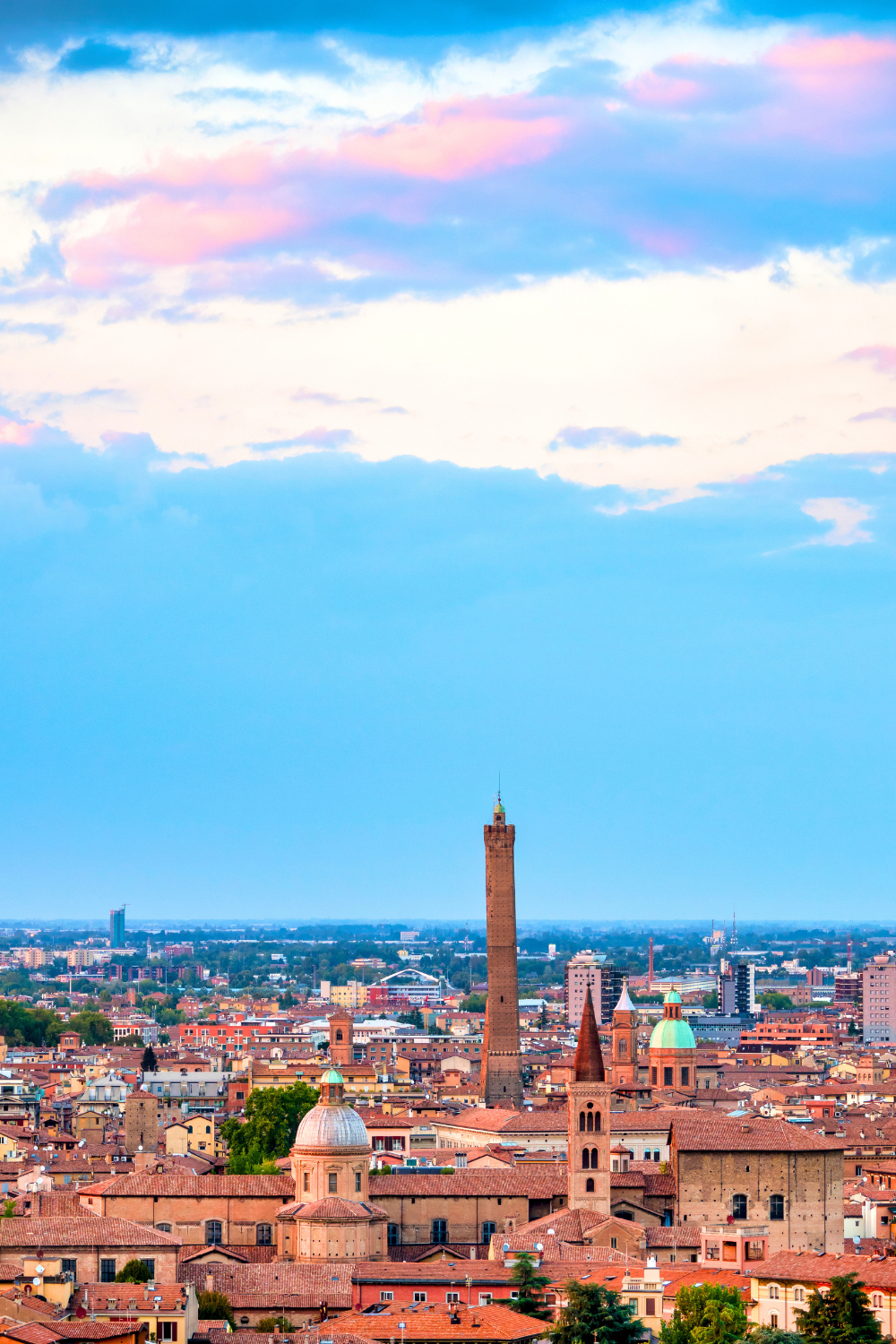
Every Italy itinerary goes: Rome, Florence, Venice, maybe Cinque Terre. And they’re all wonderful. But Bologna sits in the middle of all of them — geographically and figuratively — and almost nobody puts it on their list, which is baffling once you spend a single day there.
Bologna is the food capital of Italy. This is not a marketing claim — it’s a widely accepted fact among Italians themselves, which is saying something given how territorial Italians are about their regional cuisine. This is where ragù (what we call Bolognese) actually comes from. Where mortadella was invented. Where fresh pasta is made by hand in doorway-sized shops that have been there for generations. You can eat extraordinarily well in Bologna for €15–25 per person including wine, at restaurants that would be impossible to get into in Rome at three times the price.
The city’s medieval porticoes — 40 kilometers of covered walkways that line virtually every street in the center — are both practically brilliant (you never get rained on) and visually stunning. The two leaning towers, Due Torri, are more interesting than the more famous one in Pisa partly because you can climb one of them. The University of Bologna, founded in 1088, is the oldest in the Western world and gives the city an intellectual, young energy that keeps it from feeling like a museum piece.
Why spring specifically? The outdoor markets in Bologna are incredible in spring. The surrounding Emilia-Romagna region — balsamic vinegar country, Parmesan country, Prosciutto di Parma country — is at its most beautiful and accessible for day trips.
Good to know: Bologna is extremely well connected by high-speed train. Florence is 37 minutes away, Venice is 90 minutes, Milan is an hour. It works as a base for northern Italy in a way few people realize.
4. Kraków, Poland — Where History Is Still Alive (And Remarkably Affordable)
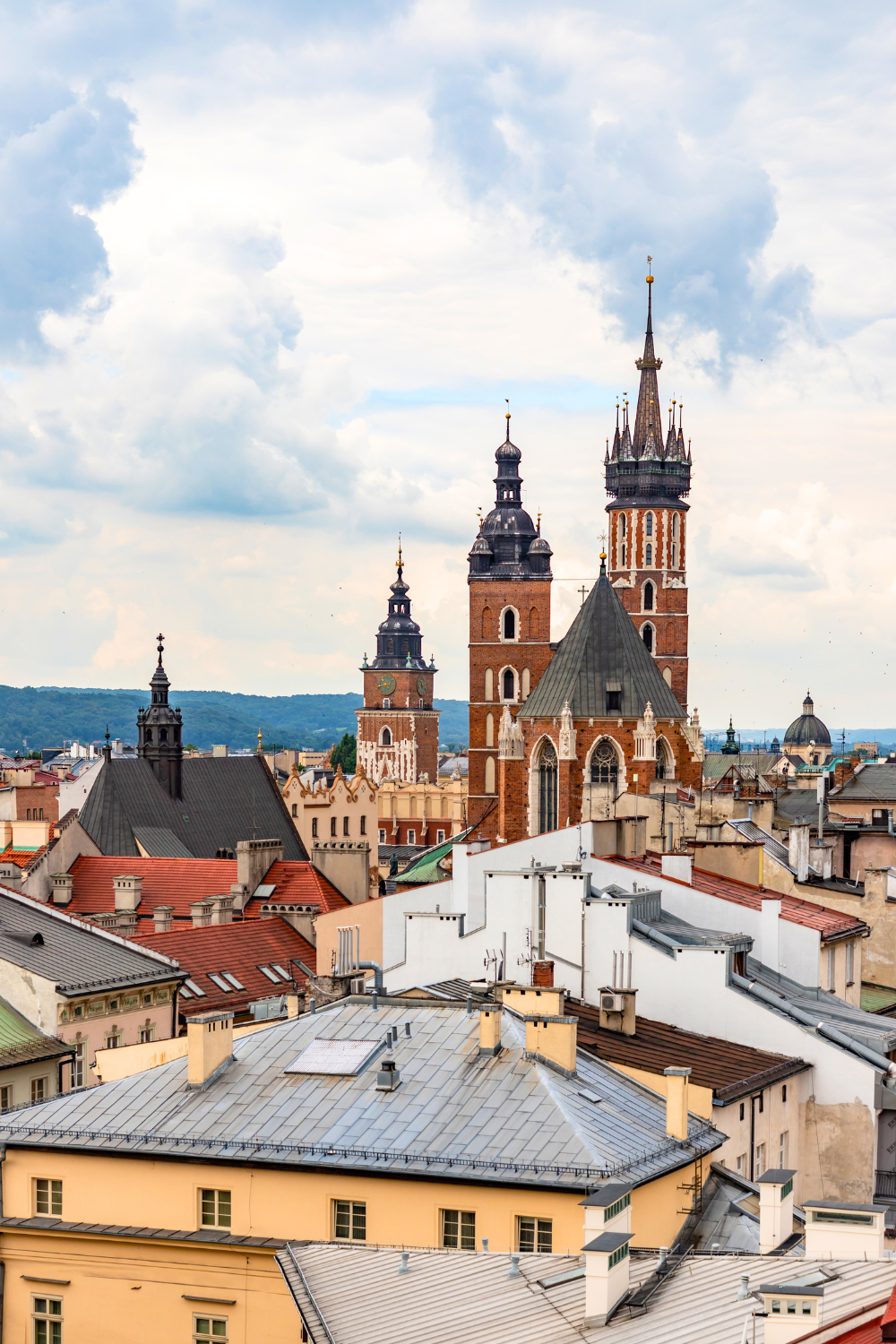
Kraków gets mentioned in travel circles but somehow never quite breaks through to the mainstream bucket list the way Prague did. That’s a genuine oversight, because Kraków’s Market Square — Rynek Główny — is one of the most magnificent medieval squares in all of Europe, and you can walk around it completely free.
Step onto that square in the morning before the day heats up, with street musicians setting up and the flower vendors arranging stalls and the smell of freshly baked zapiekanka (Polish street food, basically an open-faced baguette pizza) drifting through the air, and you’ll understand why this city keeps showing up on “don’t miss” lists.
The food in Kraków is excellent, hearty, and almost shockingly affordable. A proper bowl of żurek (sour rye soup with egg and sausage) at a local milk bar costs under €3. A full dinner with drinks rarely exceeds €20 per person. Accommodation is similarly priced — well-reviewed boutique hotels regularly come in at €50–80 per night for a double room.
The history here is profound and handled with real care. The Jewish Quarter, Kazimierz, is one of the most thoughtful and moving neighborhoods to walk in Europe. Wawel Castle sits above the city on a limestone hill and is genuinely impressive.
Why spring specifically? Spring in Kraków is beautiful — the parks and riverside paths come alive, outdoor restaurant terraces open up, and the city is busy but not overwhelmed the way it gets in summer. The light on those Market Square facades in April and May is postcard-perfect.
Good to know: Budget airlines fly directly into Kraków from many European hubs cheaply. It’s also an easy overnight train or bus connection from Vienna, Prague, and Warsaw.
5. Porto, Portugal — Lisbon’s More Interesting Older Sibling
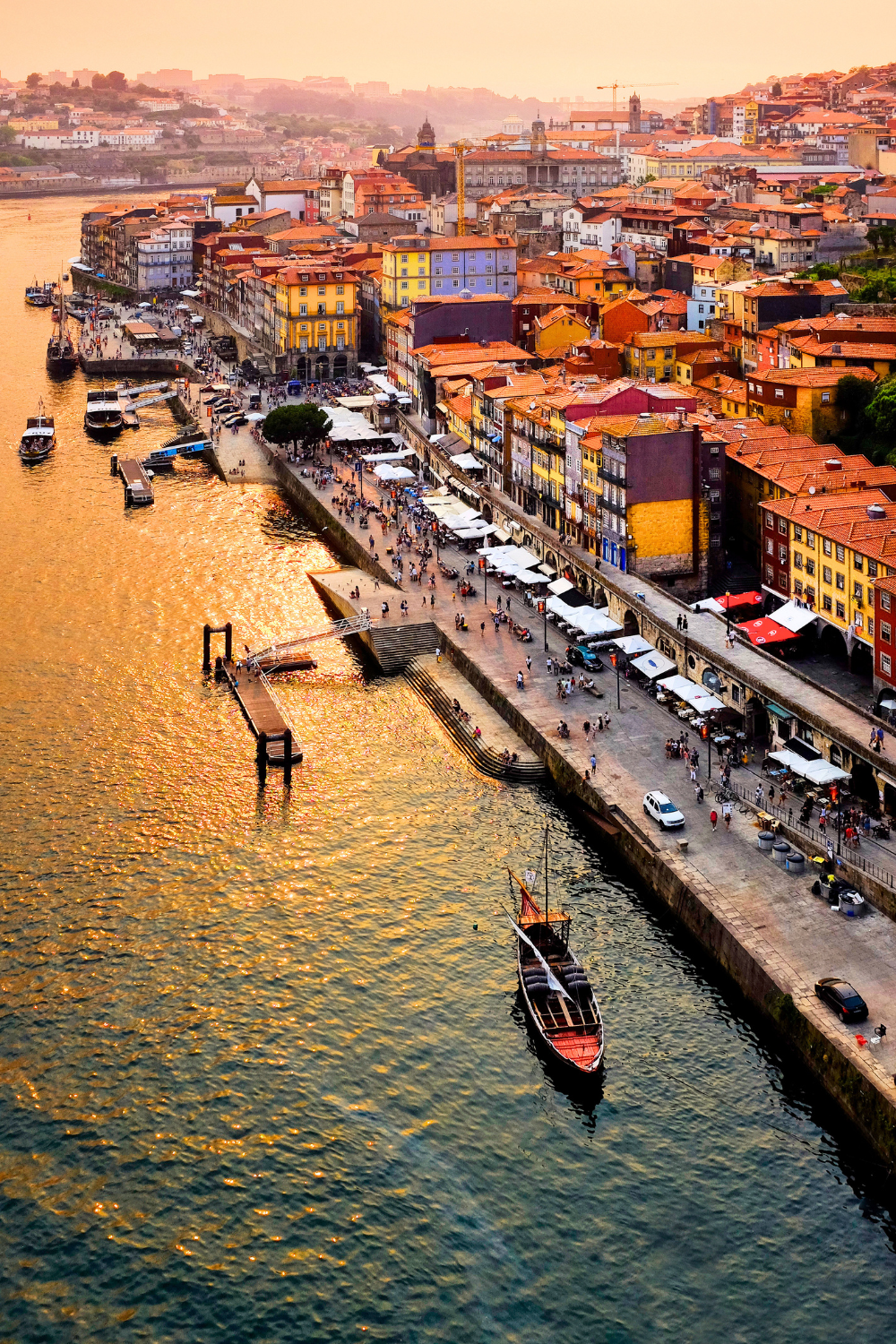
Lisbon has had its moment. It’s beautiful, it’s full of life, and it’s also become expensive and busy enough that the experience can feel a little diluted.
Porto is an hour north by plane or three hours by train, and it offers everything that drew people to Lisbon — the tiles, the hills, the seafood, the wine, the soul — with more texture, more grit, and a pace that still belongs to the people who actually live there.
The Ribeira waterfront, lined with pastel-colored buildings stacked dramatically up the hillside, is one of the genuinely great views in Europe. The old town is a UNESCO World Heritage Site, and wandering its steep, winding streets feels like exploring a place that hasn’t been optimized for tourism. You’ll stumble into a tile workshop. A wine cellar that’s been here since the 1700s. A bakery where the pastel de nata is made fresh every morning and costs 90 cents.
The Port wine lodges of Vila Nova de Gaia, directly across the Douro River, are remarkable — you can tour the cellars, understand the process, and taste wines that would cost a fortune in a London wine bar, all for €10–20.
Why spring specifically? Porto’s weather is ideal in spring — warm and mostly sunny, with occasional soft rain that just makes the azulejo tiles glisten. The Douro River Valley, just an hour east, is in its most beautiful state in April and May before the summer heat takes over.
Good to know: Porto is hilly. Bring comfortable shoes. The famous trams and funiculars help, but you will still climb. It’s worth every step.
6. Valletta, Malta — Possibly the Most Beautiful Small Capital in Europe
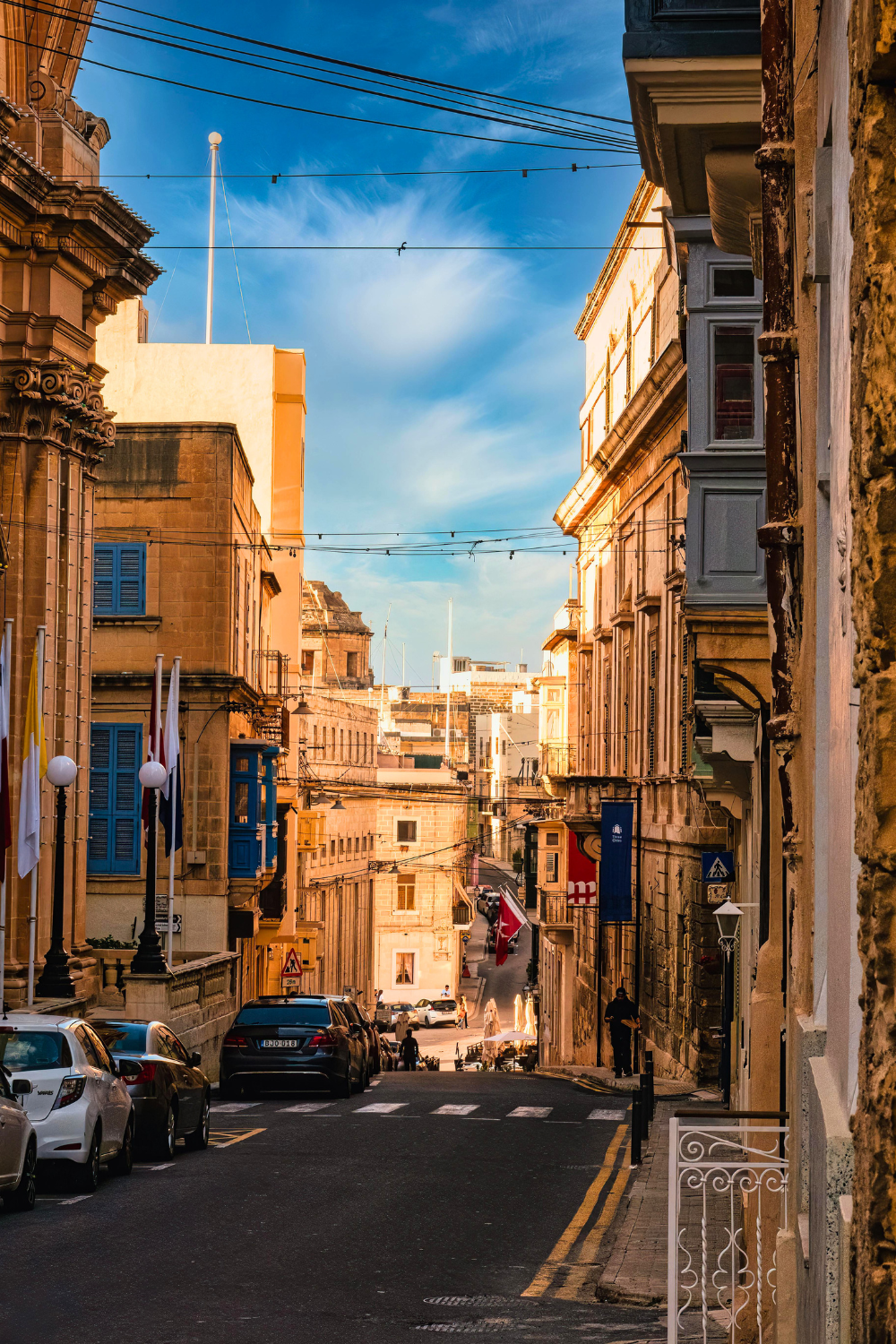
Most people can’t immediately place Malta on a map. That’s their loss and your gain.
Valletta is the capital of this tiny Mediterranean island nation and it’s a UNESCO World Heritage Site with one of the highest concentrations of historic monuments in the world — including Baroque palaces, fortifications, and churches so elaborate they feel almost theatrical. The whole city sits on a peninsula surrounded by two harbors of extraordinary beauty. The Grand Harbour at golden hour is the kind of view that makes you feel genuinely grateful to be there.
What makes Valletta remarkable beyond its looks is the scale. The entire city is walkable in an afternoon. But it rewards slower exploration — every street turn reveals another ornate balcony, another tiny chapel, another café terrace with views over the harbor that would cost €50 a seat in Positano. In Valletta you can just find them.
Malta is English-speaking (it was a British colony until 1964), which makes it unusually accessible for American and British travelers. The food is a fascinating Mediterranean-North African hybrid that most visitors completely overlook.
Why spring specifically? Malta’s summer is genuinely hot — 35°C+ in July and August. Spring hits the sweet spot: 18–24°C, clear skies, and the island’s dramatic wildflowers in full bloom. Tourist numbers are a fraction of summer levels.
Good to know: Malta has its own low-cost airline connections from major European hubs. It also works beautifully as a 4–5 day standalone trip rather than as part of a longer European itinerary.
7. Ghent We Covered — But What About Bilbao, Spain?
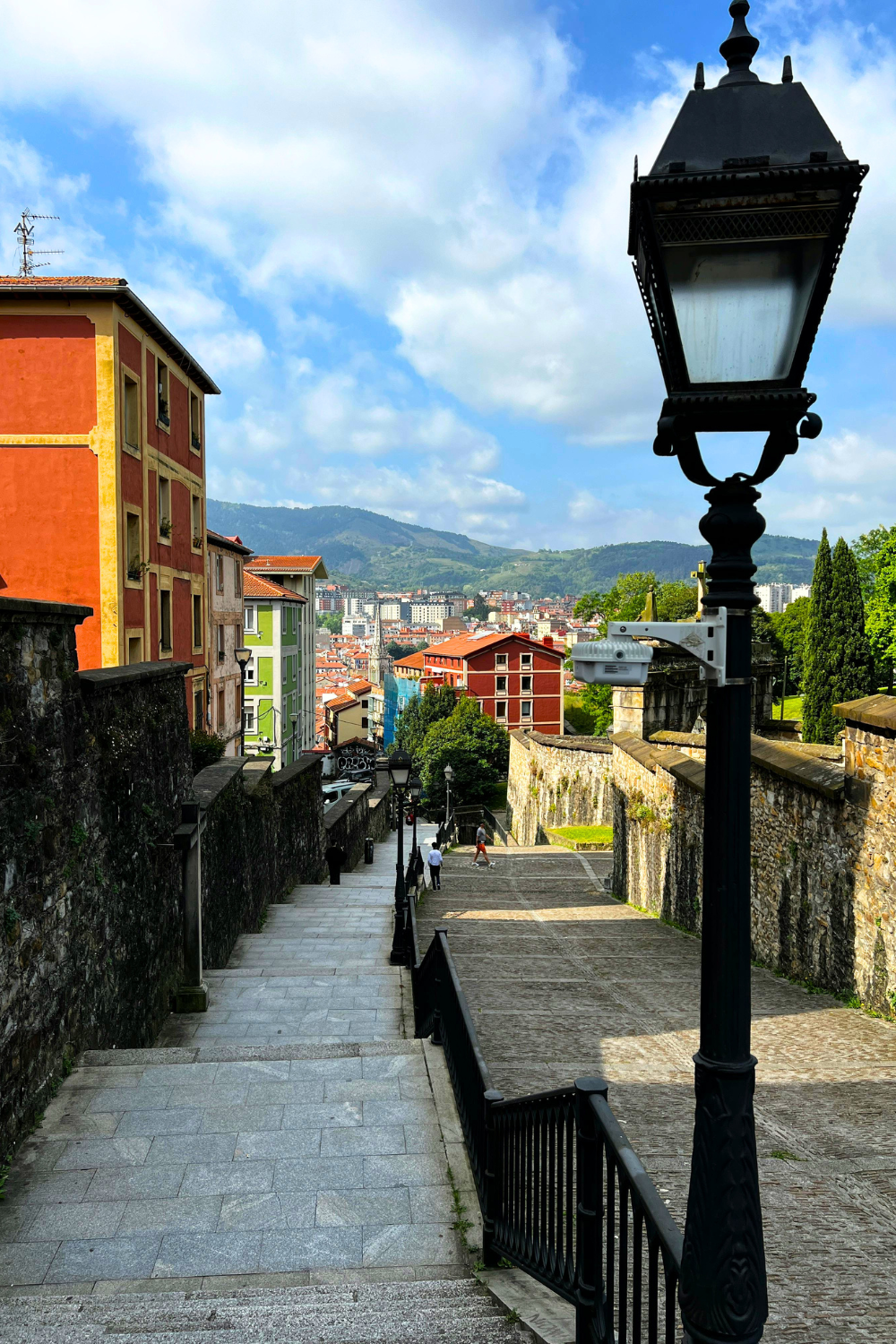
Most Spain itineraries go: Madrid, Barcelona, maybe Seville. Bilbao sits in the Basque Country in northern Spain and offers one of the most compelling city experiences on the continent — and still surprises people who show up without knowing what to expect.
The Guggenheim Museum Bilbao is the most famous building in the city, and it’s genuinely spectacular — Frank Gehry’s titanium curves look like something that landed from another planet. But reducing Bilbao to the Guggenheim is like reducing Bologna to one pasta dish. The real draw is the food culture.
The Basque pintxos scene is unlike anything else in Spain. Bar-hopping through the Casco Viejo (old town) eating pintxos — small, precise, often extraordinary bites of food set out along bar counters — with a glass of local txakoli wine is one of the great low-cost food experiences in all of Europe. You can eat exceptionally well for €15–20, standing up, in a century-old bar, alongside the locals doing the exact same thing.
The city is also unexpectedly elegant — wide boulevards, beautiful 19th-century architecture, a riverfront promenade that locals use daily for walking and cycling. It feels like a city that works, in addition to being a city worth visiting.
Why spring specifically? Northern Spain gets more rain than the south, and spring is drier and brighter than autumn. The outdoor market scene and terrace culture comes alive in April and May. Fewer tourists than summer while everything is fully open.
Good to know: Bilbao has its own international airport with cheap connections from major European hubs. San Sebastián is one hour by bus and is one of the finest food cities in the world — a day trip from Bilbao in spring is close to perfection.
8. Sarajevo, Bosnia and Herzegovina — The City That Will Change How You See Europe
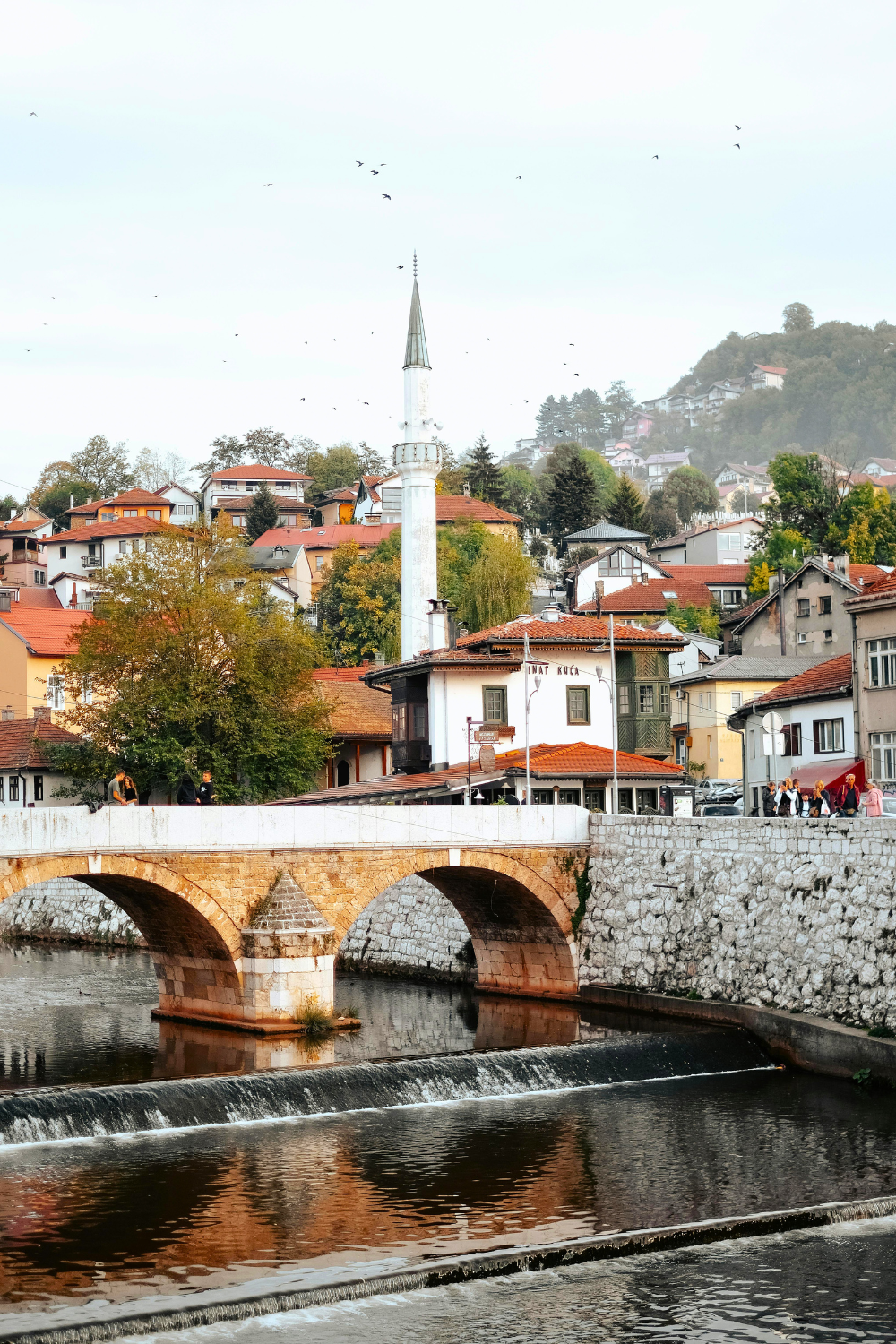
Sarajevo is not an easy city to visit in the way that Ljubljana or Bologna is easy. It asks something of you. It asks you to pay attention, to understand context, to sit with complexity. And in return, it offers one of the most genuinely moving and memorable experiences in European travel.
The city’s history — Ottoman era, Austro-Hungarian influence, the 1990s siege, the path toward rebuilding — is present on every corner, not in a morbid way but in a way that makes the city feel real and layered in a manner that highly polished tourist destinations rarely do. You can walk from an Ottoman-era bazaar (the Baščaršija) into an Austro-Hungarian boulevard in five minutes. The mix of mosques, Orthodox churches, Catholic cathedrals, and synagogues in the old town is unlike anything else in Europe.
The food is extraordinary and extraordinarily affordable. Ćevapi — small grilled meat sausages served with flatbread, onion, and ajvar — is the national dish and you can eat a proper, generous plate of it for €5. The coffee culture, a holdover from Ottoman times, means copper-tray coffee served slowly in small cups in hundred-year-old cafés.
Prices across the board are among the lowest in Europe. Mid-range hotels run €40–60 per night. Dinners with drinks are €10–15 per person.
Why spring specifically? The surrounding hills that encircle Sarajevo are green and beautiful in spring, and the outdoor café culture — which is central to local life — opens up fully. The city feels warm and alive in a way that winter doesn’t quite capture.
Good to know: Sarajevo is connected to Mostar (one of the most beautiful small towns in Europe, with its famous reconstructed Ottoman bridge) by bus or car in about 2.5 hours. If you’re going to Sarajevo, go to Mostar.
9. Girona, Spain — The City That Game of Thrones Borrowed
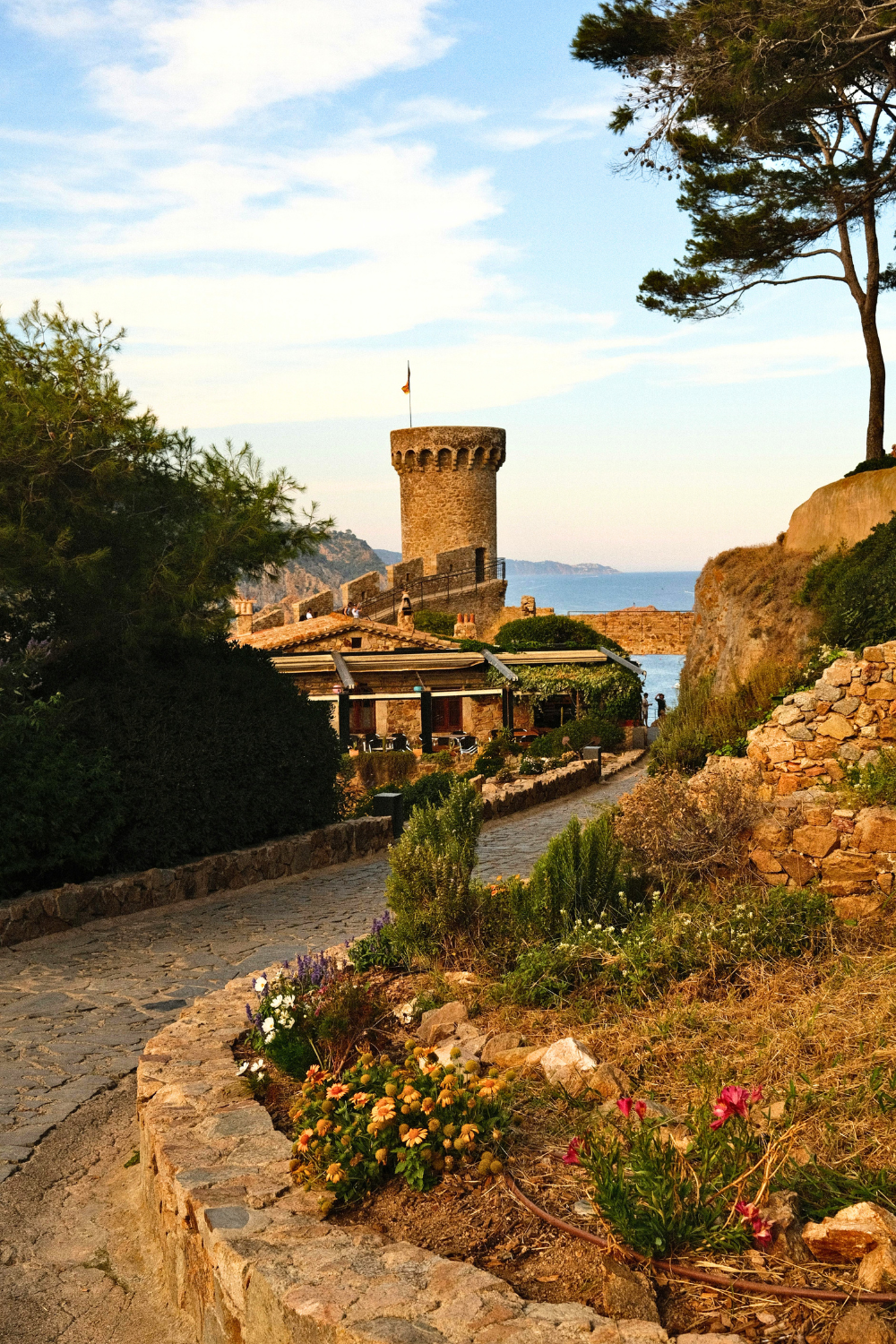
Girona sits an hour north of Barcelona by high-speed train and is genuinely one of the most beautiful medieval cities in Europe. Most people who visit do it as a day trip from Barcelona, which is a mistake — it deserves a night or two.
The old town sits on a hill above the Onyar River, and the colored houses that line the river banks (reflected in the water on still mornings) are one of Spain’s most photographed views that still somehow hasn’t become overrun. The Jewish quarter, El Call, is one of the best-preserved medieval Jewish quarters in Europe. The Cathedral of Girona has the widest Gothic nave in the world — wider even than Notre-Dame.
Game of Thrones fans will recognize the old town immediately: it was used extensively as the city of Braavos in seasons 5 and 6. But Girona was spectacular long before any TV show noticed it.
The food scene reflects its location between Barcelona and France: Catalan cooking with serious ambition. El Celler de Can Roca, consistently ranked among the best restaurants in the world, is here — though getting a reservation takes planning months in advance. Plenty of excellent, affordable Catalan cooking is available without a reservation.
Why spring specifically? Girona in summer is warm and busy as day-trippers flood in from Barcelona. Spring catches the city before that wave, in good weather, with the markets and outdoor spaces fully alive.
Good to know: Girona’s old town is compact and walkable in a half day. Stay one or two nights to experience it properly, including a morning before the day-trippers arrive from Barcelona.
10. Tbilisi, Georgia — The Wildcard That Rewards the Adventurous
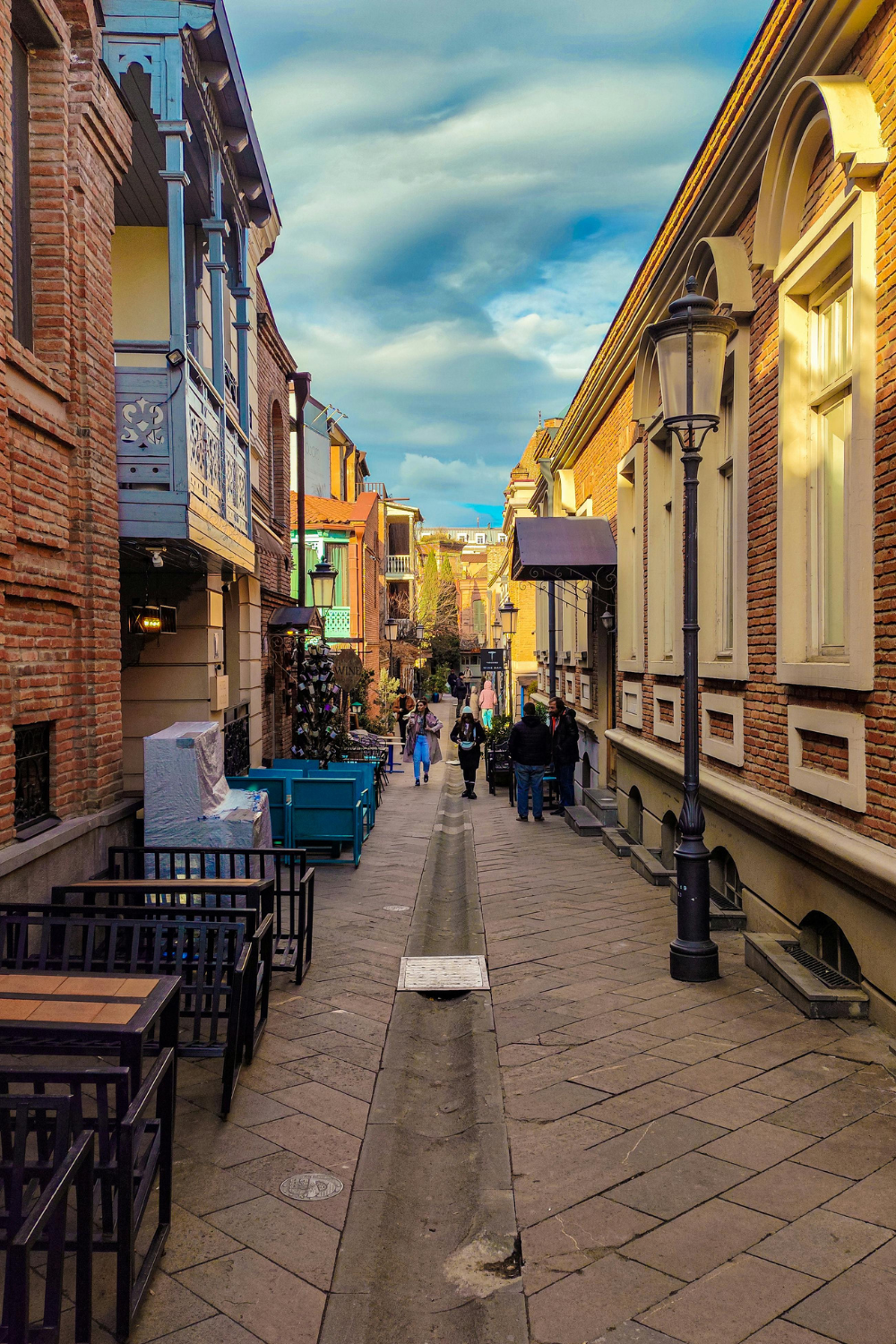
Georgia is technically at the intersection of Europe and Asia, and Tbilisi reflects that in the most fascinating way. It’s technically a stretch of the “European cities” brief — but it’s increasingly part of European travel conversations and it earns its place on this list with force.
Tbilisi’s old town is a jumble of wooden balconies, sulfur bath houses, ancient churches, and narrow streets that climb up toward the fortress above the city. The architecture is like nothing else in Europe. The wine culture is 8,000 years old — Georgia is one of the oldest wine-producing regions on Earth, and the amber wines made in clay vessels (qvevri) are unlike anything you’ve tasted. A bottle of excellent local wine costs €6 in a restaurant.
The food is extraordinary — hearty, herb-forward, cheese-filled breads (khachapuri), walnut sauces, pomegranate-dressed salads. The hospitality is legendary: Georgians treat guests with a generosity that can be genuinely overwhelming. And the cost of everything is so low that the concept of “budget travel” takes on an entirely new meaning.
Why spring specifically? Tbilisi’s spring (April–May) is warm, green, and beautiful. The surrounding countryside — vineyards, medieval monasteries, dramatic gorges — is at its most stunning. Summer gets hot and July–August brings heavy tourist traffic. Spring is the window.
Good to know: Direct flights from various European hubs are increasingly common and affordable. Tbilisi works as either a standalone 5–7 day trip or combined with a trip to the Caucasus region.
Practical Tips for Visiting Underrated European Cities in Spring
Pack for variability. These cities span climates and latitudes. A lightweight trench coat, layers, and comfortable walking shoes work across all of them. Spring can surprise you with a cold morning followed by a warm afternoon.
Book accommodation early — but not hotels. Smaller cities often have fewer hotels than their size warrants. Boutique guesthouses and apartments book up even in spring. Get your accommodation sorted 4–6 weeks ahead.
Use budget airlines strategically. Most of these cities have their own airports with cheap connections from major European hubs (Ryanair, Wizz Air, easyJet). Flying into a smaller city rather than a major hub can save you hours and significant money.
Learn five words in the local language. In Kraków, Sarajevo, Tbilisi, and Ljubljana especially, a few words of the local language creates a warmth in interactions that no amount of money can buy. Hello, thank you, please, delicious, and one beer gets you further than you’d think.
Stay longer than you think you need to. The best thing about these cities is what happens after the main sights. Give yourself time to get lost, find a neighborhood café, wander without a plan. That’s where the real experience is.
Packing Essentials for Spring City Travel in Europe
Whatever city you’re heading to, a few things make the experience significantly better:
👉 Lightweight Packable Trench Coat — Amazon — Spring weather in all these cities means layering. A trench that folds into its own pocket is worth its weight.
👉 Comfortable Walking Shoes — Amazon — Every city on this list rewards walking. Your feet will decide whether the trip is great or miserable.
👉 Anti-Theft Crossbody Bag — Amazon — Markets, old town crowds, and busy trams call for a bag with secure zips and slash-proof straps.
👉 Compact Travel Umbrella — Amazon — Spring in Porto, Ghent, and Sarajevo can mean surprise showers. A pocket-sized umbrella is the difference between a good story and a bad afternoon.
👉 Packing Cubes Set — Amazon — If you’re hitting two or three of these cities in one trip, packing cubes are the only way to stay sane.
The Simple Truth About Underrated Travel
Here’s what nobody tells you about choosing lesser-known destinations: the memories are better.
Not because the cities are objectively more beautiful than Paris or Rome — some of them are, some aren’t. But because you remember things differently when you weren’t constantly navigating crowds, paying premium prices, and feeling like you were on a conveyor belt. The conversations you have, the places you stumble into, the meals you eat — they stick.
These underrated European cities in spring give you Europe the way it used to feel: surprising, manageable, genuinely welcoming, and full of moments that belonged specifically to you.
That’s worth more than any landmark photo.

