
Here’s something nobody tells you when you’re planning your first trip to Europe: the places on everyone’s Instagram feed are incredible, yes — but they’re also heaving with people, eye-wateringly expensive in peak season, and sometimes so curated for tourists that they’ve lost whatever made them special in the first place.
I’ve queued 45 minutes for the Trevi Fountain. I’ve shuffled shoulder-to-shoulder across Charles Bridge in August. I’ve paid €22 for a glass of wine in Santorini while a photographer jostled me for the same sunset angle. All beautiful. All memorable. All slightly exhausting.
And then I started going elsewhere.
This list is for the travellers who’ve done (or are skipping) the obvious circuit — Paris, Rome, Barcelona, Amsterdam — and want something that feels more like discovery and less like a theme park queue. These are the underrated places in Europe that I keep coming back to, keep recommending to people, and keep watching slowly get discovered.
A word of warning before we start: some of these places are genuinely not well-known yet. Others are known to locals but still fly under the international radar. A few are creeping up in popularity but haven’t yet crossed the threshold into overwhelm. Visit them thoughtfully. Spend money locally. Stay a night or two rather than rushing through on a day trip.
Because the best discoveries always reward the people who actually stop.
Why Underrated Destinations Are (Often) Better
Before we get into the list — it’s worth saying out loud what makes off-the-beaten-path travel so consistently rewarding, beyond just avoiding the crowds.
When you visit a place that isn’t overrun with tourism, a few things happen naturally. The restaurants are aimed at locals, which means the food is better and cheaper. The accommodation owners actually have time to talk to you. The streets have a lived-in feeling — laundry drying, kids playing, someone’s grandmother watching the world from a first-floor window — that the most touristed places have completely lost. You feel like you’re somewhere real rather than somewhere performed.
None of this means the well-known classics aren’t worth visiting. They are. But if you’ve been to Europe before, or if you want your first trip to feel genuinely personal, the places on this list will give you something that no amount of queuing for a Borghese Gallery ticket can.
1. Plovdiv, Bulgaria — The Oldest Continuously Inhabited City in Europe
Why almost nobody goes here is a genuine mystery.
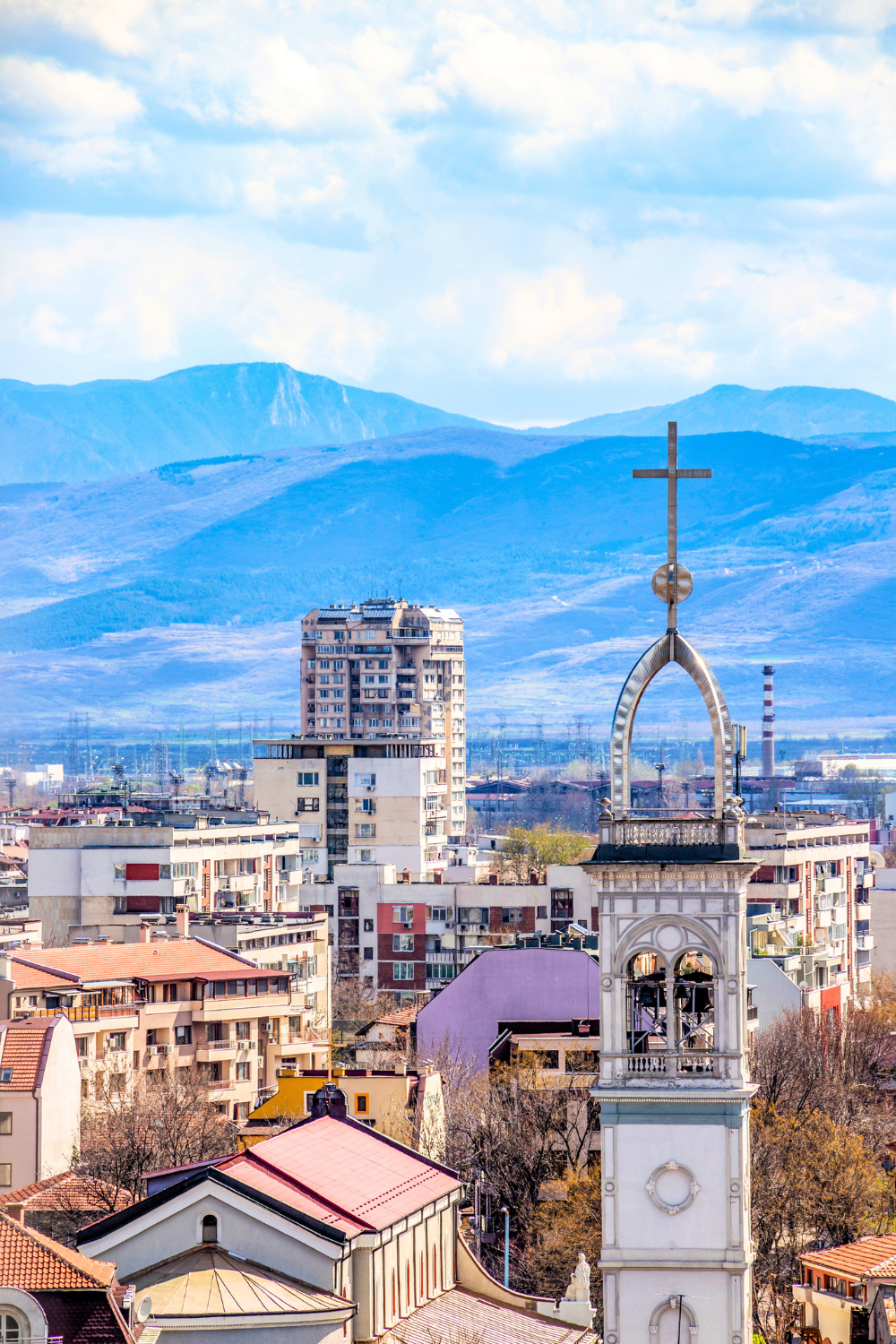
Plovdiv has been inhabited for over 6,000 years. It’s built on seven hills (just like Rome, but nobody makes that comparison). It has one of the best-preserved Roman theatres in the world, still used for live performances under open skies. Its Old Town is a warren of cobblestone streets lined with gorgeous 19th-century Bulgarian Revival houses — ornate, painted in ochre and terracotta, jutting out over the lanes on their upper floors in a way that creates a tunnel of colour. The Kapana creative quarter is full of independent cafés, art studios, and bars with a buzzing local energy. The food is excellent and extraordinarily affordable.
And almost no international travellers go here. They fly into Sofia, see the capital, and head elsewhere. Plovdiv sits two hours southeast of Sofia by train, and the number of tourists who make that trip is a small fraction of what this city deserves.
This is one of the oldest continuously inhabited cities on earth, and it feels like a place that knows its own worth without needing anyone else to validate it. That confidence — that unhurried, settled quality of a city that has simply been here longer than most — is deeply appealing.
Local tip: The Philippopolis Roman Theatre is the centrepiece of the Old Town and one of the finest in the world — arrive early morning when the light is extraordinary and there’s almost nobody else there. In the evening, the Kapana district (the name means “the trap” — you’ll understand why when you wander in and can’t find the exit) is where local life happens. Order a shopska salata (tomato, cucumber, and white cheese) and a cold Bulgarian beer and watch the neighbourhood do its thing. The whole meal will cost you about €6.
2. Matera, Italy — The Cave City That Time Forgot (And Then Remembered)
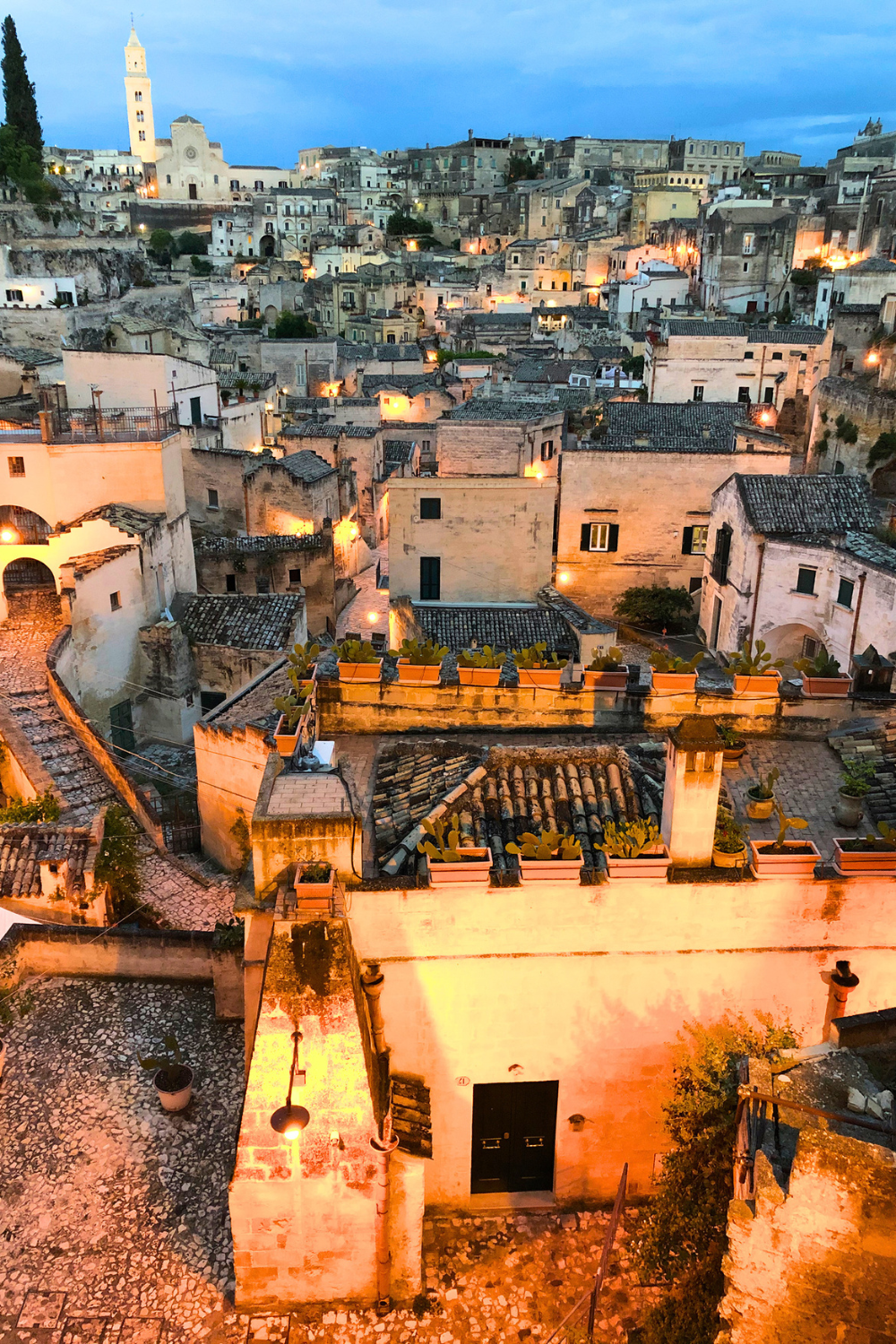
Matera, in the deep south of Italy’s Basilicata region, is one of the most genuinely unusual places in Europe. The Sassi di Matera — the ancient cave dwellings carved into and stacked up two limestone ravines — have been continuously inhabited for roughly 9,000 years, making this one of the oldest human settlements on earth. People lived in these caves until 1952, when the government forcibly relocated them, considering it a national embarrassment. Fifty years later, it was named a UNESCO World Heritage Site. In 2019, it was European Capital of Culture.
Walking through the Sassi is unlike anything else. The texture of the stone, the way the buildings emerge from the cliff face so that you can’t tell where natural rock ends and human construction begins, the ancient rupestrian churches carved directly into the limestone with their faded Byzantine frescoes — it has an atmosphere of deep, layered time that feels almost overwhelming.
Matera is no longer truly undiscovered — Italian travellers have known about it for years, and it’s been used as a film location for everything from The Passion of the Christ to No Time to Die. But by international standards, especially compared to Amalfi or Tuscany, it remains extraordinarily quiet.
Local tip: Stay overnight — this is non-negotiable. Several of the cave dwellings (sassi) have been converted into extraordinary hotels and guesthouses, and the experience of sleeping inside a cave that has been inhabited for millennia is completely unforgettable. In the evening, after the day visitors leave, the ravines go quiet and the stone glows gold in the fading light. That’s when Matera is most extraordinary. Also — eat crapiata (a hearty traditional legume stew) and peperoni cruschi (dried crispy red peppers, a Basilicata speciality) at a local restaurant. You will not find these dishes anywhere north of Basilicata, and they’re delicious.
3. Ghent, Belgium — The City That Makes Bruges Look Like a Theme Park
Everyone goes to Bruges. Bruges is genuinely beautiful — the canals, the medieval belfry, the chocolate shops — but by peak summer season it’s so thoroughly dominated by day-tripping tourists that it can feel like a very elaborate film set rather than a real city.
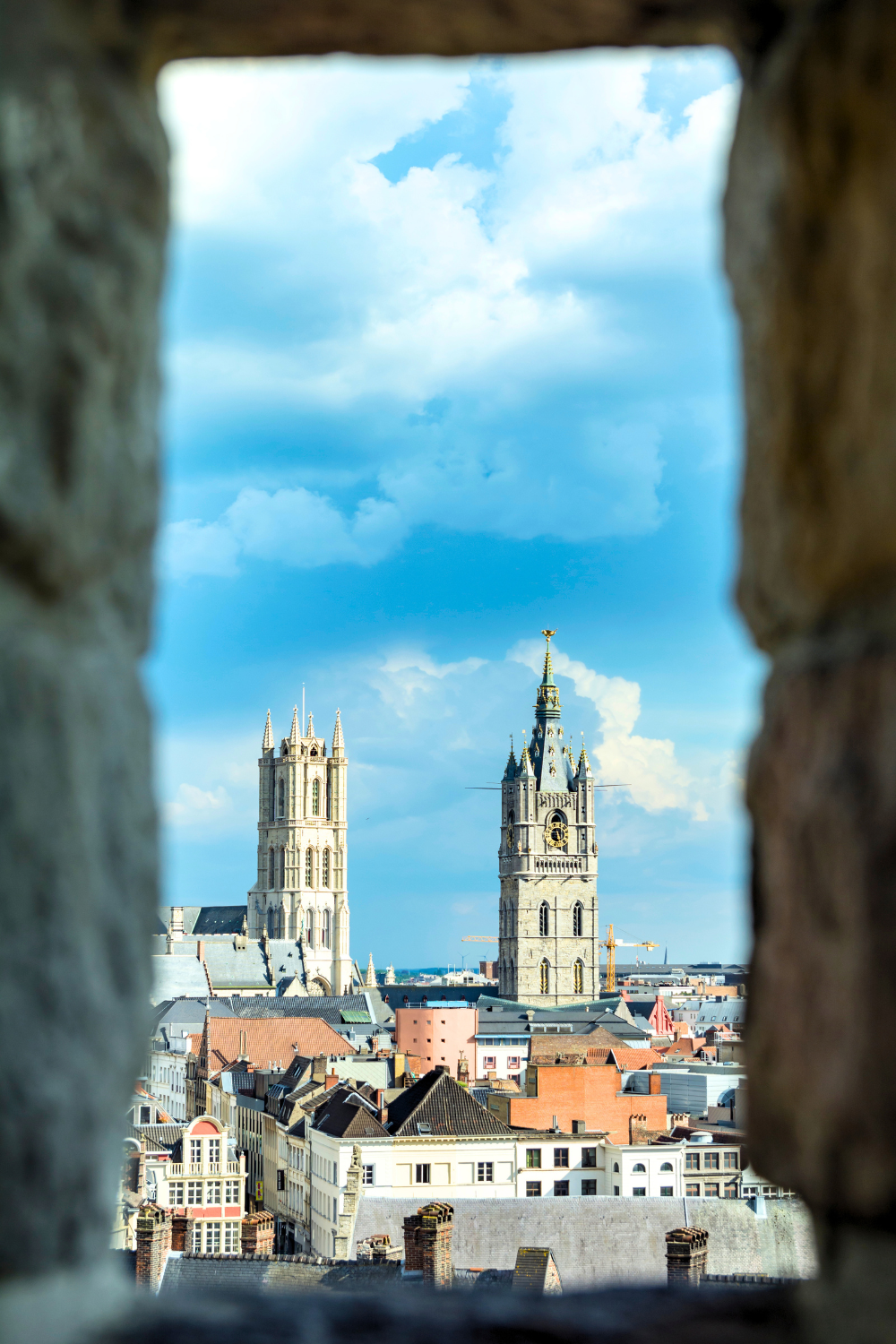
Ghent, 30 minutes away by train, is everything Bruges has architecturally — and then some — with the actual soul of a living, breathing city layered on top. The medieval waterfront on the Graslei and Korenlei is one of the most beautiful canal scenes in northern Europe. The Gravensteen (Castle of the Counts) rises dramatically from the middle of the city centre. St Bavo’s Cathedral houses the Ghent Altarpiece — van Eyck’s Adoration of the Mystic Lamb, widely considered one of the most important paintings in Western art history — now visible in its own secure display room.
But beyond the landmarks, Ghent has energy. A large student population means the bar scene is excellent and genuinely local, the food scene is creative and surprisingly affordable by Belgian standards (Ghent pioneered “Veggie Thursdays” — a city-wide initiative encouraging meat-free meals — and its vegetarian food scene is among the best in Europe), and Werregarenstraat is a narrow alleyway entirely dedicated to street art, refreshed regularly, where some of the world’s best graffiti artists have left their mark.
Local tip: The Vrijdagmarkt square hosts a wonderful Saturday market — local produce, secondhand books, vintage items, and street food. Get there before 10 AM for the best of everything. Also — order waterzooi (a rich Ghent-invented chicken or fish stew with vegetables) at a traditional brown café near the Graslei. It’s the city’s dish and nowhere else does it quite right. And Dok Noord — the former docklands north of the city centre, now a buzzing creative district — is where the young Ghentenaars go on warm evenings. The microbrewery and food hall there is excellent.
4. Tallinn, Estonia — A Medieval City That Actually Feels Medieval
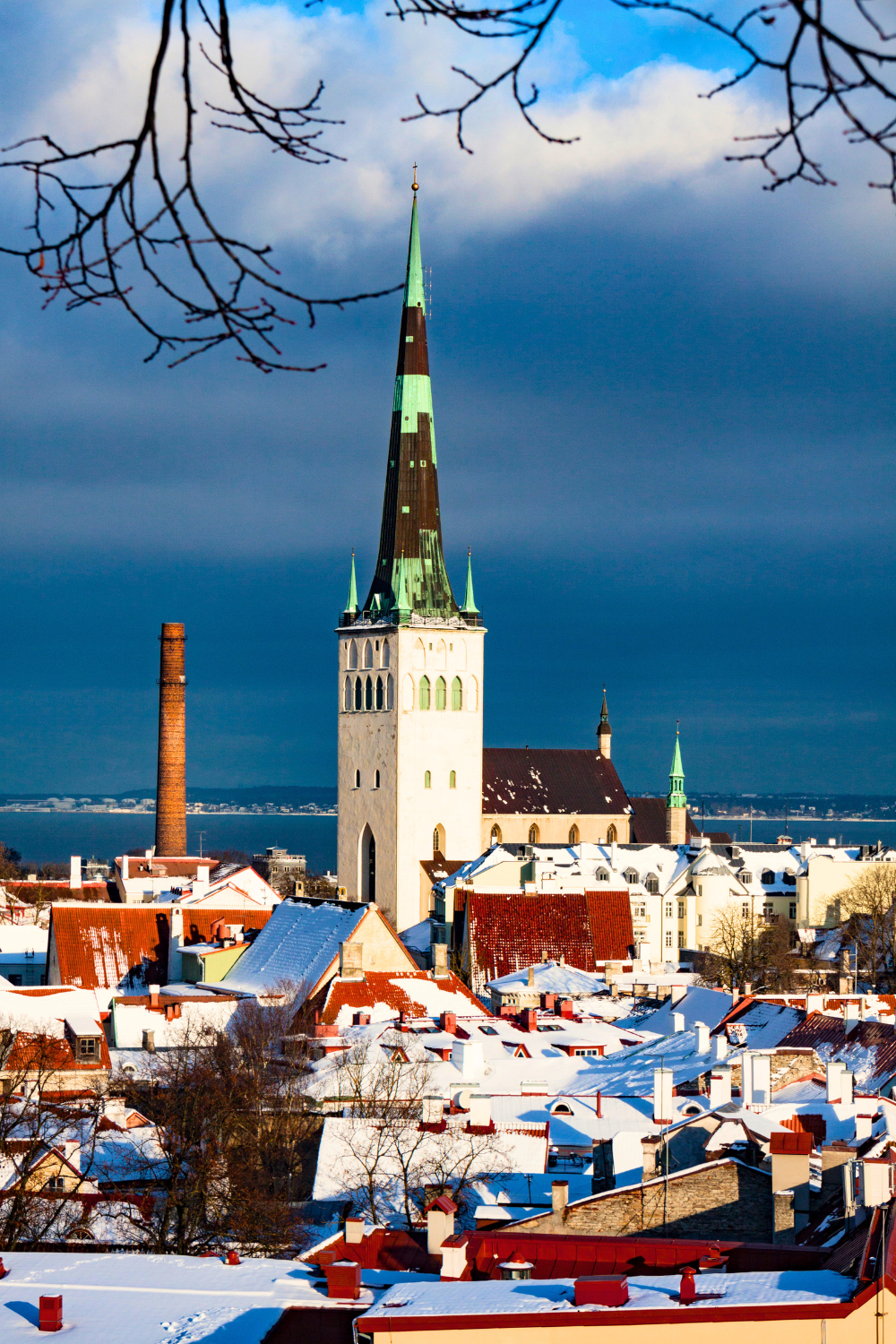
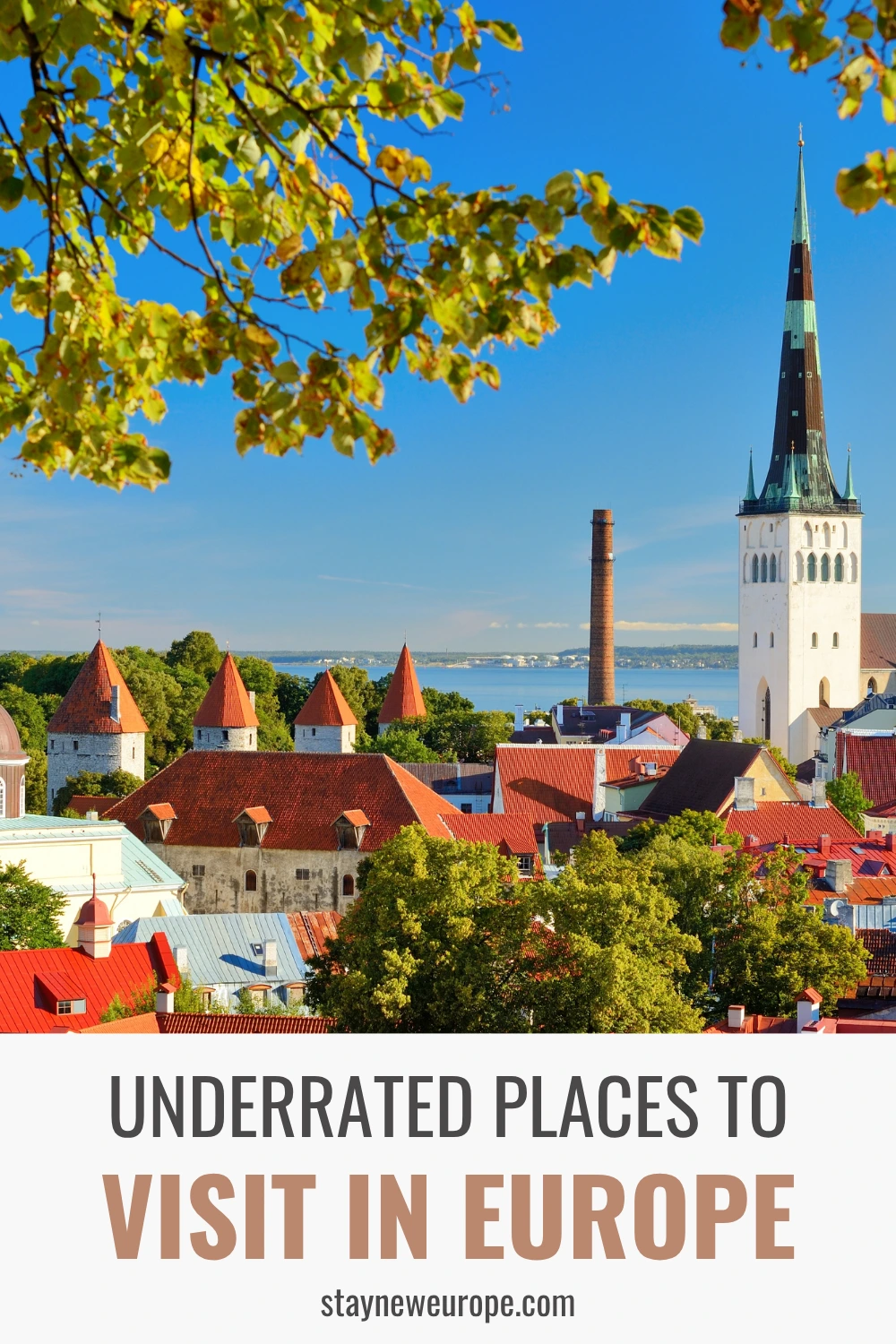
Tallinn’s old town is the best-preserved medieval city centre in northern Europe. The original limestone walls, towers, and gates still stand almost completely intact. The cobbled streets, Gothic town hall, and painted merchant houses look essentially unchanged from the 15th century — and unlike many preserved medieval centres in Western Europe, it doesn’t yet feel overrun.
What makes Tallinn interesting beyond the obvious beauty is the texture of modern Estonian life layered underneath the medieval architecture. Estonia is one of the world’s most digitally advanced countries — it was one of the first to offer e-residency, and nearly everything runs online. The café culture is excellent, the food scene has been quietly having a moment for years, and the local pride in Estonian culture and language (which is related to Finnish and Hungarian, and nothing else) is palpable and charming.
The old town is compact and completely walkable. Toompea Hill gives you a sweeping view over the red-roofed lower town and the bay beyond. The Kumu Art Museum in the Kadriorg district is one of the best in the Baltic States. And the Telliskivi Creative City — a converted factory complex turned art-and-food hub — is where the creative Tallinn of right now actually lives.
Local tip: Climb Toompea before 9 AM in summer and you’ll have the viewpoints largely to yourself. The lower old town (Vanalinn) is where the tourist restaurants cluster — walk one street back from the main square and prices drop significantly while the food quality stays the same or improves. Also — try kama (a distinctly Estonian mixture of roasted grain flour, served with yoghurt and honey) for breakfast at a local café. It sounds obscure and tastes wonderful. And don’t leave without a sauna experience — it’s genuinely central to Estonian and broader Baltic culture, and several traditional saunas in the city welcome visitors.
5. The Faroe Islands — Eighteen Islands That Look Like A Fantasy Novelist designed them
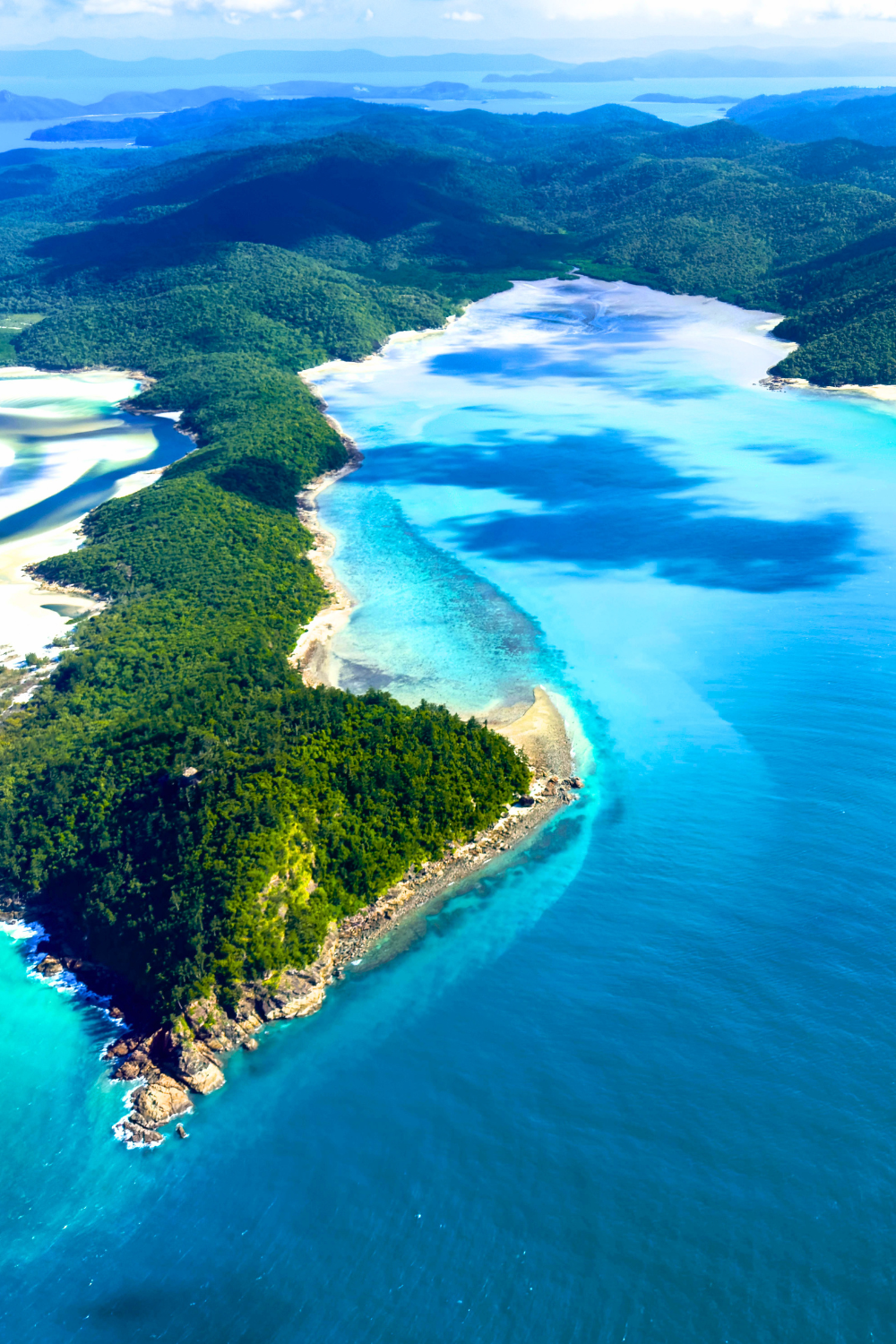
The Faroe Islands are what happens when you take volcanic rock, the Atlantic Ocean, perpetual drama, and about 50,000 people and leave them largely alone in the middle of the North Atlantic. The result is an archipelago of 18 islands so cinematically extraordinary that you’ll find yourself stopping mid-sentence to stare at things.
Cliffs drop sheer into the sea from heights of several hundred metres. Waterfalls fall off the edge of clifftops directly into the ocean. Múlafossur waterfall in the village of Gásadalur appears to fall into the sea from the mountain above — it’s one of the most photographed spots in the Faroe Islands, and in person it’s even more dramatic. Lake Sørvágsvatn creates an extraordinary optical illusion that makes it appear to hover above the sea far below. The village of Gjógv — tucked into a natural gorge on Esvágoy island, with grass-roofed houses and a tiny boat-launch — is one of the most achingly beautiful small settlements in the whole of Europe.
It’s genuinely remote. It gets there via a short flight from Copenhagen or Reykjavík. And the weather is — legendarily — entirely unpredictable. Four seasons in one day is not a Faroe Islands cliché; it is a meteorological description of Tuesday.
Local tip: Pack an extremely good waterproof jacket. Not a “might drizzle” jacket — a serious, fully taped-seam, hood-that-actually-works waterproof jacket. The wind can arrive from nowhere and the mist rolls in off the ocean on a clear day’s notice. That said: the mist and drama is half the point. The Faroe Islands in low cloud and shifting light are extraordinary. Also — rent a car. Public transport exists but is limited, and the most spectacular scenery (and the most dramatic roads, including tunnels that go under the sea between islands) is best experienced at your own pace. The sheep outnumber people nine to one, and you’ll encounter them on mountain roads. Slow down.
6. Rovinj, Croatia — The Adriatic Gem That Dubrovnik Was Before Dubrovnik Got Famous
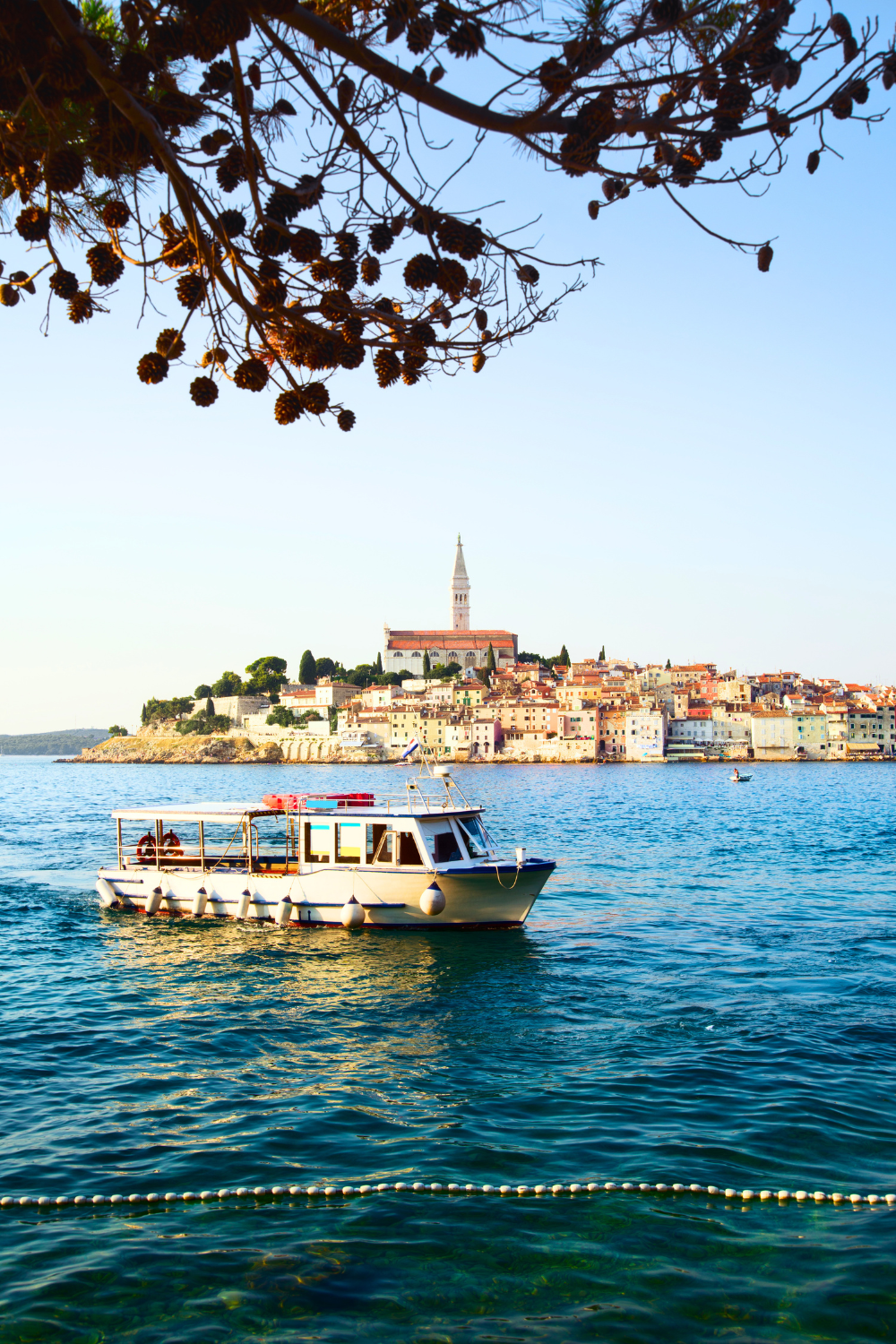
Dubrovnik gets the headlines and the cruise ships and the Game of Thrones tourists. Rovinj, on the Istrian Peninsula in northern Croatia, gets the travellers who’ve been to Dubrovnik and want something with a bit more quiet soul.
This is a genuinely beautiful small town. The old town sits on a peninsula, its houses stacked up higgledy-piggledy in pinks and terracottas and yellows, the whole thing crowned by the imposing baroque Church of St Euphemia (climb the bell tower — the view is remarkable). The harbour is a sweep of fishing boats and sailboats with café terraces lining the waterfront. The streets of the old town are so narrow that the upper floors of facing houses almost touch.
Rovinj has Italian DNA — Istria was under Venetian and then Italian rule for centuries, and you still hear Italian spoken in the streets and see it on menus. The food reflects this beautifully: excellent fresh seafood, truffles from the Istrian interior, local olive oil, and wines from the Malvasia and Teran grape varieties that you won’t find much outside the peninsula.
Local tip: Take a boat from the harbor to the Crveni Otok (Red Island) — a small island 15 minutes offshore with lovely swimming spots and a fraction of the crowds of the town beaches. The boat tickets cost very little. Also, the Rovinj Aquarium, one of the oldest in Europe (founded in 1891), is oddly wonderful and almost entirely for local visitors. For dinner, walk away from the harbour front restaurants and into the old town’s upper streets — the restaurants in the atmospheric lanes of the old town tend to be quieter, cheaper, and just as good.
7. Ljubljana, Slovenia — Europe’s Most Charming Capital Nobody Talks About
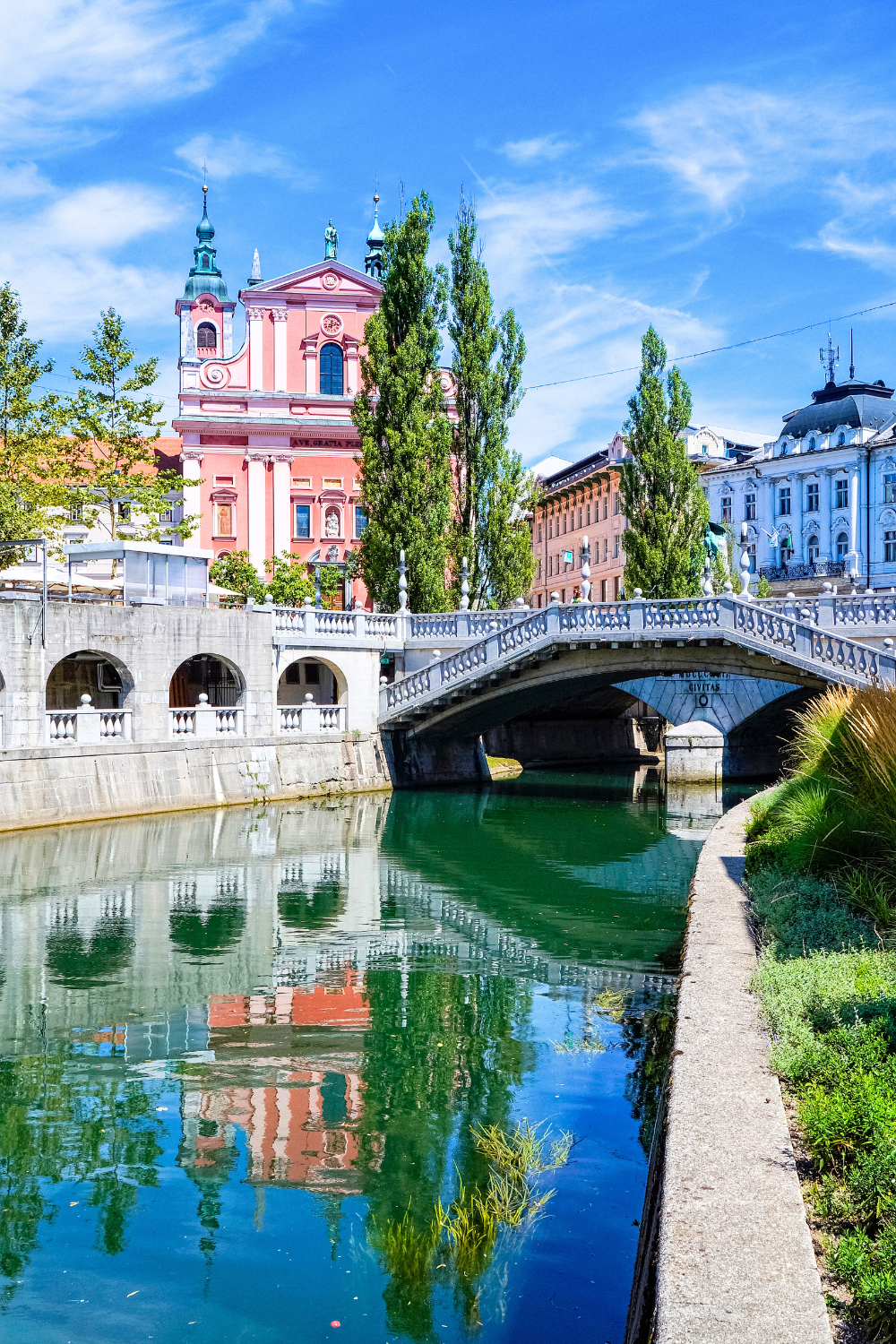
Ljubljana (pronounced lyoo-BLYAH-nah, and yes, it takes a moment) is regularly described by the people who visit it as one of their favourite cities in Europe — and regularly overlooked by people making their plans. It’s compact, green, completely walkable, and has a quiet confidence about it that’s deeply appealing.
The old town clusters below Ljubljana Castle — which you reach by funicular or a pleasant uphill walk — and the Ljubljanica River runs through the centre, its banks lined with weeping willows, café terraces, and the colourful baroque and art nouveau facades of the old city. Dragon Bridge (named for the four bronze dragons on its corners) and Triple Bridge both cross the river within steps of each other. The central market, held on the riverbank several days a week, sells excellent local produce, honey, artisan cheese, and flowers.
The food scene is genuinely good — Slovenia sits at the crossroads of Italian, Austrian, and Balkan culinary traditions, and a Ljubljana meal might include pasta, schnitzel, and Balkan grilled meats within the same menu. The café culture is excellent and very affordable.
Local tip: The Metelkova neighbourhood — a former military barracks taken over in the 1990s by artists and activists — is one of Europe’s most genuinely alternative creative districts. It’s a bit grungy and entirely authentic: galleries, music venues, murals, and a community of creatives who’ve been there since before any of this was fashionable. Visit in the evening when it comes alive. Also — Ljubljana is the perfect base for day trips that are frankly spectacular: Lake Bled is 45 minutes by bus, the Soča Valley is about an hour and a half away, and the Postojna Caves (one of the largest cave systems in Europe) are under an hour by car.
8. Graz, Austria — The Austrian City That Isn’t Vienna or Salzburg
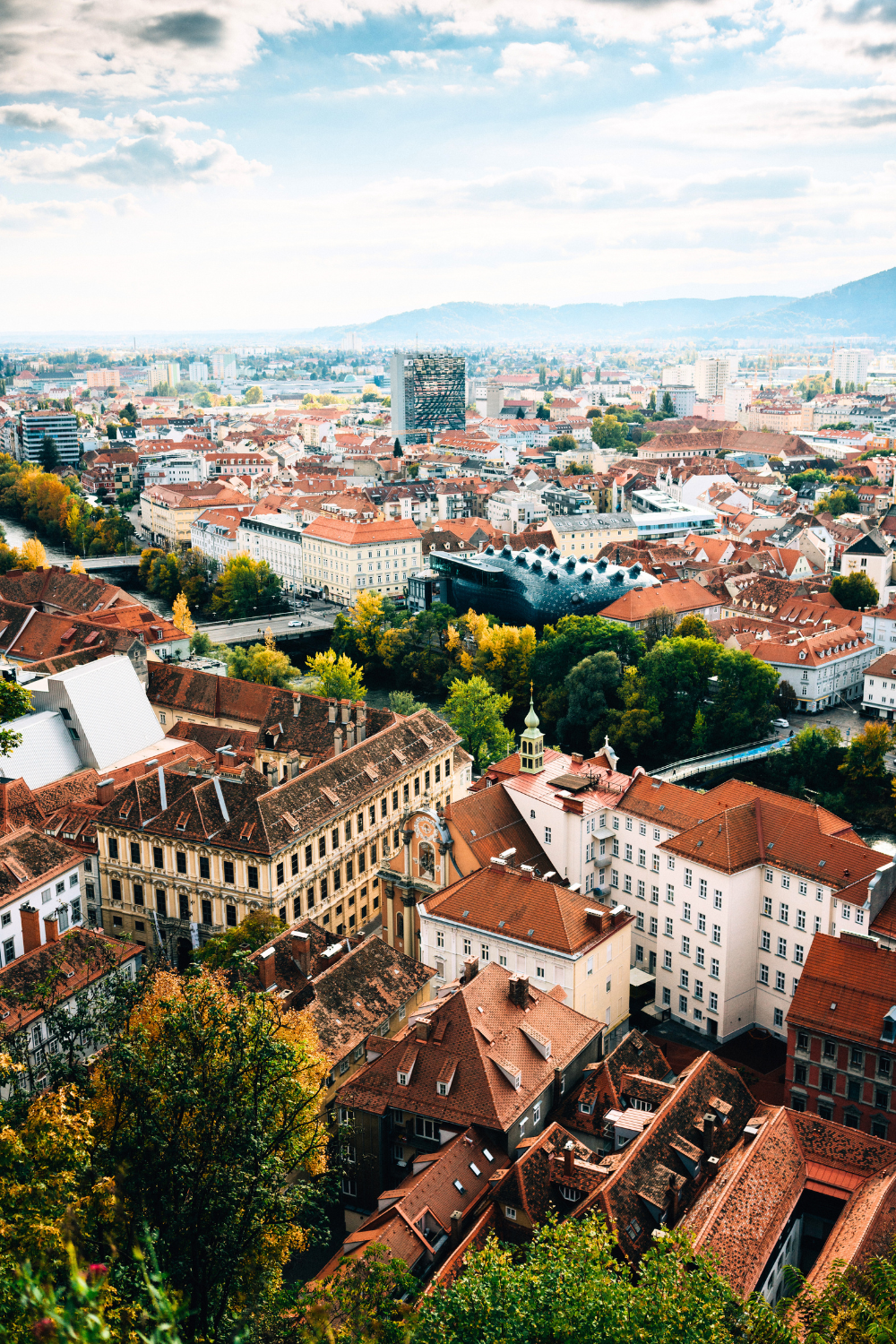
Vienna gets the opera and the imperial palaces. Salzburg gets the Sound of Music tourists and the Mozart birthplace. Graz, Austria’s second-largest city in the green heart of Styria, gets… rather overlooked, which is genuinely baffling once you’ve been there.
The old town of Graz is a UNESCO World Heritage Site. The Schlossberg — a 123-metre forested hill rising directly from the city centre with a clock tower at its peak — offers a panoramic view over the terracotta rooftops. The Kunsthaus Graz (“Friendly Alien,” as locals call the blob-like contemporary art museum on the riverfront) is one of the most architecturally interesting buildings in Austria. The Grazer Burg and Cathedral are superb late-Gothic buildings almost entirely free of tourists.
But what really makes Graz worth a detour is the food culture. Styria is one of Austria’s great food regions — Steirisches Kürbiskernöl (Styrian pumpkin seed oil, almost black-green, with a nutty, rich flavour) goes on everything and is extraordinary, the white wines of the southern Styrian wine road are world-class, and the farm-to-table restaurants of the city take the local produce seriously in a way that Vienna’s more formal dining scene doesn’t always manage.
Local tip: Take the free elevator (or the zigzag path through the forest) up the Schlossberg at sunset — the view over the old town rooftops turning amber in the evening light is one of the most beautiful urban views in Austria. Also — eat Brettljause (a cold plate of Styrian cured meats, cheese, pickles, and bread) at a traditional Buschenschank (wine tavern) with a glass of Styrian Schilcher rosé. It’s the quintessential Graz experience and costs almost nothing. The Sunday morning market at Kaiser-Josef-Platz is a genuine local institution — excellent produce, excellent people-watching.
9. Valletta, Malta — The Smallest Capital in the EU With the Biggest Personality
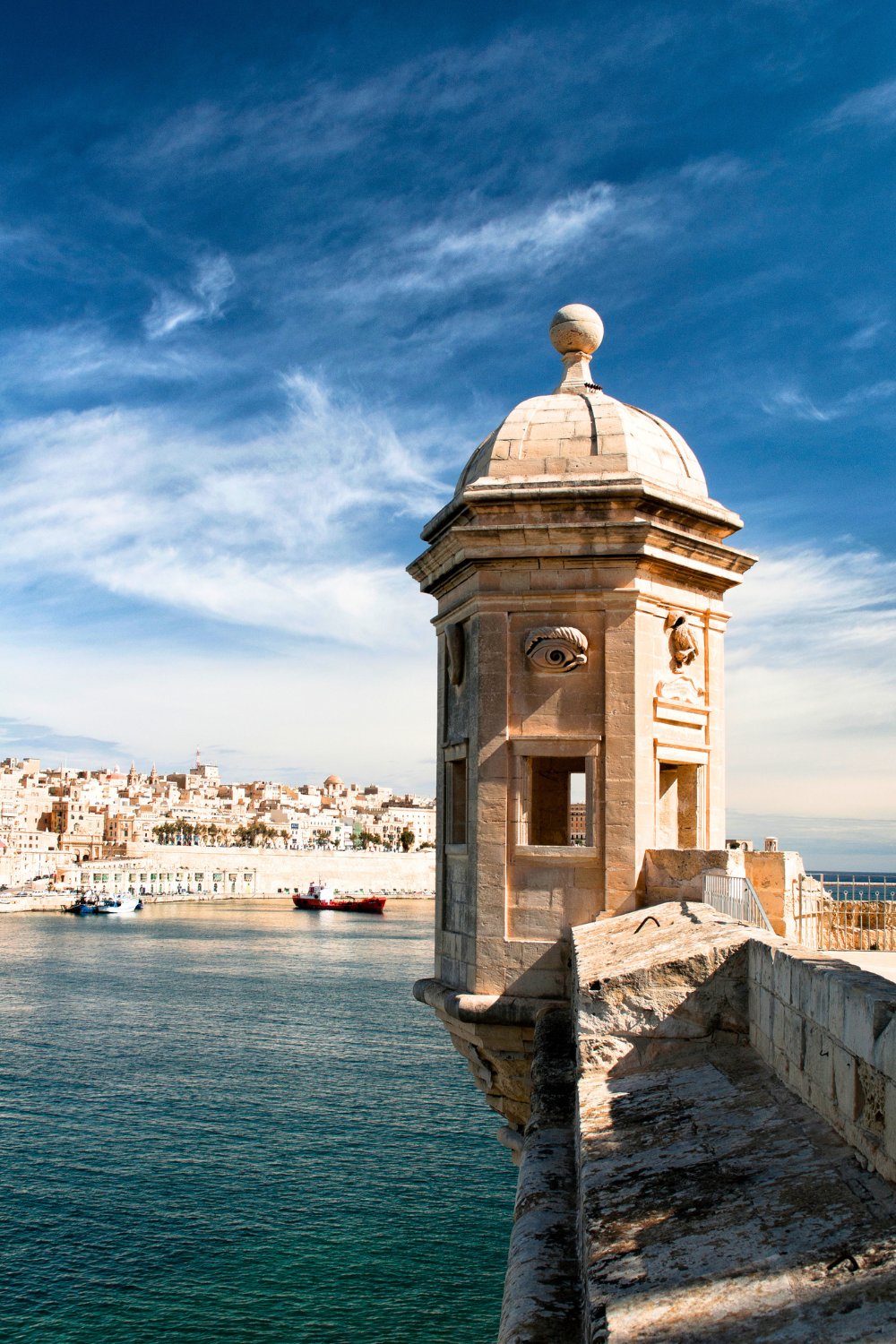
Valletta is the capital of Malta and the smallest capital city in the European Union — you can walk from one end to the other in about 20 minutes. But this tiny city packs an extraordinary concentration of history, architecture, and cultural depth into its compact street grid.
Built in the 16th century by the Knights of St John after the Great Siege of Malta, Valletta is essentially a baroque masterpiece. The Upper Barrakka Gardens offer a sweeping view over the Grand Harbour — one of the great harbour views in the Mediterranean, with the Three Cities ranged on the opposite shore and the enormous fortifications descending to the water. St John’s Co-Cathedral is among the most spectacular baroque interiors in the world — every inch of its walls and floor covered in carved marble and gold, and housing two of Caravaggio’s masterworks.
Malta is still somewhat under the radar for many northern European and American travelers, despite being extremely accessible, English-speaking (it’s a former British colony), and having a culture and atmosphere — part southern Italian, part North African, part uniquely Maltese — that you won’t find anywhere else.
Local tip: The Three Cities across the harbour from Valletta (Vittoriosa, Senglea, and Cospicua) are older than Valletta itself and almost entirely unvisited by tourists. Take the ferry across the harbour (it costs €1.50 and runs frequently) and wander the narrow limestone streets of Vittoriosa — the Knights of Malta were here before they built Valletta, and the atmosphere is extraordinary. Also — eat pastizzi (flaky pastry filled with ricotta or mushy peas) from a local pastizzeria for breakfast or mid-morning. They cost about 30–50 cents each and they’re iconic. The ones at Crystal Palace Bar in Rabat (a short bus ride from Valletta) are widely considered the best on the island.
10. Wrocław, Poland — The City With 12 Islands and More Bridges Than Venice
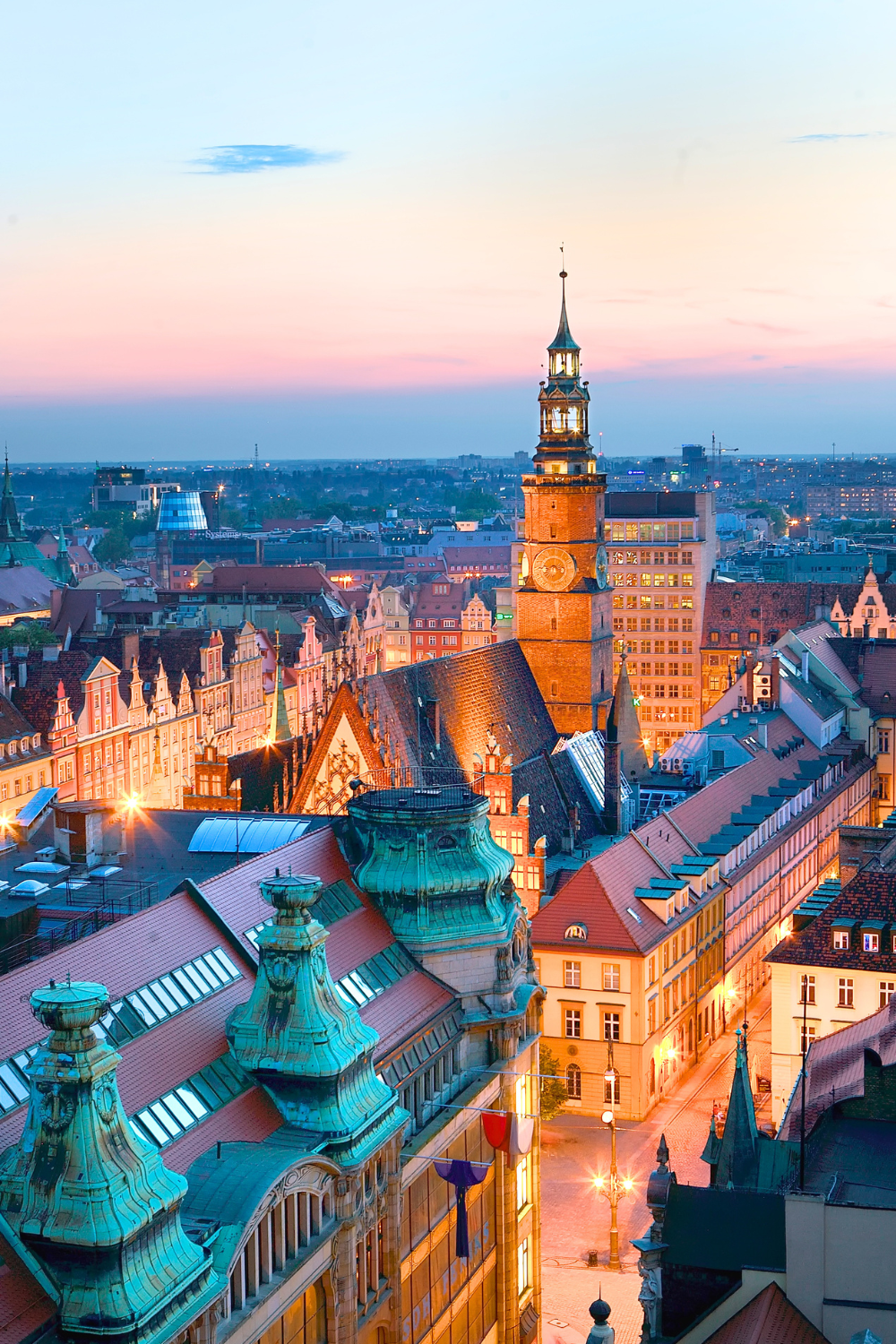
Poland’s fourth-largest city sits on the Oder River at a point where it splits into multiple channels — which means Wrocław is actually built on a cluster of islands connected by over 100 bridges, more than Venice. This is a fact that Wrocław residents mention with barely concealed delight.
The old town square (Rynek) is one of the largest medieval market squares in Europe and one of the most beautiful — surrounded by colourful burgher houses in every pastel shade imaginable, with the extraordinary Gothic Town Hall at its centre. The neighbourhood of Ostrów Tumski (Cathedral Island) — the oldest part of the city, with a cluster of Gothic and baroque churches rising above the river — is genuinely magnificent at dusk when they light the lanterns.
And throughout the city, tucked around corners and hiding under bridges and perched on steps and peering from behind doors, there are over 300 small bronze gnome figurines — the krasnale — scattered across Wrocław. Finding them is a city-wide treasure hunt that sounds absurd and is completely addictive.
Local tip: The Hala Targowa (Market Hall) near the old town is where Wrocław residents actually shop — fresh produce, regional food, cheese, bread, and good coffee at a fraction of the tourist café prices. Also — take the night tram (Wrocław has an excellent tram network, still using some gorgeous 1970s-era trams) across the river to Cathedral Island after dark, when the illuminated spires reflect in the water. It’s one of the most atmospheric free experiences in the city. For food, pierogi at a local milk bar (bar mleczny) costs almost nothing and is genuinely delicious — don’t let the canteen aesthetics put you off.
11. Piran, Slovenia — A Slice of Venice on the Adriatic for a Tenth of the Price
Slovenia has just 47 kilometres of Adriatic coastline — one of the shortest coastal stretches of any country in Europe. And sitting right on that tiny coast is Piran, one of the most perfectly preserved Venetian-era towns outside of Venice itself.
The old town occupies a narrow peninsula jutting into the sea, its buildings arranged in concentric rings from the hilltop church down to the waterfront. The main square — Tartini Square, named for the Baroque violinist Giuseppe Tartini who was born here — is one of the most elegant small squares in the Adriatic. The town walls curve around the hilltop. The narrow streets below are so tight that neighbours could lean from their windows and shake hands.
And it costs almost nothing compared to anywhere in Croatia or Italy with comparable charm. A glass of local wine on the waterfront is €3. A seafood dinner costs what you’d pay for a single cocktail in Positano.
Local tip: Walk up to the Cathedral of St George and the Round Tower at the top of the old town — the view from there over the terracotta rooftops, the peninsula, and the Adriatic stretching out to the Italian coast is one of the most underrated panoramas in the whole region. Early morning, before the day-trippers arrive from Trieste and Ljubljana, the town belongs entirely to you and its 4,000 residents. Walk the harbour front with a coffee from a local café and watch the fishing boats come in. Also — swim from the Punta (the very tip of the peninsula) where the water is clear and the townspeople swim on summer evenings. It feels completely local, completely real.
12. Tbilisi, Georgia — The East-Meets-West City That Will Rearrange Your Sense of Direction
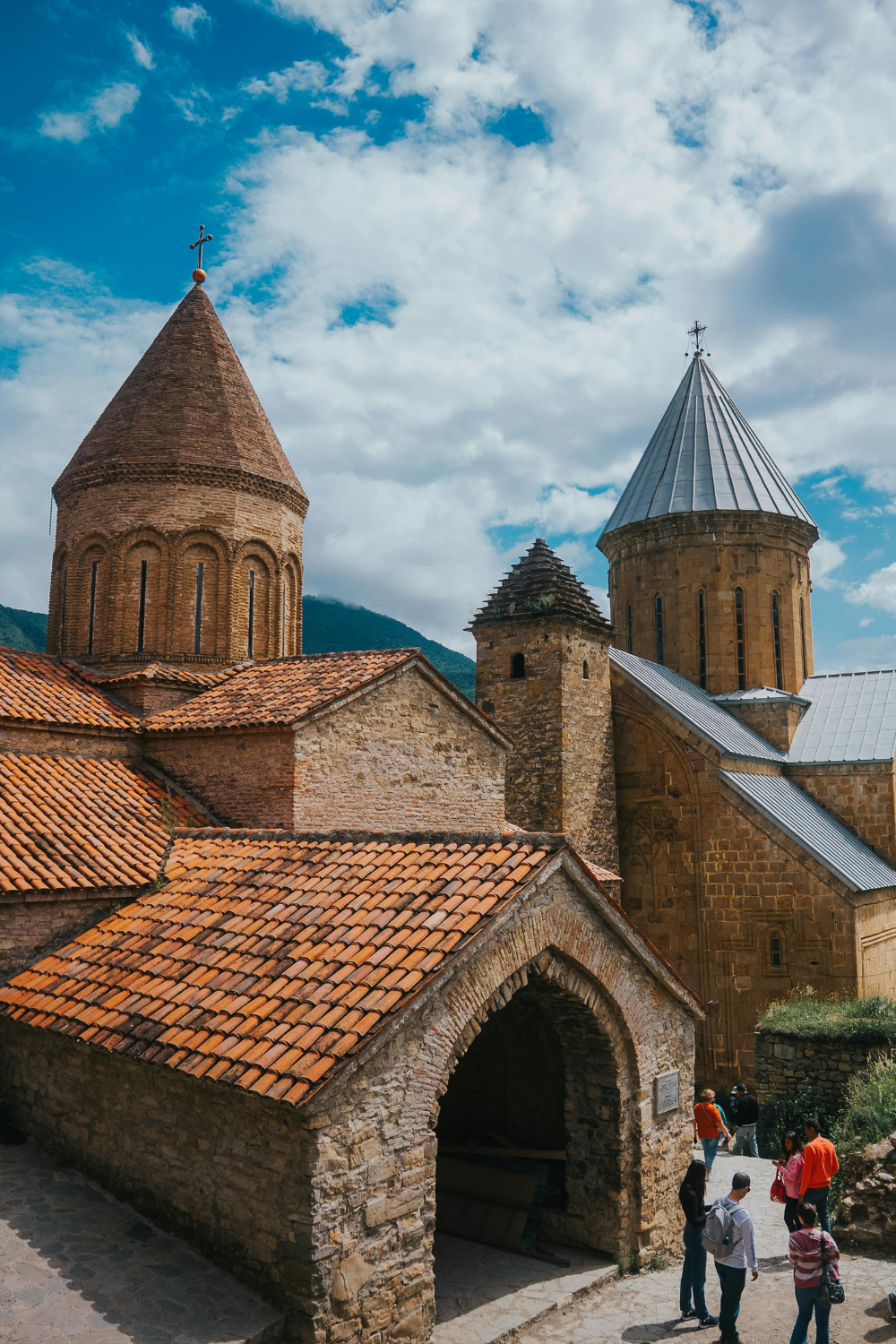
Technically at the edge of Europe (geographically, it’s in the Caucasus) but culturally, it absolutely belongs on a European travel list — and it might be the most fascinating city on this entire list.
Tbilisi is a place where Georgian, Persian, Russian, and European influences have been colliding and combining for centuries, and the result is a city unlike anywhere else. The Old Town (Dzveli Tbilisi) is a fantastical mix of crumbling Persian-era bathhouses, Orthodox churches with elaborate carved facades, ornate wooden balconied houses overhanging the Mtkvari River, and medieval fortifications. The Narikala Fortress looks down from a clifftop above the old town — take the cable car up for a view that stops you completely.
The food is extraordinary. Georgian cuisine is one of the great undiscovered food cultures of the world — khinkali (giant soup dumplings), khachapuri (bread boats filled with cheese and egg), lobiani (bean-filled flatbread), rich stews and roasted meats with walnut sauces, and some of the most interesting natural wines being made anywhere on the planet (Georgia is the birthplace of wine — they’ve been fermenting in clay qvevri vessels for 8,000 years). Eating in Tbilisi is an experience that changes your understanding of what food can be.
Local tip: The Sulphur Baths of the Abanotubani district (the name means “bath district”) — domed brick bathhouses fed by natural sulphur springs, some operating since the medieval period — are one of Tbilisi’s defining experiences. A private room with a soaking pool costs surprisingly little. Dumas visited in 1858, Alexandre Dumas visited and loved them, and the experience hasn’t changed much since. Also — Narikala Fortress at sunset, looking over the rooftops of the old town while the city muezzins and church bells sound simultaneously from different quarters of the city, is one of the most genuinely extraordinary experiences in the region. Don’t rush Tbilisi. It rewards time, and wandering, and getting happily lost.
13. Kotor’s Less Famous Neighbour: Perast, Montenegro — The Town With Two Islets and Infinite Charm
Most people know Kotor. Perast, 12 kilometres further along the Bay of Kotor from the main town, is known primarily to the kind of travellers who’ve been to Kotor and want to follow the bay until the crowds thin out.
Perast is tiny — just a few hundred permanent residents, a handful of baroque palaces, a waterfront promenade, and two remarkable man-made islets floating in the bay. Our Lady of the Rocks (the most photographed) was built by local sailors who, legend has it, were obligated by ancient law to add a stone to the islet whenever they returned safely from a voyage. The islet grew over centuries until there was enough foundation for a church, built in 1630, its interior lined with 68 ex-voto paintings donated by sailors. It’s reachable by a short boat ride from the Perast waterfront.
The second islet — St George — holds an ancient Benedictine monastery, romantically overgrown, accessible only during religious festivals.
Local tip: Hire a small boat from one of the local boatmen on the waterfront — the standard going rate is a few euros for a return trip to Our Lady of the Rocks and a wait while you explore. Bargain lightly; these are working people. The best view of the two islets together is from the hill above Perast — a short uphill walk from the main street rewards you with a panorama of the bay, the islets, and the mountains beyond that is one of the most beautiful views in the entire Adriatic region. Stay for lunch at one of the waterfront restaurants (fresh fish, local prosciutto, cold Montenegrin wine) and take your time. Perast is a place to linger.
14. Český Krumlov, Czech Republic — The Fairy-Tale Town That Feels Almost Illegal to Be This Beautiful
Two and a half hours south of Prague by bus, in the forested hills of southern Bohemia, the Vltava River makes a sweeping horseshoe bend around a rocky peninsula — and the entire medieval town of Český Krumlov sits inside that bend, with its extraordinary castle rising on the cliff above.
The castle — the second-largest in Bohemia after Prague Castle — is spectacular: 40 buildings across 5 courtyards, a baroque theatre still used for performances, elaborate formal gardens, and a painted tower that looks straight off the cover of a fairy-tale collection. The town below is an intimate maze of cobbled lanes, medieval houses, and the sound of the river. The UNESCO-protected old town is one of the best-preserved in Central Europe.
It does get day-trippers from Prague in summer, and the main square has some tourist-trap pricing. But most day visitors are gone by 5 PM, and an overnight stay transforms the experience entirely — the town empties out and what’s left is genuinely magical.
Local tip: Rent a canoe or kayak from one of the operators in town and paddle the Vltava through the town and into the countryside below — the view of the castle rising above the river bend, seen from the water, is completely spectacular. Costs very little and takes about 2 hours at a gentle pace. Also — the Castle Brewery inside the castle grounds (yes, a working brewery inside the castle) has been making beer since the 16th century. A glass of their dark lager in the brewery tavern, sitting inside the castle courtyard, is a deeply satisfying experience for entirely non-historical reasons.
15. Chania, Crete, Greece — The Greece You Dreamed Of, Without the Santorini Price Tag
Everyone knows Santorini. Far fewer people know Chania — the old Venetian harbour town on the northwest coast of Crete — and that’s very much their loss.
Chania has one of the most beautiful harbour fronts in Greece: the crescent of the old Venetian port, the lighthouse at the end of the breakwater, the white and pastel facades of the old town reflected in the harbour at night. The old town itself — a blend of Venetian, Ottoman, and Greek architecture built on top of ancient Minoan remains — is a genuinely fascinating place to walk, full of atmospheric lanes and small squares.
And then there are the beaches. The Balos Lagoon, reached by boat or by a dramatic dirt road followed by a steep hike, is one of the most spectacular coastal landscapes in Greece — a shallow turquoise lagoon separating the mainland from a sandy spit, with a small island in the middle. Elafonissi Beach, at the southwestern tip of Crete, is famous for its pink-tinged sand and Caribbean-coloured water. The Samariá Gorge, Europe’s longest gorge, is one of the great European hikes — 16 kilometres through dramatic White Mountains scenery.
Local tip: The Municipal Market (Agora) of Chania is one of the best in Greece — a beautiful cross-shaped market building full of local cheese (graviera, mizithra), raki (the local firewater), honey, olive oil, and dried herbs. Buy your breakfast here and eat it sitting on the harbour wall. Also — eat at a mezedopolio (a taverna specialising in small shared dishes) in the backstreets of the old town rather than the waterfront restaurants facing the harbour. The harbour-front places are beautiful and tourist-priced. Two streets back, you get the same atmosphere and the food is twice as good for half the money. Order the dakos (Cretan bruschetta with soaked barley rusk, tomato, and graviera cheese) — it’s the defining dish of the island.
16. Sibiu, Romania — Transylvania’s Best City (No, Not That One)
Romania’s most famous Transylvanian city is Brașov, and most travellers stop there. Sibiu, 80 kilometres west, is where I’d rather spend my time.
Sibiu was settled by Saxon (German) colonists in the 12th century, and the German heritage is still entirely legible in the architecture — the broad central squares, the coloured facades, the characteristic attic windows that look like half-closed eyes watching you from the rooftops. The medieval old town, spread across Upper and Lower towns connected by stairs and passages, is beautifully preserved. The Council Tower gives you a view over the terracotta rooftops that feels like stepping into a German fairy tale — except you’re in Romania and everything is half the price.
The Brukenthal National Museum (one of the oldest museums in Romania) has a genuinely excellent collection of European art. The Astra Open-Air Museum outside the city is one of the largest open-air folk museums in Europe — an extraordinary collection of traditional rural Romanian buildings, mills, and workshops relocated to a forested hillside. The city has a cultural life that consistently punches above its weight.
Local tip: Sibiu’s famous eyes — the dormer windows with curved eyebrow-shaped surrounds that peer out from the rooftops of the old town — are everywhere once you start noticing them. They’re a quirk of Saxon building tradition and entirely specific to Sibiu. Walk the old town in the morning and collect photographs of them — you’ll end up with 50 pictures of buildings watching you. Also — the road south from Sibiu through the Transfăgărășan mountain pass (open only in summer) is one of the world’s great drives. Built by Ceaușescu through the Carpathian mountains, it winds to 2,000 metres in 90 kilometres of hairpin bends and extraordinary scenery. Drive it or don’t — but know it exists.
17. Vis Island, Croatia — The Adriatic Island That Deliberatly Stays Quiet
Croatia’s islands are generally brilliant, but many of the most famous (Hvar, Brač in summer, the Kornati in peak season) have become saturated with boats and beach clubs. Vis — one of the furthest inhabited islands from the mainland — is different. It was closed to foreign visitors until 1989 (it served as a Yugoslav military base), and the relative isolation of those decades gave it a slower pace and a more genuine character that it has, mostly, managed to preserve.
Two small towns — Vis Town on the northeast and Komiža on the southwest — are both beautiful in the way that only places where people have lived and worked for centuries can be. The wine is excellent (the Vugava white grape is grown nowhere else in the world), the seafood is extraordinary (Komiža was once one of the most important sardine fishing ports in the Adriatic), and the pace of life is unhurried in a way that feels like a genuine gift.
Bisevo Island off Komiža has the famous Blue Cave (Modra Špilja) — a sea cave that fills with extraordinary blue light in the late morning when sunlight refracts through the water. Book in advance in summer.
Local tip: Rent a scooter and explore the island’s interior — the roads through the vineyards and old stone walls are beautiful, and the inland villages like Plisko Polje feel entirely removed from any tourist circuit. The secret swimming spots on the western coast (many accessible only by scooter or on foot) are far quieter than the main beaches and often completely deserted. Also — eat at Konoba Bako in Komiža (a family-run restaurant with a terrace above the harbour) if you can get a table. The grilled fish is among the best in Croatia.
A Few Things Worth Knowing About Off-the-Beaten-Path Travel in Europe
Before you start booking, a few practical thoughts.
Slower is better. The places on this list reward time. A day trip to Český Krumlov is pleasant. Three days lets you actually feel the place. The difference is profound.
Shoulder season matters even more for underrated destinations. Even the quiet places have a tourist season now. Going in May, June, or September rather than July–August gives you a completely different — and usually better — experience.
Get off the main square. In every city and town on this list, the most interesting, most affordable, and most authentic experiences are always one street back from wherever most people are standing.
Talk to locals. This sounds obvious but many travellers don’t do it. Ask your guesthouse owner where they eat. Ask the person in the café what you should see. The resulting recommendations are almost always better than anything in a guidebook.
Leave room for the unexpected. The best moment of every trip I’ve taken to any of these places was something I didn’t plan: a conversation, a wrong turn, a restaurant with no English menu and genuinely spectacular food. Over-planning is the enemy of discovery.
Final Thoughts
The Europe that most people experience — the curated highlights, the famous skylines, the queues for the iconic views — is extraordinary. But it’s only one version of the continent.
The Europe on this list is quieter, stranger, more complicated, and — for my money — more rewarding. It’s a continent of places that haven’t been polished smooth by tourism yet, where the characters are still intact, where you feel like you found something rather than that something was presented to you.
The best part? There are hundreds more places like these. The list never really ends.
Start somewhere on this one. Then go further.

