
Europe has a reputation for being expensive, and honestly, some of it is completely earned. I’ve paid €7 for a small coffee in Geneva. I’ve watched a hostel dorm in Florence cost more per night than a private room in Kraków. I’ve stood in a supermarket in Zurich doing quiet, desperate maths while holding a block of cheese.
But here’s the thing, most travel content doesn’t tell you: Europe is also home to some of the most extraordinary cities, coastlines, and cultural experiences on the planet — and a significant number of them are genuinely, surprisingly affordable. Not “affordable if you sacrifice everything,” affordable. Actually affordable. Full dinners for €8, beds in charming guesthouses for €25, train rides across whole countries for less than a cinema ticket.
You just have to know where to look. This is where to look.
Before We Get Into It: The Real Secret to Budget Travel in Europe
Here’s what I’ve come to believe after years of doing this: budget travel in Europe isn’t primarily about being cheap. It’s about being in the right place. Western Europe in peak season — Paris, Amsterdam, Rome, the Amalfi Coast, Santorini — will drain your wallet even when you’re trying hard not to let it. Meanwhile, cities and regions in Central, Eastern, and Southeastern Europe exist where the food is exceptional, the history is staggering, the scenery rivals anything on the famous circuit, and you can live genuinely well for a fraction of the cost.
There’s also a sweet spot within even the more expensive countries: second cities, shoulder-season timing, and a willingness to walk one street back from the main square. I’ll flag those throughout.
One more thing before we start: this list mixes genuinely budget-friendly destinations with a few places that aren’t the cheapest in Europe but punch so far above their cost that they belong on any honest budget list. Value isn’t just about low prices — it’s about what you get for what you spend. I’ll be clear throughout.
Now — let’s get into it.
1. Kraków, Poland — The Most Underpriced Beautiful City in Europe
Kraków is the city I recommend most often to people who tell me they want to travel Europe but are worried about money, and it never fails them. Not once.
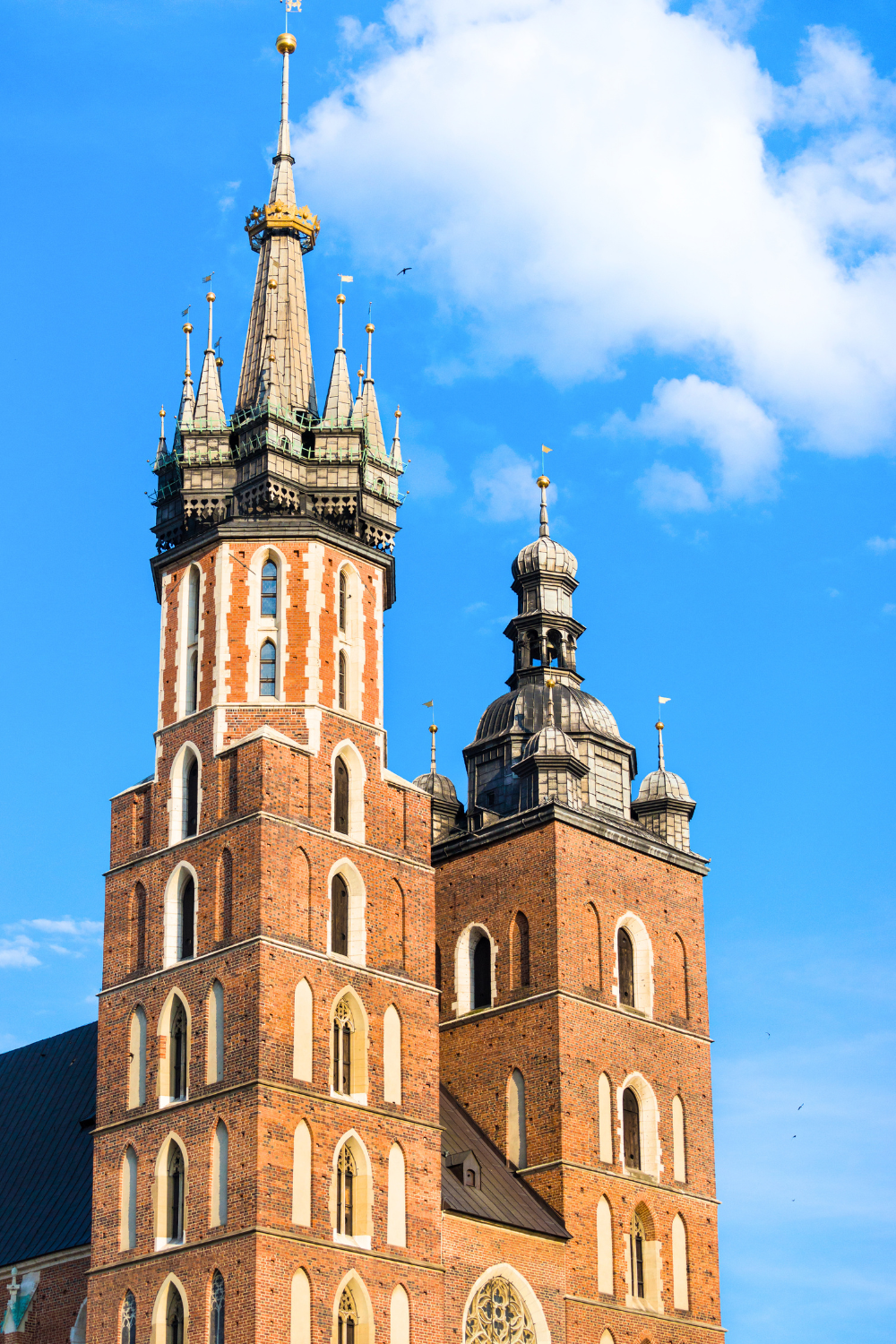
This is a city with a perfectly preserved medieval old town — the largest in Europe — ringed by gardens where the city walls used to stand. The central Rynek Główny (Main Market Square) is one of the most beautiful and lively squares you’ll find anywhere on the continent, anchored by the magnificent Cloth Hall and the twin-spired St Mary’s Basilica, from whose taller tower a trumpeter plays an hourly call that dates back to the 13th century. There’s a dragon living under the nearby Wawel Castle hill — or so the legend goes — and the castle itself, looming above the Vistula River, is genuinely magnificent.
Beyond the postcard stuff, Kraków has real personality. The Kazimierz district — the old Jewish quarter, extensively damaged during the Second World War and now in the middle of a decades-long cultural renaissance — is packed with independent cafés, klezmer music bars, galleries, and restaurants in old synagogues. The Podgórze neighbourhood across the river, where Oskar Schindler’s factory still stands as an extraordinary museum, adds a layer of historical weight and significance that makes this a city worth taking seriously as well as enjoying.
And the prices. A sit-down dinner with a beer costs €8–12. A night in a well-rated hostel runs €10–15. A private room in a good guesthouse is €30–40. Public trams cost about 70 cents a journey. You can spend €40 a day in Kraków and live exceptionally well.
Local tip: The milk bars (bary mleczne) that survive throughout Kraków are a Polish institution and one of the greatest budget travel secrets in Europe. These are communist-era subsidised canteen-style restaurants that serve traditional Polish food — pierogi, żurek (sour rye soup with sausage and egg), bigos, kotlet schabowy — for prices so low they feel almost fictional. Bar Mleczny Pod Temidą near the market square is the one to try. Go at lunch. Point at whatever looks good. Pay almost nothing for a full meal. Thank whatever lucky circumstance brought you to Poland.
2. Budapest, Hungary — Grand, Beautiful, and Still Remarkably Affordable
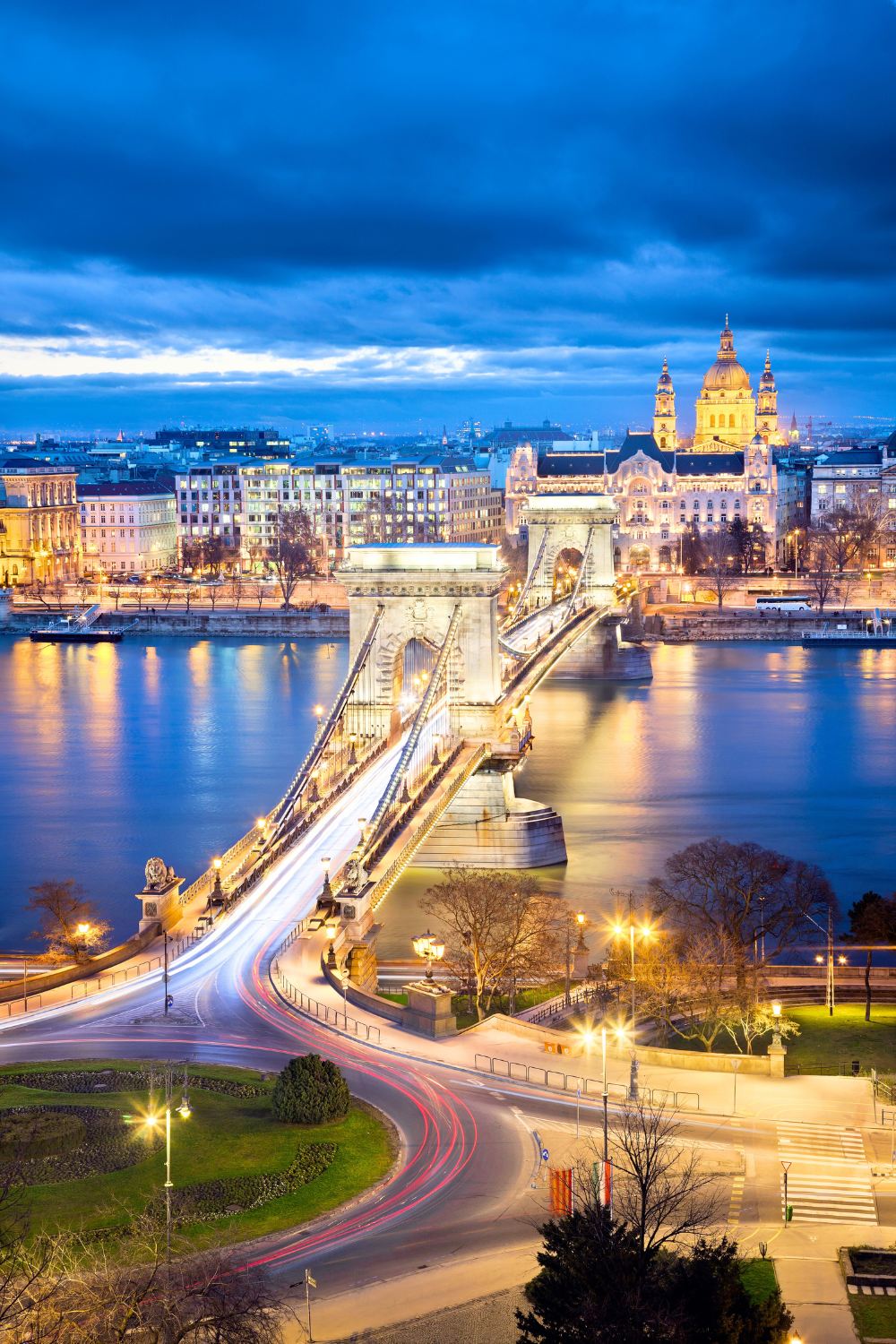
Let me be honest with you: Budapest is probably the most spectacular city on this entire list in terms of sheer visual impact. The Hungarian Parliament building lit up along the Danube at night is one of the great architectural sights in Europe, full stop. The Fishermen’s Bastion — a fairytale rampart of neo-Gothic turrets on the Buda side of the river — gives a panoramic view over the Pest embankment that stops you mid-sentence. And the city’s extraordinary thermal bath culture — specifically the enormous, operatically beautiful Széchenyi Baths, with its outdoor pools steaming in all weathers — is unlike anything else in Europe.
All of this costs remarkably little. Hungary has kept prices significantly lower than Western Europe, and Budapest in particular remains one of the most affordable capital cities on the continent. The famous ruin bars of the Jewish District — Szimpla Kert being the most legendary — are genuine institutions with genuinely cheap drinks, housed in crumbling courtyards and eccentric multi-room interiors filled with salvaged furniture and general beautiful weirdness. The food scene runs from excellent traditional Hungarian restaurants (try goulash done properly, with proper egg noodles, not the tourist souvenir version) to some of the most creative modern Central European cooking in the region.
This one surprised me the first time: Budapest’s Great Market Hall (Nagyvásárcsarnok) on the Pest side of the Liberty Bridge is absolutely worth the visit — three floors of market stalls with local produce, paprika of every variety, traditional embroidery, and a fast-food floor upstairs with lángos (deep-fried flatbread with sour cream and cheese) for about €3.
Local tip: A multi-day Budapest transport pass is extraordinarily cheap and covers the metro, trams, buses, and even the historic cog railway and suburban HÉV lines. Buy it at any metro station and use it for everything. Also — the Gellért Baths on the Buda side of the city are architecturally stunning (full art nouveau interior, with tiled pools that look like something from a Wes Anderson film) and slightly less crowded than Széchenyi. Go on a weekday morning if you can.
3. Sofia, Bulgaria — Europe’s Most Underrated Capital
Sofia doesn’t get the attention it deserves, and every time I say that I get a slightly puzzled look from people who’ve been there, because they already know it. The people who haven’t been to Sofia are the ones who haven’t added it to their list yet — and that’s the group I’m talking to.
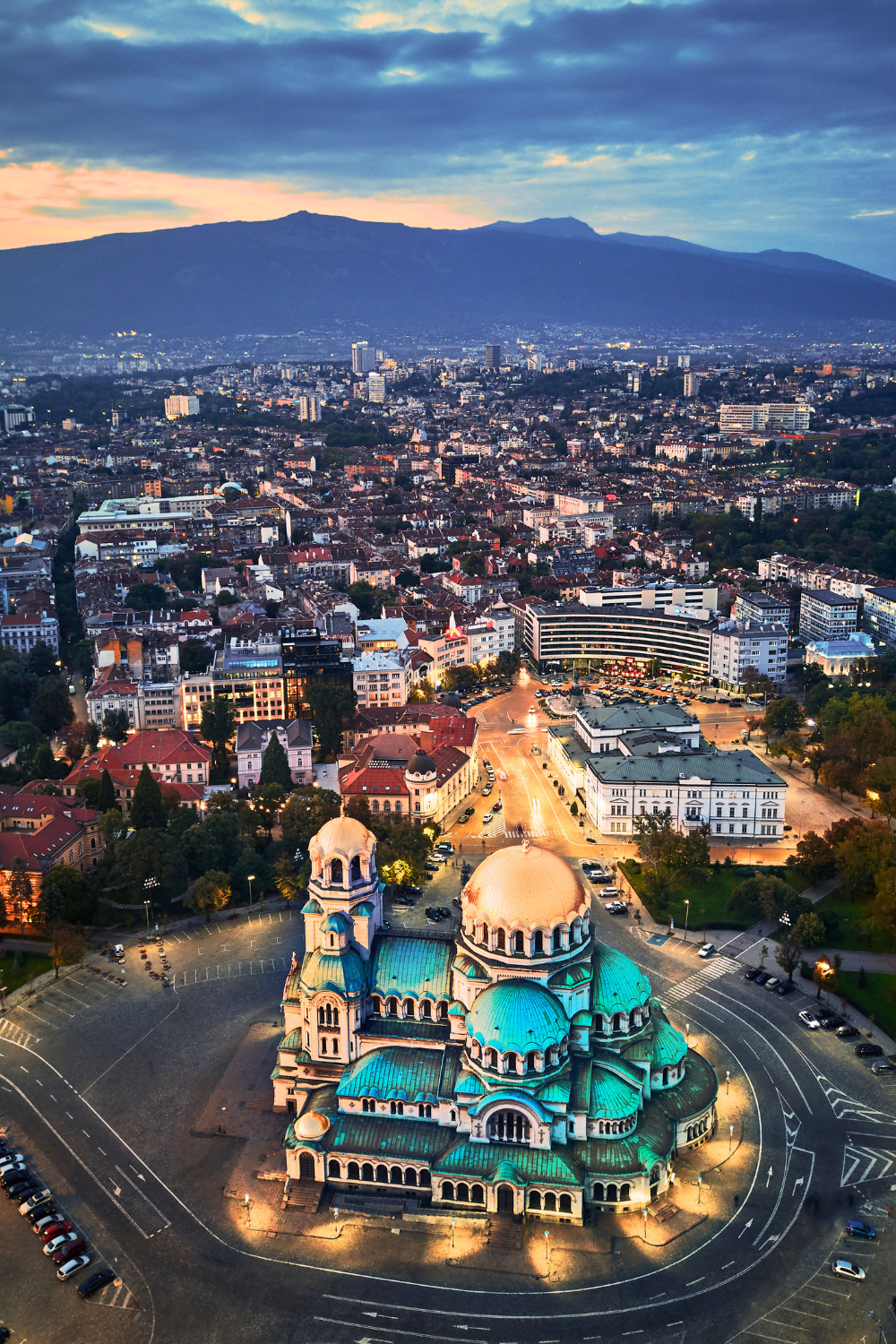
The Bulgarian capital is built on a plateau with the dramatic Vitosha Mountain rising directly behind the southern edge of the city — you can see it from the centre, looming and beautiful, and hike on it in under an hour from downtown. The city’s historic core is layered with 2,000 years of overlapping civilisations: Roman ruins run directly beneath the central streets (the Serdica Roman complex is visible through glass floors in the metro and in an open-air site in the middle of the city), the Aleksander Nevsky Cathedral is one of the largest Eastern Orthodox cathedrals in the world, and the Banya Bashi Mosque (built in 1576, still active) stands within a few minutes’ walk of both the cathedral and the ancient Roman ruins. The 16th century, the medieval period, and antiquity all sitting quietly together in one city centre.
The food scene has been having a genuine moment, with a wave of natural wine bars, craft beer places, and excellent modern Bulgarian restaurants joining the traditional options. Traditional Bulgarian food — banitsa (flaky cheese pastry), kavarma (slow-cooked meat and vegetable stew), tarator (cold cucumber and yoghurt soup for summer) — is excellent, filling, and very cheap.
Local tip: Sofia has one of the most genuinely excellent free walking tours in Europe — the Free Sofia Tour (tip-based, operating daily) covers the city’s history with real depth and local knowledge. Do it on day one as an orientation, then spend the rest of your time following up on the things that caught your attention. Also — the Women’s Market (Женски пазар) in the Oborishte district is a genuine working market where Sofia residents buy their produce, and the surrounding streets are full of excellent cheap lunch options. A bowl of homemade soup and bread costs about €2.
4. Plovdiv, Bulgaria — Ancient, Beautiful, and Almost Entirely Off the Tourist Trail
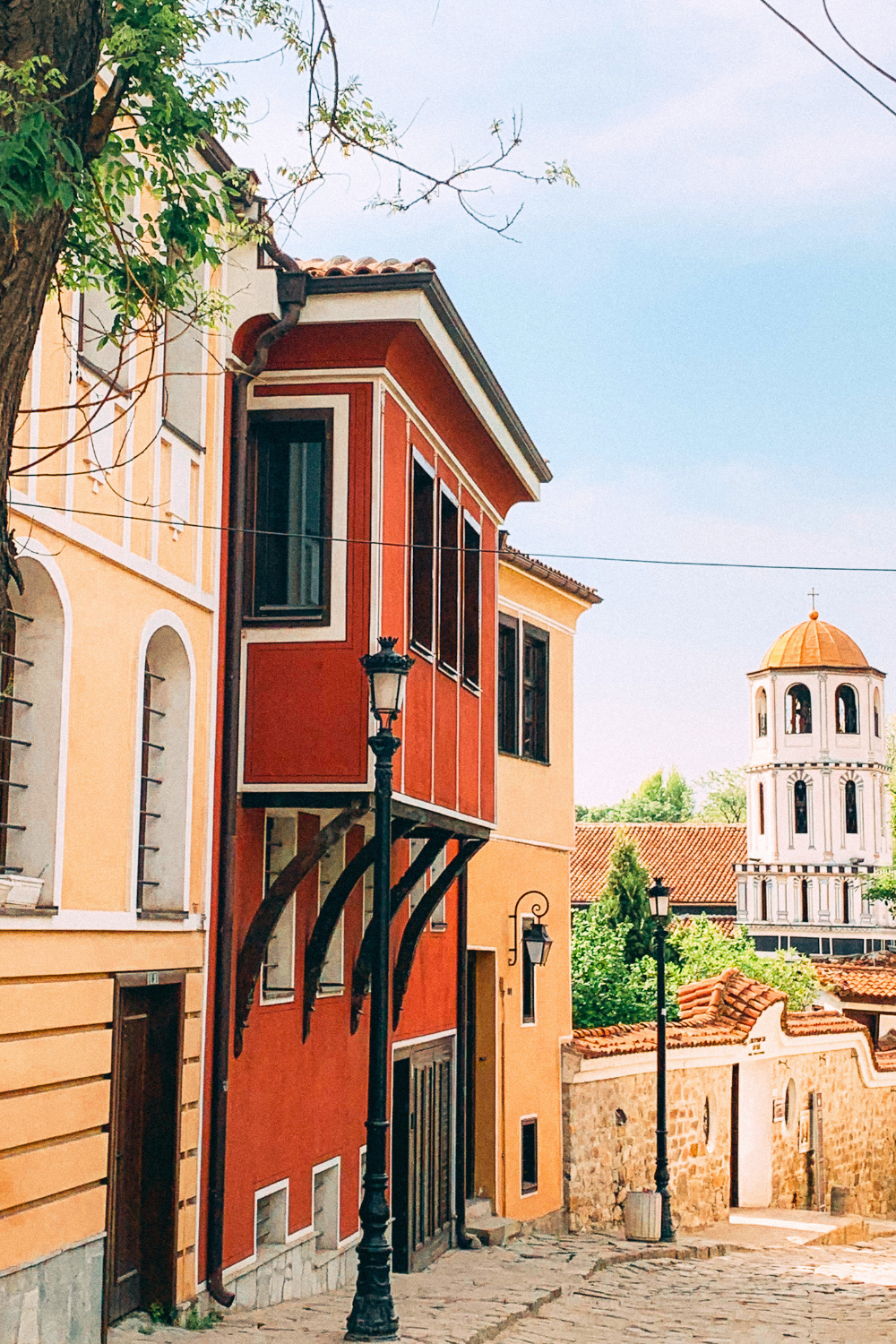
Two hours southeast of Sofia by train, and one of the most extraordinary cities in Europe that almost nobody outside Bulgaria has visited. Plovdiv has been continuously inhabited for over 6,000 years — one of the oldest cities on earth — and it carries that history with remarkable lightness.
The Old Town (Stariat Grad) is a labyrinth of cobbled streets climbing the hills, lined with magnificent 19th-century Bulgarian Revival houses: elaborately painted, with upper floors that cantilever dramatically over the lane below on carved wooden supports, creating a tunnel of colour and craft that’s unlike anything in Western Europe. The Roman Amphitheatre — uncovered by accident during a landslide in 1972 and now beautifully restored — sits in the heart of the old town and is still used for live performances under open skies.
The Kapana creative quarter at the foot of the Old Town hills is Plovdiv’s creative heartbeat — independent cafés, studios, cocktail bars, and street art filling a small grid of lanes that buzz on weekend evenings with local life. Everything here is cheap by any European standard: a craft beer costs €2, a full dinner with wine might run €12.
Plovdiv was the European Capital of Culture in 2019, which gave it a confidence boost it didn’t really need but clearly enjoyed. It knows what it is. The pace is unhurried, the welcome is warm, and the feeling of stumbling into a place that hasn’t yet been discovered by mass tourism is one you don’t often get in Europe anymore.
Local tip: The Roman amphitheatre is most spectacular at dawn, when the light hits the white stone and the city is quiet. Most visitors see it mid-morning — if you’re staying overnight (and you should be), get there early. Also — eat kebapche (spiced minced meat grilled over charcoal, served with shopska salad and bread) at a local restaurant away from the Old Town tourist drag. The entire meal, with a cold beer, runs about €6. This is simply excellent food at a price that feels almost wrong.
5. Tallinn, Estonia — Medieval Perfection at Baltic Prices
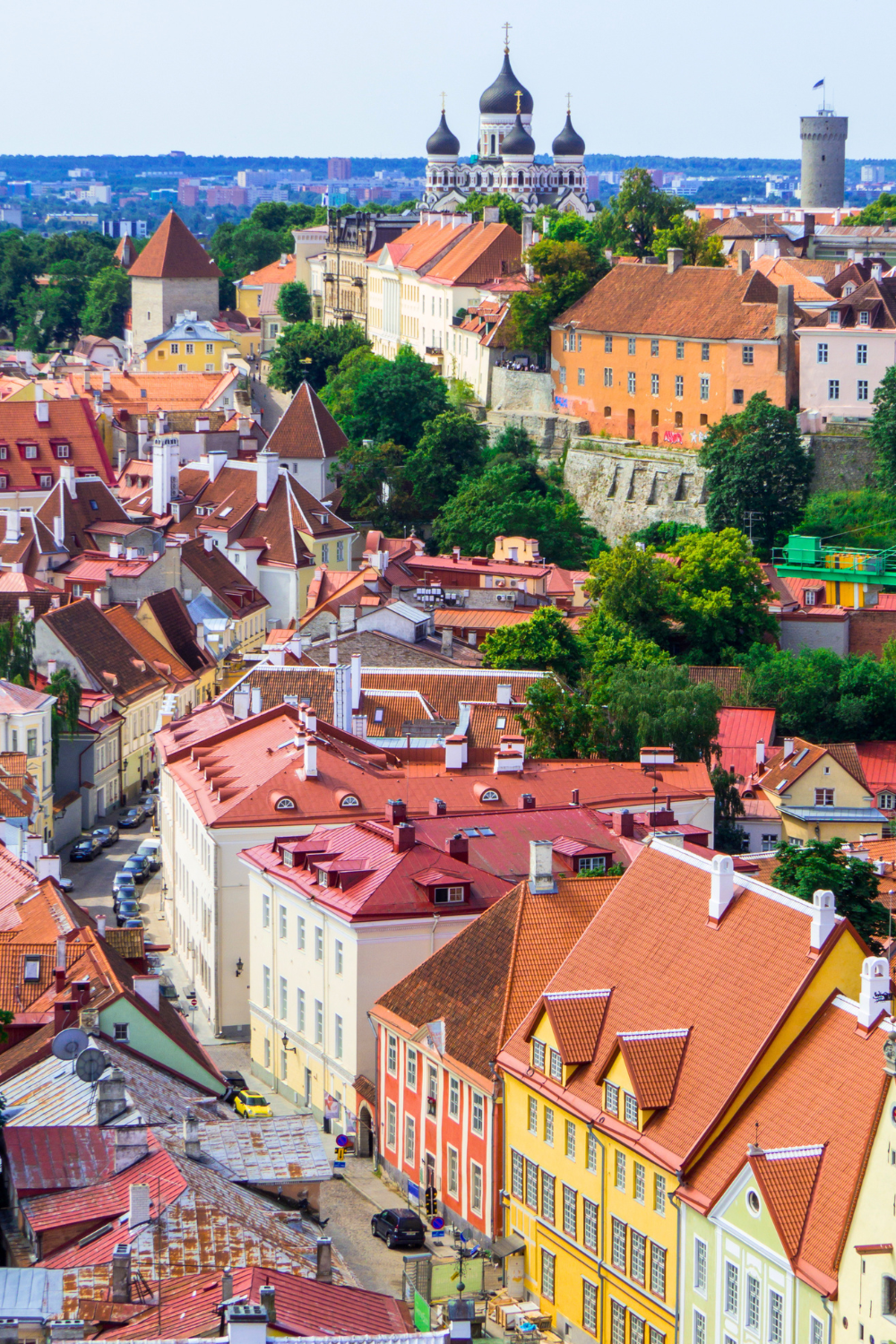
Tallinn’s old town is the best-preserved medieval city centre in northern Europe, and the price difference from similar-quality cities in Western Europe is stark. The original limestone city walls, towers, and gates stand almost completely intact around a compact historic core that genuinely looks like the 15th century never ended.
The Town Hall Square (Raekoja Plats) is the heart of the old town — surrounded by merchant houses, the Gothic town hall, and cafés with outdoor seating in summer. Toompea Hill rises above, accessible via a steep lane, with sweeping views over the red tile rooftops of the lower town and the bay beyond. The Kumu Art Museum in the elegant Kadriorg neighbourhood (a 10-minute tram ride from the centre) is among the best in the Baltic States and relatively cheap to enter.
Outside the medieval walls, modern Tallinn has a genuinely interesting contemporary scene. The Telliskivi Creative City — a repurposed industrial complex in the Kalamaja neighbourhood — is where the creative energy of the city currently lives: food halls, independent shops, studios, a flea market on weekends, and some of the best cafés in the city. The Kalamaja neighbourhood itself, with its colourful wooden houses and relaxed village-like atmosphere, is one of the loveliest urban neighbourhoods in the Baltic region.
Estonia is small, proud, and extraordinarily digitally advanced (e-residency, digital government, and a disproportionate number of tech unicorns for its population of 1.3 million). That sense of quiet confidence and modernity layered over the medieval beauty makes Tallinn feel genuinely distinctive.
Local tip: The restaurants immediately around Town Hall Square tend to charge tourist prices. Walk two streets back in any direction and the same food costs 30–40% less. The Telliskivi food hall has some of the best-value lunch options in the city — rotating stalls with Estonian, Georgian, Indian, and other cuisines, most under €8 for a full meal. Also — if you visit in winter, Tallinn’s Christmas Market on Town Hall Square is one of the best in Europe and genuinely not overpriced. Hot mulled wine, gingerbread, and knitted woolens in a medieval square with snow on the rooftops. It’s as good as it sounds.
6. Wrocław, Poland — Gnomes, Gothic Architecture, and Exceptional Pierogi
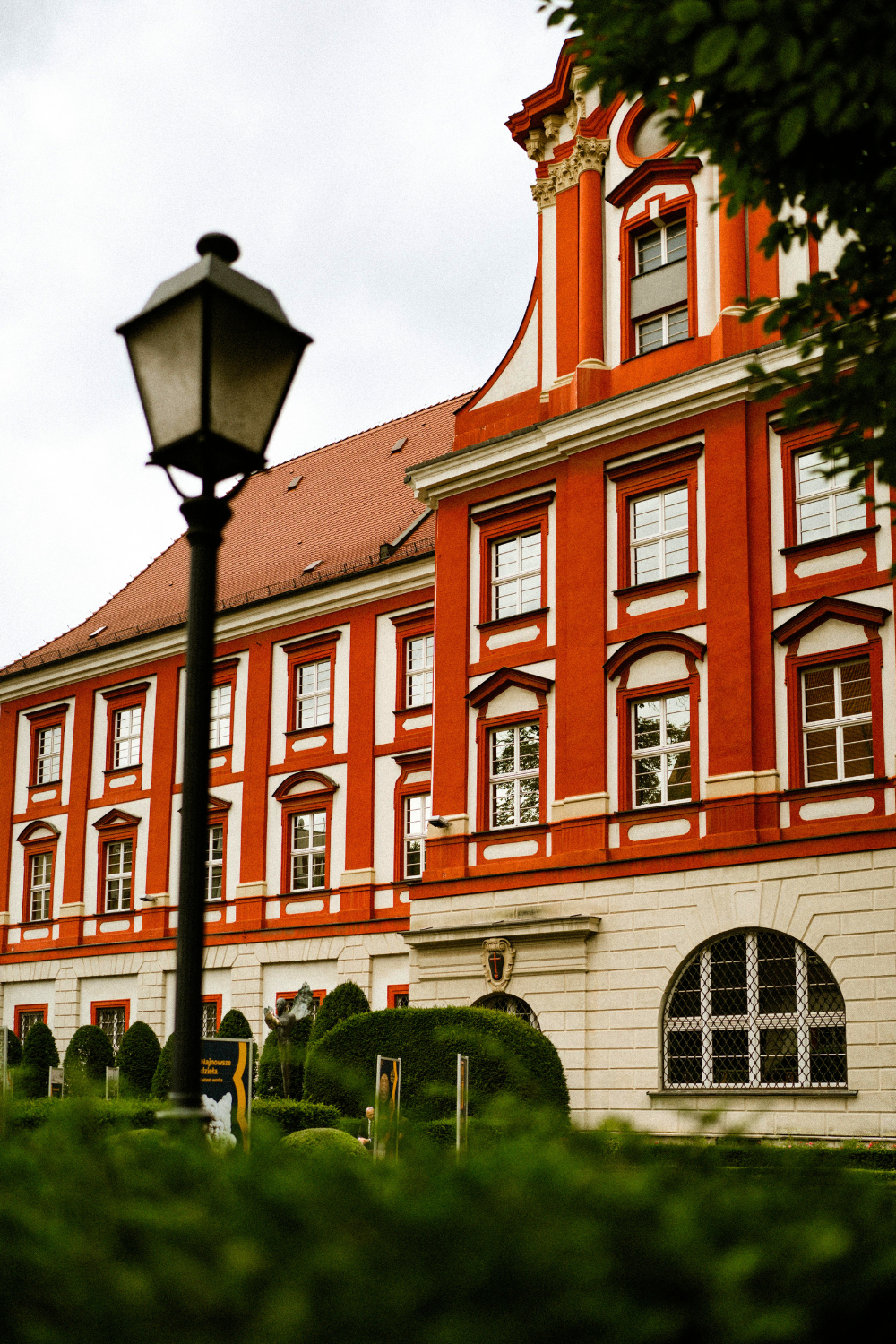
Poland’s most cheerful city sits on the Oder River where it splits into multiple channels, making Wrocław a city built across a cluster of islands connected by over 100 bridges. Locals mention this fact — that they have more bridges than Venice — with barely concealed satisfaction, and they’re right to.
The old town Rynek (Market Square) is one of the grandest medieval squares in Central Europe, surrounded by pastel-coloured Renaissance and baroque burgher houses with the spectacular Gothic Town Hall at its centre. The Cathedral Island (Ostrów Tumski) neighbourhood — the oldest part of the city, with Gothic churches rising above the river — is genuinely magnificent at dusk when the gas lanterns are lit by a lamplighter who still does his rounds by hand. The Racławice Panorama — a 19th-century cylindrical panoramic painting depicting a famous Polish military victory, housed in a purpose-built rotunda — is strange, huge, and completely worth a visit.
And throughout the city, scattered across hundreds of locations, there are over 400 small bronze gnome figurines (krasnale) hiding in plain sight — on windowsills, under benches, climbing drainpipes, peering around corners. Finding them is a city-wide treasure hunt that sounds like a gimmick and is completely, embarrassingly addictive.
The food and drink prices in Wrocław are among the most reasonable in Poland, which is saying something. A full dinner costs €8–12. A pint of craft beer is €2–3. The city’s student population keeps the bar scene lively and the prices honest.
Local tip: The Hala Targowa covered market hall near the old town is where Wrocław residents actually shop — excellent fresh produce, local cheese and meats, bread, and coffee at a fraction of the tourist café prices. Go for breakfast on a weekday morning and watch the city being a city. Also — the night tram across the river to Cathedral Island after dark, when the illuminated church spires reflect in the black water, is one of the most atmospheric free experiences in Poland. Take it.
7. Sarajevo, Bosnia and Herzegovina — The City That Carries Its History With Extraordinary Grace
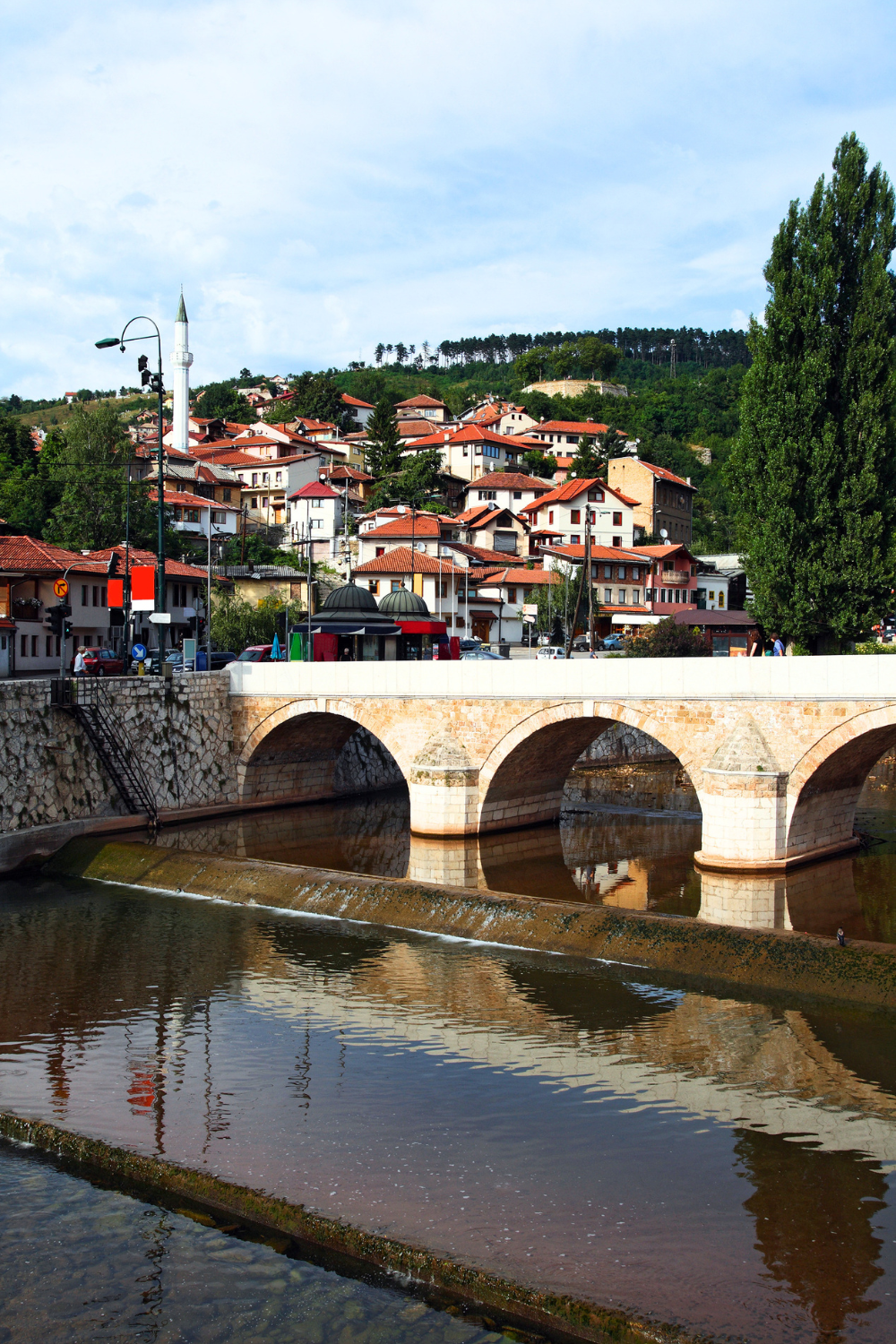
There are cities in Europe that you visit for the sights, and there are cities you visit because being there changes something in how you think about the world. Sarajevo is the second kind.
This is a city where the Ottoman, Austro-Hungarian, and Yugoslav layers of history sit directly on top of each other, visually legible in the architecture as you walk from the old bazaar to the Catholic cathedral to the modernist housing blocks of the socialist era — all within a few minutes of each other. The Baščaršija (old bazaar) is one of the finest surviving Ottoman market districts in Europe, with the Gazi Husrev-beg Mosque at its heart, the narrow streets full of copper workshops, ćevapi (small grilled sausages, the city’s defining dish) restaurants, and the smell of kahva (Bosnian coffee, served thick and strong in a small copper džezva) drifting from every other doorway.
Sarajevo carries the memory of the 1990s siege — the longest siege of a capital city in the history of modern warfare — with remarkable dignity and without self-pity. The Tunnel of Hope museum (the tunnel dug under the airport during the siege to supply the surrounded city) is one of the most moving experiences in the region. The War Childhood Museum in the city centre, based on collected testimonies and objects from people who were children during the siege, is small, quiet, and genuinely extraordinary.
By any measure, Sarajevo consistently ranks as one of the cheapest cities in Europe. According to the Time Out 2026 ranking of most affordable European cities, it topped the list. A traditional Bosnian dinner runs €6–10. A bed in a well-rated guesthouse is €15–25. The city rewards you richly and costs almost nothing.
Local tip: Do not leave Sarajevo without having a proper Bosnian breakfast: burek (flaky meat-filled phyllo pastry) with jogurt (drinking yoghurt), eaten at a traditional burekdžinica (burek bakery). Buregdžinica Bosna near the Baščaršija is the classic choice — open from early morning, cash only, no English menu, perfect burek, enormous portions. It will cost you about €3 and you will think about it for years. Also — the evening stroll along Ferhadija Street through the city centre to the old bazaar is one of the great urban walks in the Balkans. Do it at sunset with a cup of Bosnian coffee in hand.
8. Ljubljana, Slovenia — The Capital Nobody Talks About (and Everyone Who Visits Loves)
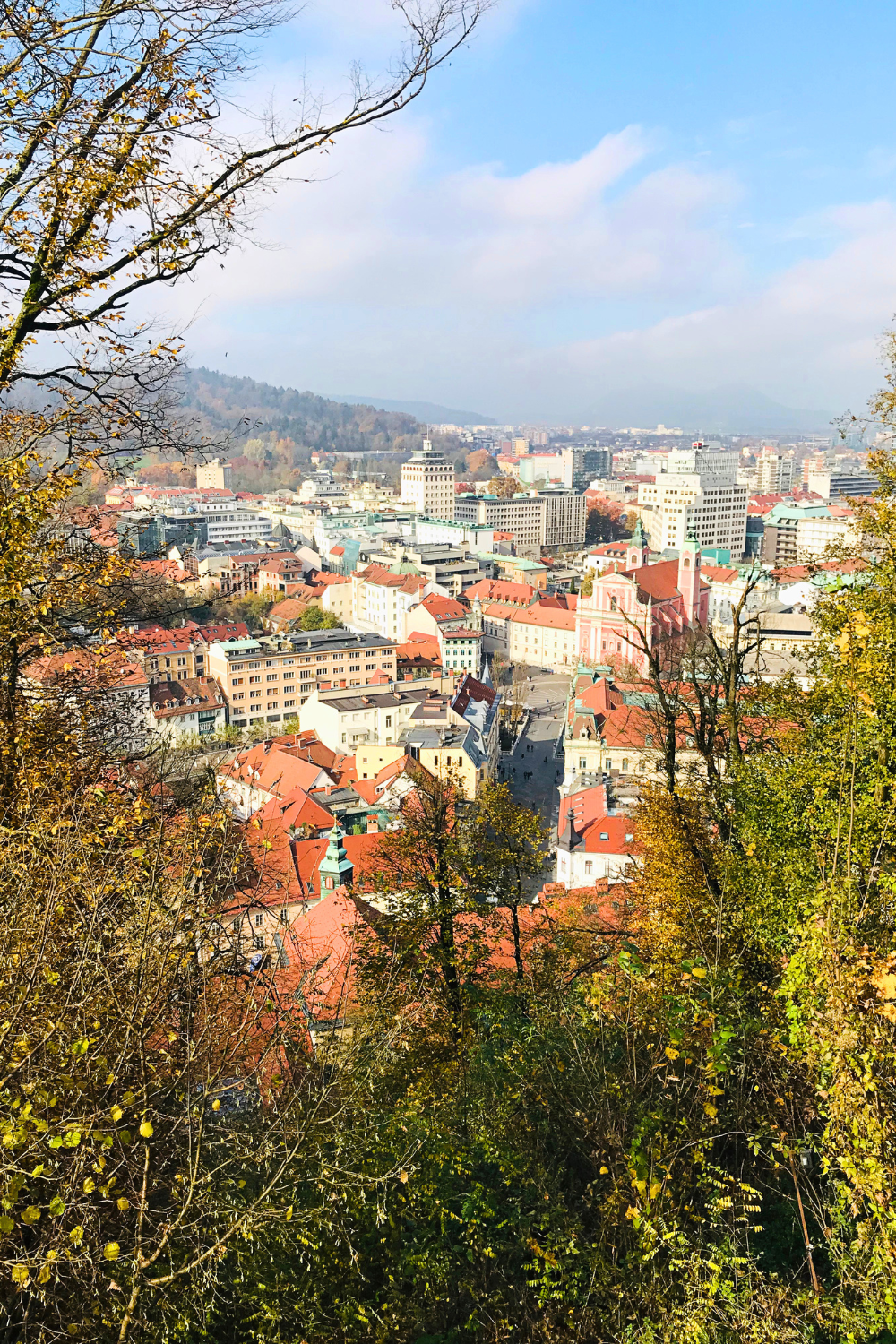
Ljubljana is one of those cities that doesn’t make enough noise about itself, which means it’s consistently underrated and consistently beloved by the people who bother to go. Everyone I’ve sent there comes back asking why they hadn’t been sooner.
The old town is compact, walkable, and deeply handsome — baroque and art nouveau facades along the Ljubljanica River, the hilltop castle accessible by funicular or a pleasant uphill walk, the famous Dragon Bridge (four bronze dragons, genuinely excellent) and Triple Bridge crossing the river within steps of each other. The Central Market along the riverbank, held on weekdays, is full of local produce, honey, artisan cheese, and flowers. The Metelkova neighbourhood — a former military barracks taken over by artists and activists in the 1990s — is one of Europe’s most genuine alternative creative districts, entirely unlike the sanitised cultural quarters of Western European cities.
The city is also a brilliant base. Lake Bled — with its island church, hilltop castle, and outrageously photogenic Alpine scenery — is 45 minutes by bus. The extraordinary Soča Valley, with its impossibly turquoise river, is about 90 minutes. The Postojna Caves (one of the largest cave systems in Europe) are under an hour by car. You can use Ljubljana as a hub and barely repeat yourself for a week.
Slovenia uses the euro, so it’s not as cheap as the Balkans — but it’s significantly more affordable than Austria or Italy, with which it shares much of its culture and scenery, and the quality of food, wine, and accommodation is excellent.
Local tip: Odprta Kuhna (Open Kitchen) is Ljubljana’s outdoor food market held on Fridays from spring through autumn, with dozens of Ljubljana restaurants setting up stalls along the river. It’s a genuinely excellent way to taste the city’s food scene at a fraction of restaurant prices — and it’s where locals go. Get there by 1 PM before the best options sell out. Also — a glass of Slovenian wine at a riverside bar in Ljubljana costs €3–4, and Slovenia’s wine regions (particularly the Brda and Vipava valleys) are producing some of the most interesting natural wines in Europe right now. Order local.
9. Belgrade, Serbia — The Best Nightlife in Europe, and Breakfast for €2
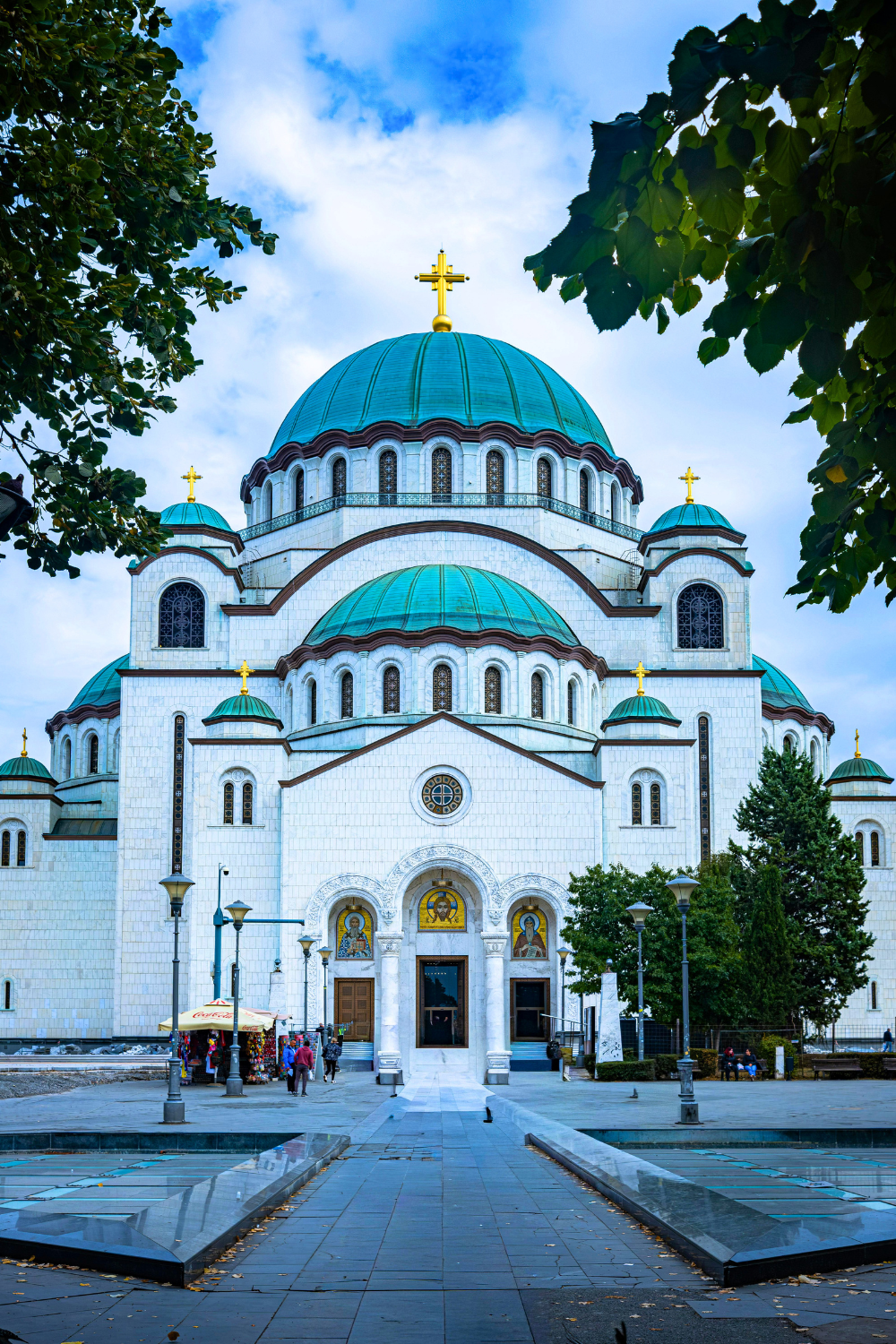
Belgrade doesn’t try to be charming. It doesn’t have a pristine old town or a UNESCO-protected skyline. What it has is energy — a raw, unpolished, genuinely exciting quality that comes from a city that has survived extraordinary things and decided to simply get on with being alive.
The Kalemegdan Fortress above the confluence of the Sava and Danube rivers is Belgrade’s great public space — a vast park and fortification complex where the city comes to walk, sit, and watch the boats on the water. The Skadarlija cobblestone lane in the centre is the city’s bohemian quarter, full of traditional kafanas (taverns) with live Serbian folk music. The Republic Square and pedestrianised Knez Mihailova Street are the social heart of the city — café culture done at a serious scale, with excellent coffee and people-watching from morning until late.
But Belgrade’s real reputation is for nightlife, and yes, it really is that good. The splavovi (floating river clubs, literally “rafts”) along the Sava and Danube riversides host clubs that go from midnight until well past dawn, with music and atmospheres ranging from Serbian turbo-folk to techno. It’s a scene unlike anything in Western Europe — less polished, more real, completely its own thing.
And the prices. This is genuinely one of the cheapest cities in Europe for food, drink, and accommodation. A full Serbian breakfast — eggs, kajmak (creamy curd), fresh bread, ajvar (roasted red pepper relish), and coffee — costs €2–3. A dinner at a proper restaurant with wine is €10–15. A beer in a bar is €1.50.
Local tip: The Zemun neighbourhood on the northern edge of Belgrade — technically a separate town until the 20th century — has a completely different character from the city centre. Its waterfront promenade, hilltop Gardoš Tower, and cobblestone lanes lined with 19th-century Austro-Hungarian houses feel like a different, quieter city. Take the bus there and have lunch on the Danube waterfront. Also — pljeskavica (a large, spiced grilled meat patty, the Serbian answer to a burger, served in bread with kajmak and urnebes cheese) from a street stand or fast-food place is the ultimate Belgrade street meal and costs about €2. Order the punjenu pljeskavicu (stuffed version, filled with cheese).
10. Porto, Portugal — The Atlantic City That Gives More Than It Takes
Portugal is not the cheapest country in Western Europe, but Porto occupies a very specific sweet spot on the value scale: it’s a genuinely world-class city — extraordinary architecture, brilliant food and wine, an atmosphere you could fall in love with in about 20 minutes — that still costs significantly less than Lisbon, Madrid, or Barcelona.
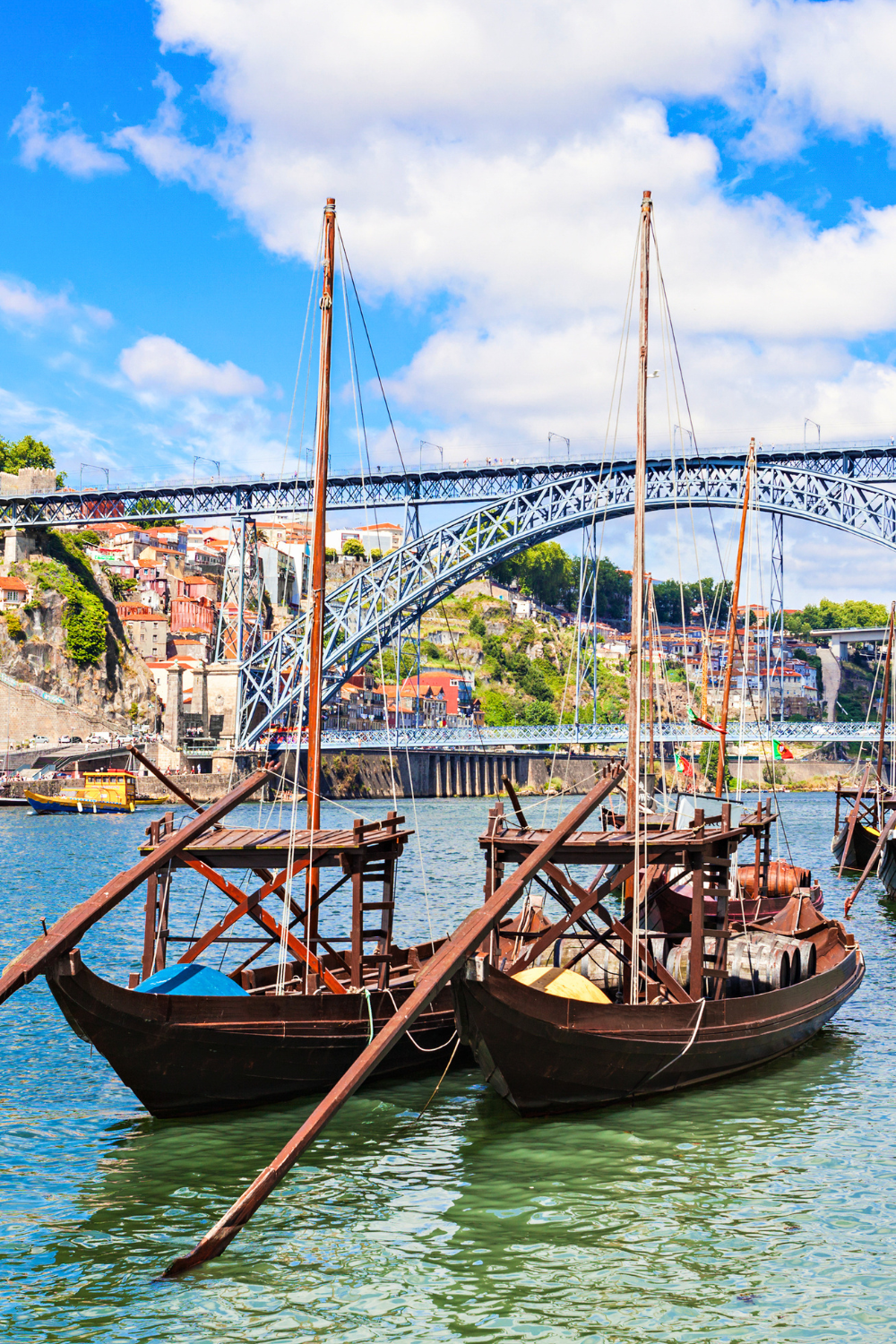
The old town (Ribeira) along the Douro riverfront is a UNESCO World Heritage Site, its layers of medieval and baroque buildings cascading down to the water in every shade of faded grandeur. The Livraria Lello bookshop, with its extraordinary neo-gothic interior and famous carved staircase, is worth braving the queues (pre-book the timed entry ticket — it costs €5 and is redeemable against a book purchase). The Sé Cathedral complex, the Palácio da Bolsa with its breathtaking Moorish Revival ballroom, and the azulejo (blue tile) covered São Bento Railway Station are all free or very cheap to visit.
The port wine cellars in Vila Nova de Gaia (just across the bridge from Porto) offer tastings for €5–15. Walking the Ponte Luis I bridge — both the upper pedestrian level and the lower road level give extraordinary views — costs nothing. The Mercado do Bolhão, recently restored, is one of the best traditional markets in Portugal. And the food: a francesinha (Porto’s extraordinary, chaotic, improbable sandwich — layers of meat, melted cheese, and a spiced beer-and-tomato sauce, served with chips) at a traditional café is €8–12 and unlike anything you’ve eaten before.
Local tip: Porto’s pastelarias (pastry cafés) are extraordinary value for breakfast — a pastel de nata (custard tart) and a galão (milky coffee) costs about €2 and is a perfect morning. Go to Café Santiago on Rua Passos Manuel for the best francesinha in the city (locals debate this hotly, but Santiago consistently wins). Also — the Matosinhos neighbourhood to the north, reachable by metro, is Porto’s seafood district: excellent fresh fish restaurants at lower prices than the Ribeira tourist strip, a great fish market, and a beach that the city genuinely uses.
11. Valletta, Malta — The Smallest EU Capital With the Most to Say
Valletta is the capital of Malta and the smallest capital in the European Union — you can walk from one end to the other in about 20 minutes. But small is doing serious work here, because what’s packed into this tiny baroque city is genuinely staggering.
Built in the 16th century by the Knights of St John, Valletta is essentially a masterwork of military and religious baroque architecture still mostly intact. The Upper Barrakka Gardens give a sweeping view over the Grand Harbour — one of the great harbour panoramas in the Mediterranean, with the Three Cities ranged on the opposite shore and enormous fortifications descending to the water. St John’s Co-Cathedral houses two of Caravaggio’s masterworks (his largest ever canvas, The Beheading of Saint John the Baptist, is here) and an interior so lavishly decorated it borders on overwhelming.
Malta is English-speaking (a legacy of British colonial rule), easily accessible from most European airports on budget carriers, and significantly cheaper than most of its Mediterranean neighbours. Daily costs run well below Italy, Greece, or Spain for equivalent quality of experience.
The real secret is the Three Cities across the harbour — Vittoriosa, Senglea, and Cospicua — which are older than Valletta itself and almost entirely free of tourists. The ferry from Valletta’s waterfront costs €1.50 return. On the other side you step into narrow limestone streets, baroque palaces, and the Knights of Malta’s original headquarters, with almost nobody else around.
Local tip: Pastizzi — flaky pastry parcels filled with ricotta or mushy peas, sold from traditional pastizzeriji — are the defining Maltese street food, costing about 30–50 cents each. Eat them for breakfast, eat them as a mid-afternoon snack, eat several at once while standing at a counter. Is-Serkin Pastizzeria in the centre of Valletta is excellent. Also — the Marsaxlokk fishing village in the south of Malta (reachable by bus) hosts a Sunday fish market that is genuinely one of the best in the Mediterranean: brightly painted luzzu fishing boats in the harbour, fresh fish on stalls, and an atmosphere of working-village life entirely removed from the tourist circuit.
12. Ghent, Belgium — The City That Makes Bruges Look Touristy (Because It Is)
Everyone goes to Bruges. Bruges is beautiful — I’m not here to argue otherwise — but in peak season it’s so thoroughly overwhelmed by day-trippers that it can feel less like a city and more like a very elaborate medieval gift shop. Ghent, 30 minutes away by train, has everything Bruges has architecturally — and then adds the soul of a living city on top.
The medieval waterfront on the Graslei and Korenlei is one of the most beautiful canal scenes in northern Europe, with guild houses from the 12th to 17th centuries reflected in the water. The Gravensteen (Castle of the Counts) rises dramatically from the city centre, built by the counts of Flanders in 1180 and still looking exactly like what a child would draw if you asked them to draw a castle. And St Bavo’s Cathedral houses the Ghent Altarpiece — Jan van Eyck’s Adoration of the Mystic Lamb, completed in 1432 and widely considered one of the most important paintings in the history of Western art. It’s displayed now in its own dedicated, properly lit room, and seeing it in person is one of those museum moments that genuinely stops you.
Ghent has a large university and a thriving student culture that keeps the bar scene lively, the prices honest, and the streets full of energy even mid-week. It also has an exceptionally good vegetarian food scene — the city pioneered “Veggie Thursday” (a city-wide initiative promoting meat-free eating one day a week) and has the restaurants to back it up. Werregarenstraat is a narrow alley dedicated entirely to street art, refreshed regularly, where some of the world’s best graffiti artists have left their mark.
Belgium is not the cheapest country in Europe, but Ghent is significantly more affordable than Brussels and noticeably less tourist-inflated than Bruges. A genuinely excellent meal with Belgian beer costs €20–30 per person.
Local tip: Vrijdagmarkt square hosts a Saturday market — local produce, secondhand books, vintage items, and street food — that is entirely local and excellent. Get there before 10 AM. Also — order waterzooi (a rich Ghent-invented chicken or fish stew, creamy and deeply flavoured) at a traditional brown café. It’s the city’s dish, it predates most of the city’s current buildings, and nowhere else makes it quite right. Pair with a Ghent local beer — Gruut, brewed with herbs instead of hops in the medieval tradition, is brewed in the city and tastes like nowhere else.
13. Chania, Crete, Greece — The Greece You Dreamed of Without the Santorini Bill
Santorini is spectacular. It’s also €300-a-night-for-a-basic-room in July, €25 cocktails, and a sunset viewing platform so crowded with photographers that you’re competing for angles with professional influencers. Chania, on the northwest coast of Crete, gives you the Greece that Instagram has been using as a backdrop — the turquoise water, the whitewashed old town, the tavernas and fresh seafood and warm evenings — without the price tag or the crowds.
The old Venetian harbour is one of the most beautiful in Greece: a crescent of the old port with a lighthouse at the end of the breakwater, the facades of old buildings reflected in the harbour at night, and fishing boats and small yachts bobbing in the foreground. The old town behind — a blend of Venetian, Ottoman, and Greek architecture — is a genuinely fascinating place to wander, full of atmospheric lanes, small squares, and family-run shops selling local olive oil, honey, and herbs.
And then the nature. The Samariá Gorge — 16 kilometres through the White Mountains, Europe’s longest gorge — is one of the great European hikes, and Crete is large enough that the island has genuine wilderness to explore. The beach at Elafonissi on the southwestern tip, with its pink-tinged sand and shallow turquoise water, is legitimately one of the most beautiful in Europe. Balos Lagoon, reached by boat or a dramatic dirt road, looks like someone accidentally placed a Caribbean island off the coast of a Greek mountain.
Crete is notably more affordable than the Cycladic islands. Food, accommodation, and excursions all cost significantly less, and the local food culture — built around olive oil, mountain herbs, fresh vegetables, and excellent sheep’s cheese — is one of the healthiest and most delicious in Greece.
Local tip: The Municipal Market (Agora) of Chania — a beautiful cross-shaped covered market building — is one of the finest in Greece, and buying breakfast supplies here (local cheese, olives, bread, and honey) to eat sitting on the harbour wall is one of the great simple pleasures available to the European traveller. Also — eat at a mezedopolio (a taverna specialising in shared small dishes) in the backstreets of the old town, not on the waterfront. Two streets back from the harbour, the food is the same quality for half the price. Order the dakos (Cretan barley rusk topped with crushed tomato, olive oil, and crumbled mizithra cheese) — it is the defining dish of the island and one of the best things you can eat in Greece.
14. Sibiu, Romania — Transylvania’s Best City, and Nobody Told You
Most people who add Romania to their itinerary head to Brașov, which is lovely, and the Bran Castle area, which is dramatically Gothic. Sibiu, 80 kilometres west, is where I’d send them instead.
Settled by Saxon (German) colonists in the 12th century, Sibiu’s German heritage is still entirely legible in the architecture — broad central squares (Piața Mare and Piața Mică, connected by a narrow passage), coloured baroque facades, and the characteristic attic windows shaped like heavy-lidded eyes that peer out from the rooftops all over the old town. Once you notice them, you cannot stop seeing them. They’ve given the city its most iconic image — the sense of being watched by the buildings themselves — and they’re a quirk of Saxon architectural tradition found almost nowhere else.
The Brukenthal National Museum (one of the oldest in Romania) has a genuinely excellent collection of European art. The Astra Open-Air Museum on the outskirts of the city is one of the largest open-air folk museums in Europe — an extraordinary collection of traditional rural Romanian buildings, water mills, workshops, and farmsteads relocated to a forested hillside, spread across 100 hectares. It takes most of a day to explore properly and is absolutely worth it.
Romania is one of the cheapest countries in the European Union. Daily costs in Sibiu — food, accommodation, museum entries — are a fraction of equivalent Western European cities. A full dinner at a traditional Romanian restaurant costs €8–12. A private room in a guesthouse runs €20–35.
Local tip: The road south from Sibiu through the Transfăgărășan mountain pass — open only in summer — is one of the great drives in Europe. Built by Ceaușescu through the Carpathian mountains for military purposes, it winds to over 2,000 metres in a series of extraordinary hairpin bends through dramatic alpine scenery. Rent a car for a day and drive it. You don’t need to have any particular destination in mind — the road itself is the point. Also — sarmale (cabbage rolls stuffed with minced meat and rice, slow-cooked in sauerkraut and tomato sauce) served with mămăligă (polenta) and sour cream is Romania’s defining comfort dish. Order it everywhere you see it. The version at a family-run restaurant in Sibiu’s lower town is the standard by which all other sarmale should be judged.
15. Kotor, Montenegro — Adriatic Drama for a Third of the Croatian Price
The Bay of Kotor is one of the most dramatically beautiful pieces of coastline in Europe. Mountains drop directly into a deep, still, fjord-like bay — the only fjord in southern Europe — and at the innermost point of that bay, the old walled city of Kotor sits under cliffs so steep that the city walls climb directly up the mountainside behind it.
The old town itself is a maze of Venetian-era limestone lanes, small squares, and medieval churches — it’s genuinely lovely, compact, and best explored by getting happily lost. The Cathedral of Saint Tryphon (built 1166, one of the oldest Romanesque cathedrals in the Adriatic) is beautiful. The walk up the city walls to the fortress above — 1,355 steps, steep and relentless — gives a view over the bay that justifies every one of them.
Montenegro is significantly cheaper than Croatia — the country that most comparable Adriatic travellers use as a reference point — and Kotor in particular is good value compared to Dubrovnik, with which it’s often compared. A seafood dinner at a good restaurant runs €15–20. Private accommodation (guesthouses and apartments within or near the old town walls) is excellent value for the quality.
Twelve kilometres along the bay, the tiny town of Perast — just a handful of baroque palaces, a waterfront promenade, and two man-made islets floating in the bay — is one of the most quietly perfect places in the entire Adriatic region.
Local tip: Hire a boat (or pay one of the local boatmen) for an afternoon on the bay — the view of Kotor and its mountains from the water is completely different from the land view and absolutely spectacular. The cost is minimal and the experience is extraordinary. Also — the cats of Kotor are a genuine phenomenon. The old town has been home to a large population of resident cats for centuries (their maritime history involved cats on ships to control rats), and the Cats Museum on a small square in the old town is charming, eccentric, and staffed by actual cats. Visit it without shame.
16. Matera, Italy — The Cave City That Rewrites Your Sense of What a City Is
Southern Italy is, in general, more affordable than the north — and Matera, in the deep south of Basilicata, gives you one of the most unique visual and historical experiences in all of Europe at a price that puts Tuscany to shame.
The Sassi di Matera — the ancient cave dwellings carved into and stacked up two limestone ravines — have been continuously inhabited for roughly 9,000 years. People were living in these caves until 1952, when the Italian government forcibly relocated them, considering the cave communities an embarrassing symbol of poverty. Fifty years later, Matera was declared a UNESCO World Heritage Site. In 2019, it was European Capital of Culture. History has a way of reassessing these things.
Walking through the Sassi is genuinely unlike anything else in Europe. The texture is extraordinary — you cannot always tell where natural rock ends and human construction begins, where a wall is cut from the cliff or built against it. Ancient rupestrian churches have been carved directly into the limestone, their interiors containing faded Byzantine frescoes. The whole ravine system has a quality of deep, layered time — the feeling that you are not just visiting somewhere old but somewhere that has been continuously, uninterruptedly human for longer than almost anywhere else on earth.
It’s not undiscovered — Italian travellers have known it for years — but by international standards it remains genuinely quiet, and the accommodation and restaurant prices are notably lower than Amalfi, the Cinque Terre, or the Sicilian resorts.
Local tip: Stay overnight — this is not optional. Several sassi have been converted into extraordinary cave hotels and guesthouses, and sleeping in a space that has been a human dwelling for millennia is an experience that no photograph prepares you for. In the evening, after the day visitors leave, the ravines go quiet and the stone glows gold in the fading light. The version of Matera that exists after 6 PM is far more beautiful and far more affecting than the daytime version. Also — eat crapiata (a hearty legume stew that has been made in Matera for centuries) and try the local bread (pane di Matera, made with semolina durum wheat and shaped in distinctive forms). Both are almost impossible to find outside the region, and both are excellent.
17. Lisbon, Portugal — Yes, It’s Still Worth It (If You’re Smart About It)
I want to be careful here because Lisbon has become genuinely expensive in recent years — the short-term rental boom, the digital nomad influx, and the city’s enormous international popularity have all pushed prices up significantly. But this is also a city so extraordinary that it still belongs on a European budget list, with the caveat that you need to approach it thoughtfully.
The city is built across seven hills facing the Tagus estuary, and the view from almost any high point — the Miradouro da Graça, the Miradouro de Santa Catarina, the Castelo de São Jorge ramparts — is magnificent. The Alfama district, Lisbon’s oldest neighbourhood, is a maze of cobblestoned lanes, tiled facades, and traditional fado music drifting from small restaurants in the evening. The LX Factory creative market on Sundays turns a repurposed industrial complex into one of the best flea markets and food experiences in the city. The electric trams (including the famous, genuinely excellent Tram 28 that grinds through the narrow streets of the old town) cost just over €3 for a day pass.
Budget strategies that actually work in Lisbon: eat at tascas (small traditional lunch restaurants) rather than tourist-facing restaurants, especially for the prato do dia (dish of the day), which is typically a large, excellent meal with bread and a drink for €7–10. Shop for breakfast at a neighbourhood padaria (bakery) rather than a café on the waterfront. Stay in Mouraria, Intendente, or Mouraria rather than Alfama or Chiado — the accommodation prices are 30–40% lower and you’re a 10-minute walk from everything.
Local tip: The Mercado de Campo de Ourique in the residential neighbourhood of the same name is Lisbon’s best food market for both quality and price — a permanent food hall with excellent Portuguese producers, cooked food stalls, and a fraction of the tourist premium of the Time Out Market in Cais do Sodré. Also — Lisbon’s miradouros (viewpoints) are completely free and consistently spectacular. The city has over 50 of them. Build your days around walking between them via different routes and you’ll see more of the real city than any organised tour.
18. Vis Island, Croatia — The Adriatic Island That Stayed Itself
Croatia’s more famous islands — Hvar, parts of Brač, Korčula in peak season — have become increasingly expensive and increasingly crowded. Vis, one of the furthest inhabited islands from the Croatian mainland, is different. It was a Yugoslav military base until 1989, closed to foreign visitors, and those decades of enforced isolation gave it a slower pace and a more authentic character that it has largely managed to preserve.
There are two small towns: Vis Town on the northeastern coast and Komiža on the southwestern side, both beautiful in the particular way that places with centuries of working-fishing-village history are beautiful — not polished, not curated, just genuinely lived-in. The wine is outstanding (the indigenous Vugava white grape is grown essentially nowhere else in the world, and the local reds are excellent). The seafood in Komiža is extraordinary — the town was historically one of the most important sardine fishing ports in the Adriatic, and that tradition of excellent fish preparation lives on in the local restaurants.
Biševo Island, accessible by short boat ride from Komiža, has the famous Blue Cave (Modra Špilja) — a sea cave that fills with extraordinary, otherworldly blue light in the late morning when sunlight refracts up through the underwater entrance. Book in advance in summer.
Vis is cheaper than Hvar and noticeably less crowded, while the scenery, food, and swimming are at least as good. The island rewards time — rent a scooter, explore the interior, find a deserted cove on the western coast, and eat dinner slowly at a konoba (family restaurant) with a carafe of local wine.
Local tip: The swimming on the western coast of Vis, accessible by scooter or on foot, includes some of the most beautiful and least-visited spots in the Adriatic. The water clarity is extraordinary. Most of these spots have no facilities, no sunbeds, no beach bar — just rock, clear water, and the sound of the sea. That’s the point. Also — konoba Vatrica in the small bay of the same name on the north coast of the island is one of the most perfect small restaurants in Croatia: a family-run place with no printed menu, serving whatever was caught that morning, at a table on a terrace above the water. Getting there requires a car or a long walk. Go anyway.
Practical Things Worth Knowing Before You Go
A few honest, high-value tips that work across all these destinations.
Fly budget, but factor in total cost. Ryanair and Wizz Air make Eastern and Central Europe remarkably accessible from across Europe. Just check the baggage allowances carefully (they vary significantly and the fees for non-compliance are aggressive), and factor in transfer time from out-of-town airports. A €19 flight that requires a 90-minute bus into the city is still usually excellent value — just factor it in.
Train travel across Eastern Europe is excellent and cheap. Poland, Czech Republic, Hungary, Serbia, Romania — the rail networks are good and the prices are very low by Western European standards. Booking slightly in advance gets you better prices, but walk-on fares are often still reasonable. FlixBus covers many routes that trains don’t and is consistently cheap.
Shoulder season is the secret weapon. May, June, and September are the sweet spots for almost everywhere on this list — warm enough, light enough, affordable enough, and not yet crowded. July–August pushes prices up and pushes quality down even in budget destinations.
Walk away from the main square. It works everywhere. The restaurant 50 metres from the tourist drag costs a third less for the same food. This is universal.
Book accommodation independently. Guesthouses, family-run B&Bs, and small independent hotels booked directly (or through Booking.com with the host’s direct contact for return visits) are almost always better value and better experience than chains. Most of the cities on this list have extraordinary guesthouses run by local families for €20–40 a night.
Cash still matters. Serbia, Bosnia, Georgia, and some parts of Bulgaria and Romania still operate significantly in cash. Always have local currency. ATMs are widely available but check your card’s foreign transaction fees before you go — a fee-free travel card (Revolut, Wise, N26) makes a real difference across a multi-country trip.
A Last Thought
The best places to travel in Europe on a budget are not a compromise. They are not “the cheap version” of somewhere better. They are places with extraordinary histories, genuinely great food, scenery that stops you mid-sentence, and a quality of life that the more expensive, more famous destinations are often working hard to manufacture and largely failing to replicate.
The cobblestones in Sarajevo’s Baščaršija have been worn smooth by eight centuries of foot traffic. The Roman theatre in Plovdiv has been standing since the 2nd century AD. The gnomes of Wrocław are waiting on their windowsills. The cats of Kotor are watching from the alley walls.
You could spend the same money in a mid-range hotel in Barcelona and never once feel like this.
Go further. Spend less. Feel more.

