
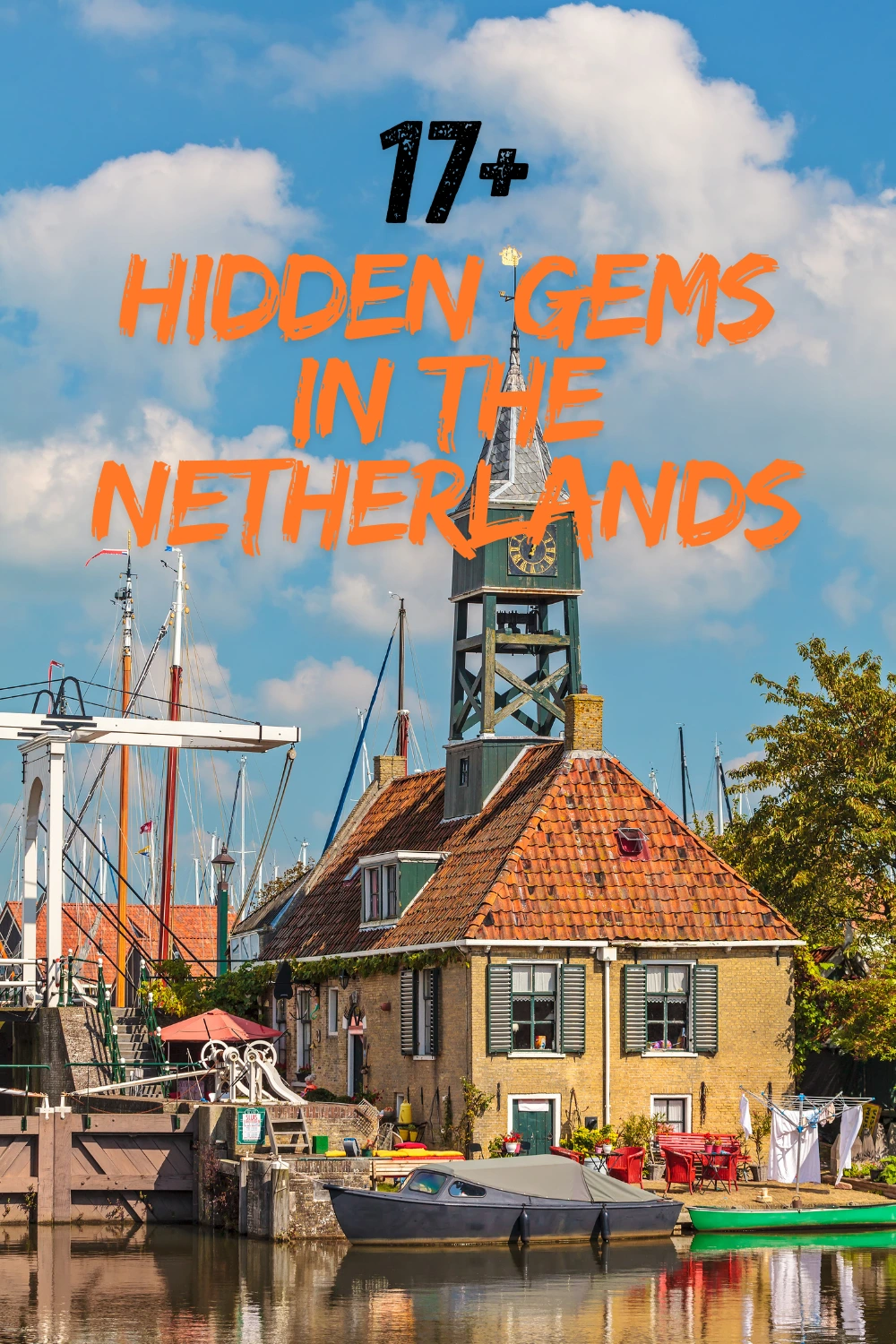
Everyone thinks they know the Netherlands. Windmills. Tulips. Amsterdam’s canal rings are packed shoulder-to-shoulder with tourists in August. And yes, all of that is wonderful — but if that’s the only Netherlands you’ve seen, let me be honest with you: you’ve only scratched the surface.
I’ve spent years traveling across this small, endlessly surprising country — by train, by bike, on foot, and occasionally by boat — and what strikes me every single time is how much is hiding just beyond the tourist trail. Medieval cities so perfectly preserved that they feel like film sets. Landscapes that look absolutely nothing like the flat, boggy stereotype. Towns so quietly beautiful that you’ll spend half your visit wondering why no one told you about them sooner.
This is my love letter to the Netherlands that most people never see. Grab a coffee, get comfortable, and let me take you off the beaten path.
Before We Begin: Why the Netherlands Rewards the Curious
There’s a particular kind of traveler who arrives in the Netherlands, spends two days in Amsterdam, ticks off the Van Gogh Museum and a canal boat, and flies home feeling like they’ve done it. I don’t blame them — Amsterdam is magnificent. But the Netherlands is a country of twelve provinces, each with its own character, dialect, landscape, and food culture. From the haunting heathlands of Drenthe to the surprising hills of Limburg, from the brooding Frisian coast to the fairy-tale forests of the Veluwe, the variety here is genuinely astonishing for a country you could drive across in two hours.
The beauty of exploring the Netherlands beyond the obvious is the ease of it. The train network is excellent — frequent, punctual, and affordable. The cycling infrastructure is the finest in the world, so renting a bike almost anywhere unlocks a whole other layer of the country. And the Dutch, in my experience, are refreshingly direct, warm once you get past the initial no-nonsense exterior, and deeply proud of their local spots. Ask someone in a small Frisian village what’s worth seeing, and you’ll be there until dinner.
So let’s get into it. Here are the hidden gems in the Netherlands that I keep going back to — and that I think you’ll love.
1. Hindeloopen, Friesland
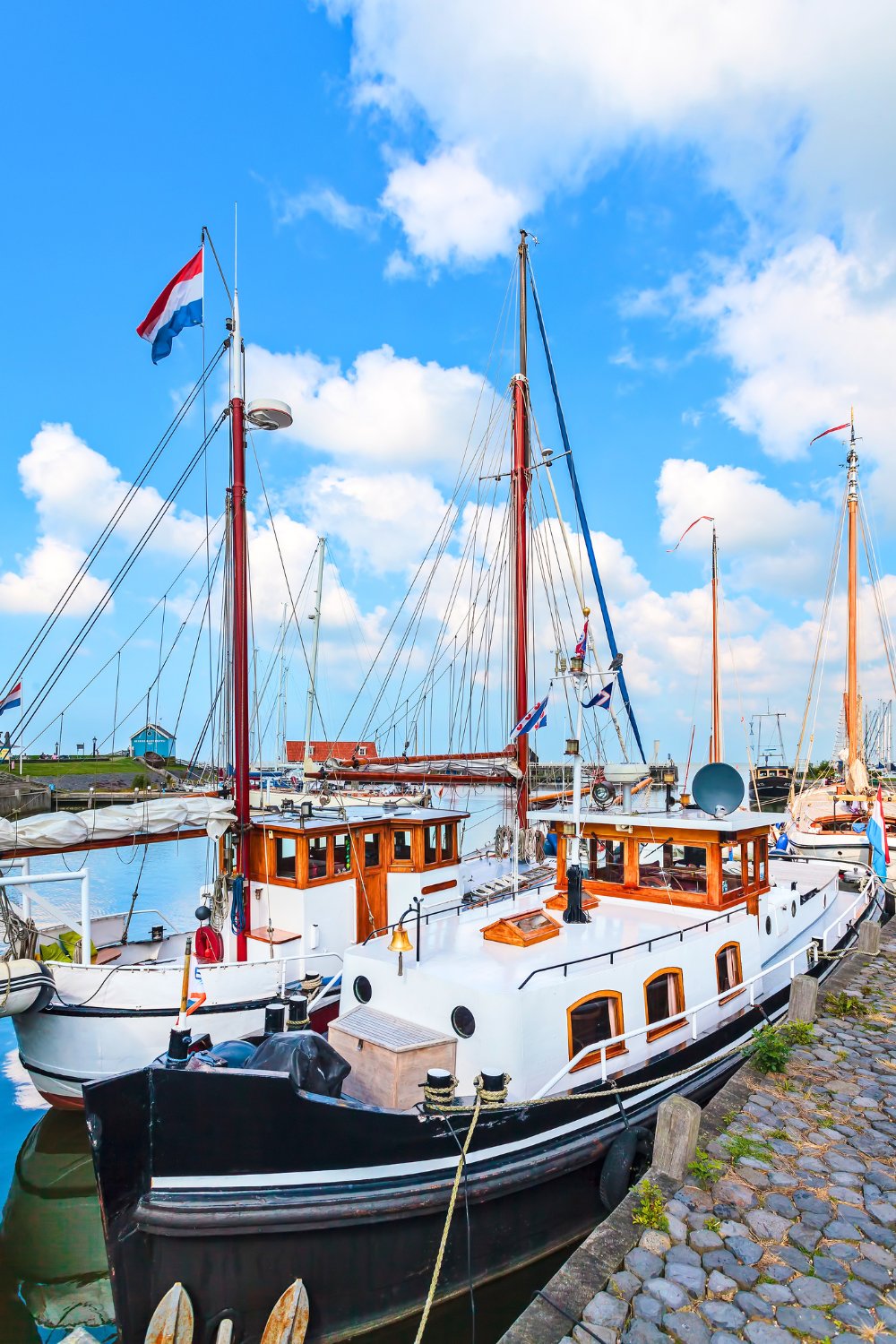
There are towns that look nice on Instagram, and then there are towns that stop you mid-stride and make you think: how have I not heard of this place? Hindeloopen is firmly in the second category.
This tiny Frisian town on the IJsselmeer shore has stolen my heart more completely than almost anywhere in the Netherlands. It’s small — genuinely small, the kind of place you can walk end to end in fifteen minutes — but every single street is a picture. Historic wooden houses painted in that distinctive Hindeloopen style (a folk art tradition of rich colours and floral motifs) line narrow lanes barely wide enough for two people to pass. Most of the town is pedestrian-only, which makes wandering around feel less like sightseeing and more like exploring a living museum where people actually live.
The town sits beautifully on the water, and on a clear afternoon when the IJsselmeer light turns everything golden, it’s one of those views that’s almost difficult to process. I sat on the waterfront for an embarrassingly long time just staring at it. The Museum Hindeloopen, housed in a 17th-century building on the main canal, tells the story of the town’s seafaring past and the unique local folk art tradition that developed here in relative isolation.
While you’re here, do walk out along the dike path toward Workum — the stretch of coastline between the two towns is wonderfully peaceful, with reed beds on one side and the open lake on the other.
Local tip: Hindeloopen is part of the historic Elfsteden route — the famous eleven-city skating circuit through Friesland. The quiet canal streets that make up the route are even more atmospheric in winter when frost coats the reeds. If you visit in summer, hire a bike and ride to the neighbouring village of Stavoren, which has a wonderfully melancholy harbour and a legend about a merchant’s daughter that the locals will happily tell you about.
2. Radio Kootwijk, Gelderland
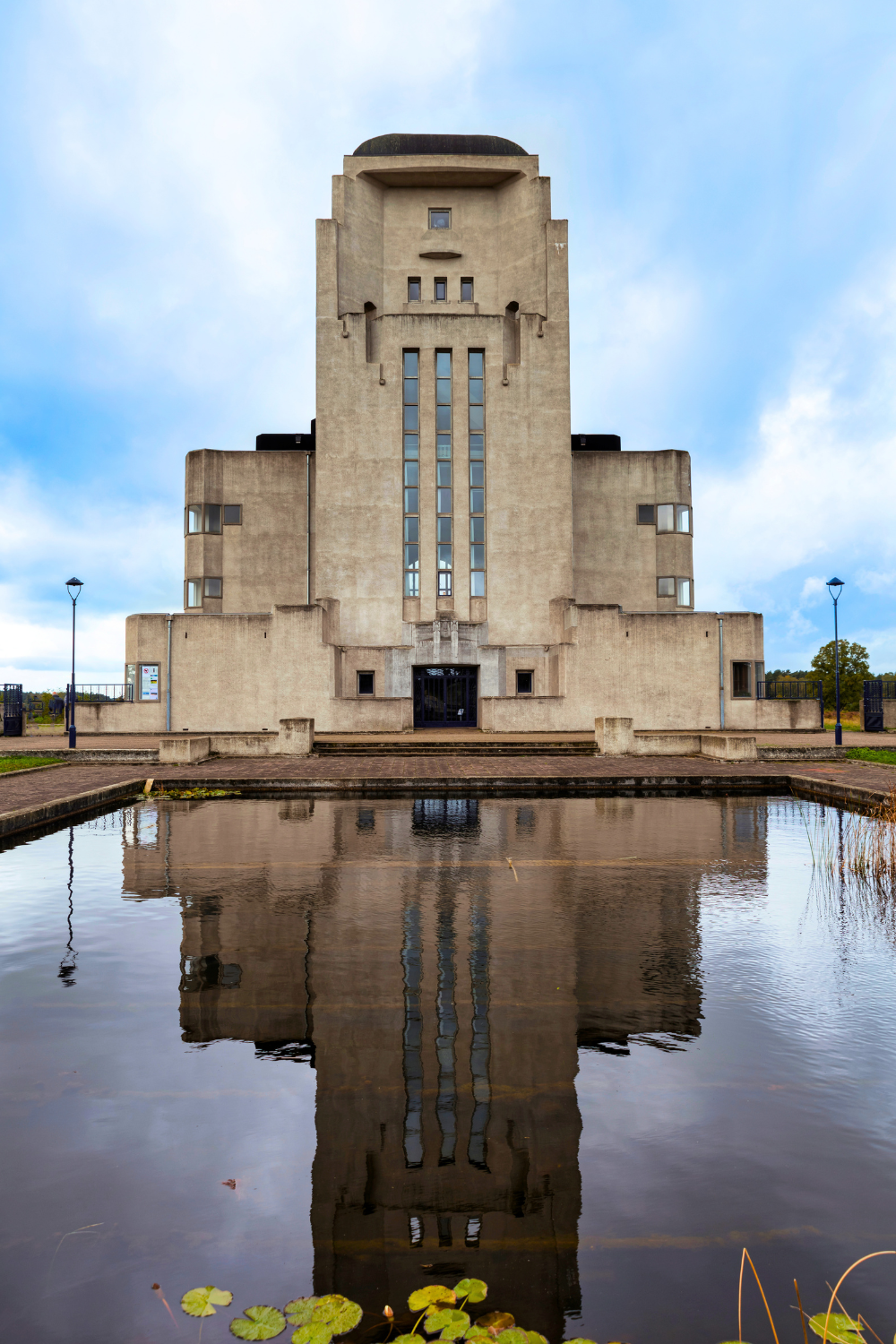
This one surprised me. I’d driven past the signs for Radio Kootwijk more than once without stopping, assuming it was some sort of industrial site. Stopping was one of the better decisions I’ve made as a traveller.
Radio Kootwijk is a former radio transmitting station built in the 1920s, sitting in the middle of an extraordinarily beautiful stretch of heathland and drifting sand dunes in the Veluwe region. The main transmitting building — a massive, cathedral-like concrete structure in Amsterdam School style — is jaw-droppingly dramatic. It looks like a cross between a fortress and a church, sitting alone in the middle of this vast, otherworldly landscape of pale sand and purple heather. Honestly, the first time you see it, it feels like something out of a Nordic noir series.
The surrounding nature reserve is the real reason to linger. The Assel heathland that wraps around the station offers some of the most varied walking in central Netherlands — through heather, forest, and open drifting sand. The twelve-kilometre heathland route is a genuine highlight, and in late summer when the heather blooms, the colours are extraordinary. The contrast of that brutalist concrete building against a wash of purple is something I think about more often than is probably normal.
There’s also a small village that was built for the station’s employees, with neat workers’ houses that have a slightly eerie, time-capsule quality to them. It’s all been beautifully preserved.
Local tip: Go early on a weekday if you can. At weekends in summer the car park fills up with families, which takes some of the magic away. If you’re there in the late afternoon on a clear day, the low light on the transmitter building and the dunes is genuinely breathtaking — bring a camera with more memory than you think you’ll need.
3. Haarlem, North Holland
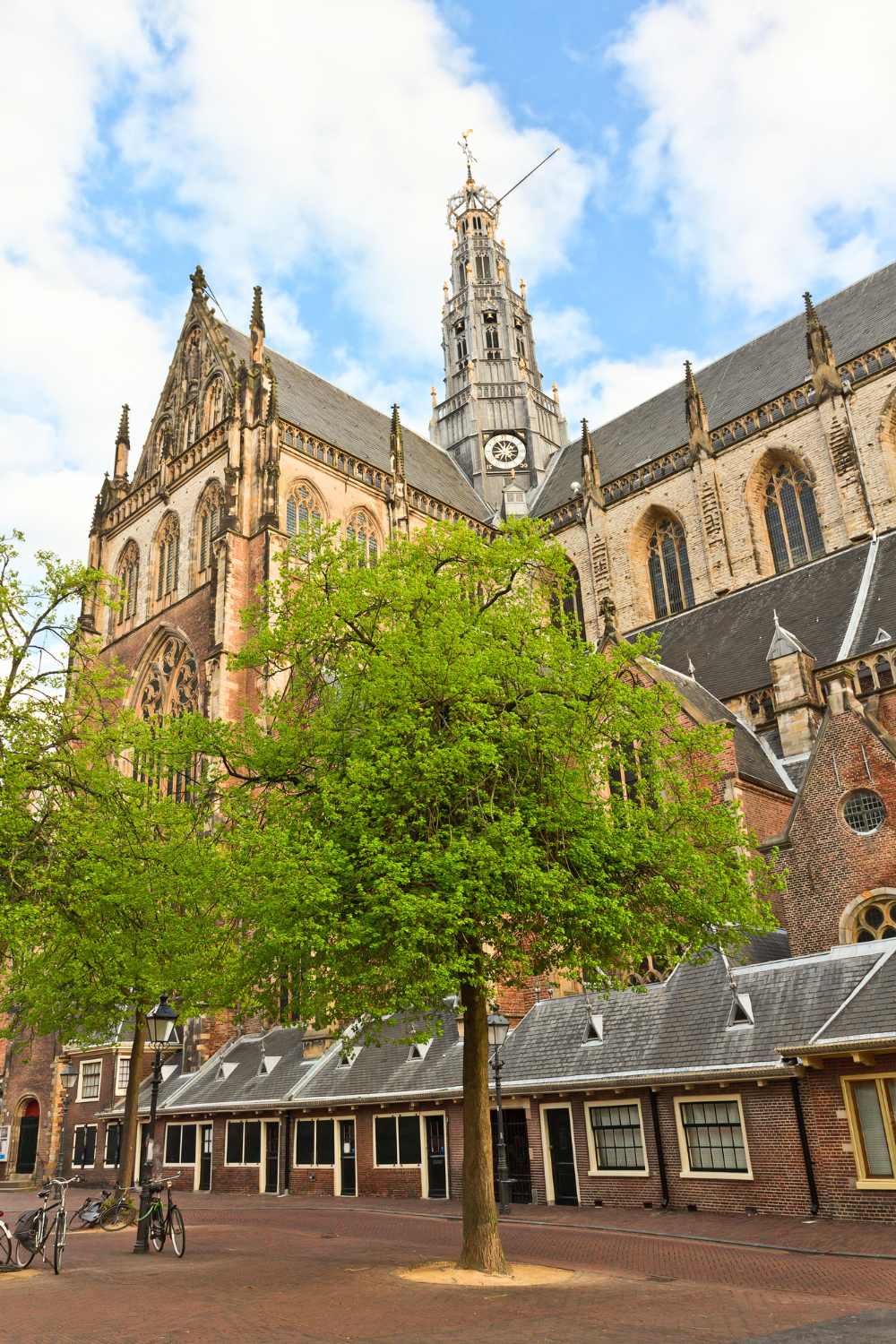
I know, I know — Haarlem isn’t exactly unknown. But let me argue its case as a hidden gem anyway, because so many visitors to Amsterdam take the twenty-minute train ride and then spend their entire visit in the Grote Markt before rushing back. That’s like going to Paris and only seeing the train station.
Haarlem deserves far more time than most people give it. The historic centre is remarkably well-preserved — in some ways better than Amsterdam’s — with the magnificent Sint-Bavokerk dominating the main square the way a great church should. Inside, there’s an organ that both Mozart and Handel played, which still feels slightly unreal when you’re standing in front of it. The Frans Hals Museum, split across two locations, houses one of the finest collections of Golden Age painting anywhere in the world, and it’s nowhere near as crowded as the Rijksmuseum.
But the real pleasure of Haarlem is just walking. The hofjes — hidden almshouse courtyards tucked behind plain street doors — are one of the great secret pleasures of Dutch city architecture, and Haarlem has some of the finest. The Teylers Museum, the oldest museum in the Netherlands (founded in 1778), is a marvel of 18th-century scientific romanticism: fossils, mineral collections, and curious instruments in a neoclassical rotunda that genuinely hasn’t changed much since Napoleonic times. I could spend a whole afternoon in there.
Local tip: The Jopenkerk is a craft brewery installed inside a former church near the Grote Markt, and the combination of drinking excellent Dutch beer in a beautifully restored gothic space is hard to beat. Go for the Koyt — a medieval-style dark ale brewed to a Haarlem recipe from 1407. Yes, really.
4. The Balloërveld, Drenthe
The province of Drenthe doesn’t get nearly enough attention from international visitors, and the Balloërveld is a perfect example of why that’s such a shame. It’s a vast heathland nature reserve near Assen and Rolde, and walking into it for the first time, I had that rare sensation of feeling genuinely far from everything — despite being in one of the most densely populated countries in Europe.
The landscape shifts beautifully as you walk: open purple heather gives way to patches of birch and pine, then opens again onto wide vistas with ancient burial mounds rising from the heath. Those mounds — called hunebedden or esdorpen — tell you that people have lived in this landscape for thousands of years. Drenthe has the highest concentration of megalithic monuments in the Netherlands, and several are visible from or near the Balloërveld paths.
If you’re there in late summer (mid-August to mid-September), the heather is in full bloom and the whole landscape turns a shade of purple that looks almost painted. I’ve seen photographs of it and thought they were edited. They’re not.
Keep an eye out for the Drenthe heath sheep, a local breed with curved horns that graze freely across the heathland. Encountering a large flock of them on a misty morning is one of those unexpectedly magical moments this country keeps producing.
Local tip: The village of Rolde, just northeast of the reserve, has one of the best traditional Drenthe village settings in the province — a square church, old farmhouses, and a lovely terrace café. Combine a walk on the Balloërveld with lunch or coffee in Rolde and you have a perfect day.
5. Kampen, Overijssel
If you want to know what a prosperous Dutch medieval city looked like before the tourists arrived, go to Kampen. Situated on the IJssel river not far from Zwolle, this former Hanseatic League city is one of the best-preserved medieval townscapes in the entire Netherlands — and somehow most people have never heard of it.
The skyline alone is worth the journey. Three medieval city gates still stand, and the Koornmarktspoort in particular is so perfectly preserved it looks like a film set. Walk through it into the old town and you’ll find narrow streets lined with gabled merchants’ houses, a monumental Gothic church (actually two — the Bovenkerk and the Buitenkerk), and a waterfront that’s been the commercial heart of this city since the 14th century.
Kampen also has a surprisingly rich museum scene for a city of its size. The city museum in the old town hall building covers the Hanseatic era with real depth and enthusiasm, and the collection of medieval silver and religious artefacts is extraordinary. But honestly, I’d recommend spending most of your time just walking. Every street in the old centre has something to stop you — a carved doorway, a tiled step-gable, a courtyard suddenly opening up between buildings.
Local tip: The Kamper Kogge is a reproduction of a 14th-century Hanseatic merchant ship moored in the harbour, and you can visit it in summer. Combine this with a walk along the IJssel dike at sunset, when the light turns everything honey-coloured and the city gates are reflected in the river, and you’ll understand why I keep telling people to go to Kampen.
6. The Speulderbos, Gelderland
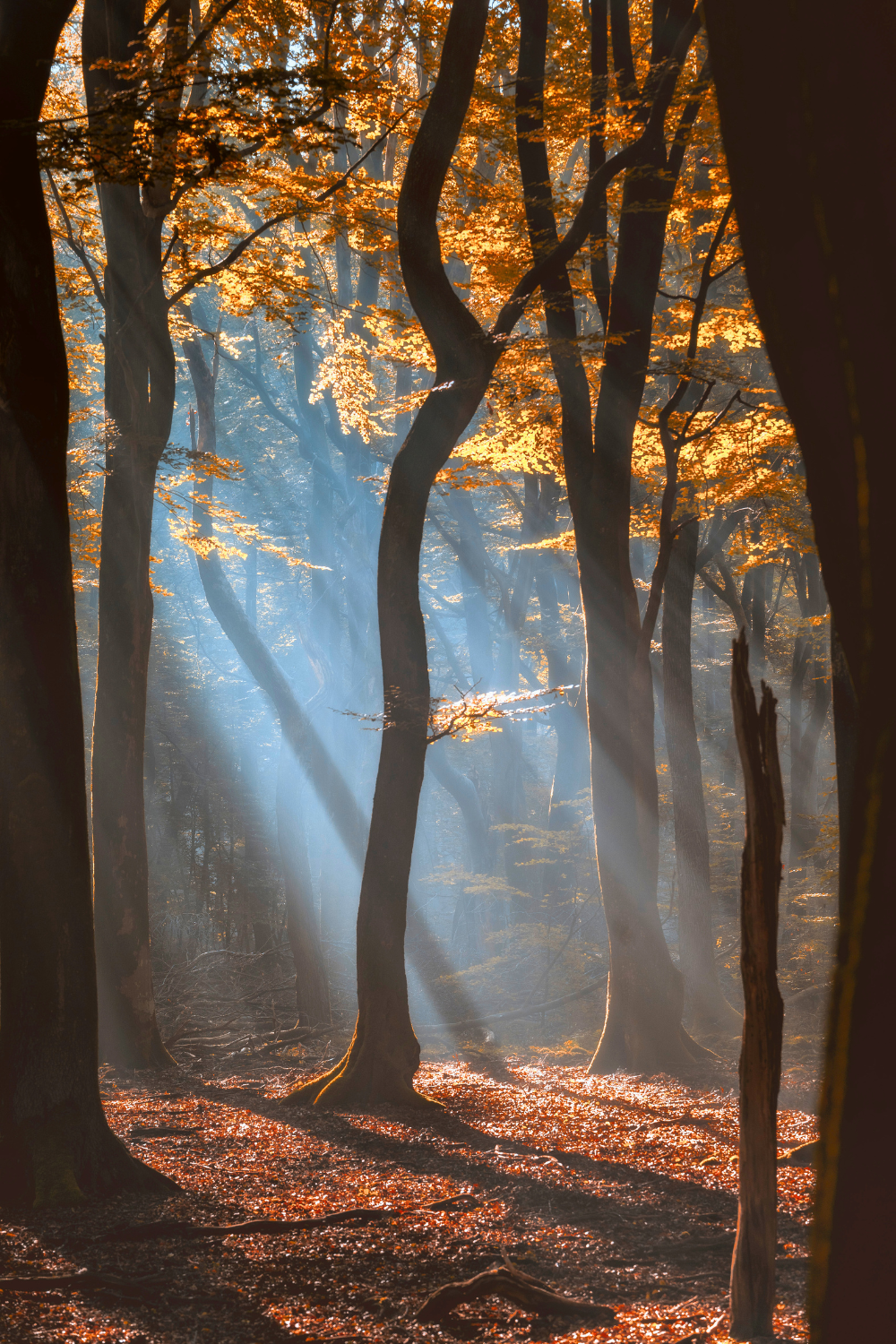
I walked into the Speulderbos on a grey November morning not expecting very much, and came out feeling like I’d spent an hour in a fairy tale. This ancient forest in the Veluwe is known for its “dancing trees” — beech trees so old and wind-shaped that their trunks have bent and twisted into extraordinary forms, their roots gripping the sandy soil in contorted, almost animal poses.
The atmosphere under the forest canopy is unlike anywhere else I’ve been in the Netherlands. The trees are dense enough to block out the sky in places, and the light filtering through the leaves (or in autumn and winter, through the bare branches) has a quality that photographers talk about in reverent tones. It genuinely feels like something mythological might walk out from between the trees. A local told me the forest is called “dancing” because of the way the trees move in the wind — once she’d said it, I couldn’t unsee it.
The Cultural History Walking Route through the Speulderbos is eight kilometers and passes through the forest and over the adjacent Ermelosche Heide nature reserve. It’s one of the better half-day walks I’ve done in this country — varied, well-marked, and full of surprises. In autumn, the colors are something else entirely.
Local tip: The village of Ermelo on the western edge of the Speulderbos has a cluster of good local restaurants and a charming village center. After a long walk in the forest, I can personally recommend arriving at a warm café with muddy boots and ordering something hearty — the Dutch do brown cafés extremely well, and Ermelo has a good one.
7. Leeuwarden, Friesland
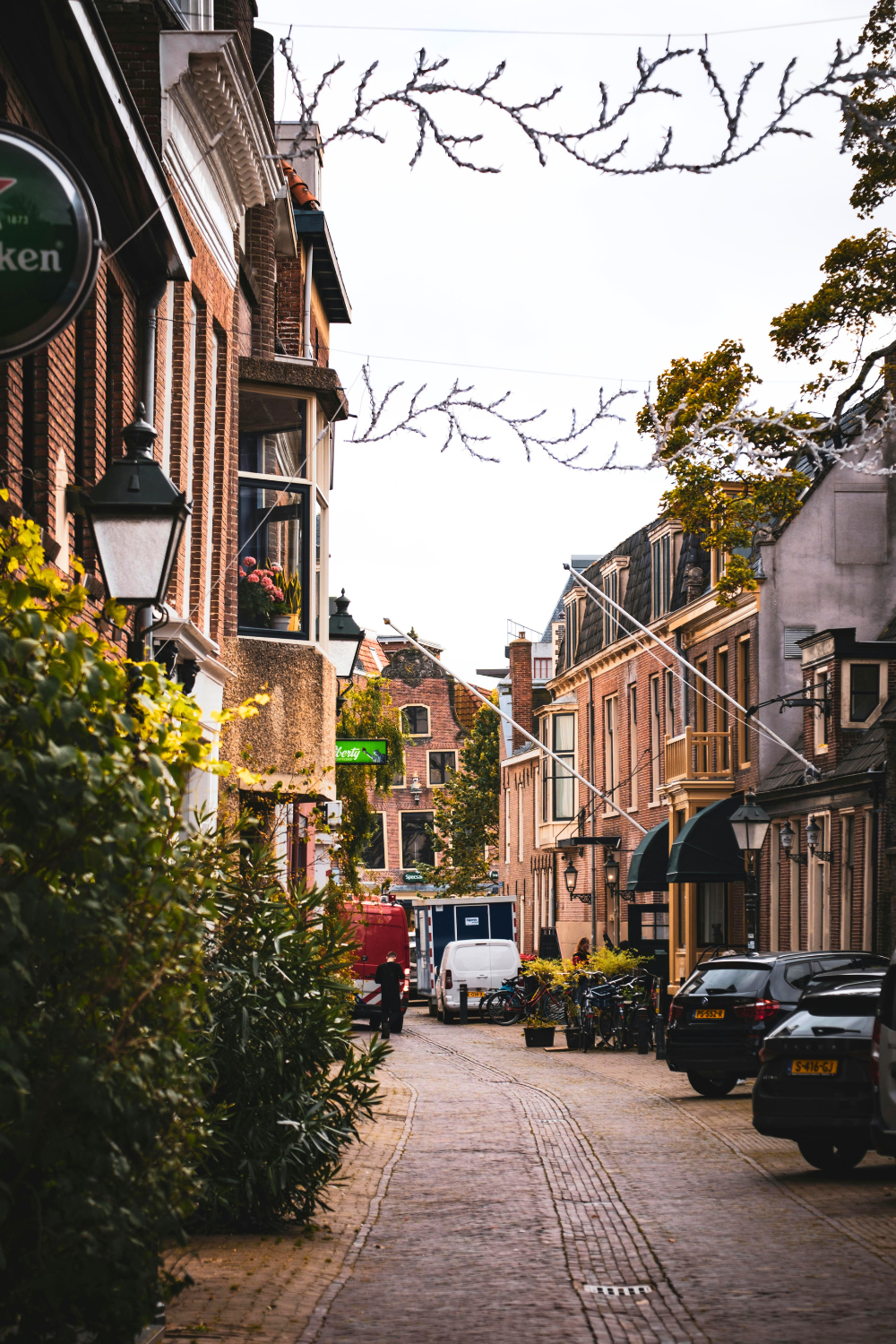
Let me be clear about Leeuwarden: this is not a hidden gem in the sense that locals don’t know about it. The Frisian capital is well loved by the Dutch. But among international visitors, it remains startlingly overlooked, and that strikes me as a genuine injustice.
I spent a winter living in Leeuwarden and came to understand it as one of the most characterful cities in the Netherlands. The historic centre — with its canals, step-gabled houses, and tilting Oldehove tower (Leeuwarden’s answer to the Leaning Tower of Pisa, though built in the 16th century and left deliberately unfinished when the foundations proved unstable) — is a genuine pleasure to explore. Climb the Oldehove on a clear day and you get sweeping views across the flat Frisian landscape in every direction.
The Fries Museum is one of the best regional museums in the Netherlands, with strong collections covering everything from Frisian silver to contemporary art, and a particularly moving exhibition about Mata Hari, who was born in Leeuwarden in 1876. The Princessehof National Museum of Ceramics, housed in a restored 18th-century palace, is one of the world’s leading ceramic art collections — which sounds dry until you’re actually standing in front of extraordinary pieces of Delftware and Asian porcelain in a beautiful building.
The Miniature People walking route is one of those genuinely brilliant local ideas: tiny figures, centimetres tall, have been placed on ledges, doorsteps, and windowsills throughout the historic centre. Finding them turns a city walk into a treasure hunt, and it takes you through streets you’d never have found otherwise.
Local tip: Leeuwarden is the gateway to southwest Friesland, one of the most beautiful and undervisited corners of the Netherlands. Hiring a bike and spending a day cycling through the small towns of the region — Workum, Bolsward, Sneek — is one of the great Dutch cycling experiences.
8. Schokland, Flevoland
This one requires a little context, because Schokland is unlike anything else in the Netherlands. It used to be an island — a small, vulnerable strip of land in the old Zuiderzee, inhabited for centuries despite the constant threat of flooding. In 1859, the Dutch government ordered the last remaining residents to evacuate. The island was simply too dangerous to live on.
Then, in the 1940s, the Dutch drained the Noordoostpolder and the old island became landlocked — a raised ridge of earth in the middle of new farmland, the surrounding sea replaced by flat polderland. Schokland is now a UNESCO World Heritage Site, and visiting it feels like encountering a ghost: the outline of the old church, the remnants of the harbour wall, the dykes that were once all that stood between the villagers and the water.
The museum on Schokland is small but excellent, and the outdoor walking route around the old island ridge is quietly haunting. Whale bones and prehistoric artefacts have been found in the polder soil that surrounds it — relics of the sea floor that was drained. Standing on Schokland and looking across the flat farmland in every direction, knowing you’re standing on what was once a scrap of island in an inland sea, is one of the stranger and more memorable experiences the Netherlands has to offer.
Local tip: Combine Schokland with a visit to the extraordinary Batavia Yard in Lelystad, where a full-scale replica of a 17th-century Dutch East India Company ship was built by hand using traditional methods. The two together make for a genuinely fascinating day about Dutch mastery over water.
9. The Loonse en Drunense Duinen, North Brabant
Most people associate sand dunes with coastlines. The Loonse en Drunense Duinen will politely challenge that assumption. This national park in North Brabant contains the largest drifting inland sand dunes in Western Europe — vast expanses of pale, windblown sand surrounded by forests and heathland, entirely landlocked and entirely unexpected.
Walking into the dunes for the first time is genuinely disorienting in the best possible way. The landscape shifts so dramatically from the forested path you’ve been following that it takes a moment to recalibrate. In summer, with the heat rising from the sand and the sky enormous overhead, it really does feel like a small piece of desert transplanted to the Dutch countryside. In winter, when the sand is pale against a grey sky and the forest edges are bare, it’s bleaker and more beautiful still.
The park has an excellent network of hiking trails at various lengths, and the combination of dune, heathland, and forest means the scenery changes constantly. There are also great cycling routes through the surrounding Brabant landscape, passing through small villages with brown-brick churches and traditional farmsteads.
Local tip: The village of Kaatsheuvel, on the eastern edge of the park, is also home to the Efteling — one of Europe’s oldest and most atmospheric theme parks, built around fairy tales and folklore. If you’re travelling with children (or if you have any affection for beautiful, slightly surreal storytelling), it’s absolutely worth a visit.
10. The Duivelsberg, Gelderland
Hills in the Netherlands. I know. Let me be honest with you — when someone first told me the Netherlands had hills worth seeking out, I laughed. Then I walked up the Duivelsberg, found myself looking out over a genuinely sweeping river landscape from 75 metres above it, and stopped laughing immediately.
The Duivelsberg — literally “Devil’s Mountain” — sits just south of Nijmegen near the German border, in the glacial moraine landscape of the Berg en Dal region. The hill itself is modest by any European standard, but in the context of the surrounding river delta, it feels dramatic. The views from the top extend across the Rhine and Waal floodplains, with Germany visible on the clear days that this corner of Gelderland specialises in.
The hiking trails through the Duivelsberg nature reserve are genuinely varied and beautiful — beech forests, open heathland, and sudden views that make you forget you’re in the Netherlands. The whole area around Nijmegen surprised me enormously when I first visited it; the city itself is worth at least a half-day (it’s the oldest city in the Netherlands, with Roman foundations, and the Valkhof park above the river is lovely), and the surrounding landscape is some of the most varied in the country.
Local tip: The Berg en Dal region is also home to Heilig Landstichting, where there’s a scale model of biblical Jerusalem set in landscaped gardens — it’s eccentric, unexpected, and oddly wonderful. The Orientalis park, developed around the same site, explores the history and cultures of the Middle East and North Africa with real thoughtfulness.
11. Leiden, South Holland
Here’s something the tour guides don’t lead with: Leiden was the largest city in the Netherlands after Amsterdam during the Golden Age. It was a centre of printing, cloth trade, and academic life — its university, founded in 1575, is the oldest in the Netherlands and one of the most prestigious in Europe. Walking through Leiden’s historic centre, you can still feel the weight of that history in every stone.
The old town is threaded with canals and bridges in a way that feels even more intimate than Amsterdam — the scale is smaller, the crowds are lighter, and the architecture is consistently beautiful without the coach parties. The Visbrug, a wooden drawbridge over the Nieuwe Rijn canal, is one of those spots where I’ve stood on several separate visits and still found it hard to leave. The alleyways behind the main shopping streets conceal courtyards, old breweries, and warehouses that haven’t changed much since the 17th century.
The museums are outstanding. Naturalis Biodiversity Center, recently renovated and expanded, houses one of the most complete Tyrannosaurus rex skeletons in existence and is honestly one of the best natural history museums in Europe. The Museum de Lakenhal covers Leiden’s Golden Age story with a remarkable collection of local painting and decorative arts. And for something genuinely unexpected, the Rijksmuseum van Oudheden has an ancient Egyptian temple — the Temple of Taffeh — gifted by Egypt to the Netherlands in the 1960s, reassembled inside the museum atrium. That is not something you see every day.
Local tip: The Monday and Saturday markets on the Nieuwe Rijn and Botermarkt are among the best in South Holland — long lines of stalls selling herring, stroopwafels, Dutch cheese, and flowers. Buy a cone of freshly fried patatjes with oorlog sauce (peanut sauce, mayonnaise, and raw onion — yes, it’s as good as it sounds) and eat it while walking along the canal.
12. Groningen City, Groningen
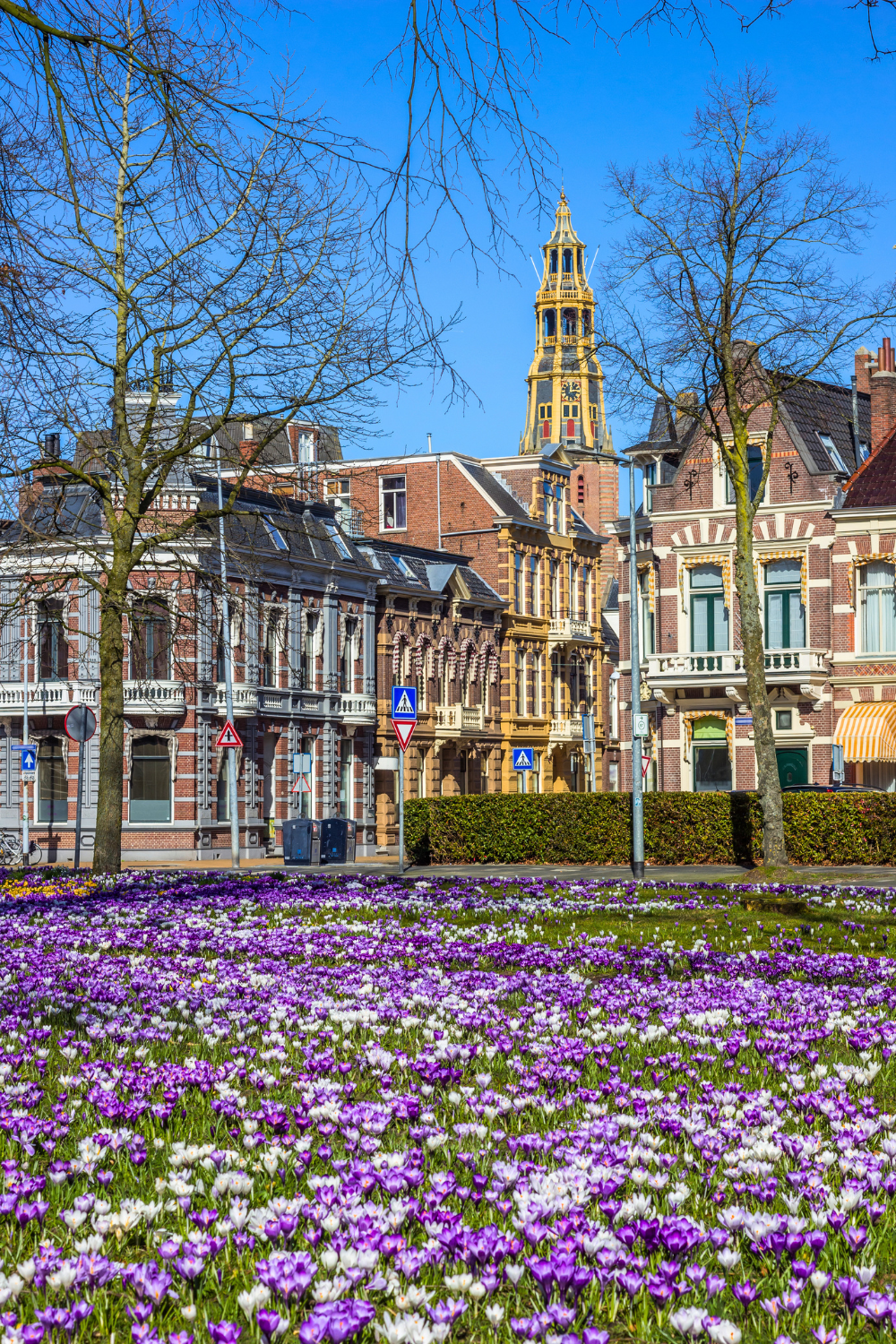
I’ll admit upfront that I have a bias here, because Groningen is in the far north of the country, which means it takes a little longer to get to from most of the obvious entry points. That distance is, I think, precisely why it remains one of the best-kept secrets in Dutch travel.
Groningen is a proper city — young (it has a huge student population), vibrant, slightly edgy, with an arts scene that punches well above its weight. The Groninger Museum, designed by Alessandro Mendini and others in the early 1990s, is one of the most distinctive museum buildings in Europe: a deliberately fragmented structure of coloured pavilions that manages to be both outrageous and wonderful. The collection inside, ranging from archaeological finds to cutting-edge contemporary art, matches the building’s ambition.
The historic centre has a particular quality I haven’t found anywhere else in the Netherlands. The Martini Tower — the tallest in the province, rising from the Grote Markt — can be climbed for views over the entire flat northern landscape. The hidden hofjes scattered through the old centre reward aimless walking. The Forum, a striking new cultural building on the Westerhaven, has a rooftop terrace that on a clear day gives you a 360-degree view over the city and the surrounding farmland that genuinely takes your breath away.
And the food scene, driven by the student population and a local culture that takes eating seriously, is much better than most visitors expect.
Local tip: The Vismarkt is Groningen’s most lively square — Tuesday, Friday, and Saturday it hosts an excellent market, but on any evening it fills up with people spilling out of bars and restaurants in a way that feels distinctly and happily Dutch. The city also has some wonderful craft beer bars; ask locally for whoever is currently brewing the best seasonal ales.
13. The Schoorlse Duinen, North Holland
If you want to understand why so much Dutch culture is built around the relationship between land and sea, go and walk in the Schoorlse Duinen. This stretch of North Holland dune landscape near Alkmaar contains the highest dunes in the Netherlands — modest by international standards, sure, but dramatically imposing in this landscape — and over 60 kilometers of marked hiking trails through a wildly varied terrain of dune, forest, heath, and beach.
The dune tops are bald and wind-scoured, giving views west over the North Sea and east over the flat farmland behind. The wooded dune valleys are intimate and sheltered, with paths winding between ancient birch and pine that feel nothing like the open landscape above. The beach at the western edge of the reserve, backed by those tall dunes, is one of the less-visited North Sea beaches and correspondingly uncrowded outside summer weekends.
Alkmaar itself, just to the south, is worth combining with a visit — the famous cheese market (held Friday mornings in summer) is genuinely theatrical, with cheese porters in traditional white outfits running wheels of Gouda across the market square on wooden frames. I know that sounds like a tourist trap, and it sort of is, but it’s also a real tradition that’s been happening on this square since the 17th century, and I find it hard not to enjoy.
Local tip: The small village of Schoorl, in the middle of the dune reserve, has a quiet charm that’s easy to miss if you drive straight to the car park. The old village square with its church and surrounding farmhouses is lovely, and there’s a good traditional Dutch café that serves excellent pea soup — erwtensoep — in the colder months.
14. Gaasterland, Friesland
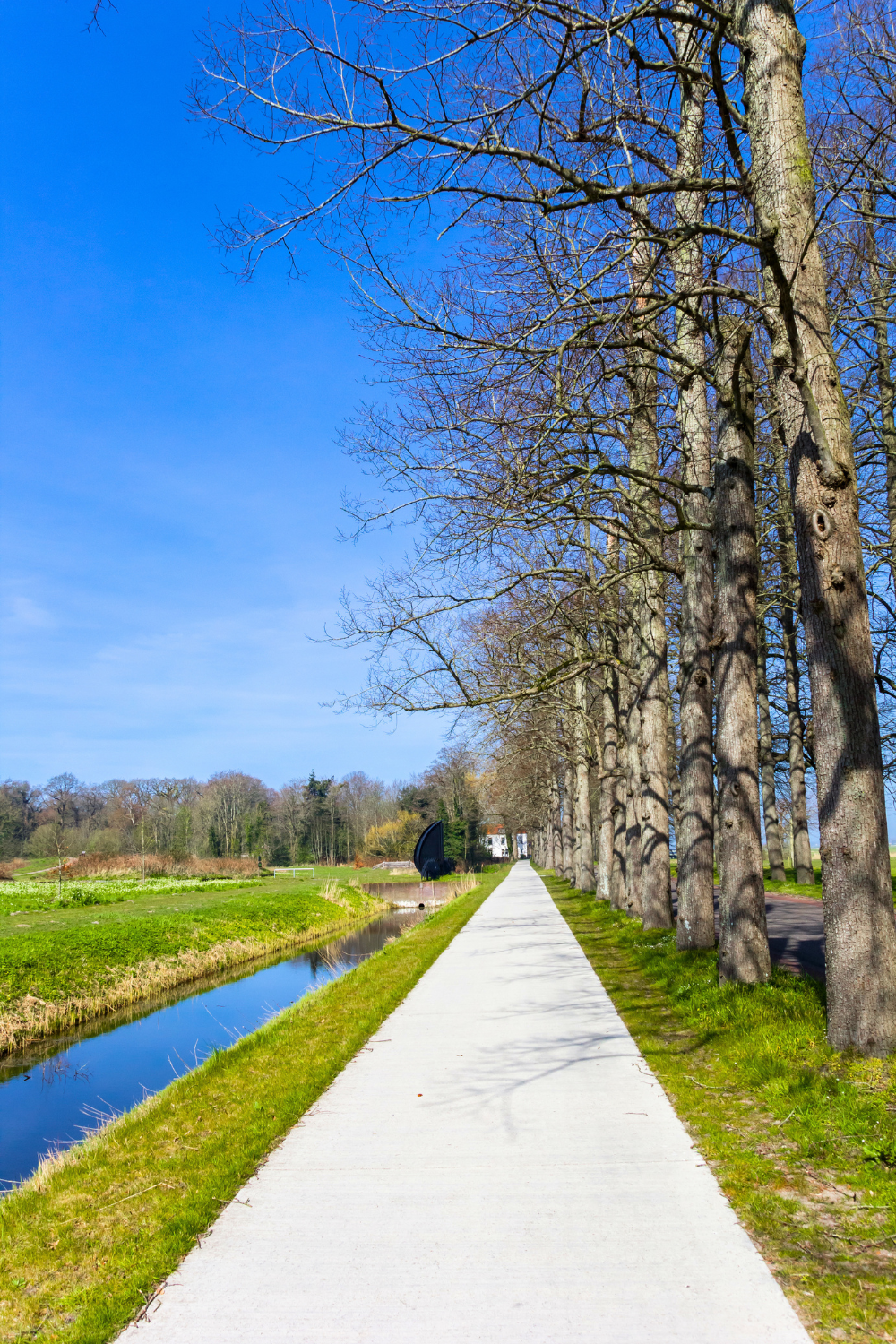
Friesland is flat. Everyone knows that. Except that in the southwest corner of the province, the landscape does something unexpected: it rolls. Gaasterland is a region of gentle hills, dense forests, and a coastline along the IJsselmeer that’s nothing like the rest of this province — cliffs of glacial clay dropping to a narrow beach, wooded hillsides, and small harbours where sailing boats bob in the quiet water.
I walked through Gaasterland on the Elfstedenpad long-distance trail and it genuinely took me by surprise. Coming from the flat polders to the north, the first view of actual elevation felt almost hallucinatory. The main village of Balk is modestly pretty, but it’s the landscape between settlements that makes this region special — winding lanes through old forest, sudden clearings with views across the IJsselmeer, tiny villages of traditional Frisian farmhouses clustered around church towers.
The area is also part of the broader southwest Friesland region that includes some wonderful small Hanseatic towns — Workum, Stavoren, IJlst — all connected by cycling routes that make a two or three-day bike tour one of the more pleasurable itineraries you can put together in this country.
Local tip: The cliff walk between Mirns and Oudemirdum along the IJsselmeer shore is one of the most surprisingly dramatic short walks in Friesland — about five kilometres, with those remarkable clay cliffs on one side and open water on the other. Go in the late afternoon for the light on the lake.
15. The Alde Feanen National Park, Friesland
The Netherlands has 21 national parks, and most people can name exactly one of them — the Veluwe. That’s a shame, because the Alde Feanen in the heart of Friesland is, in its quieter way, just as special.
This is a water landscape — a vast wetland of interconnected lakes, reed beds, and waterways between Drachten and Leeuwarden, where herons stand motionless in the shallows, marsh harriers quarter the reedbeds, and the only sounds on a calm day are wind and birdsong and the occasional splash of a pike. Otters have been reintroduced here and, if you’re patient and quiet, sightings are genuinely possible.
The park is best explored by boat — either your own hired canoe or one of the small electric boats available in the village of Earnewald, which sits right at the park’s edge. The network of marked water trails takes you through reed channels narrow enough to almost touch both banks simultaneously, and opens suddenly onto broad lakes where the sky reflects perfectly in the still water. It’s one of those landscapes that slows you down in the best possible way.
Walking and cycling trails through the park’s drier areas are also excellent, and the Earnewald village itself has a friendly, slightly end-of-the-world quality that I find enormously restorative.
Local tip: Visit in spring for nesting season, when the reedbeds are full of noise and activity — bitterns boom, great crested grebes perform their extraordinary courtship dances, and the whole landscape feels alive. Bring binoculars; even a cheap pair transforms the experience.
16. Venlo, Limburg
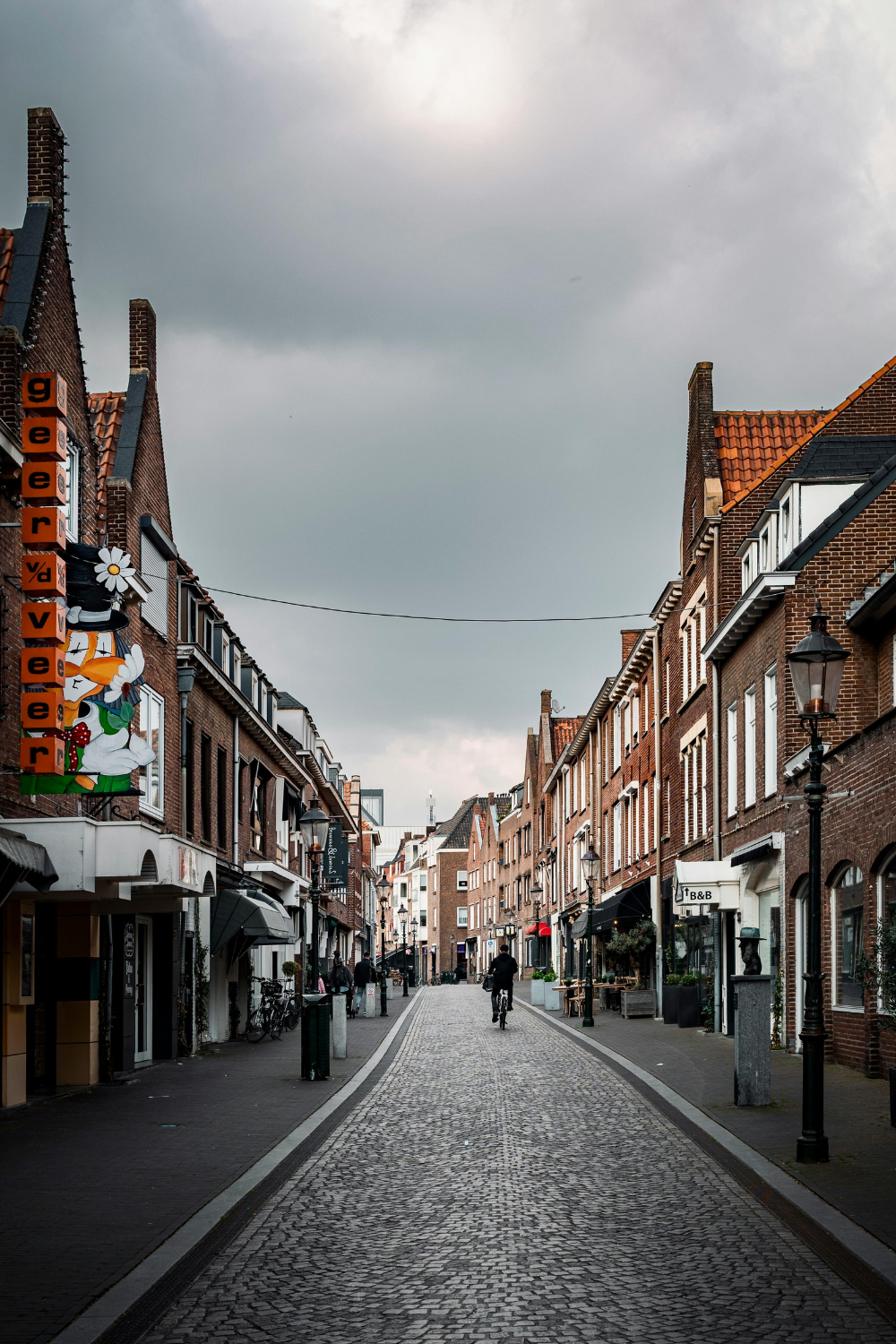
Limburg is the long, narrow southern province that dangles between Belgium and Germany, and it rewards exploration enormously. Venlo, near the German border on the Maas river, was somewhere I discovered by accident while hiking the Pieterpad trail, and it surprised me with how much character and history it packs into a relatively compact city centre.
The historic town hall on the Markt is a genuine Renaissance beauty — the kind of ornate, confident civic architecture that tells you exactly how prosperous this city was during its 16th-century heyday. The Limburgs Museum, housed in the old city walls and a series of elegant historic buildings, covers the region’s history from prehistoric times to the present day with real ambition. And the shopping streets, while perfectly ordinary at first glance, have a warmth and a pace that feels more like a small French or Belgian city than stereotypical Dutch efficiency.
Limburg also has a food culture unlike anywhere else in the Netherlands. The Limburgse vlaai — a flat pastry tart filled with fruit (cherry, apricot, or rice pudding are the classics) — is one of those regional specialities that locals are entirely right to be proud of. Eat one warm from a proper bakery. Don’t tell me you don’t have room.
Local tip: The area around Venlo is good cycling country, and the Maas valley to the south, following the river through small villages and orchards, is a cycling route that I’d put in the top tier of Dutch rides. In spring when the orchards are in blossom, it’s genuinely beautiful.
17. Arnhem and the Veluwe Surroundings, Gelderland
Arnhem is a city that most people outside the Netherlands know primarily from the Second World War — Operation Market Garden, the battle for the bridge, the film A Bridge Too Far. And yes, the Airborne Museum at the Hartenstein Hotel in nearby Oosterbeek is one of the finest military history museums in Europe, thoughtful and moving in equal measure. It’s worth making a dedicated trip for.
But Arnhem itself, and the landscapes around it, offer so much more than war history. The city has a beautiful situation on the Rhine, with parks running down to the river and a city centre that balances the historic (the Eusebiuskerk, the old Walburgskerk) with something more contemporary and lively. The Sonsbeek Park, running up from the city centre to the wooded hills beyond, is one of the most beautiful urban parks in the Netherlands.
And then there’s the Veluwe — the enormous forested and heathland wilderness that begins effectively at Arnhem’s back door and extends north for miles. The Hoge Veluwe National Park is the most visited, and rightly so — the Van Gogh Museum’s secondary collection and the Kröller-Müller Museum with its extraordinary sculpture garden are housed inside it, making it the only national park in the world where you can see Van Goghs. But the wider Veluwe heathland, away from the main park entrances, has a vast and slightly austere beauty that rewards exploration on foot or by bike.
Local tip: The white bicycles available free of charge within the Hoge Veluwe National Park are one of the great simple pleasures of Dutch travel — pick one up at the park entrance, ride through deer-dotted heathland to the Kröller-Müller, and pretend for a morning that you live here. It’s very hard to leave.
Practical Tips for Exploring the Netherlands Off the Beaten Path
Getting around is the easy part. The Dutch rail network is exceptional — frequent, clean, and reliable — and with a standard OV-chipkaart you can hop on and off trains, trams, and buses across the entire country without buying separate tickets. For the more rural spots on this list, a hire car gives you more flexibility, and roads in the Netherlands are generally excellent and well-signposted.
Cycling deserves special mention. The Netherlands has over 35,000 kilometres of dedicated cycling paths, and renting a bike — available at almost every train station through the NS Fiets system — is often the single best way to explore a region. Many of the places on this list are connected by long-distance cycling routes (LF routes) that are well-maintained and mapped.
For accommodation outside the major cities, smaller boutique hotels and bed-and-breakfasts are usually the best choice — they’re often excellent value, invariably more personal than chain hotels, and frequently owned by people who know their local area intimately and are happy to share it.
Weather-wise, the Netherlands is a four-season destination and each has its character. Spring (April to June) brings tulip season and long, mild days. Summer is popular and can be crowded at the main sites. Autumn, particularly September and October, is my personal favourite — the light turns extraordinary, the heathland is in bloom, the crowds thin out. Winter is cold and occasionally dramatic, with the possibility of frost on the canals and a low light that turns everything cinematic.
The best advice I can give: take the train somewhere you’ve never heard of, find a brown café, order a kopje koffie or a glass of Jenever, and ask someone what’s worth seeing nearby. The Dutch, in my experience, are enormously proud of their local spots and will point you somewhere wonderful.
The Netherlands will surprise you. It has surprised me, repeatedly, over years of exploring it — with landscapes I didn’t expect, towns I stumbled into and couldn’t leave, people who offered directions and ended up giving me an hour of local history. This is a country that repays curiosity more generously than almost anywhere I know. The hidden gems in the Netherlands are everywhere once you start looking. Go find them.

