
There’s a version of Barcelona you’ll read about in every glossy travel supplement — the one with the Sagrada Família bathed in golden light, the one where every tapas bar is cheap and perfect, the one where you stumble into flamenco at midnight and life just works. That version isn’t wrong, exactly. But it’s incomplete.
Barcelona is one of the most electric cities on the planet, and I mean that without reservation. But it is also a city that will catch you off guard — with its proud separateness, its surreal architecture, its obsession with a cuisine most visitors don’t expect, its locals who eat dinner at 10pm without a hint of irony. The sooner you understand its rhythms, the faster you’ll fall in love with the real thing.
I’ve spent weeks across multiple trips in this city — getting lost in the Eixample’s grid, eating razor clams at the Boqueria before the crowds arrived, watching futbol in a bar so packed I couldn’t lift my arm. What follows is everything I wish I’d known before my first visit, and a few things that still surprise me every time.
First, A Word on What Kind of City You’re Visiting
Let me be honest with you about something right away: Barcelona is not quite like anywhere else in Spain. It’s the capital of Catalonia — an autonomous region with its own language (Catalan), its own flag (the senyera, four red stripes on a yellow field), and a cultural identity that locals will tell you, with complete sincerity, is distinct from what you’ll find in Madrid. This isn’t just political posturing. It’s a genuine lived reality that shapes everything from how restaurants are named to what language road signs use.
This matters because too many visitors arrive treating Barcelona as simply a “Spanish city with good beaches,” and they miss something fundamental about the place. The Barcelonins are warm and welcoming — but they are Catalan first, and that pride runs deep. Acknowledging it, even briefly, goes a long way. Learn to say “gràcies” (thank you in Catalan) alongside “gracias,” and watch the smiles you get in return.
The city itself is built on a coastal plain hemmed between the Mediterranean and the Collserola hills, divided into ten official districts. Most visitors spend their time in Ciutat Vella (the old city), the Eixample (the gridded 19th-century expansion), and Barceloneta (the beach neighborhood). But the city has layers — Gràcia’s village-within-a-city charm, Poble Nou’s post-industrial cool, Sarrià-Sant Gervasi’s bougainvillea-covered calm — and knowing that these layers exist will change how you plan your days.
1. Barcelona Runs on Its Own Time — and You Should Too
You will be hungry at the wrong moment for at least the first two days, and this is a feature, not a bug. Barcelona operates on a schedule that makes northern European visitors mildly anxious. Lunch is the main meal of the day, served from about 2pm to 4pm. Dinner doesn’t begin in earnest until 9pm at the earliest, and a 10:30pm reservation is completely normal. The menú del día — a fixed-price lunch menu of two courses, bread, wine, and dessert — is the single best value eating experience the city offers, and you’ll find it at spots ranging from humble to genuinely excellent.
Trying to eat dinner at 7pm means you’ll either be turned away at many restaurants or eating alone in a room that should be full. Go with it. Have a late afternoon beer and some patatas bravas at a bar around 7pm to tide you over, then head to dinner closer to 9. This is not hardship. This is the rhythm.
The city also doesn’t really wake up properly until mid-morning. Mornings are for coffee — a tallat (like a cortado) or a cafè amb llet (milky coffee) at a standing bar — and perhaps a pa amb tomàquet (bread rubbed with tomato and drizzled with olive oil, the foundational snack of Catalan cuisine). Don’t rush. The city will still be there.
Local tip: The menú del día is often handwritten on a chalkboard outside, and it’s how local workers eat. Look for spots away from the main tourist drag — a side street off Carrer del Parlament in Sant Antoni will serve you a three-course lunch with wine for around €12–14, and the person next to you will be a construction worker or a lawyer.
2. Catalan Food Is Not What You Think “Spanish Food” Is
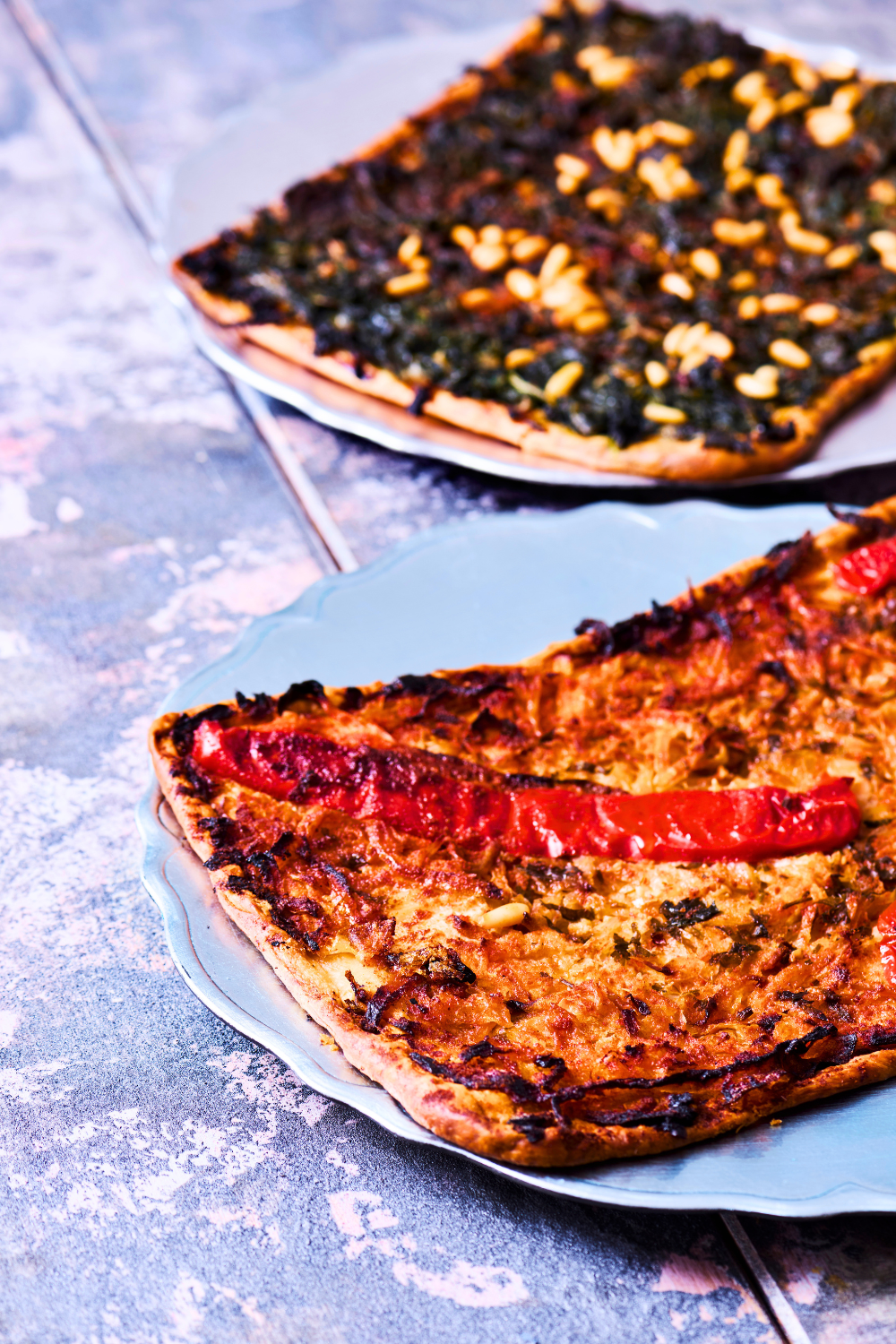
If you arrive expecting paella and sangria at every turn, you’re going to have a confused first afternoon. Paella is a Valencian dish, and while you’ll find it in Barcelona, the Catalan kitchen is its own rich tradition — and honestly, one of the great regional cuisines of Europe. It’s built around the sea, the market, and the land, with influences from France and the Mediterranean that give it a character all its own.
Start with pa amb tomàquet, the bread-and-tomato ritual that precedes almost every meal. Then work your way into botifarra (the fragrant local sausage), fideuà (a noodle-based dish cooked like paella, often better than the original), cargols (snails, a Catalan obsession), croquetes (croquettes filled with jamón or bacallà), and crema catalana (the original custard, lighter and more aromatic than its French cousin). The fish here is spectacular — salt cod (bacallà) prepared a dozen ways, fresh razor clams grilled with garlic and parsley, sea bass baked in a salt crust.
And yes, you can find sangria, but you will not impress anyone ordering it. The local drink is cava — the Catalan sparkling wine produced in the Penedès region a short train ride away — or vermut, the vermouth-and-soda aperitivo tradition that has had a massive revival in recent years. The vermut scene in Barcelona on a Sunday lunchtime, with olives and anchovies on the table and the whole neighbourhood seemingly at the bar, is one of the great pleasures of the city.
Local tip: For a masterclass in Catalan market cuisine, eat at one of the small standing bars inside the Mercat de Santa Caterina rather than the Boqueria (more on why in a moment). Or head to the Mercat de l’Abaceria in Gràcia on a Saturday morning — barely a tourist in sight, and the produce stalls sell directly to chefs.
3. The Boqueria Is Worth Visiting — But Not for Lunch
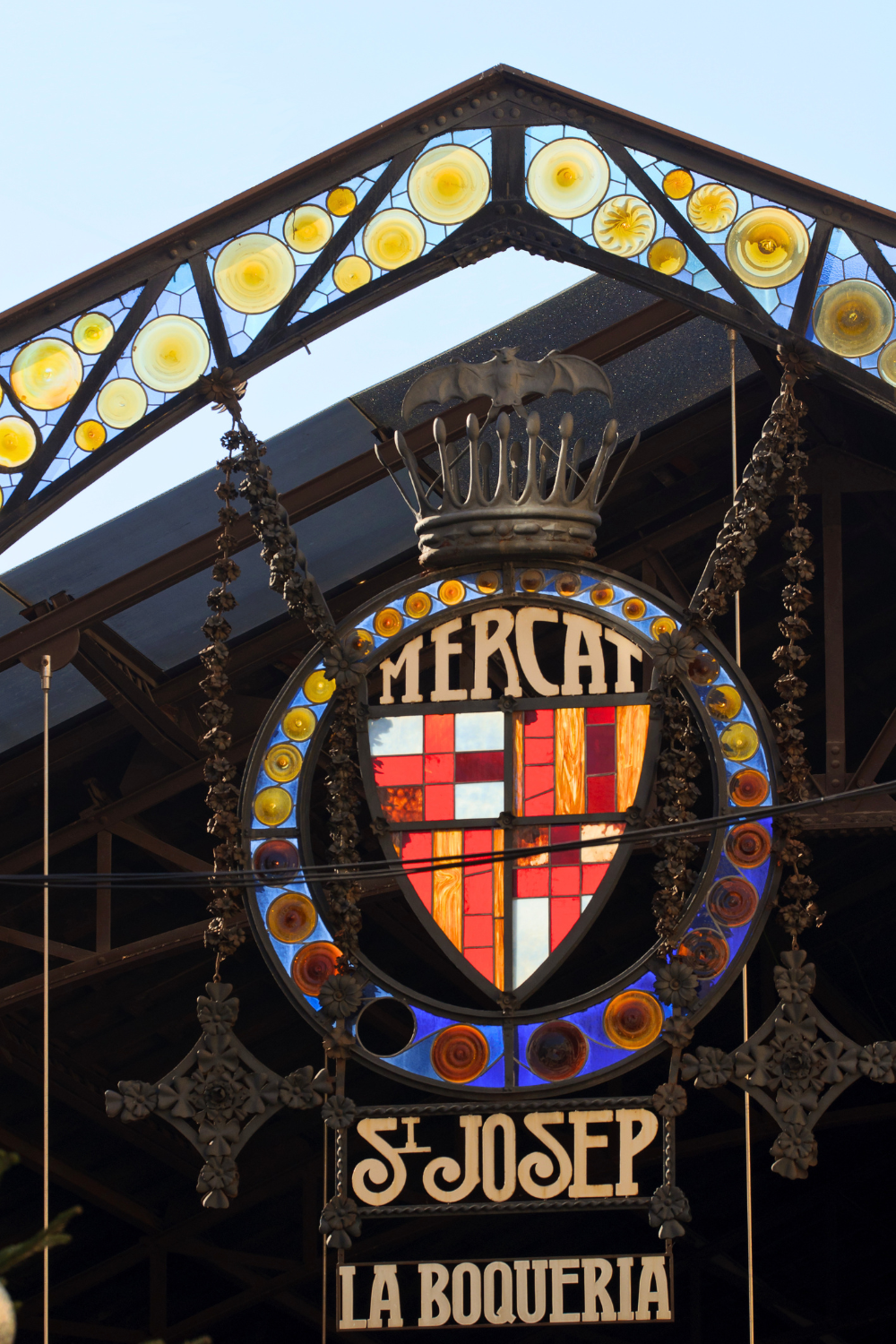
Let me be honest about La Boqueria. It is genuinely beautiful — one of Europe’s great covered markets, draped in iron and light, with a jaw-dropping array of produce, seafood, cured meats, and spices. It belongs on any first visit. And it has, over the years, become so popular that its character has changed significantly. Many of the stalls near the entrance now exist almost entirely to serve tourists: overpriced fruit cups, smoothies, exotic cut fruit presented with a showman’s flair. The interior stalls selling to locals are still there if you look for them, but you have to push past.
The bar seats at the back of the market — particularly at Bar Central or Bar Pinotxo — are genuinely wonderful for a market breakfast. Arrive before 9am for a stool at Pinotxo, order the chickpeas with blood sausage, a glass of cava, and watch Joan Bayen (the owner, now past 80 and still working) work the counter. This one surprised me. It’s legitimately one of the best €10 you’ll spend in Barcelona.
For a market experience that still belongs entirely to the city, visit Mercat de Santa Caterina in El Born — a stunning undulating roof by Enric Miralles covering stalls that serve the neighbourhood. Or Mercat de Sarrià, up in the hills, where the clientele is local and the mushrooms in autumn are extraordinary.
Local tip: The Boqueria’s best value is the dry goods aisle in the back third of the market — artisan cheeses, tinned seafood, Catalan wines — which makes excellent picnic or gift shopping. The produce here is also fairly priced and genuinely excellent.
4. Gaudí Is Essential, But Book Everything in Advance
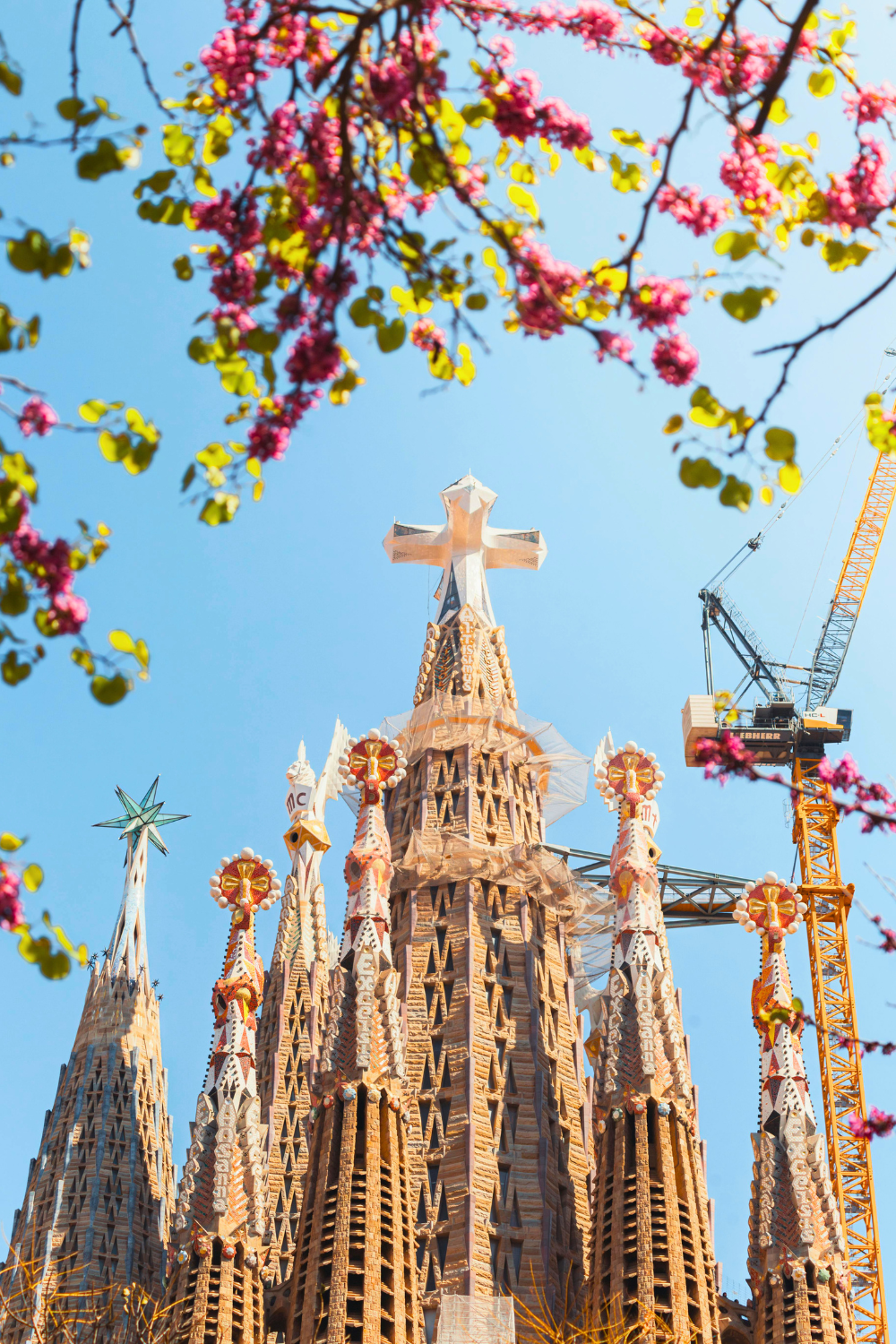
There is no arguing with the Sagrada Família. You can be someone who “doesn’t really do tourist things” and still stand in front of it with your mouth open. Antoni Gaudí’s unfinished basilica — still under construction since 1882, with its completion now genuinely within sight — is one of the most extraordinary buildings on earth. The play of coloured light through the stained glass of the nave on a clear morning is a physical experience. It changes how you think about what stone can do.
But the queues are punishing, and booking in advance isn’t just advisable — it’s mandatory if you want to go at all during summer. Get tickets through the official website, book the tower access add-on (the views from the Nativity or Passion towers are worth it), and go early morning for the light. The Passion façade faces west, so it’s in flat morning shadow; the Nativity façade faces east and catches the morning sun in a way that makes everything glow.
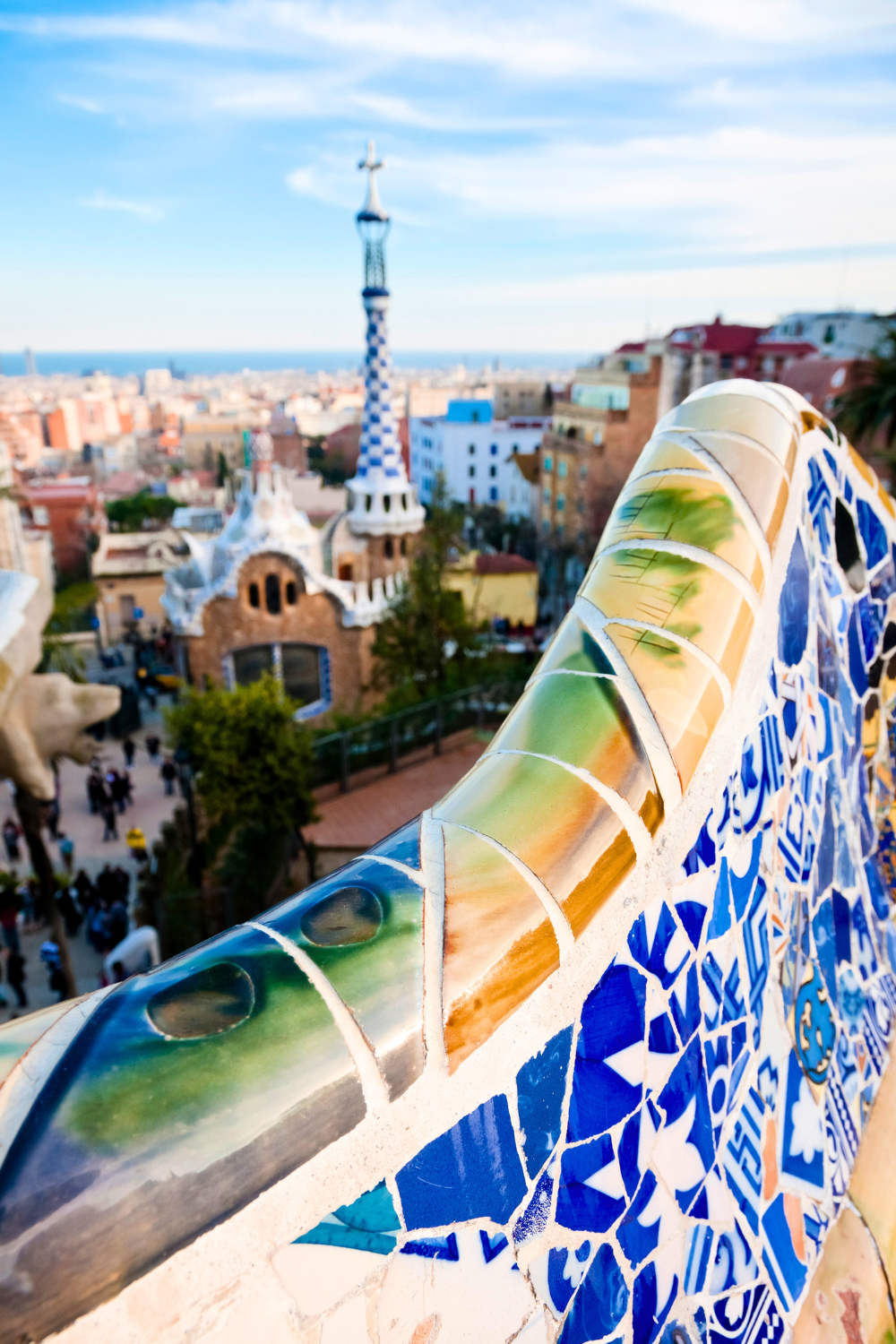
Don’t make Gaudí your only architectural agenda. Park Güell is often dismissed as a tourist trap, and the crowded mosaic terrace section (also ticketed) is worth the extra walk to the viaducts and the gardens above, which remain free and largely unphotographed. The Palau de la Música Catalana by Lluís Domènech i Montaner — Gaudí’s great rival — is one of the most deliriously beautiful interiors in Europe, and it tends to have shorter queues. Casa Batlló on the Passeig de Gràcia is astonishing, Casa Milà (La Pedrera) magnificent. Book both, but know that Casa Batlló’s evening events are separately ticketed and worth it for the theatrical lighting alone.
Local tip: The single best free Gaudí moment in Barcelona is walking through Parc Güell early in the morning before the crowds arrive, specifically along the viaducts in the wooded sections. These palm-trunk columns supporting the paths feel genuinely otherworldly, and at 8am on a Tuesday in October, you may have them almost to yourself.
5. El Born Is Where You Want to Actually Stay (and Eat)
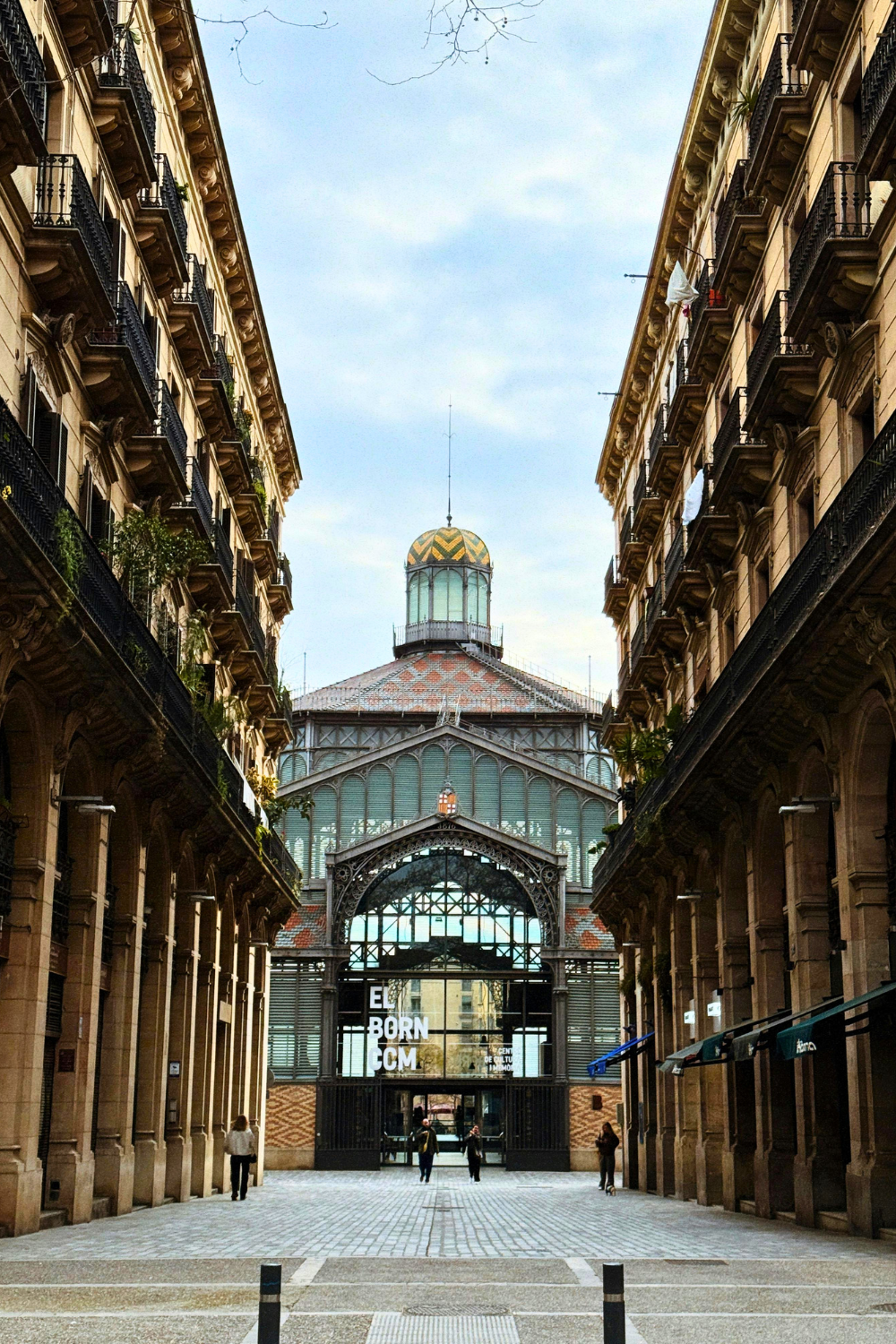
If you’re deciding where to base yourself, let me make a quiet case for El Born. It sits between the Gothic Quarter and the old Citadel park, threading through medieval lanes that feel genuinely lived-in rather than curated for visitors. The Basílica de Santa Maria del Mar — the people’s cathedral, built by the workers of the Ribera neighbourhood in the 14th century — anchors the district, and the streets radiating out from it are lined with some of the city’s best small restaurants, wine bars, and boutiques.
El Born is where local Barcelona feels most like itself in the evenings. You’ll find pintxos bars pouring Txakoli alongside natural wine shops, old-school bodegas with barrels of house vermut, and restaurants doing things with Catalan produce that would cost three times as much across town. Bar del Pla on Carrer de la Montcada is a neighbourhood institution — try the foie gras montadito, which sounds like too much and is exactly right. El Xampanyet, a few doors down on the same street, has been pouring its house cava since 1929 and doesn’t look like it’s changed much.
The neighbourhood also contains the Museu Picasso — more interesting for its early Barcelona period works and the medieval palaces that house it than for the mature Cubist work tourists might expect — and the ruins of the medieval neighbourhood demolished to build the Citadel, visible through glass in the Mercat de Santa Caterina.
Local tip: The streets immediately surrounding the Basílica de Santa Maria del Mar are best experienced mid-evening on a weekday rather than a weekend, when the visiting crowds thin out and the bar tables fill with locals. Carrer del Rec is quieter and has some excellent wine bars.
6. Barcelona Has a Pickpocketing Problem — Stay Alert
I say this not to alarm you but because every person I know who’s had something stolen in Europe has had it happen in Barcelona, usually in one of three places: Las Ramblas, the Boqueria, or the Metro. The city has taken steps to address this, and the situation is no worse than it has been in recent years, but it remains an issue that catches visitors off guard.
The M.O. is almost always distraction: someone bumps into you, someone asks for directions, someone drops something near you, someone creates a commotion. While your attention is elsewhere, a second person works your bag or pocket. The classic move on Las Ramblas involves someone offering you something — a flower, a bracelet — and using the transaction as cover.
The fix is straightforward: use a crossbody bag or money belt, keep your phone in a front pocket, don’t flash expensive cameras or jewellery on Las Ramblas, and stay conscious of your surroundings on crowded Metro platforms (particularly Lines 3 and 5 and the Passeig de Gràcia interchange). Keep a photocopy of your passport separately. This is all sensible city-travel advice anywhere in Europe, just applied with slightly more urgency in Barcelona.
Local tip: The Mossos d’Esquadra (Catalan police) and Guàrdia Urbana (city police) have both increased foot patrols in tourist zones in recent years. If something is stolen, report it at the nearest police station to get a denuncia (report) — this is needed for any travel insurance claim. The central police station at Carrer Nou de la Rambla 76 handles tourist complaints.
7. Las Ramblas Is Not Where Barcelona Happens
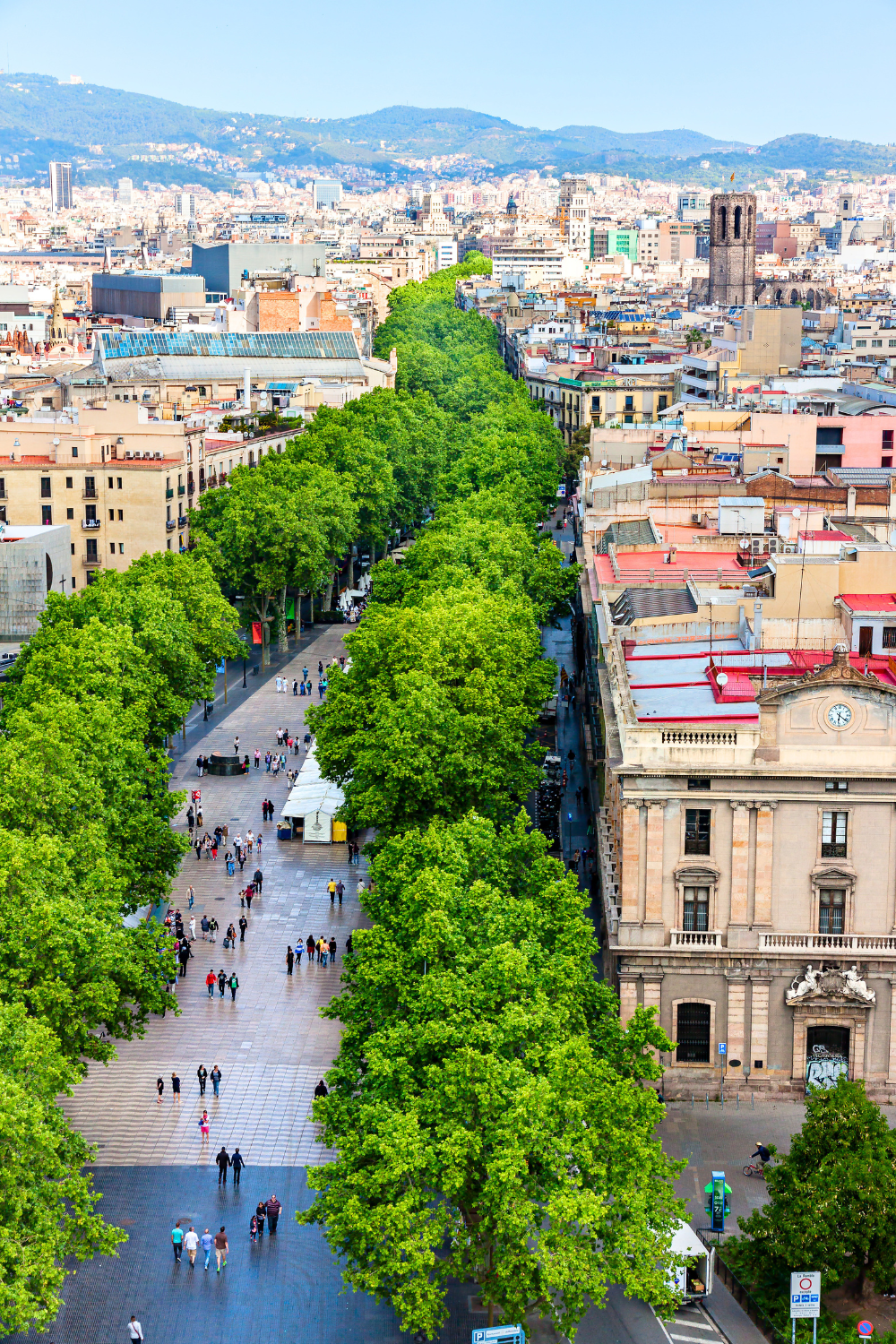
This is not to say don’t walk Las Ramblas. Walk it once, get the iconic experience, watch the human statues, see the Boqueria, photograph the Miró mosaic embedded in the pavement. Then let it go and go find where the city actually lives.
Las Ramblas has been a tourist thoroughfare for so long that it now exists primarily in service of people visiting it. The cafes are overpriced, the restaurants mediocre, the souvenir shops relentless. More pressingly, it can feel slightly grim after dark: persistent sellers, a carnival atmosphere that lacks any of the warmth of the real city.
What Barcelona is instead: the breakfast counter of a bar in Poblenou at 8am, with a cafè sol and a croissant de mantequilla. The natural wine bar in Gràcia where someone has chalked the day’s selections on a blackboard. The beach at Barceloneta early enough in the morning that the light is still soft and the joggers outnumber the tourists. The vermouth bars of Sant Antoni on a Sunday, where every age group is represented and the afternoon stretches pleasantly toward dinner.
Local tip: Carrer de Blai in the Poble Sec neighbourhood is known as the pintxos street — a dense concentration of Basque-style tapas bars where a two-euro pintxo and a glass of Txakoli costs less than anything on Las Ramblas and tastes infinitely better. Go between 7 and 9pm when everything is freshly restocked.
8. The Metro Is Your Best Friend — Learn to Use It
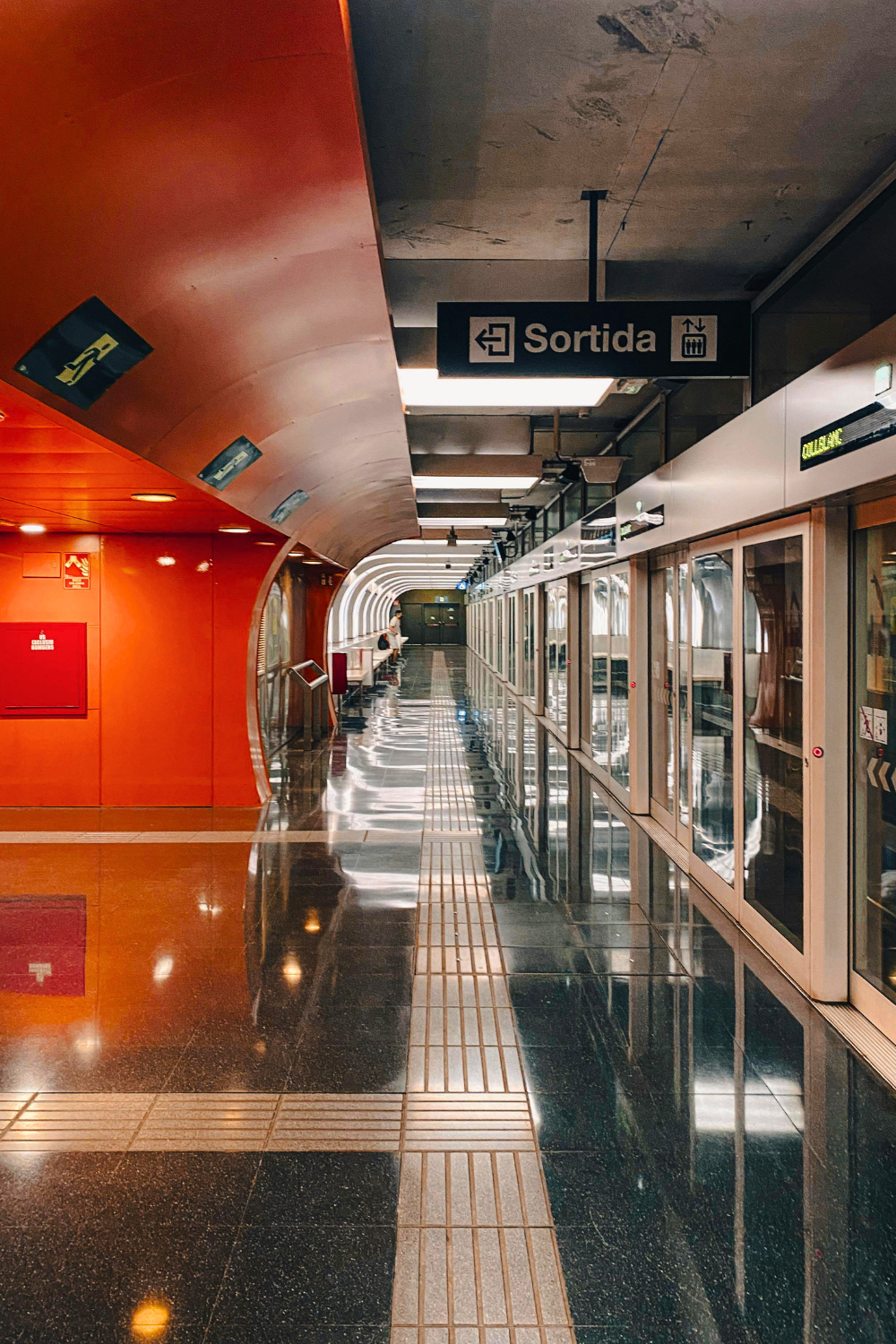
Barcelona’s Metro is clean, frequent, fast, and comprehensive. It runs until midnight on weekdays and around the clock on weekends, which makes it genuinely the best way to move around a city that sprawls across ten kilometres from the hills to the sea. A T-Casual card (10 trips) is the best-value option for most visitors; it works on the Metro, the FGC trains (useful for getting to Tibidabo and Sarrià), the bus, and — importantly — the Aerobus replacement when service changes.
Walking is also one of the great pleasures of Barcelona. The Eixample’s grid is famously navigable, and the distances between major sights in Ciutat Vella are short enough that you’ll often choose your feet. But the city’s hills catch people out: Montjuïc requires either the funicular (Metro accessible), the cable car from Barceloneta, or a long steep walk. Tibidabo requires the FGC train to Peu del Funicular, then the old Tramvia Blau (or a bus replacement) and the funicular to the summit.
Taxis are plentiful and reasonably priced — both licensed cabs and Uber operate — and the city has an excellent public bike share system (Bicing) and many private rental options if you want to cycle the seafront.
Local tip: The Airport Metro (Line 9 South, referred to as L9 Sud) runs from both terminals to the centre, though be warned it’s considerably more expensive than most Metro journeys — around €5.50 as of writing. The cheaper alternative is the Rodalies train from Terminal 2 (requiring a free shuttle bus from T1), which drops you at Passeig de Gràcia or Barcelona Sants for a few euros.
9. The Beach Is Better Than You’d Expect — With Caveats
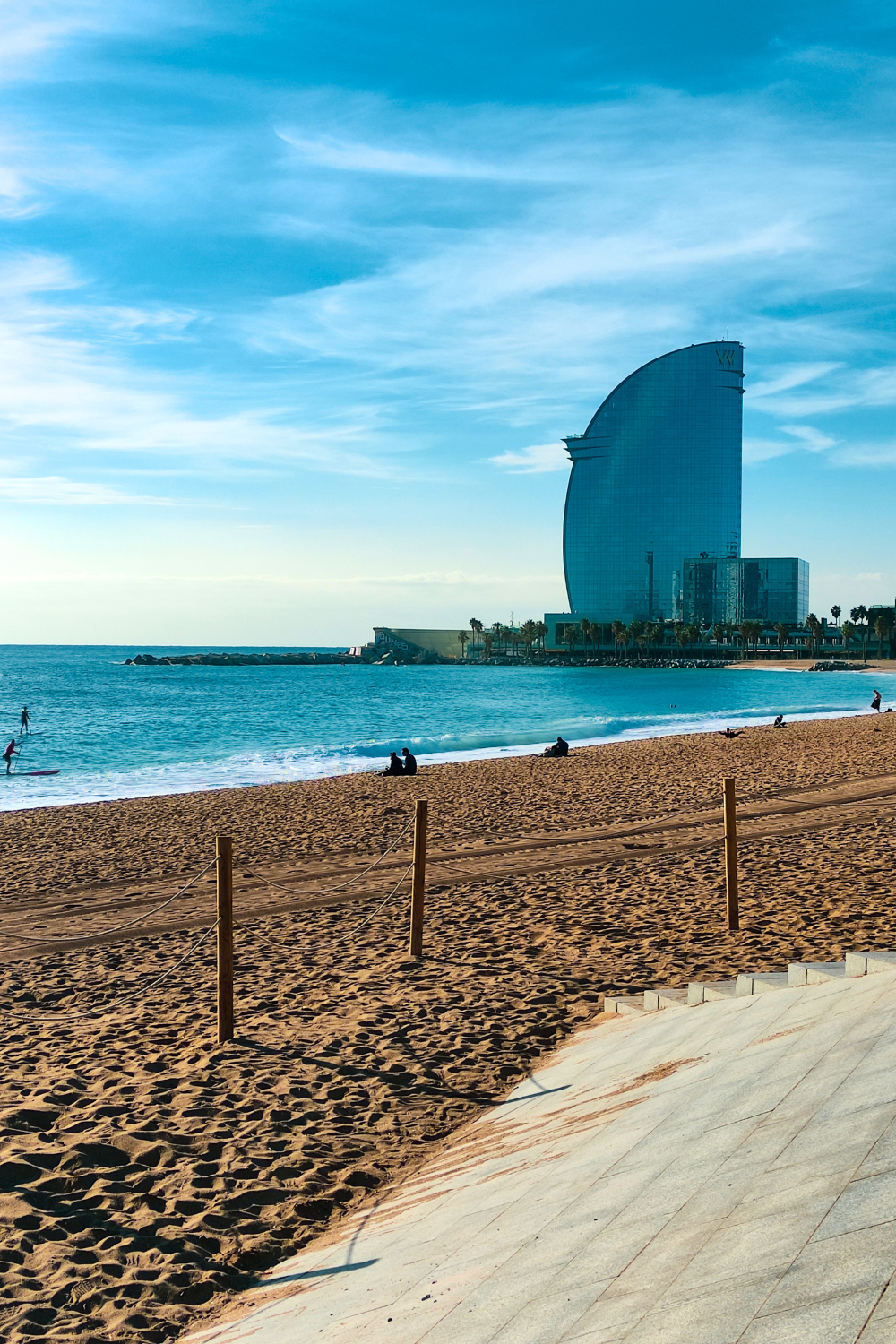
Barcelona’s beaches surprised me the first time I saw them — genuinely wide, clean, and golden, backed by a palm-lined promenade, well-organised with lifeguards, showers, and beach bar chiringuitos. For a city of this size and density, having five kilometres of urban beach is remarkable, and the city has invested heavily in keeping it functioning.
The caveats: Barceloneta beach, the most central and most visited, gets extremely crowded from late June through August. Early mornings and late evenings are the secret — the light at sunset over the sea is magnificent, and the beach empties dramatically after about 7pm when people return to the city for dinner. The less-visited beaches north of the Port Olímpic — Bogatell, Mar Bella, Nova Mar Bella — are slightly further but noticeably calmer, more local, and have their own relaxed character.
The water quality is generally good and is regularly monitored, with results displayed at the beach entrance. Jellyfish can be an issue in late summer, when the meduses periodically wash in from the Mediterranean — local media will report this and beaches sometimes post warnings.
Local tip: Mar Bella beach, further north toward Diagonal Mar, is a more diverse, younger, and notably more local crowd than Barceloneta. It has a volleyball court, kite surfers, and a small nudist section. The chiringuito here is excellent and the sunset, looking back at the city skyline, is one of the finer things you can do for free.
10. Football Is Religion — Even If You Don’t Follow It
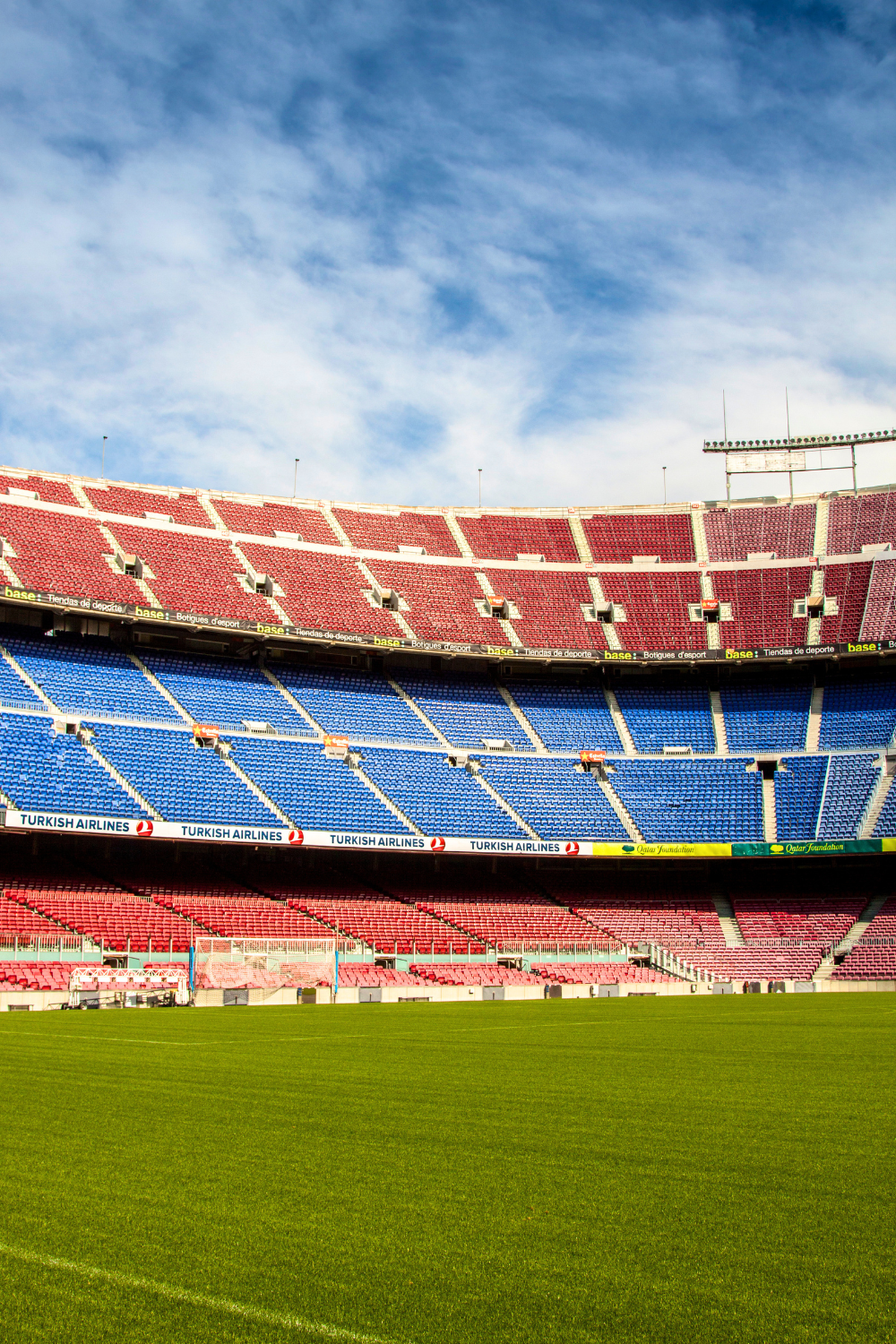
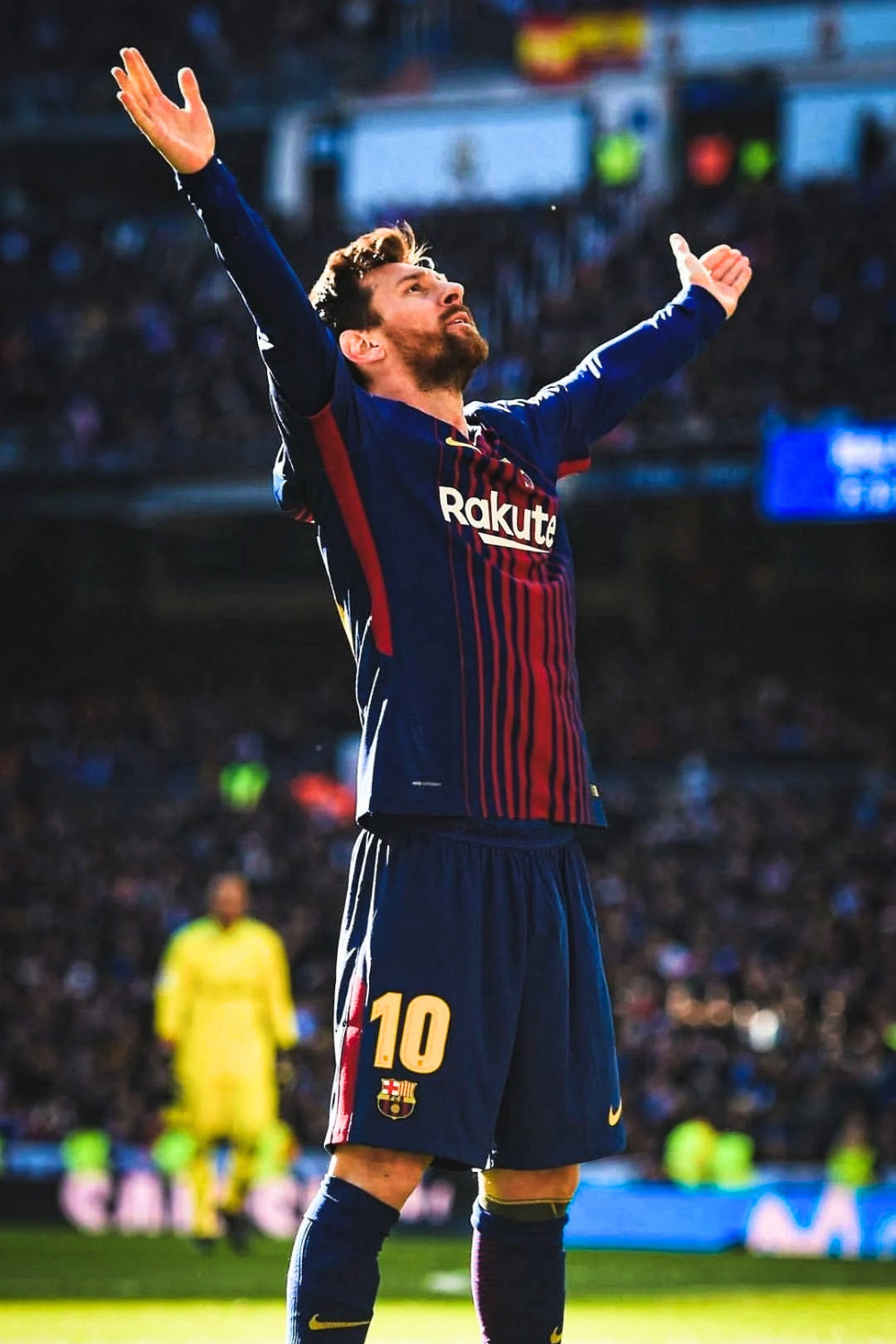
You don’t need to care about football to understand that FC Barcelona is one of the central facts of Catalan culture. The club’s motto — “Més que un club” (More than a club) — is not marketing copy. During the Franco dictatorship, when Catalan identity was suppressed and the language banned, Barça was one of the few legitimate expressions of Catalan pride. That history is still present in the culture of the club and the city.
The Camp Nou — or rather, the Spotify Camp Nou, now undergoing a massive renovation — is one of the great pilgrimage sites of world sport. Attending a match when the stadium is complete and full of 100,000 people is an experience you don’t forget, regardless of your relationship with the game. Tickets for La Liga matches are available on the official FC Barcelona website and should be booked well in advance.
If you can’t get a match ticket, the museum and stadium tour is worth an afternoon. The permanent exhibition documents the club’s history in a way that illuminates Catalan politics as much as sport. And watching a match at a bar de futbol in the city — somewhere in Gràcia or Sant Pere — is its own electric experience.
Local tip: The smaller crosstown rival RCD Espanyol plays at the Estadi RCDE Stadium in the suburb of Cornellà, and tickets are much easier to obtain. The atmosphere is different — Espanyol’s identity is deliberately anti-nationalist, historically drawing from working-class immigrant communities — but a local derby (el derbi barceloní) is something else entirely.
11. Modernisme Is Everywhere — Open Your Eyes
Everyone goes to see Gaudí. Fewer people look up on the streets of the Eixample and notice that they’re walking through one of the most extraordinary concentrations of Art Nouveau — here called Modernisme — architecture in the world. The Quadrat d’Or (Golden Square), roughly the area between Passeig de Gràcia and Carrer d’Enric Granados, is a UNESCO-listed collection of hundreds of Modernista buildings dating from 1890 to 1930.
Gaudí’s Casa Batlló and Casa Milà on the Passeig de Gràcia are the headliners, but the lesser-known work is just as astonishing: Domènech i Montaner’s Casa Lleó Morera (also on the Passeig de Gràcia — all three buildings on the famous “Block of Discord” are worth close attention), Puig i Cadafalch’s Casa Amatller next door, the extraordinary Palau del Baró de Quadras just off Diagonal. Wander the Eixample without a specific destination and just look at what’s above the ground floor shopfronts.
The Ruta del Modernisme is a self-guided walking route covering 120 Modernista buildings across the city, and the €12 pass gives discounts to many of them. The Museu del Modernisme de Barcelona, a few blocks off Passeig de Gràcia, collects furniture, art, and decorative objects from the movement into a beautifully installed townhouse.
Local tip: Carrer d’Enric Granados, a wide pedestrian boulevard running parallel to Rambla de Catalunya, is lined with café terraces and Modernista buildings and largely escapes tourist attention. It’s one of the loveliest streets in the Eixample for a slow afternoon walk with a coffee and a pastry from Forn de Sant Jaume.
12. Learn a Little Catalan (Even Just a Little)
I’m not suggesting you master a language for a holiday. But there are five or six phrases that will make a measurable difference to how Barcelona receives you, and learning them takes twenty minutes.
Bon dia (good morning), bona tarda (good afternoon), gràcies (thank you), de res (you’re welcome), perdona (excuse me), and how many you’d like — una/dos, si us plau (one/two, please). That’s genuinely enough. The effect is disproportionate to the effort. Catalan people are not unfriendly in English or Spanish — but showing that you know where you are and have made the effort to acknowledge it changes the temperature of an interaction immediately.
Menus in most tourist-facing restaurants will be in Catalan, Spanish, and English. Signs, however, are predominantly in Catalan, and the city’s official language is Catalan first. When a local speaks to you in Spanish and you respond in Catalan, even haltingly, you will almost certainly get a smile and probably some patience for the rest of the conversation.
Local tip: The word mola (roughly equivalent to “cool” or “wicked”) is ubiquitous Barcelona slang, used across age groups, and deploying it correctly will earn you genuine delight. Similarly, calling something guai achieves the same effect. These feel silly to practise at home and are completely worth it.
13. The Gothic Quarter Is Older Than It Looks — And Younger Too
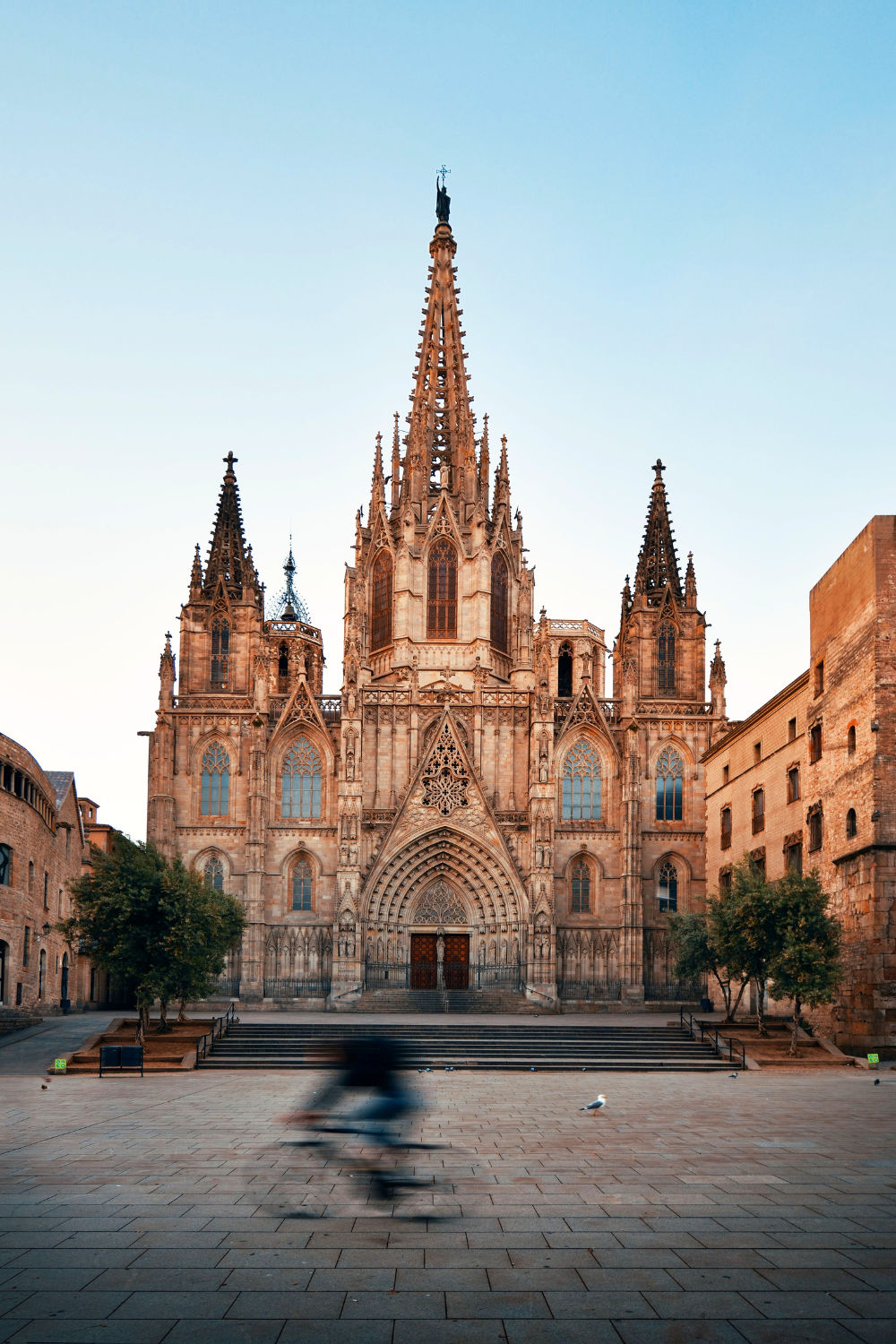
The Barri Gòtic — the Gothic Quarter — is both genuinely medieval and extensively Victorian. Much of what you see was built or restored in the late 19th and early 20th century as part of a nationalist project to create a romantic vision of Catalan history. The stone façades and narrow lanes are atmospheric and worth exploring, but you’re occasionally looking at a building from 1908 wearing medieval costume.
The actual Roman city of Barcino lies underneath — you can see the original Temple of Augustus columns inside a courtyard at Carrer del Paradís 10, tucked inside what is now a city museum — and the foundations of the Roman city are visible through glass in the Museu d’Història de Barcelona (MUHBA) on Plaça del Rei, which has an extensive underground walkway through excavated Roman and medieval remains. This one surprised me. It’s one of the most genuinely arresting historical sites in any European city, and it’s often quiet.
The Gothic Quarter is also now heavily oriented toward tourists at street level, with souvenir shops and Irish bars more prominent than local life. For the neighbourhood as it actually lives, head north to El Call (the old Jewish quarter, with some of the best preserved medieval lanes) or push through to El Born, which feels noticeably more inhabited.
Local tip: Plaça de Sant Felip Neri — a tiny square with a fountain and an 18th-century church, still bearing the marks of a Civil War bombing in its stone walls — is one of the most quietly moving spots in the city and a five-minute walk from the cathedral. Seek it out.
14. The Nightlife Scene is Real — and Really Late
You will hear music starting at 11pm and feel completely rested and ready for bed. This is normal. Barcelona nightlife doesn’t properly begin until midnight and tends to peak between 2 and 4am. If you go to a club at midnight, you will be essentially alone, the staff will look at you with gentle pity, and nothing will be happening. This is the deal.
The music scene is broad and serious. Electronic music at clubs like Razzmatazz (which has five rooms simultaneously playing different genres), Sala Apolo (two floors of disco and indie), and the legendary Nitsa Club (which has been running underground electronic events for thirty years) anchors the nights. Jazz is excellent, with Jamboree in the Gothic Quarter hosting serious programming in a medieval cellar. The live music scene in smaller venues across Gràcia and Poble Nou covers jazz, flamenco, indie rock, and everything between.
If you want to experience Barcelona nightlife without destroying your ability to sightsee the next day, the compromise is the vermut bar culture in the late afternoon and then dinner at a restaurant that goes until midnight. The kitchen at places like Bar Brutal (natural wine, Catalan tasting food) or Restaurant Cal Pep (more traditional, spectacular seafood) keeps running late, and the line between dinner and night out blurs pleasantly.
Local tip: Thursday nights are when many locals go out during the week — a real night out, not just drinks after work. If you’re visiting mid-week and want to experience the city’s energy without a full weekend crowd, Thursday in the Raval or El Born is the move.
15. Montjuïc Is an Entire Afternoon You Weren’t Planning
The hill of Montjuïc rises 173 metres above the port, and most visitors see it only as the hill with a castle on top. The reality is that Montjuïc contains more to do than several city neighbourhoods combined, and it rewards an entire unhurried day. Start with the Fundació Joan Miró — one of the great modern art institutions in Europe, with a permanent collection that reframes what you think you know about Miró, and a terrace garden with harbour views. The building itself, by Josep Lluís Sert, is magnificent.
The Museu Nacional d’Art de Catalunya (MNAC) at the top of the broad staircase is housed in the absurdly grand Palau Nacional from the 1929 International Exposition, and its collection of Romanesque art — murals removed from Pyrenean churches and installed here in the 20th century — is genuinely world-class. The museum’s terrace, with its views across the city to the sea, is worth the price of entry alone. In the evenings, the Font Màgica (Magic Fountain) at the base of the hill puts on free water and light shows on weekends that draw huge crowds; go with managed expectations but the spectacle is cheerfully over the top.
The Olympic Stadium from 1992 is here too, along with the Pavelló Mies van der Rohe — the reconstructed 1929 German Pavilion by Ludwig Mies van der Rohe that essentially invented architectural modernism, now an extremely quiet and beautiful place to sit among reflective pools.
Local tip: The cable car from Barceloneta (the Transbordador Aeri del Port) crosses the harbour to Montjuïc and offers extraordinary aerial views of the port, the city, and the sea. It’s not cheap, but the perspective of Barcelona from above — the grid of the Eixample stretching back into the hills — is unlike anything you’ll see on foot.
16. Day Trips Are Worth Building Into Your Itinerary
Barcelona is spectacularly well-positioned for day trips that offer completely different experiences within two hours. The wine region of Penedès — home to most of Spain’s cava production — is 45 minutes by train, and a visit to one of the major cava houses like Codorníu or Freixenet can be booked in advance. The town of Sant Sadurní d’Anoia is the cava capital, and a Saturday morning visit followed by lunch is one of the better day trips from the city.
Montserrat, the jagged mountain complex with its monastery and the famous Black Virgin (La Moreneta), is an hour by train and a short funicular ride. The mountain itself is extraordinary — those serrated peaks are unlike anything in the rest of Spain — and the hiking trails that spread through the park are largely ignored by visitors who arrive, see the monastery, and leave. The walk from the monastery to Sant Joan chapel and beyond rewards the extra effort significantly.
Tarragona, the former Roman capital of Hispania Tarraconensis, is 90 minutes south and contains some of the most intact Roman ruins in Europe — a full amphitheatre overlooking the sea, a circus, a forum, sections of the original city walls. It’s also a genuinely working Catalan city rather than a preserved historical site, which gives it a vitality that purpose-built tourist destinations lack.
Local tip: Sitges, 35 minutes south of Barcelona by train, is a small beach resort with a fine Modernista collection at the Museu Cau Ferrat (the former home of artist Santiago Rusiñol), a beautiful old town, and one of the best beaches within easy reach of the city. It gets busy in summer but is magical out of season — a Sunday visit in early October, with the town largely returned to its local life, is one of the best day trips I’ve taken in Catalonia.
17. Budget for More Than You Think You’ll Spend
Let me be direct: Barcelona is not the cheap city that older guidebooks suggested. It has become considerably more expensive in the past decade, driven by overtourism, gentrification, and the same forces reshaping every major European destination. A coffee is still cheaper than London, but accommodation — especially in the tourist core — now rivals Paris for price, and the best restaurants command serious prices.
The places where you can still eat affordably are the menú del día lunch counters (€10–15 for three courses with wine, still widespread), the pintxos bars of Poble Sec and El Born, and the market stalls for breakfast. A good bottle of Catalan wine costs €8–12 in a decent shop and €25–35 in a mid-range restaurant, which is the normal restaurant markup. Cocktail bars in the Eixample are expensive by any standard.
Accommodation: the best value tends to be guesthouses and smaller hotels in the Eixample, Gràcia, and Poble Sec, rather than the tourist-facing hotels of Barceloneta and the Gothic Quarter. Apartments through regulated platforms can work well for longer stays, though Barcelona has aggressively reduced its tourist apartment licence stock in recent years due to housing pressure — make sure any rental platform shows a legitimate licence number.
Local tip: The T-Familiar transit card covers ten journeys and is shareable between travellers in the same group — you validate it once per person per journey, and it works out considerably cheaper than buying individual tickets. For two people visiting for five days using transit regularly, the savings are meaningful.
18. April–June and September–October Are the Sweet Spots
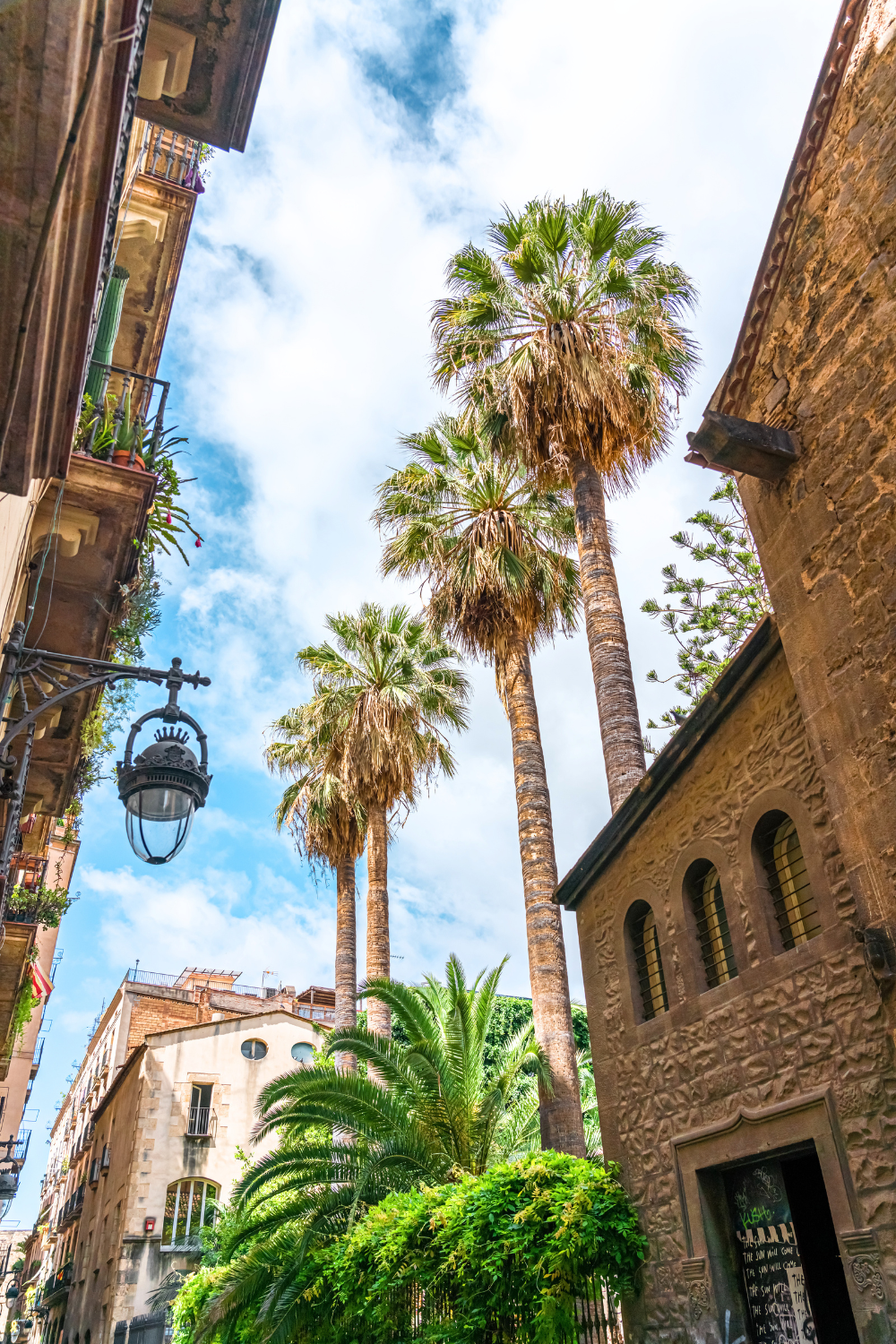
Summer in Barcelona is hot, crowded, and expensive. July and August bring intense heat (regularly above 30°C), accommodation prices at their highest, beaches at their most packed, and queues at every major sight at their most daunting. If you love beach holidays and don’t mind the crowds, this is perfectly valid. But if you want Barcelona to feel like a city rather than a theme park, the shoulder seasons are incomparably better.
April and May bring warm, pleasant weather (low-to-mid 20s), blooming gardens, full museum access, manageable crowds, and the particular pleasure of eating on a terrace without being roasted. The Festes de la Mercè in late September is Barcelona’s biggest civic festival — a week of free outdoor concerts, castellers (human tower builders), fire-running (correfoc), and general celebration across the city that is genuinely unmissable if your dates align.
October is perhaps the best single month: warm enough for the beach if you’re willing, the light turning golden in the late afternoons, the city returning to itself after the summer tourist deluge, mushroom season in the markets, and the football season fully underway. November through February is quieter still, cooler (but rarely cold — average highs of 14°C), and the city’s cultural calendar is often at its most interesting.
Local tip: The Grec festival runs through July and uses outdoor venues across the city — the amphitheatre on Montjuïc, Parc de Pedralbes, the Mercat de les Flors — for theatre, dance, and music. It’s a way to experience Barcelona in summer at its best, in venues that are spectacular at night.
Practical Planning: The Essentials
Getting there: Barcelona El Prat Airport (BCN) is the main hub, with good connections across Europe and direct transatlantic flights. The city is also well served by high-speed AVE trains from Madrid (2.5 hours), Valencia, and the French border connection to Paris.
Visas: EU/EEA citizens need no visa. UK citizens (post-Brexit) can visit for up to 90 days within a 180-day period without a visa. US, Canadian, Australian, and most other nationalities enjoy the same arrangement under the Schengen zone rules. Check current requirements before travel.
Language: Catalan is the co-official language with Spanish. English is spoken in hotels, restaurants, and tourist facilities throughout the city. In neighbourhood bars and shops away from tourist zones, Spanish is more reliable than English.
Safety: Barcelona is a safe city for the vast majority of visitors. The pickpocketing concern mentioned earlier is real but manageable with basic precautions. The emergency number is 112.
Currency: Euro. Most places accept cards including contactless payment, but keeping some cash for small bars and market stalls is sensible. ATMs are plentiful.
Internet: Free wifi is widespread in hotels, cafes, and public spaces including Metro stations. EU roaming rules mean European visitors pay home rates on their phone plans.
Tipping: Not obligatory but appreciated. Rounding up a small bill or leaving a euro or two on a restaurant table is the norm rather than the percentage-based system common in North America.
One Last Thing Before You Go
Barcelona has a gift that not every great city possesses: it gives you permission to slow down. The sobremesa — that untranslatable Spanish and Catalan tradition of lingering at the table after a meal, simply talking, simply being — is something the city bakes into its rhythms. The afternoon stretches. The evening meal unfolds without hurry. The coffee at the standing bar is drunk in two minutes of genuine presence, not gulped on the way somewhere else.
Go there knowing it’s busier than it’s ever been, yes. Go knowing to look past Las Ramblas, to push into the back streets, to say bon dia to the woman who hands you your bread. Go with an appetite for the food and the wine and the architecture and the absolute human spectacle of a city that, somehow, makes all of it feel effortless.
And when you sit at a table in El Born at 9:30pm, the first glass of cava in front of you, the street alive outside the window, and you realise you’ve got nowhere to be for at least two hours and nothing to do but eat well — that’s when you’ll understand why people come back to Barcelona again and again, and why they’re never quite finished with it.

