

I’ll never forget my first trip to London. I stepped off the Tube at Piccadilly Circus, completely turned around, holding my map upside down while commuters flowed around me like I was a rock in a river. I’d done my research, sure, but nothing quite prepared me for the reality of navigating one of the world’s most sprawling, chaotic, wonderful cities.
Here’s the thing about London: it’s not a city that reveals itself easily. It rewards those who come prepared, who understand its quirks, who know that “quite good” means excellent and that the weather app is more of a gentle suggestion than an actual forecast. After a dozen visits and one glorious year living in Shoreditch, I’ve learned what I wish someone had told me before that first bewildered arrival.
So let me save you from my mistakes and share the things you absolutely need to know before traveling to London. These aren’t your typical tourist tips—this is the real stuff that’ll make your trip infinitely smoother.
Before You Pack Your Bags
London isn’t just big—it’s enormous. We’re talking about a city that takes over an hour to cross by Tube, where neighborhoods feel like separate towns, and where you could spend a month and still barely scratch the surface. The sooner you accept that you won’t see everything, the better your trip will be. I learned this the hard way, exhausting myself trying to tick off every major sight in three days. Don’t be like past me.
The city operates on its own logic, with unwritten rules that locals follow instinctively but can baffle newcomers. Understanding these quirks before you arrive will transform you from an obvious tourist to a savvy traveler. Trust me, there’s nothing quite like the satisfaction of confidently tapping your Oyster card and standing on the correct side of the escalator while others fumble around you.
1. The Tube Isn’t Always Your Friend

Yes, the London Underground is iconic with its rounded logo and “Mind the Gap” announcements. But here’s what the guidebooks don’t tell you: sometimes walking is actually faster.
I spent my first week religiously taking the Tube between stations that turned out to be a seven-minute walk apart. Leicester Square to Covent Garden? Four-minute walk. Bank to Monument? You can literally see one from the other. The Tube map is geographically distorted, designed for clarity rather than accuracy, which means distances are wildly misleading. Download the Citymapper app—it’ll tell you when walking makes more sense, and it’s saved me countless times from unnecessary underground journeys.
Also, the Tube gets oppressively hot and crowded, especially in summer. There’s no air conditioning on most lines, and during rush hour (roughly 8-9:30 am and 5-7 pm), you’ll be packed in like sardines. I once stood with my face pressed against a stranger’s armpit from King’s Cross to Oxford Circus. Not my finest London moment.
Local tip: Always stand on the right side of escalators and walk on the left. Violate this sacred rule, and you’ll get tutted at—or worse, verbally reprimanded by an impatient commuter. Londoners take their escalator etiquette seriously.
2. Get an Oyster Card or Use Contactless Immediately
Skip the paper tickets entirely. They’re more expensive and immediately mark you as a tourist. An Oyster card costs £7 (refundable), or you can just tap your contactless credit/debit card or phone.
The pricing is simple: you pay per journey with a daily cap, meaning once you hit a certain amount, all additional travel that day is free. For zones 1-2, the cap is around £8.10, which you’ll hit quickly if you’re sightseeing. I use my contactless card because it’s one less thing to keep track of, though Oyster works perfectly if you prefer a dedicated travel card.
One thing that surprised me: you must tap both in AND out, even on buses (though on buses you only tap in). Forget to tap out, and you’ll be charged the maximum fare. I learned this after a few mysteriously expensive journeys.
Local tip: If you’re staying a week or longer and planning heavy Tube use, consider a 7-day Travelcard. It’s often cheaper than the daily cap method, and you get discounts on Thames Clippers riverboats and the cable car across the Thames.
3. London Isn’t One City—It’s Dozens
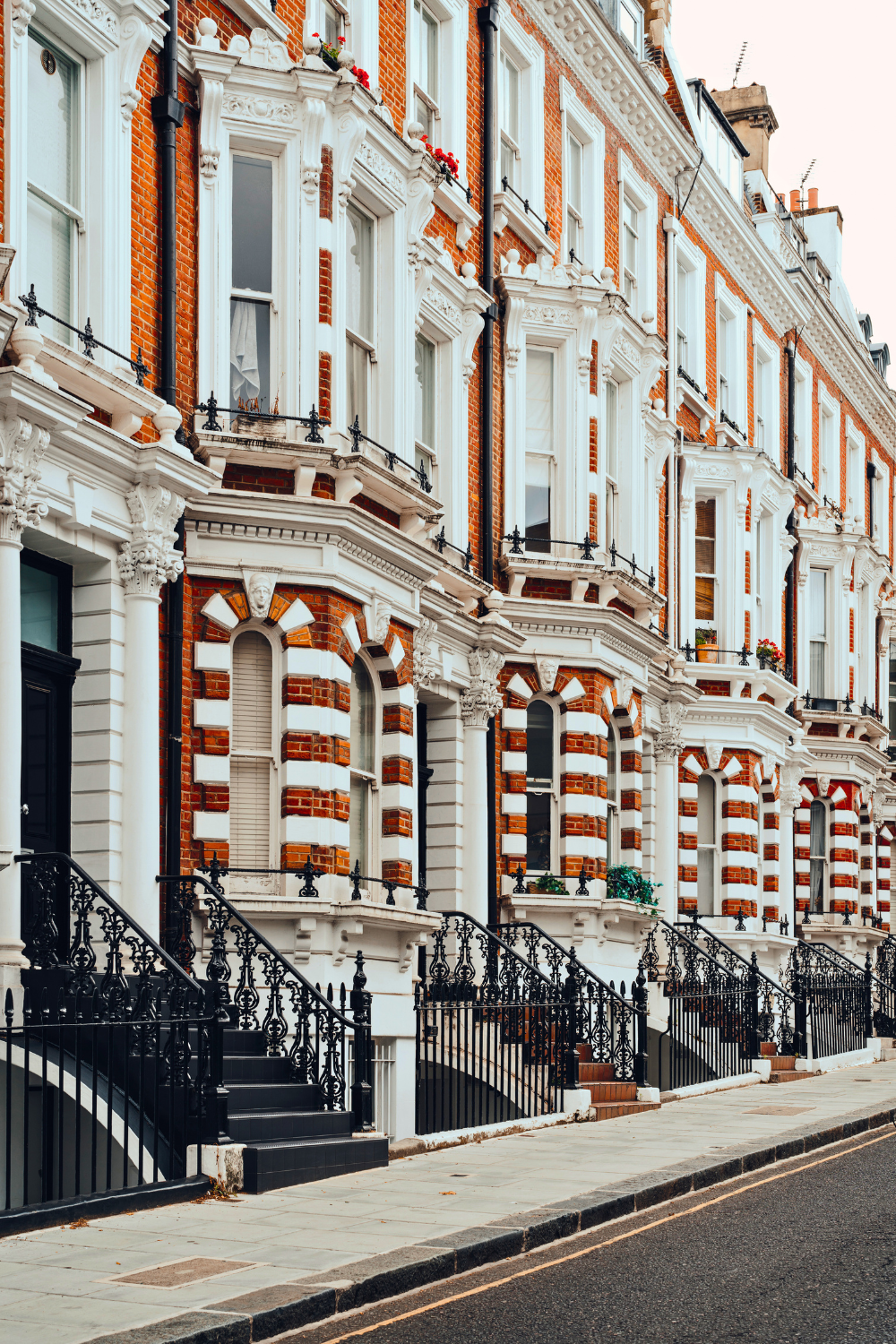
Kensington feels nothing like Brixton. Shoreditch bears no resemblance to Hampstead. This isn’t like Paris with its arrondissements radiating from a clear center—London is a collection of villages that merged over centuries, each retaining its own character.
I always tell first-timers to pick neighborhoods, not just monuments. Yes, see Big Ben and the Tower of London, but also spend an afternoon wandering Marylebone’s independent shops, or getting lost in the street art of Shoreditch, or browsing the antiques in Notting Hill. My favorite days in London have involved minimal planning and maximum neighborhood exploration.
The West End is touristy and expensive. East London is edgier and younger. South London is having a moment with incredible food scenes in Peckham and Brixton. North London offers parks and posh villages like Primrose Hill. Choose your base carefully based on what kind of experience you want.
Local tip: The areas around major stations like King’s Cross and Victoria are often the worst representation of their neighborhoods. Walk five minutes in any direction, and you’ll find the real character of the area.
4. The Weather Requires Strategic Packing
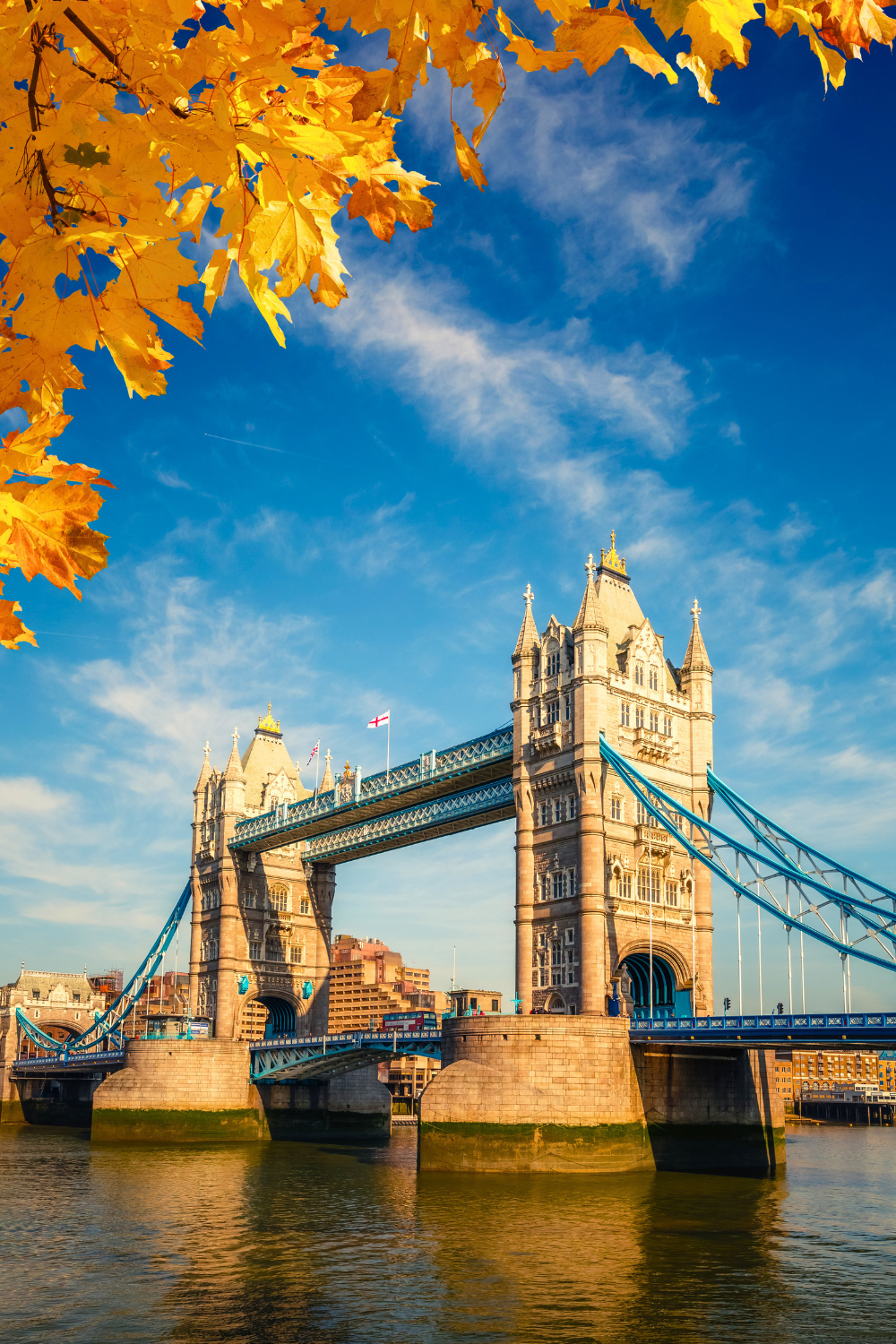
Let me be honest with you: London’s weather is rarely terrible, but it’s almost always mediocre. It doesn’t pour constantly—that’s a myth—but it drizzles with annoying frequency. I’ve experienced all four seasons in a single day more times than I can count.
The key is layers. A waterproof jacket is non-negotiable, but make it a light one that you can stuff in your bag. I use a packable rain jacket year-round. Bring an umbrella, but know that locals often don’t bother with small drizzle—we just accept getting slightly damp. Summer rarely gets truly hot (though when it does, the lack of air conditioning becomes a problem), and winter rarely gets truly cold, hovering around 2-8°C (35-46°F).
What shocked me most was how the weather varies across the city. It can be sunny in Richmond and pouring in Camden. Check the forecast, but don’t trust it completely.
Local tip: May through September offers the longest days and mildest weather, but also the biggest crowds and highest prices. I love visiting in late September or October when the parks turn golden, the tourists thin out, and the theater season kicks into high gear.
5. Eating Well Requires Avoiding Tourist Traps
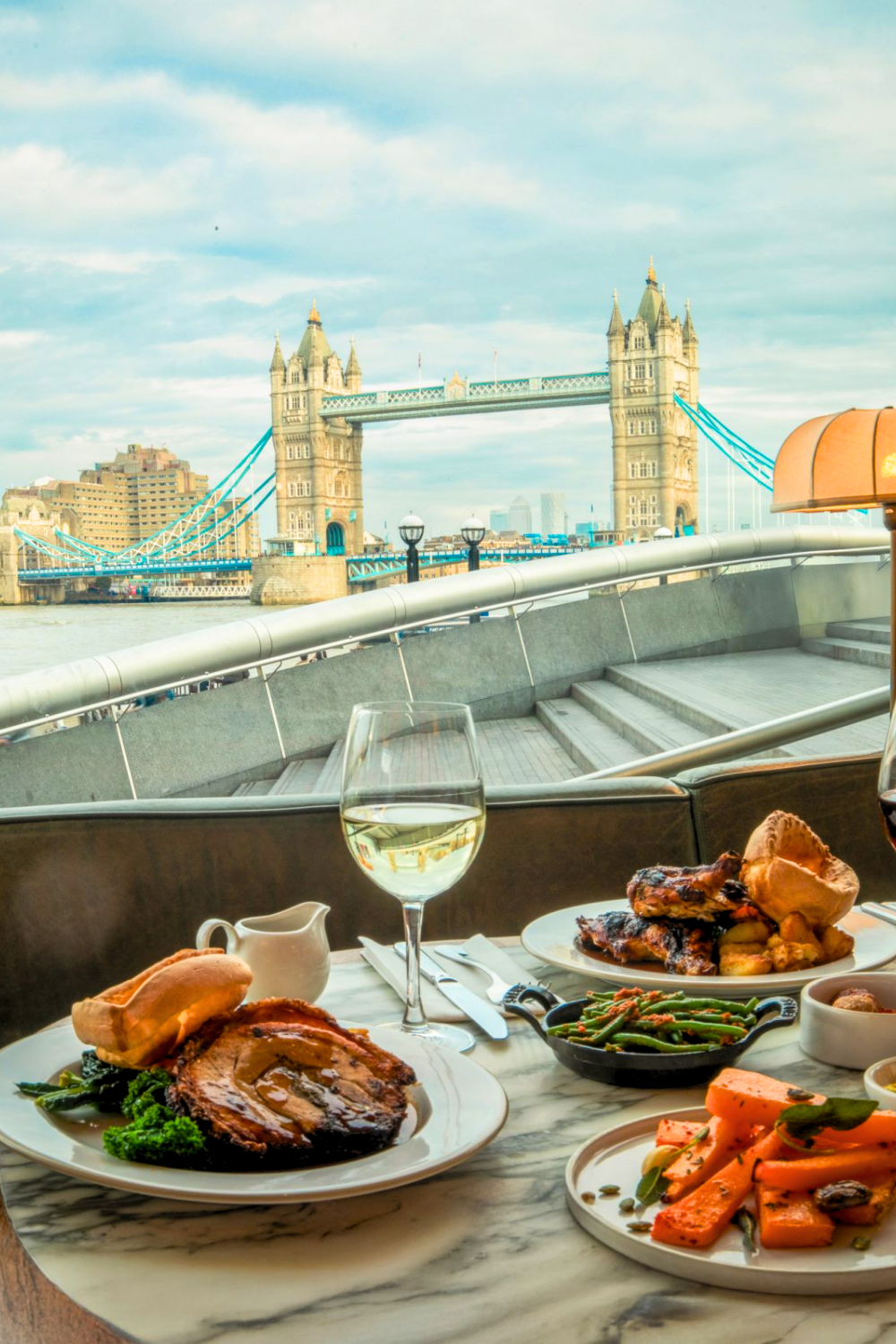
London has transformed into one of Europe’s best food cities, but you’d never know it if you eat near major attractions. The restaurants around Leicester Square, Piccadilly Circus, and Covent Garden are almost universally overpriced and underwhelming.
The real food scene lives in neighborhoods. Borough Market isn’t just for tourists—locals actually shop there, especially on weekday mornings before the crowds arrive. Maltby Street Market in Bermondsey offers a more local alternative with exceptional food stalls. For Indian food, skip Brick Lane’s main drag (too touristy) and head to Tooting or Southall, where London’s South Asian communities actually eat.
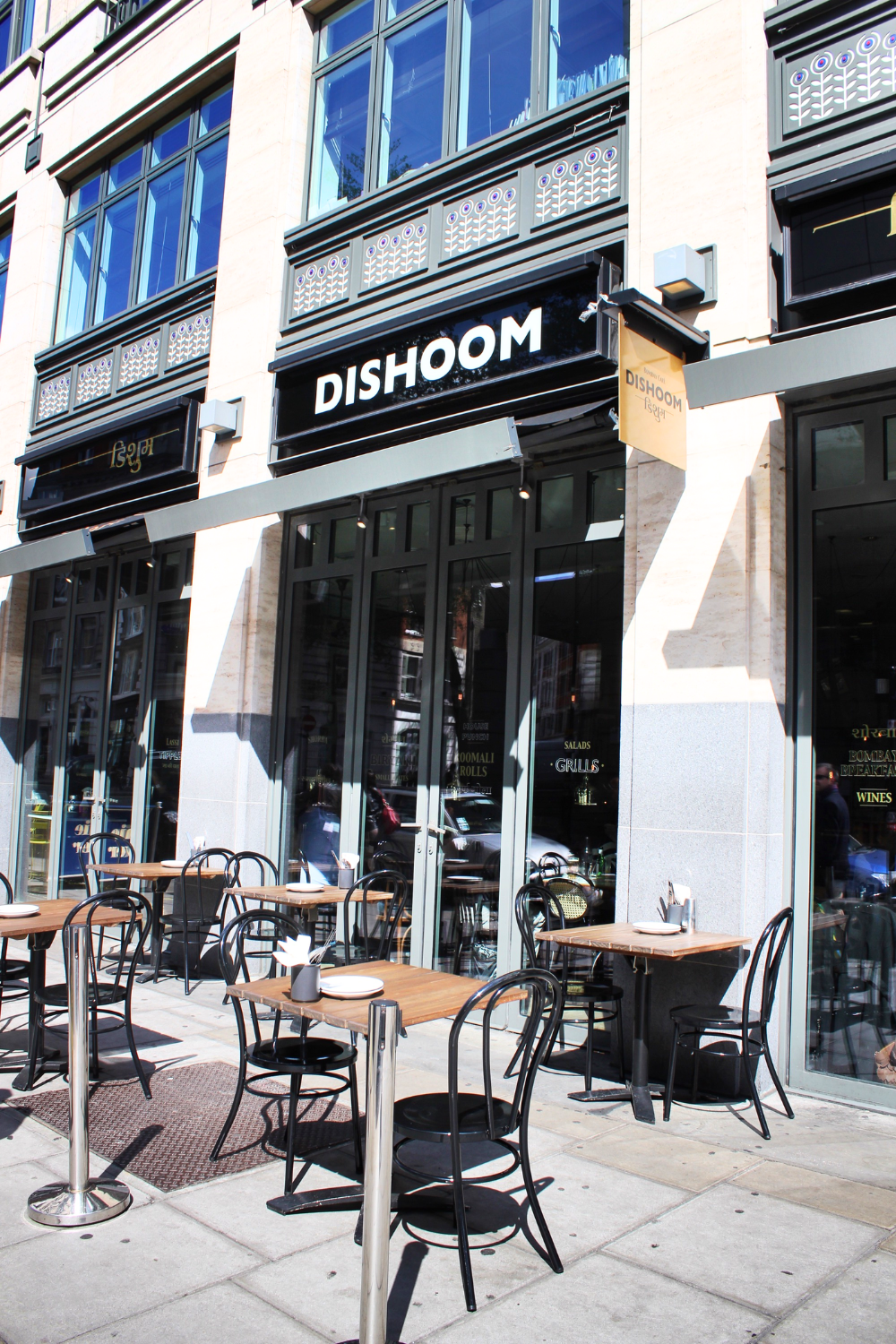
I’ve had incredible meals at Dishoom (yes, it’s a small chain, but the bacon naan is legitimately life-changing), Padella for fresh pasta with queues that move surprisingly fast, and St. John for nose-to-tail British cooking that’ll change how you think about offal. Book ahead for dinner at popular spots—Londoners take their restaurants seriously.
Local tip: Many high-end restaurants offer set lunch menus at a fraction of dinner prices. I’ve eaten at Michelin-starred places for £25-35 at lunch that would cost £80+ at dinner. The food is identical, just smaller portions.
6. Free Museums Are Actually Free (And Incredible)

This still amazes me: London’s major museums charge no admission. The British Museum, National Gallery, Tate Modern, Natural History Museum, V&A, Science Museum—all free. This is perhaps London’s greatest gift to visitors.
But free doesn’t mean you should rush through. The British Museum alone could occupy days. I’ve visited the National Gallery probably twenty times and still discover new favorites. My approach now is to pick one section or exhibition per visit rather than attempting the whole thing.
Special exhibitions usually charge (£15-25 typically), and while some are worth it, the permanent collections are so vast you could visit London a dozen times and never pay museum admission. Donations are encouraged, and I always contribute something, but there’s no pressure.
Local tip: Most major museums offer late nights on Fridays—the Tate Modern stays open until 10pm, often with DJs and a bar. It’s a completely different vibe from daytime visits, less crowded, and feels very local.
7. Sunday Roast Is a Religion
If you visit London and don’t have a proper Sunday roast, you’ve missed a fundamental cultural experience. This isn’t just a meal—it’s a ritual, ideally enjoyed in a cozy pub with a pint.
The formula is simple: roasted meat (beef, lamb, chicken, or pork), roast potatoes, Yorkshire pudding, seasonal vegetables, and gravy. But like any simple thing done well, the details matter enormously. The potatoes should be crispy outside and fluffy inside. The Yorkshire pudding should be enormous and puffy. The gravy should be rich and plentiful.
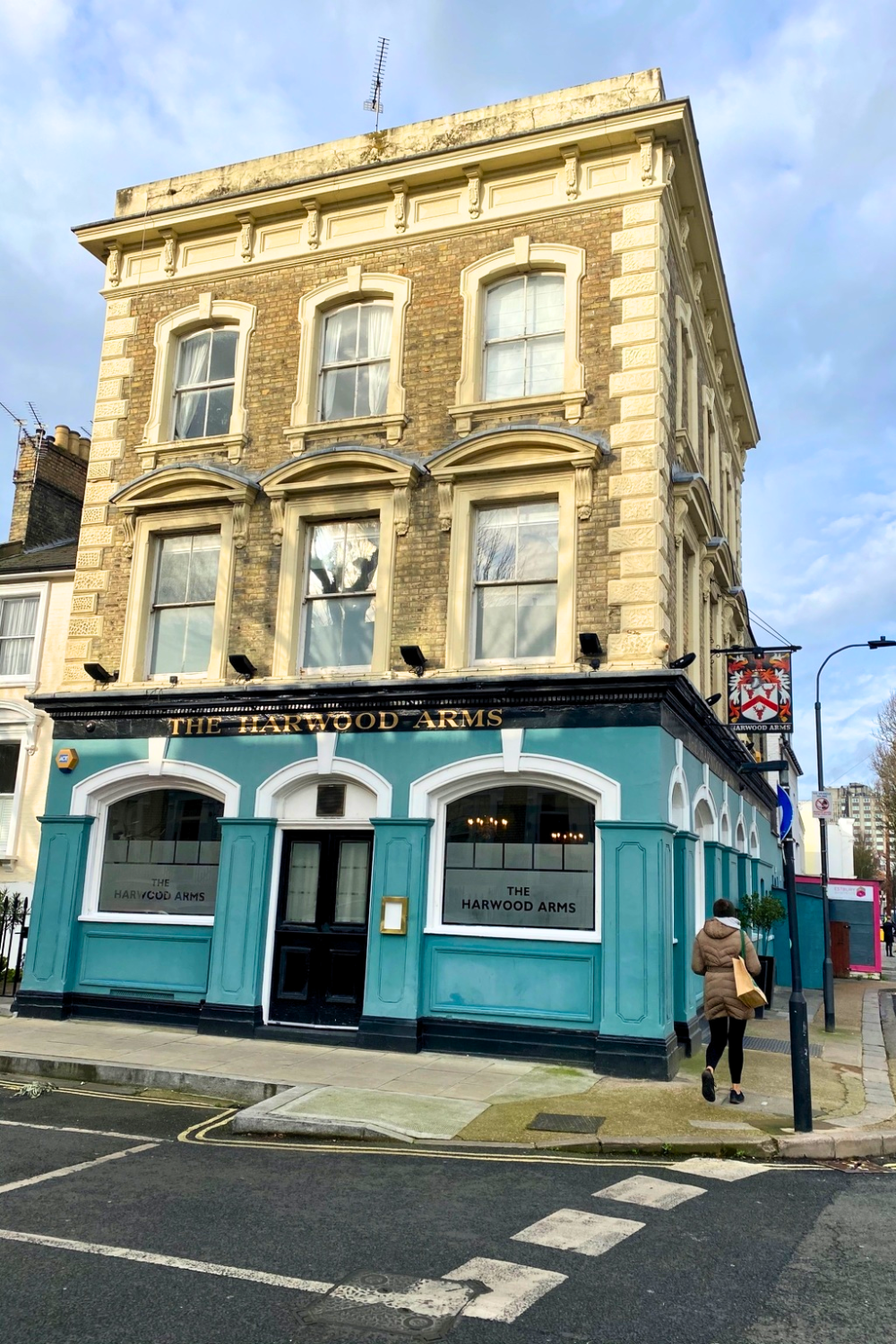
I’ve had Sunday roasts at fancy gastropubs and basic locals, and honestly, price doesn’t always correlate with quality. The Harwood Arms in Fulham does an exceptional version, as does The Marksman in Hackney, but I’ve had equally memorable roasts at neighborhood pubs that don’t take reservations.
Local tip: Book ahead for Sunday lunch, especially in popular pubs. Most kitchens start serving around noon and stop when they run out, often by 4pm. Arrive at 2:30pm without a reservation and you’ll likely be disappointed.
8. Tipping Culture Is Different (And Easier)
After traveling in America, London’s tipping culture feels refreshingly straightforward. In restaurants, 10-12.5% is standard, and often there’s a discretionary service charge already added to the bill—check before adding more.
In pubs, you don’t tip for drinks ordered at the bar. Table service in pubs is different—if someone brings food to your table, a small tip is appreciated but not mandatory. For taxis, round up to the nearest pound or add 10% for longer journeys. I never tip in coffee shops or fast-casual places.
The key difference from America: tips are genuinely optional. Service workers earn actual minimum wage (or above), so while tips are appreciated, they’re not depended upon for survival. Don’t feel guilty leaving nothing for genuinely bad service.
Local tip: If a restaurant adds service charge and the service was poor, you’re entitled to ask them to remove it. Most Londoners don’t realize this, but it’s perfectly acceptable.
9. Walking Is the Best Way to Understand the City
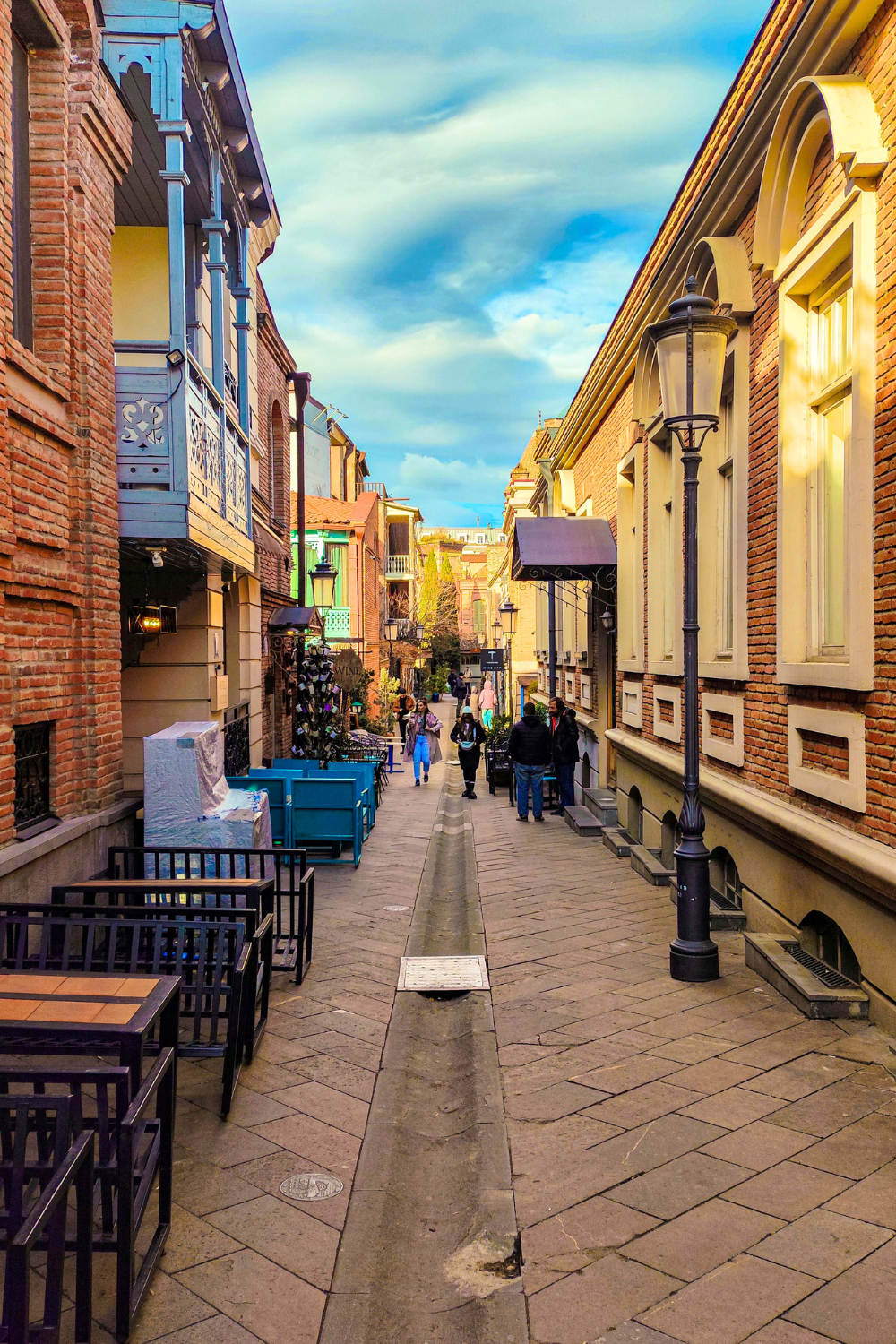
London reveals itself at street level. The view from a bus or Tube window tells you nothing about the Georgian squares of Bloomsbury, the mews houses of Kensington, or the sudden discovery of a 900-year-old church between modern office buildings.
I’ve walked from St. Paul’s to the Tower of London along the Thames probably a dozen times, and each time I notice something new—a hidden courtyard, a peculiar shop, a blue plaque marking where some historical figure lived. The walk from Regent’s Park through Marylebone to Oxford Street takes you through completely different architectural and social strata in just thirty minutes.
Get comfortable shoes. I’m serious about this. London requires miles of walking, often on hard pavement and cobblestones. My first visit left me with blisters that plagued me for days because I prioritized style over comfort. Never again.
Local tip: Download a walking tour app or join a free walking tour for your first day. They provide context that makes everything else you see more meaningful. I particularly love the Dickens-themed walks and the street art tours in East London.
10. Londoners Are Friendlier Than Their Reputation
Yes, Londoners can seem cold and rushed. We don’t make eye contact on the Tube. We don’t chat with strangers in queues. But this isn’t rudeness—it’s respect for personal space in a crowded city.
Ask for directions, and most Londoners will go out of their way to help, sometimes walking you to your destination. Pub culture breaks down barriers—strike up a conversation over a pint, and you’ll find people warm and chatty. The reserve is situational, not personal.
What reads as unfriendly is often just the survival mechanism of living in a city of nine million people. We’re not ignoring you on the Tube because we’re rude; we’re giving you privacy in a situation where you’re pressed against strangers. It’s actually quite considerate when you think about it.
Local tip: Want to meet locals? Join a pub quiz night (usually Mondays or Tuesdays), attend a free event at the Southbank Center, or chat with people at markets. Londoners are much more approachable in social settings than during commutes.
11. Book Theaters and Popular Restaurants in Advance
London’s West End rivals Broadway, often with the same shows but at cheaper ticket prices. But popular productions sell out weeks or months ahead, especially for evening performances.
I book shows through official sites or the TKTS booth in Leicester Square for same-day discounted tickets. The TKTS booth is legitimate (unlike the touts selling “cheap tickets” around the square) and offers 25-50% off many shows. For must-see productions like Hamilton or Harry Potter and the Cursed Child, book directly as far ahead as possible.
The same goes for trendy restaurants. Places like Dishoom, Hoppers, or Bao operate on a first-come, first-served basis for some tables, so expect queues. For dinner reservations at hot spots, book when they release tables (often a month ahead, sometimes more for places like The Ledbury or Sketch).
Local tip: Many West End theaters release a limited number of £10-25 tickets for each performance, available in person at the box office on the day of the show. Get there when the box office opens (usually 10 am) for the best selection.
12. The Tube Stops Running Earlier Than You Think
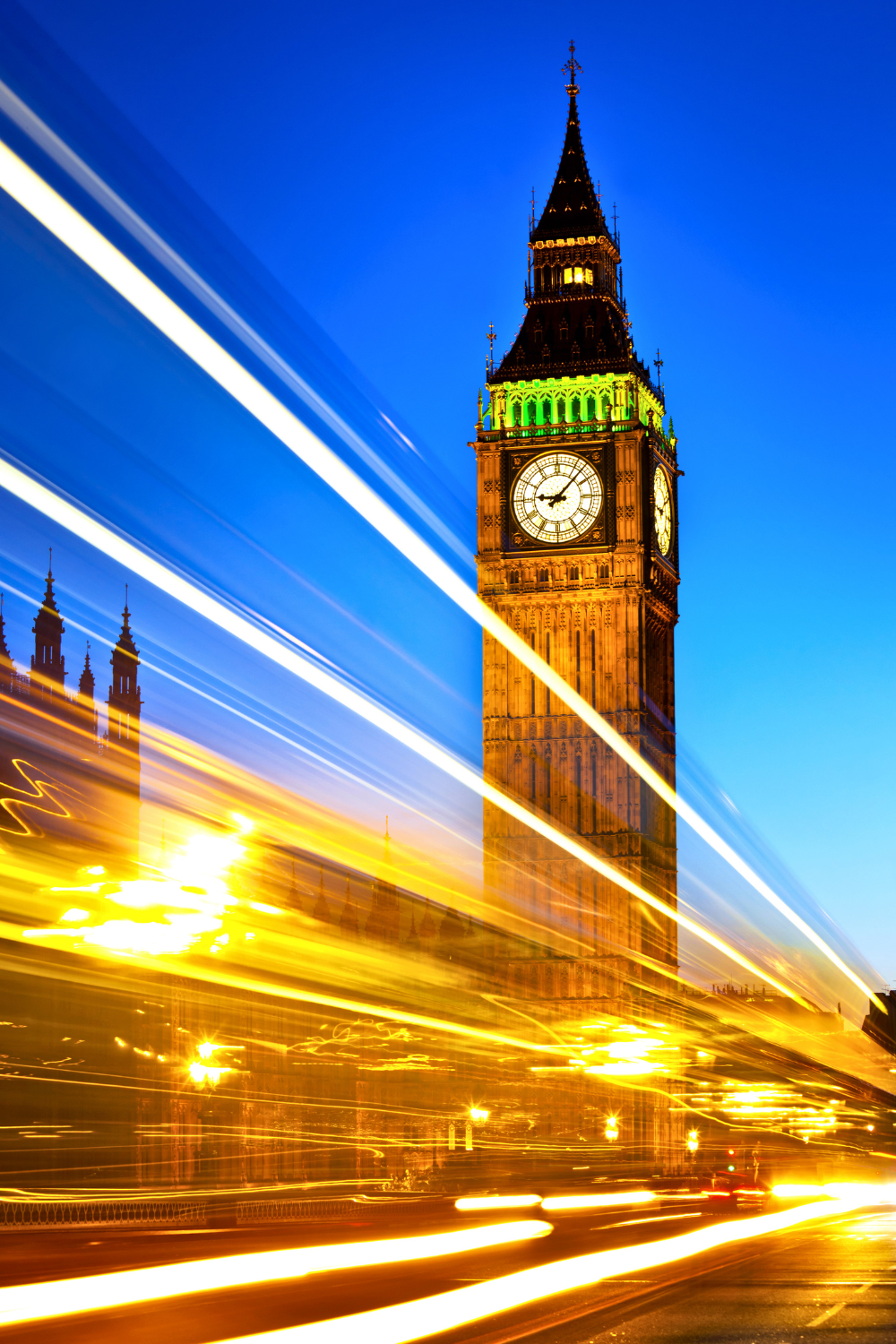
This one caught me out multiple times. The London Underground typically stops running around midnight to 12:30 am on weeknights, with the last trains leaving central stations around 11:45 pm-12:15 am.
Night Tube runs on Fridays and Saturdays on select lines (Central, Victoria, Jubilee, Northern, and Piccadilly), but not on all lines or at all stops. If you’re out late on a Wednesday, you’ll need a night bus (prefixed with N) or a taxi/Uber. Night buses run on different routes from daytime buses and can be confusing for visitors.
I’ve ended up on expensive Uber rides or very long night bus journeys because I didn’t check the last train time. Now I always set an alarm for 11:30 pm when I’m out—early enough to catch the last Tube home comfortably.
Local tip: Download the Citymapper app (yes, I’m mentioning it again because it’s that essential). It automatically shows you the latest train times and night bus alternatives. It’s saved me countless times, and every Londoner I know uses it religiously.
13. Cash Is Increasingly Unnecessary
London has gone almost entirely cashless. Most pubs, restaurants, shops, and even market stalls accept contactless payment. I’ve gone entire weeks without touching cash.
That said, some older pubs are cash-only, as are a few market stalls and independent shops. I keep £20-30 on me just in case, but I rarely use it. Your contactless card or phone works for everything from the Tube to coffee to museum donations.
One surprise: some places have minimum card amounts (usually £5), though this is becoming rarer. And unlike some European cities, London merchants don’t seem bothered by card payments for small amounts.
Local tip: Tell your bank you’re traveling before you leave. International transaction fees vary wildly between cards—some charge 3%, others charge nothing. I use a card with no foreign transaction fees and just pay in pounds, declining any “helpful” offers to charge in my home currency (which always comes with worse exchange rates).
14. Hyde Park Isn’t the Only Green Space
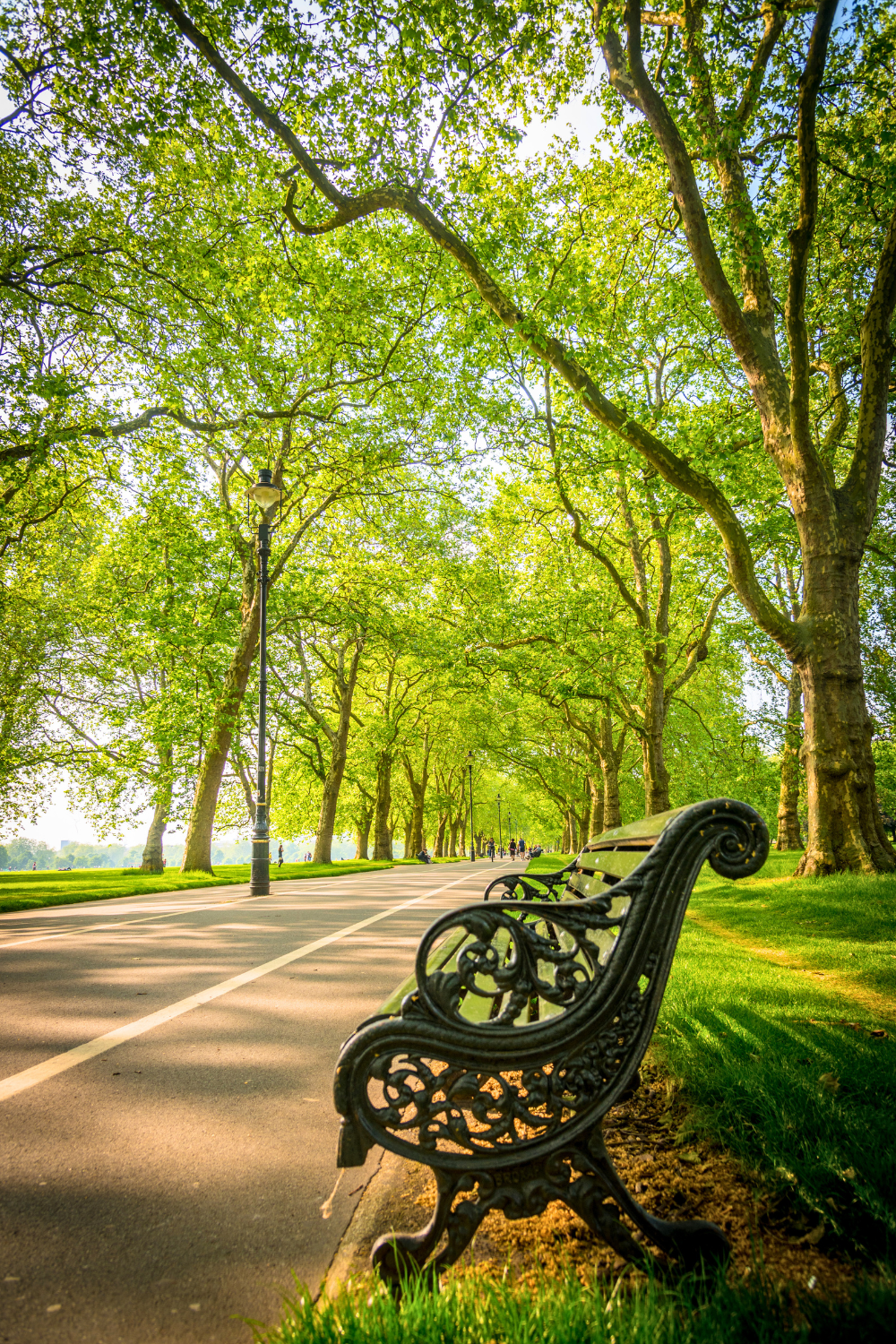
London is surprisingly green—nearly half the city is parks, gardens, or green space. But tourists cluster in Hyde Park and miss the more interesting alternatives.
Hampstead Heath offers wild, hilly terrain with incredible city views from Parliament Hill, plus swimming ponds if you’re brave enough for cold water. Richmond Park has deer wandering freely—actual wild deer in London, which never stops feeling magical. Regent’s Park has better flower gardens than Hyde Park, plus the excellent Queen Mary’s Gardens.
My favorite? Victoria Park in East London, which feels genuinely local. On sunny weekends, it fills with picnickers, dog walkers, and joggers. There’s a great café, a lake with swans, and it connects to the canals where you can walk for miles.
Local tip: Many parks have cafés, but they often close earlier than you’d expect (around 4-5 pm in winter). Pack a picnic instead—there’s a Marks & Spencer or Tesco Metro near almost every major park where you can grab sandwiches and snacks.
15. Markets Are Hit or Miss
London loves its markets, but quality varies enormously. Camden Market has become almost entirely tourist-focused with the same mass-produced items you’ll find anywhere. Portobello Road is beautiful but wildly overpriced unless you know what you’re looking at.
The markets I actually visit: Borough Market for food (weekdays are better than weekends), Broadway Market in Hackney on Saturdays for a local vibe, Columbia Road Flower Market on Sunday mornings (arrive early before the crowds), and Maltby Street Market near Bermondsey for food and drink in a relaxed setting.
Brick Lane Market on Sundays is worth visiting for the surrounding area—incredible bagels from Beigel Bake, vintage shops, and street art—rather than the market itself, which is mostly tourist tat mixed with a few genuine finds.
Local tip: At Borough Market, avoid the obvious stalls with long queues of tourists. The best food is often at the less flashy stalls with locals queuing. And go during the week if possible—it’s less crowded and you can actually talk to the vendors.
16. Tea Time Is Real (But Not What You Expect)
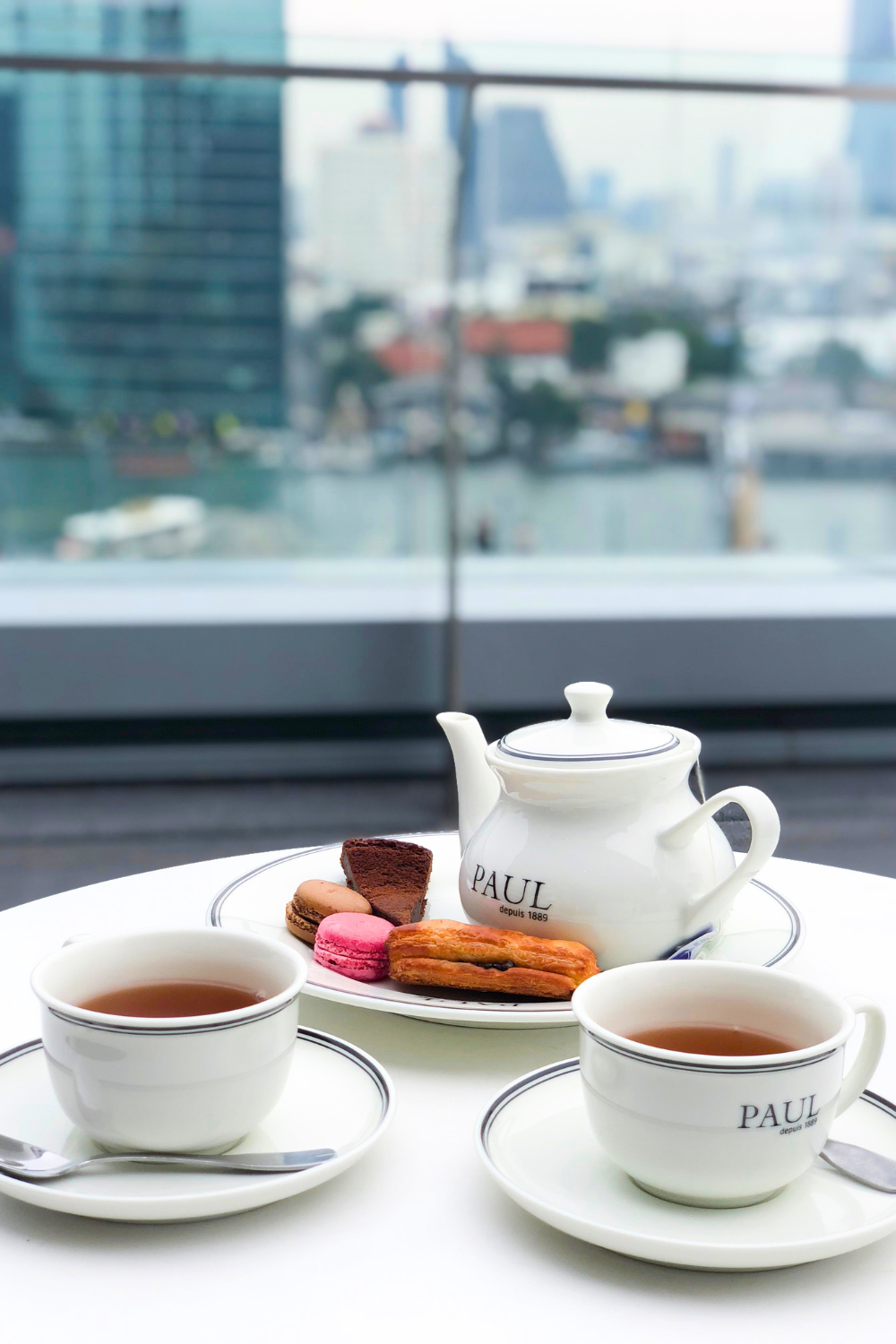
Afternoon tea—the fancy version with finger sandwiches, scones, and tiny cakes on a three-tiered stand—is absolutely a tourist thing. Most Londoners have never done it, or have only done it for special occasions.
That said, it’s genuinely lovely if you pick the right place. Skip the hotel teas that charge £60+ for mediocre sandwiches. I like The Wolseley for classic elegance at slightly more reasonable prices, or Sketch for Instagram-worthy pink rooms (though it’s pricey and touristy, it’s at least fun touristy).
What Londoners actually do is have tea (the drink) constantly throughout the day, usually builders’ tea—strong black tea with milk. Coffee culture has exploded in London, but tea remains the default. Learn to drink it properly, and you’ll fit right in.
Local tip: If you want the full afternoon tea experience without the price tag, try a high street chain like Bea’s of Bloomsbury. It’s a fraction of the cost, and honestly, the food is often better than the overpriced hotel versions.
17. The Thames Is Your Navigation Tool
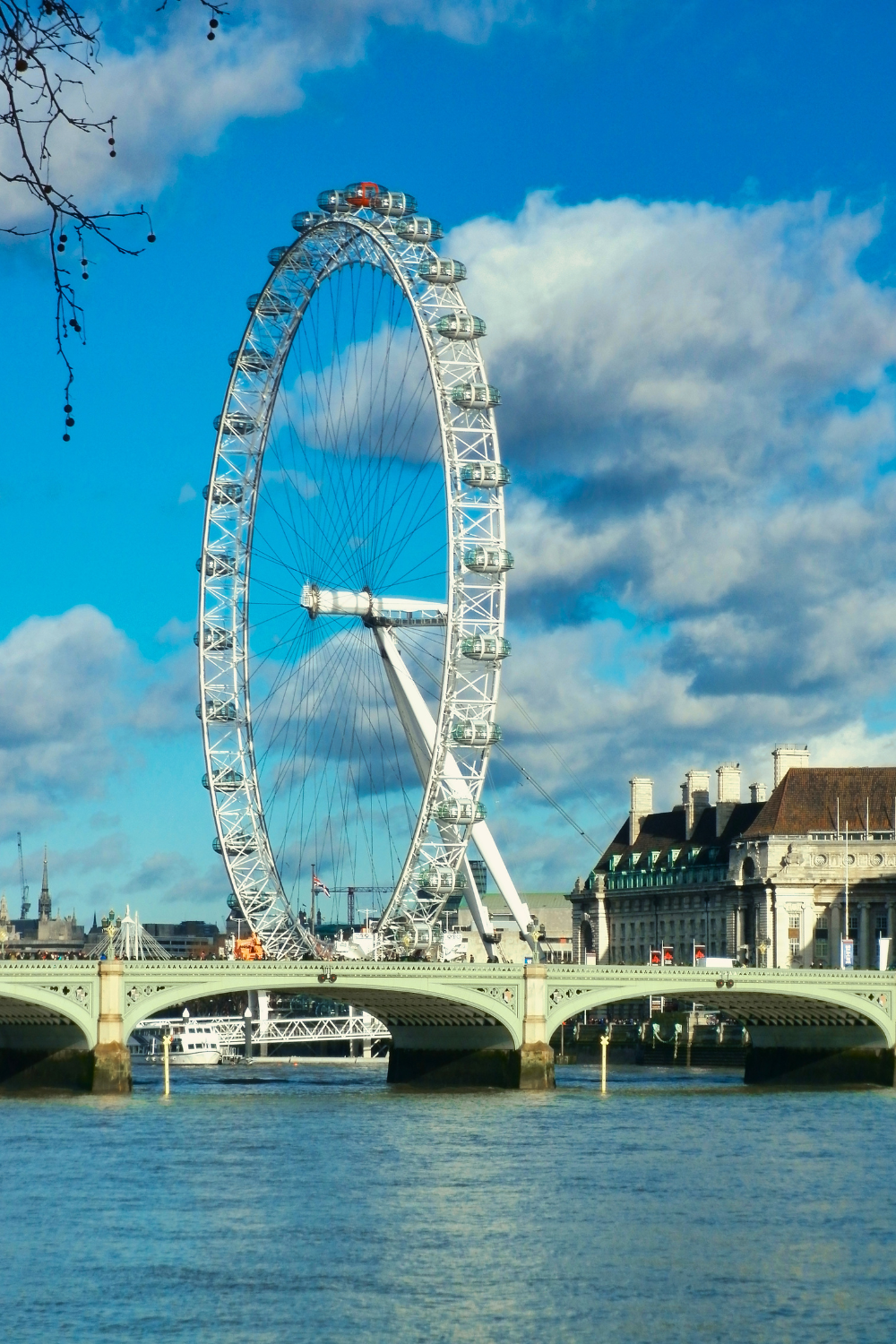
The Thames curves through London like a silver snake, and understanding its path helps enormously with navigation. The city is roughly divided into North and South of the river, with most major attractions on the North side, but the South Bank is increasingly vibrant.
I love walking along the Thames, particularly the South Bank from Westminster Bridge to Tower Bridge. It’s one of London’s best free experiences—street performers, book markets, views of St. Paul’s and the Tower, plus pubs and restaurants with river views.
The Thames Clippers river bus is an underused alternative to the Tube, running from Putney in the west to Woolwich in the east. It’s more expensive than the Tube but covered by your Oyster card, and the views are spectacular.
Local tip: The Thames Path is a walking route that follows the river for 180 miles from its source to the sea. The London section makes for excellent urban walking, taking you through neighborhoods you’d never otherwise discover.
18. London Prices Require Strategic Budgeting
Let me be honest: London is expensive. A pint costs £5-7. A basic lunch is £10-15. A Tube journey is a minimum of £2.80. It adds up fast.
But there are ways to manage costs. The free museums save hundreds compared to other cities. Picnics in parks replace expensive restaurant lunches. Pubs offer better value than restaurants for dinner. Tesco meal deals (sandwich, snack, and drink for £3-4) are surprisingly decent and everywhere.
I budget about £100 per day, including accommodation, which allows for a nice dinner, a show or paid activity, transport, and meals. You can do it cheaper with hostels and picnics, or spend vastly more at high-end restaurants and hotels. London accommodates all budgets if you’re strategic.
Local tip: Many restaurants offer pre-theater menus (usually 5-7 pm) with two or three courses for £20-30, significantly cheaper than regular dinner prices. Even if you’re not seeing a show, these are the best value meals in London.
Planning Your London Trip
Now that you know what to expect, let’s talk logistics. Most first-time visitors need at least four full days to see the major sights without feeling rushed. A week is better, allowing time to explore neighborhoods and take day trips.
Choose your accommodation location carefully. Staying in Zone 1 or 2 minimizes transport time and costs. I’ve stayed everywhere from Shoreditch (young, edgy, excellent restaurants) to Bloomsbury (central, quiet, near museums) to Brixton (diverse, vibrant, great nightlife). Avoid staying near airports or in far-flung zones—the savings on hotels aren’t worth the transport time and cost.
Book flights as early as possible. London has six airports, with Heathrow and Gatwick being the major international hubs. Heathrow is closer and better connected (Piccadilly Line goes directly to central London), while Gatwick is cheaper but requires a train journey. I avoid Stansted and Luton unless the flight is significantly cheaper—they’re far from the city.
Consider travel insurance that covers cancellations. British weather is unpredictable, and strikes occasionally affect transport. I’ve had trips disrupted by Tube strikes and once by a freak snowstorm that shut down the city (Londoners cannot handle snow—two inches causes complete chaos).
The beauty of London is that it’s impossible to see everything in one visit, which means you’ll have an excuse to return. Each trip reveals new layers, new neighborhoods, new favorite pubs and parks and museums. My twelfth visit was as revelatory as my first, just in different ways.
Go with reasonable expectations about weather and costs, comfortable shoes, and a willingness to get a bit lost. The best London experiences often happen when you wander down an intriguing side street or duck into a random pub to escape the rain. The city rewards curiosity and punishes rigid itineraries. Trust me on this—I’ve lived both approaches, and the wandering one wins every time.

