
Let me be honest with you — Switzerland intimidated me before my first visit. I’d heard the horror stories about the prices, worried about the language barriers, and wasn’t sure if it would feel too polished, too perfect, almost sterile. Then I arrived, and within 48 hours, I understood why people fall head over heels for this country. Yes, it’s expensive. Yes, the trains really do run that precisely. And yes, it absolutely lives up to the hype.
But here’s what nobody tells you: Switzerland rewards the prepared traveller. The more you know before you go, the more magic you’ll unlock — from free museum days to secret swimming spots locals guard jealously. After three trips and countless conversations with Swiss friends, I’ve gathered the insider knowledge that transforms a good Swiss holiday into an unforgettable one.
Before You Book That Flight
Switzerland isn’t the kind of destination you can wing. I learned this the hard way on my first visit when I showed up in Zermatt on a Sunday expecting to grab groceries for a picnic. Spoiler: nearly everything was closed, and I ended up paying restaurant prices for a sad sandwich. This country operates on systems, schedules, and unwritten rules that make perfect sense once you know them — but can catch you completely off guard if you don’t.
The good news? Once you understand how Switzerland works, it becomes one of the easiest countries in Europe to navigate. The infrastructure is phenomenal, the safety level is remarkable, and the natural beauty will make your camera roll explode. Let me walk you through everything I wish someone had told me before my first Swiss adventure.
1. The Prices Are Real (But There Are Workarounds)
Right, let’s address the elephant in the alpine room. Switzerland is breathtakingly expensive. That coffee you’d pay €3 for in Italy? Expect to pay 5–6 Swiss Francs (about $6–7 USD). A sit-down meal easily runs 25–40 CHF per person, and don’t even get me started on cocktails in Zurich.
But here’s what changed everything for me: shop at Coop and Migros supermarkets, where you’ll find surprisingly affordable prepared foods, fresh bread, and local cheese. I’d grab supplies for stunning mountaintop picnics that cost a fraction of restaurant prices. Also, many hotels include breakfast, and Swiss breakfasts are generous affairs with cheese, cold cuts, bread, and muesli (which was invented here, by the way). Fill up in the morning, and you can get away with a lighter, cheaper lunch.
The water everywhere is drinkable — yes, even from public fountains — so skip the bottled water. I carried a reusable bottle and refilled it constantly. These small adjustments meant I could splurge on experiences like the Gornergrat railway without feeling guilty.
Local tip: If you’re staying more than a few days in cities like Geneva, Zurich, or Basel, ask your hotel about the visitor card. Many accommodations automatically provide free public transport for the duration of your stay — that’s easily 50+ CHF in savings.
2. The Swiss Travel Pass Might Save Your Budget
This one surprised me because I usually avoid tourist passes, but the Swiss Travel Pass is genuinely worth it for most travelers. It covers trains, buses, boats, and even many mountain excursions — plus free entry to over 500 museums.
I bought a three-day pass on my second trip and calculated I saved about 200 CHF compared to buying individual tickets. The Glacier Express, Golden Pass Line, and boat trips on Lake Geneva and Lake Lucerne are all included. Even better, you don’t need reservations for most trains — just hop on and go.
The pass also gives you 50% off many cable cars and cogwheel trains to the high peaks. Since those can cost 100+ CHF return, that discount adds up fast. Do the math for your specific itinerary, but for most people doing the classic Swiss route, it’s a no-brainer.
Local tip: The Swiss Travel Pass is available only to tourists (not residents), so you must purchase it before arrival or at the airport. Don’t wait until you’re already in the mountains — you’ll miss out on maximizing those first-day savings.
3. The Language Situation Is Easier Than You Think
Switzerland has four official languages — German, French, Italian, and Romansh — which sounds complicated until you realize most Swiss people are impressively multilingual. In Zurich, Basel, and most of central Switzerland, they speak Swiss German (which is wildly different from standard German, by the way). Geneva and Lausanne are French-speaking. Lugano and Ticino are Italian. And Romansh? That’s a beautiful Romance language spoken by a small population in Graubünden.
Here’s the relief: nearly everyone speaks excellent English, especially in tourist areas. I never struggled to communicate, even in smaller villages. That said, learning a few words in the local language goes a long way. A simple “Grüezi” (hello in Swiss German) or “Merci” in French-speaking areas earned me warm smiles and sometimes better service.
The language regions have genuinely different vibes, too. The German-speaking areas feel efficient and precise. Romandie (French Switzerland) has a more relaxed, café-culture atmosphere. And Ticino feels like you’ve crossed into Italy, with palm trees, piazzas, and a slower pace.
Local tip: Download the SBB Mobile app (Swiss Federal Railways) and set it to English. It’s brilliantly designed, works perfectly, and shows you connections across all language regions without any confusion.
4. Sunday Is a Day of Rest (Seriously)
I mentioned my Zermatt Sunday disaster earlier, and I’m telling you this to save you from the same fate. In Switzerland, Sundays are sacred. Most shops, supermarkets, and businesses close completely. Some bakeries open for a few hours in the morning, and restaurants operate normally, but if you need groceries, toiletries, or anything else, you’re mostly out of luck.
The exception? Train station shops in larger cities, which often stay open seven days a week with extended hours. I’ve made many a Sunday evening dash to Zurich HB for forgotten essentials.
This tradition initially frustrated me, but I came to appreciate it. Sundays in Switzerland have a peaceful, unhurried quality. Locals hike, cycle, or stroll by the lakes. It’s a reminder that not everything needs to be available 24/7, and honestly, it forced me to slow down and enjoy the country’s natural rhythm.
Local tip: Stock up on Saturday if you’re staying somewhere with kitchen facilities. And if you forget something crucial on Sunday, head to the nearest major train station — those shops are your lifeline.
5. Tipping Culture Is Different
Switzerland includes service charges in restaurant bills, so tipping isn’t mandatory like it is in North America. That said, it’s customary to round up or leave about 5–10% for good service.
What threw me off initially was the payment process. When you’re ready to leave, you need to ask for the bill — servers won’t bring it automatically because they consider it rude to rush you. Then, when they bring the card machine, they’ll often ask “How much?” or hand you the machine to enter the tip yourself. Just add what feels right and enter the total.
For taxis, rounding up to the nearest 5 or 10 francs is standard. For hotel porters, 2–5 CHF per bag is appreciated but not expected. The whole system feels refreshingly low-pressure once you understand it.
Local tip: In smaller, family-run restaurants in mountain villages, I found people genuinely appreciated even small tips more than in cities. A few extra francs and a sincere “Danke” or “Merci” created lovely moments of connection.
6. The Trains Are Everything You’ve Heard (And More)
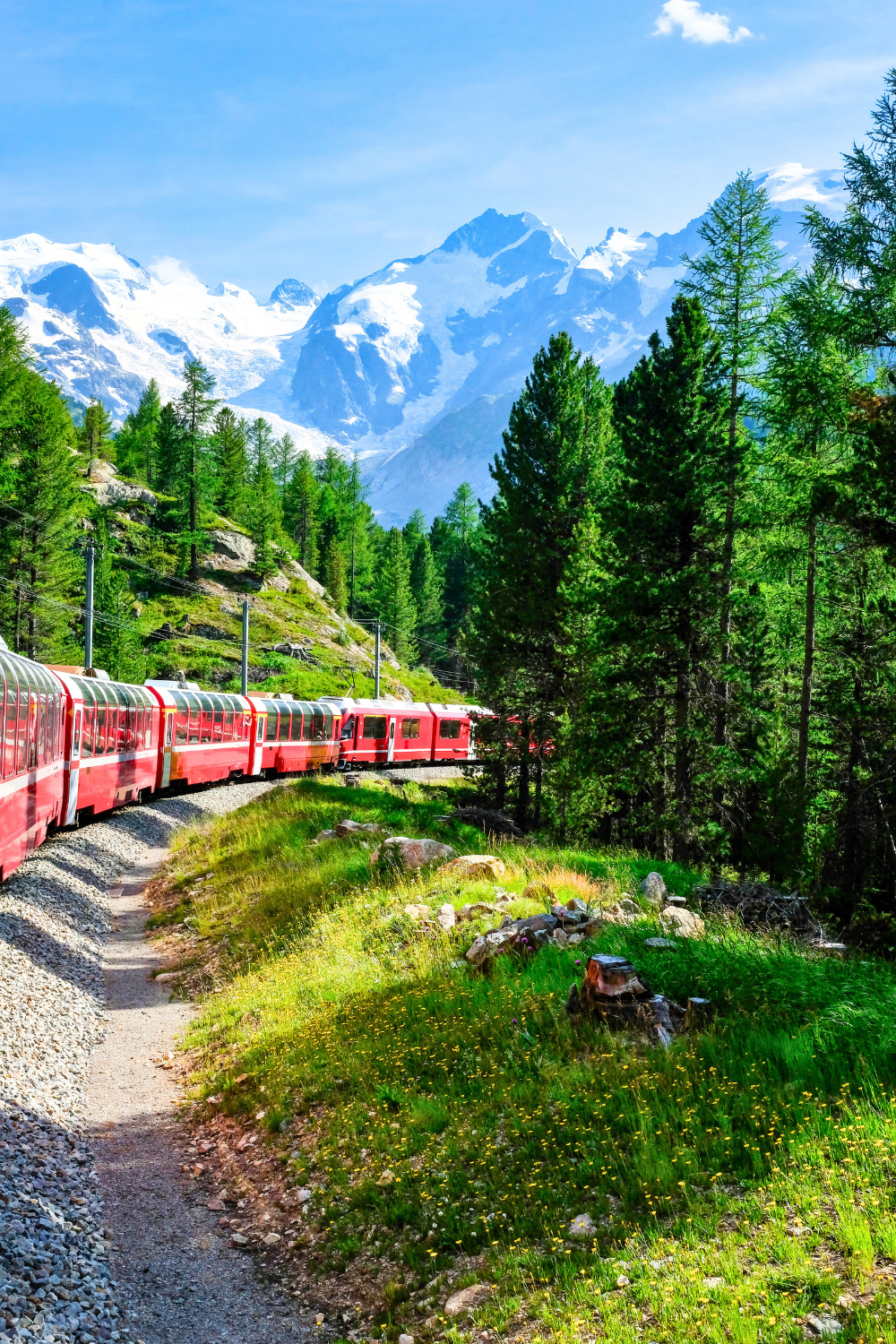
Swiss trains are legendary for a reason. They’re clean, comfortable, punctual to the minute, and offer views that belong on postcards. I’ve traveled extensively through Europe, and nothing — absolutely nothing — compares to the Swiss rail system.
The scenic routes are worth planning your entire itinerary around. The Glacier Express from Zermatt to St. Moritz takes eight hours and passes through 91 tunnels and over 291 bridges. The Bernina Express crosses into Italy through impossibly dramatic mountain scenery. The Golden Pass Line from Lucerne to Montreux offers lake and mountain views that had me pressed against the window like a kid.
Even regular commuter trains offer incredible scenery. The route from Interlaken to Lucerne, or Zurich to Chur — these aren’t even considered “scenic routes,” yet they’re stunning. Reserve window seats when possible (though honestly, nearly every seat is a window seat), and keep your camera ready.
Local tip: Download the SBB Mobile app and check the route profile before boarding. It’ll show you which side of the train offers better views for specific segments. For the Glacier Express, sit on the right side traveling east, left side traveling west.
7. Mountain Weather Is Wildly Unpredictable
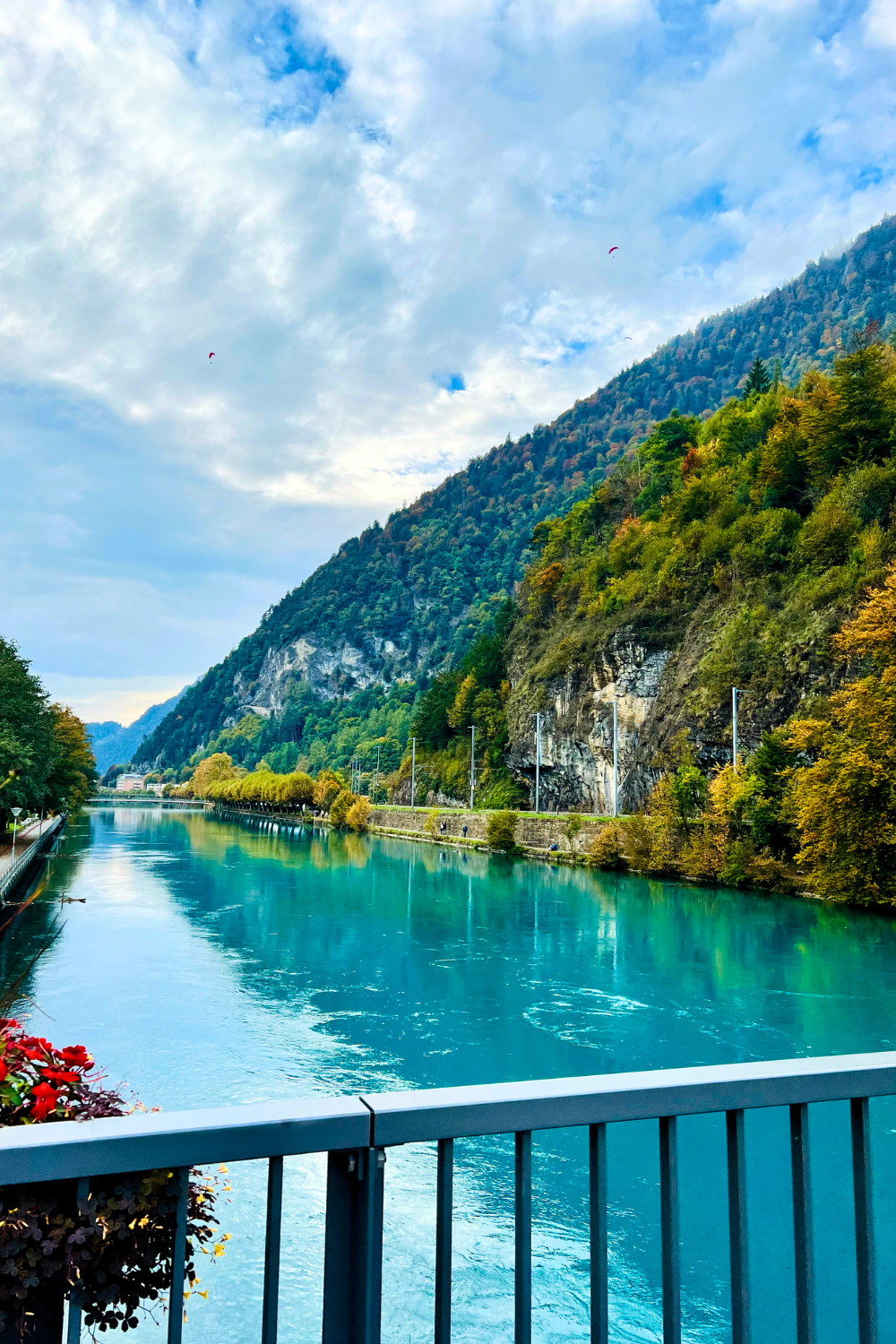
I made the rookie mistake of checking the weather for Zurich and assuming the mountains would be similar. Wrong. Mountain weather operates on its own rules, changing dramatically with elevation and sometimes hour by hour.
You can leave a sunny valley in a t-shirt and arrive at 3,000 meters to find snow, wind, and near-zero visibility. I learned to always pack layers — a warm fleece, waterproof jacket, hat, and gloves — even in summer. The temperature drops about 6°C for every 1,000 meters of elevation, so that pleasant 20°C in Interlaken becomes a chilly 2°C at the Jungfraujoch.
Check mountain-specific weather on websites like MeteoSwiss or the webcams that most mountain destinations maintain. These give you real-time conditions and can save you from wasting money on a cable car ride into thick fog. Trust me, I’ve done that too.
Local tip: The best mountain weather is typically in the morning before clouds build up. If you’re doing a big summit excursion, take the first cable car up. You’ll beat the crowds and get the clearest views — plus you can descend before afternoon storms roll in.
8. Swiss Chocolate Deserves Its Reputation
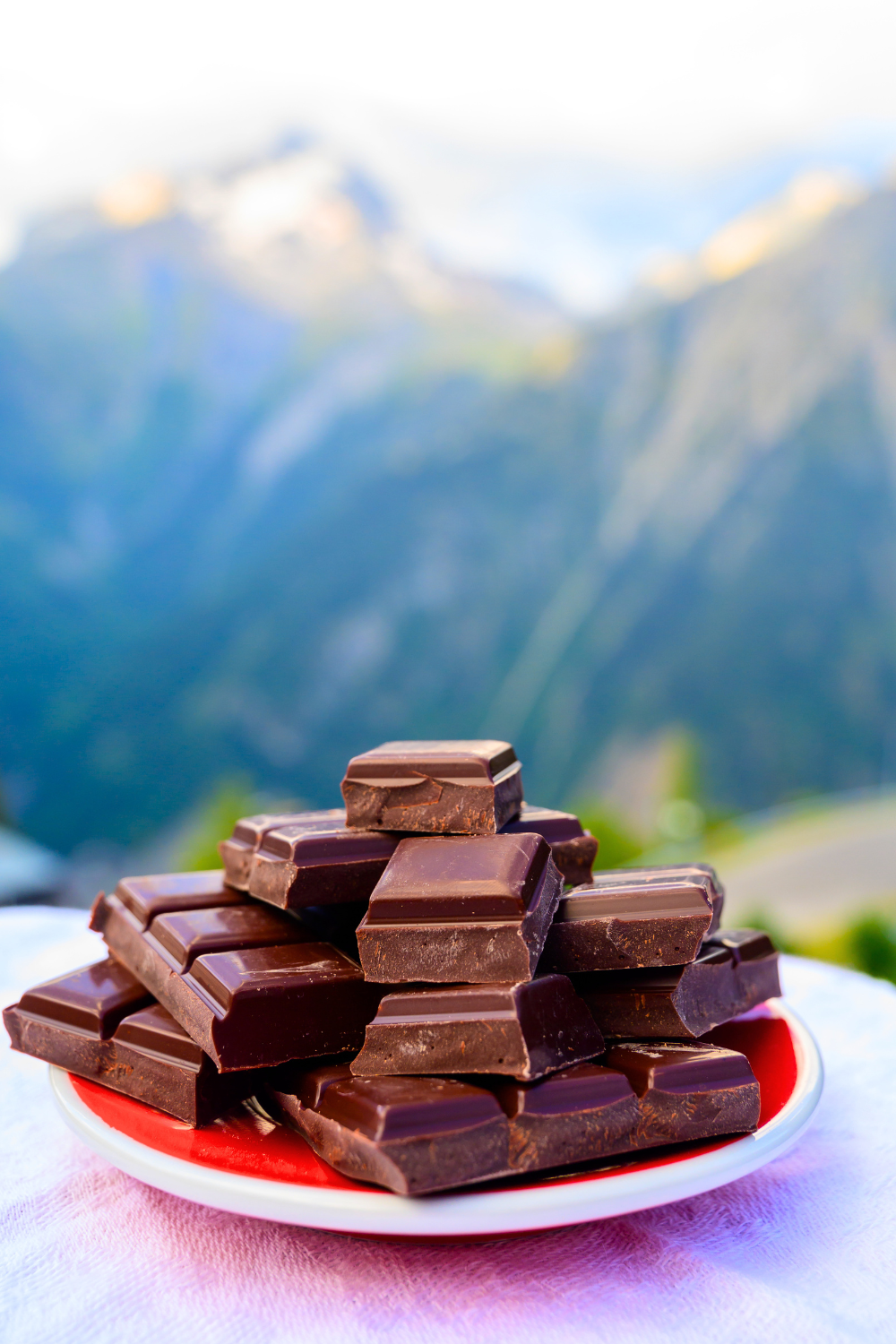
As someone who thought they’d tried good chocolate before Switzerland, I was humbled. Swiss chocolate is genuinely different — smoother, creamier, and more carefully crafted than most chocolate elsewhere.
Yes, Lindt is Swiss, but don’t stop there. Läderach makes fresh chocolate bars with visible nuts and fruits that are absolutely addictive. Sprüngli in Zurich has been making chocolates since 1836, and their Luxemburgerli (delicate macaron-like cookies) are heavenly. In smaller towns, look for local chocolatiers — I found an incredible one in Gruyères who explained the entire chocolate-making process while I sampled.
The Swiss also take their hot chocolate seriously. It’s often made with real melted chocolate, not powder, resulting in a thick, luxurious drink that’s more like drinking a melted chocolate bar. Perfect after a cold day in the mountains.
Local tip: Visit a chocolate factory if you have time. Maison Cailler near Gruyères offers free tours (though you’ll spend money in the shop afterward, guaranteed). The Lindt Home of Chocolate in Zurich is newer and more interactive, with a three-story chocolate fountain that’s genuinely impressive.
9. Cheese Is a Way of Life
Switzerland produces about 700 varieties of cheese, and the Swiss consume more cheese per capita than almost any other country. This is a nation that takes its cheese seriously, and you should too.
Fondue is the obvious starting point — melted cheese with bread cubes for dipping. It’s rich, communal, and best enjoyed with a glass of white wine or hot tea (never cold drinks, which supposedly cause the cheese to solidify in your stomach). Raclette is another classic: melted cheese scraped over potatoes, pickles, and onions. It’s heavy, yes, but absolutely delicious on a cold evening.
But my favorite discovery was the cheese dairies scattered through the countryside, especially in the Emmental and Gruyères regions. You can watch cheese being made, learn about the aging process, and taste cheese at various stages. The difference between young and aged Gruyère shocked me — they’re almost different products.
Local tip: In mountain restaurants, order Älplermagronen if you see it. This Alpine mac and cheese with potatoes, cream, cheese, and onions is hearty hiking fuel. It’s not fancy, but after a long day on the trails, it’s exactly what you need.
10. You Need More Time Than You Think
Switzerland is small — you can drive across it in about four hours — but that’s misleading. The mountains mean that traveling even short distances takes longer than expected, and there’s so much to see that you’ll constantly want to stop.
I initially planned to “do” Switzerland in five days, hitting Zurich, Lucerne, Interlaken, and Zermatt. That schedule was absurd. I was constantly rushing, missing things, and feeling stressed. On my second trip, I spent four days just in the Berner Oberland region, and it still wasn’t enough.
My advice? Choose two or three bases and explore deeply rather than trying to check off every famous spot. Stay in Lucerne and take day trips. Base yourself in Interlaken or Lauterbrunnen to explore the Jungfrau region properly. Spend real time in the mountains rather than just taking photos and leaving.
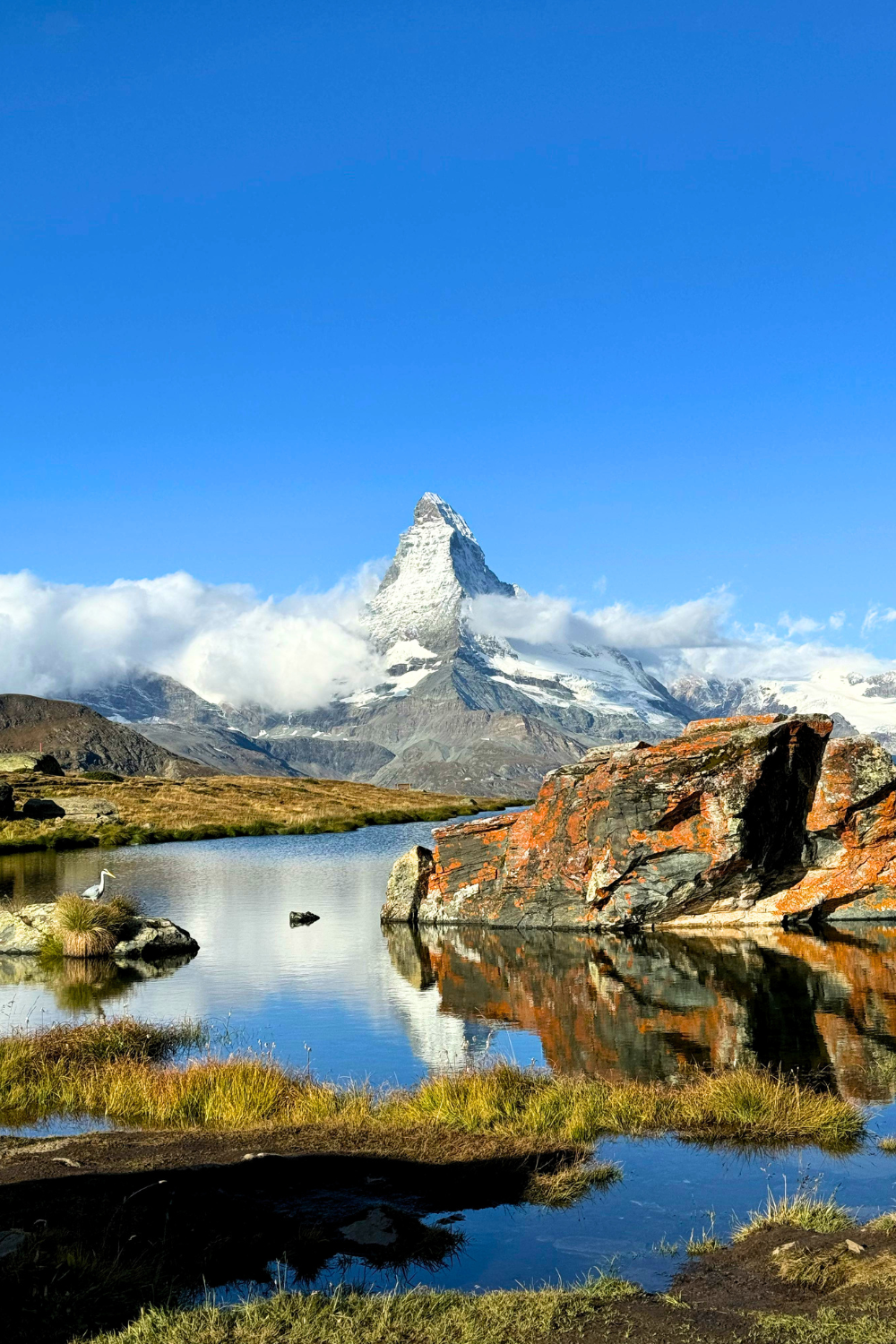
Switzerland rewards slow travel. Those magical moments — watching alpenglow on the Matterhorn, swimming in a pristine mountain lake, stumbling onto a village festival — happen when you’re not rushing to the next Instagram spot.
Local tip: If you’re torn between destinations, choose the mountains over the cities. Zurich and Geneva are pleasant, but they’re not why people dream of Switzerland. The Alps are the main event — allocate your time accordingly.
11. Swimming Culture Is Huge (And Often Free)
This one genuinely surprised me. The Swiss are obsessed with swimming in their lakes and rivers, and it’s one of the best free activities in the country. During summer, locals flock to public bathing areas along Lake Zurich, Lake Geneva, Lake Lucerne, and dozens of smaller lakes.
In Zurich, people swim in the Limmat River, floating downstream with waterproof bags containing their belongings. In Bern, they swim in the Aare River — a tradition that looks terrifying but is apparently safe if you know what you’re doing. These aren’t touristy activities; they’re genuine local experiences.
The water is cold, even in summer, because it comes from glacier melt and mountain springs. But it’s incredibly clean and refreshing after a hot day of sightseeing. Many lakeside areas have changing facilities, showers, and grassy areas for sunbathing — basically free beach clubs with mountain views.
Local tip: Pack a microfiber travel towel and swimsuit even if swimming isn’t on your agenda. You’ll see locals diving into pristine water and feel serious FOMO if you’re not prepared. The impromptu swims became some of my favorite Swiss memories.
12. The Half-Fare Card Might Beat the Swiss Travel Pass
For longer stays or if you’re not planning to take many mountain railways, the Half-Fare Card might be a better deal than the Swiss Travel Pass. It costs 120 CHF for one month and gives you 50% off all trains, buses, boats, and most mountain transport.
I switched to this option on my third visit when I was staying mostly in one region and not doing the big scenic routes. The math worked out better, and I appreciated the flexibility of not feeling like I had to maximize a multi-day pass.
The Half-Fare Card also works for locals’ discounted ski passes and some museum entries. It’s less convenient than the all-inclusive pass, but for certain travel styles, it’s more economical.
Local tip: You can buy the Half-Fare Card online and have it delivered to your Swiss accommodation, or purchase it at any major train station. Unlike the Swiss Travel Pass, residents can buy it too, so it’s available anytime.
13. Hiking Infrastructure Is World-Class
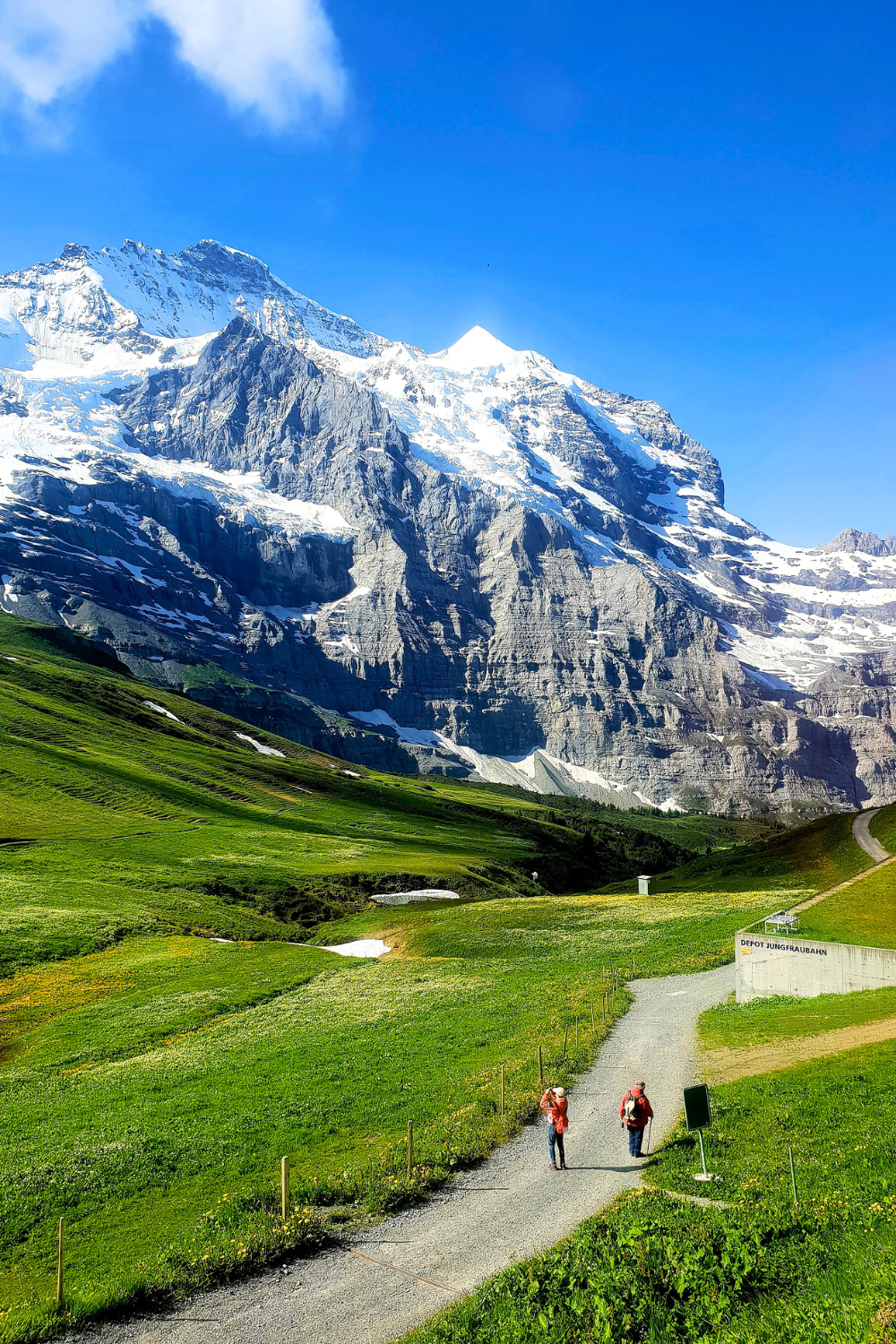
Switzerland has over 65,000 kilometers of marked hiking trails, and the signage system is brilliantly simple. Yellow signs indicate easy walking paths, white-red-white marks show mountain hiking trails, and white-blue-white designates alpine routes requiring experience.
The trails are impeccably maintained, with accurate time estimates on every sign. If it says 2 hours 30 minutes to your destination, it will take almost exactly that long for an average hiker. The Swiss have clearly timed these routes scientifically, and I learned to trust the signs completely.
You don’t need to be an extreme athlete to enjoy Swiss hiking. There are gentle lakeside walks, forest paths, and easy mountain trails with spectacular views and minimal elevation gain. But there are also challenging routes for experienced hikers seeking adventure.
What impressed me most was the infrastructure: mountain huts serving meals and drinks, cable cars offering shortcuts up or down, and well-placed benches at scenic viewpoints. You’re never truly remote, which makes hiking accessible even for families with kids.
Local tip: Download the SwissMap app for offline trail maps with your exact GPS location. It’s free, incredibly detailed, and has saved me from wrong turns multiple times. The maps show every trail, every mountain hut, and every water source.
14. Cash Is Still King in Many Places
Despite Switzerland’s reputation for efficiency and modernity, cash remains important. Many smaller restaurants, mountain huts, markets, and shops prefer cash or only accept Swiss debit cards (not international credit cards).
I got caught short at a gorgeous mountain restaurant after a long hike, assuming they’d take cards. They didn’t, and I had to awkwardly borrow cash from another hiker to pay for my lunch. Now I always carry 100–200 CHF in cash when heading into smaller towns or mountains.
ATMs are everywhere in cities and towns, and most accept international cards with reasonable fees. The exchange rate is usually better at ATMs than at exchange bureaus anyway. Just notify your bank before traveling to avoid card blocks.
Local tip: Some Swiss ATMs offer the option to be charged in your home currency instead of Swiss Francs. Always choose Swiss Francs. The “convenience” of home currency conversion comes with terrible exchange rates that cost you extra money.
15. Recycling Is Serious Business
Switzerland has one of the world’s most comprehensive recycling systems, and locals take it seriously. You’ll notice different bins for paper, cardboard, PET plastic, glass (sorted by color!), aluminum, and general waste.
What confused me initially was that public trash bins are rare, especially in smaller towns. The Swiss expect you to carry your trash until you find appropriate recycling facilities or return home. It felt strange at first but makes sense given their environmental commitment.
If you’re staying in an Airbnb or apartment, your host will probably give you detailed instructions about recycling. Follow them. Improperly sorted trash can result in fines, and your host might be held responsible.
Local tip: Bring a small reusable bag for carrying trash when you’re out hiking or exploring. You won’t find bins along trails, and leaving trash behind is both illegal and deeply frowned upon. The mountains stay pristine because everyone packs out what they pack in.
16. The Swiss Are Reserved But Not Unfriendly
Swiss culture values privacy, punctuality, and quietness. People don’t typically strike up conversations with strangers, and public spaces are often remarkably quiet — no loud phone conversations or music.
This reserved nature can feel cold at first, especially if you’re coming from more outgoing cultures. But it’s not unfriendliness; it’s simply a different social norm. Once you understand this, you’ll notice the subtle kindnesses: the person who quietly helps you with your suitcase on the train, the hiker who nods and says “Grüezi” on the trail, the shopkeeper who patiently explains something in English.
I found that a little effort goes a long way. Learning basic greetings, being punctual, and respecting quiet hours (typically 10 PM–6 AM and Sunday afternoons) opened doors to warmer interactions. The Swiss appreciate when visitors respect their cultural norms.
Local tip: If you’re invited to a Swiss person’s home, bring a small gift like flowers or chocolate, and arrive exactly on time — not early, not late. Punctuality is a sign of respect here, and being fashionably late is just considered rude.
17. Four Seasons Mean Four Different Switzerlands
I’ve visited Switzerland in summer and winter, and they’re almost different countries. Summer (June–September) is hiking season, with wildflowers, mountain lakes, and long daylight hours. The weather is generally stable, though mountain storms can roll in quickly.
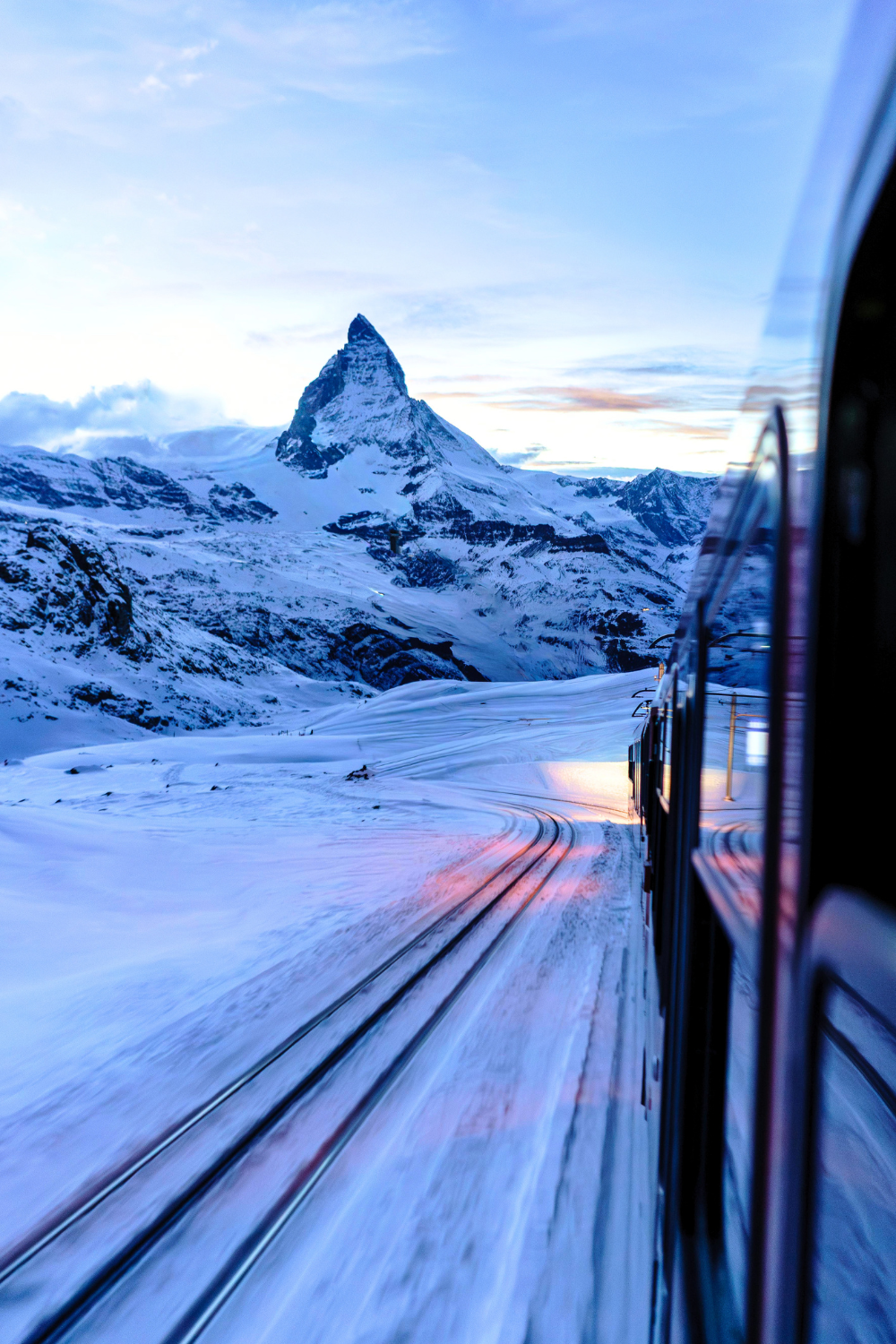
Winter (December–March) transforms Switzerland into a snow-covered wonderland. The skiing is world-class, Christmas markets are magical, and mountain villages look like they belong on holiday cards. But many high mountain passes close, and some hiking trails become inaccessible.
Spring and autumn are shoulder seasons with fewer crowds and lower prices. Spring brings melting snow and waterfalls at full force. Autumn offers golden larch forests and clear, crisp air. These seasons can be hit-or-miss weather-wise, but they’re worth considering if you’re flexible.
Each season has its appeal, but choose based on what you want to do. Summer for hiking and lake swimming, winter for skiing and cozy mountain huts, and the shoulder seasons for budget travel and photography.
Local tip: Late June and early September are sweet spots — summer weather with fewer crowds than peak July and August. Hotels are slightly cheaper, trains are less crowded, and hiking trails are more peaceful. You’ll still get excellent weather for outdoor activities.
18. Mountain Sickness Is Real
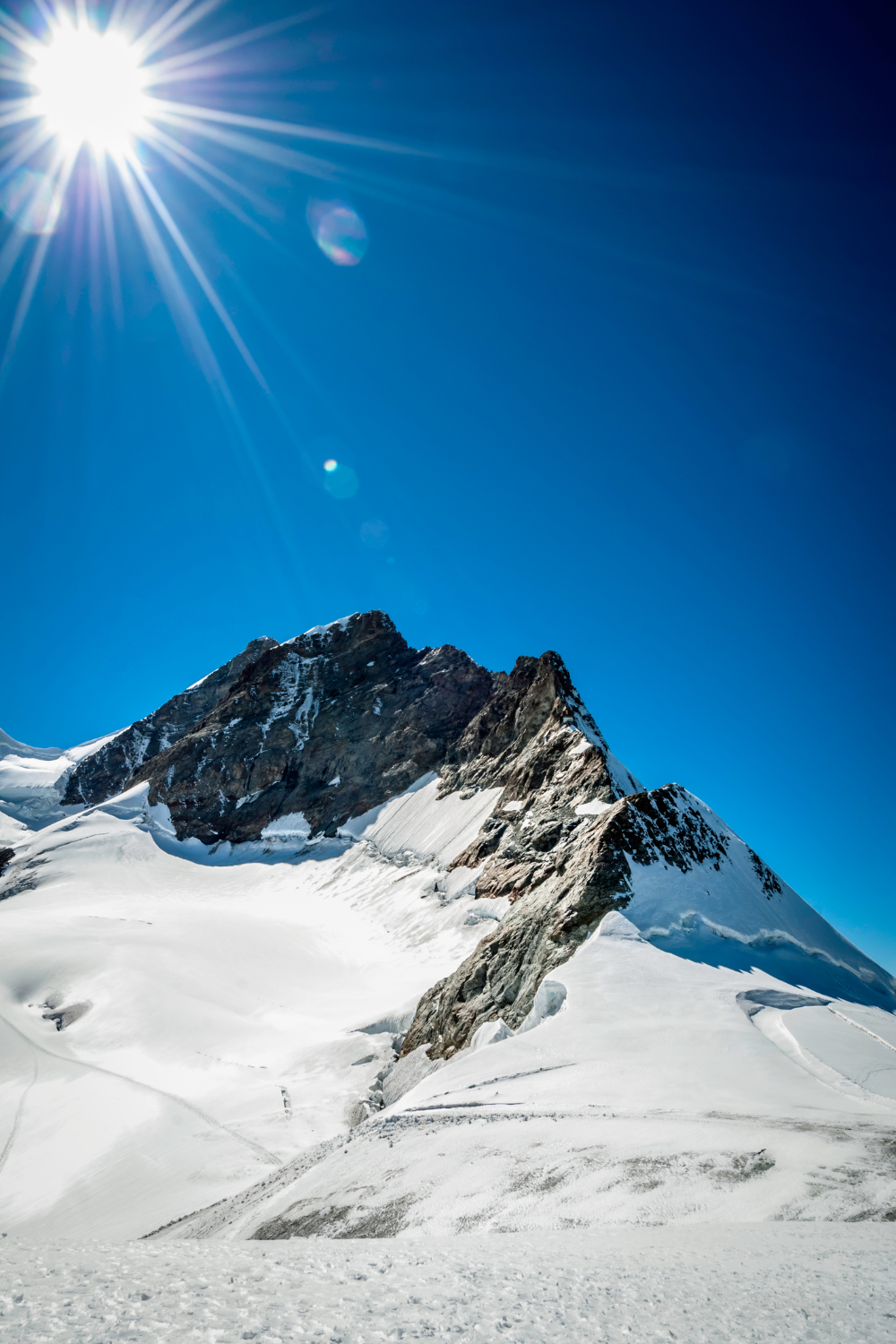
This caught me completely off guard on my first trip to Jungfraujoch, which sits at 3,454 meters. I felt dizzy, slightly nauseous, and short of breath — classic altitude sickness symptoms.
Switzerland’s easy access to high altitudes means you can go from 500 meters to 3,500+ meters in under two hours via train or cable car. Your body doesn’t have time to acclimatize, and the thin air affects everyone differently. Age and fitness level don’t predict who’ll be affected.
The symptoms are usually mild — headache, dizziness, slight nausea — and resolve once you descend. But it’s worth knowing about so you don’t panic. Stay hydrated, avoid alcohol the night before big altitude gains, and take it easy when you first arrive at high elevations.
Local tip: Spend at least 30–60 minutes at intermediate elevations if possible. For example, when visiting Jungfraujoch, stop at Kleine Scheidegg (2,061m) for lunch on the way up. This gives your body time to adjust and reduces the altitude shock.
Planning Your Swiss Adventure
After everything I’ve shared, you might be wondering how to actually put this into practice. Here’s my honest advice: book accommodation early, especially in popular mountain destinations like Zermatt, Grindelwald, or Wengen. These places have limited hotel space, and prices skyrocket during peak season.
Consider staying in smaller villages rather than major resorts. I spent three nights in Mürren instead of Interlaken and saved money while enjoying a more authentic experience. The train connections make it easy to explore from smaller bases.
Book mountain railway tickets online when possible to avoid queues, especially for popular routes like Jungfraujoch or Gornergrat. Some offer early bird discounts for booking in advance.
And here’s something nobody tells you: Swiss tourism offices are incredibly helpful. Stop by one when you arrive, and they’ll provide local hiking maps, insider tips, and current information about weather and trail conditions. They genuinely want you to have a great experience.
Switzerland will challenge your budget and probably ruin you for other mountain destinations — nowhere else quite compares. But it’s worth every franc. The combination of jaw-dropping scenery, flawless infrastructure, and that distinctly Swiss attention to detail creates travel experiences you’ll remember for life.
Pack layers, bring a reusable water bottle, download the SBB app, and prepare to fall in love with a country that somehow manages to be both impossibly beautiful and remarkably functional. The mountains are waiting, and trust me, they’re even better than the photos suggest. See you on the trails.

