
I’ll never forget stepping off the ferry in Santorini at sunset, watching the sky turn impossible shades of pink and gold, only to realize I’d wildly underestimated how steep those famous steps actually were. Greece has a way of being both exactly what you imagined and completely different all at once.
After three trips spanning different islands, mainland adventures, and more tzatziki than I care to admit, I’ve learned that Greece rewards the prepared traveler. Not in a stressful, over-planned way — but in knowing just enough to avoid the tourist traps, embrace the rhythm of Greek life, and make the most of every sun-drenched moment. Here’s everything I wish someone had told me before my first trip.
Before You Book That Flight
Let me be honest with you: Greece operates on its own timeline, and fighting it will only frustrate you. The sooner you understand a few cultural quirks and practical realities, the better your trip will be. I learned some of these lessons the hard way (like showing up to a restaurant at 6 PM to find it completely empty), while others were gifted to me by locals who took pity on the confused tourist asking why all the shops were closed at 3 PM on a Tuesday.
Greece isn’t just about the postcard-perfect images you’ve seen. It’s about the moments between — the spontaneous conversations, the unexpected detours, the small tavernas where nobody speaks English but everyone insists you try their mother’s recipe. Getting these foundational things right sets you up for those magical moments.
1. The Siesta Is Real (And You Should Embrace It)
This one surprised me on my first day in Athens. I had a whole list of shops and museums to visit, and by 2 PM, half the city had basically shut down.
Greeks take their afternoon rest seriously, especially during summer months when temperatures soar. Most small shops, businesses, and even some tourist attractions close between roughly 2 PM and 5 PM. Restaurants might stay open, but many locals won’t eat lunch until 3 PM anyway. I initially found this frustrating until I realized it’s actually brilliant — you avoid the hottest part of the day, recharge, and then enjoy the city when it comes alive again in the evening.
The rhythm becomes addictive once you settle into it. Mornings for sightseeing, afternoons for beach time or a proper rest, and evenings that stretch long into the night. Greeks eat dinner late (9 PM is normal, 10 PM isn’t unusual), and the streets buzz with energy until well past midnight, even on weeknights.
Local tip: Plan your major sightseeing for morning hours, especially archaeological sites with no shade. Use the siesta time for beach, hotel pool, or actually taking a nap. Your body will thank you, and you’ll have energy for those long Greek evenings.
2. Island Hopping Requires More Planning Than You Think
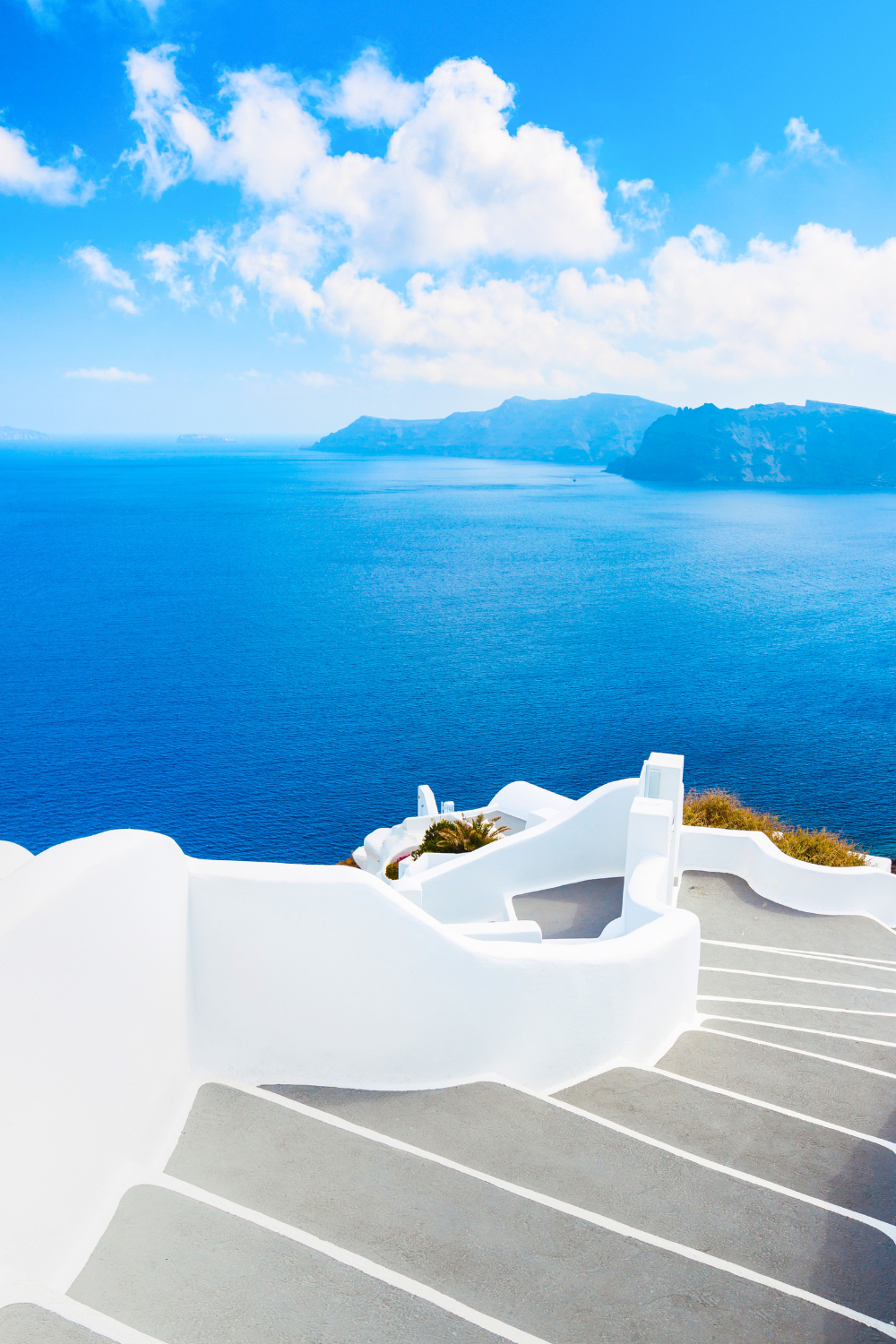
I romanticized the idea of spontaneously hopping between islands, showing up at the port and catching whatever ferry felt right. Reality check: this works in theory but can seriously backfire during high season.
Ferry schedules vary dramatically by season. That direct ferry from Santorini to Crete that runs daily in August? It might only go twice a week in May or not at all in November. Some island combinations require you to route back through Athens or Piraeus, turning a theoretical short hop into an all-day journey. I once spent nine hours getting between two islands that looked close on a map but had no direct connection.
Book your ferries at least a few days in advance during summer (June through September). The fast ferries and good time slots fill up, and you don’t want to be stuck with a 5 AM departure or a six-hour slow boat when a two-hour option exists. Websites like Ferryhopper or Let’s Ferry show all your options clearly — use them.
Local tip: Check if your ferry is a fast ferry (catamaran) or slow ferry (conventional). The price difference might be €10, but the time difference could be three hours. Also, ferries can be delayed or cancelled due to wind conditions, especially in the Cyclades. Build in buffer days if you have a flight to catch.
3. Athens Deserves More Than a Layover
So many people treat Athens as just the gateway to the islands, giving it maybe one rushed day before heading to Santorini. Yes, I really did this on my first trip, and yes, I deeply regret it.
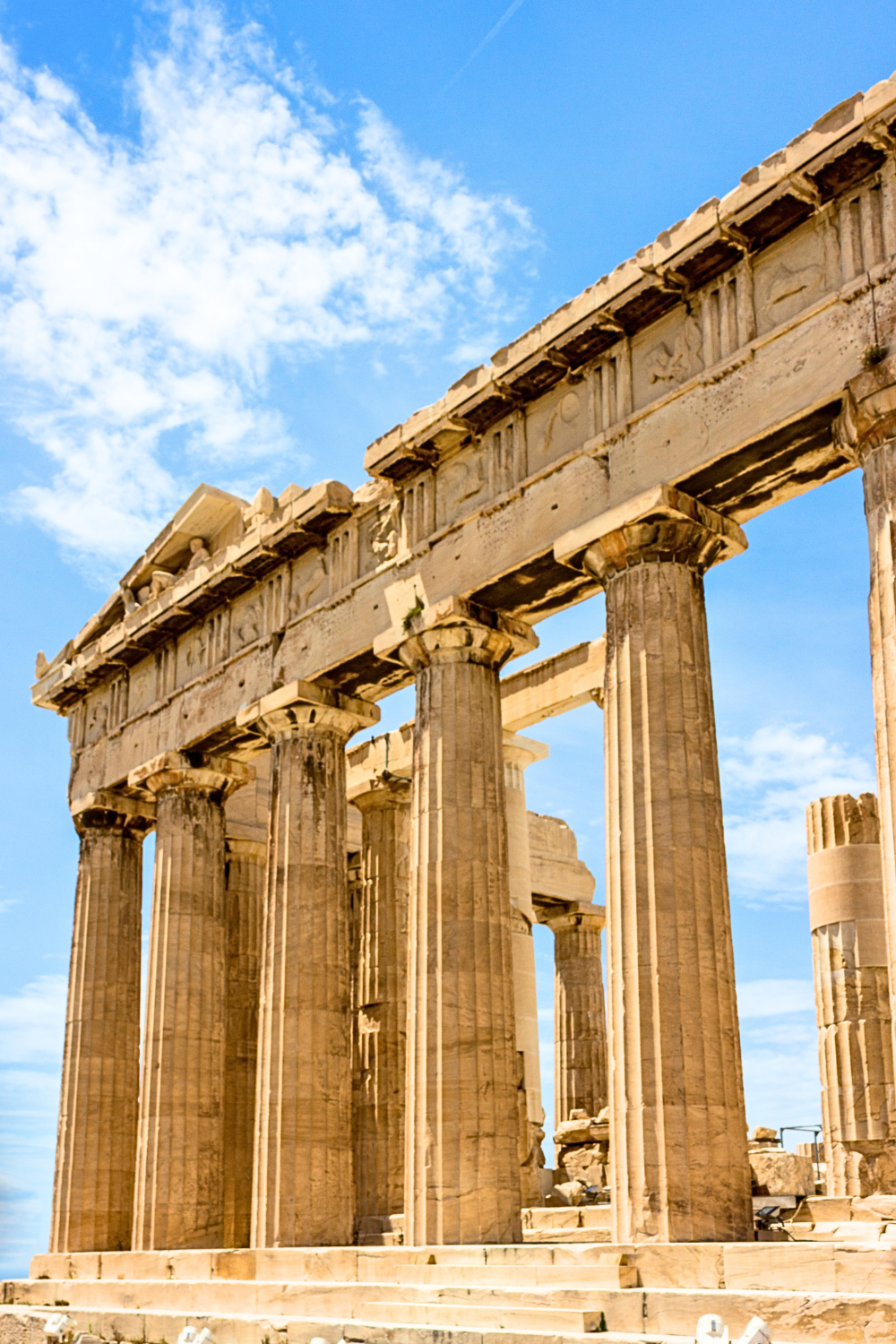
Athens is gritty, chaotic, and absolutely captivating once you give it a chance. The Acropolis is non-negotiable, obviously, but the real magic happens in the neighborhoods. Plaka has its charm despite the tourist crowds, but venture into Psyrri for street art and authentic tavernas, or Koukaki for a more residential vibe with excellent food. The National Archaeological Museum houses treasures that make the British Museum’s Greek collection look like scraps (and yes, the Greeks would like those back, thank you very much).
I’ve grown to love Athens for its contradictions — ancient ruins next to graffitied buildings, rooftop bars overlooking the Parthenon, the organized chaos of the Central Market where vendors have been selling the same produce for generations. Give it at least two full days, three if you can manage.
Local tip: Visit the Acropolis first thing when it opens at 8 AM, especially in summer. By 10 AM, it’s packed and brutally hot with zero shade. Afterwards, walk through the Ancient Agora when you’re already in the zone, then spend the afternoon in the Acropolis Museum, which has excellent air conditioning and a top-floor restaurant with incredible views.
4. Not All Islands Are Created Equal
The Greek islands number in the thousands, and each has its own personality. Choosing the wrong island for your travel style is a rookie mistake I see constantly.
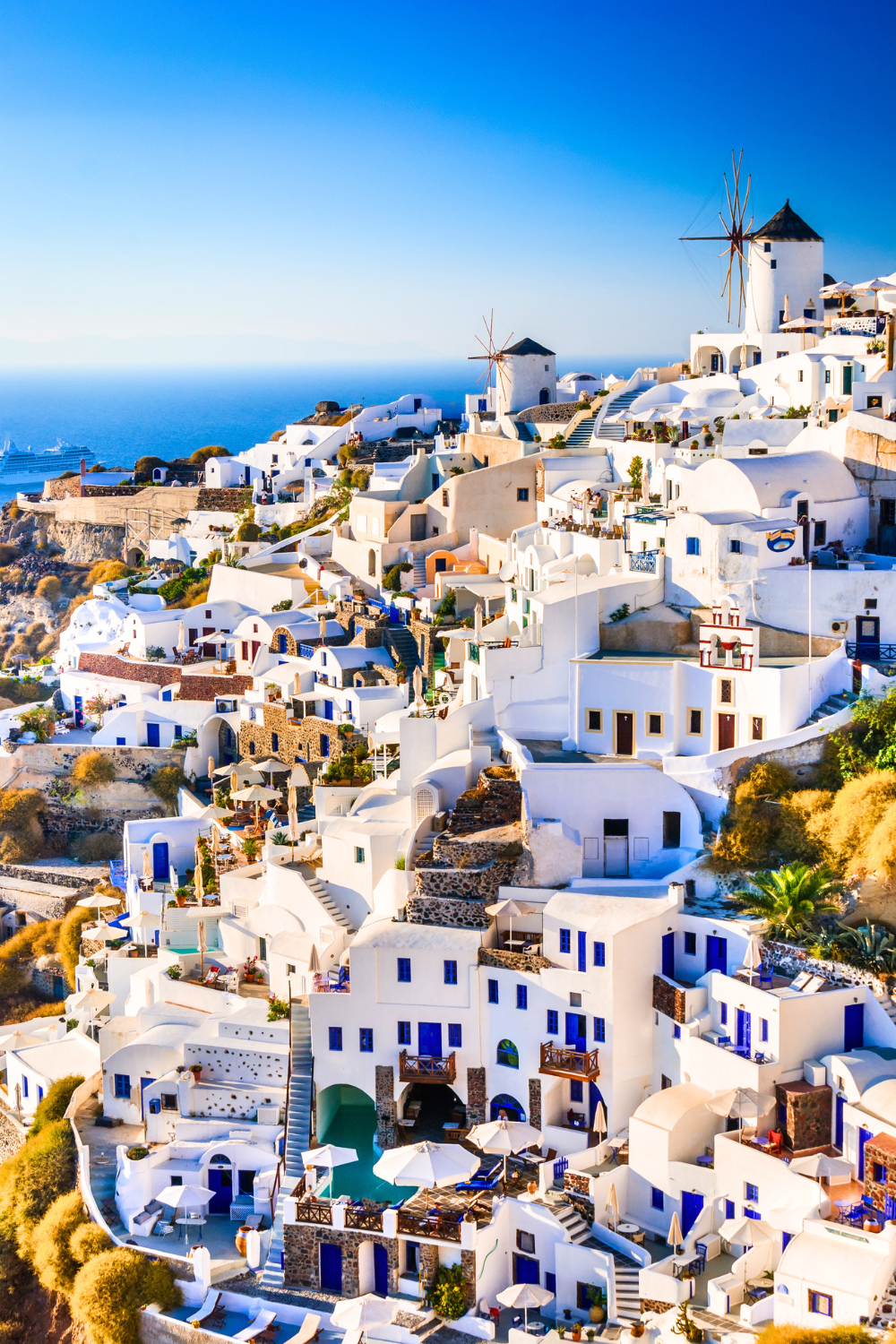
Santorini is stunning but expensive, crowded, and honestly exhausting if you’re there more than three days. Mykonos is party central — fabulous if that’s your scene, disappointing if you’re seeking quiet beaches and traditional culture. Crete is massive and diverse, offering everything from pink sand beaches to mountain villages, but you’ll need a car and time to explore it properly. Paros and Naxos hit that sweet spot of beautiful, accessible, and still somewhat authentic. Rhodes combines beach life with medieval history. Corfu feels almost Italian with its Venetian architecture.
I’ve learned to recommend islands based on what people actually want to do. Beach lounging and luxury? Santorini or Mykonos. Hiking and traditional villages? Crete or Naxos. Partying? Mykonos or Ios. Family-friendly? Paros or Rhodes. Budget-conscious? Paros, Naxos, or Crete.
Local tip: If you’re doing multiple islands, mix popular with lesser-known. Combine Santorini with Folegandros, or Mykonos with Tinos. You get the iconic experiences but also the authentic Greece that still exists away from the Instagram crowds.
5. Greek Food Is Nothing Like Your Local Greek Restaurant
This revelation hit me at a tiny taverna in Naxos where the menu was handwritten, half the items were unavailable, and everything I ordered was simple, fresh, and absolutely perfect.

Real Greek food isn’t heavy or greasy — it’s bright, vegetable-forward, and deeply seasonal. The tomatoes actually taste like tomatoes. The olive oil is so good you’ll want to drink it (and locals basically do). That Greek salad you think you know? It’s called horiatiki, and it’s just tomatoes, cucumbers, onions, olives, and a thick slab of feta — no lettuce, no filler, no nonsense.
Stop ordering moussaka at every meal like it’s some exotic delicacy. Locals eat it occasionally, usually homemade. Instead, try the daily specials (mezedes), grilled fish sold by weight, the various pies (spanakopita, tiropita), and vegetables you’ve never heard of prepared in ways that make them actually exciting. Fava (yellow split pea puree) from Santorini, marathopita (fennel pie) from Crete, fresh anchovies marinated in vinegar — this is the food Greeks actually eat.
Local tip: The best tavernas are often the ones with no English menu, no sea view, and locals eating there. If you see Greek families with multiple generations dining together, you’ve found the right spot. Also, don’t be afraid to go into the kitchen and point at what looks good — this is completely normal and encouraged.
6. You’ll Need Cash More Than You Expect
I arrived in Greece thinking my credit card would handle everything. Wrong.
Many small tavernas, beach bars, local buses, and shops are cash-only, especially outside major tourist areas. Even places that technically accept cards might have a “broken” card machine when your bill is under €10 or €15. ATMs are widespread, but they can run out of cash on small islands during peak season (I witnessed minor panic in Folegandros when the island’s two ATMs were both empty for a day).
The good news is that Greece is generally affordable compared to other Western European destinations, especially if you eat where locals eat and avoid the Santorini caldera restaurants charging €40 for mediocre pasta. Budget €50-70 per person per day for food and activities if you’re traveling mid-range, less if you’re careful, much more if you’re in luxury mode on Santorini or Mykonos.
Local tip: Withdraw larger amounts less frequently to minimize ATM fees. Keep cash in different places (some in your wallet, some in your bag, some in the hotel safe). Also, rounding up or leaving small change at tavernas is appreciated, but Greece doesn’t have the aggressive tipping culture of the US — 5-10% is perfectly acceptable.
7. Renting a Car Opens Up a Different Greece
Public transportation works well between major tourist sites, but renting a car transforms your trip, especially on larger islands like Crete, Rhodes, or Naxos.

I was nervous about driving in Greece at first — the reputation for chaotic roads preceded itself. The reality? It’s fine. Greeks drive assertively but not aggressively, roads are generally well-maintained, and the freedom to explore mountain villages, hidden beaches, and local wineries on your own schedule is absolutely worth it. Some of my best Greece memories involve wrong turns that led to tiny villages where I was the only tourist, or stumbling upon a beach with literally nobody else there.
That said, parking in old town centers can be nightmarish, Athens traffic is genuinely terrible, and some island roads are narrow, winding, and occasionally terrifying. Santorini’s roads in Fira and Oia during high season are bumper-to-bumper chaos. But the tradeoff for accessing the authentic Greece is worth these minor headaches.
Local tip: Book your rental car in advance, especially for summer travel, and take the full insurance. Greek roads can be unpredictable, and you don’t want to stress about every scratch. Also, fill up the tank when you see gas stations — they can be sparse in rural areas, and many close during siesta hours.
8. Shoulder Season Is Genuinely Better
Everyone wants to visit Greece in July and August when the weather is guaranteed perfect. Let me tell you why this is actually the worst time to go unless you love crowds and inflated prices.
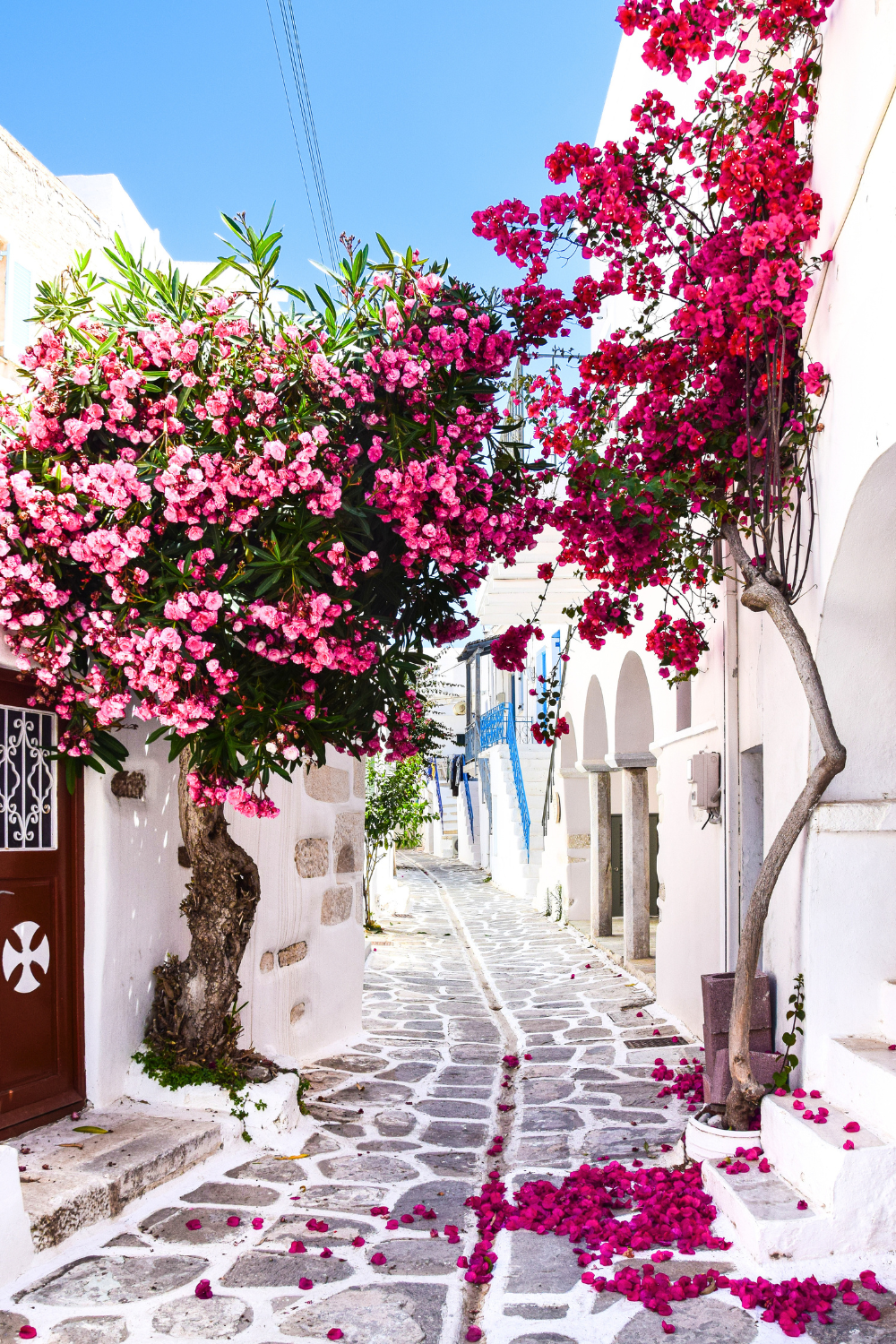
I’ve done both peak summer and shoulder season (May/early June and September/October), and the difference is dramatic. Shoulder season offers warm weather that’s actually pleasant rather than scorching, far fewer tourists, lower prices, and locals who have time to chat rather than being stressed and exhausted from the summer rush. The sea is still warm enough for swimming through October, restaurants and hotels are open, and ferry schedules are still robust.
April and early May are beautiful with wildflowers blooming, though the sea might be too cold for some swimmers. Late September and October are my personal favorite — the sea has been warming all summer, the light is gorgeous, and there’s a relaxed, end-of-season vibe. November through March is genuinely off-season; many island hotels and restaurants close, ferries are limited, and weather is unpredictable, though Athens and mainland destinations remain viable.
Local tip: If you must travel in July or August, book everything months in advance and prepare for crowds. Visit major sites early morning or late afternoon, and build in downtime because the heat is relentless. Also, avoid Athens in August if possible — many locals flee the city, and it becomes a tourist-packed sauna.
9. Learn a Few Greek Phrases (It Matters)
Greeks appreciate when you make even the smallest effort to speak their language. And I mean small — just a few basic phrases changes how you’re received.
“Yassas” (hello/goodbye – formal), “yassou” (informal), “efharisto” (thank you), “parakalo” (please/you’re welcome), and “signomi” (excuse me/sorry) will get you surprisingly far. Throw in “kali mera” (good morning) and “kali spera” (good evening), and you’ve basically mastered Greek hospitality protocol. The older generation especially lights up when tourists make this effort.
English is widely spoken in tourist areas, less so in rural villages and among older Greeks. But even in Athens, starting with “yassas” before switching to English shows respect and often results in warmer service, better recommendations, and occasionally a free dessert or extra shot of raki.
Local tip: “Opa!” isn’t actually said as often as Greek restaurants abroad would have you believe, and breaking plates is more of a tourist gimmick than a regular occurrence. But do say “stin iyia mas” (to our health) when toasting — Greeks take their toasts seriously.
10. The Sun Is More Intense Than You Think
I’m someone who tans easily and rarely burns. Greece humbled me quickly.

The Mediterranean sun, especially reflected off white buildings and water, is no joke. I’ve seen countless tourists turn lobster-red on their first day, ruining the rest of their trip. The combination of sea breeze (which masks how hot you’re getting) and intense UV means you’re burning before you realize it.
High-SPF sunscreen, reapplied frequently, isn’t optional. A hat for archaeological sites (which offer zero shade) is essential. Sunglasses are necessary unless you enjoy squinting at everything. I now pack reef-safe SPF 50, a wide-brimmed hat, and UV-protective clothing for boat trips and beach days. It feels excessive until you see the British couple who spent six hours at the beach on day one and could barely move for the rest of their vacation.
Local tip: Greek pharmacies (marked with a green cross) sell excellent, affordable sunscreen if you forget to pack it. They also stock after-sun products that are legitimately effective. Pharmacists in Greece are highly trained and can help with minor ailments, saving you a doctor’s visit.
11. Ferries and Flights Don’t Always Play Nice Together
This mistake almost cost me a flight home, and I see travelers make it constantly: booking a ferry the same day as an international flight.
Greek ferries, while generally reliable, can be delayed or cancelled due to weather, mechanical issues, or the occasional strike. Even “guaranteed” fast ferries can arrive hours late. Booking a ferry from Santorini to Athens with a flight that same evening is gambling with expensive consequences. I now build in at least one buffer day, preferably two if it’s a flight I absolutely cannot miss.
The same logic applies in reverse — don’t book a ferry immediately after arriving on an international flight. Delays happen, and missing your ferry means scrambling for alternatives that might not exist, especially during high season when everything’s booked.
Local tip: If you must risk a same-day connection, take the earliest possible ferry and book a flight for evening. Monitor weather forecasts — wind is the main culprit for cancellations in the Cyclades. Also, keep the ferry company’s contact information handy; they can sometimes rebook you on alternative routes if your ferry is cancelled.
12. Greek Hospitality Is Real (But Don’t Abuse It)
The concept of “philoxenia” (love of strangers) is deeply embedded in Greek culture, and you’ll experience it in unexpected ways — the restaurant owner who insists you try their homemade wine, the local who walks you to your hotel when you’re lost, the grandmother who invites you into her garden to pick figs.
This genuine warmth is one of Greece’s greatest gifts to travelers, but it functions on mutual respect. Greeks are incredibly generous but also have finely tuned radar for entitled tourists who treat their country like a theme park. Be polite, patient, and appreciative. Don’t snap fingers at waiters, don’t complain loudly when things don’t work exactly like home, and don’t treat every interaction as transactional.
I’ve been invited to family gatherings, given restaurant recommendations that turned into incredible meals, and helped in ways that went far beyond what anyone would expect from a stranger. But I’ve also watched rude tourists get the bare minimum service while the table next to them, who made an effort to be friendly, received special treatment.
Local tip: If someone offers you something — coffee, fruit, a shot of raki — accept it graciously. Refusing Greek hospitality can be seen as insulting. You don’t have to finish everything, but accepting the gesture matters. And if locals invite you to something, say yes. Those unplanned moments become the stories you tell for years.
13. Santorini Isn’t the Whole Story
Yes, Santorini is beautiful. The caldera views are legitimately breathtaking, and I understand why it dominates Greece’s tourism marketing. But treating it as the only island worth visiting, or the “real” Greece, is a mistake.
Santorini is expensive, crowded, and increasingly designed for Instagram rather than actual Greek culture. The famous blue-domed churches you’ve seen in photos? Most are in Oia, where you’ll be fighting crowds for that shot. The romantic sunset? You’ll watch it with hundreds of other people, many holding iPads. The island is essentially one large luxury resort at this point.
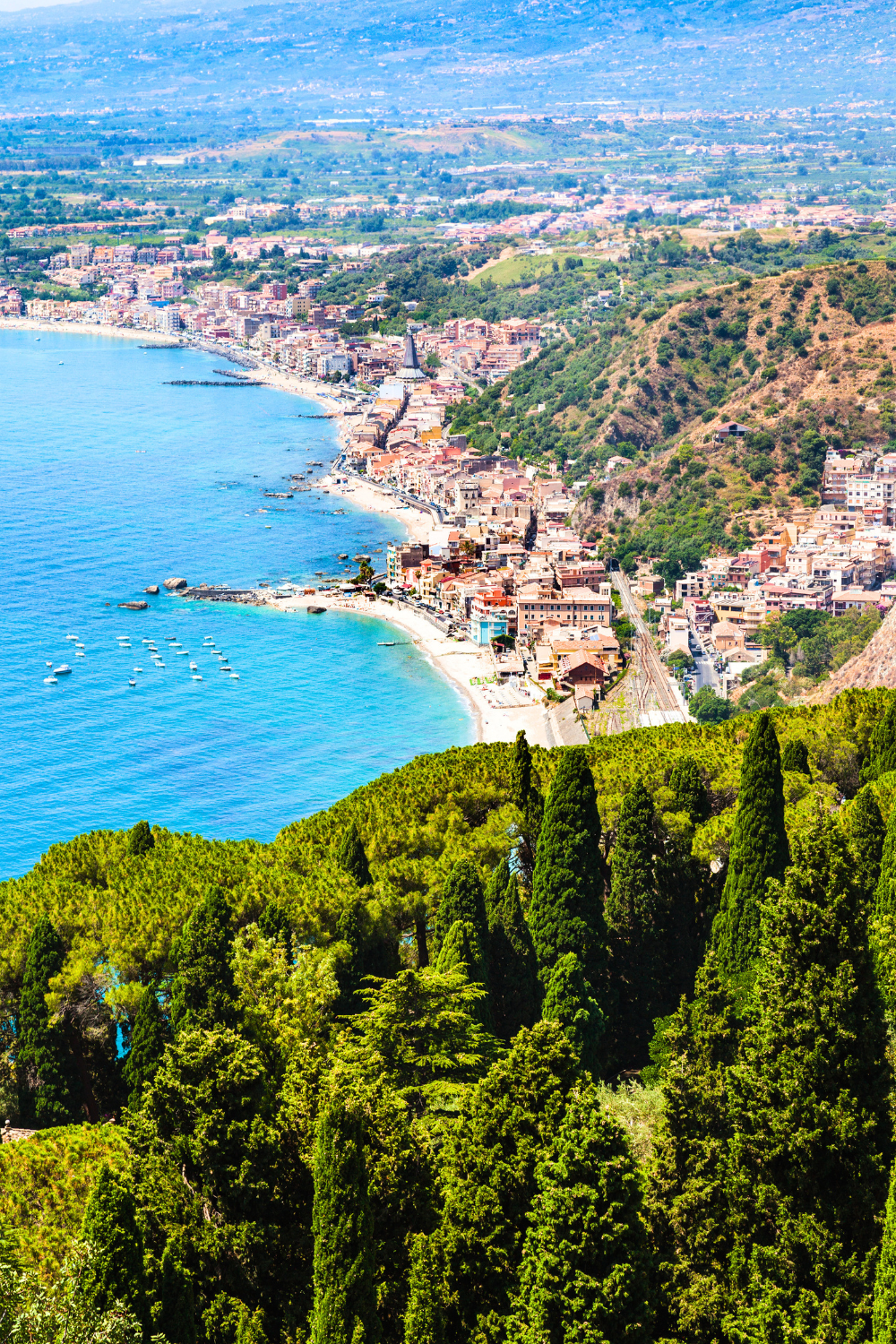
This isn’t to say skip Santorini — just manage expectations and balance it with other experiences. I enjoyed my time there but found myself more enchanted by Naxos’s mountain villages, Crete’s wild beaches, and Folegandros’s unspoiled charm. Santorini is Greece’s greatest hit, but the deep cuts are often better.
Local tip: If you do visit Santorini, stay in Imerovigli or Firostefani rather than Fira or Oia — you get the caldera views at lower prices and fewer crowds. Also, visit the island’s interior and eastern coast where actual Greek life still exists and you can find beaches that aren’t black volcanic sand.
14. Respect the Ruins (Seriously)
Greece’s archaeological sites are over 2,000 years old and irreplaceable. This should be obvious, but apparently it needs saying: don’t climb on ruins, don’t take “souvenirs,” and follow the posted rules.
I’ve watched tourists ignore barriers to get better photos, seen people carve initials into ancient stone, and heard of countless incidents of damage caused by disrespectful visitors. These aren’t decorative props for your Instagram feed — they’re sacred historical sites that have survived millennia and deserve reverence.
Most major sites have specific paths and viewing areas. Stick to them. The Acropolis, in particular, has become increasingly strict about what’s allowed because too many visitors were causing damage. Photography is generally permitted (without flash), but tripods and selfie sticks are often banned.
Local tip: Hire a licensed guide for major archaeological sites, at least for the Acropolis and Delphi. The difference between wandering among old rocks and understanding the stories, mythology, and historical significance is profound. Good guides bring the ruins to life in ways that audio guides and plaques simply cannot.
15. Water Is Precious (Literally)
Many Greek islands have limited fresh water, relying on desalination plants or water shipped from the mainland. This makes water conservation not just environmentally friendly but practically necessary.
You’ll notice signs in hotel bathrooms asking you to be mindful of water use. Take them seriously, especially on smaller islands like Santorini, Folegandros, or Sifnos during summer. Short showers rather than baths, reusing towels, and being generally conscious of consumption helps prevent water shortages that can affect entire communities.
Tap water is technically safe to drink in most of Greece, but it often tastes heavily chlorinated or mineral-heavy. Most locals and long-term visitors drink bottled water. Bring a refillable bottle and buy large bottles to refill from rather than buying individual plastic bottles constantly.
Local tip: Some islands experience water pressure issues during peak evening hours when everyone showers before dinner. If you find weak water pressure or lukewarm showers, try washing up in the late afternoon instead. Also, never flush toilet paper in older buildings or on islands — use the bin provided. The plumbing can’t handle it, and ignoring this causes serious problems.
16. Greek Time Is Different (Embrace the Chaos)
Buses might not run exactly on schedule. Your hotel room might not be ready at check-in time. That restaurant you wanted to try might be randomly closed despite Google saying it’s open. Your ferry might leave from a different dock than originally announced. Welcome to Greece.
This isn’t incompetence or disorganization — it’s a fundamentally different relationship with time and planning. Greeks prioritize people and experiences over rigid schedules, which means flexibility is built into the system. Fighting this cultural difference will only frustrate you. Adapting to it opens up the possibility of spontaneous magic.
I’ve learned to build buffer time into everything, confirm plans the day before, and maintain a relaxed attitude when things don’t go exactly as planned. Some of my best Greece memories came from plans falling apart and something better emerging from the chaos.
Local tip: If something is genuinely time-sensitive (catching a ferry, making a flight), build in extra margin and follow up to confirm. For everything else, relax. If a restaurant is unexpectedly closed, you’ll find another. If the bus is late, enjoy the extra time to people-watch. This flexibility is part of what makes Greece restorative rather than stressful.
Planning Your Greek Adventure
Now that you know what to expect, here’s how to actually plan your trip. Start by deciding your main priority — is it islands, history, food, beaches, or a mix? This determines whether you base yourself in Athens with day trips, do an island-hopping itinerary, or focus on Crete or the Peloponnese.
Book flights and accommodations early if traveling June through September, especially for popular islands. Shoulder season gives you more flexibility to book as you go. Consider where you’ll start and end — flying into Athens and out of Thessaloniki, or vice versa, can save backtracking if you’re covering mainland sites.
Pack layers even in summer (evenings can be cool, especially on ferries), comfortable walking shoes for archaeological sites and cobblestone streets, and a power adapter (Greece uses Type C and F European plugs). Bring any prescription medications from home, as specific brands might not be available.
Travel insurance is worth it, especially if you’re island hopping — weather delays and cancellations happen, and having coverage for missed connections and trip interruptions provides peace of mind.
Greece will exceed your expectations and challenge your assumptions. It’s a country where ancient history lives alongside modern life, where chaos and hospitality coexist, where the food is simpler but better than you imagined. Go with an open mind, a flexible schedule, and genuine respect for the culture. The Greece you’ll discover — beyond the postcards and tourist brochures — is the one that will call you back again and again.

