
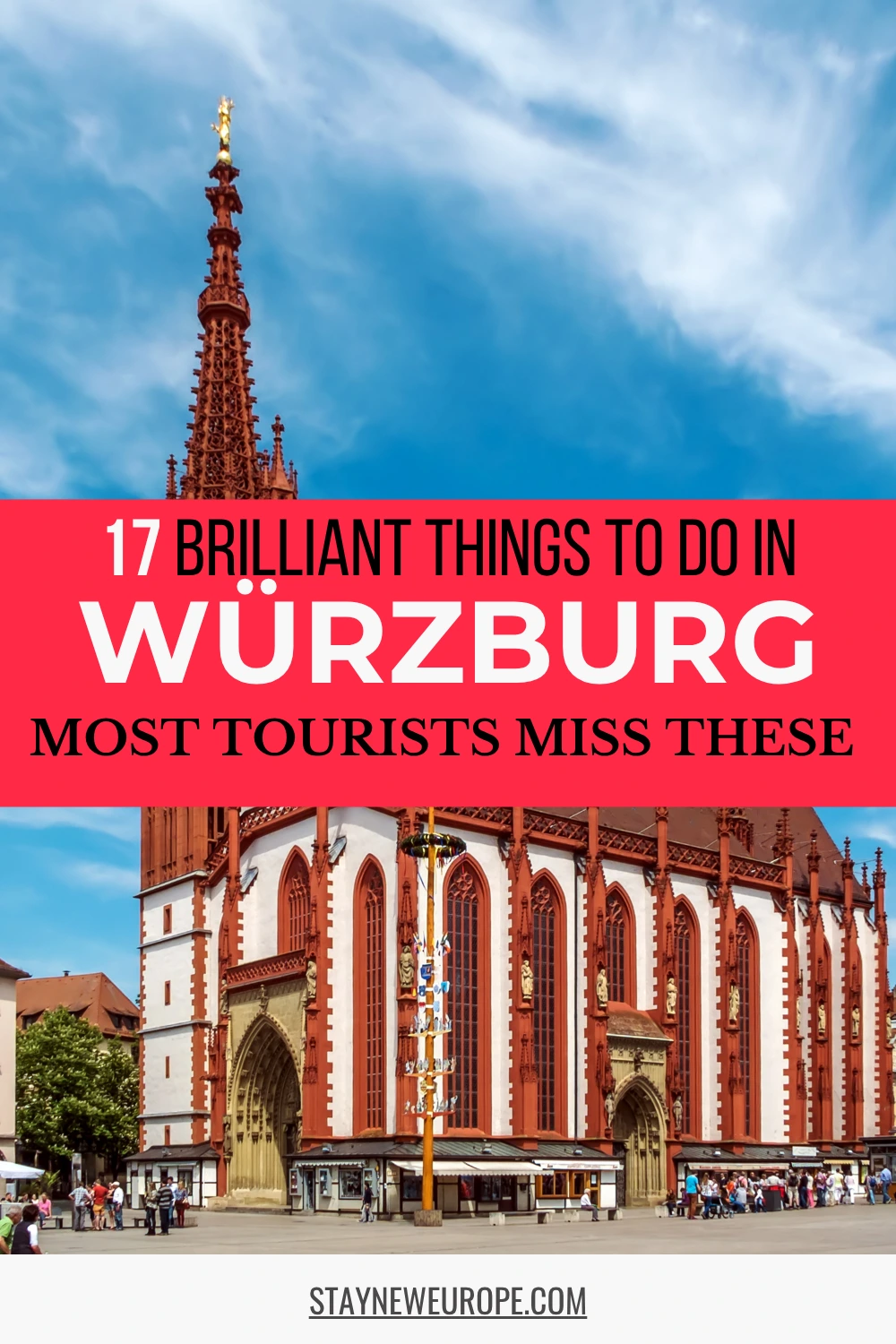
There’s a city in northern Bavaria that most people drive straight through on their way to Munich or the Romantic Road — and honestly, that’s their loss. Würzburg sits quietly on the banks of the Main River, flanked by vine-covered hillsides, baroque palaces, and more history per cobblestone than most cities ten times its size. It’s the kind of place that sneaks up on you.
I came here for a long weekend expecting nice architecture and decent Riesling. I left three days later with a full notebook, a slight wine headache, and an urgent need to come back. If you’re putting together your itinerary and wondering what to do in Würzburg, let me save you some time — because I’ve done the legwork.
This isn’t a list of what to photograph and move on from. These are the places, experiences, and little moments that actually make Würzburg worth the detour — or, if you ask me, the dedicated trip entirely.
Before You Go: A Word About Würzburg
Würzburg is the capital of Lower Franconia and home to around 130,000 people, which gives it that rare and wonderful combination of a proper city pulse and genuine old-town charm. It’s been shaped by bishops, princes, and winemakers for over a thousand years — you feel all three of those influences everywhere you walk.
It’s also, crucially, a university city, which means the streets have energy, the bars stay open, and the locals are refreshingly unpretentious for a place with a UNESCO World Heritage palace at its centre. The Franconian people have a reputation for being a bit reserved at first, but get chatting over a glass of Silvaner and that thaws quickly.
The city was badly bombed in March 1945 — one of the heaviest raids of the entire war — and much of what you see today is painstaking reconstruction. Knowing that makes the beauty of the old town feel even more remarkable, and it’s part of why Würzburg carries a kind of quiet resilience that you sense but don’t always immediately understand.
1. The Würzburg Residenz
The single greatest argument for adding Würzburg to your German itinerary is this building. The Residenz is a late Baroque palace commissioned by Prince-Bishop Johann Philipp Franz von Schönborn in the early 18th century, designed by Balthasar Neumann, and decorated with what is genuinely — I’m not exaggerating here — the world’s largest ceiling fresco. Painted by the Venetian master Giovanni Battista Tiepolo, it covers the entire ceiling of the staircase hall and stretches over 677 square metres. You walk under it and your neck just goes back automatically.
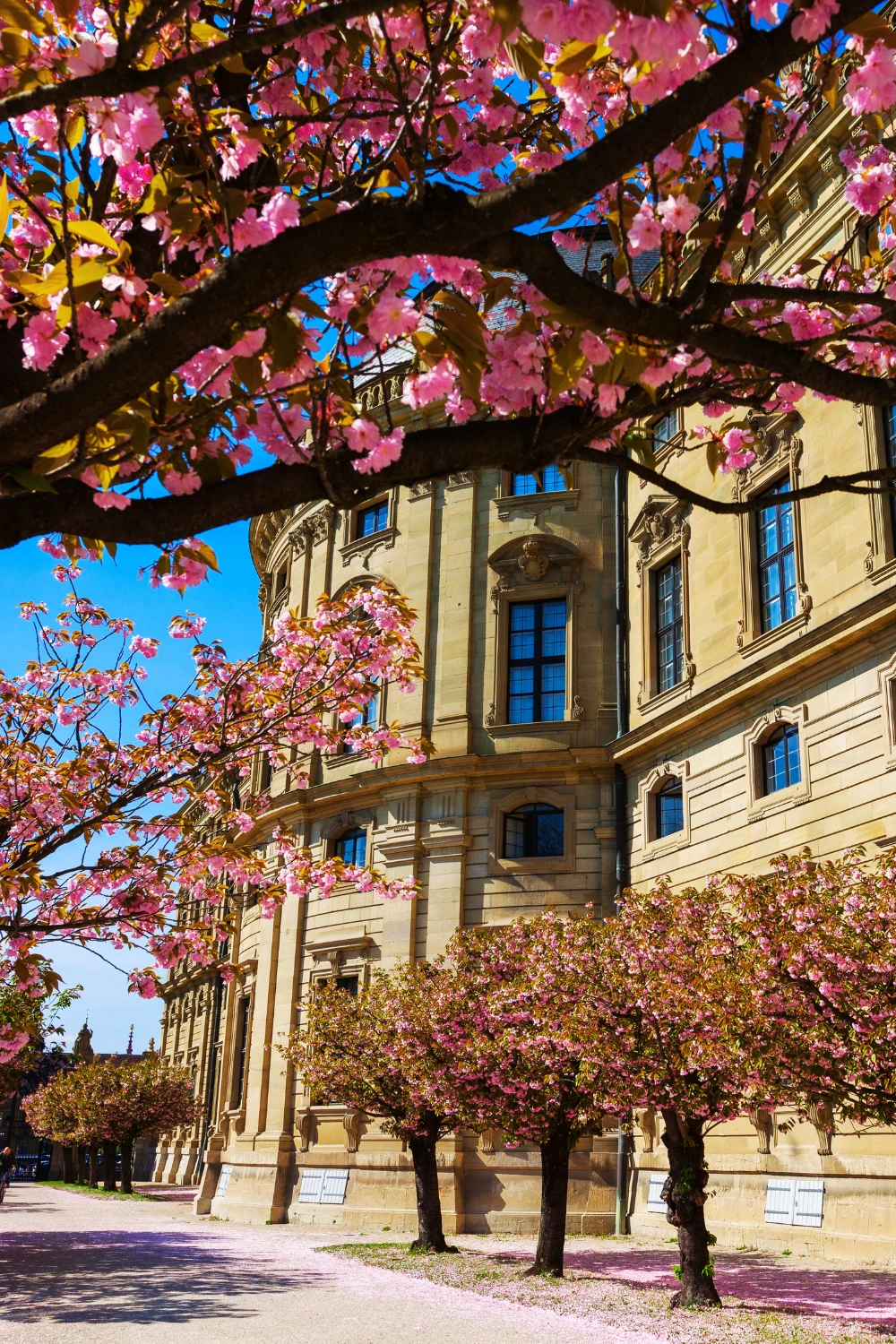
The State Rooms are similarly overwhelming — the Mirror Cabinet, the Imperial Hall, the Court Chapel — each one a demonstration of what happens when extreme wealth meets extraordinary craftsmanship and nobody tells anyone to calm down. It’s UNESCO-listed for good reason. Go early on a weekday morning if you can, before the tour groups arrive, and take the English audio guide — it’s worth every cent.
The Hofgarten behind the palace is often overlooked and shouldn’t be. It wraps around the south and north wings with manicured parterres, statues, and in spring, enough blossom to make you genuinely emotional. It’s free to enter and ideal for the slow walk that should follow any palace visit.
Local tip: The last entry is around 4:30pm, and the palace gets very busy from 11am onwards. Book tickets online in advance, particularly in summer. The combined ticket including the Court Garden is the better deal.
2. Marienberg Fortress
You can see it from almost everywhere in Würzburg — a great hulk of a fortress sitting on the hillside across the Main, its round towers reflecting in the river on calm evenings. Marienberg is where the city’s story really begins: there’s been a settlement on this hill since the Bronze Age, a Celtic ring fort, a Carolingian chapel, and then centuries of Prince-Bishop rule from this commanding vantage point.
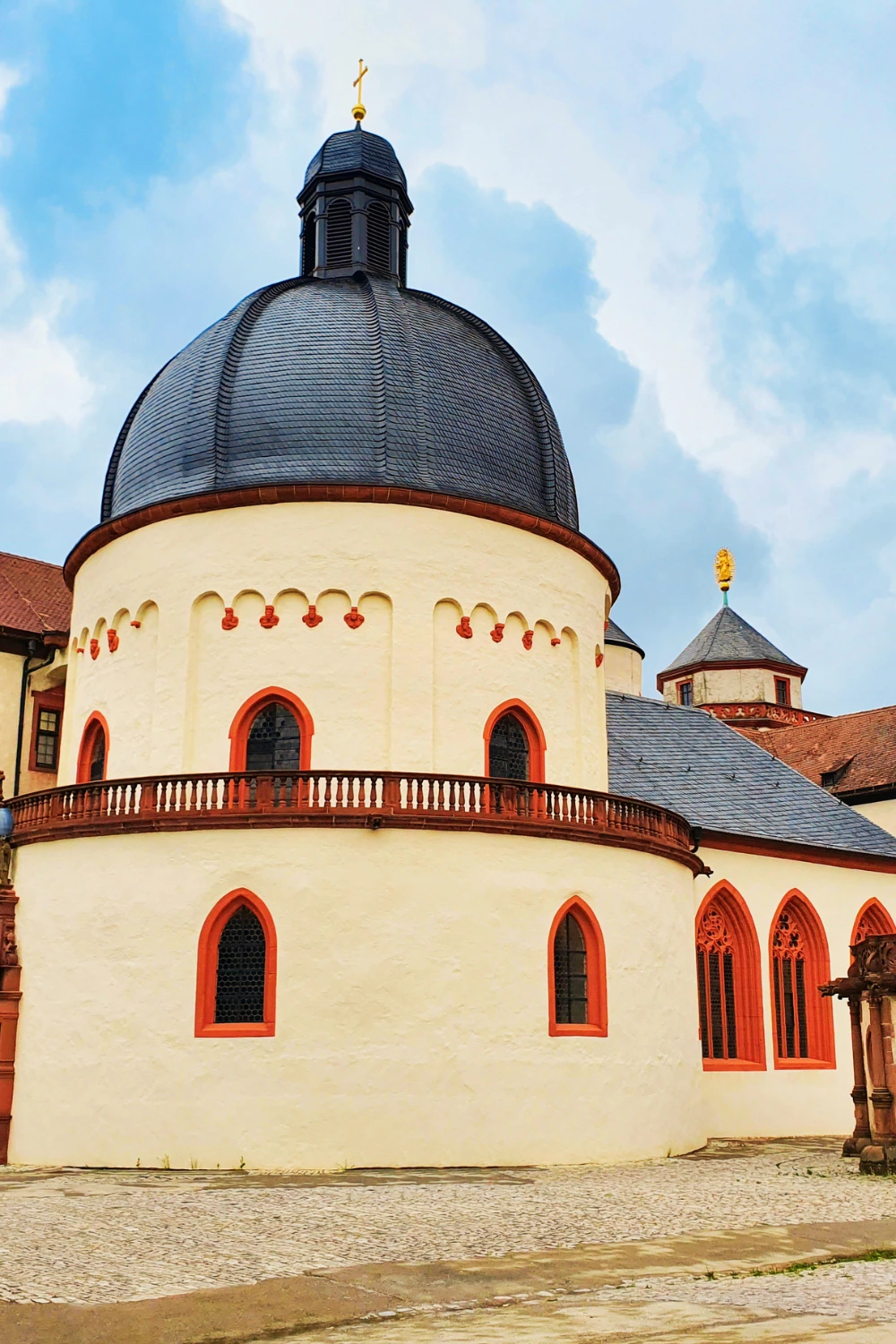
The walk up through the vineyards is half the pleasure. There are two routes — one via the Tellsteige steps, which is steep and honest, and one that loops more gently through the Fürstengarten. Either way, the view from the top of the city, the Main, and the vineyards rolling into the distance is the photo you’ll send to everyone back home.
Inside, the Mainfränkisches Museum is housed within the fortress and contains a remarkable collection of work by the sculptor Tilman Riemenschneider — a Würzburg local and arguably the greatest woodcarver of the German late Gothic period. His altarpieces and figures are haunting in their realism, and seeing them in this setting makes them feel genuinely alive.
Local tip: In the summer months there are open-air events and concerts held in the fortress courtyard. Check the programme before you visit — combining a concert with the evening walk back down through the vineyards is a genuinely magical experience.
3. The Old Main Bridge (Alte Mainbrücke)
Let me be direct with you: this is the social and spiritual heart of the city, and if you don’t spend at least one late afternoon here with a glass of Frankenwein in your hand, you haven’t really been to Würzburg. The Alte Mainbrücke dates from the early 15th century and is lined with twelve Baroque sandstone saints — the Würzburg answer to Prague’s Charles Bridge, though locals might wince at that comparison.
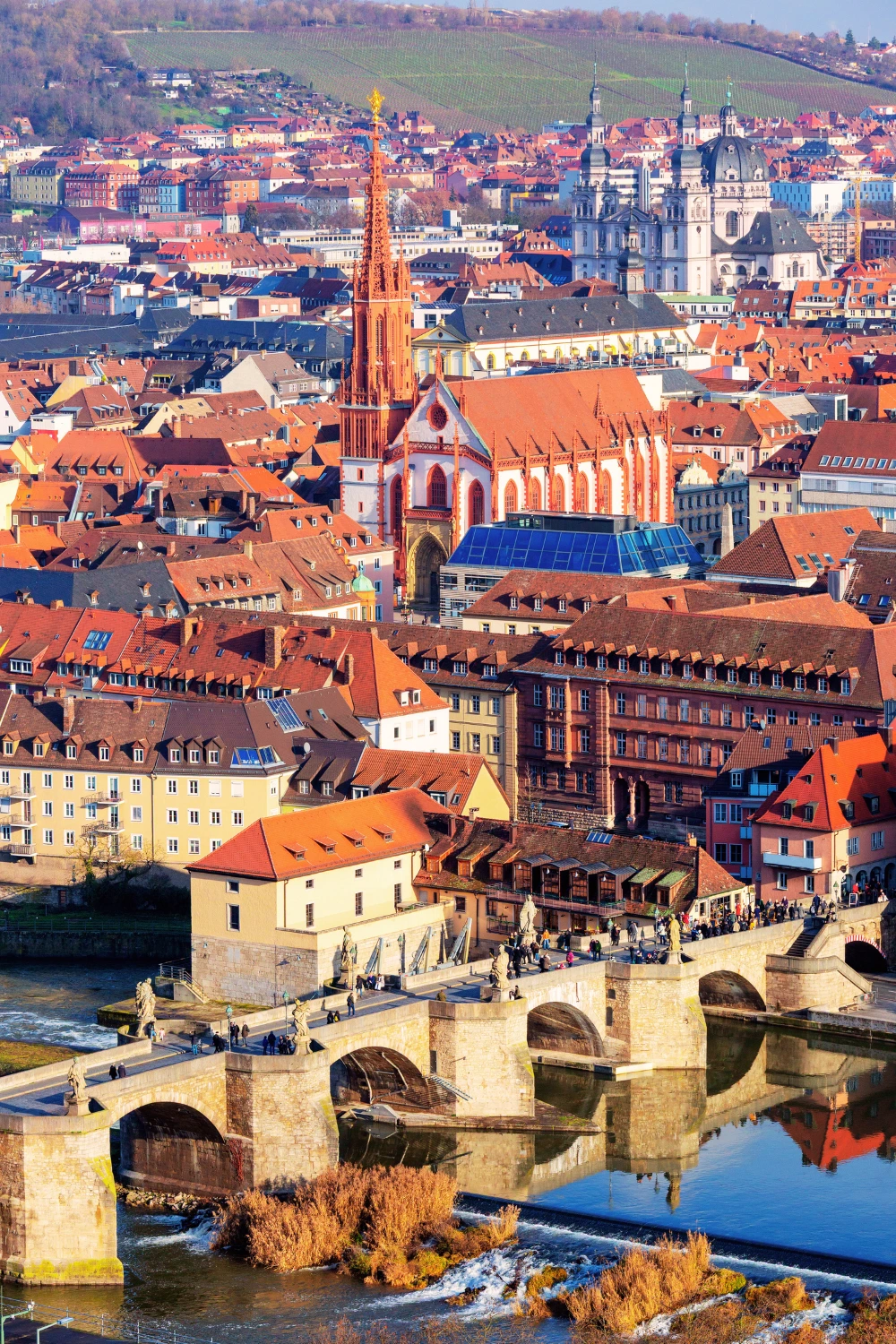
But the experience of the bridge is really about what happens on it, not just what it’s built of. From around 4pm on any warm day, locals and students gather along the balustrades with wine bought from the little stall on the bridge itself or from one of the nearby bottle shops. Everyone leans on the stone, watches the river, squints at the fortress up on the hill, and just… breathes. It’s the Franconian version of aperitivo hour and it’s completely wonderful.
The light on the bridge in the early evening is also extraordinary — the warm sandstone turns almost amber, the fortress glows behind it, and the Main reflects everything in a slow shimmer. Your camera will not adequately capture it, but try anyway.
Local tip: The wine stall (Brückenschoppen) on the bridge opens in warmer months and sells wine by the glass in traditional Bocksbeutel bottles. Get there by 5pm at the latest on a summer Friday — the bridge fills up fast and the good bottles run out.
4. The Frankenwein Experience: Bürgerspital, Juliusspital & Staatlicher Hofkeller
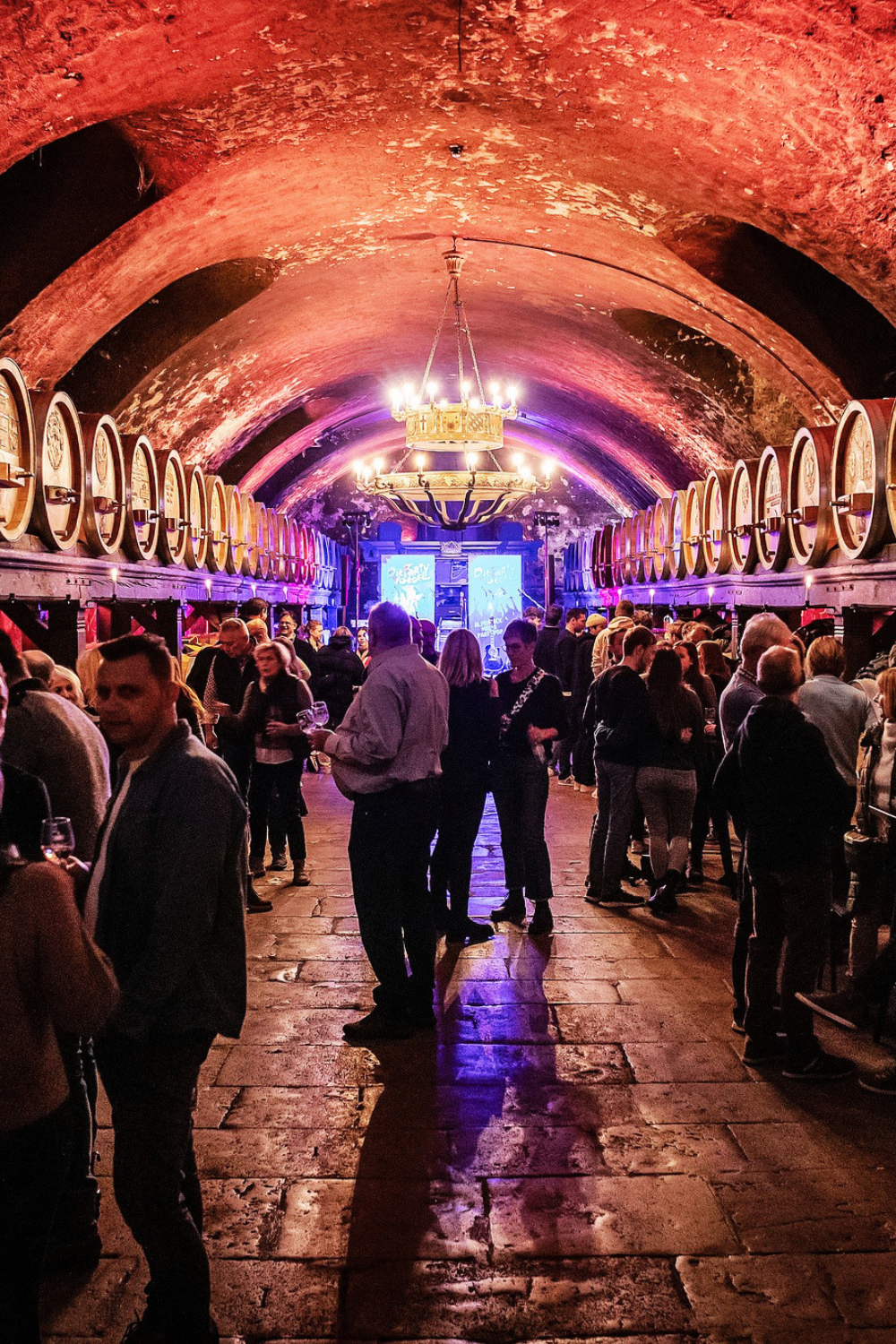
Würzburg is the capital of Franconian wine country, and Franconian wine — particularly the Silvaner grape — is one of Germany’s best-kept secrets. It tends to be drier and more mineral than wines from the Rhine, bottled in those distinctive squat Bocksbeutel flasks, and absolutely made for food. The best way to understand it is to go directly to the source, and in Würzburg you have three of the most storied wine estates in Germany within easy walking distance of each other.
The Bürgerspital zum Heiligen Geist is probably the most atmospheric — a charitable foundation dating back to 1319 that still funds care for elderly Würzburgers with its wine revenues. You can eat in the Weinstube, which serves traditional Franconian food alongside their wines, and it remains one of the best meals you can have in the city. The Juliusspital, founded in 1576, has a similarly extraordinary history and runs guided cellar tours through its labyrinthine vaults. The Staatlicher Hofkeller is the former bishop’s cellar under the Residenz — the tour here includes stretches of cellar tunneling that feel genuinely cinematic.
You don’t need to be a wine expert to enjoy any of this. The guided tastings at all three estates are run by people who are passionate and unpretentious about sharing their knowledge — this is wine as culture and history, not as snobbery.
Local tip: Book the Staatlicher Hofkeller cellar tour well in advance, especially for weekends. The English-language tours are available but less frequent than German ones — email ahead to confirm timing.
5. Dom St. Kilian (Würzburg Cathedral)
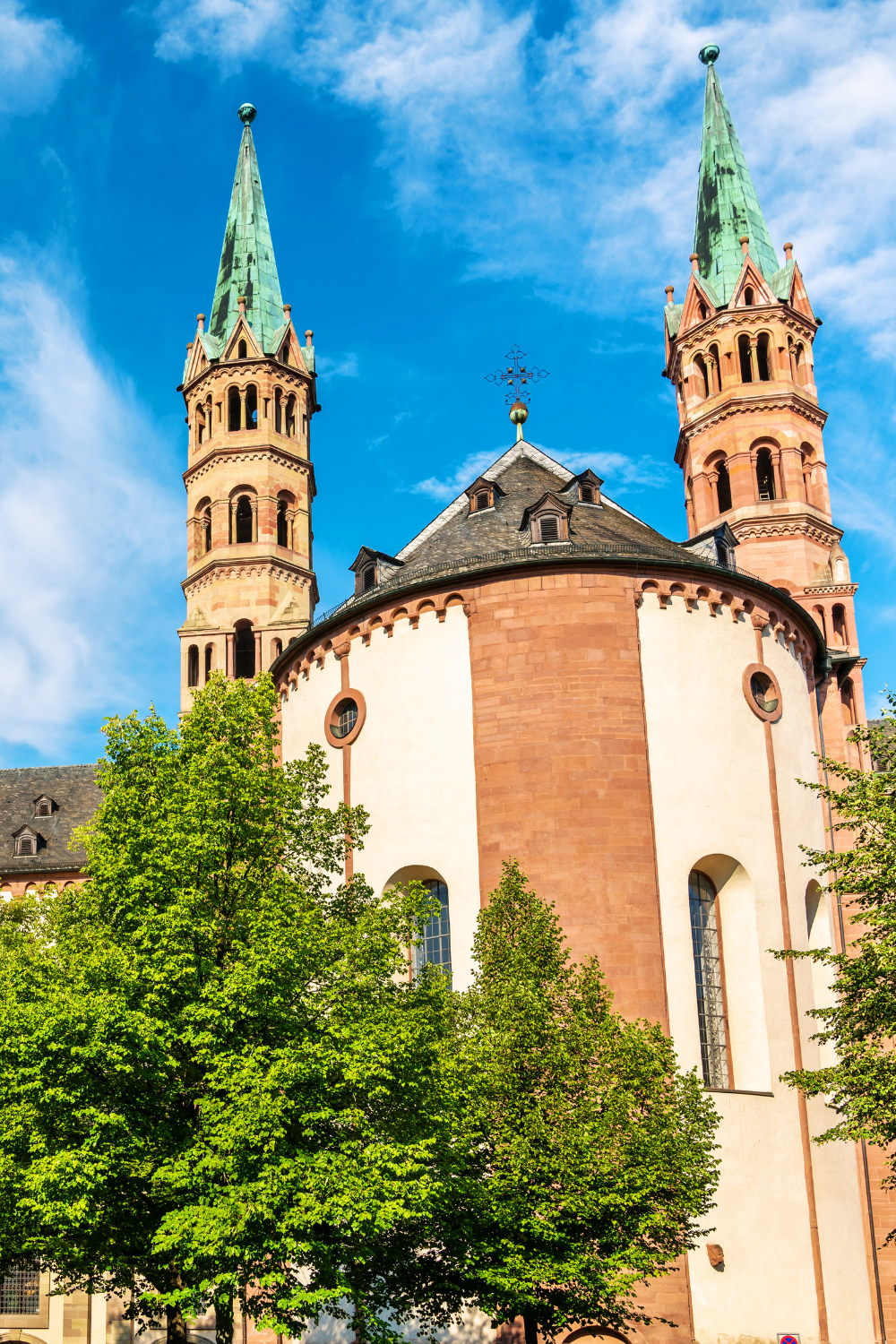
The Cathedral of St. Kilian is one of the most important Romanesque churches in Germany, and it’s a building that rewards slow looking. Construction began in 1040, and you can read over a thousand years of architectural history in its walls — Romanesque nave, Baroque additions, the extraordinary series of Prince-Bishop tombs stretching down both sides of the nave like a who’s who of Würzburg power.
The tomb monuments are remarkable, with several carved by Riemenschneider himself, and the Baroque Schönborn Chapel attached to the south side of the nave is almost a separate treasure — all gilded curves and dramatic light. Don’t rush through. Find a pew, sit for a few minutes, and let the scale of the place settle over you.
The exterior gets less attention than the interior but deserves it. The west façade, with its paired towers, is particularly striking at dusk when the floodlighting begins to warm the stone.
Local tip: The Dom is free to enter, but if you want to visit the Domschatz (cathedral treasury) containing gold reliquaries and medieval manuscripts, there’s a small additional fee. Worth it if you have an hour to spare.
6. Neumünster Collegiate Church
Fifty metres from the Dom and often overshadowed by it, the Neumünster is one of those places that surprises you simply by existing. It’s a Baroque church built over an early Christian church on the site where St. Kilian and his companions were martyred in 689 AD, and it has the most beautiful red-and-gold interior in the entire city.
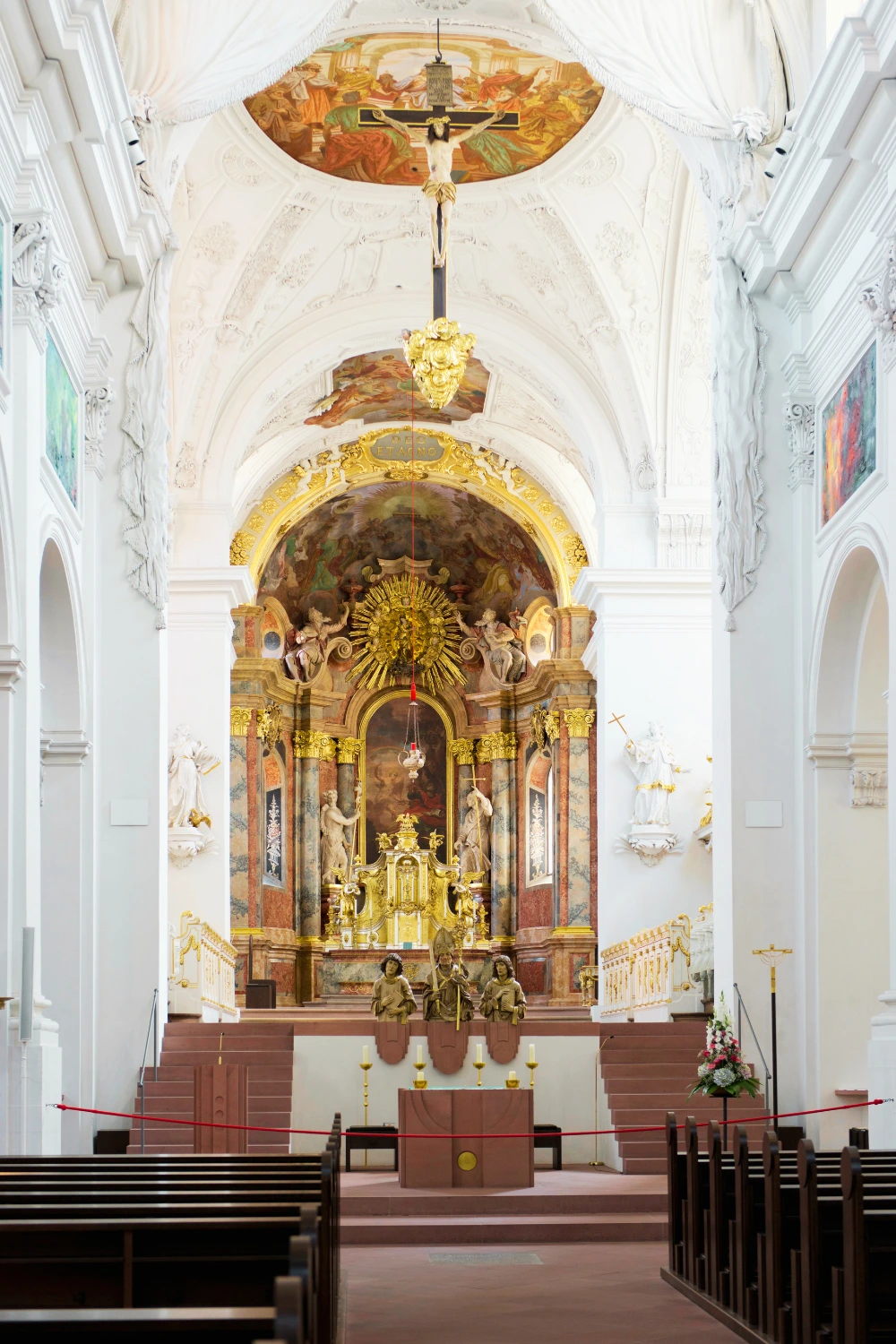
The dome fresco and the high altar are extraordinary, but what I keep coming back to mentally is the atmosphere of the place. It’s quieter than the Dom, cooler, and lit in a way that makes the gold seem to breathe. There’s also a crypt containing a Romanesque rotunda from the original 8th-century building, which puts things in a rather humbling perspective.
In the atrium outside, there’s a statue of Walther von der Vogelweide — the medieval minnesinger who is buried here, or at least tradition says so. It’s a gentle, shaded spot and a good place to sit if the city starts feeling overwhelming.
Local tip: Check whether any choral concerts are scheduled during your visit — the Neumünster has superb acoustics and hearing music performed here is genuinely moving.
7. The Kulturspeicher Museum
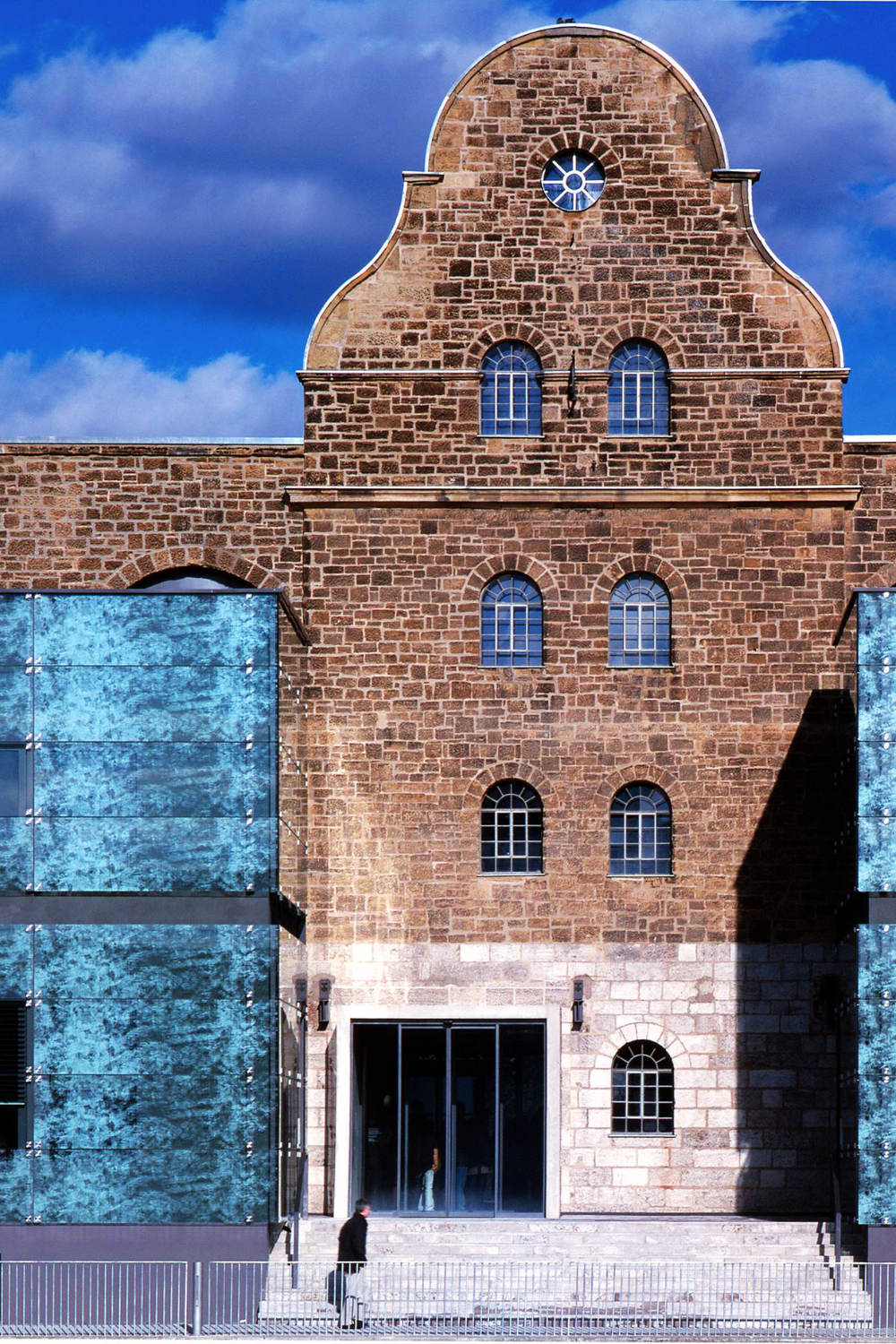
This one surprised me. The Kulturspeicher is a former harbour warehouse right on the Main — a vast, brooding industrial building from the 1900s — that now houses one of the most engaging modern and contemporary art collections in Bavaria. The contrast between the raw brick shell and the art inside is the kind of curation decision that pays off completely.
The collection spans German Expressionism through Concrete Art and into the present, with a particularly strong holding in post-war German painting. The Peter-Weiss-Halle is the main exhibition space and there are thoughtful rotating shows throughout the year. It’s the sort of museum where you go in thinking you’ll give it an hour and come out two and a half hours later slightly dazed.
There’s also a good café on the ground floor with river views, which makes this one of the better spots in the city for a mid-afternoon break.
Local tip: Check the programme for evening openings and special events — the Kulturspeicher regularly hosts film screenings, lectures, and vernissages that are open to visitors and draw a genuinely interesting crowd.
8. Käppele Pilgrimage Church
Climb up to the Käppele and you get two things: one of Balthasar Neumann’s most intimate and perfect creations, and the single best panoramic view of Würzburg and the Main Valley. The pilgrimage church sits on the Nikolausberg above the city, accessed via a zigzagging stairway of 14 chapels — a proper pilgrimage path with wayside stations of the Cross, and a genuinely beautiful walk regardless of your religious disposition.
Neumann designed the church in the 1740s, and it’s everything the Residenz is but in miniature and concentrated — all white and gold, with ceiling frescoes depicting miracles and a serenity that the bigger landmarks sometimes lack. Pilgrims have been coming here for centuries, and the votive offerings inside — little silver plaques thanking Mary for various intercessions — give the place a raw, human warmth.
At the top, turn around and look down. On a clear day you can see the fortress, the cathedral spires, the river bridges, and the neat lines of vineyard running down to the valley. It’s the view that makes sense of the whole city.
Local tip: The Käppele is most magical at sunrise or late afternoon. The walk up takes about 20 minutes from the river and is worth building into a morning before the day gets hot — particularly in July and August.
9. The Old Crane (Alter Kranen)
You could walk past this and barely notice it, which would be a shame. The Alter Kranen — the old harbour crane on the west bank of the Main — is an 18th-century mechanical crane that once loaded and unloaded goods from the river trade, and it stands today as a wonderfully intact piece of industrial heritage surrounded by the gentler pleasures of the riverside promenade.
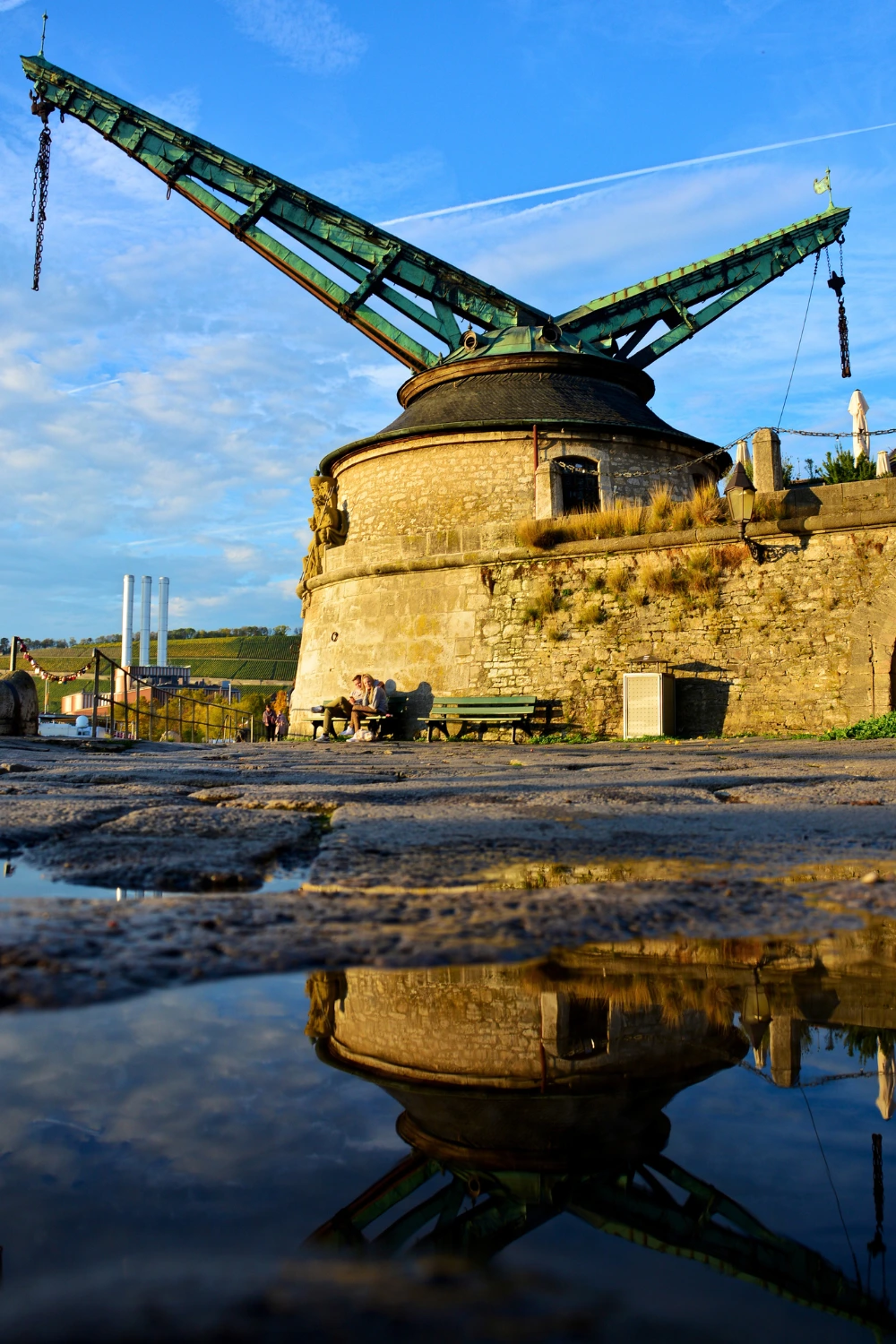
In summer, the “Main Kutter” vessel moors nearby and opens a bar onboard, which is exactly as enjoyable as it sounds. The whole stretch of riverside here is lovely — old stone warehouses, the Kulturspeicher, benches facing the water — and on sunny days it fills with people doing very little very happily.
It’s also the starting point for Main river cruises, which is a genuinely lovely way to see the vineyards and the Marienberg from the water.
Local tip: Walk the full length of the riverside promenade from the Old Crane past the Alte Mainbrücke as the sun sets. The reflection of the fortress in the river at golden hour is the kind of moment that redeems tourism entirely.
10. A Main River Cruise to Veitshöchheim
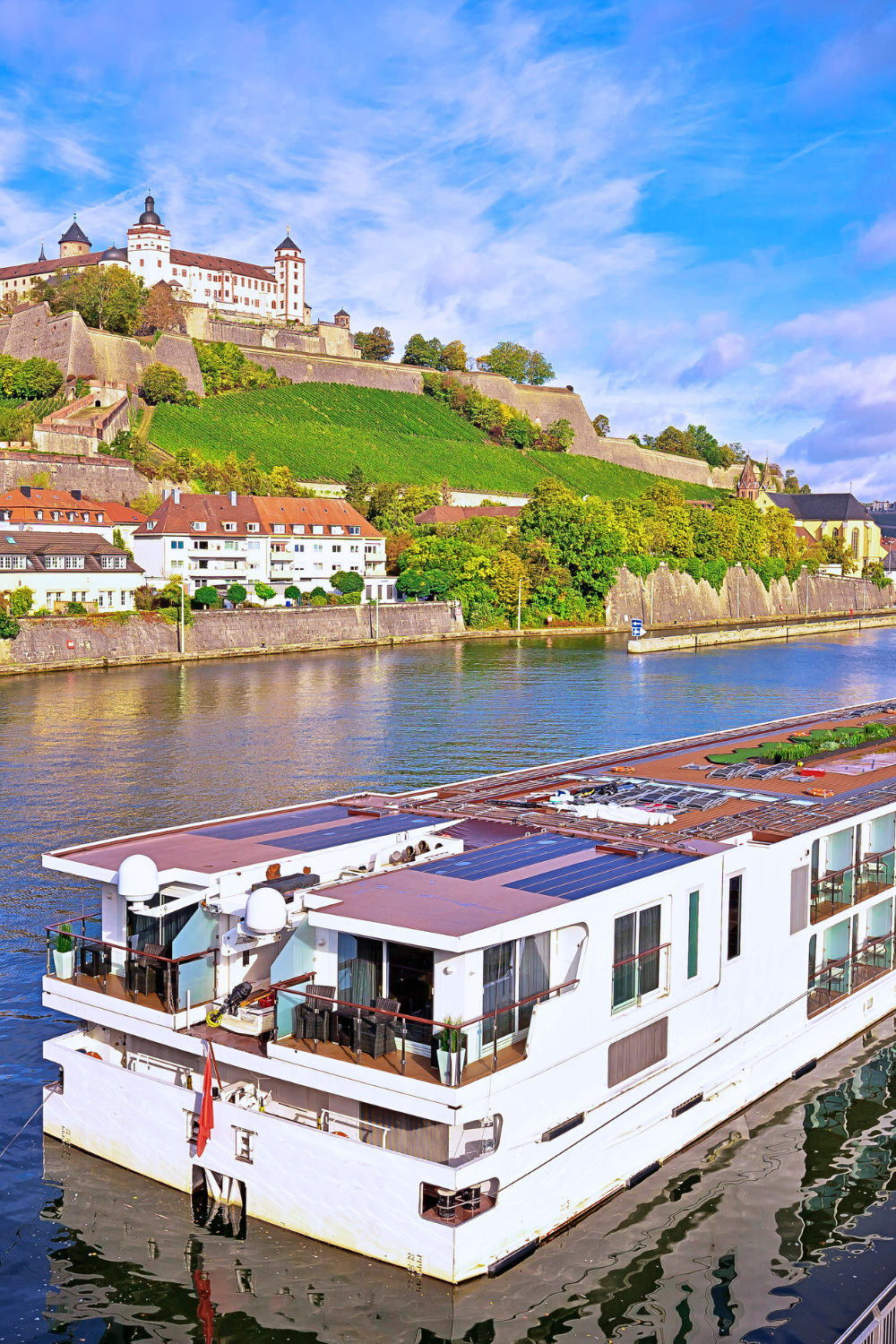
About seven kilometres downstream from Würzburg, Veitshöchheim feels like a secret that Würzburg residents are slightly reluctant to share. A regular ferry makes the run downriver, and what you find at the other end is the summer residence of the Prince-Bishops — a modest palace compared to the Residenz, but surrounded by one of the finest Rococo court gardens in the whole of Germany.
The garden at Veitshöchheim is a proper puzzle of hedge labyrinths, fountains, playful statuary, and a central lake with a swan island. It was created between the 1680s and 1770s as a place for courtly play and leisure, and unlike many formal gardens it has retained a sense of whimsy and delight. Children go absolutely feral here in the best way.
Take the boat for at least one leg of the journey — either going or coming back. The views of the vineyard-covered banks are excellent, and there’s something deeply satisfying about arriving somewhere by river.
Local tip: The gardens at Veitshöchheim open in spring and close in late October. The cherry trees along the approach road bloom magnificently in April. Combine the ferry trip with a picnic and you have one of the better days out from Würzburg imaginable.
11. Würzburg’s Vineyard Walks
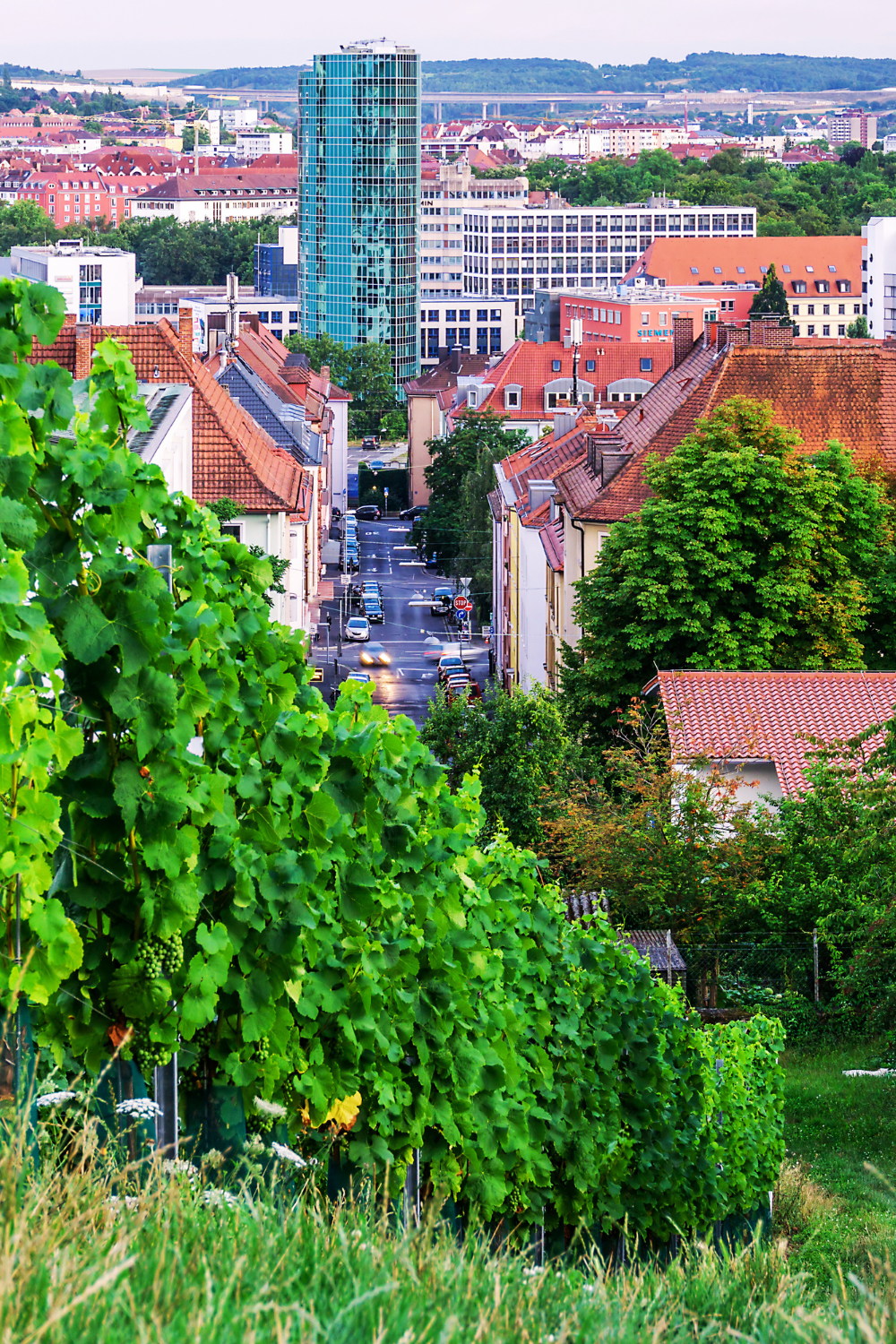
This is, arguably, the most underrated thing to do in Würzburg, and very few travel guides give it the space it deserves. The city is almost entirely surrounded by Silvaner and Riesling vines — the steep slopes above the Main have been cultivated for over a thousand years — and there are walking paths through the vineyards that you can follow for hours without leaving the city limits.
The path along the Stein vineyard, on the western bank across from the old town, is a particularly good one. The Steinwein from this slope is mentioned in historical records going back to the 8th century, and some of the vines here are genuinely ancient. In autumn, the harvest transforms these hillsides into something cinematic — teams of pickers, the smell of crushed grapes, the whole valley buzzing with the industriousness of it.
The “Terroir f” viewing stations are scattered through the vineyards and combine wine information with literary quotations — Goethe, Hesse, and others who had things to say about Franconian wine. They’re beautifully designed and make the walk feel considered rather than just recreational.
Local tip: The best months for vineyard walking are late September through October during the Lese (harvest), and May through June when the vines are in their lush early-summer growth. The harvest months also coincide with several wine festivals in the city.
12. Würzburg’s Weinstuben — The Art of Sitting Properly
Würzburg has a culture of sitting — really sitting, in the Franconian sense — in a Weinstube, and this deserves its own section because it’s central to understanding the city. A proper Weinstube is not a wine bar in the modern sense. It’s a panelled, low-lit room with heavy wooden furniture, a chalked menu on a blackboard, and a host who will bring you bread and schmaltz without asking. It operates at a pace that refuses to be hurried.
The Bürgerspital Weinstube is the most famous, serving estate wines alongside dishes like Schäuferla (braised pork shoulder) and Zwiebelrostbraten (roast beef with onions) in a beautiful vaulted space that has been feeding people for centuries. The Juliusspital Weinstube is slightly more modern in feel but no less good. For something smaller and more neighbourhood-feeling, Weinstube Maulaffenbäck near the Dom is the kind of place where you’ll hear more Franconian dialect than English.
Order a Schoppen — a traditional quarter-litre glass of local wine — and the Fränkische Platte (a wooden board of local cheese, meat, and pickled things) and settle in. There is genuinely nowhere to be.
Local tip: Many of the best Weinstuben close for a Ruhetag (rest day) mid-week, often Monday or Tuesday. Check before you make a special trip. Reservations are advisable for Friday and Saturday evenings.
13. The Würzburg Christmas Market
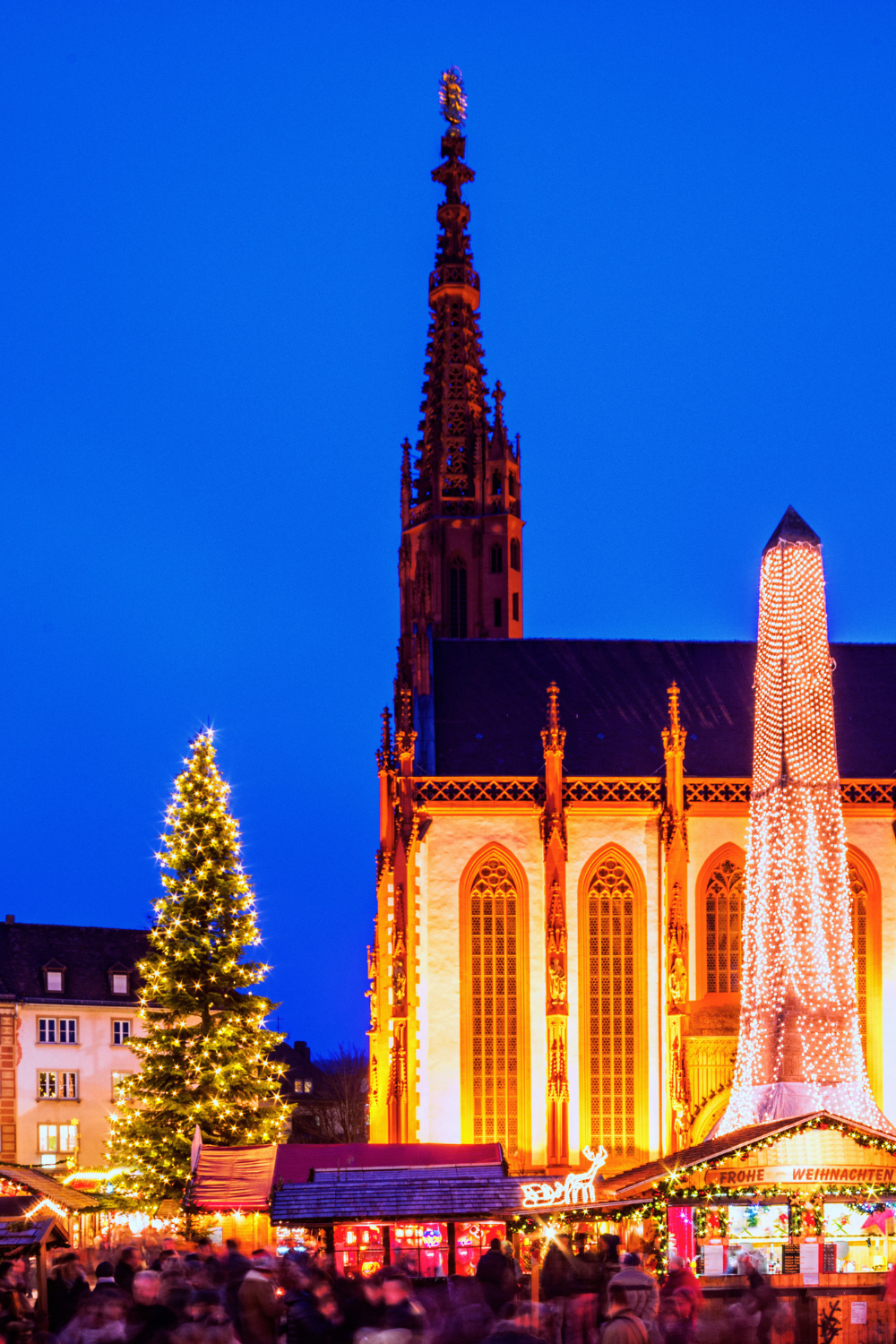
Yes, I know — everyone mentions Christmas markets in Germany. But let me tell you why Würzburg’s deserves more than a line. It stretches across multiple squares in the old town, with the Dom and Neumünster as its backdrop, and the combination of medieval architecture, soft winter lighting, and the smell of mulled wine produces something that even jaded Christmas market veterans tend to find genuinely affecting.
The Kilianmarkt section near the Rathaus focuses on crafts and handmade goods — proper ones, not the mass-produced trinkets that have colonised lesser markets. The stalls selling Lebkuchen, marzipan, and traditional Franconian baked goods are particularly worth lingering at. Look out for Gebrannte Mandeln (roasted almonds) and the local version of Glühwein, which tends to be made with Franconian wine rather than the blended stuff used elsewhere.
The market runs from late November through the week before Christmas, and the evenings — when the Dom is illuminated and the squares are full of people and breath-fog — have a quality that is hard to describe without sounding like a greeting card, but is nonetheless true.
Local tip: Visit on a weekday evening rather than a weekend if possible. The Saturday crowds can be significant, and the quiet of a Tuesday evening with the cathedral lit up behind you is actually a better experience.
14. Museum am Dom
This one isn’t on every tourist itinerary and it absolutely should be. The Museum am Dom is housed in the old Bishop’s Court next to the cathedral and contains one of the most thought-provoking collections of sacred art in Bavaria — including contemporary works commissioned specifically for the museum alongside medieval and Baroque pieces. The dialogue between old and new is handled with real intelligence.
Pieces by Käthe Kollwitz, Ernst Barlach, and Otto Dix sit alongside Renaissance altarpieces and Romanesque sculpture, and the curation never feels forced. Riemenschneider’s work appears here too, and in this more intimate setting you can get much closer to the grain of the wood and the extraordinary delicacy of his carving.
Budget about an hour and a half. It’s the kind of museum that makes you think about things for a while after you leave.
Local tip: The museum shop is excellent — particularly the art books and prints. Some of the postcard reproductions of the Riemenschneider pieces are beautiful and make better souvenirs than almost anything else available in the city.
15. Rathaus (Town Hall) and the Altstadt Ensemble
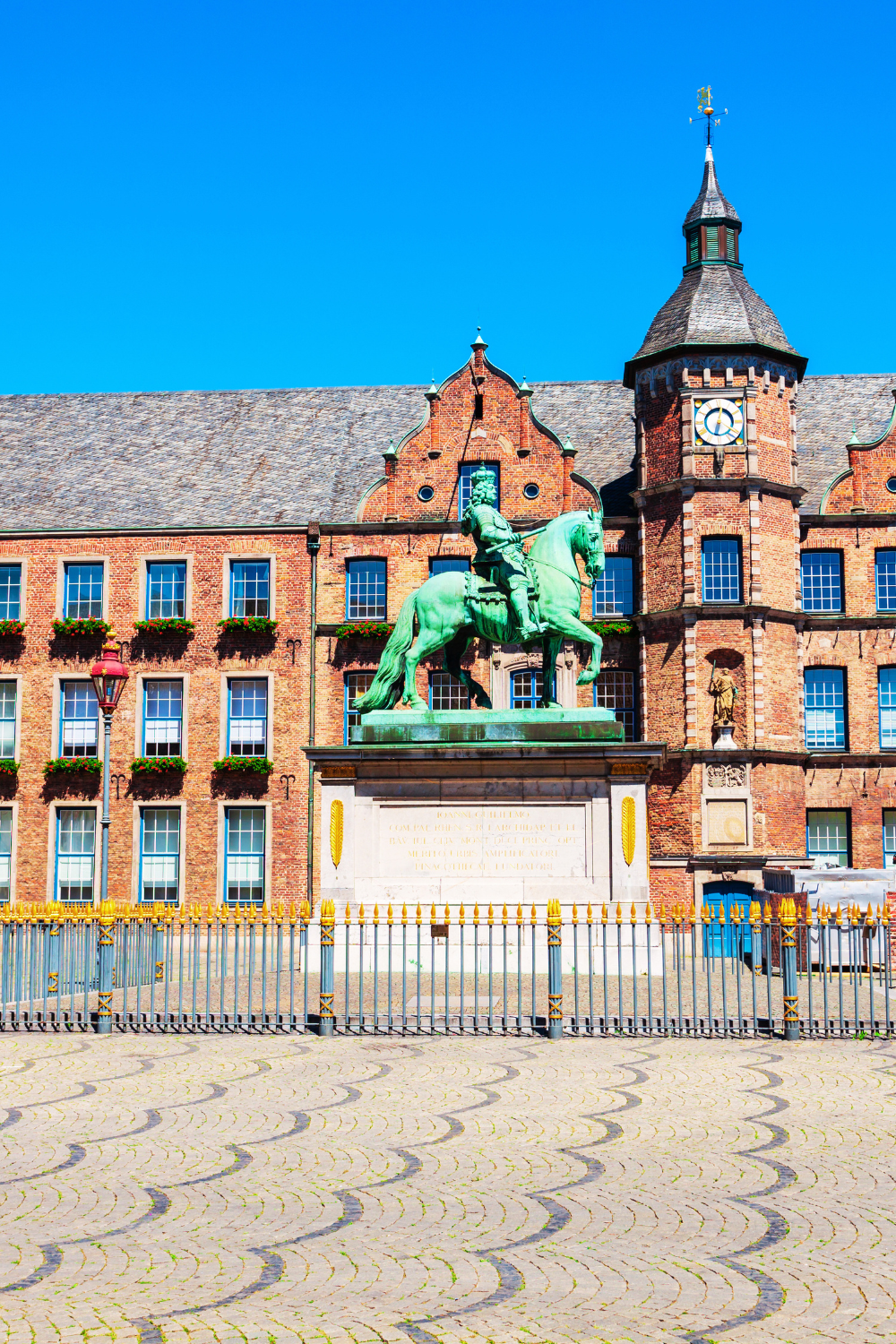
Würzburg’s Rathaus is a complex of buildings spanning several centuries — Romanesque, Gothic, Renaissance — all pressed together along the river in a way that makes it look like a very beautiful accident of urban planning. The Roter Bau (Red Building) is the most photographed element, its deep ochre façade catching the light on sunny mornings like something painted.
Walk the streets radiating off the Marktplatz — particularly the Domstrasse and the Juliuspromenade — and you get a real sense of the pre-war city, or at least the faithful reconstruction of it. The street market held in the Marktplatz on most mornings is genuinely worth visiting: local fruit, vegetables, bread, and a rotating cast of vendors selling things you didn’t know you needed from the surrounding countryside.
The Balthasar-Neumann-Promenade, a wide avenue running roughly parallel to the river, is named for Würzburg’s great architect and lined with linden trees that turn spectacular in autumn.
Local tip: The morning market in the Marktplatz (Tuesday, Thursday, and Saturday are the main days) usually includes vendors selling local Bocksbeutel wines directly from the farm. It’s the cheapest way to take a bottle home.
16. Day Trip: The Romantic Road South to Rothenburg
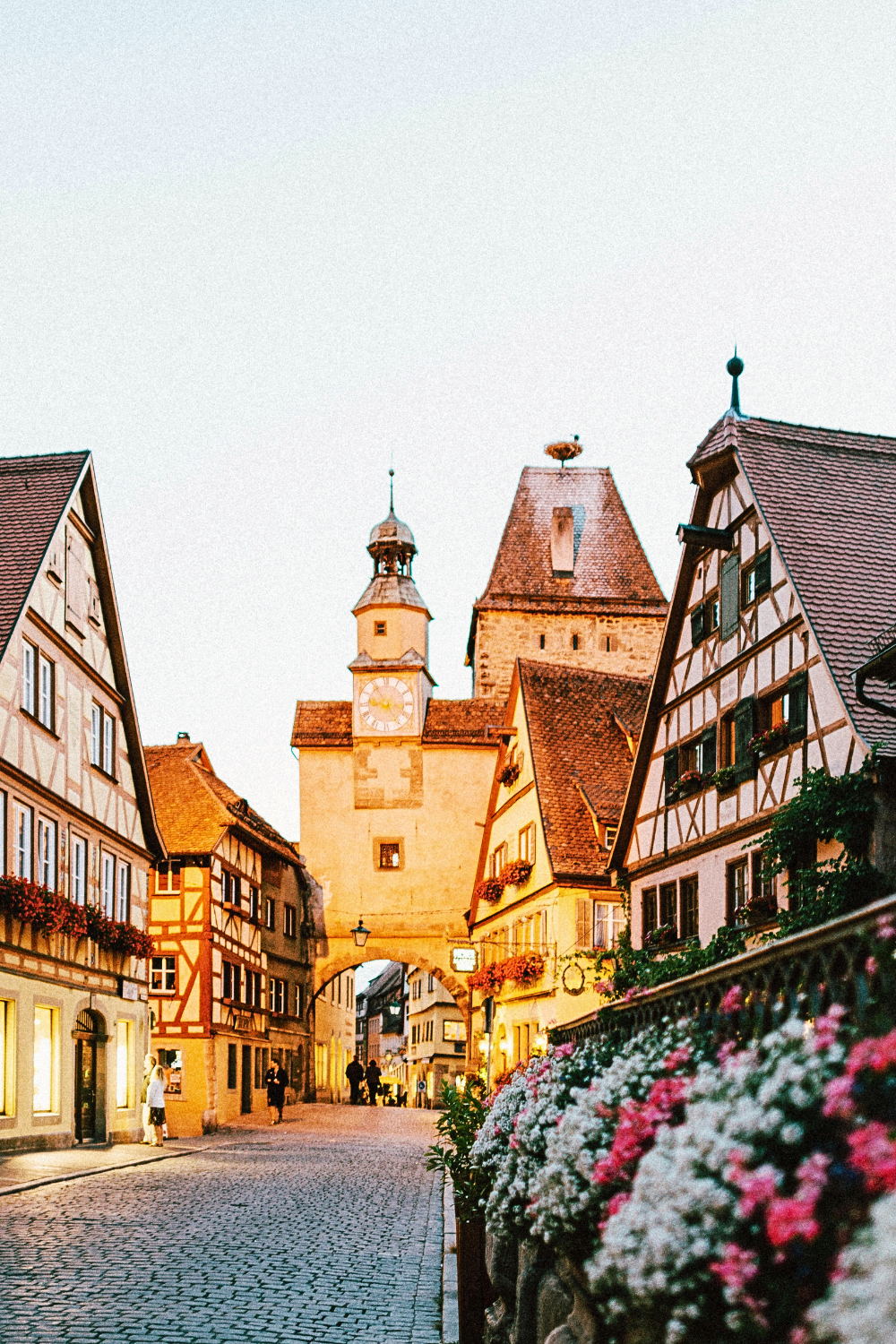
Würzburg sits at the northern starting point of the Romantic Road — Germany’s most famous scenic route — and even if you’re not doing the whole thing, the section south to Rothenburg ob der Tauber is one of the most satisfying half-day drives in the country.
Rothenburg is, yes, extremely touristy, but it’s touristy because it’s genuinely extraordinary: a medieval walled town so intact that it looks like a film set, with a Altstadt that seems to exist in deliberate defiance of the 20th century. Go in the early morning before the day-trippers arrive and walk the town walls for the perspective they give over the red rooftops and the Tauber valley. Then eat at one of the quieter restaurants tucked off the main drag and drive back along the smaller roads through Tauberbischofsheim and Bad Mergentheim.
The drive back into Würzburg as the Main valley opens up before you is a good moment.
Local tip: If you’re travelling in December, Rothenburg’s Reiterlesmarkt is one of the oldest and most atmospheric Christmas markets in Germany — combine it with the Würzburg market in the same trip.
17. Wine Festival Season

Würzburg is, at various points throughout the year, essentially one long wine festival interrupted by normal life. The Africa Festival in late May brings a wonderfully incongruous burst of music and culture to the riverside. The Würzburg Hafensommer in the old harbour runs through summer with open-air concerts. The Kiliani folk festival in July is the largest in Lower Franconia — fairground rides, traditional costume, and a great deal of wine. The Weindorf (wine village) in June sets up stalls in the old town centre specifically for Franconian wine tasting in a very relaxed format.
But the one to plan your visit around, if you possibly can, is the Weinfest on the Mainwiesen in late August or September. It’s one of the biggest wine fairs in Germany, staged on the meadows by the river, with hundreds of Franconian producers pouring everything from everyday Silvaner to rare Rieslinge and Traminers. The atmosphere is warm, the prices are reasonable, and the crowd is a genuine mix of locals and visitors. This is Würzburg at its most itself.
Local tip: Buy a tasting glass at the entrance to the Weinfest — it’s refundable but most people keep them as souvenirs. Arrive before midday on a weekday if you want to actually talk to the producers; by 3pm the more popular stalls have queues.
Practical Tips for Visiting Würzburg
Getting there: Würzburg sits on the main ICE line between Frankfurt and Munich, making it easily accessible by rail — about an hour from Frankfurt and two hours from Munich. The main station is a short tram or walk from the old town.
Getting around: The old town is compact and very walkable. Trams run efficiently along the main axes. For the fortress and Käppele, you’ll need your legs — both involve uphill walking, but both are worth it.
Best time to visit: Late May through early October for the riverside and vineyard experience. September and October for the harvest season. Late November and early December for the Christmas market. The city is genuinely good in all seasons, though July and August can be very busy.
Where to stay: The old town hotels and guesthouses on the Marktplatz and Domstrasse area put you within walking distance of almost everything. For something more characterful, look for family-run guesthouses in the Frauenland neighbourhood south of the cathedral.
Budget: Würzburg is slightly cheaper than Munich but comparable to Frankfurt. Wine is extremely good value, particularly bought directly from the estates or at the morning market.
A Final Word
Würzburg is one of those cities that doesn’t announce itself loudly. It doesn’t need to. It has the Residenz and the fortress, yes, but it also has something harder to define — a self-possession, a depth of character — that you get from a place shaped by nearly three millennia of continuous human habitation. It has survived siege, fire, and devastating bombing, and it has rebuilt itself with a care and seriousness that you feel as you walk its streets.
Go slowly. Drink the wine. Climb to the Käppele at sunset and look back over the valley. Stand on the Alte Mainbrücke in the late afternoon with a glass in your hand and watch the light change on the stone saints. Eat at a table in the Bürgerspital Weinstube and have no plans for the next two hours.
Würzburg won’t rush you. Return the favour.

