
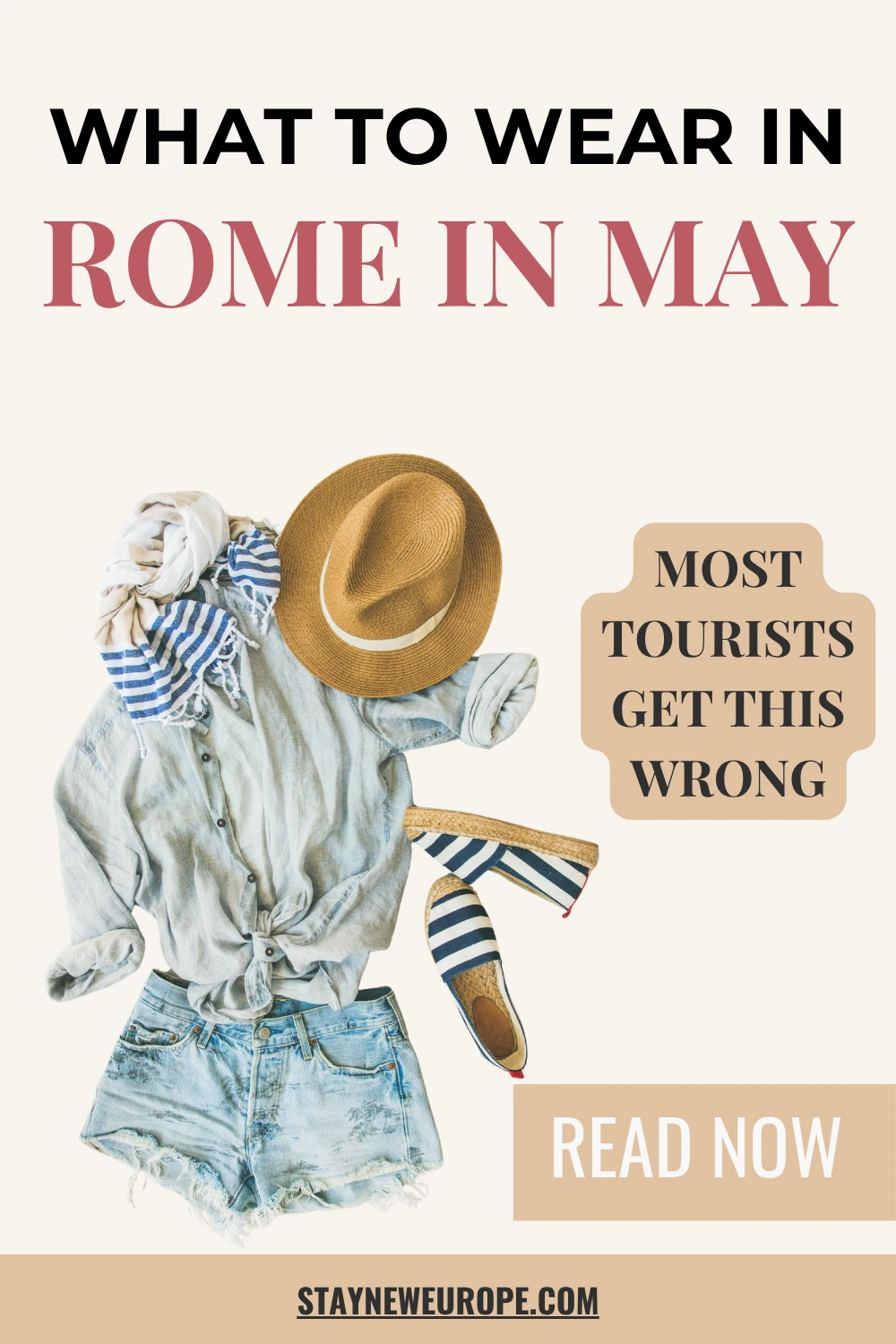
Rome in May is the city at its most seductive. The heat hasn’t yet tipped into the brutal, tourist-wilting temperatures of July and August. The light is warm and golden by mid-morning. The piazzas are full but not yet gridlocked, and there’s still a chance of finding a table outside a decent trattoria without booking three weeks in advance. It’s the sweet spot — and if you pack right, it’s the kind of trip that feels almost unfairly good.
What nobody mentions is how relentlessly physical Rome is. This is a city built on hills, paved with ancient cobblestones called sampietrini, and absolutely enormous. The Vatican is further from the Colosseum than people expect. The Spanish Steps exist in every postcard and in your calves by day three. You will walk — a lot, and on surfaces that are actively hostile to the wrong footwear.
I’ve watched people arrive in Rome in May dressed for a beach holiday and spend the afternoon clutching their cardigans at an unexpectedly cool evening aperitivo. I’ve seen flip-flops meet wet cobblestones near the Trevi Fountain in a way that ended badly. And I’ve watched tourists get turned away from the Vatican in shorts, looking both embarrassed and sweaty. None of that needs to happen to you. Let’s talk about what actually works.
Before We Dive In: What Rome in May Is Actually Like
The Weather
May is legitimately one of the best months to visit Rome, but “best” comes with nuance. Temperatures range from around 14°C in the morning to 24–26°C by afternoon, occasionally nudging 28°C during warm spells. Evenings drop back to 13–16°C, which feels surprisingly cool after a warm afternoon — especially if you’ve been sitting outside.
Rain in May is real and intermittent. Rome averages around seven to nine rainy days across the month, usually short afternoon downpours rather than all-day drizzle. The humidity is lower than Venice but still noticeable, especially in the midday heat. Pack for warmth, coolness, and the occasional drenching — sometimes all on the same day.
The Walking Conditions
Rome’s famous sampietrini — the small, irregular, rounded cobblestones that pave most of the historic centre — are beautiful and treacherous in equal measure. They’re uneven, sometimes slippery, and they will destroy your feet if you’re in the wrong shoes. The hills of Rome (the Janiculum, the Aventine, the Capitoline) add genuine inclines to the equation. Budget for 15,000 to 20,000 steps on a full day of sightseeing, across terrain that demands supportive footwear.
The Style Culture
Romans dress well. Effortlessly, unshowily, specifically well. You’ll notice that local women in their sixties look more put-together in a linen shirt and good trousers than most tourists in their carefully assembled holiday outfits. There’s no pressure to dress up, but Rome rewards a little intention. The city has too much beauty and too much aesthetic history to show up in gym clothes.
Lightweight Layers: The Packing Strategy That Changes Everything
If there’s one concept that should organise your entire Rome packing list, it’s layering — and specifically, layering with pieces that are light enough to carry in a bag without noticing them.
The temperature swing between a Roman morning and a Roman afternoon in May can be eight to twelve degrees. What feels like a perfect lightweight jacket at 8am feels unbearable by noon. What feels like a short-sleeves-only afternoon at the Forum can turn cold and breezy by the time you’re walking back at 7pm. You need outfits that can adjust to this without requiring a wardrobe change at the hotel.
The system that works: a breathable base layer (a cotton or linen tee, a light blouse, a floaty dress), a mid-layer you can add and remove easily (a cardigan, a thin blazer, a shirt jacket), and a compact top layer for rain or wind (a packable jacket or trench). Everything should fit in your daybag. Nothing should be so structured that rolling it up destroys it.
Local tip: Romans often wear their outer layers tied around their shoulders or waists rather than carrying them. It looks careless in the best possible way. Try it — it also saves your bag space and your hands.
Dresses and Skirts: Rome’s Best-Kept Packing Secret
Let me be honest about something: before my first May trip to Rome, I was a jeans person. I arrived with two pairs. I wore one, briefly, and then spent the rest of the trip in dresses, wondering why I’d wasted the suitcase space.
Rome in May is warm enough that a good midi dress is genuinely your most versatile item. It looks lovely wandering through Trastevere in the morning, handles the Vatican dress code with a light cardigan (more on that shortly), reads as appropriate for dinner without any effort, and keeps you cool enough during the afternoon heat when you’re inevitably doing one more monument than you’d planned. Wrap dresses in particular are excellent — adjustable, packable, and they work across a huge range of situations.

Skirts work similarly well. A loose linen or cotton midi skirt with a tucked tee is one of those outfits that photographs beautifully against Roman architecture and feels comfortable enough to wear for ten hours straight. Just make sure there’s enough fabric length for church visits — anything above the knee will need a cover-up.

Local tip: Floral prints, earthy tones, and terracotta are deeply at home in Rome. The city has a warm colour palette and clothes that echo it always look deliberate rather than touristy.
Jeans in Rome: When They Work and When They Don’t
Jeans aren’t wrong for Rome in May — but they require more thought than people give them.
A lighter-weight, straight-leg jean in a mid or light wash is perfectly comfortable on cooler days and evening wear. It pairs well with a silk blouse or a tucked linen shirt for an effortlessly Roman look. Where jeans go wrong in Rome is thick, dark denim worn on a hot afternoon when you’re climbing up to the Pincian Hill and the temperature has climbed to 27°C. You’ll feel like you’re wearing upholstery.
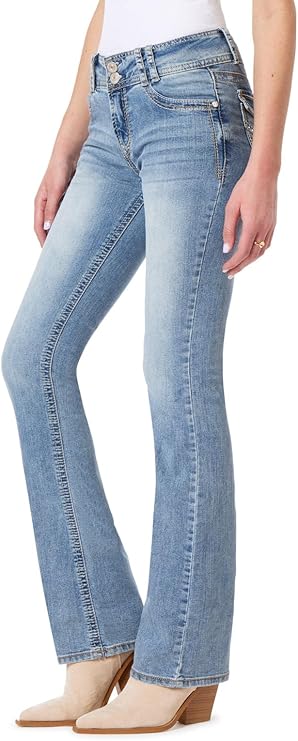
If you’re a committed jeans person, bring one good pair — your best-fitting, most comfortable pair — and let it be your evening and cooler-day option. Don’t make it your default warm-weather uniform unless you have the high-quality lightweight kind that actually breathes.
Linen trousers, it has to be said, are the superior Roman trouser. They look polished enough for dinner, breathe magnificently in the afternoon heat, and a good pair can go five days without anyone noticing you’re re-wearing them.
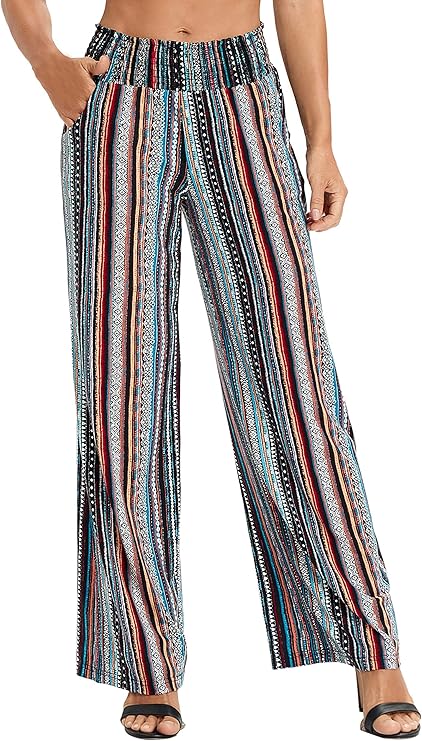
Local tip: Romans make linen look intentional rather than crumpled. Buy the best linen you can afford and don’t stress about wrinkles — in Rome, a little texture just reads as relaxed chic.
Comfortable But Stylish Walking Shoes: Your Most Important Decision
I will repeat this as many times as necessary: the sampietrini of Rome will end you if you’re in the wrong shoes.
These aren’t just “uneven” cobblestones — they’re rounded, often slightly sunken in the middle, and they have a particular habit of being slippery after rain or near fountains where the air is permanently damp. I watched a woman in wedge sandals near the Pantheon go down in slow, horrible motion. I once lost a heel on the via Appia. These are preventable tragedies.
What you need: real grip, real cushioning, and a sole that can handle uneven terrain. What you can also have: style. White leather trainers are the obvious answer and they work brilliantly with almost every Rome outfit — a clean pair reads as European casual, not athletic. Leather loafers with a cushioned insole are another excellent choice, comfortable enough for hours of walking and polished enough for dinner. Leather sandals with a proper footbed (think Birkenstock-style or proper strapped sandals with arch support, not flat flip-flops) work well on warmer days.

For evenings, a low block heel or kitten heel in leather is manageable on sampietrini if you’re confident on uneven ground. Block heels distribute weight better than stilettos, which sink between cobblestones in a deeply distressing way.

Local tip: If you have one day before your trip, walk around your neighbourhood for two hours in your chosen shoes. If your feet hurt after that, find different shoes. Rome is not the place for breaking in new footwear.
What NOT to Wear: The Tourist Tells
This is the section where I get to be lovingly blunt, because a well-travelled friend would not let you walk into Rome looking like a checklist of tourist clichés.
Flip-flops as walking shoes. Just — no. They have no grip, no support, and they make the cobblestone situation actively dangerous. Wear them at the hotel pool.
Athletic wear as sightseeing attire. Leggings-and-sports-bra combinations, matching gym sets, and compression tights worn to the Colosseum are all things I’ve seen, and all things that will get you turned away from churches and judged quietly but firmly by Italians. One exception: if you’re genuinely running, run in running gear. Otherwise, dress like you’re visiting one of the most significant cities on earth.
Full hiking gear in the city. Technical trekking trousers, cargo vests, hiking poles — Rome is not a trail. This gear sends a very specific signal: “I have not thought about where I am.”
A massive backpack as your only bag. Again, more on bags shortly, but a hiking pack worn through the Vatican or around Campo de’ Fiori makes you a target and a nuisance in crowds. It also looks exactly like what it is: someone who packed too much for everywhere.
Shorts to the Vatican or major churches. This is not a vibe preference — it’s an actual rule that will get you turned away. More on that coming up.
Local tip: The simplest upgrade from tourist to traveller is good shoes and one quality layering piece. That’s genuinely all it takes.
Jackets for Unpredictable May Weather
A jacket is not optional in Rome in May — it’s just a question of which one.
My vote, every time: a lightweight trench coat. It’s genuinely useful in light rain, it looks beautiful tied at the waist over a dress or open over jeans and a tee, it folds into a bag without being ruined, and it works from morning to midnight. A beige or camel trench coat against Roman architecture is one of those combinations that feels almost preordained by good taste.
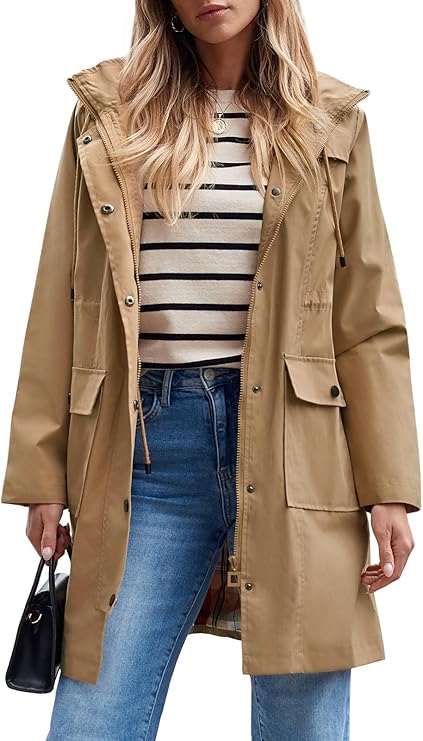
If the trench isn’t your style, an unstructured linen blazer fills the same layering role with more of a casual polish. A thin cotton or denim jacket works well for a slightly more relaxed trip. What doesn’t work as well: heavy wool coats (too warm by midday, too cumbersome in heat), leather biker jackets (fine for cool days, but they trap heat fast and don’t pack well), and anything too stiff or structured to fold.

For those who run cold, a cashmere or merino wrap or a fine-knit cardigan that lives in your bag is worth its weight. Roman evenings in May can catch you completely off guard.
Local tip: Romans wear their jackets with a looseness that’s worth studying. A blazer half-shrugged onto the shoulders, a trench belt loosely tied rather than belted tightly — there’s an art to looking like you’re not trying. Practice it.
Evening Outfits in Rome: Dressing for the Aperitivo Hour and Beyond
Rome’s evenings deserve their own wardrobe conversation, because this is a city that takes its evenings seriously.
The aperitivo hour — roughly 6 to 8pm — is a Roman institution. Locals dress up, just slightly. Not formally, but with intention. A slightly dressier dress (same midi length, but in a more elevated fabric — a silk-effect, a subtle pattern, something with a bit more finish than your daywear), or a tucked-in blouse with linen trousers, signals that you understand what this city is about.

For dinner at a proper restaurant — especially in neighbourhoods like Prati, Parioli, or even a serious trattoria in Trastevere — a small step up from daywear is both respectful and genuinely enjoyable. You’re in Rome. The food will be extraordinary. Dress like the occasion.
Shoe-wise: the evening is when you can afford slightly dressier footwear, but keep the cobblestone reality in mind. A low block heel, a strappy flat sandal in leather, or clean white trainers all work for Roman evenings without putting your ankles at risk.
Local tip: Roman women rarely over-dress, but they always look finished. The secret is usually one specific choice — a silk scarf, a good earring, a bag with character — rather than a full outfit overhaul.
What to Wear for Churches and the Vatican: The Dress Code Reality
This one is genuinely important, and more people get caught out by it than you’d expect.
Rome’s churches — and there are hundreds worth visiting, from the Pantheon to Santa Maria Maggiore to the Sistine Chapel — have dress codes. Shoulders covered. Knees covered. No exceptions at the Vatican, where enforcement is strict and the queue to buy a paper poncho at the entrance is both expensive and humiliating.

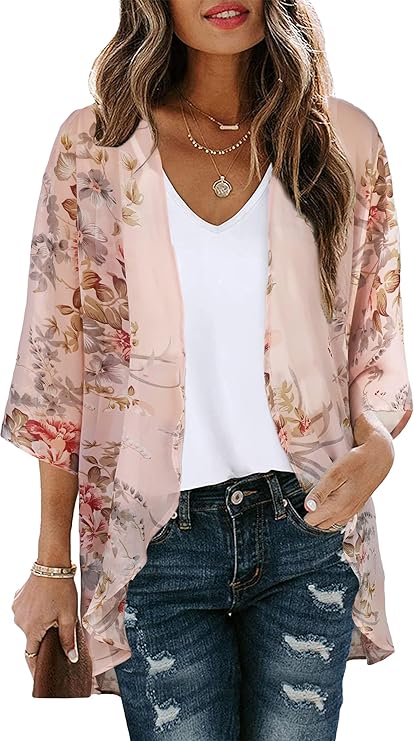
The practical solution requires no additional luggage: pack a lightweight scarf or pashmina that lives in your bag permanently. In thirty seconds it can cover bare shoulders or wrap as a skirt over shorts. A cardigan handles shoulders at any church. If you’re wearing a midi dress, you’re already mostly compliant — just add a sleeve layer.
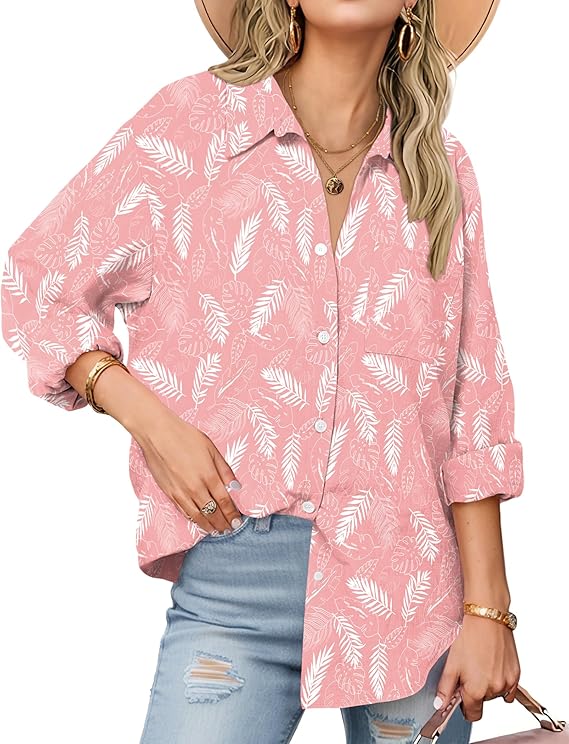
Outfit combinations that work for church days:
- Midi dress (any length below the knee) + light cardigan in your bag
- Linen trousers + short-sleeved top + cardigan or blazer
- Maxi skirt + fitted top + scarf over shoulders
- Shorts + lightweight button-down shirt worn open over a tee (counts as knee coverage when tied)
What doesn’t work: Vest tops alone, shorts without a cover-up, sleeveless dresses without a layer. You will be turned away, and the queues to get back in are long.
Local tip: Keep your scarf in your crossbody, not buried in a backpack. You’ll use it several times a day across different churches, and fumbling through your bag at every entrance gets old fast.
Bags: The Crossbody Wins, Every Time
Rome is a beautiful city with a well-documented pickpocketing problem, particularly around the Colosseum, the Trevi Fountain, and the metro. A crossbody bag worn in front of your body is genuinely the safest and most practical choice for a day of sightseeing.
Beyond security, a crossbody is simply more comfortable for a day of constant movement. You don’t need to take it off when you sit down, it doesn’t bump into people in crowded churches, and it keeps your hands free for maps, gelato, and gesturing enthusiastically about the architecture.

Size matters: go for something big enough to hold your phone, wallet, a compact sunscreen, your scarf, and a water bottle ideally. A leather or faux leather crossbody in a neutral tone (tan, cognac, black, cream) looks intentional and works for everything from morning espresso to evening aperitivo without switching bags.
If you need to carry more (a camera, a guidebook, snacks for a long day), a lightweight canvas tote worn on your arm alongside a smaller crossbody for valuables works well. What doesn’t work: a backpack as your only bag, particularly on busy tourist routes where pickpockets thrive and where it’ll get in everyone’s way in crowded museums.
Local tip: Expensive-looking bags attract attention. A good mid-range leather crossbody is both stylish and less of a target than a recognisable designer label.
Accessories That Quietly Elevate Everything
The right accessories turn a simple outfit into something that looks considered. In Rome, where Italians elevate everything with one precisely chosen detail, this is worth thinking about.
A silk or print scarf is doing the most work of any accessory you’ll pack — church covering, neck wrap, hair accessory, bag decoration, layer against cool evenings. Pack one. It weighs nothing.

Good sunglasses are non-negotiable. Rome in May is bright, especially at the Forum and the hilltop gardens where the light is direct and blinding. A classic shape — tortoiseshell, rounded, a clean rectangular frame — looks more considered than novelty styles and will be in all your photos for years.

Simple everyday jewellery — gold hoops, a delicate chain, one ring you never take off — adds a finish to plain outfits without effort. Italians wear simple jewellery magnificently. One good piece worn consistently beats six statement pieces you’re rotating anxiously.

A hat. In May the sun is already strong enough to warrant one, especially for long days at open sites like the Forum or the Borghese gardens. A packable straw hat or a structured panama both look at home in Rome and are genuinely useful for sun protection.

Local tip: A small leather belt can transform linen trousers and a tucked blouse into an outfit with actual intention. This is a very Roman thing to do and it takes approximately fifteen seconds.
Rain Preparation: The Thing People Always Skip
May in Rome brings short, sometimes heavy afternoon showers that arrive with very little warning and soak you thoroughly before you’ve registered what’s happening.
A compact, packable rain jacket is the single most useful item that most travellers leave out of their Rome packing list. Not a massive waterproof — a lightweight packable jacket that folds into a pouch, fits in your crossbody, and goes on in seconds when the sky changes colour. Brands like Uniqlo, Arc’teryx Atom, Rains, or even a simple H&M packable option all work fine.

Alternatively, a small travel umbrella that genuinely fits in your bag (not the golf-club-sized one that lives in the umbrella stand) will serve you well. I slightly prefer the jacket because it keeps your hands free and protects your whole outfit, but the umbrella wins on windy days when a jacket alone isn’t enough.
What won’t save you: a massive golf umbrella that destroys everyone around you in narrow streets, a poncho (technically functional, deeply sad), or deciding to wait it out under a restaurant awning for two hours.
Local tip: The tourist shops near major monuments sell compact umbrellas at inflated prices in the rain. You’ll pay three times what you’d pay at a supermarket one street further away. Pack your own.
Fabrics to Choose (and What to Leave at Home)
The right fabric in Rome in May is the difference between a comfortable, joyful day and a hot, damp, regrettable one. This is especially true once the temperature climbs above 22°C and you’re standing in the sun at the Forum for an hour.
Reach for: Linen in everything it comes in — shirts, trousers, dresses, blazers. Cotton in lightweight weaves, jersey cotton for comfort-forward days. Viscose and rayon for floaty dresses and blouses that breathe. Light merino wool for layering pieces (surprisingly temperature-regulating and brilliant for pieces you’ll wear across a range of conditions). Silk and silk-effect fabrics for evenings.
Leave at home: Thick synthetic fabrics (polyester, nylon) in any clothing you’ll wear during the day — they trap heat, trap smell, and don’t breathe in Rome’s warm temperatures. Heavy denim. Structured fabrics that don’t pack well. Anything that will look notably worse after being rolled into a bag for a few hours.
The linen wrinkle question comes up every time, and my answer is: lean into it. Romans wear rumpled linen with complete confidence. The key is linen that wrinkles gracefully — better quality linen tends to do this. A shake and five minutes hanging usually restores it sufficiently.
Local tip: You’ll find beautiful linen pieces in Roman markets and small boutiques, often at better prices than at home. Don’t over-pack on linen if you’re planning to shop — leave space.
The Rome May Capsule Wardrobe
For a five to seven day trip, here’s exactly what I’d pack — tested across multiple May visits and refined to the point where nothing feels wasted:
Tops: Two linen shirts (one white, one in an earth tone like terracotta, olive, or camel), two quality cotton or cotton-modal tees, one slightly dressier blouse or silk-effect top for evenings.
Bottoms: One pair of lightweight straight-leg jeans or tailored trousers (for cooler days and evenings), one pair of linen trousers (your daytime workhorse), one midi skirt for warmer days.
Dresses: Two midi dresses — one casual and versatile (church-appropriate with a layer), one with slightly more personality for evenings.
Layers: One lightweight trench coat or linen blazer, one thin cardigan, one compact packable rain jacket.
Shoes: One pair of supportive leather trainers or cushioned loafers for all-day walking, one pair of slightly dressier flat sandals or low-heeled shoes for evenings.
Accessories: One scarf or pashmina (mandatory), good sunglasses, a small crossbody bag, a packable hat.
That’s approximately fourteen clothing items. Every top pairs with every bottom. Everything fits in a carry-on. Nothing is wasted.
Practical Packing: What I Wish Someone Had Told Me
How many outfits do you actually need? For a week in Rome, six to eight outfit combinations is more than enough if they’re built from interchangeable pieces. You don’t need an outfit for every hour of every day — you need flexible pieces that can carry you from morning sightseeing to evening dinner with a quick refresh.
Packing light in Rome is a genuine quality-of-life improvement. Roman accommodation often involves stairs — sometimes beautiful marble staircases, sometimes tight spiral ones — and no lifts. The streets near your hotel may not be accessible with a large wheeled case. Carry-on only travel is not just possible for a week in Rome; it actively makes the trip better.
Practical packing tips that actually work: Roll everything. Use packing cubes if they help you think in outfits rather than categories. Pack shoes at the bottom, heaviest items against the back of the bag. Stuff socks and underwear into shoes. Take photos of your planned outfits before you go — not because you need to stick to them rigidly, but because it forces you to check that everything actually works together.
The packing mistake most people make: Bringing options instead of outfits. Five pairs of shoes that “might work” are worse than two pairs that definitely work. Every item should have a job. If it doesn’t, leave it.
Local tip: Rome has beautiful pharmacies and supermarkets for forgotten essentials, and the city has excellent shopping if you need to supplement your wardrobe. Pack light and trust yourself to find anything you’ve missed.
One Last Thing Before You Go
There’s a specific feeling that comes from being in Rome and looking right for it — not overdressed, not underdressed, not overheating, not limping. Just comfortable and pulled-together enough to actually pay attention to where you are.
Because Rome demands your attention. The light on the Palatine Hill at five in the afternoon. The way the Pantheon opens above you when you step inside. A table outside a small osteria in Trastevere at nine in the evening with a glass of something cold and the particular noise of the neighbourhood around you. These things deserve your full presence, and your full presence is easier to give when you’re not uncomfortable, conspicuous, or distracted by a blister.
Dress for the city you’re visiting — a city of extraordinary beauty, bottomless history, and people who wear their elegance lightly. Pack thoughtfully, pack light, and then forget about your clothes entirely and just be there.
Rome in May is waiting for you. Show up ready for it.

