
Italy in May is, frankly, unfair. The light is golden. The café terraces are open. The crowds haven’t yet reached their August fever pitch, and you can still get a table at a good restaurant without begging. Whether you’re spending a week in Rome, hopping between Cinque Terre villages, wandering Florence’s golden streets, or drifting through Venice on a vaporetto — May is the month Italy does everything right.
What catches people out is how different the country is from north to south, from city to coast, and how dramatically the temperature can shift between a cool Florentine morning and a scorching Roman afternoon. Italy in May isn’t one climate — it’s five. And the tourists who arrive with a suitcase built for only one of them spend half the trip either sweating or shivering.
I’ve made most of the packing mistakes myself. I’ve worn the wrong shoes on Venetian bridges, overdressed for Sicilian May heat, and stood in a queue at the Vatican in an outfit that required an emergency cardigan purchase. None of it needs to happen to you. Here’s what I actually know about dressing for Italy in May — from the Alps to the toe of the boot.
Before We Dive In: Italy in May Is Not One Thing
The Weather — And Why It Varies So Much
Italy is a long country, and May weather behaves very differently depending on where you are. In the north — Venice, Milan, the Lakes — daytime temperatures sit between 17°C and 22°C, with cool mornings around 10–13°C and occasional rainy spells. In central Italy — Florence, Rome, Tuscany — you’re looking at 20–26°C during the day, warmer evenings, and more reliable sunshine. Further south in Naples, the Amalfi Coast, and Sicily, May can already feel genuinely hot: 24–28°C is common, with strong sun and low humidity before the summer really bites.
What unites all of these destinations is unpredictability. Afternoon showers are possible everywhere. Evenings cool down faster than you expect. A warm morning can tip into a hot afternoon and then a fresh evening, all in the same twelve hours.
The Walking Reality
Every iconic Italian destination involves more walking than you’ll budget for, across surfaces that demand good footwear. Rome’s sampietrini cobblestones are relentless and often slippery. Venice involves constant bridge-climbing and uneven stone paths. Florence’s streets are gentler but still cobbled in the centre. The Cinque Terre trails can be steep and rough. The Amalfi Coast’s famous paths involve climbing hundreds of steps.
Your shoes will make or break this trip. I want you to hear that before anything else.
The Style Culture
Italians dress with intention. Not expensively, not formally, but thoughtfully — with a specific ease that looks effortless and isn’t. From Milan to Palermo, the baseline is the same: you look like you made a choice. Gym clothes are for the gym. Matching tourist sets are noticed. Good shoes, a well-chosen layer, and a bag that isn’t a hiking rucksack are the three signals that separate the traveller from the tourist.
You don’t need to spend a fortune. You need to pack with care.
The Layering System: Your Single Most Important Strategy
Here’s something I wish someone had told me before my first multi-city Italy trip in May: you don’t need more clothes, you need smarter clothes. Specifically, clothes that work as a system of adjustable layers rather than fixed outfits.
The temperature swing across a single Italian May day can be ten to fourteen degrees. What you wear leaving the hotel at 8am will feel completely wrong by 2pm. What’s comfortable at 2pm will feel insufficient by the time you’re sitting outside for dinner at 8pm. If you pack individual outfits rather than a layering system, you’ll either be carrying too much or going back to the hotel to change — both of which cut into your actual experience of being in one of the most beautiful countries on earth.
The formula that works everywhere in Italy in May: a breathable base layer (a linen shirt, a cotton tee, a floaty blouse, a light dress), a mid-layer you can fold into your bag (a thin cardigan, a cotton blazer, a light knit), and a compact outer layer for rain or cooler days (a packable rain jacket, a lightweight trench). Every piece should be able to live in your daybag when you’re not wearing it.
Local tip: Italians carry layers the way other people carry their phone — without thinking about it. A cardigan over the shoulder, a blazer tied loosely at the waist. Master this habit and you’ll never be caught off guard by a temperature drop again.
Dresses and Skirts: Italy’s Most Rewarding Packing Choice
Let me say this plainly: a good midi dress might be the single most versatile item you can pack for Italy in May. I came to this conclusion reluctantly, having spent years believing that jeans-and-a-top was the universal travel outfit. It isn’t — not in Italy, not in May, not when you’re covering this much ground.
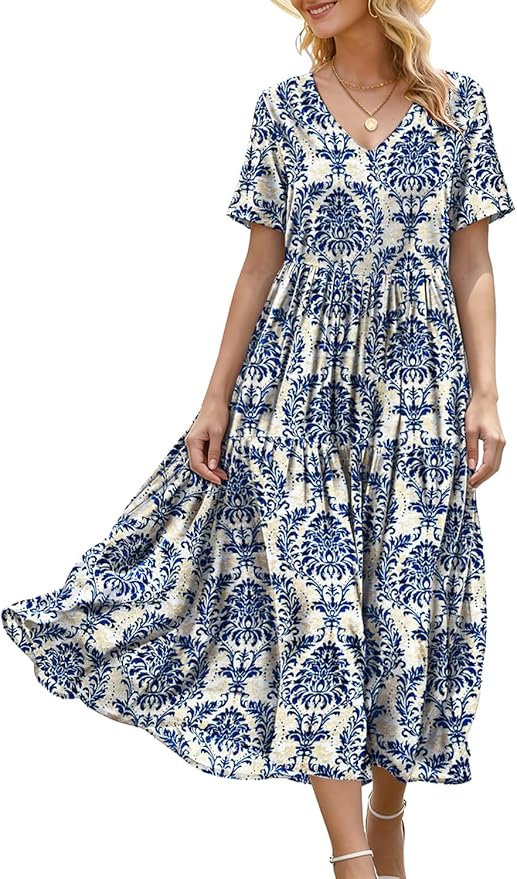
A midi dress works from morning espresso to afternoon sightseeing to evening dinner with almost no effort. It keeps you cool in the heat, looks considered without trying, and handles church dress codes (knee-length or longer, with a layer for shoulders) better than most alternatives. Wrap dresses in particular are brilliant — adjustable, packable, and universally flattering across a range of activities.
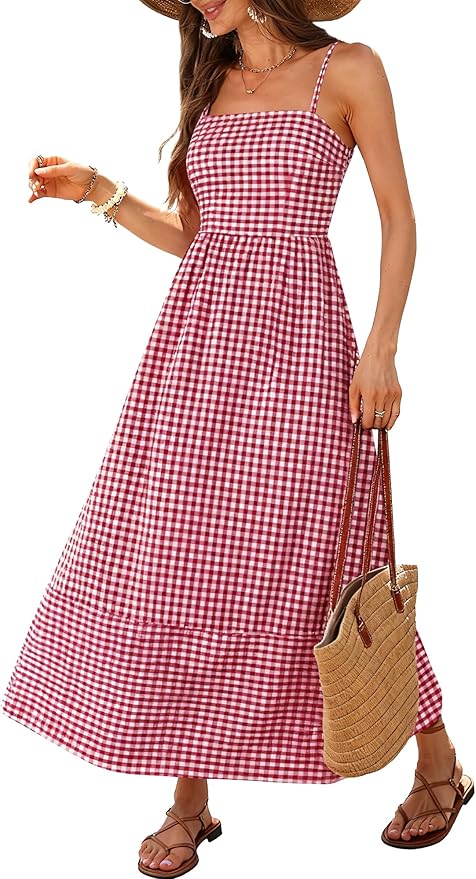
For the coast and the south — Amalfi, Sicily, Sardinia if you’re heading there — a floaty cotton or linen dress becomes your uniform in the best possible way. The heat justifies it entirely, and the backdrop makes even the simplest dress look like a fashion choice.
Midi skirts work equally well paired with a linen shirt or cotton tee. A loose, lightweight skirt and a simple tucked top is one of those outfits that photographs beautifully against every Italian background and somehow manages to be comfortable for ten hours straight.
Local tip: In Italy, colour reads as confident rather than loud. Terracotta and earthy tones suit Rome. Soft blues and whites feel right by the coast. Florals look at home almost everywhere. Don’t be afraid of pattern — a simple floral midi dress is deeply at home in this country.
Jeans in Italy in May: The Honest Assessment
Jeans aren’t a mistake in Italy in May — but they need to be the right jeans, worn on the right days.
A well-fitted, lighter-weight pair in a mid or light wash is genuinely comfortable for cooler days, northern city trips (Milan, Venice in early May), and evening wear across the country. Italian women wear jeans brilliantly — usually straight-leg or slightly tapered, usually in a clean wash, usually with something more considered on top. A good pair of jeans with a silk-effect blouse and loafers is a perfectly Italian evening look.

What doesn’t work: thick, dark denim on a 27°C afternoon in Naples or Florence when you’re climbing hills and walking ten miles. You’ll feel like you’re wearing upholstery, and the humidity doesn’t help. Dark denim also tends to show sweat in unflattering ways when the temperature climbs.
If you’re only going to pack one pair of jeans, make it your best-fitting, most comfortable pair in the lightest-weight denim you own. Let it be your evening option and your cooler-day fallback — not your default warm-weather uniform.

Linen trousers, it deserves saying again and again, are the better trouser for Italy in May. They look polished, they breathe magnificently, and a good pair crumples in the kind of way that looks intentional rather than lazy.
Local tip: Italian women tend to wear their jeans with a casual precision that’s worth studying — the right length, the right hem, the right shoe. The detail that lifts a simple jean-and-tee combination is usually the shoe. More on that shortly.
Walking Shoes That Can Survive Italian Terrain
I cannot overstate how much Italy’s surfaces vary — and how much they matter.
Rome’s sampietrini are rounded, uneven, and genuinely slippery near fountains and after rain. Venice’s stone bridges and narrow calli require grip and ankle support. Florence is more walkable but still old-stone cobbled in the centro storico. The Cinque Terre paths are hiking trails with impressive elevation. The Amalfi Coast towns involve staircases that seem to go on for geological ages.
Across all of these, the same shoe principles apply: real cushioning, real grip, and a sole that handles uneven surfaces. What can also have: style. These two things are not mutually exclusive.
What works across Italy in May:
White leather trainers are the Italy-proof shoe — they look clean and considered with almost every outfit from sundress to evening jeans, and quality ones are comfortable enough for ten-hour days. Leather loafers with a cushioned insole are slightly dressier and work brilliantly from sightseeing to dinner. Well-made leather sandals with proper arch support and a strap that holds the foot (not a flat flip-flop — a real, structured sandal) are excellent for coastal destinations and warmer days.

For evenings and dinners in the city, a low block heel or kitten heel in leather is manageable on smooth cobblestones if you’re confident. Block heels distribute weight better than stilettos, which will sink between stones in a way that is both dangerous and expensive.

What doesn’t work: Flip-flops on any Italian urban terrain (dangerous, gripless, and considered deeply casual even by relaxed Italian standards), completely flat ballet pumps with no insole support (your arches will send you a strongly worded letter by day three), and any shoe you haven’t already broken in.
Local tip: If you’re planning to shop while you’re there — and you should be, Italian shoe shops are extraordinary — buy your most comfortable pair on day one of your trip and wear them in as you go. This is genuinely sound strategy.
What NOT to Wear: The Tourist Tells
A well-travelled friend would be honest with you here, and I’m going to be.
Athletic wear as sightseeing attire. Leggings and sports bras are not appropriate for wandering Rome or Florence or Venice. They’re workout clothes. Italy’s greatest art, architecture, and food exists in the real world, not a hotel gym, and the locals will notice. One set for morning runs or the hotel gym is fine — just change before you go out.
Full hiking gear in the city. Technical trekking trousers with seventeen pockets, polar fleeces, and hiking boots worn through the Uffizi Gallery or the Piazza San Marco. Unless you’re actually hiking that day, leave the trail gear at the accommodation. It says “I have not thought about where I am.”
Flip-flops as urban walking shoes. I know, I keep saying it. They have no grip on wet cobblestones, no support for long days, and no place on Italian streets outside of the immediate beach area. They also look distinctly holiday-camp in contexts that deserve slightly more consideration.
The matching tourist set. Matching couple outfits, matching family tracksuits, matching pastel co-ords bought specifically for Instagram. You’re in Italy. Let the country be the backdrop.
A giant hiking backpack as your city bag. It makes you a pickpocketing target, it gets in everyone’s way in crowded museums, and it signals “I am carrying everything I own and I don’t know where I’m going.” See the bags section.
Shorts at major churches and religious sites. This will get you turned away. It’s a rule, not a preference, and it applies everywhere from the Vatican in Rome to the Duomo in Florence to small village churches all over the country.
Local tip: The simplest way to look less like a tourist is to wear one item that clearly represents a choice — a scarf, a decent shoe, a well-fitted layer — rather than purely functional clothing. Intent is everything.
The Right Jacket for Italy’s Unpredictable Spring
A jacket isn’t just a nice-to-have for Italy in May — it’s the piece that determines whether your day is comfortable or frustrating.
My consistent recommendation for Italian May travel is a lightweight trench coat. It handles light rain beautifully, looks elegant tied at the waist over a dress or open over jeans and a linen shirt, folds into a bag without losing its shape entirely, and works from a cool Roman morning through a breezy Venetian evening without missing a beat. Beige, camel, or olive against Italian architecture and Italian light is a combination that borders on unfair.

If the trench isn’t your style, an unstructured linen or cotton blazer fills the same role with more casual polish. A thin cotton or denim jacket works for a lower-key trip where comfort beats polish. For the south and the coast in May, where temperatures are genuinely warmer, a lightweight cotton bomber or even a smart cardigan may be all the outerwear you need.
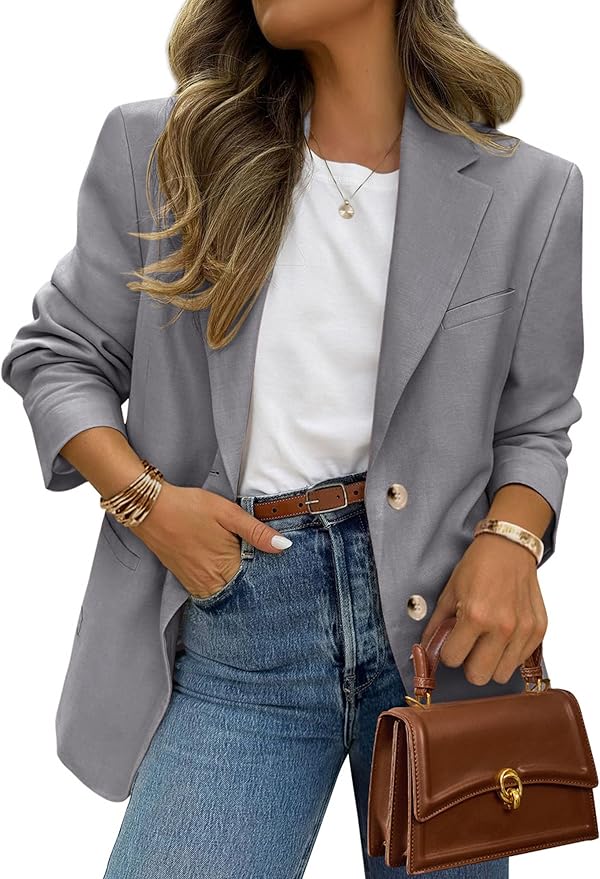
For the north — Venice, the Lakes, Milan in early May — a slightly more substantial layer is worth packing. Early May in Venice can genuinely require a light wool or cotton-knit layer in the evenings, and the mist off the lagoon has a damp chill to it that doesn’t respond well to a thin cardigan alone.
Local tip: The most Italian way to wear an outer layer in spring is loosely — open, not buttoned; draped, not fitted. A blazer half-on-the-shoulder, a trench belt loosely tied. This isn’t accidental: it’s a specific aesthetic choice that signals ease, and it also means you can adjust your temperature in seconds.
Evening Outfits: Italy After Dark Has Its Own Dress Code
Italian evenings deserve their own wardrobe thinking. This is a country where dinner is an event, not a refuelling stop — where the aperitivo hour is treated with genuine ritual, where a good restaurant in Florence or Rome or Palermo is an occasion, and where the streets themselves become part of the evening experience.

A slight step up from daywear for evenings reads as respectful and enjoyable in equal measure. This doesn’t mean formal — it means intentional. A slightly dressier dress (the same silhouette as your daywear, but in a more elevated fabric — a silk-effect, a subtle print, something with a little finish), or linen trousers with a tucked blouse and a good earring. Something that says you know you’re somewhere worth dressing for.

On the coast — the Amalfi, Positano, Taormina — evenings have a more relaxed glamour. A cotton or linen sundress with a light wrap and flat leather sandals is both appropriate and beautiful. By the sea in May, even the most casual outfit looks like a fashion choice.
Shoe-wise for evenings: keep the cobblestone reality in mind wherever you are in Italy. A low block heel, a strappy leather sandal, or clean white trainers all work for Italian evenings without risking your ankles.
Local tip: Italian women rarely over-dress but always look finished. The detail that makes the difference is usually one specific thing: a silk scarf, a good pair of earrings, a bag with personality. Master that and the rest of the outfit can be simple.
Church Dress Codes: The Rule Nobody Takes Seriously Enough
Italy has more extraordinary churches than almost anywhere on earth, and almost all of them have a dress code. Shoulders covered. Knees covered. No exceptions at the Vatican, the Duomo in Florence, the Basilica di San Marco in Venice, or the Duomo in Milan — and very few exceptions at any other significant church anywhere in the country.
This catches people out daily. I’ve watched tourists be turned away from the Vatican after waiting in a two-hour queue. I’ve watched people attempt to enter Florence’s Duomo in shorts and get redirected to a nearby shop selling overpriced paper shawls. The solution is so easy that there’s no excuse for this.
Pack one lightweight scarf or pashmina that lives in your bag at all times. Thirty seconds is all it takes to cover bare shoulders or wrap around your waist as a makeshift skirt. A cardigan handles shoulders at any church door. If you’re already wearing a midi dress or trousers, you’re mostly compliant — just add a shoulder layer.
Outfit combinations that are church-ready across Italy:
- Midi dress (below the knee) + cardigan or light blazer
- Linen trousers + short-sleeved top + blazer in your bag
- Maxi skirt + fitted top + scarf for shoulders
- Full-length linen wide-leg trousers + any top works in most churches
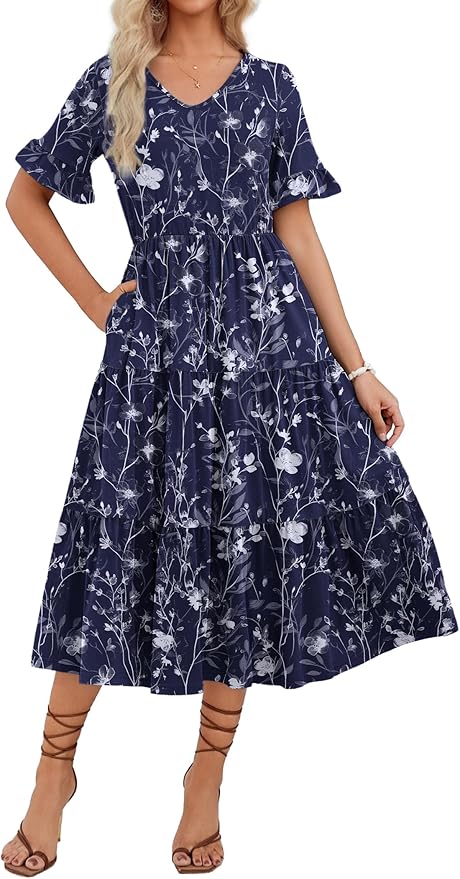

What gets you turned away: Vest tops without layers, shorts without a wrap, sleeveless dresses without a cover, and anything that ends above the knee without a layer over it.
Local tip: Keep the scarf somewhere accessible — the top of your crossbody bag, not buried under everything else. You’ll use it multiple times a day across a multi-city Italian trip, and the fumbling gets old fast.
Bags in Italy: Security and Style in Equal Measure
Italy is a beautiful country with a well-documented pickpocketing culture, particularly in tourist-heavy areas: the Vatican, the Colosseum, the area around the Trevi Fountain, the vaporetto stops in Venice, and the main squares in Florence. A crossbody bag worn at the front of your body is the single most sensible choice for Italian travel, and it also looks better than a backpack.

Beyond security, a crossbody is simply more comfortable for long days of walking, sitting, and ducking in and out of churches and museums. Your hands stay free. You don’t take it off every time you sit down. It doesn’t bump into people in crowded galleries or narrow streets.

Size matters: you want something that holds your phone, wallet, sunscreen, scarf, and ideally a water bottle. A leather or faux leather crossbody in a neutral tone — tan, cognac, black, cream — looks intentional across every Italian context from morning espresso to evening dinner and never needs to be swapped out. If you need more capacity for day trips, a lightweight canvas tote worn on your arm alongside a smaller crossbody for valuables is a practical combination.
What to leave at the hotel (or in your suitcase): a large backpack as your only bag. On the Cinque Terre trails it’s appropriate. Everywhere else, it makes you a target, gets in everyone’s way in museums, and signals exactly what you are.
Local tip: Very expensive bags attract attention in busy tourist areas. A good mid-range leather crossbody is both more stylish for Italian travel and less likely to be targeted than a recognisable designer label.
Accessories That Work Hard Across the Whole Country
The right accessories turn a small, versatile wardrobe into a trip’s worth of different-looking outfits. In Italy — a country where a single scarf or earring can be the entire point of an outfit — this is worth thinking about before you pack.
A silk or printed scarf is the most multi-functional item you can bring. It functions as a church covering, a hair accessory for coastal days, a wrap against cool evenings, a pop of colour on a plain outfit, and a bag decoration. Italian women use scarves magnificently. Pack one. It weighs almost nothing and earns its place every single day.

Good sunglasses are non-negotiable. Italy in May is bright — bright at the Forum, blindingly reflective off the canals in Venice, intense on the Amalfi terraces above the sea. A classic frame (tortoiseshell, clean rectangular, understated oval) looks more considered and more Italian than novelty shapes and will still look good in photos years from now.

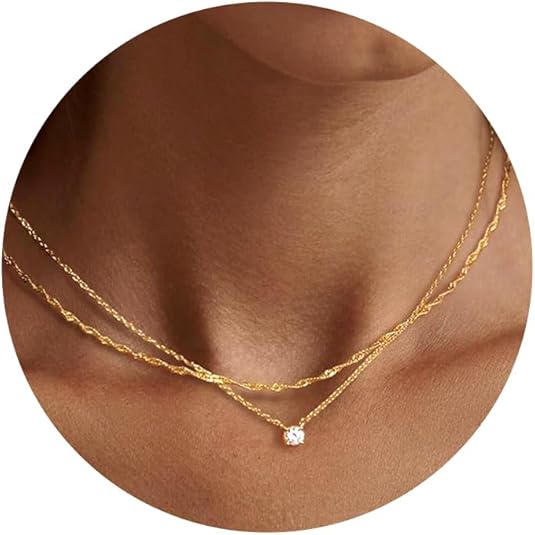
Simple everyday jewellery — the same gold hoops every morning, a delicate necklace, one ring — adds a finish to plain basics without any effort. Italian style is built on the good foundation piece worn consistently, not a different statement necklace every day.

A hat. In May the sun across central and southern Italy is genuinely strong enough to warrant one, especially for long days at open sites. A packable straw hat is brilliant for the coast and the south. A panama or structured straw style looks more at home in cities. Pack it flat in your luggage.

Local tip: A simple leather belt over a tucked linen blouse and wide-leg trousers is an effortlessly Italian combination. It adds structure to loose pieces and costs absolutely nothing in terms of luggage space.
Regional Packing Adjustments: North vs. Centre vs. South
This is the nuance that most Italy packing guides skip entirely, and it’s genuinely worth thinking about before you start rolling clothes into your suitcase.
Northern Italy (Venice, Milan, the Lakes, the Dolomites): May here can still be quite cool, especially in early May. Mornings in Venice regularly sit around 12–14°C, and evenings can be cold enough for a proper layer. Pack the full layering system, include a more substantial mid-layer (a fine knit, a thicker cotton jacket), and don’t rely on warmth alone — rain is more frequent in the north. If you’re going to the Dolomites or Alpine lakes, pack proper walking shoes and a warmer layer.
Central Italy (Florence, Rome, Tuscany, Umbria): The sweet spot for May dressing. Warm enough for light dresses and linen from mid-morning onwards, cool enough to still want a layer in the evenings. The full layering system works perfectly here, and this is where your midi dresses, linen trousers, and lightweight trench will be on their heaviest rotation.
Southern Italy and the Coast (Naples, Amalfi, Sicily, Puglia): This can already feel like summer. Temperatures in the high 20s are possible, particularly in Sicily, and the strong southern sun is not playing. Lean heavily into linen and cotton, bring your lightest pieces, and treat the jacket as an evening accessory rather than a daytime necessity. Coastal towns also involve a lot of steps and uneven paths, so the shoe advice applies with extra force.
Local tip: If your trip crosses regions — say, Venice then Rome then the Amalfi Coast — pack for the coolest destination and the warmest. The pieces in between should be handled by your layering system.
Rain Preparation: The Item Every Packing List Ignores
Italy in May is not immune to rain — not by a long stretch. Venice averages eight to nine rainy days in the month. Florence gets afternoon thunderstorms. Even Rome, which feels reliably sunny, has its rainy spells. And when Italian spring rain arrives, it tends to commit.
A compact, packable rain jacket is the item that most Italian May packing lists leave out and most travellers wish they’d included. Not a full waterproof hiking shell — a lightweight jacket that folds into its own pocket, fits in your crossbody, and can go on in seconds when the sky turns grey over the Piazza della Signoria. Brands like Uniqlo, Arc’teryx, or Rains all make good options at various price points. A neutral colour (black, khaki, navy) means it works with everything in your wardrobe.
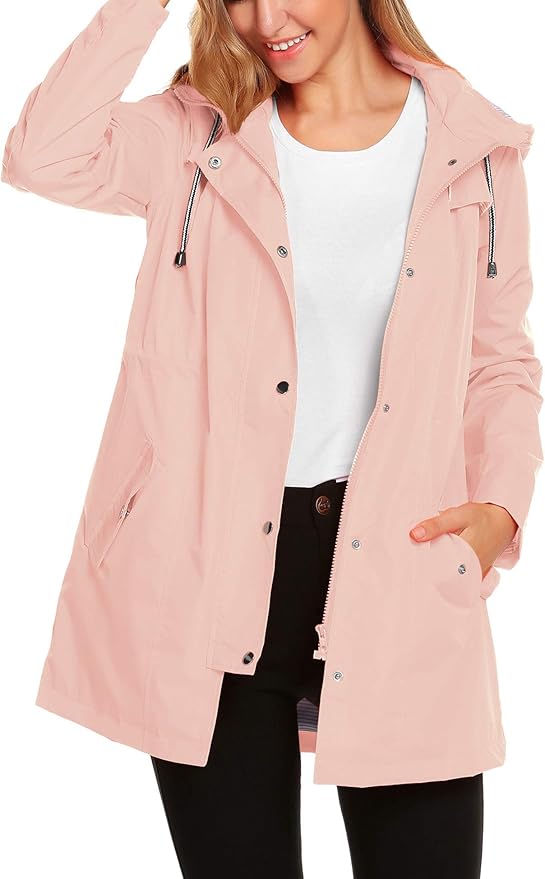
Alternatively, a compact travel umbrella — genuinely compact, not the kind that takes up half your bag — serves the same purpose. The jacket wins for hands-free comfort and full coverage; the umbrella wins for windy days when a jacket alone isn’t enough. Ideally, pack both if you have the space.

What not to rely on: Ducking into shops every time it rains (this costs money and time and ruins your day), buying an emergency umbrella from a tourist stall near the Colosseum (this costs three times the regular price and usually breaks within the hour), or deciding it probably won’t rain (it will, at least once).
Local tip: Italian pharmacies and supermarkets one or two streets away from tourist hotspots sell compact umbrellas at normal prices. They’re also good for sunscreen, which you’ll need in the south.
Fabrics to Choose — and What to Leave at Home
The fabric question matters more in Italy in May than people expect, largely because of the temperature variation and the humidity difference between north and south.
What works: Linen is the Italian fabric of choice for a reason — it breathes magnificently, improves as the day wears on (the wrinkles become part of the look rather than a problem), and looks appropriate across every context from morning sightseeing to evening dinner. Lightweight cotton and cotton-modal blends are comfortable, breathable, and wash well. Viscose and rayon are floaty and breathable for dresses and blouses — excellent for southern Italy and coastal destinations. Light merino wool is the underrated hero of Italian spring travel: it regulates temperature well, doesn’t crease catastrophically, and works as a mid-layer in the north.
What to leave at home: Synthetic fabrics that don’t breathe — polyester tops, nylon blouses — will feel uncomfortable by midday in May heat and don’t handle sweat well. Heavy denim is miserable in warm temperatures. Any fabric that wrinkles so badly you’d be embarrassed wearing it after it’s been in a bag for two hours. Anything too thick to fold small enough to carry in your daybag.
The linen wrinkle question always comes up. Here’s my position: linen wrinkles are not a problem in Italy. They’re practically a cultural norm. A good-quality linen piece wrinkles gracefully — with texture rather than collapse. A shake and five minutes on a hanger usually does the job, and even if it doesn’t, nobody in Italy is going to judge you for it.
Local tip: Italian markets and small boutiques have beautiful linen pieces at reasonable prices. Don’t over-pack on linen if you’re planning to shop — leave some room.
The Italy May Capsule Wardrobe
For a seven to ten day trip covering multiple destinations across Italy, here’s exactly what I’d pack — and everything on this list works with everything else:
Tops: Two linen shirts (one white, one in a warm tone — terracotta, sage, or dusty blue), two quality lightweight cotton tees, one slightly dressier blouse or silk-effect top for evenings.
Bottoms: One pair of well-fitted, lighter-weight straight-leg jeans or tailored trousers (evenings and cooler days), one pair of linen wide-leg trousers (your daytime workhorse), one midi skirt or lightweight shorts for the south/coast.
Dresses: Two midi dresses — one casual and versatile that’s church-appropriate with a layer, one with slightly more polish for evenings. If you’re going to the coast, add one cotton sundress.
Layers: One lightweight trench coat or unstructured linen blazer, one thin cardigan or fine knit, one packable rain jacket.
Shoes: One pair of supportive leather trainers or cushioned loafers for all-day walking, one pair of slightly dressier flat sandals or low kitten heels for evenings, one pair of casual leather sandals for coastal destinations (optional but worth it).
Accessories: One scarf or pashmina (permanent resident of your crossbody bag), good sunglasses, a small crossbody bag, a packable hat.
That’s fifteen to seventeen items. Everything pairs with at least two other things. It handles Venice’s cool mist, Florence’s warm afternoon sun, and the Amalfi Coast’s proper heat without missing a beat.
Practical Packing for Italy: What Actually Matters
How many outfits do you need? For a week in Italy, six to eight outfit combinations is genuinely sufficient when everything is built from interchangeable pieces. You’ll repeat base layers, but different pairings and accessories make them look different enough that it doesn’t matter — and honestly, nobody is paying as much attention to your outfit rotation as you are.
Packing light is a quality-of-life decision in Italy. Italian accommodation frequently involves stairs, sometimes beautiful stone ones and sometimes tight spiral ones that feel designed to test your commitment to heavy luggage. Venice has no cars — you carry everything yourself over bridges. The Cinque Terre trains are packed. The Amalfi Coast roads are narrow and taxis are scarce. Carry-on only travel for up to ten days is entirely possible in Italy in May, and it actively improves the trip.
How to pack smart: Roll everything — it prevents creasing better than folding and takes up less space. Use packing cubes to think in outfits rather than categories. Pack shoes at the bottom, stuff them with socks. Lay out everything you plan to pack, remove a third of it, and then reconsider the rest. The things you leave home are almost never the things you regret.
The mistake most people make: Packing for every hypothetical situation instead of their actual plans. Be honest with yourself about what you’ll do, where you’ll go, and what you’ll realistically wear. If you’re not going somewhere that requires a formal outfit, don’t pack one. Every item should earn its space with a clear, specific job.
Local tip: Italy has excellent pharmacies (look for the green cross), supermarkets, and small clothing shops that can handle any forgotten essential. Pack light and trust yourself to manage anything you’ve missed.
Before You Zip That Suitcase
There’s a specific feeling that comes from being in Italy and being dressed right for it. Not overdressed, not underdressed, not overheating or underprepared. Just comfortable enough that you can actually pay attention to where you are — to the light on the Arno at six in the evening, to the particular noise of a Roman side street at midnight, to the moment you round a corner in Positano and the sea is suddenly right there in front of you, bluer than you remember blue being.
Italy in May will give you all of that and more. It’s a country that rewards the people who show up with a little intention — who packed well enough that they’re not distracted by their feet or their wardrobe, who chose linen and good shoes and left the matching tracksuit at home.
Pack the scarf. Sort the shoes before you go. Build for layers and trust the system.
And then put the packing list away and just be there. Italy in May is one of the genuinely great experiences, and it deserves your full attention.

