
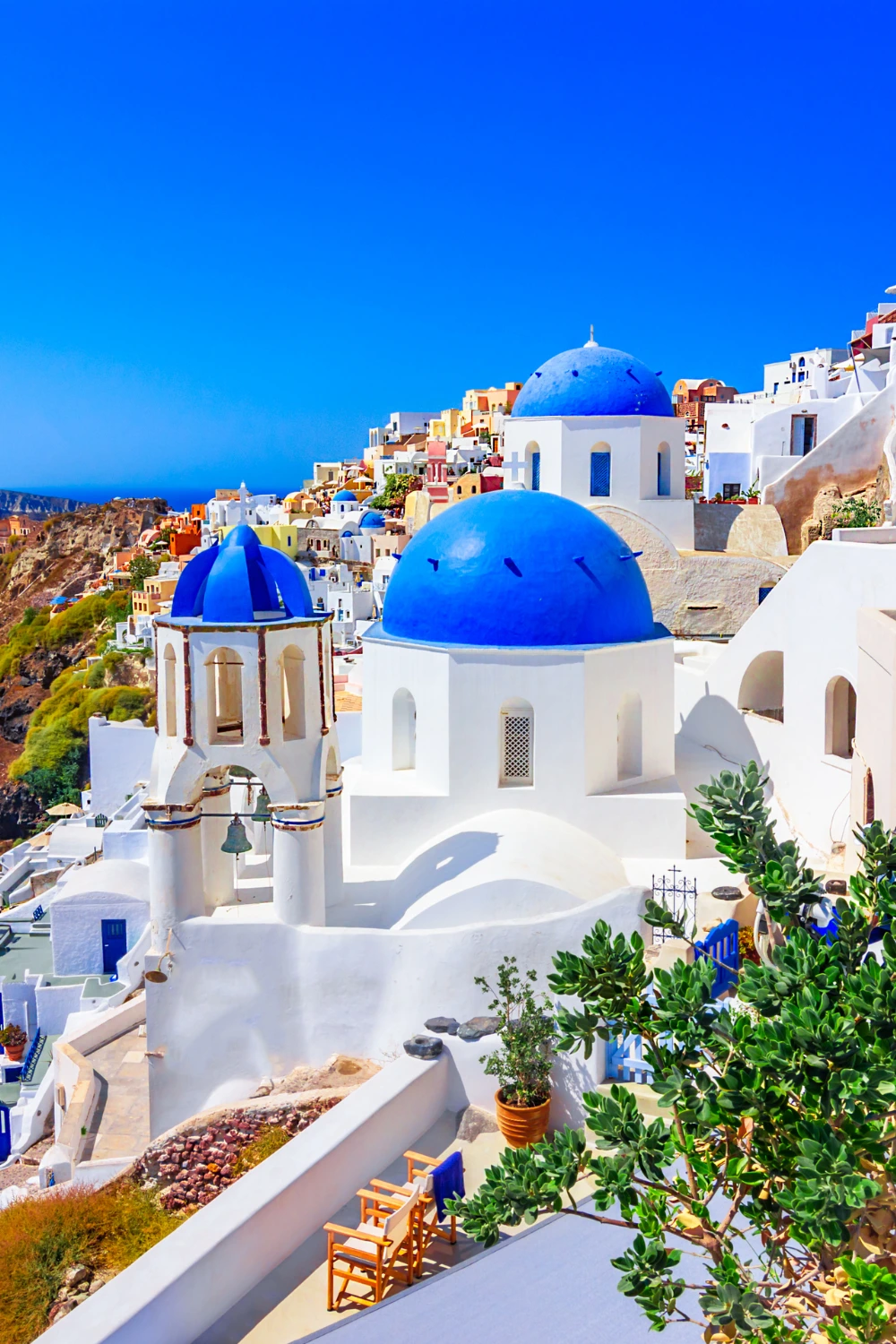
Every year, the minute the weather starts to turn, the same thought hits — it’s time to start planning that European summer. And honestly? The excitement never gets old. There’s something completely irresistible about the idea of warm evenings on a terrace, a cold glass of local wine in hand, watching the sun melt into a sea that’s actually warm enough to swim in.
But with an entire continent of options in front of you, choosing where to actually go? That’s where things get overwhelming fast.
This guide is for anyone staring at a map of Europe wondering where to spend their summer — whether you want lazy beach days, big city energy, mountain hikes, ancient history, incredible food, or some combination of all of the above. I’ve pulled together the best European countries to visit in summer, with honest takes on what makes each one special, what to actually do when you’re there, and the kind of local tips that only come from experience.
No generic “top 10 lists” copied from tourist brochures here. Just real talk about genuinely great places.
First Things First: When Exactly Is “Summer” in Europe?
Technically, summer in Europe runs from June to August — but the smart money is on the shoulder months. June and September give you the golden combination: warm weather, far fewer crowds, and better prices. July and August are peak season, which means packed beaches, inflated hotel rates, and queues everywhere.
If your schedule allows any flexibility at all, June and early September are the real sweet spots. The sea is warm, the sun is generous, and you can actually enjoy famous places without feeling like you’re at a theme park. That said, July and August have their own magic — long evenings, festivals, a certain electric summer energy — and millions of people visit then for very good reason.
Whatever month you go, book ahead. Accommodation in popular European destinations sells out months in advance in summer, and prices climb steeply as you get closer to the date.
Now — let’s get into the destinations.
1. Greece — The Classic That Never Disappoints
Let’s start here, because honestly, Greece in summer is one of those experiences that lives up to every expectation. The sky is bluer than it has any right to be. The sea is warm and clear and perfect. The food is extraordinary — simple, fresh, and deeply satisfying in a way that makes you realise what Greek salad is supposed to taste like. And the history sitting casually in the landscape, as if an ancient marble temple is just a normal thing to walk past, never stops being astonishing.
Most people head straight to Santorini and Mykonos, and both are genuinely beautiful. But they’re also the most expensive and most crowded islands on the circuit. The real magic of Greek island hopping is in the slightly lesser-known islands — the ones where you can still find a fishing taverna on the waterfront with no menu, just whatever came off the boat that morning.
Where to go:
- Milos — jaw-dropping volcanic beaches, lunar landscapes, dramatic rock formations. One of the most visually extraordinary islands in the Aegean. Visit Sarakiniko beach at sunrise when the white volcanic rock glows pink.
- Naxos — the biggest and greenest of the Cyclades, with incredible long sandy beaches, a stunning hilltop Venetian castle, and local produce (cheese, potatoes, citrus) that’s genuinely famous across Greece.
- Sifnos — the foodie island. Smaller, quieter, and only accessible by ferry, which keeps it from being overrun. The tavernas here are exceptional. Don’t leave without eating slow-cooked revithada (chickpea stew), a Sifnian speciality.
- Kefalonia — in the Ionian Islands, greener and more dramatic than the Cyclades. The Melissani Cave (an underground lake lit by a natural skylight) is genuinely magical, and the beaches around Assos are some of the most beautiful in Greece.
- The Peloponnese (mainland) — criminally underrated. Ancient Olympia, the ruined Byzantine city of Mystras, the pretty harbour town of Nafplio, and quiet coastal villages where almost no international tourists venture. Authentic, affordable, and breathtaking.
Best time to visit: June and September. July and August are hot, busy, and expensive — but still wonderful if that’s what you’ve got.
Local tip: Skip the restaurant right on the main square in any Greek village and walk one or two streets back. The food will be better, the prices lower, and the experience more genuinely local. Also — eat the meze (small shared dishes) rather than ordering large individual mains. It’s how Greeks actually eat, and it’s so much more fun. Order a few plates at a time, refill as you go, and linger for hours. That’s the whole point.
2. Italy — Because Italy Is Always the Answer
Italy in summer. Even saying it out loud feels like a promise. There is something about this country — the light, the food, the centuries of beauty layered on top of each other — that makes it feel like the most alive place on earth when the sun is out and the evening is warm.
The big cities get extremely hot and crowded in the peak summer months. Rome in August is genuinely challenging — 38°C, heaving tourist queues, and a slightly surreal atmosphere as half the city’s residents leave for the coast. But the coastal regions and lake districts? In summer, they are extraordinary.
Where to go:
- Sardinia — one of the most beautiful islands in the whole Mediterranean. The beaches here (La Pelosa, Cala Goloritzé, Spiaggia del Principe) are the kind that make you stop and just stare. Crystal water, white sand, pine-scented air. Rent a car — it’s essential here — and explore the wild interior too, full of ancient nuraghe stone towers and small towns where life hasn’t changed much in centuries.
- Sicily — dramatic, complex, chaotic, and completely fascinating. Baroque towns, ancient Greek temples, the smoking bulk of Mount Etna on the horizon, spectacular street food (arancini! granita! cannoli!), and a coastline that keeps surprising you. The Egadi Islands off the western tip — especially Favignana — are a summer paradise with some of Italy’s clearest water and almost no crowds by Italian standards.
- The Amalfi Coast — yes, it’s expensive. Yes, it gets crowded. Yes, it is genuinely one of the most dramatically beautiful places on earth, and sometimes the iconic destinations earn their reputation entirely. Positano and Ravello are the highlights, and a boat trip along the coast is unforgettable.
- Lake Como — the Italian Lakes are at their absolute best in summer. Lush green hills rolling down to mirror-still water, elegant villas, boat trips between charming lakeside towns. It’s impossibly romantic and surprisingly manageable for families.
- The Dolomites — if you want mountains rather than coast, nowhere in Europe competes with the Dolomites in summer. Dramatic pink-tinged peaks, wildflower meadows, mountain huts serving pasta and local wine, and hiking trails ranging from gentle valley walks to challenging via ferrata scrambles.
Local tip: In Italian cities, adjust to the local rhythm. Lunch is a proper event (don’t rush it), afternoons are quiet (embrace the riposo), and dinner doesn’t really start until 8 PM at the earliest. Restaurants that open before 7:30 PM are usually tourist traps. Wait until the locals start arriving and join the queue for the same places they choose. Also — always eat a cornetto and a coffee standing at the bar for breakfast, the way Italians do. It costs about €2 and it’s one of the great simple pleasures of Italian life.
3. Croatia — Adriatic Magic With Real Depth
Croatia’s coastline is one of the most beautiful in Europe — there’s really no argument about that. Hundreds of islands, impossibly clear turquoise water, medieval walled towns sitting right on the sea, and a food and wine culture that’s genuinely underrated and getting better every year.
The key to doing Croatia well in summer is not spending all your time in Dubrovnik. Dubrovnik is spectacular — the walls, the old town, the views — but it’s also one of the most crowded places in Europe during summer, and prices are some of the highest in the country. Go there, walk the walls at 7 AM before the cruise ships disgorge, see it and understand why everyone makes the effort. Then move on.
Where to go:
- Split — the best base for the Dalmatian coast. A real city with real life, built directly into and around the ancient Diocletian’s Palace. Wander through the palace walls at night (people live and work inside them), eat fresh seafood at a konoba, and use it as a jumping-off point for island day trips.
- Hvar Island — lively, glamorous, beautiful. Lavender fields in the interior, excellent beaches at the far end of the island away from the party boats, and a charming hilltop fortress above the town.
- Vis Island — harder to get to (longer ferry), quieter, more authentic. Wonderful restaurants, beautiful coves, an unhurried pace that feels like a different era. Locals swear by Komiža on the western side.
- Istria — the northern peninsula, different in character from Dalmatia. Medieval hilltop towns (Motovun, Grožnjan, Oprtalj), truffle season in autumn but truffles on menus all summer, excellent local wines, and a food scene that holds its own with anywhere in Europe. Rovinj is perhaps the prettiest small town on the Adriatic.
- Krka National Park — inland waterfalls cascading through canyon scenery. Swim in the pools below the falls (check seasonal rules), walk the wooden boardwalk paths, and visit the medieval Franciscan monastery on a small island in the river.
Best time: June and September for quieter roads and lower prices. July and August are peak season — still wonderful, just busier and pricier.
Local tip: Hire a small boat (called a brodica) for a day — many places in Croatia rent them without requiring a licence if the engine is below a certain horsepower. Load it with fresh bread, local cheese, pršut (Croatian cured ham), and cold wine, and spend the day finding your own coves and swimming spots. It’s the best possible way to experience the Croatian coast, and it costs less than you’d think.
4. Portugal — Sun, Soul, and One of Europe’s Most Loveable Countries
Portugal is the kind of place that people fall completely in love with, visit twice, and start seriously considering moving to. And in summer, it is absolutely glorious — long golden days, warm Atlantic evenings, an astoundingly good food culture, and a pace of life that makes everything feel simultaneously relaxed and alive.
It also remains one of the better-value destinations in Western Europe, especially outside the peak hotspots of Lisbon’s city centre and the most famous Algarve beaches.
Where to go:
- The Algarve — Portugal’s famous southern coast, and for good reason. Golden cliffs, sea-carved sea stacks and arches, warm water (warmer than the Atlantic coast further north), and an enormous variety of beach types from buzzy party strips to completely isolated coves. Sagres at the southwestern tip is more dramatic and windswept, the beaches around Lagos are the most spectacular, and the area around Carrapateira on the wild west coast is practically empty compared to the eastern Algarve.
- Lisbon — one of Europe’s most charming capitals. Ride tram 28 through the hills of Alfama (go early morning to avoid the tourist crush), eat grilled sardines at a summer arraial (neighbourhood street party), watch the sunset from the Miradouro da Graça with a cold Super Bock and a bag of travesseiros. It’s a city that gets into your bones.
- Porto — cooler and slightly more affordable than Lisbon, and arguably even more beautiful. The Ribeira waterfront, the Douro River crossing, the port wine cellars of Vila Nova de Gaia, the extraordinary azulejo tile facades — Porto is deeply, quietly gorgeous. Walk across the Luís I Bridge at dusk for one of the great free views in Europe.
- The Douro Valley — in high summer the terraced vineyards on the steep river valley sides are lush and green. Take a river cruise, visit a quinta (wine estate) for a tasting, and stay at least one night to experience the valley in the early morning light. Absolutely stunning.
- The Alentejo — an underrated inland region of rolling golden plains, cork oak forests, ancient walled hilltop towns (Évora, Monsaraz, Marvão), and some of the most interesting wines in Portugal. It’s hot in July and August, but the pace is slower and the sense of space is extraordinary.
Local tip: Learn the word tasca — it’s the informal neighbourhood restaurant where locals actually eat. A full lunch at a tasca (prato do dia, or daily special) typically includes a starter, main, bread, wine or water, and coffee, for around €10–€13. It’s one of the great travel bargains in Europe. Also — pastel de nata (custard tart) eaten warm from the oven, dusted with cinnamon, is one of the simplest and most perfect food experiences in the world. Every bakery sells them. Eat at least two a day, guilt-free.
5. Spain — Vibrant, Varied, and Endlessly Exciting
Spain is one of those countries where you genuinely need multiple trips to even scratch the surface, and summer is when its Mediterranean soul really comes alive. Late evenings that go on forever. Tapas bars buzzing at midnight. Beaches that are packed and festive rather than peaceful (which is very much the point). And an architecture and history that ranges from Roman ruins to Moorish palaces to Gaudí’s extraordinary modernist fever dreams.
The key with Spain in summer is knowing which parts to head to — because Andalusia (Seville, Granada) is punishingly hot in July and August (we’re talking 40°C+), while the north, the coast, and the islands are absolutely perfect.
Where to go:
- Barcelona — the perfect combination of city and beach. Sagrada Família, the Gothic Quarter, Park Güell, La Boqueria market, and then a 20-minute walk to the sandy beaches of Barceloneta. It’s busy in summer, yes — but it’s busy because it really is that good. Go at least once.
- Valencia — everything Barcelona offers at slightly lower prices and with arguably better food. This is the birthplace of paella, the home of some of Spain’s best street food, and a city with a relaxed, friendly energy that doesn’t feel overwhelmed by tourism the way Barcelona can. The Mercado Central is one of Europe’s great covered markets.
- San Sebastián (Donosti) — in the Basque Country, a completely different Spain. A beautiful curved bay, a charming old town, and the highest concentration of Michelin-starred restaurants per capita of anywhere in the world. But you don’t need a reservation at a fancy restaurant to eat extraordinarily well here — the pintxos bars of the old town are where the magic happens. Counter after counter of tiny bites of extraordinary food, eaten standing up with a glass of cold Txakoli wine. It’s one of the world’s great food experiences.
- Mallorca — yes, it’s a classic package holiday destination, and yes, the south and east coasts have their busy resort strips. But northern Mallorca (the Serra de Tramuntana mountains, the town of Sóller, the small coves of the northwest coast) is completely beautiful, dramatically different, and relatively peaceful even in peak season.
- The Galician Coast — Spain’s far northwest, Celtic in character, green and dramatic and completely different from the Mediterranean Spain most people imagine. The Cíes Islands off Vigo are regularly called one of the best beaches in the world — white sand, Caribbean-coloured water, strictly limited daily visitors. You’ll need to book in advance.
Local tip: Adjust to Spanish meal times. Lunch is at 2–3 PM. Dinner is at 9–10 PM. If you walk into a restaurant at 6 PM, you’ll be surrounded by tourists and the kitchen won’t be at its best. Wait until the locals come out, sit down when they sit down, and the whole experience will be transformed. Also — in any bar or restaurant, you can usually ask for agua del grifo (tap water). It’s free. Don’t order bottled water unless you specifically want it.
6. France — More Than Paris (Though Paris Is Wonderful Too)
Let’s be honest: a lot of people hear “France” and immediately picture the Eiffel Tower and €18 croissants. And Paris is worth visiting — it’s extraordinary in summer, with long golden evenings, outdoor café terraces, and a beauty that photographers have been trying to capture for centuries. But France in summer really means something much broader than the capital.
Where to go:
- The French Riviera (Côte d’Azur) — the dream version of the European summer. Warm Mediterranean water, glamorous harbour towns, famous markets and morning café culture, and the sense that life here has always been lived at a certain elevated pitch. Nice is the perfect base — lively, relatively affordable, and with superb transport links to Cannes, Monaco, Antibes, and Èze. The old town of Nice (Vieux-Nice) is beautiful, and the Tuesday–Sunday market on Cours Saleya is one of the best in Europe.
- Provence — lavender fields in bloom from mid-June to mid-July (yes, they’re as beautiful as the photos), ancient Roman towns like Nîmes and Arles, the extraordinary Verdon Gorge (turquoise water in a dramatic limestone canyon — genuinely one of Europe’s great landscapes), and a food and wine culture of extraordinary depth. Aix-en-Provence is a wonderful base — elegant, lively, and far less crowded than the coastal towns.
- The Dordogne — in southwest France, a region of golden limestone cliffs, medieval fortified villages (bastides), prehistoric cave paintings (Lascaux), and excellent local food (duck confit, foie gras, black truffles, Cahors wine). It’s busy in August but magical in June or September.
- Corsica — a French island with an intensely individual character (it really does feel more Italian than French in many ways). Dramatic mountains plunging to turquoise water, maquis-scented air, beautiful beaches, and a cuisine built on chestnut flour, local charcuterie, and excellent cheese. One of Europe’s most beautiful islands, and still relatively off the main tourist circuit.
Local tip: In Provence and the south of France, the big supermarkets (Carrefour, Intermarché) sell excellent local wine at superb prices — often a bottle of very drinkable local rosé for €4–€6. Fill a bag, find a sunset spot, and drink it. Also — in France, always say Bonjour when you enter a shop or restaurant, and Merci, au revoir when you leave. It’s considered basic courtesy and locals notice whether you do it or not. A little effort with the language goes a very long way.
7. Croatia’s Neighbour: Slovenia — The Most Beautiful Country You Haven’t Planned Yet
Slovenia is small. You can drive across it in two hours. And it is, somewhat unfairly, often overlooked in favour of its more famous neighbours. But Slovenia in summer is absolutely wonderful — a country of alpine lakes, ancient caves, medieval towns, and a coastline on the Adriatic that, while short, is genuinely charming.
Lake Bled is the centrepiece — a glacial lake with a tiny island church and a clifftop castle, with the Julian Alps rising behind it. It looks like a fairy tale and it more or less is. It gets busy, but arrive before 8 AM and you’ll have the lake largely to yourself in the early morning mist.
Ljubljana, the capital, is a gem — walkable, beautiful, with a relaxed café culture built around the Ljubljanica River. The old town climbs up to a castle with sweeping views. There are almost no tourist crowds by capital city standards.
The Soča Valley — electric-blue river cutting through dramatic Alpine scenery, with white-water rafting, kayaking, and hiking as the main summer activities. One of the most beautiful river valleys in Europe and genuinely worth a detour.
Local tip: Slovenia is one of the few places in Europe where you can drive from a Alpine mountain lake to a Mediterranean beach town in under two hours. Combine Bled with Piran (a stunning little Venetian-era coastal town on Slovenia’s tiny Adriatic coast) for a summer trip that feels like two completely different countries.
8. The Netherlands — Summer in Amsterdam (And Beyond)
Amsterdam in summer is a completely different city from the cold, rainy version many people first experience. The canals become a social space, restaurants spread out onto terraces, the parks fill up with picnicking locals, cycling becomes even more of a joy than usual, and the long northern European evenings — light until 10 PM in June — mean you have astonishing amounts of daylight to play with.
The Van Gogh Museum and Rijksmuseum are world-class and genuinely shouldn’t be skipped. But the best of Amsterdam is free — cycling along the canals, getting completely lost in the Jordaan neighbourhood, finding a bruin café (traditional brown pub) and ordering a cold jenever (Dutch gin), visiting the Albert Cuyp street market.
And don’t stay only in Amsterdam. Haarlem is 20 minutes by train and far less crowded. Leiden has beautiful canals and a wonderful old university-town atmosphere. The Keukenhof tulip fields are technically spring, but the Dutch countryside in summer has a particular golden quality that’s well worth seeing.
Local tip: Rent a bike. Not as a novelty — as your actual mode of transport for everything. The Netherlands has the world’s best cycling infrastructure and it fundamentally changes how you experience the country. Just remember: cycling lanes are for cyclists and are taken very seriously. Don’t walk in them.
9. Switzerland — Alpine Perfection in Summer
Switzerland is expensive — there’s no getting around it. But it is also, in summer, one of the most spectacular places on earth. The Alpine scenery — the peaks, the meadows, the glacial lakes, the chocolate-box villages — isn’t a cliché. It genuinely looks like that.
What makes Switzerland special in summer: the mountain infrastructure (cable cars, cog railways, mountain huts) that makes spectacular hiking accessible to everyone, not just serious mountaineers. You can ride a cable car to 3,000 metres and walk among wildflowers in a t-shirt while looking at glaciers. That’s a genuinely remarkable thing.
The highlights:
- Lauterbrunnen Valley — one of the most dramatic valleys in the Alps, with 72 waterfalls tumbling down sheer rock faces. The car-free villages of Mürren and Gimmelwald above the valley are extraordinary.
- Zermatt — dominated by the Matterhorn, one of the world’s most recognisable mountains. Hike to the Gornergrat for a panorama that takes in 29 peaks over 4,000 metres.
- Lake Geneva — elegant Lausanne and Montreux on one shore, the vineyards of Lavaux terraced steeply above the water (a UNESCO site), and the French Alps across the lake.
- Oeschinensee — a high mountain lake above Kandersteg, accessible by cable car, with swimming in glacier-melt water surrounded by towering limestone walls.
Local tip: The Swiss Travel Pass makes rail, bus, and boat travel across the country (including most mountain railways and cable cars) affordable with a single purchase. For anyone planning more than a few days, it typically pays for itself quickly and removes all the faff of buying individual tickets. Also — picnicking in Switzerland is underrated. The supermarkets (Migros, Coop) sell excellent local cheeses, bread, and wine at reasonable prices. A lakeside or mountain picnic beats any restaurant for scenery.
10. Scotland — The Wild Summer of the North
This one might surprise you on a summer list. But Scotland in summer is magnificent in a way that not enough people know about. June and July bring long, light evenings (it barely gets dark at all in the northern Highlands), brilliant green landscapes, wildflowers on the hillsides, and — in good years — genuinely warm and sunny weather.
It’s also refreshingly uncrowded compared to southern Europe. The Scottish Highlands offer some of the most dramatic and wild landscapes in Europe, and outside of the main tourist route around the North Coast 500, it’s possible to hike for hours and see almost no one.
Where to go:
- The Isle of Skye — extraordinary. The Quiraing, the Old Man of Storr, the Fairy Pools, the Cuillin Ridge — dramatic basalt scenery unlike anywhere else in Europe. Get there in June before the peak summer crowds.
- The Cairngorms — the largest national park in the UK, a high plateau of Arctic-like moorland and ancient Caledonian pine forest. Red squirrels, red deer, osprey, and on a clear day, views stretching forever.
- The West Coast and Loch Lomond — quintessential Scottish scenery. Lochs, mountains, small ferry-served islands, whitewashed cottages.
- Edinburgh — beautiful, fascinating, full of great restaurants and bars. Visit before the August Fringe Festival turns the city into a cheerful but heaving chaos.
Local tip: Weather in Scotland is famously unpredictable — a brilliant morning can turn to rain in 20 minutes and back to sunshine an hour later. This is not actually a problem if you’re dressed for it. Bring a good waterproof layer, wear it or stuff it in your bag, and stop worrying about the weather. The Scots have a phrase for it: there’s no such thing as bad weather, only the wrong clothing. Pack accordingly and you’ll be fine — and you’ll see landscapes that fair-weather visitors miss entirely.
Quick Comparison: Which European Country Is Right for Your Summer?
Choosing where to go often comes down to what kind of summer you’re after. Here’s a quick breakdown:
For beach perfection: Greece (especially the lesser-known islands), Croatia (Dalmatian coast and islands), Sardinia (Italy), the Algarve (Portugal)
For city + beach combined: Barcelona (Spain), Split (Croatia), Nice (France), Thessaloniki (Greece — underrated)
For food lovers: San Sebastián (Spain), Sicily (Italy), Sifnos (Greece), Porto (Portugal), Lyon and Provence (France)
For mountain adventures: The Dolomites (Italy), Swiss Alps, Julian Alps / Soča Valley (Slovenia), Scottish Highlands
For history and culture without beach: Athens (Greece), Rome (Italy), Lisbon (Portugal), Provence (France), Edinburgh (Scotland)
For quieter and less touristy: North Macedonia’s Lake Ohrid, Slovenia, the Scottish Highlands, Corsica, the Galician Coast of Spain
For budget-conscious travellers: Portugal, Greece (outside Santorini/Mykonos), Croatia (outside Dubrovnik), Scotland
A Few Practical Things Worth Knowing
Book accommodation early. June to August is peak season across all of Europe. Popular places sell out months in advance — especially in Greece, Croatia, and any coastal town with a ferry link. Don’t leave it to the last minute.
Train travel in Europe is genuinely wonderful. Interrail and Eurail passes open up the continent in a way that flights simply don’t. The journey through the Alps, along the French Riviera, or down the Portuguese coast — these are experiences in themselves. For country-specific rail networks, book point-to-point tickets as early as possible for the best prices.
Shoulder season is where the value is. If you can travel in June or September, you’ll get better prices, shorter queues, and a much more relaxed experience at every single destination on this list.
Pace yourself. The biggest mistake in European summer travel is cramming too many countries into too short a time. Seeing five countries in two weeks sounds exciting until you’re spending half of every day in transit and never really settling anywhere. One or two countries, explored properly and slowly? That’s when Europe really gets under your skin.
Final Thoughts
There is no bad answer to the question of where to go in Europe in summer. Every country on this list offers something genuinely extraordinary, and the beauty of the continent is that you can combine so many different experiences in a single trip.
But if I had to give you one honest piece of advice? Pick fewer places and stay longer. The people who fall in love with a destination are almost never the ones who spent one night before rushing on to the next stop. They’re the ones who stayed long enough to find their favourite morning café, to learn the name of a waiter, to walk a neighbourhood without a phone in their hand.
That’s when Europe stops being a series of photos and becomes something that changes you.
Now go book it. Summer is waiting.
