
Let’s be honest — “Europe on a budget” sounds like something people say right before they come home completely broke. Paris, Santorini, the Amalfi Coast — yes, they’re magnificent. But they’ll also cheerfully drain your savings account within about 48 hours if you’re not careful.
Here’s the thing though: Europe is absolutely massive, and a huge chunk of it is still wonderfully, genuinely affordable — especially in summer. You just need to know where to look.
I’ve spent a lot of time hunting down the corners of Europe where your money actually goes far — where a good dinner costs €8, a bed in a guesthouse is €30, a cold beer on a terrace is €2, and the beaches, mountains, and ancient towns are just as stunning as anything you’d find in the glossy, overpriced hotspots.
This guide is for the travellers who want the sun, the sea, the history, the food, and the unforgettable memories — but also want to land home without needing a financial recovery period. Whether you’re planning a solo adventure, a couples’ trip, or a full family summer escape, these are the best cheap European summer destinations you should seriously consider booking right now.
Before We Get Into It: A Few Budget Travel Truths for Europe
One thing that will save you a lot of disappointment: not every “cheap” European city is still cheap in 2025. Places like Prague, Budapest, and Krakow used to be legendary budget destinations. They’re still cheaper than London or Paris, but prices have risen significantly and you might be surprised. Eastern and Southeastern Europe is still where the real budget gems are — along with a few clever picks in Western Europe if you know how to play it right.
A few golden rules before we dive in:
Avoid July and August if you can. Peak summer months can double or even triple accommodation prices in popular spots. If your school holidays force you into these months, the destinations in this list are your best allies.
Book flights on Tuesdays or Wednesdays. Midweek departures typically run 15–20% cheaper than weekend flights.
Eat like a local, not like a tourist. The restaurant on the main square with photos on the menu? Walk three streets away and you’ll pay half the price for better food. Markets, bakeries, family-run spots — that’s where the value is.
Get a city card when available. Many budget-friendly European cities offer tourist cards that bundle unlimited public transport with free or discounted museum entries — they often pay for themselves in a single day.
Travel in June or September. Shoulder season is the sweet spot — the weather is usually brilliant, prices haven’t fully spiked, and you’ll actually be able to enjoy things without being shoulder-to-shoulder with crowds.
Now, let’s get to the destinations.
1. Albania — Europe’s Wildest Bargain
If there’s one destination that keeps coming up every time someone asks about affordable travel in Europe, it’s Albania. And honestly, the hype is deserved — though I’ll be honest with you upfront: it’s not quite as cheap as it was three or four years ago. Prices have been creeping up, particularly in the most Instagram-famous spots like Ksamil on the Riviera. But compared to Western Europe, and even compared to neighbouring Greece and Croatia, Albania is still exceptional value.
Think turquoise Adriatic waters, wild mountain scenery, crumbling Ottoman bazaars, UNESCO-listed medieval towns, and genuinely some of the warmest hospitality you’ll find anywhere on the continent. And you can experience all of that on a budget of around €40–€60 per person per day if you’re sensible about it.
Where to go: The Albanian Riviera (especially around Sarandë and Dhërmit) for beaches. Berat and Gjirokastër for UNESCO old towns dripping in Ottoman history. Tirana for a surprisingly lively, colourful capital with great coffee culture and zero pretension. The Albanian Alps (Valbonë, Theth) for one of the most dramatic and affordable hiking regions in all of Europe.
What it costs:
- Hostel dorm bed: from €8–€14 per night
- Budget guesthouse/apartment: around €30–€35 per night
- Local meal: €4–€6
- Beer: €1.50–€2.50
- Coffee: under €1
Local tip: Avoid the privately-owned beach clubs in Ksamil in peak season — hiring a sunbed can cost €20–€25 and some charge up to €70 for a spot. Instead, walk a little further along the coast and you’ll find free public beach access with the same incredible water. Rent a scooter (around €25 a day) and explore the Riviera at your own pace — it’s the best way to find the hidden coves that the crowds haven’t reached yet.
2. Portugal — Sun, Seafood & Stunning Value
Portugal genuinely punches above its weight as a budget destination, especially considering it’s a Western European country with all the infrastructure, food quality, and charm that comes with that. Compared to Spain, France, or Italy, it remains significantly more affordable — and in terms of beauty and atmosphere, it gives them a serious run for their money.
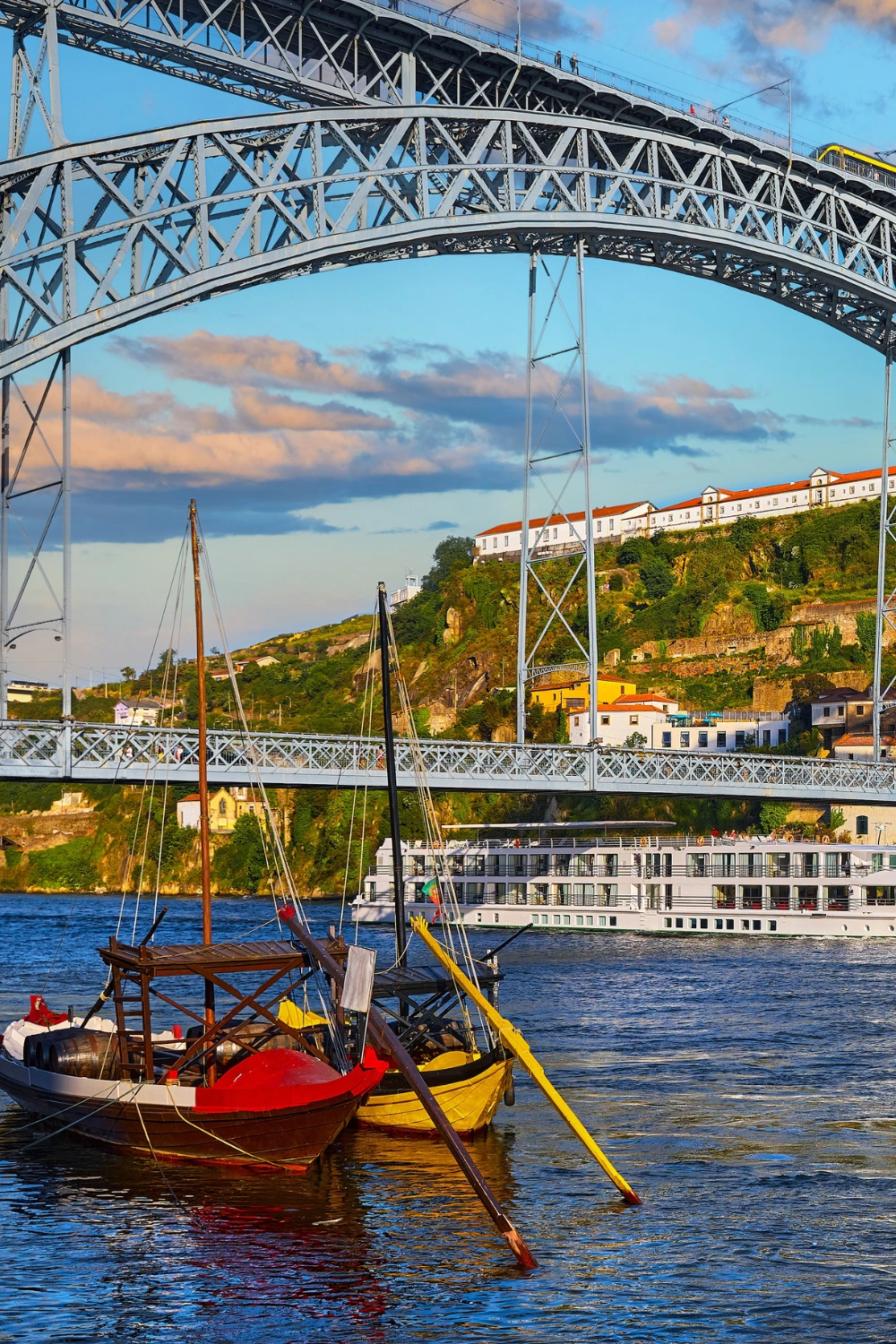
Lisbon is the star of the show, with its pastel-coloured hillside neighbourhoods, legendary tram rides, and one of the best food scenes in Europe at genuinely reasonable prices. But if you really want value, Porto is where it’s at — smaller, slightly cheaper, and arguably even more charming with its riverside wine cellars and crumbling azulejo-tiled facades.
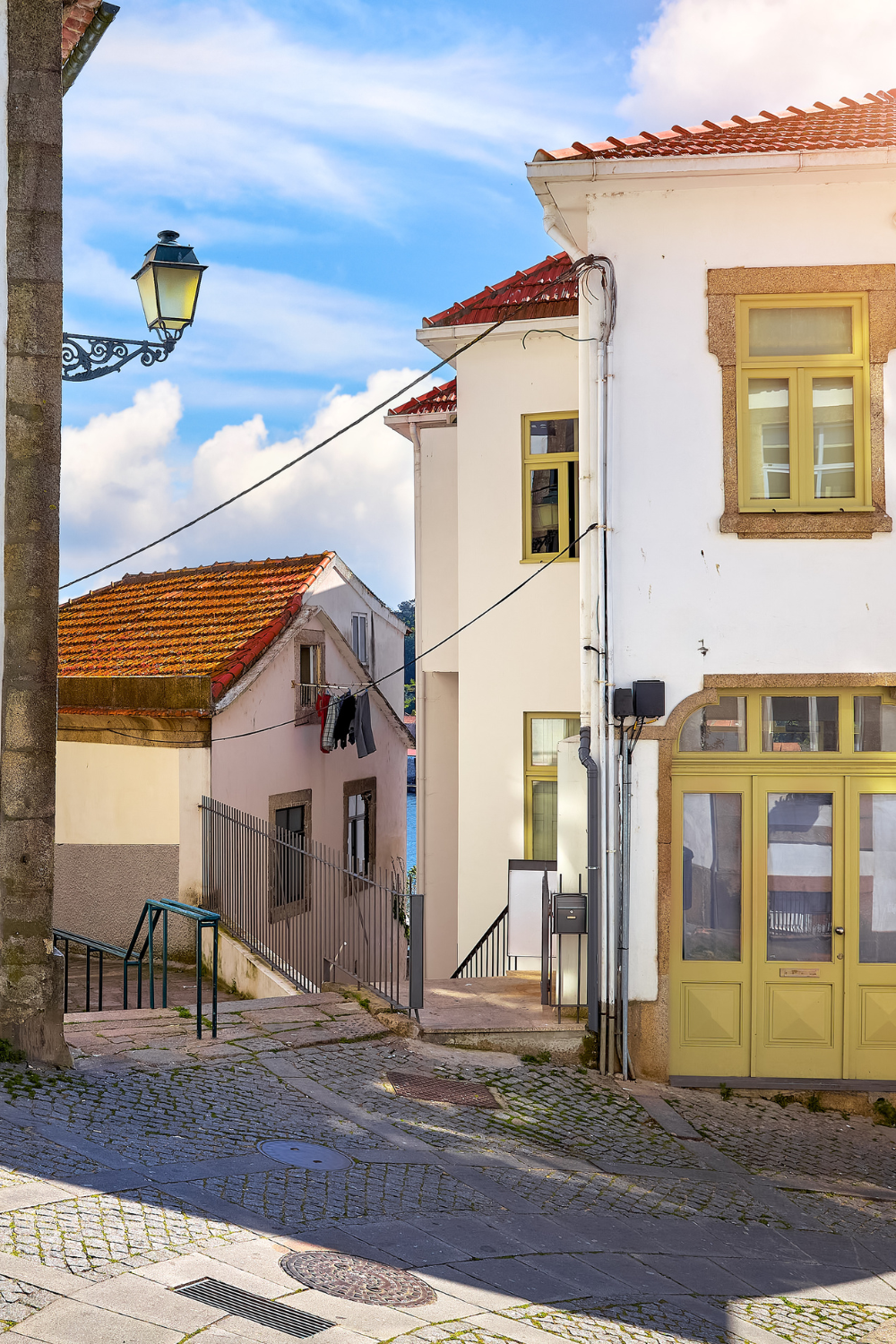
For beach lovers, the Algarve is world-class — dramatic sea-stacks, golden cliffs, warm Atlantic waters — and while the most famous beaches (Lagos, Albufeira) can get crowded and pricey in high summer, the smaller villages like Sagres, Luz, or Carrapateira give you the same coastline with far fewer tourists and much more reasonable prices.
What it costs:
- Hostel: from €15–€20 per night
- Budget hotel: from €35–€50
- Meal at a local tasca (traditional restaurant): €8–€12 including wine
- Coffee (the legendary bica): €0.80–€1
- Glass of wine: €1.50–€3
- City transport (Lisbon): 24-hour unlimited pass around €7
Local tip: In Lisbon, eat lunch at a tasca rather than dinner — the prato do dia (daily lunch special) is usually a full meal with bread, wine, and coffee included for around €9–€12. It’s one of the best travel bargains in Europe and it’s how locals actually eat. Also: skip the famous Pastéis de Belém queue (worth it once, but the wait is long) and instead duck into any neighbourhood pastelaria for an equally delicious pastel de nata for 80 cents.
3. Bulgaria — The Secret Black Sea Gem
Bulgaria is criminally underrated. I don’t say that lightly. Here’s a country with a magnificent Black Sea coastline, ancient mountains, UNESCO monasteries carved into cliffsides, some of the best rose-scented countryside you’ve ever smelled, and prices that are — in some categories — roughly half of what you’d pay in France or Germany.
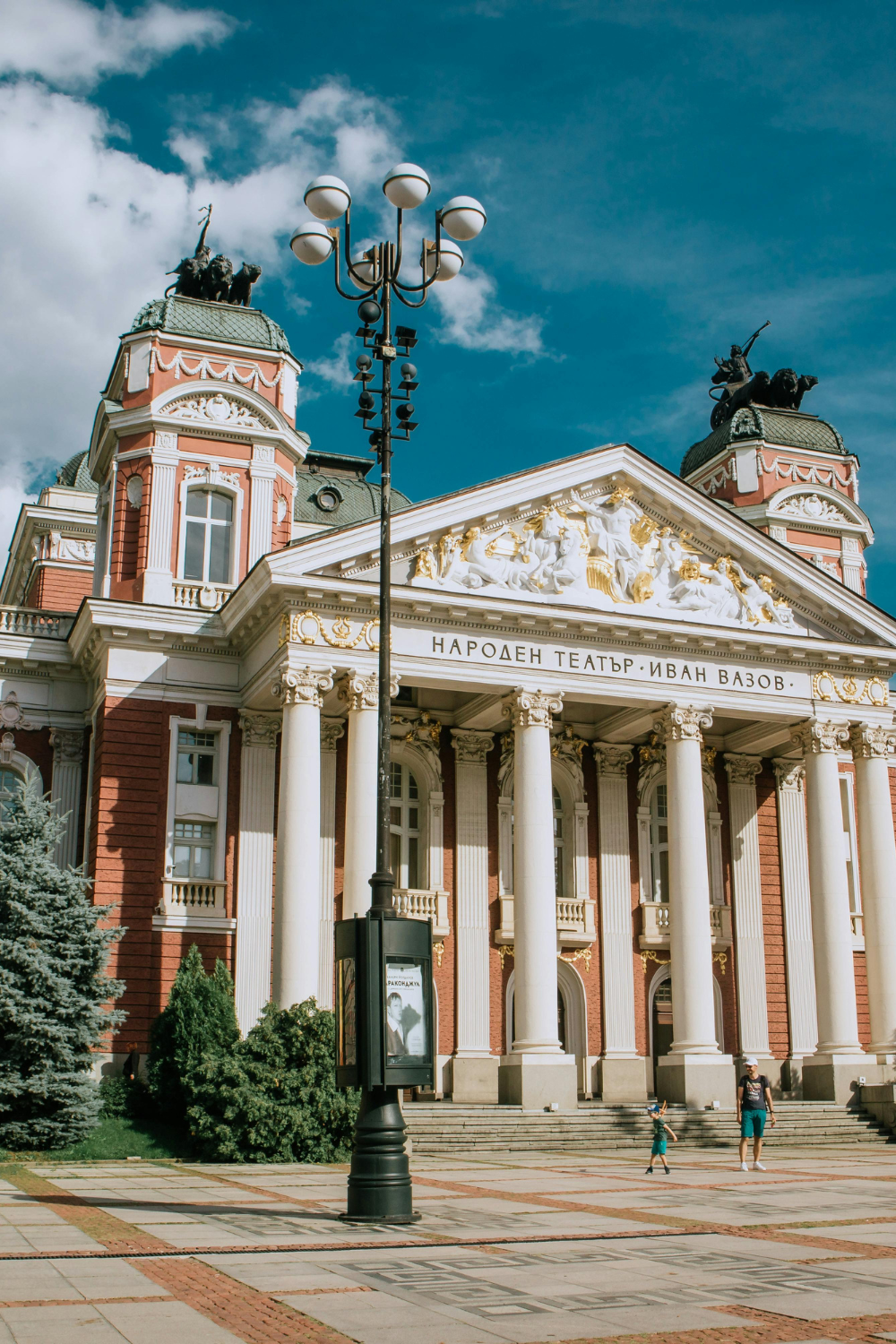
Sofia, the capital, is one of Europe’s cheapest cities and genuinely fascinating — it has layers of history from Roman ruins to Soviet-era architecture to Byzantine churches, all sitting alongside a buzzing modern café culture. But the real summer draw is the Black Sea coast, specifically towns like Varna (the country’s beach capital, lively and affordable), Nesebar (a UNESCO old town literally on a peninsula jutting into the sea — utterly beautiful), and Sozopol (a quieter, artier alternative).
Inland, the Rila Monastery is one of the most jaw-dropping buildings you’ll see anywhere in Eastern Europe, and the surrounding mountains are absolutely spectacular for hiking.
What it costs:
- Hostel dorm: from €8 per night
- Budget hotel: from €25 per night
- Full meal at a local restaurant: €5–€8
- Beer: €1–€2
- Coffee: €1–€1.50
- Banitsa (pastry, a Bulgarian breakfast classic): €1
Local tip: In Varna, head to the Central Market for breakfast — fresh bread, local cheese, tomatoes, and coffee for under €3. It’s where locals actually eat in the morning, and it’s completely removed from the tourist beach strip. The Varna Archaeological Museum is also one of the most underrated museums in Europe — it houses the world’s oldest worked gold jewellery, and entry costs almost nothing. If you’re visiting Rila Monastery, go on a weekday and arrive early (before 9 AM) to have it largely to yourself before the day-trip coaches arrive.
4. Montenegro — Big Scenery, Small Prices
Montenegro is small — you can drive across the whole country in a few hours — but it packs an almost unreasonable amount of beauty into that compact space. Dramatic fjords, medieval walled towns, turquoise bays, wild national parks, and a coastline that rivals Croatia’s (at roughly half the price).
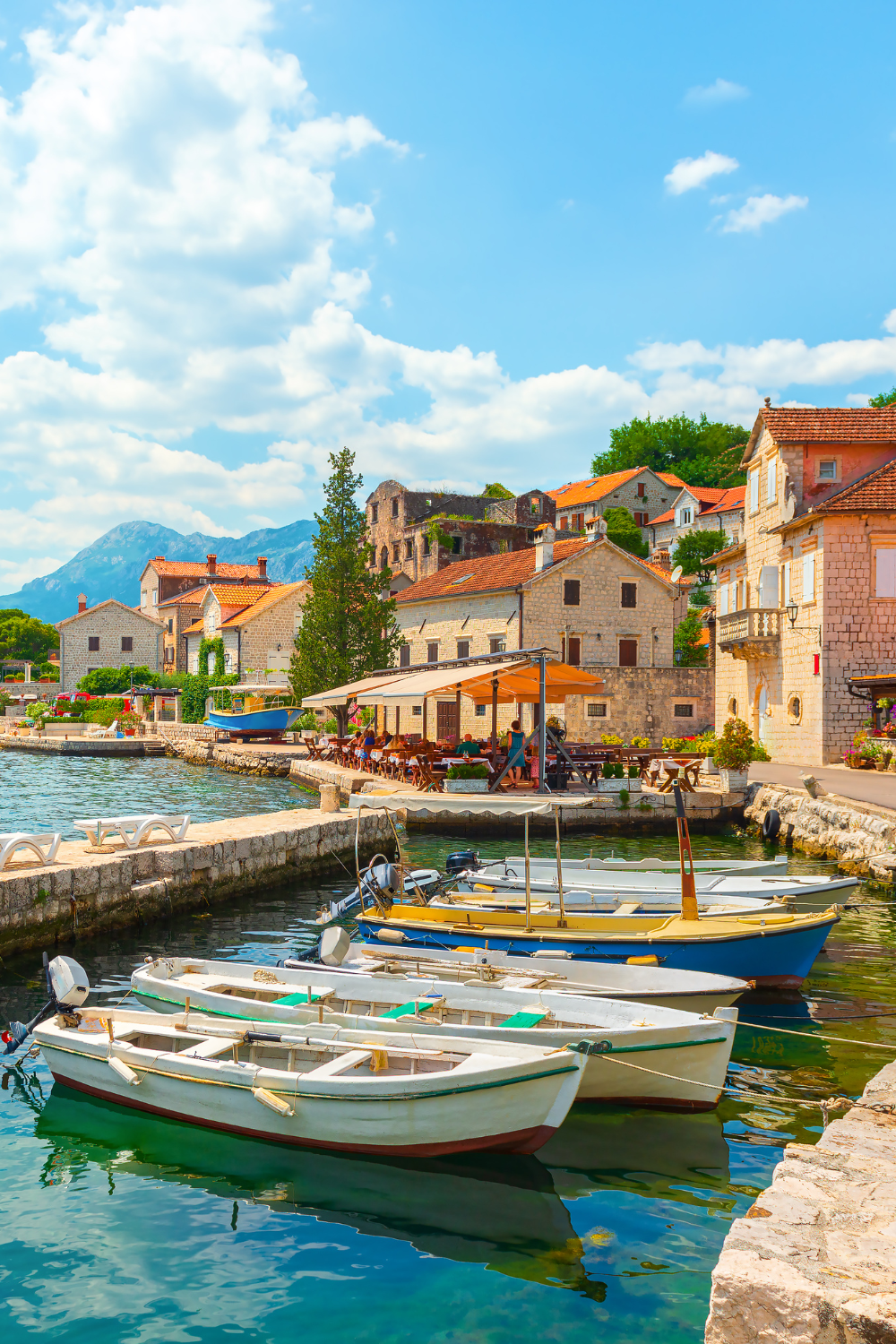
Kotor is the standout highlight: a perfectly preserved medieval walled city on a bay that looks like it was designed by a film set director. It’s dramatic, ancient, and absolutely gorgeous. Budva is the livelier, beachier option with a buzzing nightlife scene. Perast is the quieter, more romantic choice — tiny, peaceful, and strikingly beautiful.
But don’t ignore the interior. Durmitor National Park is one of the finest landscapes in the Balkans, and hiking there in summer is extraordinary — deep glacial lakes, dramatic canyon views, and barely another tourist in sight.
What it costs:
- Budget guesthouse/apartment: €40–€60 per night in summer
- Meal at a local konoba (traditional eatery): €8–€12
- Beer: €2–€3
- Coffee: €1–€1.50
- Day trip by local bus: €3–€5
Local tip: In Kotor, climb the City Walls (entrance around €8) early in the morning before the cruise ship passengers arrive — the views over the bay are absolutely spectacular and the walk takes about an hour. For cheaper accommodation, stay slightly outside the old town walls or in the village of Dobrota along the bay — you get beautiful water views and significantly lower prices than the central old town. Also, dine at konobas rather than the restaurants right on the main square — same views (almost), half the price.
5. North Macedonia — Lake Ohrid Is Absolutely Magical
If you’ve never heard of Ohrid, you’re not alone — and that’s precisely why it still makes this list. This small lakeside town in North Macedonia sits on the shores of Lake Ohrid, one of the oldest and deepest lakes in Europe and a UNESCO World Heritage Site for both its natural and cultural significance. It has cobbled streets, Byzantine churches and monasteries perched on cliffs above the water, ancient Roman theatre ruins, and beaches that are genuinely lovely.
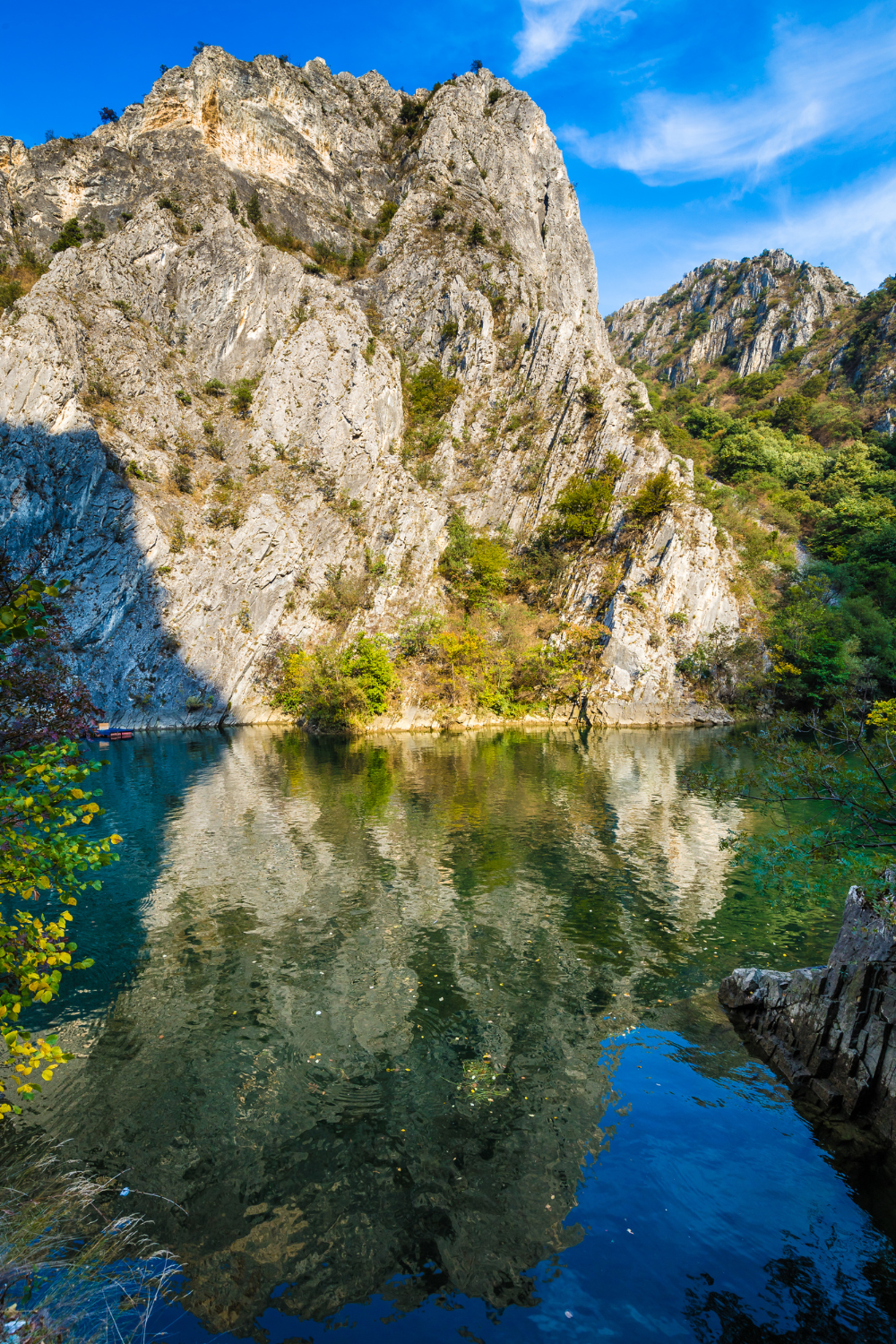
And it costs almost nothing. This is one of the last truly budget destinations left in the Balkans — a family can eat dinner, have wine and dessert, and walk away having spent less than €30.
What it costs:
- Private room in guesthouse (in summer): around €35–€50 per night
- Restaurant dinner for two: €15–€25 including wine
- Beer: €1.50–€2
- Museum entry: often €1–€3
- Bus from Skopje: €8 one-way, about 3 hours
Local tip: Try paragliding above Lake Ohrid — it’s reportedly the cheapest paragliding experience in Europe at around €49. Also, rent a kayak or small boat (extremely affordable by the hour) to explore the lake and reach some of the clifftop monasteries from the water — it’s a completely different perspective and one of those memories that genuinely stays with you. Eat at the restaurants on the lower lakeside promenade rather than the uphill old town for better prices and arguably even better views.
6. Bosnia & Herzegovina — Sarajevo and Mostar Will Steal Your Heart
Bosnia & Herzegovina is one of those places that people say changed them, and I completely understand why. It’s not a beach destination. It’s a cultural and historical one — and it is extraordinary. Sarajevo is one of the most fascinating cities in Europe, a place where Ottoman mosques, Austro-Hungarian architecture, and brutal modern history exist side by side in a way that nowhere else quite replicates. Mostar with its reconstructed Ottoman-era Stari Most bridge over the Neretva River is one of the most photographed views in the Balkans — and for good reason.
And the prices? This is the kind of destination where a daily budget of €35–€50 will have you eating extremely well, staying comfortably, and seeing everything.
What it costs:
- Budget hotel/guesthouse: €30–€50 per night
- Full meal at a local restaurant: €6–€10
- Market lunch (fresh produce): €2–€3
- Coffee: €1–€1.50
- Beer: €2
Local tip: In Sarajevo, do the free walking tour — it covers the history of the siege, the story of the assassination that started WWI, the transition from Ottoman to Austro-Hungarian rule, and everything in between. It’s one of the best free walking tours in Europe (tip your guide well — they earn it). In Mostar, wake up early to visit Stari Most before the tourist crowds descend — it’s genuinely magical in the soft morning light, and you’ll understand why it captures people so completely.
7. Romania — Transylvania Without the Tourist Price Tag
Romania is massive, endlessly varied, and still one of the cheapest countries in the EU. And summer is a magnificent time to visit — medieval fortified villages dotting rolling hills, Carpathian mountain hiking, the wild Danube Delta, Black Sea beaches, and the famous castles of Transylvania. There’s genuinely something for everyone, and almost all of it is affordable.
Bucharest is a surprising and fascinating capital — chaotic, colourful, and full of art nouveau architecture alongside communist megastructures. Brașov and Sibiu in Transylvania are the standout summer destinations — beautifully preserved medieval towns ringed by mountains, with a pace of life that makes you want to stay forever. The Danube Delta is one of Europe’s great natural wildernesses, and summer is the time to go.
What it costs:
- Budget hotel: from €25–€40 per night
- Local restaurant meal: €5–€9
- Beer: €1.50–€2
- Coffee: €1
- Train travel (e.g. Bucharest to Brașov): around €8
Local tip: In Sibiu, grab a table at one of the restaurants on Piața Mare (the main square) in the evening and order ciorba (Romanian sour soup) as a starter — it’s warming, delicious, and costs around €2–€3. It’s proper local food and a tiny version of the full restaurant experience. Also, rent a car if your budget allows — Romania’s countryside roads are extraordinary and completely under-touristed. Driving through the Transfăgărășan road in summer (one of the world’s most spectacular mountain roads) is a bucket-list experience that costs almost nothing.
8. Valencia, Spain — The Affordable Alternative to Barcelona
I know what you’re thinking — Spain can’t be cheap, surely? And you’re right that Barcelona and Madrid have become genuinely expensive cities. But Valencia is a different story entirely. Spain’s third-largest city offers the same sunshine, the same architecture, the same vibrant food and nightlife culture, and the same beautiful beaches — at prices that are noticeably lower than its more famous counterparts.
Valencia is the birthplace of paella (the real kind, made with rabbit and green beans, not with seafood like they do in tourist restaurants). It has a stunning old town, a futuristic arts and science complex that looks like something from another planet, excellent urban beaches a short tram ride from the centre, and one of Europe’s best and cheapest food markets — the Mercado Central — where you can eat like royalty on a shoestring.
What it costs:
- Budget hotel: from €40–€60 per night
- Hostel: from €15–€20
- Meal at a local restaurant (3-course menú del día): €10–€14 with wine
- Beer or glass of wine in a bar: €2–€3
- City transport day pass: around €5
Local tip: Do not leave Valencia without eating the menú del día at a local restaurant (not a tourist one). For around €12–€13, you’ll get a starter, a main course, dessert, bread, and a drink included — it’s one of Europe’s great dining bargains and it’s how locals eat lunch. Also, visit the Mercado Central on a weekday morning when it’s at its liveliest and freshest — grab an ibérico ham sandwich and a glass of vermut and watch the city do its thing. The beach tram (line 4) from the city centre costs around €1.50 and takes you directly to the sand.
9. Porto, Portugal — All the Charm, Lower Price Tag
Yes, Porto already featured under Portugal above — but it deserves its own special mention because it’s genuinely one of the best value-for-money city break destinations in all of Europe. While Lisbon has become noticeably more expensive in recent years (popularity has a price), Porto has so far managed to hold onto its relatively affordable character.
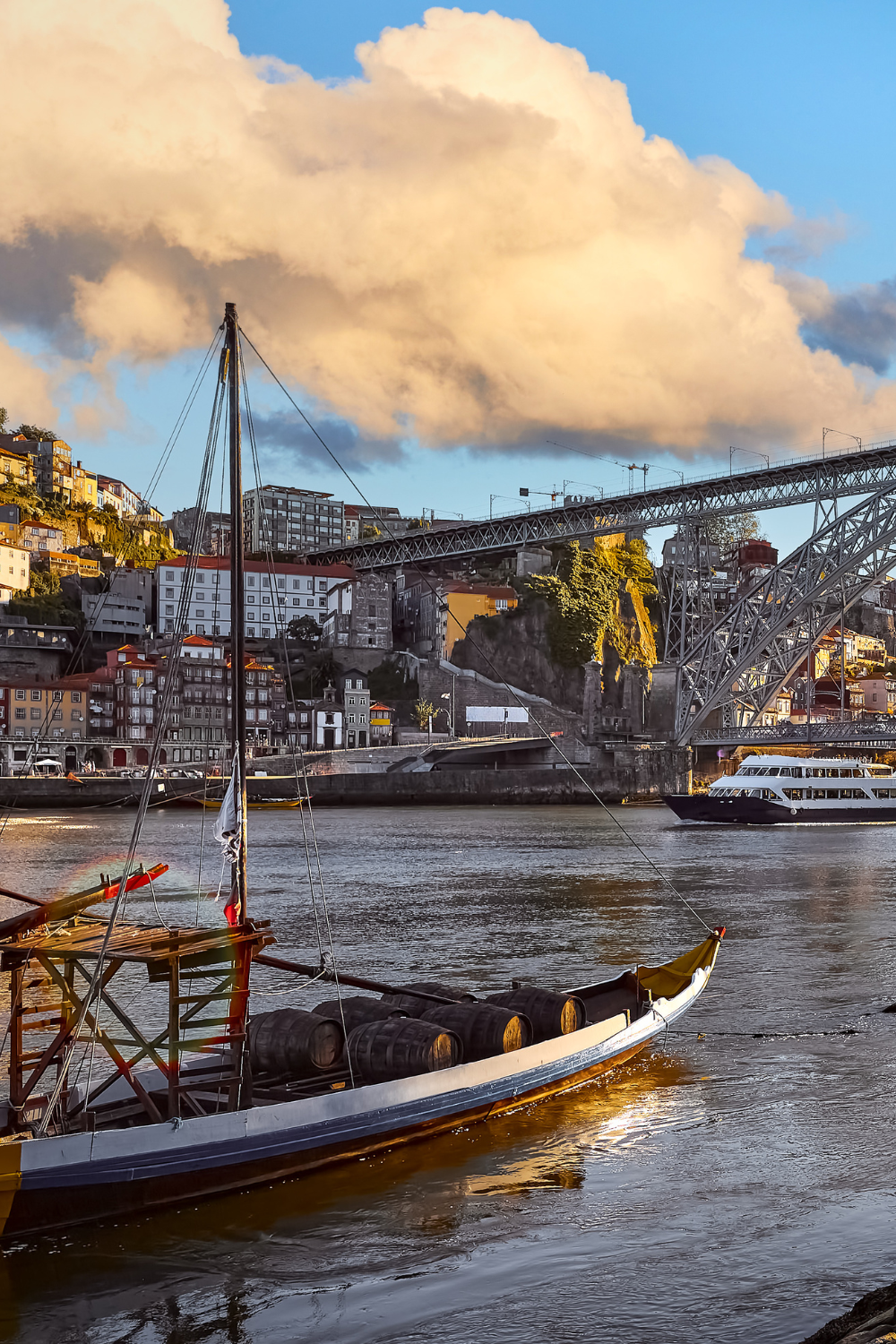
It’s an extraordinarily beautiful city — stacked up the hillsides above the Douro River, covered in blue-and-white azulejo tiles, with rattling old trams, a jaw-dropping Gothic church interior covered floor-to-ceiling in woodwork, and the famous wine cellars of Vila Nova de Gaia across the river offering free or very cheap tastings of the world’s greatest port wine.
Local tip: The free port wine tastings at several of the cellars in Gaia are genuinely not just for tourists — they’re quality wines and the atmosphere is lovely. Some cellars offer free tastings if you purchase anything; others include a small tasting as part of a €5–€10 tour. Combine with a walk across the Luís I Bridge for one of the best free views in Europe. Also, skip the famous bookshop (Livraria Lello) queue unless you’re a passionate bookworm — the €8 entry fee is refundable against a purchase but the crowds are intense. Spend that time instead in the Ribeira district at a waterfront café with a glass of vinho verde for €2.
10. Greece (Not Santorini) — More Beauty, Far Less Cost
Everyone knows Santorini. And everyone knows Santorini is expensive. But Greece is so much more than one volcanic island with white buildings and a famous sunset, and many of its other destinations give you the same sun, the same ancient history, and the same extraordinary food at a fraction of the cost.
Athens is still one of the best-value capitals in Europe for what it offers. Crete — especially away from the resort strips — is magnificent and much more affordable than the Cycladic islands. Rhodes has beaches, a stunning medieval old town, and prices that are very reasonable if you avoid the package-hotel zones. The Peloponnese is completely underrated — ancient ruins, lovely beaches, beautiful mountain villages — and almost entirely crowd-free.
What it costs (outside of peak Cyclades):
- Budget hotel: from €35–€50 per night
- Meal at a local taverna: €10–€15 for a generous spread
- Gyros pita: €2.50–€3.50
- Beer: €3–€4
- Coffee (Greek frappé): €2–€3
Local tip: In Athens, the Acropolis Museum is spectacular and worth the €15 entry. But many of the city’s other ancient sites — including the Roman Agora, Hadrian’s Library, and Kerameikos Cemetery — are free or very low cost and barely visited compared to the Acropolis. Wander the Monastiraki flea market on Sunday morning for local colour, street food, and genuinely interesting finds. And eat your big meal at lunch (when the menú deals are available) rather than dinner, when tourist-facing restaurants charge premium evening prices.
Bonus: Quick-Fire Budget Tips That Work Everywhere
Use free walking tours. They exist in almost every city in this list and are genuinely excellent. Pay what you feel at the end — a good guide earns a proper tip.
Take night trains or night buses between cities. You save on accommodation and travel at the same time. A night bus in the Balkans from Sarajevo to Split, for example, costs about €15 and saves you a night’s hotel bill.
Cook occasionally. If your accommodation has a kitchen, even one supermarket shop can save you €20–€30 in a day. Markets are fantastic for fresh local produce at local prices.
Download Google Translate offline. The more off-the-beaten-track you go, the less English you’ll encounter. Having the camera translate function works brilliantly in markets and local restaurants where there are no English menus.
Arrive by bus rather than taxi from airports. In almost every city in this list, there’s an airport bus or metro link. The difference between the bus (usually €2–€4) and a taxi (often €20–€40) adds up very quickly over a two-week trip.
Final Thoughts
Here’s the honest truth about budget travel in Europe in 2025: the easy wins are getting fewer. The truly cheap destinations are increasingly being discovered, and prices are rising across the board. But compared to Western European capitals, Southeastern and Eastern Europe still offers genuinely exceptional value — incredible food, beautiful landscapes, rich history, and warm people, all at prices that feel almost too good.
The key is choosing wisely, travelling a little off the obvious tourist trail, and being willing to eat where locals eat, sleep where locals sleep (or close to it), and explore the places that haven’t made it onto the Instagram highlights reel yet.
Trust me — those are often the best places anyway. The kind of places you come home raving about to everyone you know, while simultaneously hoping they don’t all book flights there before you get back.
Go soon, go smart, and have the most incredible summer.
