
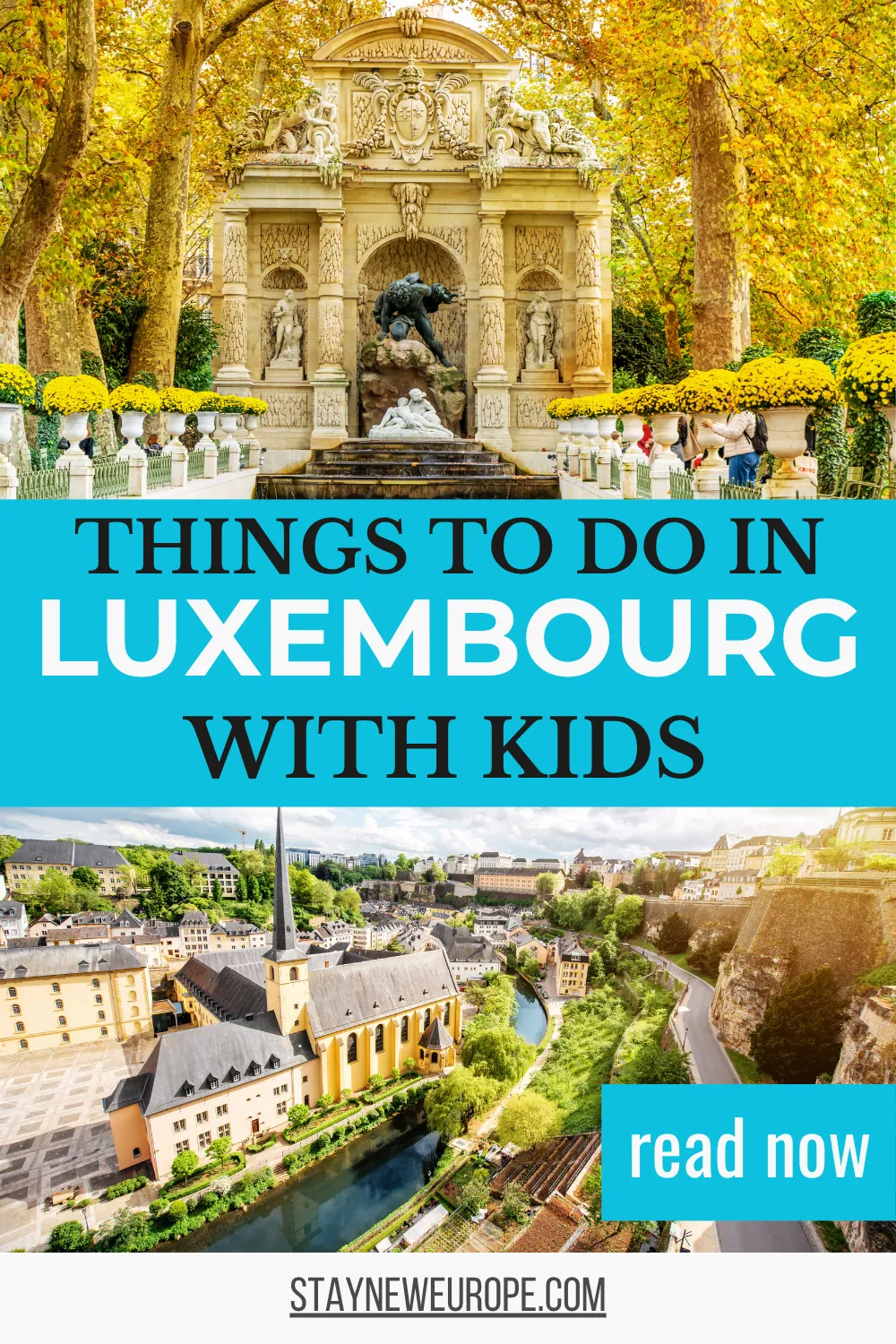
Luxembourg doesn’t always make the shortlist when families are planning a European road trip. It gets overshadowed by its louder neighbors — Paris, Amsterdam, Brussels. And honestly? I used to overlook it too. Then I spent four days there with two kids under ten, a rented Renault, and absolutely no idea what to expect. What I found was a country that seemed almost purpose-built for families: castles at every turn, forests that beg to be climbed through, a capital city compact enough to actually enjoy on foot, and a pace of life that doesn’t punish you for stopping to look at things. If you’re sleeping on Luxembourg, wake up. This place is something else.
The country is tiny — you can cross it in under an hour — but don’t let that fool you into thinking you’ll run out of things to do. We barely scratched the surface. Between the medieval fortresses, the Ardennes valleys, the quirky museums, and the sheer beauty of the Moselle wine region glittering in the afternoon sun, Luxembourg kept surprising us at every corner. And it surprised the kids even more, which is saying something, because my children are deeply unimpressed by most things that aren’t chicken nuggets.
What follows is everything we loved, a few things that caught us completely off guard, and every local tip I picked up along the way. Whether you’re planning a long weekend or a full week, I hope this gets you as excited about Luxembourg as I still am.
Before You Pack the Bags: What to Know About Luxembourg with Kids
Let me be honest with you right at the start: Luxembourg is not a cheap destination. It’s one of the wealthiest countries in the world, and that’s reflected in prices for food, accommodation, and some attractions. That said, there are some genuinely brilliant free things to do, the public transport is famously free for everyone (yes, all of it — trains, trams, buses), and the compact size of the country means you’re not burning money on petrol getting from A to B.
The best time to visit with kids is late spring through early autumn — May, June, and September being the sweet spot, when the crowds haven’t quite peaked but the weather is warm enough for outdoor adventures. The Ardennes region in autumn is spectacular if your kids are slightly older and up for hiking. And if you happen to be there in December, the Christmas markets in Luxembourg City are genuinely magical in a way that the Instagram masses haven’t fully discovered.
One more thing before we start: Luxembourg is trilingual (Luxembourgish, French, German), and you’ll see all three everywhere. Don’t panic. Almost everyone speaks excellent English, especially in tourist areas, and the kids will absolutely love hearing three languages in the space of a single signpost.
1. Bock Casemates, Luxembourg City
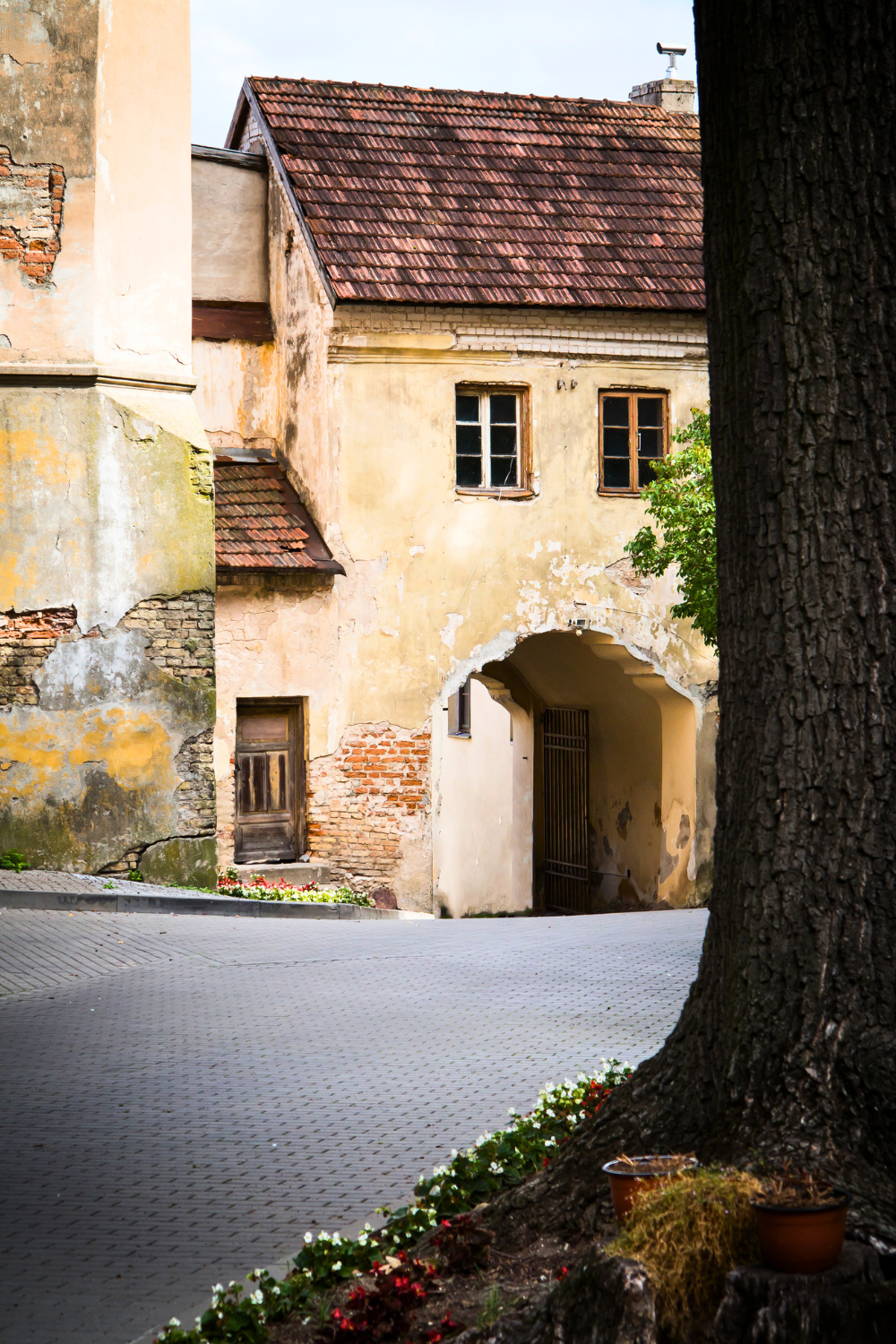
There’s something about standing inside a tunnel carved into a cliff that makes every child — and honestly, every adult — feel like they’ve walked straight into an adventure novel.
The Bock Casemates are a labyrinth of underground passages hewn into the sandstone rock beneath the old town of Luxembourg City, originally built in the 17th century as part of one of Europe’s most formidable fortresses. They snake for over 17 kilometres in total, though the section open to visitors is a more manageable chunk that still manages to feel epic. You wind through chambers that once housed soldiers, horses, workshops, and bakeries, emerging at dramatic lookout points over the Pétrusse and Alzette valleys below. The views alone are worth the visit.
My kids treated the whole thing like a real-life dungeon quest, which wasn’t entirely wrong historically speaking. The atmosphere is genuinely atmospheric without being terrifying — dark enough to feel thrilling, light enough that nobody had a meltdown. The self-guided audio guide is included and holds up reasonably well, though my eight-year-old preferred making up her own version of events.
What makes this place stand out beyond the obvious “cool tunnels” factor is the geological story — Luxembourg City is built on rock, and the casemates make that viscerally real in a way that no museum display ever could. You can feel the weight of centuries up there. It hits differently.
Local tip: Visit early in the morning before the tour groups arrive. The casemates open at 10am and the first hour is noticeably quieter. Also, bring a light jacket even in summer. The tunnels stay at a constant cool temperature, and after a hot day in the city, it can be a shock to the system.
2. Vianden Castle
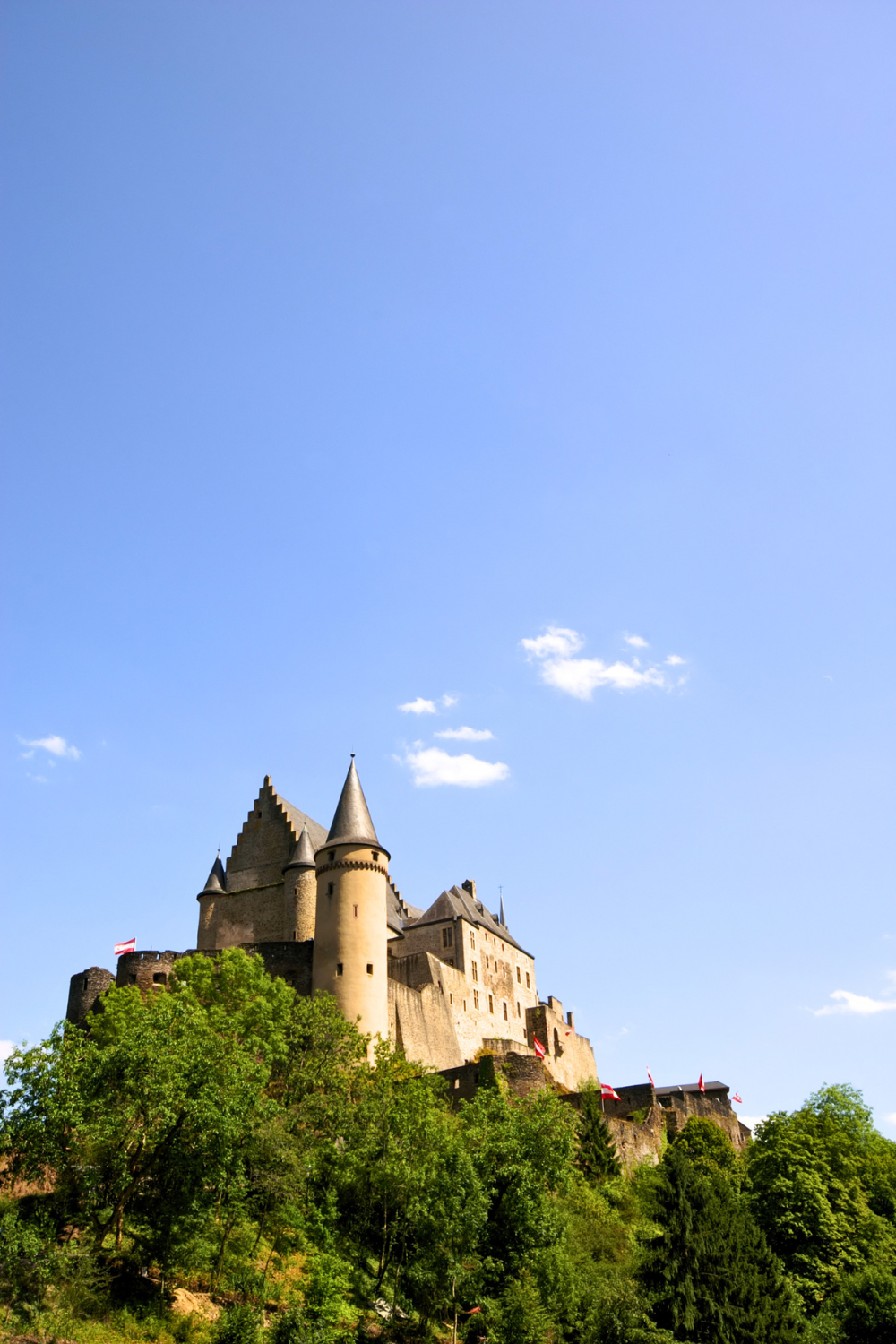
If you show your kids a photo of Vianden Castle before you arrive, they will spend the entire drive there vibrating with excitement. And then when they actually see it — looming above the town on its rocky hilltop, reflected in the Our River below — they will be struck, briefly, into total silence. That moment is worth the drive alone.
Vianden is without doubt the most spectacular castle in Luxembourg, and given the competition (there are more than 60 castles in this tiny country), that’s saying something. Restoration began in the 1970s and the place is now in remarkable condition — you can walk through the Romanesque palace, the Gothic hall, the chapel, the kitchens, and the towers, all with good signage in multiple languages. It’s genuinely immersive in a way that many European castles aren’t, because there’s actually enough here to build a full picture of medieval life.
The town of Vianden below is almost unfairly picturesque — narrow cobbled streets, half-timbered houses, the river running along the edge of it all. We ate lunch at a terrace restaurant with a direct view of the castle reflected in the water and I’m fairly sure my brain just took a screenshot of that moment to live in forever.
For families, the chairlift up to a viewpoint above the castle is an absolute must — it runs over the town and gives you a perspective that even the castle walls can’t match. Kids go absolutely berserk for it.
Local tip: The castle and chairlift are separate tickets — don’t forget to factor in both. If your kids are castle-mad, buy the Luxembourg Card in advance, which covers entry to Vianden and many other sites across the country. It pays for itself quickly.
3. Müllerthal Trail (Little Luxembourg Ardennes)
Known locally as “Little Switzerland” — though let me be clear, it looks nothing like Switzerland, which is not a criticism because it looks even more mysterious — the Müllerthal region is a geological wonderland of sandstone rock formations, mossy gorges, hidden waterfalls, and ancient forest that feels like somewhere a hobbit might live.
The Müllerthal Trail covers around 112 kilometres of marked paths, but before you panic, there are shorter family loops that are perfectly manageable with younger children. The trails around Berdorf and Echternach in particular have sections that kids absolutely love — you’re scrambling through narrow rock crevices, hopping over streams on stepping stones, discovering caves tucked behind waterfalls. It’s the kind of outdoor experience that makes children actually enthusiastic about walking, which in my experience is something of a holy grail.
The rock formations have names — the Teufelsschlucht (Devil’s Gorge) being the most famous — and the landscape shifts constantly. One moment you’re on an open plateau with sweeping views, the next you’re squeezed through a passage barely wide enough for an adult’s shoulders. My daughter called it “the best forest in the world” and I didn’t have the heart to argue.
Pack a proper picnic and plan to spend a full day out here. There’s something deeply restorative about this landscape that goes beyond the usual checkbox tourism — it’s a place that slows you down in the best possible way.
Local tip: The trail starts near Echternach, Luxembourg’s oldest town, which is worth exploring before or after your hike. The Abbey of Echternach is free to visit and has a peaceful cloister garden where tired kids can collapse while you drink coffee in peace.
4. Luxembourg City’s Grund District
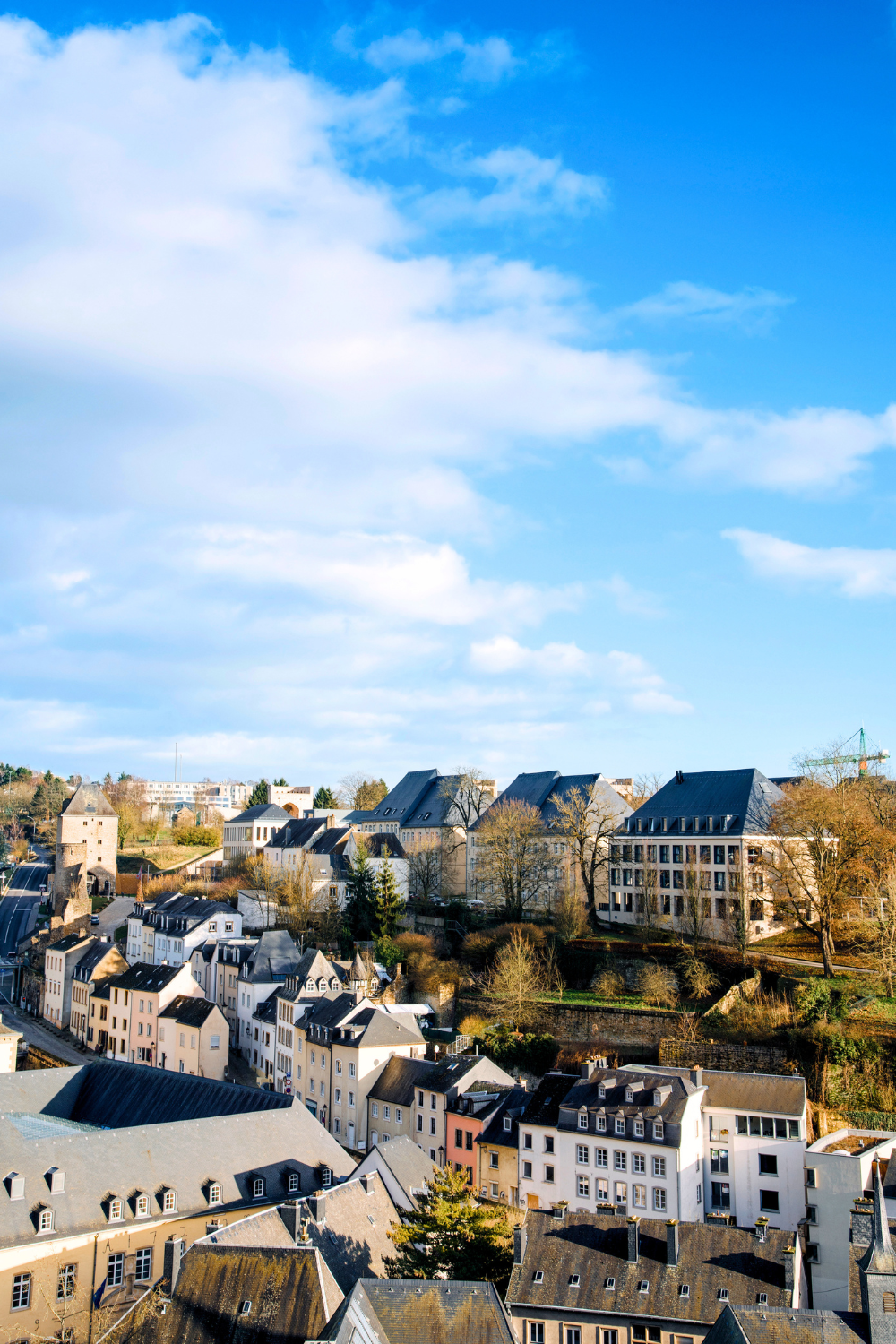
The Grund is the lower town of Luxembourg City, sitting in the valley of the Alzette River beneath the ramparts of the old fortress. Getting down there — either via a lift cut into the cliff, a long winding path, or a dramatic set of stone steps — is half the fun, and arriving feels like stepping into a completely different city from the polished EU-capital grandeur of the Plateau above.
Down here, the pace slows to something almost village-like. The river trickles along past old mill buildings, weeping willows trail their fingers in the water, and children inevitably try to paddle the moment they spot it. There are a handful of excellent restaurants and cafés, a small medieval church, and the kind of ambient quietness that’s rare in any European city. It’s genuinely lovely.
What I particularly love about the Grund as a family destination is that it rewards wandering rather than ticking off attractions. There’s no single must-see — it’s about the overall atmosphere, the sense of arriving somewhere most tourists miss. My son spent a good half-hour throwing pebbles in the Alzette while I had a genuinely excellent coffee at a riverside terrace. That’s the Grund working exactly as intended.
The climb back up is real, be warned — but the Pfaffenthal lift (free to use) makes it painless, shooting you up through the cliff in a glass cabin that the kids treated as a highlight in itself.
Local tip: Come in the late afternoon when the light hits the valley walls, and everything turns golden. There’s a walking bridge over the river near the abbey ruins that makes for a spectacular photo and an excellent vantage point for spotting ducks with the kids.
5. Natural History Museum Luxembourg (MNHN)
Science museums live and die by their ability to make abstract things feel real and tangible, and Luxembourg’s Natural History Museum in the city center does this with admirable ambition. The geology section alone is remarkable — given that Luxembourg sits at the intersection of three distinct geological zones, there’s a genuinely interesting story to tell, and the museum tells it well.
But let’s be honest: what children come here for is the dinosaur section. And it delivers. The fossils are well-presented, the interactive elements are genuinely interactive rather than the “press this button and nothing interesting happens” variety that blights so many science museums, and the overall flow of the building is sensible enough that you’re not constantly backtracking with bewildered toddlers.
What I appreciated as a parent is that the museum doesn’t talk down to kids, but it also doesn’t assume adult-level prior knowledge. The explanatory texts are clear without being dumbed-down, which means everyone in the family is actually learning rather than just nodding politely at labels.
There’s also a beautiful courtyard section and a small gift shop that didn’t bankrupt me, which is a genuine achievement in the museum gift shop economy.
Local tip: The museum is closed on Mondays. Check their website for occasional special family events and themed weekends — they run them regularly, and they tend to be excellent.
6. Bourscheid Castle
If Vianden is the showstopper, Bourscheid is the hidden gem — a vast, ruined fortress rising from a rocky promontory above the Our Valley, largely overlooked by visitors who run straight to Vianden without stopping. This one surprised me, genuinely.
Bourscheid is older than Vianden — parts of it date back to the 11th century — and it’s considerably more ruined, which paradoxically makes it better for kids. There are no guided tour restrictions here, no roped-off corridors. You scramble over walls, peer into crumbling towers, climb stairs that end abruptly in open sky, and generally explore in a way that feels genuinely free-range. My kids were in absolute heaven.
The setting is dramatic in a way that photographs don’t quite capture — you’re high above a forested valley, with the river glinting below and ridge after ridge of Ardennes hills stretching away in every direction. Even on a grey day, it’s breathtaking. On a sunny day, it’s the kind of view that makes you forget you have anywhere else to be.
The approach through the village of Bourscheid-Moulin and up the winding road is beautiful in itself, and there’s a modest visitor center at the entrance that provides context without overwhelming you. Entry fees are very reasonable.
Local tip: Bring a picnic and eat it on the old ramparts. There are spots with unobstructed valley views where you can spread out a blanket and eat with a panorama that most people would pay significant money for in a restaurant.
7. Expérience Moselle (Ehnen Wine Museum)
Now, I know what you’re thinking — a wine museum is not an obvious children’s destination. Bear with me. The Expérience Moselle in the village of Ehnen is one of those rare places that has genuinely thought about how to make viticulture interesting to people who don’t drink, including children, and the results are charming.
The museum occupies a beautifully restored winemaker’s house in one of the prettiest villages along the Luxembourg Moselle — a river valley so consistently lovely that driving along it feels almost unfair. The exhibits cover the full story of winemaking from vine to bottle, with hands-on elements, historical artifacts, and genuinely beautiful architecture.
But the bigger draw for families is simply being in the Moselle valley. The cycling path along the river is one of the best in Luxembourg — flat, scenic, traffic-free, and lined with vineyards — and renting bikes in one of the villages is easy and cheap. Even very young children can manage it on a bike seat, and older kids will enjoy the independence of cycling alongside you.
After the museum, wander into Ehnen village itself. It’s extraordinarily photogenic in that unhurried, genuinely lived-in way rather than the manicured tourist-village way. The views across the river into Germany are beautiful.
Local tip: The Moselle Cycleway runs the full length of the Luxembourg riverbank and links multiple villages. If you have a day and a reasonably capable young cyclist, the stretch from Remich to Grevenmacher is perfect — flat, scenic, and with plenty of cafés for emergency cake stops.
8. Dudelange Art Centre and Fonds Belval
Luxembourg has made enormous efforts to transform its post-industrial southern landscape into something culturally rich and family-friendly, and the area around Esch-sur-Alzette (European Capital of Culture 2022) is proof that it’s working. The Fonds Belval development on the site of a former steelworks is genuinely extraordinary — you can walk beneath the towering blast furnaces that have been preserved as industrial monuments, and they are, without any exaggeration, extraordinary objects.
Children respond to the Belval blast furnaces in ways they don’t respond to conventional tourist attractions — these structures are enormous, strange, and unlike anything they’ve ever seen. The scale is almost incomprehensible at ground level. There’s a free trail around the exterior that takes you past the furnaces, the old casting hall, and various other industrial relics, and it works brilliantly as a walking experience even without going into any of the cultural spaces.
The surrounding development includes museums, restaurants, a university campus, and the Rockhal — Luxembourg’s main music venue — all woven between the preserved industrial structures. It’s an ambitious urban design done extremely well.
Local tip: The Kulturfabrik in nearby Esch-sur-Alzette often runs family events, theatre, and workshops. It’s worth checking what’s on during your visit — some of the workshops for kids are superb.
9. Clervaux Castle and the Family of Man Exhibition
Clervaux sits in a narrow valley in the northern Ardennes, a storybook town centered on a Benedictine abbey and a 12th-century castle that looks like it was designed by someone who really, really wanted to make an impression. It more than delivers.
The castle houses something genuinely remarkable: the Family of Man photography exhibition, a collection of 503 photographs by 273 photographers from 68 countries, originally assembled by Edward Steichen for the Museum of Modern Art in New York in 1955. Luxembourg acquired it permanently, and now it lives in these ancient walls in the Ardennes. The photographs are masterpieces of documentary work, spanning birth, childhood, love, grief, war, and hope across cultures and continents.
Is it appropriate for young children? It depends on the child. For older kids — say, eight and up — it’s genuinely moving and opens up extraordinary conversations. For younger ones, the castle itself is the attraction, and there’s plenty to explore architecturally. There’s also a separate exhibition about the Battle of the Bulge, which was fought across this exact region in World War II — sobering but historically important.
The town itself is lovely for a wander, with the abbey, the castle, and the river creating a very particular atmosphere of peaceful monumentality.
Local tip: The Benedictine monks of Clervaux Abbey make their own cheese and sell it in the abbey shop. It’s excellent, and buying some for your picnic feels like doing something properly local.
10. Remich and the Moselle Boat Trips
Remich is arguably the most charming town on the Luxembourg Moselle — bright, clean, utterly picturesque, with a promenade along the river that’s perfect for post-lunch strolling, an excellent Wednesday market, and the kind of easy, unhurried atmosphere that makes you want to move here immediately.
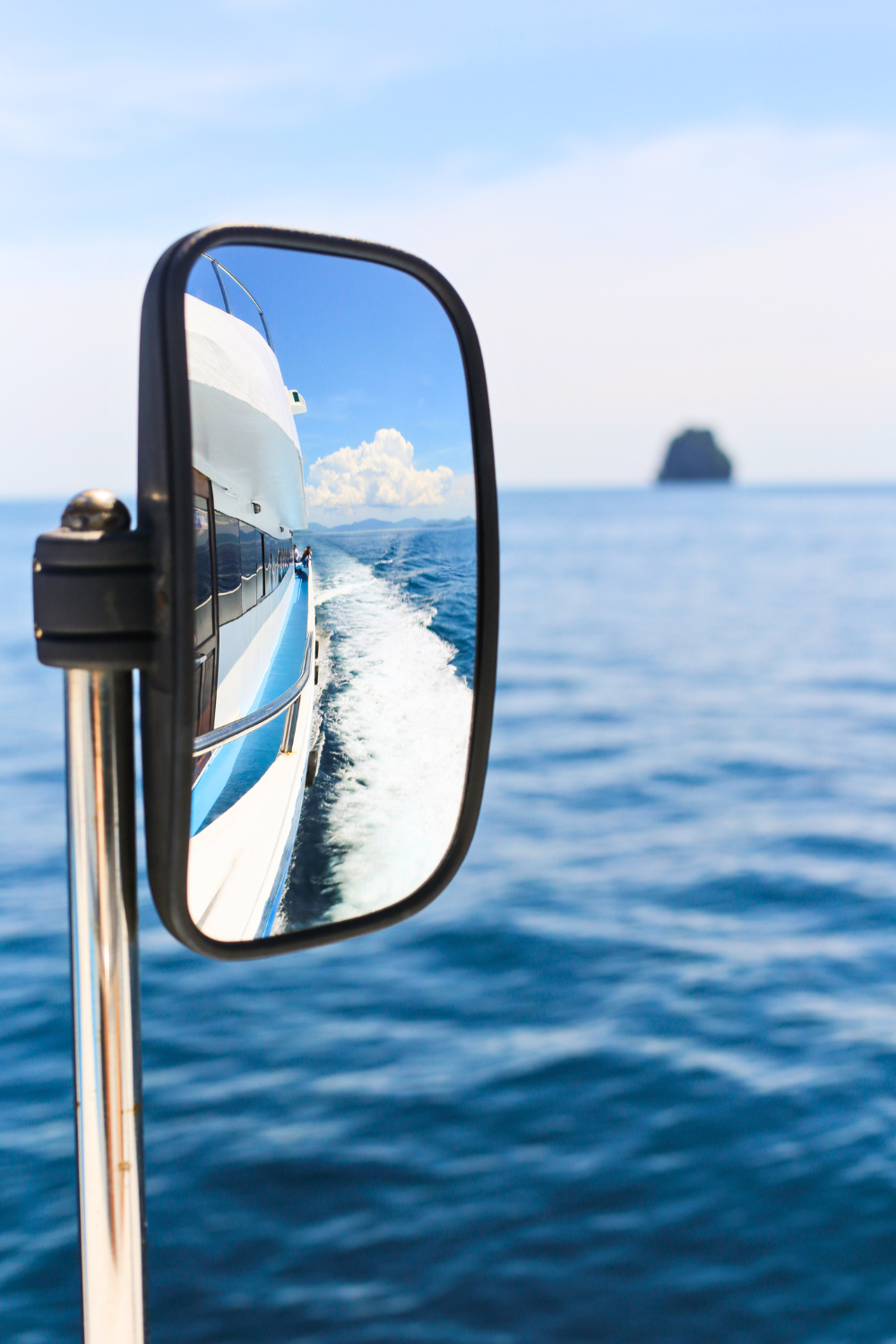
But the real thing to do in Remich with kids is get on the river. Boat trips run along the Moselle from Remich from spring through early autumn, and the experience of seeing the vineyards from the water, watching the river barges pass, and generally just being out on a big boat is one that children love unreservedly. The trips are narrated (in several languages) and give you a completely different perspective on a valley you might already be familiar with from cycling or driving.
Remich also has a small beach area along the river where kids can splash around in warm weather, and the surrounding area has several cave systems open to visitors — the Caves of Remich are easy to visit and moderately interesting, though I’d prioritize them if you have older, caves-obsessed children rather than if you’re trying to pack in everything.
Local tip: The ice cream from the gelateria on the Remich promenade is genuinely some of the best I’ve had outside of Italy. This is not a small claim. Do not skip it.
11. Esch-sur-Sûre and the Upper Sûre Natural Park
If you want to see Luxembourg at its most pristinely beautiful, drive to Esch-sur-Sûre. The village sits inside an almost impossibly tight meander of the Sûre River, with the ruins of a medieval castle on the rocky promontory above, and forested hills pressing in from every direction. It looks like something out of a fairy tale that hasn’t been sanitized yet.
The Upper Sûre Natural Park surrounds the village and offers some of Luxembourg’s best outdoor activities for families — hiking trails of all levels, a large reservoir lake with supervised swimming beaches in summer, kayaking and canoeing hire, and the kind of undisturbed wilderness that increasingly feels precious. The reservoir (Lac de la Haute-Sûre) is warm enough to swim in during July and August, and the beach areas are well-managed and family-friendly without being overcrowded.
What I love most about this area is that it combines natural beauty with genuine outdoor activities in a way that works for a wide range of ages. Toddlers can splash at the water’s edge while older children swim properly. Teenagers can kayak the river. Everyone meets back at a picnic spot and feels satisfied. That kind of multigenerational flexibility is genuinely hard to find.
Local tip: The road into Esch-sur-Sûre is narrow and gets busy in summer. Arrive early or park at the designated area outside the village and walk in — it takes five minutes, and you get a better approach view anyway.
12. Schifflange Climbing Quarry
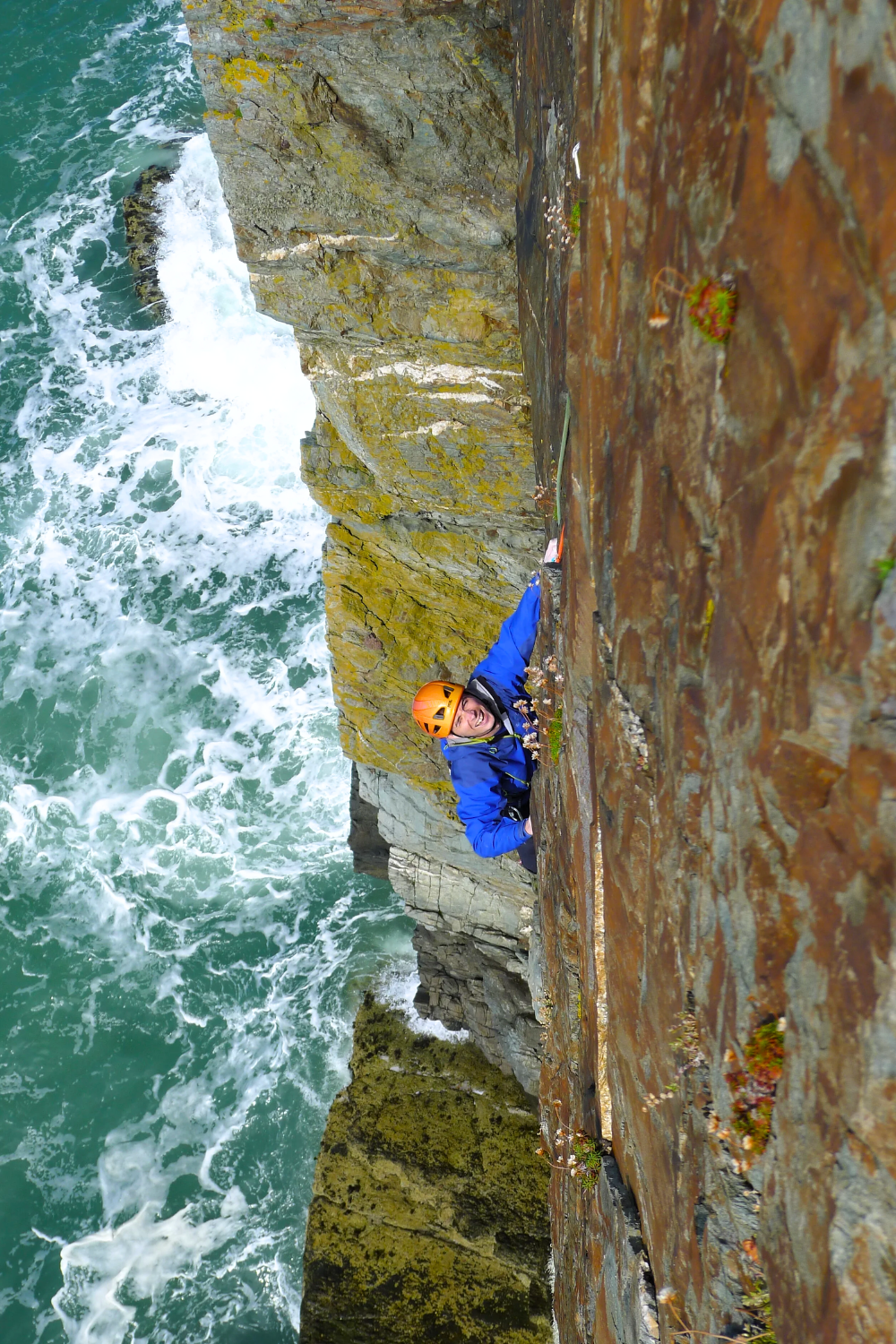
This one is for slightly older kids and adventurous families, and I’ll admit I stumbled across it almost by accident. The old slate quarry at Schifflange in southern Luxembourg has been developed into one of the most dramatic outdoor climbing walls in the region, with routes up the quarry faces ranging from beginner to seriously challenging.
Even if you’re not a climber, the quarry is a remarkable sight — the excavated rock faces rise sheer from the valley floor, with birds nesting in the crevices and the occasional technical climber inching their way up routes that look genuinely terrifying from below. There are walking paths around the quarry floor that give you excellent views of the faces without requiring you to climb.
For families with children who are interested in trying climbing, introductory sessions are available, and the setting is far more dramatic and motivating than any indoor climbing wall. There’s something about real rock, real height, and real outdoors that changes the experience entirely.
Local tip: The southern Luxembourg area around Schifflange and Dudelange has several other outdoor and cultural attractions clustered together, making it a good base for a full-day exploration of southern Luxembourg. Combine it with a visit to Dudelange’s photography museum if your kids are older.
13. Luxembourg City’s Kirchberg Plateau and the MUDAM
The Kirchberg plateau is where modern Luxembourg lives — EU institutions, gleaming corporate headquarters, concert halls, and some genuinely ambitious contemporary architecture. It can feel slightly alien if you’ve just come from the medieval quarter, but lean into it, because there are things up here that deserve attention.
The Museum of Modern Art (MUDAM) is housed in a building designed by Ieoh Ming Pei — yes, the same I.M. Pei who did the Louvre pyramid — and it’s a genuinely beautiful space even if contemporary art isn’t your first love. The rotating exhibitions range from thought-provoking to bewildering, and honestly, children often engage with contemporary art in ways that surprise their parents, because they haven’t yet learned to feel intimidated by it.
Near MUDAM, the Philharmonie Luxembourg is architecturally extraordinary and occasionally runs family concerts and children’s performances that are worth looking out for. Even the walk between these buildings is interesting — the plateau has been landscaped thoughtfully, with public art installations scattered throughout.
Local tip: The viewpoint next to MUDAM looking back over the old town and the Alzette valley is one of the best in the city. Take the time to walk to it — it’s the view that appears on all the Luxembourg postcards, and it earns every one of them.
14. Larochette Castle
Another castle. I know. But hear me out, because Larochette is different from the others in a way that families particularly appreciate: it’s a double castle, with two completely separate fortresses built side by side on the same promontory, owned by rival noble families in the Middle Ages. The children’s tour materials lean into this rivalry brilliantly.
The ruins are largely unrestored, which means scrambling and exploring rather than following a set route — and the setting above the village of Larochette, with the Ernz Blanche river valley spread below, is simply beautiful. The village itself is appealing, with a handful of good restaurants and a very relaxed pace that makes it a pleasant place to spend a half-day.
What Larochette does particularly well is the storytelling around the medieval rivalry — the information panels are more dramatic and narrative than at most Luxembourg castles, and children who’ve been through a few castles already will find the double-castle concept genuinely intriguing.
Local tip: Larochette makes an excellent stopping point on a drive between Luxembourg City and the Müllerthal Trail. You can easily combine it with the Berdorf hiking area for a full day that covers both castle history and forest adventure.
15. Troisvierges Adventure Parks
The northern tip of Luxembourg, up near the Belgian border, is Ardennes country in earnest — rolling hills, deep beech forests, and a general feeling of being far from anywhere, which is exactly what makes it worth the drive. And near the town of Troisvierges, there are a handful of adventure and outdoor activity operators that families consistently rate as a highlight of their Luxembourg trips.
The adventure park format — zip lines, tree-top courses, aerial assault courses at various difficulty levels — works particularly well up here because the forest setting is genuinely spectacular rather than the purpose-built artificial feel that some adventure parks have. The tree-top course at Troisvierges runs through mature beech forest with views into Belgium, and the sense of being genuinely among the trees rather than on a suburban apparatus is palpable.
There are courses graded by age and ability, meaning the whole family can participate without the frustrating scenario of younger children being left behind on the ground. Look for operators that specify minimum ages and heights before booking — the best ones are transparent about this.
Local tip: The northern Ardennes area around Clervaux, Troisvierges, and Wiltz is worth exploring slowly rather than rushing through. Wiltz, in particular, is a handsome small town with a summer festival and a castle worth seeing.
16. The Moselle Wine Route by Bike
I’ve already mentioned cycling the Moselle, but it deserves its own entry because cycling this particular stretch of river is one of the most enjoyable family outdoor experiences in Luxembourg — possibly in the whole Benelux region. Let me be direct: if you have children old enough to cycle independently (roughly seven-plus), or younger ones who can manage in a cargo bike or trailer, do not miss this.
The path runs along the Luxembourg bank of the Moselle for around 42 kilometers, passing through village after village of vine-covered slopes, medieval towers, wine cellars offering tastings (for the adults), and river views that are consistently gorgeous. The route is largely flat, traffic-free, and well-signposted. Several companies along the route offer bike hire and, crucially, luggage transfer, so you can cycle with only what you need for the day.
The villages have genuine character — Wormeldange, Stadtbredimus, Greiveldange — and stopping for lunch in one of the riverside restaurants feels like exactly the kind of unhurried travel that European holidays should contain more of. Children who might normally resist a long bike ride are somehow powered forward by the combination of novelty, scenery, and the ongoing negotiation of which café they’ll stop at next.
Local tip: The Moselle ferries link the Luxembourg bank to the German side at various points, and a quick crossing to try German Riesling country (even if the kids are just after the scenery) is a fun addition to the cycling day.
17. Luxembourg City’s Wenzel Walk and the Old Town Ramparts
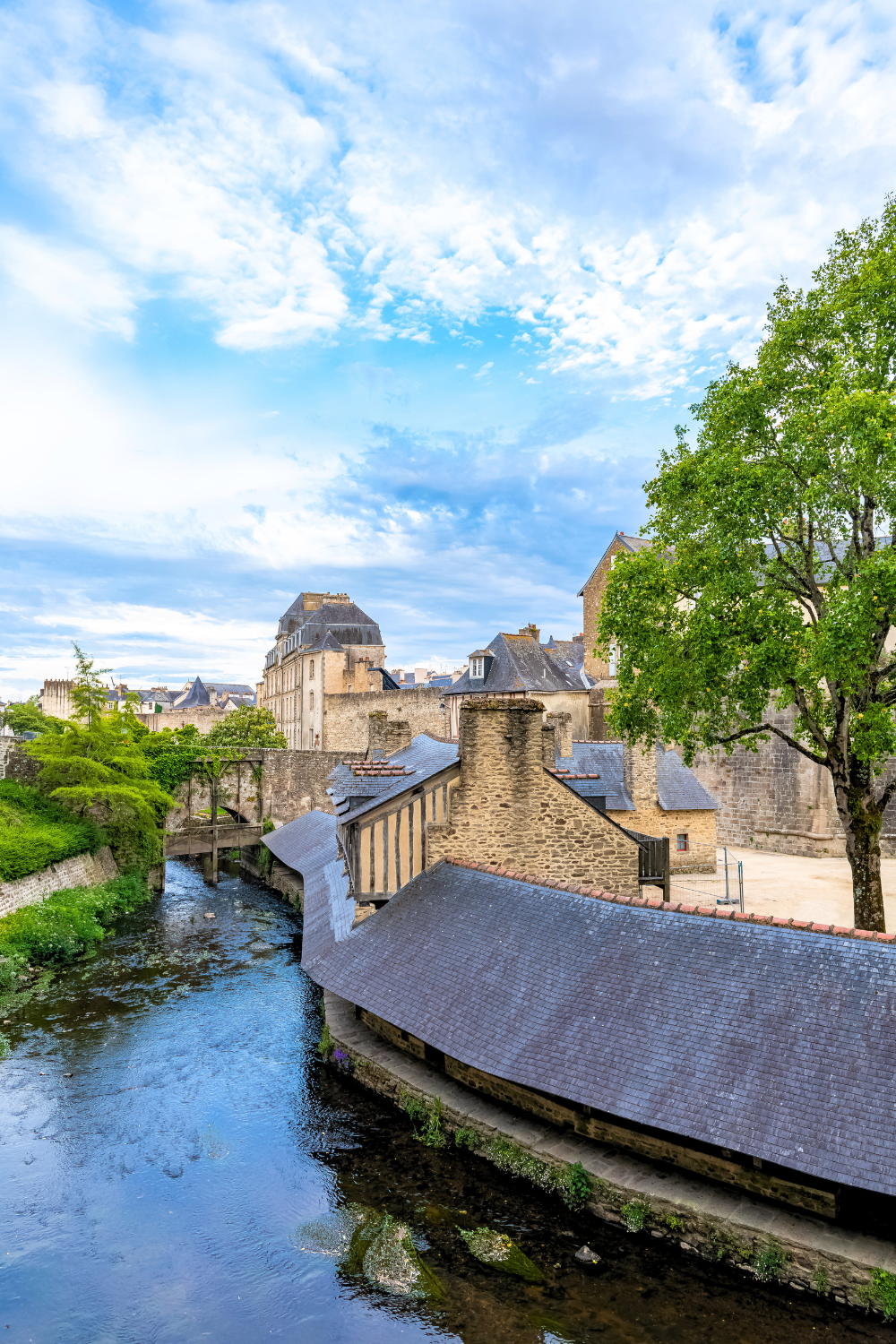
I want to end with something that requires no entry fee, no planning, and no special equipment — just comfortable shoes and a willingness to walk. The Wenzel Walk is a 4.5-kilometer circular route through and around Luxembourg City’s UNESCO-listed old town and fortification remains. It is, quite simply, one of the finest urban walks in Europe.
The route takes you through the old town streets, down into the Grund valley, along the banks of the Alzette, up through the Rham plateau, and back along the Corniche — described by some as “the most beautiful balcony in Europe,” and while that’s the sort of claim that usually makes me deeply sceptical, standing on the Corniche looking out over the valley and the rooftops below, I found myself unable to disagree.
Children love this walk because it never stays the same for long — you’re constantly going up and down, discovering new perspectives, crossing bridges, spotting towers. There are informative panels throughout, and the overall distance is manageable for most ages if you pace yourself. Add in an ice cream stop in the old town and a look at the Adolphe Bridge on the way, and you have a genuinely memorable afternoon.
Local tip: The walk is best done anticlockwise (following the official Wenzel Walk markers in reverse) if you want to get the harder uphill section done first and end on the easier Corniche stretch, which also means finishing with the best view. Trust me on this one.
Practical Tips for Visiting Luxembourg with Kids
Getting there: Luxembourg City has its own international airport with connections across Europe. Alternatively, it’s an easy drive from Brussels (around 3 hours), Paris (4 hours), Frankfurt (2.5 hours), or Amsterdam (4 hours). A road trip combining Luxembourg with neighboring countries works beautifully.
Getting around: Public transport in Luxembourg is entirely free — buses, trains, and trams — for all passengers. It’s excellent and covers most towns worth visiting. For the Ardennes and more remote areas, a car is considerably more practical.
Accommodation: Luxembourg City has options at every price point, from budget hostels to excellent boutique hotels in the old town. For families exploring the Ardennes, self-catering cottages and rural gîtes offer more space and better value — look around Clervaux, Vianden, and the Upper Sûre area in particular.
Food: Luxembourg cuisine is heartier than its tiny size suggests — judd mat gaardebounen (smoked pork collar with broad beans) is the national dish, and it’s exactly as satisfying as it sounds. Trout from the Ardennes rivers is excellent. For children, pasta, pizza, and schnitzel are everywhere. Don’t leave without trying a Gromperekichelcher (potato pancake) from a street stall.
The Luxembourg Card: Available for 1, 2, or 3 days, this card covers entry to over 60 museums and attractions, plus free public transport. For a family doing multiple attractions, it usually pays for itself quickly. Buy it in advance online.
Luxembourg will not shout for your attention. It doesn’t need to. It simply exists in this extraordinary compact form — castles and gorges and medieval towns and post-industrial art and one of the finest urban walks in Europe and vineyards trailing down to a glittering river — and lets you discover it at your own pace. Travel with children teaches you to slow down, to notice small things, to find magic in the stuff you’d otherwise walk past. Luxembourg is a country that rewards exactly that kind of attention. Go slowly, look carefully, and bring the kids. They’ll surprise you, and so will Luxembourg.

