
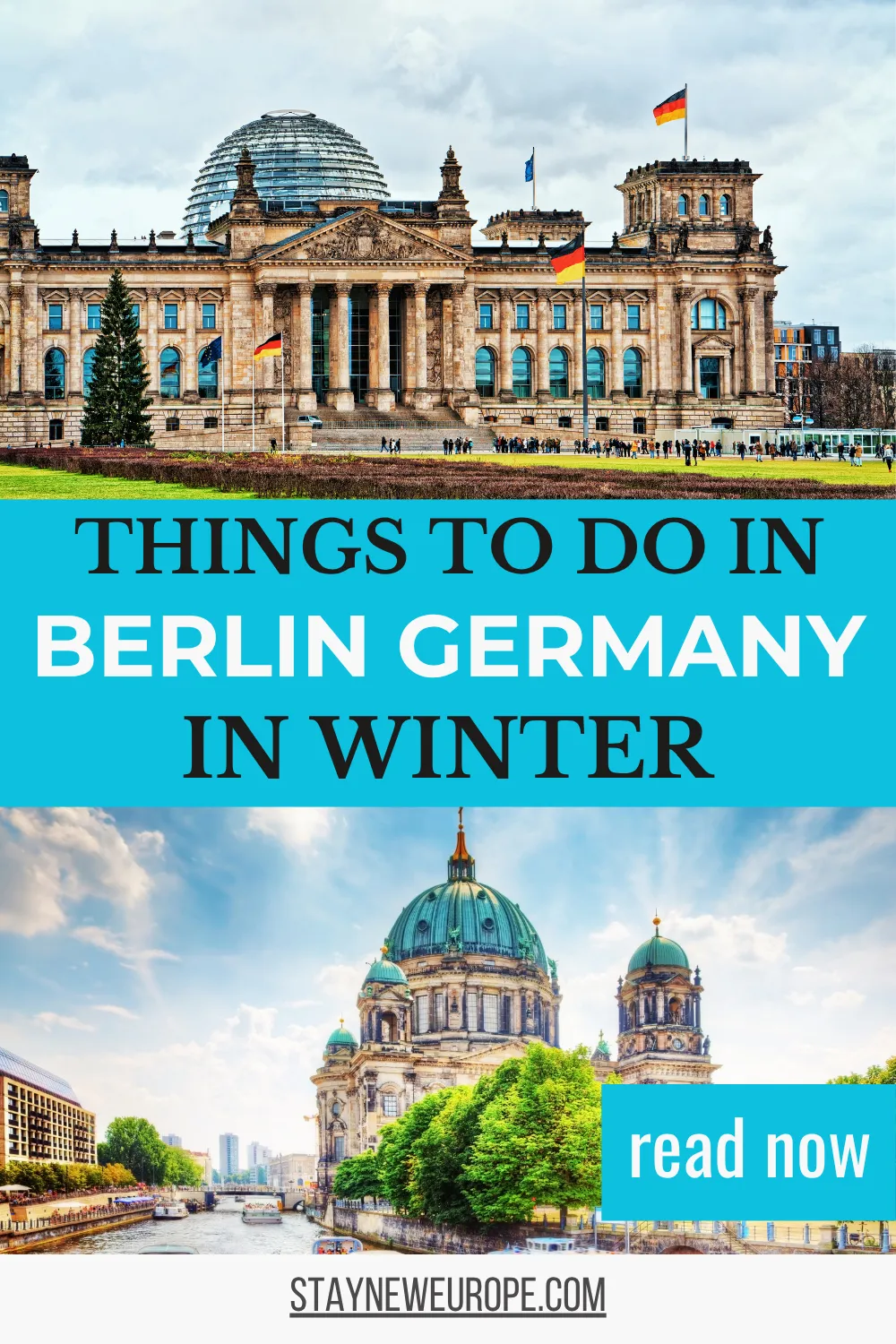
Berlin in winter has a reputation — grey skies, biting cold, a city gone to ground. People will tell you to wait for summer, when the beer gardens spill open and the parks turn golden. But here’s what they don’t say: Berlin in winter is something else entirely. The crowds disappear, the museums breathe, and the city — this wonderfully strange, unpolished, historically loaded city — reveals itself to you in a way it simply won’t in July. This is not a polished postcard. This is Berlin with its coat on.
I’ve visited Berlin across a few different seasons now, and nothing has stuck with me quite like arriving in January to a city that felt entirely my own. Frost on the cobblestones of Mitte, a warm bowl of goulash soup at a market stall, the Pergamon to myself on a Tuesday morning. That’s the Berlin winter gift — access, atmosphere, and the sense that you’ve found something real.
If you’re wondering what to do with yourself in this city when the temperature drops below freezing and the sun sets at half past three, I’ve got you covered. These are the things to do in Berlin Germany in winter that actually made me fall for the place.
Before You Pack Your Warmest Coat
Let me set the scene. Berlin winters typically run from late November through February, with temperatures hovering between -3°C and 5°C (27–41°F). Snow is possible but not guaranteed — some years you’ll get dramatic snowfall that transforms the city into something cinematic; other years it’ll just be relentlessly grey and damp. Either way, pack layers, a proper waterproof jacket, and shoes that can handle wet cobblestones without sending you sideways.
What you gain in winter more than makes up for the cold: rock-bottom accommodation prices outside of the Christmas market season (late November through December), far fewer tourists at the major attractions, easier restaurant reservations, and an authenticity to daily life that evaporates the moment summer arrives. Berliners are famously direct — they’re not performing for tourists in winter. You get the real thing.
The city’s cultural infrastructure is also extraordinary year-round. Berlin has more museums than rainy days (well, almost), a world-class classical music and opera scene, a gallery culture that spans everything from Old Masters to living street artists, and a club scene that honestly doesn’t care what the weather’s doing. Winter, if anything, is when that indoor culture really earns its place.
1. Lose Yourself in the Christmas Markets of Berlin
Before we get past December, we have to talk about the markets, because they are genuinely wonderful and you should not let anyone snob you out of enjoying them.
Berlin’s Christmas markets run from late November through Christmas Eve and they are everywhere — spread across different neighbourhoods with genuinely different personalities. The one at Gendarmenmarkt is the most famous, set between two identical cathedrals and a concert hall in what is arguably Berlin’s most dramatic public square. There’s an entry fee, but it keeps the crowds manageable, and the atmosphere — mulled wine in hand, a string quartet playing inside one of the cathedrals — is the kind of thing that stays with you.
The Winterwelt at Potsdamer Platz brings an ice rink and a proper toboggan run into the centre of the city, which is absurd and brilliant. The Lucia Christmas World at the Kulturbrauerei in Prenzlauer Berg is set inside a converted brewery and feels warmer, quirkier, more east Berlin — independent craft stalls rather than mass-produced ornaments. And the market at the Charlottenburg Palace, with its baroque façade lit up in the background, is simply beautiful.
Don’t just photograph it. Get a Glühwein, find a barrel to lean against, and stay long enough to feel it.
Local tip: Skip the tourist queues for mulled wine and look for stalls selling Feuerzangenbowle instead — a theatrical German tradition where a rum-soaked sugar cone is set on fire over the wine and left to drip. Most markets have at least one stall doing it, and it tastes extraordinary.
2. Spend a Morning at Museum Island
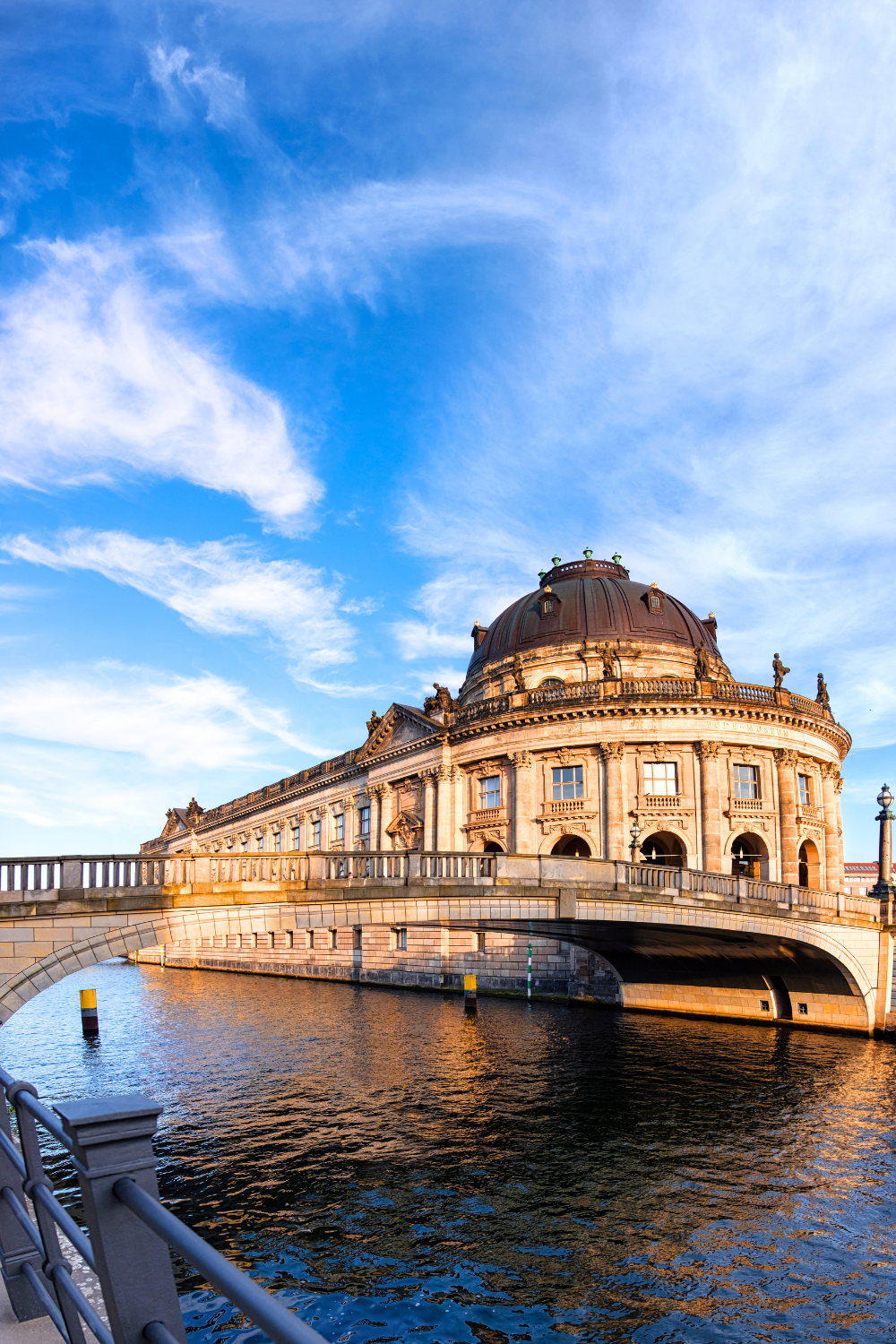
This one I will fight for, even in summer — but in winter, with the Spree steaming faintly in the cold and the crowds of August long gone, Museum Island (Museumsinsel) is on another level.
This UNESCO World Heritage Site packs five extraordinary museums onto a small island in the middle of the river Spree, right in the heart of Mitte. The Pergamon Museum alone — home to the reconstructed Pergamon Altar, the Ishtar Gate, and the Market Gate of Miletus — is worth crossing a continent for. These aren’t reproductions. The Ishtar Gate of Babylon, its lapis-lazuli blue tiles restored to something close to their original brilliance, stands before you at full scale. It is genuinely staggering.
The Neues Museum houses the Nefertiti bust, which is smaller than people expect and more affecting than they’re prepared for. The Altes Museum has a stunning rotunda. The Bode Museum, at the island’s northern tip, is architecturally wonderful and far less visited. The Alte Nationalgalerie holds nineteenth-century European art in a building that looks like a Greek temple dropped into Berlin. In winter, budget a full day, dress warmly for the walk between buildings, and don’t rush.
You can get a combined day pass for all five museums, which is excellent value.
Local tip: Book timed entry slots in advance for the Pergamon, particularly for the Blue Room featuring the Ishtar Gate — even in low season they fill up. The museum’s website lets you do this easily, and walking in without queuing is deeply satisfying.
3. Walk the East Side Gallery When No One Else Is There
The East Side Gallery is a 1.3km stretch of the Berlin Wall that still stands along the Spree in Friedrichshain, now the longest open-air gallery in the world. In summer, it’s crawling — tour groups, selfie sticks, the constant shuffle of people trying to get the perfect shot of Dmitri Vrubel’s famous “Fraternal Kiss” mural.
In winter, you can have long stretches of it almost entirely to yourself. That changes the experience completely. You can actually stand and read the plaques. You can walk the whole length at your own pace, turning around to look at the river whenever you want. The murals are astonishing in their variety — some heartfelt, some political, some just brilliantly strange — and there are 105 of them painted by artists from 21 countries in the months after the Wall fell in 1989.
The cold air on this walk feels appropriate, somehow. The Wall wasn’t a comfortable subject. Standing beside it in winter — the wind off the river, the city quiet around you — carries a weight that the Instagram summer version doesn’t quite have.
Afterwards, walk across the Oberbaumbrücke (the red-brick bridge over the Spree) into Kreuzberg for coffee. You’ve earned it.
Local tip: The stretch near the Ostbahnhof end is the most preserved and photographed, but walk the full length to the Ostpark end — the murals there are less famous and often more interesting.
4. Warm Up in the Reichstag and See the City From Above
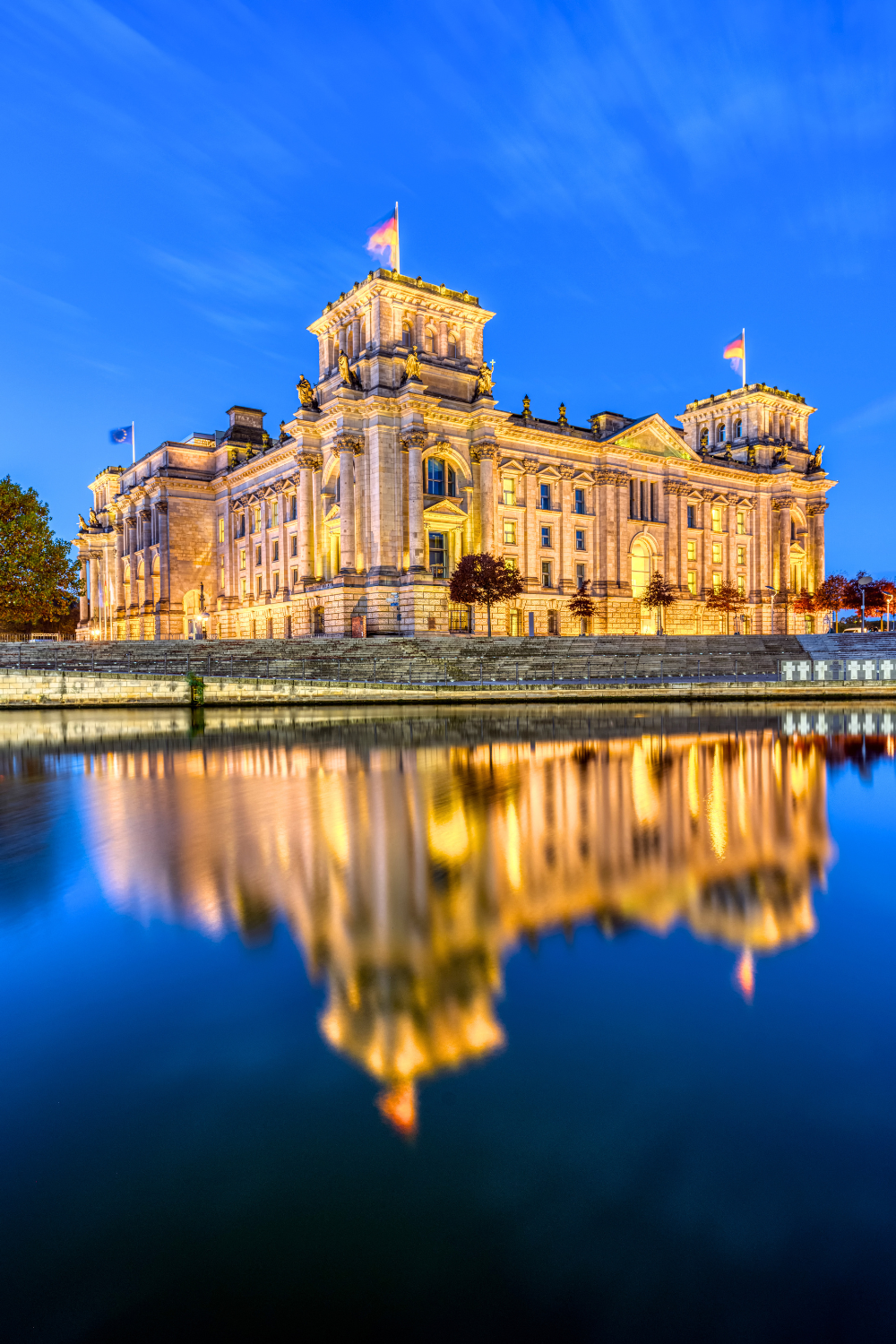
The Reichstag’s glass dome is one of the great pieces of late twentieth-century architecture — Sir Norman Foster’s addition to the restored parliament building is both functional (the mirrored cone inside reflects light down into the debating chamber) and genuinely beautiful. You walk a spiralling ramp around the interior of the dome to reach the open viewing platform at the top, and the panoramic view over winter Berlin is spectacular.
Registration is free but mandatory — you have to book in advance through the Bundestag website, and they’ll want your passport details. It’s worth the admin. The viewing platform is exposed to the elements (it’s open-air around the top), so dress warmly, but on a clear winter’s day with low sun cutting across the city, the light is extraordinary. You can see the Brandenburg Gate, the TV Tower, the vast green expanse of the Tiergarten, and far beyond into the flat Brandenburg landscape.
The interior also includes a quiet rooftop restaurant, which requires a separate reservation but which is a brilliant place to sit with a coffee after your climb.
Local tip: Book the late afternoon slot in winter and you’ll catch the sunset from the dome, with the city’s lights beginning to come on below you. The combination of fading golden light and glowing windows across the Regierungsviertel is one of Berlin’s finest moments.
5. Explore the Cold War at Checkpoint Charlie and the DDR Museum
The Cold War geography of Berlin is endlessly fascinating, and in winter — without tour group choreography cluttering every pavement — you can actually think about it properly.
Checkpoint Charlie itself, the famous crossing point between East and West Berlin in the American sector, is now surrounded by fast food and replica guard huts, which is a bit grim. But the Haus am Checkpoint Charlie museum next door is a detailed, sometimes overwhelming document of the Cold War division — full of escape vehicles, personal stories, and hand-typed documents that feel intensely human.
For something lighter but equally illuminating, the DDR Museum on the Spree embankment opposite the Cathedral is endlessly fun. It’s deliberately hands-on — you can sit in a Trabant, open the drawers of a typical East German apartment, and explore a surprisingly frank presentation of everyday life in the German Democratic Republic. The section on the Stasi surveillance apparatus is sobering; the section on East German nudism is not what you expect.
Both museums are best on a cold grey afternoon when being inside feels like a privilege rather than a concession.
Local tip: After Checkpoint Charlie, walk south along Friedrichstraße and look for the fragments of the original Wall embedded in the pavement — there are markers throughout the city showing exactly where the Wall ran, and following the line reveals how deeply it divided what is now seamlessly connected urban space.
6. Spend an Evening at the Berliner Philharmonie
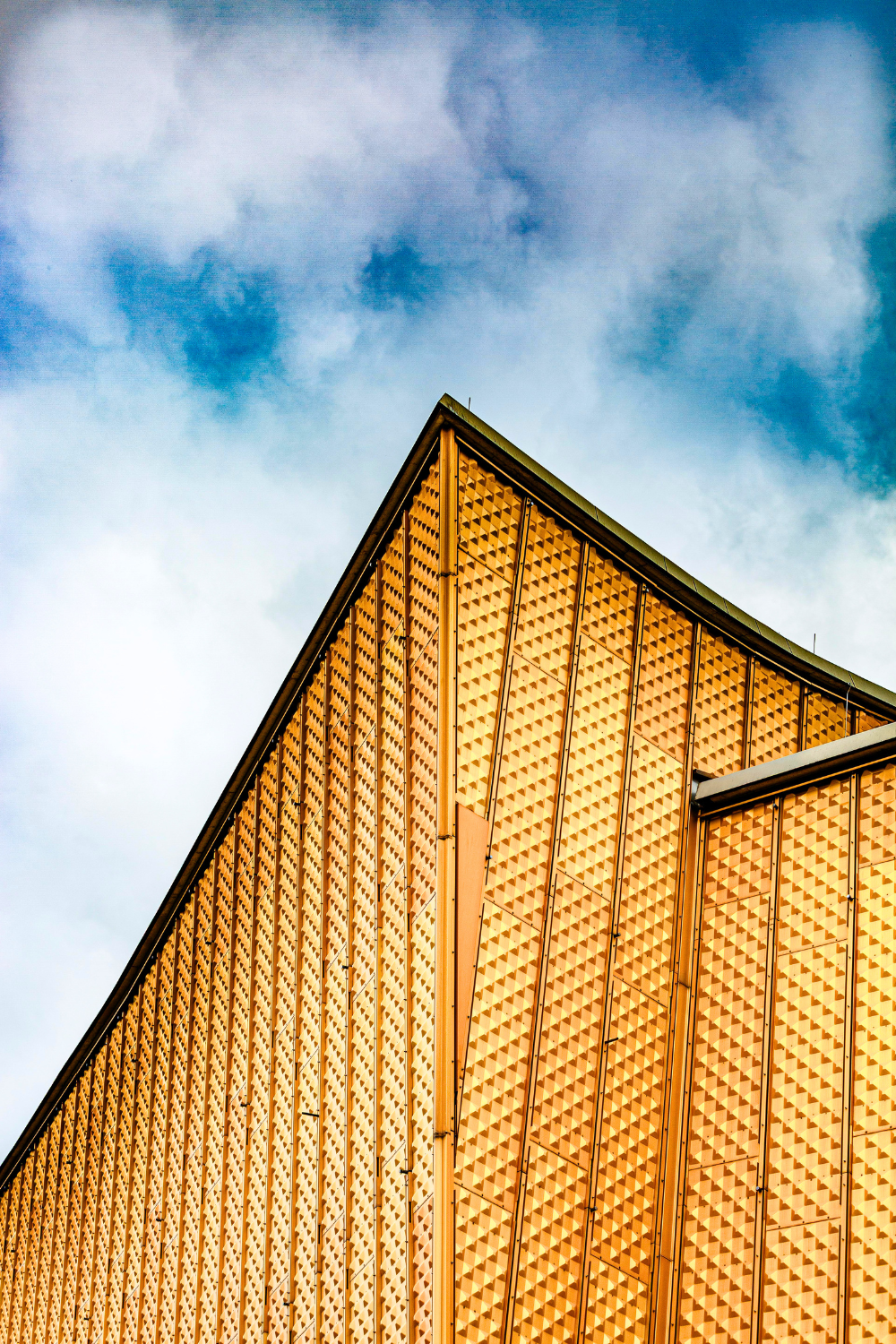
This is the one. If you do one splurge in Berlin, make it a concert at the Berliner Philharmonie.
The hall itself — designed by Hans Scharoun and opened in 1963 — is one of the greatest concert venues on earth. The asymmetric, vineyard-style seating wraps around the orchestra on all sides, which means there’s not a bad seat in the house and the acoustic is legendary. The Berlin Philharmonic plays here, which is to say one of the finest orchestras that exists plays in this building regularly, and the tickets are far more affordable than equivalent concerts in London, Vienna, or New York.
Winter is peak season for classical music in Berlin. Check the programme before you book your flights — seriously — because catching a great conductor or a Beethoven cycle in this hall is an experience that recalibrates your sense of what live music can be. Even if classical music isn’t normally your thing, give it a shot. The hall makes converts.
Dress warmly for the approach (it’s a bit of a walk from the U-Bahn in the cold), dress smartly inside (not required, but it feels right), and allow yourself to arrive early and explore the foyer, which has its own charm.
Local tip: Standing room tickets are often available on the night of a concert at the box office — they’re very cheap, and the acoustics from some standing positions are better than many seated spots elsewhere. Join the queue at least an hour before curtain.
7. Take the Train to Potsdam for Sanssouci and Frozen Gardens
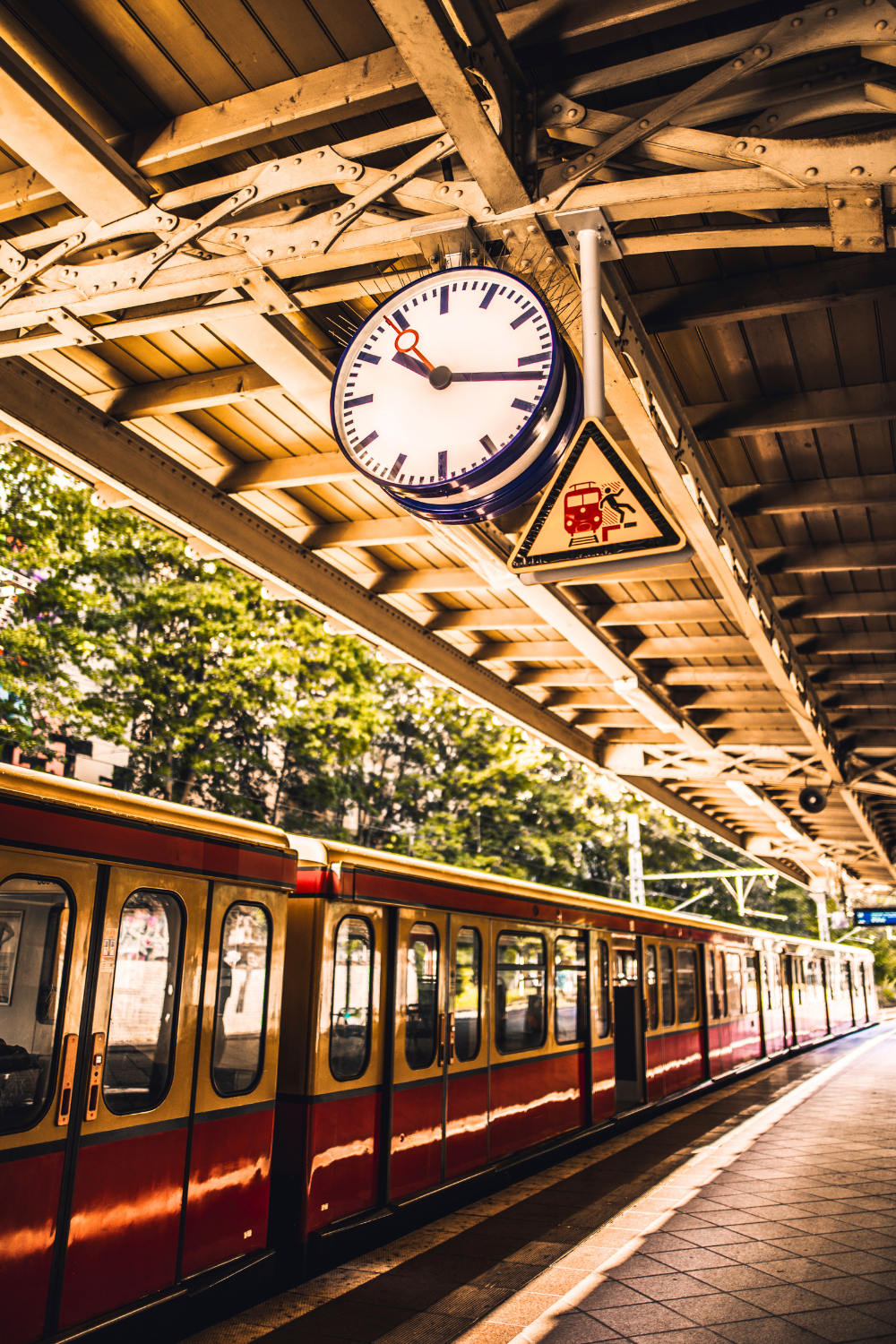
Potsdam is thirty minutes from Berlin’s central station by direct train and entirely worth the trip in winter — possibly more so than in summer, when the park is heaving.
Sanssouci Palace, Frederick the Great’s summer retreat, is a jewel of Prussian Rococo architecture perched on a terraced vineyard hill. In winter the terraces are bare, but the palace itself is open (check seasonal hours — it sometimes closes on Mondays in winter), and wandering through its gilded, intimate rooms — Frederick’s library, his music room, his bedroom — is a genuinely moving experience. This is a human-scaled royal palace, not an overwhelming one. You can feel the person who lived here.
The wider Park Sanssouci stretches for kilometres and contains multiple other palaces — the orangery, the Neue Palais, the Chinese House — all more or less accessible. In winter, the park is atmospheric in a melancholy northern European way that suits it perfectly. There’s usually a café in the Orangerie that stays open even in the cold months.
The town of Potsdam itself is handsome and walkable. The Dutch Quarter (Holländisches Viertel) — an early-eighteenth-century enclave of Dutch-style red brick buildings — has good independent cafes and is lovely in winter.
Local tip: The Brandenburg Gate in Potsdam (not to be confused with the Berlin one) is smaller and less famous but arguably more elegant. It’s right in the town centre. Worth a look while you’re there.
8. Find the Street Art of Kreuzberg and Friedrichshain
Berlin’s street art scene operates year-round and is genuinely world-class — and in winter, without the tourist slipstream, you can navigate it at your own pace.
Kreuzberg, historically the bohemian immigrant heart of West Berlin, is the epicentre. The area around Schlesisches Tor, along the canal (Landwehrkanal), and in the backstreets between Kottbusser Tor and Görlitzer Park has more murals, tags, paste-ups, and interventions per square metre than almost anywhere else in Europe. There are guided tours available, but honestly just walking and looking works.
The RAW-Gelände in Friedrichshain — a former railway maintenance facility now occupied by clubs, arts spaces, and workshops — has extraordinary walls, some of them enormous. In winter, the whole site has a slightly post-apocalyptic quality that suits its history.
What I love about Berlin’s street art is that it hasn’t been curated into a museum experience. It’s ongoing, contested, layered — new work goes over old work, political statements appear overnight, whole sections get whitewashed and repainted. It’s a living conversation and you get to eavesdrop.
Local tip: The Admiralbrücke (Admiral’s Bridge) in Kreuzberg and the surrounding canal area has some of the best concentrated paste-up and stencil work in the city, with the bonus of a perfectly positioned Späti (corner convenience store) nearby for a beer to accompany your gallery walk.
9. Warm Up in a Legendary Café or Kaffeehaus
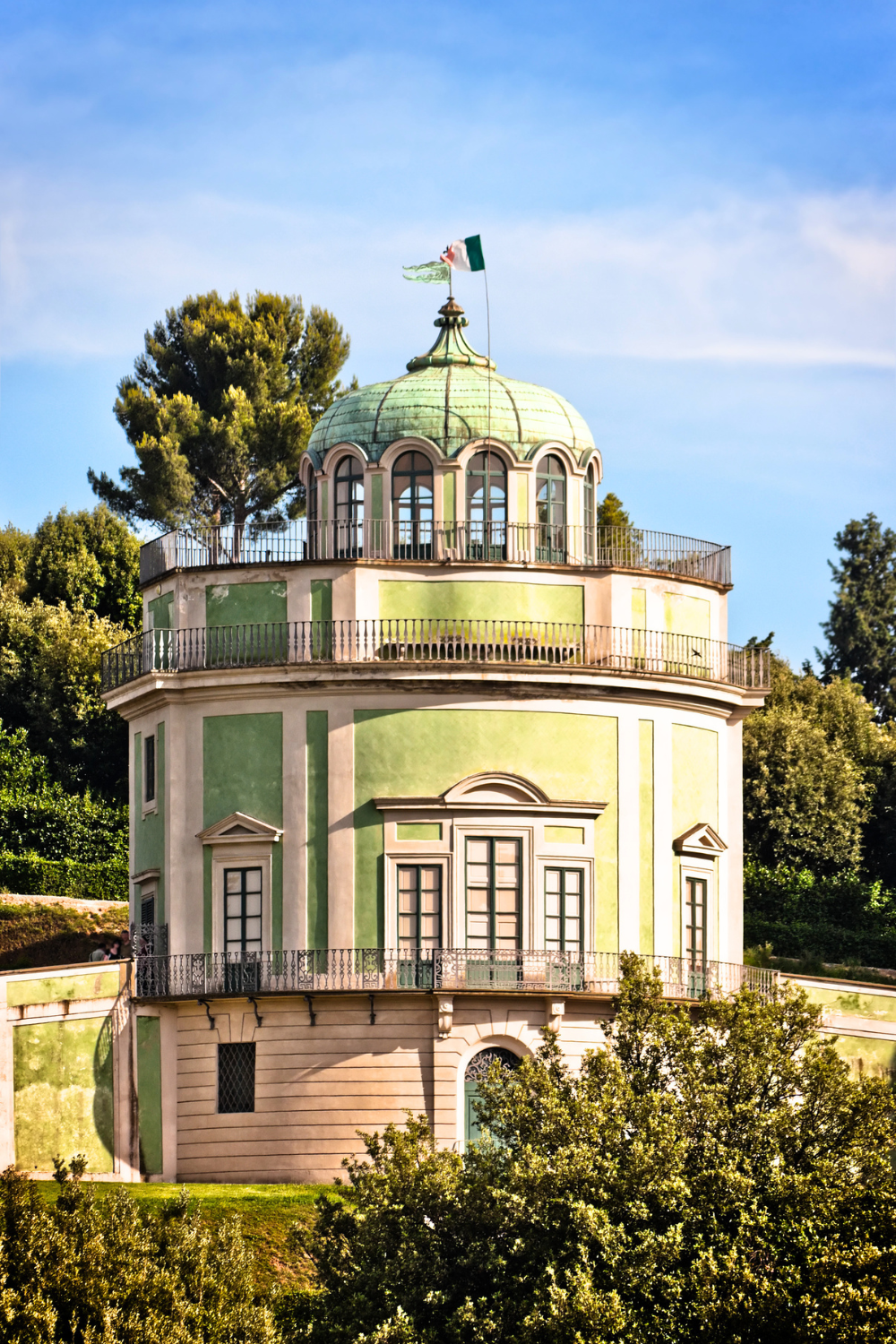
Berlin’s café culture is one of its underappreciated pleasures, and in winter it becomes central to survival. There’s a particular kind of German café — half Italian espresso bar, half Viennese Kaffeehaus — that Berlin has refined into something entirely its own.
Café Einstein Stammhaus in Schöneberg occupies a grand Wilhelminian villa and feels like stepping into 1920s Vienna, with dark wood panelling, impeccable service, and a Wiener Schnitzel that is genuinely excellent. Sit by the window on a grey afternoon with a Verlängerter (long espresso) and a slice of apple cake and you will understand something important about the idea of refuge.
In Mitte, the Café am Neuen See in the Tiergarten is magical even in winter — if the outdoor tables are closed, the interior is cosy, and the park surroundings give it a world-removed quality. Bonanza Coffee in Prenzlauer Berg is beloved of the specialty coffee crowd and has the warm, pared-back aesthetic of a really good third-wave café. In Kreuzberg, Five Elephant does exceptional coffee and their cheesecake has a small but devoted following.
Local tip: In many Berlin cafés, you can sit for two hours over one coffee and nobody will rush you. This is not rudeness on their part — it’s the established custom. Take advantage. Bring a book. Breathe.
10. Visit the Topography of Terror and the Memorial to the Murdered Jews of Europe
These are difficult, important, and essential.
The Topography of Terror is built on the site of the former SS and Gestapo headquarters near Potsdamer Platz — an outdoor and indoor documentation centre that traces the rise and operation of National Socialist terror with unflinching clarity. Entry is free. The outdoor section along a remaining stretch of the Wall is open year-round, and the indoor exhibition is one of the most carefully constructed historical accounts I’ve encountered anywhere. It doesn’t dramatise or aestheticise. It documents.
The Memorial to the Murdered Jews of Europe, just a few minutes’ walk away near the Brandenburg Gate, consists of 2,711 concrete stelae of varying heights arranged on undulating ground. In winter, with no foliage and low grey light, the effect is stark and disorienting in exactly the way it should be. Walk into the middle, where the ground drops and the stelae tower above you, and spend some time there. The underground information centre beneath the memorial contains individual stories.
Allow time after these visits. Don’t rush into the next thing on the list. These sites ask something of you, and they deserve the space.
Local tip: Visit the Topography of Terror early in the morning, ideally on a weekday. The site is free and draws consistent visitors, but in the first hour after opening you may have whole sections to yourself, which allows for a quieter, more reflective experience.
11. Discover Prenzlauer Berg’s Independent Shops and Bookshops
If Mitte is Berlin’s polished face and Kreuzberg its rebellious heart, Prenzlauer Berg is its warm and slightly dishevelled living room — and in winter, it’s exactly where you want to be.
This neighbourhood in the former East was heavily gentrified in the post-reunification years and is now a quietly prosperous mix of independent cafés, boutiques, organic food shops, and very good bookshops. The streets around Helmholtzplatz and Kastanienallee are the best for wandering — here you’ll find small vintage shops, design studios, a record shop or two, and the kind of independently owned children’s bookshop that makes you want to move here.
Bücherbogen is the name to know for books in Berlin — a small chain of excellent bookshops, one of which is built under the railway arches at Savignyplatz, another on Stadtbahnbogen. For English-language books, Another Country in Schöneberg is a secondhand shop that also operates a lending library, and has the warmly chaotic atmosphere of a shop that was assembled by someone who genuinely loves books.
Prenzlauer Berg also has the Kulturbrauerei — a vast converted brewery complex that functions as a cultural centre with cinemas, event spaces, and the previously mentioned winter Christmas market. Even outside the market season, its architecture is worth the detour.
Local tip: The Sunday flea market at Mauerpark — one of Berlin’s most famous — runs year-round, though it’s smaller in winter. Don’t go expecting bargains (locals have long since priced it to reflect its fame), but the atmosphere is great and the food stalls are good.
12. Take a Stolpersteine Walk Through the City
This is one of the most moving things you can do in Berlin, and almost nobody plans it in advance. Let me fix that.
The Stolpersteine (literally “stumbling stones”) are small brass cobblestones set into the pavement outside the former homes and workplaces of Holocaust victims — Jews, Roma, homosexuals, disabled people, political opponents of the Nazi regime. There are now over 100,000 of them across Europe, with the highest concentration in Berlin. They were designed by artist Gunter Demnig from 1992 onwards, and each one is inscribed with a name, birth year, and fate.
You can download a dedicated Stolpersteine map app that shows you their locations, but they’re also simply everywhere if you’re paying attention — shine from the corner of your eye, embedded in the pavement like tiny gravestones. When you spot one and stop to read it, the person inscribed on it becomes specific and real in a way that the word “victim” never quite achieves.
Walking with them is different from visiting a memorial. The stones are in living streets, outside buildings now occupied by cafés and apartments. The contrast is its own kind of history.
Local tip: The Bayerisches Viertel neighbourhood in Schöneberg (near Bavariaplatz) has an outdoor memorial installation called the “Places of Remembrance” — 80 signs on streetlamps showing the anti-Jewish laws enacted between 1933 and 1945. It’s harrowing and brilliant, and very few tourists find it.
13. Experience Berlin’s Club Scene on a Friday Night
Look, this is a travel guide and it would be strange not to address the elephant in the room. Berlin is the electronic music capital of the world, and its clubs operate year-round — including through the coldest January nights.
Berghain is the name everyone knows — a former power station in Friedrichshain that operates Friday night through Monday morning and maintains a strict, unpredictable door policy. The music (techno, hard techno, occasionally industrial) is extraordinary if it’s your thing, the sound system is legitimately one of the finest in the world, and the experience of the space itself — the brutalist concrete, the industrial light — is remarkable. In winter, the queue in the cold outside is a test of commitment. Wear something dark, don’t talk to your friends in the queue, and accept that you might not get in.
But Berghain is not the whole story. Tresor is older and arguably more historically significant, having opened in the basement of a former East German department store in 1991. Watergate, on the Spree in Kreuzberg, has a beautiful waterfront terrace (closed in winter, but the inside more than compensates). Sisyphos in Lichtenberg is a weekend festival-turned-club spread across a former industrial estate that has its own surreal atmosphere.
You don’t have to be a raver to appreciate what these places represent: a Berlin that refused to be polished, that insisted on its right to be strange.
Local tip: Arrive at Berghain around 2–3am (not midnight), go alone or with one other person rather than a group, dress dark and neutral, leave your phone camera out of it, and don’t over-explain yourself at the door. That’s the best advice anyone can give you.
14. Spend an Afternoon in the Gemäldegalerie
Berlin has world-class art scattered across several institutions, but the Gemäldegalerie (Picture Gallery) in the Kulturforum near Potsdamer Platz is the one that doesn’t get enough credit in casual travel conversation.
This is one of the great collections of European painting from the thirteenth to eighteenth centuries — Rembrandt, Vermeer, Caravaggio, Botticelli, Raphael, Cranach, Dürer — housed in a building purpose-built for the collection, with natural light throughout and a layout that allows for unhurried looking. In winter, with visitor numbers lower than summer, you can stand in front of Vermeer’s “Woman with a Pearl Necklace” or Caravaggio’s “Amor Vincit Omnia” without anyone crowding you.
The Amor Vincit Omnia, in particular, is a painting I keep returning to in memory. A boy — Cupid — standing triumphant over the symbols of human achievement: musical instruments, armour, scholarly texts, a crown. He looks delighted with himself. The light Caravaggio pulls across the scene is almost physical. In a quiet gallery on a winter afternoon, it stopped me completely.
Local tip: The Kulturforum complex also includes the Kunstgewerbemuseum (Museum of Decorative Arts), the Neue Nationalgalerie, and the Musikinstrumenten-Museum. All are covered by the same museum day pass, and all are worth time if you have it.
15. Explore the Abandoned and the Unusual
Berlin has a long relationship with ruins, and some of the most interesting things to do in the city are the things that exist in the gaps between official attractions.
The Teufelsberg (Devil’s Mountain) in the west of the city is an artificial hill built from the rubble of bombed-out Second World War Berlin — underneath it lies an unfinished Nazi military technical college, which was too solid to demolish. On top, the Americans built a Cold War listening station, now abandoned, its radar domes visible from a distance. Tours run year-round, and in winter, the forests around the hill are ghostly and empty. The view from the top of the hill, across the Grunewald forest to the city, is surprisingly beautiful.
The Beelitz-Heilstätten, a vast abandoned sanatorium complex about an hour southwest of Berlin, runs a dramatic treetop walk above the derelict buildings — it’s open in winter and the skeletal trees add to the atmosphere. Kaiser Wilhelm II spent time here recovering from appendicitis; Adolf Hitler was treated here after being wounded on the Somme; it served as a Soviet military hospital until 1994.
Neither of these is for everyone. But if you’re drawn to the layers of history that Berlin wears on the surface like nowhere else in Europe, they’re unforgettable.
Local tip: For Teufelsberg, book a guided tour rather than trying to explore independently — independent access is officially restricted, and the guides are knowledgeable about the Cold War history that the site embodies.
16. Eat Your Way Through the Markthalle Neun
This one is purely a pleasure.
Markthalle Neun (Market Hall Nine) in Kreuzberg is a restored nineteenth-century covered market that runs food events throughout the week, with the Street Food Thursday event being the highlight. It’s exactly what it sounds like — a covered hall packed with street food vendors from across the culinary world, from Vietnamese bánh mì to Sicilian arancini to Korean fried chicken to excellent Berlin-style curry sausages. The atmosphere is loud, sociable, and wonderfully warm when it’s cold outside.
The market also runs a regular farmer’s market on Fridays and Saturdays, focused on local and organic produce. In winter, you’ll find excellent root vegetables, German cheeses, freshly baked bread, and small-batch preserves that make excellent gifts. There’s usually someone selling mulled wine or cider from a small stand near the entrance.
Beyond Markthalle Neun, winter is the season for Berlin’s Turkish Market on Tuesdays and Fridays along the Maybachufer canal — a huge open-air market that serves the city’s large Turkish and Kurdish community and is packed with fresh produce, cheese, olives, flatbreads, and textiles. Dress warmly; the canal wind is real.
Local tip: Street Food Thursday at Markthalle Neun gets genuinely packed — arrive when it opens rather than at peak time (7-8pm), and you’ll get a seat and your pick of vendors before the best items sell out.
17. Follow the Berliner Unterwelten Underground
Beneath Berlin’s streets lies another Berlin entirely, and the Berliner Unterwelten association runs extraordinary tours of it.
Their most famous tour takes you into one of the city’s Second World War air raid bunkers — real, preserved, used by tens of thousands of civilians during the Allied bombing campaigns. The guides are meticulous historians and the experience of standing in those concrete chambers, looking at the original fittings, is profoundly unsettling and genuinely important. Berlin’s relationship with its underground infrastructure is complex: the city was bombed, divided, tunnelled under during the Cold War (the famous tunnel escape attempts ran beneath the Wall), and rebuilt above the ruins.
Other tours explore Cold War bunkers, subway system history, and the remarkable engineering that holds the city’s infrastructure together above the shifting sand. In winter, there’s an obvious appeal to going underground — the temperature in the bunkers is a stable cool-but-not-freezing, and there’s something fitting about exploring Berlin’s buried history when the city above is at its most austere.
Tours must be booked in advance and sell out quickly, even in the off-season.
Local tip: The “Dark Worlds” tour of the WWII flak tower bunker at Gesundbrunnen is the flagship experience and worth booking as far in advance as possible — it’s the most historically dense tour they offer and the one most visitors remember longest.
18. Slow Down at the Tiergarten
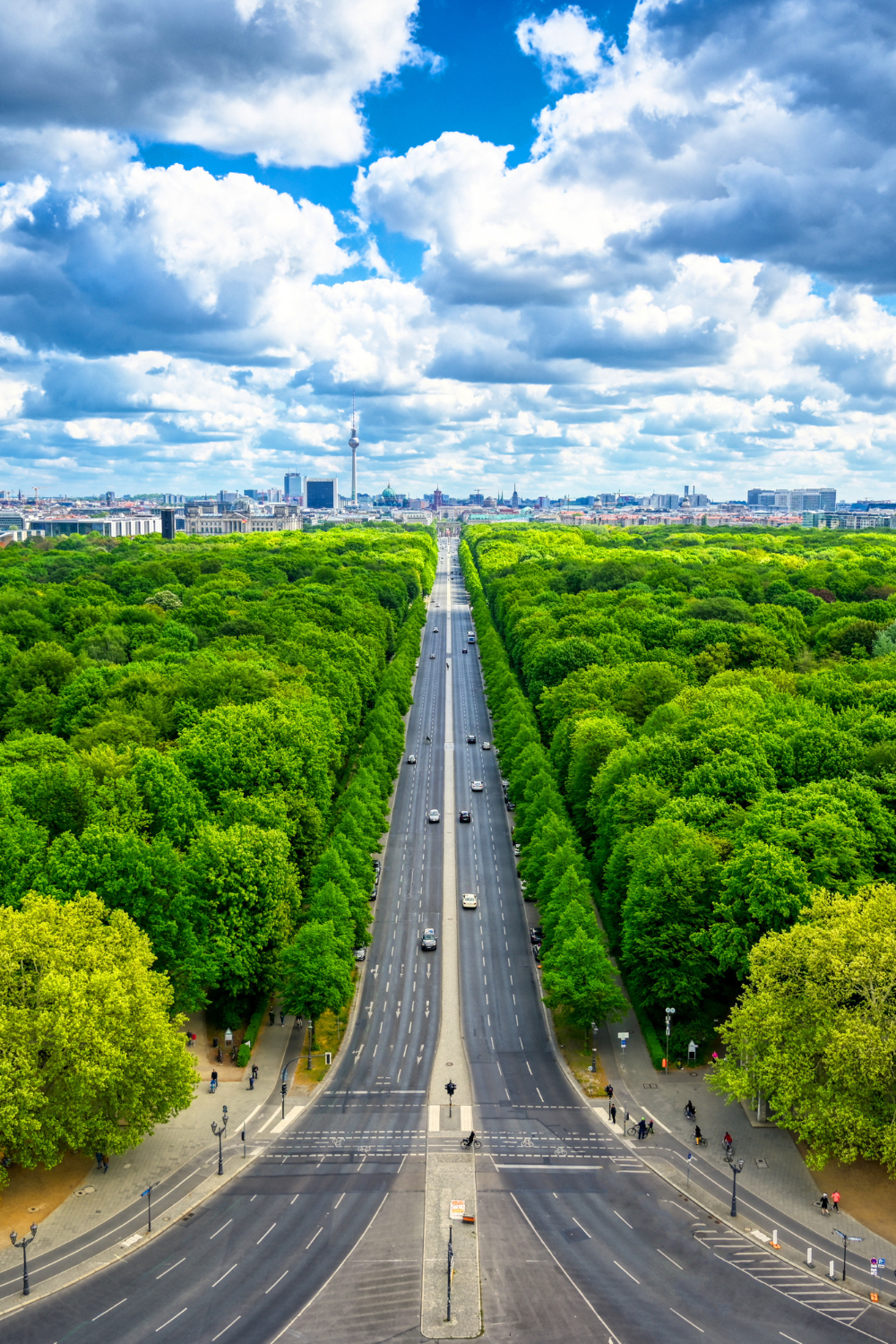
The Tiergarten — Berlin’s vast central park, larger than Central Park in New York — is often skipped in winter, and I think that’s a mistake.
In summer it’s all picnics and inline skates and the general cheerful chaos of a city enjoying itself. In winter, the park is stripped back: bare lime trees along the Siegesallee (Victory Avenue), frost on the grass, the occasional dog walker moving fast against the cold. The silence is remarkable for a city of this size.
Walk from the Brandenburg Gate into the heart of the park, following the paths along the small lake and river channels. You’ll find the Soviet War Memorial (massive, moving, slightly unsettling) near the gate end of the park. Further in, there’s the English Garden section that has a genuinely lovely quality on a winter morning. The Café am Neuen See — a boathouse café beside a small lake — is a sanctuary in any season.
At the park’s centre stands the Siegessäule (Victory Column), a 67-metre gilded column with a viewing platform at the top. It’s open year-round, costs €4 or so to climb, and the view from the top on a clear winter day — looking down the dead straight Straße des 17. Juni toward the Brandenburg Gate — is one of Berlin’s great vantage points.
Local tip: On a clear winter morning, arrive at the Siegessäule at opening time (9:30am). You’ll have the platform almost to yourself, and the low winter sun hitting the Gate and the park below is genuinely beautiful.
Practical Tips for Berlin in Winter
A few things that will make your trip significantly better:
Getting around: Berlin’s public transport (BVG) is excellent — U-Bahn, S-Bahn, trams, and buses cover essentially everything. The 7-day unlimited travel card is very good value for a week’s visit. Taxis and Uber operate normally but are rarely necessary unless you’re arriving very late or carrying bags.
What to wear: Wool base layers, a good mid-layer, and a waterproof outer with a proper hood. Wind chill is real in Berlin, particularly near the Spree. Warm waterproof boots with grip are essential — cobblestones and ice are a genuine combination. A hat that covers your ears. I cannot stress the hat enough.
When to go: Mid-January and February are the absolute quietest for crowds and cheapest for accommodation. Late November through December is the Christmas market season and still gets visitors. Early December before most markets open is a sweet spot — festive atmosphere without the worst crowds.
Eating: Berlin is one of Europe’s most exciting food cities. Beyond the tourist trail: Viet restaurants in Lichtenberg (the city has a large Vietnamese community), the Turkish and Arabic food in Neukölln, the organic cafes in Prenzlauer Berg. For a proper German winter meal — sauerbraten, Eisbein, hearty goulash soup — look for traditional Gaststätten (local restaurants) in Mitte and Schöneberg.
Money: Germany is still largely cash-oriented in smaller venues. Carry euros. ATMs are everywhere and generally free.
Language: English is widely spoken in Berlin, particularly in hospitality and tourism. A few words of German (Danke, Bitte, Entschuldigung) are always appreciated.
Hours: Many Berlin museums close on Mondays. Plan around this. Some have extended Thursday hours — very useful in winter when days are short.
A Last Word Before You Go
Berlin doesn’t ask you to love it. It doesn’t perform for you or soften its edges to make things comfortable. In winter, that quality is most visible — the city goes about its life, the cafés fill up, the museums do their slow and serious work, and you can either meet it where it is or miss it entirely.
What I keep coming back to is the sense that Berlin is still becoming. Unlike Paris or London or Rome, which feel in some ways complete — beautiful and known and finished — Berlin remains unresolved. The reunification is still within living memory. The empty lots beside gleaming new buildings tell you something. The Stolpersteine in the pavement tell you something else. The way a DJ booth in a former power station coexists with a Pergamon altar two kilometres away tells you something else entirely.
Come in winter. Come cold and curious and willing to walk. Drink the Glühwein, stand inside the Philharmonie, slow down in the Gemäldegalerie. Let the city be hard to summarise.
That’s the whole point.

