
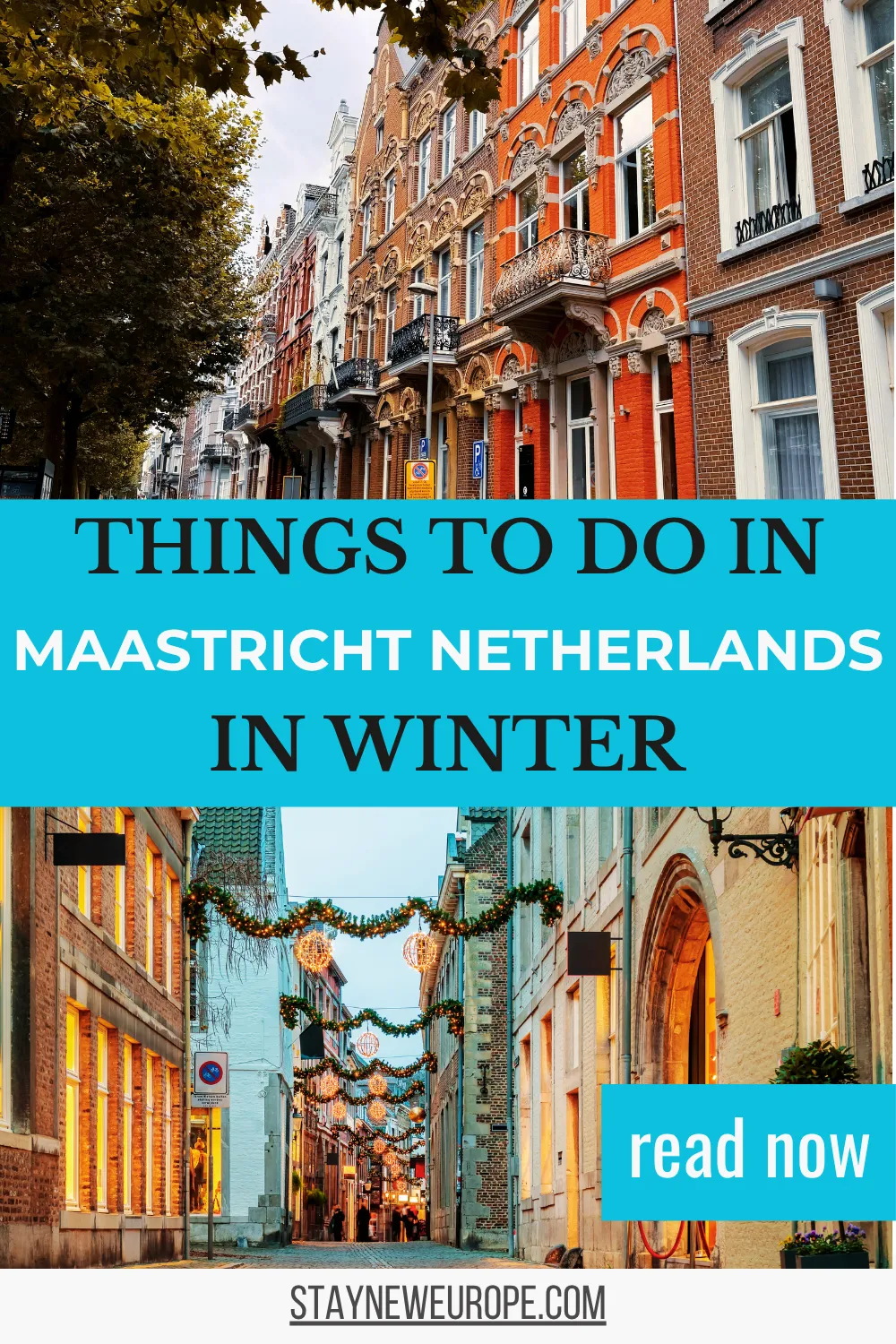
There’s a moment, usually somewhere between your second coffee and your third attempt at pronouncing “Vrijthof” correctly, when Maastricht stops feeling like a city you’re visiting and starts feeling like a city you’re living in. That’s the thing about this place — it doesn’t dazzle you all at once. It draws you in slowly, the way a good book does, one cobbled alleyway and one slice of warm vlaai at a time.
Most people heading to the Netherlands make a beeline for Amsterdam, maybe Rotterdam if they’re feeling adventurous. Maastricht tends to sit at the bottom of the itinerary, tagged as a half-day detour if time allows. That, let me be honest with you, is a genuine mistake. Maastricht is the Netherlands’ best-kept secret — a city that feels more like southern France or Belgium than the flat, windmill-strewn countryside most people expect from Dutch travel.
I’ve come back to Maastricht twice now, and I’m already planning a third visit. Below is everything I think is worth your time — from the world-famous bookshop inside a Gothic church to the quiet corners that don’t make it onto most lists.
Before You Go: Why Maastricht is Unlike Any Other Dutch City
Here’s a bit of context that makes everything you experience here make more sense. Maastricht is the southernmost city in the Netherlands — so far south, in fact, that it’s closer to Brussels and Cologne than it is to Amsterdam. The city sits on the Maas River right at the point where the Netherlands, Belgium, and Germany almost touch, and that geographical peculiarity has shaped everything: the architecture, the food, the pace of life, the attitude.
This is a city with more than 2,000 years of history behind it. The Romans were here first, followed by the French under Louis XIV, then the Spanish, then Napoleon. The result is a city that looks nothing like Den Haag or Delft — you’ll find Romanesque basilicas, baroque city gates, Spanish-era ramparts, and a food culture that owes as much to Burgundy as it does to Holland. Even the local dialect, Mestreechs, is its own thing entirely.
Maastricht also holds a peculiar diplomatic distinction: in 1992, the Maastricht Treaty was signed here, effectively laying the groundwork for what became the European Union. So in a very real sense, when you’re wandering these streets, you’re walking around the birthplace of modern Europe. Not bad for a city most tourists overlook.
It’s also — and this surprised me — a genuinely young city. Maastricht University draws thousands of international students, which gives the place a warmth and cosmopolitan energy that belies its ancient bones. You’ll find excellent coffee next to a 13th-century church wall, and a Michelin-starred restaurant a five-minute walk from a student bar. That tension between old and new is what I love most about it.
1. Vrijthof Square
If there’s one place that captures Maastricht’s soul in a single glance, it’s Vrijthof. This is the main square — enormous, tree-lined, and surrounded by centuries of history on every side — and it manages to feel both grand and completely relaxed at the same time.
On one end you have the imposing Romanesque facade of the Sint Servaasbasiliek; on the other, the striking red tower of Sint Janskerk, which you can climb for panoramic views over the rooftops. In between: rows of cafe terraces, locals sipping coffee in the afternoon sun, and an atmosphere that makes you feel like you’ve stumbled into the most civilised place on earth. I spent an embarrassing amount of time just sitting at one of the outdoor tables watching people live their lives, and I do not regret a single minute of it.
Throughout the year, Vrijthof transforms. In July it becomes the stage for André Rieu’s legendary open-air concerts — Maastricht’s most famous son sets up his Johann Strauss Orchestra under the stars and the whole city turns out. In December, a Christmas market fills the square with mulled wine and handmade gifts. In August, the Preuvenemint food festival takes over, with the city’s best restaurants setting up stalls and essentially becoming one enormous outdoor party.
The oldest cafe on the square is In den ouden Vogelstruys, which dates back centuries and still serves a perfect glass of local beer to anyone sensible enough to order one.
Local tip: If you want Vrijthof at its most magical, get there early on a weekday morning before the tourist coaches arrive. The square at 8am, with just a handful of locals and pigeons for company, is an entirely different and far more atmospheric experience.
2. Boekhandel Dominicanen (The Dominicanen Bookstore)
I’m going to save you the suspense: yes, it really is that good. A 700-year-old Dominican church, its soaring Gothic vaulted ceilings still intact, its stained glass windows still catching the morning light — and inside it, one of the most beautiful bookshops you’ll ever set foot in.
The conversion happened in 2006 and has been voted the most beautiful bookshop in the world on more than one occasion. What strikes you first is the scale — the nave is dominated by a massive three-level bookcase that you can actually climb, wandering between shelves while looking up at medieval frescoes painted directly on the stone arches above you. It shouldn’t work. Somehow, impossibly, it does.
There are over 50,000 books here, a decent selection in English, and a cafe tucked into the apse that serves excellent coffee under the Gothic arches. I bought three books I didn’t need and had a cappuccino surrounded by people doing exactly the same thing, and it was one of the highlights of my trip.
Local tip: Go on a weekday afternoon rather than a weekend morning. Weekend mornings it can feel genuinely crowded, which breaks the spell a little. On a quiet Tuesday at 2pm, you might almost have the place to yourself — which is when it becomes properly transcendent.
3. The Sint Servaasbrug (Saint Servatius Bridge)
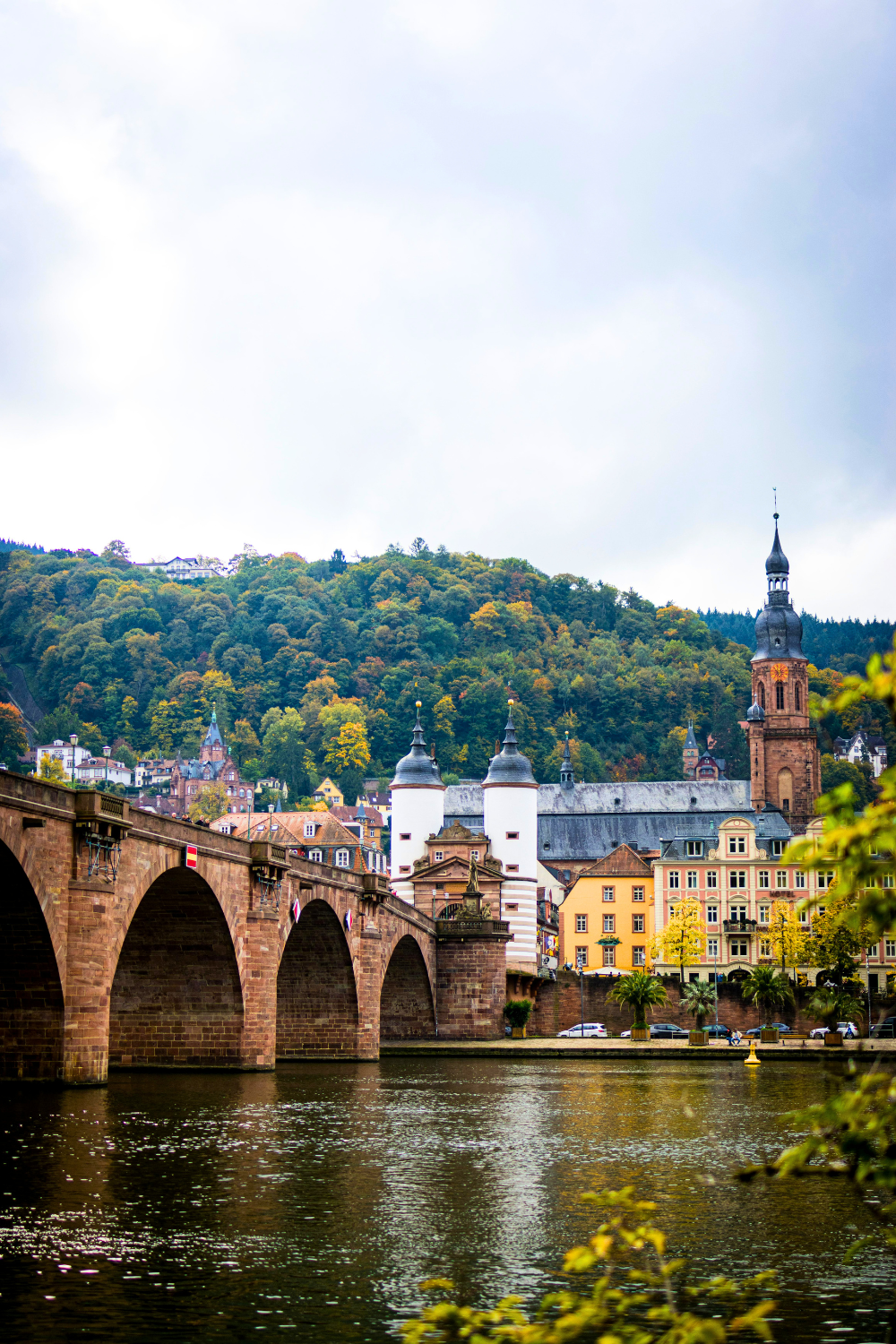
The oldest bridge in the Netherlands doesn’t make a fuss about itself, which is part of why I love it. The Sint Servaasbrug stretches across the Maas River in a series of graceful stone arches, connecting the historic centre to the Wyck district on the east bank, and it’s been doing this — in various forms — since the 13th century.
Walking across it, you get Maastricht’s best unobstructed view: the old city’s skyline behind you, the hills of Limburg rising in the distance, boats easing along the river below. When the weather is good, it’s a genuinely lovely spot to linger — and Maastricht is exactly the kind of city where lingering is encouraged.
The name comes from Saint Servatius, Maastricht’s patron saint and the city’s first bishop, whose tomb sits inside the basilica that bears his name. The bridge was partly destroyed and faithfully reconstructed over the centuries, and the fact that it still feels ancient and solid underfoot is its own small triumph of civic pride.
Local tip: Come back at night. The bridge is beautifully lit after dark, and the reflection of the city lights on the Maas is one of those simple pleasures that costs nothing and stays with you.
4. The Jekerkwartier
My honest favourite part of Maastricht, and the area I’d recommend above all others to anyone who wants to understand what this city actually feels like when you get beneath the tourist surface.
The Jekerkwartier — sometimes called the Quartier Latin of Maastricht — is the most historic neighbourhood in the city, a tangle of narrow streets and low-roofed buildings clustered around the small Jeker river that runs through it. Artists, academics, and long-time Maastrichtenaars live here, and you can feel that in the atmosphere: it’s quiet, thoughtful, a little bohemian, full of hidden courtyards and secret gardens that you’d walk straight past if you didn’t know to look.
There’s a former 15th-century convent, the Faliezustersklooster, whose serene inner garden is open to visitors. The Helpoort — more on that below — marks the quarter’s southern edge. Tiny bridges cross the Jeker. Vines grow up old stone walls. It feels, genuinely, like the kind of neighbourhood you’d want to live in if the universe suddenly decided to be kind to you.
The Jekerkwartier is also home to some of the city’s best independent restaurants and cafes — Café Sjiek in particular, which has been serving traditional Limburg dishes for over thirty years to people who actually live here, not just people passing through.
Local tip: Download a map of the Jekerkwartier before you go and just wander without a fixed plan. The best things you find here — a garden gate left open, a cat asleep on a medieval step, a tiny baker with a handwritten sign — are the ones you stumble into accidentally.
5. Helpoort (Hell’s Gate)
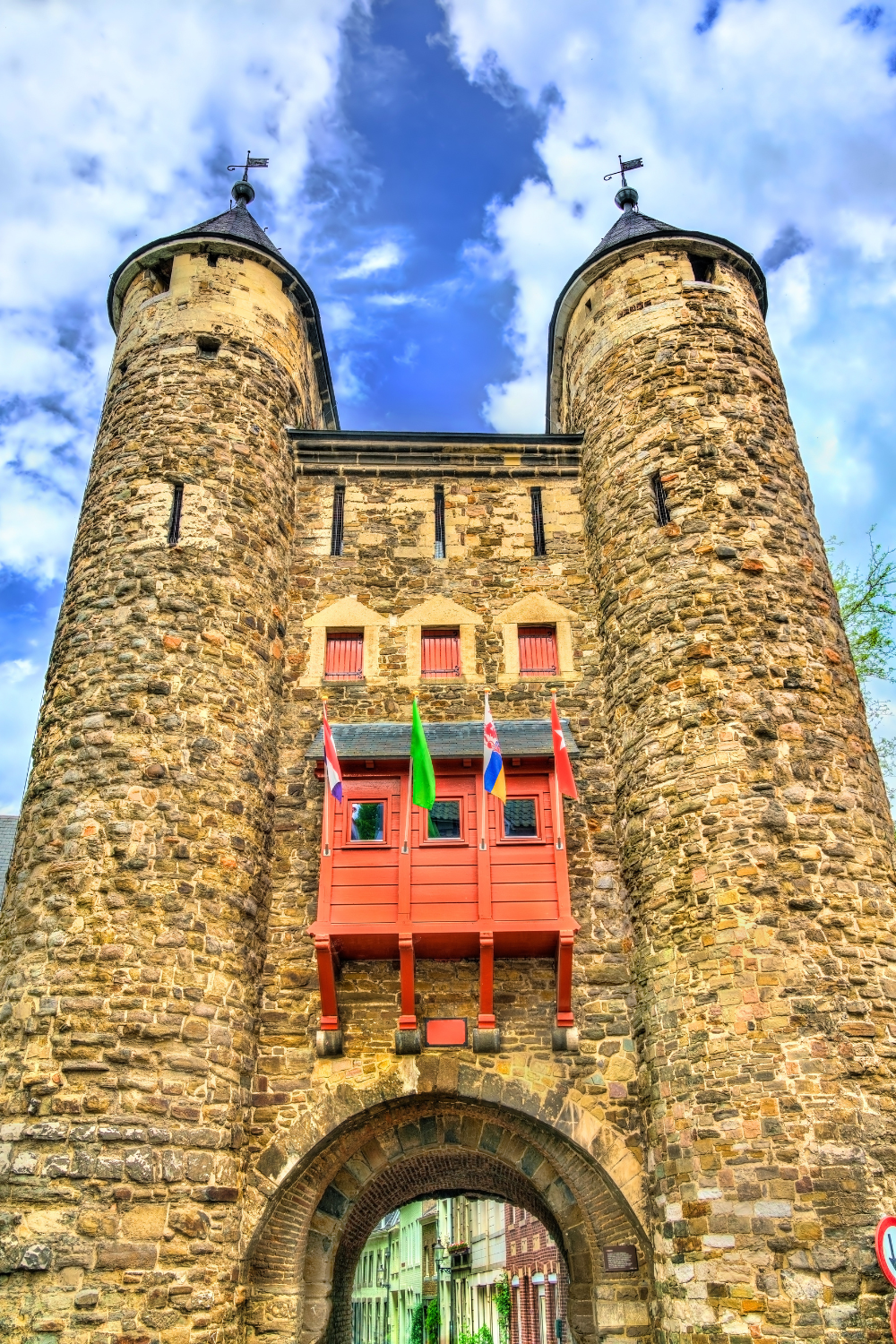
It’s called the Gate of Hell, which is a name guaranteed to make you look up from your map. The Helpoort is the oldest surviving city gate in the Netherlands, built in the 13th century as part of the first ring of medieval walls that once enclosed Maastricht entirely.
What’s remarkable is how unassuming it looks in person. It’s a small, rounded gate tower, not much taller than the buildings around it, tucked at the end of Sint Bernardusstraat where the city wall meets the Jeker. You walk through it — through a gap in stone that people have been walking through for nearly 800 years — and then you’re standing on the old wall, looking back at the city, and the weight of history does something peculiar to the back of your throat.
You can walk along the remaining sections of the medieval fortifications from here, following the old perimeter down to where the walls meet the riverside. It’s a beautiful walk, especially in spring when the trees along the ramparts are in blossom.
Local tip: There’s a small garden just inside the Helpoort that locals use as a quiet lunchtime retreat. Grab something from a nearby bakery and eat it there — you’ll feel like a Maastricht resident rather than a tourist, which is frankly the whole point.
6. Maastricht Underground (The Caves)
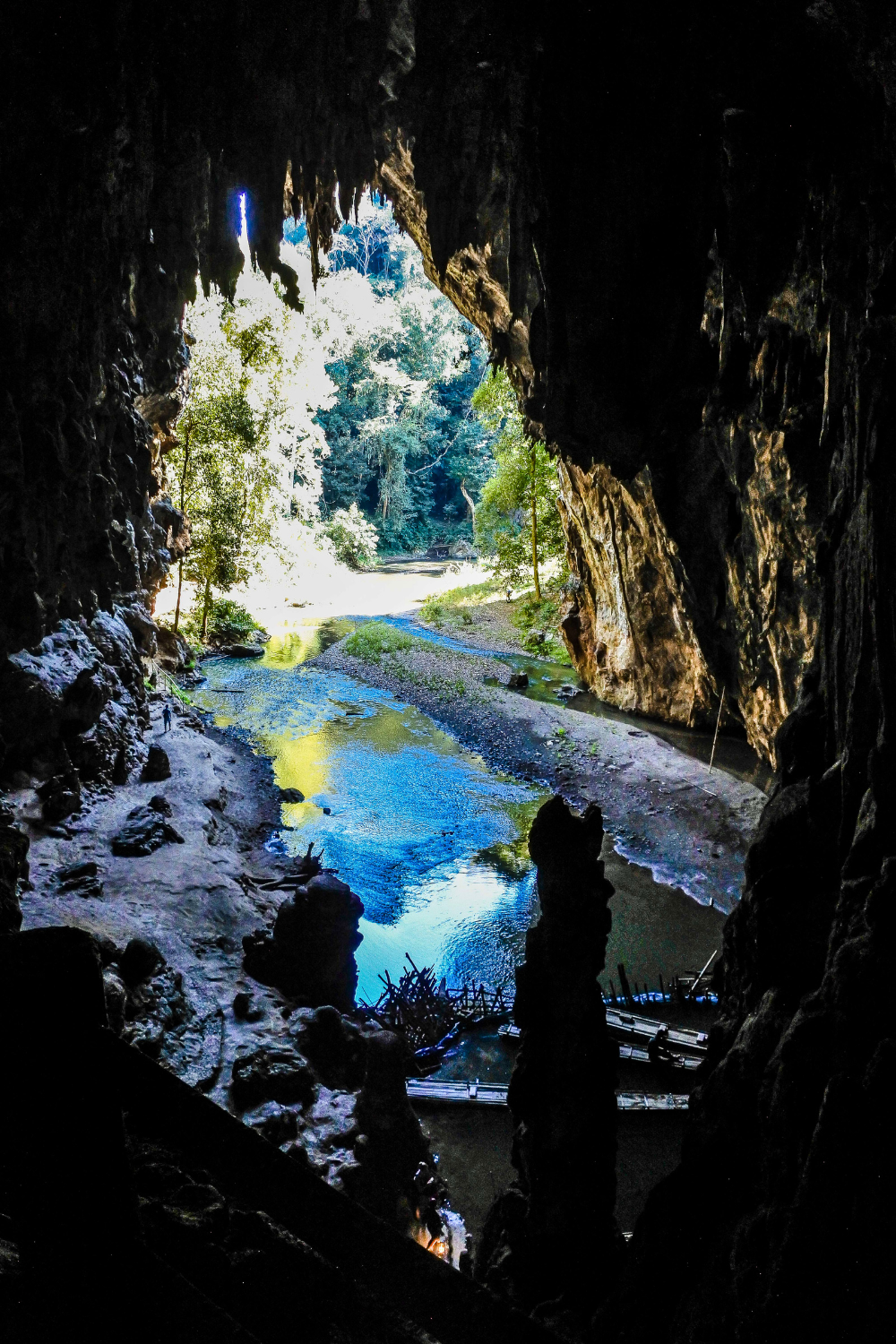
Beneath Maastricht lies a world most visitors never see. The city sits on a bedrock of marlstone — a soft limestone that was quarried for centuries to build the city above — and the result is an extraordinary network of underground tunnels stretching for kilometres in every direction under the St. Pietersberg hill.
There are two main cave systems you can visit: the Noord Caves and the Zonneberg Caves, both accessible only via guided tours. And here’s the thing that elevates these from “mildly interesting underground tunnels” to something genuinely extraordinary: during the Second World War, when the city was under threat of bombardment, locals brought some of their most precious possessions down here for safekeeping. That included Rembrandt’s The Night Watch, which spent the war hidden in these caves. The Zonneberg cave system contains a life-sized charcoal carving of The Night Watch, created by people sheltering underground during the conflict. Standing in front of it in the lamplight is an oddly moving experience.
The caves also served as mushroom farms, as military shelters, and as escape routes during countless sieges throughout the city’s long history. The temperature inside stays at a constant cool regardless of the season — bring a light layer even in July.
Local tip: Book your cave tour well in advance in summer; they sell out regularly. The Noord Caves tour tends to be slightly more atmospheric and historically rich — that’s the one I’d choose if you can only do one.
7. The Bonnefanten Museum
If you only visit one museum in Maastricht, make it this one. The Bonnefanten sits in the Ceramique neighbourhood, across the river from the old town, housed in a striking building designed by Italian architect Aldo Rossi with a distinctive rocket-shaped dome you can spot from across the city.
Inside, it brings together two things that don’t usually share a roof: early European art from the medieval and Renaissance periods — altarpieces, sculptures, devotional objects — alongside a rotating collection of contemporary work by southern Dutch artists. The combination is more coherent than it sounds. There’s something interesting about seeing a medieval triptych and a conceptual installation in the same afternoon, in a building that looks like it was designed for a different century entirely.
The dome is worth making time for specifically — it tends to house the most experimental and challenging installations, and the space itself has a quality of light that makes whatever’s inside look more interesting than it might elsewhere.
Local tip: After the museum, walk around the Ceramique neighbourhood itself, which was built on the site of the old Sphinx ceramics factory. The Sphinx Passage — a 120-metre-long covered walkway lined with 30,000 ceramic tiles telling the history of the city’s ceramics industry — is one of Maastricht’s best hidden gems and almost nobody knows it’s there.
8. Sint Pietersberg (Saint Peter’s Hill)
This is Maastricht’s great outdoor secret. Sint Pietersberg is a low hill just outside the city centre, green and wooded, rising above the point where the Maas bends south toward Belgium. It offers the best views in the city — and considerably more than just views.
Up here you’ll find Fort Sint Pieter, an 18th-century fortress whose underground tunnels and casemates you can explore on a guided tour, learning about the various military campaigns in which it played a role. You’ll find the ruins of Lichtenberg Castle, where you can climb the remaining tower for views that reach into Belgium on a clear day. You’ll find the ENCI viewpoint, a free panoramic platform overlooking a former marlstone quarry that has since rewilded into something genuinely beautiful, with cliffs and lakes and a landscape that feels completely unlike the Netherlands you thought you were visiting.
And at the top, there’s Monte Nova café, where you can sit on a terrace and eat vlaai while looking down at the city below. It’s exactly as good as it sounds.
Local tip: Allow three to four hours up here rather than the hour most visitors give it. There are waymarked walking routes all over the hill, and the quieter paths through the woodland in the late afternoon, when the light goes golden, are worth every extra minute.
9. Stokstraat
Maastricht’s most elegant street is a short, beautifully preserved stretch of buildings from the 17th and 18th centuries, running between Vrijthof and the old market area. The facades here are immaculate — stepped gables, carved stonework, painted shutters — and the street has been home to the city’s finest boutiques, jewellers, and restaurants for longer than most Dutch cities have existed.
Today, Stokstraat is where you come for luxury shopping, for wine bars with excellent French and Burgundian menus, and for the kind of patisseries that make you stand in front of the window for an uncomfortable amount of time before going inside. It’s unashamedly upmarket but doesn’t feel snobbish — the terrace cafes fill up with local regulars as much as visitors, and there’s a lived-in quality to the street that keeps it from feeling like a film set.
This is also where you start to feel the Burgundian influence most strongly. The food here — rich, meaty, heavy with wine and cream and slow cooking — has more in common with Dijon than with Amsterdam, and that’s not an accident. Maastricht’s southern French and Belgian heritage is nowhere more obvious than on a plate at one of Stokstraat’s better restaurants.
Local tip: The side streets branching off Stokstraat are worth exploring. In particular, Platielstraat and Bredestraat have small independent shops and cafes that feel far less polished and far more local.
10. The Basilica of Our Lady (Onze Lieve Vrouwebasiliek)
While Sint Servaas tends to get the headlines, the Basilica of Our Lady is — and I say this with full awareness that it’s a bold claim — the more quietly powerful of Maastricht’s two great churches. It sits just off Onze Lieve Vrouweplein, a lovely small square with cafe terraces, and its exterior is almost fortress-like: heavy, grey, Romanesque, with twin towers and very few windows. It looks closed even when it’s open.
Inside, the contrast catches you completely off guard. The nave is dark and cool and lit almost entirely by candles, and in the side chapel you’ll find the shrine of Mary, Star of the Sea — a deeply venerated statue that has drawn pilgrims for centuries, and still does. People kneel here, light candles, leave handwritten notes. The religious atmosphere is genuine rather than performed, and it gives the basilica a weight that more tourist-friendly churches lack.
The church’s treasury houses medieval relics, silverwork, and religious art of real quality. But it’s the main church itself — its age, its atmosphere, its continuing life as an active place of worship — that makes it worth the visit.
Local tip: The small cloister attached to the basilica is often overlooked by visitors who don’t realise it’s accessible. It’s a quiet, shaded garden with a peaceful quality that makes it a perfect ten-minute escape from the city.
11. The Wyck District
Cross the Sint Servaasbrug heading east and you land in Wyck, which is everything that Amsterdam’s Jordaan wants to be when it grows up: genuinely cool without trying too hard, full of independent shops and interesting food, and populated by actual people who actually live there.
The neighbourhood has a more relaxed, bohemian energy than the historic centre across the river. You’ll find concept stores, vintage shops, small galleries, artisan bakeries, and the kind of specialty coffee places that take their beans very seriously indeed. Bocca, a roastery and café on Wycker Brugstraat, is a favourite for good reason — the coffee is outstanding and the people-watching from the window seats is first rate.
Wyck is also where you’ll find some of Maastricht’s best casual dining, particularly along the streets running parallel to the river. The neighbourhood has a comfortable, slightly alternative energy that feels different from the more formal grandeur of the old town — and on a longer visit, it’s worth spending a morning or afternoon just wandering without purpose.
Local tip: The Saturday morning market in Wyck, on Stationsplein near the railway station, is excellent for local produce, cheese, and street food. It’s a genuine neighbourhood market rather than a tourist affair, and the atmosphere at 9am — locals with their trolleys, children eating stroopwafels — is the most ordinary and therefore most real version of Maastricht life you’ll encounter.
12. Vrijthof’s Outdoor Dining Scene and Cafe Falstaff
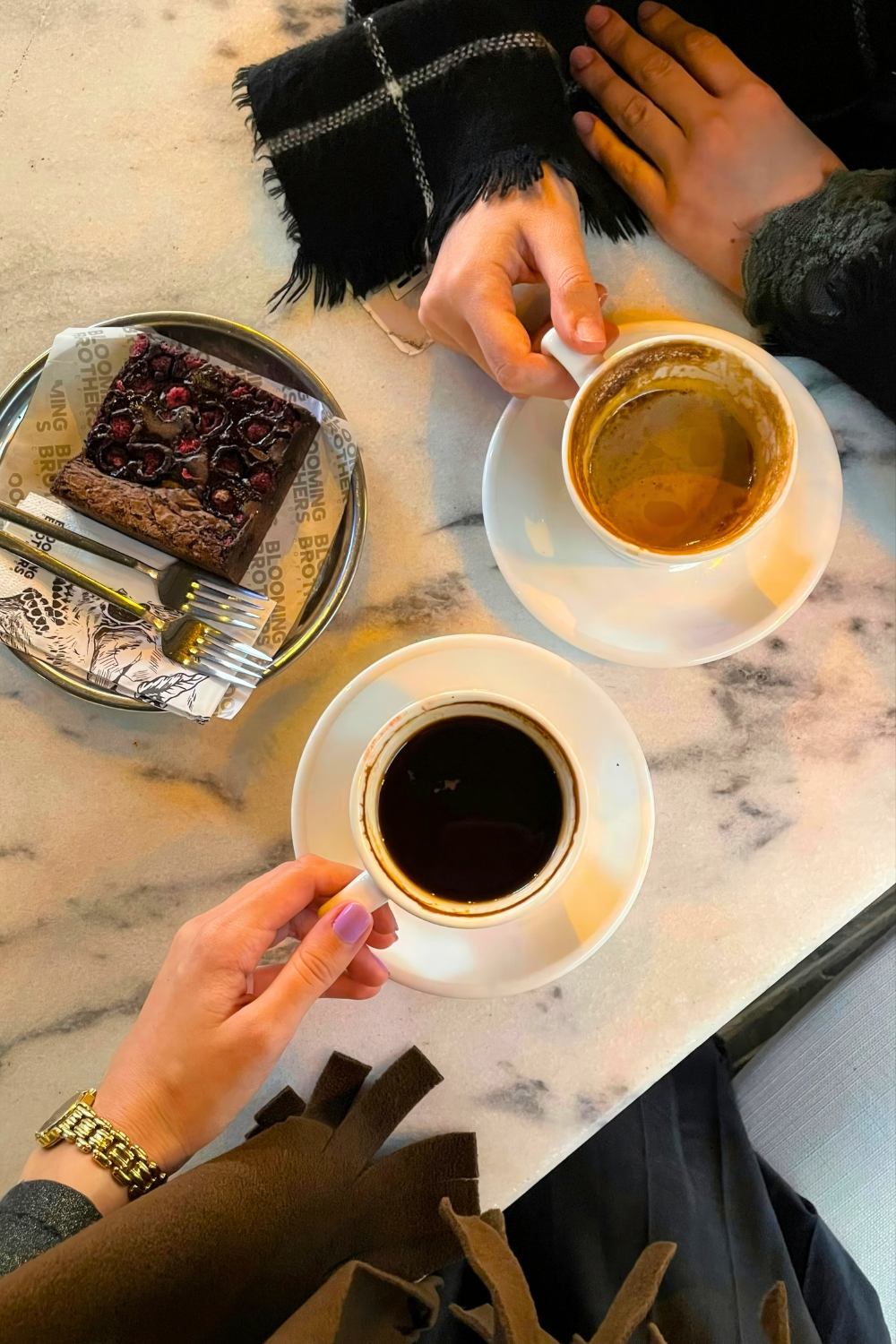
Let me be slightly contradictory here: I’ve already told you that Vrijthof’s cafe terraces are wonderful for lingering, but the specific café I want to single out sits just off the square and wouldn’t normally make it onto a “top attractions” list. Café Falstaff, a small and deliberately unfussy local pub on Vrijthof’s edge, is where the people who actually live in Maastricht go for a beer — not the tourists, not the group visitors, the locals.
It has a selection of Limburg regional beers that you won’t find at the more visible terrace cafes, and a warmth of welcome that suggests they’ve been serving the same neighbourhood for a long time. The sort of place where someone at the bar will explain the beer menu without you having to ask, and where you end up staying for two hours when you planned to stay for twenty minutes.
More generally, the outdoor dining scene in Maastricht is exceptional by any standard. The city has a culture of long, leisurely meals — very un-Dutch in the best possible way — and the restaurant-to-resident ratio is one of the highest in the Netherlands. Food matters here. People talk about it, argue about it, plan entire evenings around it.
Local tip: Book restaurant tables in advance for weekend evenings, particularly in summer. The most popular places — especially around Vrijthof and in Jekerkwartier — fill up fast, and the Dutch don’t do walk-in dining the way southern Europeans do.
13. The Bisschopsmolen (Bishop’s Mill)
This one surprised me. Tucked into the Jekerkwartier beside the small Jeker river, the Bisschopsmolen is a working watermill — the oldest functioning watermill in the Netherlands — that has been grinding grain on this spot since the 11th century. That’s not a typo: the 11th century.
Today it still works, and the flour it produces is baked into bread and vlaai sold in the small bakery attached to the mill. This is not a tourist trap with overpriced gifts — it’s a genuinely operating bakery that happens to be housed in a medieval watermill, and the vlaai they sell is some of the best in the city. Warm from the oven, with a cherry or rice pudding filling, eaten sitting beside the Jeker with the sound of the water wheel turning: this is one of those simple experiences that you find yourself telling people about for months afterward.
Local tip: Go on a Saturday morning, when the mill is running and the bakery is at its most active. They sometimes run small tours of the mill itself — worth doing if the timing works out.
14. The Markt (Market Square) and the City Hall
While Vrijthof gets all the architectural glory, Maastricht’s Markt — the main market square, slightly north of the centre — is where day-to-day city life really happens. The imposing 17th-century Stadhuis (City Hall) dominates the square, its colonnaded facade and bell tower striking a confident tone over the market stalls below.
On Wednesday and Friday mornings, the Markt fills with a proper Dutch street market: fresh produce, local cheese, flowers, herring, stroopwafels, and a volume of human activity that makes it feel genuinely alive in a way no curated tourist experience can replicate. The Friday market is particularly good — larger, more varied, with food stalls that reward the hungry and the indecisive in equal measure.
It’s worth wandering the streets immediately around the Markt as well. The Grote Staat, Maastricht’s main shopping street, runs nearby, as do several smaller pedestrian lanes with independent shops that wouldn’t look out of place in Paris.
Local tip: The Markt on a market morning is the best place to try local snacks without sitting down in a restaurant. Look for stalls selling Limburgse vlaai by the slice, poffertjes (small Dutch pancakes with butter and powdered sugar), and aged Limburg cheese.
15. The André Rieu Connection
This might seem like an odd entry on a list of things to do — a person, rather than a place — but bear with me, because André Rieu is genuinely woven into the fabric of this city in ways that go beyond celebrity tourism.
Maastricht’s most famous son was born here in 1939 and still returns every summer to conduct his Johann Strauss Orchestra on the Vrijthof in a series of concerts that transform the square into one of the most magical outdoor performance spaces in Europe. Thousands of people fly in from around the world specifically for these July concerts — couples in their 70s who’ve been coming for twenty years, younger visitors who stumbled across a YouTube video and found themselves strangely moved. The atmosphere is unlike any classical music event I’ve attended anywhere else.
Even if you’re not visiting in July, the André Rieu Museum — located in his actual hometown studio — gives context to a career that has made Maastricht internationally known in ways the treaty arguably never quite managed. And it makes you see Vrijthof differently, knowing that every summer it becomes something extraordinary.
Local tip: If you want concert tickets for the July shows, book months in advance. We’re talking six months minimum for good seats, and some tickets sell out within hours of release. Check the official André Rieu website for dates and booking — the unofficial reseller market is aggressively priced.
16. Café Sjiek and the Zoervleis Experience
There are restaurants and there are institutions, and Café Sjiek — located in the Jekerkwartier on Sint Pieterstraat — falls firmly into the second category. It’s been serving traditional Limburg cuisine for over thirty years, it looks exactly the same as it presumably did three decades ago, and the people eating there are overwhelmingly locals who’ve been coming since before you’d heard of Maastricht.
The menu is anchored by zoervleis — zuurvlees in Dutch — a regional speciality of beef slow-cooked in vinegar with spices and apple syrup until it falls apart into a sweet-sour stew unlike anything in the Dutch canon. It’s served with fries and a pickle, and it’s the kind of dish that makes you quietly grateful to be alive. Order it.
There’s also mustard soup on the menu — thick, creamy, with a tangy kick from regional mustard — and several preparations of white asparagus when it’s in season in spring, which Limburg treats with the reverence that French people reserve for truffles. The wine list has a distinct Burgundian bias, which tells you everything you need to know about the cultural self-image of a city this far south.
Local tip: Go for lunch rather than dinner to avoid the evening queues. Lunch at Café Sjiek is one of Maastricht’s great affordable pleasures — a full meal with a glass of something for a fraction of what you’d pay at the smarter restaurants on Stokstraat.
17. The Three-Country Point (Drielandenpunt)
A short drive or cycle from Maastricht sits one of Europe’s more pleasingly absurd attractions: the exact point where the Netherlands, Belgium, and Germany all meet, at the top of the Vaalserberg — the highest point in the continental Netherlands. You can quite literally stand in three countries simultaneously, which is either a profound symbol of European unity or a very good photograph opportunity, depending on your inclinations.
The surrounding Vaalserberg area is beautiful walking and cycling country — rolling hills, deciduous woodland, small villages that look nothing like the Netherlands of tourist imagination. The Drielandenpunt itself has observation towers and a small visitor complex, but the real pleasure is in getting there by bike through the Limburg countryside, which unfolds around you like a different country entirely.
Valkenburg, a small town between Maastricht and the Drielandenpunt, is worth a stop: it has its own cave system (the Valkenburg Castle Caves), a ruined hilltop castle, and a Christmas market in December that operates underground — yes, literally inside the caves — which is one of the stranger and more wonderful things you can do in December in the Netherlands.
Local tip: Rent a bike from Maastricht and cycle to Drielandenpunt via Valkenburg — it’s around 20 kilometres each way and the route through the hill country is one of the most beautiful cycling trips in the Netherlands. Allow a full day.
18. TEFAF Maastricht and the Art Fair Scene
One for the art world devotees: every March, the MECC Maastricht exhibition centre hosts TEFAF — The European Fine Art Fair — which is one of the most prestigious art and antiques fairs in the world. More than 280 dealers from around the globe bring extraordinary works ranging from Old Masters paintings to contemporary jewellery to ancient archaeological objects, and for ten days the city fills up with collectors, curators, and serious art enthusiasts from every continent.
TEFAF isn’t just for buyers — admission is available to the general public and the fair itself is worth visiting as a kind of extraordinary museum of portable civilisation. Where else can you see a Vermeer next to a Roman bronze next to a 16th-century Flemish altarpiece next to a piece by a contemporary Korean artist, all in the same room, all technically available for purchase?
The atmosphere TEFAF creates in the city is also something to experience: every hotel fills up, the restaurants are packed with interesting people having animated conversations about art, and Maastricht’s already considerable cultural self-confidence goes up another notch.
Local tip: Book accommodation months in advance if you’re visiting during TEFAF. Hotels in the city sell out fast, and prices spike considerably. The first and last days of the fair tend to be the least crowded if you’re going purely to look rather than to buy.
Practical Tips for Visiting Maastricht
Getting there is easier than most people assume. From Amsterdam, the direct train takes around two and a half hours and runs regularly throughout the day. From Brussels, it’s about an hour and forty-five minutes. If you’re coming from the UK, the Eurostar to Brussels followed by a train to Maastricht is a smooth and pleasant option. There’s also Maastricht Aachen Airport for direct European connections, though it’s small and flights are limited.
Once you’re in Maastricht, you genuinely don’t need a car. The city centre is compact and almost entirely walkable, and a bike — rented from one of several shops near the station — opens up Sint Pietersberg and the surrounding countryside without any fuss. The main attractions cluster naturally: Vrijthof and the basilicas, the Jekerkwartier, the Wyck district across the bridge, and Sint Pietersberg a fifteen-minute walk to the south.
For accommodation, the Kruisheren Hotel deserves a mention not just as a place to sleep but as an attraction in its own right — it occupies a converted 15th-century church and cloister, and the dining room alone is one of the most spectacular restaurant spaces in the Netherlands. If budget allows, it’s worth it. Otherwise, the Wyck district has several boutique hotels that are excellent value and put you in the most interesting neighbourhood in the city.
The best time to visit depends on what you want. July brings the André Rieu concerts and warm evenings on the terrace; March brings TEFAF; August brings the Preuvenemint food festival; December brings the Christmas market on Vrijthof and the extraordinary underground Christmas market in nearby Valkenburg. Spring is perhaps my personal preference — the asparagus season arrives in Limburg, the trees along the Jeker come into leaf, and the tourist crowds haven’t yet reached summer peak.
Weather-wise: Maastricht is slightly warmer and sunnier than the rest of the Netherlands, for reasons that have everything to do with its southern geography. Pack layers rather than full rain gear — you’ll need them less here than elsewhere in the country.
One Last Thing
I’ll be honest with you: I came to Maastricht the first time expecting a pleasant diversion, a pleasant enough half-day before heading somewhere else. I stayed two nights, came back six months later for three more, and I’m already looking at train times for a third trip.
The city does something to you that’s hard to explain without sounding slightly evangelical. It makes you want to slow down. It makes you want to sit at a cafe table with a good coffee and no particular agenda. It makes you want to learn the difference between zoervleis and hutspot, and find the bar where the locals actually drink, and wander the Jekerkwartier until you’re properly lost.
Maastricht doesn’t ask to be rushed, and it will reward you in direct proportion to the patience you bring to it. Give it at least two full days. Give it three if you can. You won’t regret the extra time — you’ll regret not having even more of it.

