
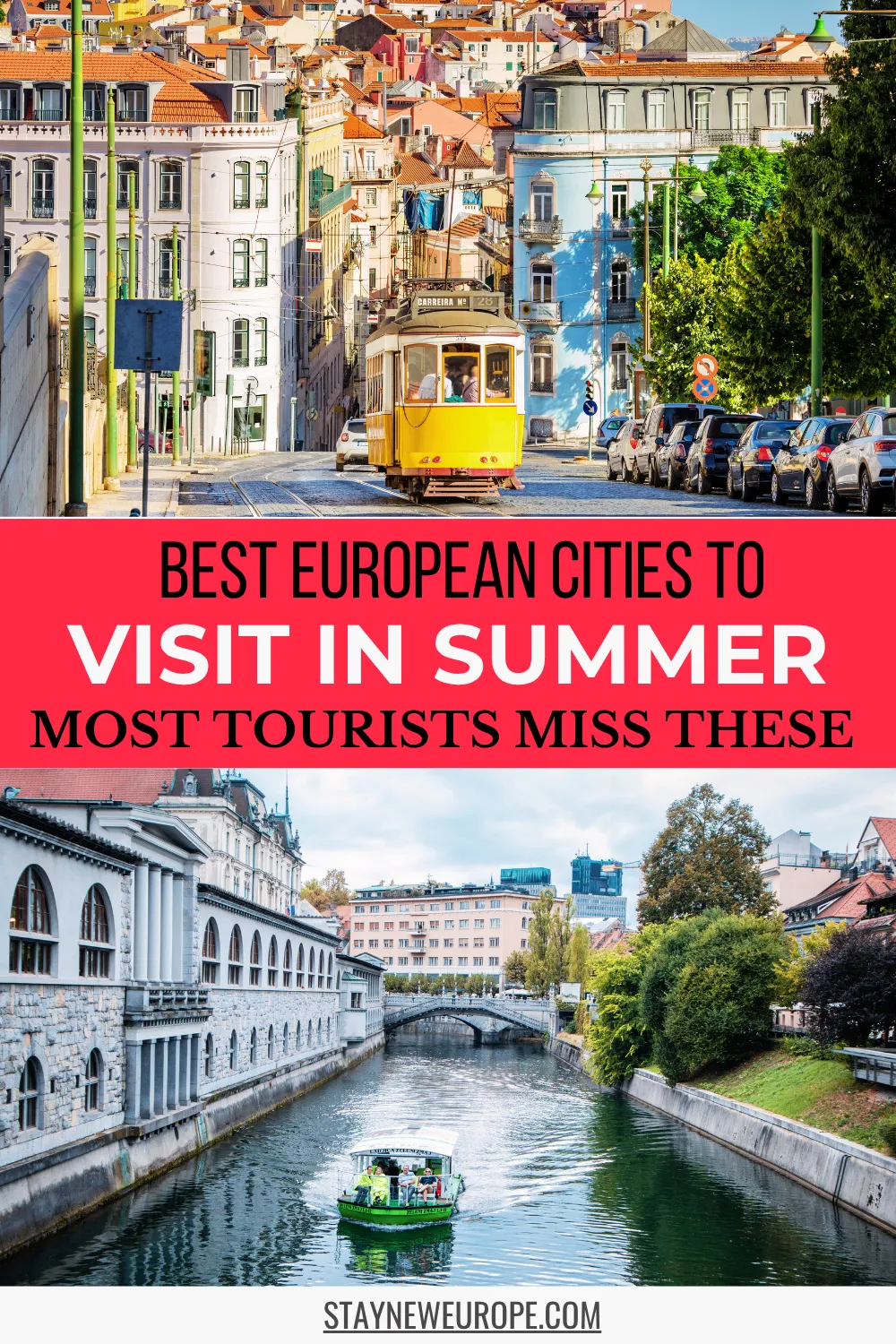
There’s a particular kind of madness that sets in around February, when the grey skies refuse to lift and your phone keeps showing you someone else’s Instagram reel of a sun-soaked terrace somewhere in southern Europe. You know the one. A glass of something cold, a cobblestone street, a shadow falling just right across someone’s ridiculously beautiful face. That’s when the planning starts — at least for me.
Summer in Europe is not a single thing. It is Lisbon at dusk in May, when the heat hasn’t yet become the point. It is a Croatian island in July where you’ve somehow found a cove that doesn’t appear on any map. It is Edinburgh in August, impossibly green, improbably busy, and utterly alive with the world’s greatest arts festival. Five months, dozens of countries, hundreds of cities — and every single one of them worth arguing about.
This guide is for the people who want to do it properly. Not just the Instagram squares, but the whole experience — the right timing, the honest crowd warnings, the dish you need to order, the street that makes you stop walking and just stand there for a moment. Let’s get into it.
Before You Start Packing
Summer in Europe runs roughly May through September, but those five months are not equal. May and early June offer the best balance of weather, price, and sanity — the crowds haven’t peaked, the temperatures are genuinely pleasant rather than punishing, and the locals still seem mildly pleased to see you. July and August are peak season almost everywhere: hotter, pricier, and busier, but also buzzing with festivals, long evenings, and that particular energy you only get when half the world is on holiday at the same time. September is, honestly, a secret worth keeping — school terms restart, prices drop, and places like Rome and Dubrovnik rediscover their own character.
The cities below are spread across the calendar not because they only work in one month, but because certain windows show them at their most themselves. A few are classics you already know you want to visit. Several will surprise you. All of them have earned their place on this list the way the best places always do — not through press releases, but through actually being there.
Best European cities to visit in May
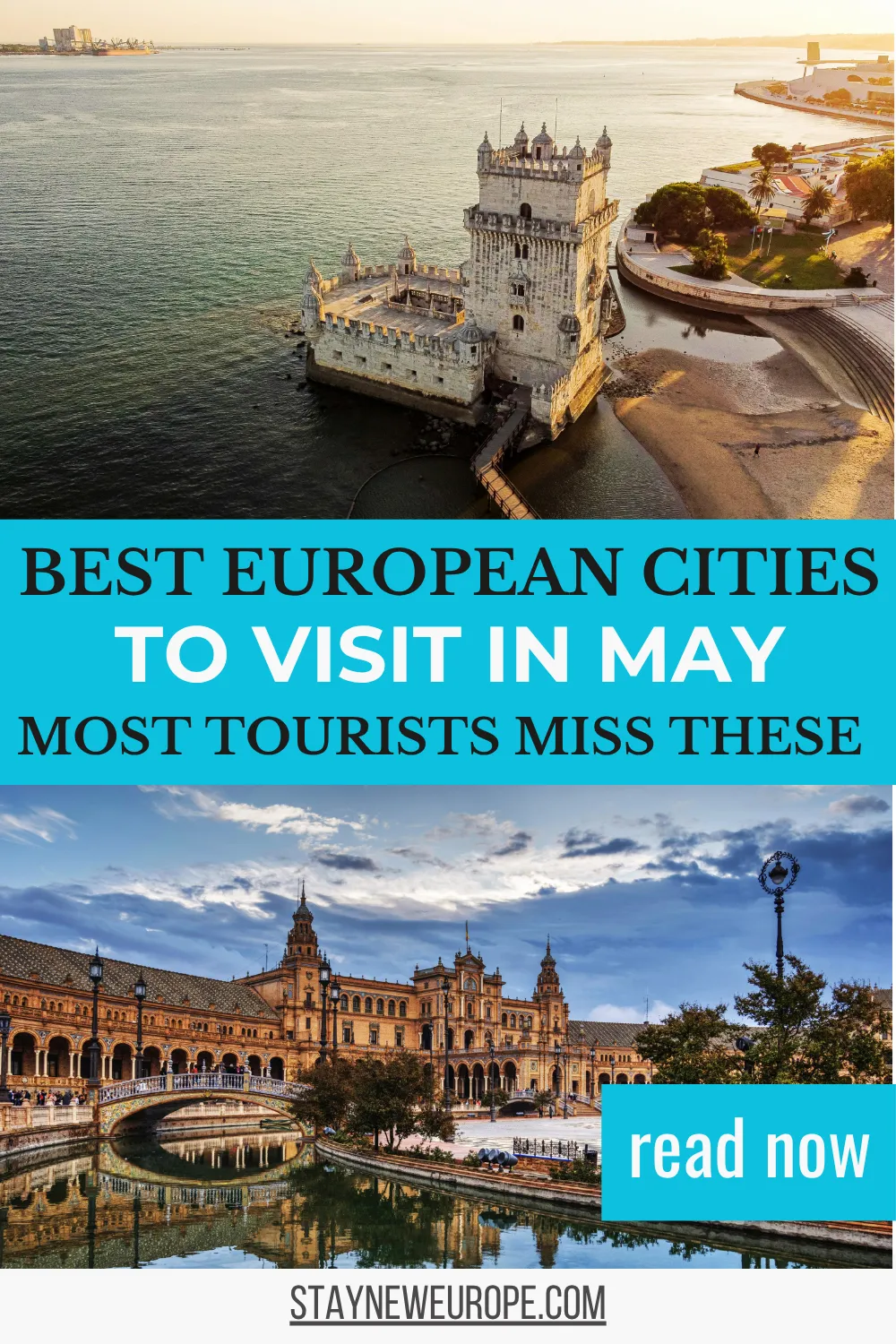
1. Lisbon, Portugal
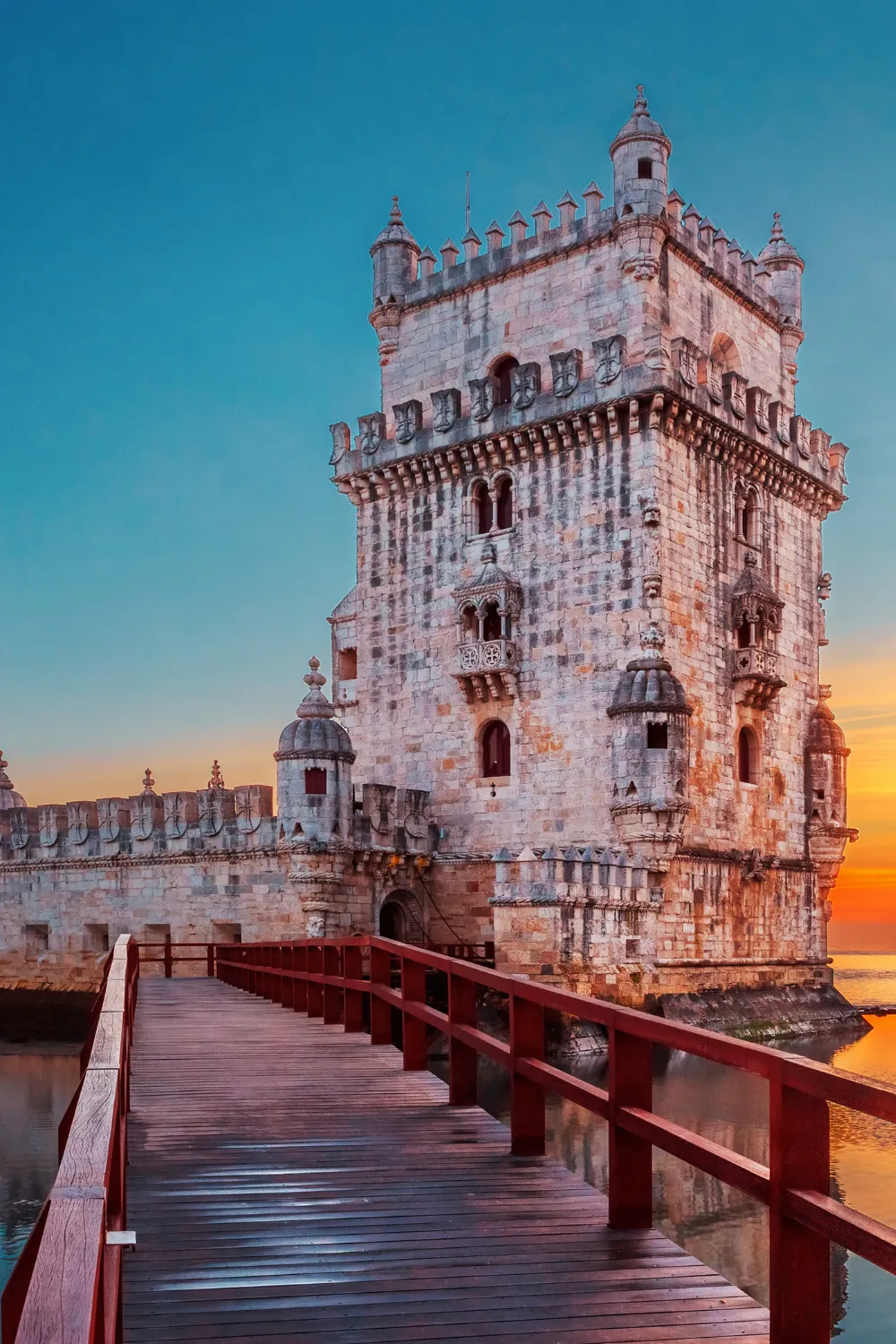
If you’ve never arrived in Lisbon on a clear May morning and felt immediately, unreasonably at home, I don’t know what to tell you except that you should go as soon as possible.
Lisbon is one of those cities that operates on its own frequency. It’s hilly in a way that would be annoying anywhere else but here feels like part of the drama — every corner turn produces a view, every tram ride is an inadvertent sightseeing tour, every miradouro (viewpoint) rewards the climb with a panorama that makes you wish you’d brought a better camera. In May, before the summer crush arrives, the city is warm enough to sit outside in the evenings but not so hot that walking Alfama’s medieval lanes becomes a survival exercise.
The neighbourhood of Mouraria is where I’d send you first — it’s older and quieter than Alfama, full of tiled facades in varying states of glorious decay, and the kind of local restaurants where the lunch menu costs €10 and comes with three courses and a glass of wine. Pastéis de Belém in the Belém district serves the definitive custard tart, and no, the ones you’ve had elsewhere don’t count. The LX Factory on a Sunday afternoon is a converted industrial space turned market-meets-food-hall that’s become touristy but remains worth it for the bookshop alone.
Local tip: The 28 tram is famous for a reason, but if you ride it in peak tourist season you will spend the whole journey gripping a railing next to twenty strangers. Instead, walk the route it takes through Alfama on foot — same views, no pickpocket risk, and you’ll stumble across a fado restaurant you’ll never find on a map.
2. Seville, Spain
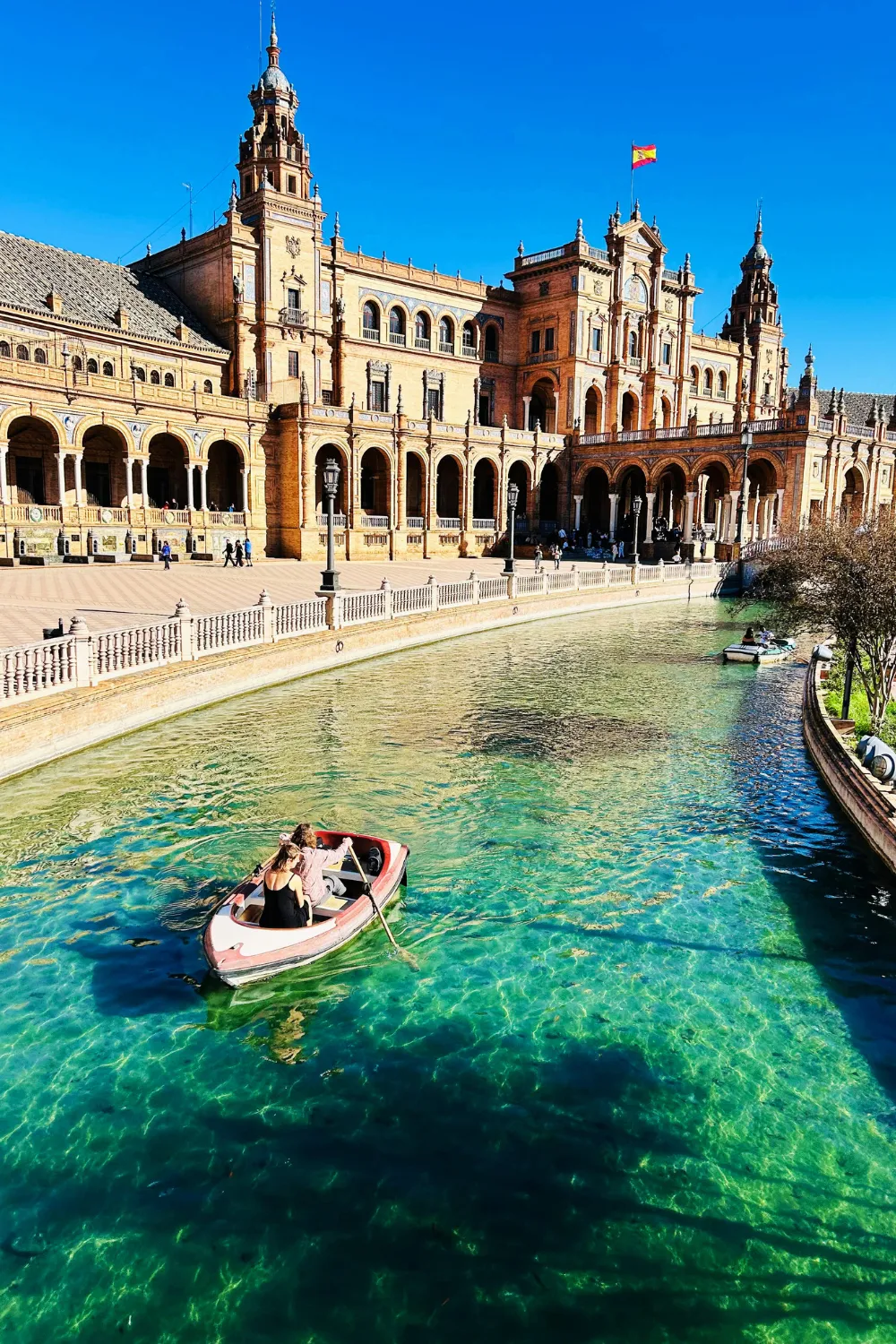
Go to Seville in May. I cannot stress this enough. Go before June, before the temperature tips past 35°C and the city itself seems to exhale heat from the pavements like a slow oven.
May in Seville is peak perfection. The orange trees are still in bloom, the air smells faintly of jasmine in the older neighbourhoods, and the city has just finished its famous Feria de Abril — which means the locals are in an excellent mood and the tapas bars are absolutely on form. Seville is one of those Andalusian cities that rewards aimless walking more than scheduled sightseeing. Yes, visit the Alcázar (book ahead, always book ahead). Yes, stand in front of the cathedral and admit that it is, in fact, overwhelming in the best way. But the real Seville is in the Triana neighbourhood across the river, where you eat montaditos at a zinc bar and somehow end up in a flamenco show in a space that holds about forty people.
The tapas culture here is not the small-plate performance it’s become in other European cities. In Seville, a tapa still arrives free with your drink in many of the traditional spots. Order a cold fino sherry, not a cerveza — you’ll understand why the locals drink it when you see how well it works with the food. The Mercado de Triana is a market that actually serves the locals and has a decent fish counter.
Local tip: The Real Alcázar gardens stay open in the evening during summer and are free to enter after the palace closes. Most tourists have gone home by 7pm. You’ll have the fountains and the peacocks largely to yourself.
3. Porto, Portugal
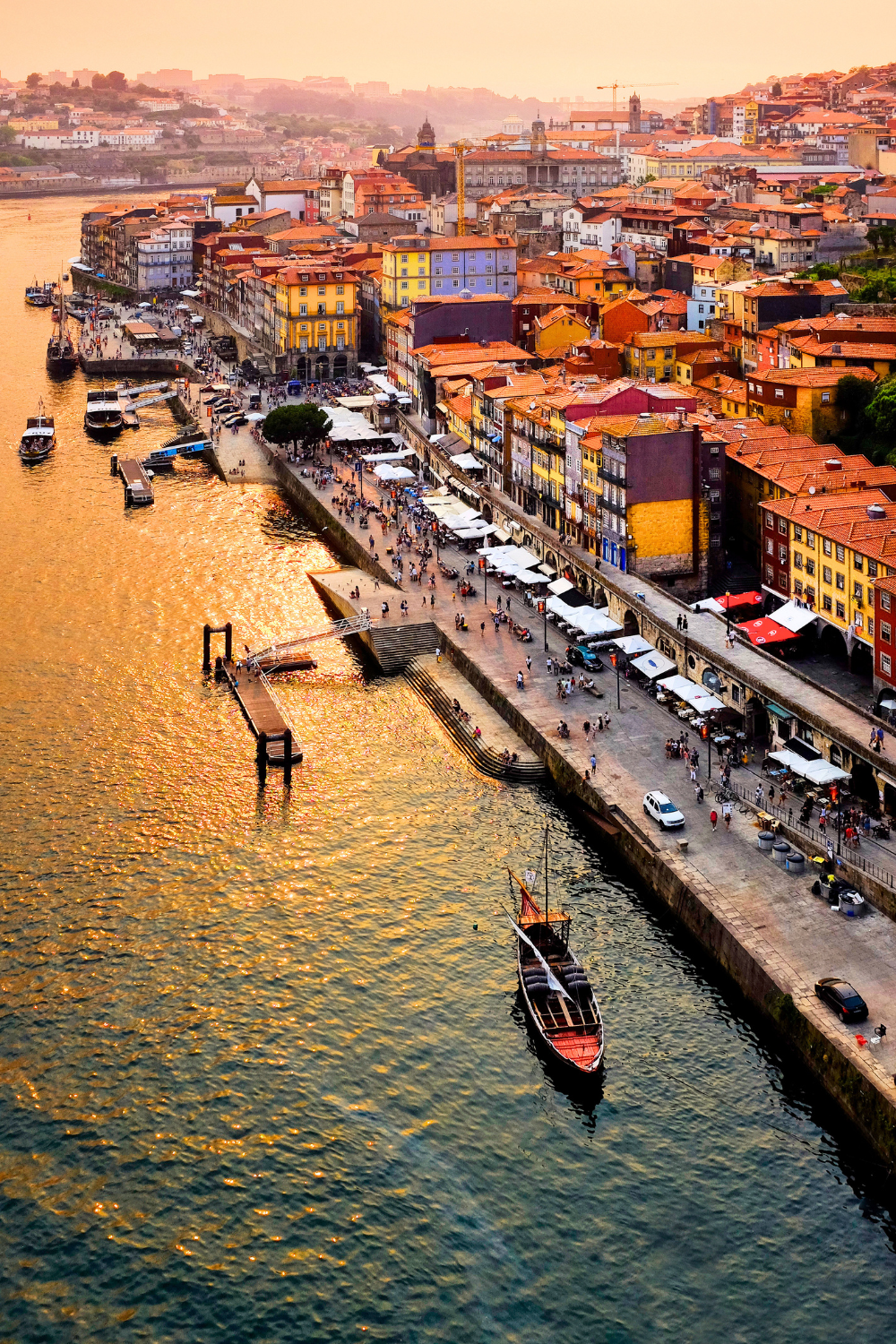
Lisbon gets all the international attention, and Porto quietly doesn’t mind. This is a city that knows exactly what it is — beautifully worn, defiantly individual, and possessed of a wine culture that could genuinely run your whole trip.
Porto in May sits at a pleasant 18–22°C, which is perfect for walking the Ribeira waterfront, crossing the Dom Luís I bridge on the upper deck (legs will briefly feel untrustworthy), and making your way through the Vila Nova de Gaia cellars on the opposite bank where the port wine lodges have been quietly maturing their barrels for centuries. The city’s bookshop, Livraria Lello, is architecturally extraordinary and perpetually overcrowded — go at opening time. The Bonfim neighbourhood, east of the centre, has the best new restaurants and the lowest prices on the tourist-to-local ratio scale.
What makes Porto different from its southern cousin is texture. The azulejo tile panels here are larger, more elaborate, more obsessive — the São Bento train station alone has panels covering the full history of Portugal in blue and white ceramic. Walking from the station down through the medieval streets to the river takes twenty minutes if you don’t stop, or two hours if you actually look.
Local tip: A francesinha is Porto’s contribution to the international conversation about sandwiches — a layered meat and cheese behemoth submerged in a spiced tomato-beer sauce and topped with a fried egg. Order it at Café Santiago on Rua Passos Manuel. It is too much, and you will want another one.
If you want to know where to eat breakfast in the city, check out our guide to the best brunch in Porto.
Best European cities to visit in June
4. Dubrovnik, Croatia
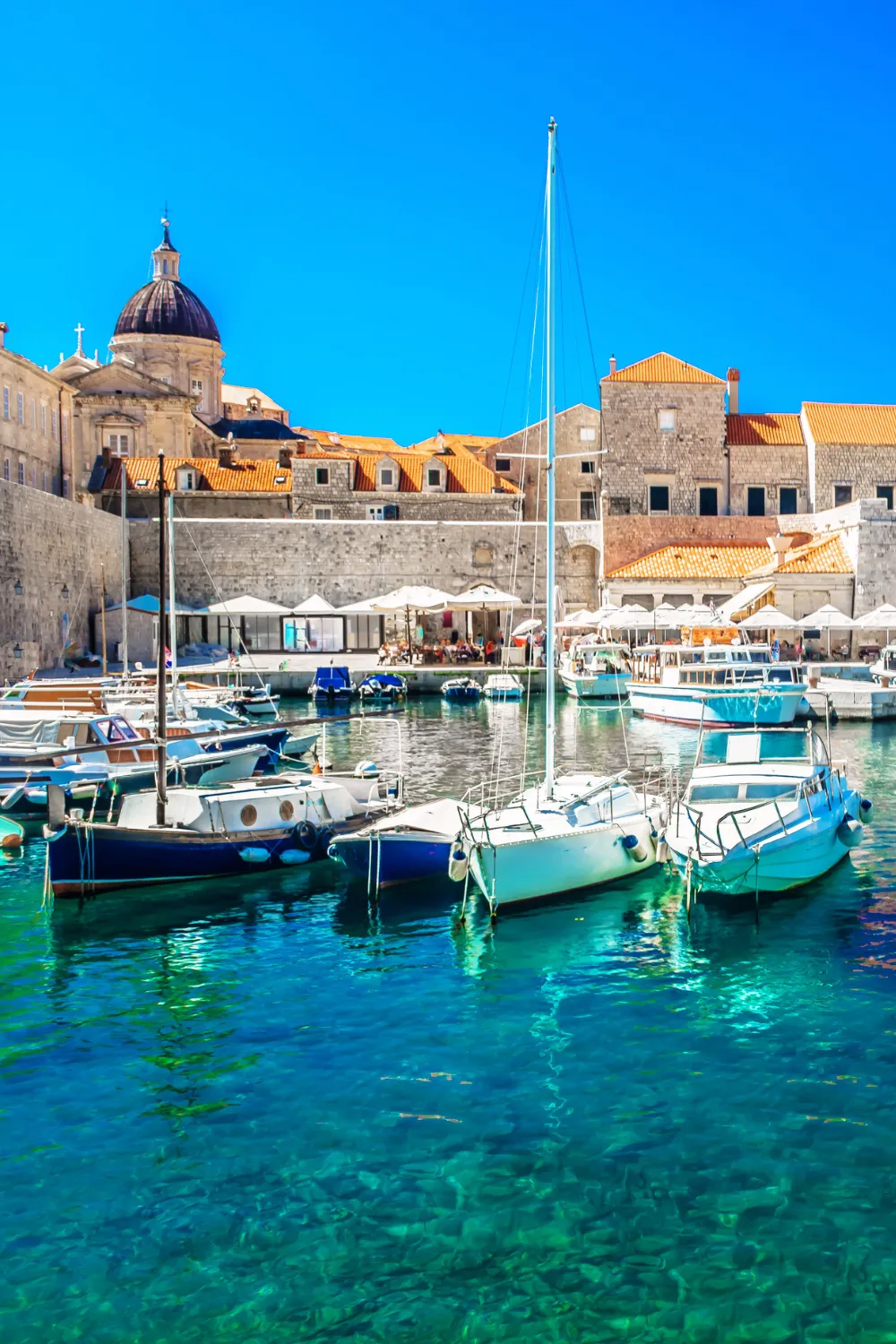
Let me be honest with you about Dubrovnik. It is one of the most beautiful places on earth. It is also one of the most crowded. The cruise ship situation in July and August is real, and if you arrive mid-morning in peak summer you will be walking shoulder-to-shoulder around the Old Town walls wondering why you came.
Go in June instead. Early June, before school holidays begin, is when Dubrovnik is as close to manageable as it gets while still being fully open. The Adriatic is warm enough to swim in (just about), the light on the limestone is extraordinary, and the walls are walkable without requiring the tactical patience of a medieval siege. The Old Town is genuinely remarkable — a UNESCO-listed city that feels theatrical even when you know it’s real, every street a stage set of pale stone and terracotta rooftiles.
Take the cable car up to Mount Srđ for the view that actually explains the city’s geography. Kayak around the walls at sunrise from the Banje Beach area — companies run guided tours, but you can also hire independently. The island of Lokrum, reachable by ferry in fifteen minutes, has a saltwater lake, wandering peacocks, and a ruined Benedictine monastery. It’s busy, but it absorbs crowds better than the city itself.
Local tip: The best thing about Dubrovnik that nobody talks about enough is the swimming. There are rocky spots all along the outer walls where locals jump straight into the sea — Buža Bar has two locations built literally into cliff faces, and you can swim while your drink waits on a rock shelf above you.
5. Ljubljana, Slovenia
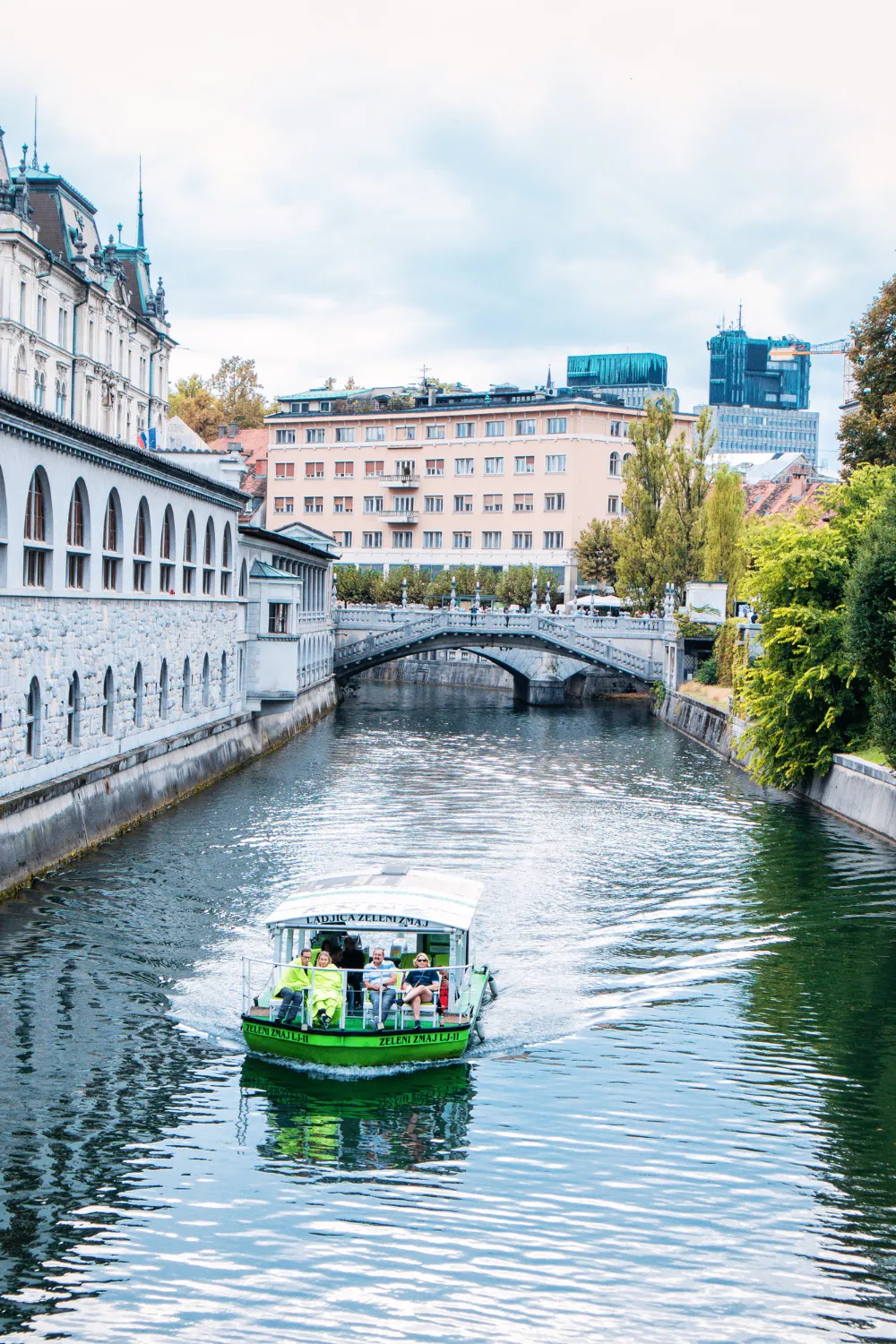
This one surprised me. I added Ljubljana to a trip almost as an afterthought — a stopover between Vienna and the Adriatic coast — and ended up extending my stay by three days because I didn’t want to leave.
Slovenia’s capital is compact, walkable, and possessed of a charm that feels entirely unperformed. The Old Town is built around a Ljubljana Castle–topped hill with a river curving below it, and the main market square on a Saturday morning — covered with local produce, cheese, wild mushrooms, and flowers — is one of those scenes that makes you want to become a resident on the spot. The city runs on outdoor café culture in summer, with the riverbanks given over to restaurant terraces that stay lively until late. It is, by major European capital standards, extremely reasonably priced.
June suits Ljubljana particularly well because Slovenia’s hinterland — Lake Bled, the Soča Valley, the Triglav National Park — is all at its most inviting, and the capital makes an excellent base. But don’t treat Ljubljana as merely a base. The Metelkova neighbourhood, once a squatted Yugoslav army barracks, is now a thriving alternative arts quarter. The National Gallery is modest but strong. The local craft beer scene arrived late and made up for it.
Local tip: Rent a bike and cycle the 2km to Tivoli Park for coffee at the café in the historic mansion at its centre. The path runs through a park so well maintained it looks slightly unreal. Ljubljana takes its greenery seriously.
6. Athens, Greece
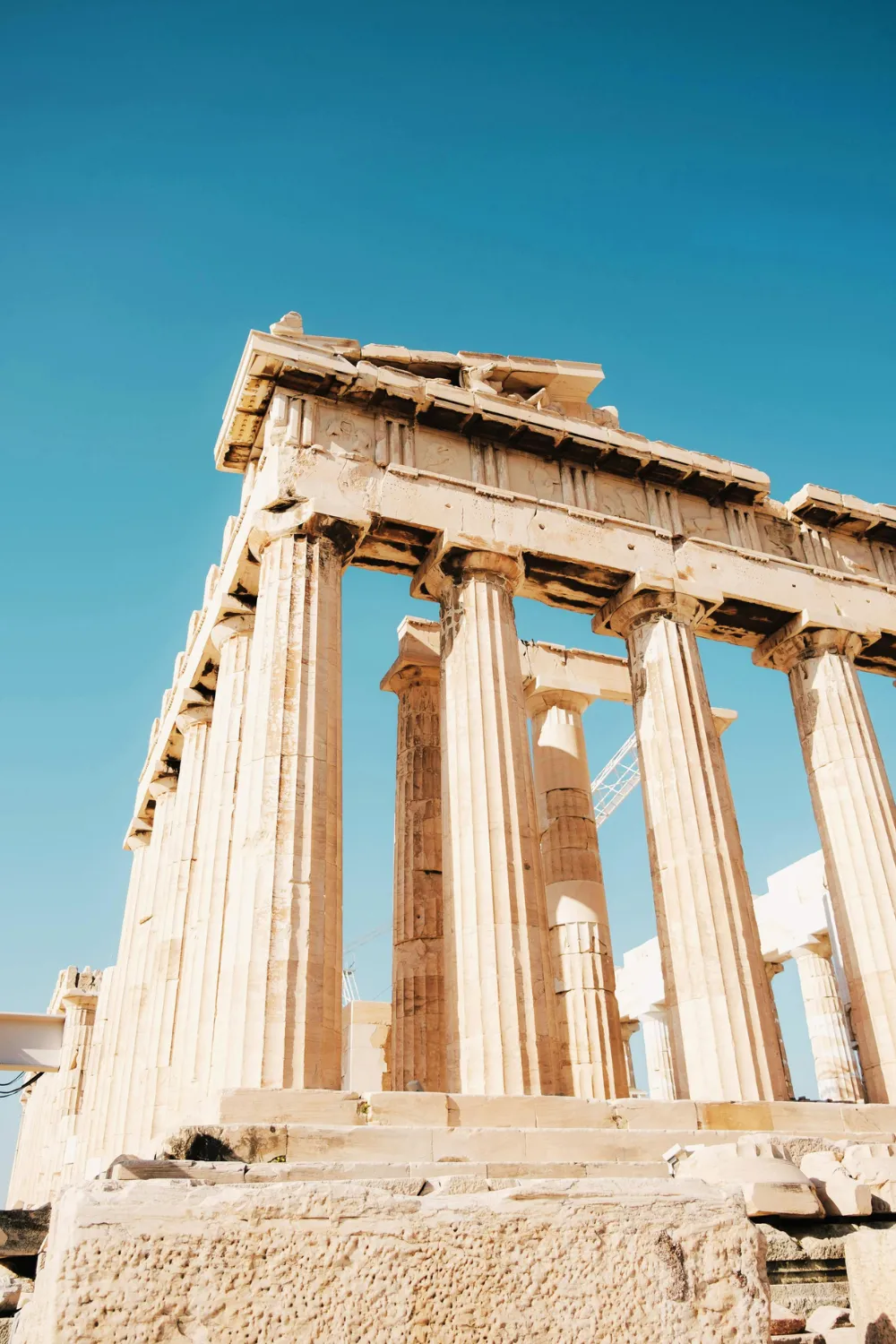
June is the sweet spot for Athens — past the slightly uncertain weather of spring, before the proper oven of July sets in. The ancient city is always astonishing, but it rewards itself more generously when you’re not melting.
The Acropolis does not disappoint, no matter how many photographs you think you’ve already seen of it. Standing below the Parthenon and trying to locate the original purpose of the space — a functioning religious sanctuary on the highest ground — cuts through the tourist noise in a way few ancient sites manage. Go first thing in the morning, before the heat and the tour groups. The new Acropolis Museum below the hill is better than it has any right to be, with an entire floor reconstructed to the Parthenon’s proportions, the surviving original friezes arranged in sequence. The streets of Monastiraki and Psyrri around the base of the hill have the best food: spanakopita from a bakery, mezze plates of tzatziki and grilled aubergine, cold retsina that is nothing like you remember.
Less visited but worth your time: the neighbourhood of Koukaki, south of the Acropolis, is where Athens’ young professional class actually lives and eats. The National Garden is a genuine urban forest that swallows you completely within thirty seconds of entering. The port of Piraeus, twenty minutes by metro, is chaotic and fascinating and serves possibly the best grilled fish in the city.
Local tip: The Ancient Agora — the civic heart of classical Athens — is visited by a fraction of the people who go to the Acropolis, despite being directly below it. Walk through the reconstructed Stoa of Attalos at dusk when the light hits the columns and you’ll have one of those genuinely quietly overwhelming historical moments.
Best European cities to visit in July

7. Hvar, Croatia
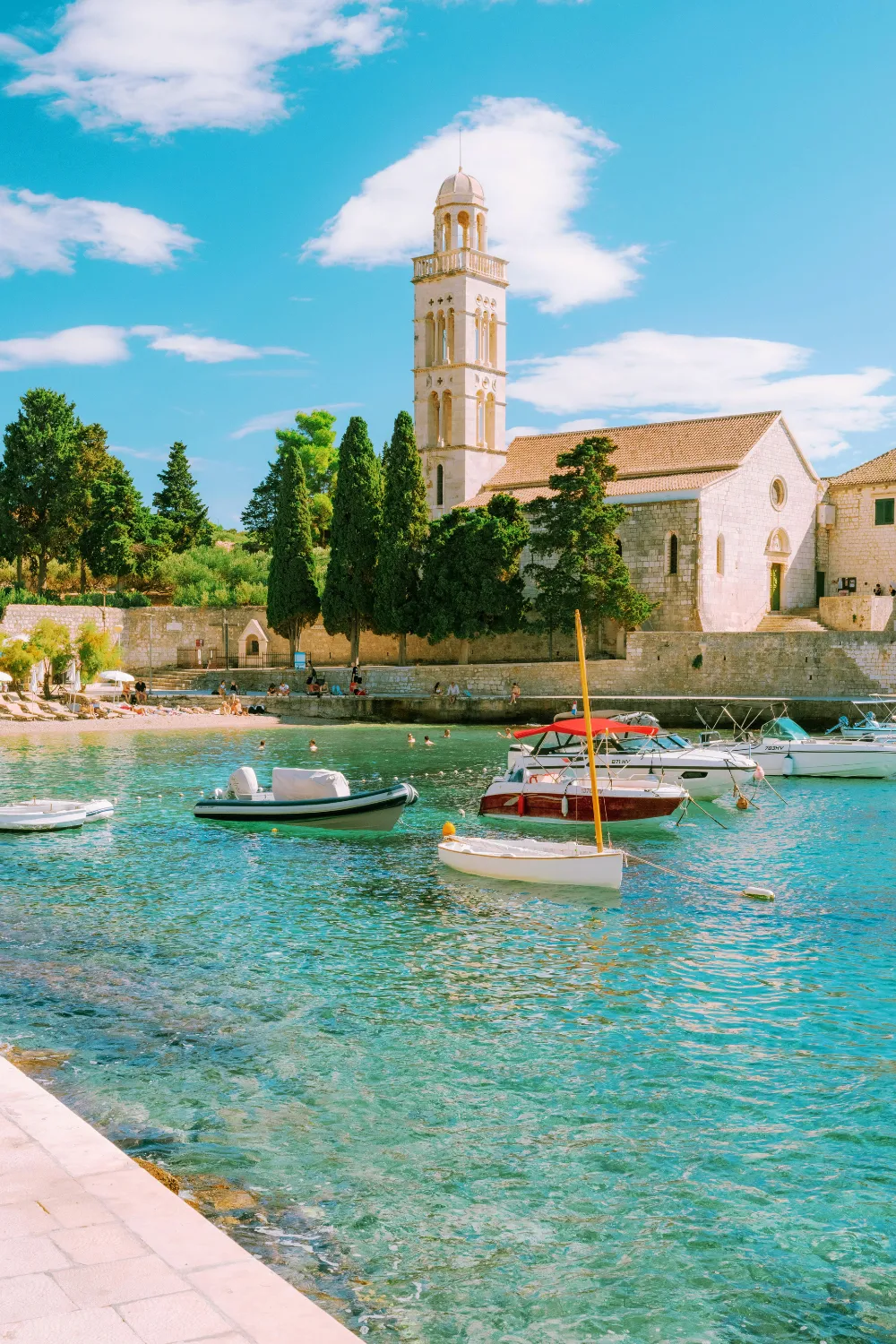
There are Croatian islands that are beautiful and peaceful, and there are Croatian islands that are beautiful and absolutely not peaceful. Hvar is, depending on your preferences, either the best or worst of both: an Old Town that belongs in a dream, wrapped around a bay with Venetian architecture and a 13th-century fortress above it, combined with a nightlife scene that attracts a European crowd with expensive tastes and a commitment to staying awake.
In July this tension is at its peak and is, somehow, part of the appeal. The town heaves, the harbour fills with superyachts, the lavender fields inland are in bloom (and less Instagrammed than you’d fear), and the beaches on the south-facing coast are some of the clearest water you’ll find anywhere. Milna is a quieter village fifteen minutes by car with excellent swimming and half the people. The Pakleni Islands, reachable by water taxi, have sheltered coves where the water runs from pale turquoise to deep navy and the fish seem entirely unimpressed by your presence.
The food here is genuinely excellent — not just for a tourist island, but as a thing in itself. Dalmatian cuisine runs on olive oil, fresh fish, and slow-cooked lamb, and the local plavac mali wine is robust enough to pair with all of it. Konoba Palmižana on the Pakleni Islands serves in a garden full of sculpture and takes no bookings, which tells you everything about its priorities.
Local tip: The bus from Hvar Town to Stari Grad (the island’s second town) takes you through the interior on roads barely wide enough for the vehicle. Stari Grad itself is quieter, older, and has a protected agricultural plain — the Stari Grad Plain — that’s been farmed in the same way since ancient Greek settlers laid it out 2,400 years ago. Go for lunch and come back on the boat.
8. Santorini, Greece
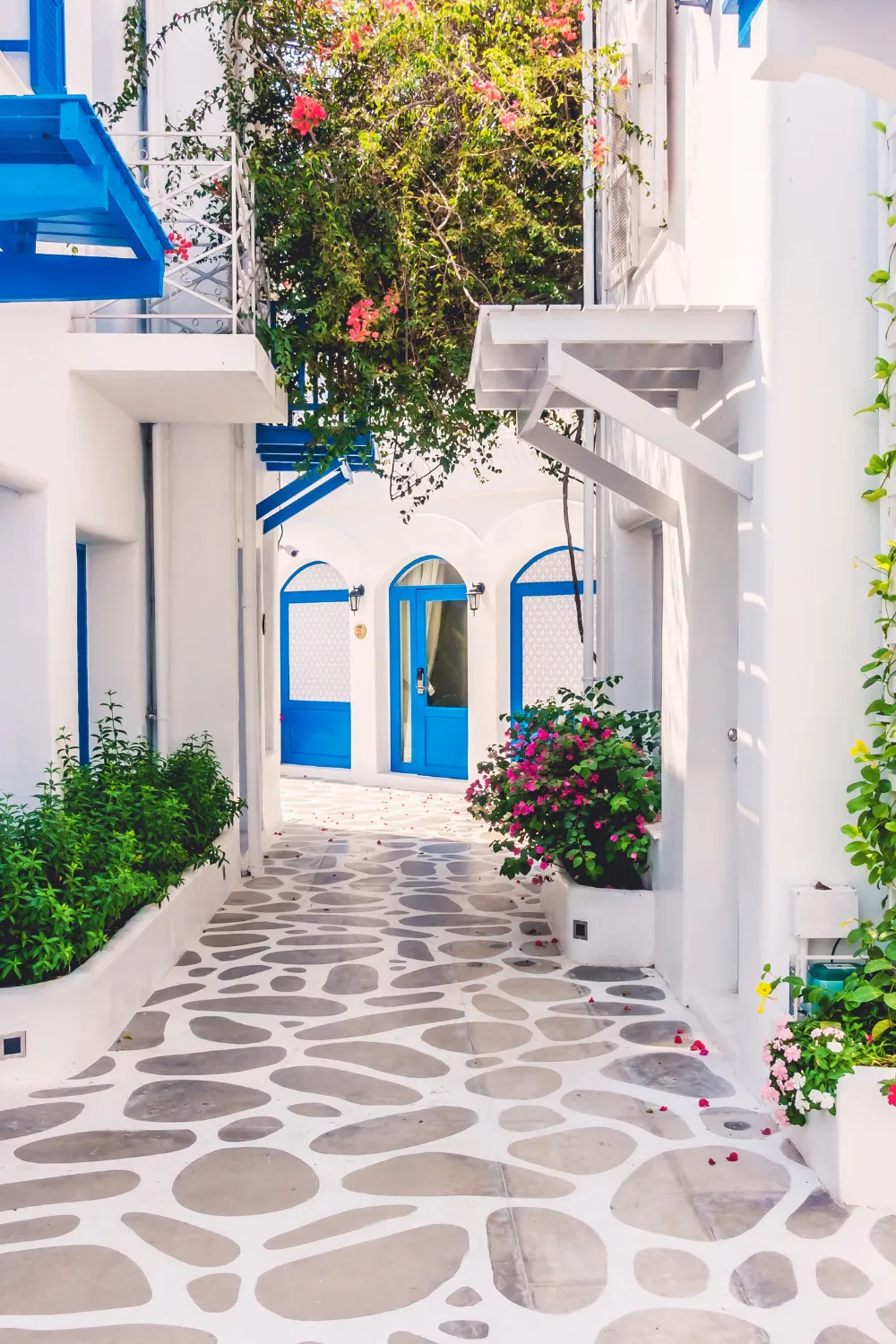
Yes, I know. You’ve seen the photos. Everyone has seen the photos. The white cubed houses, the blue domes, the caldera view. And yes, it really is that good — which is both its strength and its particular challenge.
Santorini in July is crowded, and I’m not going to pretend otherwise. The narrow paths of Oia get genuinely difficult to navigate at sunset, and the caldera views are experienced in companionable togetherness with several thousand other admirers. What I’d tell you is that the island is larger and more varied than the Oia-Fira postcard allows. The south of the island — Akrotiri, Perissa, Perivolos — has long black sand beaches, cheaper accommodation, and the extraordinary archaeological site of Akrotiri: a preserved Minoan city buried by the same volcanic explosion that likely inspired the Atlantis myth.
The caldera view from Imerovigli (between Fira and Oia) is the same view with half the people. The wine produced here — Assyrtiko grape from vines basket-trained against the volcanic soil — is singular and worth a tasting at one of the smaller wineries. The path along the caldera edge from Fira to Oia is a 10km walk that nobody seems to take anymore because the cable car and ATVs exist, which means you’ll have most of it to yourself.
Local tip: Stay in Fira rather than Oia and walk to Oia for sunset rather than basing yourself there. You see exactly the same thing at a fraction of the accommodation cost, and your walk back is one of the Mediterranean’s finest evening strolls.
9. Amsterdam, Netherlands
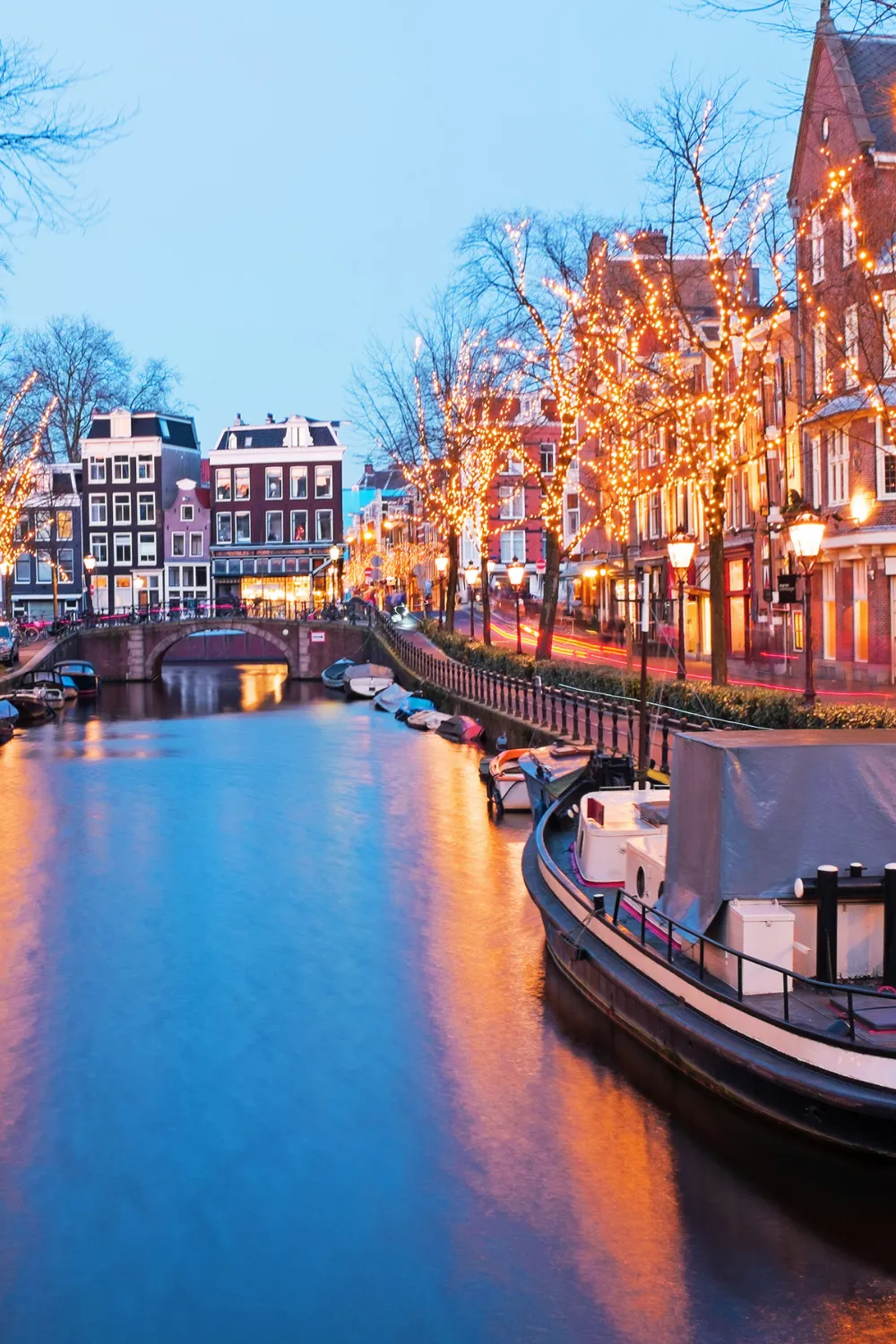
Amsterdam in summer is Europe’s great contradiction: impossibly beautiful and simultaneously quite chaotic, a city built for intimacy that receives some of the heaviest tourist traffic on the continent. July works if you know how to use it.
The canals are, simply, perfect. That’s the only word. The 17th-century merchant houses reflected in the water, the houseboats with their little gardens, the light filtering through the canopy of elm trees — it’s a city that photographs better than almost anywhere because every angle is already composed. The Rijksmuseum holds Rembrandt’s Night Watch and Vermeer’s greatest works; book ahead and arrive at opening. The Van Gogh Museum is smaller and more moving than expected. The Anne Frank House is, unsurprisingly, one of the most affecting places I’ve ever stood.
Beyond the museum circuit: the Jordaan neighbourhood in the evening has the best brown cafés (the old Dutch pubs, dark-panelled and amber-lit) and a Saturday morning market on Noordermarkt that is genuinely local. The De Pijp district has the Albert Cuyp Market for street food and the highest density of good restaurants outside the centre. Cycling is the only sensible way to move — hire a decent bike on day one and you’ll cover three times the ground you would on foot.
Local tip: The A’DAM Lookout tower north of the IJ waterway is spectacular and usually overlooked in favour of better-marketed views. The free ferry from behind Centraal Station takes two minutes and puts you in the hidden gems in Amsterdam, which is now the city’s most interesting food and arts district, almost by accident.
10. Barcelona, Spain
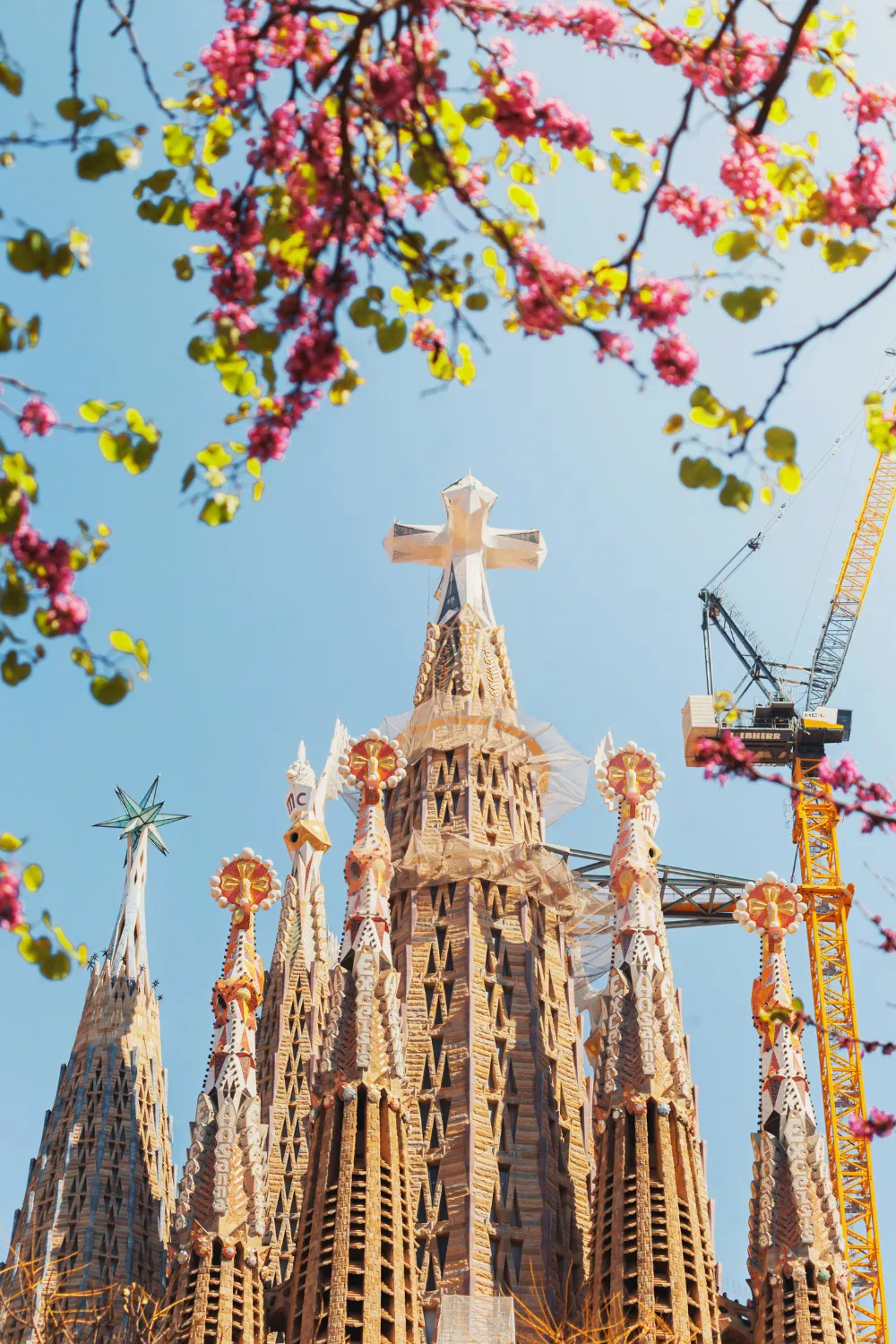
Barcelona is one of those cities where you need to make peace with the crowds early and then stop worrying about them, because the city itself is simply too good to let logistics get in the way.
In July, the beach operates on full summer mode — Barceloneta is packed, the chiringuitos (beach bars) are serving sangria and fried calamari from 11am, and the city’s nocturnal metabolism is running deep into the morning hours. Gaudí’s work — and you owe it to yourself to spend proper time with it — is extraordinary in the summer light. The Sagrada Família continues its century-long construction with a target completion now in sight; its towers are best seen from the outside in early morning. Park Güell’s ticketed section is worth doing for the terrace views and the mosaic esplanade, though the free outer park is larger and more interesting to walk through.
The Eixample neighbourhood, built on the grid system with its chamfered corners, holds many of the city’s best restaurants and is where Barcelona’s professional class actually eats. The Born district, around the Basílica de Santa Maria del Mar, is the neighbourhood that comes closest to balancing beautiful medieval architecture with a functioning local food scene. Try the pa amb tomàquet (bread rubbed with tomato and oil) at every opportunity. It’s the thing that makes you understand how simple food can be sublime.
For where to actually eat, see our honest guide to the best tapas restaurants in Barcelona.
Local tip: Las Ramblas is famous, heavily pickpocketed, and genuinely not where Barcelona’s heart lies. Walk it once, sure. Then do what the locals do and use the streets parallel to it — the Raval on one side, the Barri Gòtic on the other — which have more character and considerably fewer scammers.
Best European cities to visit in August
11. Edinburgh, Scotland
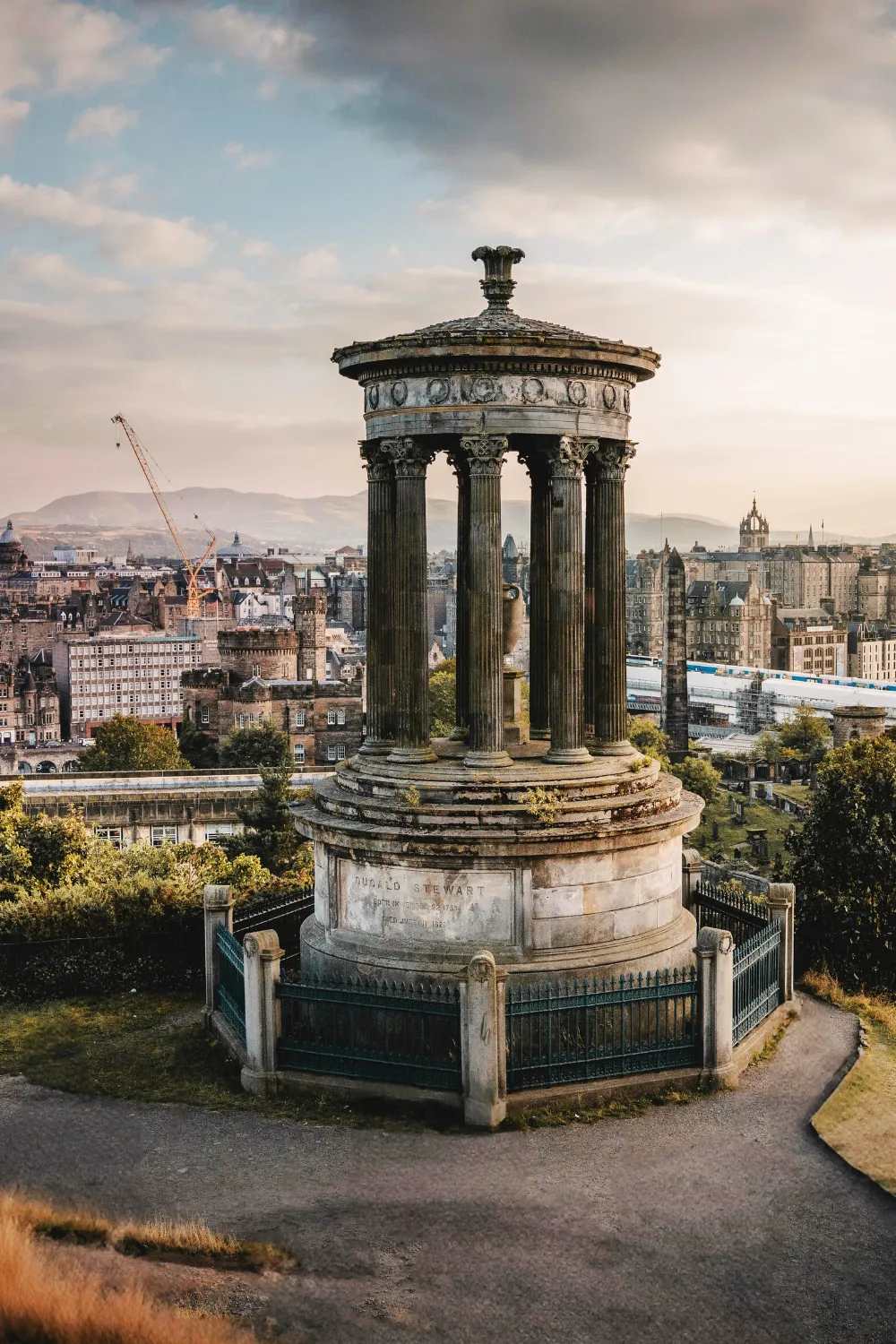
August in Edinburgh is not relaxing, and I mean that as the highest possible compliment. The Edinburgh Festival Fringe transforms the city into the world’s largest arts festival — roughly 3,000 shows in the space of three weeks, in venues ranging from purpose-built theatres to broom cupboards that hold fifteen people and somehow produce the best comedy you’ll see all year.
Wondering what to pack for a UK trip? Our guide on what to wear in Scotland in June covers the unpredictable weather well.
The city itself is, outside festival season, one of Europe’s great capitals: medieval and Georgian architecture in a landscape of volcanic rock, the Castle dominating the skyline, Arthur’s Seat (an extinct volcano, genuinely — you can walk up it in forty-five minutes) surveying the whole from the east. In August, this already dramatic backdrop acquires a layer of chaos that is, depending on temperament, thrilling or overwhelming. Every inch of the Royal Mile hosts performers. Every pub is full. Every available flat is rented to visiting performers. The energy is unparalleled.
Go to the Fringe with no fixed plan — find the daily listings, take a chance on three unknown shows, and accept that one will be mediocre, one will be fine, and one will be the most extraordinary thing you’ve seen a human being do on a small stage. The Edinburgh International Festival (the big one, with major orchestras and opera) runs alongside and is entirely bookable in advance. Arthur’s Seat at dawn is free, spectacular, and uncrowded because most festival-goers are still asleep.
Local tip: Download the Fringe app before you arrive and set up alerts for last-minute ticket releases. The free shows — of which there are hundreds — include some of the best material. Performers who know they can’t charge you for a seat work harder to earn your laugh.
12. Cinque Terre, Italy
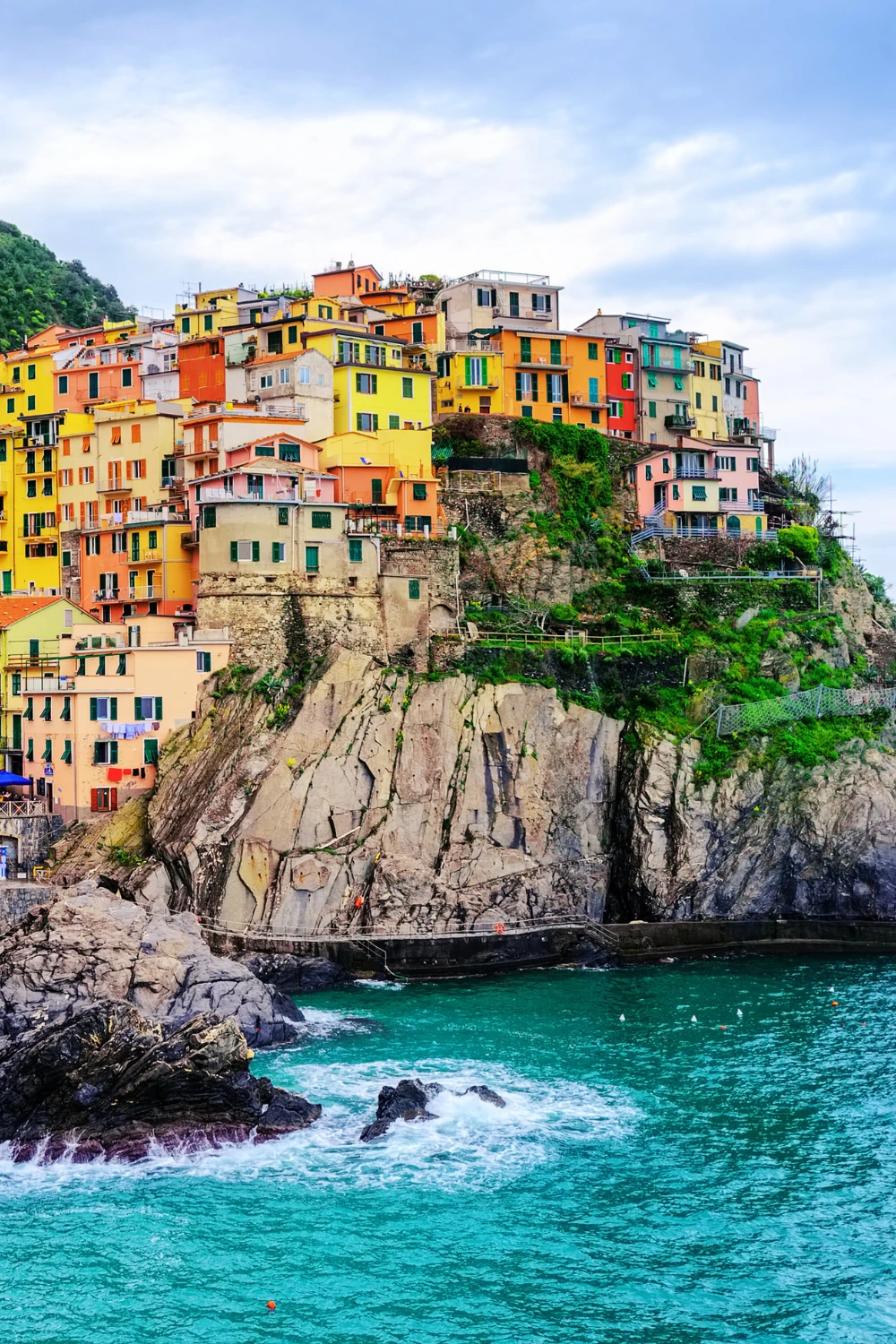
Five villages clinging to the Ligurian cliff face above the sea — Riomaggiore, Manarola, Corniglia, Vernazza, Monterosso — connected by hiking trails and a single railway line, each one more photographed than the last. Cinque Terre has a problem with its own fame, and August is when that problem peaks.
Let me be clear-eyed: in mid-August, the coastal trail between the villages is extremely busy, accommodation books out months in advance, and the smallest villages have a ratio of visitors to residents that is difficult to justify environmentally. With all of that said, it remains one of the most spectacular coastal landscapes in Europe. The terraced vineyards above Manarola, built and maintained for centuries into nearly vertical hillsides, are a human achievement so improbable they seem fictional. The Sciacchetrà, the local sweet wine made from these grapes, is produced in tiny quantities and worth seeking at source.
The hiking trail from Vernazza to Monterosso (the northern section, partially closed for years after a landslide, partially restored) offers the best coastal views. The train journey between all five villages takes under thirty minutes in total and is itself a pleasure, tunnelling through the headlands and emerging briefly at each village. Stay in Vernazza if you can — it’s the most complete village with the best harbour square.
Local tip: The villages above the coastal trail — Volastra, San Bernardino, Prevo — connected by higher paths and completely ignored by most tourists, have excellent small trattorias serving the traditional pesto pasta of the region (made with the local small-leaf Ligurian basil) at half the price and twice the peace.
13. Amalfi Coast, Italy
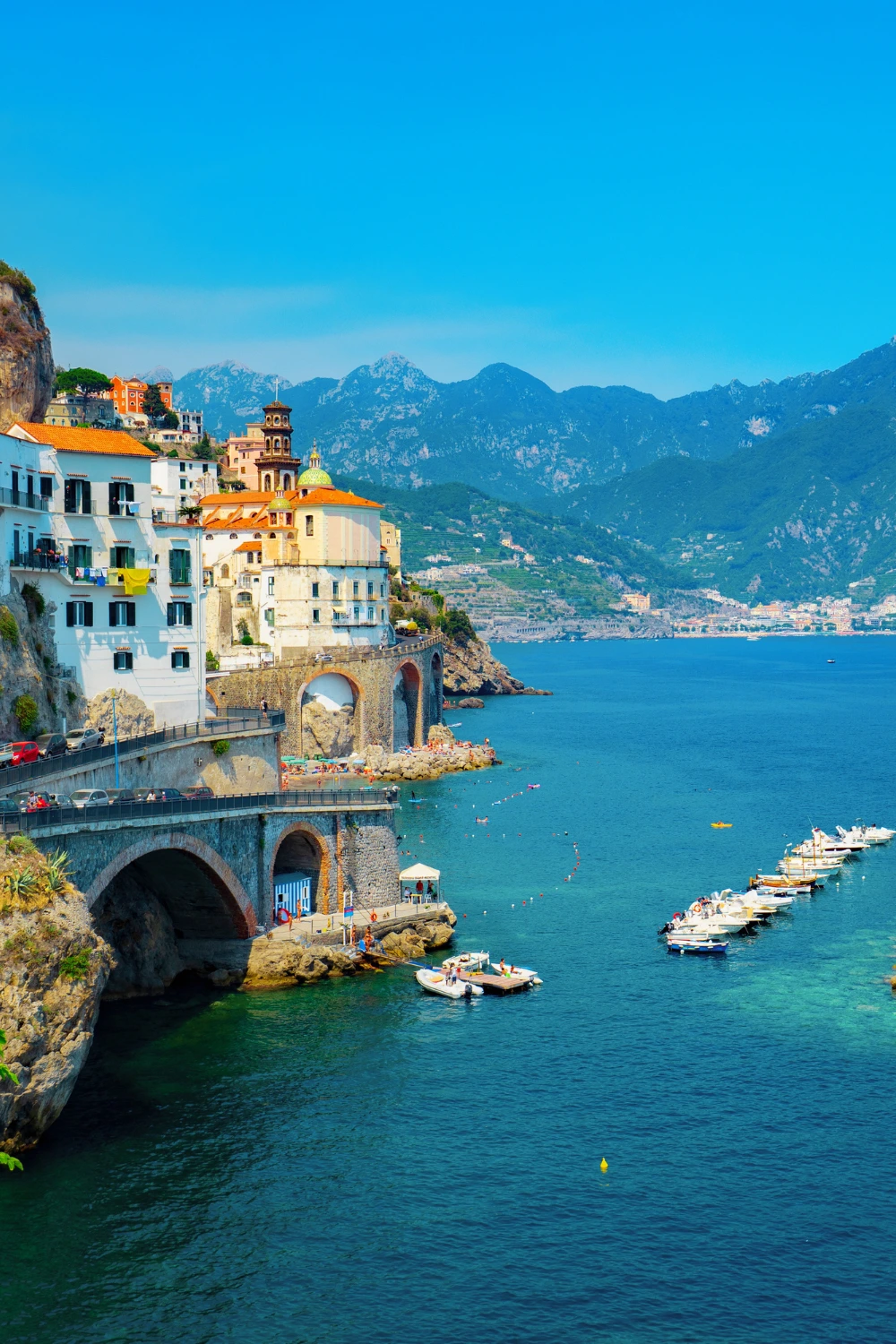
The Amalfi Coast Road is one of the world’s great drives — and one of the world’s most genuinely alarming ones, a single carriageway carved into cliff faces with sheer drops on one side and a honking ballet of tourist buses on the other. In August, in peak traffic, it becomes a slow-motion endurance test.
Positano is beautiful in the specific way that a piece of perfectly constructed theatre is beautiful — tiered, colourful, absolutely aware of its own appeal. Ravello, higher up the cliff, is where Greta Garbo and Gore Vidal and Wagner all retreated for reasons that become obvious the moment you enter Villa Cimbrone’s garden and see the Terrace of Infinity extending over the sea. Amalfi town has the duomo and a surprising cloister. The beaches are pebble rather than sand, and mostly require payment to access a reasonable section of them.
What I’d argue, though, is that the coast’s greatest pleasure is being on the water rather than looking at it. The ferry that runs between Sorrento, Positano, Amalfi, and Salerno is cheaper than the road alternative, far more scenic, and bypasses the traffic entirely. The water around the coast is clean and clear and swimmable, and there are caves and arches accessible by kayak or small boat hire that the bus tourists never reach.
Local tip: Stay in Praiano rather than Positano. It sits between the two main centres, has a proper fishing village character, costs roughly half as much, and has a small beach with steps cut directly into the rock where locals swim at dusk. There’s a single bus to everywhere you need to go.
14. Bruges, Belgium
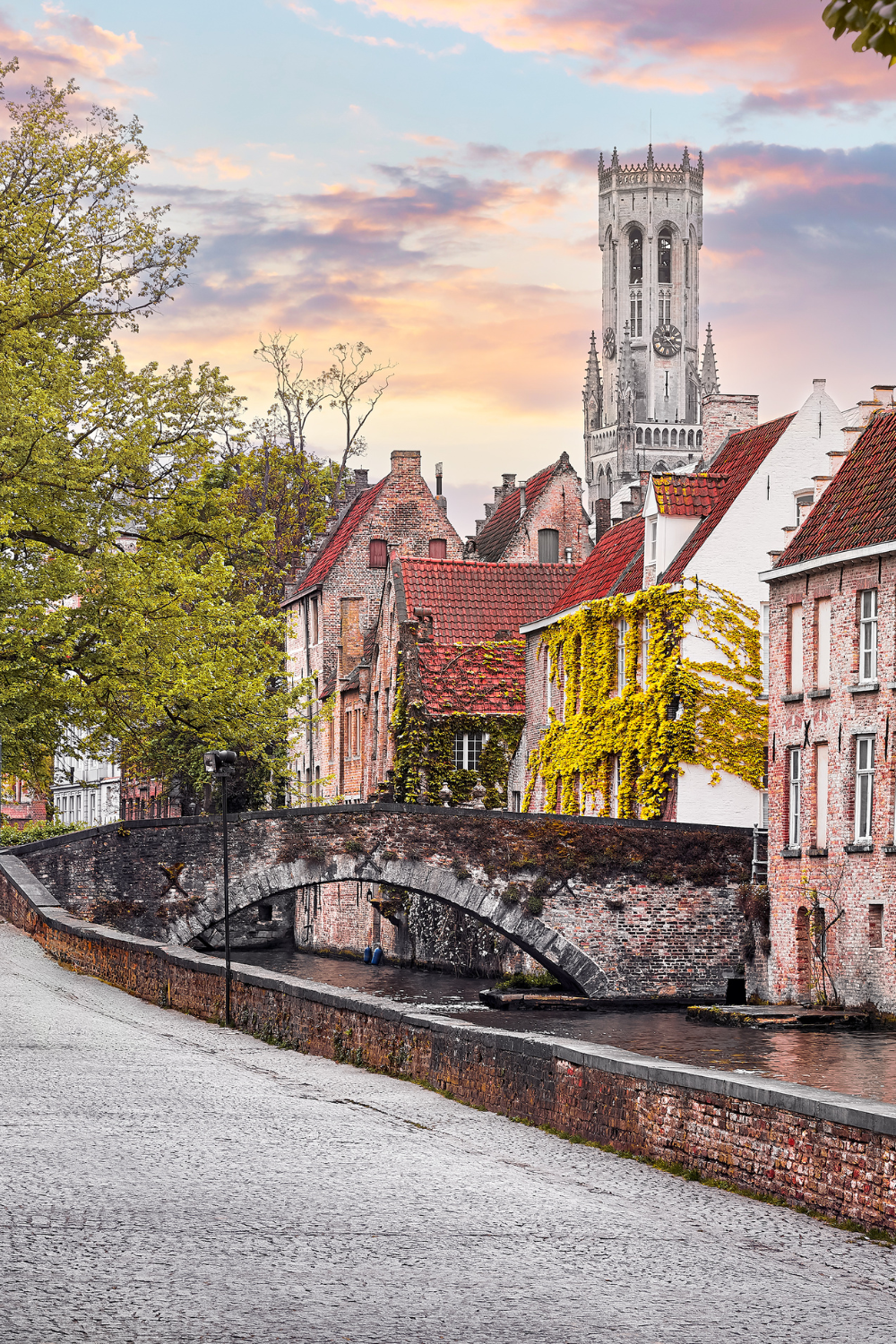
August is peak season in Bruges, and unlike some cities that struggle under this pressure, the small Belgian city handles it with surprising grace — possibly because the historic centre is so compact and self-contained that the crowds distribute reasonably across it.
Bruges is, by any objective measure, one of the most perfectly preserved medieval cities in northern Europe. The canal network, the guild houses around the Markt, the Belfry tower, the Béguinage (a walled convent community preserved in extraordinary quiet ten minutes from the centre) — it is a city that looks, at certain angles, exactly as it did in Jan van Eyck’s paintings from the 15th century when it was one of Europe’s most important trading cities. There is a reason it appears on every “most beautiful city in Europe” list, and that reason holds up in person.
The Belgian food is, as ever, understated and excellent. Moules-frites from a proper brasserie, Flemish beef stew braised in local ale, an absurd quantity of chocolate in every shop window — the city eats well. The chip shops (friteries) are not tourist traps; they’re an institution, and the chips themselves are double-fried in beef fat to a standard that makes everywhere else seem like it hasn’t tried. De Halve Maan brewery, still operating in the city centre, does excellent tours and the beer is outstanding.
Local tip: The majority of tourists leave by early evening. Book accommodation inside the historic centre, have dinner after 7pm when the day-trippers have gone, and walk the canals at dusk when the reflections are at their best and the city returns to something approaching its own scale.
Best European cities to visit in September
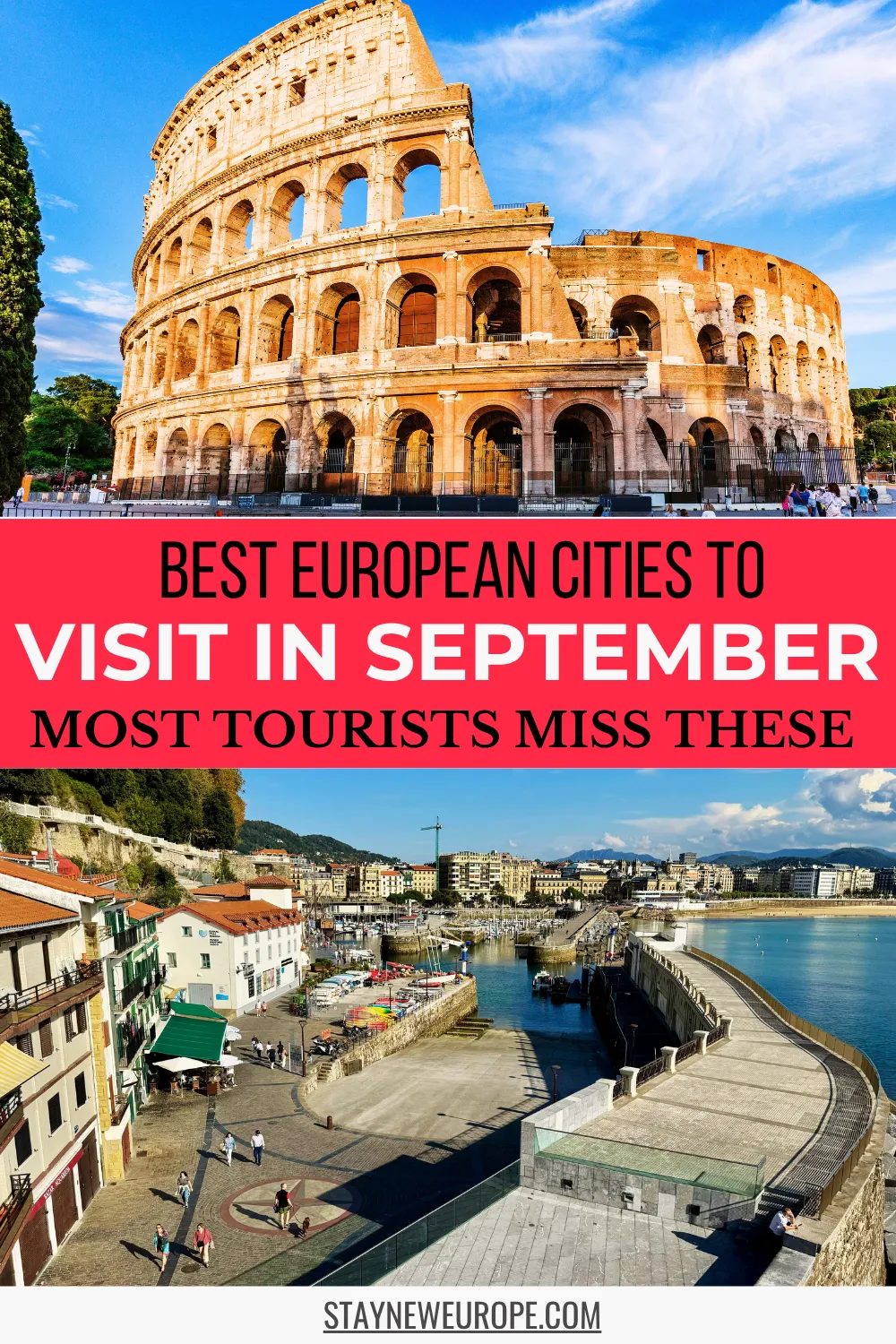
15. Rome, Italy
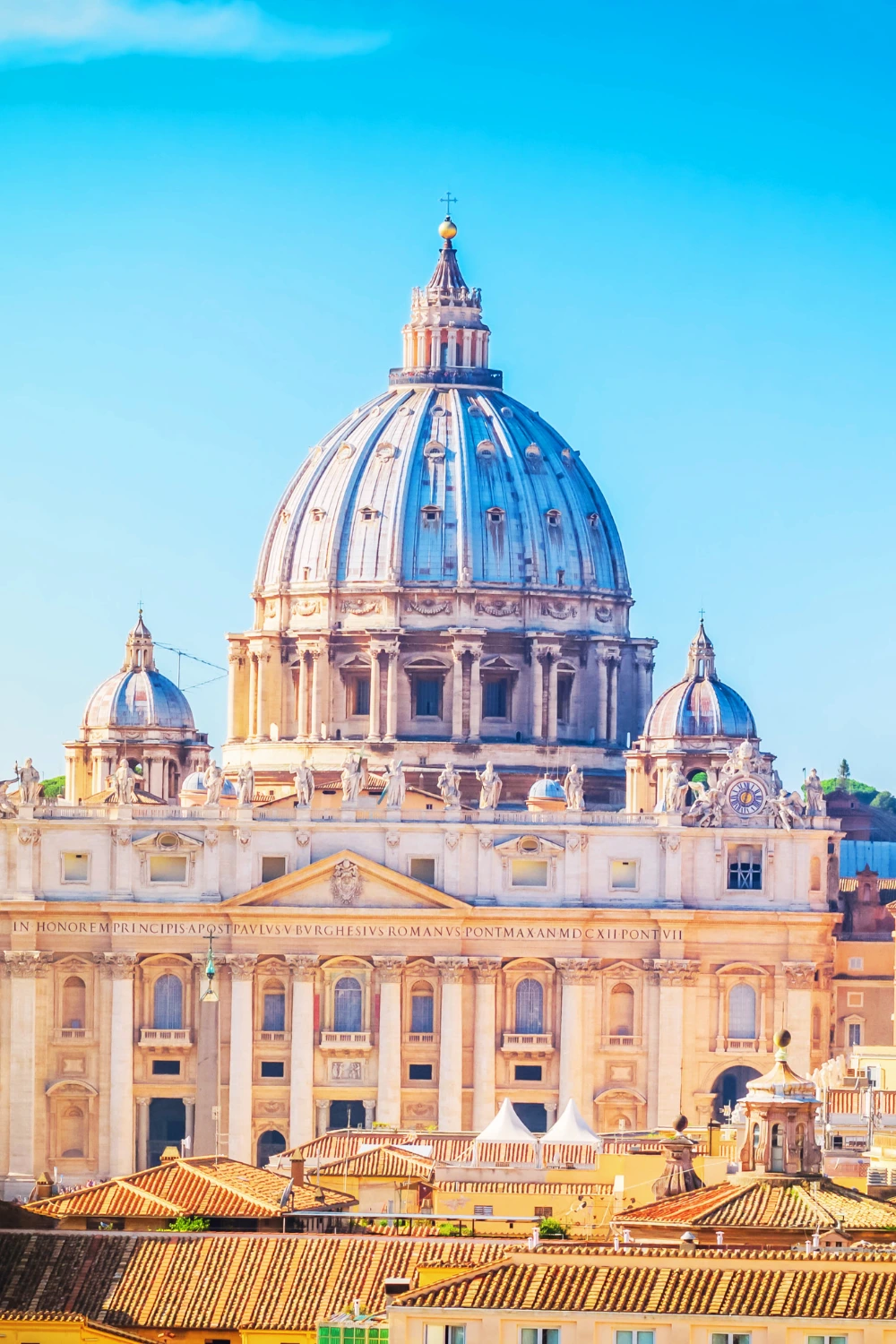
September is the month Rome rewards those who’ve been paying attention. The summer crowds thin, the temperature drops from punishing to magnificent (usually 24–28°C), and the city shakes off a certain tourist-industry exhaustion and remembers what it is: a 3,000-year-old layer cake of history that would take several lifetimes to fully understand, with excellent pasta in between.
The major sites — the Colosseum, the Forum, the Vatican — are still busy but not August-busy. Book the Vatican first thing: the Sistine Chapel is one of those places where the gap between image and reality is vast, and it closes in Michelangelo’s favour. Trastevere in September has its local character restored; the neighbourhood market on Via di Porta Portese (Sunday mornings) is genuinely enormous and entertaining. The Pantheon, which I think is the single most affecting building in the Western world — perfectly proportioned, constructed nearly two millennia ago, still functioning as designed — is never not worth an hour.
What people underestimate about Rome is the food. Not just the pasta (bucatini all’amatriciana, cacio e pepe, carbonara — all of which originated here and all of which are categorically different from their international interpretations) but the offal, the Jewish-Roman cooking in the Ghetto neighbourhood, the artichokes prepared alla giudia (deep-fried whole until the leaves go crisp). Rome does not particularly care that you’re a tourist. It has been feeding people since before your civilization began and will continue doing so.
Local tip: The Appian Way — the ancient road leading south from Rome, flanked by crumbling tomb monuments and umbrella pines — is uncrowded, remarkable, and cyclable on a hired bike. The Catacombs of San Callisto alongside it are the best-preserved early Christian catacombs accessible to visitors, and the guided tour takes you four levels deep.
16. San Sebastián, Spain
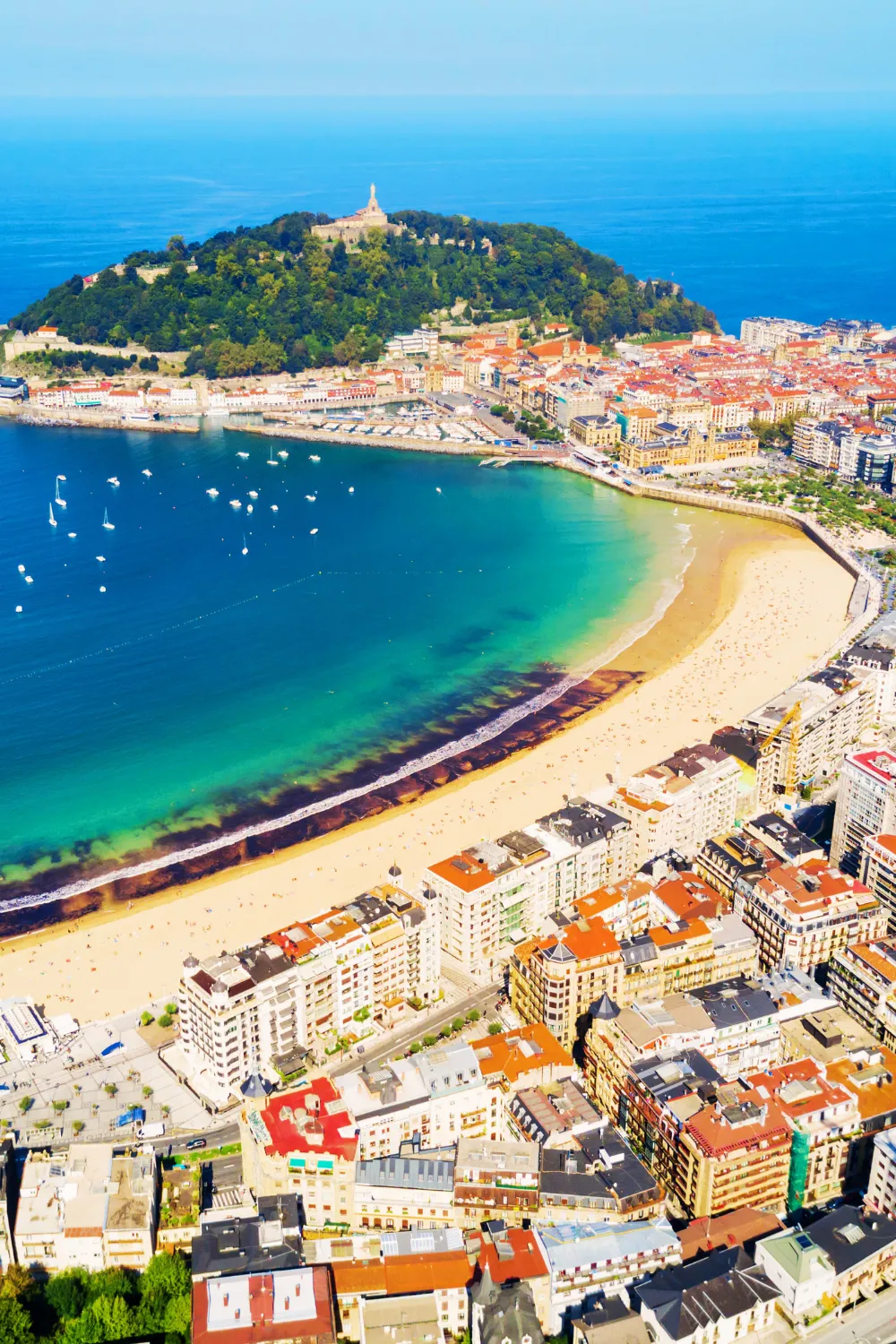
There is a moment in San Sebastián — usually late in the evening, in a pinxto bar in the Old Town with a glass of txakoli poured from an absurd height — when you realize that every claim made about this city and its food is true, and possibly an understatement.
San Sebastián (Donostia in Basque) holds more Michelin stars per square metre than almost anywhere on the planet, which would be insufferable if it weren’t also a city where the best eating happens in standing bars for €3 a bite. The pintxos (the Basque version of tapas, served on bread) at La Cuchara de San Telmo and Bar Txepetxa are the standard against which all other small-plate experiences should be measured. The beach — La Concha — is a perfect crescent of fine sand sheltered by the bay, and in September it’s warm enough to swim in but human enough to enjoy without strategic positioning.
The city is also beautiful in the way that northern Spanish cities often quietly are, with a Belle Époque seafront built when it was the summer resort of the Spanish royal court, hills above with funicular access, and an old fishing quarter that has become a food district without quite losing the sense that boats still actually leave from here. September festivals include the San Sebastián Film Festival, which brings an interesting international crowd.
Local tip: The GR-121 path from San Sebastián along the coast to Pasaia takes three to four hours and is one of the best coastal walks in Spain, passing through clifftop farmland and dropping down to the extraordinarily deep natural harbour at Pasaia. Return by local bus.
17. Prague, Czech Republic
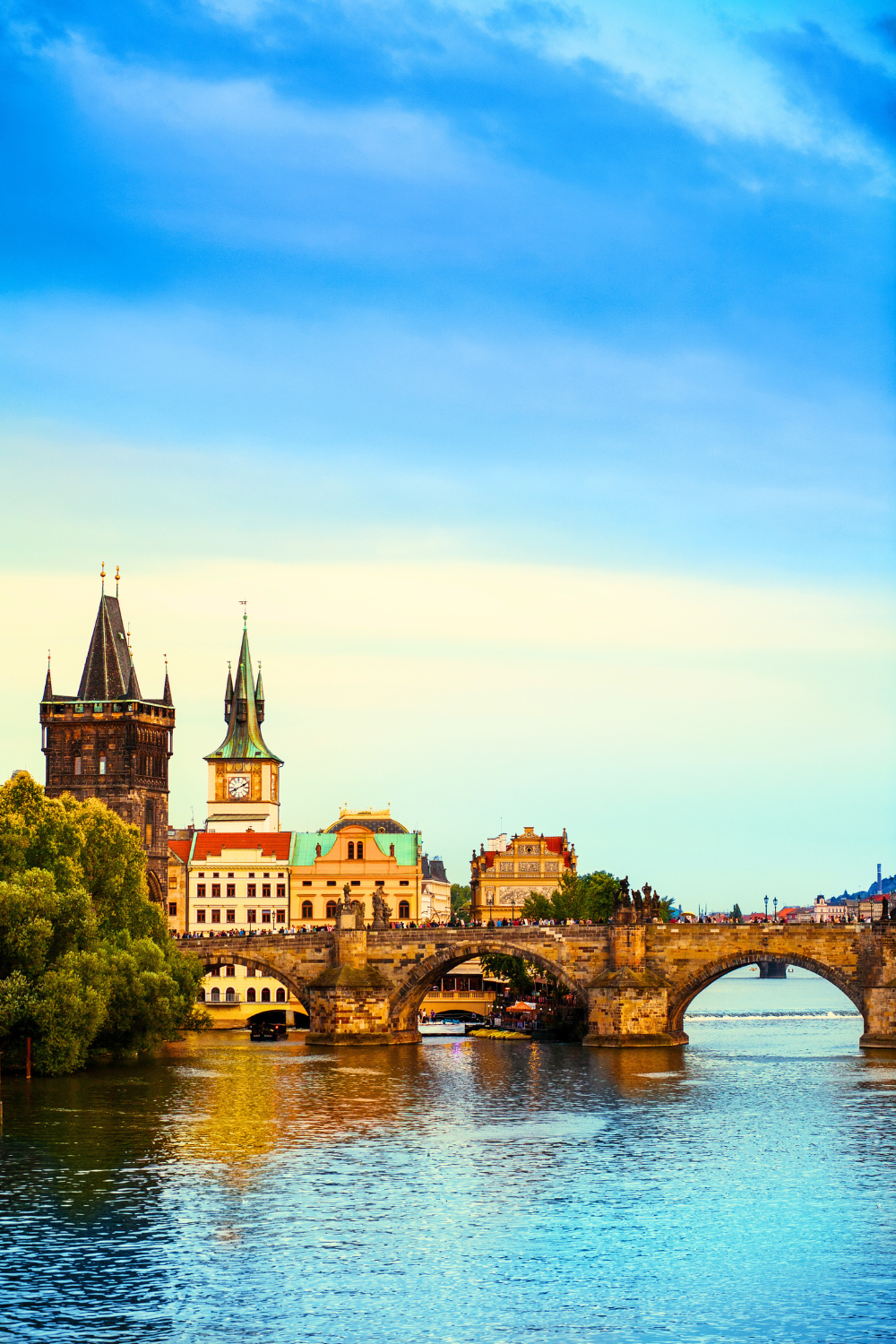
Prague in September occupies that specific sweet spot between summer crowds and the gathering cold of central European autumn, and the city looks arguably its best when the late afternoon light hits the Vltava and the castle and the terracotta rooftops of Malá Strana.
The Czech capital is one of those cities that resists simplification. It has been Bohemian kingdom capital, Habsburg administrative centre, Nazi-occupied Protectorate, Communist state capital, and post-1989 democratic and economic success story, and evidence of all of these layers is visible in its architecture — Gothic, Baroque, Art Nouveau, and some of the finest Cubist architecture anywhere. The Charles Bridge is best crossed at dawn, the Old Town Square’s Astronomical Clock is best admired without the crowd that gathers for the hourly performance, and Vyšehrad (the older castle rock at the south of the city, with its national cemetery) is visited by almost no tourists despite being more historically significant than Hradčany in many respects.
The beer is the best in the world by my entirely subjective and not-very-objective-at-all estimation. Unfiltered, unpasteurized Czech lager — notably at Lokál chain restaurants which serve Pilsner Urquell in this form — bears the same relationship to the international export versions that a live concert has to a compressed streaming file. The food has improved dramatically in the past decade and the vegetable-forward New Czech cooking happening in several Žižkov restaurants is genuinely interesting.
Local tip: Cross the river and walk up through the Malá Strana neighbourhood’s back streets to the Loreta sanctuary in Hradčany, which is five minutes from the Castle but visited by a tiny fraction of the people who don’t make it this far. The cloister is genuinely peaceful.
18. Valletta, Malta
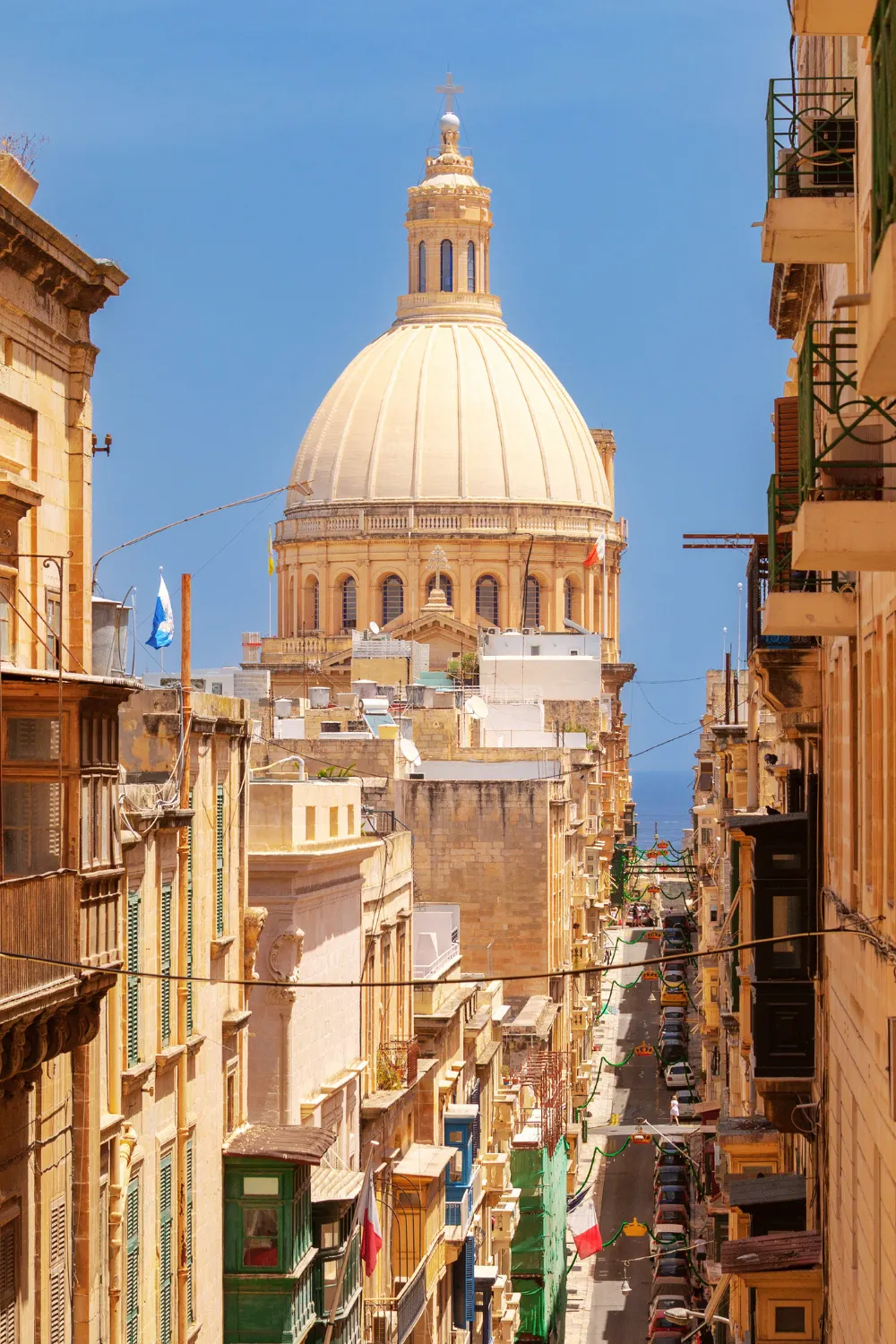
Europe’s smallest capital city is one of its most underrated, and September — when the fierce Mediterranean summer begins to ease — is the perfect moment to give it the slow, unhurried attention it deserves.
Valletta was built by the Knights of St John after the Great Siege of 1565, purpose-designed as a fortified city on a peninsula between two natural harbours, and it has barely put a foot wrong architecturally since. Every street is straight (the Knights insisted on a grid), every view ends at the water, and the Baroque churches, palaces, and bastions crowd so close together that the whole city centre takes about forty minutes to walk end to end. Within that small space: the extraordinary Caravaggio paintings in the Co-Cathedral (two works he painted while staying in Malta, including the largest painting he ever made), the Upper Barrakka Gardens with the view of the Grand Harbour that has been described, with some justification, as the finest in Europe, and a food scene that has arrived very recently and very ambitiously.
The harbour below is accessible by traditional dgħajsa water taxis. The three cities of Vittoriosa, Senglea, and Cospicua across the water are older than Valletta itself and even quieter; Vittoriosa especially has a maritime museum and streets that see perhaps a hundred tourists on a busy day.
Local tip: The Strait Street area — Valletta’s former entertainment strip, known as “The Gut,” where British sailors came to drink and dance through both world wars — has been restored and now has a small cluster of excellent bars and restaurants. Come in the evening and ask someone at your hotel about which end is currently the live music end.
Practical Planning: Making Your Summer Count
Book early for August, flexible for May and September. Accommodation in Dubrovnik, Santorini, and Cinque Terre in particular sells out far in advance for peak summer. May and September reward last-minute flexibility with better prices and easier logistics.
Trains are almost always preferable to flights for intra-European travel. The interrail system covers the continent; individual point-to-point bookings on the Trenitalia, Renfe, or DB rail networks are typically cheaper if booked two to three months ahead. Rome to Naples to the Amalfi Coast, Barcelona to San Sebastián, Porto to Lisbon — all are easy rail journeys.
Heat is real. Southern European cities — Seville, Athens, Rome — in July and August routinely hit 35–40°C. Plan activities for the morning (before midday), rest in the afternoon, and embrace the long European evening. This is not a hardship; it’s the correct way to operate.
Carry cash more than you think you’ll need. The best market stalls, the best old-city tavernas, the best beach bars — they often don’t take cards, and the ATM around the corner is never as close as expected.
Museum passes earn their keep. In Paris, Rome, Florence, Barcelona — the city museum passes bypass queues as well as price, and in high summer, the queue bypass alone is worth the premium.
The thing about European summers is that they never quite go as planned, and that’s mostly the point. You’ll miss a train and end up having the best meal of the trip in a station café in a town you’ve never heard of. You’ll book the wrong hotel and discover a neighbourhood your guidebook hadn’t mentioned. You’ll stand somewhere unremarkable — a harbour wall, a hilltop, a bridge at dusk — and feel, for a moment, like the world is exactly the right size. That’s the experience the photographs never quite capture, and the only reason to go. Pack light, stay flexible, and go. For more budget-conscious travelers, consider exploring affordable summer destinations that offer similar experiences at lower costs.

