
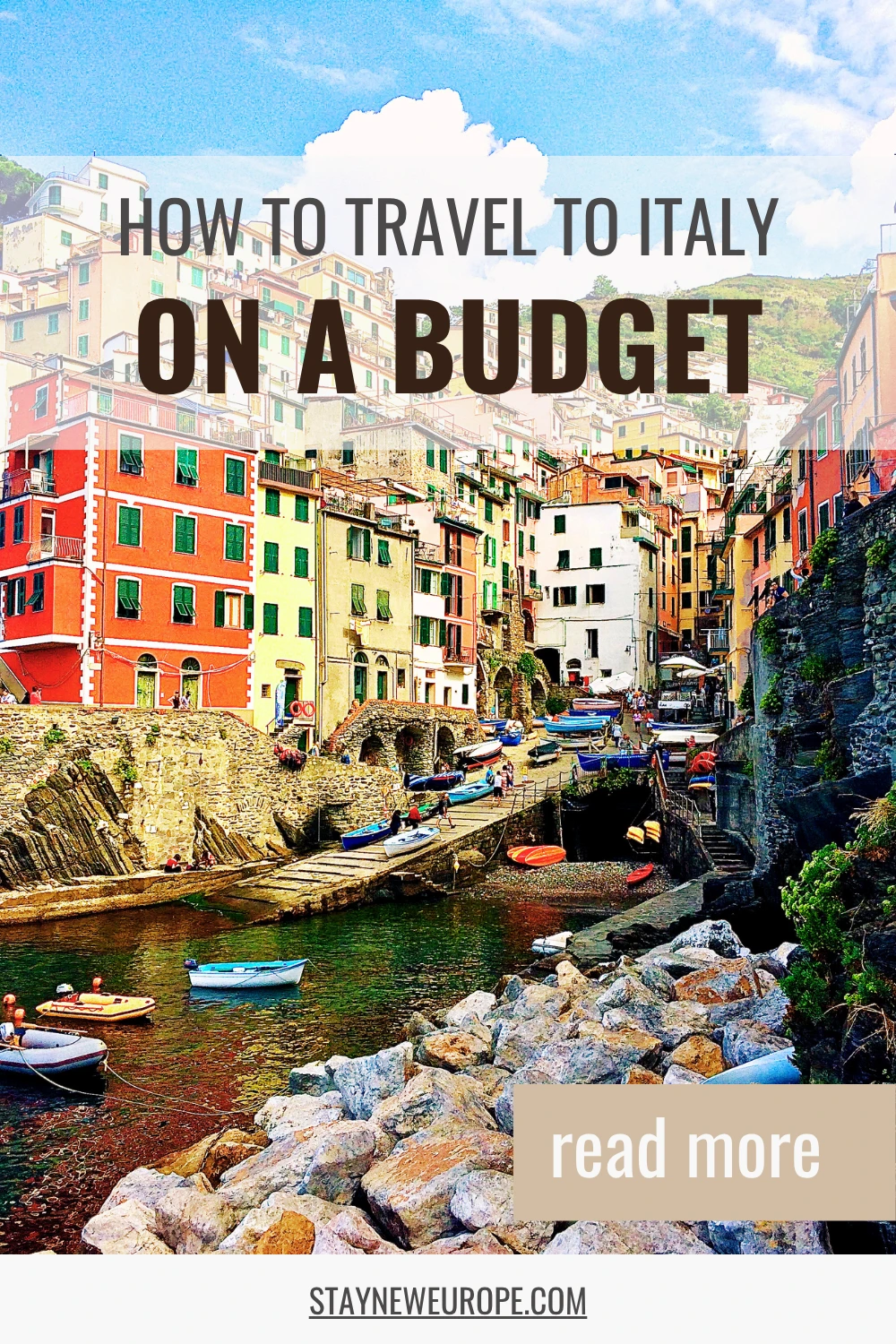
Let me be straight with you from the start: Italy is not cheap. The espresso is, the bread is, the sunsets are absolutely free — but Italy has a way of making you want things. A second gelato. A third glass of Primitivo. A handmade leather wallet you didn’t know you needed until you were standing in a Florentine market holding it. And before you know it, you’ve blown your budget somewhere between Naples and the Amalfi Coast.
But here’s what the travel industry doesn’t always tell you: Italy rewards the slow, the curious, and the slightly broke traveller more than almost any other country in Europe. The best experiences here — the ones you’ll still be talking about at dinner parties ten years from now — often cost nothing at all. A piazza at dusk. A conversation with a nonno outside a bar. A church so beautiful it actually makes you catch your breath.
This guide is everything I know about doing Italy properly on a budget. Not the “skip the museums and eat supermarket sandwiches” version of budget travel — the real version, where you eat well, sleep somewhere with character, and come home feeling like you actually lived it.
Before We Get Into It: The Budget Italy Mindset
Italy is a country that rewards you for slowing down. The biggest budget mistake most travellers make isn’t booking the wrong hotel — it’s trying to do too much. Rome, Florence, Venice, the Cinque Terre, Amalfi, Sicily, Milan, Bologna — all in ten days. That kind of trip doesn’t just cost more, it also means you never actually arrive anywhere.
The budget sweet spot in Italy is picking fewer places and going deeper. A week in one region will cost you less than the same time bouncing between cities (trains add up fast), and it will feel infinitely richer. You’ll find the bakery that opens at 6am. You’ll get nodded at like a regular. You’ll stop photographing everything and start actually seeing it.
Timing matters too. Italy in July and August is expensive, crowded, and hot in a way that makes you question your life choices. Shoulder season — late April through June, or September and October — is when the country is at its most beautiful and its most affordable. The light is incredible, the queues are manageable, and accommodation prices drop noticeably the moment you move away from peak summer.
The other thing to know: tourist Italy and local Italy exist side by side, and the gap between their prices is enormous. Step one block off the main drag in any Italian city and the prices drop, the quality usually improves, and the experience becomes something you couldn’t have planned.
1. Rome — The City That Doesn’t Need to Try
There is something almost unfair about Rome. It barely has to make an effort. You turn a corner and there’s a fountain Bernini carved in the 1600s, being used as a backdrop for a family selfie and a couple arguing about where to have lunch. The density of beauty here is absurd, and a shocking amount of it is free.
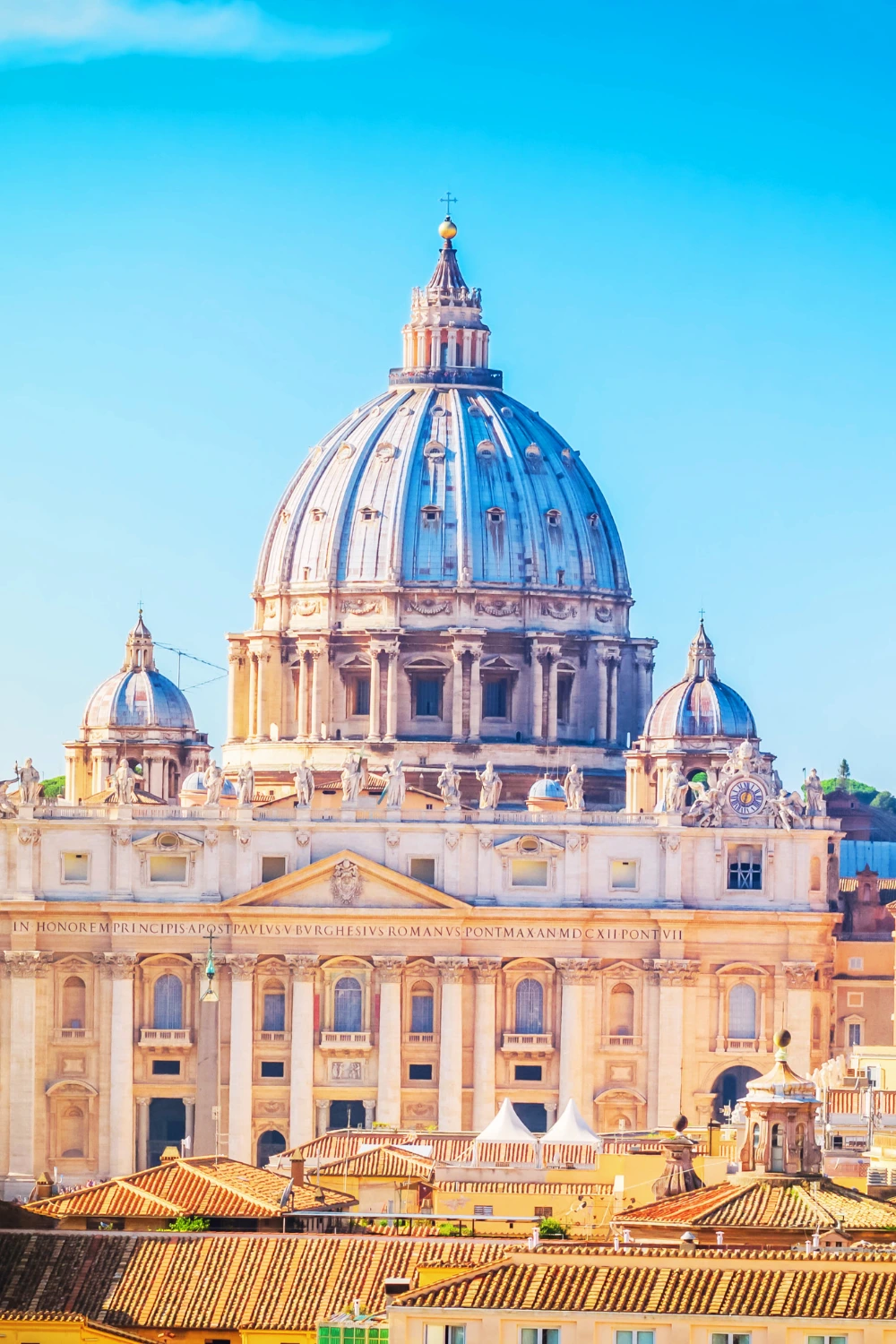
The Colosseum and the Vatican Museums will cost you, and they’re worth budgeting for — but the Pantheon, the Trevi Fountain, every single piazza, the entire outdoor museum that is the Roman Forum area from the outside, Campo de’ Fiori in the morning, Trastevere at any hour — free. All of it. Walk with no particular agenda on the east side of the Tiber and you will stumble into more history than most countries have in total.
For budget eating in Rome, the key word is trattoria, not ristorante. Better still, look for places with handwritten menus and no photographs of the food — those photographs are a tourist tax in visual form. The cacio e pepe in a side-street trattoria in Testaccio will cost you around €10 and taste like someone figured out the meaning of life. Testaccio is Rome’s old slaughterhouse neighbourhood and now its best food quarter, and almost no one making a whistlestop Rome trip goes there. Which is precisely why you should.
Local tip: The Vatican Museums are included in one of the best value combo tickets in Italy, but if you just want to see St Peter’s Basilica and climb the dome for the view, the basilica itself is free to enter. The dome climb costs a few euros and gives you one of the finest views of any city on earth. Go early, before the tour groups arrive, and you’ll have the rooftop almost to yourself.
2. Naples — Underestimated, Untamed, and Outrageously Good Value
Naples has a reputation, and that reputation has kept budget travellers away for years, which means those of us who go get to have it almost entirely to ourselves. Let me be honest with you: Naples is chaotic, loud, and doesn’t particularly care what you think of it. It is also one of the most alive cities in Europe, and it is extraordinarily cheap.
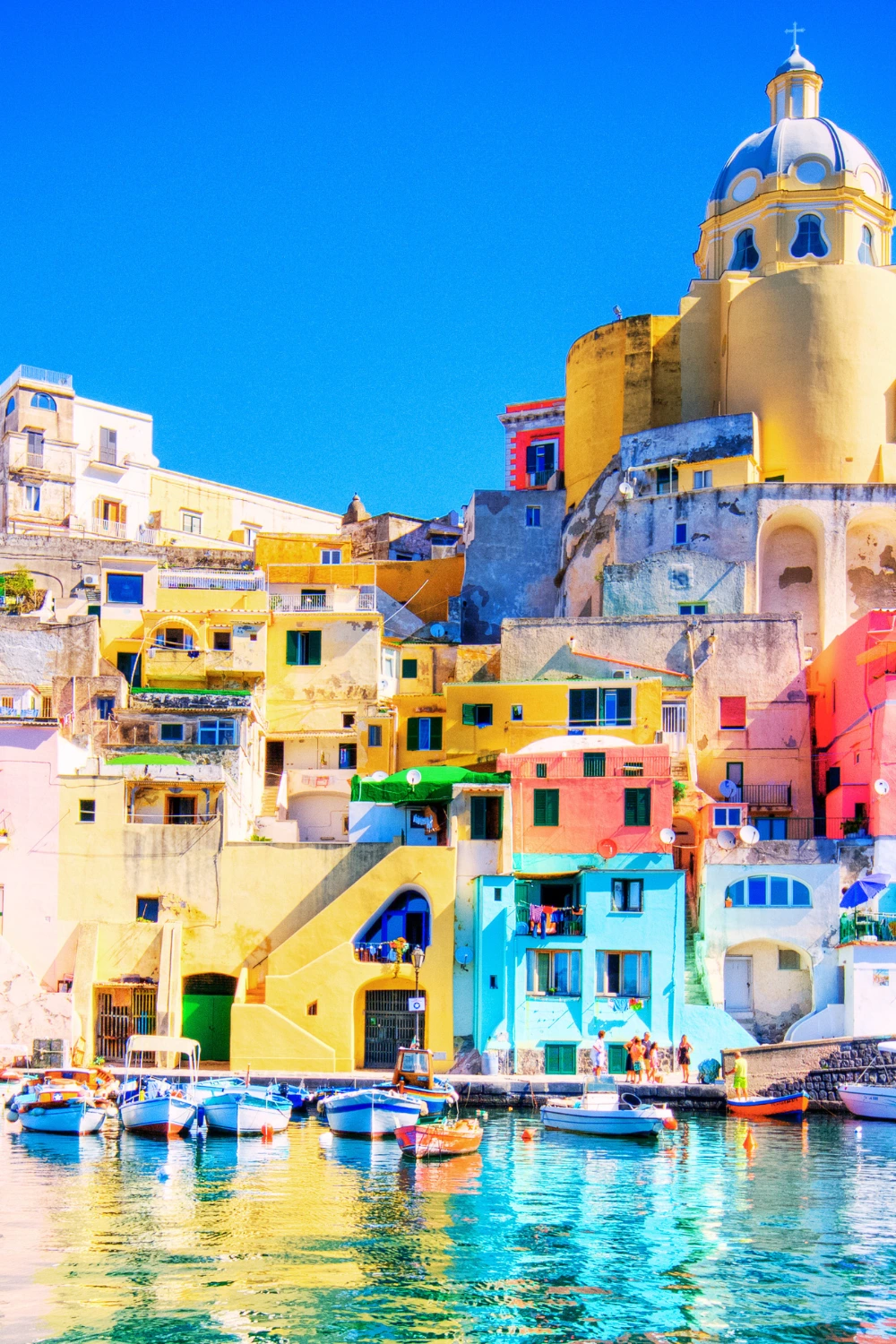
The historic centre — a UNESCO World Heritage Site — is a grid of narrow, dark streets called spaccanapoli that cuts the city in half like a scar. Walk it slowly. Peer into the churches (there are dozens, many of them genuinely jaw-dropping and completely tourist-free). Buy a sfogliatella from a pastry shop for €1.50 and eat it standing on the pavement like everyone else does. This is budget travel as it should be: not about deprivation, but about participation.
Pizza in Naples is not a meal, it’s a civic religion. A Margherita at L’Antica Pizzeria da Michele — the oldest pizzeria in the city — costs around €5. Five euros. For what many people consider the best pizza on the planet. The queue moves fast, the vibe is completely no-frills, and it will reset your understanding of what pizza is supposed to be.
Local tip: The Museo Archeologico Nazionale di Napoli houses the finest collection of Roman artefacts in the world — the treasures pulled from Pompeii and Herculaneum that you won’t see anywhere else. It’s not free, but it’s seriously underpriced for what it contains. Go on a Sunday when many Italian state museums have reduced or free entry, and get there when it opens to beat the school groups.
3. The Cinque Terre — Yes, It’s Worth It (If You Do It Right)
The five pastel villages clinging to the Ligurian cliffs are genuinely spectacular, and they’re genuinely expensive if you approach them wrong. Don’t sleep in Vernazza or Manarola — the accommodation prices in the villages themselves are painful. Instead, base yourself in La Spezia, the unglamorous but perfectly functional town at the end of the train line, and day-trip in.
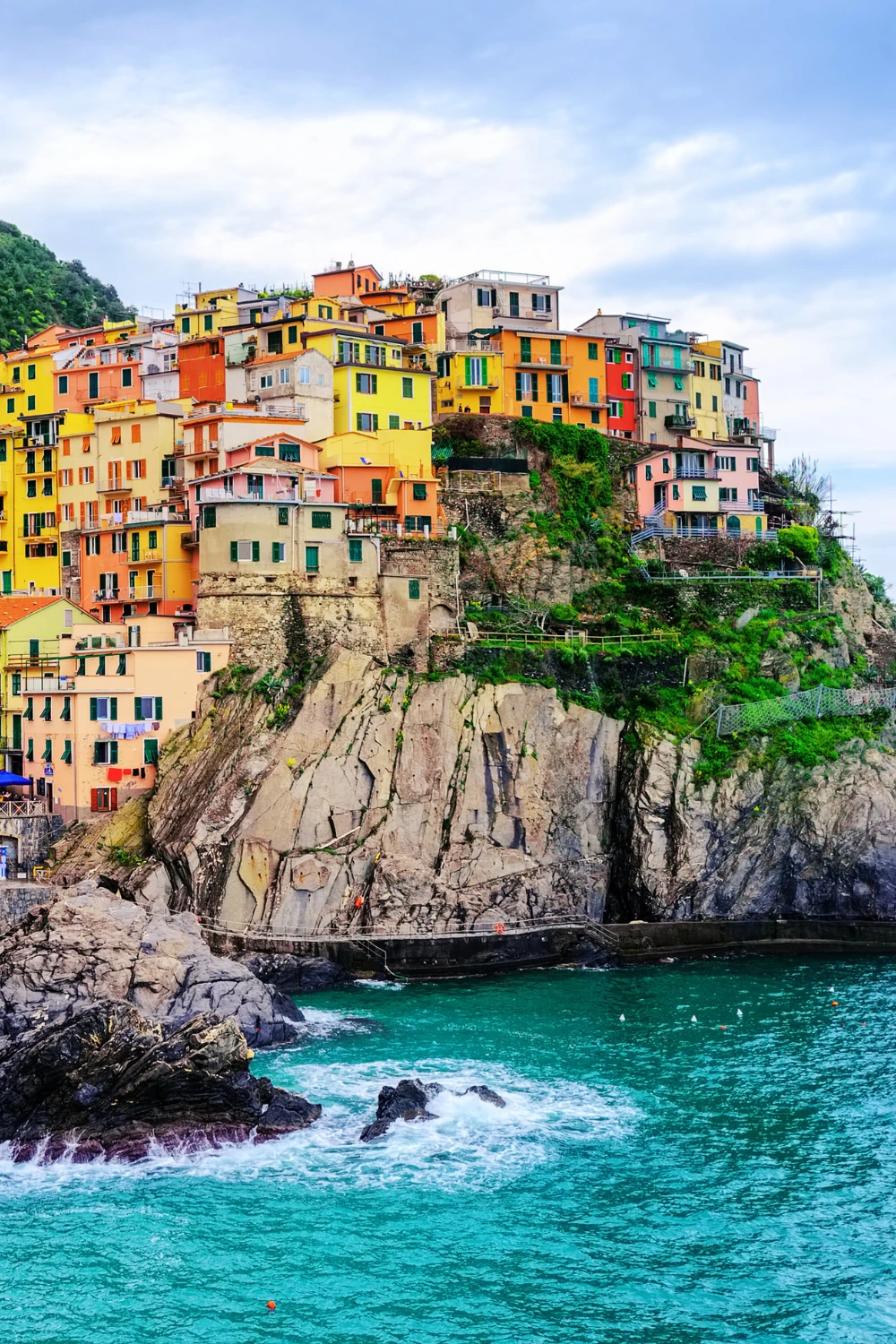
Here’s the thing about the Cinque Terre that the Instagram feed doesn’t show you: in high summer, the main footpath between the villages is so crowded it resembles a queue for a theme park ride. The trail requires a paid pass, and the prices have gone up in recent years. But the higher trails — the ones that climb up into the vineyards above the villages — are quieter, more beautiful, and included in the same pass or sometimes free depending on the route. Do those instead.
The village of Corniglia is the least visited of the five because it sits on a clifftop and requires climbing 380 steps from the train station. Those 380 steps do a remarkable job of filtering out casual visitors. Go to Corniglia for lunch, find a terrace with a view, and order the trofie al pesto — the short, twisted pasta with Ligurian basil pesto that is, without exaggeration, one of the great pasta dishes of Italy.
Local tip: The Cinque Terre Card covers the hiking trails and the local trains between the villages. Buy it for two days rather than one — the second day costs relatively little extra and lets you take the whole experience at a pace that doesn’t feel like a race. Evening light on the villages, when most of the day-trippers have gone, is when the place stops being a postcard and starts being something real.
4. Florence — Art, Architecture, and How to Eat Like a Local
Florence can feel like a very beautiful, very expensive outdoor museum. The Uffizi and the Accademia (where Michelangelo’s David lives) cost money and should be booked weeks in advance — they’re worth every euro, but budget for them properly. What people often miss is how much of Florence’s extraordinary art is in its churches, many of which charge only a small entry fee or nothing at all.
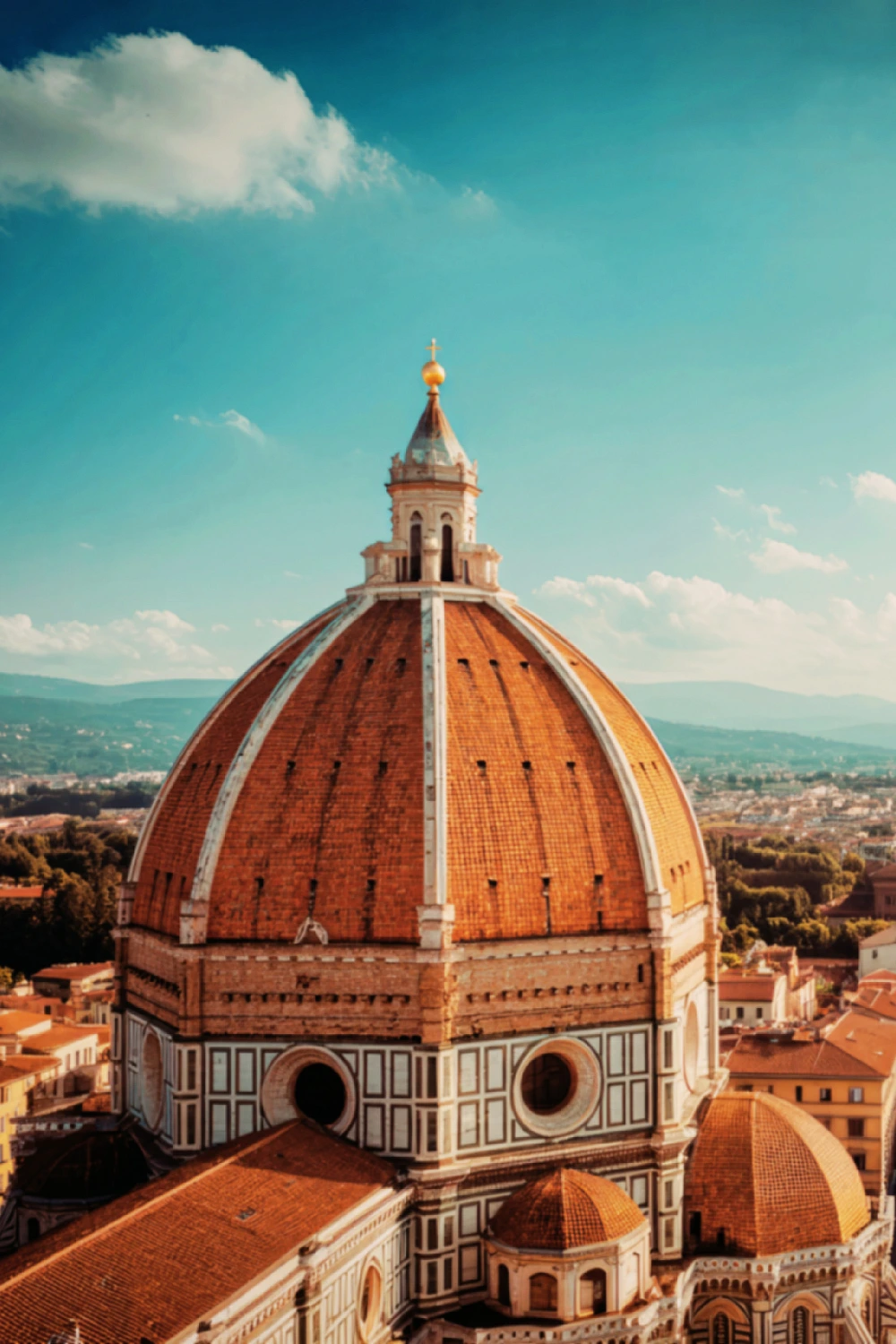
Santa Croce contains the tombs of Michelangelo, Galileo, and Machiavelli. The Bargello museum has one of the finest collections of Renaissance sculpture in existence and is perpetually half-empty because everyone’s queuing for the Uffizi. The Brancacci Chapel has frescoes that Michelangelo himself studied as a student. None of these get the tourist traffic they deserve, and all of them are significantly cheaper than the major draws.
For food, the word you need is lampredotto. It’s tripe — specifically, cow stomach — cooked in tomato and herbs and served in a bread roll from a street cart. It sounds confronting and it tastes magnificent, and it costs around €4. The market stalls around the Mercato Centrale and Sant’Ambrogio are where Florentines actually shop and eat, and the prices reflect a local economy rather than a tourist one. A plate of ribollita — the thick Tuscan bread soup — will fill you up completely for a few euros.
Local tip: The Boboli Gardens behind the Pitti Palace are one of the most beautiful green spaces in Italy and, combined with the Pitti Palace ticket, offer exceptional value. But the real secret is the Bardini Garden, just next door — less famous, slightly cheaper, and with a view over Florence from its terrace that photographers with far better equipment than mine have spent hours trying to capture.
5. Bologna — The City That Feeds Italy (And Your Budget)
Bologna is the place I recommend to every single person who asks me where to go in Italy, and it is criminally undervisited by international tourists. It is a university city — one of the oldest universities in the world is here — which means it’s young, lively, politically engaged, and oriented around good food and affordable living. For budget travellers, this is a gift.
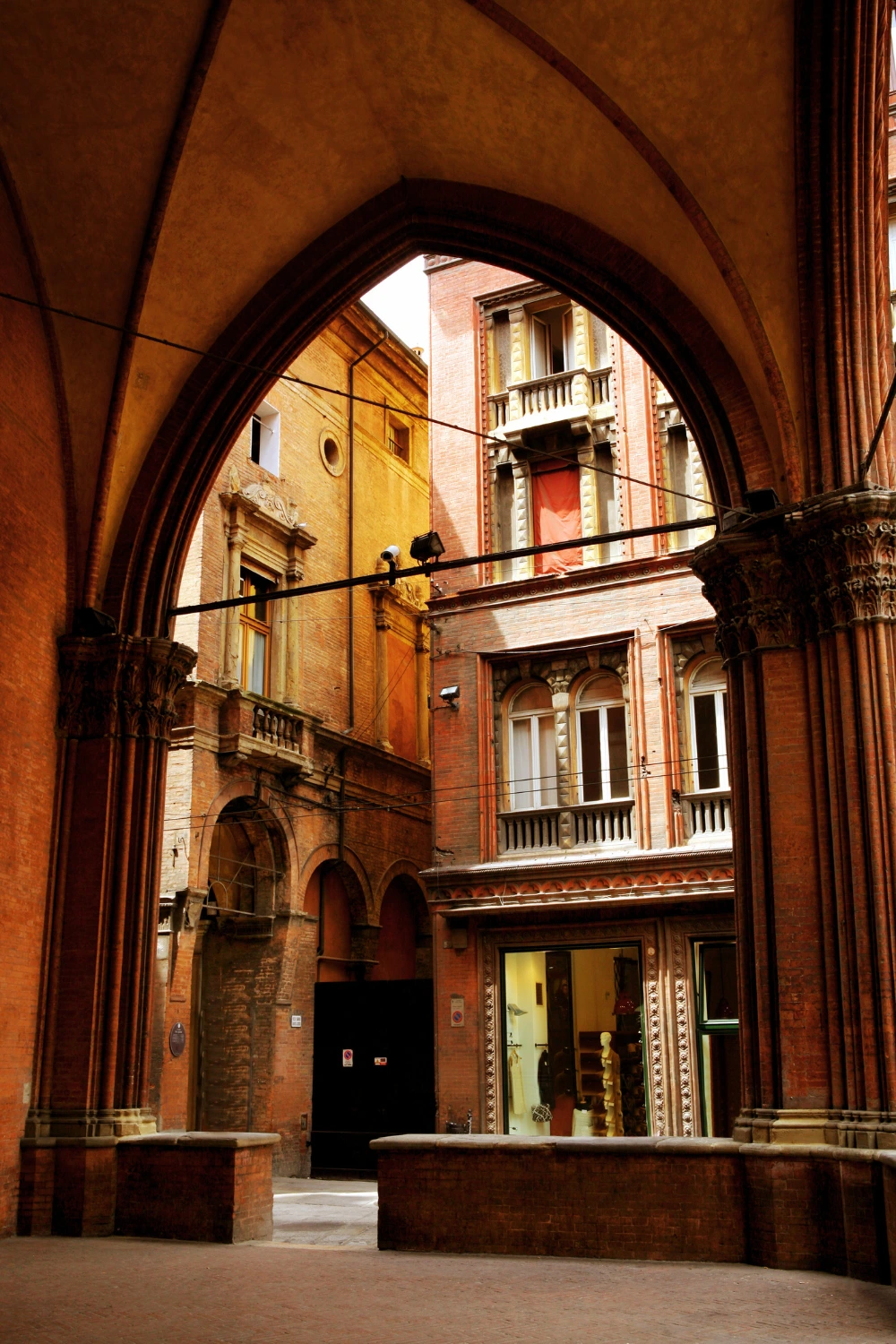
The food culture here is extraordinary. Bologna is the home of ragù (what the rest of the world calls Bolognese sauce), mortadella, tortellini, and tagliatelle — and it takes all of these things extremely seriously. A plate of handmade pasta from a small osteria in the university quarter will cost you less than €12 and will be better than anything you’ve eaten at an Italian restaurant back home. I say this without hesitation.
The medieval centre is almost entirely car-free and shaded by 40 kilometres of porticoes — covered walkways that keep you dry in rain and cool in heat — which were added to the UNESCO World Heritage List in 2021. Walk the Via dell’Indipendenza, wander up to the top of the Asinelli Tower for a view over the red rooftops (a small fee, absolutely worth it), and then get lost in the Quadrilatero market district where the food shops have been there for generations.
Local tip: The aperitivo culture in Bologna is taken very seriously. From around 6–9pm, most bars charge you for a drink — €6 to €8 — and put out a spread of food that in some places constitutes a full dinner. It is not a trick. It is genuinely how this city eats in the evening. Some bars in the university area lay out pasta, risotto, cold cuts, and vegetables. Order one drink and you have solved your dinner problem at the cost of a glass of Pignoletto.
6. Sicily — A World Unto Itself at Half the Price
Sicily is not just a cheaper version of mainland Italy — it’s a completely different place, with its own dialect, its own food culture, its own complex history layered with Arab, Norman, Greek, and Spanish influence. It is also, by a significant margin, the most affordable major tourist destination in Italy, and one of the most extraordinary.
Palermo is the capital and it is vivid, loud, beautiful, and chaotic in a way that reminds you more of Tunis or Beirut than of Rome. The street food scene is unreal: arancini (fried rice balls) for €2, panelle (chickpea fritters) in a bread roll for €1.50, grilled octopus from a harbour-front vendor. The Ballaro market in the morning is one of the great sensory experiences in Europe — vendors shouting, fish still twitching, piles of blood oranges and fennel and things you can’t immediately identify. Go before 9am.
Beyond Palermo, the Valley of the Temples near Agrigento contains some of the best-preserved Greek temples in the world — better preserved than anything in Greece itself — and the entrance fee is modest for what you get. Taormina is touristy and gorgeous and expensive, but the Greek theatre there, with Etna in the background and the sea below, is one of the most dramatically situated ancient sites on earth. Go at sunset.
Local tip: The best value in Sicily is renting a cheap car and getting off the tourist circuit entirely. The interior of the island — the hill towns of Enna, Piazza Armerina (with its extraordinary Roman mosaics), and Ragusa — sees a fraction of the visitors of the coast, charges a fraction of the prices, and offers an experience of Sicily that feels genuinely unchanged by tourism. Fill up on fuel before you go — petrol stations are sparse in the interior and sometimes keep their own hours.
7. The Amalfi Coast — How to Do It Without Going Broke
The Amalfi Coast is beautiful in the way that makes you slightly annoyed at how beautiful it is. It is also, in summer, extremely expensive and densely crowded, and the combination of the two makes it a place where you can spend a lot of money having a worse experience than you’d have in October. The solution is: go in October.
Late September to early November, the water is still warm, the light is golden and long, and the accommodation prices drop dramatically. The famous drive from Salerno to Positano is still jaw-dropping, the lemons are still obscenely large, and the village of Ravello — perched high above the coast — is still one of the most peaceful, beautiful places I’ve ever sat and done absolutely nothing.
The big budget tip for the Amalfi Coast is to base yourself in Salerno or Vietri sul Mare rather than in Positano or Amalfi town, and take the SITA buses or the ferry to move around. The buses are chaotic, occasionally late, and provide some of the most terrifying and spectacular road experiences of your life. They are also about €2 and run regularly. The ferries are more reliable and cost a little more, but watching the coast from the water is a completely different (and arguably better) experience than the road.
Local tip: Most tourists on the Amalfi Coast miss Cetara completely. It’s a tiny fishing village near Salerno that has almost no tourist infrastructure, extraordinarily good seafood, and a local anchovy industry that’s been running for centuries. The colatura di alici — anchovy sauce — they make here is the umami backbone of half the dishes in southern Italian cooking. Eat at a table on the harbour, order whatever the fish is, and stay as long as you can.
8. Venice — The Expensive City With Free Escapes
Venice is expensive, I won’t pretend otherwise. But it is also a city unlike any other place on the planet, and the parts that make it unlike any other place — the labyrinthine calli, the way light moves on water, the complete absence of cars, the feeling that you have somehow wandered into a dream — cost nothing. You just need to get lost.
The tourist Venice and the real Venice exist on the same islands and sometimes on the same street. The area around Rialto and San Marco is full of €8 espressos and average food at premium prices. Walk twenty minutes in any direction and you’re somewhere that feels lived-in and unhurried. The Cannaregio district, the Castello neighbourhood, and the far end of Dorsoduro have a quieter, more residential quality that makes you feel less like a visitor and more like someone who just happens to be passing through.
For budget eating, the key is the bacari — the Venetian wine bars that serve cicchetti, small snacks that you eat standing at the counter. A glass of local wine (ask for ombra) and two or three cicchetti — a piece of bread with creamy baccalà, a meatball, a small crostini with some kind of lagoon seafood — will cost you €6 to €8 and is genuinely how Venetians eat lunch. Do this instead of sitting down at a tourist restaurant and you will eat better, spend less, and feel like you actually understand the city.
Local tip: The island of Burano — the one with the brightly painted houses — is on a lot of tourist itineraries. But take the vaporetto one stop further to Torcello, an island that was once the most important settlement in the lagoon and is now nearly deserted. The cathedral there contains some of the oldest and finest Byzantine mosaics in Italy. You can sit inside in complete silence with almost no one else there. In Venice, that is an extraordinary luxury.
9. The Dolomites — Alpine Drama That Costs Less Than You Think
Most people don’t associate Italy with mountains, which is exactly why the Dolomites are a revelation. These UNESCO-listed peaks in the far northeast — their pale, vertical faces turning pink at sunrise — are among the most dramatic landscapes in Europe, and the infrastructure for visitors is excellent, relatively affordable, and virtually unknown to anyone who hasn’t specifically sought them out.
The base towns — Cortina d’Ampezzo, Ortisei, Bolzano — vary in price. Bolzano is the cheapest and also one of the most interesting: it’s the capital of South Tyrol, a region that’s ethnically and linguistically mixed between Italian and Austrian, and the food culture reflects this hybrid identity in ways that are delicious and confusing in roughly equal measure. Speck, apple strudel, and kaiserschmarrn sit next to polenta and pasta. It works brilliantly.
Hiking in the Dolomites in summer is largely free — the trails are well-marked, the views are extraordinary, and the network of mountain refuges (rifugi) means you can walk for days, sleeping and eating at huts along the way. The rifugi serve hot food, cold beer, and views that would cost ten times as much anywhere with a ski resort reputation. A bed for a night costs around €30 to €50 including dinner and breakfast, depending on altitude and remoteness.
Local tip: The Alta Via 1 is a classic multi-day hiking route through the Dolomites, but you don’t need to do the whole thing to experience the best of it. A two-day section with a night in a rifugio gives you the full experience — high-altitude meadows, dramatic passes, wild camping-adjacent freedom — for a fraction of what a guided Alpine tour would cost. Rent boots in Bolzano if you didn’t bring your own.
10. Puglia — The Heel of the Boot and the Best Budget Region in Italy
If I were picking one region to recommend for pure budget-to-experience ratio in Italy, it would be Puglia. The long, flat heel of the Italian boot has exploded in popularity over the past decade — but it has not, yet, reached the prices of Tuscany or the Amalfi Coast, and in the agricultural interior, it still feels like the Italy of thirty years ago.
The landscape is unlike anywhere else in Italy: flat, olive-silver, ancient, dotted with trulli (the conical stone houses that look like something from a fairy tale) and masserie (old farmhouses turned into agriturismo accommodation). Stay at an agriturismo if you can — the food alone justifies it, and the prices are often remarkably reasonable. Breakfast will include things from the farm: tomatoes, olives, burrata made that morning, bread that arrived still warm.
Lecce is the architectural highlight — a Baroque city so ornate and honey-coloured it looks like it was designed by someone who had been told to use every decorative idea they’d ever had and not hold back. It is a genuine wonder of Italian architecture, almost entirely uncrowned compared to the northern cities, and the aperitivo scene (Primitivo wine, local olives, conversation) is one of the best in the south. Ostuni, perched white on its hill, is another one that will stay with you.
Local tip: The food of Puglia is among the most distinctive in Italy — orecchiette pasta with cime di rapa (broccoli rabe), raw sea urchin eaten on the harbour at Taranto, friselle soaked in olive oil and topped with cherry tomatoes and fresh oregano. Go to the morning market in any town for the kind of produce that makes you want to abandon your return flight and start a new life. The olive oil here is some of the best in the world, and you can buy a large tin directly from a frantoio (press) for less than it costs in a supermarket back home.
11. Umbria — Tuscany’s Quieter, Cheaper Neighbour
People who love Tuscany but feel priced out of it should go to Umbria instead. The rolling green hills, the hilltop medieval towns, the food and wine culture — all of it is here, and the tourist infrastructure is a fraction of what it is across the regional border. Umbria doesn’t have the brand recognition of Tuscany, which is your opportunity.
Perugia is the capital and a proper working city with a medieval hilltop centre that is genuinely beautiful and completely manageable on a budget. The Perugina chocolate factory is here (home of Baci chocolates), and there’s a free museum attached to it that is better than it has any right to be. Assisi, home of St Francis, is one of the most spiritually charged and architecturally remarkable towns in Italy — the upper and lower basilicas contain frescoes by Giotto that are part of the foundation of Western art.
Orvieto is built on a plateau of volcanic tufa and commands views over the Umbrian valley that make arriving there by train one of the most cinematic travel moments in Italy. The cathedral facade is among the finest examples of Italian Gothic in existence. The local white wine — Orvieto Classico — is crisp, mineral, and costs around €4 a glass in a bar just off the main square.
Local tip: Norcia, in the far east of Umbria, is the spiritual home of Italian pork butchery. A norcino is literally a pork butcher — the term originates here. The town was badly damaged by earthquakes in 2016, but the food shops are back and the black truffles from the surrounding Valnerina are extraordinary. A truffle omelette for lunch, made with eggs and shaved black truffle, will cost you around €10 and will make the drive there feel like the best decision you made all trip.
12. Turin — Northern Italy’s Most Overlooked City
Turin surprises people. Most travellers fly over it on their way to Milan, which is a significant mistake. The capital of Piedmont is elegant, understated, culturally serious, and full of things that make you feel like you’ve discovered something. Which, by Italian city tourism standards, you kind of have.
The architecture is grand and French-influenced — wide boulevards, long porticoes, Art Nouveau cafes that look like they’ve been preserved in amber since 1900. The Mole Antonelliana, the improbably tall building that has become the symbol of the city, houses the National Cinema Museum, which is one of the most inventive and enjoyable museums in Italy and costs about €15. The Egyptian Museum here is the second most important in the world after the one in Cairo, which is not a sentence most people expect to write about a northern Italian city.
The food scene is resolutely Piedmontese: vitello tonnato (cold sliced veal with tuna sauce — better than it sounds), bagna cauda (a warm anchovy and garlic dip for vegetables), agnolotti pasta, and Barolo and Barberesco wines from the Langhe hills just south of the city. The aperitivo tradition here is strong and the historic cafes — Caffè Torino, Baratti & Milano — are genuinely special. Order a Negroni and eat their complimentary snacks and remind yourself that this city exists.
Local tip: Turin is the birthplace of Nutella, vermouth, and the gianduja chocolate that makes the city’s chocolate shops some of the best in Europe. The shops around Via Po and the Quadrilatero Romano neighbourhood sell pralines and filled chocolates by weight, and you can spend €5 and leave with a small bag of some of the finest confectionery you’ve ever tasted. This is not a budget compromise. This is a budget triumph.
13. The Italian Lakes — Beauty on a Smaller Budget Than You Think
Lake Como is the famous one, and it is expensive and beautiful and full of people who are significantly wealthier than either of us. But it is also accessible on a budget if you approach it correctly. The lake towns — Varenna, Bellagio, Menaggio — charge premium prices for accommodation because they can. The solution is to stay in Como town itself, at the southern end of the lake, where hotel prices drop sharply and the ferry network puts the whole lake within reach for a few euros.
Lake Maggiore is less famous and less expensive, and the Borromean Islands that sit in the middle of it — particularly Isola Bella, with its baroque palace and terraced gardens — are one of the more genuinely surreal places in Italy. Lake Orta, smaller than both, is almost completely off the tourist radar and has a medieval island in its centre, a Franciscan monastery on its shores, and the kind of calm that feels like a privilege.
The mountains around all three lakes offer hiking that most visitors don’t attempt because they’ve come for the water. Take the funicolare up from Como town to Brunate, a small village at altitude with panoramic views over the lake and absolutely nothing happening. Eat a decent lunch for €12. Walk back down through chestnut forests. This costs almost nothing and provides something the ferry tour cannot.
Local tip: The ferry passes on Lake Como let you hop on and off all day for a flat rate, which is genuinely excellent value. Buy the day pass and just explore — the villages look completely different from the water than from the road, and arriving by ferry into Varenna at dusk, with the mountains going dark around you, is one of those experiences you put in the mental archive marked “real.”
14. Matera — The Ancient Cave City That Will Stop You in Your Tracks
Matera is one of those places that changes the way you think about human history. The Sassi — cave dwellings cut into the ravine walls of this ancient city in Basilicata — have been continuously inhabited for over 9,000 years, making it one of the oldest continuously settled places on earth. It was declared a UNESCO World Heritage Site in 1993. It was the European Capital of Culture in 2019. And it is still, somehow, not overrun.
The city is carved out of pale tufa limestone and glows amber at sunset and gold at midday and silver in the morning mist, and it is completely unlike anywhere else. Mel Gibson filmed The Passion of the Christ here because it looked like Jerusalem. It also looks nothing like Jerusalem, but it looks extraordinary. Churches have been cut into the rock. Houses have been cut into the rock. For decades in the twentieth century, people lived in the caves with their animals and there was no electricity. Now some of those caves are boutique hotels, and some are apartments, and some are museums you can walk through for a few euros.
Eat in Matera at lunch, when the local restaurants serve proper set menus — three courses with wine for around €15. The cucina Lucana of Basilicata is hearty and honest: pasta with wild boar, broad bean purees with chicory, fried lamb ribs, desserts made with figs and almonds. It is not glamorous food but it is profoundly good and extremely cheap.
Local tip: The view over the Sassi from the viewpoint on the opposite side of the ravine — the Belvedere di Murgia Timone — is where the most famous photographs of Matera are taken. But the early morning view from inside the Sassi themselves, when mist fills the ravine and the cave churches emerge from the grey, is more beautiful and completely free. Wake up before 7am and have it entirely to yourself.
15. San Gimignano and the Siena Hills — Tuscany Without the Price Tag
I said earlier that Umbria is cheaper than Tuscany, and it is, but not every part of Tuscany is Milan prices. The area around Siena — the Crete Senesi, the Val d’Orcia, the smaller hilltowns south of the main tourist corridor — is extraordinary and significantly cheaper than Florence or the Chianti Classico wine country.
Siena itself is genuinely magnificent and often gets less than a full day from travellers doing a Tuscany loop. Spend two nights. The Piazza del Campo — the great fan-shaped medieval square where the Palio horse race is held — is one of the most beautiful public spaces in the world. Sit on its sloping brick surface at dusk when the tour coaches have left and drink an aperitivo from a bar at the edge. No entry fee. No booking required. Just be there.
San Gimignano, with its medieval towers, is touristy but small enough to be manageable if you arrive before 10am or stay after 6pm. The ice cream shop Gelateria Dondoli has won the world gelato championship multiple times and a cone costs €3. This one surprised me — I expected to be disappointed by something so hyped, and instead stood in the street in a state of quiet disbelief at how good it was. Yes, it really is that good.
Local tip: The Val d’Orcia — the UNESCO-listed valley of cypress-lined roads and rolling wheat fields that appears on every Tuscany poster — is most beautiful in late April and May when the crops are green, and again in July when the wheat has turned gold. Drive the SP146 between Pienza and San Quirico d’Orcia slowly, with the windows down, and stop whenever you feel like it. The road is free. The view is priceless.
16. The Italian Riviera — Liguria Beyond the Cinque Terre
The Ligurian coast extends a long way beyond the five famous villages, and most of it is cheaper, less crowded, and in many ways more rewarding. The Riviera di Ponente (the western stretch toward France) has a string of small resorts — Alassio, Albenga, Finale Ligure — that are almost entirely unknown outside Italy, popular with Italian summer holiday-makers, and priced accordingly.
Finale Ligure in particular is excellent: a proper medieval town behind a beach, surrounded by limestone cliffs that attract rock climbers from across Europe. Eat focaccia for breakfast (Ligurian focaccia is a different thing from what you know — richer, oilier, topped with olives or onions or fresh herbs) and eat pesto pasta for lunch at a trattoria in the old town, and pay nothing like what the Cinque Terre would charge for the same.
The coastal town of Camogli, east of Genoa, is one of the most photogenic places in Italy and also one of the most casually overlooked. Its harbour is stacked with boats and backed by tall pastel tenement buildings with painted windows. The fish restaurant prices are reasonable by Ligurian standards, and the proximity to the Portofino peninsula (a short boat trip) means you get the scenery without the full Portofino bill.
Local tip: Genoa itself deserves more than the hour most cruise passengers give it. The old city is a UNESCO-listed labyrinth of caruggi — narrow medieval alleys — that contain extraordinary Gothic and Baroque churches, a working-class food culture (try the farinata, a chickpea flatbread cooked in a wood oven), and almost no tourist infrastructure whatsoever. It is rough around some edges and entirely wonderful.
17. Ferrara — Renaissance City, Modern-Day Secret
Ferrara is one of the best-preserved Renaissance cities in Europe and receives a fraction of the visitors that go to the far more famous cities nearby. It sits between Bologna and Venice in the Po Delta plain, and it has the kind of cycling culture that makes you want to immediately buy a bicycle and never use any other form of transport again.
The Este family built Ferrara into a Renaissance power in the fifteenth and sixteenth centuries, and the legacy is visible in everything from the extraordinary Palazzo dei Diamanti (named for the diamond-shaped marble bosses that cover its facade) to the vast Castello Estense that sits in the middle of the city like a landed spaceship. The cathedral, the medieval ghetto, the long straight avenues — it is remarkably complete as a historic city, and it is entirely possible to spend two days here and see almost no one else from outside Italy.
The food of Ferrara is distinct and proud: cappellacci di zucca (pumpkin-filled pasta), salama da sugo (a spiced, cured sausage served braised), and pampepato (a dense spiced chocolate and nut cake that has been made here since the Renaissance). Eat these things. They are extraordinary and almost impossible to find outside the region.
Local tip: Hire a bicycle from one of the rental shops near the station (they’re cheap and plentiful) and ride the walls. Ferrara’s Renaissance city walls are intact for their full circumference, and you can cycle the 9km circuit on top of them with a view over the terracotta rooftops on one side and the green countryside on the other. This is one of the quietly great travel experiences in Italy, and it costs the price of a bike rental.
Practical Tips for Budgeting Your Italy Trip
Getting there and around: Budget airlines serve most major Italian cities from across Europe, and prices are reasonable if you book early and travel with carry-on only. Within Italy, Trenitalia and Italo run the high-speed rail network — booking in advance secures the cheapest fares, which can be remarkably low on certain routes. Buses are slower but cheaper for regional routes where trains don’t run.
Accommodation: Hostels exist and are good in most major cities. Agriturismos offer excellent value in rural areas, often with meals included. B&Bs run by families are frequently the best combination of price, character, and local knowledge. Avoid the international hotel chains — they cost more and offer less of what actually makes Italy worth visiting.
Food on a budget: The standing rule is simple — sit down costs more than standing up. A bar espresso at the counter costs €1 to €1.20. The same espresso at a table, especially in a piazza, can cost four times that. Lunch is the main meal of the day for most Italians, and a set lunch menu (menù del giorno) at a local trattoria — usually two courses with water and bread — will cost €10 to €15 and is almost always the best meal for money in any town. Supermarkets (Esselunga, Conad, and Coop are the main chains) have excellent, cheap prepared food and wine.
Free things: Almost every major church in Italy is free to enter and contains more art than most national museums. State museums are free on the first Sunday of every month. Most piazzas, markets, festivals, and viewpoints cost nothing. Walking is always free and usually the best way to see any Italian city.
When to go: April–June and September–October are the budget sweet spots. Avoid August unless you’re specifically going to the beach, and even then, book accommodation early because Italians holiday in Italy in August and things fill up fast.
One Last Thing Before You Go
Italy is one of those places that gets under your skin in a way that’s hard to explain to anyone who hasn’t been. You’ll come home from it feeling somehow more alive, more opinionated about pasta, more willing to sit still for an hour with a glass of wine and just watch the light change on an old stone wall.
None of that costs very much. The memories that will outlast the trip — the meal where you accidentally ordered something extraordinary, the street you wandered down that turned into a fresco-covered church, the conversation you had in broken Italian with someone’s grandmother — those aren’t on any budget spreadsheet.
Go slowly. Eat the things you can’t find at home. Walk past the places that are photographed and find the ones that aren’t. Italy is inexhaustible, and it is more generous to the curious, careful traveller than almost anywhere else on earth. You don’t need a lot of money. You just need to be paying attention.

