
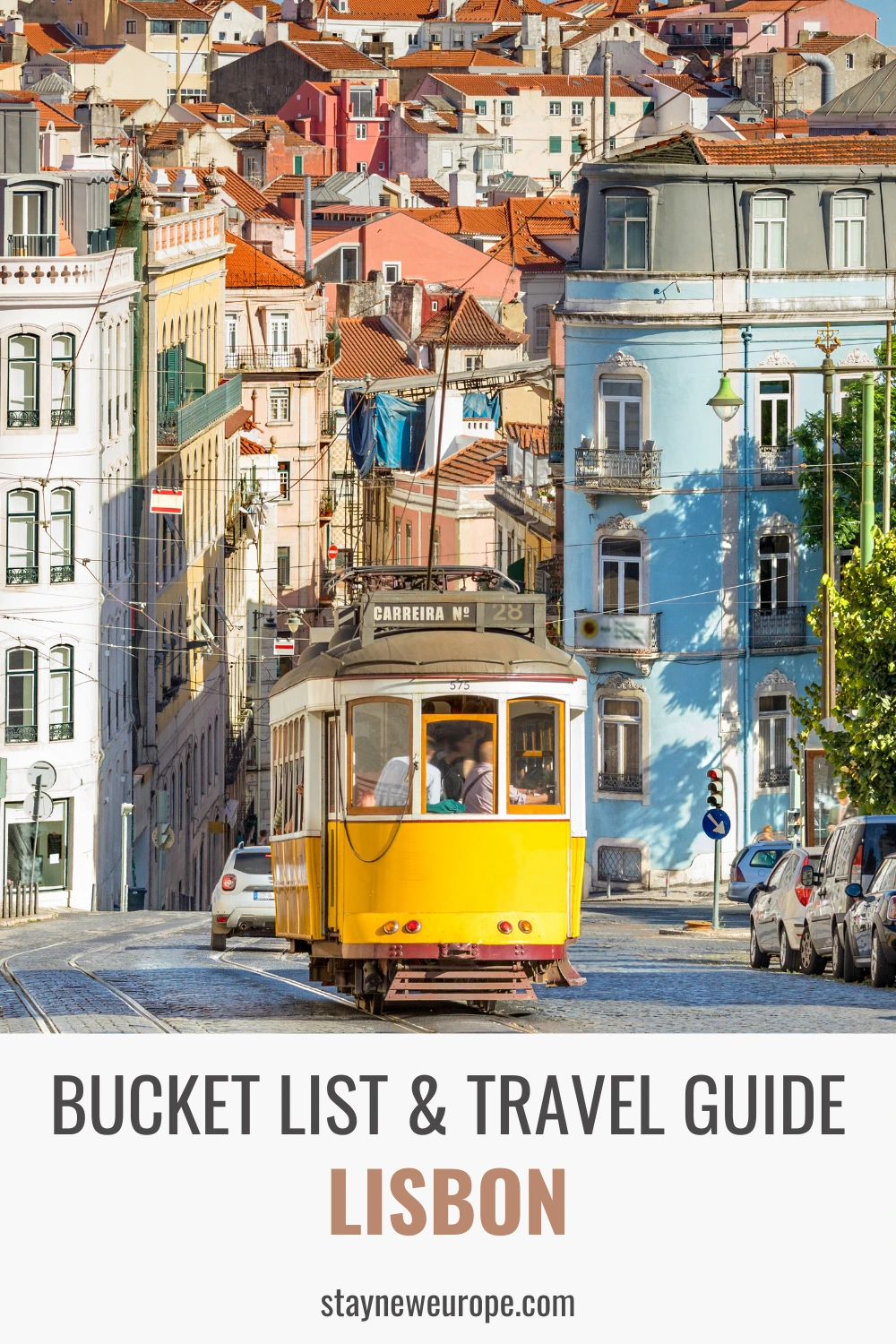
There are cities you visit and cities that visit you back. Lisbon is unmistakably the second kind.
The moment you step out of the metro at Chiado or come around the corner into Alfama for the first time — the light, the tiles, the sound of a distant tram grinding its way up a cobbled hill, the smell of coffee and salt air — something shifts. You can feel it. Lisbon is a city that has been quietly enchanting people for centuries, and it does it without trying, which somehow makes it even more effective.
I’ve been to Lisbon more times than I can honestly count now. And every single visit, I leave with the same feeling: I want more time. This guide is everything I know — what to do, where to eat, which viewpoints to save for sunset, which tourist trap to skip (looking at you, Tram 28 queue), and how to actually experience this extraordinary city the way it was meant to be lived.
Before You Go: A Few Honest Things to Know About Lisbon
First: the hills are real, and they are serious. Lisbon is built on seven hills, and Google Maps will cheerfully tell you something is a 10-minute walk when what it actually means is a 10-minute near-vertical climb. Wear comfortable, non-slip shoes every single day. Not just for hiking — for everything. The cobbled streets (calçada portuguesa) are beautiful and unforgiving.
Second: peak season is genuinely crowded. Lisbon has become one of Europe’s most popular city break destinations, and July and August push that to its limits. May, June, September, and October are the sweet spots — warm and sunny, fewer crowds, and often meaningfully lower prices on accommodation.
Third: Lisbon is still an extraordinarily good value for a Western European capital. A glass of wine costs €2–€3 in a local bar. A full lunch at a neighborhood tasca (traditional restaurant) with a glass of wine and dessert runs €10–€14. The pastries are spectacular and cost under €2. This is a city where you eat and drink very well without thinking twice.
Fourth: some things are better than their reputation, and some things are worse. This guide will tell you which is which.
Let’s go.
1. Get Lost in Alfama — Lisbon’s Ancient Soul
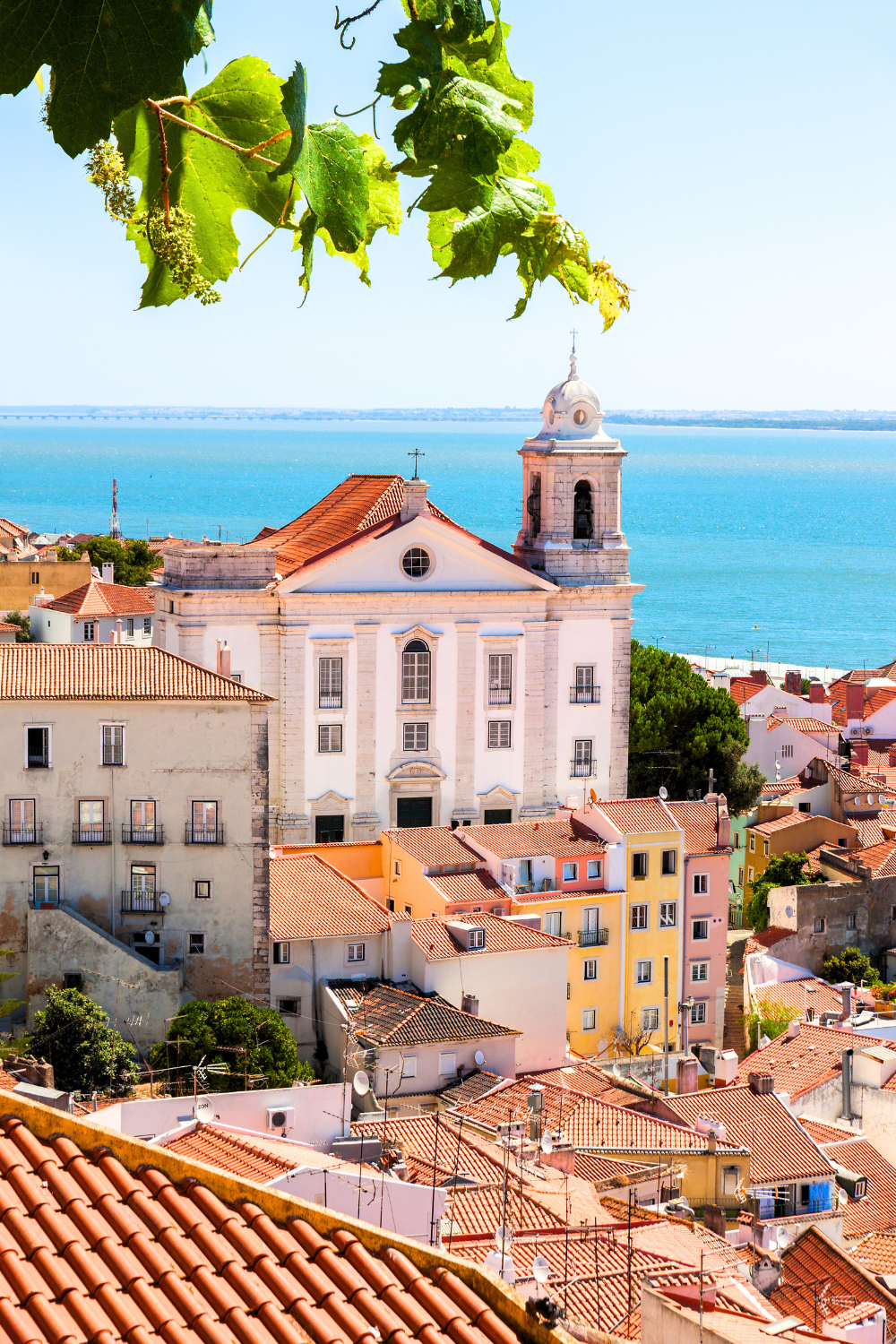
There is no better way to start your Lisbon experience than by deliberately getting lost in Alfama. This is the oldest neighborhood in the city — a Moorish medina that survived the catastrophic 1755 earthquake largely intact while most of the rest of Lisbon was flattened — and it is, unambiguously, the most atmospheric place in the Portuguese capital.
The streets here are barely wide enough for two people to pass. They wind uphill in ways that make no logical sense, doubling back on themselves, opening suddenly into tiny squares, plunging back into shadow. The buildings are layered with azulejos (painted ceramic tiles) in every shade of blue and white. Laundry hangs between windows. Old women watch the street from their chairs. Cats sleep on warm stone steps.
Somewhere in all of this, fado music drifts from open doorways — that distinctive, aching, beautiful sound that seems to perfectly capture the Portuguese concept of saudade: a deep, bittersweet longing for something you love that is absent. You can’t have it translated to you and you don’t need it to. It communicates directly.
What to do in Alfama:
- Wander without a plan — seriously, put the phone away and just walk uphill
- Visit the Sé Cathedral (Lisbon’s oldest building, 12th century, free entry)
- Stop at Miradouro de Santa Luzia for your first view over the rooftops
- Climb to the Castelo de São Jorge for the panoramic sunset view
- Find Rua dos Remédios in the evening when the fado houses come alive
Local tip: The Feira da Ladra flea market happens every Tuesday and Saturday morning in the Campo de Santa Clara square, just at the top of Alfama. It’s one of Lisbon’s oldest traditions — stalls selling antiques, vintage clothes, old books, postcards, and the kind of miscellaneous treasure that only appears at honest flea markets. Get there before 9 AM for the best finds and a much calmer experience. Also, those bread rolls from the tiny bakery on Rua de São Miguel in the middle of Alfama cost about 30 cents and are among the best things you’ll eat in the city. Eat them warm, standing on the street.
2. Watch the Sunset From a Miradouro — All of Them
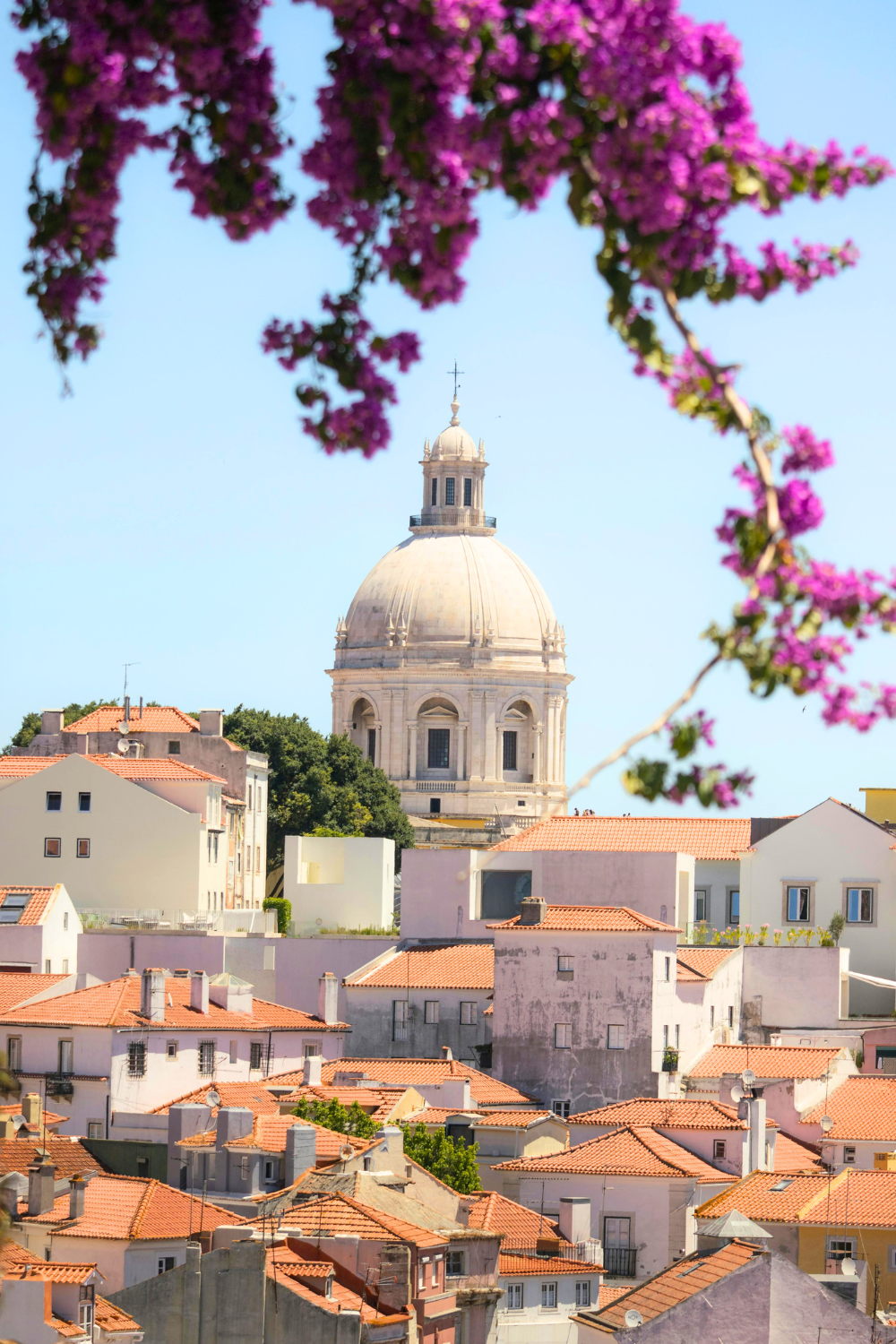
Lisbon has the best viewpoints (miradouros) of any city in Europe. I’ll stand by that. The combination of the city’s hills, the gleaming azulejo-tiled rooftops below, and the Tagus River stretching away to the west creates sunsets that are genuinely, categorically spectacular.
The viewpoints each have their own character:
Miradouro da Graça — the highest and (in my opinion) the best. A wide terrace above the rooftops with unobstructed views from east to west. Far fewer tourists than the other miradouros. The café here is actually good. Go here for sunset.
Miradouro da Senhora do Monte — the most elevated miradouro in Lisbon, offering a full panorama including the castle, the river, and on clear days, the 25 de Abril Bridge in the distance. Get there 30 minutes before sunset for a spot on the low wall.
Miradouro de Santa Luzia — in the heart of Alfama, smaller and more intimate, decorated with azulejo panels depicting old Lisbon. Pink bougainvillaea hangs over the terrace. Beautiful at any time of day.
Miradouro das Portas do Sol — popular and tends to be crowded, but the view over the Alfama rooftops cascading down to the Tagus is one of those images that defines Lisbon in your memory.
Miradouro de São Pedro de Alcântara — in Bairro Alto, a terraced garden above the city looking east towards the castle and Alfama. Less dramatic than the Alfama viewpoints but lovely, and there’s a small bar with cold wine.
Local tip: Skip the popular miradouros on weekend evenings in summer — they fill up very fast, and the atmosphere can feel more like a crowd event than a sunset. Instead, find Miradouro de Santo Amaro in the Alcântara neighbourhood — quieter, authentically local, and gives you a beautiful west-facing sunset view over the river without competing for space. The couple of bars there know their clientele are locals and price accordingly.
3. Eat a Pastel de Nata (And Then Eat Three More)

If there is a more perfect baked good in the world than a freshly made pastel de nata, eaten warm from the oven, dusted with cinnamon and powdered sugar, I have not found it. The flaky, caramelised pastry shell. The warm, barely-set, slightly smoky custard filling. The way it costs about €1.20 and somehow manages to be the best thing you’ve had in weeks. It is extraordinary. It is not hype.
The original recipe was created by monks at the Jerónimos Monastery in Belém in the 18th century. When the monastery was dissolved in 1834, a local sugar-cane refinery began making them using the monks’ recipe — and Pastéis de Belém has been selling them from the same shop ever since. This is the original. The queue snakes out the door most days, but it moves quickly. Order three — two to eat there with an uma bica (espresso) and one for the walk.
But here’s the honest local truth: the pastéis at Pastéis de Belém are genuinely excellent, but they are not the only excellent ones. Every neighbourhood has a pastelaria that makes them, and some are just as good. Manteigaria in Chiado has a glass window looking into the kitchen where you can watch them being made. The custard tarts at Casa São Miguel in Alfama are superb. And the small bakery three streets back from whatever tourist street you’re currently on almost certainly makes better ones than the tourist-focused shops on the tourist street.
Local tip: A pastel de nata should always be eaten warm. Cold ones exist and are edible, but they are a compromise. If the tray at the counter isn’t warm to the touch, ask “tem quentes?” (do you have warm ones?) — most bakeries have a continuous oven and a fresh batch is usually minutes away.
4. Visit the Jerónimos Monastery in Belém — The Most Beautiful Building in Portugal
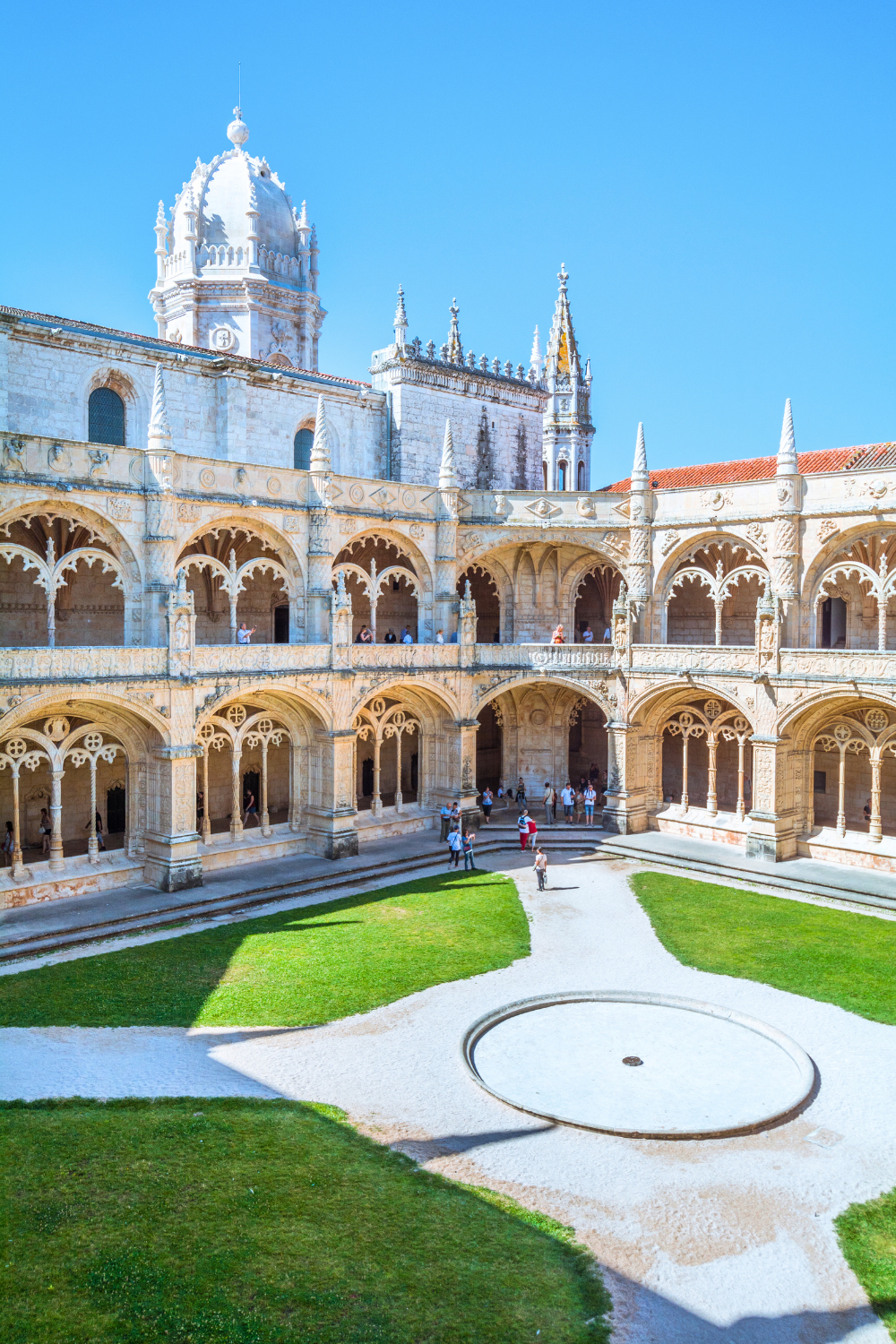
The Jerónimos Monastery (Mosteiro dos Jerónimos) in the riverside district of Belém is one of the most extraordinary buildings in Europe, full stop. Built in the Manueline style — Portuguese Late Gothic, a uniquely national architectural language that incorporates maritime motifs, ropes, armillary spheres, coral, and the symbols of the Age of Discovery — it is elaborate to the point of dizzying, and every carved surface repays close examination.
Construction began in 1502, funded by the profits of the spice trade. Vasco da Gama is buried here. The interior cloister is two storeys of breathtaking carved stone arches, the vaulting above the nave is so intricate it appears to be made of lace. UNESCO listed it as a World Heritage Site and you will immediately understand why.
The monastery survived the 1755 earthquake that destroyed most of Lisbon — it’s one of the only original pre-earthquake structures left in the city on this scale. That survival gives it an extra charge of history: when everything else fell, this stood.
Local tip: Go first thing in the morning when the doors open, or in the late afternoon. Midday in summer is extremely crowded and the cloister (the most spectacular part) becomes difficult to appreciate through the crowds. Also — the admission to the church itself is free. You pay for the cloister and the museum wing. Don’t miss the cloister. And when you’re done, walk 3 minutes to Pastéis de Belém next door for that custard tart you absolutely deserve.
5. Take Tram 28 (But Do It the Smart Way)
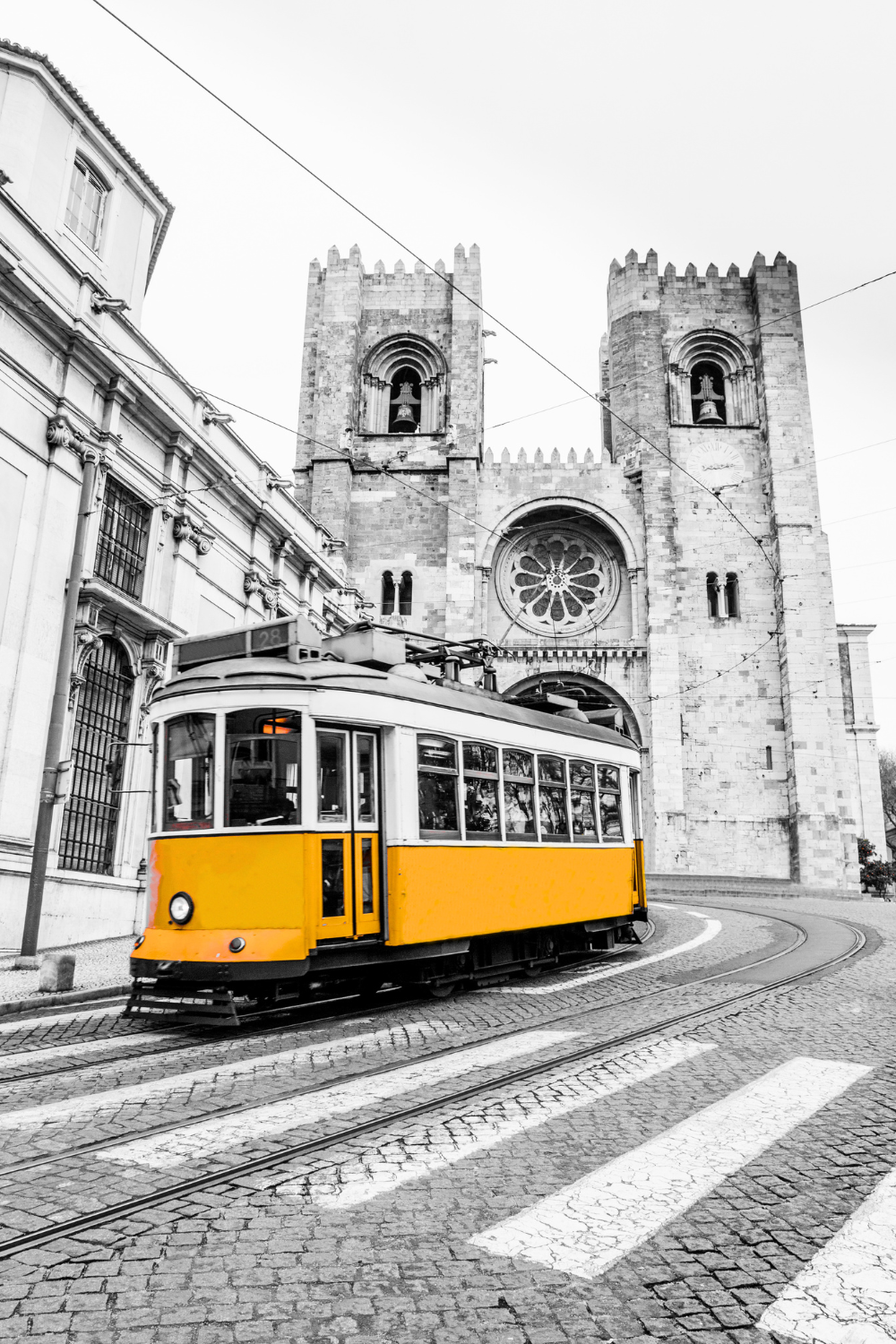
Every guide to Lisbon mentions Tram 28, and every guide is right — it’s genuinely one of the great urban transport experiences in Europe. These small, creaking, wooden trams from the 1930s wind through Alfama, climb through Graça, rattle through Chiado, and descend through Estrela, passing through some of the most atmospheric streets in the city. The journey is spectacular.
The problem is that everyone knows this, which means in peak season, Tram 28 is invariably packed to capacity with tourists and very little fun.
Here’s how to do it properly: board at the eastern terminus at Martim Moniz first thing in the morning — before 8:30 AM on weekdays, before the crowds wake up. You’ll get a seat. The tram will be quiet. You’ll be able to actually look out the window rather than having someone’s backpack in your face. The journey takes about 40 minutes end to end and it’s genuinely lovely.
The alternative option that locals actually use: the Bica Funicular — the steep little funicular tram that connects Rua de São Paulo near Cais do Sodré to Rua do Loreto in Chiado. It’s included in the same transport pass as regular Tram 28, takes 2 minutes, carries far fewer people, and is equally as atmospheric. There’s also the Glória Funicular up from Restauradores to Bairro Alto, and the Lavra Funicular — the oldest in the city (1884). All three are wonderful and far less crowded than Tram 28.
Local tip: If you have a Viva Viagem transport card loaded with the 24-hour unlimited pass (around €7), all trams, funiculars, metro, and buses are included. The Santa Justa Lift (the famous iron Gothic elevator connecting the lower Baixa to Chiado) is also included — though the queue at peak times is so long that using the free staircase and walkway accessible from the top of the lift is often faster.
6. Climb São Jorge Castle at Sunset
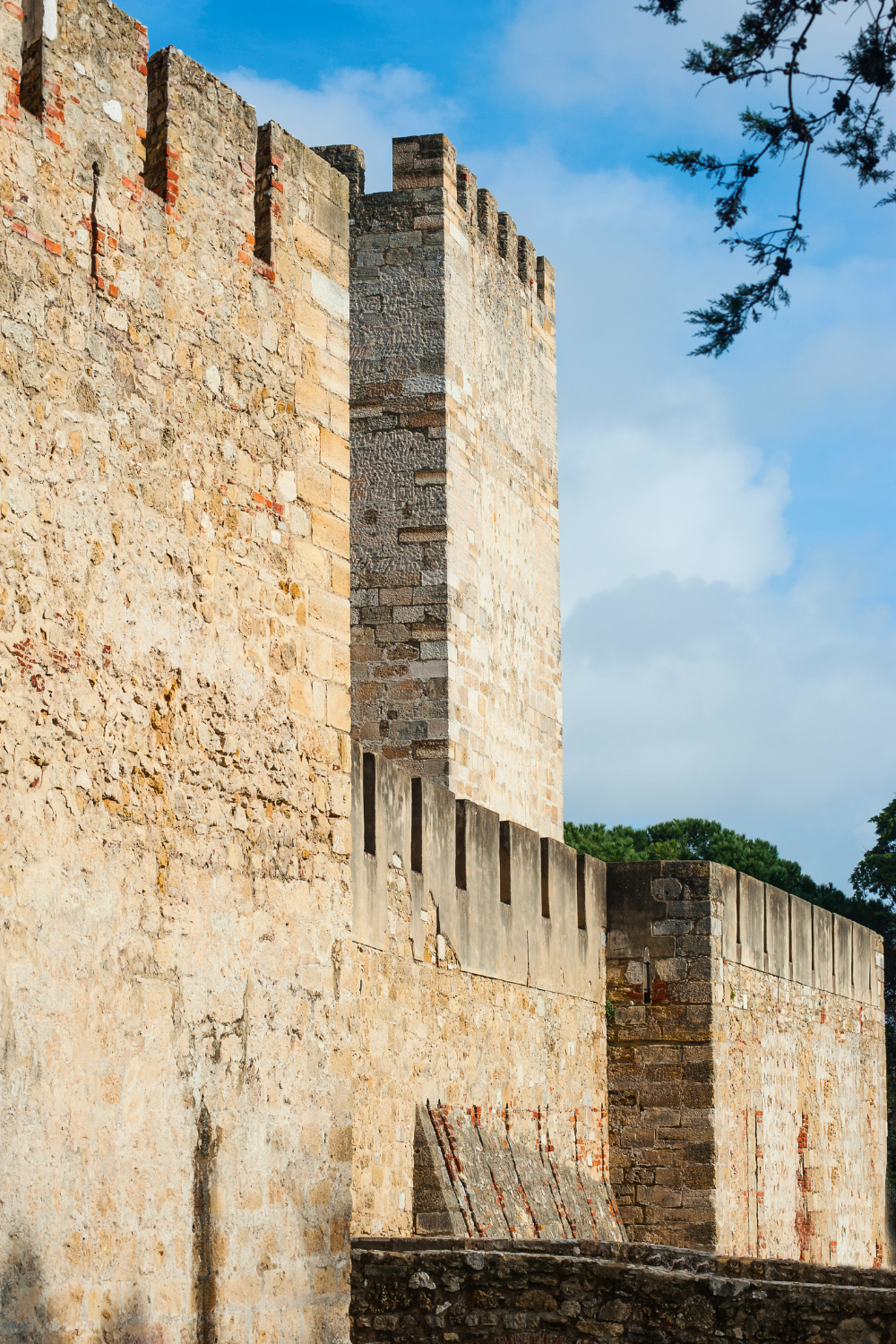
Castelo de São Jorge has been watching over Lisbon for a thousand years. The Moors built the fortress that now stands in the 11th century (though human occupation of the hill goes back to the Iron Age), and when the Christian forces took Lisbon in 1147, it became the residence of the Portuguese kings. The royal court moved elsewhere in the 16th century, and the castle gradually fell into disrepair and was restored in the 20th century.
The ruins themselves are fairly sparse — the walls, towers, and some reconstructed medieval buildings — but the view from the battlements is the entire point. From up here, you see Alfama cascading below you, the Tagus glittering beyond, and the whole panorama of the city spreading in every direction.
Local tip: Admission is €15 per person, which feels steep for what is essentially a walk around some medieval walls. If you’re on a tight budget, the Miradouro da Graça (free, five minutes’ walk from the castle) gives you an equally spectacular view with no entry fee. But if you have the budget, go to the castle at around 5 PM — the light gets good, the crowds thin from their midday peak, and by the time you leave around sunset, the city below will look extraordinary. The peacocks that live inside the castle walls are an unexpected bonus.
7. Experience Real Fado
Fado is the music of Lisbon’s soul. Born in the early 19th century from the working-class neighbourhoods of Alfama and Mouraria, it’s a music of saudade — that untranslatable Portuguese emotional state combining longing, nostalgia, love, and loss — performed by a fadista (singer) accompanied by the guitarra portuguesa (a teardrop-shaped 12-string guitar unique to Portugal) and a viola baixo (classical guitar). When it’s done well, in the right setting, it is deeply moving even if you don’t understand a single word.
The challenge is finding the authentic version rather than the tourist-packaged one. Here’s the honest breakdown:
Tasca do Chico (Bairro Alto and Alfama) — Anthony Bourdain came here. It’s intimate, genuinely local, the petiscos (small dishes) are excellent, and the fado is real. No minimum charge beyond the food. Book in advance.
A Baiuca (Alfama) — only 9 tables, fado vadio (amateur fado, where locals get up and sing), cash only. The octopus and the atmosphere are both extraordinary. Arrive early for a table.
Tasca do Jaime (Graça) — on weekend afternoons between lunch and dinner service, this traditional tavern in the local Graça neighbourhood puts on casual fado with no tourist infrastructure whatsoever. Locals are there because they want to hear fado. Go here.
Parreirinha de Alfama — one of the oldest fado houses in the city, open since 1950, the rustic interior unchanged, the azulejos gleaming. Reserve a table.
Local tip: The best fado you’ll hear in Lisbon is almost certainly not in a venue with its name in a guidebook. It’s in a tiny tasca in Alfama on a Friday night where someone just starts singing, impromptu, because the moment calls for it. You won’t find this by planning. You’ll find it by spending evenings in Alfama and Mouraria and following the sound.
8. Walk the Waterfront at Belém
The Belém district, about 6 kilometres west of the city centre along the Tagus, is where Portugal’s great Age of Discovery set sail from — and the monuments here reflect that history with extraordinary grandeur.
The Tower of Belém (Torre de Belém) rising from the river is one of Portugal’s most iconic images: a small, ornate Manueline fortress built in the early 16th century to guard the entrance to the harbour, now standing in the water surrounded by the Tagus. It’s beautiful to photograph from the outside (the queues to go inside are long and the interior is relatively sparse).
The Padrão dos Descobrimentos (Monument to the Discoveries) stands on the riverbank — a dramatic 52-metre blade-shaped monument built in 1960, showing Henry the Navigator at the prow with a fleet of explorers behind him: Vasco da Gama, Magellan, cartographers, missionaries. At its feet, inlaid in the pavement, is a 50-metre map of the world showing Portuguese discoveries. Go to the top for a view down the Tagus.
The MAAT (Museum of Art, Architecture and Technology) is housed partly in a former power station and partly in a dramatic new building whose undulating white roof serves as a public walkway with views over the river. The contemporary art inside is excellent; the building itself is worth the visit.
Local tip: Get to Belém by taking Tram 15E from Praça da Figueira or Praça do Comércio. The journey runs along the riverside and takes about 20 minutes — it’s not as romantic as Tram 28 but it’s far less crowded and gives you a completely different view of the city. The riverside walking path between Belém Tower and the Monument to the Discoveries is wonderful in the late afternoon. Buy a cold imperial (draft beer) from the kiosk by the river and watch the sun get low over the Tagus.
9. Explore Chiado and Príncipe Real — Lisbon’s Most Beautiful Neighbourhoods for Walking
Chiado is the neighbourhood where Lisbon feels most like itself at its most elegant — elegant but never stiff, sophisticated but never pretentious. The streets here are full of independent bookshops, beautiful old cafés, independent design stores, and some of the city’s best restaurants and wine bars. The pedestrianised Rua Garrett is the main artery, and Praça Luis de Camões at its top is one of Lisbon’s great gathering squares.
Bertrand Bookstore on Rua Garrett is the world’s oldest operating bookshop (opened 1732, survived the 1755 earthquake) and still one of the best in Portugal. Even if you don’t buy anything, go inside.
A Brasileira at the bottom of Chiado is the city’s most famous café (established 1905) where Fernando Pessoa, Portugal’s greatest poet, spent his mornings. There’s a bronze statue of him at a table outside. The coffee is good and the history is excellent.
Príncipe Real, just above Chiado, is the neighbourhood for design shops, wine bars, antique dealers, and the city’s best tascas. The garden square at its centre hosts a Saturday antiques market. The streets here have a quieter, more residential quality that makes an afternoon wander genuinely lovely.
Local tip: Rua Nova do Almada leading from Chiado down towards Cais do Sodré has some of the best independent wine shops in the city — pick up a bottle of vinho verde or a local tinto for under €8 and take it to one of the miradouros for your own private sunset. Also — Pharmácia restaurant, inside the Museum of Pharmacy in Chiado, has a terrace with beautiful views and food that’s genuinely creative and not tourist-priced. It’s a local favourite that most visitors walk past.
10. Eat at a Tasca Like a Lisboeta
The tasca is the heartbeat of Lisbon’s food culture. A traditional neighbourhood restaurant — usually small, usually family-run, usually with tables covered in paper tablecloths, handwritten menus on a blackboard, and an owner who knows all the regulars by name. The food is Portuguese home cooking at its best: bacalhau (salted cod, prepared 365 different ways, supposedly), caldo verde (kale and potato soup with chouriço), frango piri-piri (spiced grilled chicken), pica pau (marinated pork in garlic and vinegar), grelhado misto (mixed grill), and always, always fresh bread arriving unbidden at the table.
Here’s an important thing to know about the bread and nibbles situation: in most Lisbon restaurants, if bread, butter, olives, or small appetisers arrive at your table uninvited, they will be charged to your bill if you eat them. It’s legal and standard practice. If you want them, eat them. If not, politely move them to one side and they won’t be charged. Knowing this small thing before you go saves considerable confusion on arrival of the bill.
Where to eat like a local:
- Zé da Mouraria (Mouraria) — a legendary neighbourhood tasca, tiny, no frills, extraordinary bacalhau com natas
- Taberna da Rua das Flores (Chiado) — creative Portuguese small plates, wine list focused on natural and regional wines, no reservations taken (queue)
- Tasca do Chico (Bairro Alto) — already mentioned for fado, but the food is genuinely good and the petiscos are excellent
- Cervejaria Ramiro (Intendente) — not a tasca but a legendary Lisbon institution for seafood. The prawns, the barnacles, the crab, and a cold beer. Go hungry.
Local tip: The prato do dia (daily special) at a proper tasca is always the best value and often the best food. It typically includes a starter, main course, bread, dessert, and a glass of wine or water for €10–€14 all in. Order it, eat it slowly, and order another glass of wine. This is how Lisbon lunches.
11. Ride the Elevador da Bica at Dawn
The Elevador da Bica (Bica Funicular) runs down the steepest section of Rua da Bica de Duarte Belo, connecting Cais do Sodré to Chiado. It’s one of the most photographed streets in Lisbon — yellow tram car on steep cobbled tracks, coloured building facades on either side, the river glimpsed at the bottom.
In peak summer season, the bottom of Rua da Bica and the funicular itself can feel genuinely crowded. But visit at 7 AM on a weekday, when the early morning light is hitting the yellow paintwork and the street is quiet, and you’ll understand exactly why this is one of Lisbon’s most iconic images.
Local tip: The best photograph of the Bica funicular is taken from mid-street, looking uphill, with the tram car in the frame and the blue azulejo tiles of the buildings on either side. The early morning light (roughly 7–9 AM in summer) falls directly down the street, illuminating everything perfectly. Come back in the evening for the atmosphere (bars along the street get lively after 9 PM) but come early morning for the photograph.
12. Cross to the Other Side: Cacilhas and the Cristo Rei
Almost nobody crosses the Tagus River to the south bank, which means almost nobody sees Lisbon from the angle that locals who live in Almada see it every day — looking back across the water at the city arrayed along the north bank, with the 25 de Abril Bridge (which looks disconcertingly like the Golden Gate Bridge because it was built by the same company) spanning the river to the west.
The ferry from Cais do Sodré to Cacilhas costs €1.30 each way and takes 10 minutes. It’s the same ferry the workers from the south bank use to commute every day, and the view of Lisbon from the middle of the Tagus is one of the finest urban vistas you’ll see anywhere. In Cacilhas, the waterfront restaurants are almost entirely aimed at locals (much cheaper than anywhere in central Lisbon) and specialize in extremely fresh fish and seafood.
From Cacilhas, a short bus ride or taxi takes you to Cristo Rei — the giant figure of Christ with arms outstretched above an observation platform, modelled on Rio’s Cristo Redentor. The view from the platform over the Tagus, Lisbon, and the surrounding region is extraordinary. The scale only becomes apparent when you’re standing at the base looking up.
Local tip: The ferry to Cacilhas at sunset — with the light hitting Lisbon’s waterfront from the west and the 25 de Abril Bridge turning gold — is genuinely one of the most beautiful urban experiences in Europe. Costs €1.30. Better than any paid rooftop bar in the city.
13. Spend a Morning at LX Factory
On a bend of the Tagus in the industrial neighbourhood of Alcântara, a collection of 19th-century textile factory buildings has been transformed into one of Lisbon’s most creative and genuinely enjoyable neighbourhoods. LX Factory houses independent restaurants and cafés, concept stores, an excellent bookshop (the famous Ler Devagar bookshop, whose shelves and dangling bicycles climb several floors), studios, galleries, and a Sunday market that draws the city’s creative class.
It’s not undiscovered — the Sunday market particularly gets busy — but it retains the feel of a genuinely local creative district rather than a tourist attraction. The buildings are raw and industrial. The café A Vida Portuguesa sells beautifully packaged Portuguese products — sardine tins, soaps, tiles, ceramics — that make perfect gifts. The brunch at O Corvo on a Sunday morning is extraordinary.
Local tip: The LX Factory Sunday Market (every Sunday, 10 AM–6 PM) is the best version of the space. Local designers selling clothing, ceramics, illustrated prints, and plants. Several food stalls with genuinely good food. Street musicians. The overall atmosphere is warm and creative in a way that feels very Lisbon. Go mid-morning before the midday crush, take your time, and have lunch at one of the restaurants inside.
14. Day Trip to Sintra — The Fairytale That’s Actually Real
Sintra is 40 minutes by direct train from Rossio station, and it is worth every minute of that journey. A hill town in the Sintra mountains just northwest of Lisbon, it is covered in extraordinary palaces, mysterious estates, and forested hillsides, all within a UNESCO World Heritage landscape.
The Pena Palace is the centrepiece — a mad, glorious, Romanticism-gone-completely-overboard palace painted in hot yellow and burgundy with towers and turrets and Moorish arches all jumbled together in a style that shouldn’t work at all and somehow works completely. Built for King Ferdinand II in the 1840s, it sits on the highest peak of the Sintra hills with views on clear days that stretch to Lisbon and the Atlantic.
Quinta da Regaleira is the hidden star — a mysterious neo-Manueline estate filled with occult symbolism, secret tunnels, and most famously the Poço Iniciático (Initiation Well): a spiral staircase descending into the earth, illuminated by a shaft of light from above, used for mysterious initiatic ceremonies. It’s beautiful, strange, and unlike anything else in Portugal.
Local tip: Take the first train from Rossio (around 7:30 AM) and go directly to Pena Palace before the day-trippers arrive. By 11 AM on a summer day, the queues are long and the paths crowded. Arriving early gets you the palace in relative quiet, with morning mist sometimes still clinging to the hillsides. Descend from Pena Palace to Quinta da Regaleira on foot (25-minute walk through beautiful forest) and explore there mid-morning. Buy your Quinta da Regaleira ticket online in advance.
15. Discover the Azulejo — Lisbon’s Greatest Art Form
The azulejo — the hand-painted glazed ceramic tile — is everywhere in Lisbon. On church facades, on railway station walls, on the fronts of residential buildings, on fountains and garden walls and staircase risings. It is the visual language of the city, and once you start paying attention to it, you cannot stop.
The National Tile Museum (Museu Nacional do Azulejo) in a beautiful 16th-century convent in the east of the city has the definitive collection — 20,000 tiles spanning five centuries, from the first Moorish geometric patterns to baroque panels to modern works. The centrepiece is an extraordinary panoramic panel of Lisbon before the 1755 earthquake: 23 metres of hand-painted tile showing the entire city as it looked before the destruction. It’s one of the most remarkable artworks in Portugal.
The tiles you see on the street are equally worth your time. The Igreja de São Vicente de Fora in Alfama has 18th-century azulejo panels covering the entire interior of the cloister. The Church of Santo António has blue-and-white tiles depicting the life of St Anthony. Rossio Station has horseshoe arched facades that are magnificently tiled. The São Bento Metro Station has extraordinary panels depicting Lisbon street scenes.
Local tip: If you want something genuinely unique to take home from Lisbon, a single original antique azulejo (not a reproduction, a real old tile) is the most authentic and beautiful souvenir you can find. The antique dealers on Rua Dom Pedro V in Príncipe Real sell them individually for €10–€40 depending on age and condition. They are legal to purchase and export. Far better than a fridge magnet, and far more Lisbon.
16. Drink Wine in Bairro Alto
The Bairro Alto neighbourhood — the “High Quarter” on the hill above Chiado — is where Lisbon goes to drink. Hundreds of bars occupy the narrow grid of streets, and on warm evenings the population of the entire neighbourhood seems to spill out onto the cobblestones, glass in hand. It has the energy of a city that genuinely enjoys its nights.
The bars range from tiny tascas with wine from a barrel to cocktail bars to fado houses to the kind of genuinely dive-y drinking dens where the wine is cheap, the music is loud, and everyone is having an excellent time.
The best strategy for Bairro Alto: start at the Miradouro de São Pedro de Alcântara with a cold beer or glass of vinho verde at the bar, watch the sunset, then descend into the neighbourhood as the evening picks up. Eat at one of the small restaurants on Rua da Atalaia or Rua do Diário de Notícias, then drink your way through the neighbourhood’s bars as the night progresses.
Local tip: Ginjinha — a Morello cherry liqueur, dark and sweet, served in tiny glasses sometimes made of chocolate that you eat at the end — is the traditional drink of Lisbon. Ginginha do Carmo near Largo do Carmo in Chiado sells it for about €2 a shot from a tiny bar with no seats, no pretension, and a very happy crowd. Have one. Have two. Tell people back home that this is what Lisbon tastes like. They’ll be jealous.
17. Take the Ferry to the Arrábida Peninsula for the Best Beach Near Lisbon
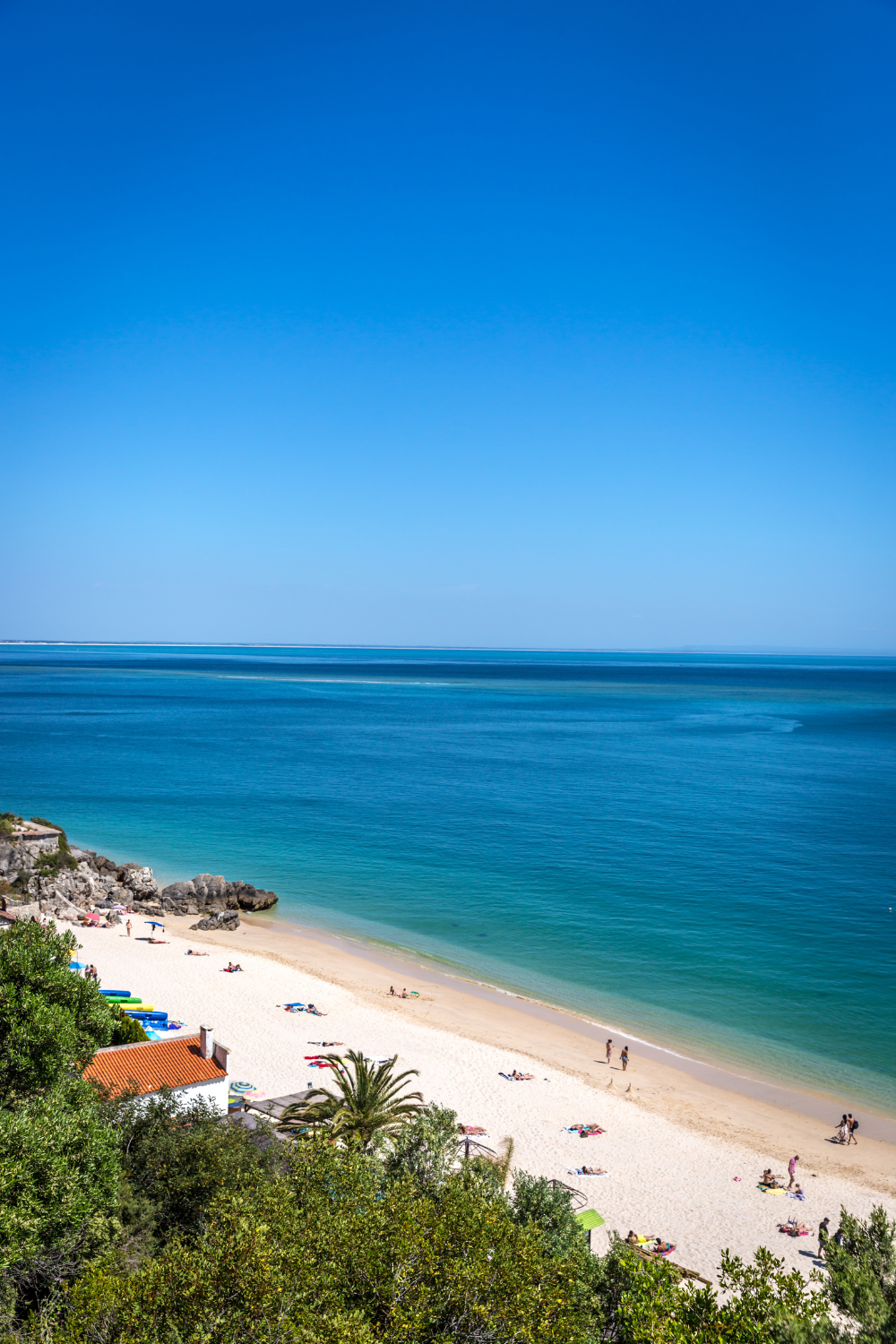
Most travellers don’t realise that Lisbon is a remarkably short distance from some of the most beautiful beaches in Europe. The Arrábida Natural Park, about 40 kilometres south of Lisbon, has a coastline of dramatic limestone cliffs, pine forests, and beaches with water so clear and turquoise that people consistently refuse to believe it’s in Portugal.
Portinho da Arrábida and Praia de Galapinhos are the standout beaches — sheltered coves of white sand and extraordinary blue-green water, backed by limestone cliffs covered in Mediterranean vegetation. The water is warm (warmer than the Atlantic beaches north of Lisbon), calm, and clear enough to snorkel in with visibility of several metres.
There’s no direct public transport to the best beaches — the best options are renting a car, booking a day trip from Lisbon (many operators run summer tours), or taking a boat from Setúbal.
Local tip: If you drive to Arrábida, be aware that access to Portinho da Arrábida beach is restricted in summer — a limited number of vehicles are allowed down the steep coastal road each day. Either arrive very early (before 8 AM) or book a parking permit online through the park’s website in advance. Alternatively — take the boat from Setúbal which runs regularly in summer and costs about €10 return. The coastal scenery seen from the water is extraordinary.
18. Spend an Evening in Cais do Sodré
Cais do Sodré — the riverside neighbourhood adjacent to the ferry terminal — has undergone one of the most impressive transformations of any Lisbon neighbourhood in recent years. What was once a slightly rough area centred on the famously seedy Pink Street (Rua Nova do Carvalho, painted entirely pink) has become one of the city’s most vibrant evening destinations.
The Time Out Market is here — a converted 1892 market building housing stalls from some of Lisbon’s best chefs and restaurants, with long communal tables, excellent food from a genuinely broad range of cuisines, and a lively atmosphere. It’s tourist-facing, yes, but the food quality is genuinely good, the prices are reasonable, and it’s a great way to try multiple things in one place.
Mercado da Ribeira, the market section adjacent to Time Out, opens early morning and sells fresh produce, fish, and flowers — completely local, completely unrelated to tourism, and wonderful to walk through before 9 AM.
Local tip: Skip the Time Out Market if you want a more local experience. Instead, head to the Mercado de Campo de Ourique in the residential Estrela neighbourhood (20 minutes’ walk west of Chiado) — same concept (multiple food stalls, communal tables) but aimed entirely at local residents. Better prices, less tourist infrastructure, and a completely different atmosphere. It’s where Lisbon families actually eat on a Thursday evening, and it’s excellent.
Practical Lisbon: Everything You Need to Know
Getting there: Humberto Delgado Airport is 7 km from the city centre. The metro red line runs directly to the centre in about 20 minutes for €1.85. Taxis and Ubers/Bolts from the airport cost €10–€15. Skip the official airport taxi rank if you can — Bolt and Uber are significantly cheaper and perfectly safe.
Getting around: The Viva Viagem card (€0.50 for the card) loaded with the 24-hour unlimited travel pass (€7) covers metro, trams, funiculars, buses, and the Santa Justa Lift. Essential for a few days in the city. Walking is the best way to experience the old neighbourhoods but the hills make it genuinely tiring — plan rest points. Tuk-tuks are everywhere and overpriced for what they offer, but a private electric tuk-tuk tour (€30–€40 for 1.5 hours, pre-booked) is actually a good way to see Alfama if you have mobility concerns.
When to go: May, June, September, and October are the best months — warm (20–26°C), sunny, far fewer crowds than July and August, and better accommodation prices. June is the month of the Festas de Lisboa (Santos Populares) — the entire city parties for most of the month, with the peak on the night of June 12th/13th (Santo António’s day), when Alfama, Mouraria, and Graça host huge street parties with grilled sardines, music, and dancing. This is Lisbon at its most exuberant.
Money: Cash is still widely used in smaller establishments and markets. Cards accepted almost everywhere. ATMs widely available. Prices are generally very reasonable compared to other western European capitals.
Safety: Lisbon is very safe by European capital standards. The one caveat: pickpocketing is common on crowded trams (especially Tram 28) and in tourist-heavy areas like Alfama’s busiest streets. Keep phones and wallets in a front pocket or a bag across your body.
Language: Portuguese is the language and while many people in hospitality speak good English, a few words in Portuguese go a long way. Bom dia (good morning), obrigado/obrigada (thank you, m/f), por favor (please), uma bica por favor (an espresso please). Locals notice the effort and warm to it immediately.
Final Thoughts
Lisbon gets to you slowly and then all at once. The first half day you’re adjusting to the hills, figuring out the trams, deciding which pastel de nata to try first. By the second evening, you’re sitting on a miradouro watching the light turn gold over the rooftops and you realise you’ve already planned a return trip.
This is a city that rewards presence. The people who love it most deeply are not the ones who rushed through the top 10 attractions and flew home. They’re the ones who sat in a Bairro Alto bar until 1 AM, who got lost in Alfama on a Tuesday morning and ended up at a table in a tasca they’d never have found with a map, who stood very still in a tiny fado house in the dark while a woman sang something that made their chest hurt in the best possible way.
Give Lisbon your time. It will give you something in return that you’ll spend years trying to describe to people who haven’t been.
Go. And then go back.

