
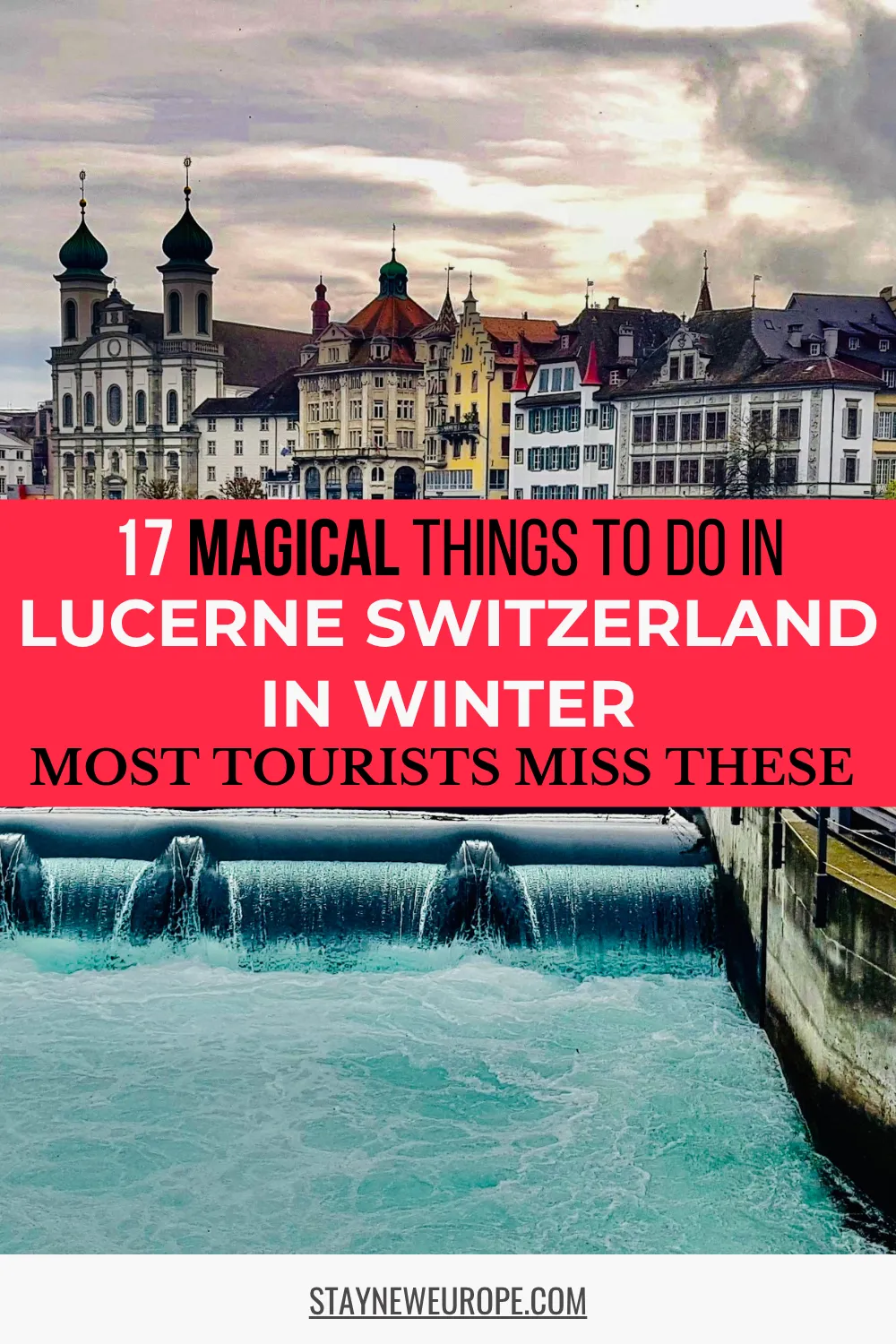
Let me be straight with you from the start: Lucerne doesn’t need to try very hard. You arrive at the train station, step outside, and there it is — a medieval city sitting on the edge of a glittering lake with actual snow-capped Alps rising behind it like someone turned the screensaver up to eleven. In winter, this place becomes something close to unreasonable. Frost on the cobblestones, golden lights reflected in still water, the smell of mulled wine drifting out of a market stall at dusk. I’ve been to a lot of European cities in December and January. Lucerne is different.
But here’s what I didn’t expect before my first winter visit: it’s not just a pretty backdrop for Instagram. Lucerne in winter has genuine depth. It has one of the most raucous carnivals on the continent, mountain experiences that will rearrange your sense of scale, a light festival that turns the whole old town into something from a dream, and the kind of cozy café culture that makes a grey afternoon feel like a gift rather than a problem. This is not a city that shuts down when the temperature drops. If anything, it wakes up.
This guide covers everything I know about spending winter in Lucerne — the iconic stuff, the hidden gems, the practical realities, and one or two moments that genuinely surprised me. Pour something warm, settle in, and let’s talk about one of the best cold-weather city breaks in Europe.
Before You Go: What Winter in Lucerne Actually Looks Like
Winter in Lucerne runs from November through to early March, and within those months, you’ll find wildly different experiences depending on when you show up. December is Christmas market season — festive, beautiful, and busy. January is quieter, cheaper, and home to the extraordinary Lilu Light Festival. February brings Fasnacht, the carnival that will completely shatter your assumptions about Swiss people being reserved. And if you visit in late February or early March, you often catch crisp, clear days with perfect visibility over the Alps and significantly lower hotel prices than the peak festive season.
The temperature averages around three degrees Celsius but can dip below zero, especially in January. Bring layers — proper ones, not just a scarf over your autumn jacket. If you’re planning mountain excursions, add a serious coat, thermal base layers, and gloves that actually work. The city itself is very walkable, and most of the main attractions are within easy walking distance of the central train station, which makes getting around genuinely simple. Lucerne is also connected to Zurich by a 45-minute train ride, which makes it an obvious day trip or short-break destination from the airport.
The Swiss Travel Pass is worth serious consideration for a winter trip. It covers the SGV boats on Lake Lucerne, cogwheel railways up Mount Rigi, many museum entries, and unlimited travel on Swiss public transport. For a trip that includes any mountain excursions, it almost certainly pays for itself. Pick it up before you travel at a reduced rate online rather than buying it at the station.
One more thing: Lucerne rewards the slow traveler. Don’t try to cram it into a single-day trip from Zurich. Three nights is ideal. Two nights is workable but rushed. One day means you’ll spend the train ride home composing a list of everything you didn’t see.
1. The Kapellbrücke (Chapel Bridge) — The Most Photographed Bridge in Switzerland, and Yes, It Earns It
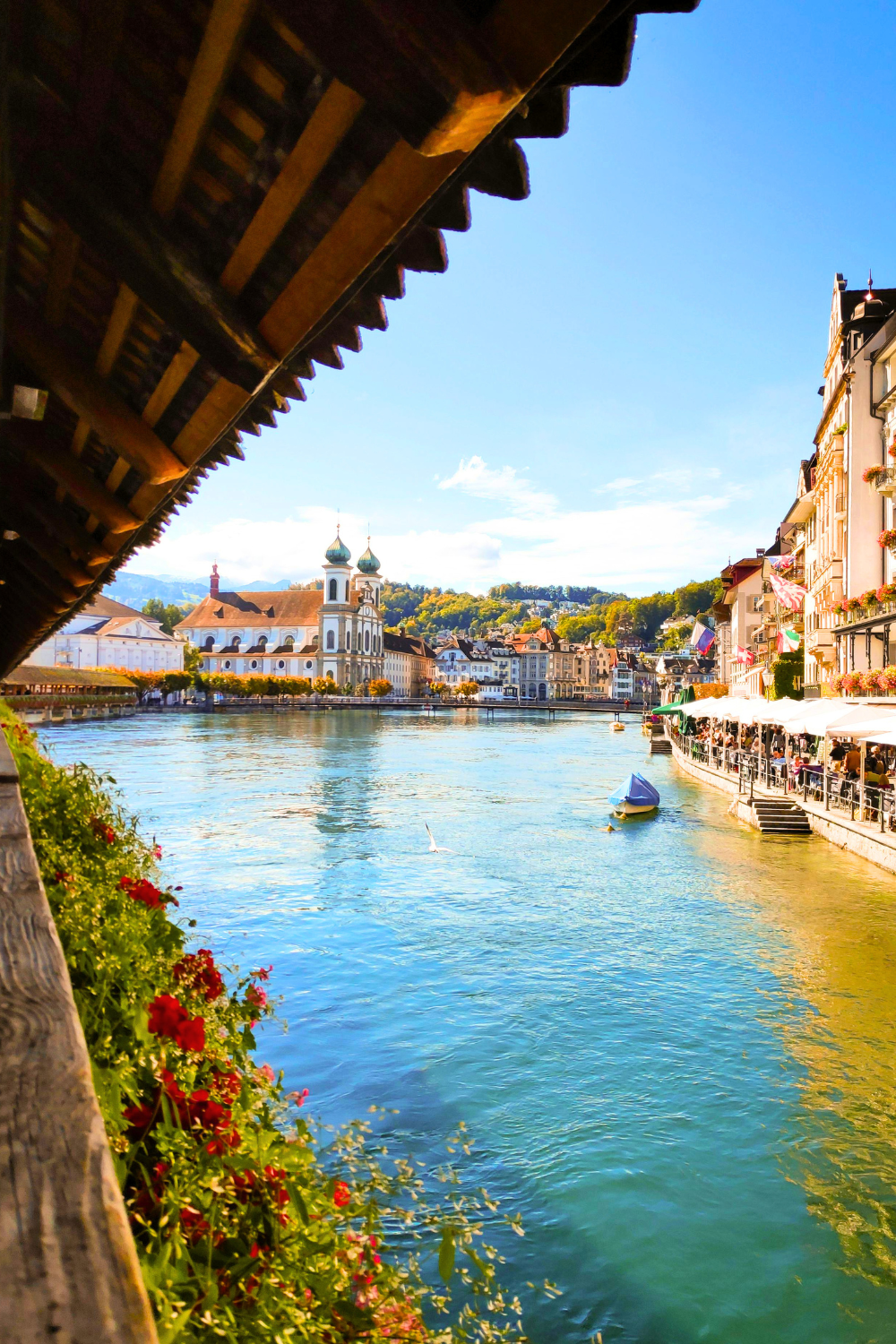
There are famous things, and there are things that genuinely deserve their fame. The Kapellbrücke is in the second category. This 14th-century covered wooden bridge stretches diagonally across the Reuss River in the heart of the old town, accompanied by a solid octagonal stone tower — the Wasserturm — that has served variously as a prison, treasury, and archive over the centuries. Together they form one of the most striking medieval structures left standing anywhere in Europe.
In winter, the bridge is something else entirely. Frost on the wooden railings, the river running dark below, the old town spires visible through the latticed sides — walking across it on a clear January morning with barely anyone around feels like stepping into a page of a novel you didn’t know was set in this city. The interior of the bridge is hung with a series of 17th-century painted panels depicting scenes from Lucerne’s history and the lives of its patron saints. Most of them survived a serious fire in 1993 (which destroyed a significant portion of the original bridge), and they’re worth pausing to look at properly rather than rushing past.
The bridge connects the old town on the south bank to the newer city on the north bank, and crossing it in both directions at different times of day is genuinely worthwhile — the morning light and the evening light are completely different propositions. At Christmas, it’s lit up with small white lights and feels like something from a film set.
Local tip: Most people photograph the Kapellbrücke from the south bank, which gives you the classic shot with the Wasserturm in the background. For something less expected, walk to the north side and photograph back toward the old town with the bridge in the foreground. Early morning — around 7:30 to 8 am, before the city wakes up — is when you get the reflections on the still river without a single other person in the shot.
2. The Lucerne Old Town (Altstadt) — A Medieval City That Hasn’t Forgotten Its Medieval
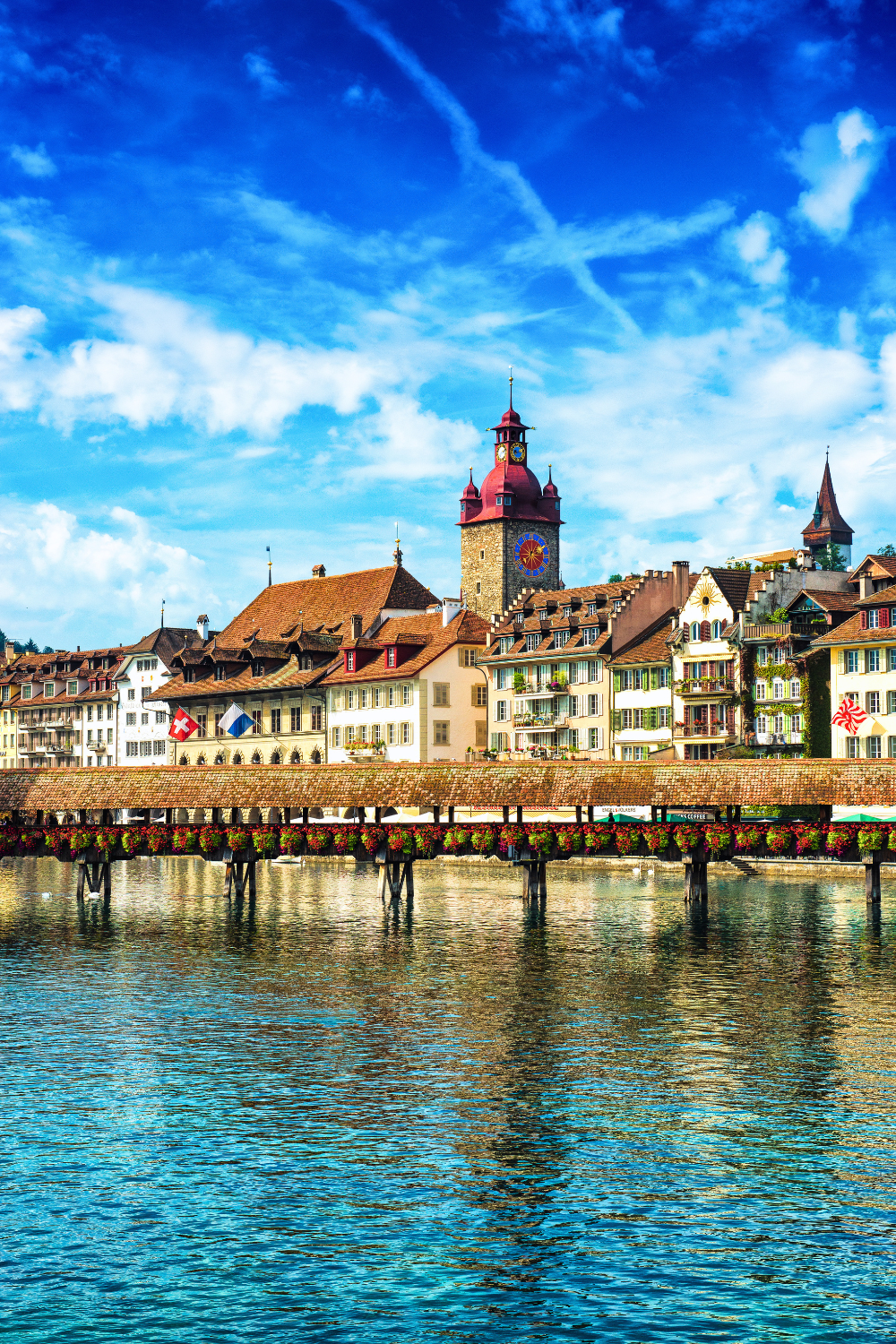
A lot of European old towns have the bones of something beautiful but have been softened into something slightly theme-park-ish by the tourist trade. Lucerne’s Altstadt has largely avoided this. Yes, there are souvenir shops. But walk half a block off the main drag and you’re in narrow streets of genuinely old buildings — many covered in elaborate painted frescoes — with no particular agenda trying to get money out of you. In winter, with snow dusting the cobblestones and the streets lit by the warm yellow glow of café windows, the whole thing is achingly atmospheric.
The squares are the heart of it. Kornmarkt is the largest — ringed by frescoed façades with the old town hall on one side — and in winter hosts various festive events and market stalls. Weinmarkt is smaller and more intimate, with a beautiful central fountain and the kind of unhurried pace that makes you want to sit down and order something warm. Hirschenplatz is where you’ll find locals doing their shopping, which is a good sign of authenticity in any European city. And Kapellplatz, just at the south end of the bridge, is where Fasnacht begins every year at 5am on Dirty Thursday, which tells you something about the square’s character.
The old town is almost entirely car-free, which makes wandering it feel genuinely pleasant rather than stressful. On cold afternoons, the city’s cosy cafes — there are dozens of them tucked into the medieval streets — provide natural warm-up stops. Order a Kaffee Träsch (coffee with kirsch, the local cherry schnapps) and feel immediately local.
Local tip: The frescoes on the buildings around Weinmarkt are some of the finest in the region, but most visitors walk past them without looking up. Many of these decorative paintings date back centuries and depict biblical scenes, local legends, and coats of arms. Take ten minutes on Weinmarkt specifically to look at the upper floors of the buildings around you. It’s free, extraordinary, and almost entirely overlooked.
3. Mount Pilatus — The Dragon Mountain That Dominates the Winter Skyline
Let’s talk about Mount Pilatus, because it looms over this whole city like a very large, very beautiful argument-settler. At 2,132 meters, it’s the mountain you see from virtually everywhere in Lucerne, and in winter it sits above the cloud line on clear days with a jacket of snow that makes the city below it look very small and very temporary. Legend has it that the ghost of Pontius Pilate himself haunts the summit lake — hence the name — and that dragons have been spotted on the slopes. I can confirm I didn’t see a dragon, but I also can’t fully rule it out.
In winter, the world’s steepest cogwheel railway — which runs in summer — is closed, but the Pilatus cable car from Kriens and the gondola from Fräkmüntegg still operate, and they take you to 2,073 meters in a way that requires absolutely no physical effort. The views from the summit on a clear winter day are the kind that make you genuinely go quiet. The Alps spread out in every direction in white and grey and blue, and Lucerne sits below you like a model village. On some winter days, the city is under low cloud, and the mountain is above it, which creates the extraordinary effect of arriving in brilliant sunshine while everything below you is invisible.
The Dragon Ride is an open gondola that runs between the two cable car stations on the upper mountain. Yes, it’s freezing in winter. Yes, it’s completely worth it. Sitting in an open gondola above the snowline on a clear winter day is one of those travel experiences that sounds mad in the planning and extraordinary in the memory.
Local tip: Check the webcam on the Pilatus website before you go. On overcast days, the summit can be completely inside cloud, which makes the journey feel less worthwhile. Pick a day with a good forecast and go early to maximize the light. The gondola from Kriens takes 30 minutes from Lucerne city center by bus (line 1 from the train station), and the combined cable car and gondola tickets are cheaper if booked online in advance.
4. Mount Rigi — The Queen of the Mountains (And the Swiss Locals’ Favorite)
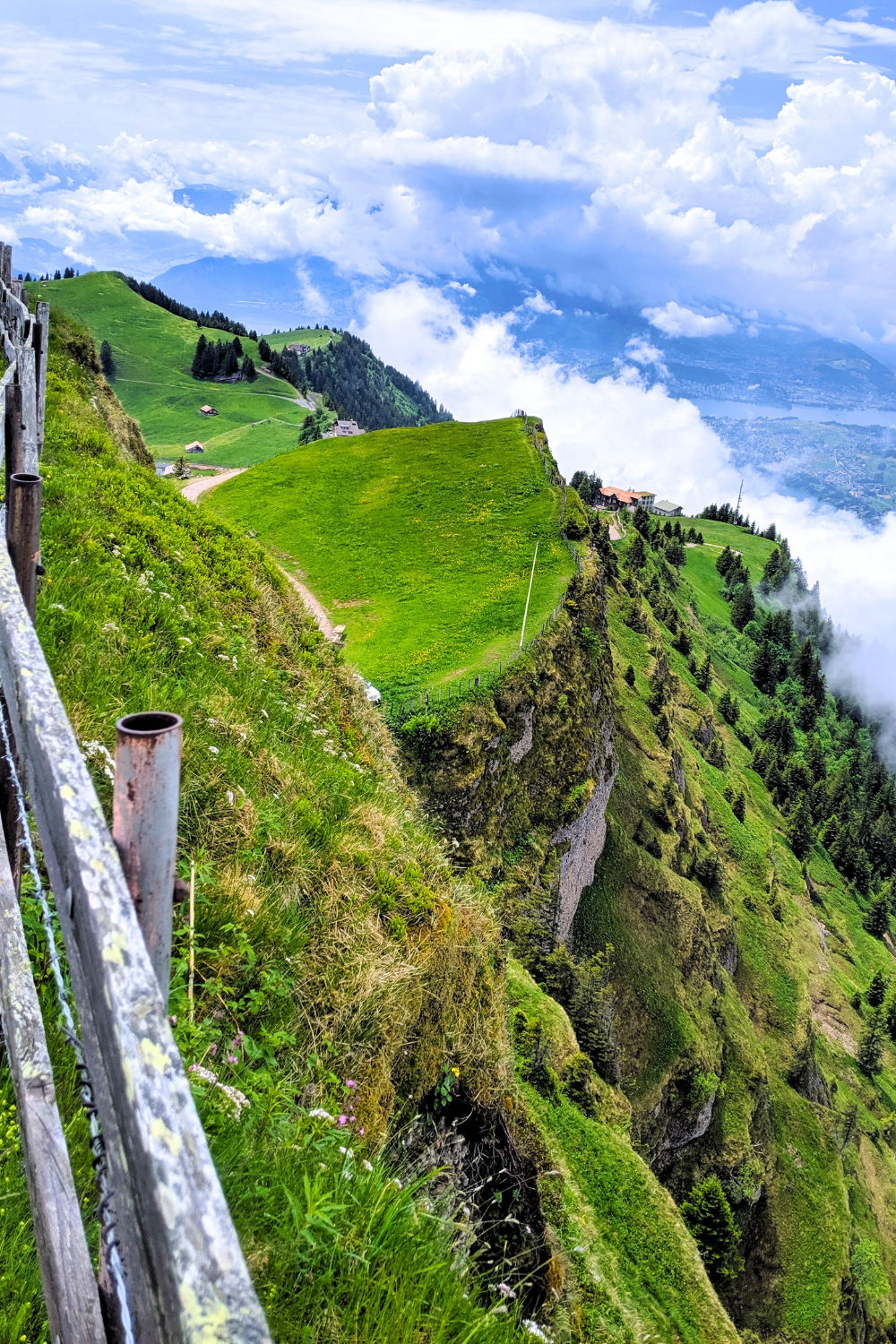
If Pilatus is the dramatic, Instagram-ready mountain, Rigi is the one the Swiss actually love. Known as the “Queen of the Mountains,” it sits across the lake from Lucerne and offers a completely different character — gentler, more pastoral, with long winter hiking trails and the kind of views that unfold slowly rather than hitting you all at once. It’s also, frankly, the better choice for a full day out in winter if you want to actually do things rather than just take a photo and come home.
The classic Rigi journey from Lucerne starts with a boat across the lake to Vitznau, then continues up the historic cogwheel railway to the summit. The boat ride takes about 90 minutes and is, in itself, one of the great pleasures of a Lucerne winter visit — sitting on a heated lake steamer with the Alps all around and a hot drink in your hand, watching the city disappear behind you. In winter, the boats operate on a reduced, but still regular schedule, and the lake doesn’t freeze (it’s far too large and deep), so you can do this year-round.
At the top, in winter, there’s sledding on groomed toboggan runs, snowshoe hiking trails, and the magnificent Mineralbad & Spa Rigi Kaltbad — a thermal pool and spa complex with an outdoor heated pool that sits on the edge of the mountain. Getting into 35-degree water with the Alps visible in every direction while snowflakes occasionally fall on your face is not a hardship I’m prepared to apologize for recommending.
Local tip: The Swiss Travel Pass covers both the boat to Vitznau and the cogwheel railway up Rigi, making the entire day trip essentially free if you have the pass. Even without it, combining the boat and railway into a circular trip (up one side, down the other to Weggis, and back by boat) gives you much better value and a more varied landscape. Rigi Kaltbad spa requires a separate entry fee regardless of your pass, but it’s one of the more justified splurges of any Swiss winter trip.
5. Mount Titlis and Engelberg — Glaciers, Rotating Cable Cars, and Proper Alpine Drama
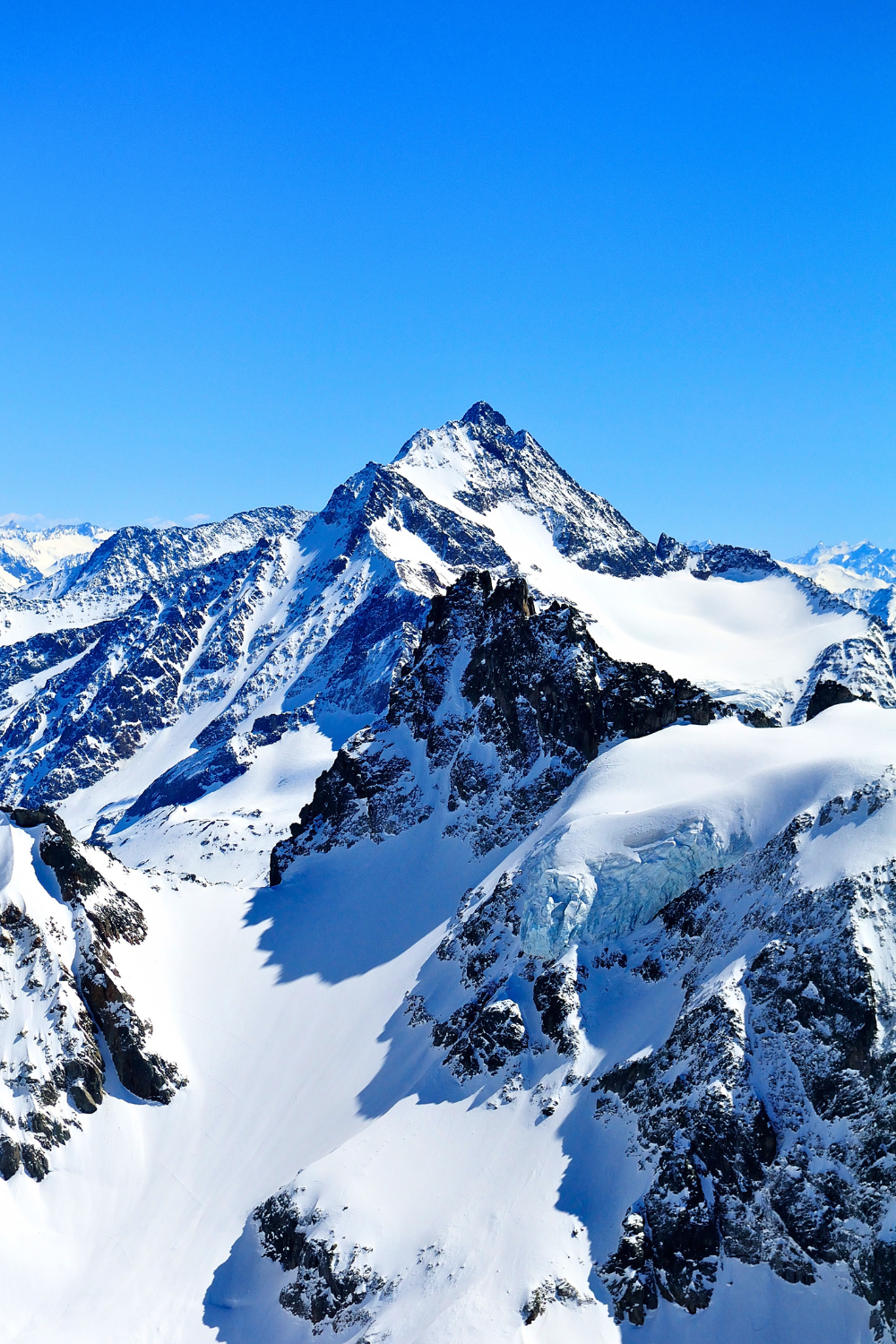
If you want to be genuinely at altitude in winter — glacier altitude, not just “above the snowline” altitude — then Engelberg and Mount Titlis are your answer. Forty-five minutes from Lucerne by train, Engelberg is a proper mountain resort town that takes its skiing seriously. The mountain behind it, Titlis, reaches 3,238 metres and is accessible via a series of cable cars, the upper section of which features a rotating gondola — the first of its kind in the world — that gives you a slow 360-degree view of the glacier below and the Alps in every direction.
At the top, the Titlis Ice Flyer chairlift runs over the glacier, which is both exhilarating and slightly terrifying in the best possible way. There’s an ice cave carved into the glacier itself, which you can walk through and which is genuinely extraordinary in the way that only things made of thousands of years of compacted ice can be. The skiing and snowboarding at Titlis is serious — this is not a beginner slope — but even non-skiers make the trip purely for the altitude and the views, which are completely different from anything you see at Rigi or Pilatus.
Engelberg itself is worth a slow hour of wandering even before you get on a cable car. The large Benedictine monastery in the town center has been continuously occupied since the 12th century and has a church that’s genuinely beautiful and completely free to visit. The village has good restaurants, and after a day at altitude, a fondue in a wood-paneled Engelberg dining room feels like exactly the right ending.
Local tip: Book Titlis cable car tickets online in advance in the peak winter season — December weekends, especially, can see queues that add an unwanted hour to your day. The Lucerne–Titlis Combo ticket (train from Lucerne plus all cable cars) often works out significantly cheaper than buying separately and is available through Swiss Travel Pass partners.
6. The Lilu Light Festival — Lucerne in January, When Most People Aren’t Paying Attention
Here’s one that genuinely surprised me. January in Lucerne sounds, on paper, like the quiet shoulder month after Christmas when the markets are gone, and you’re waiting for carnival. In reality, for ten days in mid-January, the old town hosts the Lilu Light Festival. This immersive light-art installation takes over the streets, squares, bridges, and historic buildings of the city center. International artists create light installations that transform the Altstadt into something I can only describe as a visual fever dream in the most delightful sense.
Projections on the old town hall. Illuminated sculpture in Kornmarkt. The Jesuit Church is lit from within in colors it has never been in its 350-year history. You walk the old town at night — which is already beautiful and atmospheric — and you walk it through an art installation the size of a city. It’s free to attend, which is the thing that most surprises people. Entry to the light show at the Jesuit Church is included in the festival access, and some hotels include a free drink voucher for the Lilu Village with their packages. For a winter city break that wants to do something genuinely different one evening, this is it.
Local tip: The festival runs for roughly ten days, always in January, but exact dates shift year to year — check the official Lucerne tourism website (luzern.com) before booking. It starts at dusk and runs until around 10 pm. Monday and Tuesday evenings are significantly quieter than weekends, which matters when you’re trying to actually look at light installations rather than the back of another tourist’s head.
7. Lucerne Fasnacht (Carnival) — Switzerland’s Best-Kept Secret Party
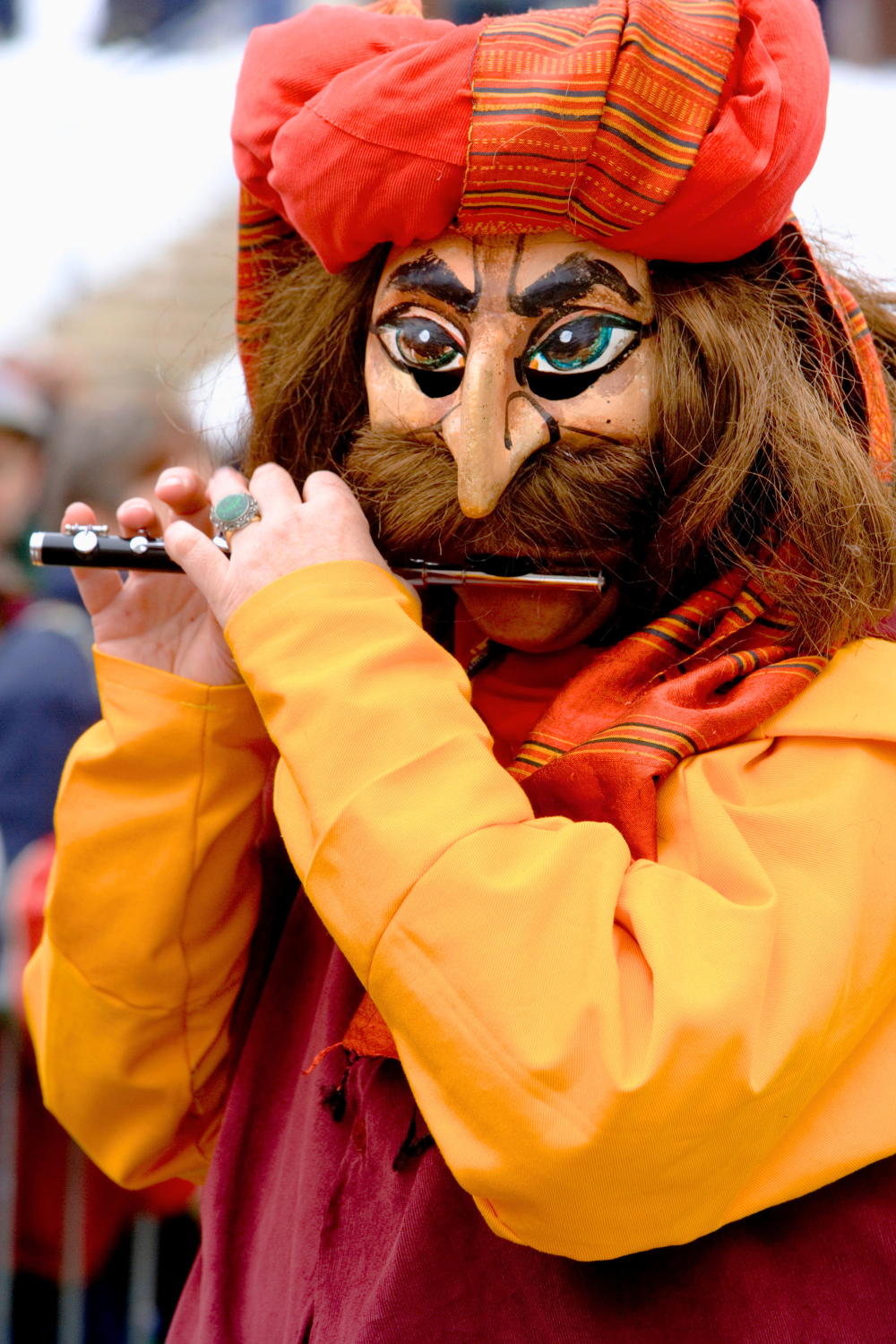
Let me be honest with you about Fasnacht: nothing I write here will fully prepare you for it. The Swiss have a reputation — earned, in many contexts — for reserve, precision, and orderliness. Fasnacht is the annual, societally sanctioned explosion of everything that reputation suppresses for the other eleven months. For five days in February or early March, Lucerne is simply one of the most carnivalesque cities in Europe.
It begins at 5 am on Dirty Thursday (Schmutzige Donnschtig, or SchmuDo in the local shorthand) when the legendary figure of Brother Fritschi arrives by boat at the lakeside promenade and officially opens the “fifth season” with the Urknall — a massive explosion of noise and confetti on Kapellplatz. By the time the city center fills up that morning, there are hundreds of Guggenmusik bands marching through the streets. These are brass bands — entirely volunteer, entirely mad — that play deliberately distorted, chaotically joyful music at volumes that make rational thought difficult. They parade through the narrow streets of the Altstadt in elaborate handmade costumes and masks, and the crowds around them are in costume too.
The Monstercorso on the final Tuesday is the biggest parade: oversized puppets, satirical floats aiming at politicians and current events, and giant masks handcrafted by carnival guilds over the preceding year. The whole thing is free, it’s entirely community-organized, it welcomes visitors, and it will genuinely make you question every assumption you had about Switzerland. If you’re in Lucerne in February, arrange your dates around Fasnacht.
Local tip: Get a costume. Seriously — even something simple, even something you’ve thrown together. The carnival absolutely welcomes spectators, but the experience of being in costume and being treated as a participant rather than an observer is a completely different thing. Lucerne’s old town has costume shops (try Vonarburg or the Fasnachts-Bazar) in the weeks before the festival, and even a wig and a mask from a corner shop make a difference.
8. A Lake Lucerne Boat Cruise — Cold Air, Hot Drinks, and Impossible Views
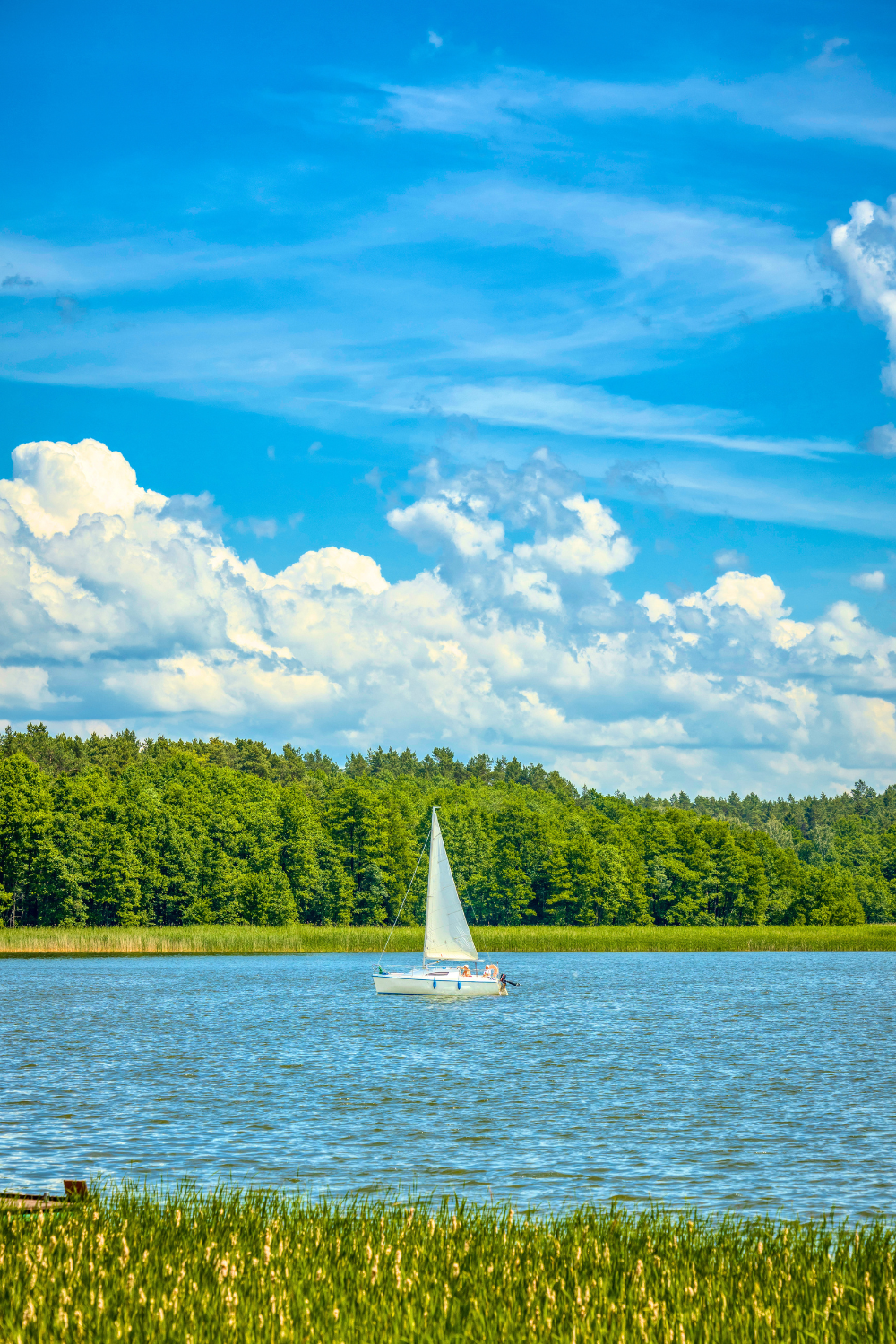
There’s a particular kind of smugness that comes with being on a heated lake steamer in the Swiss Alps in January when everyone else in Europe is either stuck inside or doing something sensible. I recommend it unreservedly. The SGV boats that operate on Lake Lucerne run year-round on a reduced winter timetable, and they connect Lucerne to a string of small lakeside villages — Weggis, Vitznau, Brunnen, Flüelen — as well as serving as the access point for Mount Rigi.
The boat journey from Lucerne pier to Brunnen takes about two hours and passes through some of the most dramatic lakeside scenery in Switzerland: steep forested hillsides, small coloured villages at the water’s edge, the Rütli meadow on the eastern shore (where the Swiss Confederation was legendarily founded in 1291), and always, everywhere, the mountains. On a clear winter day the reflections on the lake are almost perfectly mirror-perfect. On a grey morning with low cloud on the peaks, the whole thing takes on a more subdued, melancholy beauty that I personally prefer.
The boats have heated salons and hot drinks available on board, which matters when the air temperature outside hovers around zero. But spend time outside on the deck anyway — the cold air and the views and the sense of actually being on the water rather than looking at it from behind glass are worth a brief chill.
Local tip: The Swiss Travel Pass covers all SGV boat travel on Lake Lucerne, which can represent enormous value for day trips to Rigi, Bürgenstock, or the far end of the lake at Flüelen. If you’re doing a day trip to Rigi, the boat from Lucerne to Vitznau followed by the cogwheel railway is not just the most scenic route — it’s actually the most efficient one.
9. The Spreuer Bridge (Spreuerbrücke) — The Darker, More Atmospheric Sibling
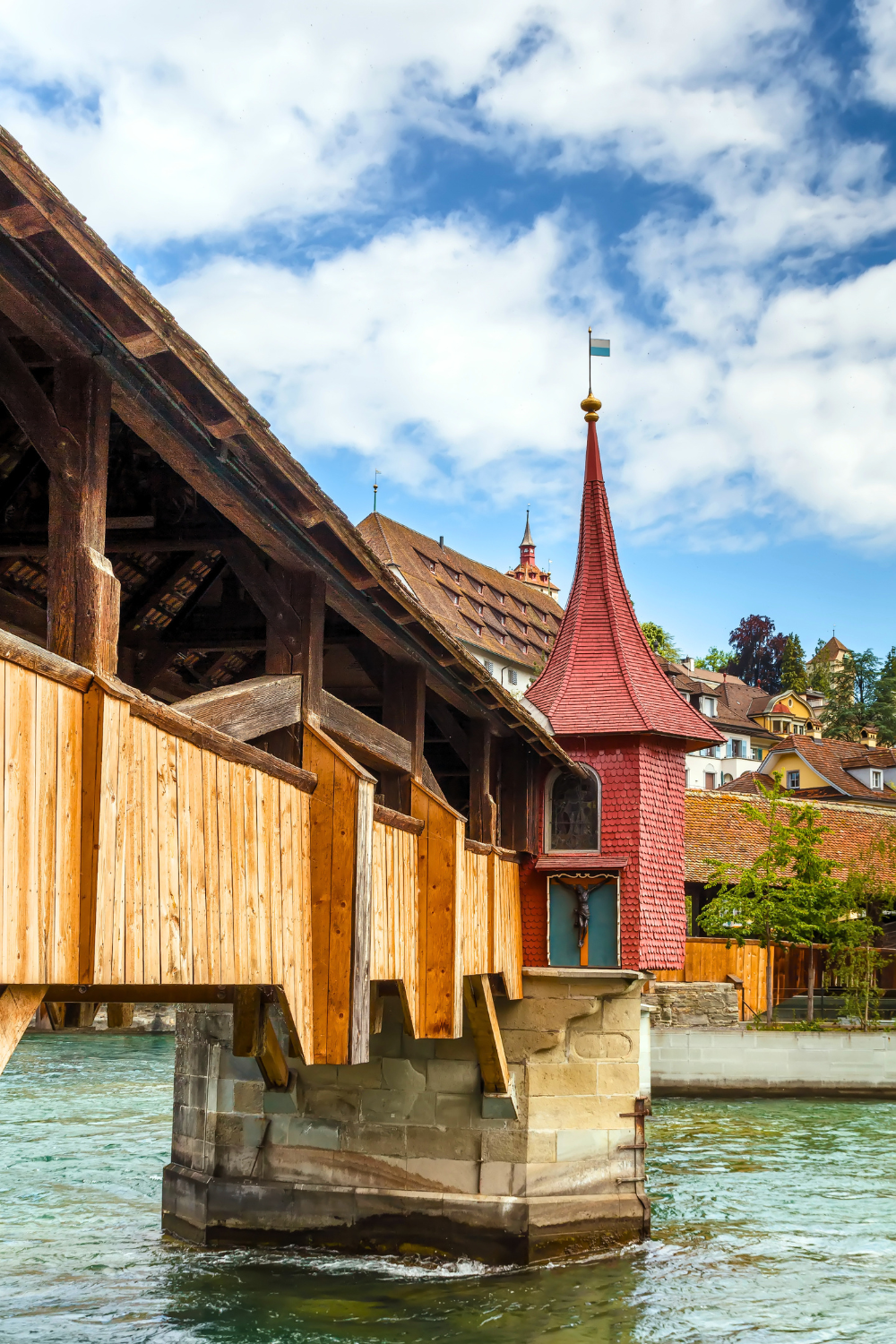
Everyone goes to the Kapellbrücke. Almost nobody makes the short walk downstream to the Spreuerbrücke, and this is a mistake. Built in 1408, this covered wooden bridge connects the old town to the Mühleplatz area across the Reuss and contains its own series of painted panels — the famous Totentanz (Dance of Death) cycle, painted in the 17th century, depicting Death personified arriving to claim victims from every walk of life: pope, emperor, merchant, peasant, child. It’s medieval art at its most direct and its most affecting.
In winter, with the river running dark and fast below and the light coming grey through the wooden lattice, the atmosphere in this bridge is something else. During Fasnacht, both bridges are covered in carnival artwork on plywood panels that protect the historic paintings underneath — one of those lovely details about the festival that tells you something about how seriously Lucerne takes its cultural heritage even in the middle of its biggest party.
The view from the Spreuerbrücke looking upstream toward the mill wheel at the water’s edge is one of the overlooked good photographs of Lucerne. This one costs nothing but the time to walk there.
Local tip: There’s a small wooden covered bridge directly across from the Jesuit Church, visible from the Spreuerbrücke end of the old town, that offers an entirely different view of the city at river level. Walk to it. It takes five minutes and it gives you a perspective on Lucerne’s relationship with the Reuss that most visitors completely miss.
10. The Jesuit Church (Jesuitenkirche) — Baroque Magnificence in a City of Gothic Bones
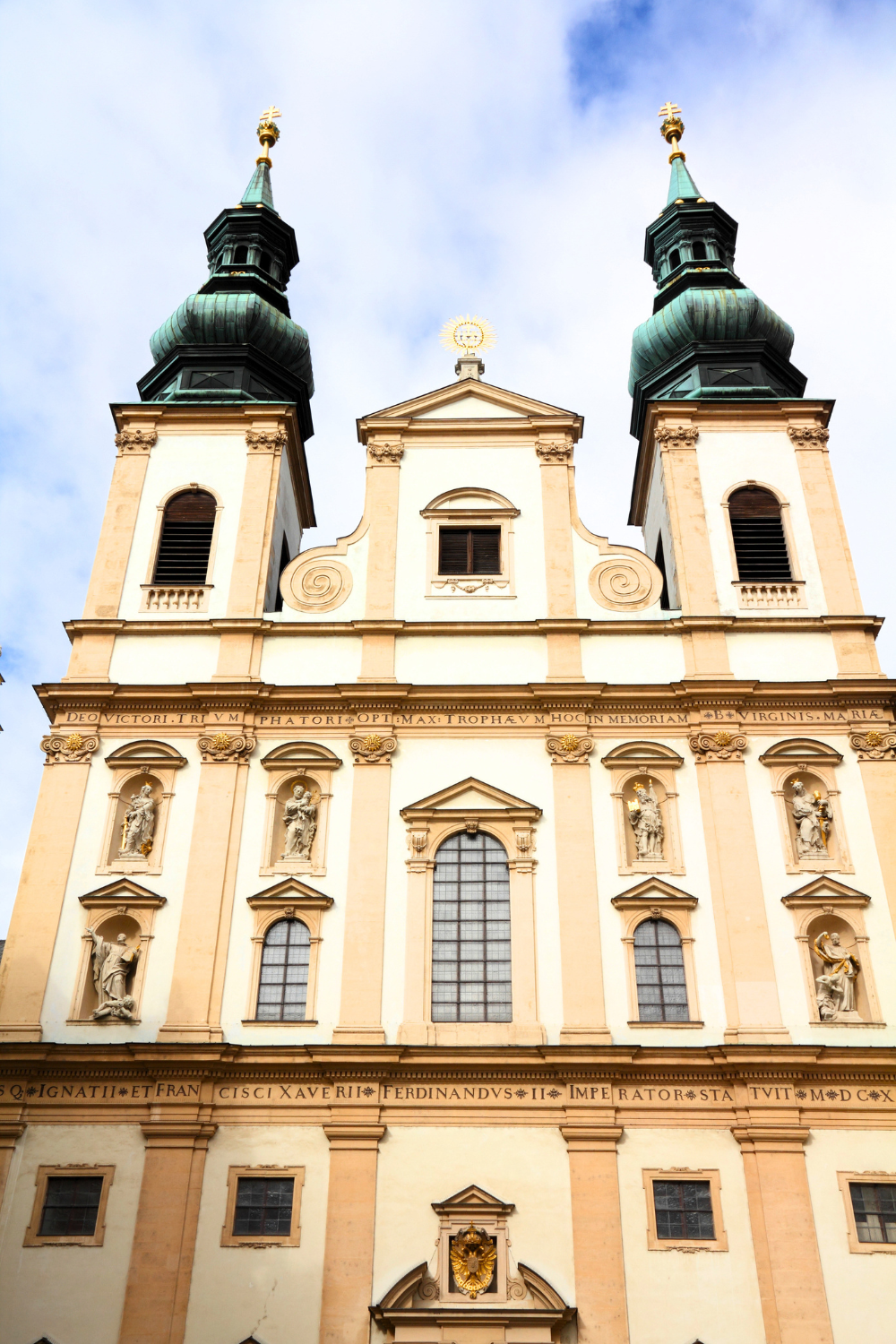
The Jesuit Church on the south bank of the Reuss is one of the great baroque church interiors in Switzerland, which is saying something in a country that tends toward the understated in its religious architecture. Built in the 17th century, it’s all pink and white marble-effect stucco, gilded altars, and frescoed ceilings — rich, confident, somewhat overwhelming, and completely free to walk into off the street. In a city full of beautiful medieval buildings, this one is a genuine aesthetic counterpoint: a baroque statement in the middle of a Gothic city.
In winter, the Jesuit Church is also the location of one of the most memorable Lilu Light Festival installations — the interior is lit in colours it has never naturally seen, and the effect of light art inside that architecture is genuinely jaw-dropping. But even on an ordinary Tuesday in January with no festival happening, stepping into this church off the cold street is a warming, stilling experience that costs nothing and takes as much time as you want to give it.
Local tip: Organists practice in the Jesuit Church on certain mornings, and if you happen to arrive during a practice session, sit in one of the pews and listen. An organist playing baroque repertoire in a 17th-century church interior, with light streaming through the tall windows, is not a scheduled tourist experience — it’s just something that happens here, and it’s extraordinary.
11. The Swiss Museum of Transport (Verkehrshaus) — Switzerland’s Most-Visited Museum, and Genuinely Worth It
This one always gets a slightly patronizing introduction from travel writers — “even if you don’t think you like transport museums…” — and I understand why, but let me be more direct: the Verkehrshaus is magnificent, and calling it a “transport museum” significantly undersells what it actually is. It’s an enormous, brilliantly conceived interactive experience covering the entire history of human mobility — trains, ships, aircraft, spacecraft, bicycles, road vehicles — displayed in a way that makes you understand not just what was built but why it mattered.
The Space Hall has a genuine replica of a Swiss satellite and exhibits that will hold equal fascination for a ten-year-old and a forty-five-year-old. There’s a full-scale aircraft hangar section, a railway hall with working models, and a Cosmorama planetarium. In winter, this is the perfect option for a day when the weather turns uncooperative — it’s large enough that you can spend four or five hours here without running out of things to look at.
It’s also, frankly, much better than the visitor numbers suggest it should be. Most of Europe’s most-visited museums are most-visited because they contain famous art. This one is most-visited because it’s genuinely excellent at being what it is.
Local tip: The Verkehrshaus is on the eastern edge of the city, about 20 minutes’ walk from the old town along the lakeside promenade. The walk itself is beautiful — following the lake edge with the mountains visible across the water. Swiss Travel Pass holders get free or discounted entry, but check before visiting as the terms vary by pass type.
12. The Lion Monument (Löwendenkmal) — Ten Minutes of Unexpected Emotion in a City Park
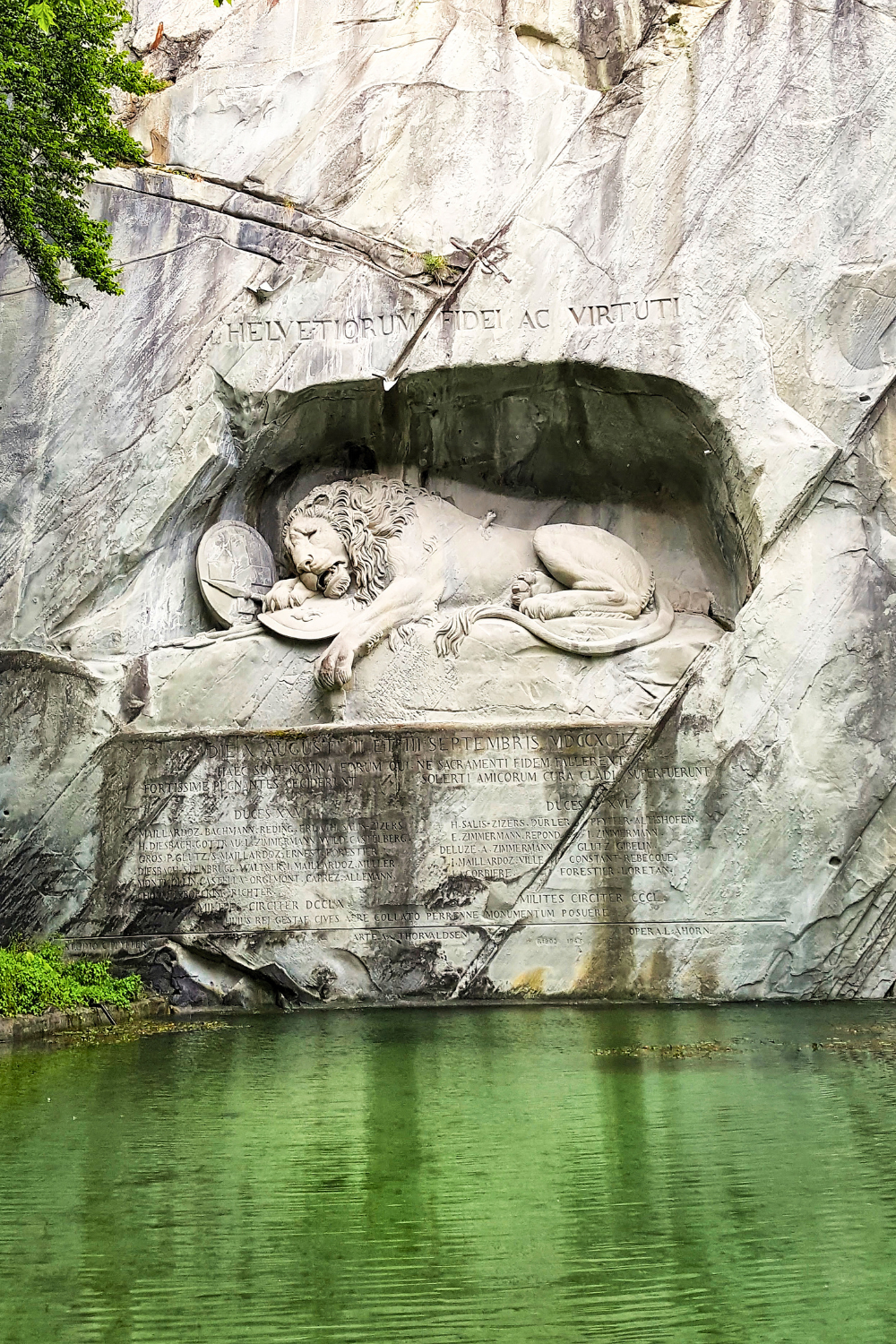
The Lion Monument is one of those things that sneaks up on you. You see it in pictures and it looks like a tourist attraction — a carved lion in a cliff face, a bit of 19th-century statuary in a park. You arrive expecting to give it two minutes of polite attention and move on. Then you’re standing in front of it, and the scale and the emotion of it hit you in a way that’s hard to explain without sounding overblown.
Carved directly into a sandstone cliff face, the dying lion represents the Swiss Guards who died defending King Louis XVI of France during the French Revolution — specifically the massacre at the Tuileries Palace in 1792. It’s 10 meters long. The lion is depicted in its final moments: a broken lance in its side, one paw protecting a shield bearing the French royal arms, the face expressing something that really does register as grief and exhaustion and the end of things. Mark Twain famously called it “the most mournful and moving piece of stone in the world.” He was not wrong.
In winter, with the reflection pool in front of it partially frozen and bare trees around the small park, the effect is even more austere and affecting. This is genuinely worth seeking out, and it’s free, and it will stay with you longer than many things you pay to see.
Local tip: Most visitors photograph the lion and leave. The small park around it contains glacial potholes from the Ice Age — large, smooth holes bored into the rock by ancient glacial meltwater. They’re easy to miss but fascinating if you know where to look. There’s also a small museum nearby (the Gletschergarten or Glacier Garden) that explains both the potholes and the broader glacial history of the region. In winter, it’s quieter than in summer, and the staff tends to have more time for actual conversation.
13. Swiss Christmas Markets — Lucerne’s Festive Season Without the Tourist Traps
In December, Lucerne has several Christmas markets, and what distinguishes them from the more tourist-oriented markets of, say, Zurich or Geneva is that they still feel like they’re primarily for locals. The main Christmas market runs along the lakeside near the train station, and Rudolf’s Christmas Spectacle takes place in a series of wooden chalets along the lake promenade — this one is particularly beautiful in the evenings, with the lights of the city reflecting in the water behind the stalls.
Swiss Christmas markets sell things you actually want rather than things you’ll leave in a drawer: locally made ceramics, good quality Christmas biscuits (Mailänderli, Brunsli, Zimtsterne — learn these words and use them), genuine Swiss chocolates, handmade wood carvings, and glühwein that is thick, dark, and seriously alcoholic in the way that Swiss things often are. There’s also a market on the slopes of Mount Pilatus, reached by gondola, which claims to be the highest Christmas market in Europe. I cannot verify this but I can confirm it’s a very good reason to take the cable car up on a December afternoon.
Local tip: The markets in the old town squares — particularly around Weinmarkt — are less heavily promoted than the lakeside market but often have better craft offerings and a more local feel. Go on a weekday evening rather than a weekend afternoon if you want to actually move freely and have genuine conversations with stallholders.
14. Ice Magic Lucerne and the Eiszentrum — Ice Skating With Alpine Views
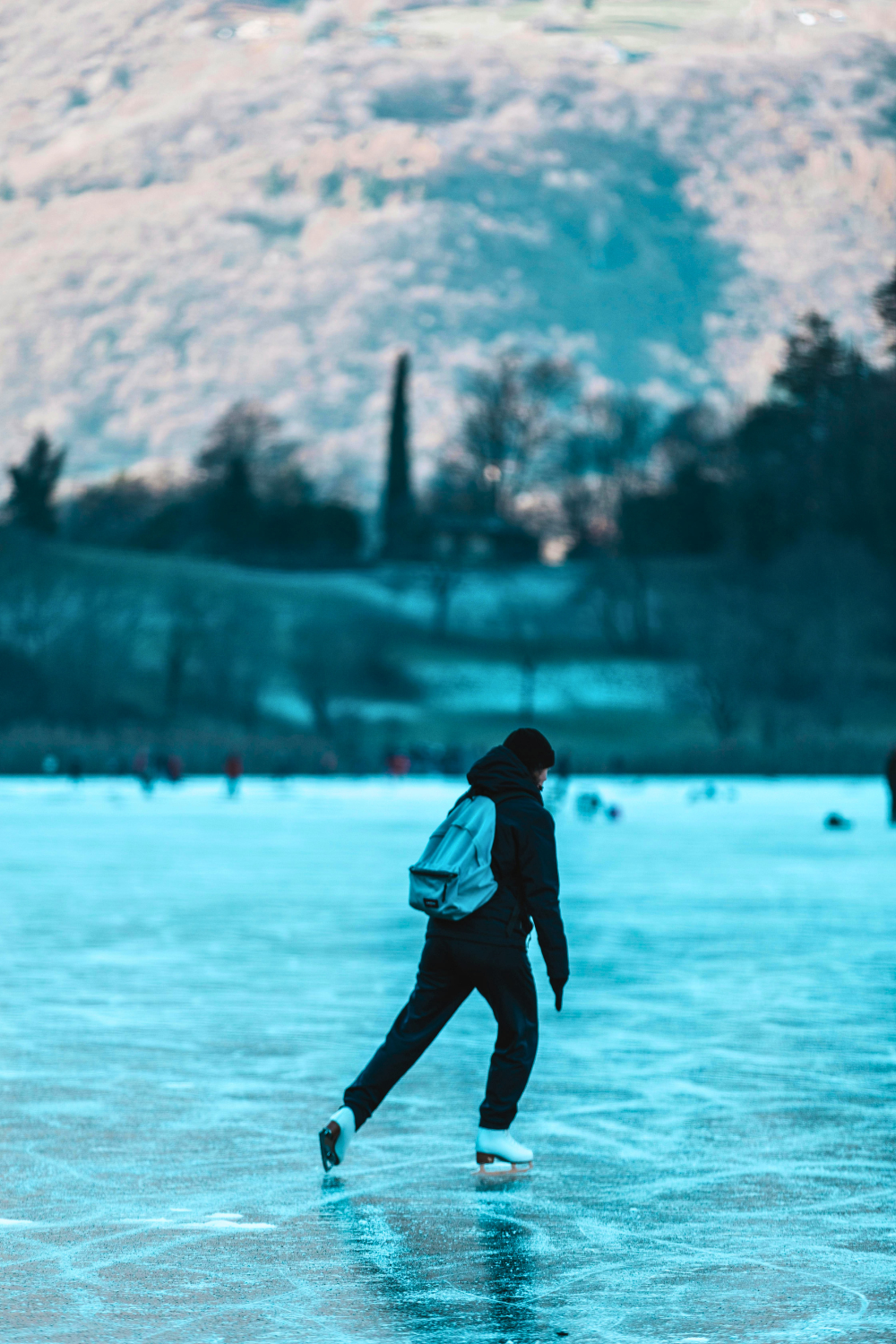
There’s something about ice skating in a city that becomes somehow more appropriate when the backdrop is a Swiss lake with mountains behind it. Ice Magic Lucerne is a seasonal outdoor rink on Europaplatz, right next to the striking Jean Nouvel-designed KKL Culture and Convention Center at the edge of the lake. In December and early January, skating here with the lake lit up behind you, and the sound of ice under your blades is a properly festive experience.
The Eiszentrum Luzern is a year-round indoor skating rink, about a 20-minute walk from the old town, which offers a more serious skating experience if you actually know what you’re doing on ice. It’s also the venue for ice hockey, which is taken with the utmost seriousness in Switzerland — if you’re visiting in winter and can catch a hockey game, even a lower-level one, the atmosphere of Swiss sports fans watching their national game is genuinely entertaining.
Local tip: Ice Magic Lucerne runs roughly from mid-November until the first week of January. The KKL Lucerne building itself is worth visiting regardless of the skating — it’s an architecturally striking concert hall designed by Jean Nouvel and built in 2000, housing the Lucerne Symphony Orchestra, and its terrace café offers one of the best lake views in the city.
15. Fondue and Raclette — The Point at Which Swiss Food Becomes an Experience
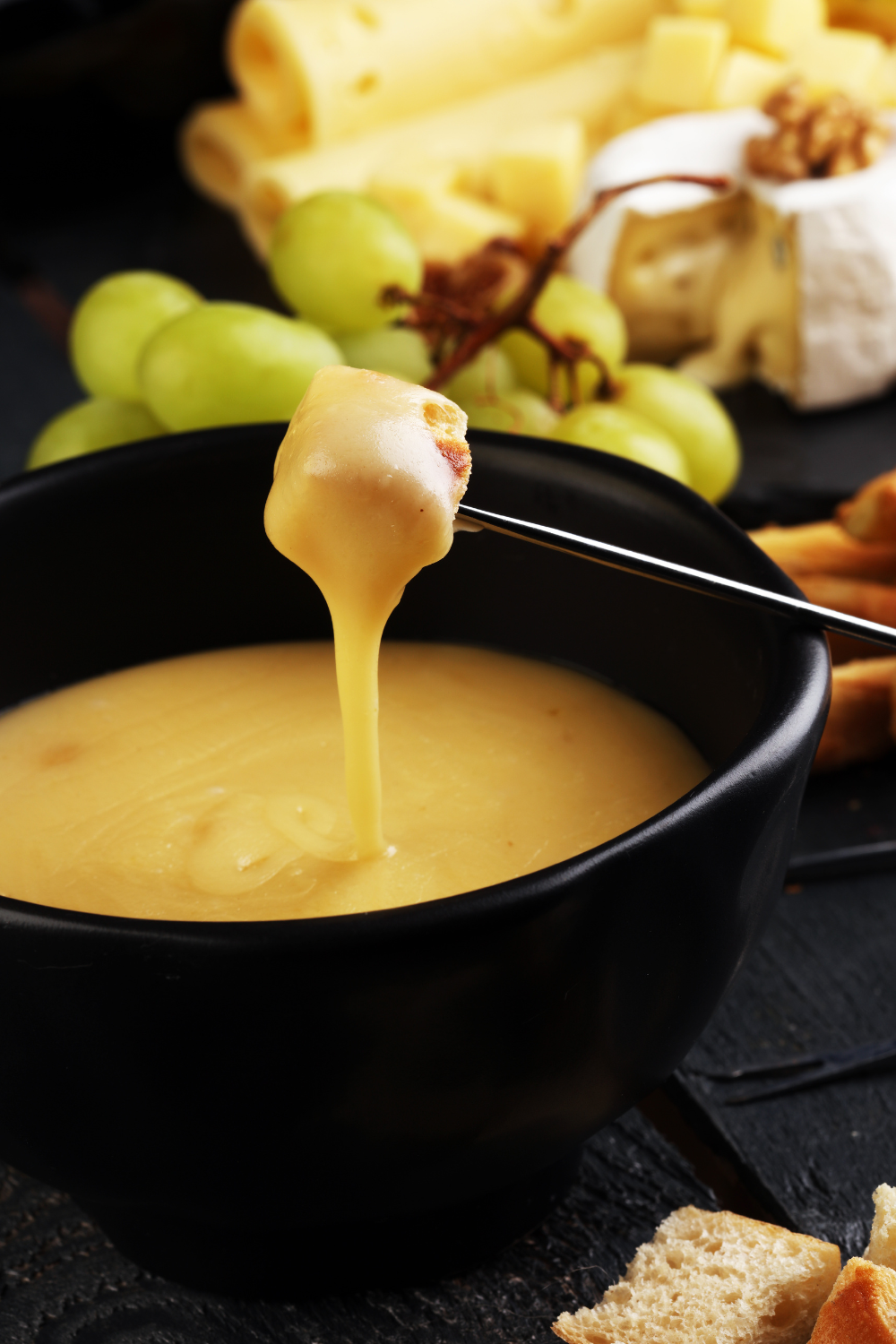
Let’s talk about food, because Swiss winter food is a topic that deserves more enthusiasm than it usually gets in travel writing. Fondue and raclette are not tourist gimmicks here — they’re how Swiss people actually eat in winter, have always eaten in winter, and they taste fundamentally different from their international imitations for the very boring reason that the cheese is different. Swiss Gruyère and Emmental, used fresh in a Swiss restaurant within a few hundred kilometers of where they were made, produce a fondue that tastes clean and nutty and slightly sharp in a way that supermarket substitutes simply don’t replicate.
In Lucerne, the place to eat fondue is not a hotel restaurant or a tourist-facing spot near the Kapellbrücke, but one of the traditional restaurants tucked into the old town streets. Look for the German word Beizli (roughly: a small, informal local restaurant) or Gaststube on the signage. These are the places where local families and couples come for a pot of fondue on a Thursday night, not because it’s a special occasion but because it’s Thursday in February and this is what you eat. You want to be there.
Raclette is the simpler cousin — a half-wheel of cheese melted under a grill and scraped over potatoes, pickles, and pearl onions — and it requires even less ceremony. There are sometimes raclette stalls at the Christmas markets that operate exactly like this: you stand at a market counter outside in the cold with small boiled potatoes and a pickle on a paper plate, and someone scrapes a wave of molten cheese over everything, and you eat it immediately. It costs a few francs and it is one of the great winter eating experiences.
Local tip: If you’re staying multiple nights, consider a raclette cruise on Lake Lucerne — a boat trip in which raclette is served on board with the Alps visible through the window. The combination of being on the water and eating mountain cheese at the same time is very Swiss in the most wonderful way, and the evening light on the lake in winter is exceptional.
16. The Rosengart Collection — Art That Doesn’t Need a Queue
The Sammlung Rosengart is Lucerne’s finest art museum and one of those collections that manages to feel personal rather than institutional. Founded on the private collection of the art dealer Siegfried Rosengart and his daughter Angela, it contains major works by Picasso (the Rosengarts were close friends of the artist), Klee, Cézanne, Matisse, Miró, and Monet, among many others — displayed in the neoclassical former Swiss National Bank building in the city center.
In winter, particularly in January and February, it’s wonderfully quiet. You can stand in front of a late Picasso portrait or a Klee watercolor and actually think about it without navigating elbows. The basement level contains an archive of photographs by David Douglas Duncan, who documented Picasso’s later life intimately, and they add an extraordinary context to the paintings upstairs — you see the man who made these things, in his studio, at his table, in his garden.
Local tip: The museum is genuinely small enough to do in two hours without rushing. It’s best visited in the afternoon, when the light coming through the upper windows is warmest. Combined with a coffee stop in the neighborhood afterward, it makes a perfect cultural half-day that balances any more energetic mountain activity earlier in the day.
17. Weinmarkt and the Side Streets of the Old Town — The Lucerne No One Is Photographing
I want to end the main list here because this one isn’t really a single attraction — it’s a reminder that the best of any city is rarely in the guidebooks. Lucerne’s old town is small enough to walk end to end in twenty minutes, which means it’s also small enough that most people see it and think they’ve seen it. They haven’t.
The streets that run perpendicular to the main tourist drag — away from the river, up the slight incline toward the old town walls — are where you find the real texture of the place. Small shops that have been there for decades. A hat shop. A bookshop with German paperbacks in the window. A bakery that opens at six in the morning and sells zopf (the braided Swiss bread) and croissants to local people on their way to work. A coffee bar so small it has five stools and no room for anything else.
In winter, these streets are quiet and cold and smell faintly of woodsmoke. The painted buildings that no one is photographing are just as beautiful as the famous ones that everyone is. Walk up from Weinmarkt, take a few turns without a map or a phone, and see what you find. It will cost you nothing and take an hour and you’ll remember it longer than the cable car.
Local tip: The old town walls above the city — the Museggmauer — date from the 14th century, and nine of the original towers are still standing. Several are open to visitors and offer elevated views over the rooftops of the old town and toward the lake. In winter, the walls themselves are dramatically frosted on cold mornings, and the climb up through the residential streets behind the old town to reach them takes you through a completely unvisited part of the city.
Practical Tips for a Winter Trip to Lucerne
Getting there: Zurich Airport is the closest international hub — 45 minutes by direct train to Lucerne, running several times an hour. The train journey itself is pretty. From Germany, trains run directly to Lucerne from Munich (about 3.5 hours). The bus connection from Milan is slower but scenic.
Getting around: The city center is walkable. The Swiss Travel Pass covers boats, buses, and most mountain railways, and for any trip that includes Rigi, the boats, or museum visits, it’s almost certainly worth buying. Lucerne Guest Card (free if you’re staying overnight in the city) gives discounts on public transport.
When to go: December for Christmas markets, mid-January for the Lilu Light Festival, late February or early March for Fasnacht. Late January is the quietest and cheapest period, and it is still very beautiful.
Where to stay: The old town and lakeside areas put you closest to most attractions. Staying slightly outside the center — in Kriens (near the Pilatus cable car base) or across the river in the newer part of the city — cuts costs noticeably. Budget accommodation fills up fast during Fasnacht; book months in advance if you’re coming during carnival season.
What to eat: Fondue, raclette, zopf, Luzerner Lebkuchen (spiced gingerbread that’s local to this region), and always a Kaffee Träsch on a cold afternoon. Switzerland is not a cheap country to eat out in, but lunch menus (the Tagesmenü) at local restaurants typically offer two courses for a fraction of the price of dinner.
Weather reality check: Pack for cold and for unexpected cold. Layers, a serious coat, and waterproof shoes. If you’re going above 2,000 meters, add thermal layers, proper gloves, and a hat that actually covers your ears. The mountain gondolas and cable cars mean you can go from lake level to glacier altitude in under an hour, and the temperature difference is severe.
Lucerne in winter is one of those travel experiences that genuinely doesn’t need overselling. It’s a medieval city on a mountain lake in the Alps, lit up in December, hosting one of Europe’s great light festivals in January, and exploding into carnival chaos in February. It has mountains that will make you feel small in the best way, a lake that doesn’t care what season it is, and an old town that rewards anyone who’s willing to walk slowly and look up. Go in the cold. Go when not everyone else is going. You’ll understand very quickly what all the fuss is about.

