
I’ll never forget standing in a Berlin bakery my first morning in Germany, utterly paralyzed by the sheer number of bread varieties staring back at me. The baker looked at me with a mixture of pity and amusement as I pointed helplessly at something that turned out to be a pretzel the size of my head. That moment pretty much sums up my entire German learning curve — equal parts wonderful and bewildering.
Germany surprised me in ways I didn’t expect. Sure, I knew about the beer and the castles, but nobody told me about the Sunday silence laws, or that you’d need cash in one of Europe’s wealthiest nations, or that jaywalking would earn you actual public shaming. After spending months exploring this fascinating country, from Munich’s beer halls to Hamburg’s edgy neighborhoods, I’ve learned that Germany rewards the prepared traveler. So let me share what I wish someone had told me before I boarded that first flight to Frankfurt.
Before We Dive In: Understanding the German Mindset
Here’s the thing about Germany that took me the longest to grasp: it’s not one country, really. It’s a collection of distinct regions with their own dialects, food traditions, and personalities, all bound together by a shared love of efficiency and a mutual agreement that rules exist for good reason. The Bavaria you’ll experience feels worlds apart from Berlin, and the Rhineland has a completely different vibe from Hamburg. This diversity is part of what makes Germany endlessly fascinating, but it also means you can’t approach it with a one-size-fits-all mentality.
1. Cash Is Still King (Yes, Really)
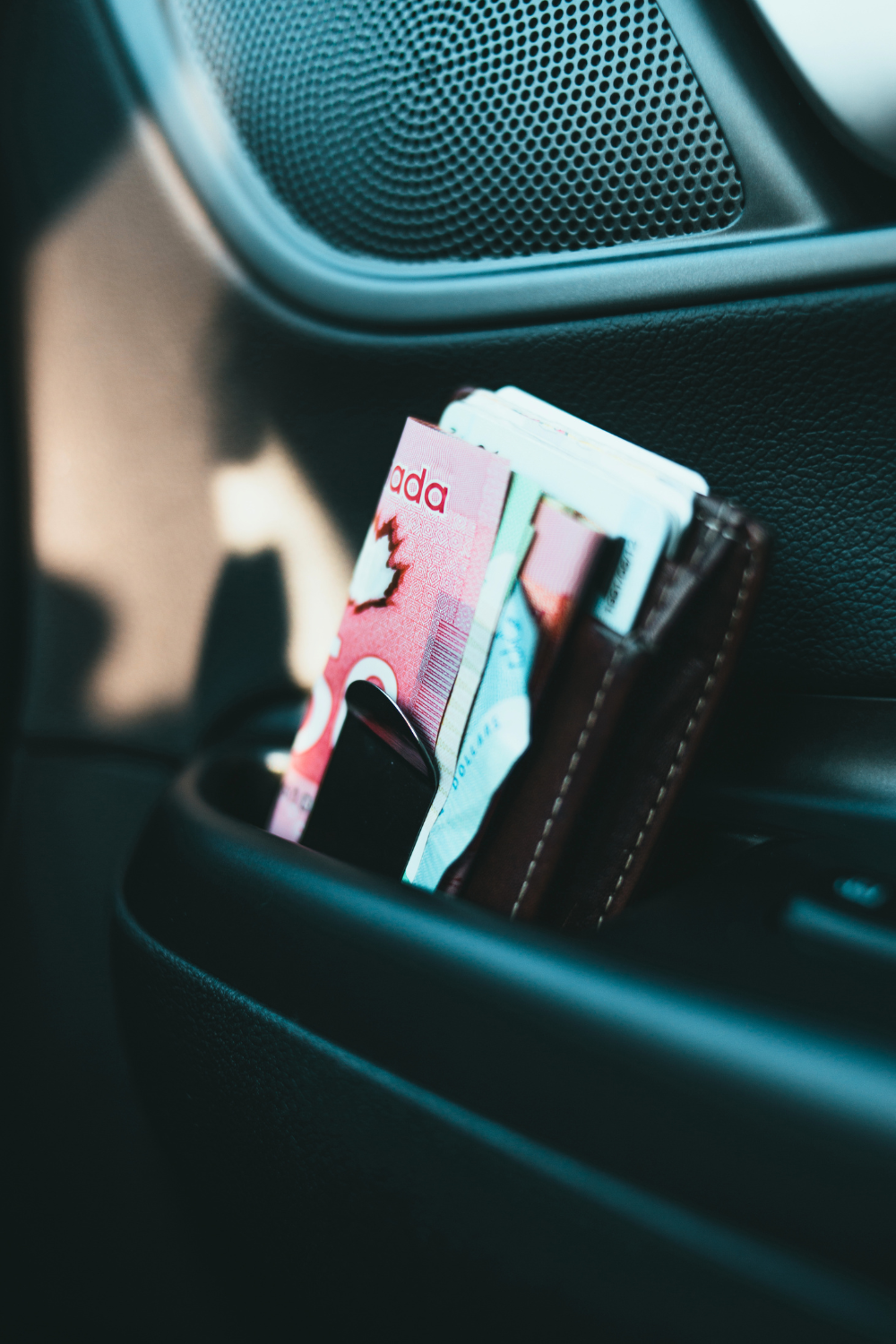
I know what you’re thinking — this is Germany, land of engineering excellence and cutting-edge technology. Surely they’ve embraced contactless payments, right? Wrong. So wonderfully, stubbornly wrong.
Germany remains surprisingly cash-dependent, and this reality will hit you fast. That charming restaurant? Cash only. The Christmas market stall selling those incredible bratwursts? Cash only. Even some hotels and larger shops still prefer physical euros. I learned this the hard way when I confidently walked into a traditional Bavarian restaurant with just my credit card and had to sheepishly ask for the nearest ATM.
The reasons are cultural — Germans value privacy and are wary of transaction tracking — but whatever the cause, you need to adapt. I got into the habit of always carrying at least 50-100 euros in my wallet, broken down into smaller denominations. Those 50-euro notes might seem convenient, but try buying a 3-euro pretzel with one and watch the vendor’s face.
Local tip: Look for ATMs attached to actual banks rather than standalone machines in tourist areas, which often charge ridiculous fees. Also, when the ATM asks if you want to be charged in euros or your home currency, always choose euros — the conversion rate will be better.
2. The Sunday Shutdown Is Real
My first Sunday in Germany, I woke up leisurely, decided to grab some groceries, and walked into what felt like a post-apocalyptic movie set. Everything was closed. Supermarkets, shops, even most bakeries. The streets were eerily quiet. Welcome to Ruhetag — rest day.
Germany takes its Sunday rest seriously, protected by law in most states. This isn’t just about big retailers; nearly all shops must close, and even making loud noise can get you in trouble with neighbors. It’s actually kind of beautiful once you adjust to it — Sundays have this peaceful, family-oriented rhythm that’s rare in our always-on world.
But you need to plan ahead. Saturday grocery shopping becomes a strategic mission, and I watched many unprepared tourists desperately searching for open stores Sunday afternoon. Some exceptions exist: gas stations, train station shops, and bakeries (usually just in the morning) often stay open, but they’ll charge premium prices.
Local tip: If you forget to stock up, head to a hauptbahnhof (main train station) where shops are allowed to open on Sundays. The selection is limited and prices are higher, but it beats going hungry.
3. Learn at Least Basic German Phrases
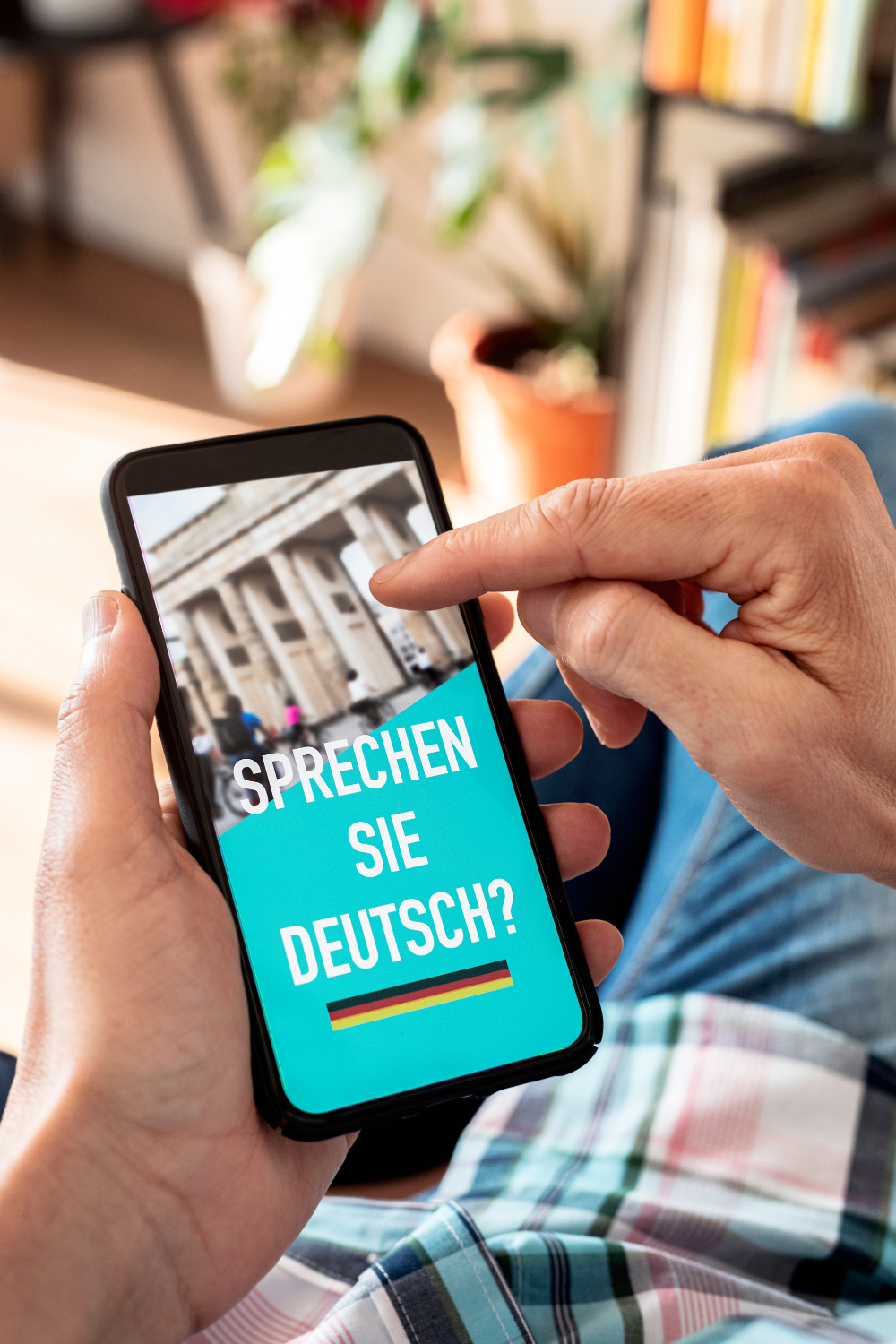
Let me be honest with you — yes, many Germans speak excellent English, especially in cities and among younger people. But assuming everyone will switch to English for you is both impractical and, frankly, a bit rude.
I found that making even the smallest effort with German transformed my interactions. A simple “Guten Tag” (good day), “Bitte” (please), and “Danke schön” (thank you very much) opened doors that remained closed to travelers who immediately launched into English. Germans appreciate effort, even if your pronunciation makes them wince.
In rural areas, smaller towns, and with older generations, English proficiency drops significantly. I spent two days in a tiny Bavarian village where my phrase book became my lifeline. But those language barriers led to some of my favorite memories — a farmer’s wife who taught me to make spätzle despite sharing maybe ten words of common vocabulary, and a pub owner who drew me a map to a hidden waterfall when words failed.
Local tip: Download an offline translation app before you arrive. Cell service can be spotty in rural areas, and you don’t want to be stranded without communication tools. Google Translate’s camera function is brilliant for reading menus and signs.
4. Public Transport Is Excellent But Requires Understanding
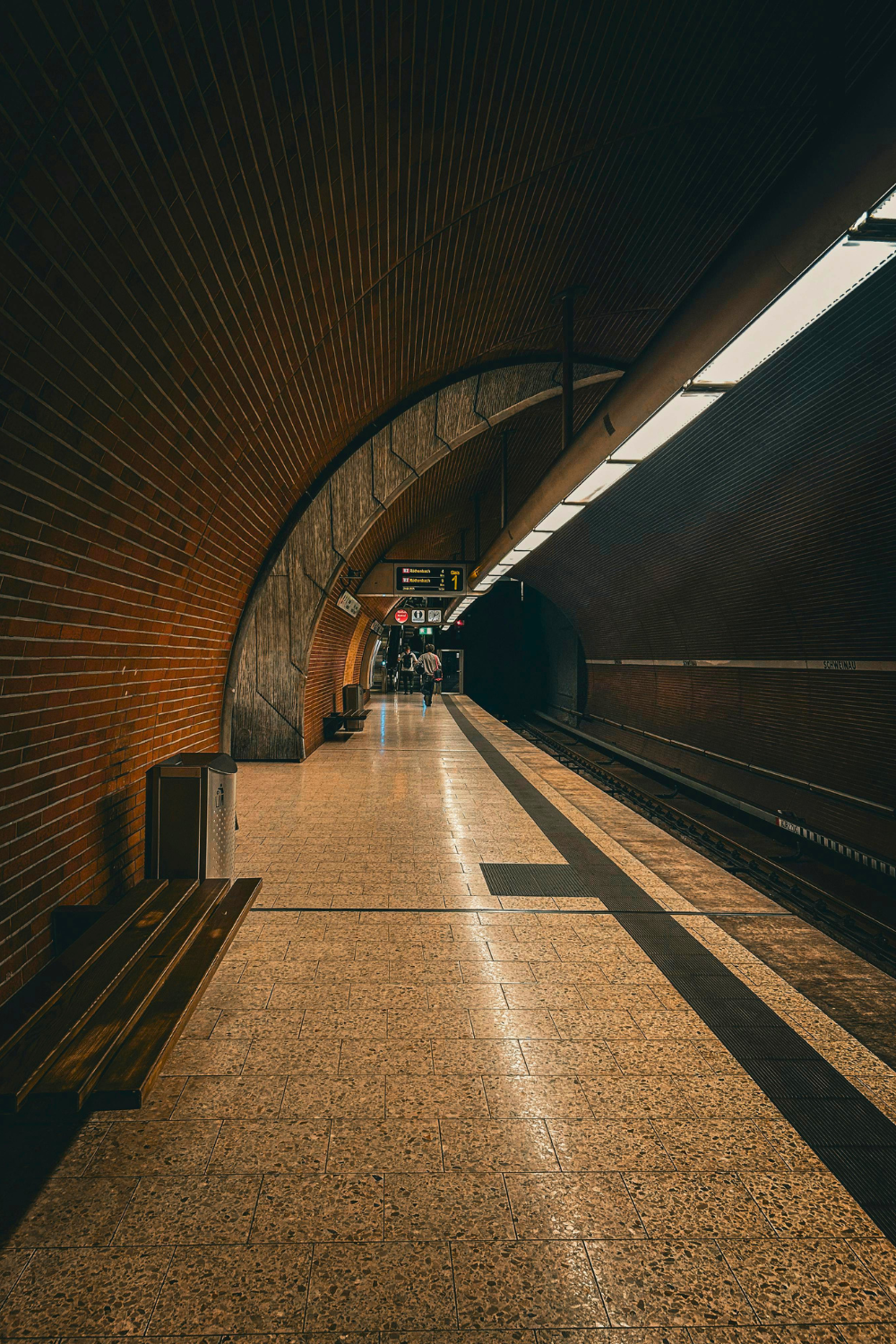
Germany’s public transportation system is genuinely world-class — punctual, clean, comprehensive, and efficient. But it operates on a trust-based honor system that confuses many visitors and can result in hefty fines if you get it wrong.
Here’s what surprised me: there are usually no ticket gates or barriers. You buy your ticket from a machine or app, validate it if required (this varies by city), and just board. Ticket inspectors do random checks, and if you’re caught without a valid ticket, ignorance is no excuse. The fine is typically 60 euros, and inspectors have zero sympathy for confused tourists.
Each city has its own ticketing system and zones, which takes some getting used to. Munich’s system differs from Berlin’s, which differs from Hamburg’s. I spent my first week in Germany accidentally buying the wrong tickets and overpaying before I figured out the zone system. Day passes are usually the best value if you’re sightseeing, and many cities offer tourist cards that combine transport with museum entries.
Local tip: The DB Navigator app is essential for train travel and works for local transport too. It shows you real-time delays, platform changes, and ticket options. Download it before you arrive and familiarize yourself with the interface.
5. Punctuality Isn’t Just Expected — It’s Sacred

I’m usually a fairly punctual person, but Germany recalibrated my entire relationship with time. Being “on time” in Germany means being early. Arriving exactly at the scheduled time is actually slightly late. And being five minutes late? That’s a serious faux pas.
This applies to everything: dinner reservations, business meetings, even casual coffee dates. I once arrived seven minutes late to meet a German friend (thanks to an unexpected U-Bahn delay) and found her visibly stressed, convinced something terrible had happened. When I explained I was just running a bit late, the relief mixed with mild disapproval on her face spoke volumes.
The flip side is that this cultural punctuality makes planning incredibly reliable. If a train says it departs at 14:37, it departs at 14:37. If a museum opens at 10:00, you can walk up at 10:00 and the doors will be open. This precision is one of Germany’s greatest travel assets once you align yourself with it.
Local tip: If you’re going to be even slightly late, send a message immediately. Germans would rather reschedule than wait around wondering. And if you’re taking trains, always build in a buffer for connections — when delays happen, they can cascade quickly.
6. Tap Water Is Free and Excellent
This one’s simple but important: German tap water is not only safe to drink but often better quality than bottled water. Yet restaurants won’t automatically bring you tap water, and asking for it can sometimes get you strange looks.
The German dining culture centers around beverages as a profit center. Water means bottled water, usually sparkling (mit Kohlensäure) unless you specify still (ohne Kohlensäure or stilles Wasser). A small bottle can cost as much as a beer, which explains why so many Germans just order beer instead.
You can ask for tap water — “Leitungswasser, bitte” — but some servers will seem reluctant or claim they can’t serve it. This is nonsense; they just prefer you buy something. In casual places, I had no issues, but in fancier restaurants, I learned to just order a proper beverage to avoid the awkwardness.
Local tip: Carry a refillable water bottle and fill it from taps in your accommodation, public fountains, or even bathroom sinks. You’ll save a fortune and stay hydrated without constantly buying overpriced bottles.
7. Jaywalking Will Get You Judged
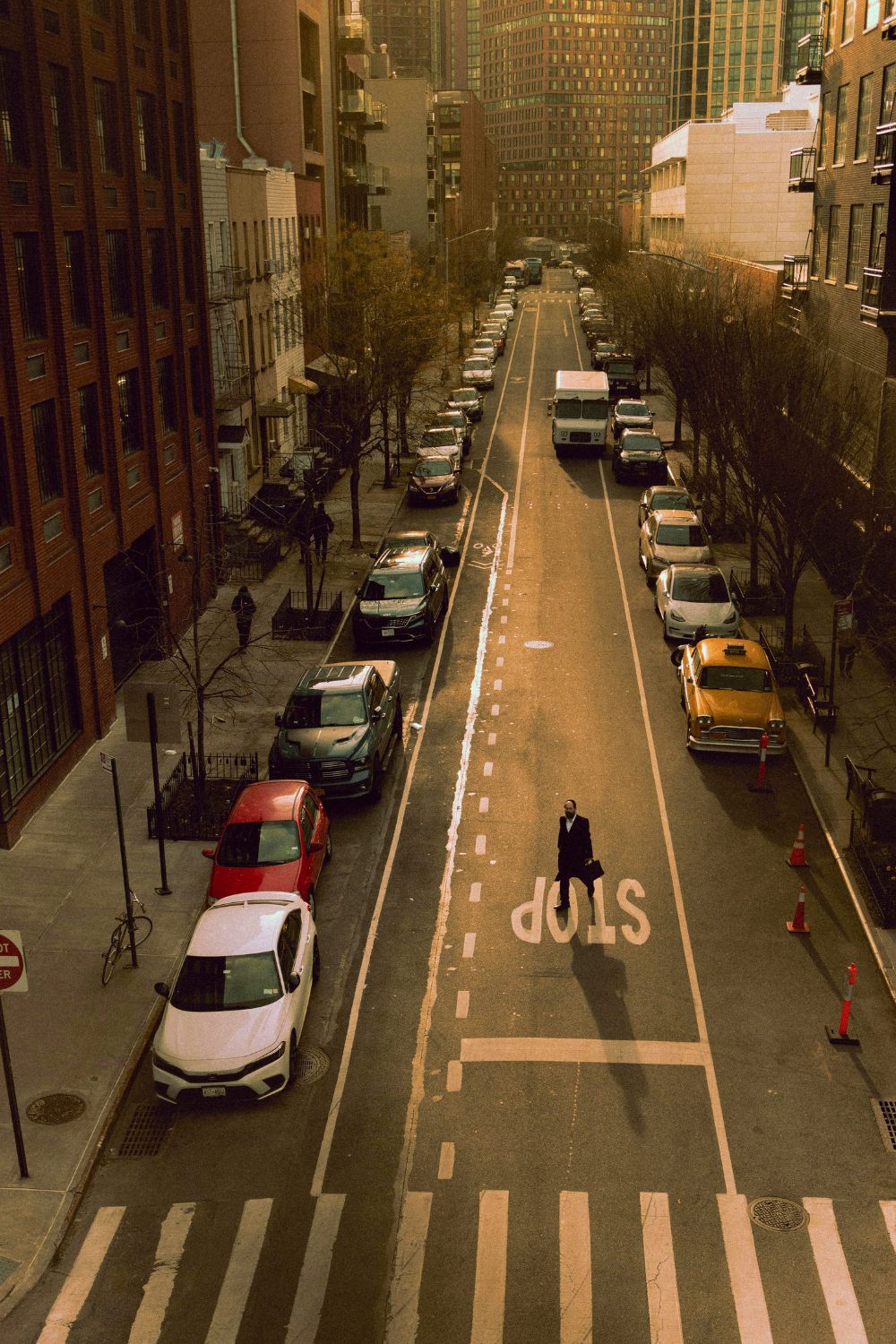
Germans have a deeply ingrained respect for traffic signals, and crossing against a red pedestrian light is considered not just illegal but morally questionable — especially if children are watching. This isn’t an exaggeration.
I tested this unintentionally my first week in Berlin. Standing at a completely empty intersection at midnight with not a car in sight, I crossed against the red light. The tut-tutting and disapproving head shakes from the handful of Germans waiting for the green were palpable. One woman actually scolded me in German. For crossing an empty street. At midnight.
But here’s the thing: this rule-following creates a safer, more predictable environment. Drivers trust that pedestrians will obey signals, which means they’re less cautious at green lights. Jaywalking is genuinely more dangerous in Germany than in places where everyone does it. Plus, you can be fined if police catch you, and yes, they sometimes do enforce this.
Local tip: Just wait for the green light. Use those 30 seconds to check your phone or enjoy your surroundings. Fighting this cultural norm will only stress you out and mark you as an inconsiderate tourist.
8. Restaurant Service Operates Differently
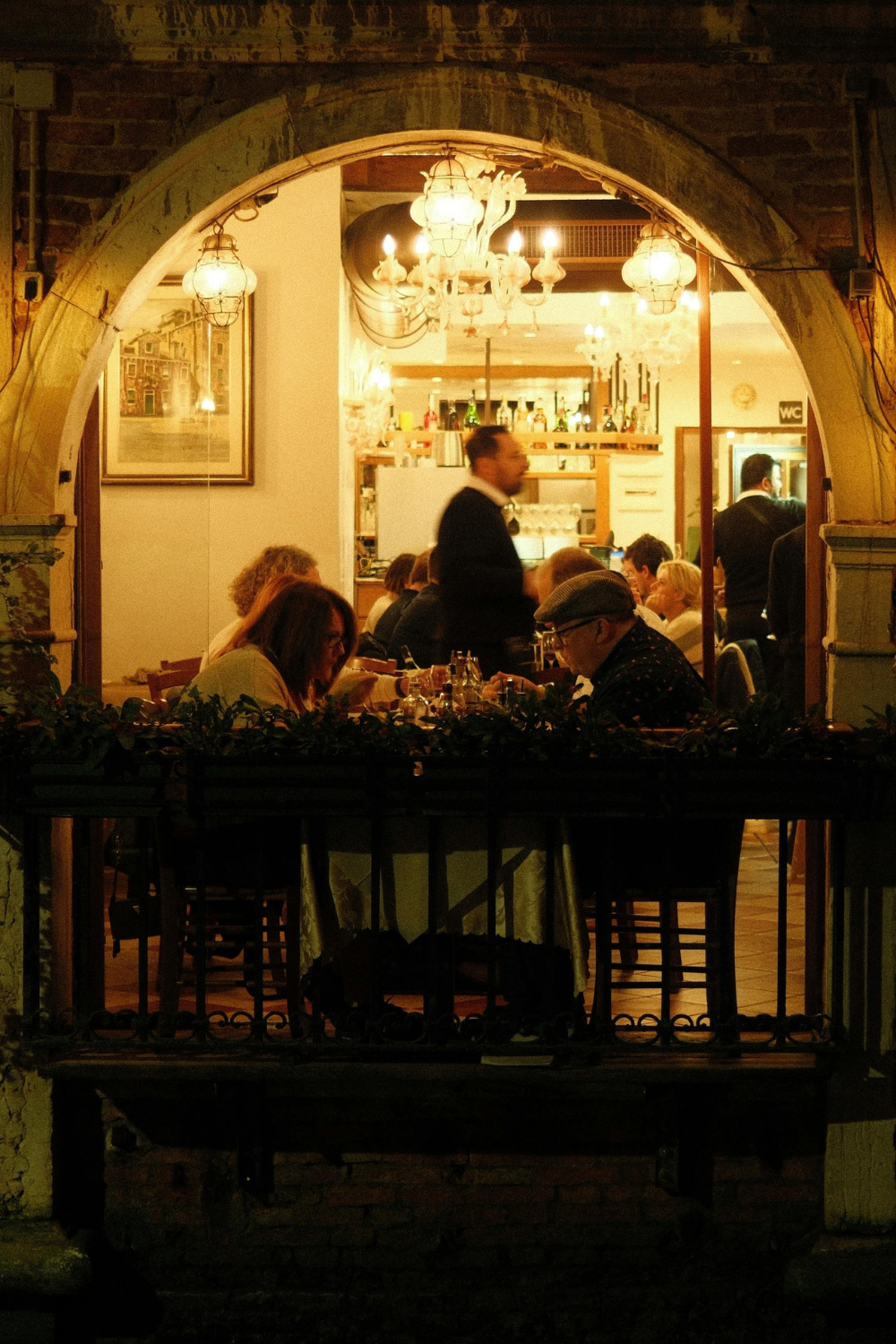
American-style restaurant service — servers checking on you every five minutes, rushing to clear plates, delivering the bill unprompted — doesn’t exist in Germany. At first, I thought the service was terrible. Then I realized it was just different, and actually quite pleasant once I adjusted.
German dining culture assumes you want to enjoy your meal without constant interruption. Your server will take your order, bring your food, and then largely leave you alone unless you signal for attention. Tables are yours for the evening; nobody will rush you out to free up space for the next seating. The bill never comes until you specifically ask for it, because bringing it unsolicited implies you want the customer to leave.
To get your server’s attention, make eye contact and raise your hand slightly, or catch them as they pass. To get the bill, say “Die Rechnung, bitte” or just make a scribbling gesture in the air — servers everywhere recognize this. Splitting the bill (“getrennt bezahlen”) is completely normal and servers will patiently work out who owes what without the sighing you might get elsewhere.
Local tip: Tipping is expected but more modest than in the US. Round up or add 5-10% for good service. Hand the tip directly to the server when paying rather than leaving it on the table, and tell them the total amount you’re paying including tip (e.g., if the bill is 18.50 euros and you hand them a 20, say “zwanzig” to indicate they should keep the change).
9. Bread Is a Serious Business
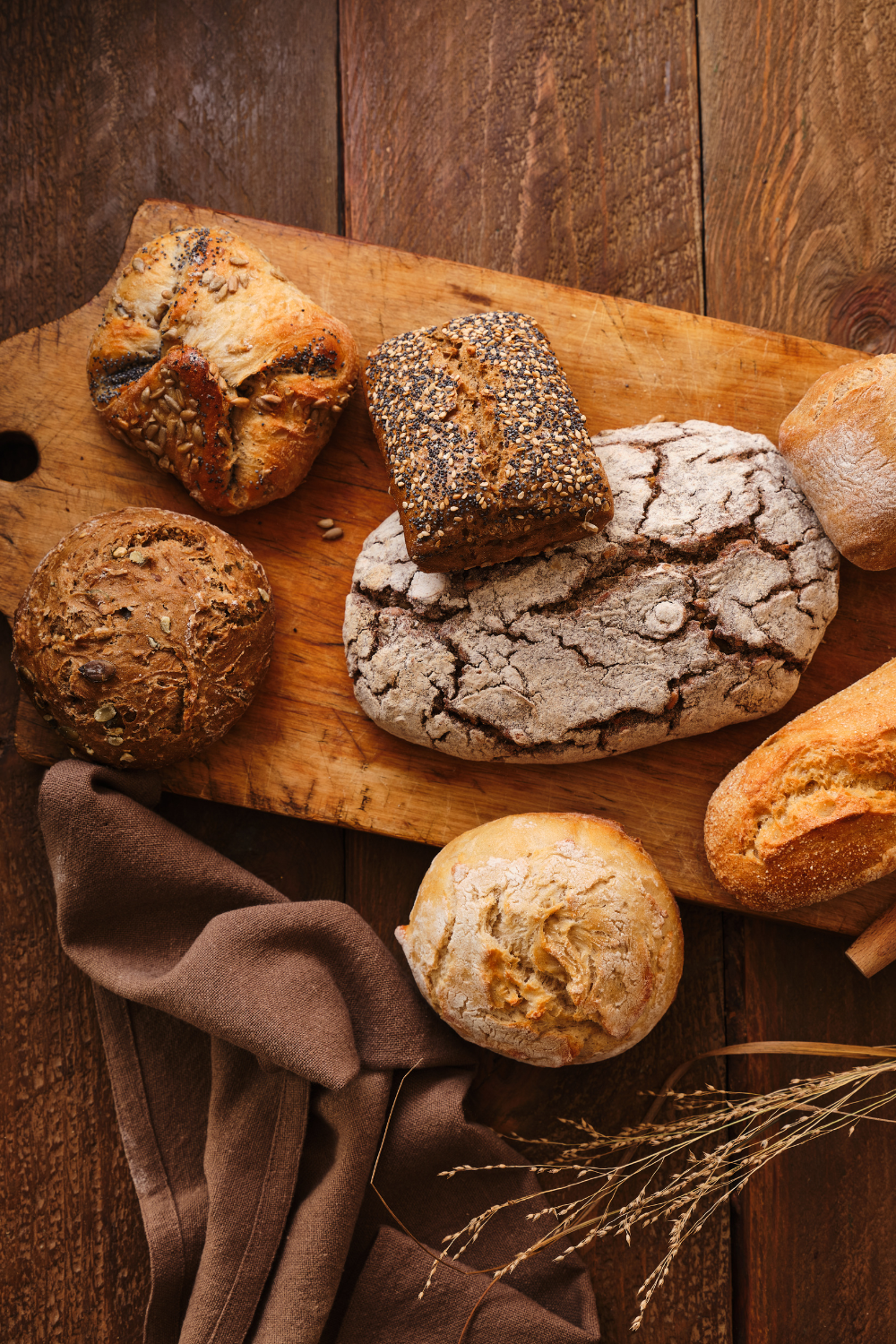
Germany has over 3,000 varieties of bread, and Germans are genuinely passionate about their baked goods in a way that borders on spiritual. This isn’t just tourist marketing — the bread culture here is real, deeply rooted, and absolutely worth experiencing.
Every region has specialties, from Bavaria’s pretzels (which are nothing like the sad mall food court version you might know) to the dense, dark rye breads of the north. A proper German breakfast centers around fresh bread or rolls (Brötchen) with various toppings, and I learned to appreciate the nuance between different varieties that all looked vaguely similar to my untrained eye.
Bakeries (Bäckerei) are everywhere, often opening very early, and the smell alone will wake you up better than coffee. Don’t just grab the first thing you see — ask questions, try different varieties, and develop preferences. I became obsessed with Laugenbrot (pretzel bread) and would seek it out in every new town.
Local tip: Hit the bakery between 7-9 AM for the best selection when everything is fresh. Many bakeries sell yesterday’s bread at a discount late in the day, which is fine for toast but you’ll miss the experience of a still-warm Brötchen. Also, bring your own bag — many bakeries charge for bags or look at you expectantly to provide one.
10. Recycling Is Not Optional
Germany takes recycling more seriously than anywhere else I’ve traveled, and the system is complex enough to intimidate newcomers. But you need to participate, both as a responsible visitor and because your accommodation host will definitely notice if you don’t.
The basic system involves multiple bins: Gelber Sack (yellow bag) for plastics and packaging, Papiertonne (blue bin) for paper, Biotonne (brown bin) for organic waste, Restmüll (black bin) for everything else, and separate glass recycling sorted by color. Bottles often have a deposit (Pfand) that you get back when you return them to machines in supermarkets.
This seems overwhelming at first, but you get used to it quickly. Most accommodations will have instructions, and Germans are generally happy to explain the system if you ask. I actually came to appreciate the environmental consciousness behind it, even if I occasionally put something in the wrong bin and earned a correction from my Airbnb host.
Local tip: Save your deposit bottles and return them yourself rather than leaving them for your host. The machines (Pfandautomat) in supermarkets are easy to use and you’ll get a voucher to use in the store. It’s satisfying to get a few euros back, and it’s the environmentally correct thing to do.
11. Beer Gardens Have Unwritten Rules
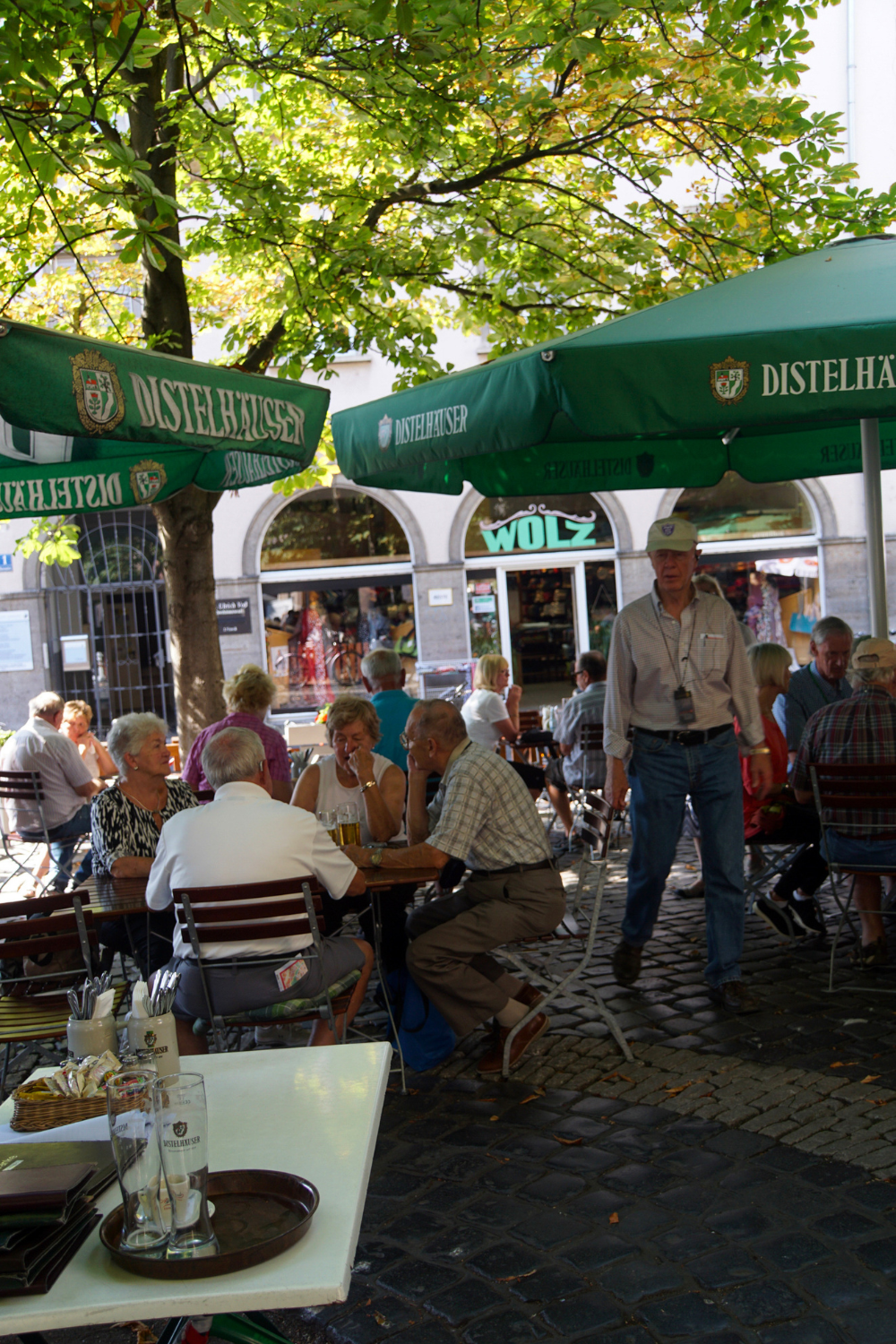
German beer gardens (Biergärten) are magical places, especially in Bavaria, but they operate according to specific customs that you’ll want to understand to avoid looking clueless.
First, seating matters. Tables with tablecloths are service areas where you order from waitstaff. Plain wooden tables, usually near the self-service food and drink counters, are fair game for bringing your own food — yes, really. This tradition dates back centuries, and you’ll see locals showing up with elaborate picnics to enjoy with their purchased beer.
Second, the Maß (one liter mug) is standard in Bavaria, and you’re expected to be able to handle it. Ordering a small beer marks you as either a lightweight or a tourist. Third, communal seating is normal. Don’t be surprised if strangers sit at your table when space is tight — this is part of the beer garden experience and often leads to great conversations.
The atmosphere in a proper beer garden on a sunny afternoon is unmatched — chestnut trees providing shade, the sound of conversation and laughter, pretzels the size of dinner plates, and that particular quality of German gemütlichkeit (coziness) that’s hard to describe but unmistakable when you experience it.
Local tip: In traditional beer gardens, you can bring your own food but must buy drinks on-site. Come with a picnic blanket, some cheese and sausages from the market, and enjoy. Also, “Prost!” is the standard toast, and it’s considered bad luck not to make eye contact when clinking glasses.
12. Castle Hopping Requires Strategy
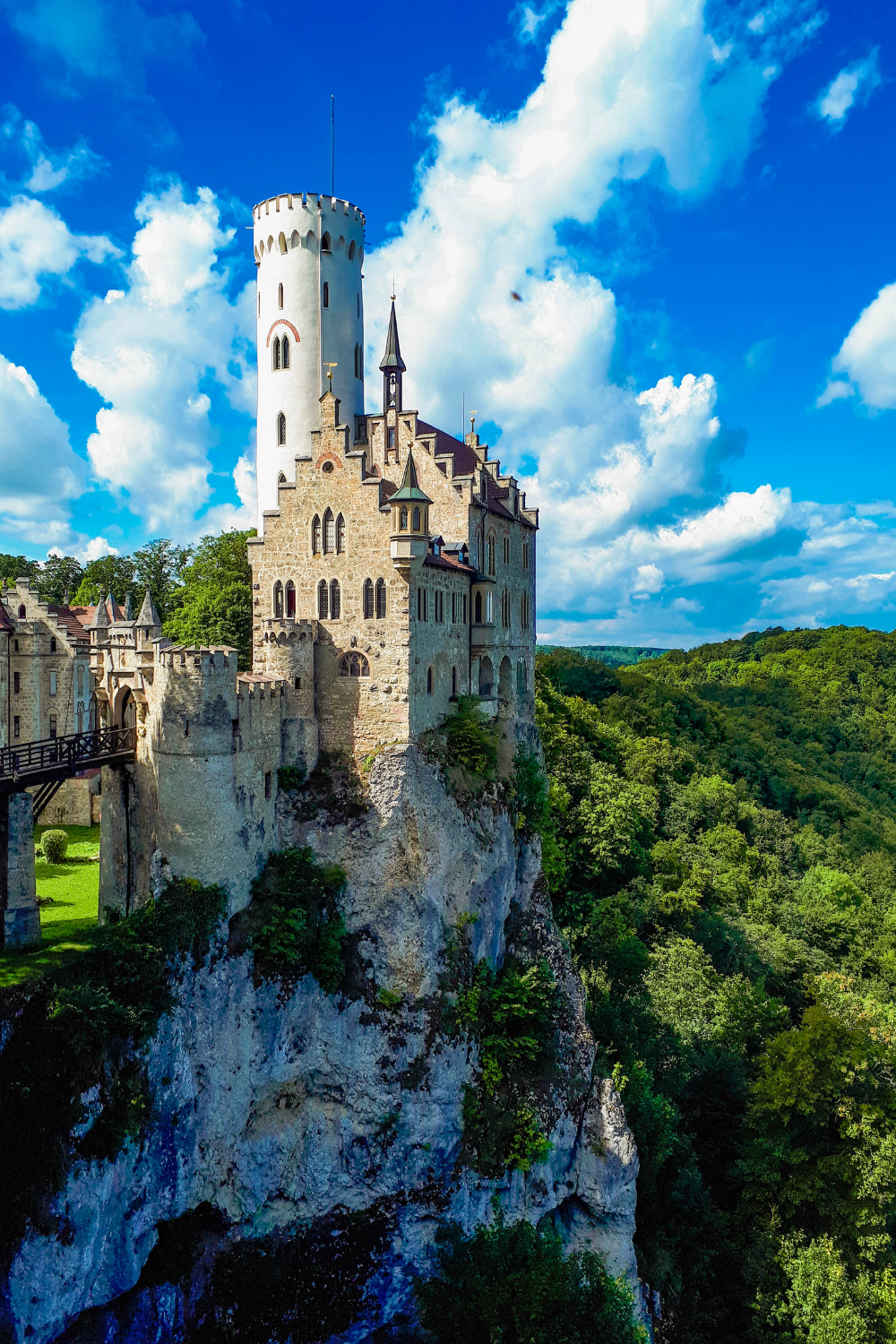
Germany has over 20,000 castles and castle ruins, which sounds amazing until you realize you need a strategy or you’ll exhaust yourself trying to see them all. Not all castles are created equal, and some famous ones are tourist traps while lesser-known gems offer better experiences.
Neuschwanstein gets all the attention as the “Disney castle,” and yes, it’s spectacular. But it’s also mobbed with tourists, requires advance booking, and the tour feels rushed. I actually preferred Hohenzollern Castle in Baden-Württemberg, which is equally dramatic but far less crowded, or the medieval authenticity of Burg Eltz in the Rhineland, hidden in a forest valley and still owned by the same family after 33 generations.
Many castles are ruins, which can be more atmospheric than the restored versions. The Rhine Valley is packed with castle ruins overlooking the river, each with its own legends and history. You can hike between several in a day, stopping in wine villages between climbs.
Local tip: If you’re determined to visit Neuschwanstein, book tickets online weeks in advance and arrive at the meeting point early. The surrounding area is actually more beautiful than the castle itself, so spend time hiking around Alpsee lake and enjoying the Bavarian Alps setting that makes the castle so photogenic.
13. The Autobahn Isn’t a Free-for-All
Yes, parts of the Autobahn have no speed limit, and yes, that’s as thrilling as it sounds. But treating it like a lawless racing circuit will get you killed, fined, or both.
The Autobahn operates on strict lane discipline. The right lane is for normal driving, middle lanes for passing, and the left lane is sacred — it’s for passing only, and if someone faster approaches behind you, you move right immediately. Germans take this seriously, and sitting in the left lane will earn you aggressive flashing lights and tailgating.
Speed limits do exist in many sections, especially near cities, construction zones, and dangerous curves. These are enforced with cameras and serious fines. Weather conditions can also impose temporary limits displayed on overhead signs, which are legally binding. And even on unlimited sections, there’s an advisory speed of 130 km/h (about 80 mph), which matters for insurance purposes if you crash while going faster.
I rented a car for a week and the Autobahn experience was genuinely exhilarating, but it demands constant attention. The speed differential between lanes can be extreme — you might be cruising at 130 km/h while someone passes you at 200+ km/h.
Local tip: If you’re not comfortable with high-speed driving, stick to the right lane and don’t feel pressured. Many Germans drive at moderate speeds too. Also, get full insurance coverage — the Autobahn is safe statistically, but when accidents happen at high speeds, they’re expensive.
14. Christmas Markets Are Worth the Hype (But Timing Matters)
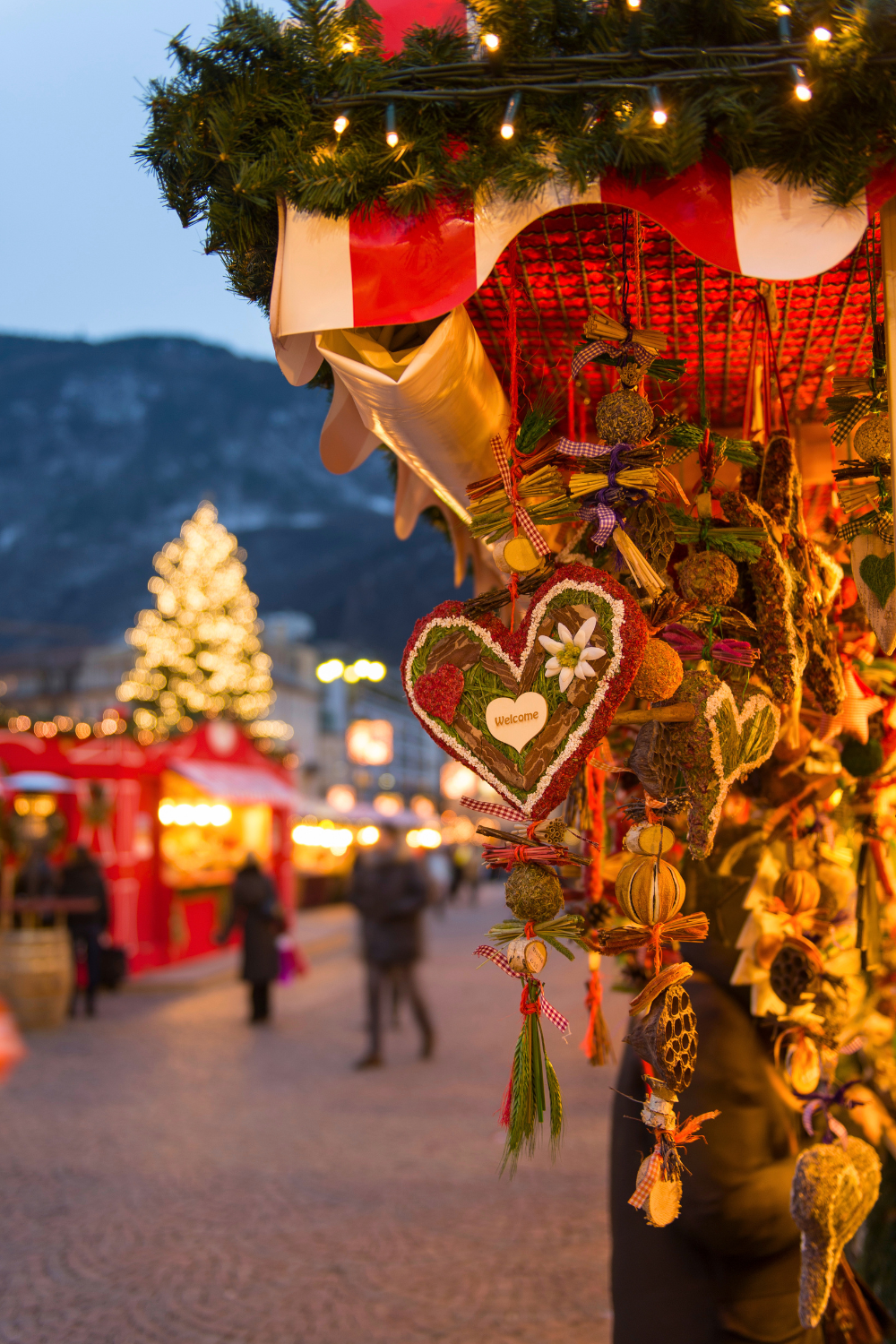
German Christmas markets (Weihnachtsmärkte) live up to their reputation as magical winter experiences, but you need to time your visit right and know which ones to prioritize.
The markets typically run from late November through December, shutting down on Christmas Eve or Christmas Day. Early December offers a sweet spot — festive atmosphere without the crushing crowds of the final week. I visited Nuremberg’s Christkindlesmarkt in early December and could actually move through the stalls, smell the roasted almonds and glühwein (mulled wine), and soak in the atmosphere without being elbowed constantly.
Each city’s market has its own character. Nuremberg is traditional and famous for its gingerbread and bratwurst. Dresden has the historic Striezelmarkt, Germany’s oldest. Cologne’s market spreads across multiple locations, with the cathedral providing a stunning backdrop. Smaller towns often have more authentic, less touristy markets where locals actually shop.
The food is half the experience: Lebkuchen (gingerbread), Stollen (fruit bread), Bratwurst, Reibekuchen (potato pancakes), roasted chestnuts, and of course glühwein served in decorative mugs that you can keep as souvenirs if you pay a deposit.
Local tip: The glühwein mug deposit (Pfand) is usually 3-5 euros. You can return the mug for your money back, but the mugs make great souvenirs and each market has unique designs. I collected several and they’re now my favorite Christmas decorations, each one bringing back specific memories.
15. Regional Differences Run Deep
I can’t stress this enough: Germany is not monolithic. The cultural, linguistic, and culinary differences between regions are profound, and understanding this will completely change your experience.
Bavaria in the south is what many people picture when they think of Germany — lederhosen, beer halls, Alpine scenery, and a conservative, traditional culture. But Berlin is edgy, artsy, politically liberal, and multicultural. Hamburg has a maritime culture and considers itself sophisticated and international. The Rhineland is Catholic and carnival-loving, while northern Germany is more Protestant and reserved.
Even the language varies dramatically. A Bavarian speaking dialect and a northern German speaking Plattdeutsch might struggle to understand each other. The food changes completely too — Bavaria loves pork and dumplings, the north favors fish and potatoes, the southwest has spätzle and Maultaschen influenced by neighboring France and Switzerland.
I spent two months traveling through different regions and felt like I was experiencing different countries. The efficiency and orderliness remain constant, but nearly everything else shifts. This diversity is Germany’s greatest asset as a travel destination — you can visit multiple times and have completely different experiences.
Local tip: Don’t try to see all of Germany in one trip unless you have weeks. Pick a region or two and explore them properly. I’d rather spend a week deeply experiencing Bavaria than rush through six regions checking boxes. Germany rewards slow, immersive travel.
16. Accommodation Check-In Times Are Strict
German accommodation, whether hotels, hostels, or vacation rentals, tends to have rigid check-in times, and showing up outside those windows can be genuinely problematic.
Unlike many countries where hotels have 24-hour reception, smaller German hotels and pensions often have limited desk hours. Vacation rental hosts typically offer specific check-in windows and may not be available outside those times. I learned this when I arrived at a small hotel in Rothenburg at 8 PM, past their 6 PM reception closing time, and found myself locked out with no immediate way to contact anyone.
This isn’t hostility — it’s just how things work. Many smaller accommodations are family-run, and the owners have lives beyond waiting for late arrivals. They expect you to communicate your arrival time and stick to it, or to make alternative arrangements if your plans change.
Local tip: Always confirm your arrival time in advance, especially if you’re arriving late or at an unusual hour. Many places will arrange key pickup from a lockbox or neighbor if you communicate ahead of time, but showing up unannounced outside business hours is a recipe for stress.
Planning Your German Adventure
The best time to visit Germany depends on what you’re after. Summer (June-August) offers the best weather and longest days, but also the biggest crowds and highest prices. I’m partial to late spring (May-early June) when everything blooms and the weather is pleasant without the peak season chaos, or early fall (September-October) when the summer crowds thin, temperatures cool but remain comfortable, and the wine regions celebrate harvest season.
Winter has its own magic if you’re there for Christmas markets, but be prepared for short days, cold weather, and some attractions operating on reduced schedules. January-February are the cheapest and quietest times to visit, but many things close and the weather can be genuinely grim.
For a first visit, I’d suggest two weeks minimum to see highlights without feeling rushed. A northern route might include Berlin, Hamburg, and the Baltic coast. A southern route could cover Munich, the Bavarian Alps, and the Black Forest. Or combine both with train connections. The country is compact enough that you can cover significant ground, but remember — Germany rewards depth over breadth.
Germany challenged my assumptions about travel in the best possible ways. It taught me that efficiency and warmth aren’t mutually exclusive, that rules can create freedom rather than restrict it, and that some of the best travel experiences come from embracing rather than fighting local customs. The country has a way of getting under your skin — you’ll leave planning your return before your first visit even ends. And when you do come back (and you will), you’ll find there’s always another region to explore, another castle to discover, another local tradition to experience. That’s the thing about Germany — it reveals itself slowly, rewarding curiosity and respect with experiences that stick with you long after you’ve returned home.

