
I’ll never forget stepping off the train at Gare du Nord for the first time, armed with a phrasebook I’d never opened and romantic notions gleaned entirely from Amélie and midnight viewings of Before Sunset. Within two hours, I’d been scowled at by a waiter, nearly trampled on the metro, and discovered that my high school French was absolutely useless. I also fell completely, hopelessly in love with the city.
Paris doesn’t make it easy on you, and that’s part of its charm. But knowing what I know now—after countless trips back, a summer living in the 11th arrondissement, and enough croissants to require an entirely new wardrobe—I wish someone had sat me down before that first visit and given me the real story. Not the Instagram version, but the actual, practical, sometimes unglamorous truth about visiting the world’s most mythologized city.
So consider this that conversation. These are the things I genuinely wish I’d known before traveling to Paris—the stuff that would have saved me money, time, embarrassment, and at least one argument with a taxi driver.
Before We Get Started: Managing Your Expectations
Here’s the thing about Paris that no one really tells you: it’s simultaneously exactly what you expect and nothing like you imagined. Yes, it’s stunningly beautiful. Yes, you’ll round a corner and gasp at some perfectly framed Haussmannian boulevard. But it’s also grittier, smaller, more lived-in, and far less accommodating to tourists than you might think.
And that’s actually wonderful. Paris is a real city where real people live real lives, not a theme park version of itself. The sooner you embrace that—the dog poop on sidewalks, the occasional surliness, the restaurants that close when they feel like it—the sooner you’ll stop being frustrated and start falling in love.
The French have a saying: “Paris n’est pas la France, et la France n’est pas Paris” (Paris isn’t France, and France isn’t Paris). Remember that. This city operates by its own rules, keeps its own hours, and doesn’t particularly care whether you’re having a good time. Your job is to have one anyway.
1. The Metro Is Your Best Friend (Once You Understand It)
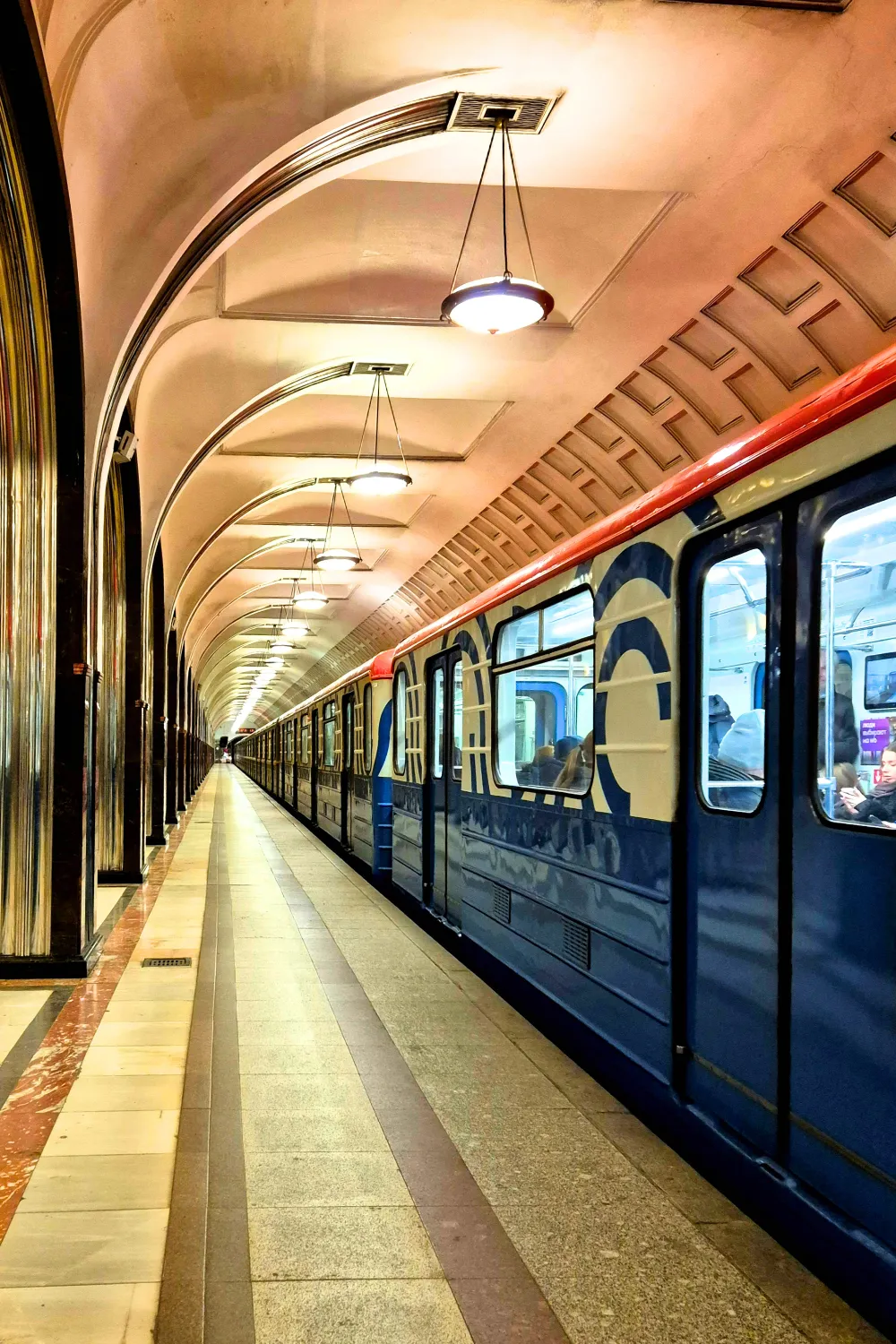
Let me be honest with you: the Paris metro smells weird, gets uncomfortably crowded, and during summer becomes a mobile sauna. It’s also an absolute marvel and the key to unlocking the entire city.
I wasted so much money on taxis during my first trip because I was intimidated by the metro map. That spiderweb of colored lines looks chaotic, but it’s actually brilliantly logical. Each line has a number and a color, and you navigate by the final stop in your direction, not by compass directions. Once this clicks, you’ll feel like a genius.
The metro runs roughly from 5:30 AM to 1:15 AM (later on weekends), and you can get practically anywhere in central Paris within 30 minutes. Buy a carnet (pack of 10 tickets) or load up a Navigo Découverte card if you’re staying a week—it’s infinitely cheaper than buying single tickets. And please, please keep your ticket until you fully exit the station. The fine for not having one is €50, and inspectors love targeting tourists.
Local tip: Download the Citymapper or RATP app before you arrive. They work offline if you download the Paris map, and they’ll tell you which metro car to board so you exit right at the stairs on your platform. This sounds minor until you’re hauling luggage through endless underground corridors.
2. You Actually Don’t Need to Speak Perfect French (But Learn These Five Phrases)
The myth of the rude Parisian who refuses to speak English is both true and completely false. Yes, some Parisians can be brusque if you launch into English without preamble. But start with “Bonjour” and attempt even the most mangled French, and you’ll be amazed how quickly people warm up.
I’ve found that Parisians aren’t actually rude—they just value formality and manners differently. Always, always say “Bonjour” when entering a shop, restaurant, or even getting into a taxi. Say “S’il vous plaît” (please) and “Merci” (thank you) liberally. If you need to ask something in English, start with “Pardon, parlez-vous anglais?” rather than just assuming.
These five phrases will carry you surprisingly far: “Bonjour” (hello), “S’il vous plaît” (please), “Merci” (thank you), “Pardon” (excuse me/sorry), and “L’addition, s’il vous plaît” (the check, please). That’s it. You don’t need to be fluent. You just need to be polite.
Local tip: When you walk into a boulangerie, greet the person behind the counter before pointing at what you want. I know it feels awkward, but jumping straight to your order without acknowledging them as a human first is considered incredibly rude. This one change transformed my interactions.
3. Tipping Works Completely Differently
This one surprised me because I’d read conflicting information everywhere. Here’s the actual deal: service is included in French restaurant bills by law. When you see “service compris” on the menu, that means your server is already being paid—you’re not subsidizing their wage like in the US.
That said, it’s customary to leave small change if you had decent service—maybe round up a couple euros, or leave 5-10% for exceptional service. At a café, leave the coins from your change. At a nice dinner, €5-10 is generous. But 20%? That marks you as a tourist who doesn’t understand the system, and it’s actually a bit awkward.
For taxis, round up to the nearest euro or two. For hotel porters, €1-2 per bag. For housekeeping, €1-2 per night if you’re feeling generous, but it’s not expected. The whole system is just more low-key and less transactional than you might be used to.
Local tip: If you’re paying by card, the server will bring the card machine to your table. There usually isn’t a line to add a tip on the receipt—if you want to tip, tell them the total you want to pay before they run the card, or leave cash on the table.
4. Restaurant Hours Are Non-Negotiable
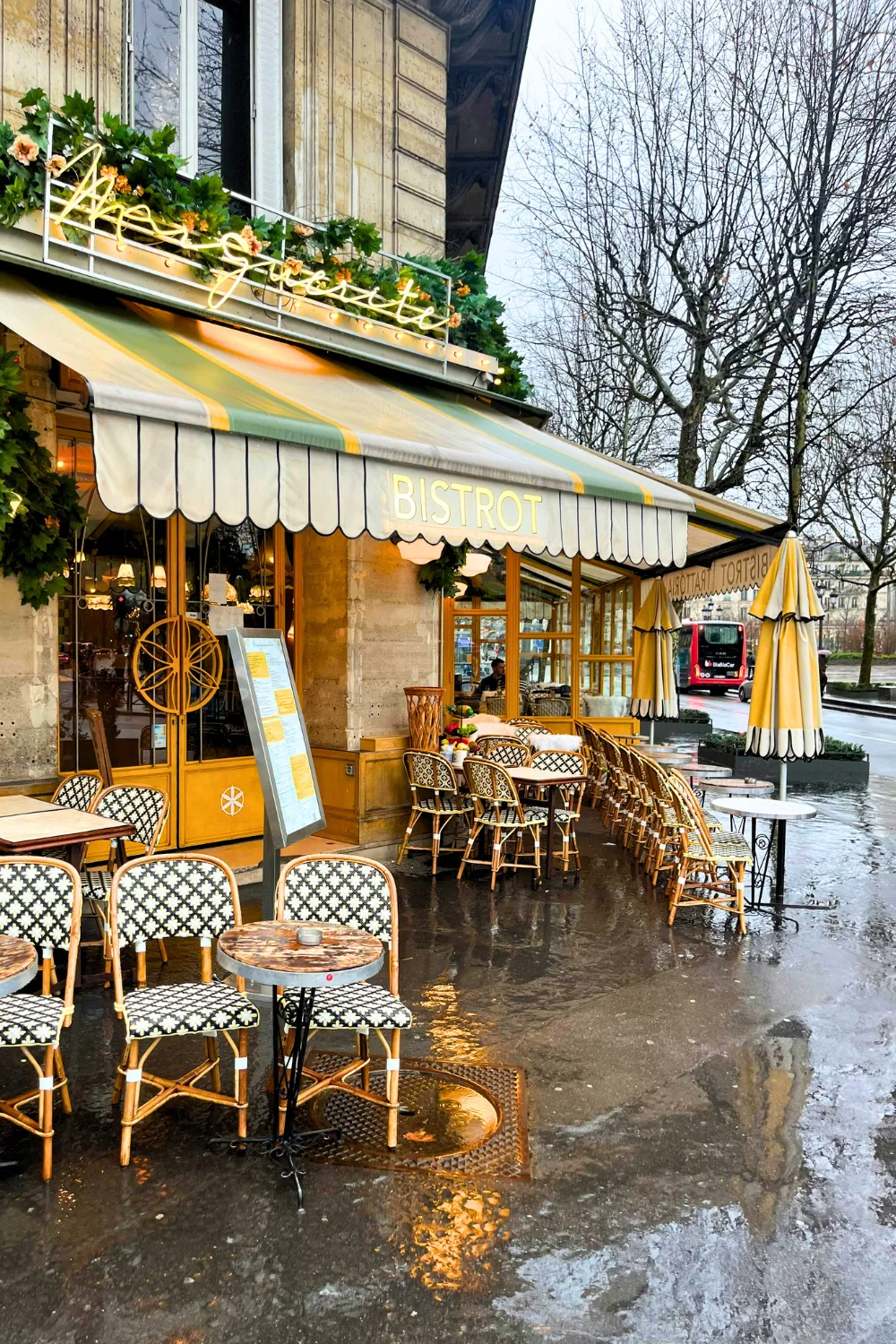
I learned this the hard way when I tried to get dinner at 5:30 PM, wandering around a beautiful neighborhood with my stomach growling, finding every single restaurant closed. In Paris, lunch is roughly noon to 2:30 PM, and dinner starts at 7:30 PM at the earliest—though Parisians typically eat closer to 8:30 or 9 PM.
Outside those windows, you’re looking at cafés or the occasional brasserie that serves all day. But that charming bistro you wanted to try? If you show up at 4 PM, you’ll find locked doors and stacked chairs. Plan accordingly, or embrace the café culture and snack your way through the afternoon.
The flip side is that Parisian restaurants take their time seriously. Dinner isn’t a quick in-and-out affair—it’s a two or three-hour experience. Your server won’t bring the check until you explicitly ask for it, because rushing you out is considered rude. I’ve grown to love this pace, but it startled me initially.
Local tip: If you’re genuinely hungry outside restaurant hours, head to a café and order a croque-monsieur or a salade composée. These are available most of the day and will tide you over. Or do what locals do and hit up a boulangerie for a jambon-beurre (ham and butter baguette)—simple, perfect, and available whenever they’re open.
5. The Eiffel Tower Is Worth It (But Strategic Timing Matters)
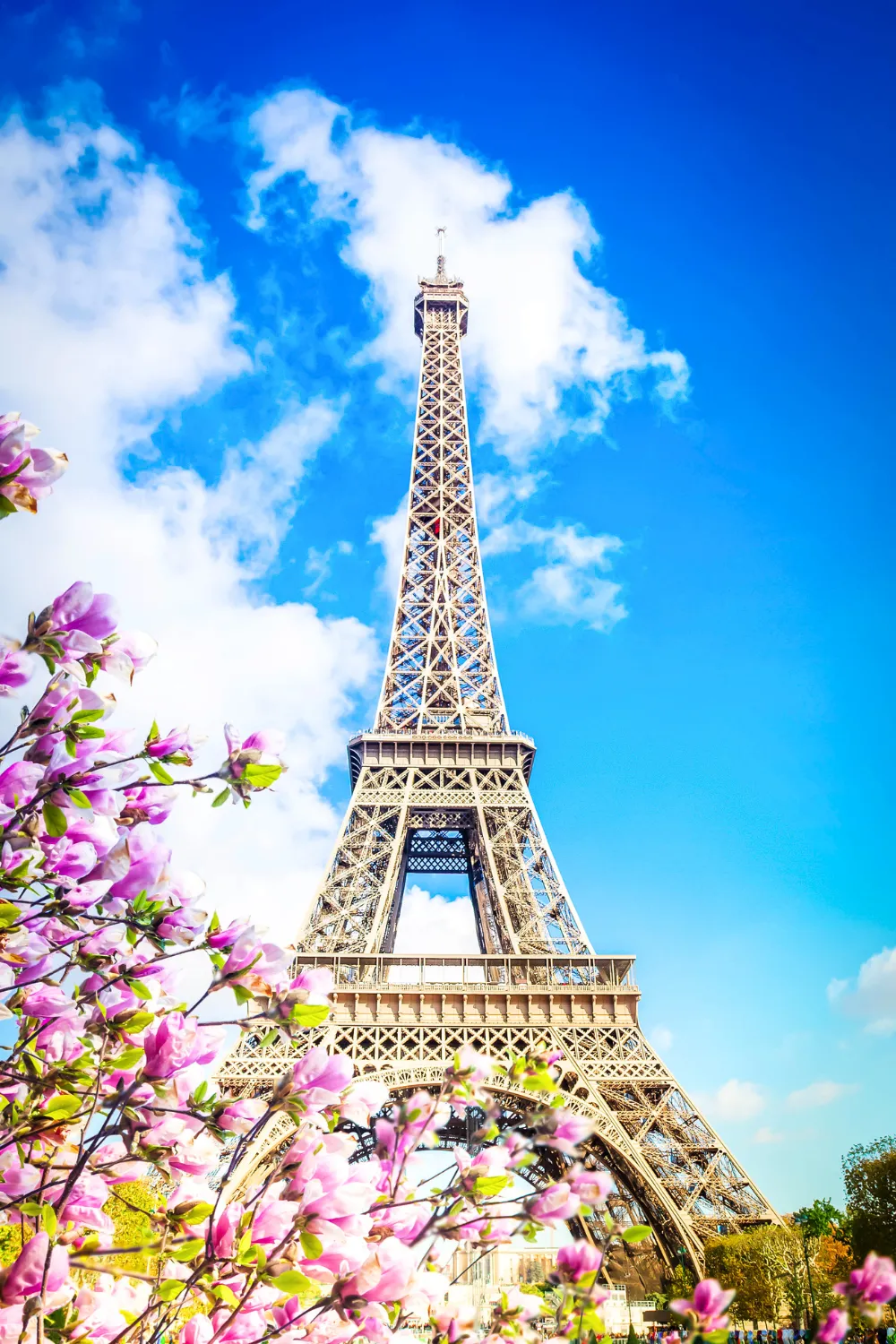
I know, I know—it’s the ultimate tourist cliché. But having climbed it, viewed it from every angle, and watched it sparkle from countless vantage points, I’m telling you: the Eiffel Tower really is that good. It’s iconic for a reason, and you shouldn’t skip it out of some misguided attempt to be an “authentic” traveler.
That said, go at the right time. Midday in summer means two-hour queues in blazing sun. Instead, book tickets online weeks in advance for early morning or evening slots. Or—and this is my preferred method—climb the stairs to the second level. It’s cheaper, there’s rarely a queue, and you get the experience of ascending through the iron lattice, which is honestly cooler than the elevator.
The tower sparkles for five minutes every hour after dark, and watching this from Trocadéro or the Champ de Mars is genuinely magical. Yes, along with ten thousand other people, but sometimes the touristy thing is touristy because it’s wonderful.
Local tip: For the best view of Paris, don’t go to the top of the Eiffel Tower—go to the second level. The top is often cloudy or so high that details blur. The second level gives you that perfect overview where you can still make out individual landmarks. Plus, there’s a champagne bar.
6. Pickpockets Are Real, But Don’t Let Fear Ruin Your Trip
I’ve been pickpocketed exactly once in Paris, on a packed metro during rush hour. I felt the hand in my bag, spun around, and the guy vanished into the crowd with nothing because I’d followed basic precautions. It happens, it’s annoying, but it’s also preventable with common sense.
The key areas are obvious tourist spots: the Eiffel Tower, Sacré-Cœur, the metro (especially lines 1 and 4), and anywhere crowded. The classic scams involve “found” gold rings, petition signers who surround you, and the friendship bracelet guys at Sacré-Cœur who tie something on your wrist then demand payment.
Keep your bag in front of you on the metro. Don’t put your phone on restaurant tables. Use a crossbody bag with zippers, not a backpack. Don’t keep your wallet in your back pocket. Honestly, this is just travel 101 for any major city—Paris isn’t uniquely dangerous, it’s just a place where tourists concentrate and therefore pickpockets do too.
Local tip: If someone approaches you with a “survey” or petition near major monuments, just say “Non merci” firmly and keep walking. Don’t engage, don’t make eye contact, don’t explain. The scam relies on you stopping and being polite. Your politeness is for shopkeepers and waiters, not for street scammers.
7. Museums Require Planning (And Sometimes Free Entry)
The Louvre, Musée d’Orsay, Rodin, Picasso, Orangerie—Paris has world-class museums that could consume your entire trip. But walking up to the Louvre at 11 AM in July without a ticket will result in a two-hour queue and a very bad mood.
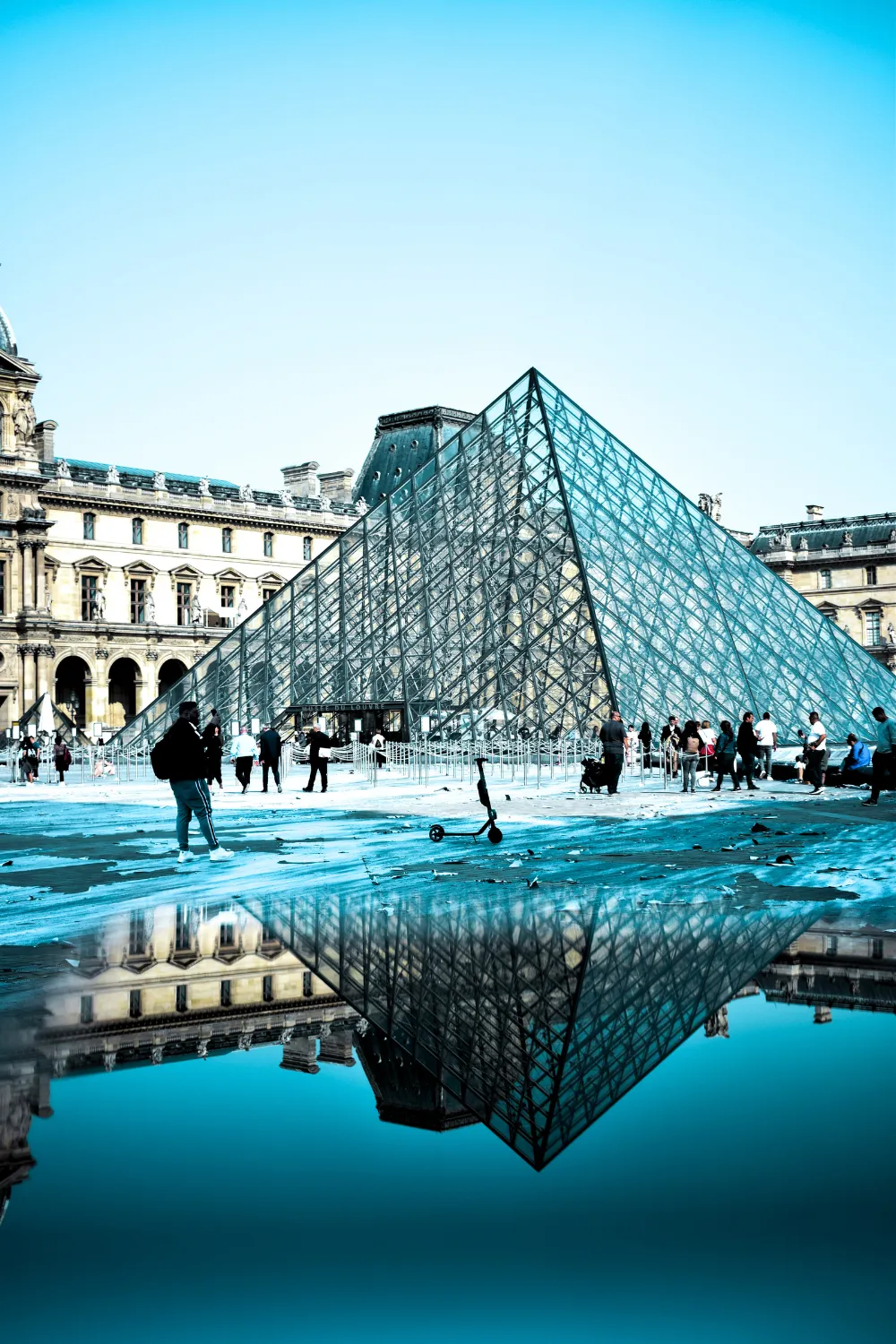
Book museum tickets online in advance. For the Louvre, get a timed entry ticket and enter through the Porte des Lions entrance instead of the pyramid—same museum, fraction of the queue. The Musée d’Orsay is my personal favorite, less overwhelming than the Louvre, with an incredible Impressionist collection and that stunning Beaux-Arts architecture.
Here’s something wonderful: most Paris museums are free on the first Sunday of each month (some only in winter). The Louvre, Orsay, Rodin, Picasso—all free if you time it right. Yes, they’re more crowded, but arrive right when they open and you’ll have a window of relative calm.
Local tip: The Paris Museum Pass can be worth it if you’re a museum person, but do the math first. It’s only valuable if you’re hitting 4+ museums in 2-4 days. For most people, booking individual tickets online for your top two or three museums makes more sense and doesn’t create pressure to museum-marathon just to get your money’s worth.
8. Parisian Apartments Are Tiny (And Often on the Sixth Floor)
My first Paris Airbnb was listed as “charming” and “authentic,” which I learned means “the shower is in a closet and the ceiling is so low you’ll hit your head.” French building standards are different, and what’s considered a normal apartment in Paris would be a closet in Texas.
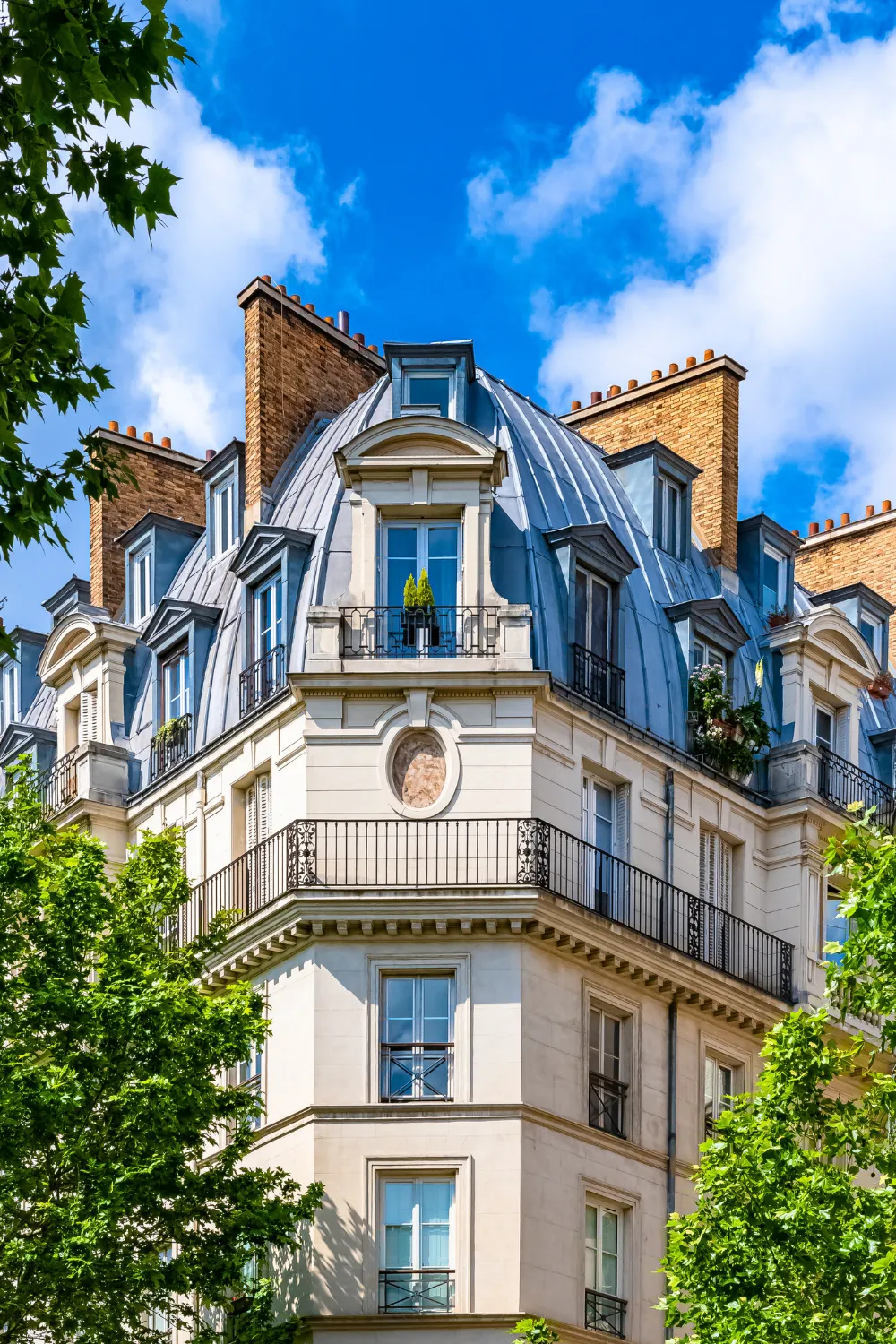
Also, many buildings don’t have elevators, or have tiny elevators that fit one person and maybe half a suitcase. That “romantic sixth-floor walkup” sounds charming until you’re hauling luggage up a spiral staircase. I’m not saying don’t book these places—they’re often cheaper and full of character—just know what you’re getting into.
The trade-off is that you’re living like an actual Parisian, often in neighborhoods where tourists don’t concentrate, with a boulangerie downstairs and a local market around the corner. I’ve grown to prefer this to sterile hotels, but it requires adjusting your expectations.
Local tip: If you’re booking an apartment, message the host and ask specifically about elevator access and how many floors up. “Third floor” in France means four floors up from American ground level (they count differently). Also ask about air conditioning—most apartments don’t have it, which is fine in spring but brutal in July.
9. The Best Food Isn’t Where You Think
The best meal I’ve had in Paris wasn’t at some Michelin-starred temple to gastronomy—it was at a tiny neighborhood bistro in the 11th where I was the only non-French person, the menu was handwritten, and the waiter spoke zero English. It cost €18 for three courses and a glass of wine, and I still dream about that duck confit.
Tourist-area restaurants (I’m looking at you, Rue de la Huchette) are almost universally mediocre and overpriced. If you see menus in five languages with photos, keep walking. Look for places where the menu is only in French, where locals are eating, where there’s no one outside trying to lure you in.
My rule of thumb: walk at least five blocks away from any major monument before choosing a restaurant. Better yet, eat in residential neighborhoods like the 10th, 11th, 12th, or 20th arrondissements, where restaurants cater to locals who eat there regularly, not tourists passing through once.
Local tip: The “formule” or “menu du jour” (daily menu) at lunch is the secret to eating well cheaply in Paris. Most bistros offer a two or three-course prix fixe lunch for €15-25 that would cost twice that at dinner. Same kitchen, same quality, better value. This is when Parisians eat out during the week.
10. You Can’t See Everything (So Don’t Try)
First-time visitors try to cram in the Louvre, Versailles, the Eiffel Tower, Notre-Dame, Sacré-Cœur, the Catacombs, and a river cruise all in three days, then wonder why they’re exhausted and miserable. Paris isn’t a checklist—it’s a city to experience, to wander, to sit in cafés and watch.
I’ve had magical Paris days where I “did” almost nothing: wandered the Marais, sat in the Jardin du Luxembourg reading, got lost in the Latin Quarter, had a long lunch, browsed Shakespeare and Company. No major monuments, no museums, just soaking in the atmosphere. Those days are often more memorable than the monument-marathon ones.
Pick your top three or four must-sees, book those in advance, and leave the rest of your time loose. Paris rewards wandering. Some of my best discoveries—a hidden courtyard, a perfect croissant, a vintage shop, a jazz bar—came from having nowhere to be and just exploring.
Local tip: Build in “café time” to your daily schedule. Find a café with a good people-watching corner, order a coffee or glass of wine, and just sit for an hour. This isn’t wasting time—this is doing Paris correctly. You’ll notice the waiter never rushes you, because this is what cafés are for.
11. The Seine Isn’t Just for Cruises
Yes, the bateaux-mouches (river cruise boats) are fun, and I’ve done them. But the Seine offers so much more than tourist cruises. In summer, the Paris Plages program transforms sections of the riverbank into artificial beaches with sand, loungers, and activities—completely free and packed with Parisians.
The bouquinistes (the green book stalls along the river) have been there since the 16th century, selling used books, vintage posters, and prints. They’re touristy, sure, but also genuinely charming, and you can find real treasures if you browse. I’ve bought antique maps and first-edition French novels for a few euros.
But my favorite Seine activity is the simplest: grab wine and snacks from a supermarché, and join the Parisians sitting along the river at sunset. The quais by Île Saint-Louis, the banks near Pont des Arts, the steps at Port de l’Arsenal—these fill up with locals drinking wine, chatting, and watching the light change. It’s free, it’s authentic, and it’s utterly Parisian.
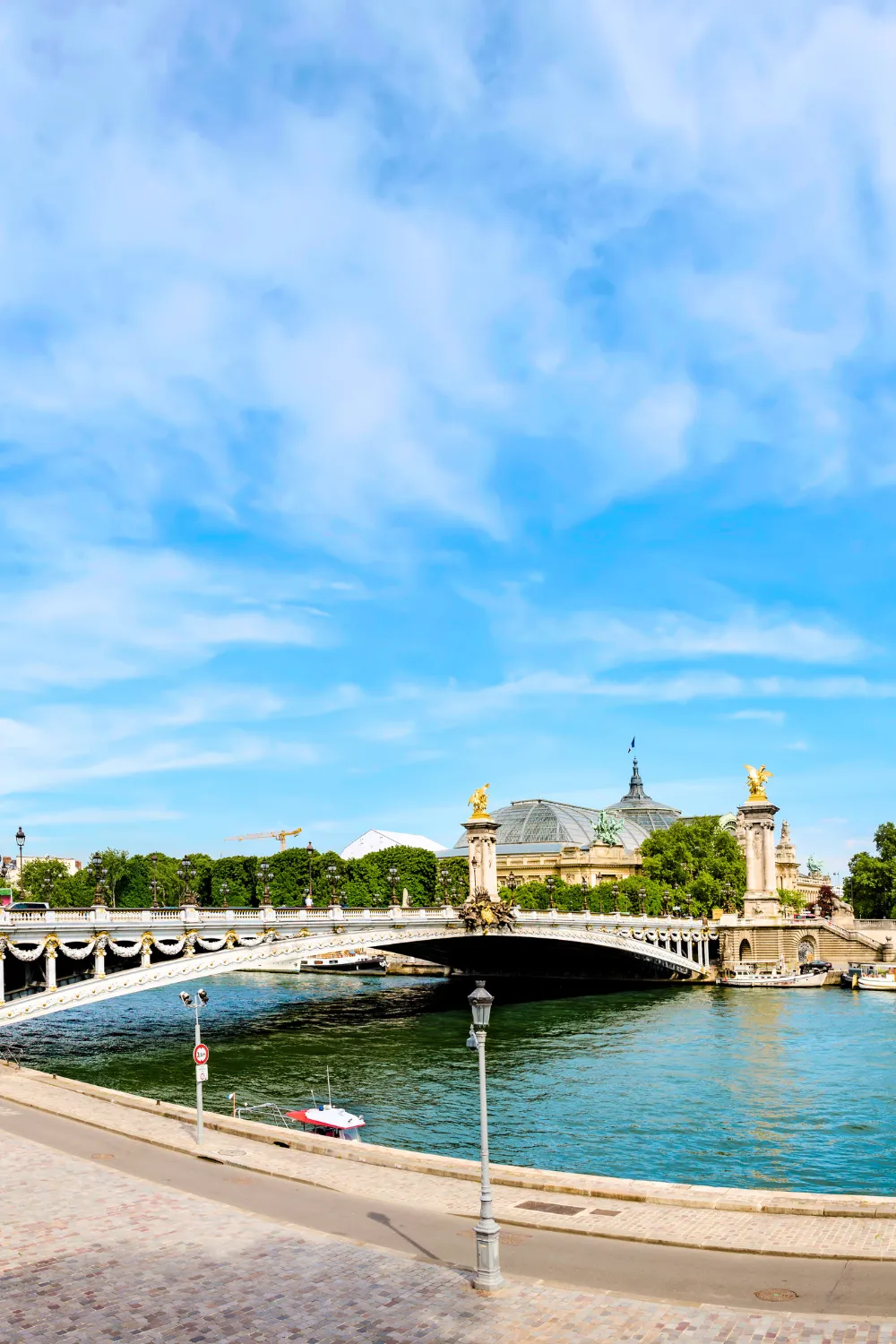
Local tip: For the best sunset views, head to Pont Alexandre III (the most beautiful bridge in Paris, with those golden statues) or walk along the Left Bank from Musée d’Orsay toward the Eiffel Tower. The light on the Seine around 8 PM in summer is pure magic, and you’ll understand why the Impressionists were obsessed.
12. Versailles Deserves a Full Day (Or Skip It)
Versailles is extraordinary—genuinely one of the most opulent, excessive, jaw-dropping places you’ll ever visit. But it’s also exhausting, crowded, and a half-day trip from Paris becomes a full-day affair once you factor in travel and queues.
If you go, commit to it properly. Book a timed palace entry ticket online (the queues for ticket buyers are insane), get there right when it opens, and plan to spend 4-5 hours minimum. The palace is stunning but mobbed; the real joy is the gardens, which are vast enough to escape the crowds. Rent a golf cart or bikes to explore, or just walk and find quiet corners.
But here’s my honest take: if you only have three or four days in Paris, I’d skip Versailles and save it for your next trip. You’ll spend half a day traveling and queuing for something that, while impressive, takes you away from Paris itself. There’s an argument for spending that time in Montmartre, the Marais, or a neighborhood you haven’t explored yet.
Local tip: If you do go to Versailles, bring a picnic and eat in the gardens rather than the overpriced on-site cafeterias. There’s a Monoprix supermarket near the RER station where you can grab supplies. Also, the gardens are free except on fountain show days (Saturdays and Sundays in high season), when they’re more crowded but admittedly more spectacular.
13. Montmartre Is Touristy for a Reason
Sacré-Cœur and the Place du Tertre are absolutely mobbed with tourists, portrait artists, and scammers. The steps of Sacré-Cœur are pickpocket central. Everything is overpriced. And yet, Montmartre is still magical if you know where to look.
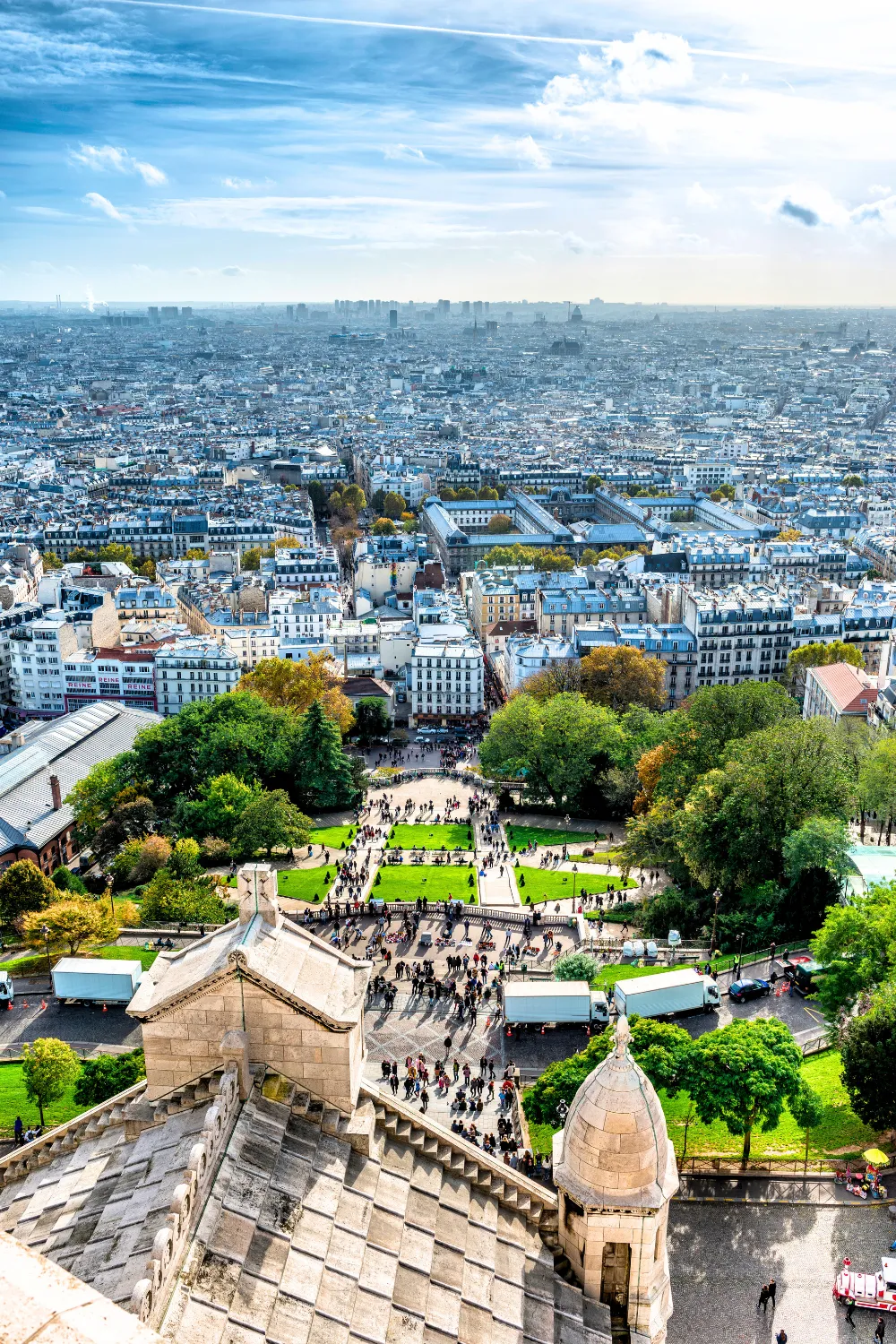
Venture away from the main drags into the quiet residential streets—Rue Lepic, Rue des Abbesses, the little staircases and passages. This is where Montmartre reveals itself: village-like, charming, with the best views in Paris from spots tourists never find. The Musée de Montmartre has a lovely garden and shows you what the neighborhood was like when Renoir and Toulouse-Lautrec lived here.
Go early morning before the crowds arrive, or late evening when they’ve left. Watch sunset from the steps of Sacré-Cœur (keep your belongings close), then wander the lamplit streets and find a local bistro for dinner. Evening Montmartre is completely different from midday Montmartre.
Local tip: Skip the overpriced restaurants on Place du Tertre and walk two minutes to Rue Lepic or Rue des Abbesses, where you’ll find actual neighborhood restaurants with half the prices and twice the quality. Le Relais Gascon does enormous salads and duck confit, and there’s always a wait because locals know it’s good.
14. The Marais Is Where I’d Live
If I could afford to live anywhere in Paris (I cannot), it would be the Marais. This neighborhood has everything: medieval streets and 17th-century mansions, the Jewish quarter with incredible falafel, the gay district with vibrant nightlife, vintage shops, contemporary art galleries, and some of the best food in the city.
Start at Place des Vosges, Paris’s oldest planned square and still one of its most beautiful. Have lunch at L’As du Fallafel (yes, there’s a queue, but yes, it’s worth it—get it to go and eat in a park). Browse the vintage shops on Rue de la Verrerie and Rue des Rosiers. Visit the Picasso Museum or the Carnavalet (Paris history museum, recently renovated and free).
The Marais is also where I send people who want great food without the tourist markup. Rue des Martyrs, Rue Bretagne near the Marché des Enfants Rouges (Paris’s oldest covered market), the streets around Rue de Turenne—these are packed with bakeries, wine bars, cheese shops, and restaurants that serve locals every day.
Local tip: Sunday in the Marais is special because most Paris shops are closed on Sundays, but the Marais (particularly the Jewish quarter) is lively and open. It’s one of the best days to explore this neighborhood, have brunch, and browse the shops. Just know the metro can be extra crowded with Parisians also heading there.
15. Day Trips Exist, But Paris Itself Could Fill Weeks
People often ask about day trips to the Loire Valley, Giverny, Champagne, or Normandy. These are all wonderful, and if you have a week or more in Paris, absolutely consider them. But I’ve watched too many people spend half their short Paris trip on day trips, then leave feeling like they barely scratched the surface of the city.
Paris has 20 arrondissements, dozens of distinct neighborhoods, over 130 museums, countless markets, parks, and hidden corners. I’ve been dozens of times and still haven’t exhausted it. So if you only have a few days, I’d argue for going deep in Paris rather than broad across the region.
That said, Giverny (Monet’s house and gardens) is spectacular if you love Impressionism and can go when the flowers are blooming (April-October). It’s an easy train ride, manageable as a half-day trip, and genuinely magical. Just book ahead because capacity is limited.
Local tip: If you want an easy, beautiful escape from Paris without a full day trip, take the metro to Parc des Buttes-Chaumont in the 19th arrondissement. It’s a stunning park with cliffs, a waterfall, a temple on an island, and views across Paris. Parisians picnic here; tourists rarely make it this far. Pack wine and cheese, and spend an afternoon like a local.
16. The Latin Quarter Is More Than the Panthéon
The Latin Quarter gets dismissed as touristy, and parts of it absolutely are (Rue de la Huchette is a tourist trap). But this is also the intellectual heart of Paris, home to the Sorbonne, Shakespeare and Company bookshop, the Panthéon, and some of the city’s most atmospheric streets.
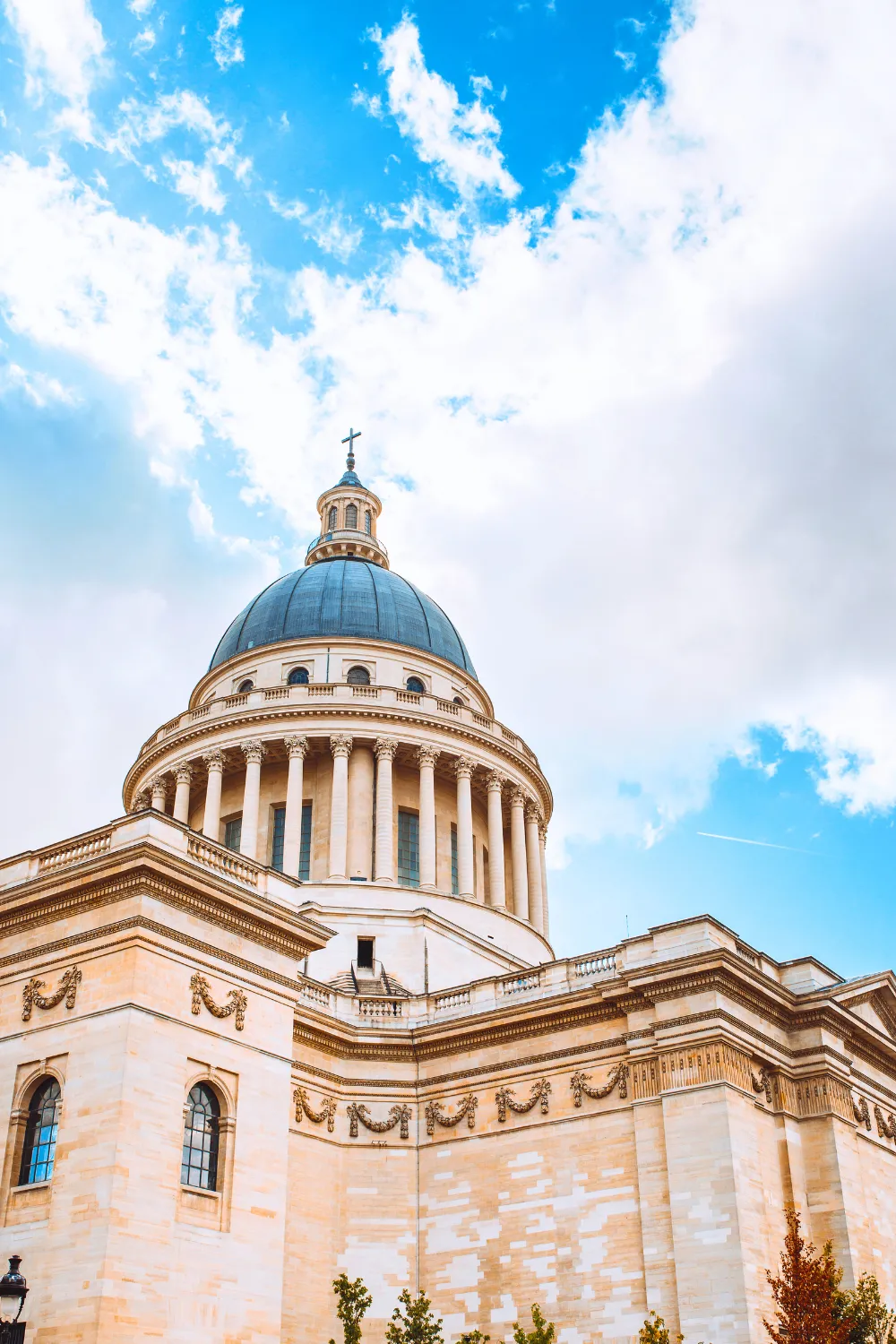
I love wandering Rue Mouffetard, one of Paris’s oldest market streets, which still has food shops, cafés, and a daily market. The Jardin des Plantes is a lovely botanical garden with a small zoo and natural history museum—far less crowded than the Tuileries. And the Panthéon itself, where Voltaire, Rousseau, Victor Hugo, and Marie Curie are entombed, is genuinely moving.
Shakespeare and Company deserves its fame. Yes, it’s packed with tourists, but it’s also a functioning bookshop with a wonderful selection, regular readings, and that romantic, dusty, book-lover atmosphere. I always stop in, buy something, and sit in the park across the street to read.
Local tip: For a quintessential Latin Quarter experience, have coffee at Café de Flore or Les Deux Magots (yes, they’re expensive and touristy, but Sartre and Hemingway drank here, and sometimes the cliché is worth it), then walk through the Luxembourg Gardens to the Panthéon, and end at a wine bar in the 5th. This is a perfect afternoon.
17. Public Restrooms Require Strategy
This is unglamorous but important: public restrooms in Paris are scarce, and many cost money. Museums and department stores have free bathrooms, but you can’t always count on finding one when you need it.
The automated public toilets (sanisettes) on streets are free and surprisingly clean—they self-sanitize between uses. Cafés technically have bathrooms for customers only, but if you’re polite and ask nicely, many will let you use them even if you’re not ordering. Or just order an espresso—it’s €2 and solves the problem.
McDonald’s always has bathrooms (though sometimes you need a receipt code to unlock the door). Department stores like Galeries Lafayette and Printemps have decent bathrooms. Major museums obviously do. Just plan ahead, because wandering around desperate for a bathroom is a terrible way to spend your Paris afternoon.
Local tip: If you’re in a park and desperate, look for the café within the park—most major parks have one. Jardin du Luxembourg, Tuileries, Parc Monceau all have cafés with bathrooms. Also, if you’re near a museum, you can often access the bathroom without entering the galleries—ask at the entrance.
Practical Matters: Money, Phones, and Logistics
Let’s talk about the practical stuff that makes or breaks a trip. France uses the euro, and while many places take cards, smaller shops and markets are often cash-only. ATMs are everywhere; use them rather than exchange bureaus, which have terrible rates. Let your bank know you’re traveling so they don’t freeze your card.
Your phone will work on international roaming, but it might be expensive. I buy a European SIM card or use an eSIM service like Airalo—€15-20 gets you plenty of data for a week, and having Google Maps and translation apps working is invaluable. WiFi is common in cafés and restaurants, but don’t count on it everywhere.
The electrical outlets are European two-pin, so bring an adapter. Hotels usually have them to borrow, but Airbnbs often don’t. Buy a universal adapter before you leave—they’re twice the price at the airport.
Paris is generally safe, but use common sense. Don’t flash expensive jewelry or cameras unnecessarily. Keep copies of your passport and important documents separate from the originals. Have your embassy’s contact info saved. Standard travel precautions, nothing Paris-specific.
When to Go (And When to Avoid)
I’ve been to Paris in every season, and each has its charms and drawbacks. Spring (April-May) is gorgeous—flowers blooming, perfect temperatures, outdoor cafés coming alive. It’s also increasingly crowded as tourism ramps up.
Summer (June-August) is peak season, which means crowds, heat, and higher prices. Many Parisians leave for August vacation, and some smaller shops close. But the long daylight hours are wonderful, and the Paris Plages and outdoor events make it festive.
Fall (September-October) might be my favorite—still warm enough for outdoor dining, fewer tourists than summer, and that golden autumn light. November gets gray and rainy but has its moody charm.
Winter (December-February) is cold and dark, but also magical. Christmas markets, fewer crowds, lower hotel prices, and museums you can actually breathe in. Just bring warm clothes and prepare for short days.
Local tip: If you’re flexible, aim for shoulder season (April-May or September-October). You’ll get good weather without peak crowds and prices. Avoid late July and August if you hate crowds, and avoid winter if gray skies depress you.
Paris will frustrate you. You’ll get lost, struggle with the language, pay too much for a mediocre meal, and wonder what the fuss is about. And then you’ll turn a corner and see light filtering through plane trees onto a cobblestone street, or taste the most perfect croissant, or watch the Eiffel Tower sparkle against a purple sky, and you’ll get it. You’ll understand why people fall in love with this maddening, magnificent city.
Go with realistic expectations, a sense of humor, and openness to both the iconic and the everyday. Paris rewards those who slow down, pay attention, and let the city reveal itself on its own terms. And when you do leave, you’ll already be planning your return—because one trip is never enough.

