
I’ll never forget the moment I first stepped off the tram in Lisbon and immediately got lost in the maze of Alfama’s cobbled streets. A local grandmother beckoned me into her doorway, handed me a still-warm pastel de nata, and pointed me in the right direction without speaking a word of English. That’s Portugal in a nutshell—effortlessly charming, wonderfully unpretentious, and full of surprises that no guidebook quite captures.
After spending the better part of six months exploring this sun-drenched corner of Europe, I’ve learned that Portugal rewards the curious traveler in ways Spain and Italy sometimes don’t. It’s cheaper, less crowded, and somehow manages to feel both wildly romantic and refreshingly real. But there are definitely things I wish someone had told me before my first trip—practical stuff, cultural quirks, and insider secrets that would have saved me time, money, and a few awkward moments.
So before you book that flight to Lisbon or Porto, let me share what you actually need to know.
Before We Dive In: Why Portugal Keeps Calling Me Back
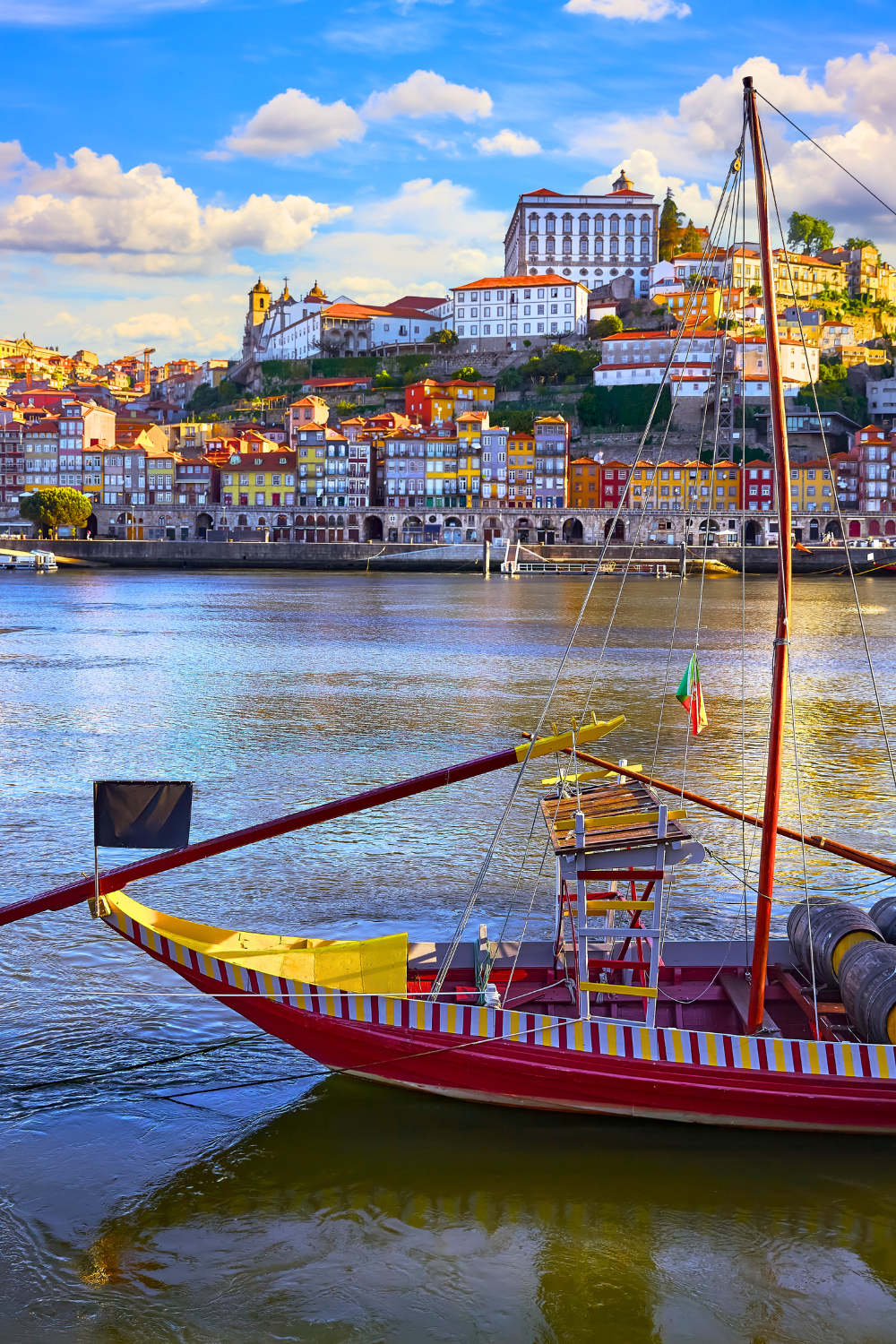
I’ve returned to Portugal four times now, and each visit reveals another layer. This isn’t a country you “do” in a week, though plenty of people try. It’s a place where the best experiences happen when you slow down—lingering over a three-hour lunch in the Alentejo, getting deliberately lost in Porto’s Ribeira district, or spending an entire afternoon watching fishermen mend nets in a tiny Algarve village.
Portugal, most tourists see barely scratches the surface. Yes, you’ll want to see the famous azulejo tiles and taste the custard tarts, but the real magic happens in the spaces between the Instagram hotspots. That’s what this guide is really about.
1. The Language Situation Is Trickier Than You Think
Portuguese sounds nothing like Spanish, and locals will gently correct you if you assume otherwise. This one surprised me on my first visit—I’d studied Spanish and thought I’d manage fine. I was wrong.
The good news? Most people under 40 in Lisbon and Porto speak excellent English, especially in tourism and hospitality. The better news? Learning just five or six Portuguese phrases will earn you genuine smiles and often better service. “Obrigado” if you’re male, “obrigada” if you’re female. “Por favor” goes a long way. And if you can manage “está delicioso” at a restaurant, you’ve made a friend for life.
Outside the major cities, English becomes less common. I’ve had some of my most memorable moments trying to communicate with elderly shopkeepers in the Douro Valley using hand gestures and Google Translate. It’s part of the adventure, honestly.
Local tip: Download the Google Translate app with Portuguese saved for offline use. The camera translation feature is brilliant for reading menus and signs, and I’ve used it more times than I can count.
2. Cash Still Rules (Especially Outside Cities)
Portugal is modernizing rapidly, but it’s still very much a cash society in many places. I learned this the hard way when a family-run tasca in Évora couldn’t take my card after an incredible meal. Awkward.
Most major restaurants and hotels accept cards, but smaller establishments, markets, and especially those hole-in-the-wall bakeries serving the best pastéis de nata? Cash only. ATMs are everywhere, but they often charge fees, so I usually withdraw larger amounts to minimize costs.
The Portuguese are also serious about coins. You’ll accumulate them rapidly, and unlike some countries where shopkeepers roll their eyes at small change, here they expect and appreciate exact payment.
Local tip: Keep a small coin purse specifically for parking meters and public toilets. Many public restrooms charge 50 cents, and parking machines rarely accept cards or large bills.
3. Portuguese Time Moves at Its Own Pace
If you’re coming from Northern Europe or North America, adjust your expectations about punctuality and service speed. A “quick coffee” in Portugal is never quick—it’s a 20-minute social ritual. Restaurant meals unfold slowly, sometimes maddeningly so if you’re hungry.
This isn’t bad service; it’s cultural. The Portuguese don’t rush meals or conversations. I’ve waited 45 minutes for a check because the waiter assumed I was still enjoying my wine and didn’t want to be rude by interrupting. You’ll need to actively signal when you want the bill.
Shops also close for lunch—sometimes for two or three hours—and Sundays are genuinely quiet outside tourist areas. Plan accordingly.
Local tip: If you need faster service, eat lunch before 1 pm or after 3 pm, and dinner before 8 pm or after 10 pm. You’ll avoid the rush and get more attentive service.
4. The Tiles Are Everywhere, and Yes, They Really Are That Beautiful

Before visiting Portugal, I thought azulejos were just decorative tiles. I had no idea they’d become a minor obsession. These hand-painted ceramic tiles cover everything—churches, train stations, ordinary apartment buildings, even butcher shops.
Each region has its own style. Lisbon favors elaborate blue-and-white scenes depicting historical events. Porto tends toward more geometric patterns. The National Tile Museum in Lisbon sounds boring but is genuinely fascinating—it traces the art form from the 15th century to contemporary installations.
You’ll see tourists photographing tiles constantly, and I’m guilty of this myself. But please, please don’t pry them off walls. Tile theft is a real problem, and there are legal ways to buy authentic azulejos at markets and specialty shops.
Local tip: Visit the São Bento train station in Porto early in the morning before the crowds. The 20,000 tiles depicting Portugal’s history are best photographed in natural morning light, and you’ll have the space mostly to yourself before 9am.
5. Pastéis de Nata Deserve Their Own Section
Let me be honest with you: I’ve eaten hundreds of these custard tarts across Portugal, and the quality varies wildly. The famous ones from Pastéis de Belém in Lisbon are excellent, yes, but the hour-long queue isn’t always worth it when local bakeries make versions that are 90% as good with zero wait.
The perfect pastel de nata should have a crispy, flaky pastry shell and a creamy, slightly burnt-on-top custard filling. They’re best eaten warm, ideally within hours of being made. Sprinkle with cinnamon and powdered sugar according to your preference—there’s no wrong way.
I’ve found exceptional versions in random neighborhood bakeries from Cascais to Coimbra. The trick is looking for places where locals queue up, not tourists.
Local tip: In Lisbon, skip the Belém line and head to Manteigaria in Bairro Alto or Chiado. They make fresh batches every 20 minutes; you can watch through the window, and they’re genuinely spectacular. There’s usually a short wait, but nothing like Belém.
6. The Lisbon Hills Will Test Your Fitness
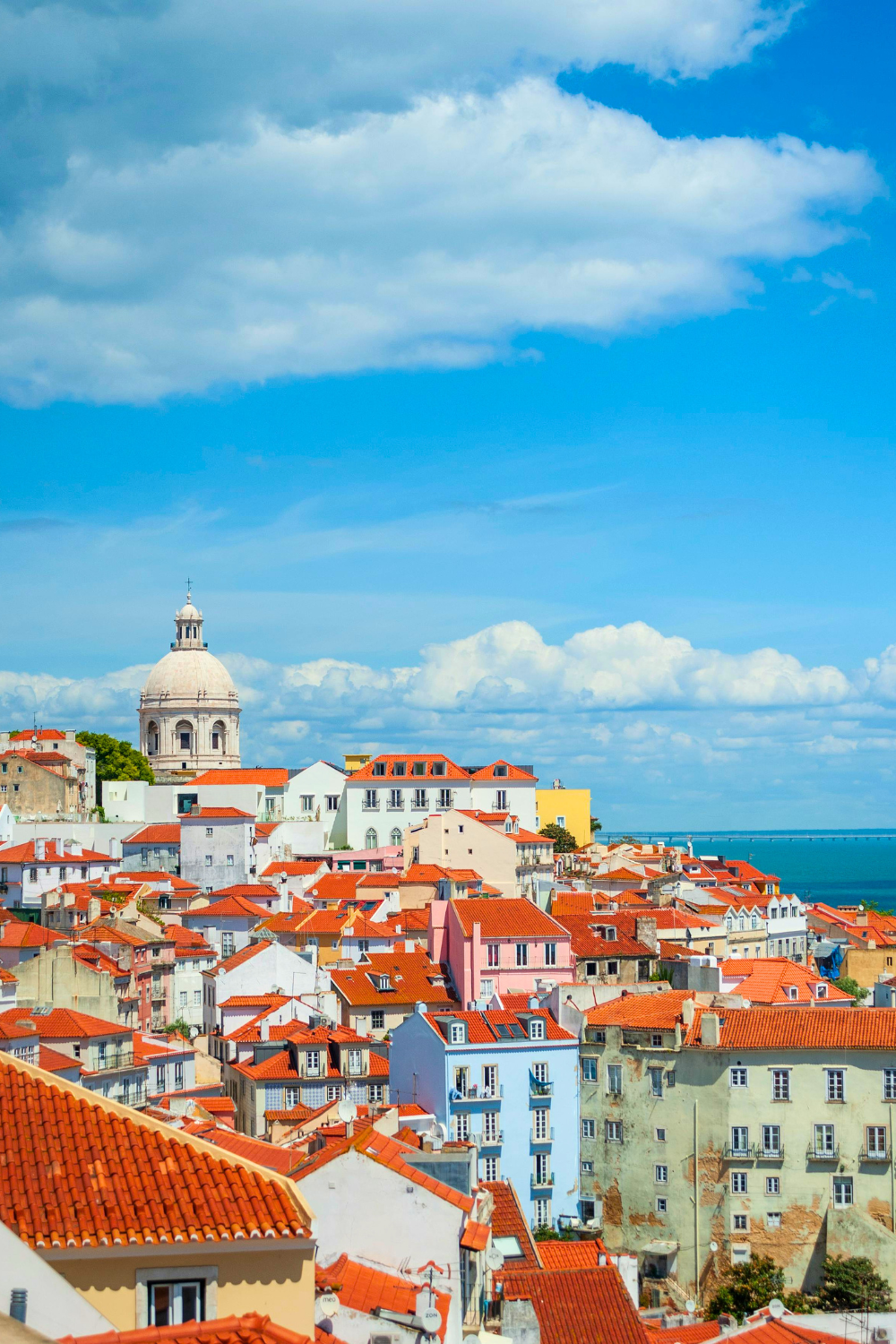
Nobody warned me that Lisbon is built on seven hills, and I foolishly wore new sandals on my first day. By noon, my feet were destroyed, and I’d developed a newfound respect for the elderly locals who navigate these inclines daily in heels.
The historic trams (especially the famous Tram 28) exist partly because walking these hills is genuinely exhausting. Don’t be a hero—use the trams, the funiculars, and the elevators. The Elevador de Santa Justa isn’t just a tourist attraction; it’s a functional transport system.
That said, the hills create spectacular viewpoints. Every neighborhood has its miradouro (viewpoint), and watching sunset from Miradouro de Santa Luzia or Miradouro da Graça costs nothing and beats any expensive tour.
Local tip: Wear comfortable, broken-in shoes with good grip. The cobblestones get slippery when wet, and those cute espadrilles will leave you sliding downhill like a cartoon character. Also, download the Moovit app—it’s better than Google Maps for navigating Lisbon’s public transport.
7. Porto Deserves More Than a Day Trip
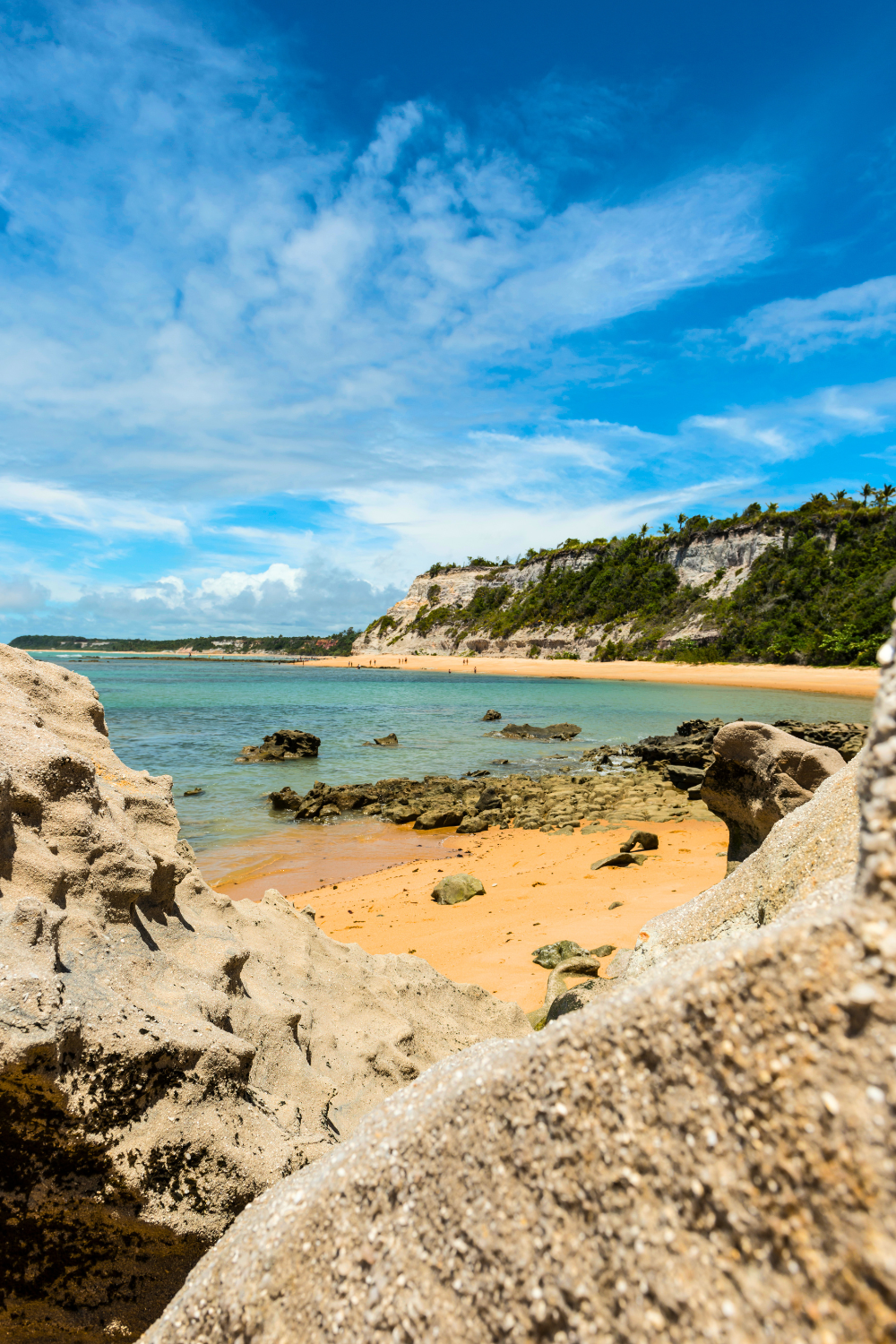
Too many people treat Porto as a quick overnight from Lisbon, which is criminal. This city deserves at least three full days, preferably more. The Ribeira district along the Douro River is gorgeous but touristy; the real Porto reveals itself in neighborhoods like Cedofeita and Foz do Douro.
The port wine lodges in Vila Nova de Gaia (technically across the river) offer tours and tastings, but they vary enormously in quality. I’ve done both tourist-packed cattle calls and intimate, educational experiences. Research beforehand or ask locals for recommendations.
Porto’s food scene rivals Lisbon’s but costs less. The francesinha—a gut-busting sandwich covered in melted cheese and beer sauce—is a local specialty that you’ll either love or find completely overwhelming. I’m in the love camp.
Local tip: Book a port wine tasting at a smaller quinta like Quinta do Vallado or Quinta do Bomfim rather than the big commercial lodges. You’ll learn more, taste better wines, and actually remember the experience. Also, the upper deck of the double-decker bus between Porto and Gaia offers the best views for just a few euros.
8. The Algarve Has Two Completely Different Faces
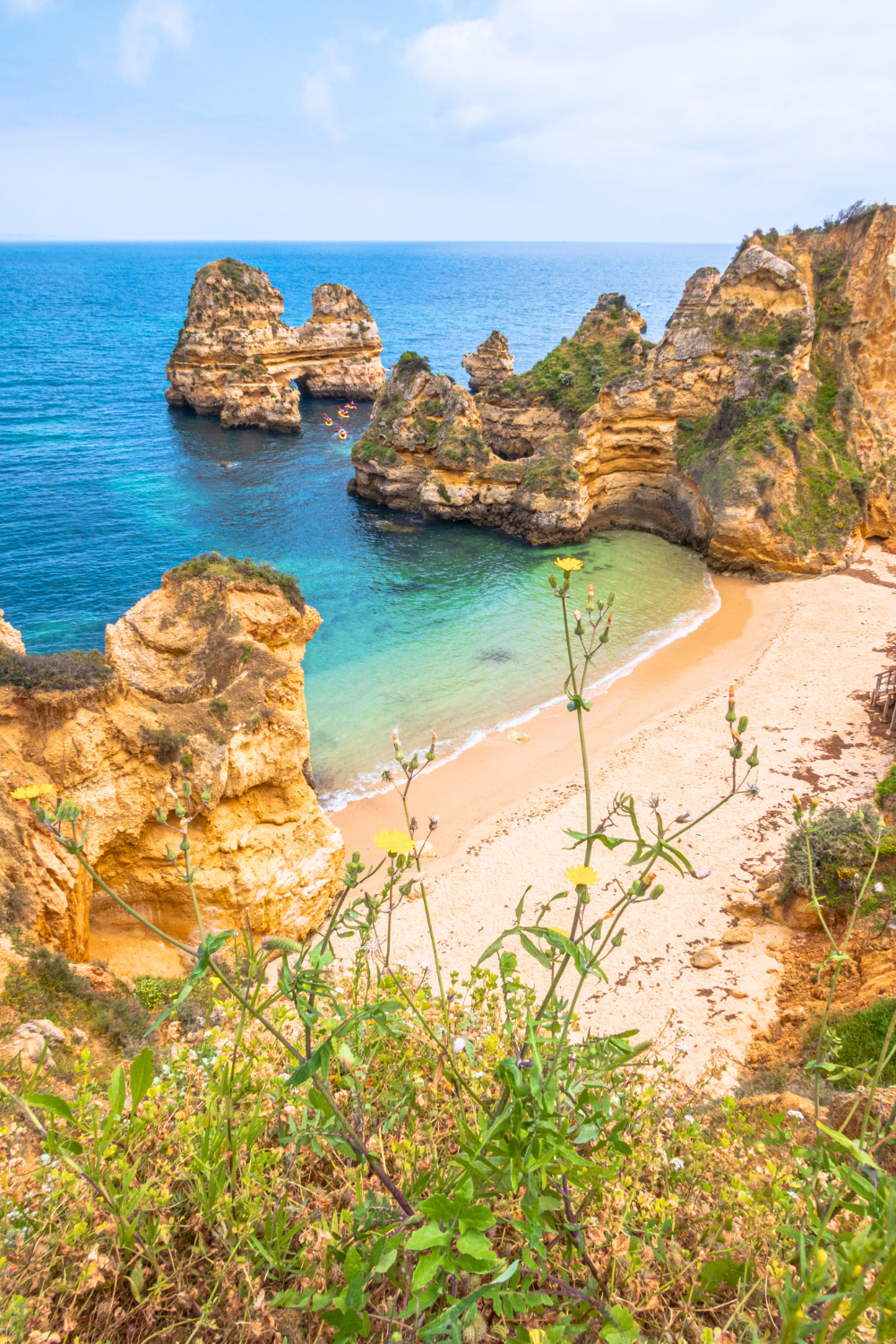
The Algarve’s reputation as a package holiday destination isn’t entirely unfair—parts of Albufeira and Vilamoura are purpose-built tourism zones with British pubs and all-day English breakfasts. But write off the entire region and you’ll miss dramatic coastal scenery and charming fishing villages.
The western Algarve around Lagos, Sagres, and the Costa Vicentina is wild and beautiful, with towering cliffs and powerful Atlantic waves. The eastern Algarve near Tavira has a more Mediterranean feel, with calm waters and islands you can reach by ferry.
I spent a week based in Lagos and never got bored. The Ponta da Piedade rock formations are genuinely spectacular, especially viewed from a kayak at sunrise when the tour boats haven’t arrived yet.
Local tip: Avoid the Algarve in July and August unless you enjoy crowds and inflated prices. Late May, June, or September offer perfect weather, warm ocean temperatures, and half the tourists. Also, rent a car—public transport exists but is frustratingly slow for exploring coastal villages.
9. The Wine Is Excellent and Absurdly Cheap
Portuguese wine is criminally underrated internationally, which works in your favour as a visitor. A bottle that would cost €30-40 in the UK or US goes for €8-12 in a Portuguese restaurant, and even less in supermarkets.
Beyond port, explore Vinho Verde (a light, slightly fizzy white from the north), Douro reds (from the same region as port wine), and Alentejo wines (full-bodied reds from the south). I’ve had €5 bottles from Pingo Doce supermarket that would embarrass many expensive wines back home.
Wine tourism is booming, especially in the Douro Valley. The terraced vineyards are UNESCO-listed and stunningly beautiful. I took a train from Porto to Pinhão—one of the world’s most scenic rail journeys—and spent two days tasting my way through quintas.
Local tip: In restaurants, ask for the “vinho da casa” (house wine). It’s almost always local, inexpensive, and perfectly drinkable. Also, if you’re buying wine to take home, Garrafeira Nacional in Lisbon has knowledgeable staff and an incredible selection at all price points.
10. Seafood This Fresh Shouldn’t Be This Affordable
As an island nation—well, peninsula—Portugal takes its seafood seriously. The fish markets in coastal towns display catches that were swimming hours earlier, and even modest restaurants serve seafood that would cost double in other European countries.
Percebes (goose barnacles) look like alien fingers but taste incredible. Grilled sardines are a summer staple, best eaten at outdoor festivals where locals celebrate sardine season. Bacalhau (salted cod) appears in supposedly 365 different recipes, one for each day of the year.
I’ve had some of my best meals at unassuming marisqueiras (seafood restaurants) where locals eat, not the fancy places near tourist attractions. Look for restaurants displaying fresh fish on ice at the entrance—that’s usually a good sign.
Local tip: In Lisbon, the TimeOut Market in Cais do Sodré is touristy but genuinely good for sampling different vendors. However, for a more authentic experience, head to Ramiro in Intendente—a no-frills institution famous for enormous prawns, crab, and percebes. Go early or late to avoid crushing crowds.
11. Public Transport Is Reliable but Slow
Portugal’s train and bus networks connect most major destinations reliably and cheaply, but they’re rarely fast. The Lisbon-Porto train takes about three hours—fine for a scenic journey but frustrating if you’re on a tight schedule.
Regional trains (marked “R” or “IR”) stop everywhere and take forever. Alfa Pendular and Intercidades trains are faster and more comfortable but cost more. Book in advance through the CP (Comboios de Portugal) website for better prices.
Buses often fill gaps where trains don’t go, especially in the Algarve and rural areas. Rede Expressos is the main operator, and their coaches are modern and comfortable.
Local tip: If you’re doing a Lisbon-Porto-Lisbon round trip, check if buying a return ticket saves money versus two singles—sometimes it does, sometimes it doesn’t. Also, seat reservations are mandatory on Alfa Pendular trains, so book ahead during summer and holidays.
12. Fado Is Touristy but Genuinely Moving
I’m usually cynical about tourist-oriented cultural performances, but fado got me. This melancholic Portuguese music tradition—usually a solo singer accompanied by Portuguese guitar—expresses “saudade,” an untranslatable feeling of longing and nostalgia.
Yes, many fado houses in Alfama and Bairro Alto cater to tourists with overpriced dinner packages. But when a skilled fadista pours emotion into a song in a tiny, candlelit room, even without understanding the Portuguese lyrics, you feel something.
Coimbra has its own fado tradition, performed by male university students in black capes. It’s different from Lisbon fado but equally powerful.
Local tip: For a more authentic experience, seek out “fado vadio” nights at local bars where amateurs and semi-professionals perform. Tasca do Chico in Bairro Alto hosts these on Monday and Wednesday nights—no cover charge, just buy drinks. The quality varies, but the atmosphere is genuine.
13. The Beaches Are Better Than You Expect
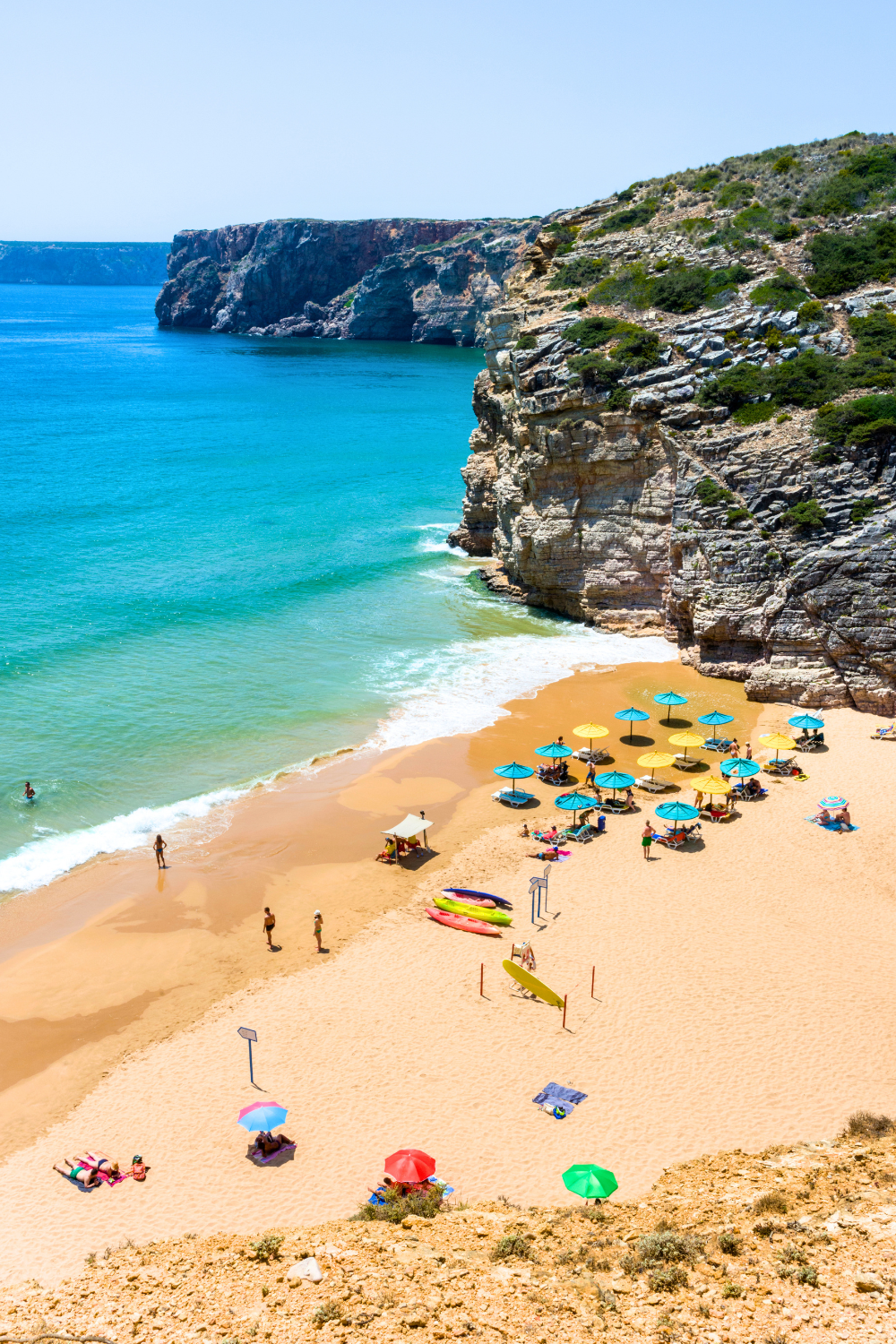
Portugal’s Atlantic beaches don’t have the warm, calm waters of the Mediterranean, but they’re spectacular in different ways. Dramatic cliffs, powerful surf, and long stretches of golden sand that never feel overcrowded, even in summer.
The water is cold—let’s not pretend otherwise. Even in August, it rarely exceeds 20°C (68°F). But it’s refreshing rather than uncomfortable, and you get used to it quickly.
Each coast offers something different. The Algarve has sheltered coves and warmer water. The Costa Vicentina has wild, windswept beaches beloved by surfers. The Silver Coast north of Lisbon has enormous sandy beaches and charming towns like Nazaré.
Local tip: Praia da Ursa near Sintra is one of Portugal’s most photographed beaches, but getting there requires a steep, somewhat treacherous hike. Go in the late afternoon for better light and fewer people, wear proper shoes, and don’t attempt it if you’re not reasonably fit or if it’s been raining.
14. Sintra Needs a Full Day (and Your Patience)
Sintra’s fairy-tale palaces and gardens are legitimately magical, but this day trip from Lisbon can also be frustrating. The town gets absolutely mobbed with tourists, especially in summer, and the hills are steep.
You cannot see everything in one day—don’t even try. I’d recommend picking two or three sites maximum. Pena Palace is the most famous (and most crowded). Quinta da Regaleira has mysterious gardens with hidden tunnels. The Moorish Castle offers spectacular views.
The 434 bus connects the sites but gets packed. Many visitors end up walking between palaces, which is exhausting in heat.
Local tip: Buy tickets online in advance for everything—Pena Palace, Quinta da Regaleira, whatever you’re visiting. The ticket lines can add an hour to your visit. Also, arrive on the first train from Lisbon (around 9am) or after 3pm when day-trippers are leaving. The midday crush is genuinely unpleasant.
15. Portuguese Hospitality Is Understated but Real
The Portuguese aren’t effusively friendly like Italians or Spaniards—they’re more reserved initially. But once you make even a small effort—learning a few words, showing genuine interest, respecting their pace of life—they warm up considerably.
I’ve been invited into homes, given handwritten restaurant recommendations, and helped countless times by strangers who went out of their way without expecting anything in return. This hospitality feels authentic, not performative.
Respect goes both ways. Don’t be loud in restaurants, don’t expect everyone to speak English, and don’t treat Portugal as “cheap Spain.” These things matter to locals.
Local tip: If someone helps you—gives directions, recommends a restaurant, whatever—a simple “muito obrigado/a” goes a long way. If you’re at a neighbourhood café regularly, learn the owner’s name and greet them. These small gestures create genuinely warmer interactions.
16. The Weather Isn’t Always Sunny
Portugal’s reputation as a sunny destination is mostly deserved, but northern Portugal gets significant rain, especially November through March. Porto can be genuinely grey and wet in winter.
Lisbon and the south are sunnier and drier, but even there, winter can bring rain and surprisingly cool temperatures. I’ve been in Lisbon in February wearing a winter coat and dodging showers.
Summer (June-September) is reliably sunny and warm, sometimes hot. July and August can be brutally hot in the Alentejo and inland areas, with temperatures exceeding 40°C (104°F).
Local tip: Spring (April-May) and autumn (September-October) offer the best combination of good weather, fewer tourists, and lower prices. If you’re visiting Porto or northern Portugal in winter, pack layers and a waterproof jacket.
17. Tipping Culture Is Different
Portugal isn’t like the United States—tipping isn’t expected everywhere, and percentages are lower. Service charges are usually included in restaurant bills, so additional tipping is genuinely optional.
That said, leaving something is appreciated. I typically round up at cafés, leave 5-10% at casual restaurants, and up to 10-15% at upscale places if service was excellent. Taxi drivers don’t expect tips but appreciate rounding up to the nearest euro.
The key difference from North America: tips are bonuses for good service, not subsidies for low wages. Don’t feel obligated to tip for mediocre service.
Local tip: Check your bill for “couvert”—bread, olives, and other items brought to your table automatically. You can refuse these if you don’t want them, and they’re not a sneaky charge if you’re aware. Also, leaving coins on the table is more common than adding tips to card payments.
18. Safety Is Rarely a Concern
Portugal consistently ranks as one of Europe’s safest countries, and in six months of travel, I never felt unsafe. Violent crime is rare, and the biggest risk is petty theft in tourist areas.
Pickpockets work Lisbon’s Tram 28, crowded viewpoints, and the Rossio area. Keep valuables secure and stay aware in obvious tourist zones. I use a cross-body bag that zips closed and keep my phone in a front pocket.
Outside tourist areas, crime is almost non-existent. I’ve walked through Porto’s streets at midnight without concern, and locals are generally helpful if you look lost.
Local tip: Don’t leave valuables visible in rental cars, especially at beach parking areas and tourist sites. Car break-ins do happen, though they’re not common. Also, be cautious around people offering to “help” you buy train or metro tickets—sometimes it’s genuine, sometimes it’s a distraction for pickpockets.
19. The Alentejo Is Portugal’s Best-Kept Secret

Most tourists skip the Alentejo entirely, which is their loss. This vast, sparsely populated region of rolling plains, cork forests, and whitewashed villages offers a completely different Portugal.
Évora, the regional capital, is a UNESCO World Heritage city with Roman ruins, medieval streets, and a genuinely creepy chapel decorated with human bones. But the smaller towns—Monsaraz, Marvão, Estremoz—are where the Alentejo’s charm really emerges.
The food here is hearty and rustic: açorda (bread stew), porco preto (black pork), and exceptional cheeses. The wines are bold and full-bodied. And the pace of life makes the rest of Portugal look rushed.
Local tip: The Alentejo is best explored by car, as public transport is limited. Summer is scorching—temperatures regularly exceed 40°C—so visit in spring or autumn. Also, book accommodation in advance in Évora during festivals, as the small historic centre has limited hotels.
20. You’ll Want to Return
This isn’t a prediction; it’s a pattern I’ve observed in myself and countless other travellers. Portugal has a way of getting under your skin. Maybe it’s the light, or the food, or the melancholic beauty of fado. Maybe it’s just that it feels refreshingly real in an increasingly homogenised Europe.
I thought one trip would be enough. That was four trips ago, and I’m already planning the fifth. There’s always another village to discover, another beach to explore, another plate of seafood to devour.
Portugal doesn’t demand your attention the way Paris or Rome does. It waits patiently, rewards curiosity, and leaves you with a longing—that saudade—to return.
Practical Planning Tips
Flying into Lisbon is usually cheapest, with Porto as a secondary option. TAP Air Portugal, the national carrier, offers decent connections from Europe and North America, but budget carriers like Ryanair and EasyJet often have better prices.
Accommodation ranges from budget hostels to luxury quintas (country estates). I’ve had excellent experiences with local guesthouses and Airbnbs, which often cost less than hotels and offer more character. Book ahead in summer and around major festivals.
The best Portugal itinerary depends on your interests, but a classic two-week trip might include: Lisbon (3-4 days), Sintra (1 day), Porto (2-3 days), Douro Valley (2 days), and the Algarve (4-5 days). Add the Alentejo if you have more time.
Travel insurance is essential—medical care is good but not free for non-EU visitors. I use SafetyWing for long trips and find it reliable and affordable.
So there you have it—the things I genuinely wish someone had told me before my first Portuguese adventure. This country will surprise you, feed you exceptionally well, and probably inspire you to extend your trip. Pack comfortable shoes, learn a few Portuguese phrases, and prepare to fall in love with one of Europe’s most underrated destinations. I’ll see you at the pastelaria.


One Response