
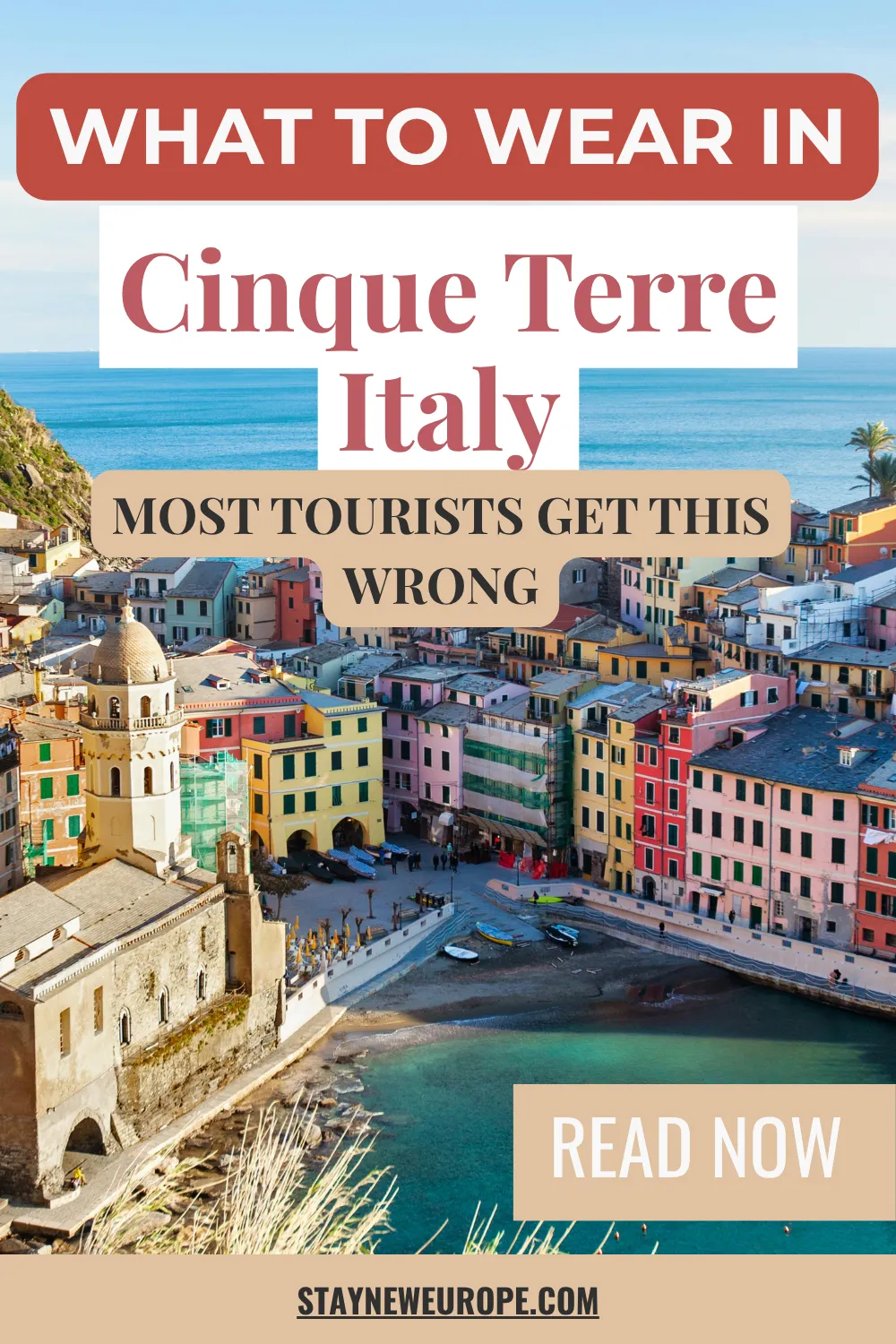
Here’s a thing nobody tells you before you visit Cinque Terre: the place will absolutely destroy your feet if you let it.
I watched a woman in strappy kitten heels attempt the stone steps of Manarola on a warm Tuesday afternoon, and the look on her face — somewhere between determination and regret — haunted me for the rest of the day. Don’t be her.
Cinque Terre is one of those destinations that looks effortlessly glamorous in every photo and then immediately humbles you the moment you arrive. The villages are stacked on cliffs. The streets are steep, narrow, and paved in centuries-old stone worn smooth as glass. There are stairs around every corner, a sea breeze that comes and goes whenever it pleases, and little churches that may turn you away if you’ve shown up in a crop top.
So if you’re wondering what to wear in Cinque Terre, Italy, the answer is not “whatever looks cute in photos.” It’s cute, comfortable, practical, and weather-aware.
This guide covers exactly what to pack for Cinque Terre in every season — spring, summer, autumn, winter, April, October, hiking days, beach days, dinners, and even men’s outfits. The goal is simple: to help you look great in those colourful villages while also surviving the stairs, cobblestones, sun, sea breeze, and trails.
The good news? Dressing well here isn’t complicated. You don’t need designer pieces or a completely new wardrobe. You just need the right shoes, breathable fabrics, smart layers, and outfits that can handle both a harbour lunch and a hill climb.
A Bit of Context Before You Start Packing
Cinque Terre sits on the Ligurian coast of northern Italy — five fishing villages (Monterosso al Mare, Vernazza, Corniglia, Manarola, and Riomaggiore) clinging to dramatic cliffs above the sea. It’s not a city, and it doesn’t dress like one. The vibe is relaxed, coastal, and genuinely unpretentious by Italian standards.
Weather-wise, the range across seasons is significant. Summer (July–August) brings proper heat — 28–32°C, intense sun, and crowds thick enough to slow your walking pace. Spring and autumn are cooler and quieter, with temperatures hovering between 15–22°C and a real possibility of rain. Winter is mild but grey, and many restaurants close, but the villages become quietly beautiful again.
The walking here is relentless. Even a “relaxed” village day means navigating steep alleys, uneven cobblestones, and stairs that go on longer than you’d expect. You will use your legs regardless of your plans.
And finally — this is Italy. People notice how you dress. Not in a judgmental way necessarily, but in the way that Italians simply have a baseline standard of sprezzatura (that artful effortlessness) that makes slovenly tourist dressing stand out. You don’t need to try hard. You just need to try a little.
Cinque Terre Outfit Ideas: The Golden Rules
Before getting into spring, summer, autumn, winter, and specific packing lists, there are a few Cinque Terre outfit rules that apply almost all year.
First: your shoes matter more than your dress. The villages are full of stairs, uneven stone, steep alleys, and slippery cobblestones. A beautiful outfit with painful shoes will ruin your day faster than almost anything else.
Second: layers are not optional. Even in summer, evenings can feel cooler by the water. In spring and autumn, the temperature can shift dramatically between morning, midday, and sunset. A linen shirt, light knit, trench, denim jacket, or packable rain layer will do more work than you expect.
Third: coastal chic beats city glam. Cinque Terre is relaxed, colourful, breezy, and practical. Linen trousers, cotton dresses, white trainers, midi skirts, simple tees, leather sandals, crossbody bags, and light scarves all make sense here.
Fourth: modesty matters in churches. If you want to step inside churches or religious sites, keep something in your bag that covers your shoulders and knees. A scarf or linen overshirt solves this instantly.
Finally: pack light. Cinque Terre has very little flat ground. Many accommodations involve stairs, narrow entrances, or uphill walks from the train station. A huge suitcase is not your friend here.
Shoes: The Decision That Will Make or Break Everything
I’ll lead with this because it genuinely matters more than any other item you pack.
Cinque Terre’s villages are built on slopes. The streets are steep, the stone is old and often polished smooth, and after even a light shower the cobblestones become legitimately slippery. Heels are a bad idea. Flat sandals with no grip are an ankle injury waiting to happen. Flip flops are fine for the beach at Monterosso, and absolutely nowhere else.

What actually works: a chunky-soled sneaker with good traction, a sturdy leather trainer, or a supportive flat with a rubber sole. Clean white trainers are everywhere in Italy right now and they look fantastic — pair them with almost anything and you’ll read as put-together rather than touristy. In cooler months, ankle boots with a low block heel or a rubber lug sole work well for village walking and look genuinely stylish with jeans or a midi skirt.

If you’re planning any trail walking at all — even the easier paths between villages — the national park requires closed shoes with anti-slip soles. This is an actual law with fines. But even outside the official trails, your feet will thank you for grip and support.
For most Cinque Terre Italy outfits, the best footwear formula is simple: one pair of comfortable trainers for village walking, one lighter pair for dinner or beach days, and hiking shoes only if you plan to do the trails. Clean white sneakers are probably the easiest choice because they work with dresses, linen trousers, jeans, shorts, and skirts. They also look more polished than bulky athletic shoes while still giving you the grip you need.
Local tip: Buy comfortable shoes before you come, not when you arrive. The village shops are charming but not set up for practical footwear shopping, and breaking in new shoes on cobblestones is one of the quieter forms of self-punishment available to modern travellers.
Lightweight Layers — More Important Than You Think
The thing about Cinque Terre is that it can genuinely feel like three different climates before lunch, and this is true across most of the year.
In summer, you’ll be warm — sometimes very warm — during the middle of the day, but the sea breeze picks up unpredictably and evenings cool off more than you’d expect for somewhere that looked tropical in the afternoon. In spring and autumn, the temperature swings between morning and midday can be 8–10 degrees, and a cloud rolling off the sea can drop things quickly. Even in winter, a sunny afternoon can feel mild right up until it doesn’t.
The answer is always layers, and the trick is choosing ones that pack down small and don’t wrinkle. A thin cotton or merino long-sleeve as a base, a light knit or unbuttoned overshirt as a mid-layer, and something wind or rain-resistant for the outer layer. These three items, mix-and-matched, will handle essentially any version of Cinque Terre weather without weighing down your bag.
Leave the heavy knitwear at home unless you’re visiting in the depths of winter. It takes up space, it’s too warm when the sun comes out, and it looks bulky against the coastal backdrop.
Local tip: A linen overshirt is the single most versatile piece you can bring. It’s a sun cover-up, a light layer for breezy evenings, a modesty layer for churches, and it looks genuinely stylish unbuttoned over a plain tee. Pack at least one.
What to Wear in Cinque Terre in Spring
Spring in Cinque Terre is one of the loveliest times to visit. The hills are greener, the villages feel alive again after winter, and the crowds are usually softer than in July or August. But spring weather can be unpredictable, which means your outfit needs to handle cool mornings, mild afternoons, sea breeze, and the occasional rain shower.

For a Cinque Terre Italy outfit in spring, think light layers rather than heavy clothing. A fitted tee or long-sleeve top, linen overshirt, straight-leg jeans or linen trousers, and comfortable trainers is an easy formula that works almost everywhere.

A spring outfit for village exploring could be:
White cotton tee + linen overshirt + straight-leg jeans + white trainers + crossbody bag + sunglasses
For something more feminine:
Floral midi dress + denim jacket + trainers or low ankle boots + small shoulder bag
For cooler spring days:
Light knit + tailored trousers + trench coat + leather trainers
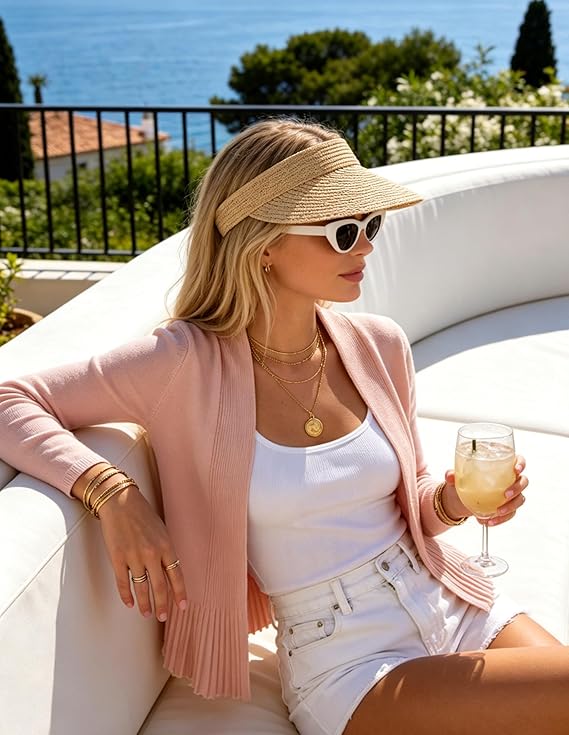
Spring is also when a scarf becomes genuinely useful. It keeps you warm in the morning, covers your shoulders in churches, and works as an easy styling piece when your outfit feels too plain.
The key is not to dress like it is full summer too early. Sandals can work on warm May afternoons, but in March and April, closed shoes are usually better because the stones can be damp and slippery.
What to Wear in Cinque Terre in April
April deserves its own section because it is one of the trickiest months to pack for. It can feel warm and sunny in the afternoon, then cool, damp, and breezy by evening. You do not need winter clothes, but you do need proper layers.
The best Cinque Terre Italy outfit for April is built around transitional pieces:
- a fitted tee, light turtleneck, or long-sleeve cotton top
- a linen or cotton button-up shirt
- straight-leg jeans, linen trousers, or a midi skirt
- a trench coat, denim jacket, or light rain jacket
- closed shoes with grip
A simple April outfit idea:
Long-sleeve white top + straight-leg jeans + camel trench + white trainers + gold hoops
A more romantic village outfit:
Midi dress + denim jacket + ankle boots + crossbody bag
A practical walking outfit:
Linen trousers + cotton tee + overshirt + trainers + packable rain jacket
I would avoid relying on open-toe sandals in April. You might get one beautiful warm day, but the villages are still too uneven and occasionally damp for delicate shoes to be your main option.
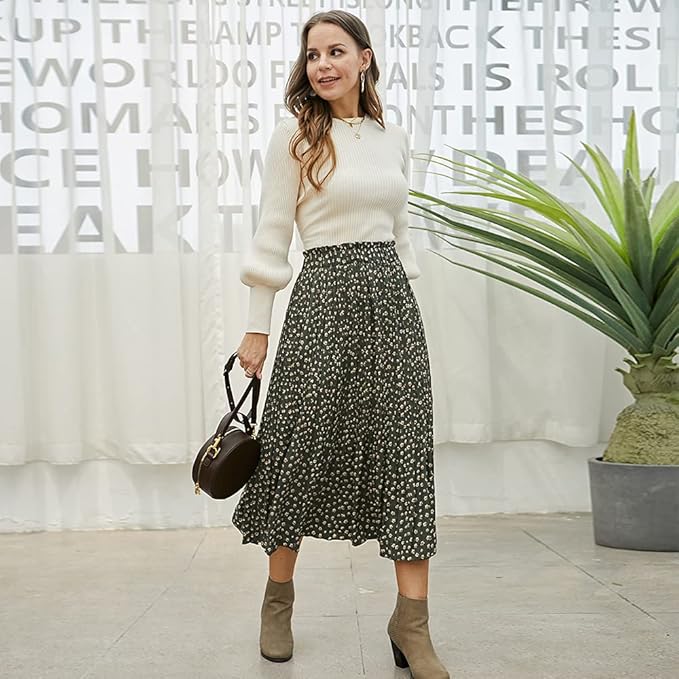
Local tip: April is the month where a trench coat really earns its place. It looks polished, handles light rain, and makes even basic jeans and trainers feel intentional.
Dresses and Skirts: Yes, With Conditions
Dresses are a yes for Cinque Terre — with some caveats that will save you from a genuinely frustrating afternoon.
The sea breeze here is real and it has opinions. Anything loose, flowy, or billowy will be constantly in your face on the harbourside promenades. Midi lengths work better than minis for this reason — they move nicely without becoming a liability. Wrap dresses are gorgeous but choose one that ties securely, not decoratively. A bodycon mini with no wind-resistance issues is actually fine on the right day, but you’ll be climbing stairs in it, so think that through.

For fabric, linen and cotton are your friends in warm weather — breathable, quick-drying, and they look exactly right against the colourful Ligurian backdrop. In cooler months, a knit midi dress with ankle boots and a light jacket is one of those effortless outfits that photographs well and is also genuinely comfortable.
Maxi dresses are beautiful in the villages but I’d steer clear if you’re doing any trail sections — they catch on things, they collect dust, and they make stairs more dramatic than necessary.

Local tip: A sundress + trainers + small crossbody bag is the unofficial Cinque Terre uniform and it works because it works. Don’t overthink it.
What to Wear in Cinque Terre in Summer
Summer in Cinque Terre is hot, crowded, bright, and incredibly beautiful. This is when the villages look exactly like the postcards — but it is also when you need to dress for heat, sun, stairs, sweat, and busy train platforms.
For a Cinque Terre Italy outfit in summer, breathable fabrics are everything. Linen, cotton, gauze, and lightweight blends will feel much better than polyester or heavy denim.
The easiest summer outfit formulas are:
Linen trousers + fitted tank or tee + leather sandals or trainers + straw hat
Cotton sundress + white trainers + crossbody bag + sunglasses
Linen shorts + oversized button-up shirt + supportive sandals
Midi skirt + simple tank + linen overshirt + flat sandals

Summer dresses work beautifully in Cinque Terre, but choose them carefully. Midi lengths are easier than minis because of the wind, stairs, and church visits. Loose maxi dresses can look gorgeous in photos, but they are not ideal for hiking or climbing lots of stairs.
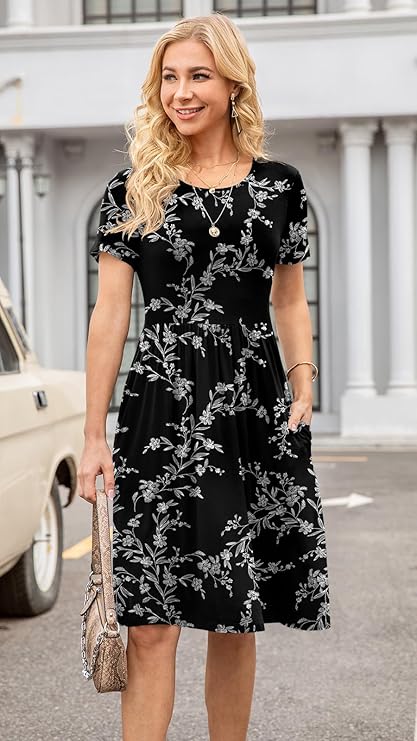
For beach days in Monterosso, a swimsuit with a linen cover-up or oversized cotton shirt works perfectly. You can go from beach to café without feeling underdressed.

What you should not wear in summer: heavy jeans, tight synthetic dresses, delicate sandals with no grip, or anything that shows sweat immediately. Cinque Terre summer is not the place for uncomfortable fashion experiments.
Local tip: A linen co-ord set is one of the best summer outfit ideas for Cinque Terre. It looks polished, packs easily, and can be worn as separates throughout the trip.
What to Wear in Cinque Terre in Autumn or Fall
Autumn in Cinque Terre is underrated. September still feels like summer, October is golden and atmospheric, and November becomes quieter, cooler, and moodier. If you want fewer crowds and better layering outfits, autumn may be the best season to visit.
For a Cinque Terre Italy outfit in autumn, think warm tones, light jackets, comfortable shoes, and pieces that transition from warm afternoons to cooler evenings.
Good autumn outfit ideas include:
Straight-leg jeans + fitted tee + leather jacket + white trainers
Rust midi dress + ankle boots + denim jacket
Olive linen trousers + cream knit + loafers
Black jeans + striped long-sleeve top + trench coat + trainers
Autumn colours look especially good here. Rust, olive, camel, cream, navy, burgundy, terracotta, and chocolate brown all photograph beautifully against the colourful village walls and golden coastal light.

September can still handle summer pieces like linen dresses and sandals, but by October and November you will want more closed shoes, warmer layers, and a jacket that can handle wind or light rain.
Local tip: Autumn is the best time to pack ankle boots, but make sure they have a low heel and a grippy sole. Anything slick underneath will be useless on old stone steps.
What to Wear in Cinque Terre in October
October might be the perfect Cinque Terre packing challenge: warm enough during the day for lighter outfits, but cool enough in the evening that you will regret not bringing layers.
A good Cinque Terre Italy outfit for October should be flexible. You want to be able to remove a layer at lunch, put it back on at sunset, and still look good at dinner.

The October formula:
Base layer + comfortable bottom + stylish jacket + closed shoes
Easy October outfit ideas:
Straight-leg jeans + rust turtleneck + camel trench + white trainers
Midi slip skirt + fine knit sweater + ankle boots + leather jacket
Wide-leg trousers + fitted tee + denim jacket + loafers
Knit dress + trench coat + low ankle boots
For hiking in October, take the weather more seriously. Trails can be damp, muddy, or slippery after rain, so trail shoes or grippy trainers are much better than casual sneakers. A lightweight waterproof jacket is also worth packing.
What not to wear in October: flimsy sandals, very thin dresses without layers, white trousers on rainy days, or anything you would be upset to get a little dusty or damp.
Local tip: October is the month where you can still dress beautifully but need to think practically. Bring the dress, but also bring the jacket. Bring the cute shoes, but make sure they have grip.
What to Wear in Cinque Terre in Winter
Winter in Cinque Terre is quiet, grey, beautiful, and much more local-feeling than summer. The villages do not shut down completely, but they do slow down. Some restaurants and hotels close for the season, the sea can be dramatic, and the air feels colder than the temperature suggests because of the wind and dampness.
For a Cinque Terre Italy outfit in winter, think smart European layers rather than ski clothes. You do not need extreme winter gear, but you do need warmth, waterproofing, and proper shoes.

A good winter outfit formula:
Thermal or merino base layer + knit sweater + wool coat or padded jacket + jeans or warm trousers + ankle boots
Winter outfit ideas:
Black jeans + cream turtleneck + camel coat + Chelsea boots
Wool trousers + fitted knit + long coat + scarf
Dark denim + striped sweater + quilted jacket + waterproof boots
Knit dress + thermal tights + ankle boots + wool coat
Avoid thin trainers if rain is likely. Wet cobblestones and cold feet are not a good combination. Waterproof ankle boots or leather boots with a grippy sole are much better.

Local tip: Winter photos in Cinque Terre can be incredibly beautiful because the villages are quieter and the light is softer. Neutral outfits — camel, navy, cream, charcoal, forest green — look especially good in this season.
Jeans and Trousers: What Actually Holds Up
Jeans are the default travel trouser for most people, and they’re fine for Cinque Terre — with one practical note. They’re heavy when wet, they dry slowly if caught in rain, and they can feel restrictive on warm summer days when you’re climbing up to Corniglia’s 382 steps. If you’re travelling in summer, light cotton or linen trousers will serve you far better.
That said, a well-fitting pair of jeans is still a solid choice for cooler months or evening wear. Straight-leg or slim cuts work well with both trainers and ankle boots. Avoid anything too stiff or structured — you want movement, always.

Linen trousers deserve a special mention because they are genuinely beloved by Italian women and for good reason. They’re cool in heat, they look effortlessly elegant, they transition from daytime sightseeing to a harbour dinner without a second thought, and they come in the kind of muted earthy tones that photograph beautifully against painted village facades. Pack a pair in a neutral — cream, sand, olive, or stone.

Wide-leg linen can look beautiful but watch the length on cobblestones. You don’t want to be tripping on your own trousers while navigating a narrow Riomaggiore alley.
Local tip: Linen wrinkles. Embrace it. Linen that looks slightly lived-in actually reads as intentional here. If you’re folding it obsessively, you’ve missed the point.
Tops: The Simpler, the Better
This is a place where simple, well-chosen tops do more work than anything fussy or complicated.
A fitted plain tee in white, cream, or a muted colour is the backbone of every good Cinque Terre outfit. Pair it with linen trousers and trainers, tuck it into a midi skirt, layer it under an overshirt — it does everything without calling attention to itself. Avoid loud prints and graphics if you want to look less tourist, more traveller. Italians lean toward clean colours and quiet patterns.

In cooler months, a fitted roll-neck or ribbed long-sleeve under a light jacket is the formula. In summer, a lightweight linen or cotton blouse with some gentle movement looks gorgeous in motion and handles the heat well.

One thing I’ve learned: packing too many tops is the most common packing mistake for Cinque Terre specifically. You’re not going to want to carry a big bag. You’re going to be walking. Five or six well-chosen tops that work with everything else you’ve packed beats fifteen options that don’t mix.
Local tip: Italian style is built on restraint. One interesting piece per outfit — a good bag, a nice scarf, statement earrings — and then let everything else be simple. That’s the formula.
What NOT to Wear (The Tourist Giveaways)
Let me be honest about this section, because it’s genuinely useful and nobody wants to be the person who could have just read a blog post.
Flip flops in the villages. Not because anyone will stop you, but because you will regret it approximately forty steps into Manarola. The stone is uneven, there are stairs, and there is always a slightly wet patch from a flower pot overflow or a fish stall nearby.
Heels of any kind. This includes the “I can walk in heels” heels. You cannot walk in heels on centuries-old Italian cobblestones without at least one moment of genuine terror.
Athletic gear as your main outfit. Activewear is for the trails. Showing up to dinner in full hiking kit — compression tights, hydration vest, technical shirt — when you’ve been doing nothing more strenuous than gelato-hopping will make you conspicuous in a way that isn’t charming. A quick change before dinner takes five minutes.
Very revealing tops or beachwear in churches. Every church in Cinque Terre has a basic dress code — shoulders and knees covered. This is easy to manage with a scarf or a linen layer, but walking in already dressed for it saves the scramble.
Overly branded or logoed clothing. Big logos read as very American tourist in Italy specifically. Keep it clean.
Local tip: The single most effective thing you can do to look less like a tourist is to carry a small, nice bag instead of a big backpack or a tote stuffed to bursting. It changes the whole silhouette.
The Jacket Question
Every season in Cinque Terre has a jacket answer, and none of them are the same jacket.
In summer: a thin cotton bomber or an unlined denim jacket tucked into your bag is enough. You probably won’t need it until after 7pm, but you’ll be glad it’s there.
In spring and autumn: a light rain-resistant layer is genuinely important. The weather on the Ligurian coast can shift quickly — a sunny morning can become a breezy, overcast afternoon without much warning. A packable anorak or a thin trench coat is the move. Both look good, pack small, and actually do the job.

In winter: a proper mid-weight coat or a down jacket, depending on how cold you run. Cinque Terre doesn’t get harsh winters by northern European standards, but it’s not warm either, and the wind off the sea in January has real teeth.

One thing worth avoiding: the enormous puffer jacket. Not because of the warmth — it’s fine — but because you’ll be navigating narrow alleyways and crowded harbour promenades where giant jackets make you physically harder to move through the world.
Local tip: A navy or camel trench is the most useful outer layer you can bring for shoulder season. It handles rain, wind, and a smart dinner without switching coats.
Evening Outfits: Getting the Balance Right
Cinque Terre restaurants are not formal. There’s no dress code. But there is a noticeable difference between how people look who’ve thought about it and those who haven’t, and the restaurants with harbour views and nice wine lists have a certain ambience that rewards the effort.
The formula I’ve landed on: keep your daytime outfit but elevate one element. If you wore linen trousers and a tee during the day, swap the tee for a silk or satin blouse for dinner. If you wore a sundress all day, add gold jewellery and decent sandals. If it was a jeans day, switch to cleaner shoes and a nicer top. You don’t need a full outfit change — you need a pivot.
A little black dress is perhaps the most reliable evening piece to pack because it genuinely does nothing wrong. Paired with flat sandals it’s casual; paired with low block-heeled boots it’s dressed up. Add a scarf, add earrings, add a small bag — it reads differently every time.
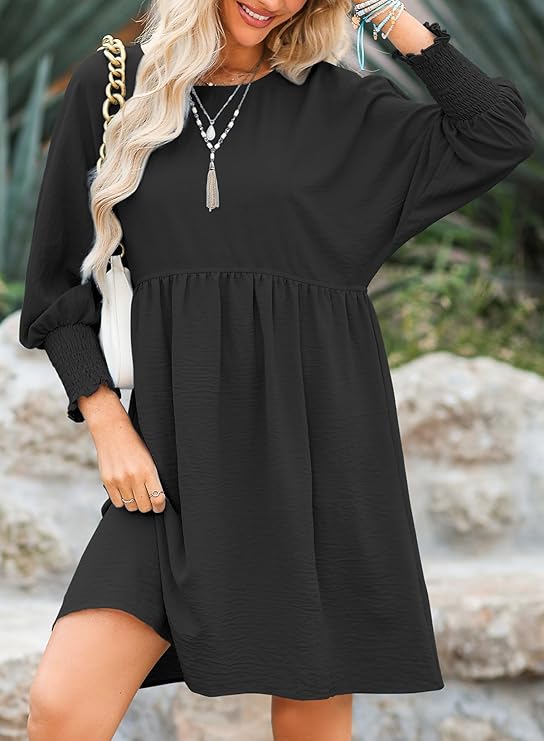
For men: linen trousers or chinos with a nice shirt (tucked or half-tucked) and leather loafers or clean trainers is the standard and it looks genuinely great against the backdrop of a lit harbourside.
Local tip: Gold jewellery is the easiest shortcut to looking polished in Italian coastal settings. Even costume pieces in a warm gold tone elevate a simple outfit significantly.
Cinque Terre Italy Outfit Ideas for Men
Men’s outfits for Cinque Terre are actually very simple. The goal is relaxed, clean, practical, and slightly more polished than beachwear.
In summer, the easiest men’s Cinque Terre outfit is:
Linen shirt + chino shorts or linen trousers + clean trainers or leather sandals
A short-sleeve linen shirt, rolled-sleeve button-up, or simple polo works well. Avoid loud graphics, sports jerseys, oversized cargo shorts, and bulky running shoes unless you are actually hiking.

For spring and autumn:
Straight-leg jeans or chinos + plain tee or polo + lightweight jacket + white trainers
A denim jacket, bomber, overshirt, or Harrington jacket works especially well. It gives structure without feeling too formal.

For winter:
Dark jeans or wool trousers + knit sweater + wool coat or quilted jacket + Chelsea boots
The biggest rule for men in Cinque Terre: keep it simple and well-fitted. Italian coastal style is not complicated. Good basics, clean shoes, neutral colours, and a decent jacket will take you very far.

For dinner, men do not need a formal outfit. A linen shirt or crisp button-up with chinos and loafers or clean trainers is enough for almost every restaurant in the villages.
Church Visits: The Two-Minute Dress Code Fix
Every village in Cinque Terre has at least one church worth stepping into — the Chiesa di San Pietro in Corniglia, the Oratory of Santa Caterina in Vernazza, the little clifftop sanctuary above Manarola. They’re beautiful and they’re free, and they will turn you away if your shoulders or knees are exposed.
This is easy to solve with one item: a scarf or a light wrap. Carry it in your bag during the day. It takes up no space, it solves the church problem instantly, and it doubles as a wind layer, a beach sarong, or a spontaneous picnic blanket. If you forget, you’ll usually find someone selling them in the nearby tourist shops — but at a steep markup and in prints you probably wouldn’t choose.

The rule is simple: shoulders covered, knees covered. It doesn’t need to be more complicated than that.
Local tip: A large square scarf in a neutral or single colour is the most useful — it can be worn multiple ways and doesn’t clash with whatever you already have on.
Bags: Crossbody Wins Every Time
This is one of those things that seems minor until you’re an hour into your day and you understand completely.
A crossbody bag is the correct bag for Cinque Terre. It keeps your hands free for stairs and gelato. It sits close to your body, which matters in summer when tourist crowds are dense and pickpocketing exists in busy areas. It doesn’t swing or catch on things in narrow alleyways. It looks intentional rather than functional.

Avoid large tote bags — they slip off your shoulder, they get heavy fast, and they’re an open invitation in crowded piazzas. Big backpacks are fine for trail days but look out of place at a harbour restaurant and are genuinely uncomfortable to navigate through crowded village streets.
A small leather or canvas crossbody in a neutral colour — tan, black, cream, olive — goes with everything, photographs beautifully, and won’t weigh you down. It should hold your phone, a card or two, lip balm, sunscreen, and a scarf. That’s all you actually need for a village day.

Local tip: If you want one bag that works for trails AND villages, a small structured backpack (not a hiking pack — something more sleek) does the job and doesn’t look out of place at dinner if you choose the right one.
Accessories That Do Real Work
Accessories in Cinque Terre are mostly practical with a side of style, and the two things overlap more than you’d think.
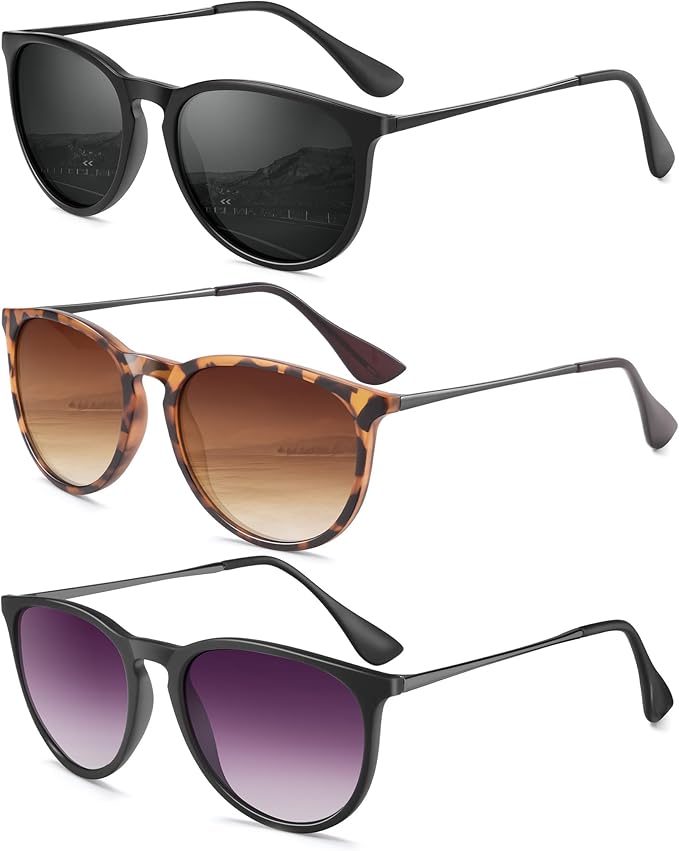
Sunglasses are non-negotiable. The sea reflects light intensely and the sun on those whitewashed and pastel walls is relentless in summer. Get a pair you like enough to wear every day — they’ll earn their place.
A hat is genuinely useful in summer, particularly for the Monterosso beach area where shade is limited. A wide-brimmed straw hat is the classic coastal choice and looks fantastic in photos. A linen bucket hat is more practical for windy conditions. A baseball cap works but reads more American tourist than European wanderer.

A light scarf — already covered in the church section, but worth repeating. It’s the most versatile item on this list after shoes.
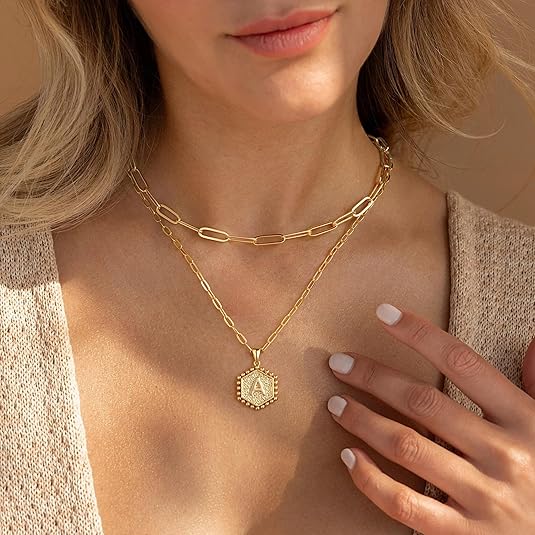
Gold jewellery — even just simple hoops and a delicate necklace — elevates a basic outfit immediately in the Italian context. Pack a few pieces that layer well.
Sunscreen is an accessory in the sense that your skin is part of what you’re wearing, and the Ligurian sun will remind you of this firmly.

Local tip: Skip heavy or statement jewellery for village days — it can snag on things in narrow alleys and draws attention in crowded tourist areas. Save the bigger pieces for dinner.
What to Wear on the Beach at Monterosso
Monterosso al Mare is the only village with a proper sandy beach, and it functions completely differently from the rest of Cinque Terre. Here, summer is about swimwear, sun, and the pleasantly slow rhythm of a proper beach day.
Italians beach-dress with a certain restrained chic. A simple one or two-piece swimsuit in a solid colour or a small print, a loose linen cover-up or an oversized cotton shirt, flat sandals or espadrilles, a straw bag, big sunglasses. That’s the formula and it works beautifully.

What to avoid: full athletic swimwear (rash guards, board shorts reaching the knee) unless you’re actually doing water sports. Very tiny bikinis read fine on the beach but not once you’ve stepped onto the promenade or into a café, so have a cover-up to hand.

Beach to café transitions are common here — the cover-up is your best friend. A loose linen midi-dress over a swimsuit is the effortless Italian beach-to-lunch outfit, and it requires almost no thought.
Local tip: The private beach areas rent sun loungers and umbrellas, and the attendants are dressed better than most tourists. This is not a criticism, it’s an observation.
Fabrics: What Works and What You’ll Regret
Cinque Terre is a walking destination, which means your clothes work harder here than at a resort. Choose fabrics that move well, breathe, and handle a bit of life.
Linen is the single best fabric for warm-weather Cinque Terre. Breathable, beautiful, and it looks right. Yes, it wrinkles — that’s fine here.
Cotton is reliable across all seasons. For warmer months, a loose-weave cotton that breathes; for cooler months, a denser cotton knit or jersey that holds warmth.
Merino wool is underrated for travel and genuinely good for cooler Cinque Terre days. It regulates temperature brilliantly, resists odour, and doesn’t wrinkle. A merino base layer or lightweight knit is worth its packing weight.
Avoid: Polyester in summer — it doesn’t breathe and you’ll feel it. Heavy denim in summer — same problem. Anything very delicate or dry-clean only, because you may need to hand-wash or the coastal salt air will have opinions about it.
Season-by-Season Capsule Wardrobe
Summer (June–August)
The sun is strong, the crowds are thick, and you want to be as cool as possible while still looking intentional.
Think: linen trousers or a midi skirt, plain cotton or linen tees, a sundress or two, flat sandals for the beach, chunky trainers or leather flats for the villages, a thin cotton bomber or denim jacket for evenings, a swimsuit and cover-up for Monterosso, a crossbody bag, sunglasses, and a wide-brimmed hat.
Spring & Autumn (April–June, September–October)
The sweet spot seasons — warm enough for light clothing, cool enough to need real layers.
Think: linen or cotton trousers, fitted jeans for cooler days, a mix of short and long-sleeve tops, a lightweight knit, a linen overshirt, a packable rain jacket or trench, ankle boots or a good trainer, a slightly bigger crossbody or small structured backpack, and a scarf for wind, churches, and evenings.
Winter (November–March)
Quieter, greyer, and genuinely cold in the evenings. But also beautiful.
Think: jeans or warm trousers, a good mid-weight coat or down jacket, layers underneath, a roll-neck, ankle or knee boots with grip, warm accessories (scarf, hat, gloves for colder days), and waterproof footwear if the forecast looks uncertain.
What to Wear Hiking in Cinque Terre
If you plan to hike in Cinque Terre, your outfit needs to be more practical than pretty. The trails are beautiful, but they are also steep, rocky, dusty, exposed to sun, and sometimes slippery after rain.
For a Cinque Terre Italy outfit hike, the most important item is footwear. Wear closed shoes with grip. Trail runners are ideal for most travellers because they are lighter than hiking boots but still give traction. If you need ankle support, lightweight hiking boots are a good option.
Do not hike in flip flops, flat fashion sandals, smooth-soled trainers, or delicate shoes. Even the easier trails can become uncomfortable quickly if your footwear is wrong.
A good hiking outfit:
Trail runners + moisture-wicking top + hiking leggings or lightweight trousers + sun hat + sunglasses + small backpack
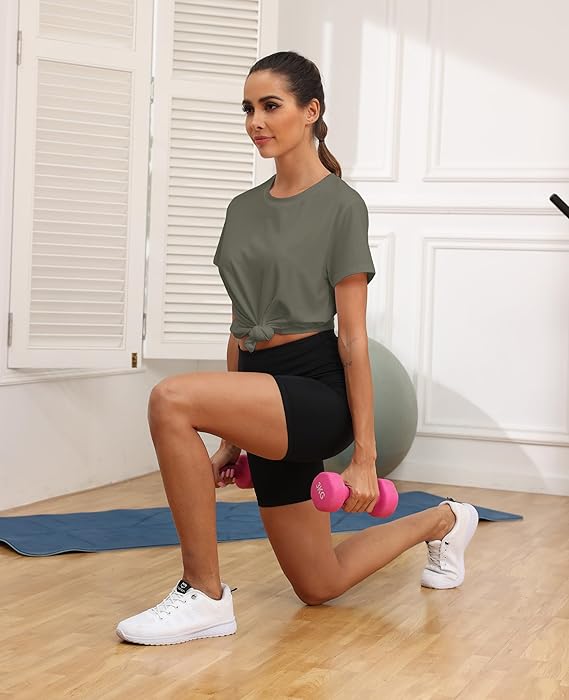
For cooler months:
Trail shoes + merino or technical base layer + fleece or light knit + waterproof jacket

For summer hikes:
Breathable top + lightweight shorts or hiking skirt + trail shoes + hat + plenty of water

Avoid cotton for serious hiking because it holds sweat and dries slowly. Merino wool or technical fabrics are better for longer walks.
What to carry on a Cinque Terre hike:
- water
- sunscreen
- sunglasses
- hat
- snacks
- phone with offline maps
- blister plasters
- light rain layer
- Cinque Terre Card if needed for trail access
Local tip: The trails may look romantic from a distance, but they are still real trails. Dress like you respect them.
Cinque Terre Packing List: What to Pack
For most trips, the best Cinque Terre packing list is light, practical, and mix-and-match. You do not need a different outfit for every photo. You need pieces that work together and survive stairs, sun, wind, trains, cobblestones, and dinner.
Clothing
For a 3–5 day trip, pack:
- 4–5 tops
- 2–3 bottoms
- 1–2 dresses or skirts if you wear them
- 1 light knit or long-sleeve layer
- 1 jacket appropriate to the season
- 1 scarf or wrap
- underwear and socks
- swimsuit if visiting in warm weather or staying near Monterosso
Good tops include plain tees, linen shirts, cotton blouses, lightweight knits, and fitted long sleeves. Good bottoms include straight-leg jeans, linen trousers, cotton trousers, tailored shorts, or midi skirts.
Shoes
Bring a maximum of three pairs:
- Comfortable walking trainers
- Sandals, loafers, or ankle boots depending on season
- Trail shoes only if hiking
For most travellers, two pairs are enough. Wear the bulkiest pair on travel days.
Accessories
- sunglasses
- crossbody bag
- small backpack for hiking or day trips
- sun hat or cap
- scarf or sarong
- simple jewellery
- reusable water bottle
Toiletries and Practical Items
- SPF 50 sunscreen
- blister plasters
- after-sun lotion
- insect repellent in warmer months
- basic first-aid items
- medication
- hand sanitiser
- travel-size laundry detergent if packing light
Tech and Documents
- phone charger
- power bank
- travel adapter for Italy
- offline maps
- hotel details
- travel insurance
- train tickets or Cinque Terre Card details
Luggage Tip
Pack lighter than you think you need to. Cinque Terre is not the place for a giant suitcase. Many streets are steep, many hotels involve stairs, and train stations are not always easy with heavy luggage. A carry-on suitcase or travel backpack is usually much better than a large checked bag.
A Final Word
Cinque Terre doesn’t need you to be stylish. It’s going to be beautiful regardless — the light on the water, the painted houses, the smell of pesto and salt and something flowers you can’t quite identify. None of that depends on your outfit.
But dressing well here, in the sense of dressing right — comfortable shoes, the right layers, a bag that doesn’t slow you down — means you get to spend your energy on the actual experience instead of managing your wardrobe mid-adventure. That’s the whole point.
Pack smart, travel light, wear your good trainers, and bring a scarf. The rest has a way of working itself out when you’re standing on a harbour wall in Vernazza watching the light go gold over the sea.
FAQ
Wear comfortable but polished travel outfits: linen trousers, cotton tops, midi dresses, clean trainers, light layers, and a crossbody bag. Cinque Terre is casual, but Italians still tend to dress neatly, so avoid looking too sloppy or overly sporty unless you are hiking.
Yes, but only supportive sandals with grip. Flat flimsy sandals and flip flops are not ideal for the villages because of the steep stairs and uneven cobblestones. Save flip flops for the beach in Monterosso.
The best shoes for Cinque Terre are comfortable trainers, leather sneakers, trail runners, or ankle boots with grip. If you are hiking, wear closed shoes with anti-slip soles.
In April, wear light layers: jeans or linen trousers, a long-sleeve top, linen shirt, trench coat or denim jacket, and closed shoes. April can be mild during the day but cool and damp in the morning and evening.
In October, pack transitional autumn outfits. Straight-leg jeans, midi dresses, light knits, trench coats, leather jackets, ankle boots, and trainers all work well. Bring a rain layer if you plan to hike.
Men should wear linen shirts, polos, plain tees, chino shorts, linen trousers, jeans, clean trainers, loafers, or leather sandals depending on the season. Avoid cargo shorts, loud graphics, and bulky gym shoes unless hiking.
Wear trail runners or hiking shoes, moisture-wicking clothing, a hat, sunglasses, and a small backpack. Avoid sandals, flip flops, and smooth-soled fashion trainers on the trails.
Yes, because Cinque Terre is not a normal city trip. You need clothes that work for walking, stairs, beach time, churches, restaurants, trains, and changing weather. Pack light and focus on practical, mix-and-match pieces.

