
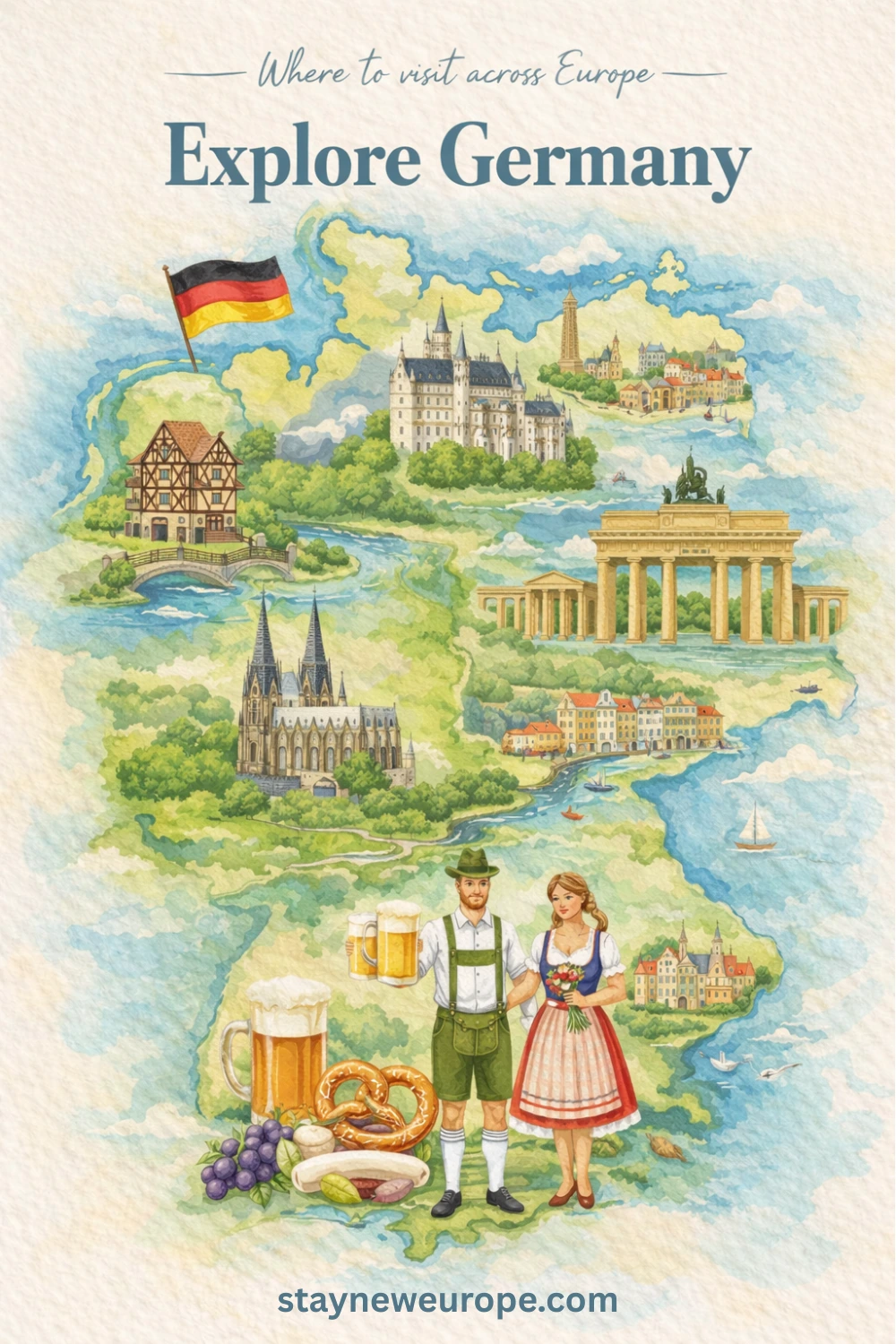
Germany is one of those countries that completely surprises you — and I mean that in the best possible way. Before my first trip, I honestly thought it would be all beer halls and car museums (not that there’s anything wrong with either of those things). But the moment you start exploring, you realise just how wildly diverse this country really is.
From edgy, ever-evolving capital cities to quiet medieval towns tucked inside forested valleys — Germany truly has something for every kind of traveller. And with close to 80 cities worth visiting, the hardest part is actually choosing where to start.
I’ve done a lot of exploring here over the years, and I’m always blown away by how different each city feels. The north has a cool, almost Scandinavian energy. The south is warm, hearty and steeped in Bavarian tradition. And somewhere in the middle, you’ve got cities like Leipzig quietly doing their own artsy, underrated thing.
So whether you’re planning your first Germany trip or you’ve been a dozen times and want to try something new — here are the 13 best cities in Germany you absolutely have to visit. Bratwurst in hand, obviously.
1. Schwerin — The Fairy Tale Capital You’ve Never Heard Of
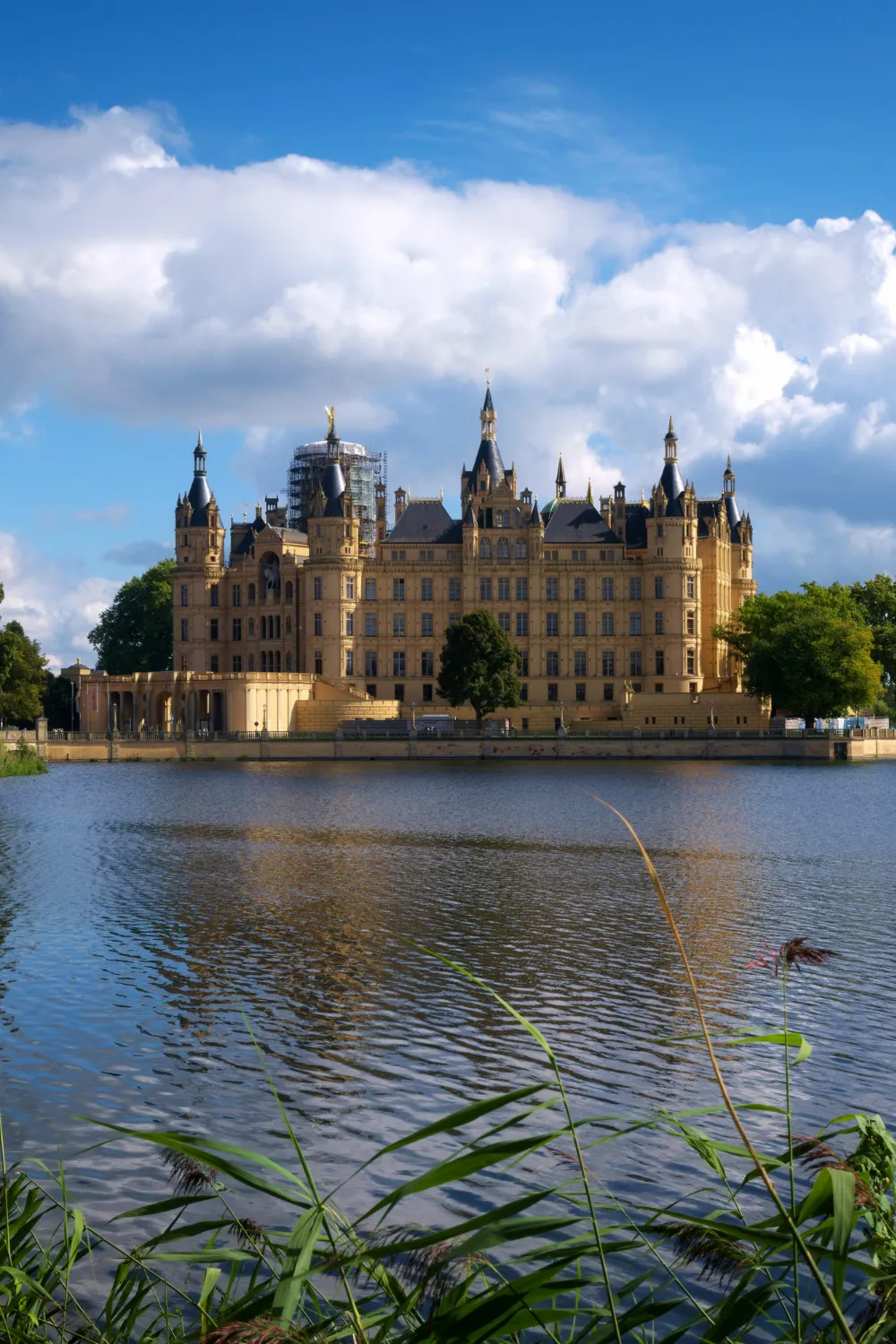
Let’s start with one that flies completely under the radar: Schwerin.
Most people who plan a Germany trip skip straight past it in favour of Berlin or Hamburg — and honestly, that’s their loss. Schwerin is the capital of Mecklenburg-Vorpommern, tucked away in the northeast, and it is genuinely one of the most beautiful small cities in the whole country.
The crown jewel here is Schwerin Palace — a jaw-dropping, 1,000-year-old building that sits right on the water and currently houses the state parliament. It looks like something straight out of a Disney film, except it’s completely real and you can actually walk around it. The turrets, the lake reflections, the manicured gardens — it’s almost unfairly pretty.
Beyond the palace, the city is surrounded by seven lakes, which makes it perfect for an afternoon stroll or a bike ride when the weather’s playing nice. The old town is compact and lovely, with good restaurants, cosy cafes and a relaxed pace of life that feels like a real breath of fresh air after busier cities.
If you’re staying overnight (and you should), try to grab a waterfront room — waking up to lake views in this city is something you won’t forget in a hurry.
Don’t miss: Schwerin Palace, the Cathedral, a boat ride on the lake, and fresh seafood from one of the harbour restaurants.
2. Hamburg — Cool, Cosmopolitan and Completely Addictive
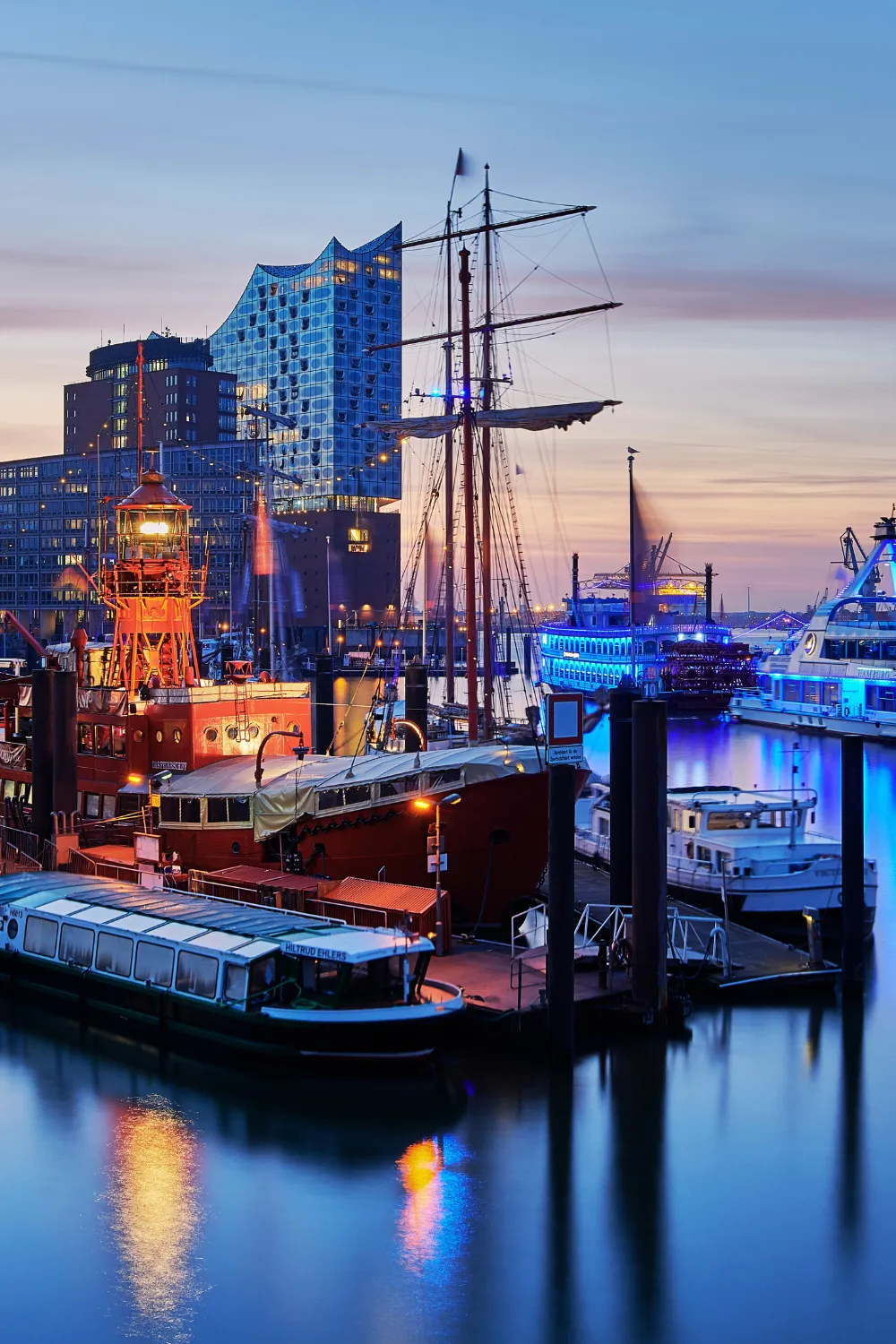
Hamburg is one of my absolute favourite cities in Germany — honestly, in all of Europe — and I could visit again and again without ever getting bored.
Located on the Jutland Peninsula in northern Germany, Hamburg has this wonderfully balanced energy. It feels sophisticated and orderly (almost Scandinavian in places), but it also knows how to let its hair down. The waterfront, the architecture, the food scene — everything just works.
The Speicherstadt warehouse district is one of the most photographed spots in the city, and for good reason. Those red-brick buildings reflected in the canals are incredibly atmospheric, especially on a moody, overcast day (and yes, Hamburg gets its fair share of those). Nearby, the ultra-modern HafenCity district offers a striking contrast — all sleek glass and contemporary design sitting right next to 19th-century warehouses.
If you’re a coffee person, Hamburg’s café scene is genuinely world-class. Spend a morning hopping between spots in the Karolinenviertel neighbourhood — it’s the kind of area where you stumble onto cool vintage shops, great brunch spots and independent bookstores just by wandering aimlessly.
Hamburg also loves a good festival. The Hafengeburtstag (Harbour Birthday) celebration is one of the biggest port festivals in the world, and the Christmas markets here are absolutely spectacular — think multiple themed markets dotted across the city, each with its own vibe.
For food, the city does everything well. Meat lovers should make a beeline for Bullerei, a brilliant restaurant set inside a converted slaughterhouse (sounds grim, tastes incredible). And if you want cake — proper, indulgent, Hamburg-style cake — find yourself a seat at a harbour-side café and order a slice of something you can’t pronounce.
Don’t miss: Speicherstadt, Miniatur Wunderland, the Elbphilharmonie concert hall (even just from the outside), and the Reeperbahn for a lively night out.
3. Berlin — The City That Never Stays the Same
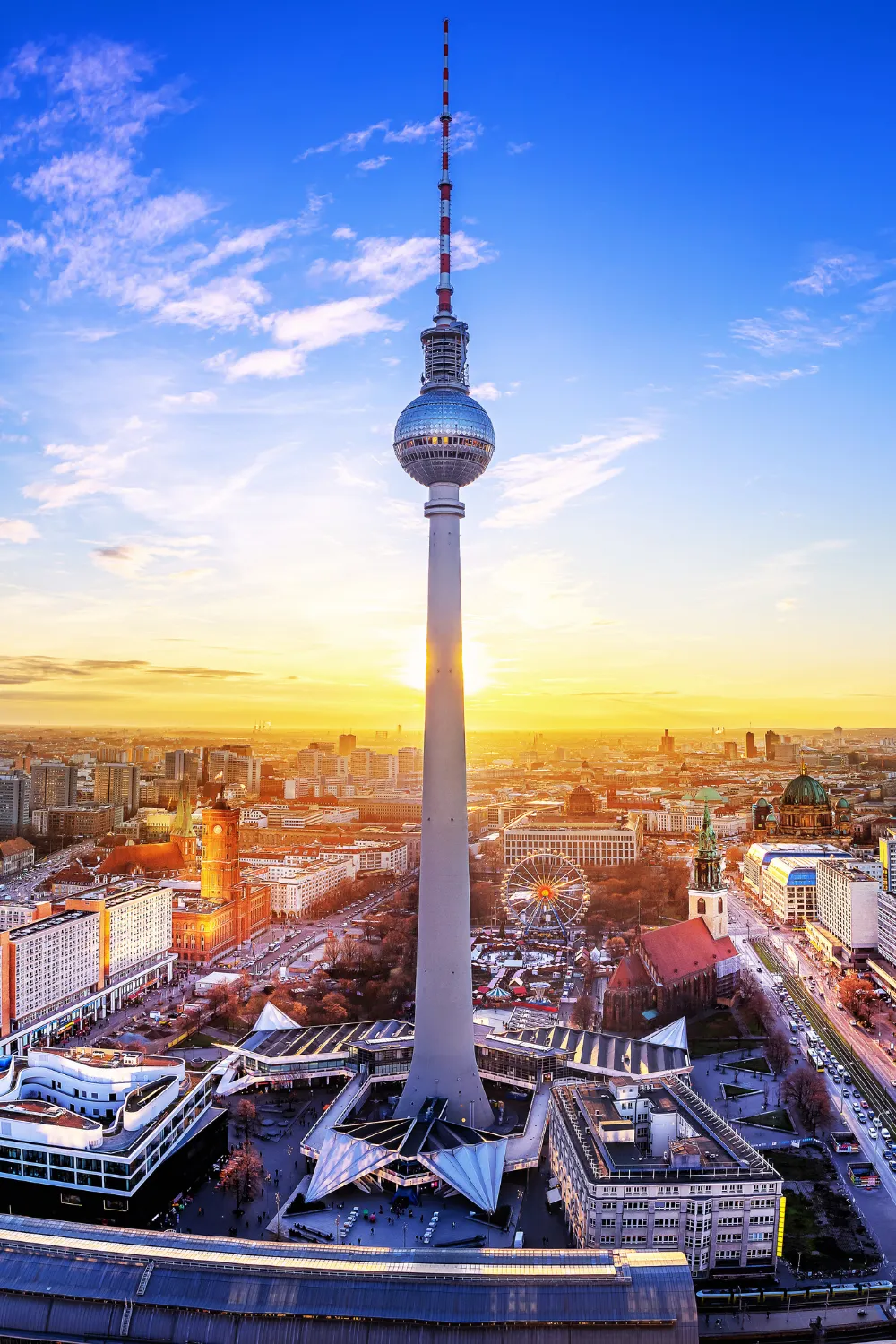
There are cities you visit once and feel like you’ve seen it all. Berlin is not one of those cities.
Every single time I’ve been to Berlin, it’s felt like a different place. New neighbourhoods are always emerging, old spaces are being reimagined, and the creative energy here is relentless. It’s edgy, it’s a little chaotic, and it is absolutely brilliant.
The history alone could keep you busy for days. The Reichstag, the Brandenburg Gate, the haunting Holocaust Memorial, the Berlin Wall’s East Side Gallery — these aren’t just tourist checkboxes, they’re genuinely moving and important places to visit. Berlin wears its complicated history honestly, and that makes it one of the most thought-provoking cities you’ll ever walk through.
But Berlin is also so much more than its history. The food scene is outrageously good — from world-class Vietnamese food in Neukölln to some of the best burgers you’ll ever eat scattered across Mitte and Prenzlauer Berg. The coffee culture is serious. The street art is everywhere. And Sundays at Mauerpark flea market — where locals sell vintage finds and someone inevitably starts an impromptu karaoke session — might be one of the best free experiences in Europe.
If you have time, hop on a 30-minute train to Potsdam just outside the city. The palaces and gardens there are like nothing else in Germany — lush, elaborate and genuinely fairy-tale-like. It’s one of the most underrated day trips on the continent.
Don’t miss: Museum Island, the Reichstag dome (free but requires booking), Charlottenburg Palace, Kreuzberg neighbourhood for food, and Potsdam for a day trip.
4. Cologne — History, Cathedrals and a Really Good Time
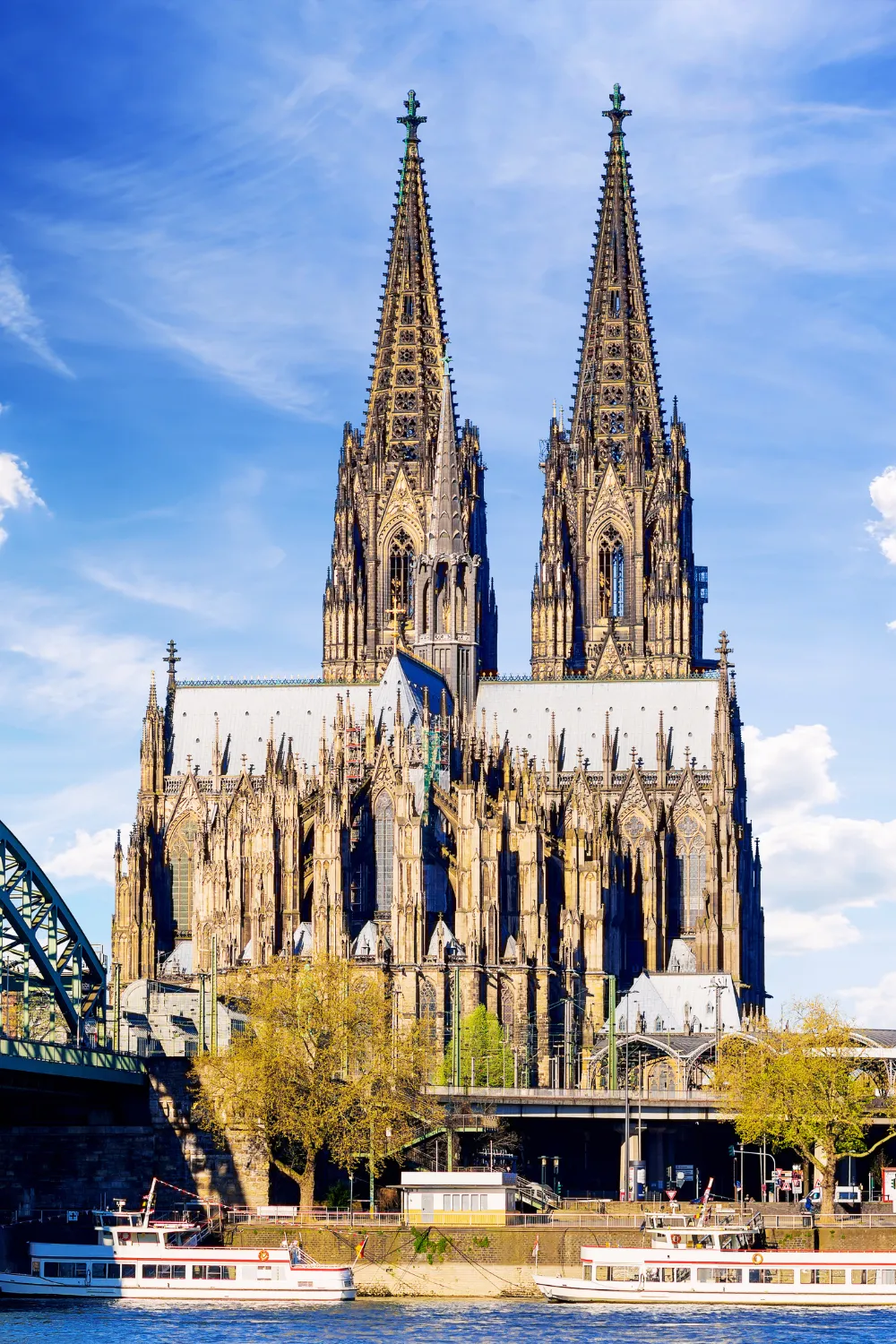
Cologne sits on the Rhine in western Germany, and it’s one of those cities that tends to get a bit overlooked compared to its flashier neighbours. That’s a mistake.
This city has been around since Roman times — literally since the 1st century AD — and that depth of history is palpable in every corner of the old town. The absolute centrepiece is the Cologne Cathedral (Kölner Dom), a UNESCO World Heritage Site and one of the most stunning Gothic buildings anywhere in the world. It took over 600 years to build, and standing at the base of it, craning your neck upward, you can absolutely believe it.
If you want a workout, climb the 533 steps to the top of the south tower. The views across the city and the Rhine are worth every single step — just maybe go before a big meal rather than after.
Beyond the cathedral, Cologne has a surprisingly vibrant cultural life. The Belgian Quarter is full of indie boutiques, quirky bars and great little restaurants — it’s the kind of neighbourhood you wander into for 20 minutes and end up spending an entire afternoon in. The city also has an excellent museum scene, including the spectacular Museum Ludwig with its massive collection of modern and pop art.
Cologne’s carnival (Karneval) is legendary in Germany — if you happen to be visiting in February or March, prepare yourself for one of the most enthusiastically celebrated street parties you’ve ever witnessed.
Don’t miss: Cologne Cathedral (and the tower climb), the Belgian Quarter, Museum Ludwig, the Rhine promenade, and the old town.
5. Leipzig — The Artsy Underdog You Need to Visit Immediately
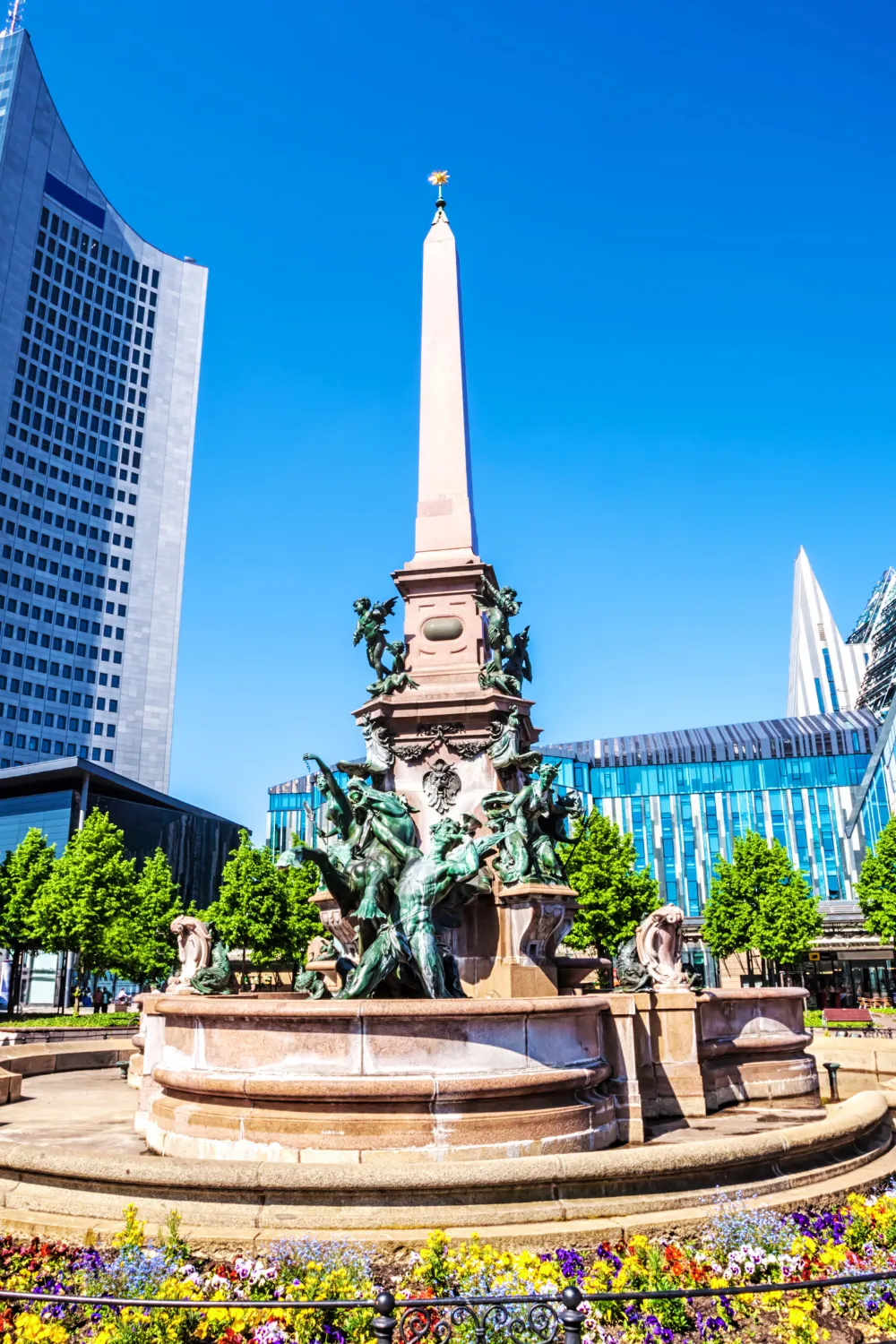
Leipzig completely took me by surprise, and I say that as someone who thought I knew what to expect from German cities.
I didn’t really know much about Leipzig before visiting. It had been on my list in a vague, “I’ll get round to it eventually” kind of way. Then I actually went — and I was completely smitten.
Leipzig has this wonderful, unpretentious creative energy that you don’t always find in bigger, more famous cities. It’s got a booming arts scene (it’s been called the “New Berlin” by people who love that kind of comparison), loads of independent galleries and studios, great live music venues, and a coffee-shop culture that would make any café-hopper very happy.
Historically, it’s also fascinating. The Battle of Nations Monument (Völkerschlachtdenkmal) is one of the most dramatic pieces of architecture you’ll see in Germany — a colossal stone memorial that commemorates the 1813 battle against Napoleon. It’s enormous, slightly eerie, and absolutely worth the visit.
The Old City Hall and the surrounding Market Square are beautiful, and the Panorama Tower gives you sweeping views over the whole city. But honestly? Some of the best Leipzig moments come from simply wandering through the old courtyards (called Passagen) that run through the city centre — they’re full of little shops, studios and cafés that feel totally hidden from the street.
Don’t miss: Völkerschlachtdenkmal, the Passage courtyards, Market Square, the Kunstkraftwerk art gallery, and the lively Plagwitz neighbourhood.
6. Düsseldorf — More Than Just a Business City
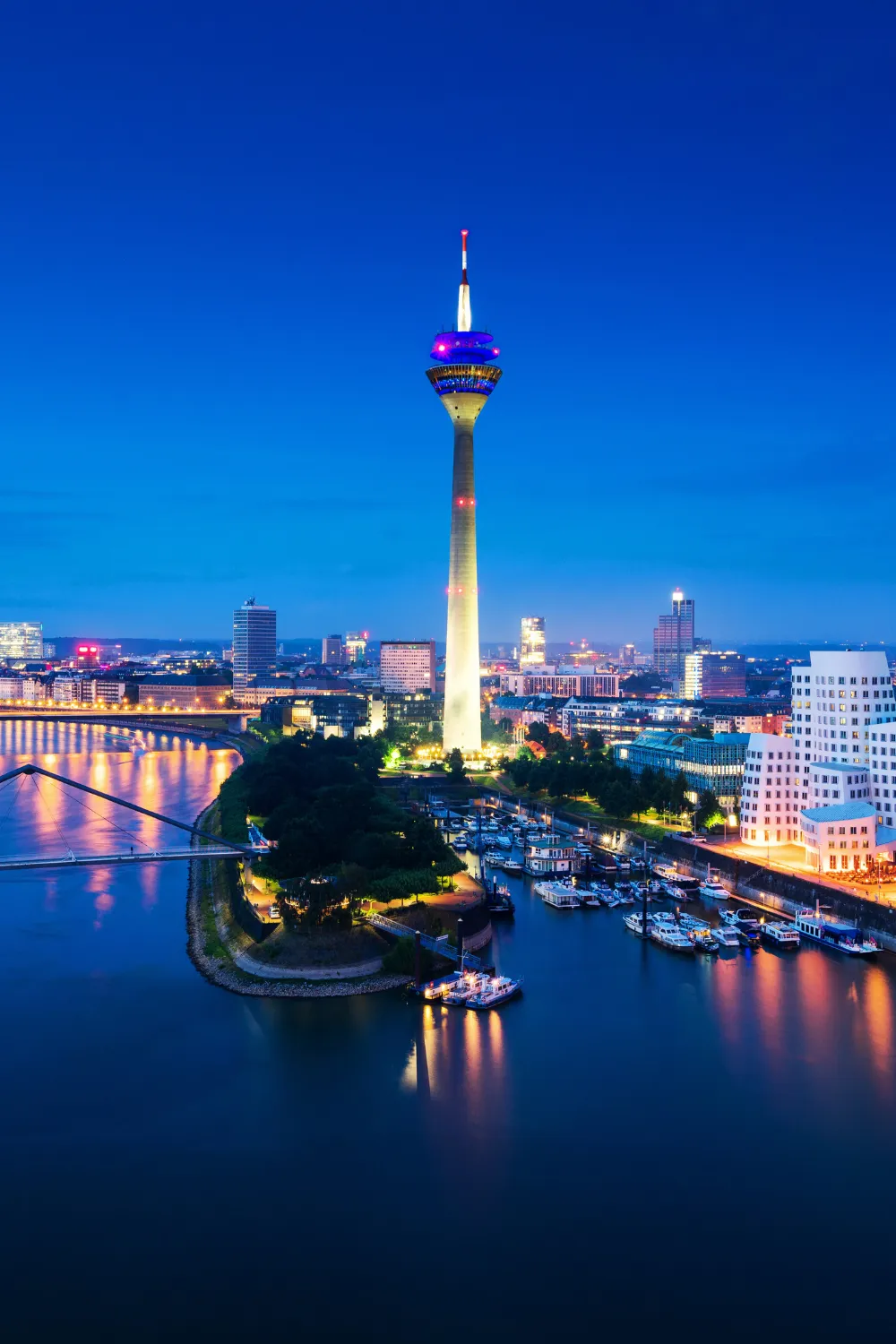
Düsseldorf has an image problem, and it’s entirely undeserved.
Ask most people about Düsseldorf and they’ll say something like “isn’t that just a business city?” — which, fair enough, it is a major financial and commercial hub. But scratch the surface a little and you’ll find a genuinely cosmopolitan, stylish city with a lot going for it.
The Rheinufer (Rhine promenade) is one of the nicest riverside walks in Germany — lined with restaurants, bars and people-watching opportunities, it’s the kind of place you end up spending a whole afternoon without meaning to. The Altstadt (old town) is famously known as the “longest bar in the world” because of its incredibly dense concentration of pubs and bars — which tells you a lot about how seriously Düsseldorf takes a good night out.
Schloss Benrath is a gorgeous Baroque palace on the outskirts of the city, set in lovely gardens and well worth an afternoon. And the city’s Carlsplatz market is the kind of bustling, colourful food market that makes you want to cook a proper meal.
One more thing — if you’re flying into Düsseldorf Airport, take the Skytrain into the city. It’s a suspended monorail that hangs from a track above the ground, which sounds like it shouldn’t work but is absolutely brilliant. Little things like that are why travel is so fun.
Don’t miss: The Rhine promenade, the Altstadt, Schloss Benrath, Carlsplatz market, and the Kunstsammlung Nordrhein-Westfalen gallery.
7. Frankfurt — The International Powerhouse With Hidden Charm
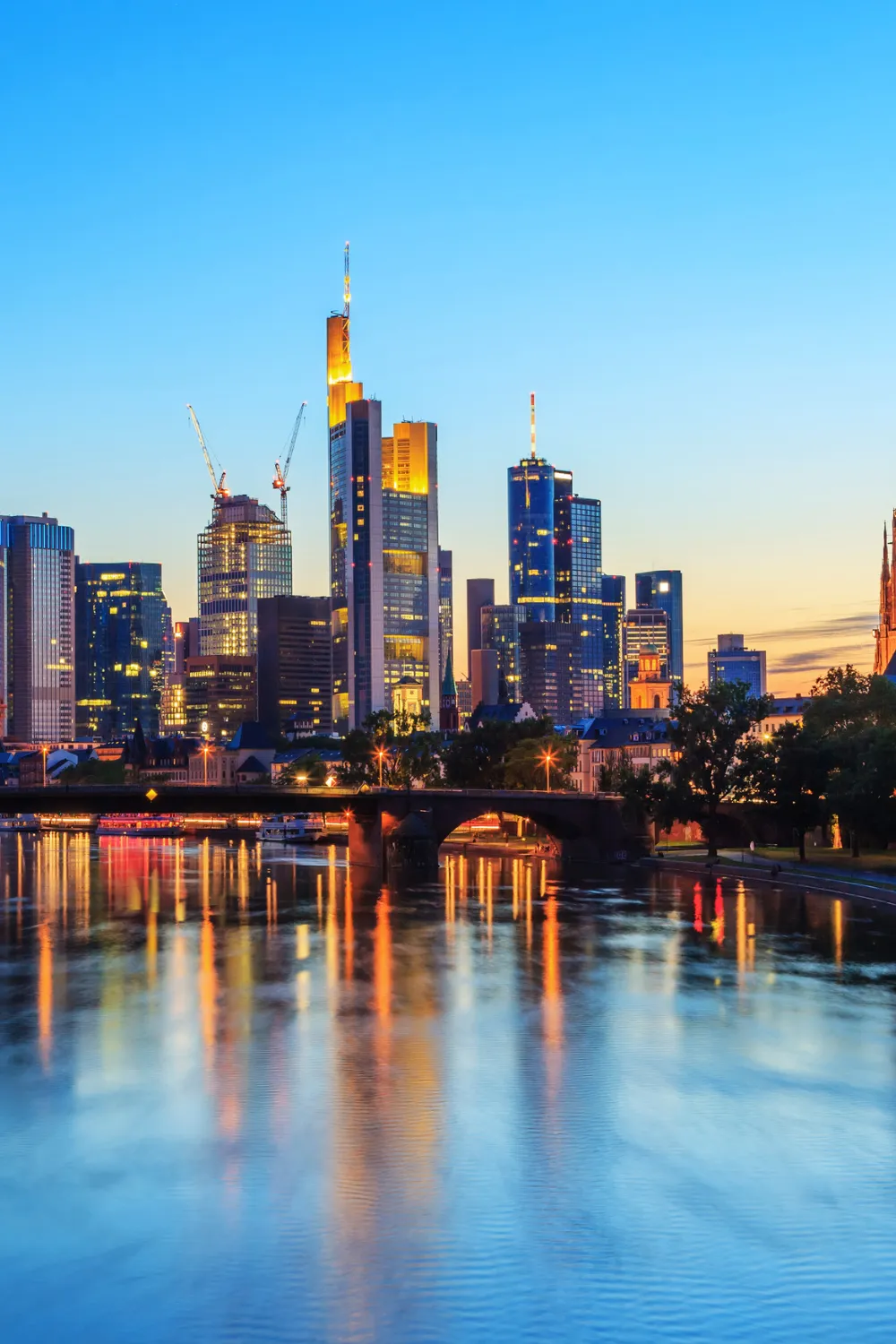
Frankfurt is Germany’s financial capital, home to the European Central Bank, and one of the most connected transport hubs in Europe. But don’t let that corporate reputation fool you — this city has real warmth and character once you look past the skyscrapers.
Historically, Frankfurt punches well above its weight. It was here that German kings and emperors were elected and crowned for centuries, which is why the city has such a remarkable collection of historic churches and civic buildings crammed into the old town. St. Bartholomew’s Cathedral is stunning — Gothic, imposing, and full of history.
The Römerberg square in the old town is one of the most photographed spots in all of Germany, and rightfully so. Those half-timbered buildings, restored after wartime destruction, are picture-perfect. Grab a coffee from one of the surrounding cafés and just soak it in.
Frankfurt also runs one of the oldest and most prestigious book fairs in the world — the Frankfurter Buchmesse, which has been held since the 15th century. If you’re a book lover and happen to visit in October, this is absolutely unmissable.
The Sachsenhausen district on the south side of the river is where you’ll find the Museumsufer — a strip of world-class museums along the riverbank — as well as the best Apfelwein (apple wine) taverns in the city. Don’t leave without trying it.
Don’t miss: Römerberg, St. Bartholomew’s Cathedral, the Museumsufer, Sachsenhausen for apple wine, and Kleinmarkthalle food market.
8. Nuremberg — Where History Hits Hard and Gingerbread is Serious Business
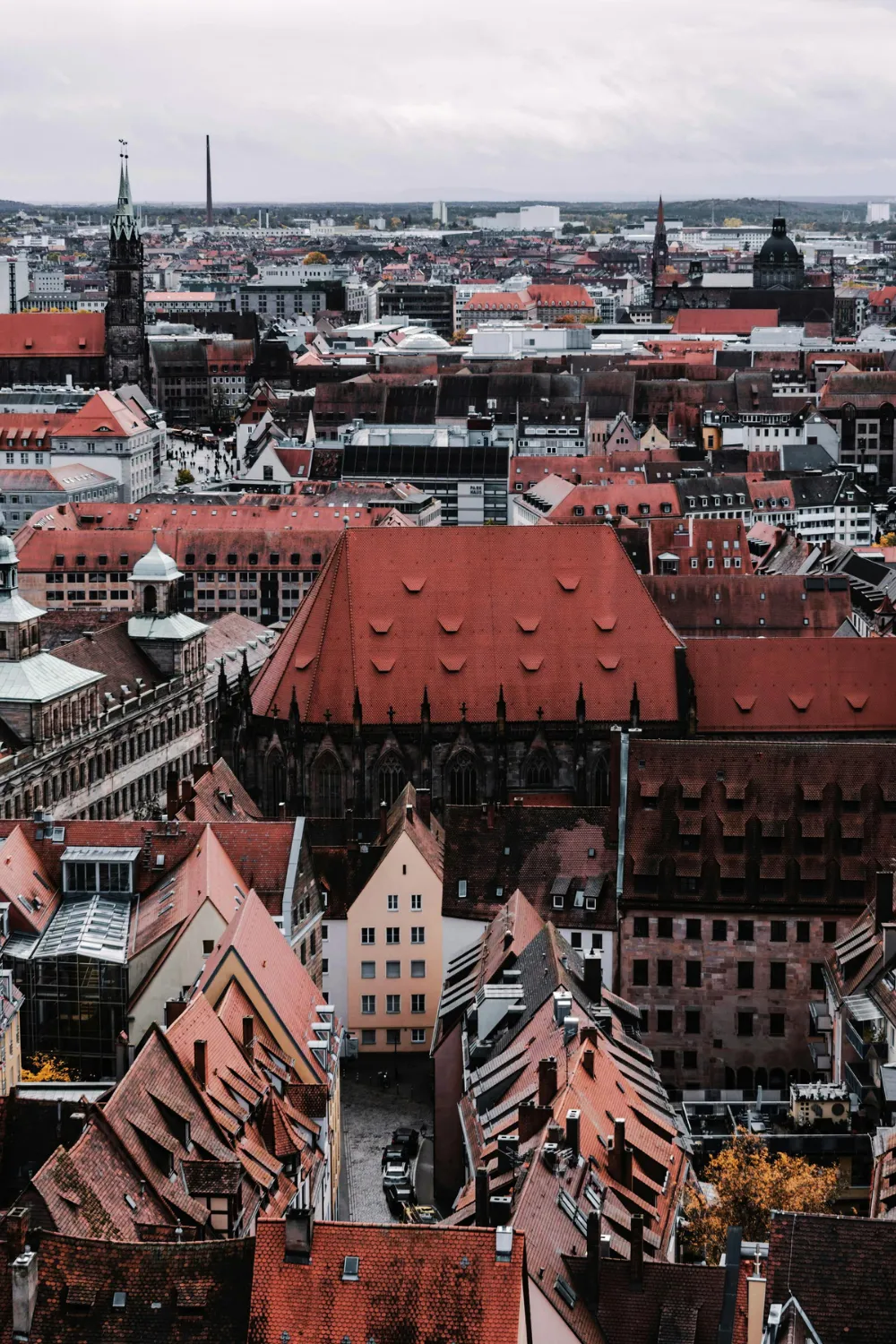
Nuremberg is one of the most historically layered cities in Germany, and visiting it is a genuinely profound experience.
The city’s medieval old town — the Altstadt — is stunning. Cobbled streets, Gothic churches, a hilltop castle, colourful market squares — it looks almost theatrical in its beauty. The Kaiserburg Castle looms over everything and offers some of the best views in the city. Wander through the narrow lanes of Weissgerbergasse and you’ll feel like you’ve stepped back several centuries.
Then there’s the heavier side of Nuremberg’s history. The city was central to Nazi propaganda — the enormous Party Rally Grounds, where the infamous rallies were held, are now home to the Documentation Centre, one of the most important and sobering museums in Germany. It’s not an easy visit, but it’s an essential one.
And then — because life contains multitudes — Nuremberg is also the home of the most famous Christmas market in Germany. The Christkindlesmarkt is one of the oldest in the world, and the whole old town transforms into something genuinely magical from late November onwards. The city is also famous for its gingerbread (Lebkuchen) — do not leave without eating several pieces.
Don’t miss: Kaiserburg Castle, Altstadt, Documentation Centre, St. Lorenz Church, the Neues Museum Nürnberg, and the Christmas market in season.
9. Heidelberg — Romance on the Neckar River
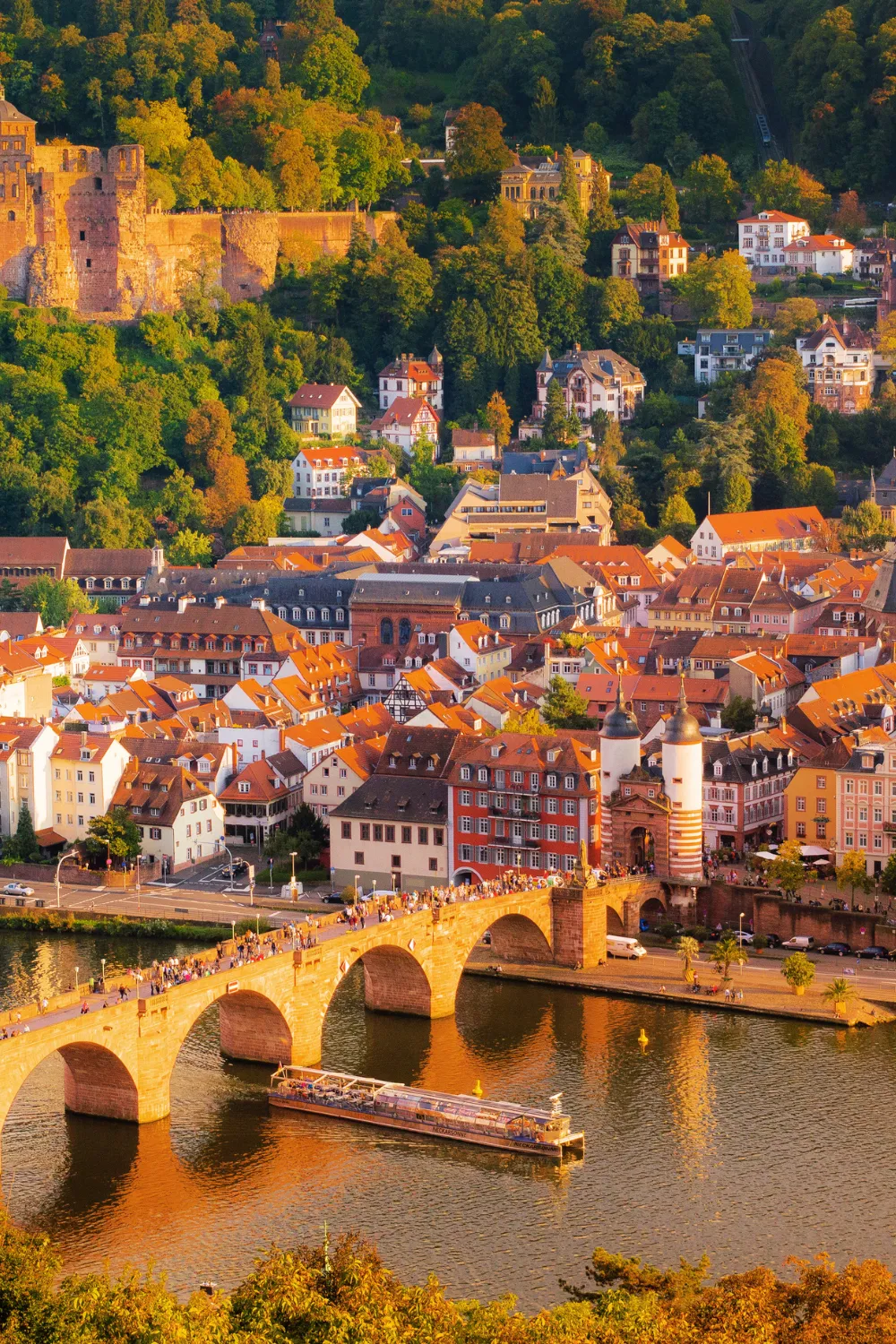
If you’re after picture-postcard Germany, Heidelberg is your place.
This is a city that has inspired poets, painters and romantics for centuries — and one look at it tells you exactly why. The ruined Heidelberg Castle sits high above the town on a forested hillside, the Alte Brücke (Old Bridge) arches gracefully over the Neckar River, and the cobbled streets of the old town below are filled with beautiful baroque buildings, independent bookshops and tucked-away restaurants.
The city is home to Germany’s oldest university (founded in 1386), which gives it a wonderfully lively, youthful energy that balances out all the historic grandeur nicely. Students spill out of cafés onto the streets, the bars are lively well into the evening, and the whole place has a kind of intellectual, romantic buzz that’s really quite lovely.
Philosophers’ Walk — a hillside path on the opposite bank of the river — is one of the most famous walks in Germany, and it earns the title. The views back across the old town and the castle are breathtaking, especially in the golden light of late afternoon.
Don’t miss: Heidelberg Castle, the Old Bridge, Philosophers’ Walk, the old town, and a schnitzel at Schnitzelbank.
10. Freiburg — The Sunniest City in Germany
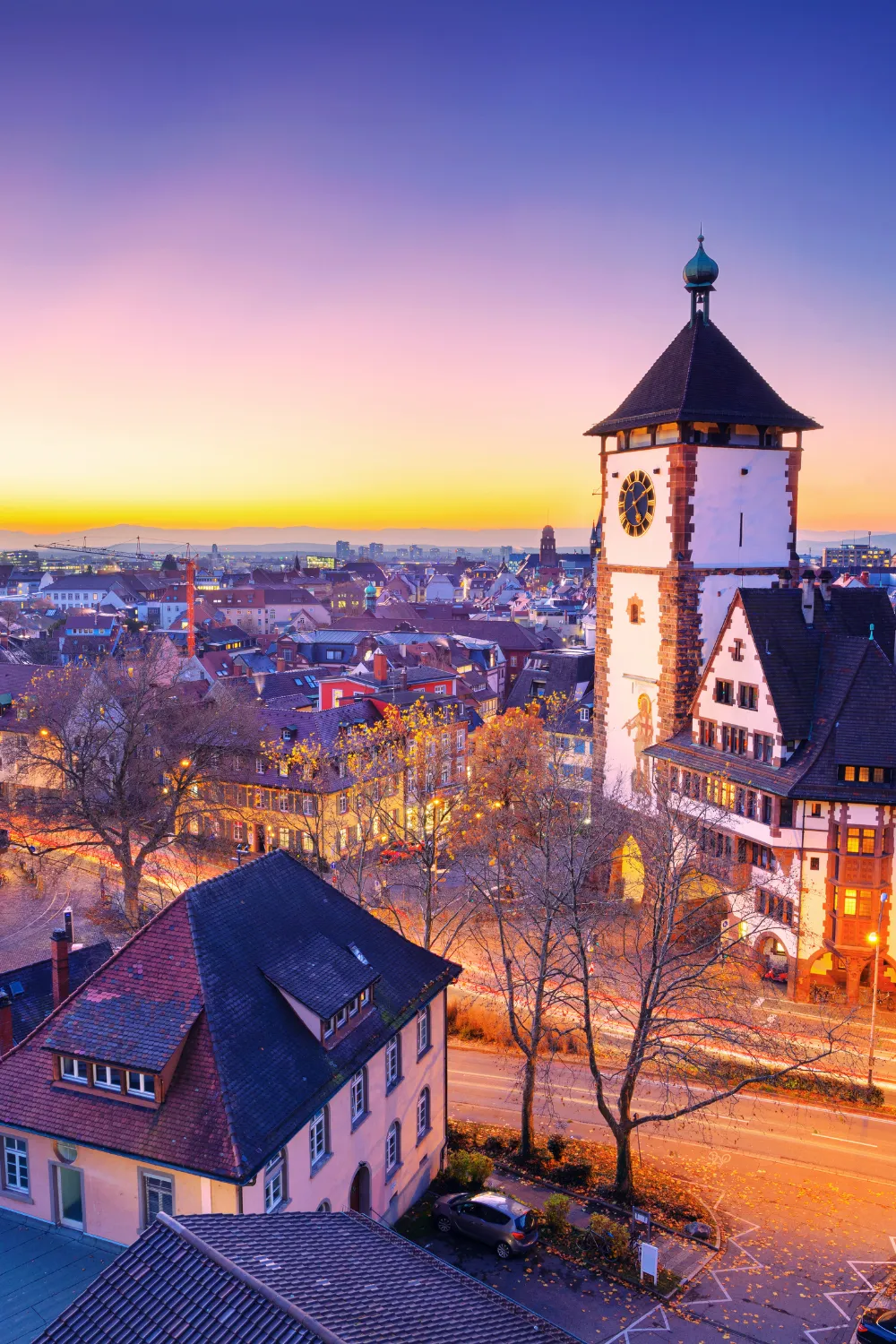
Perched on the edge of the Black Forest, right on the doorstep of both Switzerland and France, Freiburg is one of the most charming cities in Germany — and also the warmest and sunniest, which is always a bonus.
This is a university city with a wonderfully laid-back, outdoorsy character. The students who come here to study the beautiful surroundings tend to stay, and that gives Freiburg an energetic, youthful quality that sits beautifully alongside its medieval architecture.
The star of the old town is the Freiburger Münster, a stunning Gothic cathedral that took three centuries to build and is considered one of the finest in the world. The tower — the only one ever completed in the Middle Ages — is breathtaking. The Saturday market in the square below the Münster is one of the best in Germany, full of local produce, flowers and regional specialities.
What really sets Freiburg apart, though, is its setting. The Black Forest begins almost immediately at the edge of the city, and you can be hiking through dense pine forests, wandering past waterfalls or cycling through vineyards within minutes of the city centre. It’s one of those rare places where city life and nature feel genuinely, easily combined.
Don’t miss: The Münster and its market, the Augustinermuseum, the Schlossberg hill for views, a day trip into the Black Forest, and the Schwabentor medieval gate.
11. Würzburg — Palaces, Wine and the Road to Romance
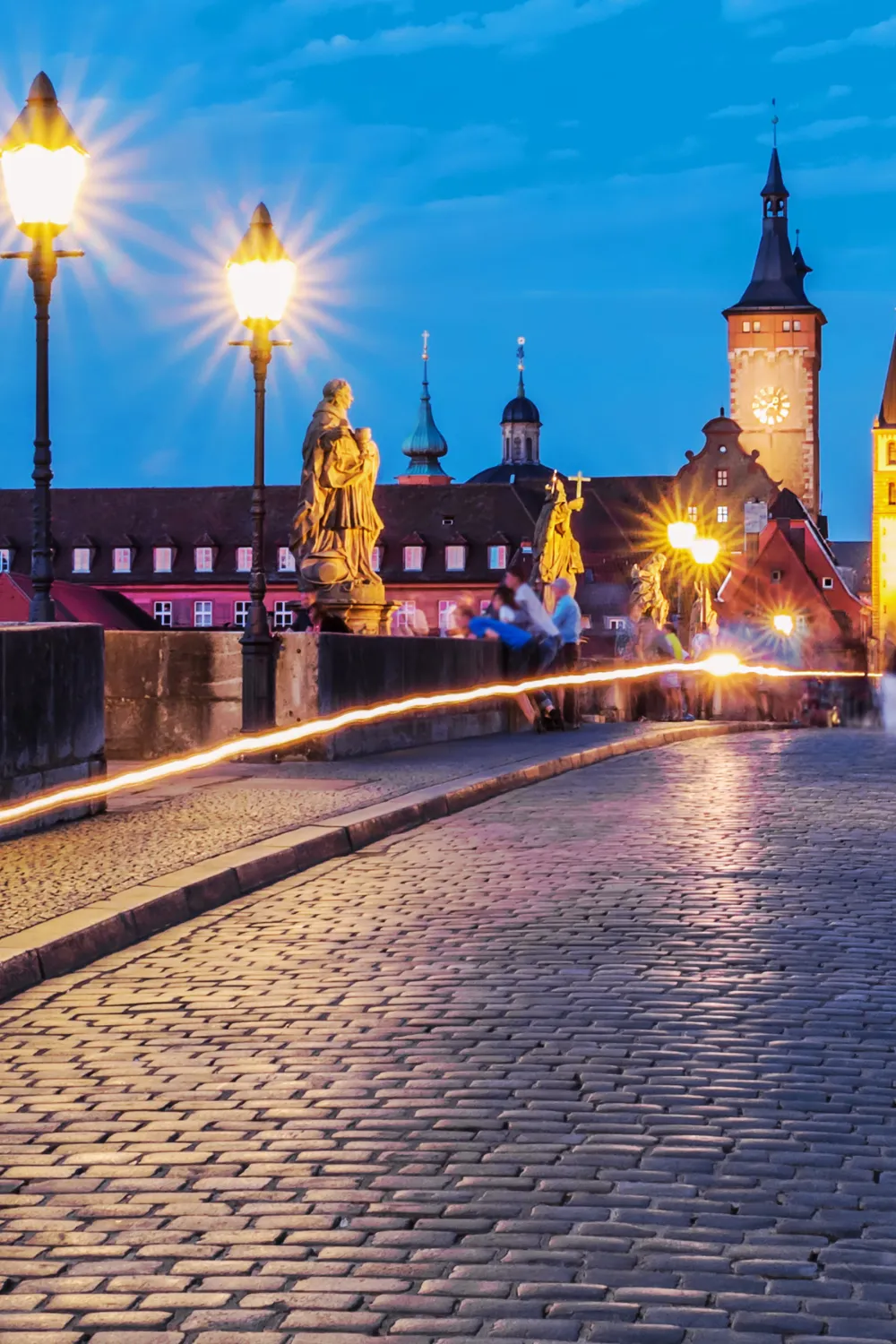
Würzburg sits at the northern end of the famous Romantic Road — Germany’s most celebrated scenic driving route — and the city itself is every bit as beautiful as the landscapes that surround it.
This was once the seat of some of Germany’s most powerful prince-bishops, and the city still bears the marks of that opulent past. The Würzburg Residence is the crown jewel — a UNESCO-listed Baroque palace so extravagant and so beautifully preserved that it regularly features on lists of the finest buildings in Europe. The ceiling fresco in the staircase hall, painted by Tiepolo, is considered the largest in the world. It’s the kind of place that genuinely makes your jaw drop.
High above the city, the Festung Marienberg fortress watches over the Main River, and the views from up there are wonderful — especially during the golden hour when the vineyards below glow in the fading light. Yes, vineyards — Würzburg is right in the heart of Franconian wine country, and the local wines (particularly the white Silvaner) are excellent.
The old town has a lovely, human-scaled feel, with a beautiful market square and plenty of good restaurants serving hearty Franconian food. The famous Würzburg Wine Festival in June draws visitors from all over Germany.
Don’t miss: The Würzburg Residence, Festung Marienberg, the old Main Bridge with its baroque statues, Würzburg Cathedral, and the local Franconian wine.
12. Munich — Bavaria’s Big, Brilliant Capital
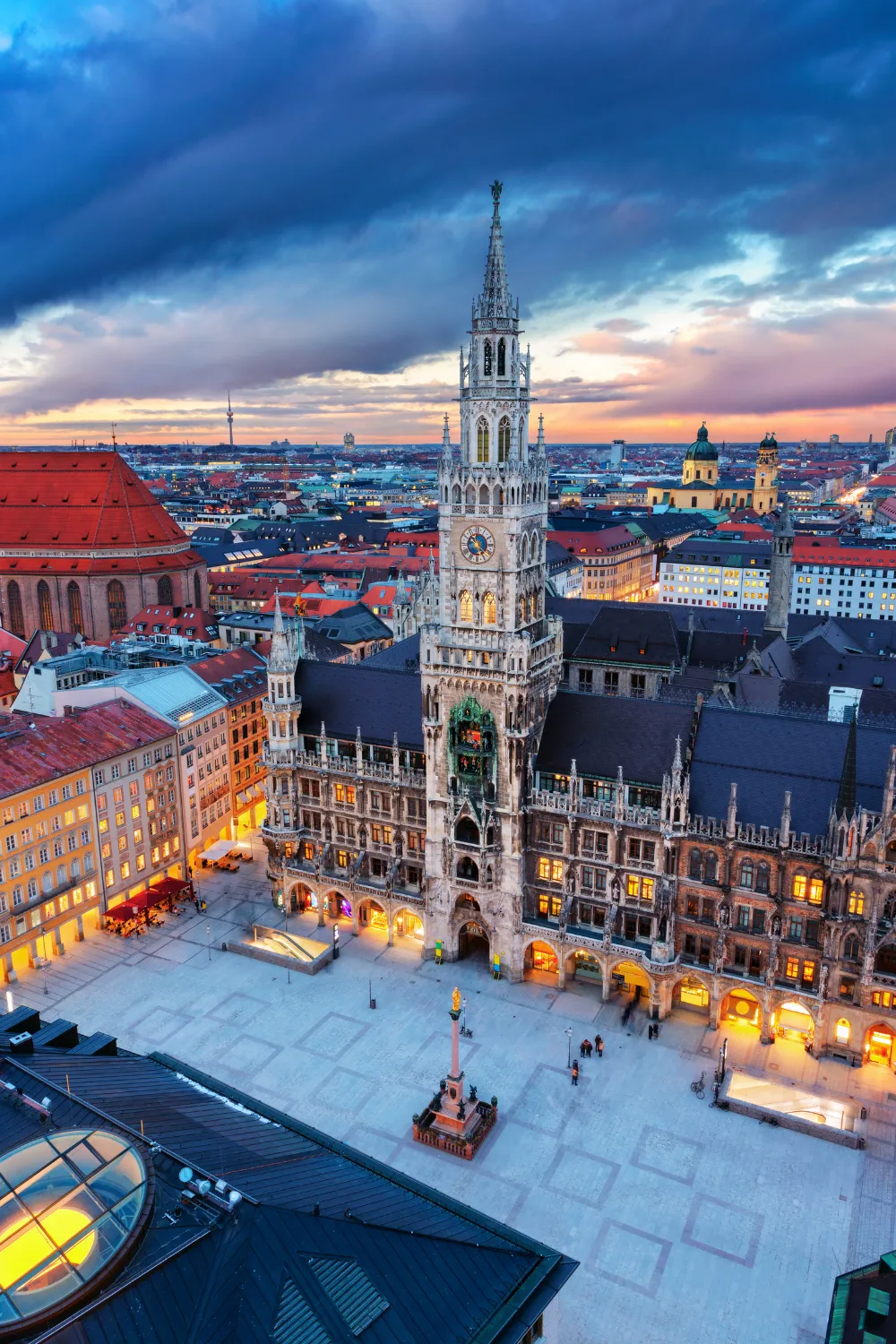
Munich is the kind of city that grabs you by the collar and refuses to let go.
It’s the capital of Bavaria and the third-largest city in Germany, but it has none of the anonymous bigness that sometimes comes with large cities. Munich feels warm, proud and deeply connected to its identity — Bavarian culture isn’t just something Munich has, it’s something Munich actively celebrates, loudly and enthusiastically.
You already know about Oktoberfest — and yes, if you can get to Munich in late September or early October, you absolutely should experience it at least once. The scale of it is genuinely staggering. Millions of people, enormous beer tents, lederhosen, oompah bands, and the best pretzels you’ve ever eaten. It’s chaotic and loud and completely wonderful.
But Munich is so much more than one festival. The Marienplatz central square, with its neo-Gothic Rathaus and its famous Glockenspiel, is one of the most beautiful civic spaces in Germany. The English Garden (Englischer Garten) is larger than Central Park in New York and has a beer garden where locals drink in all weathers. There’s also a river surfing wave — the Eisbachwelle — where surfers ride a standing wave in the middle of the city, which might be one of the most Munich things that exists.
For museums, you have the Deutsches Museum (the world’s largest science museum), the BMW Museum (incredibly cool even if you don’t care about cars), and the Pinakothek galleries for world-class art. The city has a way of making you feel like whatever your interest is, Munich has a brilliant version of it.
Don’t miss: Marienplatz, the English Garden, Viktualienmarkt food market, Nymphenburg Palace, the Deutsches Museum, and Oktoberfest if the timing works out.
13. Regensburg — Germany’s Best-Kept Secret
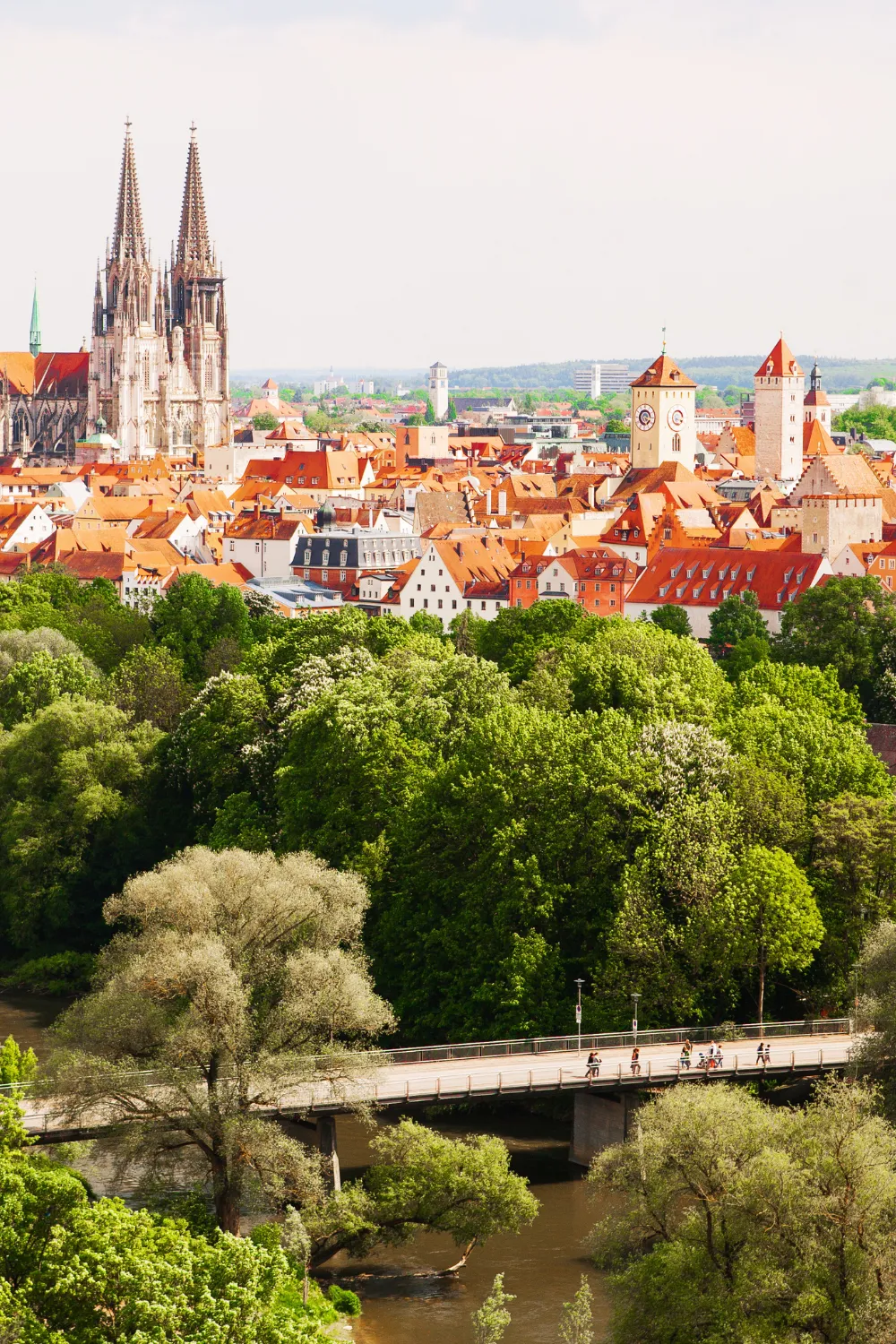
We’re ending with one of the most underrated cities in all of Germany, and if you haven’t heard of Regensburg — well, that’s kind of the point.
Regensburg is ancient. We’re talking Roman-settlement ancient — it predates Munich as the capital of Bavaria by centuries, and the old town is so remarkably intact that UNESCO gave it World Heritage status in 2006. Walking through the centre feels genuinely unlike anywhere else in Germany. There’s no Disney-fication here, no over-polished tourist trail. It just feels like a real, living medieval city.
The Stone Bridge (Steinerne Brücke), built in the 12th century, is one of the oldest bridges in Germany and still in use. The St. Peter’s Cathedral is a Gothic masterpiece that took 600 years to complete. The Old Town Hall dates back to the Middle Ages and was once the meeting place of the Holy Roman Empire’s Diet (parliament). History is literally everywhere you step.
Despite all that history, Regensburg has a lively, youthful energy — it’s another university city — with a great restaurant scene, buzzing bars and a weekly market on the Neupfarrplatz that draws locals in droves. The city sits right on the Danube, and the riverfront is gorgeous for an evening walk.
Don’t miss: The Stone Bridge, St. Peter’s Cathedral, the Old Town Hall, a boat trip on the Danube, and a meal in the old town.
Final Thoughts — Where to Start?
Germany rewards curious travellers more than almost any other country in Europe. The thing is, it’s easy to just book Berlin (which is incredible, don’t get me wrong) and call it done. But the cities on this list — from tiny, lakeside Schwerin to ancient Regensburg to artsy Leipzig — all offer something genuinely different and genuinely special.
My honest advice? Don’t just pick the obvious ones. Let a few of the underdogs onto your itinerary. You might find that the city you’d never really considered ends up being the one you can’t stop talking about when you get home.
That’s Germany, really. It keeps surprising you — and in the very best way.

