
June in Spain is spectacular — the kind of golden, sun-drenched spectacular that looks dreamy on Instagram and absolutely brutal if you’ve packed wrong. I know this because I’ve done both: arrived perfectly prepared and arrived in dark jeans with a full-size suitcase thinking I’d “figure it out.” One of those trips was a joy. The other involved a lot of bathroom sink rinsing and deeply regretting my life choices in 36°C heat.
Here’s what most travel blogs won’t tell you: Spain in June isn’t just warm. Depending on where you are, it can be genuinely hot — Seville hot, Córdoba hot, the kind of hot where you’re rethinking every single fabric choice you made. And yet tourists still show up in jeans and hoodies, wilting in cathedral queues and wondering why their feet are destroyed after two days of walking on ancient stone.
This guide is what I wish someone had handed me before my first June trip. It’s not a shopping list. It’s real advice — what actually works, what I’ve watched people regret, and how to look like you belong in a place where locals genuinely care about how they dress.
Before We Dive In: What June in Spain Actually Feels Like
Let me set the scene properly, because “warm” is doing a lot of heavy lifting in most packing guides.
Temperature: June sits beautifully across most of Spain — Barcelona hovers around24–28°C, Madrid can hit 32–35°C, and the south (Seville, Granada, Málaga) regularly pushes past 38°C. Coastal areas like San Sebastián or the Costa Brava are cooler and breezier, sometimes dipping to 18°C in the evenings. Know where you’re going, because it genuinely changes everything. If Barcelona is your main stop, our guide to the best tapas restaurants in Barcelona is worth reading alongside this.
Rain: Northern Spain (the Basque Country, Galicia) gets real, proper rain in June. The south and centre are reliably dry — sometimes aggressively so. If you’re doing a mix of regions, you need to pack for both realities.
Humidity: Inland Spain is dry heat — scorching but breathable. Coastal areas are more humid, which makes the same temperature feel heavier on your skin and harder on your clothes. Natural fabrics are not optional in coastal cities; they’re survival gear.
Walking conditions: Spanish cities are not forgiving. Cobblestones, hills, ancient alleyways, and the kind of uneven stone surfaces that look charming in photos and feel like a personal attack by hour three. Footwear is probably the single most important decision you’ll make when packing for Spain in June.
Style culture: Spaniards dress well. Not in an intimidating Parisian way — more in a quietly confident, effortlessly polished way. They wear colour. They invest in shoes. They look put-together without appearing to try hard. You don’t need to match them, but you’ll feel better — and frankly, be treated better — if you make a small effort. That means leaving the logo-heavy athleisure at home.
Lightweight Linen: Your Non-Negotiable Starting Point
Let me be completely honest — if you pack nothing else of value, pack linen.
I used to think linen looked wrinkled and casual in a way I wasn’t sure I liked. Then I wore a linen shirt through a 37°C day in Seville and understood — truly understood — what it means to be comfortable in heat. Linen breathes in a way cotton simply can’t match. It wicks, it dries fast, and it has this relaxed elegance that somehow looks more intentional the more it wrinkles.
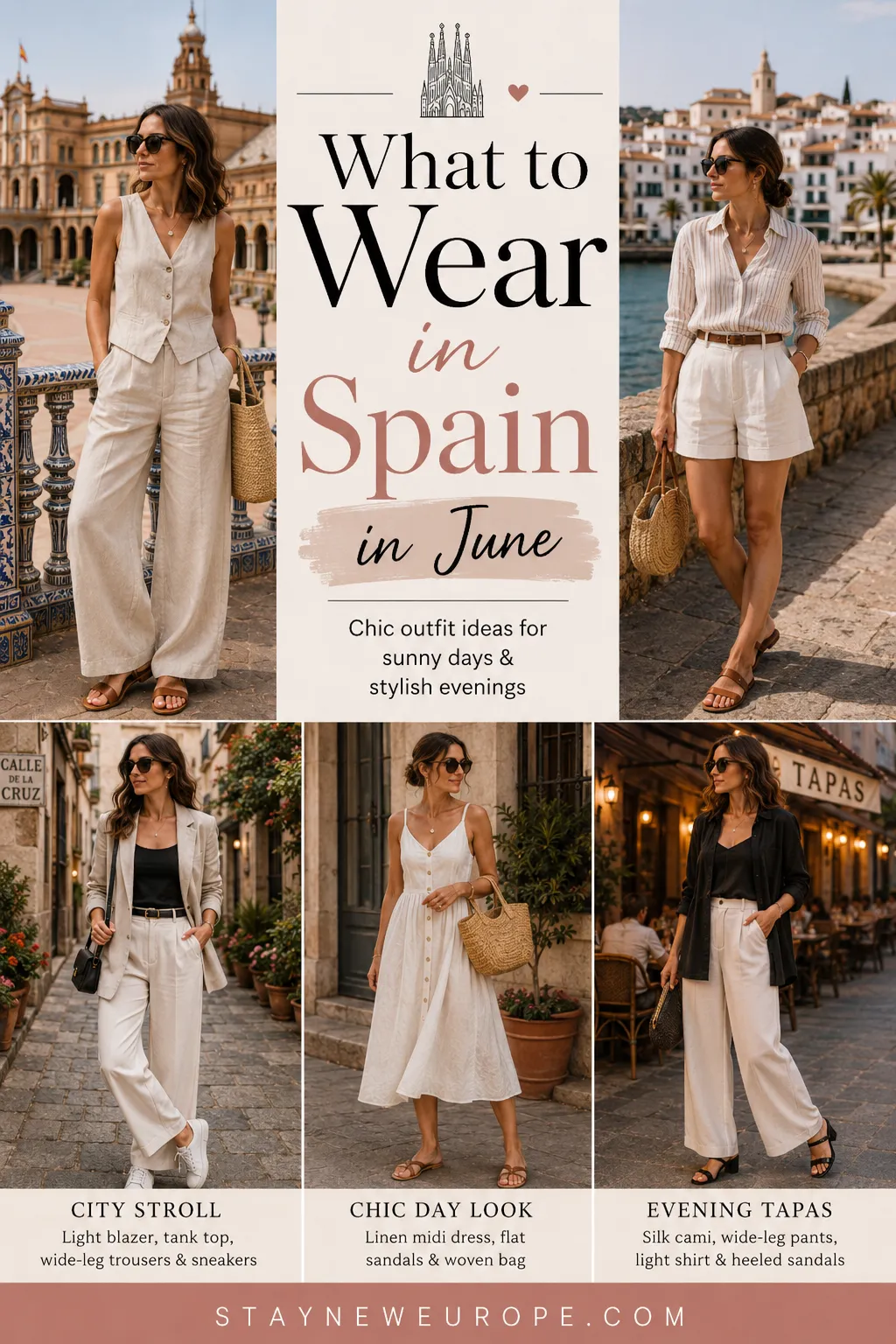
For June in Spain: linen shirts, linen trousers, and linen midi dresses should form the backbone of your wardrobe. They’re versatile enough for daytime sightseeing, tuck in nicely for evening meals, and look like you made an effort even when all you did was throw something on and leave. A loose linen shirt over wide-leg trousers is probably the single best outfit formula I’ve found for Spain in summer — cool, covered (great for churches), and quietly stylish.
Outfit idea: Natural beige linen trousers + a white linen shirt + tan leather sandals + a canvas tote. Add a terracotta linen dress for evenings. This combination will carry you through almost every scenario June throws at you.
Local tip: Spanish women in their 40s and 50s are absolute masters of the linen midi dress. Watch them. Wear a dress. You won’t regret it.
Dresses: The Smartest Thing in Your Suitcase
I’ve become evangelical about dresses for Spain and I’m not apologising for it.
One piece. Instantly an outfit. Pack three dresses and you have three complete looks without having to think about matching. In June heat, the logic becomes even more compelling — the fewer layers between you and a breeze, the better your afternoon is going to be.
Wrap dresses in lightweight fabrics work beautifully in Spain because they’re adjustable (useful when you go from a hot street to an aggressively air-conditioned restaurant), they read as polished without being formal, and they work with flat sandals or low block heels depending on the occasion. Midi lengths are your friend if you’re planning any church visits — you’ll avoid the awkward shawl-wrapping at the entrance.

If you’re a dress-sceptic, I get it. But even a flowy, relaxed sundress in a solid colour or a simple print takes up almost no suitcase space and earns its place every single day. Pair it with a linen jacket for evenings. Done.

What doesn’t work: Spaghetti strap mini dresses for anything other than the beach. They read as beachwear in Spanish cities, won’t get you into churches, and leave your shoulders sunburned by 11am.
Outfit idea: Floral wrap midi dress + white trainers for daytime, swap to kitten heel mules for dinner. One dress, two looks, zero drama.
Local tip: Avoid overly synthetic wrap dresses — polyester clings to your skin in the heat and you’ll be able to smell yourself by noon. Viscose or linen-blend versions exist and they’re worth finding.
Jeans: The Debate Nobody Wants to Have
Here’s where I’ll be slightly unpopular: jeans in Spain in June are often a mistake.
I know. I know everyone loves their jeans. But denim is heavy, takes forever to dry, and in temperatures over 30°C becomes a genuinely uncomfortable choice by mid-afternoon. I’ve watched people in full denim outfits looking genuinely miserable in Córdoba’s narrow streets and it never gets easier to witness.

That said — if you love jeans, if they’re your comfort blanket, if the thought of going without them gives you anxiety — pack one pair. White or light-wash jeans are your best option in summer heat, and they look brilliant with a loose blouse and sandals. Dark denim absorbs heat in a way that’ll have you reconsidering your life by 2pm.
What works better for the same casual-cool vibe: wide-leg linen trousers, lightweight chino-style pants in beige or white, or flowy palazzo trousers. All of these give you the “I’m relaxed but I made an effort” energy of good jeans without the thermal suffering.

Local tip: Spanish men wear tailored shorts with leather loafers and a crisp shirt and somehow make it look like evening attire. If you’ve been scared of shorts, Spain in June is where you let yourself experiment.
Shoes: The Decision That Will Make or Break Your Trip
I cannot stress this enough — your feet will be tested in Spain.
Barcelona’s Gothic Quarter. Madrid’s winding streets around La Latina. The cobblestoned medinas of Granada’s Albaicín. Toledo, full stop. These places are beautiful and they are trying to destroy your feet. Anything with a heel above two inches, anything with thin soles, anything that hasn’t been properly broken in — leave it at home. I’m not joking.
What actually works:
leather sandals with proper support (Birkenstock, a good Spanish brand, or any sandal with a contoured footbed), clean white leather trainers, low-heeled leather mules for evenings. The sweet spot is comfortable AND polished — Spain rewards you for looking like you’ve thought about your shoes.

I learned this the hard way in Granada, wearing new espadrilles that looked gorgeous and destroyed both my heels within three hours. I limped back to the hotel, bought a pair of Birkenstocks from a tiny shop near the Alhambra, and wore them happily for the rest of the trip. Not the most glamorous resolution, but an honest one.

What NOT to wear: Flip-flops through cities (beach only), wedge heels on cobblestones (you will roll an ankle), and any trainer that’s more gym-shoe than street shoe.
Local tip: Pikolinos and Camper are Spanish brands with serious walking credentials and genuinely stylish designs. If you’re buying shoes for the trip, start there.
What NOT to Wear: The Honest Tourist Mistake List
Let me say this gently: there are outfits that will mark you as someone who didn’t think about this, and while Spain is welcoming and not unkind about it, you’ll simply feel more comfortable if you fit in a little.
The big offenders:
Sports shorts and a football shirt worn anywhere other than an actual sports event. Spain’s cities are not stadiums.
Hiking gear for non-hiking activities. The full technical trouser and fleece combination makes sense on a trail; it looks incongruous in a tapas bar at 9pm.
Bare shoulders and short hemlines for cathedral and church visits. This will get you turned away — not negotiated with, turned away. Carry a scarf.
Matching tourist couple outfits. Just… no.
Completely worn-out or dirty shoes. Spaniards notice shoes. Dirty or beaten-up trainers will make you feel underdressed everywhere.
Heavy, bulky crossbody bags stuffed to bursting. They’re uncomfortable in heat, they make you a target for pickpockets, and they make every outfit look heavier than it needs to be.
Local tip: The simplest upgrade: swap a logo t-shirt for a plain linen or cotton one in a neutral or muted colour. Same casual energy, instantly looks more intentional.
Evening Outfits: Because Spain After 9pm Is a Different Country
This is the part that surprises first-time visitors the most.
Spaniards eat late. Dinner at 9pm is early. 10:30pm is completely normal. Which means your evenings need an outfit, not just whatever you’ve been wearing since 8am. The atmosphere in Spain at night — the terraces, the bars, the squares full of people genuinely enjoying themselves — calls for a little more than a slightly sweaty daytime look.
The good news: you don’t need to overpack for this. A linen dress that you’ve kept fresh for evening is perfect. Lightweight wide-leg trousers with a satin or silk-blend top hits the right note. A linen blazer over a simple dress immediately elevates things. Spanish women are not showing up in ball gowns — they’re wearing well-chosen simple pieces in good fabrics, accessorised thoughtfully.

The thing that truly separates a daytime and evening look in Spain is usually accessories and shoes. Swap flat sandals for block-heeled mules, add gold jewellery, bring a small structured bag. Same basic outfit, different energy.
Outfit idea: White wide-leg trousers + a terracotta silk or satin blouse + strappy low heels + gold earrings. This works for dinner in Barcelona, drinks in Madrid, or anywhere in between.
Local tip: Spanish restaurants rarely require formal dress, but they do have an unwritten standard of “you’ve made an effort.” Shorts and a t-shirt for a nice dinner will occasionally get you seated in the less desirable section. Not always, but sometimes. Worth knowing.
Jackets and Layers: Yes, Even in June
I know this sounds absurd when you’re staring at a 35°C forecast, but hear me out.
Spanish air conditioning is aggressive. Museums, restaurants, shops, and particularly overnight buses and trains are sometimes refrigerator cold. And in northern Spain — San Sebastián, Santiago de Compostela, any of the Atlantic coast cities — evenings genuinely cool down in a way that catches people off guard.
The layer I’d never leave without: a lightweight linen blazer. It takes up minimal space, can be scrunched into a bag without looking terrible, and transforms an outfit from casual to smart in about thirty seconds. A thin cotton cardigan does similar work for a softer aesthetic.
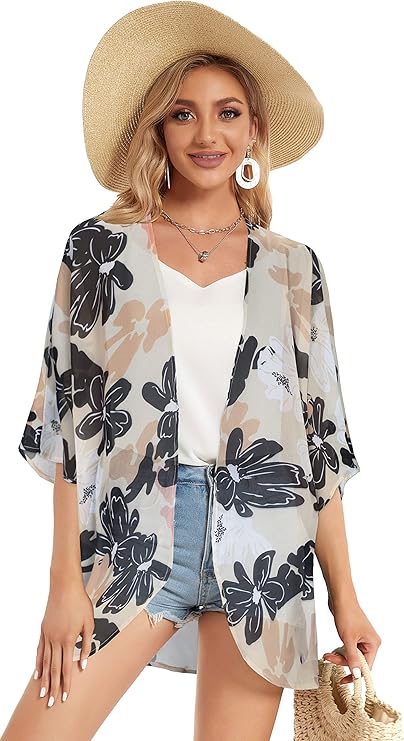
What you don’t need: a puffer jacket, a heavy cotton hoodie, or anything waterproof unless you’re heading north. A light rain jacket in a packable style is genuinely useful if you’re spending time in the Basque Country or Galicia, where June rain is real.
Outfit idea: Linen slip dress + thin white cardigan tied at the waist (for air conditioning emergencies) + leather sandals.
Local tip: Keep a thin layer in your bag rather than wearing it — the temperature difference between a shaded street and the inside of a museum can be 15 degrees. Having it accessible rather than on is the move.
What to Wear for Churches and Cathedrals
Spain’s churches are extraordinary. They’re also strictly dressed.
The rule is consistent: shoulders covered, knees covered. Some churches extend this to lower necklines as well. Barcelona’s Sagrada Família, Seville’s Cathedral, Granada’s Capilla Real — they all enforce this, and they enforce it at the door, not as a suggestion. The same dress code logic applies in Greece — see what to wear in Greece in June if you’re combining both.
The most elegant solution: carry a lightweight scarf or sarong. In linen or silk, it weighs almost nothing, takes up the space of a balled-up sock, and can be wrapped around shoulders or tied at the waist to cover a short dress in under ten seconds. I’ve used the same green linen scarf for approximately a hundred church visits across Spain and it has earned its permanent place in my travel bag.

If you’re planning significant church visits as part of your trip — which in Spain is almost inevitable — building “covered” outfits into your packing from the start is smarter than relying on the scarf rescue every time. Midi dresses, linen trousers with a blouse, or wide-leg pants with a short-sleeve top will all get you in without adjustment.
What won’t work: Vest tops, strapless dresses, micro-skirts, or anything sheer without a substantial layer underneath.
Local tip: Some of Spain’s smaller, less touristy churches will turn you away without negotiation, no matter how politely you explain yourself. The scarf isn’t a maybe — it’s a must.
Bags: The Practical Truth
Let me be direct: in Spain’s cities, where tourist pickpocketing is a known issue in Barcelona, Madrid, and Seville in particular, your bag choice matters beyond aesthetics.
The crossbody bag is the right answer. A small-to-medium sized leather or canvas crossbody that sits against your body, closes properly (zip, not just a magnetic clasp), and isn’t hanging loosely behind you. Wearing a backpack on busy streets or the Metro makes your belongings accessible to people you haven’t consented to share them with.
For style: a structured leather crossbody in tan, black, or a warm camel instantly elevates a casual outfit. A canvas or woven tote works for daytime and markets but needs more vigilance in crowds.

For evening: a tiny structured clutch or a minuscule crossbody — enough for your phone, cards, and a lip gloss. Spanish women carry remarkably small bags at night and somehow this reads as effortlessly chic rather than underprepared.
What to avoid: Backpacks worn on your back in crowded tourist areas, open tote bags in busy streets, and anything with lots of external pockets that can be unzipped without you noticing.
Local tip: If you’re doing a beach day, bring a separate lightweight tote just for that — don’t use your nice leather bag for sand and sunscreen.
Fabrics: What Works, What Doesn’t, What You’ll Regret
The fabric choices you make at home will have real consequences on your comfort in Spain.
The heroes:
Linen — breathes, wicks, dries fast, looks increasingly good as the day goes on rather than worse.
Cotton (loose-weave) — especially for t-shirts and light dresses. Good, but not quite as breathable as linen in serious heat.
Viscose/Rayon — drapes beautifully, feels cool against the skin, dries quickly. A solid choice for dresses and blouses.
Tencel/Lyocell — genuinely impressive in heat. Silky feeling, excellent moisture management, doesn’t crease badly.
The villains:
Polyester — traps heat, holds odours, looks shiny and wilted by mid-afternoon. Leave it at home unless it’s specifically performance fabric (which is different).
Heavy cotton — a thick cotton t-shirt or heavy denim jacket might be fine in cooler weather, but in 35°C June heat it’s just weight and warmth you don’t want.
Synthetic blends in dark colours — absorb heat, show sweat, and the combination of both is genuinely unpleasant.
Local tip: If you’re unsure whether a fabric will work, feel it against the inside of your wrist before buying. If it feels slightly cool, it’s probably breathable. If it feels warm immediately, leave it on the rack.
Accessories That Do the Heavy Lifting
A well-chosen accessory in Spain goes further than people realise.
Sunglasses — Non-negotiable. June sun in Spain is intense and direct, and squinting through every outdoor moment is both uncomfortable and unflattering. Invest in a pair that feels good on your face. Spanish cities are full of excellent eyewear shops if you want to buy locally.

A wide-brim hat — Not a baseball cap, which reads as sporty/casual. A straw or canvas wide-brim hat provides serious sun protection and photographs spectacularly in Spanish architecture. It’s also the single item that most successfully bridges tourist-practical and actually-stylish.

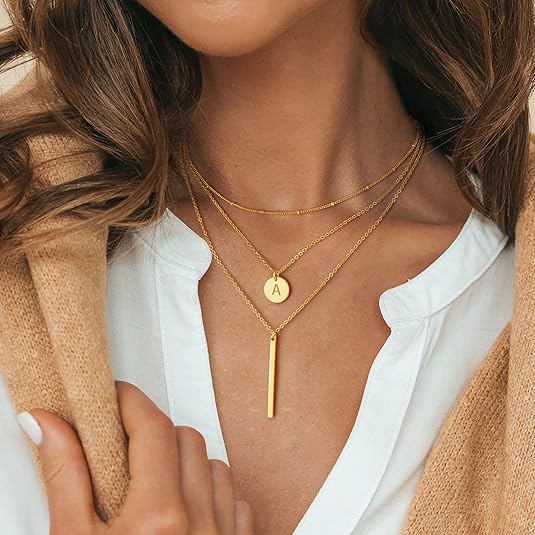
Gold jewellery — Spain leans warm-toned in its aesthetic. Gold jewellery — simple hoops, a layered necklace, a thin bracelet — works beautifully with linen and warm-coloured fabrics. Leave the heavy statement pieces at home (heat + heavy necklace = regret).
A quality scarf — As established: church access, sun protection on your shoulders, beach cover-up, evening layer. One scarf, many uses.
Local tip: Avoid wearing obvious expensive jewellery in very crowded tourist areas. Beautiful, yes. Also a target. Keep the valuable stuff minimal during busy sightseeing days.
Rain Preparation: Northern Spain Changes Everything
If your Spain itinerary includes the Basque Country, Galicia, Cantabria, or Asturias — read this section carefully.
Northern Spain is geographically different from the Spain of postcards. It’s lush, green, dramatic, and in June, it rains. Not every day, not all day, but genuinely and soakingly when it does. San Sebastián in particular gets June showers that arrive without much warning and mean business.
For northern Spain: a packable, lightweight rain jacket is not a paranoid choice — it’s smart packing. The kind that folds into its own pocket and weighs almost nothing. Pair it with water-resistant trainers or shoes rather than your prettiest leather sandals on days you’re planning to walk a lot.

For southern and central Spain in June: a rain jacket is almost certainly wasted space. The south is reliably sunny and dry. If you’re doing a multi-region trip, one packable rain layer is sufficient — keep it at the bottom of your bag for northern days.
Local tip: Check your microclimate carefully before each destination. “Spain” is about as climatically varied as “Europe” as a general category.
The Capsule Wardrobe: What I’d Actually Pack
Here’s my honest, tested packing list for 10 days in Spain in June. No aspirational extras, no things I’d “maybe wear.”
Tops: 3 lightweight linen or cotton tops in neutral tones (white, sand, soft terracotta), 1 slightly more elevated satin or silk-blend blouse for evenings.
Bottoms: 1 pair white or light linen wide-leg trousers, 1 pair lightweight chinos or linen shorts, 1 pair of jeans only if you truly can’t live without them.
Dresses: 3 dresses (1 casual cotton sundress, 1 wrap midi dress that transitions to evening, 1 linen shirt dress that works for church visits too).
Layers: 1 linen blazer, 1 thin cardigan.
Shoes: 1 pair proper walking sandals (Birkenstock-style), 1 pair clean leather or canvas trainers, 1 pair low block-heeled mules or sandals for evenings.
Accessories: 1 versatile scarf (linen or silk), 1 wide-brim hat, sunglasses, a crossbody bag, small evening clutch, simple gold jewellery.
Weather prep: 1 packable rain jacket if visiting northern Spain.
Ten days. One medium suitcase or a large carry-on. All of it interchangeable. Nothing wasted.
Practical Packing Notes: The Honest Version
How many outfits do you actually need? Fewer than you think, if they’re versatile. Ten days in Spain does not require ten unique outfits. Three to four solid daytime options you rotate, plus two to three evening looks, covers almost everything.
Packing light vs overpacking: Overpacking in Spain is a specific kind of misery because you’ll be moving between cities and dragging a heavy case over cobblestones. I’ve done it. I’ve stood at the bottom of a train station staircase in Madrid with a 23kg suitcase, calculating whether I could reasonably leave half my clothes in a bin. Pack light. You can do laundry. Spain has shops.
The outfit planning mistake most people make: Packing separates that don’t work together. Before you close your suitcase, pull everything out and make sure every top can work with every bottom. A colour palette helps — neutrals as the base (white, sand, cream, olive) with one or two accent colours running through everything.
The thing nobody warns you about: Your daytime shoes will need to work harder than anything else you pack. More than half your packing decisions should be made with the question: “Can I walk seven miles in these?” Because in Spain in June, you will walk seven miles, and then some.
A Final Word Before You Go
Spain in June is one of the best travel experiences you can have. The light is extraordinary — golden in a way that makes everything look like a painting. The evenings are long and warm and full of people actually enjoying themselves. The food, the architecture, the sheer alive-ness of a Spanish city after dark — it’s genuinely wonderful.
The outfit choices you make won’t make or break the trip. But they will shape how comfortable you are, how freely you move, and how easily you slide between experiences — from sun-bright plaza to cool cathedral to candlelit dinner. Getting it right means you’re not thinking about your feet, or sweating through your shirt, or turned away at a church door. You’re just there, in one of the most beautiful countries in Europe, exactly where you’re supposed to be.
Pack light, choose linen, wear good shoes. The rest you’ll figure out on the ground — and that’s always the best part of any trip anyway.

