

Let me set the scene. You’re standing at the edge of a lava field in Iceland, the midnight sun hanging stubbornly in the sky at 11pm like it forgot to set, wind whipping off the glacier, and you’re wearing a cotton hoodie you grabbed last-minute at the airport. You are cold. You are damp. You are deeply regretting every choice you made.
I’ve been there. Most people who visit Iceland in June have been there. The month looks so promising on paper — the longest days of the year, wildflowers starting to push through the volcanic soil, waterfalls swollen with snowmelt, puffins back on the cliffs. It sounds like spring. It even feels like spring sometimes, on those magical afternoons when the temperature nudges past 15°C and you’re actually warm in a t-shirt.
But Iceland is not a well-behaved destination. The weather shifts fast, layers matter more than almost anywhere I’ve travelled, and the gap between comfortable and miserable comes down almost entirely to what’s in your bag. Here’s what actually works — and what you’ll wish you’d left at home.
Before We Dive In: What June in Iceland Actually Feels Like
Let’s be real about the numbers first. June averages around 10–13°C (50–55°F) in Reykjavík, which sounds reasonable until you factor in wind chill, the fact that you’ll be standing next to waterfalls getting sprayed, and that the temperature can drop several degrees the moment a cloud rolls in — which it will. The north and the highlands can be genuinely cold, often hovering around 5–8°C even in midsummer.
Rain is possible any day. Not guaranteed, but possible. Iceland sits in the middle of the North Atlantic and makes its own weather, often mid-sentence. One hour you’re eating an ice cream cone in sunshine, the next you’re huddled under a rock outcropping watching horizontal rain sweep across the lava field.
The other thing that changes everything about packing for Iceland in June is the midnight sun. You won’t be going back to your guesthouse after dinner while it’s dark — you’ll be out until 1am because it genuinely looks like 4 in the afternoon. That means more hours outside, more layers needed, more shoes getting wet. Pack accordingly.
The Layering System: This Is Non-Negotiable
I know “layer up!” sounds like the most boring advice imaginable, but in Iceland it’s less of a suggestion and more of a survival strategy. The three-layer system isn’t new or exciting, but it works: moisture-wicking base, insulating mid-layer, waterproof outer shell.
What actually matters is that you understand why you’re doing this. Iceland’s weather doesn’t just change by the day — it changes by the hour, and sometimes by the valley. You can hike into bright sun at Þórsmörk, get hit by a cold blast coming off Eyjafjallajökull, and emerge into warmth again fifteen minutes later. Wearing one big warm coat that you can’t adapt is a rookie move.
My personal system for June: a merino wool base layer, a fleece or light down jacket as the mid, and a hardshell waterproof over the top. I can strip layers into my daypack when I’m warm, add them back when the wind picks up, and I’m never either sweating or shivering for more than ten minutes. That flexibility is the whole game.
Local tip: Invest in thin, packable layers rather than one thick one. A puffy down jacket that compresses to the size of a water bottle is worth far more in Iceland than a heavy fleece that takes up half your bag.
Waterproof Jacket: The Single Most Important Item You’ll Pack
If you only upgrade one thing in your wardrobe for Iceland, make it this. A proper waterproof jacket — not water-resistant, not “shower proof,” waterproof — is the difference between a great trip and a miserable one.
I made the mistake of bringing a stylish wax canvas jacket on my first Iceland trip. It looked great. It was useless. By day two it was thoroughly soaked and took two days to dry, which meant I was cold and damp for the rest of the week. Never again.
What you want is a hardshell jacket with taped seams and a proper hood — ideally one with adjustment toggles so you can cinch it tight when the wind hits. Brands like Arc’teryx, Patagonia, and Fjällräven are popular for a reason, but you don’t need to spend a fortune — decent options from Columbia or even dedicated hiking sections at outdoor retailers work perfectly well for a week of sightseeing.

The hood is more important than people realise. In Iceland, the wind comes from unexpected directions and umbrellas are basically useless — I watched a tourist’s umbrella turn inside out within about four seconds near Seljalandsfoss. You need your jacket to do the work.
Local tip: Bright colours (orange, red, yellow) aren’t just stylish in Iceland — they’re practical if you’re hiking anywhere remote. Visibility matters.
Waterproof Trousers: Yes, Really
I know. Nobody wants to pack waterproof trousers. They’re unglamorous. They make a swishing sound when you walk. But behind behind the waterproof jacket, they are the item I now never travel to Iceland without.
Here’s the thing: waterfalls spray you from the side. Geysers send mist in every direction. The path to some of the best viewpoints is essentially a bog. Your jeans — no matter how much you love them — will be soaked through within twenty minutes at Skógafoss, and wet denim is genuinely one of the most uncomfortable things a person can experience while trying to enjoy one of the world’s most beautiful waterfalls.
Waterproof trousers don’t need to be worn all day. Mine live in my daypack and go on when I’m near water or hiking in wet conditions. They’re light, they pack small, and they have saved my trip multiple times. Thin shell trousers over leggings or hiking pants work beautifully.

For everyday exploring in decent weather, I wear quick-dry hiking pants — not jeans. They’re not the most fashion-forward choice but they dry fast, move well, and don’t chafe when you’re walking ten miles across a lava field.
Local tip: If you want to stand next to the waterfalls and not get soaked, the waterproof layers need to go on before you get there. Once you’re wet, it’s too late.
Thermal Base Layers: The Unsung Heroes
Merino wool is the answer. It’s always the answer in Iceland. Synthetic base layers work in a pinch, but merino has one superpower that makes it irreplaceable for travel: it doesn’t smell after multiple wears. In a country where you might be sharing small guesthouses, hot pots, and close quarters with other travellers, this is not a trivial detail.
Bring at least two merino base layer tops — long sleeved — and one merino base layer bottom. They double as pyjama tops in cold guesthouses, layer under everything, and make you feel like a sensible adult who planned their trip properly.
I wear mine directly against my skin even on warmer June days because the temperature swings enough that I want that layer available at all times. They’re thin enough to feel like a normal long-sleeved top on milder days and make a huge difference when the temperature drops.

Local tip: Iceland’s outdoor clothing stores (66°North is the Icelandic brand — and it’s excellent) are worth a browse when you arrive. If you’ve forgotten something, you can find quality kit in Reykjavík without breaking the bank.
Fleece or Light Down Jacket: Your Best Friend at the Glacier
The middle layer is where you can afford to be a little more flexible with style. A fleece pullover, a zip-up fleece jacket, or a light packable down puffer all work well as the insulating layer between your base and your waterproof shell.
I’m partial to a mid-weight fleece for Iceland specifically because it adds warmth without bulk and handles the occasional mist better than down (which loses its loft when wet). That said, a packable down jacket works brilliantly if you’re going to be doing a lot of it into your pack and pulling it out throughout the day.
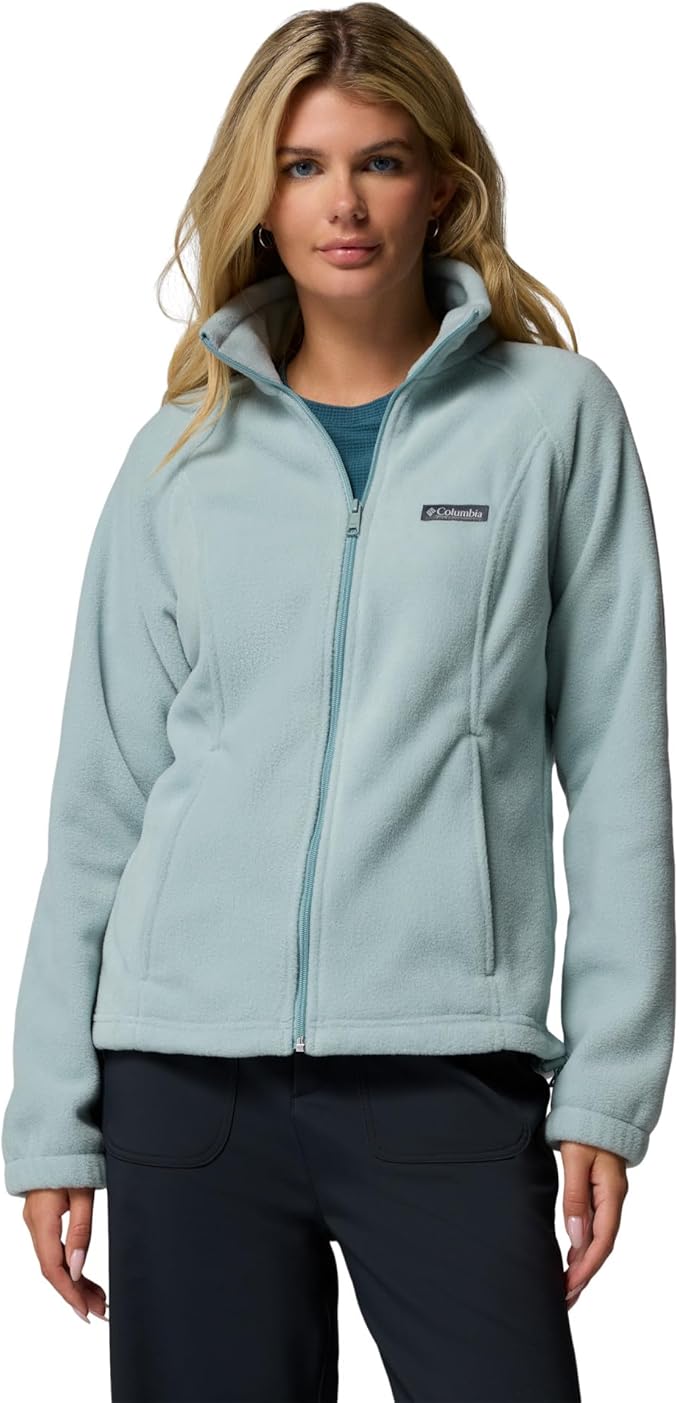
On warmer June afternoons in Reykjavík — and yes, they do exist — this mid-layer often becomes my outer layer over a t-shirt. It’s versatile, it’s comfortable, and it doesn’t look ridiculous in a café or a museum.
Local tip: A full-zip fleece is more versatile than a pullover. You can vent it when you’re warm, zip it fully when you’re cold, and it layers better under a hardshell.
Hiking Boots vs Walking Shoes: What Your Feet Actually Need
Your footwear is going to determine a significant amount of your comfort in Iceland, and this is where I see people go wrong in both directions — either they bring flimsy trainers and spend the week with cold, wet feet, or they pack enormous heavy boots for a trip that’s mostly paved paths and gravel car parks.
For June in Iceland: I’d suggest one pair of waterproof hiking shoes or boots — not massive mountaineering boots, just solid ankle-supporting shoes with a waterproof membrane. Merrell, Salomon, Keen, and similar brands all make excellent options. These handle the majority of Iceland’s tourist trails, the occasional muddy section, and waterfall mist without complaint.

If you’re planning highland hiking or anything genuinely off-trail, mid-height waterproof boots are worth the extra weight. For city days in Reykjavík, the same hiking shoes work fine — Icelanders dress practically and nobody will look twice at hiking shoes with jeans.

I would not bring heeled boots, ballet flats, converse, or anything that isn’t waterproof. You will regret it. The paths at Geysir are wet and uneven. The path to Seljalandsfoss goes behind the waterfall. You will get wet.
Local tip: Break in any new boots at home before your trip. Blisters on day two of Iceland, with a week of walking ahead of you, is a specific kind of suffering.
Socks: More Important Than You’re Giving Them Credit For
Wool socks. Several pairs. That’s it, that’s the section.
Okay, a bit more detail: merino wool hiking socks keep your feet warm even when slightly damp, don’t blister the way cotton socks do inside hiking boots, and — again — resist odour remarkably well for multi-day wear. Bring three to four pairs minimum. Wet feet are a misery in Iceland, and having dry socks to change into after a waterfall visit is one of life’s small, disproportionate joys.

Avoid cotton socks entirely for anything involving outdoor activity. Cotton holds moisture against your skin and stays wet, which leads to cold feet and blisters. Wool or synthetic, always.
Local tip: Pack one pair of lightweight wool socks for the geothermal pools — you’ll be walking to and from changing rooms, and cold feet on wet concrete isn’t fun.
What to Wear for the Geothermal Pools (Because You Will Go)
Iceland’s hot pots and geothermal pools deserve their own wardrobe consideration, because the experience is a little different from a standard swim. You’ll walk from a changing room to the water, often across outdoor paths, in a swimsuit. In June, that’s fine — the air temperature is manageable — but you’ll want flip flops or water sandals for the walk, and a quick-dry towel.
The Blue Lagoon has its own rental system if you’ve forgotten anything, but the local pools in Reykjavík (Laugardalslaug is excellent and far cheaper) operate like regular public swimming pools — you shower before you enter, you bring your own kit. A swimsuit or board shorts, a towel, and sandals is all you need.
Bring a small dry bag or waterproof pouch if you want to take your phone near the pools. Condensation and steam are not kind to electronics.
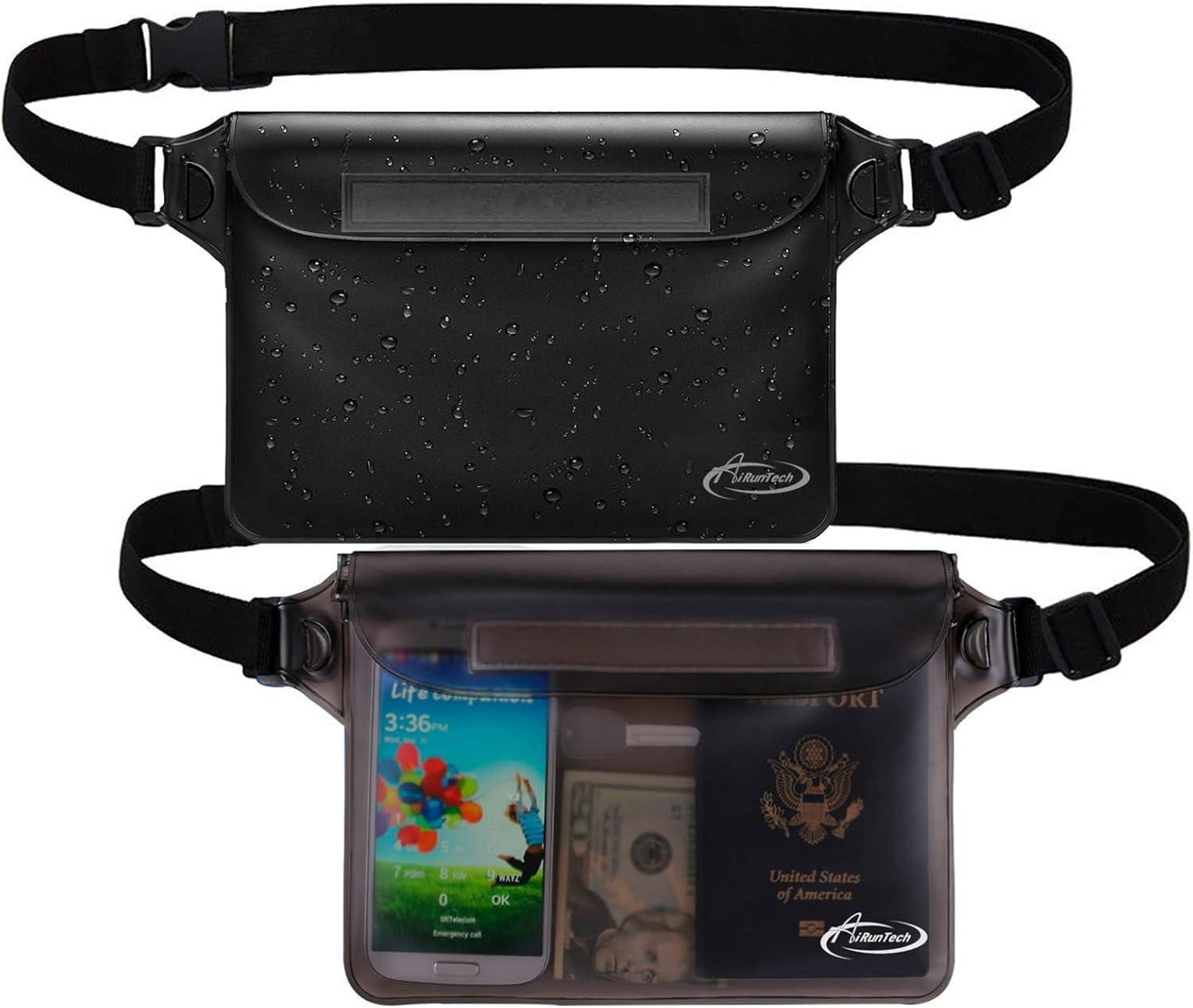
Local tip: Locals use the geothermal pools daily, almost like a social ritual. Go in the evening for a more authentic, less tourist-heavy experience.
What to Wear in Reykjavík: City Days Done Right
Reykjavík is a small, walkable, genuinely stylish city with good coffee, excellent bookshops, and a population that manages to look both practical and well-dressed simultaneously. You don’t need to dress up, but you also don’t need to look like you’ve just stepped off a glacier tour bus to go to dinner.
For city days:
I wear my hiking pants or dark jeans (yes, sometimes jeans are fine for city exploring when it’s not raining), a merino base layer, a fleece or light pullover, and my waterproof jacket. Comfortable walking shoes — even hiking shoes — look perfectly normal here.
For dinner in Reykjavík:
the vibe is smart-casual at most places. Dark jeans or neat trousers, a nicer top, a good layer on top — you’re fine. Nobody is wearing stilettos or suits. Iceland has a wonderfully low-key relationship with formality.
Local tip: Reykjavík’s main shopping street, Laugavegur, has some genuinely lovely Icelandic design shops if you want to pick up something local to wear — knitwear and wool accessories make particularly good purchases.
Hats, Gloves, and Scarves: Pack Them Anyway
June sounds like it shouldn’t require winter accessories. June sounds warm. June is a summer month. And yet: I have worn a woolly hat in Iceland in June more times than I can count, usually at some windswept viewpoint where the temperature has dropped faster than expected and the wind has a distinctly Arctic quality to it.
Pack a lightweight knit hat. Pack thin liner gloves. Pack a scarf or buff that can double as a neck warmer. These items weigh almost nothing, take up minimal space, and make an enormous difference to your comfort on cold or windy days. The glaciers, in particular, generate their own cold air — standing at the edge of Sólheimajökull or Snæfellsjökull, the temperature is noticeably colder than it was at the car park.

A buff/neck gaiter is my preferred option because it’s more versatile than a scarf — it can be a neck warmer, a headband, a thin hat, or even a face cover in harsh wind.
Local tip: If you forget your hat, every tourist shop in Iceland sells them. The Icelandic wool lopapeysa (traditional sweater) and accessories are genuinely excellent quality and make great souvenirs.
Sunglasses and Sun Protection: The Overlooked Essentials
The midnight sun is wonderful and magical and will keep you awake, and it will also absolutely destroy you if you’re not wearing sunglasses. June in Iceland means the sun barely dips below the horizon, which means UV exposure for extended periods — including in the evening when you’re not expecting it.
Good UV-blocking sunglasses are essential, especially if you’re near snow, ice, or glaciers (all of which reflect sunlight and intensify UV exposure). This isn’t vanity — it’s eye protection.

Sunscreen also matters more than people expect. The reflective landscape and extended sun hours mean you can burn even on what feels like a mild day. Apply it. Reapply it. Your future self will thank you.
Local tip: Polarised sunglasses are particularly good in Iceland — they reduce glare off water and ice, which makes the already stunning scenery even easier to appreciate.
Bags: What to Carry and How
Your day bag strategy matters in Iceland. A good daypack — around 20–25 litres — holds all your layers, a water bottle, snacks, and camera kit without being so large that it becomes a burden. I prefer top-loading packs with a hip belt for longer hikes, but a simple daypack works for most Iceland sightseeing.

A rain cover for your daypack is worth having — either built in or separate. Not all bags are waterproof, and the last thing you want is your camera or extra layers getting soaked at the bottom of your pack.
For city days, a smaller crossbody bag is fine. Reykjavík is extremely safe and there’s no concern about pickpockets the way you’d have in some European cities — but a crossbody is still more practical than a tote when you’ve got layers to manage.
Local tip: Leave the massive wheeled suitcase at your Reykjavík accommodation and do any day trips with just your daypack. You’ll thank yourself when you’re scrambling up to a viewpoint and passing people with rolling luggage on gravel paths.
What NOT to Wear: The Honest List
Let me save you some suffering. These are the things I see tourists wearing in Iceland that make me wince, gently, on their behalf:
Jeans for waterfall visits. I’ve addressed this, but it bears repeating. Wet denim is heavy, cold, and takes hours to dry. Save your jeans for city days.
Converse or canvas trainers. They’re not waterproof. They will be soaked within an hour. Your feet will be cold all day.
Cotton hoodies as your main layer. Cotton holds moisture, loses insulation when wet, and dries slowly. Swap it for fleece or wool.
Tiny handbags. You need to carry layers. A small bag that fits your phone but nothing else will leave you holding a jacket all day or, worse, leaving layers in the car.
Heeled anything. The terrain is uneven. The paths are sometimes muddy. Heels are a safety hazard near waterfalls.
An umbrella as your rain plan. The wind will destroy it. The jacket is the plan. Always the jacket.
Your Iceland June Capsule Wardrobe
If you’re a packer who needs a concrete list before you can breathe easily, here’s what I’d actually bring for a one-week Iceland trip in June:
Tops: 2 merino wool long-sleeve base layers, 2 quick-dry t-shirts (for layering or warmer days), 1 fleece mid-layer, 1 slightly nicer top for Reykjavík dinners
Bottoms: 2 pairs quick-dry hiking pants, 1 pair dark jeans (for city days), 1 pair waterproof shell trousers (lightweight, pack flat)
Outerwear: 1 waterproof hardshell jacket (with hood), 1 packable down or insulated jacket (mid-layer)
Footwear: 1 pair waterproof hiking shoes or boots, 1 pair flip flops/water sandals (for pools)
Accessories: Wool hat, thin gloves, buff/neck gaiter, sunglasses (UV-rated), 3–4 pairs merino wool socks
Swimwear: 1 swimsuit or board shorts, quick-dry towel
Bag: 20–25L daypack with rain cover
This is a genuine week’s worth of clothing without overpacking. Mix and match the layers throughout the week and you’ll always have something appropriate for whatever Iceland throws at you.
Packing Tips: What I’ve Learned the Hard Way
Pack less than you think you need. I mean this sincerely. Iceland is not a fashion destination in the sense that you’ll want different outfits every day — you’re wearing the same layer system in different combinations, and nobody is photographing your outfit at dinner. The extra space in your bag is better used for a good camera, a book, or a pair of binoculars for the puffins.
Roll your clothes rather than folding them. It saves space and reduces wrinkles, which matters for those slightly nicer dinnertime layers.
Wear your heaviest shoes and your bulkiest jacket on travel days. This keeps your bag lighter and frees up space for everything else.
Do laundry mid-trip if you’re staying a week or more. Most Icelandic guesthouses and hostels have washing machines available. A mid-week wash means you can pack lighter overall.
Resist the urge to pack “just in case” outfits you know you won’t actually wear. If you’re honest with yourself, you won’t be going to a black tie dinner in Reykjavík. You won’t need the smart blazer. Leave it.
A Final Word
Iceland in June is one of those rare travel experiences that gets into your bones a little — the scale of the landscape, the quality of the light, the surreal fact of the sun hanging in the sky at midnight while you’re standing next to a waterfall. It is genuinely spectacular, and the right clothes won’t make the experience, but the wrong ones will absolutely detract from it.
Pack practically. Layer intelligently. Invest in waterproofing before you go. And then, once you’ve got that sorted — stop thinking about clothes and start thinking about what you’re going to do with the four extra hours of daylight every single day. The midnight sun waits for no one, and Iceland doesn’t give second chances with the weather.
You’re going to love it.

