
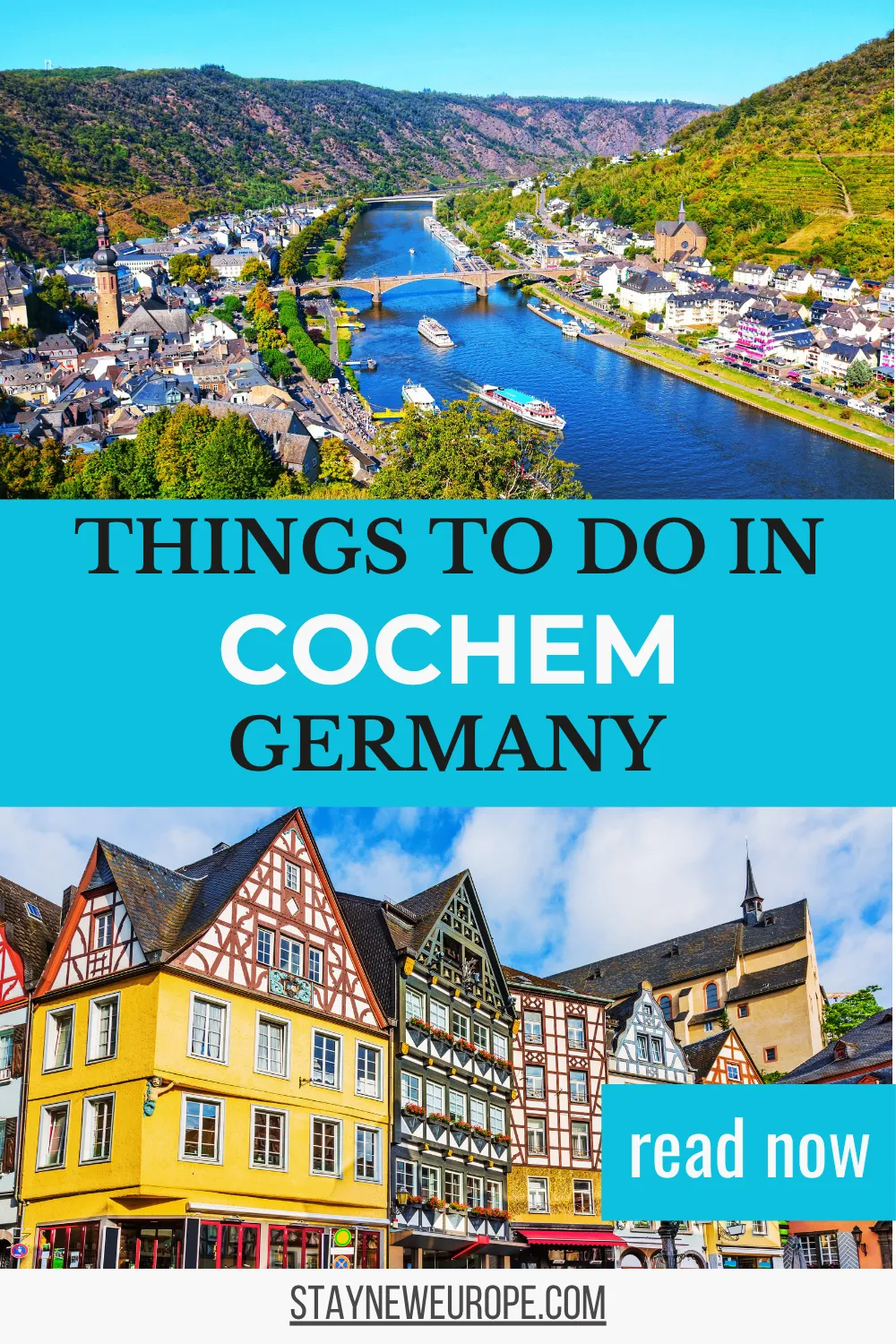
There’s a moment — and every traveller who has stood on the banks of the Moselle knows exactly which one I mean — when Cochem stops you dead in your tracks. You turn a corner, the river swings into view, and there it is: a fairytale castle perched impossibly high on a wooded hill, coloured houses tumbling down the slopes below it, and the whole scene reflected in the slow green water. You half expect a dragon. I stood there for a full three minutes with my bag still on my back, completely incapable of moving.
I’d been traveling through the Rhineland-Palatinate for a week, moving between wine towns and Roman ruins, and I’d been warned by everyone I met that Cochem was “a bit touristy.” Let me be honest with you: they weren’t wrong. But they also weren’t right, not entirely. Because underneath the day-tripper coaches and the souvenir shops selling Riesling-flavored everything, Cochem is genuinely, stubbornly wonderful. It has the bones of a place that was beautiful long before anyone put it in a guidebook.
So I stayed longer than planned — three days turned into five — and I poked around the back alleys, drank wine with locals in the late afternoon, walked the hills until my calves complained, and found a handful of places that most visitors never see. This is what I came back with.
Before We Get Started: Understanding Cochem
Cochem sits in one of the Moselle’s most dramatic bends, about 50 kilometers southwest of Koblenz, in the narrow gorge where the river cuts through ancient slate hills. The slate here is everything — it absorbs heat, radiates it back to the vines at night, and gives the Moselle Rieslings their famous steely, mineral character. You’ll see it underfoot on every path, stacked into vineyard walls, and lining the rooftops of the older buildings.
The town has around 5,000 residents but receives significantly more visitors each year, and most of them come between May and October. The cruise ships dock here — you’ll recognize those passengers, they move in cheerful herds — but the town handles them with practiced grace. Get up before 9am or stay past 6pm and Cochem belongs to a different, quieter version of itself.
Getting here is easy and genuinely enjoyable. The train from Koblenz follows the Moselle’s western bank for the entire journey, hugging the river through tunnels and past vineyards with a closeness that no road quite matches. Book a window seat on the right side heading south. You’ll thank me.
1. Reichsburg Cochem
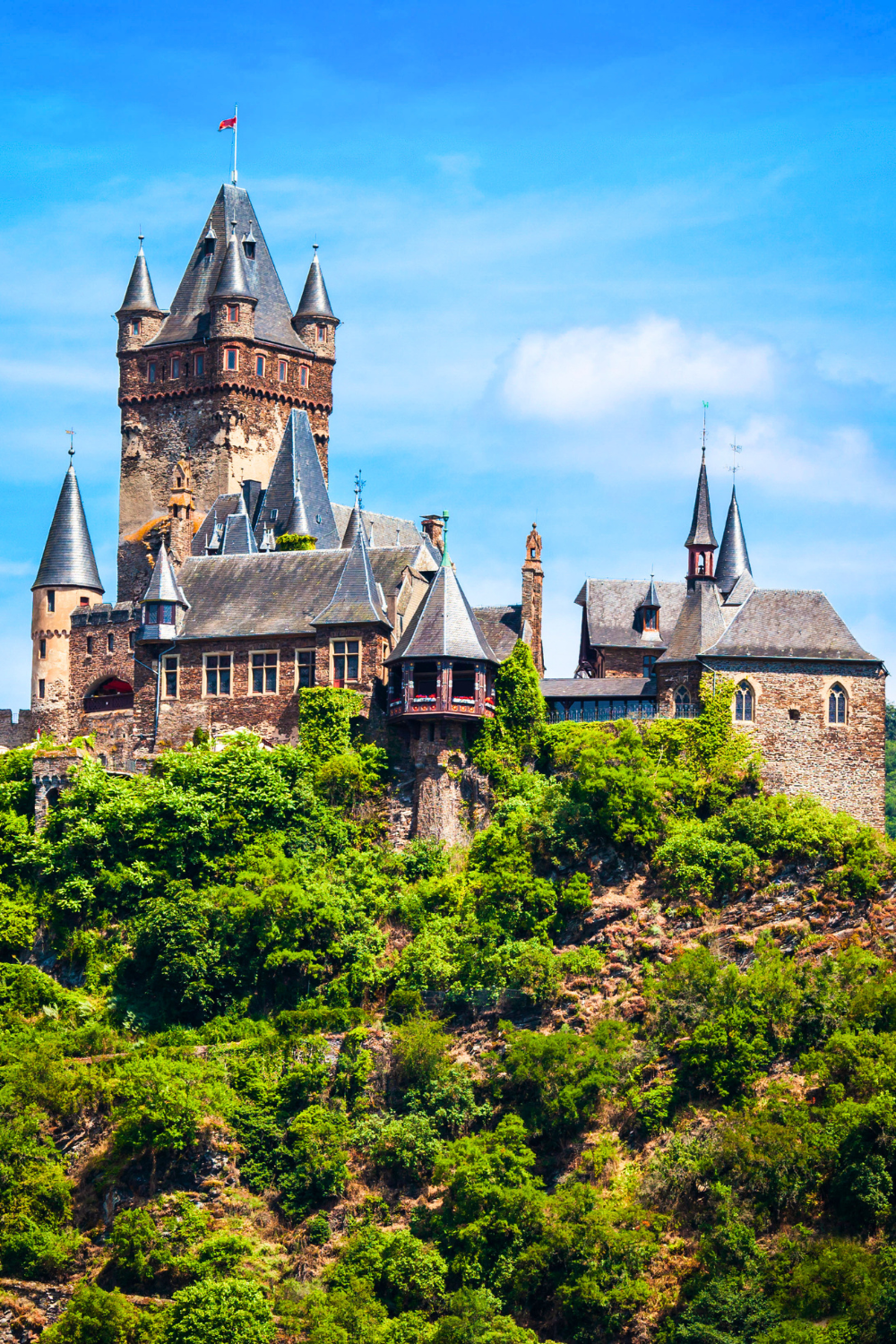
Some castles disappoint up close. This one gets better the nearer you get.
Reichsburg Cochem is the castle on the hill, the one you see in every photograph of the town, the one that made you want to come here in the first place. It was largely rebuilt in the neo-Gothic style during the 1870s after sitting as a ruin for nearly two centuries — the French blew it up in 1689, which is a very French thing to do — but the result is so committed and so dramatic that the Victorian-era reconstruction feels almost irrelevant. The location is ancient. The views are eternal.
The climb from the town center takes about fifteen minutes through the forest, or you can take the longer, more scenic path that winds through the vineyards. Inside, the guided tours (available in English) walk you through banqueting halls, a chapel, and rooms filled with period furniture, armour, and the kind of tapestries that make you wonder about medieval heating bills. The Great Hall alone — with its carved wooden gallery and painted ceiling — is worth the entrance fee.
What most visitors miss is the view from the castle’s rear terrace, which looks away from town and down the river in the opposite direction. On a clear day, the Moselle disappears around a bend in a haze of green and blue that looks entirely unreal.
Local tip: Go first thing in the morning, ideally when it opens at 9am. The castle is busiest between 11am and 3pm, when the day-tripper coaches arrive. Early morning, you may have the outer walls almost entirely to yourself, and the light on the river below is extraordinary.
2. The Moselle Promenade (Uferpromenade)
Every great river town has its promenade, and Cochem’s is one of Germany’s finest.
The Uferpromenade runs along the eastern bank of the Moselle through the center of town, lined with lime trees and backed by the colorful half-timbered façades that make Cochem’s riverside so endlessly photographable. Morning joggers, dog-walkers, and cyclists share it amicably with visitors who are mostly just trying to figure out which Instagram angle hasn’t been done to death.
What makes this stretch special isn’t just the aesthetics — though the aesthetics are considerable — it’s the way the town’s life spills down to it. In summer, restaurant terraces overflow onto the promenade. Locals sit on the benches facing the water in the evenings with glasses of Riesling. The tour boats dock and depart. Children feed ducks in an entirely unsupervised manner. It has the feel of a place where people actually live, not just a backdrop for tourism.
Walk it in both directions: north toward the road bridge for the classic castle-over-rooftops view, and south past the old Enderttor gateway tower where the promenade narrows and quietens considerably.
Local tip: The southern end of the promenade, past the Enderttor, is where local families congregate on warm evenings. There’s a small green space there with benches facing the water that almost nobody from the tour buses ever finds. Bring a bottle of wine and a map and you’ll blend in perfectly.
3. Alte Thorschenke
This place is so old it makes the castle look like a new build.
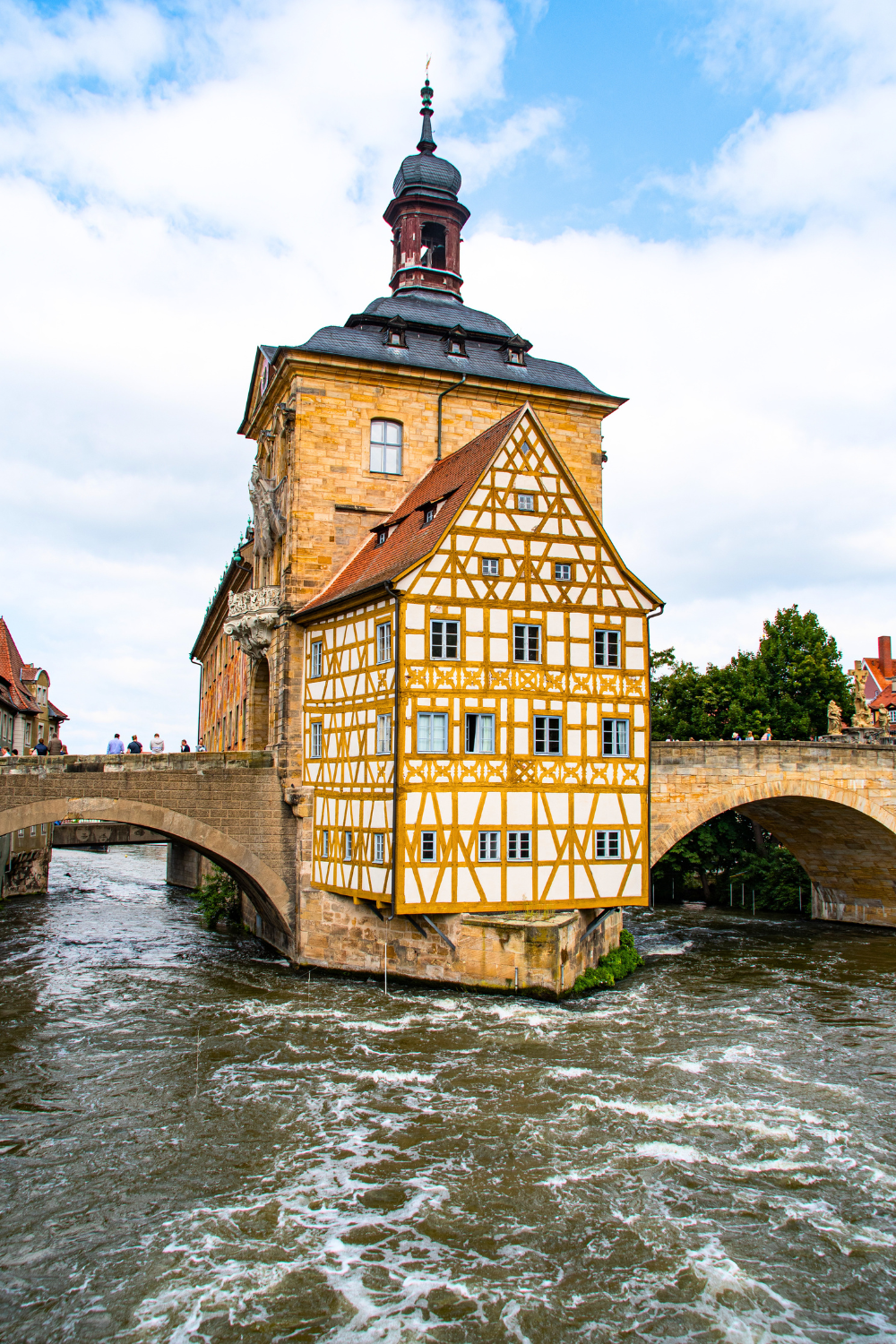
The Alte Thorschenke is a half-timbered wine tavern and hotel on Brückenstrasse that has been serving food and wine since 1332. Let that number sit for a moment. There have been guests sleeping in this building since before the Black Death swept through Europe. The original gate tower that gives it its name — “Old Gate Tavern” — still stands, and the dining room below is a deeply atmospheric cavern of dark wood beams, candlelight, and the kind of silence that comes from very thick walls.
The food is hearty Moselle regional cooking: Saumagen (stuffed pig’s stomach, which sounds worse than it tastes), Zwiebelrostbraten (slow-roasted beef with crispy onions), and trout prepared about seven different ways. None of it is cutting-edge, all of it is honest. What you really come for, though, is the wine list, which runs to several hundred Moselle Rieslings and is curated with the kind of quiet pride that comes from centuries of practice.
Book ahead for dinner. This isn’t a casual walk-in situation, especially in summer.
Local tip: Ask the staff about the house Riesling — they typically stock an unassuming Spätlese from a small local producer that doesn’t appear on the main list and is absurdly good value. Not every server will mention it. The older ones usually do.
4. Cochem’s Marktplatz
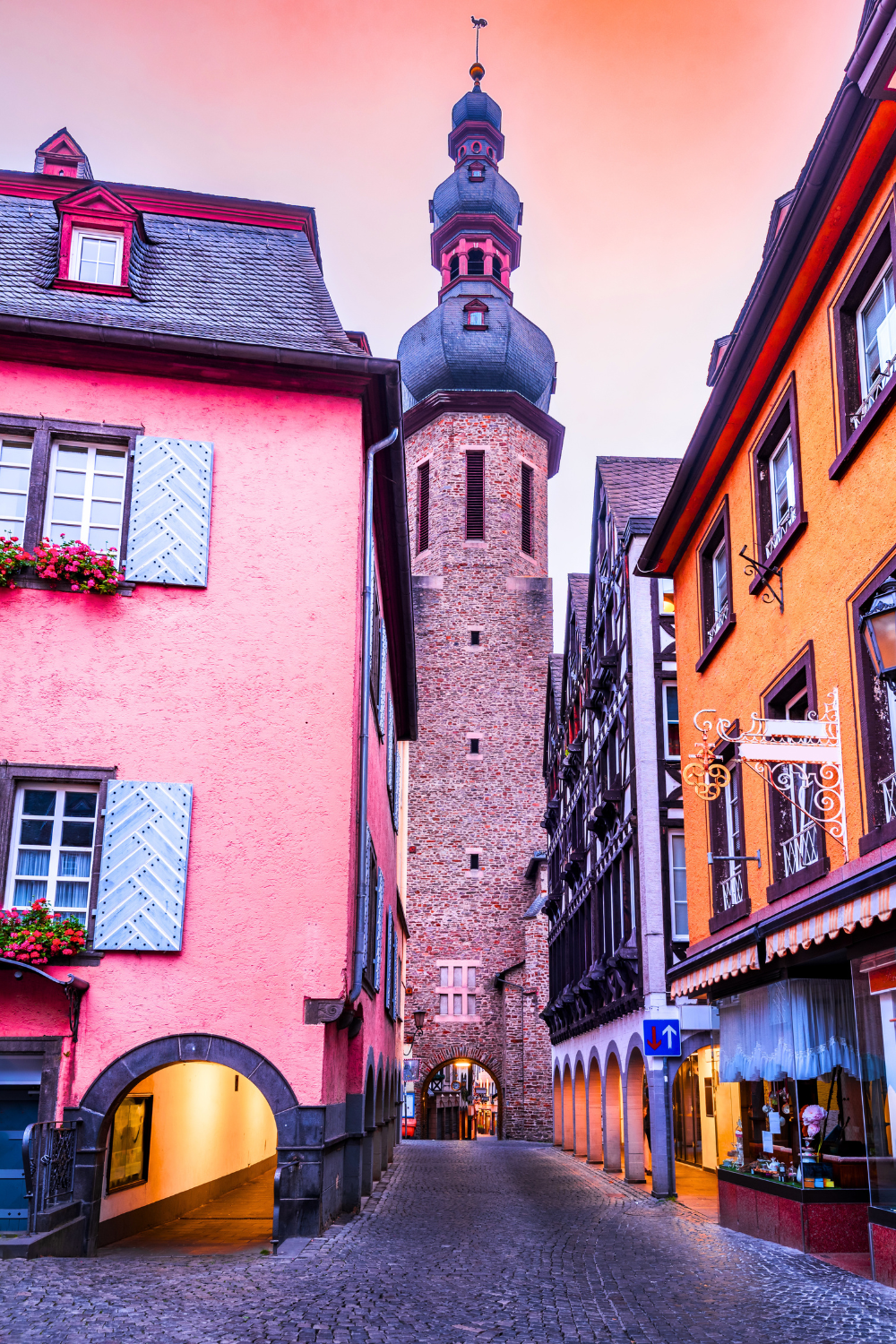
The heart of the old town beats loudest here, and on market days it practically bursts.
Cochem’s market square isn’t the largest you’ll encounter in Germany, but it might be the most charming. The Baroque rathaus (town hall) presides over one end, its warm ochre façade and ornate doorway giving the whole square a slightly theatrical air, as though someone has been carefully art-directing it for several hundred years. Around it cluster the wine taverns, bakeries, and old merchant houses that have defined this space since the medieval period.
On Saturday mornings, local vendors set up stalls selling everything from fresh bread and regional cheeses to seasonal vegetables and homemade Pflaumenkuchen (plum cake) that is absolutely worth derailing your diet for. This is where you get a real sense of Cochem as a living town rather than a tourist attraction — grandmothers with shopping bags, farmers arguing over prices, kids eating pastries without paying any attention to the castle on the hill above.
Outside market days, the square is the natural place to start a walking exploration of the Altstadt, with its narrow lanes and unexpected courtyards radiating outward in every direction.
Local tip: The bakery on the northeast corner of the square — small, no sign in English, queue usually out the door by 8:30am — makes the best Käsebrötchen (cheese rolls) I’ve had in the Rhineland. They sell out. Go early.
5. The Moselle Wine Route Cycling Path
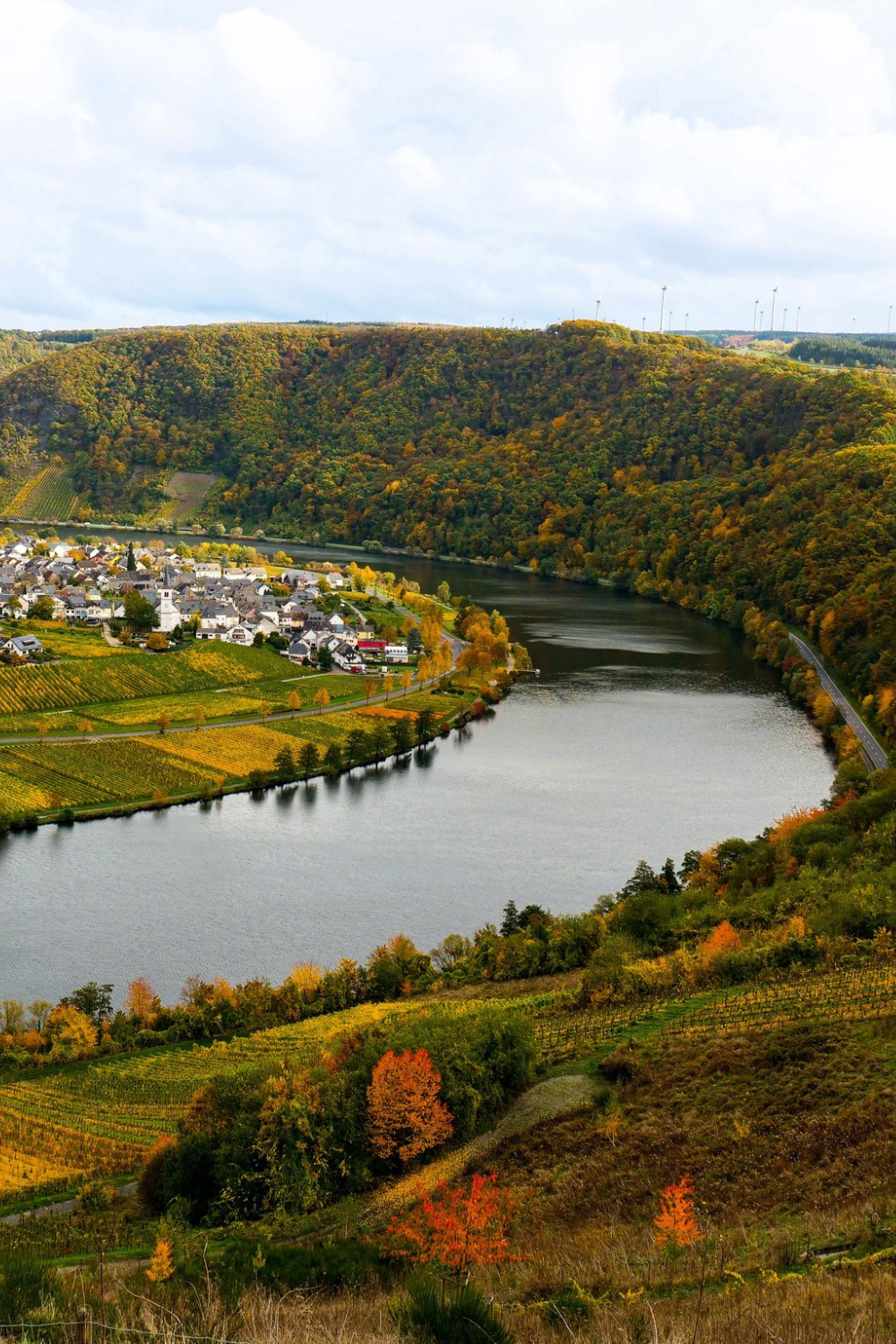
You don’t have to be a serious cyclist. You just have to enjoy flat terrain, vineyard scenery, and stopping at will.
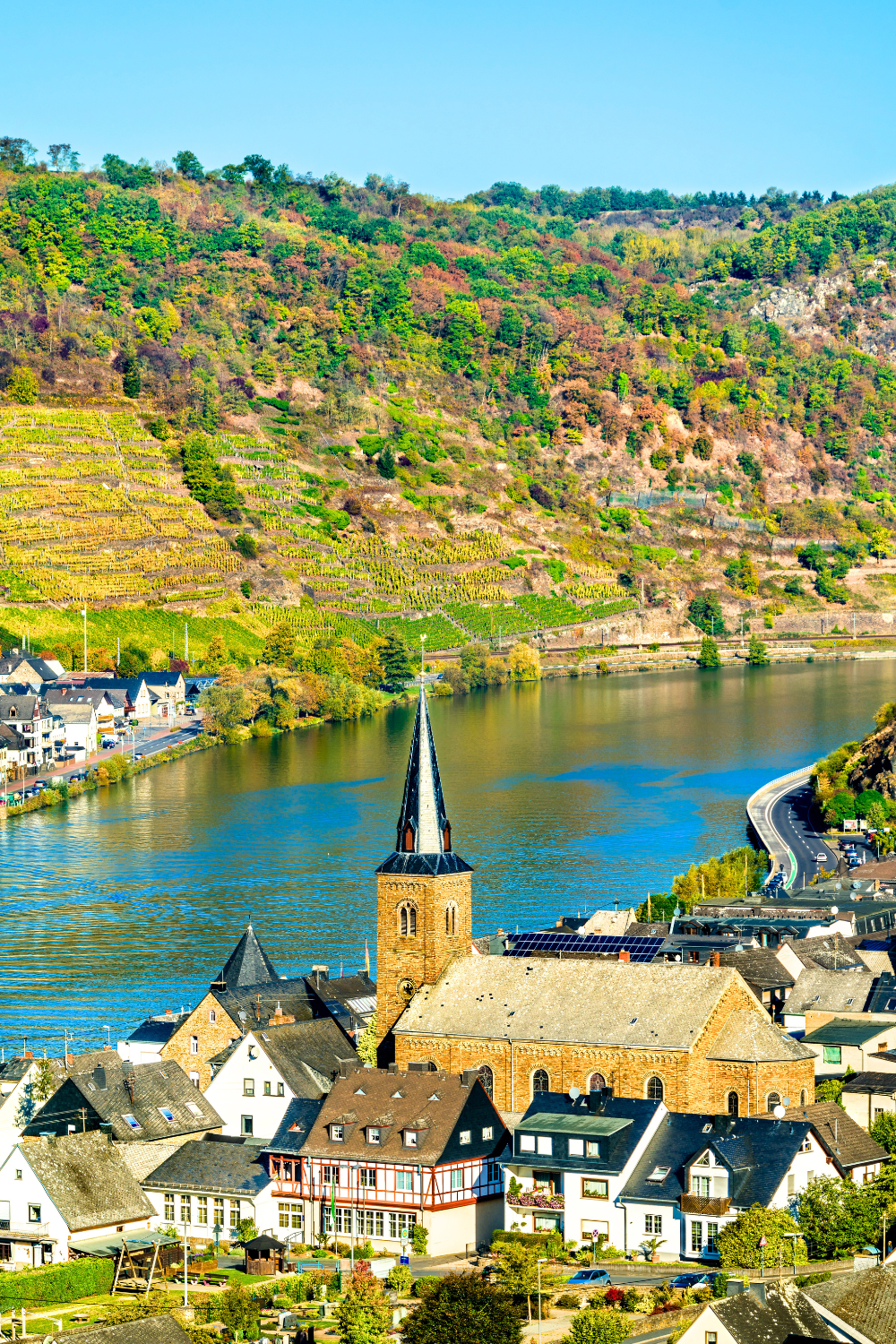
The Moselle Cycle Route (Moselradweg) is one of Europe’s most celebrated cycling paths, running 311 kilometres from Perl on the Luxembourg border to Koblenz. The section around Cochem is among its most scenic, hugging the riverbank through a continuous landscape of steeply terraced vineyards, sleepy wine villages, and river bends that reveal new castles and church steeples around every curve.
Renting a bike in Cochem is easy — several places near the train station and promenade offer standard and electric options — and even a gentle half-day loop in either direction yields experiences that would take days to replicate on foot. Head south toward Beilstein for a particularly beautiful stretch. The village itself, after about 15 kilometres, is one of Germany’s most unspoiled wine towns and feels, somewhat startlingly, like the 19th century hasn’t entirely finished yet.
The path is largely flat, follows the river, and is extremely well-signed. You genuinely cannot get lost, though I managed it briefly near Ernst, which is a story involving a vineyard track, an unlocked gate, and a farmer who found the whole situation funnier than I did.
Local tip: Stop at Valwig, a tiny village about 8 kilometres south, where the family-run Weingut Franzen sells wine directly from their cellar. Ring the bell if the door’s closed. They’re usually in the vineyard.
6. Beilstein Village
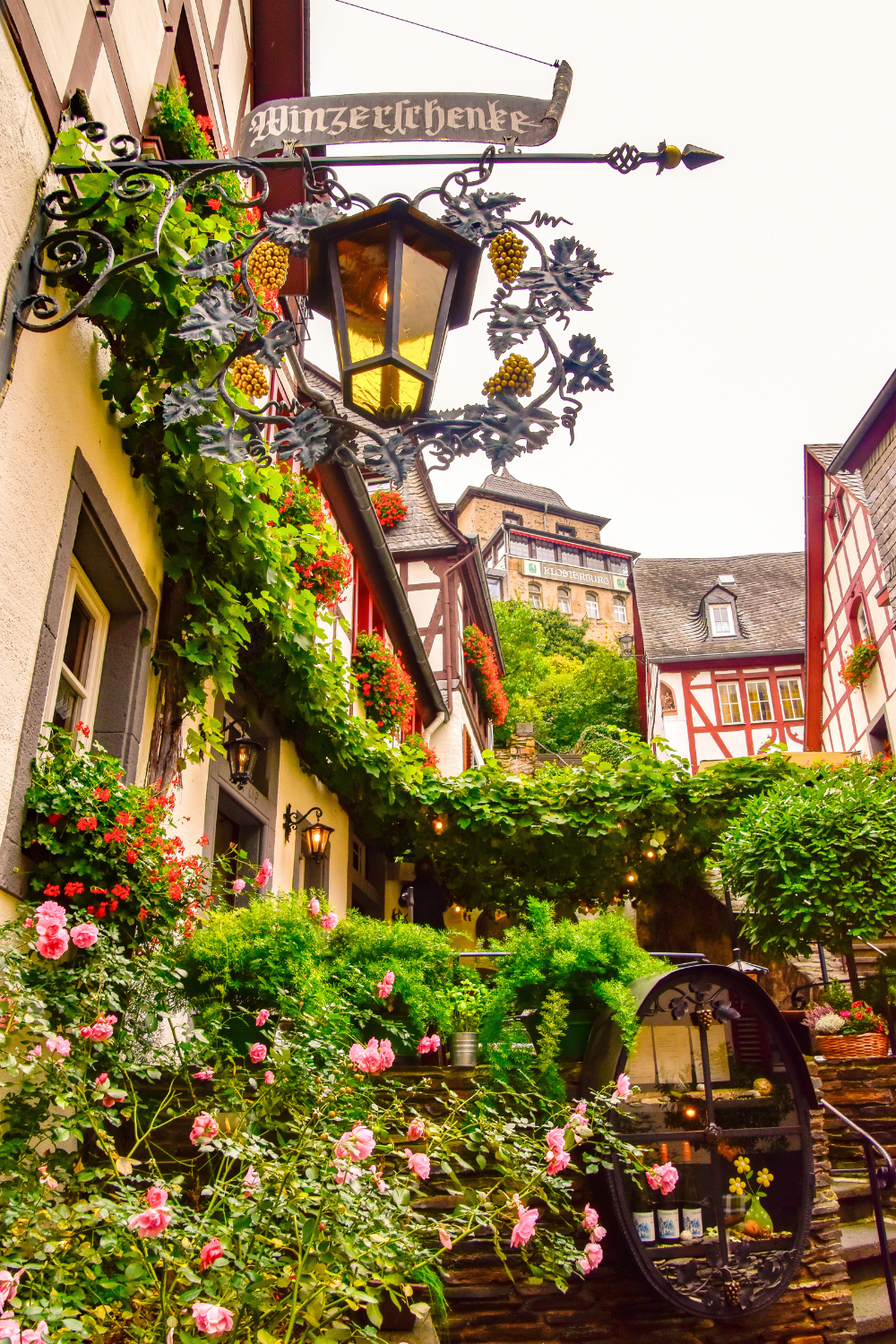
I didn’t expect Beilstein. Nothing quite prepares you for it.
About 15 kilometres south of Cochem along the Moselle, Beilstein is so small — around 160 residents — and so perfectly preserved that it can feel slightly surreal, like a film set that forgot to include any extras. The village clusters around a tiny market square, overlooked by the ruins of Metternich Castle on the forested hillside above, and is connected to the opposite bank by a small car ferry that crosses every twenty minutes or so.
There are virtually no modern buildings in Beilstein. The houses are half-timbered and centuries-old. The streets — lanes, really — are cobbled and narrow and wind upward toward the castle ruins with a pleasingly arbitrary logic. The single inn, the Altes Zollhaus, serves wine on a terrace that hangs over the river, and the temptation to sit there all afternoon with a Riesling and a book is essentially irresistible.
Take the path up through the vineyards to the castle ruins for views that put even Cochem’s into perspective. The Moselle curves away below in both directions, and on a clear day the sense of scale — the sheer, vine-covered steepness of everything — is genuinely breathtaking.
Local tip: The car ferry across to the other bank runs until early evening and costs next to nothing. Cross it, walk ten minutes uphill, and you’ll find a viewpoint above the village that appears on almost no tourist material. The photograph from there, with Beilstein below and the Moselle curving away, is the one you’ll actually frame and put on a wall.
7. Kloster Ebernach
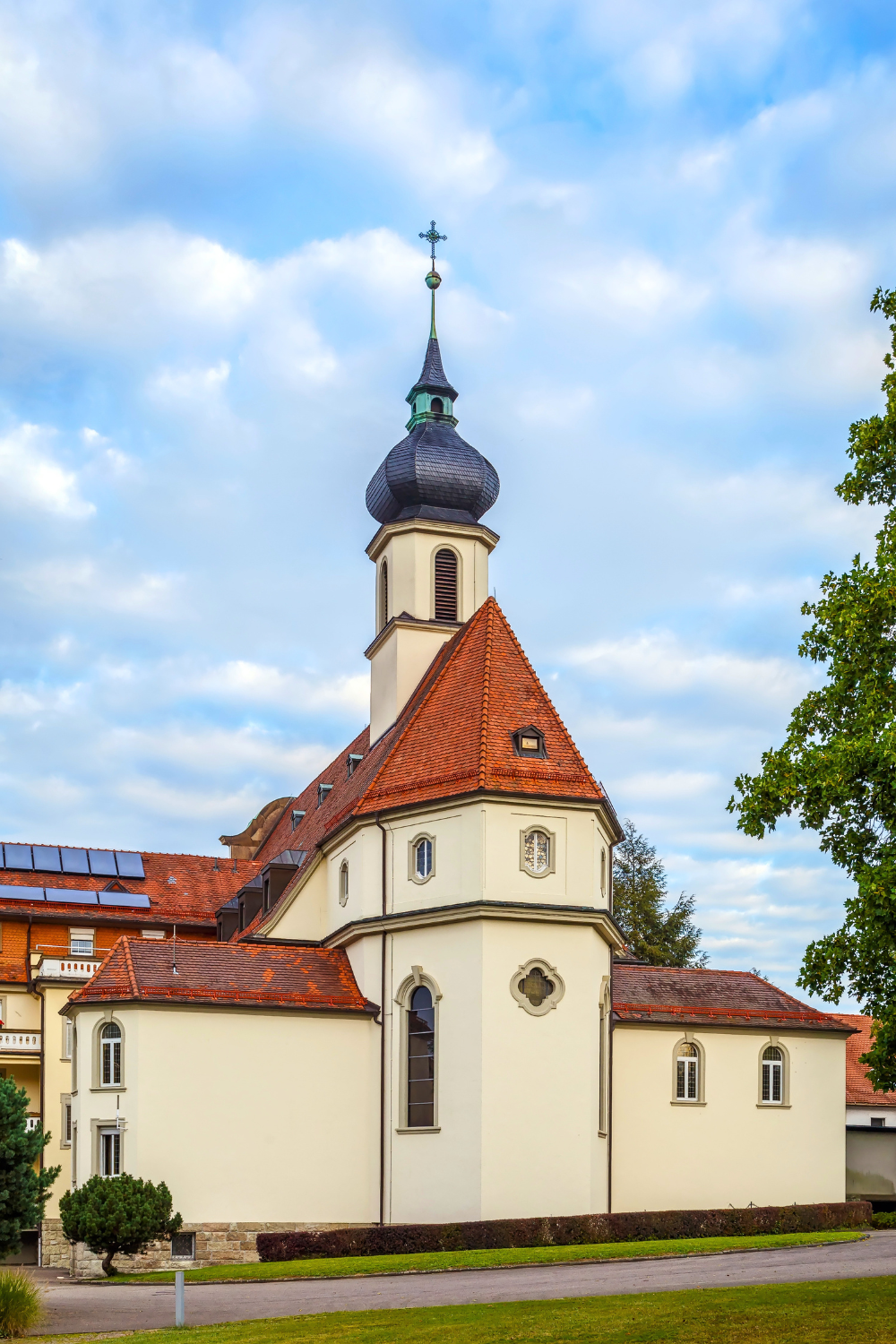
Most visitors never cross the river. Their loss is considerable.
On the hill directly opposite Cochem, reached by a pedestrian bridge and a reasonably steep walk, sits Kloster Ebernach — a former Capuchin monastery that now operates as a hotel and restaurant while remaining one of the most peaceful spots in the entire Moselle valley. The monks have long since departed, but the atmosphere of contemplative quiet they left behind is very much still in residence.
The monastery church can be visited freely. It’s a simple, whitewashed space with the kind of stillness that makes city people audibly exhale. Outside, terraced gardens look back across the river toward Cochem, and the view of the town from this angle — castle above, coloured houses below, river in between — is arguably the best in the region. Most of those photographs you’ve been admiring online were taken from somewhere near here.
The restaurant at the hotel serves surprisingly sophisticated regional cooking using produce from local farms and the monastery’s own garden. A long lunch here, on the terrace with the town below and a glass of Riesling to hand, is one of those experiences that becomes a fixed point in travel memory.
Local tip: The walking path that continues uphill from the monastery into the forest leads eventually to a small clearing with a wooden bench and views in three directions. It takes about twenty minutes from the monastery and almost nobody goes there.
8. Cochem’s Old Town Alleyways
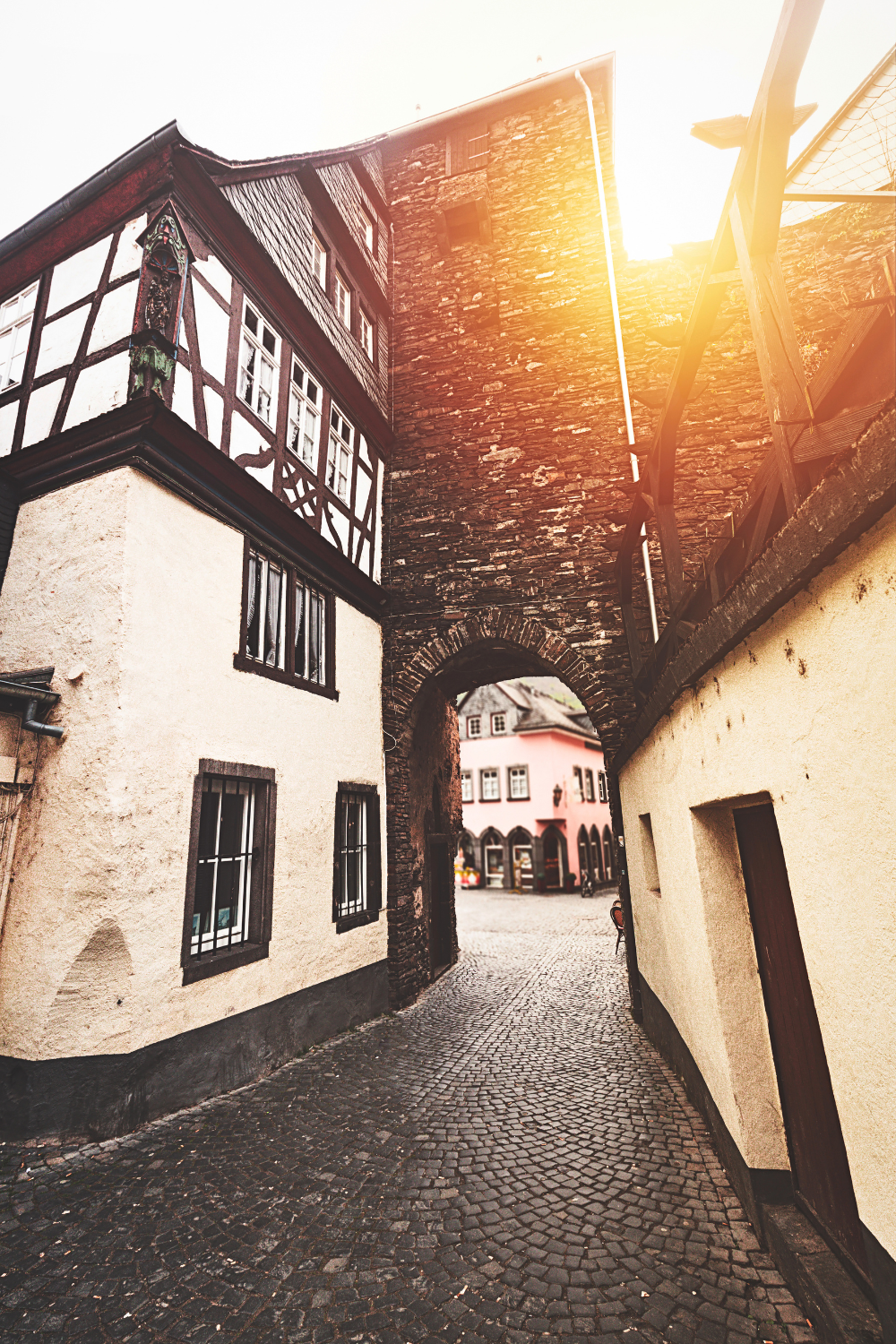
The town’s real character is tucked between the streets, not on them.
Spend enough time in Cochem’s Altstadt and you start to notice that the main streets — Bernstrasse, Brückenstrasse, the market approaches — are really just the public face of a neighbourhood that reveals itself only when you start turning into alleyways. There are courtyards hidden behind arched gateways, staircases climbing between gardens, vine-draped walls enclosing little terraces where nobody has left out tourist-specific furniture.
The old residential streets climbing the hill between the market and the castle are particularly rewarding. These are where actual Cochem residents live, in houses with geranium-filled window boxes and cats sleeping on warm stone steps. The streets narrow and steepen, the castle draws closer, and the noise from the promenade below fades entirely.
Look for the Stiftskirche St. Martin — the Catholic parish church — which sits at the upper end of town and is usually open during the day. Its interior is Baroque and ornate and almost always empty of visitors, which makes it feel like a personal discovery even when you know perfectly well it’s in every guidebook.
Local tip: The lane called Herrenstrasse, running parallel to but above the main shopping street, has several beautifully preserved medieval houses that most visitors walk straight past. One of them has a carved stone doorframe dating to the 16th century that most people ignore because they’re looking at their phones.
9. The Pinnerkreuz Viewpoint
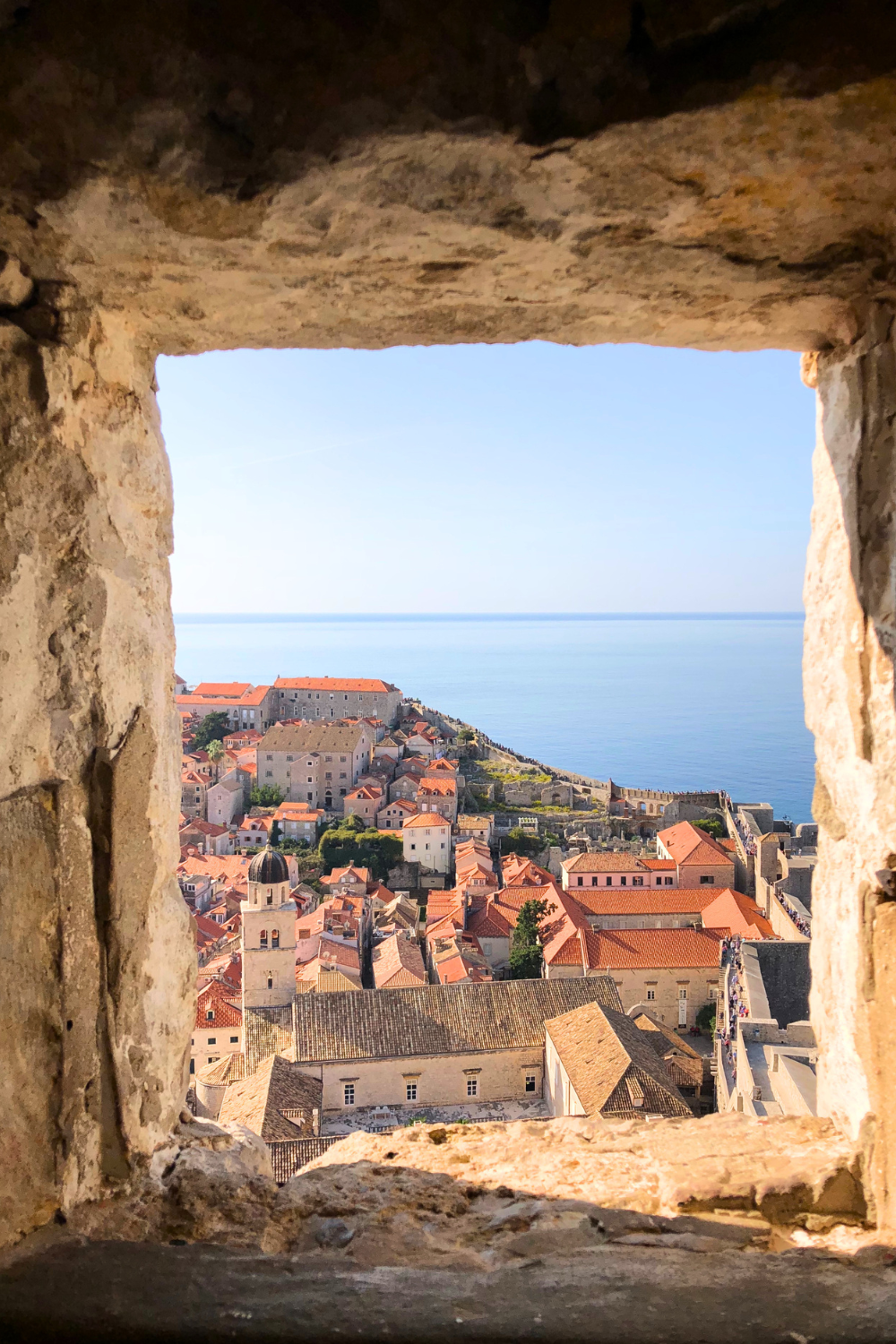
If you do one uphill walk in Cochem — and I’m recommending several — make it this one.
The Pinnerkreuz is a wooden cross on a hill above the town, reached by a forested hiking path that takes about 25 to 30 minutes from the Marktplatz. The path winds upward through mixed woodland, emerging at a clearing where the cross stands and the view opens suddenly and entirely without warning. You see the Moselle in its full, glittering curve below, with Cochem’s rooftops and castle occupying the foreground and the vine-covered hills rolling away on both banks.
I’ve read descriptions of this view as “the best in the Moselle valley” and I’m not going to argue. On the morning I went, there was low mist in the valley below and the castle emerged from it in a way that made several other hikers visibly emotional. One man got out a camera he clearly hadn’t planned to use. I understood completely.
The walk up is not strenuous. Sensible shoes will do. The path from town is clearly signed from multiple starting points in the Altstadt. Go in the morning or evening for the best light, and avoid the heat of a summer afternoon — the forest path provides shade, but the exposed viewpoint is merciless.
Local tip: Continue past the Pinnerkreuz on the marked trail for another ten minutes and you reach the Winneburg castle ruins, which are far less visited than Reichsburg and provide a completely different perspective on the valley. The ruins themselves are somewhat minimal, but the views from the remaining walls are extraordinary.
10. Moselle Wine Tastings
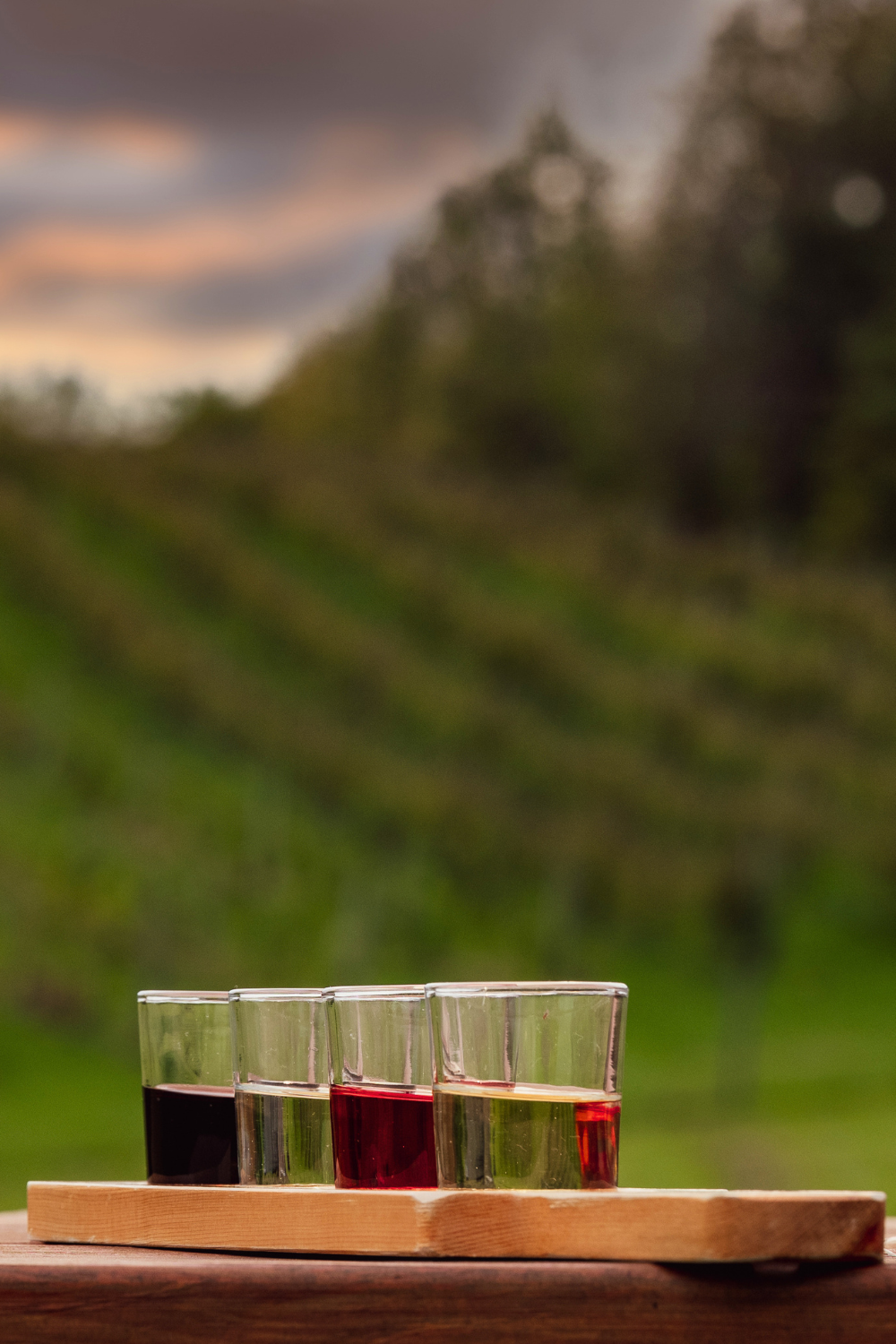
The wine here isn’t just good. It’s extraordinary, and most visitors barely scratch the surface.
The Moselle produces what many wine professionals consider the world’s finest Riesling, and the steep-slate vineyards around Cochem are among the region’s most distinguished. The combination of slate soil, south-facing slopes, and the river’s microclimate creates conditions that express themselves in wines of extraordinary complexity — dry and thrillingly mineral, or with residual sweetness that never tips into cloying because the acidity holds everything in tension.
Several estates in and around Cochem open their cellars for tastings. The larger operations on the main tourist drag are fine, but the more interesting experiences are with the smaller producers who’ve been farming these ridiculous vertical slopes for generations and have strong opinions about everything. Look for estates with “Steillagenwein” on their signage — this indicates wine from the near-vertical “steep slope” vineyards that require entirely hand-harvested grapes, and the wines reflect that effort unmistakably.
Try Spätlese if you want the style that best expresses Moselle character. Try Auslese if you want to understand why people write poetry about German wine. Both are better with cheese than with dessert, whatever the labels suggest.
Local tip: Weingut Losen-Bockstanz, a family estate a few kilometres from Cochem in Ediger-Eller, welcomes visitors for cellar tastings with advance notice. The Riesling Spätlese from their Calmont vineyard — part of the steepest vineyard in Europe — is the kind of wine that makes you reorganise your opinions about what white wine can actually do.
11. The Moselle Boat Trips
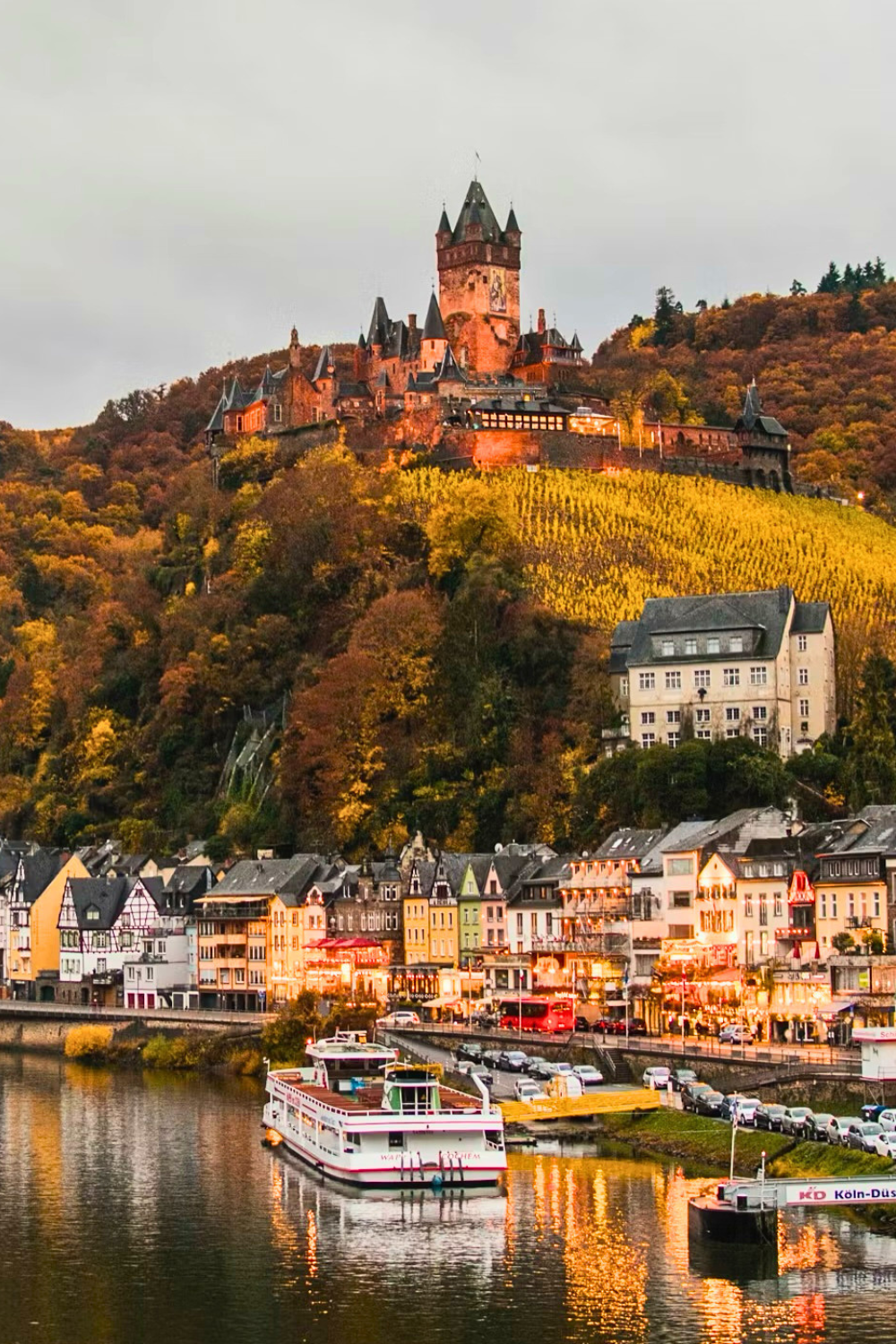
The river shows you a version of this landscape that no road or trail can match.
Several companies operate excursion boats from Cochem’s promenade, running everything from one-hour gentle cruises to full-day return trips to Beilstein or Treis-Karden. The boats are comfortable, often have bar service, and provide a perspective on the Moselle gorge — its vine terraces, castles, chapel-crowned hills, and ancient ferries — that is simply unavailable from the shore.
The standard one-hour round trip gives you a good sense of the scale of the valley and the visual drama of seeing Cochem’s castle from the water. The longer trip to Beilstein is more interesting and can be combined with an afternoon exploring the village before catching the return boat or cycling back along the bank. Check schedules at the tourist information office on the promenade — they vary seasonally and the summer timetable is considerably more generous than spring or autumn.
What the boat gives you, more than anything, is time to just look at things without managing a steering wheel or watching your footing on a path. The valley slides past at a walking pace, unhurried, and you find yourself noticing details — a vineyard chapel, a heron on a spit of gravel, a vine-trained wall — that the road traveller misses entirely.
Local tip: Evening sunset cruises operate in high summer and are frequently sold out days in advance. Book these early. The combination of low light on the Moselle’s surface and wine on the deck is — and I say this without embarrassment — genuinely romantic.
12. The Enderttal Valley
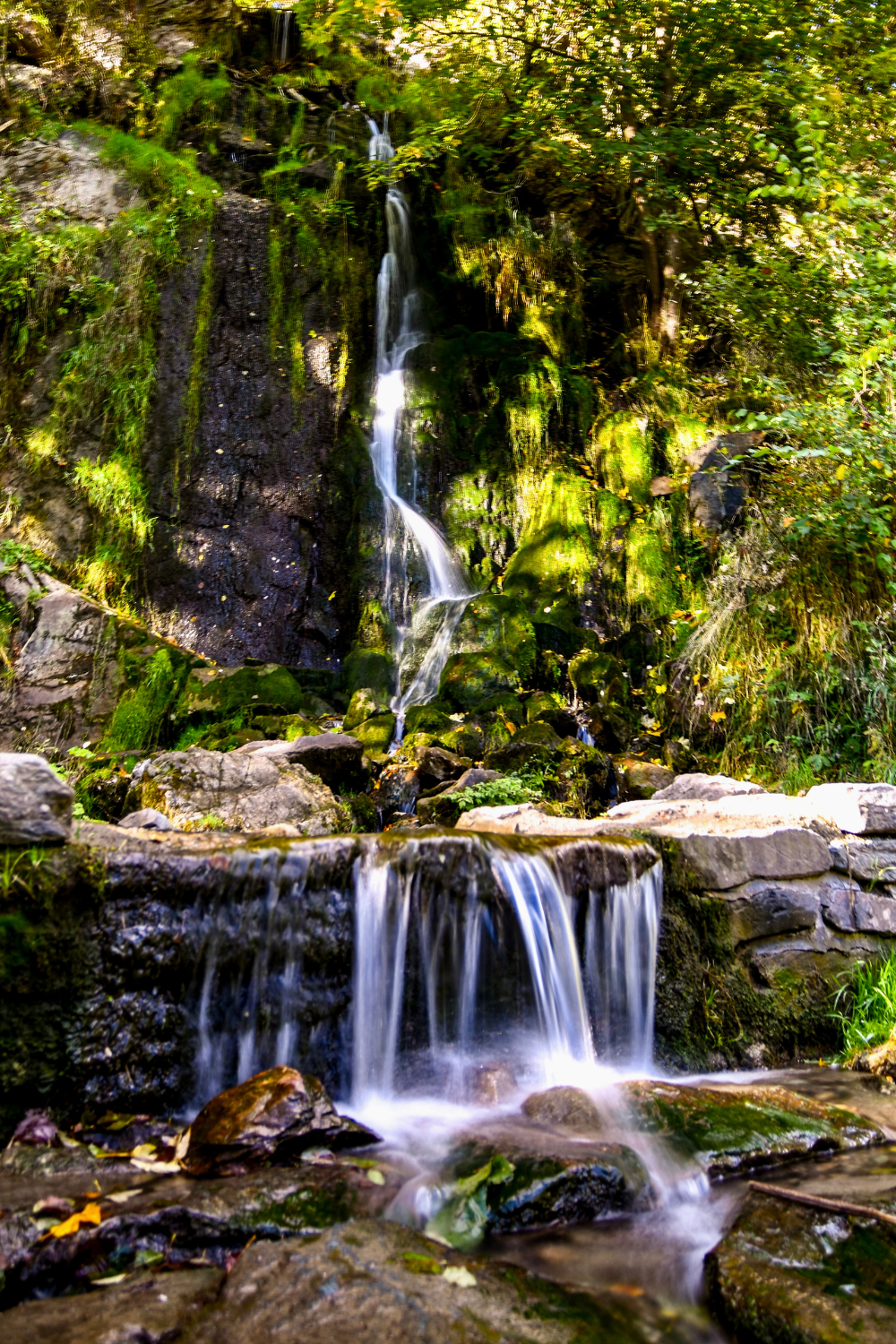
Ten minutes from the town centre, you’re in deep countryside. Most people never discover this.
The Endert is a small stream that joins the Moselle at Cochem, and its valley — the Enderttal — cuts inland through forested hills in a direction that no day-tripper coach ever follows. A walking path runs alongside the stream for several kilometres, passing through woodland with the stream running quietly alongside, the sound of the Moselle and the town fading completely within the first fifteen minutes.
This is where Cochem’s local walkers go. You meet dog-walkers, retired couples with Nordic poles, school groups on nature trails. There are picnic benches beside the stream, small clearings with fire pits, and the general unhurried atmosphere of a place that belongs to the people who live near it. The contrast with the busy promenade twenty minutes behind you is remarkable.
Follow the path to the Treis waterfall — small but charming — or continue to the Endertbach reservoir, which is a pleasant destination in itself for a longer half-day walk. The full loop back to Cochem via the hilltop path adds some elevation but rewards you with forest views and the quiet satisfaction of having completely escaped the tourist radius.
Local tip: There’s a small shelter about 40 minutes along the valley path with a logbook that hikers fill in. Reading through a few pages of entries — in German, mostly, a few in Dutch — gives a lovely sense of how many locals treasure this quiet valley and how rarely it appears in any travel writing about Cochem.
13. Ediger-Eller Village
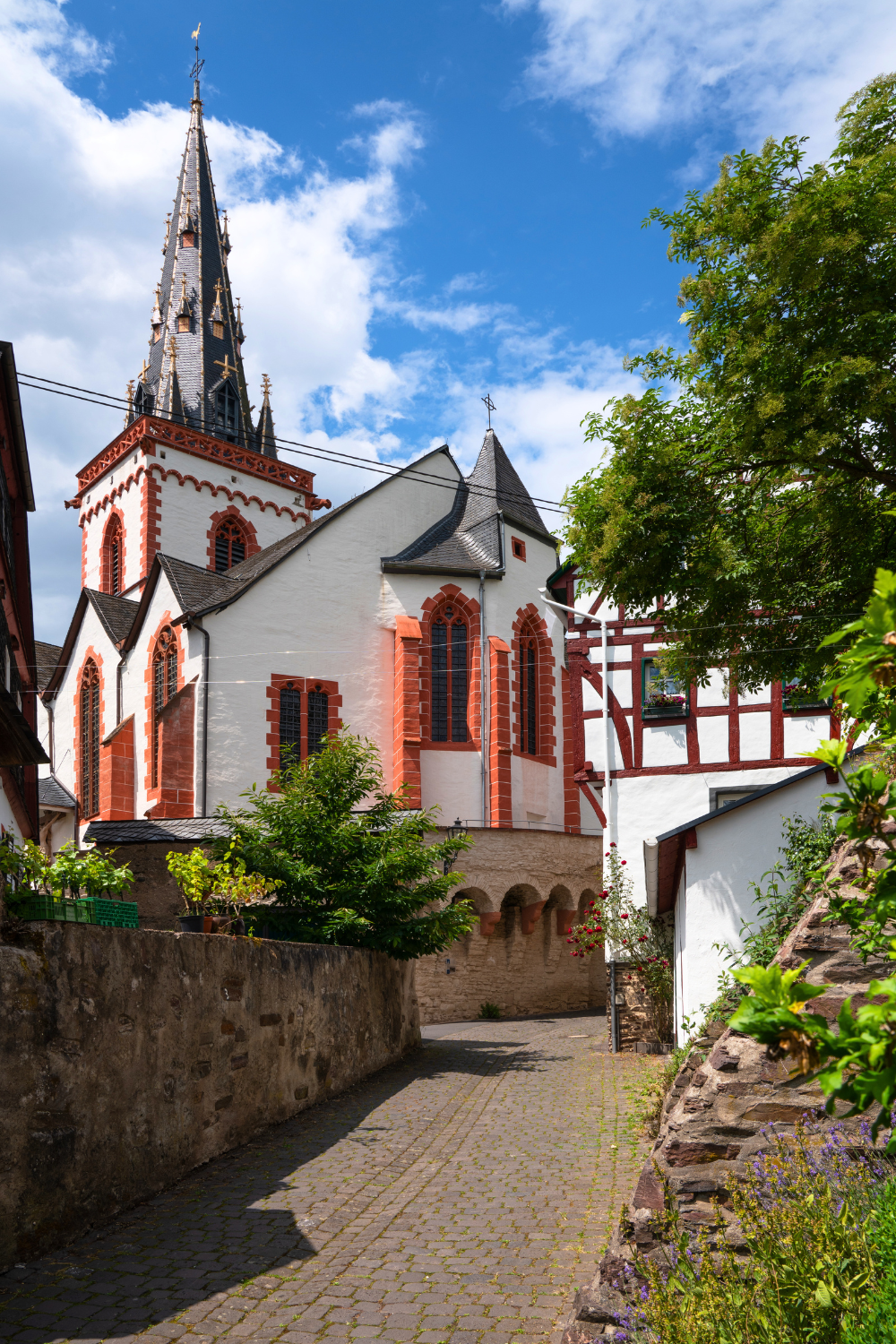
This is the one I wasn’t expecting to love as much as I did.
About 12 kilometres south of Cochem, the twin village of Ediger-Eller sits on the Moselle’s southern bank and is, by some small miracle, both authentically medieval and genuinely inhabited. There are no cruise ship groups here, no glossy restaurant menus printed in four languages, no souvenir shops selling novelty bottle openers. There are residents going about their days, wine estates with hand-lettered signs, and a church — the Liebfrauenkirche — that contains medieval frescoes of such quality that they’d be a significant attraction if they were anywhere near a major city.
The Calmont, part of which flanks the village, is the steepest vineyard in Europe, climbing at gradients of up to 65 degrees. You can walk up it. I would not recommend it lightly — it is genuinely vertiginous and demands proper footwear and a reasonable level of fitness — but the perspective from even halfway up, looking back down across the river bend and the village below, is one of those travel experiences that rewires your sense of scale.
Alternatively, sit in the village square with a glass from the local estate and appreciate the steepness from a comfortable horizontal position. This is also a valid approach.
Local tip: The walking trail that traverses the Calmont face — the Calmont Klettersteig — has some via ferrata sections requiring a harness. The lower path is accessible without equipment but still challenging. The tourist office in Cochem can advise on current conditions and whether guided tours are running.
14. Treis-Karden
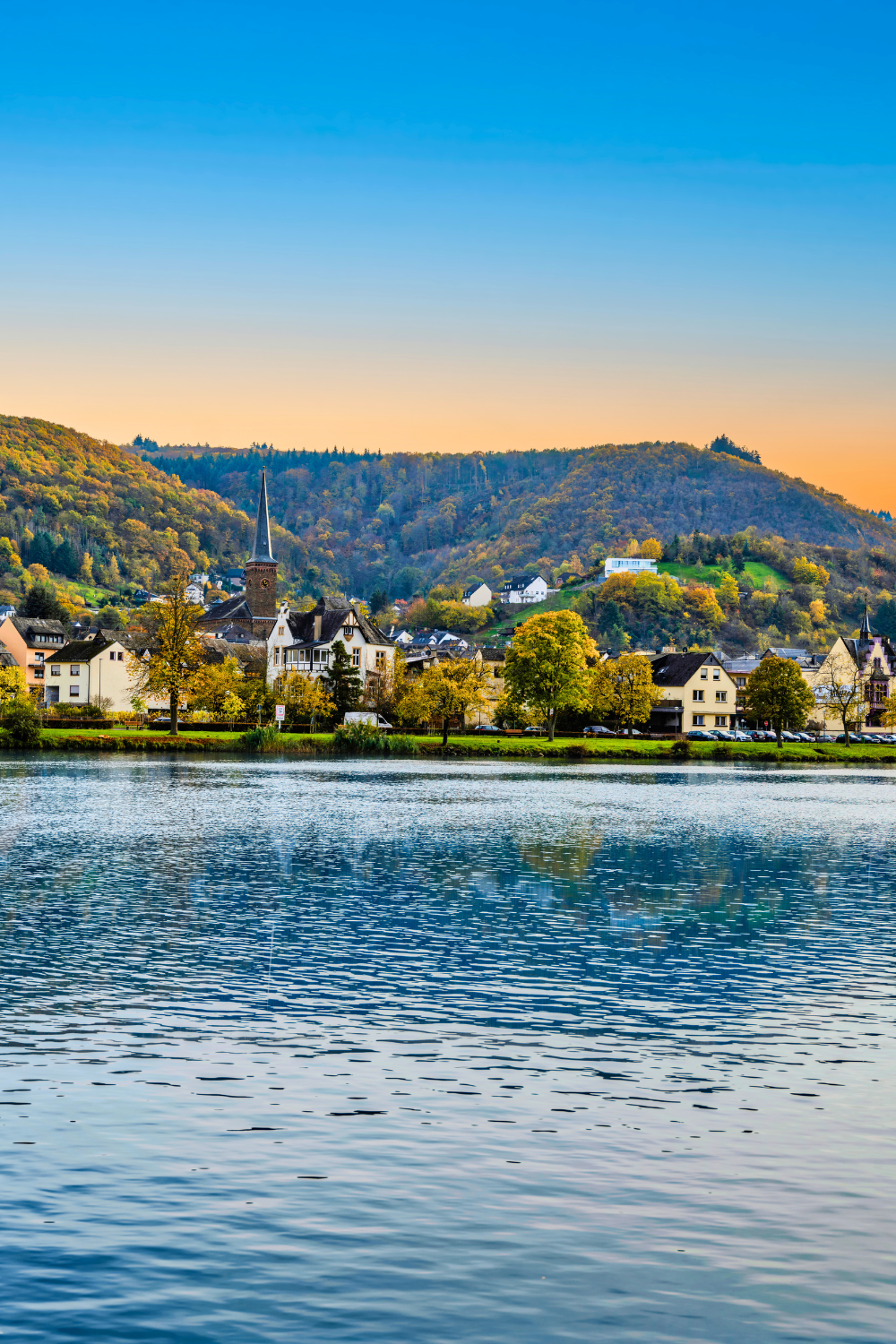
Two villages, one river view, and a cathedral that stopped me cold.
The double village of Treis-Karden sits on opposite banks of the Moselle about 20 kilometres upstream from Cochem, and the Stiftskirche St. Castor in Karden is one of the Romanesque gems of the entire Moselle valley. It’s old in a way that makes Cochem’s castle feel like recent construction — parts of it date to the 9th century — and the interior has retained medieval sculpture, stained glass, and a cloister garden of genuine antiquity.
Most visitors to the Moselle drive straight past Treis-Karden in their hurry to reach Cochem or Bernkastel-Kues, which makes it one of the region’s better-kept secrets. The villages are quiet, the welcome genuine, and the Burg Treis ruins on the hillside opposite give the landscape precisely the right amount of medieval drama.
Reach it by train from Cochem in about 20 minutes — the rail line passes through, with a small station in Karden — or cycle the river path. A morning here, including the church interior and a coffee in the village square, makes an excellent half-day excursion that completely avoids the day-tripper crowds.
Local tip: The Stiftskirche keeps erratic opening hours outside the main summer season. The village tourist office can confirm whether it will be open on your visit day, and the priest is reportedly happy to open it for genuinely interested visitors even when it’s technically closed.
15. The Moselle Slate Hiking Trails
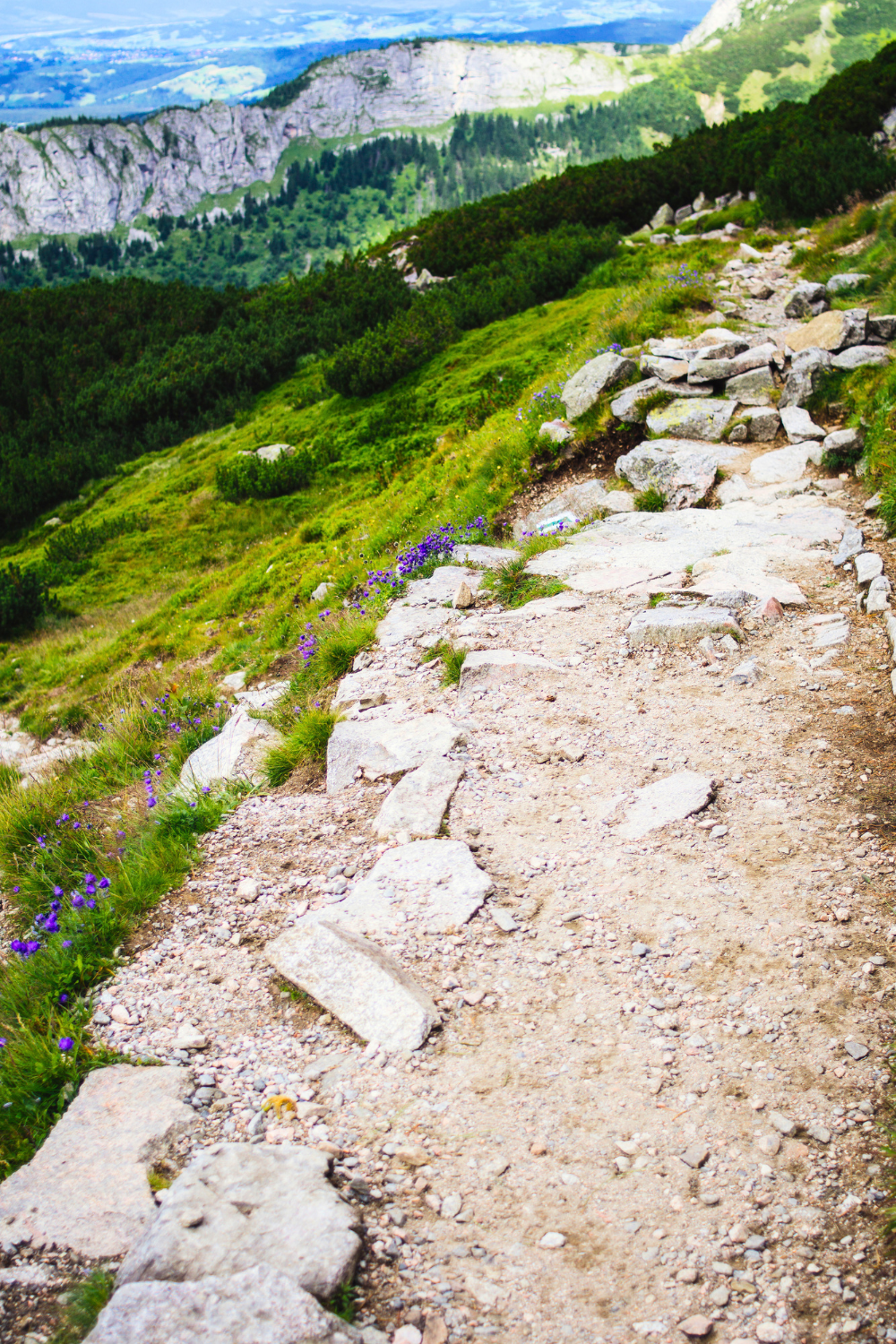
The hills above Cochem contain a network of trails that most visitors never discover exists.
The hills flanking the Moselle around Cochem are threaded with marked hiking paths, most of them combining forest walking with sudden vineyard sections and viewpoints that materialise without warning. The local trails are part of the broader Moselle Wine Hiking Trail (Mosselweinwanderweg) system, which connects villages along both banks through terrain that alternates between deep forest and open slope in a way that keeps every walk interesting.
I particularly recommend the trail from Cochem that climbs behind the castle, traverses the ridge through forest, descends through vineyards toward the river village of Sehl, and follows the river path back into town. The full loop takes about three hours at a gentle pace and covers terrain that goes from tourist-accessible to quietly wild within the first thirty minutes.
The slate paths are well-maintained but uneven underfoot in places. Comfortable walking shoes are adequate for the moderate trails; proper hiking boots are worthwhile for anything ambitious. The Moselle Steig — a multi-day walking route along the full length of the river — passes through Cochem and can be joined for any section.
Local tip: The tourist office provides a free trail map that is substantially better than anything available on general hiking apps for this area. It includes elevation profiles, waypoint distances, and notes on seasonal closures of vineyard paths. Pick it up before heading out.
16. Cochem’s Wine Festivals

If your timing is right, you’ll find the town at its most uninhibited and most itself.
Cochem hosts several wine festivals throughout the year that transform the promenade and market square into open-air celebrations of everything the Moselle does best. The main events fall in summer and early autumn — July through October — with the Weinfest on the Moselle promenade typically running over several weekends in August and the Cochemer Weinmarkt drawing crowds well beyond the usual tourist demographic.
These festivals are not the sanitised, Instagram-optimised wine experiences you might expect. They are proper local events at which people drink seriously and dance with the same commitment. Local estates set up stands, bands play into the evening, and the atmosphere is that specific combination of civic pride and uncomplicated pleasure that German wine festivals do better than almost anyone. You’ll be sharing space with Cochem families, wine professionals, and visitors from across Germany who treat this trip as an annual pilgrimage.
Outside festival season, the smaller wine estates in nearby villages occasionally hold their own Straußenwirtschaft — temporary seasonal wine taverns, identified by a pine branch hung above the door — where you can drink the current vintage in the estate’s yard with a plate of bread and cheese. These are informal, unlicensed in the grand sense, and completely authentic.
Local tip: The Straußenwirtschaft tradition means that small estates can serve wine and simple food for limited periods without full restaurant licensing. Look for pine branches over doorways in the villages around Cochem from late spring onward. These are among the most genuine wine-drinking experiences in Germany and almost never appear in tourist guides.
17. The Rhine-Moselle Corner at Koblenz
This one requires a short trip, but no Moselle journey is complete without it.
Koblenz sits 50 kilometres downstream from Cochem by road (the train is faster and more pleasant), and at its northern end lies the Deutsches Eck — the “German Corner” — where the Moselle meets the Rhine in one of the most dramatic river confluences in Europe. Standing on the promontory between the two rivers, you feel the different personalities of each: the Moselle quiet and vineyard-green, the Rhine wide, powerful, and distinctly businesslike.
The fortress of Ehrenbreitstein rises on the opposite bank, reachable by cable car and providing views across both rivers that reward the fare considerably. Below it, the city of Koblenz unfolds in a way that demonstrates what a proper Rhine city looks like — larger, more commercial, more historically layered than Cochem — and the contrast usefully contextualises what makes the Moselle towns so distinctive. They have remained themselves in a way that the Rhine’s larger cities haven’t entirely managed.
Spend a half-day in Koblenz, then catch the afternoon train back along the Moselle as the light changes on the vineyards. This is one of Germany’s genuinely great short train journeys and you should not do it in the dark.
Local tip: The cable car to Ehrenbreitstein is included in the Koblenz card (available from tourist offices), which also covers public transport and museum entry. If you’re spending any real time in Koblenz, the card pays for itself before noon.
Practical Tips for Visiting Cochem
When to go: May and June offer the best combination of good weather, full services, and manageable crowds. September and early October are equally beautiful, with harvest activity in the vineyards adding another layer of interest. July and August are the busiest months and the most reliably warm; the festival season compensates for the crowds. Avoid the main cruise season in peak summer if you’re sensitive to coach groups.
Getting around: Cochem’s old town is entirely walkable — the main sights are within fifteen minutes of each other on foot. For the surrounding villages and vineyards, cycling is the most practical and enjoyable option. The train serves Koblenz, Treis-Karden, and other Moselle stops frequently and cheaply. Car hire is available but rarely necessary for a town-focused visit.
Where to stay: The old town and promenade area contains most of the hotels and guesthouses, and staying centrally means the castle and promenade are within a five-minute walk. If you want more quiet, the smaller villages along the river offer guesthouses and private rooms that are typically cheaper and considerably more peaceful after dark. Book early for July and August — Cochem fills up.
Language: English is widely spoken in hotels, restaurants, and tourist facilities. In the smaller villages and on the hiking trails, German will serve you better. Having the German names for what you’re looking for — Schloss for castle, Weingut for wine estate, Wanderweg for hiking trail — gets you a long way.
Budget: Cochem is not cheap, particularly restaurants in the prime promenade locations. But the best value experiences — the hiking trails, the cycling, the smaller estate tastings, the Straußenwirtschaft — cost almost nothing. A day of genuine exploration need not break the budget if you approach it strategically.
One Last Thing Before You Go
Cochem rewards patience. Not excessive patience — this isn’t a city that requires a month to understand — but the patience to get up early and walk somewhere before the coaches arrive, to turn down an alley you’re not sure about, to ask the woman running the bakery what she’d recommend, to stay for a second glass when the first one was so good.
The Moselle valley has been producing wine and welcoming travellers for two thousand years. The Romans were here. The medieval merchants were here. The 19th-century romantics who rebuilt the castle were here. Everyone who has ever stood on that promenade at golden hour has understood, in whatever language they thought in, that this is a place worth paying attention to.
Go slowly. Drink the wine. Walk the hills. Come back in a different season if you can. You’ll understand, when you’re on that train home, why people keep returning to Cochem year after year — not to see the castle again, but to feel, just for a few days, like someone who lives on the Moselle.

