
There is a moment — and I promise you’ll recognise it when it happens — when you round a bend in a narrow canal, the engine on your little electric boat barely making a whisper, and a thatched farmhouse appears through the willows like something conjured from a dream. The water is mirror-flat. A heron stands absolutely still on a wooden bridge. You are somewhere that feels, genuinely, like it shouldn’t be real.
Giethoorn is one of those places that photographs well, yes. But what photographs can never capture is the silence. The particular, almost sacred quiet of a village that traded its roads for canals centuries ago and never looked back. I’d seen the images online like everyone else — and I went anyway, half-expecting disappointment. I did not get it.
This guide covers everything worth doing in Giethoorn, from the obvious to the wonderfully obscure. I’ve included a few honest warnings along the way, because this village is magical and also very small and very popular, and the gap between a transcendent visit and a stressful one often comes down to a few simple decisions.
Before We Start: What You Actually Need to Know About Giethoorn
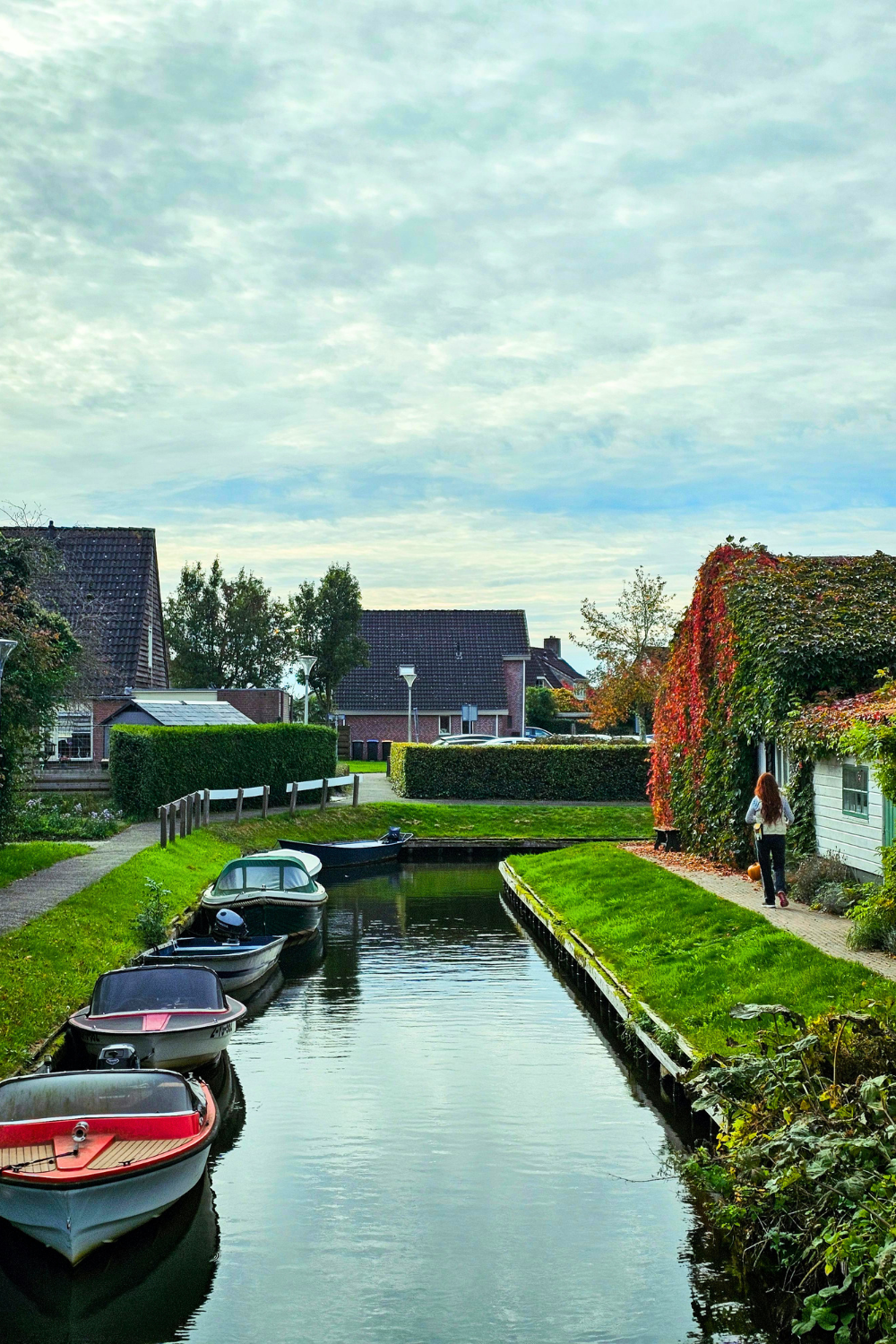
Let me be upfront with you: Giethoorn is not a secret. More than a million visitors make their way to this corner of Overijssel province every year, and on a sunny Saturday in July, the central canal can feel less like the countryside and more like a floating queue at a theme park. That said, Giethoorn also rewards the people who understand it.
The village is split into zones. The northern “tourist village” around the main Dorpsgracht is the postcard stretch — stunning, busy, and undeniably beautiful. The southern reaches near the Bovenwijde lake, and the hamlets beyond the park boundary, feel like a different world entirely. And crucially, Giethoorn is surrounded by one of the Netherlands’ most underrated national parks, Weerribben-Wieden, which gives the area incredible breathing room if you’re willing to explore beyond the obvious.
Get here early. Stay overnight if you can. Go in spring — the tulips in late April and early May are borderline unfair. And whatever you do, don’t treat Giethoorn as a two-hour Instagram stop. It deserves more than that, and so do you.
1. Rent an Electric Whisper Boat and Navigate the Canals Yourself
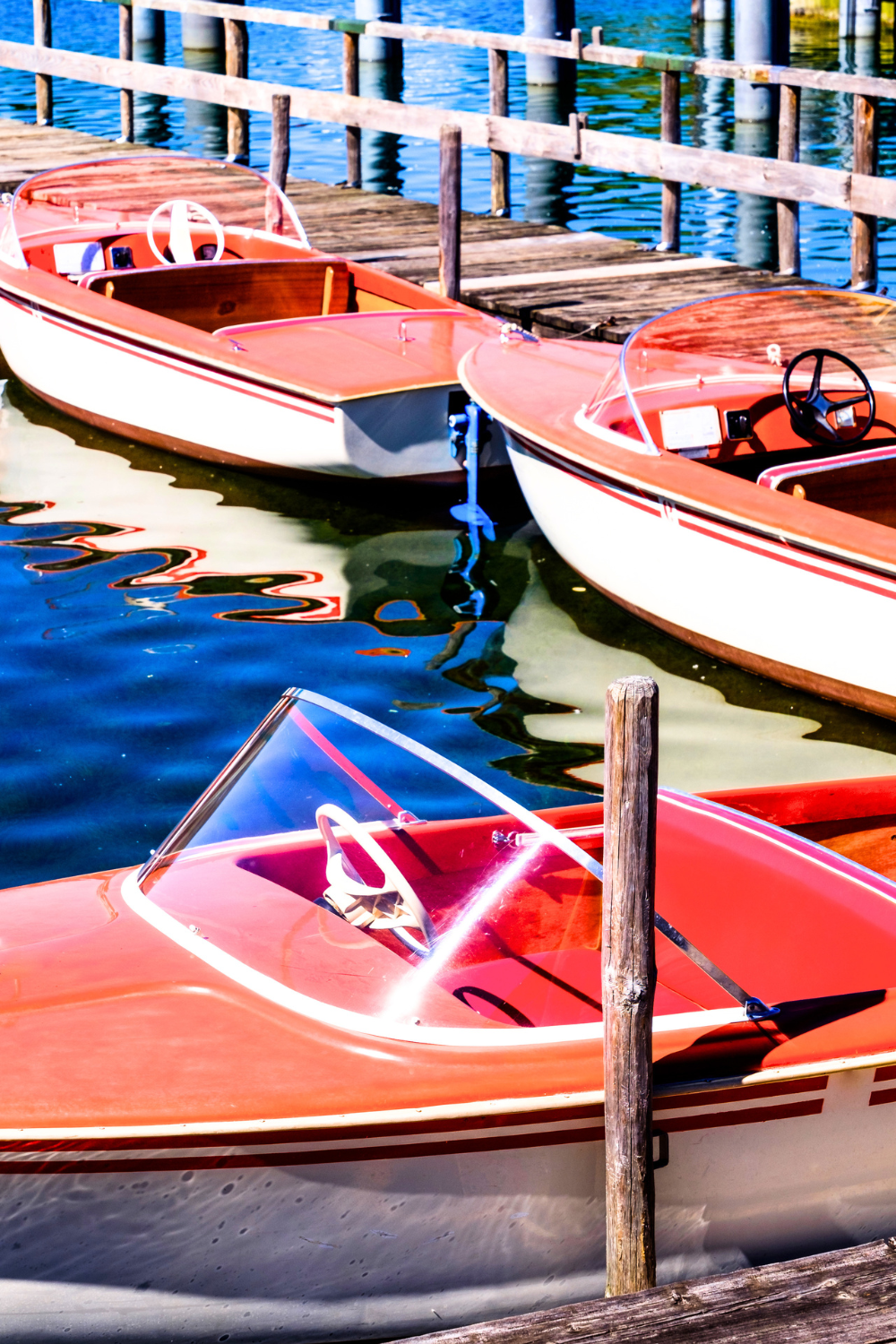
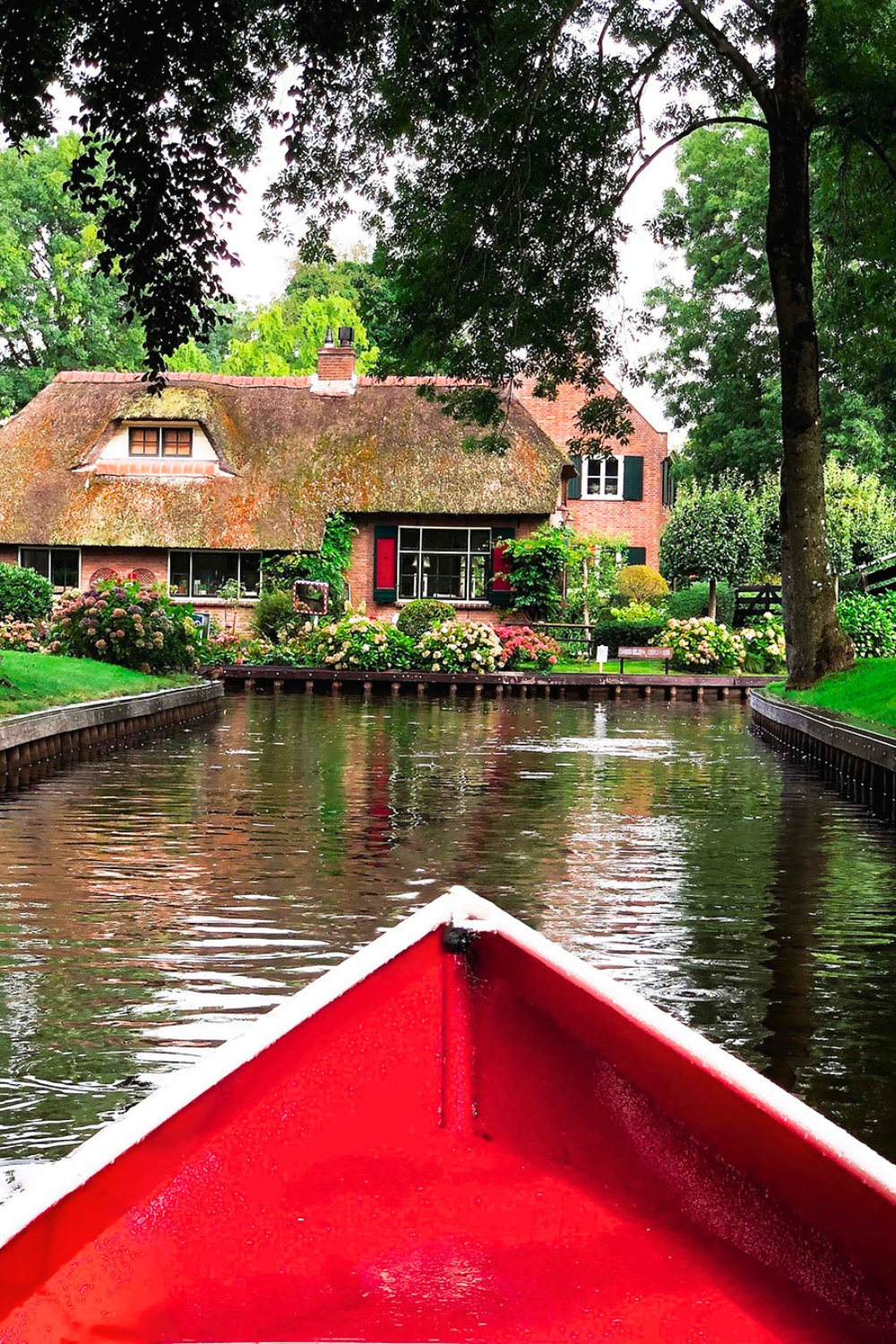
There are few things in travel as quietly satisfying as piloting your own boat through a storybook village, and this is the one non-negotiable activity in Giethoorn. The famous fluisterboot — the electric “whisper boat” — moves at a pace somewhere between a gentle walk and a lazy Sunday, which is exactly as fast as Giethoorn wants you to go.
Most rental companies cluster around the southern entry points, and I’d recommend starting at Smit Giethoorn near the P2 or P3 Zuid parking areas, which gets you onto the water without fighting through the main tourist drag first. You’ll be handed a waterproof map of the canal routes and, if you’ve never driven a boat before, a brief and cheerful explanation from someone who has clearly done it a thousand times. The boats are electric, rubber-rimmed, and almost impossible to damage. They move slowly. You will still, almost certainly, bump a bridge at some point. Consider it an initiation.
The most beautiful stretch of the village canal runs beneath the old thatched farmhouses of the Binnenpad zone, where each house sits on its own small island connected to a private wooden bridge. You’ll want to go slowly here. Very slowly. The light on the water in the morning, with mist still rising off the surface, is something you’ll be describing to friends for years. The longer routes wind out towards the open water of the Bovenwijde lake, which opens up dramatically after the intimacy of the village canals — a genuine surprise if you weren’t expecting it.
Local tip: Book your boat rental in advance during summer weekends and Dutch school holidays. After midday, queues can be long, and availability genuinely runs out. Haven133 is known for staying open later than most operators — worth knowing if you arrive after 5pm.
2. Walk the Binnenpad and Zuiderpad at Dawn
If you’re staying overnight in Giethoorn — which I’ll strongly advocate for later — set an alarm for 7 am and walk out along the Binnenpad before the tour groups arrive. I know that sounds punishing. Do it anyway.
The footpath that runs the length of the village canal is one of the most beautiful walks in the Netherlands, full stop. In the early morning, it’s something else: mist over the water, birdsong louder than you’d believe, the thatched rooftops catching the first light, and the canals entirely, blessedly empty. After about 11:30 am, the village fills, and the canals start to resemble rush hour in miniature. Before that threshold, it feels like the place belongs to you.
The Binnenpad runs along the main village canal, while the Zuiderpad shadows it from the other side. Together they give you the full picture — the gardens spilling over the canal edges, the private bridges (lovely to look at, not to stand on — they’re residents’ property), the cats sitting in windows of 400-year-old farmhouses as if they’ve always owned the place. The further south you walk along the Zuiderpad, the quieter and more genuinely Dutch it gets: fewer cafés, more countryside, more sky.
Local tip: The residents’ bridges are private property and you’re asked not to stand on them for photos. But the public viewing angles from the canal path are often better anyway — further back gives you the full composition of house, water, and willows that the postcards are made of.
3. Take a Guided Canal Cruise and Actually Learn Something
Look, I know self-piloting a boat sounds more romantic. It is more romantic. But a guided canal cruise has something the DIY version doesn’t: someone who can tell you exactly why the house with the carved wooden heart on its shutters has that carving, or the story behind the name Giethoorn itself. (Spoiler: it involves a catastrophic flood in 1170, a lot of dead goats, and their horns fossilised in the peat — gietehorens meaning “goat horns.” The Dutch have never been sentimental about place names.)
Guided tours run roughly an hour on the tourist route and cost around €10–15 per person. The boats are larger and you’re not steering, which means you can actually look around instead of nervously trying not to scrape a bridge. Many skippers speak excellent English and offer the kind of dry, knowledgeable humour that makes Dutch tour guides such good company. If you want something more intimate, private guided sloop tours from operators like Giethoorn Village start at around €98 for groups of up to six and go at whatever pace you prefer.
Local tip: If you’re on a guided tour and the skipper offers to go under a particularly low bridge rather than around it, say yes. The canal system has passages that the larger rental boats can’t access, and these are often the most breathtaking stretches.
4. Explore Weerribben-Wieden National Park by Kayak
Five minutes from the tourist bustle of the village canal lies one of the largest lowland peat bog areas in northwestern Europe, and most of the day-trippers never see a square metre of it. Weerribben-Wieden National Park covers over 10,000 hectares of wetlands, reed beds, quiet lakes, and water channels that feel genuinely wild in a way that Giethoorn’s main strip — however beautiful — doesn’t.
Kayaking or canoeing into the park from Giethoorn is, without question, the best thing you can do with a half-day in this region. The transition happens gradually: the thatched houses thin out, the other boats disappear, the reed beds close in on either side, and suddenly you’re paddling in near-silence past nesting herons and colonies of dragonflies and the occasional otter if you’re lucky and quiet. The park is genuinely, profoundly peaceful in a way that’s increasingly hard to find anywhere in Western Europe.
Several rental operators in Giethoorn offer kayaks and canoes. Bring waterproof bags for anything valuable, a decent map (the park can feel labyrinthine if you drift without orientation), and pack more food and water than you think you need. The park rewards the slow and the patient.
Local tip: For the very best experience in Weerribben-Wieden, visit on a weekday morning in early September, just after the Dutch summer holidays end. Locals who know the park say you can sometimes paddle for hours without seeing another soul — which feels miraculous given how close you are to Giethoorn’s crowds.
5. Visit Museum Giethoorn ‘t Olde Maat Uus
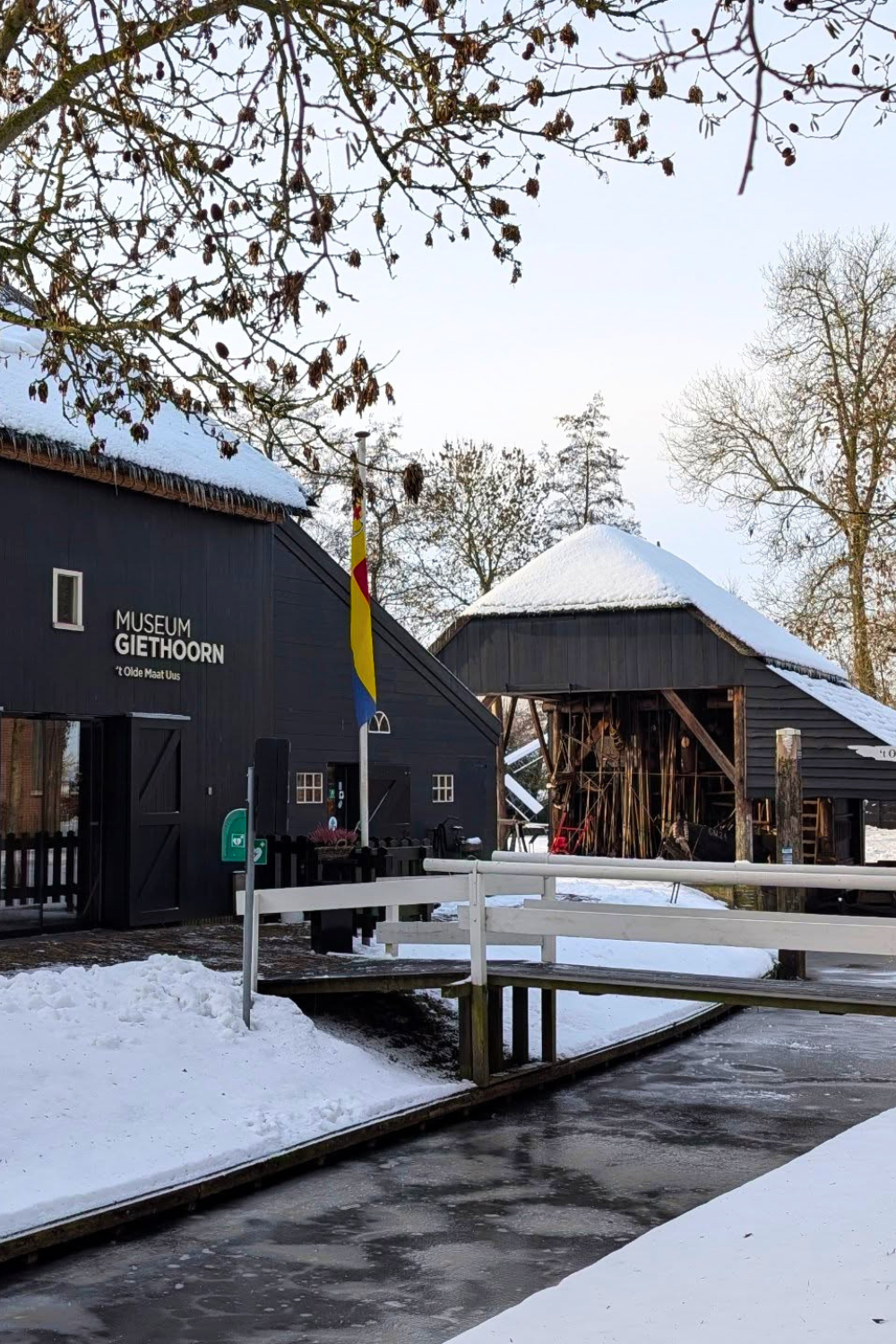
This one surprised me. I almost skipped it — I’m usually sceptical of small village museums — but ‘t Olde Maat Uus turned out to be the most effective way I found to actually understand what life in this strange, watery place was like before the tour boats arrived.
Housed in an original 19th-century farmhouse (which is itself worth the entrance fee to look at properly), the museum recreates life in Giethoorn from roughly 1800 to 1940. It covers farming, peat digging, the canal trade, domestic interiors, and the village’s odd relationship with the outside world. For centuries, Giethoorn was genuinely isolated — you could only reach it by boat, and most residents rarely left. That isolation shaped everything: the architecture, the way people socialised, the dialect, the almost defiant peacefulness that the village still carries.
It’s open Monday through Saturday from 11am to 5pm, Sundays from noon, and admission is €4 for adults and €1 for children. Genuinely one of the better museum experiences you’ll get for four euros anywhere.
Local tip: The museum sits right on the main village canal, and the farmhouse garden stretches to the waterfront. After you finish inside, take five minutes in the garden — it’s one of the quieter spots in the tourist village during peak hours, and the canal view from here is particularly lovely.
6. Discover De Oude Aarde: Gemstones, Fossils, and Beautiful Strangeness
Tucked quietly alongside everything else in Giethoorn, De Oude Aarde (“The Old Earth”) is a shop-museum hybrid that sells and displays an extraordinary collection of gemstones, fossils, minerals, and geological curiosities from around the world. It’s the kind of place you walk into expecting to spend ten minutes and leave forty-five minutes later having completely lost track of time.
The collection ranges from polished amethyst geodes the size of an armchair to tiny iridescent beetles preserved in amber, with fossils, meteorite fragments, and handmade jewellery in between. Everything is also for sale, which gives the whole place the atmosphere of a particularly well-curated natural history cabinet crossed with a very good independent boutique. Kids are predictably captivated; adults take longer to admit how captivated they are too.
It’s not free, but admission prices are reasonable and most visitors agree it’s worth every cent — especially on a rainy afternoon when the canals are less appealing and you need somewhere to be enchanted under a roof.
Local tip: The staff here are knowledgeable and not at all pushy. If you’re genuinely curious about any piece, ask — the stories behind some of the specimens are as interesting as the objects themselves.
7. Rent a Bike and Cycle the Countryside
Giethoorn sits at the centre of one of the best cycling regions in the Netherlands — a low bar, you might think, but this particular corner of Overijssel is spectacular even by Dutch standards. The flat terrain, the reed beds, the open sky, and the absence of traffic make it ideal for anyone who wants to cover ground at their own pace.
From the village, well-maintained cycling paths branch out in every direction into the Weerribben-Wieden National Park. The Rondje Weerribben (Round Weerribben) route covers 31 kilometres and loops around the northern section of the park through the villages of Ossenzijl, Kalenberg, and Wetering — genuinely beautiful cycling, with the kind of uninterrupted open landscapes that remind you why so many Dutch people are still so healthy. The longer 45-kilometre route from Giethoorn to Steenwijk via Woldberg adds another layer, passing through farmland and forest before looping back through the park.
Bikes are widely available for rent in the village. If you’re covering the longer routes, rent early and take a packed lunch — while there are cafés in the park villages, they’re small and can fill up on busy weekends.
Local tip: There is a hamlet inside the national park called Nederland — literally “Netherlands” in the Netherlands. It’s a tiny, deeply peaceful place that barely exists on most tourist maps. Cycling through it on the Rondje Weerribben route is one of the more delightfully surreal moments available in this corner of the country.
8. Eat Dutch Pannenkoeken at a Waterside Terrace

Let me be honest with you about Giethoorn’s food scene: it is not Amsterdam. The village has a handful of restaurants and cafés, and most of them are geared towards tourists and priced accordingly. That said, there are specific things worth eating and specific places worth doing it, and the setting alone — any terrace on the village canal on a warm afternoon — is worth the price of a meal.
Dutch pannenkoeken (pancakes) are the reliable order in this part of Overijssel: bigger than crêpes, thicker than they look, and available with everything from bacon and cheese to apple and cinnamon to a sweet syrup called stroop that is deeply and unreasonably good. Smit Giethoorn has a terrace right on the water and serves a solid version. De Sloothak, a bit further south, had a calmer atmosphere and a burger that was better than a burger in a village this size has any right to be.
If you want to splash out properly, De Lindenhof is a Michelin-starred restaurant in the village — a startling find in somewhere this size, and testament to how seriously the Dutch take food even in their most rural corners.
Local tip: If you’re watching your budget, pack lunch from the PLUS supermarket (the only one in the village, near the centre). Having a picnic on the bank of a quiet canal somewhere off the main tourist route is, genuinely, one of the best meals Giethoorn offers.
9. Try Punting on the Village Canal
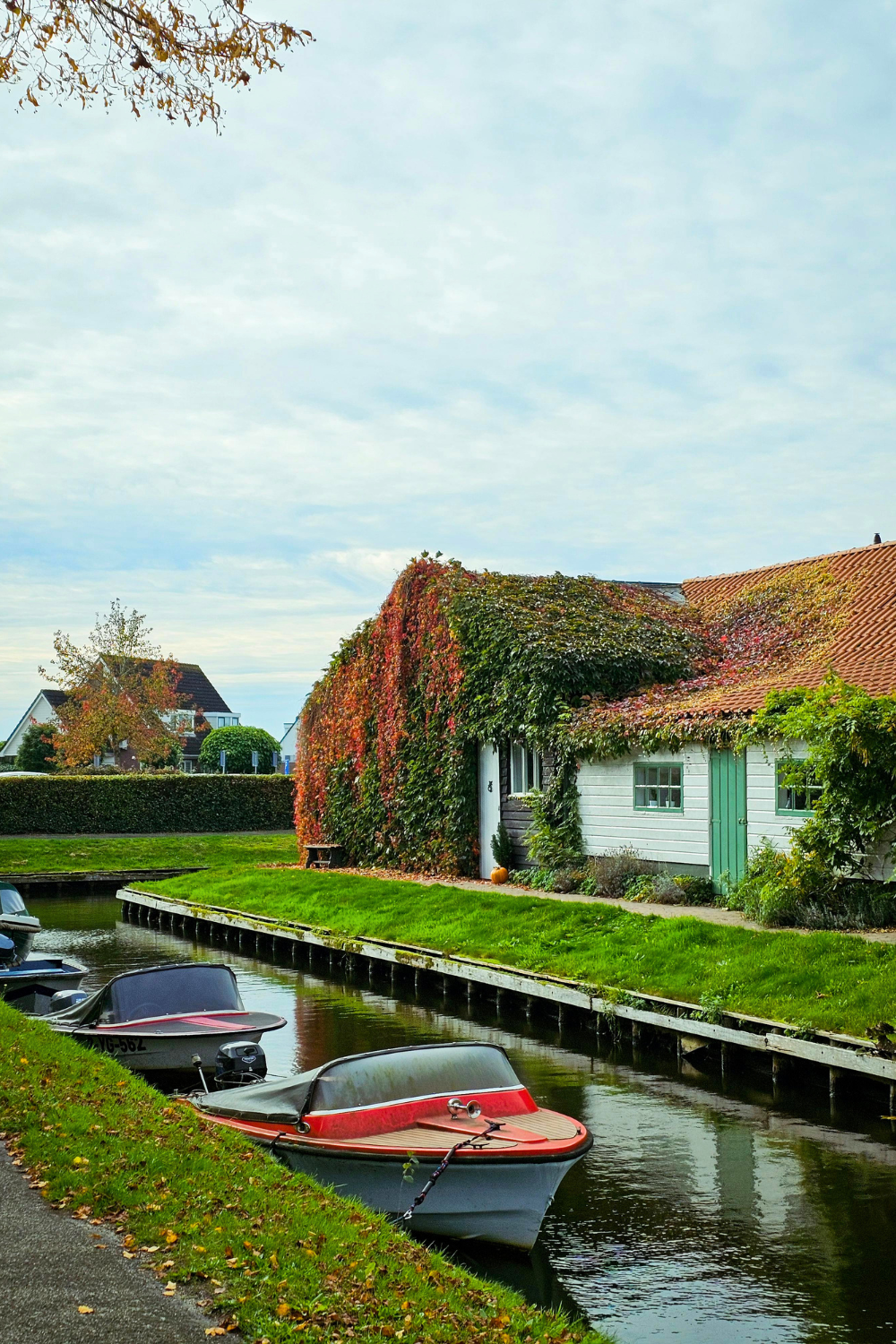
Here’s a less-obvious thing to do in Giethoorn that most visitors don’t even know is an option: punting. Instead of using an electric boat, you navigate the canals with a long pole — the traditional method, similar to Venetian gondoliers or the punters at Cambridge. It’s slower, slightly more physically demanding, and exponentially more satisfying when it works.
A few operators offer punting boats (the traditional flat-bottomed vessel is called a punter — yes, really), and the learning curve is steeper than it looks. The trick is to lean the pole against the flow rather than fight it, keep your weight low, and accept early on that you’ll look ridiculous for the first ten minutes. After that, though, something clicks, and there’s a specific kind of pride available only to people who’ve figured out how to navigate a medieval Dutch canal using a stick.
It’s best attempted with someone else in the boat — one of you to pole, one to navigate and not laugh too obviously.
Local tip: Punting on the quieter southern canals rather than the busy central Dorpsgracht makes for a far more peaceful experience. Less traffic, less performance anxiety, more actual enjoyment.
10. Visit the Schreur Shipyard: Where the Punter is Still Built

This is one of the most genuinely interesting things in Giethoorn and also one of the least talked about. The Schreur shipyard has been building the traditional Giethoorn punter — the flat-bottomed wooden boat that’s been the village’s primary vessel for centuries — for generations. You can visit, watch the craftsmen work, and get a close-up look at a form of boat-building that has changed remarkably little since the peat-digging era.
It’s not a tourist attraction in the polished, interpretive-panel sense. It’s a working shipyard that welcomes curious visitors, which is a different and better thing. The smell of fresh-cut wood and linseed oil, the sight of a hand-shaped hull taking form on a workbench — it’s a reminder that underneath all the boat rental operations and café terraces, Giethoorn is still a place where people actually live and work and maintain traditions.
Local tip: Check local listings or the official Giethoorn tourism website before visiting, as shipyard viewing hours can vary by season and workload. It’s worth timing a visit carefully rather than just turning up and finding the gates closed.
11. Walk to Dwarsgracht: The Quieter Village Next Door
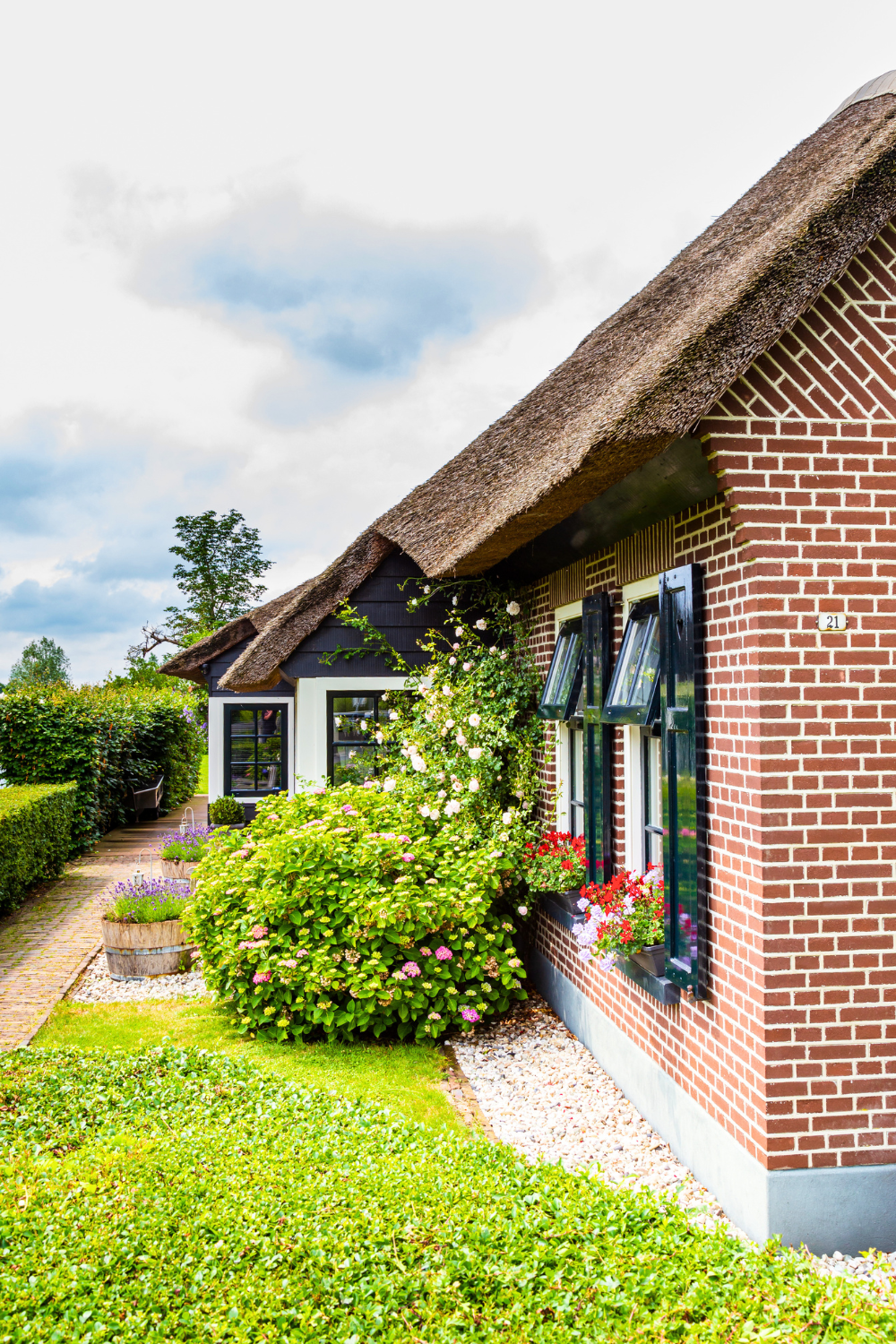
About two kilometres south of the main village lies Dwarsgracht — a tiny hamlet that is, in every important way, what Giethoorn used to be before the world discovered it. A handful of houses on a single canal, connected by a narrow path, with absolutely no tourist infrastructure to speak of. No rental boats, no café terraces, no queues.
You can reach Dwarsgracht on foot along the footpath south from Giethoorn village, or by boat along the canal if you’ve hired one with enough range on its battery. Either way, arriving here after the main village is a genuine tonic. The houses are beautiful in the same thatched, water-lapped style, but without anyone photographing them. The canal is still and quiet. There’s a reason the locals who want peace on their day off tend to point their boats south.
Local tip: The walking path between Giethoorn and Dwarsgracht passes through reed beds and open countryside that’s excellent for birdwatching. Bring binoculars if you have them — bitterns, kingfishers, and marsh harriers all use this corridor.
12. Day-Trip to Blokzijl: The Hanseatic Hidden Gem
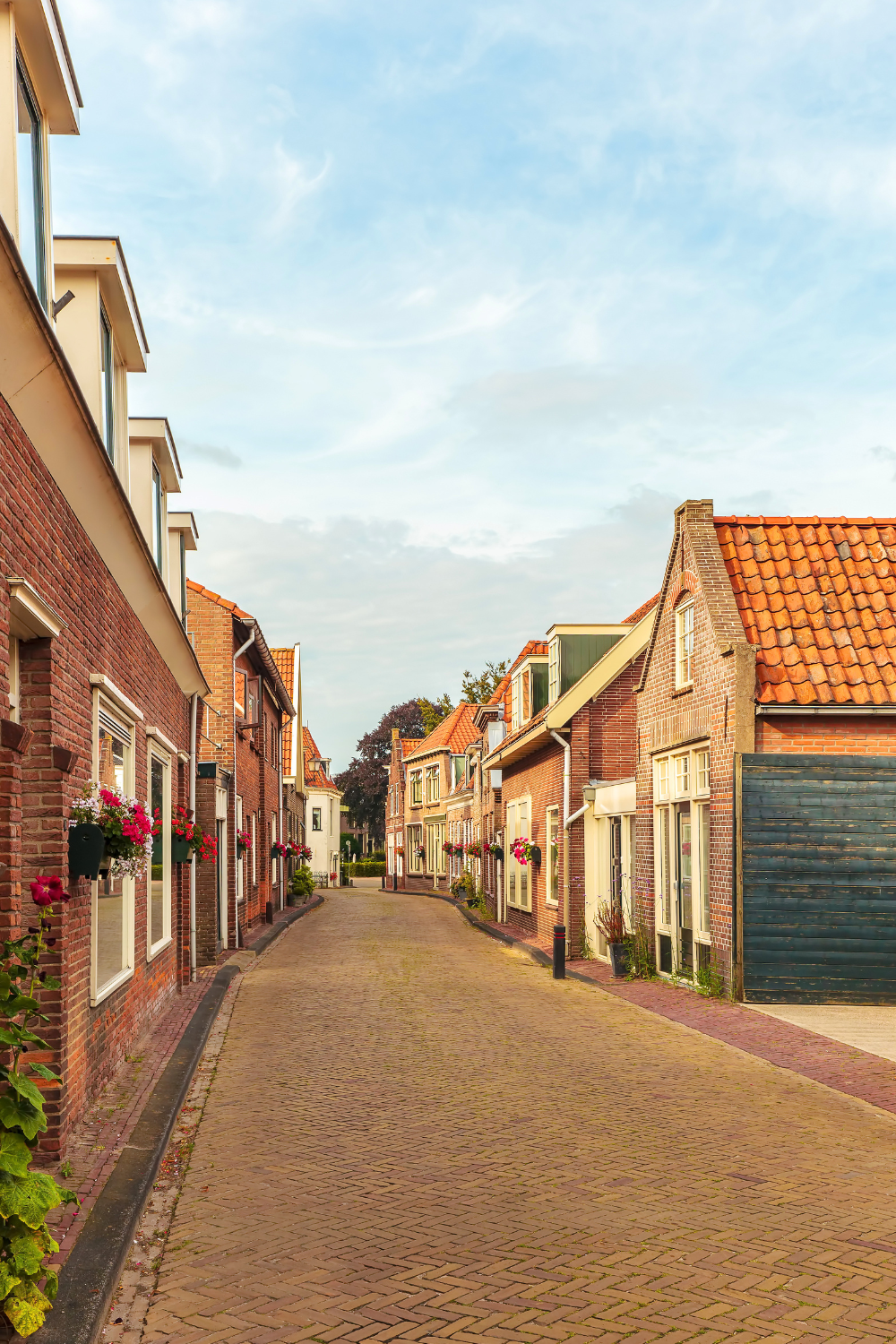
I’d been to Giethoorn twice before someone finally pointed me towards Blokzijl, and I’m still slightly annoyed about the lost time. This fortified harbour town sits about 15 minutes by car (or 35 minutes by bike) from Giethoorn, and it is one of the most strikingly preserved 17th-century towns in the whole of the Netherlands.
Originally a trading port for Giethoorn’s peat — the two were linked economically for centuries — Blokzijl joined the Hanseatic League as a major merchant hub and built itself accordingly. The harbour is ringed by genuinely magnificent canal houses: step gables, brick facades, the whole Dutch Golden Age package, without the tour groups. Behind the harbour, a maze of quiet lanes and a large old church create the impression of a place that simply stopped in about 1680 and forgot to change.
The paved waterfront promenade is perfect for an evening stroll, and there are good spots for a drink overlooking the water. This is the kind of place you stumble into and immediately start planning your second visit.
Local tip: Blokzijl also has a Michelin-starred restaurant — Kaatje bij de Sluis — which has been operating for decades and focuses on local fish and seasonal Dutch produce. It’s worth booking ahead if fine dining is your thing.
13. Try Stand-Up Paddleboarding on the Bovenwijde Lake
The Bovenwijde is the large open lake that Giethoorn’s southern canals empty into, and it provides a completely different experience from the intimate, enclosed village waterways. Out here, the sky opens up, the wind comes in off the water, and the thatched skyline of the village appears on the horizon in a way that’s oddly moving — this tiny, improbable place, seen from the outside.
Several rental operators now offer stand-up paddleboards (SUPs) alongside the traditional boat and kayak options, and the lake is a good place to use them. The water is calmer than you’d expect, the views are wide, and on a warm afternoon the whole experience tips over into something genuinely luxurious. If you’ve never paddleboarded before, the lake’s calm conditions make it a reasonable place to try.
The lake also connects, via various channels and locks, into the broader Weerribben-Wieden waterway network — if you’re in a rented boat with an adventurous afternoon ahead, this is where the longer routes begin.
Local tip: Swimming in the Bovenwijde is actually possible in summer, and locals do it. It doesn’t feel like the kind of thing you’d expect to be doing in the Netherlands, and yet here you are, swimming in a peat lake with a thatched Dutch village on the shore. Embrace it.
14. Visit the HistoMobil Museum: Vintage Cars in an Unexpected Place
If you love old vehicles, this one’s for you. If you’re sceptical, let me explain why it works even for non-enthusiasts: the HistoMobil museum houses an impressive collection of vintage cars, motorcycles, and horse-drawn carriages, but the context — a quiet village in the Dutch wetlands that still, technically, doesn’t have conventional roads — makes every piece in the collection feel faintly surreal.
There’s something inherently absurd about standing in front of a gleaming 1930s touring car in a place where the primary transport method is a flat-bottomed wooden boat, and the museum seems quietly aware of this. The collection is well-presented and genuinely varied, covering everything from early Citroëns to classic Dutch motor scooters, with enough context about each piece to make it interesting even if your knowledge of automotive history is thin.
Local tip: HistoMobil is a good option on a rainy afternoon — it’s undercover, unhurried, and tends to be less crowded than the outdoor attractions when the weather turns.
15. Explore the Village of Kalenberg Inside the National Park
Kalenberg is one of the small hamlets scattered through Weerribben-Wieden National Park, reachable by boat from Giethoorn through the park’s waterway network or by bike along the cycling routes. It’s the kind of place that appears on maps without particularly announcing itself, and then turns out to be quietly spectacular.
The village is essentially a single canal lined with farmhouses, surrounded entirely by open water and reed beds. Hotel Het Rietershuijs sits right at the water’s edge here and is considered one of the best bases for exploring the park — they offer their own e-boats, kayaks, and SUPs, plus excellent route advice. The restaurant terrace overlooking the water is worth a stop even if you’re not staying.
What makes Kalenberg special is the complete absence of the tourist economy that defines central Giethoorn. Nobody’s renting boats here with branded life jackets. The swans are the same, the thatched houses are the same, the silence is the same — but it’s real silence, the kind that comes when there’s nobody nearby to interrupt it.
Local tip: The waterbus from the De Wieden Visitor Centre at Sint Jansklooster runs services to both Blokzijl and Giethoorn and passes through Kalenberg. It’s a wonderful way to get an overview of the park from the water without having to navigate yourself.
16. Watch the Sunrise (or Sunset) Over the Reed Beds
This is less a specific activity and more a commitment — to being somewhere at the right moment — but it earns its place on this list because nothing I’ve done in Giethoorn has stuck with me quite as completely as watching the sun go down over the reed beds of Weerribben-Wieden from the deck of a rented boat.
The light in this part of the Netherlands has the particular quality of Dutch Golden Age paintings — horizontal, golden, slightly unreal — and it does something to the landscape in the last hour before sunset that no photograph I’ve ever taken has fully captured. The reed beds turn amber. The water goes still and reflective. The birds that have been noisy all day settle into their evening quiet. If you’re out on the lake or the open park canals at this hour, you’ll understand immediately why Dutch painters spent centuries obsessing over this light.
Sunrise over the village canal — the mist, the absolute stillness, the thatched houses emerging from the haze — is equally extraordinary and requires only the willingness to wake up at a sensible hour.
Local tip: The best sunset spots are on the Bovenwijde lake or the open waters of the national park south of Giethoorn, where the horizon is uninterrupted. The village canals are beautiful at golden hour but the buildings block the full sky — head to open water for the full effect.
17. Stay Overnight and Experience the Village After Hours
This is, without question, the single best thing you can do in Giethoorn, and yet most visitors treat it as a day trip and catch the bus back to Steenwijk at 5pm, missing precisely the part of the experience that makes the whole thing worthwhile.
After the last tour boat docks and the last day-tripper clicks their final photograph, Giethoorn becomes a different village entirely. The canals empty. The paths go quiet. The lights come on in the farmhouse windows, reflecting in the water. The sound of a duck landing on the canal seems loud. This is what Giethoorn’s 2,800 permanent residents experience every evening, and spending a night here means you get to join them briefly in that understanding.
There are good accommodation options across price ranges: Hotel de Harmonie sits on the water and has its own boats available; B&B d’Olde Smidse offers solid value with parking; Hotel Restaurant De Dames Van De Jonge includes breakfast and dinner and sits near the open lake. Book well ahead for summer weekends — availability is limited and goes quickly.
The morning after a night in Giethoorn, walking out onto the Binnenpad before breakfast with the village entirely to yourself, is one of those experiences you’ll still be describing with excessive enthusiasm to anyone who’ll listen, years later. Completely worth it.
Local tip: If you’re staying overnight, ask your accommodation about their “quiet hours” orientation for the village. The Binnenpad and the southern canal paths are also far better for evening walks than the main tourist route, which can stay busy until the restaurants close.
Practical Tips for Visiting Giethoorn
Getting there: Giethoorn is about 90 minutes by car from Amsterdam and 2–3 hours by public transport. By train, go to Steenwijk or Zwolle station and take bus 70 directly to the village (stop: Dominee Hylkemaweg or Hollands Venetie). There is no train station in Giethoorn itself.
Parking: Cars cannot enter the village centre. There are around 18 free parking areas on the outskirts — use Google Maps or giethoornvillage.com to find the nearest one to your planned starting point. The main tourist parking is at Binnenpad 88.
When to go: Late April to early May is peak beauty — tulips, blossom, and the landscape at its most saturated. It’s also busy. For quieter visits, try early September or October when the colours shift and the crowds thin. Weekday mornings year-round are significantly more peaceful than weekend afternoons.
Budget tips: Boat rental runs €15–30 per hour depending on type and season. Museum ‘t Olde Maat Uus is €4 per adult. Restaurants are pricier than Dutch averages — the waterside location adds a premium. The PLUS supermarket in the village is your friend if you’re watching costs.
Crowds vs. calm: After 11:30am, the main village canal gets genuinely busy. Before that, or after 6pm if you’re staying overnight, you have the place largely to yourself. Plan accordingly.
Don’t stand on the private bridges: Residents’ bridges are private property, however tempting the photo angle. Stay on the public path. The view is usually better from there anyway.
Giethoorn is one of those places that gives back what you put in. If you arrive in a hurry, treat it like a tick on a list, take your photo from the bridge and leave — it’ll give you a pleasant afternoon. But if you slow down, stay the night, take the boat deep into the national park, wake up before the crowds and walk the Binnenpad in the mist — it’ll give you something you’ll carry around for years. Go slowly. Stay longer than you planned. This is a village that has been surviving beautifully on water for seven hundred years. It knows something about patience.

