
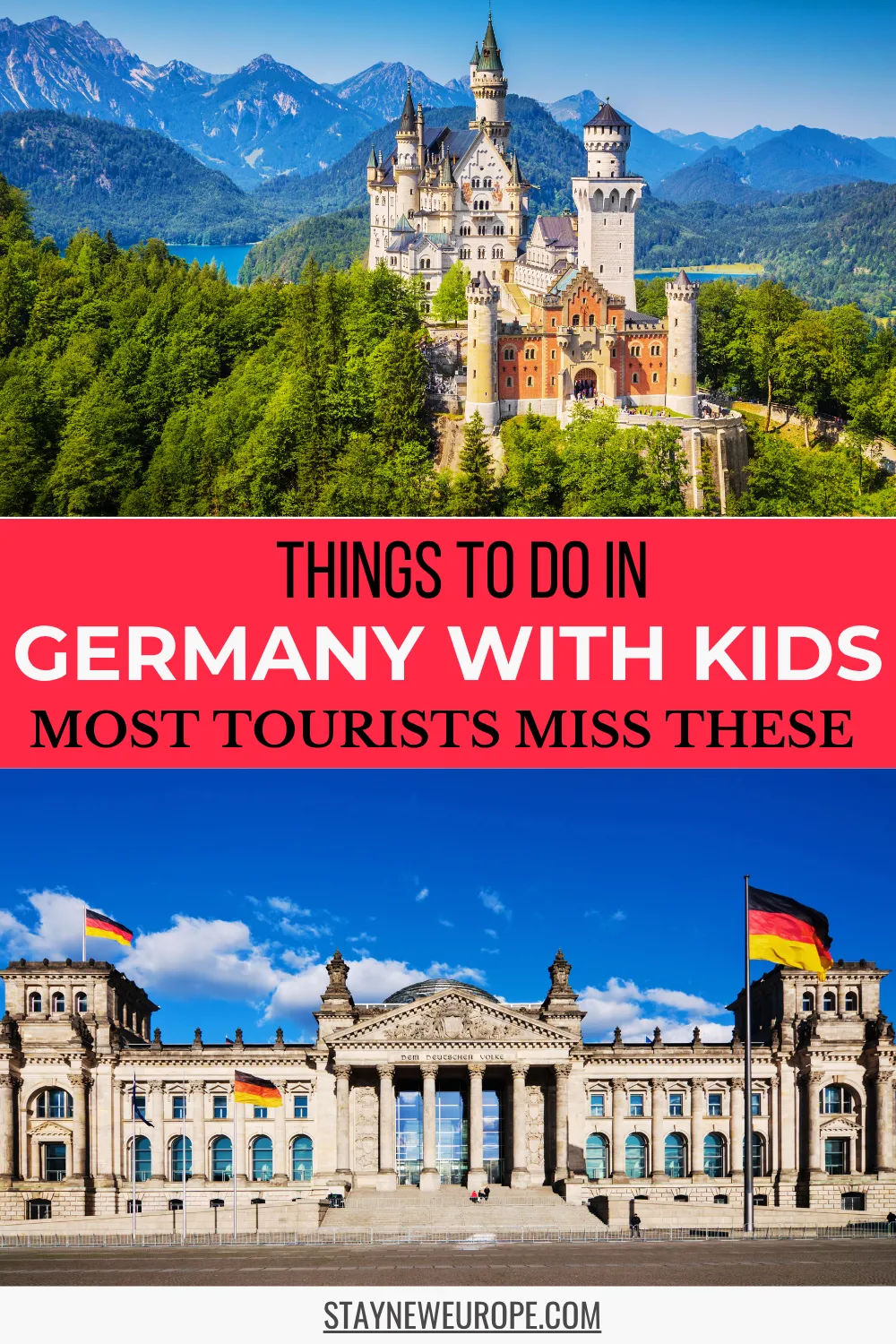
Germany was never really on my radar as a family destination. I kept filing it under “great for history buffs and beer festival enthusiasts” and not much else. Then I actually went — with two children, a rail pass, and the kind of optimism that only kicks in before you’re actually in a moving vehicle with small humans — and Germany completely dismantled every assumption I had. Castles that look like they were designed by someone who read too many fairy tales. Forests deep enough to get properly lost in. Cities with the best interactive museums I’ve encountered anywhere in Europe. And trains. Oh, the trains. If you’ve been sleeping on Germany as a family destination, this is your wake-up call.
The country is big — bigger than most people picture it — which actually works in your favour, because different regions feel genuinely different. Bavaria and its alpine backdrop is a completely different animal to the lakes of Mecklenburg in the north, or the half-timbered romance of the Romantic Road, or the buzzing, creative chaos of Berlin. You could come back ten times and still not repeat yourself. I find that thrilling.
What follows is everything I loved about travelling Germany with kids: the places that genuinely surprised us, the ones the children are still talking about, and every practical tip I picked up along the way. Whether you’re planning a week or a fortnight, I hope this gets you as excited about Germany as I still am.
Before You Go: What to Know About Germany with Kids
Let me be honest with you upfront: Germany rewards the prepared traveller. It’s not the kind of destination where you can rock up without a plan and expect everything to fall into place effortlessly — particularly if you’re visiting popular spots like Neuschwanstein in high summer or the Christmas markets in December. Book ahead where you can, invest in a German Rail Pass if you’re planning to cover multiple cities, and keep the afternoons lighter than you think necessary, because children + museums + cobblestones = everyone needing a nap by 3pm.
That said, Germany is genuinely excellent for families in ways that aren’t always obvious from the outside. A huge number of the country’s best museums offer free or heavily discounted entry for children. Many of the most spectacular things to see — the views, the old towns, the rivers and forests — cost nothing at all. And Germans, as a rule, are extraordinarily well-organised when it comes to facilities: clean toilets, easy public transport, highchairs in restaurants, playgrounds tucked into city parks. The infrastructure for travelling with kids is simply very good.
Weather-wise, late spring (May–June) and early autumn (September) are the sweet spots for Germany family travel. The summer school holidays bring the crowds to Bavaria especially, but also unlock outdoor swimming lakes, open-air festivals, and the full glory of the Bavarian Alps. December is genuinely magical if you handle the cold — Germany’s Christmas markets are the best in Europe, full stop. If you’re looking for the most complete picture of which German cities deserve your time, our guide to the 13 best cities in Germany to visit is a good place to start planning.
1. Neuschwanstein Castle, Bavaria
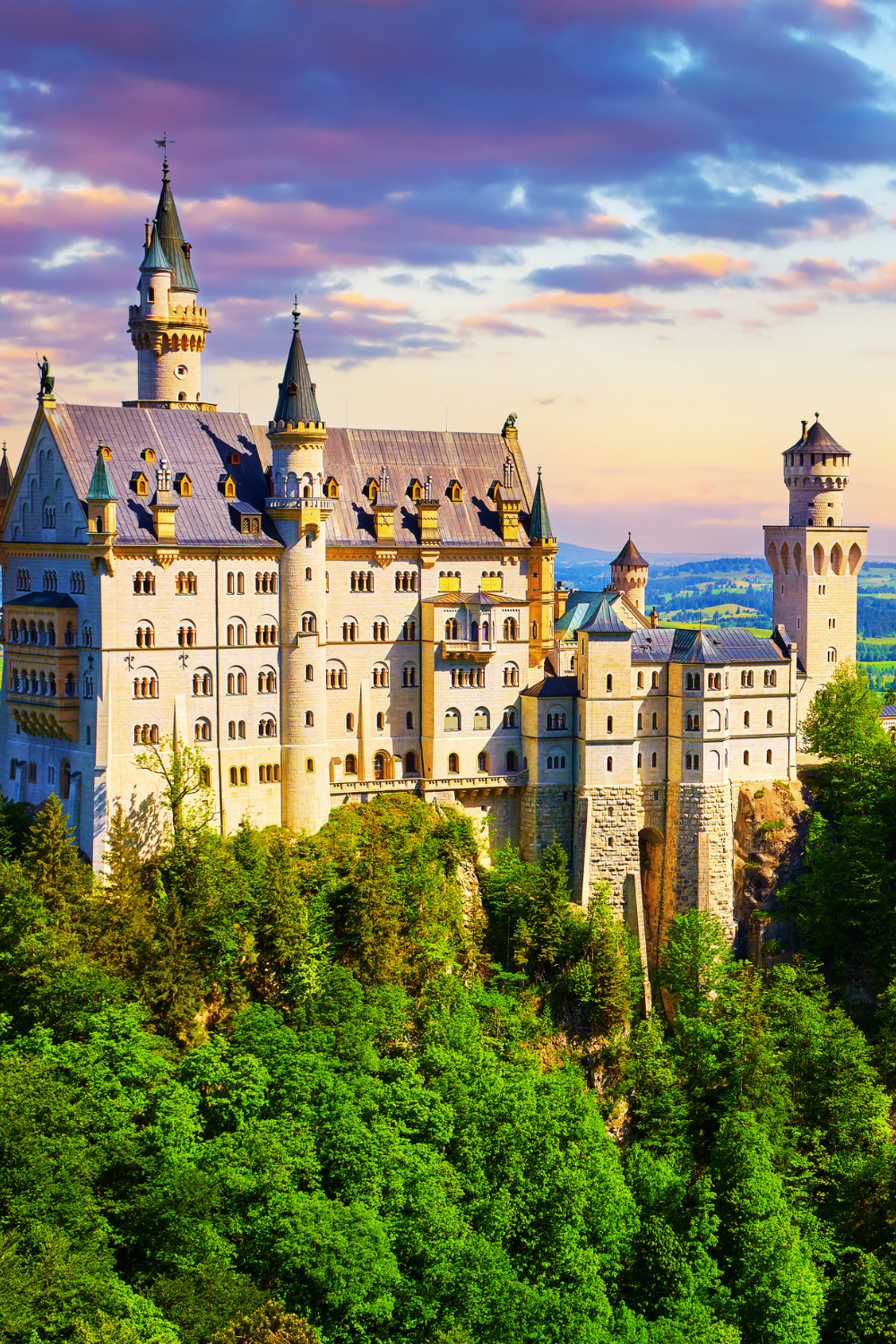
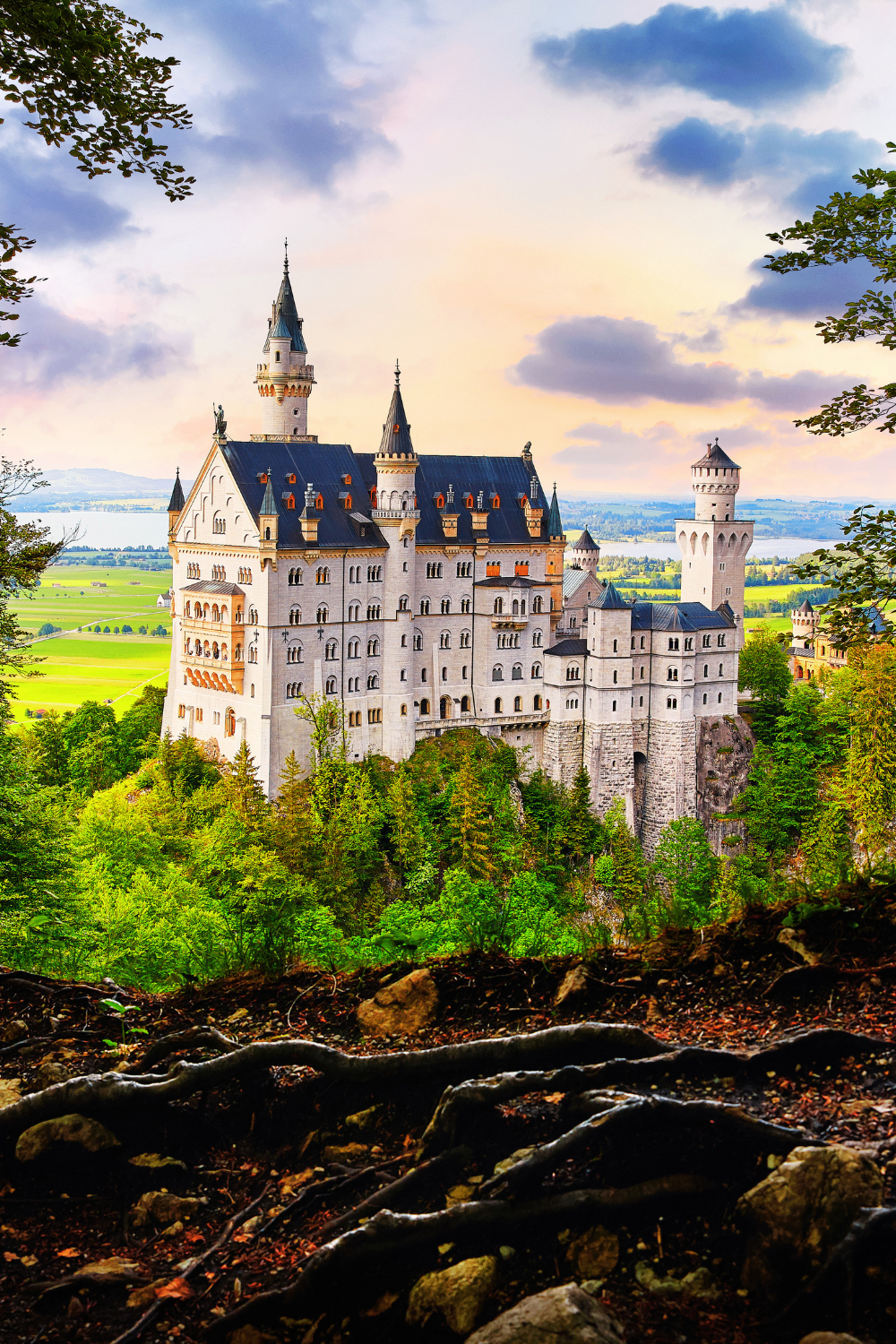
There are castles, and then there is Neuschwanstein — the one that made Walt Disney reach for his sketchpad and produce what became Sleeping Beauty’s castle. Standing in the valley below and looking up at its white limestone towers clinging to a forested cliff above Hohenschwangau village, you will understand immediately why it broke brains when it was built in the 1880s, and why it still breaks them now.
Every child who has ever watched a Disney film will have a moment of physical recognition when they see Neuschwanstein for the first time. My daughter grabbed my arm and said, with complete conviction, “Mum, that’s a real castle” — as if all the others had been somehow practice runs. She wasn’t wrong. The interior is equally theatrical: the throne room ceiling is covered in 2.5 million tiny mosaic pieces, the bedroom took seventeen woodcarvers four years to complete, and there are painted scenes from Wagner’s operas covering almost every wall. It’s the most gloriously over-the-top thing I’ve ever been inside.
The approach is half the fun. You can walk up (30–45 minutes), take a horse-drawn carriage, or ride a shuttle bus to Marienbrücke — the iron bridge that spans a gorge above the castle and gives you the famous swooping view across the valley. Do not skip the bridge. That view is the one that lives on your camera roll forever.
Local tip: Book your timed entry tickets at least two to three weeks in advance in summer — they sell out entirely. The ticket centre is in the village below, not at the castle, and if you haven’t booked online you will lose a lot of time queuing. First entry slot of the day (9am) gets the best light and thinnest crowds.
2. Berlin’s Museum Island and Natural History Museum
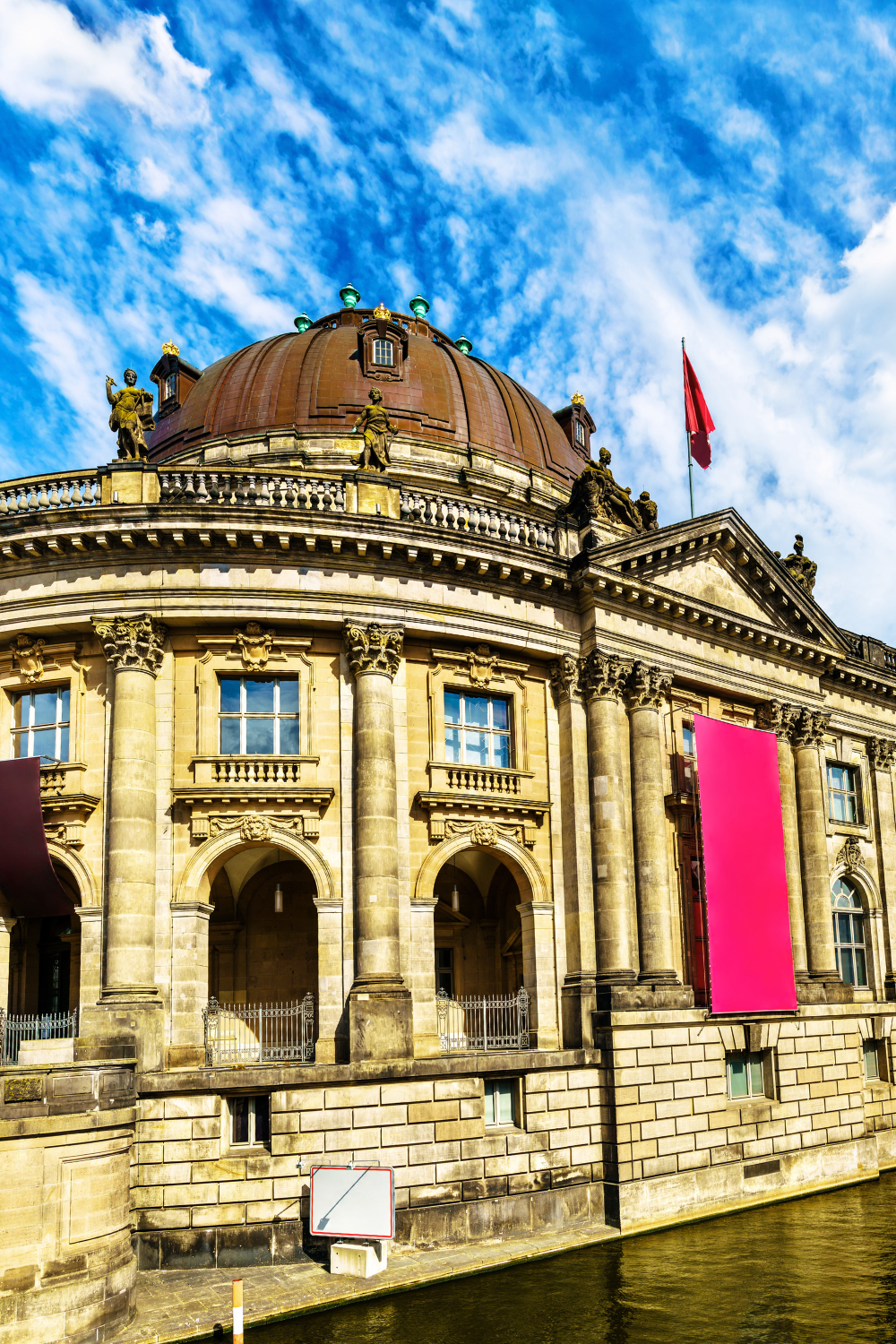
Berlin doesn’t feel like an obvious family city until you’re actually there and realise that it’s one of the best cities in Europe for children who like to touch things, ask questions, and run around. Which is most of them.
Museum Island sits in the middle of the Spree River and clusters five world-class museums in a walkable complex that’s a UNESCO World Heritage Site. The Pergamon Museum is the one that tends to stop children in their tracks — you walk through a life-size reconstruction of the Ishtar Gate of Babylon, all deep blue glazed tiles and marching lions, and it is genuinely breathtaking in a way that’s accessible at any age. The Egyptian Museum’s bust of Nefertiti stops adults cold too, for what it’s worth.
But the place that completely stole the show for us was the Natural History Museum (Museum für Naturkunde) a short walk away — home to the largest mounted dinosaur skeleton in the world, a 13-metre-high Brachiosaurus that towers over the main hall in a way that makes every child’s jaw drop on entry. There’s also a meteorite collection, a brilliant evolution display, and a wet specimen gallery of preserved animals that is either wonderful or deeply alarming depending on your tolerance for things in jars. My kids loved it. If you’re thinking about things to do in Berlin Germany in winter, the museums alone are worth the trip.
Local tip: The Natural History Museum gets very busy on weekend mornings — arrive when it opens, or visit on a Tuesday or Wednesday afternoon when school groups are thinner on the ground. Under-18s enter free.
3. The Romantic Road and Rothenburg ob der Tauber
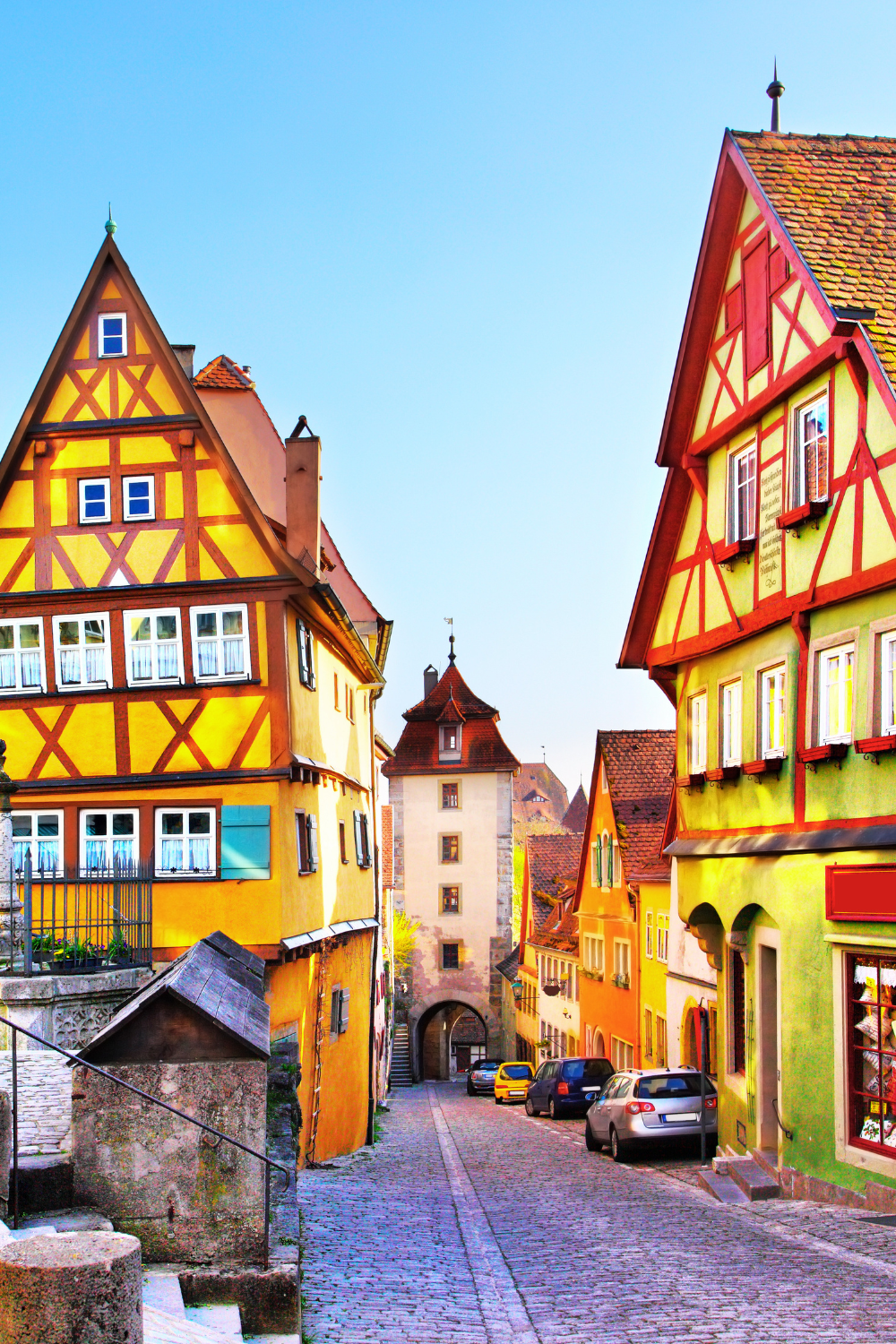
Some places look so perfectly preserved that you find yourself wondering if they’re slightly too perfect — like a very expensive film set where the art director may have gone a touch overboard. Rothenburg ob der Tauber is one of those places. And then you realise that it’s entirely real, that the medieval walls circling the town are actually medieval, and that the cobbled lanes and half-timbered houses have genuinely been here for six hundred years, and you feel slightly embarrassed for having doubted it.
The Romantic Road is a tourist route through Bavaria and Baden-Württemberg that links medieval towns and villages through some of Germany’s prettiest countryside, and it is perfect for families precisely because every stop feels rewarding without requiring enormous effort. Rothenburg is the jewel of it: you can walk the entire town walls (free), visit the Medieval Crime and Punishment Museum (grimly fascinating to children aged about seven and up — the Iron Maiden will make an impression), and eat a Schneeball, the local pastry that’s essentially a ball of shortcrust dough dusted in sugar or chocolate. Highly important research.
The Christmas market in Rothenburg is one of the most beautiful in Germany — smaller and more intimate than Munich or Nuremberg, but genuinely atmospheric in a way that the bigger ones sometimes lose. If your trip falls in late November or December, don’t miss it.
Local tip: Park outside the old town walls and walk in — driving through Rothenburg is technically possible but the streets are genuinely narrow and you will regret it. The town is small enough to cover on foot in half a day, making it ideal as part of a longer Romantic Road drive.
4. The Zugspitze, Bavarian Alps
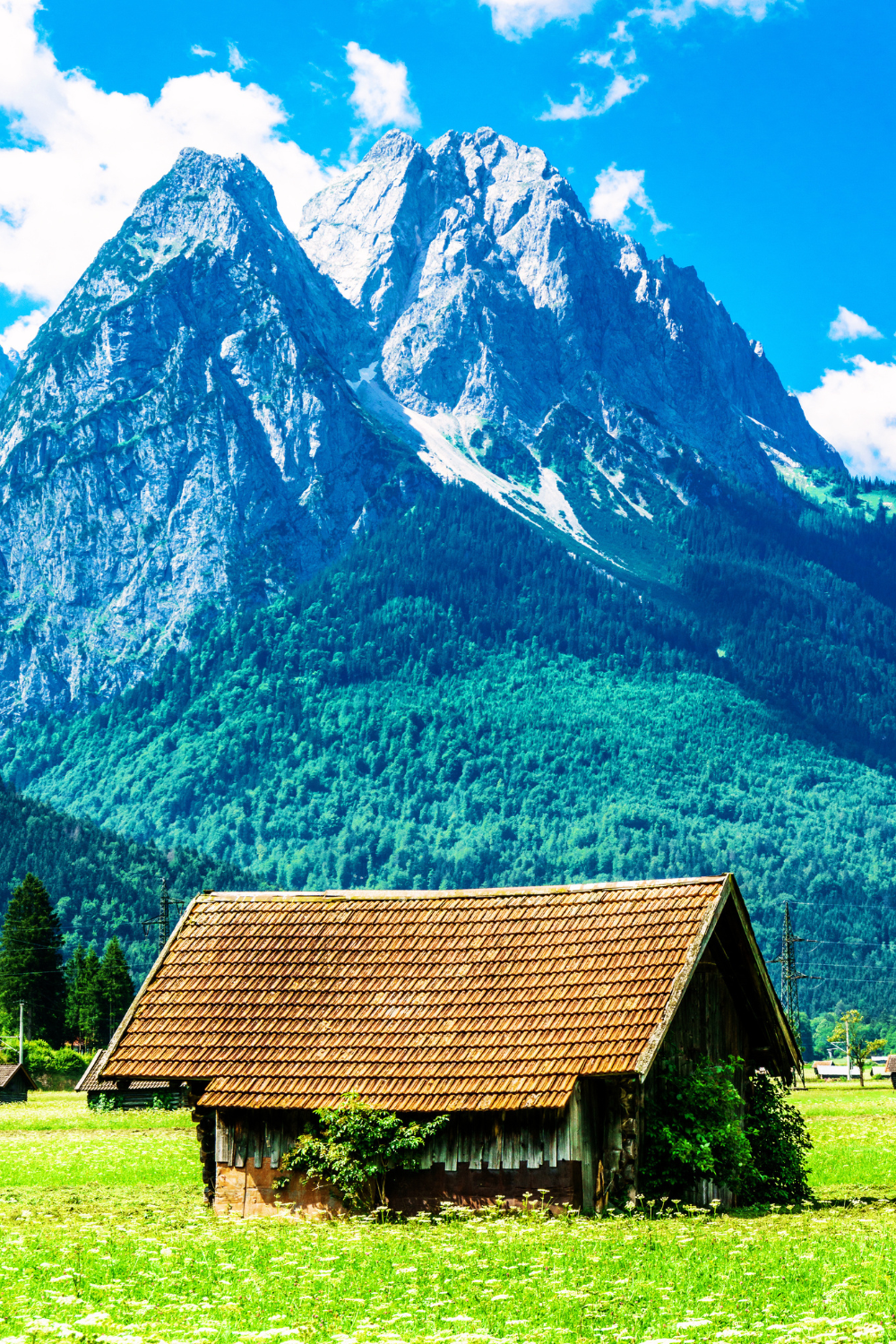
Here is something that surprised me: taking the Zugspitze — Germany’s highest mountain at 2,962 metres — is one of the best things you can do with children in the whole country. Not because children care about altitude records, but because the journey up is absolutely extraordinary and the top is just bonkers.
You travel up from Garmisch-Partenkirchen either by a high-altitude train that goes through the mountain itself (genuinely thrilling) or by cable car from the Austrian side, and at the top you step out onto a platform that sits above the clouds, with views over four countries, a year-round glacier, and snow even in August. Children who have never seen a glacier will do a full stop and stare at it for a long time. There is also a restaurant, hot chocolate, and a golden summit cross that everyone wants to have their photo taken at. In winter, there’s skiing; in summer, you can walk sections of the ridge in proper mountain gear.
Come prepared for cold temperatures even in July — it can be 25°C in Garmisch and 5°C at the summit. Layers are non-negotiable, and a good pair of walking shoes makes the summit walk far more enjoyable than sandals, which I have witnessed people attempting.
Local tip: The combination ticket covering both the cog railway and the cable car is the most flexible option — buy it online to save time at the station. If cloud cover is predicted, wait for a clearer day if you can; the views are the main event.
5. Miniatur Wunderland, Hamburg
This one surprised me. I assumed Miniatur Wunderland would be pleasant but fairly low-key — a nice way to fill a rainy afternoon. I was absolutely wrong. It is, without question, one of the best attractions for children — and adults, let’s be real — in the whole of Europe, and I am not exaggerating in the slightest.
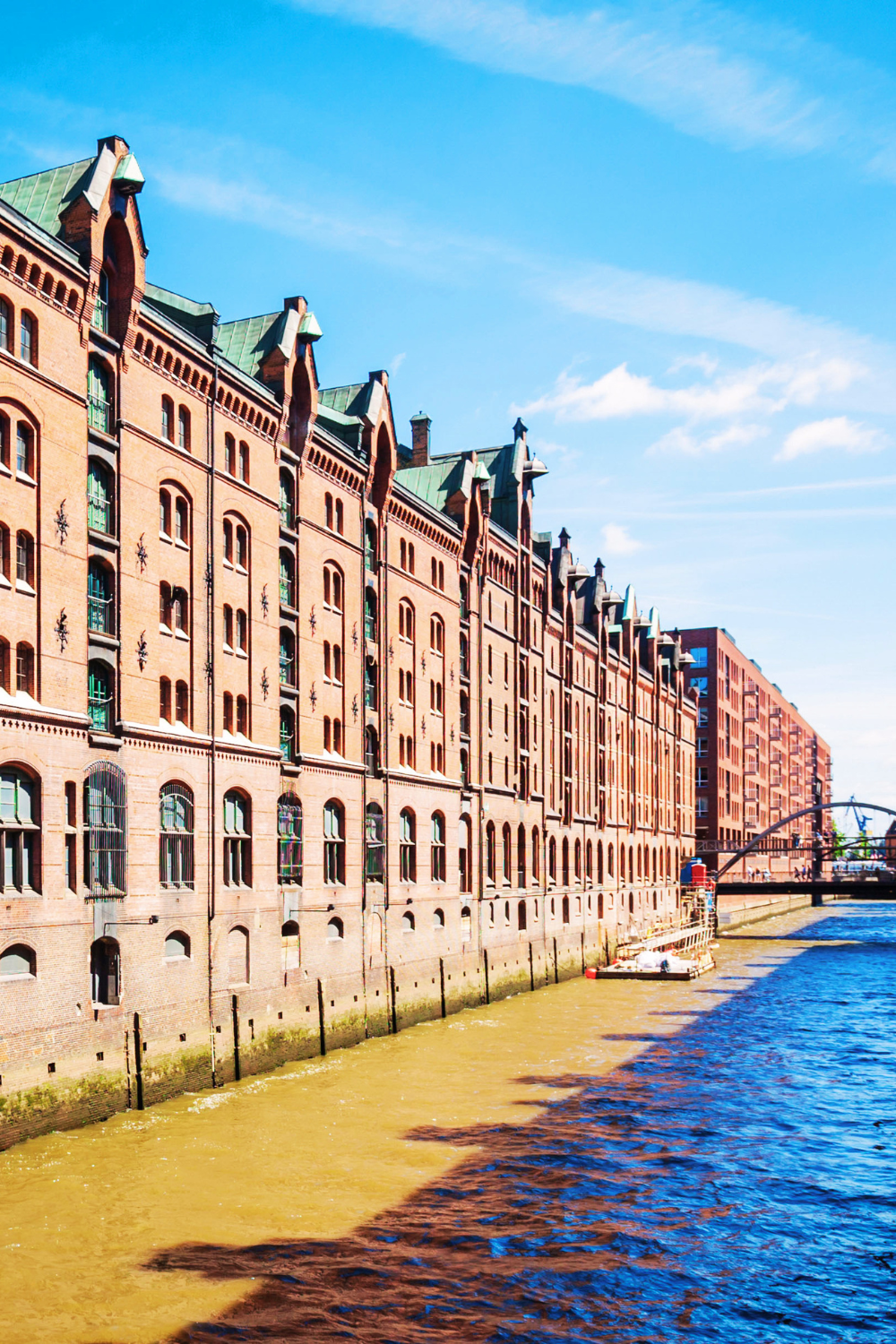
The world’s largest model railway exhibition occupies several warehouse floors in Hamburg’s HafenCity district and contains over 1,600 trains running across 16 kilometres of track through meticulously detailed miniature landscapes spanning Germany, Austria, Scandinavia, America, Italy, and more. There are tiny working airports with planes that actually take off and land. There are miniature towns where if you look closely enough, you’ll find scenes of daily life so specific and occasionally absurd that you genuinely cannot stop finding new details. A miniature Oktoberfest. A tiny Allianz Arena with floodlights that switch on. An entire working port.
Set aside at least three hours, ideally more. We stayed for four and felt we hadn’t finished. The booking system is timed entry, and it sells out weeks in advance in peak season — this is not optional information, it is essential planning intelligence.
Local tip: Book the first entry slot if possible (7:30am or 8am) — the afternoon sessions fill up and the earlier sessions are noticeably less crowded. The gift shop sells tiny trains that your children will absolutely insist on and which are, fine, genuinely very good quality.
6. Nuremberg’s Old Town and German National Museum
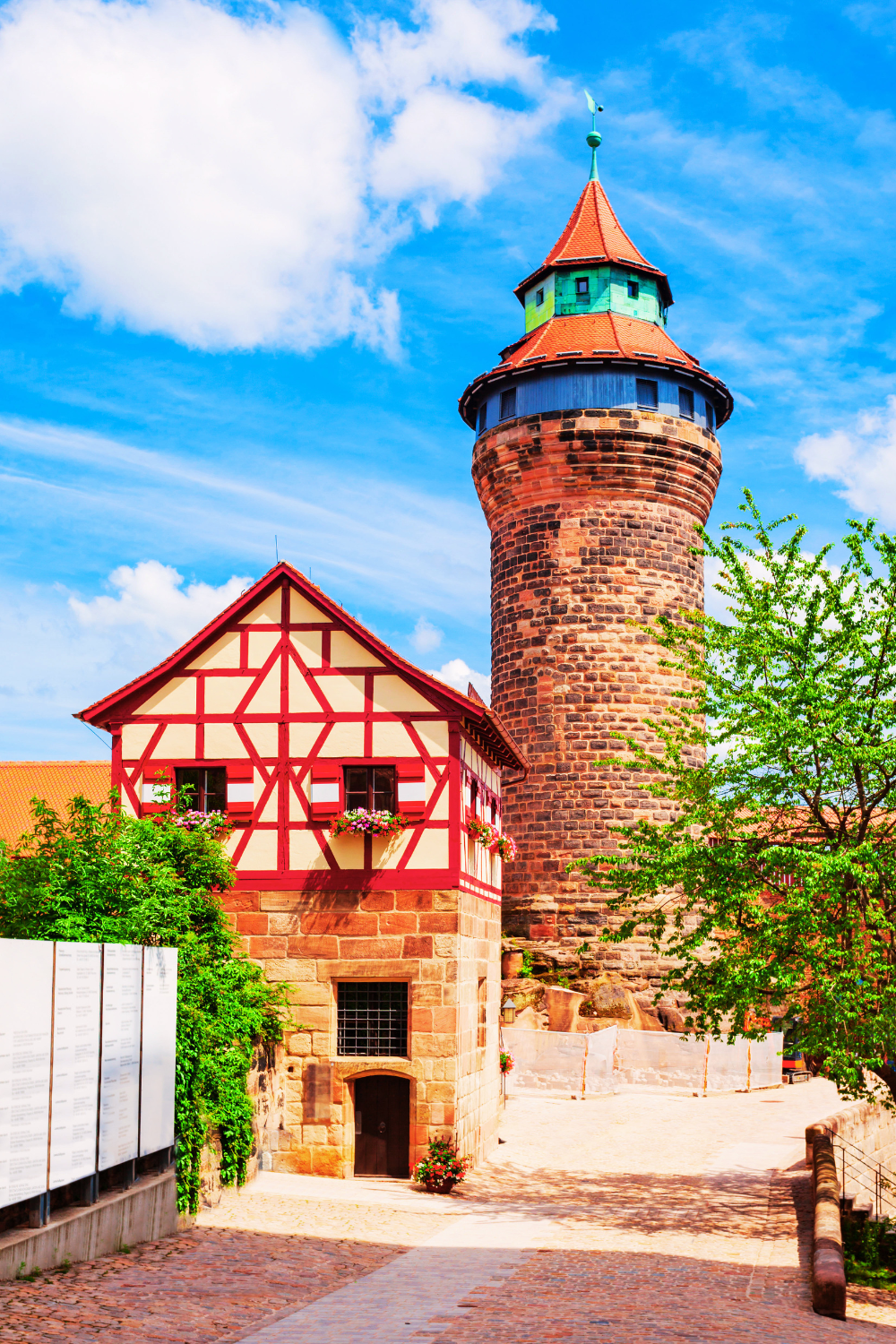
Nuremberg carries a complicated history, and I think it’s actually one of the best cities in Europe for helping older children understand European history in a way that is vivid, honest, and deeply human rather than sanitised. But even if you’re visiting with very young children and the history is secondary, the old town itself is one of the most beautiful and intact medieval city centres in Germany.
The Kaiserburg — the Imperial Castle — sits on a sandstone ridge above the old town and has been there in some form since the 11th century. Walking up through the cobbled lanes of the Burgviertel with kids, stopping for a Lebkuchen (the spiced gingerbread Nuremberg is famous for throughout Germany) from one of the bakeries along the way, you get a wonderful sense of the city’s layered history. The castle itself offers great views, a well-done museum, and a deep well that children find bizarrely fascinating.
The German National Museum (Germanisches Nationalmuseum) is the largest museum of German cultural history in the world, and it is excellent — a child-friendly layout, interactive sections, and an extraordinary collection spanning prehistoric times to the 20th century. For families visiting in winter, don’t miss the famous Nuremberg Christmas Market (Christkindlesmarkt), widely considered the most authentic in Germany — we have a full guide to things to do in Nuremberg Germany in winter if you’re planning a cold-weather visit.
Local tip: The Nuremberg Card covers both the castle and the German National Museum, plus public transport across the city — very good value if you’re staying two or more days.
7. Berchtesgaden and the Königssee
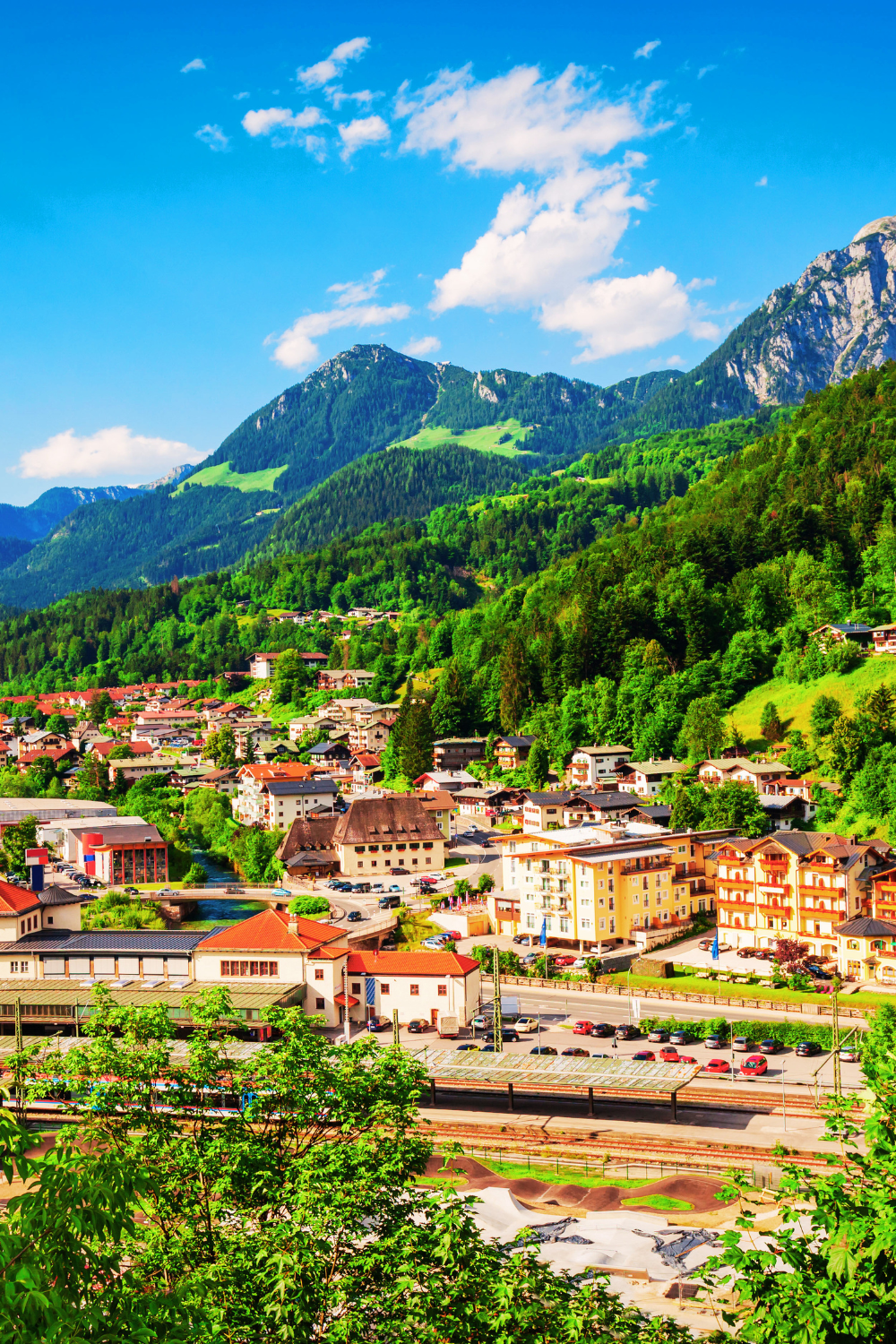
I want to be honest with you: the Königssee lake might be the most beautiful body of water I have ever seen in my life. The colour of the water — this deep, almost impossible emerald green — is real, not a filter. It’s fed by glacial meltwater from the surrounding mountains in the Berchtesgaden National Park, and it sits in a steep-sided glacial valley where the rock walls drop almost vertically into the water, giving it the feeling of somewhere specifically designed to make you feel very small and very fortunate simultaneously.
You reach the lake from the town of Berchtesgaden (itself worth exploring), and cross it by electric boat — the only motorised vessels allowed on the water, to preserve its clarity. The boats stop at St Bartholomä, a red-domed chapel on a tiny peninsula that is genuinely one of those places where even the most jaded adult feels something. From here you can walk to the Obersee, a smaller lake even further into the mountains. Kids old enough to manage a 45-minute walk will love it.
The Berchtesgaden area also has a salt mine tour (Salzbergwerk) that is brilliant for children — you dress in miners’ overalls, slide down underground chutes, and cross a subterranean salt lake by raft. It is, by any measure, an excellent afternoon.
Local tip: The Königssee boat schedule runs year-round but with reduced frequency outside peak season. Book the salt mine in advance in summer — it’s popular with school groups on weekday mornings.
8. The Black Forest
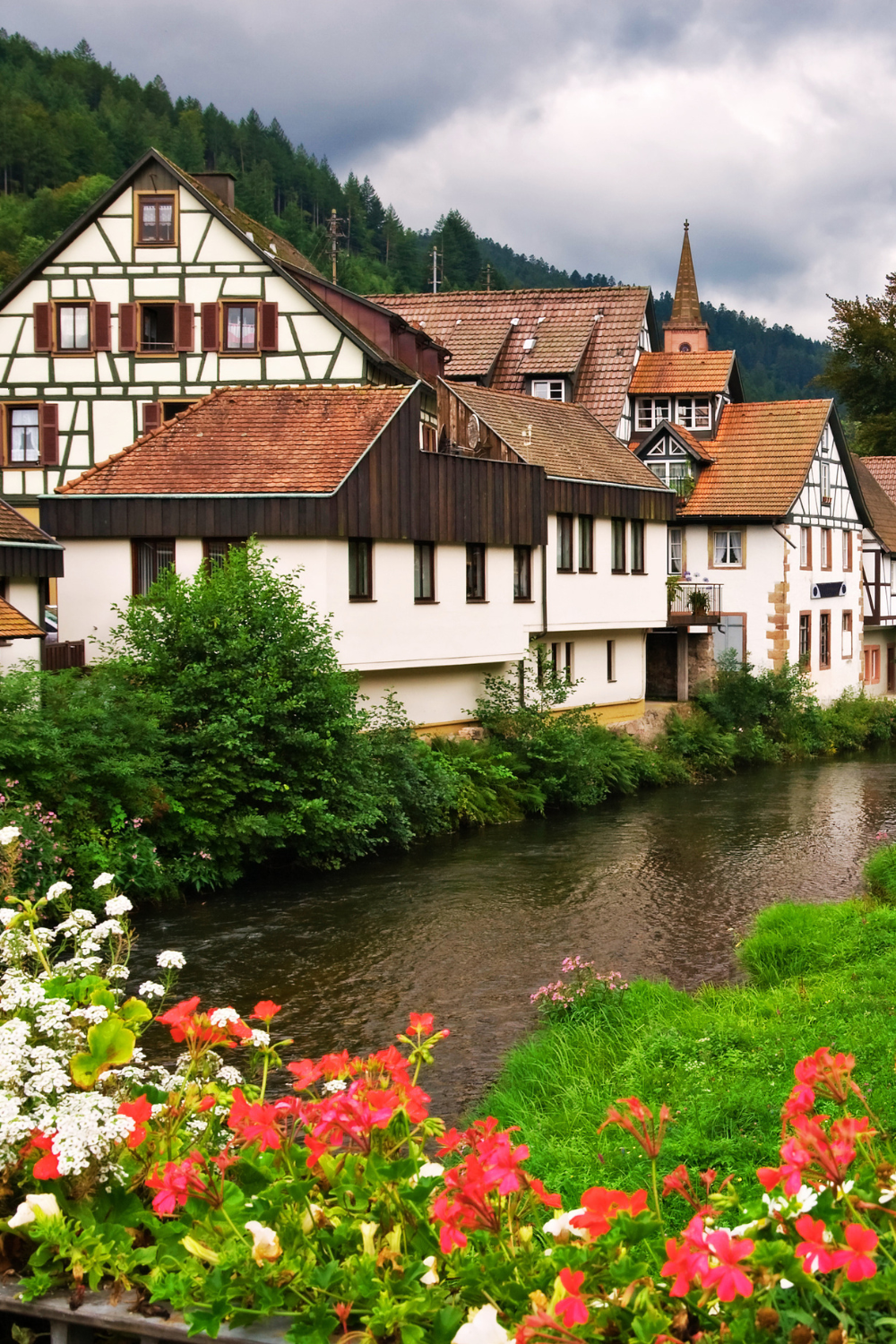
There is a reason the Brothers Grimm set their fairy tales in forests, and if you’ve spent any time in the Black Forest, you understand it immediately. This is not a gentle woodland — it’s a proper, dense, ancient forest of silver firs and spruce where the light falls in shafts through the canopy and the path ahead disappears into green shadow. It is exactly as atmospheric as the name suggests, and children who have read Hansel and Gretel will feel an entirely appropriate mixture of excitement and low-level unease.
The Black Forest (Schwarzwald) stretches along Germany’s southwestern edge in Baden-Württemberg, and the best base for a family trip is either Freiburg (vibrant university city with excellent cafes and a gorgeous Gothic cathedral) or one of the smaller spa towns like Baden-Baden. From either base, you can access the forest trails, waterfall hikes, open-air swimming lakes, and the stunning Triberg Waterfalls — Germany’s highest — which children will absolutely want to stand next to long enough to get moderately soaked.
The Black Forest Open-Air Museum (Vogtsbauernhof) in Gutach is one of those genuinely wonderful places that makes history feel alive — a collection of original farmhouses transplanted from across the region, staffed by people demonstrating traditional crafts, with farm animals, bread baking, and blacksmithing. One of the best museum experiences of our whole German trip.
Local tip: Buy Black Forest gateau (Schwarzwälder Kirschtorte) from a proper bakery in the region, not a tourist cafe. The difference is significant. Café Schäfer in Triberg is frequently cited as the best — it’s a short detour and absolutely worth it.
9. The Rhine Valley and Loreley Rock
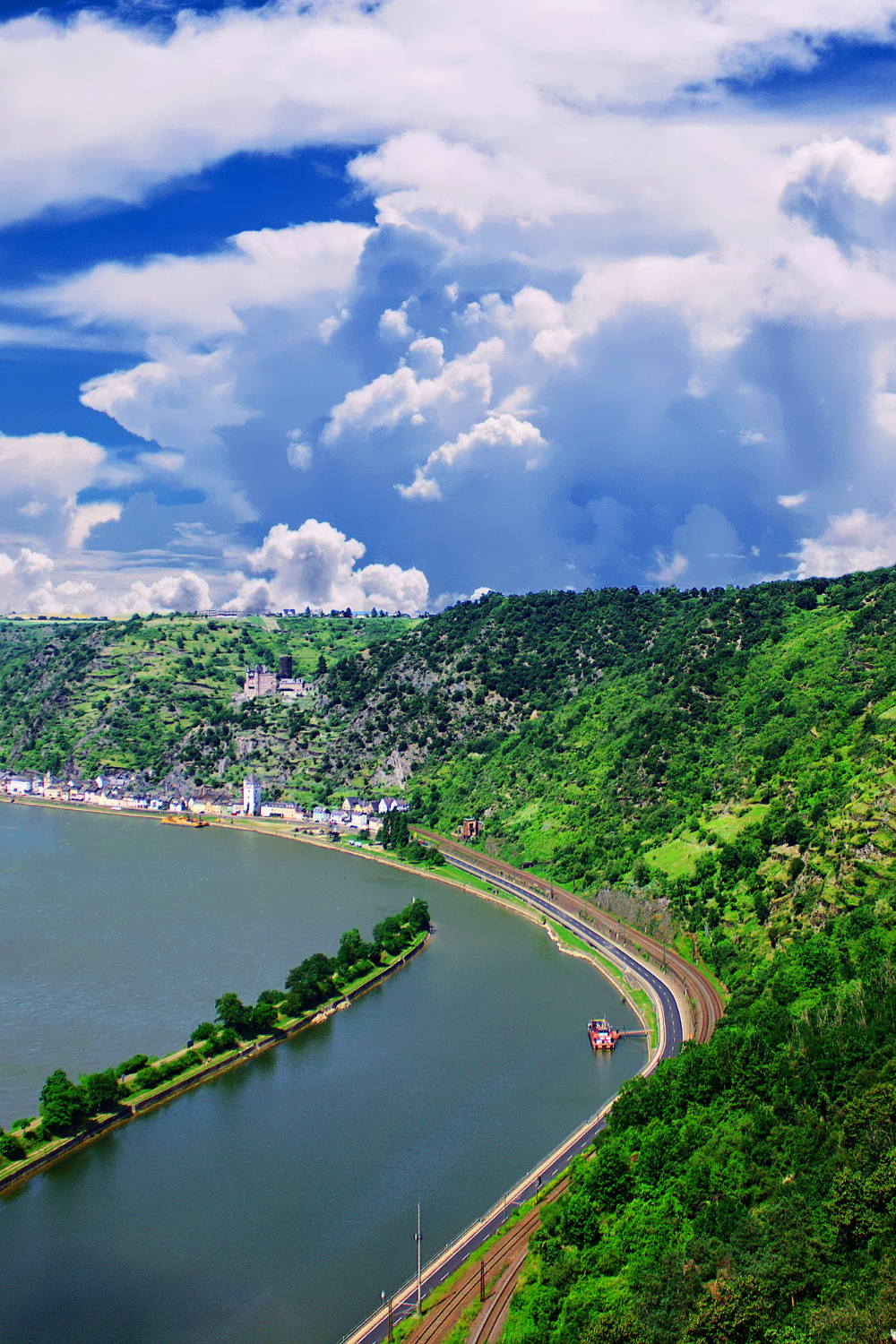
The Middle Rhine Valley between Rüdesheim and Koblenz is, to put it plainly, what everyone imagines when they picture the German countryside: a wide river curving between steep vineyard slopes dotted with castle ruins on every hilltop, and charming wine towns tucked along the bank. It is a UNESCO World Heritage Site and it earns it.
The most family-friendly way to see it is by boat — Rhine river cruises run frequently between towns and children love being on the water. The Loreley Rock, a dramatic slate cliff rising 132 metres above the river, is the legendary focal point: the rock was said to be home to a siren whose singing lured sailors to their doom, and you can reach the viewing platform either by a gondola from St Goarshausen or by a manageable hiking path. The view from the top, looking down at the river bending around the cliff, is one of those perspectives that sticks.
The town of Rüdesheim is worth an afternoon — the pedestrianised Drosselgasse lane is a bit touristy (all right, very touristy) but entertaining, and the cable car up to the Niederwald Monument gives you a sweeping view over the valley that’s perfect for older children who like heights.
Local tip: The KD Rhine river cruises allow bikes on board — if you have older children and can hire bikes in Rüdesheim, you can cycle downriver while your bags travel by boat. One of the best ways to experience the valley.
10. Cologne’s Chocolate Museum and Cathedral
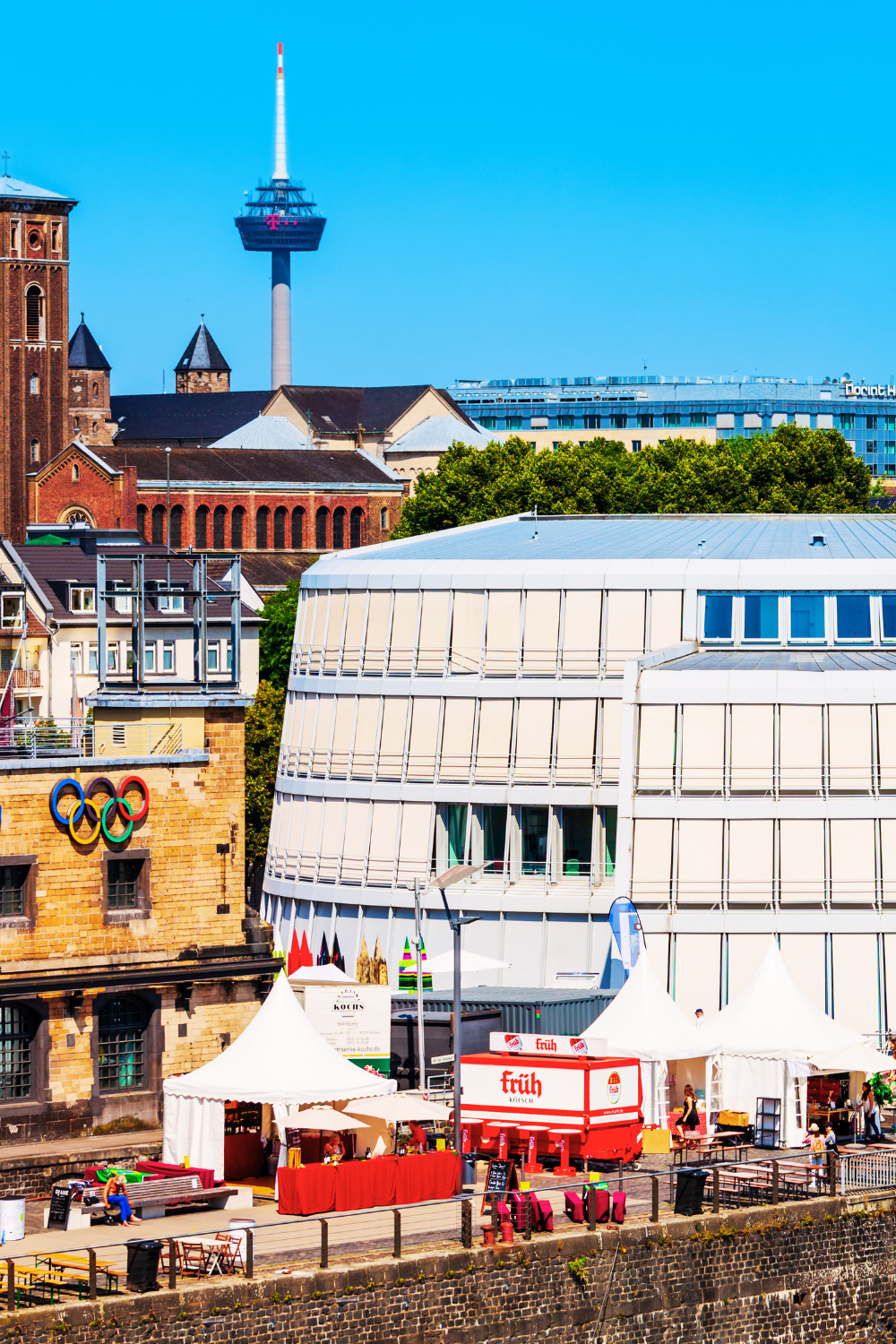
Cologne has two things that make it essential for family travel: the best chocolate museum in Europe and a cathedral so enormous that it looks slightly fictional. Both are within ten minutes’ walk of the main train station. The city essentially delivers its greatest hits in a single afternoon.
The Chocolate Museum (Schokoladenmuseum) on the Rhine riverfront is genuinely one of the best food museums I’ve ever visited, with anyone under fifteen. The history of chocolate is traced from the cacao plant through Aztec rituals and 17th-century European aristocracy to the industrial chocolate age, and it’s all very well done — but the centrepiece, the thing that causes children to actually gasp, is the three-metre-high chocolate fountain in the middle of the museum, from which you can dip a wafer and eat warm chocolate straight from the fountain. It is as good as it sounds. Possibly better.
Cologne Cathedral (Kölner Dom) took 632 years to build and is, depending on where you’re standing, either overwhelming or awe-inspiring. For children, the best part is climbing the South Tower — 533 steps up to a platform with a view over the entire city. It’s a proper climb and absolutely worthwhile. The treasury inside the cathedral holds a gold shrine that is reportedly the largest relic shrine in the Western world. Even children who have never shown the slightest interest in relics will be impressed by how much gold is involved.
Local tip: The tower climb and the treasury both require separate small admission fees — the main cathedral itself is free. On a clear day, the tower view stretches to the Siebengebirge hills south of the city.
11. Würzburg and the Residenz Palace
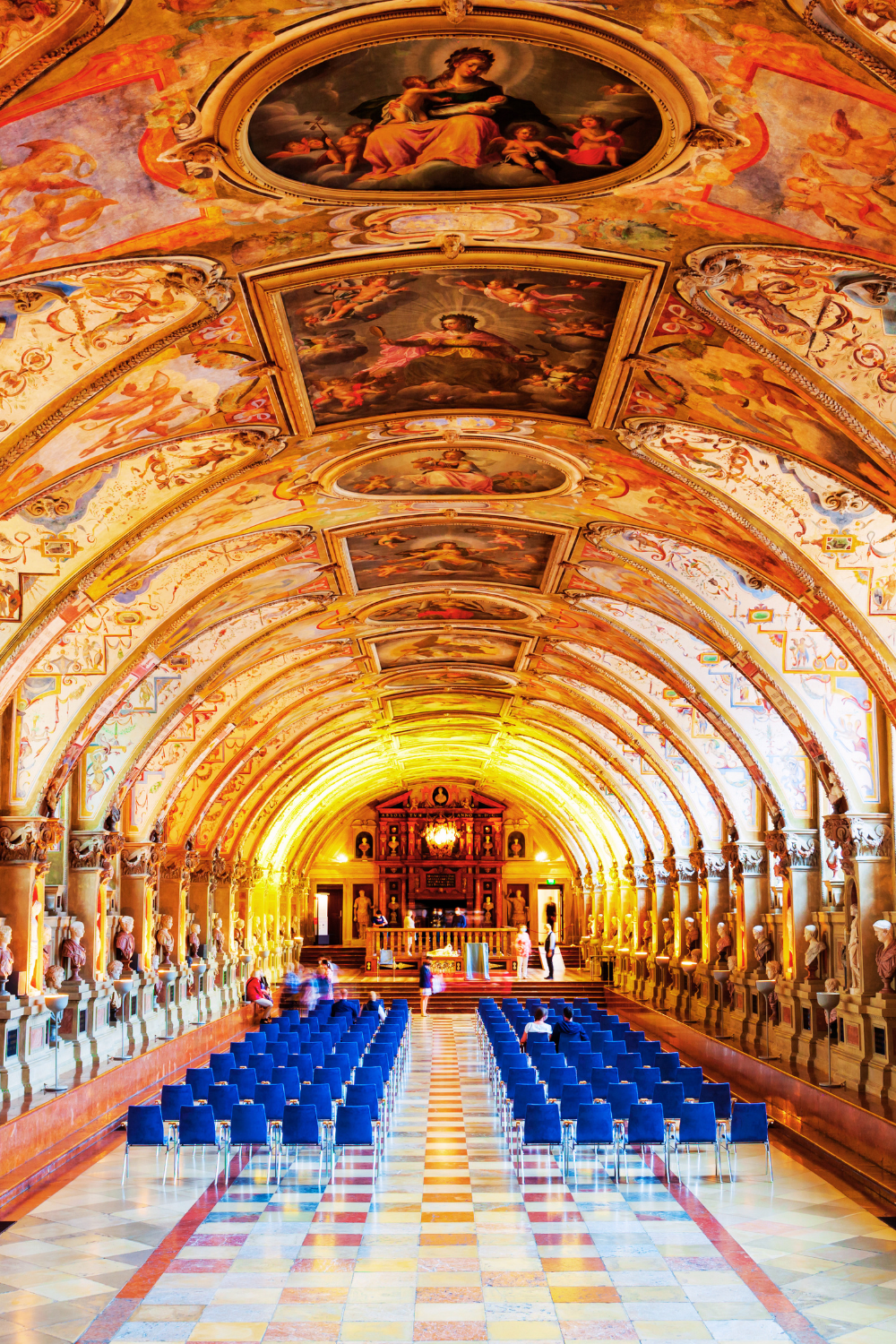
This one surprised me in the best possible way. Würzburg doesn’t get the same level of tourist attention as Munich or Berlin, which means you can actually breathe when you’re there, and the city absolutely rewards the visit. If you want to understand German Baroque in a single afternoon, come here.
The Würzburg Residenz is one of the most important Baroque palaces in Europe — a UNESCO World Heritage Site that contains the largest ceiling fresco in the world, painted by the Venetian master Tiepolo in the staircase hall. You walk up the grand staircase, look up, and spend several minutes slowly rotating while trying to process the scale of what you’re seeing. The fresco covers the entire ceiling and depicts four continents in a swirling allegory of theatrical genius. Even children who are completely indifferent to art history tend to stop and stare at this one.
The city itself is compact enough to cover on foot, the Alte Mainbrücke bridge has beautiful statues and the best views of Marienberg Fortress across the river, and the Hofgarten behind the palace is a lovely space for children to run around after an hour of looking at frescoes. The wine culture of Franconia is very present here too — Würzburg Silvaner in a Bocksbeutel bottle is the local speciality — but for family travel the focus is really on the architecture and the history. We’ve covered the city in more detail in our guide to things to do in Würzburg, if you want a deeper dive.
Local tip: The palace gets busy in the middle of the day in high summer — aim for when it opens at 9am or visit in the late afternoon. The combined ticket including the Court Garden and the Hofkeller wine cellar is worth it.
12. The Bavarian Alps: Garmisch-Partenkirchen
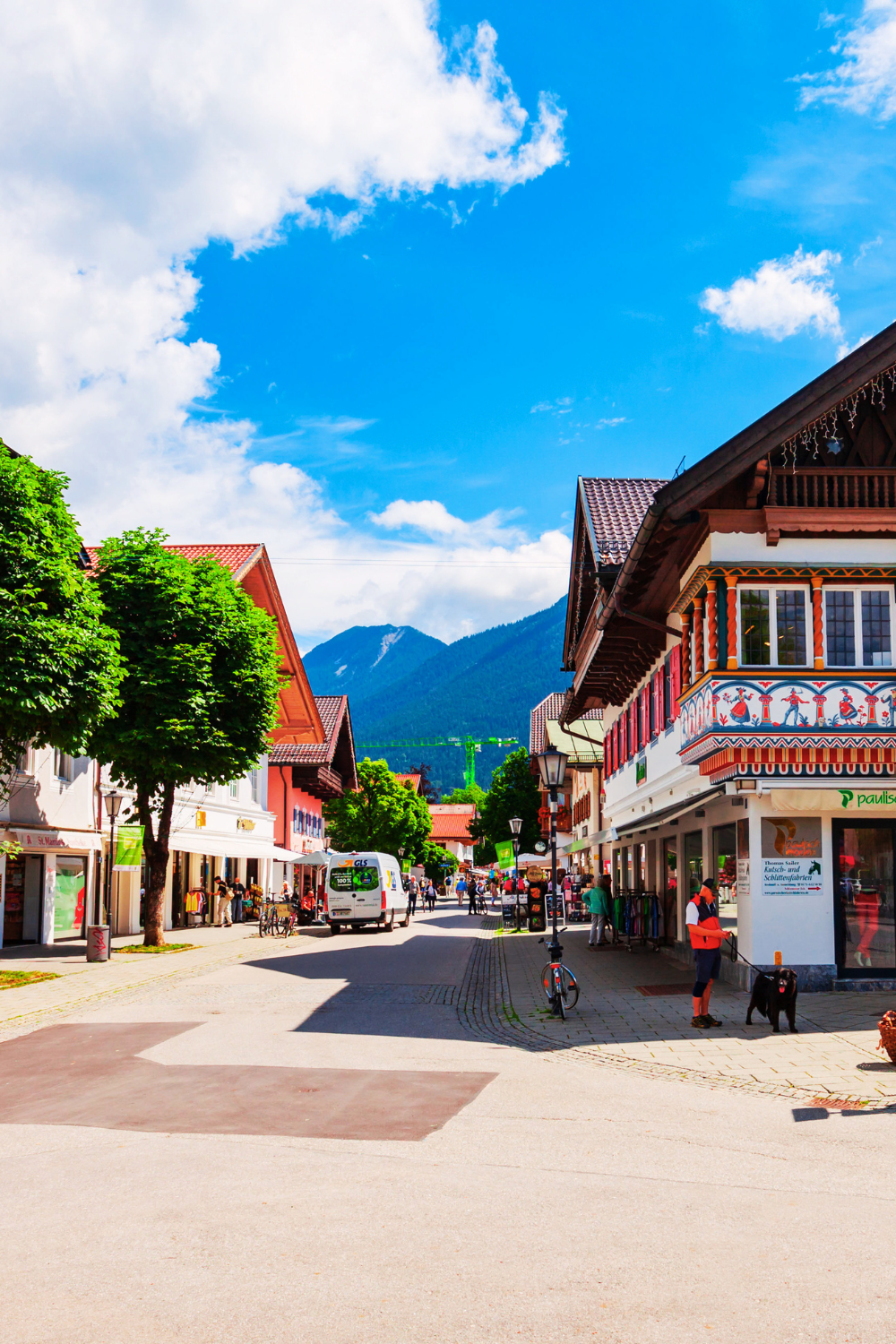
Even if you’re not planning to climb the Zugspitze (covered separately above), Garmisch-Partenkirchen is a genuinely brilliant base for families who want alpine experiences without extreme altitude. The town itself is charming — painted Lüftlmalerei murals on the facades of traditional Bavarian houses, a pedestrian centre full of bakeries and outdoor gear shops, and an atmosphere that feels distinctly, pleasantly Bavarian without being suffocatingly themed.
The surrounding area offers hiking trails graded for all abilities, gorge walks that are absolutely spectacular (the Partnach Gorge in particular — a narrow slot canyon with a rushing river that you walk through on wooden walkways bolted to the cliff face), and in winter, some of the best family skiing in Germany. The Olympic ski stadium from the 1936 Games is still there and open to visit, which provides a surprisingly interesting historical detour.
The Zugspitze area also has the Eibsee — a luminously turquoise lake at the foot of the mountain that’s one of the most beautiful swimming spots in Bavaria in summer. Paddleboards, rowing boats, and beach areas make it perfect for a family afternoon.
Local tip: The Partnach Gorge has an entrance fee and requires booking ahead in high season. Take waterproofs — the spray from the river soaks you within the first five minutes, and the children will think this is the best thing that has ever happened to them.
13. Dresden’s Zwinger Palace and Old Town
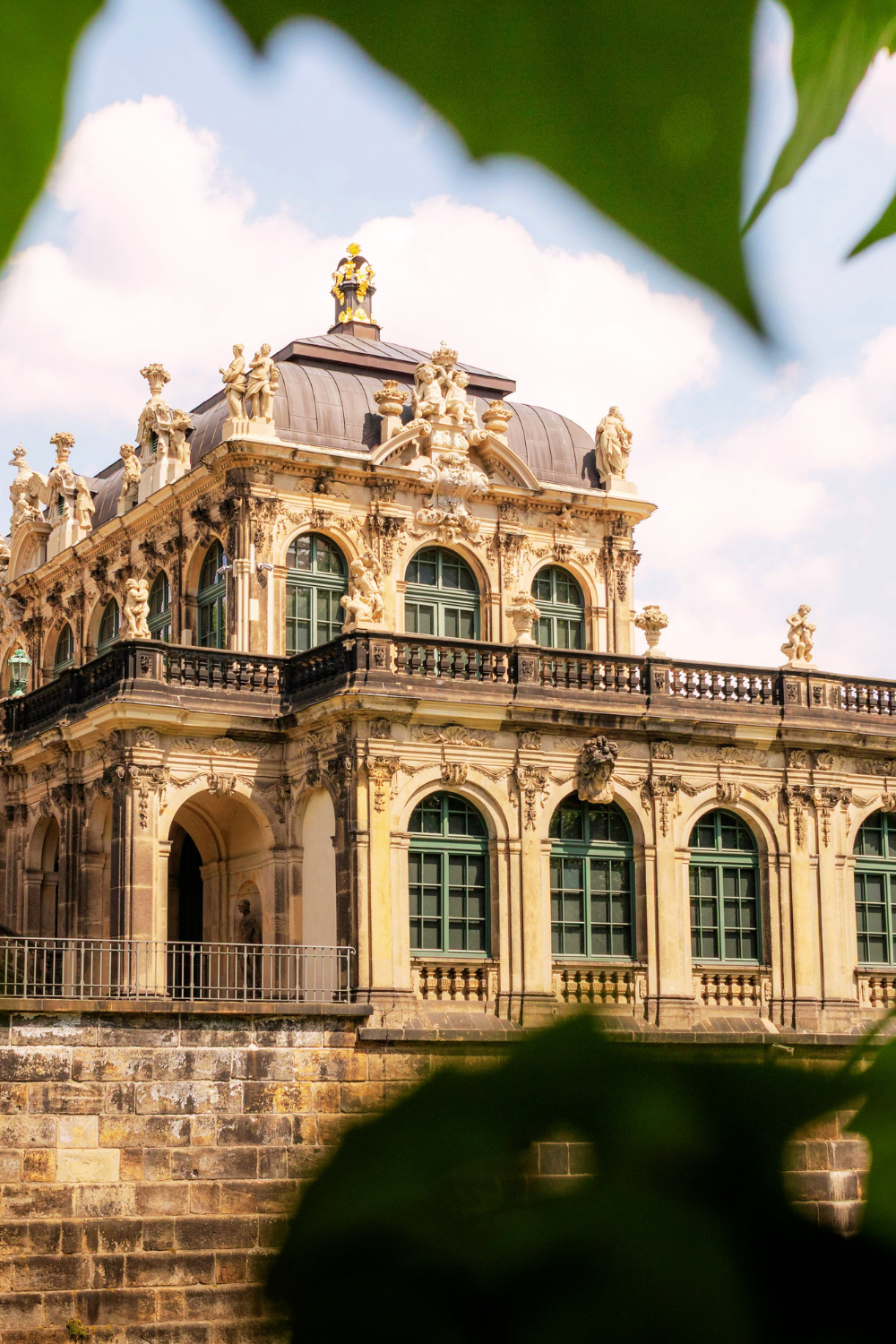
Dresden is one of those cities that carries its history so visibly that it becomes almost impossible to look at it without thinking about what was lost and what was recovered. The city was almost entirely destroyed in the Allied bombing raids of February 1945, and its story of reconstruction — particularly of the famous Frauenkirche, rebuilt stone by stone using the original rubble, reopened in 2005 — is one of the most remarkable in European architecture.
For children, the Zwinger Palace complex is the centre of gravity. It’s a Baroque masterpiece built as a festival arena for the Saxon royal court, and it’s now home to several world-class museums including the Old Masters Picture Gallery and the Dresden Armory (Rüstkammer) — the latter being the one that children find genuinely gripping, because it contains an extraordinary collection of suits of armour, ceremonial weapons, and a life-size tournament with mounted knights that is absolutely mesmerising at any age.
The Old Town is compact enough to explore on foot in a day, and the rebuilt skyline from the banks of the Elbe — domes and spires reflected in the water — is one of the great cityscapes of Germany.
Local tip: The Dresden Card covers public transport and museum entry across the city. The Frauenkirche interior can be visited for free during services and at set visiting times — a guided tour adds considerable context and is worth the extra time for older children.
14. Lake Constance (Bodensee)
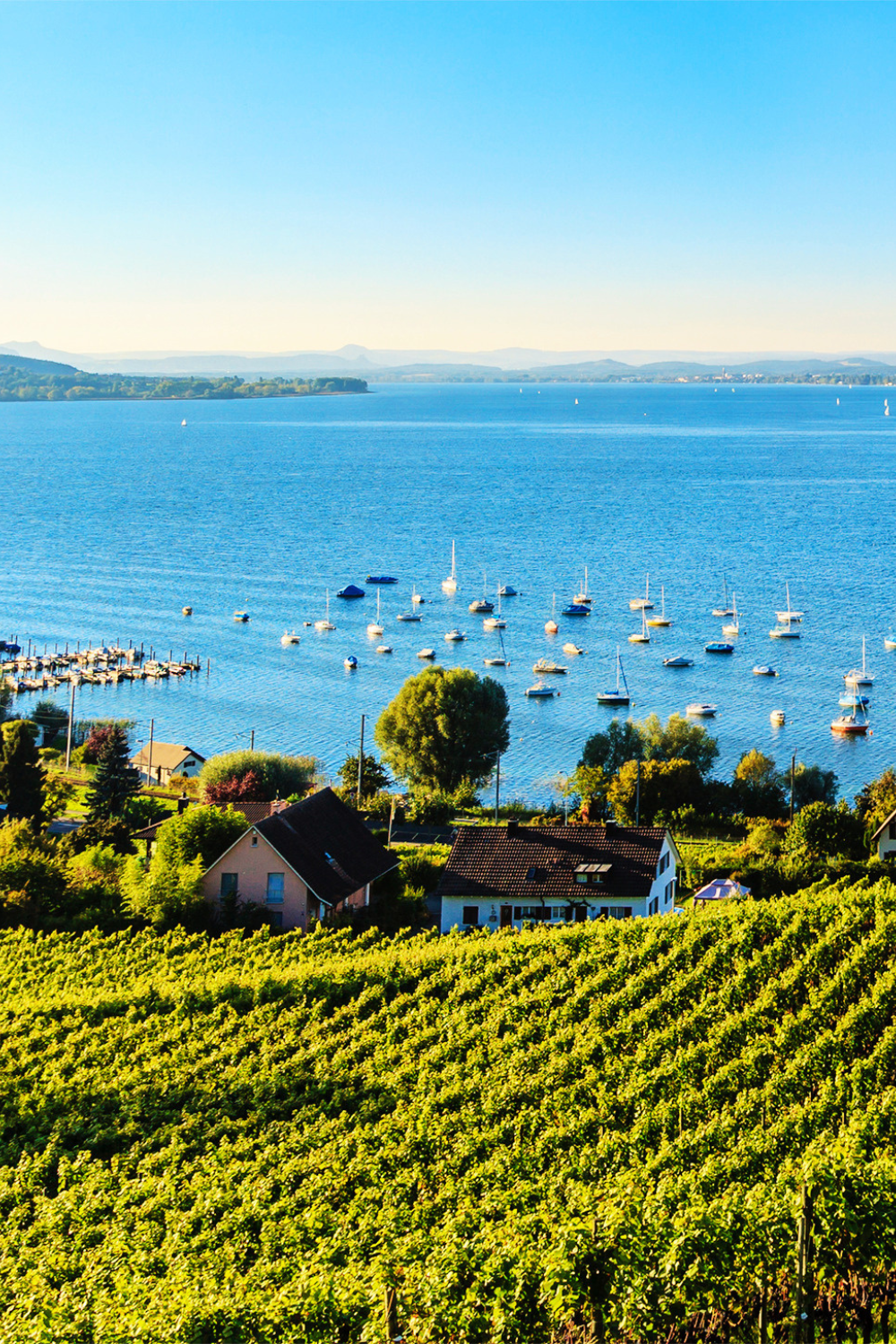
The Bodensee sits on the southern edge of Germany where three countries meet — Germany, Austria, and Switzerland — and is the kind of place that seems almost too idyllic to be real. The lake is the second largest in Central Europe, surrounded by orchards, vineyards, old towns with half-timbered facades, and the distant silhouette of the Alps across the water on clear days. In summer, it turns into a giant playground for families.
The flower island of Mainau is the place everyone talks about, and it delivers — a Mediterranean garden on an island in the lake with ancient trees, a butterfly house, and banana plants growing outdoors in a German climate (somehow). Constance (Konstanz) is the main town on the German shore, with a beautifully preserved medieval centre and easy ferry connections across the lake. Children who are comfortable on bikes will love the Bodensee-Radweg, a flat cycle path that loops the entire lake — 260 kilometres in total, though obviously you do sections rather than the whole thing.
The harbour at Lindau, at the eastern German end of the lake, is particularly beautiful — a medieval island town connected to the mainland by a causeway, with a lighthouse and a Bavarian Lion statue guarding the harbour entrance.
Local tip: The Bodensee Erlebniskarte (experience card) covers entry to dozens of attractions around the lake including Mainau, museums, and the cable car up to Pfänder peak in Austria. If you’re staying for three or more days, it pays for itself comfortably.
15. The Fairy Tale Road and Kassel
If the Romantic Road is Germany’s most beautiful tourist route, the Fairy Tale Road (Märchenstraße) is its most whimsical — a 600-kilometre trail through the heart of Germany following the footsteps of the Brothers Grimm, who collected their famous tales from villages along exactly this route. It runs from Hanau (the Grimms’ birthplace) to Bremen, passing through Kassel, Hamelin, and a string of villages with very specific fairy tale connections.
Kassel is the intellectual centre of the route — the Brothers Grimm Museum here is the most comprehensive Grimm collection in the world, tracing the stories from their folkloric origins to their global cultural impact. It’s genuinely well done and holds the attention of children and adults equally. The Wilhelmshöhe Mountain Park above the city is a UNESCO World Heritage Site with a spectacular artificial waterfall that runs by gravity for two kilometres down the hillside — the water shows happen only on summer Sundays and public holidays, and if you time your visit right, it’s one of the most dramatic things you’ll see in Germany.
The town of Hamelin (Hamel) is exactly what you’d hope for — prettily preserved, with Pied Piper references worked into the architecture, the paving stones, and even the local biscuits. The outdoor reenactment of the Pied Piper story happens in the market square on summer Sunday afternoons. Children who know the story will absolutely love it.
Local tip: The Kassel waterfall shows are free but require a 45-minute uphill walk — bring good shoes and arrive early for a decent spot. The cascade runs on Sundays and public holidays from May to October at 2:30pm.
16. The Island of Rügen
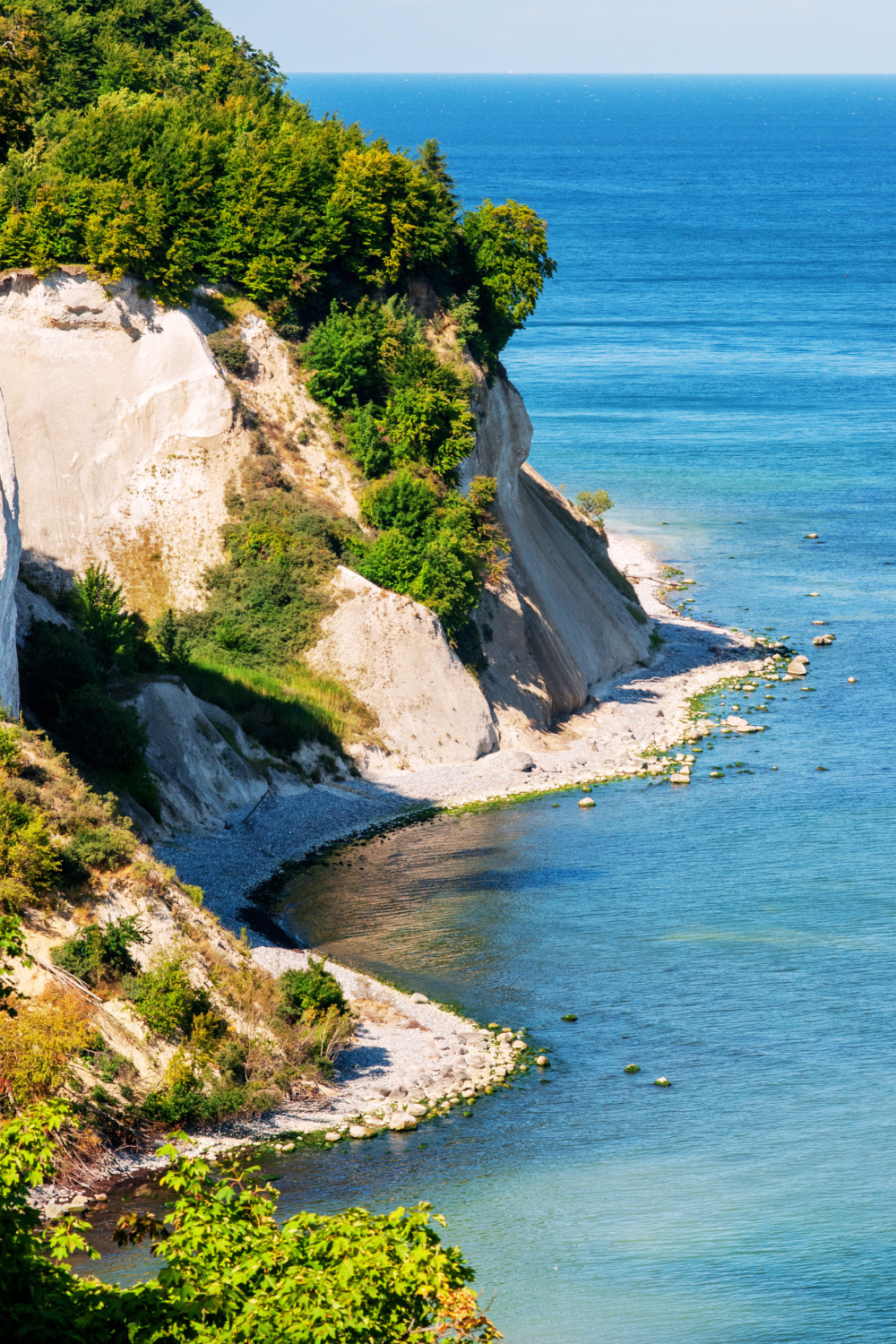
Most people’s mental map of Germany has a vague northern coastline and then stops, but Rügen — Germany’s largest island, connected to the mainland by bridge — is genuinely one of the best places in the country for a family summer holiday, and almost entirely unknown to visitors from outside Germany. Let me be honest: this one surprised me more than almost anything else.
The island’s signature landscape is its chalk cliffs — brilliant white rock faces plunging into the Baltic Sea, draped in beech forest at the top, and accessed by coastal paths that are among the most dramatic walks in the country. The Jasmund National Park protects the most spectacular section, and the view from the Königsstuhl (King’s Chair) viewpoint over the sea is one of those moments that justifies an entire journey. The Baltic beaches are wide, sandy, and calm-watered — excellent for children, far gentler than North Sea beaches.
The resort town of Binz has a belle époque charm — painted wooden beach villas, a promenade, and hire facilities for everything from beach chairs to kayaks. Sellin’s pier stretching out over the water, with its restaurant at the end, is genuinely lovely. The whole island has a slightly old-fashioned, unhurried pace that feels like a holiday in the truest sense.
Local tip: Visit in June or early September rather than July–August peak, when German families descend in force and accommodation prices spike considerably. The chalk cliffs look best in clear morning light — the path from Sassnitz to the Königsstuhl is the best approach.
17. Munich’s English Garden and Deutsches Museum
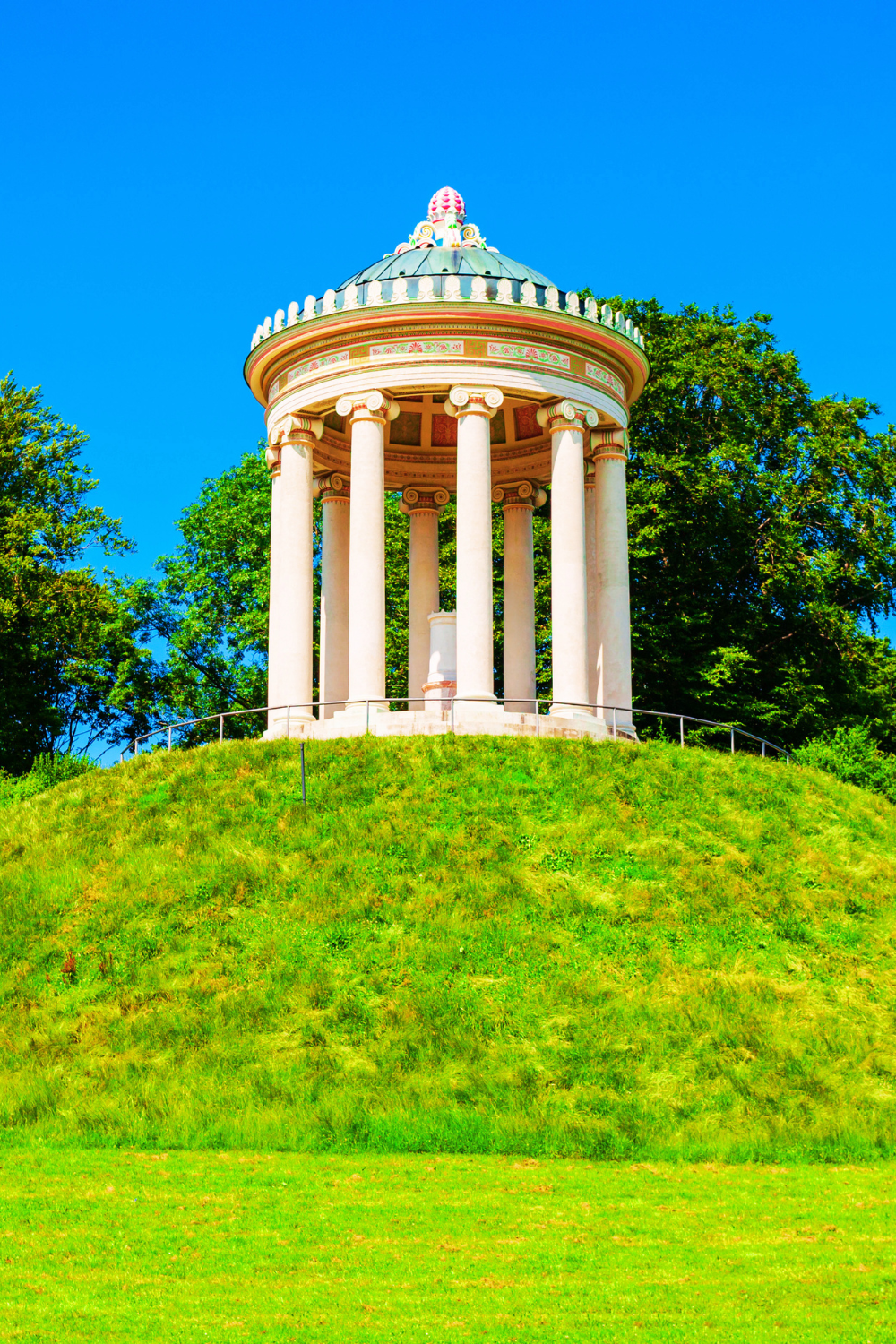
Munich is an excellent base for a German family trip — excellent rail connections, enormous amounts to do, and a quality of life that makes it immediately obvious why it consistently appears at the top of European liveability rankings. But I want to be specific about the two things that I found worked best with children, because Munich can otherwise feel slightly overwhelming.
The English Garden (Englischer Garten) is larger than Central Park and is, functionally, one of the best urban green spaces for families in Europe. There are streams to paddle in, a Japanese tea house, a Chinese pagoda beer garden with room for 7,000 people (one of the most sociable outdoor spaces I’ve ever sat in), and — the thing that nobody tells you about until you see it — a standing wave on the Eisbach stream where surfers ride a permanent curl of whitewater in the middle of the city. This alone is worth a half-hour stop. Children are mesmerised. I was mesmerised.
The Deutsches Museum is the largest science and technology museum in the world and it is, for children who like to understand how things work, an absolutely essential visit. There are hands-on exhibits covering mining, aviation, chemistry, glass-blowing, and dozens of other disciplines — the original Wright Flyer is here, the world’s first diesel engine, and enough interactive displays to fill a full day comfortably.
Local tip: The Deutsches Museum is large enough that you need to decide which sections to prioritise before you go — pick three or four themes and do them well rather than rushing through everything. Children under 6 enter free.
Practical Tips for Visiting Germany with Kids
Germany rewards the traveller who plans ahead, particularly in high summer and the Christmas market season. Here’s what I wish I’d known before our first trip.
The German rail network (Deutsche Bahn) is one of the best ways to travel with children — there are family carriages on most intercity trains, large luggage areas, and the trains are generally fast and comfortable. The Deutschland-Ticket (a flat-rate monthly pass covering all local and regional transport) is excellent value if you’re staying in one area and using trains and buses extensively. For a broader trip across multiple regions, a German Rail Pass bought in advance from outside Germany can work out cheaper.
Accommodation in Germany ranges from excellent-value guesthouses (Pensionen) in smaller towns to higher-end city hotels in Munich and Berlin. Many hotels offer family rooms comfortably sleeping four; in Bavaria especially, traditional Gasthöfe (inns) often have large family rooms with proper separate sleeping arrangements. Self-catering apartments are easy to find through the usual booking platforms and make sense for trips of a week or more.
Most significant attractions offer children’s discounts starting from age 6; many are free for under-6s. Germany’s museums are generally well-funded and well-maintained — queues are manageable if you arrive early, and interactive exhibits are common enough that children are catered for rather than tolerated.
Food-wise, German cuisine is more child-friendly than its reputation suggests. Pretzels, Schnitzel, Bratwurst, and Käsespätzle (cheese egg noodles, essentially Germany’s answer to mac and cheese) are all universally popular with children who haven’t developed strong opinions about cuisine yet. Every town has a bakery, and German bread and pastries are seriously good.
One more thing: German pharmacy culture is excellent if someone gets sick en route. Pharmacists are highly trained, speak good English in tourist areas, and can deal with most common travel ailments without requiring a doctor’s appointment.
Germany is not a country that reveals itself quickly. It requires a little patience, a decent rail pass, and the willingness to turn off the motorway into the small towns and forested valleys that don’t always make the highlight reels. But when you do — when you’re standing at the top of a castle the Brothers Grimm might have invented, or watching your child’s face the first time they see the Zugspitze from the summit cable car, or eating warm chocolate from a fountain in Cologne with an eight-year-old who has completely forgotten to be bored — you understand why this country gets so deeply under people’s skin. Go. Take the kids. Take the slow train. Give Germany the time it deserves.

