
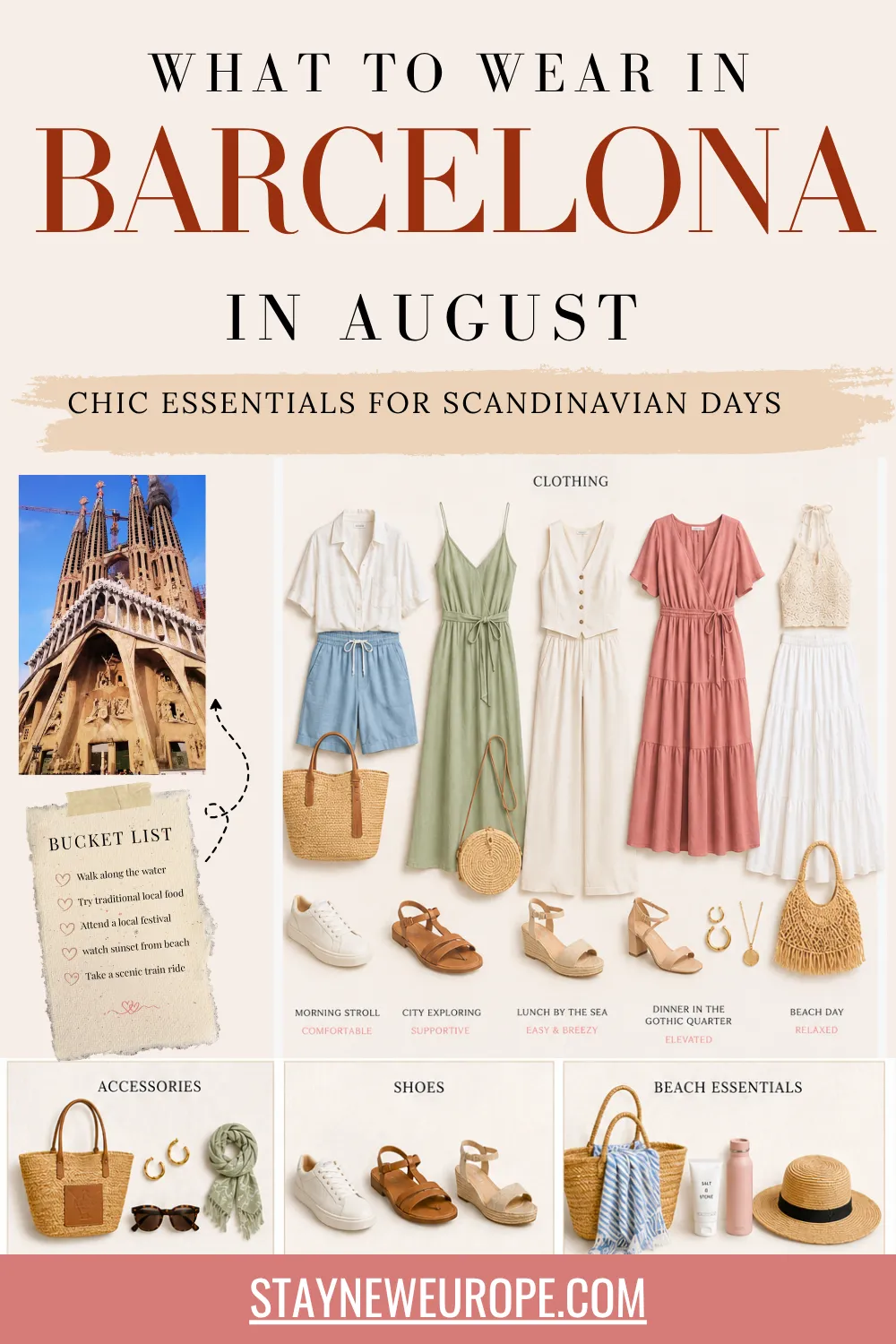
Barcelona in August doesn’t ease you in. You step off the metro at Liceu, the heat hits you like an open oven door, and within four minutes you’re peeling off the jacket you packed “just in case.” This is a city running on full Mediterranean throttle — beach mornings, siesta-slow afternoons, and dinners that don’t even start until the sun has properly gone down.
I learned the hard way that Barcelona in August isn’t really one city, it’s two. There’s beach Barcelona, all salt and sand and bare shoulders, and there’s Gothic Quarter Barcelona, all narrow shaded lanes and surprisingly put-together locals who would never dream of walking into a tapas bar in a wet swimsuit. Most visitors pack for one and forget the other entirely.
The biggest mistake? Bringing clothes that look great in the suitcase photo and feel like punishment by 2pm. Synthetic dresses that cling, jeans that turn your legs into a sauna, shoes that were made for sightseeing in October, not for a city where the asphalt practically shimmers. Let’s fix that before you land.
Before We Dive In
August in Barcelona means daytime highs that regularly sit around 29–31°C (84–88°F), and because the city hugs the Mediterranean, the humidity makes it feel even thicker than the number suggests. Mornings are bearable, the early afternoon is brutal, and evenings cool into something genuinely pleasant once the sea breeze rolls in — which is exactly why locals don’t really start their evening until 9pm.
WALKING CONDITION:
Walking-wise, this is a flatter, easier city than Rome or Lisbon, but don’t get complacent. The Gothic Quarter and El Born are a maze of uneven cobblestones, the beach promenade means sand gets everywhere, and August crowds — cruise ship passengers, festival-goers, everyone — turn Las Ramblas into something closer to a slow-moving river of people. You’ll be on your feet more than you think.
DRESSING SENSE:
And then there’s the style factor. Catalans dress with a kind of unbothered polish — neutral colors, good fabrics, nothing flashy — and they save beachwear strictly for the beach. Walking through the Eixample in a bikini top and flip-flops marks you as a tourist faster than a selfie stick. If you want a fuller picture of the city’s rhythms before you pack, our things to know before traveling to Barcelona guide is worth a read first.
Linen Is Not Optional, It’s Survival Gear
Here’s the thing nobody tells you: in 30°C humidity, the fabric you choose matters more than the outfit itself.
I spent one early August afternoon in a cotton-poly blend dress that I’d worn happily all spring, and by the time I reached Park Güell I looked like I’d been for a swim — fully clothed. Linen, on the other hand, breathes. It wrinkles, sure, and it’ll never look as crisp in photos as it does on the hanger, but it lets air move against your skin in a way that synthetic fabrics simply don’t. Once I switched, the whole trip got easier; I stopped dreading the walk between metro stops.
Linen trousers, a linen shirt-dress, even a linen blazer thrown over a tank for dinner — these do double duty as both heat management and that effortlessly chic look Barcelona seems to specialize in. Pair a loose linen midi dress with leather sandals for daytime exploring, then add gold hoops and a slick of red lipstick for the same dress at dinner. One piece, two completely different moods.
Local tip: Buy a cheap folding fan (an abanico) from any souvenir stand near Las Ramblas — they’re sold for a euro or two, locals genuinely use them, and snapping one open on a packed metro car will make you feel instantly less like a wilting tourist.
Dresses vs. Shorts: What Actually Wins in August Heat
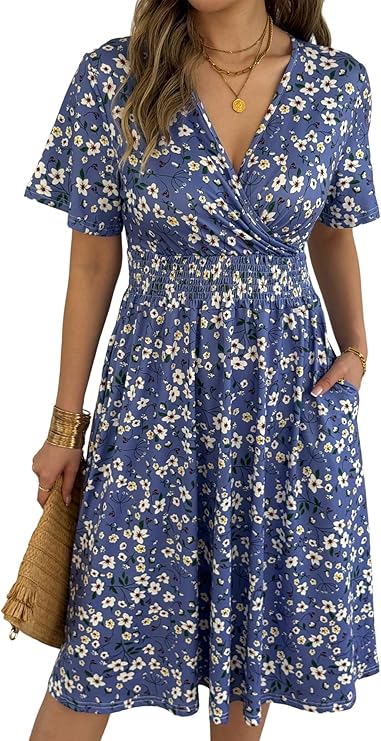
Everyone packs both. Almost nobody packs the right ratio. A Dress is the main visual on a trip for a perfect photography session so make sure to pack a few dresses in differest style.

Dresses are the obvious winner for Barcelona heat because there’s no fabric clinging between your legs while you walk, no waistband digging in after a three-course lunch.
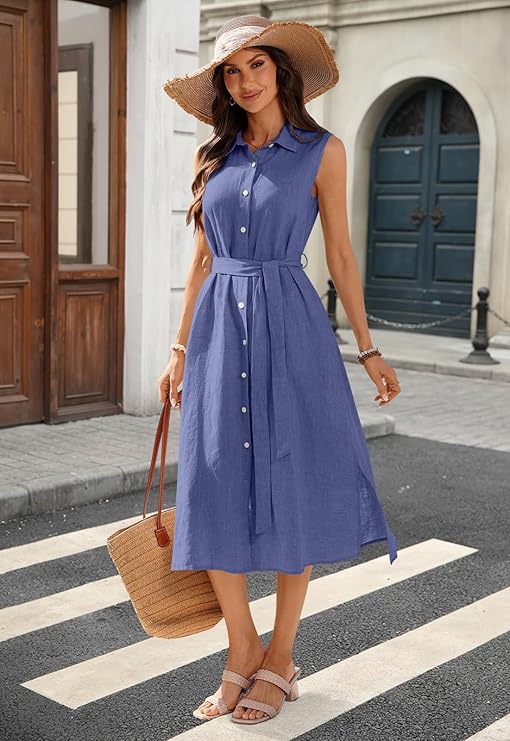
A flowy midi or maxi dress in a breathable cotton or linen blend lets air circulate in a way shorts just can’t match.

That said, I’m not anti-shorts — a pair of wide-leg linen shorts with a loose button-up is genuinely one of the most comfortable combinations I packed last August, and it photographs beautifully against the colorful tiles of Park Güell.

Where I’d push back on the usual packing advice is denim shorts. They look cute in theory, but denim doesn’t breathe, the thick seams chafe after a sweaty hour, and they read as distinctly more “backpacker” than “stylish traveller” against Barcelona’s polished backdrop. If shorts are non-negotiable for you, linen or a soft cotton-linen blend will serve you far better than denim ever will in this heat.

For a day mixing Gaudí sights with a beach stop, I’d go: a wrap dress over your swimsuit in the morning, switch to the swimsuit alone at Barceloneta, then slip the dress back on for lunch nearby. It sounds fussy written out, but in practice it’s one garment doing three jobs.
Beach-to-City Outfit Transitions (The Skill Nobody Warns You About)
This surprised me more than anything else about dressing for Barcelona: the city genuinely expects you to switch outfits mid-day, and not having a plan for that transition is where most people go wrong.

Barceloneta beach sits a fifteen-minute walk from the Gothic Quarter, which means it’s entirely normal to swim before lunch and be sitting down for tapas an hour later. The mistake I see constantly — and made myself, once — is walking from the sand straight into a restaurant in a damp bikini and a sarong, dripping on the floor and getting looks from servers who are far too polite to say anything.
Locals simply don’t do this; beachwear stays at the beach.

The fix is ridiculously simple: pack one lightweight cover-up dress specifically for this purpose, plus a pair of flat sandals that work both wet and dry.

EXTRA TIPS:
- Roll a quick-dry towel and a change of underwear into your bag, rinse off at the beach showers, and you’ve got a clean transition without lugging a full outfit change.
- A canvas tote big enough to hold a damp swimsuit separately from your dry clothes earns its space in your suitcase here.
Local tip: The free showers along Barceloneta’s promenade are cold but functional — use them before you re-dress, or you’ll be sticky with salt and sunscreen for the rest of the afternoon.
Sandals and Espadrilles: Choosing Your Walking Shoes Wisely
I’ll be honest — I brought white sneakers to Barcelona in August and regretted it by day two.
Sneakers trap heat against your feet in a way that’s borderline unbearable once the pavement starts radiating warmth back up at you. Espadrilles, which happen to be a genuinely Spanish and Catalan staple, solved this completely.
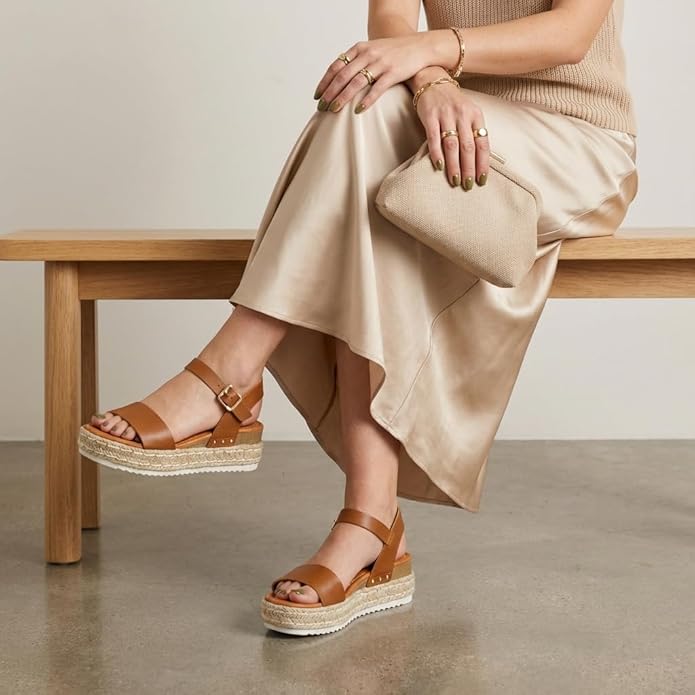
The canvas upper breathes, the jute sole is light, and they look intentional rather than like “tourist gear.” A flat espadrille wedge gives you just enough height for evening without sacrificing comfort on cobblestones.

For daytime: I’d lean toward a sturdy leather sandal with decent arch support — something like a Birkenstock-style slide or a strappy gladiator sandal — since you’ll be on your feet for hours between Park Güell, the Gothic Quarter, and wherever lunch ends up being.

Save anything with a proper heel for dinner only, and even then, choose a block heel; the Gothic Quarter’s uneven stones are not forgiving of stilettos.

A quick story: I watched a woman twist her ankle on a loose cobblestone near Plaça Reial in heeled sandals that were clearly meant for a flat sidewalk somewhere else entirely. Barcelona’s beauty is in those old, uneven streets — just don’t let your shoes fight against them.
What NOT to Wear in Barcelona in August (Tourist Mistakes, Ranked)
Let me save you some embarrassment, because I’ve either made these mistakes myself or watched someone else make them in real time.
Football jerseys head the list — not because there’s anything wrong with supporting a team, but because wearing one head-to-toe through the old town, paired with white socks and trainers, is the single fastest way to be spotted as a tourist and, occasionally, targeted by pickpockets who know exactly who’s distracted by sightseeing. Heavy, dark clothing is the second offender; I see people in black jeans and hoodies wilting visibly by midday, clearly having packed for the wrong climate entirely.
Then there’s the beachwear-in-the-city issue I mentioned earlier — flip-flops and swimsuits anywhere beyond the sand — and the opposite extreme, overly formal outfits that assume Barcelona is stuffier than it actually is. This city is smart-casual, not black-tie; a structured blazer over linen trousers will look more at home than a cocktail dress at most restaurants.
Last one, and it’s a small thing: bright white sneakers that you clearly just bought for the trip. They’re fine functionally, but they scream “first day off the plane” in a way that’s avoidable with even a slightly worn pair, or espadrilles instead.
Sun Hats and Sunglasses: Treat Sun Protection as a Style Statement
This isn’t optional in August, and it surprised me how much I came to rely on it.
The Mediterranean sun in August is intense in a way that sneaks up on you, especially with the glare bouncing off white buildings and the sea.
A wide-brim straw hat does double duty — genuine protection for your scalp and face, and an instant style upgrade to almost any outfit. I wore the same hat with a linen sundress for sightseeing and with a simple white tee and trousers for a beach walk, and it looked intentional both times.

Sunglasses matter just as much, both for comfort and for the squinting-in-every-photo problem. Go for a pair with actual UV protection rather than purely decorative ones; you’ll be outdoors far more than you expect, even on days you’d planned as “mostly museums.” Oversized frames also do a sneaky job of hiding sweat-smudged eye makeup by 4pm, which, after one particularly humid afternoon at the Sagrada Família, I was deeply grateful for.

Local tip: Skip buying sunglasses from the street vendors near Las Ramblas — they’re often confiscated stock from counterfeit raids and the quality (and UV protection) is genuinely unreliable. A pharmacy or proper optician nearby will sell you something that actually works.
Evening Outfits for Barcelona’s Late, Lazy Dinners
Spanish dinner culture runs on a clock that confused me for the first two nights — and then I fell completely in love with it.
Restaurants barely fill up before 9pm, and a meal can stretch comfortably past 11. That means your evening outfit needs to handle a transition: still-warm early evening air, cooling sea breeze by the time you’re seated outside, and enough polish for a city where people genuinely dress for dinner.
- A slip dress in a silky (not sticky) fabric works beautifully here, paired with a light cardigan or oversized shirt you can drape over your shoulders once the breeze picks up.

- For a slightly dressier night — maybe reservations somewhere in El Born — I’d reach for linen trousers with a fitted top and statement earrings, or a midi dress with a low block heel.
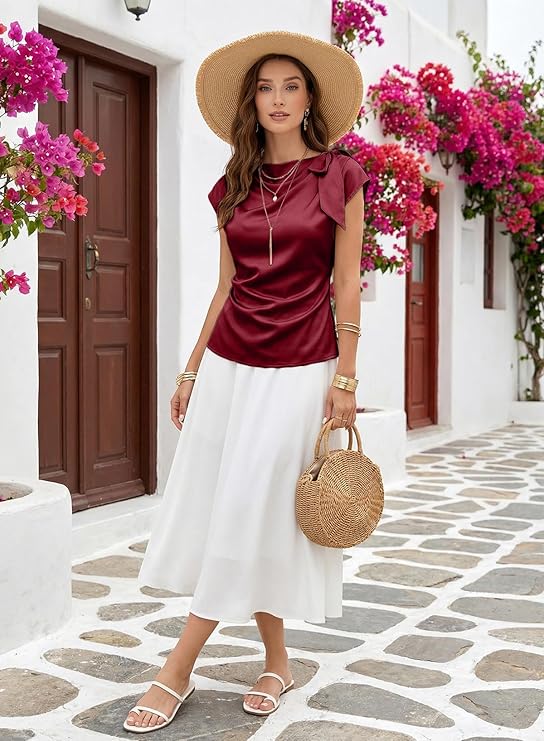
Either combination photographs well against the warm lighting of a tapas bar terrace, and neither will leave you sweating through the starter course.

If you’re hunting for where to actually wear these outfits, our guide to the best tapas restaurants in Barcelona is a good place to start planning.
Dressing for the Sagrada Família and Barcelona’s Churches
I nearly got turned away from a chapel once, and it taught me to plan ahead for this.
Barcelona’s churches — the Sagrada Família included, despite feeling more like an architectural pilgrimage than a religious one for most visitors — still enforce dress codes. Shoulders and knees need to be covered, which in 30°C heat feels like a genuine packing puzzle.

My solution: a lightweight linen shawl or oversized scarf that lives in my bag specifically for this purpose. It drapes over bare shoulders in seconds and folds down to almost nothing when not in use.
Skip tank tops and short shorts on the days you’ve got Sagrada Família or the Barcelona Cathedral on the itinerary, or at minimum, carry a cover-up.

A maxi skirt with a simple tee solves the problem entirely without sacrificing comfort, and it’s genuinely one of my most-repeated outfit formulas across European church visits.

Local tip: Sagrada Família’s security does check for bare shoulders more strictly than the cathedral does — don’t assume one venue’s leniency means another’s.
Bags: Crossbody vs. Backpack (and the Pickpocket Reality)
Barcelona’s pickpocketing reputation isn’t exaggerated, particularly on Las Ramblas and the metro, and your bag choice genuinely matters here.
A crossbody bag worn in front of your body, zipped, is the safest practical option — it’s harder to snatch and harder to dip into unnoticed compared to a bag hanging off one shoulder. I switched to wearing mine across my chest rather than my hip after a friend had her bag opened (nothing taken, thankfully, but unsettling) on a crowded metro car.

Backpacks are fine for day trips outside the city center, but in dense crowds — particularly around Las Ramblas, the metro, and any festival gathering — they’re easier targets simply because you can’t see what’s happening behind you.

Choose something with a zip rather than a flap closure, and resist the urge to pack your “good” leather bag for daily sightseeing; a slightly worn canvas or vegan-leather crossbody won’t break your heart if it gets damp from sea air or scuffed on cobblestones.
Accessories That Elevate a Simple Outfit (Without Adding Heat)
The trick to looking put-together in August heat is accessorizing without adding fabric.
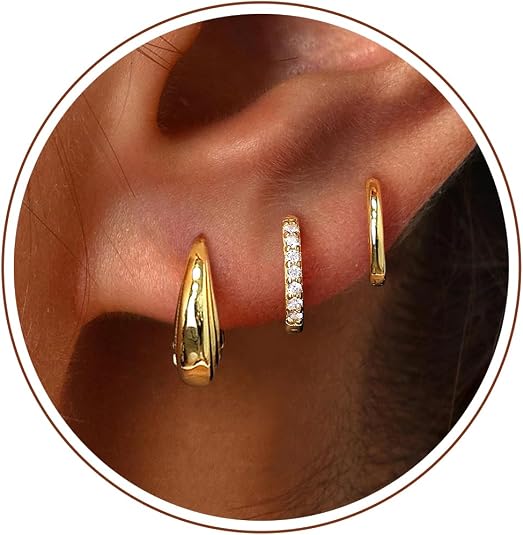
Gold hoop earrings instantly dress up a plain white tee and shorts combination, and they’re light enough not to feel like one more hot thing against your skin.
A silk scarf tied to your bag handle — rather than around your neck — adds a pop of color without the heat of actually wearing it. And that abanico I mentioned earlier genuinely doubles as a fashion accessory once you’ve got the wrist flick down; I watched an older Catalan woman fan herself with such effortless elegance on a packed bus that I bought one before I’d even left the metro station.

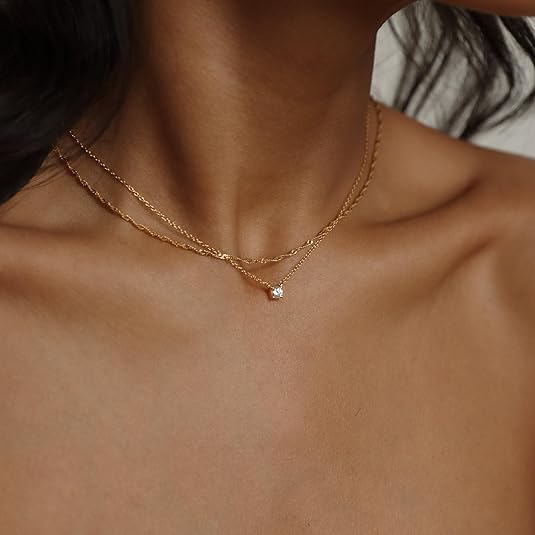
Layered necklaces, a statement ring, a woven belt over a linen dress — small additions that change an outfit’s whole feel without requiring you to add another piece of clothing to an already sweaty equation.
Mosquito and Humidity Prep (The Detail Everyone Forgets)
Nobody mentions this until they’re scratching their ankles at an outdoor dinner, so let me be the one to say it.
Barcelona’s humidity in August creates ideal mosquito conditions, particularly near Ciutadella Park and along the beach in the evening. I learned this the hard way during what should have been a romantic sunset walk along the boardwalk, which turned into an itchy mess by the time I got back to the hotel.
Lightweight, ankle-covering linen trousers in the evening help more than you’d think, and a small bottle of repellent in your bag is worth the suitcase space.

Humidity also means your makeup and hair routine probably needs rethinking. Heavy foundation slides by mid-afternoon; a tinted moisturizer with SPF holds up far better. If you’ve got the kind of hair that frizzes in moisture, a loose braid or low bun will save you more frustration than any product will.
Fabrics to Choose (and Which Ones to Leave at Home)
If I could only give one piece of packing advice for Barcelona in August, it would be about fabric, not style.
Choose linen, cotton, and lightweight viscose — fabrics that move air and don’t trap sweat against your skin.
Avoid polyester blends, anything with spandex in a fitted cut, and definitely avoid denim beyond maybe one pair of trousers for an air-conditioned museum day. I made the mistake of packing a “breathable” athletic-style dress once, assuming the activewear label meant it would handle heat well; it didn’t, it just made me sweat in a different, clingier way.
Color matters too, though less dramatically than fabric. Light colors reflect heat better than dark ones, which is part of why you’ll see so much white, cream, and pale linen on locals during August — it’s not just an aesthetic choice, it’s practical.
Festes de Gràcia: Dressing for Barcelona’s Mid-August Street Festival
If your trip lands in mid-August, you might stumble into something most guidebooks barely mention.
Festes de Gràcia transforms the Gràcia neighborhood’s streets into elaborately decorated tunnels — papier-mâché sculptures, fairy lights, entire blocks competing for the best theme — and it’s genuinely one of the most charming things I’ve experienced in Barcelona. The catch is practical: the streets get packed, the decorations create narrow walkways, and you’ll be standing, dancing, and weaving through crowds for hours.
Comfortable flat shoes are non-negotiable here;
I’d skip espadrille wedges for this specific outing in favor of fully flat sandals or even sneakers, since you’ll likely be on your feet from early evening well past midnight. A crossbody bag becomes even more essential in these denser crowds, and a light layer for the bag matters too — once the sun’s fully down, the breeze through Gràcia’s narrow streets can feel surprisingly cool after a day of heat.
Local tip: Check the festival dates before you book — they shift slightly year to year, but it’s almost always the week around August 15th, and locals plan entire trips around it.
Rooftop Bars and Terraza Nights
Barcelona’s rooftop scene deserves its own outfit category, honestly.
These spaces — think hotel rooftops overlooking the Sagrada Família’s spires or terraces catching the last light over the sea — tend to skew slightly dressier than a standard tapas dinner, but still firmly smart-casual.

A jumpsuit in a breathable fabric works beautifully here, as does a tailored top with wide-leg trousers.

I’d avoid anything too short or too clingy; the vibe is sophisticated rather than club-like, even at the more lively spots.
Bring a light layer regardless of how hot the day was — rooftops catch wind in a way street level doesn’t, and that golden-hour breeze that feels delightful at first can turn chilly by the time you’re on your second drink.
Building a Capsule Wardrobe for Barcelona in August
After several trips, here’s the formula I keep coming back to, because it covers beach, city, churches, and dinner without overpacking.
- Two linen dresses (one neutral, one with color or print).
- one pair of linen or breathable wide-leg trousers.
- two breezy tops, one lightweight cover-up dress for beach transitions.
- one pair of espadrilles, one pair of flat sandals.
- one pair of comfortable walking sandals with support.
- a wide-brim hat, sunglasses, a crossbody bag, and a shawl or scarf for church visits.
That’s roughly ten pieces that mix into a full week of outfits without a single item feeling like dead weight in your suitcase.
The trick is choosing pieces in a tight color palette — I usually go cream, white, and one accent color like terracotta or sage — so almost everything pairs with everything else. For more general inspiration across the country, our Spain packing list covers the broader essentials if you’re combining Barcelona with other Spanish cities.
The Practical Packing Section (How Much Is Actually Enough)
For a week in Barcelona during August, five to six outfit combinations is genuinely plenty if you’re choosing versatile, mix-and-match pieces. I know that sounds restrictive, but heat means you’ll likely want to rinse and re-wear lighter items anyway, and laundry is easy to find if you’re staying more than a few days.
The biggest packing mistake I see — and made for years myself — is overpacking “just in case” layers for cooler evenings that genuinely don’t happen in Barcelona in August. One light cardigan or shawl covers every scenario you’ll actually encounter; you don’t need a jacket, and you certainly don’t need jeans beyond maybe one pair for a single air-conditioned day.
Plan your outfits by activity rather than by day: one “beach day” outfit, one “city sightseeing” outfit, one “church day” outfit with the shawl included, one “dinner out” outfit, and one “rooftop or festival night” outfit, then mix and repeat. If you’re trying to fit this all into hand luggage, our guide on how to pack a carry-on for 10 days walks through exactly that kind of ruthless editing.
Barcelona in August rewards anyone willing to dress for the climate instead of fighting it. Lean into the linen, embrace the beach-to-city shuffle, keep a scarf in your bag for the churches, and trust that the city’s own effortless style will rub off on you within a day or two. By the time you’re fanning yourself on a rooftop terrace with the Sagrada Família glowing in the distance, you won’t be thinking about your outfit at all — and that’s exactly the point.

