
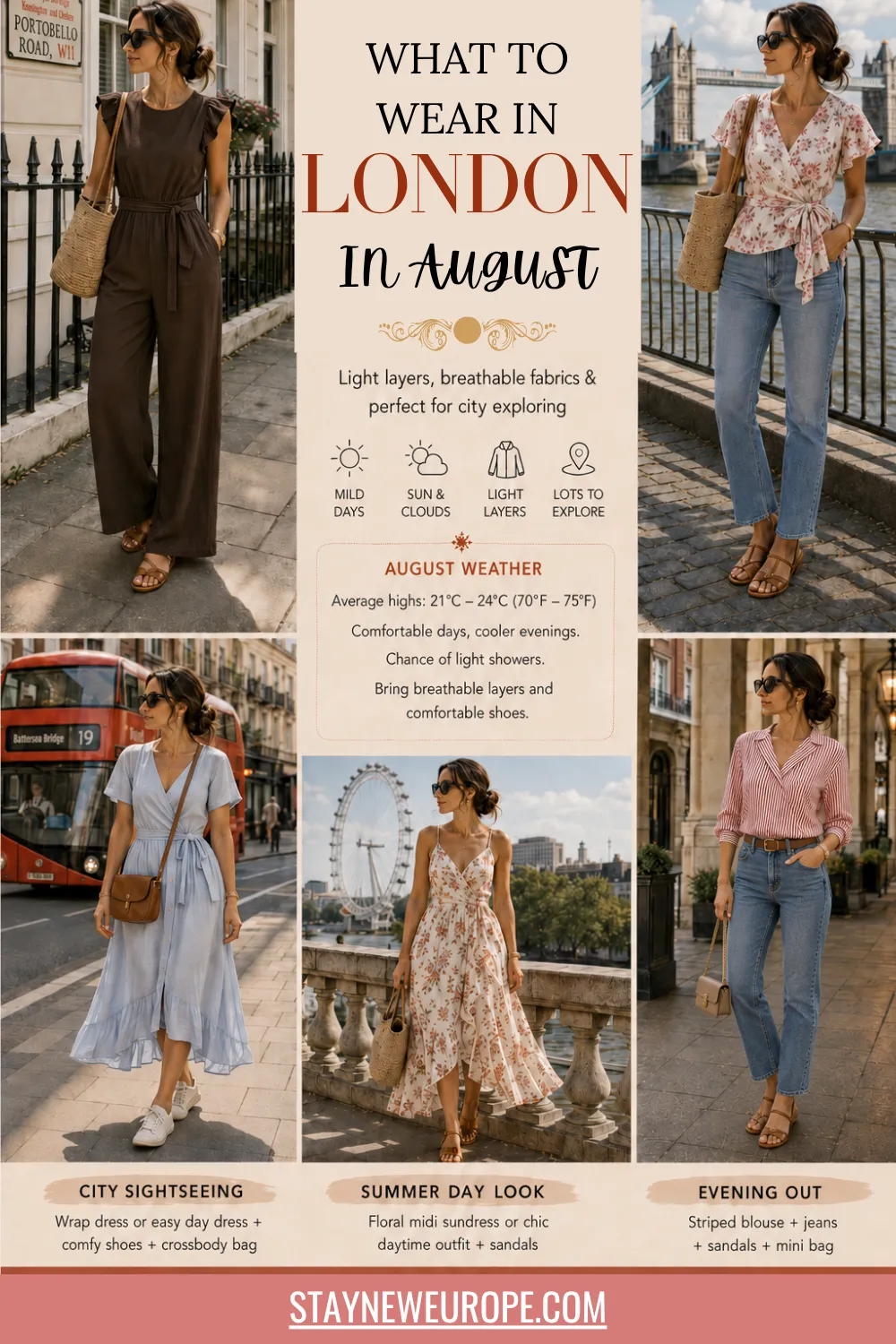
Let me be honest with you: I packed for London in August like I was going to the Sahara, then spent my first afternoon sheltering under a bus stop in Camden because the sky opened up out of nowhere. That’s August in London for you — sunny enough to need sunglasses by 11am, and grey enough by 4pm that you’re regretting leaving the umbrella at the hotel.
This is the month London tries to convince you it does summer properly. Sometimes it does — Hyde Park fills with people sunbathing in actual swimwear, the pub gardens are rammed, and you’ll see more bare arms on the Tube than any other time of year. Other days it’s 16°C and drizzling and everyone’s back in a light jacket like the heatwave never happened. The trick isn’t picking “summer clothes” or “rain clothes.” It’s packing things that can do both, often in the same afternoon.
Most tourists get this wrong in one of two ways: they either pack like it’s a Mediterranean holiday and end up cold and damp by day two, or they overcompensate with too many jumpers and jackets and end up dragging a suitcase full of clothes they never touch. There’s a sweet spot, and it’s not complicated once you know what you’re working with.
Before We Dive In
August in London usually sits somewhere between 18°C and 24°C (64–75°F), though heatwaves pushing past 28°C aren’t unusual anymore, and they tend to arrive with almost no warning. Rain is still very much on the table — not constant, but the kind of short, sharp shower that rolls in for twenty minutes and then disappears like it never happened. Humidity is mild compared to somewhere like New York in August, but it can make a hot day feel stickier than the temperature suggests, especially underground on the Tube.
WALKING CONDITION:
Walking-wise, London is a city you experience on foot more than people expect. Even if you’re using the Underground, you’re climbing stairs, crossing uneven pavement in older neighbourhoods like Notting Hill or Greenwich, and covering serious ground in parks that are genuinely vast — Hyde Park and Regent’s Park are not a quick stroll. Cobblestones show up in pockets (think Borough Market, parts of Covent Garden), but it’s less about ankle-twisting terrain and more about sheer distance. You will walk more than you think.
FASHION:
And then there’s the style thing. Londoners dress well, but quietly — it’s not Milan-level flash, it’s smart-casual with intention. Neutral palettes, good tailoring even in casual pieces, decent shoes, layers that look deliberate rather than thrown on. Tourists tend to stand out not because they’re underdressed, but because they’re dressed for the wrong city entirely — beach sandals, oversized novelty T-shirts, or rain ponchos that scream “I didn’t plan this.” A little awareness goes a long way here.
Lightweight Layers Are Doing More Work Than You Think
A single warm jumper sounds practical until you’re sweating in it on a sunny morning and then freezing the second a cloud rolls in.
London’s August weather doesn’t commit to anything for long, which means your wardrobe shouldn’t either. The smartest approach is –
- two or three thin layers instead of one thick one — a cotton tee, a light long-sleeve, and something you can tie around your bag if it gets warm.
This way you’re adjusting in real time instead of being stuck in one temperature decision for the whole day.
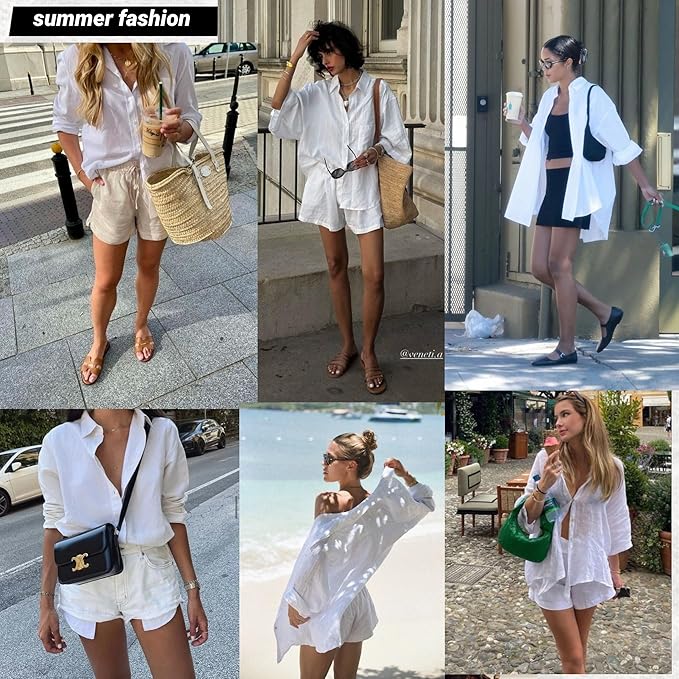
I learned this the hard way wearing a thick cardigan to the Tower of London, sweating through the queue, then standing outside Tower Bridge an hour later wishing I had literally anything more substantial. A breathable button-up or a fine-knit layer solves both problems at once, and it photographs better than a bulky coat anyway.
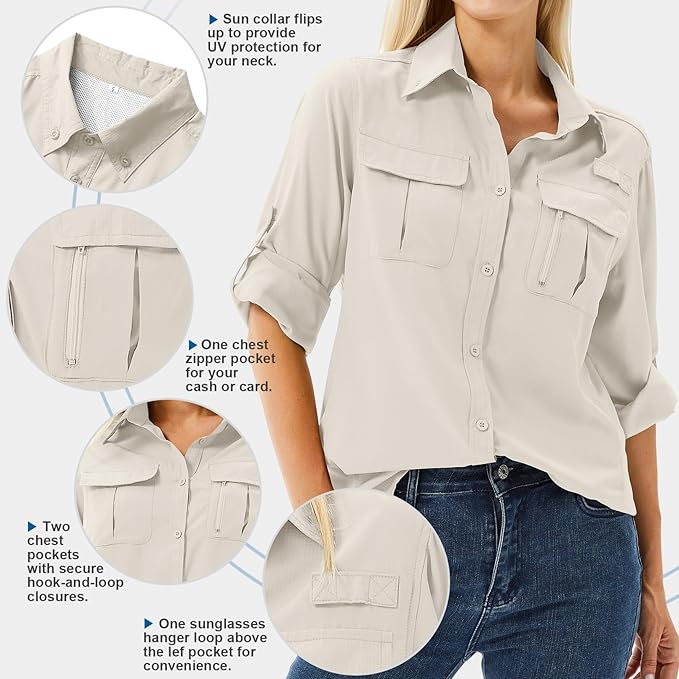
Local tip: if you’re also wondering how this compares to other months, our guide to what to wear in London in May breaks down the cooler, wetter version of this same layering logic — worth a glance if your trip straddles spring into summer.
Dresses vs Jeans: What Actually Earns Its Spot in Your Bag
This is the debate every woman packing for London has with herself at 11pm the night before a trip, and the answer is genuinely “both, but fewer than you think.”
A midi dress in a breathable fabric is one of the most efficient pieces you can pack —
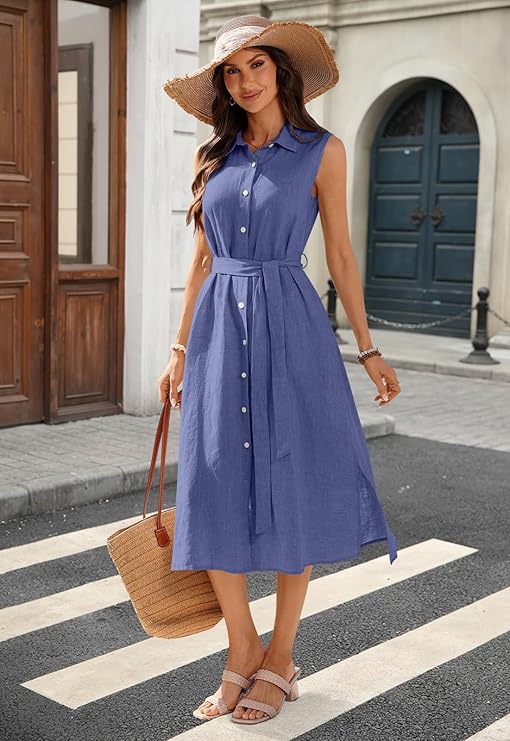
it works for museum mornings, market afternoons, and dinner with barely any adjustment, especially paired with a denim jacket when the temperature drops.

Jeans, meanwhile, earn their place on cooler or rainy days when you want something sturdier than a dress and don’t want bare legs in a sudden downpour. The mistake isn’t choosing one over the other — it’s packing five of each “just in case.”

For a week-long trip:
- two or three dresses and two pairs of trousers (one denim, one lighter cotton or linen) covers almost every scenario London in August throws at you.
Mix and match with different tops and you’ve got a dozen outfit combinations without dragging half your wardrobe across the Atlantic.
Local tip: linen wrinkles fast in a humid Tube carriage — a linen-cotton blend holds its shape far better for a full day of sightseeing.
The Shoe Situation: Comfortable, Not Sloppy
Your feet will end most days in London more tired than any other part of you, so this is not the category to cut corners on.
White trainers have basically become the unofficial uniform of London tourism for good reason — they go with everything, handle cobblestones and Tube stairs without complaint, and don’t look out of place at a casual restaurant. That said, the chunky, ultra-sporty trainer reads as distinctly “tourist” here. A cleaner, low-profile sneaker (think minimalist leather trainers) blends in far better while doing the same job.

For evenings: a pair of comfortable block-heel sandals or loafers gives you a dressier option without sacrificing your ability to actually walk back to the hotel.

I’d skip stilettos entirely unless you’re taking a cab door to door — London’s pavements are not kind to thin heels, and there’s nothing worse than wincing your way through Soho at 11pm.

Local tip: break in any new shoes at home first. A blister on day one of a packed itinerary is a mood-killer nobody warns you about enough.
What NOT to Wear in London in August (Tourist Mistakes)
There’s a very specific look that says “I flew in from somewhere much hotter and didn’t check the forecast,” and it’s worth avoiding.
Flip-flops are the biggest offender — they’re rarely seen outside actual beach towns in the UK, and London’s pavements aren’t exactly flip-flop friendly anyway.
Matching family vacation T-shirts, oversized branded sportswear, and full rain ponchos (as opposed to a proper compact rain jacket) also tend to mark someone out instantly. None of this is about “fitting in” for its own sake — it’s that these items genuinely don’t perform well in London’s specific mix of walking, weather, and indoor heat.
The other mistake is going too far the other direction and overdressing — full suits or cocktail dresses for casual sightseeing look stiff and out of place outside of genuinely formal occasions. London’s smart-casual sweet spot is more forgiving than people assume; you don’t need to dress like you’re attending a wedding to look put-together.
Local tip: a packable, neutral-coloured rain jacket solves 90% of the “what not to wear” problem in one purchase.
The One Jacket You Actually Need
If you pack only one outerwear piece for London in August, make it a light, water-resistant jacket — not a heavy coat, not a flimsy windbreaker that does nothing in real rain.
A packable rain jacket in a neutral tone (navy, olive, black) covers sudden showers, breezy evenings by the river, and air-conditioned museums all at once. The key word is packable — you want something you can stuff into a tote bag and forget about until you need it, not something bulky that takes up half your suitcase and never quite dries out.

I now travel with a single olive-green rain shell that’s seen me through three London trips, a Welsh hiking weekend, and one extremely unexpected Parisian thunderstorm. It’s not glamorous, but it’s the single most-used item in my bag every single time.
Local tip: look for one with a hood that doesn’t require an umbrella as backup — Tube stairs and umbrellas do not mix.
Evening Outfits: Pub Garden to Rooftop Bar
London’s evening dress code shifts dramatically depending on where you’re headed, and one outfit rarely covers both ends.
For a casual pub dinner or a wander through a market at dusk, your daytime outfit with a swapped top and slightly nicer shoes usually does the job — nobody’s checking for cocktail attire at a beer garden in Hackney.

Rooftop bars and nicer restaurants, on the other hand, lean smarter:

a tailored jumpsuit, a structured blazer over jeans, or a slip dress with a light jacket reads as “made an effort” without overdoing it.
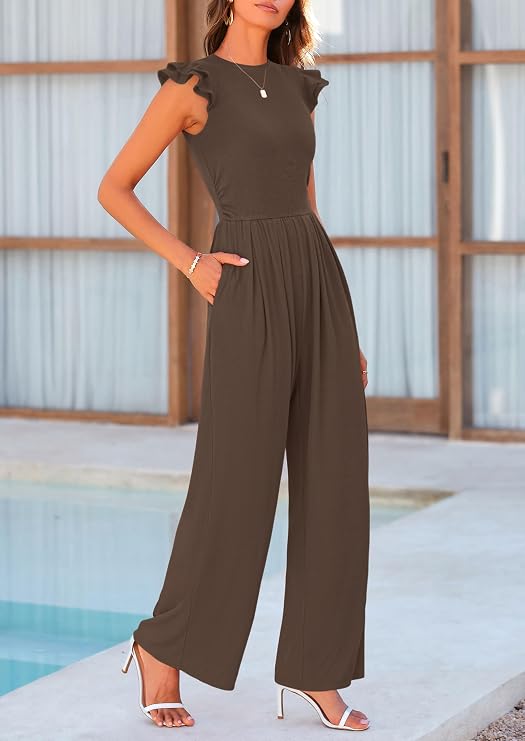
The trick is packing one or two pieces that elevate instantly — a blazer, a statement earring, a slightly dressier shoe — rather than packing entirely separate “evening outfits” that take up suitcase space and only get worn once.
Local tip: check the dress code before booking anything genuinely upscale; a surprising number of London restaurants still ask men to skip trainers and shorts after 6pm.
Dressing for Churches, Cathedrals & Royal Sites
Westminster Abbey and St Paul’s Cathedral both have dress expectations that catch visitors off guard, especially in the heat of August.
Shoulders should generally be covered and shorts kept to a reasonable length for both sites — this isn’t strictly enforced the way it is in, say, Rome, but turning up in a tiny tank top and cut-offs will draw looks and occasionally a polite word from staff.

A light scarf or cardigan thrown over a sundress solves this instantly without requiring a separate outfit.

The same goes for anything royal-adjacent — while there’s no official dress code for viewing the Changing of the Guard or wandering near Buckingham Palace, smart-casual photographs noticeably better than beachwear against that backdrop, and you’ll likely want decent photos either way.
Local tip: keep a thin scarf in your bag all trip — it works for sun, cathedral modesty, and unexpected evening chill in one object.
Bags: Crossbody vs Backpack vs Tote
Your bag choice in London is less about style and more about which kind of pickpocket-prone, crowded-Tube chaos you’re trying to avoid.
A crossbody bag worn in front (not on your hip) is the most practical choice for busy areas like Camden Market or the Underground at rush hour — it keeps your hands free and your belongings visible.

Backpacks are fine for day-trip-heavy itineraries but get awkward on packed Tube carriages, where you’ll constantly be asked to take it off and hold it.

A structured tote works well if you’re mostly walking between sit-down spots rather than weaving through crowds.

I switched to a crossbody after watching someone’s open backpack get bumped open on the Central Line during rush hour — nothing dramatic happened, but it was enough to convince me.
Local tip: a bag with a zip top, not just a magnetic clasp, is worth the slightly less “effortless” look on London’s busier Tube lines.
Accessories That Pull a Simple Outfit Together
The fastest way to make a basic tee-and-jeans combo look intentional rather than thrown-together is through what you add, not what you wear.
A good pair of sunglasses,with real UV protection matter more here than in cloudier destinations, given how reflective the white buildings and stone pavements are.

A simple gold or silver layered necklace elevates a basic linen outfit without adding heat or weight, which matters when every gram in your bag feels heavier by hour four of walking.

and a scarf that can double as sun protection or evening warmth all earn their suitcase space many times over.

These are also the items that let you repeat the same three or four base outfits across a week-long trip without anyone noticing — swap the accessories, and it reads as a completely different look.
I genuinely repeat the same two pairs of trousers most trips and rely on accessories to do the visual heavy lifting. Nobody has ever clocked it, and my suitcase has thanked me every time.
Local tip: one statement piece (a bold scarf, a bright bag) goes further than several small, “safe” accessories combined.
Rain Prep: Yes, Even in August
It feels counterintuitive to plan for rain in the middle of summer, but London in August has more wet days on average than people expect from a “summer” month.
Beyond the rain jacket already mentioned, a small folding umbrella that fits in a daypack or tote is worth its negligible weight — London showers tend to be short but genuinely soaking while they last, and ducking under a shop awning only gets you so far. Quick-drying fabrics for tops and trousers also help enormously; nothing ruins an afternoon faster than soggy jeans that take hours to dry against your skin.

I now treat the umbrella the way some people treat their phone charger — it goes in the bag every single morning regardless of what the forecast app says, because that app has lied to me in London more times than I can count.
Local tip: check a UK-specific weather app (the Met Office app, not a generic one) — it’s noticeably more accurate for London’s microclimates than most international weather apps.
Fabrics to Pack (and the Ones to Leave Home)
Not all “summer fabrics” perform the same way once you add London’s humidity and unpredictable showers into the mix.
Cotton, linen blends, and lightweight denim handle the city well — breathable enough for warm days, sturdy enough to survive a sudden drizzle without falling apart. Pure linen looks gorgeous in photos but wrinkles within an hour of sitting on a Tube seat, so a linen-cotton blend is the more realistic choice if you actually want to look put-together by lunchtime. Avoid heavy synthetic fabrics that trap heat and don’t breathe — they’re miserable on a packed, warm Underground platform in July or August.
I made the mistake once of bringing an all-polyester jumpsuit because it “didn’t need ironing,” and spent an entire Tube journey regretting every choice that led me there.
Local tip: pack one genuinely breathable fabric for Tube-heavy days specifically — platforms can run noticeably hotter than street level in summer.
A Simple Capsule Wardrobe for a London August Trip
If you want this whole article boiled down into an actual packing list, here’s the version I’d hand a friend.
Two dresses, two pairs of trousers (one denim, one lighter fabric), four tops you can mix between them, one light cardigan or button-up layer, one packable rain jacket, and one pair of comfortable walking shoes plus one slightly dressier option. That’s roughly ten core pieces that combine into well over a dozen distinct outfits across a week, without a single item sitting unused at the bottom of your suitcase.
This formula flexes easily depending on season too — if you’re comparing how much warmer or cooler your trip will run, our breakdown of what to wear in London in May uses the same capsule logic with heavier layering for the cooler month.
Local tip: lay every piece out on the bed before packing and count actual outfit combinations — if something doesn’t pair with at least two other items, it doesn’t earn a suitcase slot.
Park Days, Markets & Day Trips Beyond the City
August is prime season for stepping outside central London, and your outfit needs flex a little further if a day trip is on the itinerary.
A day at Hyde Park or Hampstead Heath calls for more breathable, sun-friendly choices than a museum-heavy day in the centre — think a sun hat, lighter fabrics, and shoes that handle grass as easily as pavement. If you’re venturing further out to somewhere like Bath or the Cotswolds, layering matters even more, since rural England can run several degrees cooler than the city centre even in August.
If day trips are part of a longer itinerary, it’s worth checking our roundup of the prettiest places to visit in England before you pack, since several of those spots have their own quirks — more wind, more uneven ground, more sun exposure depending on the season.
Local tip: keep a foldable tote in your day bag specifically for picnic-park days — Borough Market produce and a sudden craving for snacks under a tree happen more often than you’d plan for.
How Much to Actually Pack
This is the section I wish someone had forced me to read before my first London trip, because I packed for ten days like I was moving there permanently.
For a week to ten days, you genuinely don’t need more than four or five bottoms and six or seven tops, rotated and re-paired across the trip — nobody you meet in London is tracking your outfit repeats, and laundry or a quick rinse in the sink covers the rest. Overpacking doesn’t just mean a heavier suitcase; it means more decision fatigue every single morning, standing in a hotel room trying to choose between eleven nearly-identical options.
The better approach is picking a tight colour palette before you even start packing — three or four colours that all work together — so that genuinely everything in your suitcase can be mixed with everything else. If you want a fuller breakdown of this exact approach, our guide on how to pack a carry-on for ten days goes deeper into the colour-palette method and rolling versus folding debate.
The most common mistake, by far, is packing for the version of the trip you’re imagining rather than the one you’re actually taking — three “just in case” outfits for events that never happen, one pair of shoes for a hike you won’t do, a blazer for a fancy dinner you didn’t actually book. Pack for your real itinerary, not your aspirational one.
London in August doesn’t ask for much, honestly — it just asks you to stop overthinking it. Pack the layers, trust the rain jacket, leave the flip-flops at home, and you’ll spend far less time fussing over outfits and a lot more time actually enjoying the parks, the markets, and the unpredictable, slightly chaotic charm of British summer. Go have a genuinely great trip — you’ve got this covered now.

