
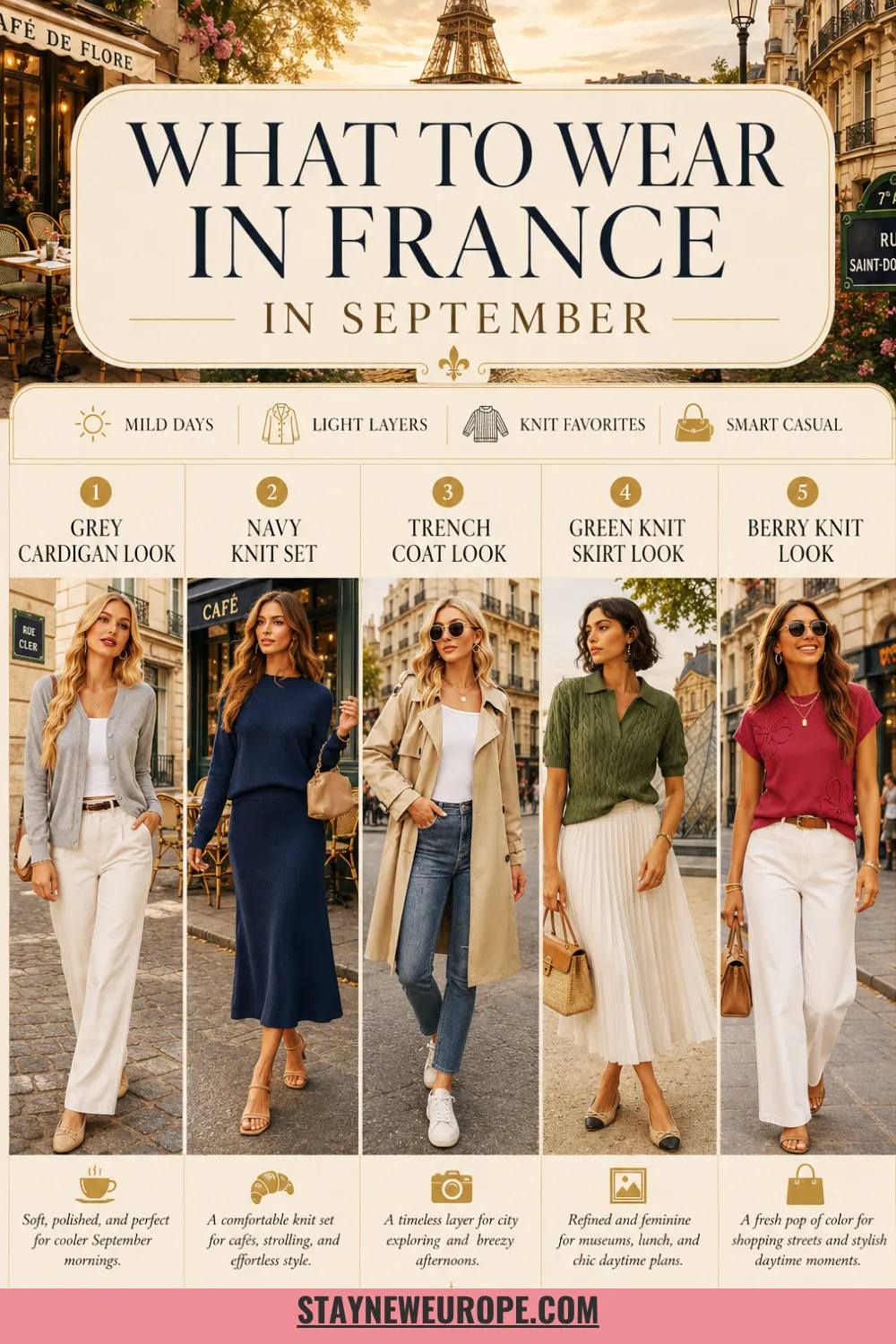
France in September is the trip everyone should be taking but somehow nobody warns you about the packing part. The crowds thin out, the light goes gold, and the terraces are still full — but the weather is doing this maddening thing where it’s genuinely warm at 2pm and properly chilly by 9pm, and you will feel both extremes in the same afternoon.
I learned this the hard way on my first September trip, standing outside a café in Lyon at dusk in a sundress, watching everyone else pull on a light jacket while I pretended I wasn’t cold. Lesson learned. Painfully.
So here’s what actually works — not a generic “pack layers” list, but the specific pieces that get you through markets, museums, long lunches, and cooler evenings without living out of a suitcase full of regrets.
Before We Dive In
Weather: September in France isn’t one season — it’s basically two seasons fighting for control of your suitcase. In Paris, expect daytime highs around 20–22°C (68–72°F) and nights that drop to 11–13°C (52–55°F), with rain showing up on roughly a third of the days, usually as short bursts rather than all-day downpours. Head south to Provence or the Riviera and you’re looking at warmer, drier days closer to 24–27°C (75–81°F) — still very much sandal weather at lunch, even if evenings cool off too.
Walking conditions — matter more than people expect. Paris and Lyon have long stretches of flat pavement, but older quarters — Montmartre, the Marais, anywhere genuinely medieval — throw cobblestones and uneven curbs at you without warning. Your feet will know by day three if you packed wrong.
Culture: And then there’s the style thing. The French don’t dress up so much as they dress deliberately — a good pair of trousers, one well-chosen accessory, nothing screaming for attention. It’s less about buying a whole new wardrobe and more about packing fewer, better pieces. That mindset alone will save you half your suitcase space. you can also check this out What to Wear in Paris in September (The Real Answer, Not the Pinterest One)
The Bag You Actually Need
Before outfits, let’s talk logistics, because the wrong bag undoes a good wardrobe fast.
A carry-on-sized suitcase is genuinely enough for most September France trips — the shoulder-season temperature swing is real but not extreme, so you’re not hauling winter layers. I travel with a hardshell carry-on and a soft canvas tote that folds flat for market days.
Minimal budget

What I wouldn’t bring: an oversized duffle you have to sling over one shoulder for eight hours of walking, or anything with exposed zippers that scream “please rummage through me” on the metro. September crowds are lighter than summer, but pickpocket season doesn’t exactly end.
If you have a good budget then this is for you

Local tip: if you’re doing more than one city, a duffle with a rigid base packs down for train travel far better than a hardshell — TGV luggage racks are not generous.
Lightweight Layers (Why They Matter More Than You Think)
Here’s the section that will save your trip. September in France isn’t cold, but it’s a day of temperature swings — cool morning, warm midday, chilly evening — and your outfit needs to move with it, not fight it.

The trick isn’t packing more clothes, it’s packing thinner ones that stack. A fine merino or cotton long-sleeve under a short-sleeve top, topped with a light jacket, gets you from a 12°C morning to a 22°C afternoon without a full outfit change.
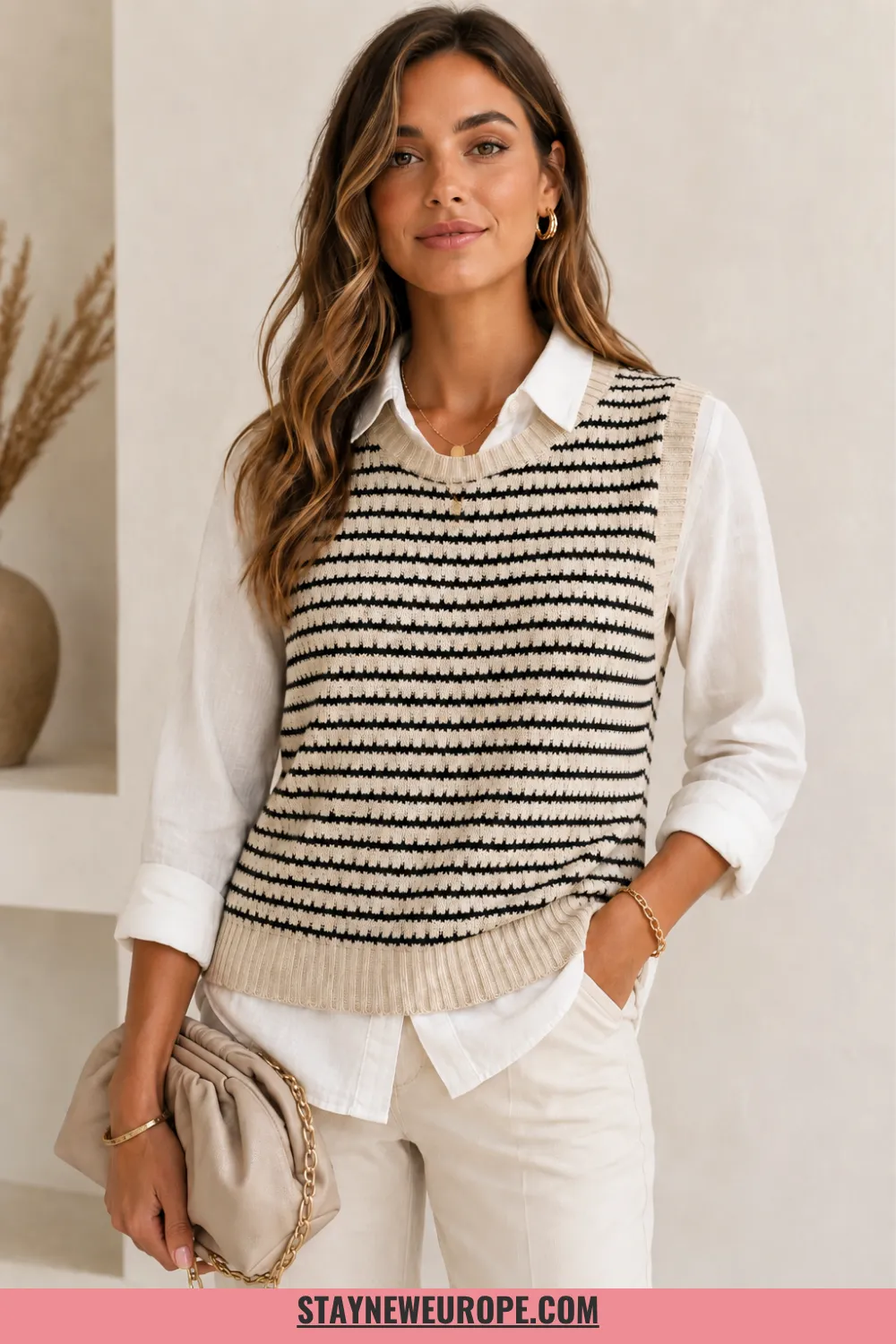
Bulky knits are the enemy here — they don’t layer, they just make you sweaty by 11am and then you’re carrying a jumper for the rest of the day.

I pack two lightweight long-sleeve tops in neutral colours specifically so they can go under a dress, under a blazer, or alone with jeans. It sounds boring. It is the single most useful category in my suitcase.

Local tip: a silk or cotton scarf does double duty as a layer for your neck and shoulders on a cool evening — pack one in a colour that works with everything, and it earns its space twice over.
Dresses That Actually Match the September Mood
A dress in September France is less “summer sundress” and more “midi dress you can layer.”
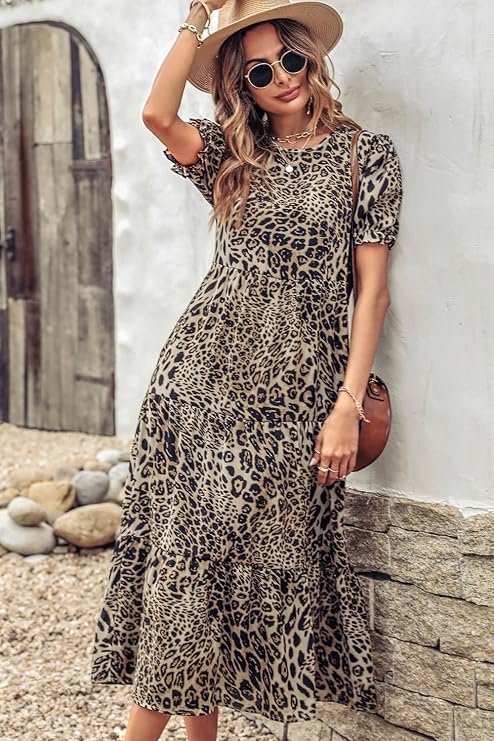
What works: a midi-length dress in a slightly heavier cotton or a light wool blend, worn with a jacket or cardigan draped over it rather than tucked away. Floaty summer dresses can still work at midday in the south, but in Paris or Lyon they’ll leave you cold by early evening unless you’ve got something to throw on top.

I love a simple long-sleeve knit dress for September specifically because it does the layering work for you — no separate top needed, just add a jacket and you’re set for dinner.

Local tip: darker, richer tones — rust, olive, burgundy — read as more September-appropriate than pastel summer shades, and photograph beautifully against all that early-autumn light.
Jeans, Trousers, or Shorts — What Actually Works
Shorts are not off the table in the south of France in September, but in Paris they’ll mostly leave you slightly underdressed for the temperature and the vibe.
Straight or slightly wide-leg jeans are the September workhorse — comfortable for long walking days, dressy enough for dinner with the right top, and warm enough for cooler mornings. Avoid anything too fitted or stiff; you’ll be sitting on café chairs, train seats, and museum benches for hours.

Tailored trousers in a lightweight wool or cotton blend are my personal favourite for this trip — they look intentional without trying hard, which is exactly the French style brief.

Local tip: if you do bring shorts for a Riviera stretch, choose a tailored, slightly longer cut over anything athletic-looking — it reads as put-together rather than beachwear wandering into town.
Shoes You Can Actually Walk In
Let’s be honest about this one, because it’s the section people ignore and then regret by day two.

You will walk more than you think — cobblestones, train stations, hills in places like Lyon’s Croix-Rousse. Comfortable, broken-in shoes are non-negotiable. Clean leather trainers, a low block-heel loafer, or a well-cushioned ankle boot all work beautifully and don’t scream tourist.

Skip anything brand new. September is not the month to break in a pair of shoes — save that experiment for home.

Local tip: pack one slightly dressier flat shoe (a loafer or a simple ballet flat) purely for evenings — it takes almost no suitcase space and instantly upgrades a daytime outfit for dinner.
What NOT to Wear (Mistakes I’ve Watched Tourists Make)
A few things that mark you as a tourist faster than a map held upside down:
- Full activewear worn outside the gym, flip-flops anywhere that isn’t a beach, and anything with a big visible logo plastered across the chest.
The other mistake — and I’ve made this one myself — is underestimating how cold September evenings get and ending up wrapped in a hotel blanket you smuggled out to a restaurant terrace. Don’t be me.
Local tip: leave the head-to-toe athleisure for the flight home. A simple pair of jeans and a clean top will get you further, socially and stylistically, than the most technical fabric on the market.
Jackets for Unpredictable Weather
This is arguably the most important single item you’ll pack for September France.
A lightweight trench or a structured cotton jacket is the ideal middle ground — enough to cut the wind and take the edge off a cool evening, without being a full winter coat you’re lugging around a warm afternoon. Denim jackets work too, though they’re bulkier to layer under something else if it gets properly cold.

I never travel to France in September without a trench specifically — it works over a dress, over jeans, dressed up or down, and somehow looks intentional in every single photo.

Local tip: pack a slim packable rain jacket underneath your regular jacket in your bag on days with a rain forecast — September showers tend to be short and sharp rather than all-day, so you often only need protection for twenty minutes at a time.
Evening Outfits That Actually Work
Evenings in September France cool down fast, and a lot of dinner spots — even casual ones — have a slightly dressed-up energy that jeans-and-a-tee doesn’t quite meet.
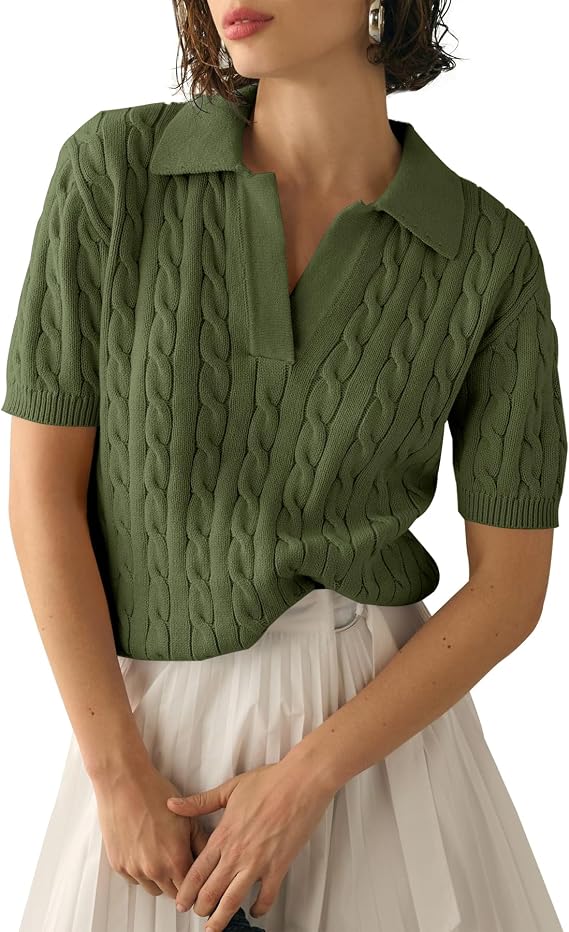
My go-to is a simple base (a knit dress, or trousers with a nice top) plus one elevated piece — a blazer, a good scarf, a pair of earrings — layered on top of whatever I wore during the day. It’s not about a separate evening wardrobe; it’s about upgrading the same three or four pieces with accessories.

Local tip: bring one outfit specifically for a nicer dinner if you’re planning one — it doesn’t need to be fancy, but a slightly polished top elevates the whole table’s mood, and you’ll be glad you didn’t show up in hiking sandals.
Church and Cathedral Dress Codes
France has an extraordinary number of churches and cathedrals worth visiting, and most of them have unspoken (sometimes spoken) dress expectations — shoulders and knees covered, nothing too sheer.

September actually makes this easy, since you’re already layering for warmth.
A light cardigan or scarf tossed over a sleeveless top solves the shoulder issue instantly, and most of your September trousers or midi dresses already cover knees without a second thought.

Local tip: keep a lightweight scarf in your day bag specifically for this — Notre-Dame de la Garde in Marseille and countless smaller village churches will turn away exposed shoulders, and you don’t want to plan your whole itinerary around outfit logistics.
Bags: Crossbody vs. Backpack
For a day of walking, a structured crossbody bag is the better choice in cities — it sits close to your body, keeps your hands free, and doesn’t scream “tourist with valuables” the way an open-top backpack can.

Backpacks make sense for longer day trips or train travel between cities, where you need more capacity and don’t mind the slightly bulkier silhouette. I switch between the two depending on the day rather than committing to one for the whole trip.

Local tip: whatever you choose, make sure it zips fully closed — September crowds at spots like the Louvre or a Provençal market are still substantial enough that an open tote is an invitation.
Accessories That Elevate Simple Outfits
This is where the French styling philosophy really pays off — one good accessory does more work than five mediocre ones.

A silk or cotton scarf, a pair of statement earrings, or a good leather belt can transform the same three outfits into what feels like six.
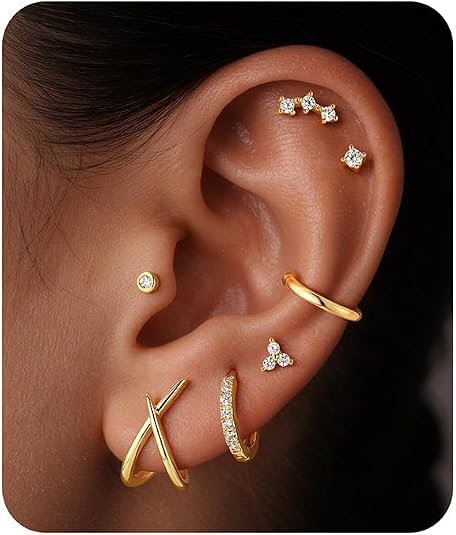
I pack minimally on the clothing side specifically so I have room for accessories, because they weigh nothing and change everything.

Local tip: sunglasses matter more in September than people expect — the lower autumn sun angle means more glare on bright days, even though the temperature has cooled.
Rain Prep (Don’t Skip This)
September in France isn’t a monsoon, but it’s not dry either — Paris typically sees rain on somewhere around a third of the days in the month, usually as short, sharp showers rather than sustained downpours.

A packable rain jacket or a small travel umbrella is worth the tiny amount of suitcase space it takes. I’ve been caught without one exactly once, hiding under a café awning in the Marais for twenty minutes, and I’ve never repeated the mistake.

Local tip: avoid anything suede or unsealed leather for shoes in September — the intermittent rain plus cobblestones is a genuinely bad combination for delicate materials.
Fabrics to Choose (and Avoid)
Cotton, lightweight wool, linen blends, and merino are your September friends — breathable enough for a warm afternoon, warm enough for a cool evening, and they layer without bulk.
What to avoid: heavy pure linen on its own (it wrinkles instantly and doesn’t hold warmth once evening hits), and anything synthetic that doesn’t breathe — you’ll notice it the first time you’re power-walking to catch a train.
Local tip: a linen-cotton blend gives you the breathable texture of linen with a bit more structure and warmth retention — look for it specifically when shopping for September trips.
Building a Small Capsule Wardrobe for the Trip
If you take nothing else from this article, take this: pick a colour palette — I go with navy, cream, and one accent tone like rust or olive — and build everything around it.
Five or six tops, two or three bottoms, one dress, one jacket, and two pairs of shoes will realistically cover a week to ten days in France, with room to mix and match so nothing feels repetitive in photos. It sounds restrictive until you try it, and then it just feels efficient.
Local tip: lay everything out on your bed before packing and mentally build outfits — if a piece doesn’t pair with at least two other items, it doesn’t earn a suitcase spot.
The Practical Packing Section
For a typical week-long trip, aim for roughly five to seven tops, two to three bottoms, one dress, one jacket, and two to three pairs of shoes — including whatever you wear on the plane. That’s genuinely enough, even with the temperature swings September throws at you.
The biggest overpacking mistake is bringing “just in case” pieces that don’t connect to anything else in your capsule — an outfit for an event that might not happen, a pair of shoes for a hike you might not take. If you can’t picture at least two specific outfits for an item before you leave, leave it home.
Plan your outfits loosely before you go rather than during the trip — even just a mental list of “day 1: jeans and the cream top” saves you decision fatigue every single morning, which matters more than people admit on a trip with a packed itinerary.
If you’re piecing together outfits for more than one French region this trip, our guides on what to wear in Italy in August and what to wear in Spain in June cover the same layering logic for warmer neighbouring climates, if your itinerary is crossing borders.
Before You Go
September in France rewards a little planning and punishes none of it — you’re not fighting summer crowds or winter cold, just working with a season that asks you to bring your best, most versatile pieces rather than your most.
Pack the trench. Pack the shoes you’ve already broken in. Leave a little room in your suitcase for whatever you inevitably buy from a market stall in Provence or a small shop in the Marais. And when the evening turns cool on a café terrace and you’re the only one who planned for it, you’ll know it was worth the extra five minutes of thought.
Bon voyage.


5 Responses