
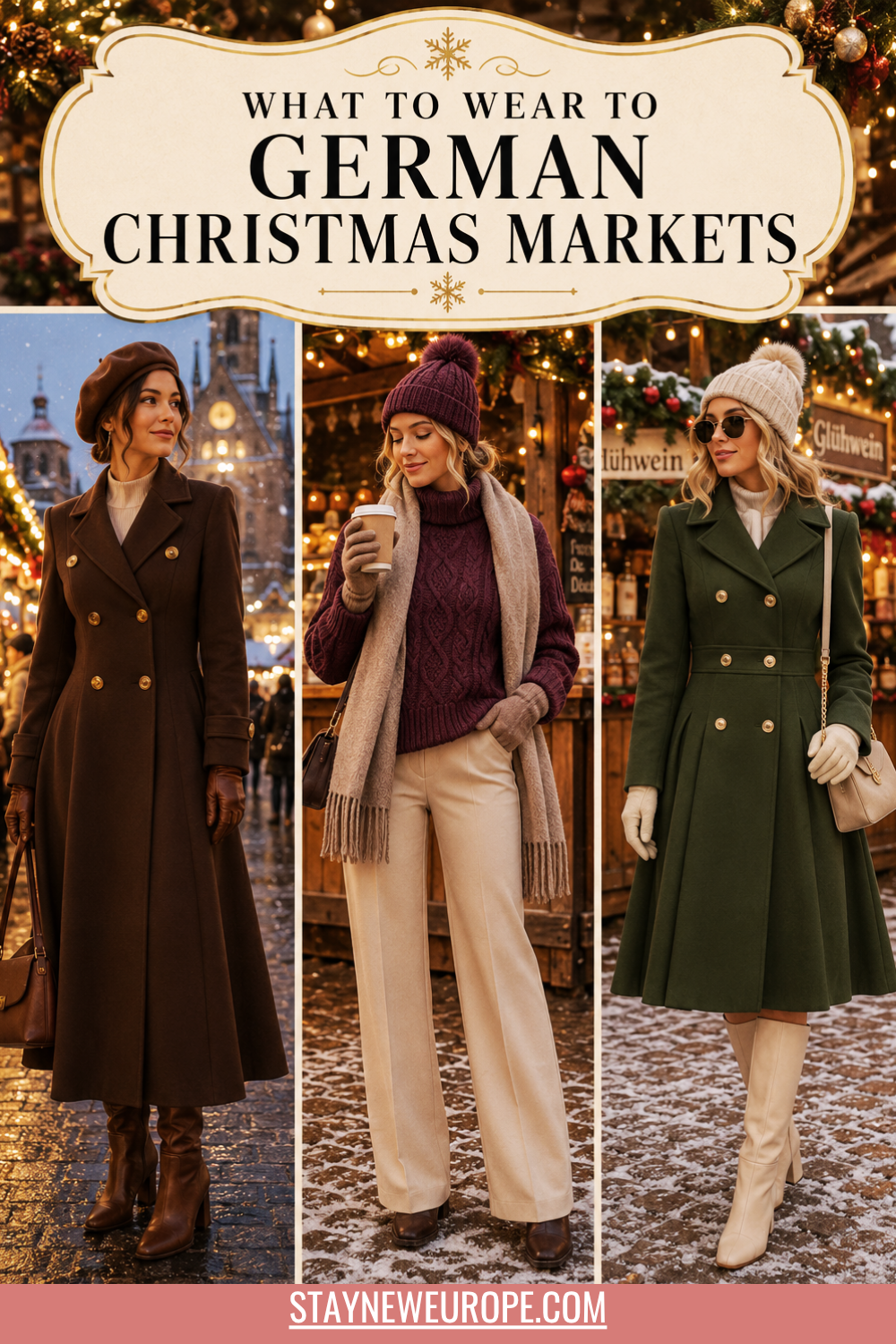
Let me be honest: the first time I went to a German Christmas market, I wore a cute coat, ankle boots with a bit of a heel, and no hat because I didn’t want to mess up my hair. I lasted about ninety minutes before I gave up and bought an overpriced beanie from a stall selling ornaments.
German Christmas markets — the wooden huts, the smell of roasted almonds and glühwein, the fairy lights strung across medieval squares — are genuinely one of the most magical things you can do in December. But nobody tells you that you’ll be standing outside on cobblestones for three or four hours straight, in temperatures that hover right around freezing, often with a light drizzle or actual snow thrown in for atmosphere.
This surprised me the most: it’s not really about layering for “cold weather” in the abstract. It’s about layering for standing still outdoors for a long time, which is a completely different packing problem than walking briskly between sights. Here’s what I’ve learned, market after market, city after city.
Before We Dive In
Weather: German Christmas market season runs from late November through late December, and temperatures typically sit between -2°C and 5°C (28°F–41°F), with evenings noticeably colder than afternoons. Rain and light snow are both common, and there’s often a damp wind coming off rivers or open squares that makes the actual temperature feel several degrees lower.
Walking and standing conditions: Most markets are set up in old town squares with genuine medieval cobblestones — uneven, sometimes icy, and unforgiving on the wrong shoes. Unlike a museum day where you’re moving constantly, market visits involve a lot of standing still in queues for mulled wine or grilled sausages, which means your body cools down faster than you’d expect.
Style culture: Germans dress for the weather first, but rarely look sloppy doing it. Think good wool coats, quality knitwear, leather gloves, sensible boots — practical pieces chosen with care rather than flashy statement outerwear. You’ll fit in (and stay warmer) if you lean toward that same quietly put-together, function-first approach.
The Crossbody Bag Rule (Or Why a Cute Clutch Will Ruin Your Night)
Here’s a hard truth: you need both hands free, and a market isn’t the place for anything precious.
You’ll be holding a cup of glühwein in one hand and a bratwurst in the other within about fifteen minutes of arriving, which means whatever bag you bring needs to sit against your body and stay out of the way.
A small crossbody bag — leather or a weatherproof nylon — is the only real answer here. Backpacks work too, but they’re awkward to swing around in a crowd every time you need your wallet.

I learned this the hard way at the Nuremberg Christkindlesmarkt, trying to manage a tote bag, a drink, and a phone for photos, and ending up with mulled wine down my sleeve.
A crossbody with a zip closure keeps your phone and cash secure in dense crowds too, which matters more at markets than almost anywhere else in Europe.

Local tip: Look for a bag with a slightly longer strap so it sits at hip height — it’s easier to access one-handed while you’re holding food in the other.
Base Layers Matter More Than Your Coat
This is the one thing that will make or break your entire day, and it has nothing to do with how warm your coat looks.
A genuinely warm outfit starts underneath everything else. A thin merino wool or thermal base layer — top and leggings — traps heat against your skin without adding bulk, which means you can still fit a normal sweater and coat over it.

Cotton, by contrast, holds moisture and actually makes you colder once you’ve been standing outside breathing into the cold air for an hour.
I’ve stood at the same market in a merino base layer under jeans and been perfectly comfortable, and stood there a different year in just jeans and been miserable by the second hour. The difference isn’t your coat — it’s the invisible layer nobody sees.
Local tip: Uniqlo Heattech or a merino base layer set is genuinely worth the suitcase space; buy it before you go rather than hoping you’ll find it locally.
Jeans Are Fine — With the Right Layer Underneath
Everyone asks whether jeans are “wrong” for a Christmas market. They’re not — but only with backup.

Straight or slightly loose jeans over thermal leggings are one of the most practical combinations for market visits, since denim blocks wind reasonably well once there’s a warm layer underneath. Skip anything too skinny or cropped — you want fabric that isn’t pressing cold denim directly against your skin, and you want enough length to sit properly over boots.

Wool-blend trousers are the slightly more polished alternative, and they photograph beautifully against the wooden stalls and fairy lights if you’re taking market photos for the memories. Either works; the base layer underneath is what actually decides your comfort.

Local tip: Avoid raw or stiff denim for a market day — it doesn’t move well when you’re also wearing thick socks and boots, and it gets uncomfortable fast in the cold.
The Coat Is Not Optional — And Length Matters
A cute cropped jacket will not survive four hours outdoors in December. I promise you this from experience.
You want a coat that covers your hips at minimum — ideally closer to mid-thigh — because that’s the part of your body that gets coldest fastest while standing still.

A down puffer, a wool coat with a warm lining, or a shearling-style jacket all work, but the length and the insulation matter far more than the brand or the silhouette.

If you only own one winter coat and it’s more fashion than function, this is the trip to invest in a proper one.

Berlin and Cologne locals lean toward long wool coats; Bavarian markets see a lot more traditional loden coats and quilted jackets, both genuinely warm options if you want something that also looks the part.

Local tip: A coat with a hood is worth it — umbrellas are awkward in a crowd, and a hood lets you keep both hands free when the drizzle starts.
Chunky Knitwear Is Your Actual Best Friend
This is where you can actually have fun with the outfit, because nobody’s judging your sweater under a coat.
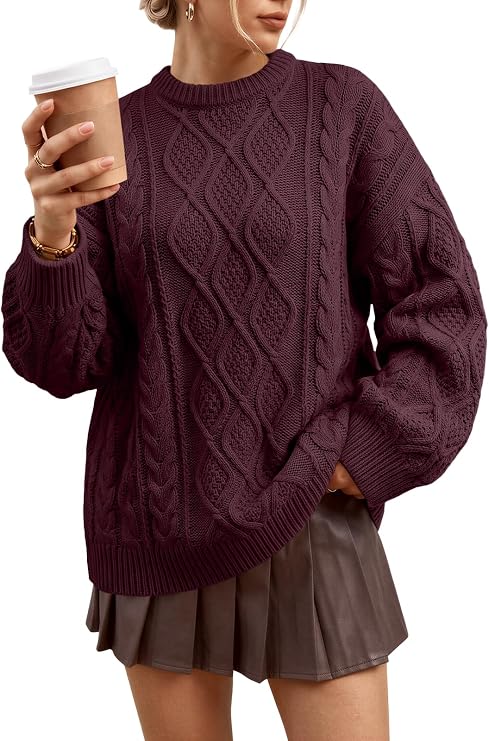
A thick turtleneck or a cable-knit sweater does double duty — it’s an extra insulating layer, and it’s also the piece that shows in every photo when your coat is open at a market stall. Wool or wool-blend knits perform far better than acrylic ones, which tend to feel cold the moment the wind picks up.

I always pack one genuinely chunky sweater for market days specifically, even if the rest of my trip is lighter knits, because it’s the difference between comfortable and counting down the minutes until I can go inside somewhere.


Local tip: A turtleneck under your coat means you don’t need a scarf wrapped as tightly, which is a nice trade-off if you find scarves scratchy against bare skin.
Waterproof, Lined Boots — Not Cute Ankle Boots
I wore leather-soled ankle boots to my first market and slid on wet cobblestones more times than I want to admit.
You need boots with genuine tread and a lining — shearling, fleece, or a proper insulated boot liner — because cobblestones get slick with rain, spilled glühwein, and the occasional patch of ice, and thin-soled fashion boots offer no grip at all.

Waterproofing matters just as much as warmth; a stylish suede boot that soaks through in the first puddle will leave you with cold, wet feet for the rest of the day.

Look for boots that hit at least ankle height, ideally mid-calf, so snow or slush doesn’t get in over the top. A slight heel is fine if it’s chunky and stable — stilettos are simply not viable on cobblestones, market or no market.
Local tip: Break in new boots before the trip. Blisters plus freezing temperatures is a genuinely bad combination.
Hats That Actually Keep You Warm
A cute beret looks lovely and does almost nothing for your ears in freezing wind.
A proper knit beanie or a wool hat that covers your ears is one of the single most effective things you can wear for warmth, because so much body heat escapes through your head. If you’re worried about hat hair for photos, bring the hat anyway and just do a quick fix before you take pictures — nobody at a Christmas market is scrutinizing your roots.

Fleece-lined hats are worth the extra few euros if you’re prone to cold ears specifically; the difference is noticeable within the first thirty minutes outside.

Local tip: A hat in a neutral color — cream, camel, charcoal — works with every coat you’ve packed, so you’re not forced to coordinate.
Gloves You Can Actually Use
Fingerless gloves look great in photos and are borderline useless for warmth. Touchscreen gloves solve both problems.
Leather or wool gloves with a touchscreen-compatible fingertip mean you can take photos, pay with a card, and scroll your map without removing them every thirty seconds, which matters far more at a market than anywhere else — you’re constantly reaching for your phone or your wallet in the cold. Thin gloves are genuinely warmer than you’d expect if they’re wool-lined; you don’t need bulky ski gloves for a city market.

I always keep a spare pair in my coat pocket, because gloves are the item most likely to get left behind on a bench or a stall counter.

Local tip: Buy an inexpensive backup pair from one of the market stalls themselves — most sell wool gloves and mittens, and it’s a nice souvenir that’s also genuinely useful.
The Scarf Is Doing More Work Than You Think
A scarf isn’t a finishing touch here — it’s functional gear.
Wrapped properly, a scarf seals the gap between your coat collar and your chin, which is exactly where cold wind gets in and undoes all your other layering.
A chunky knit or wool scarf works better than a thin silk one for actual warmth, though a silk scarf layered underneath a wool one is a nice trick if you want more color without more bulk.

I’ve noticed the biggest difference at markets specifically comes from a properly wrapped infinity scarf or a long scarf doubled around the neck — it blocks wind far more effectively than a loosely draped one that looks nice but does nothing.

Local tip: Tuck the ends into your coat rather than letting them hang loose — it keeps drafts out and stops the scarf trailing through spilled drinks on café tables.
What NOT to Wear (The Mistakes I’ve Actually Made)
Every one of these is something I’ve personally gotten wrong on a market trip.
- Skip anything without a proper lining — thin fashion jackets that look warm but aren’t.
- Skip flat ballet shoes or thin-soled sneakers; they offer no insulation from the cold cobblestones underfoot.
- Skip a bag with no closure, since pickpocketing does happen in dense holiday crowds.
- And skip cotton as your only layer against skin — it’s the single biggest reason people end up cold within the first hour, because it holds onto moisture and never really warms back up once you’re chilled.
The overarching theme is that anything chosen purely for how it photographs, without checking whether it actually functions in near-freezing temperatures outdoors for hours, is going to make your visit shorter and less enjoyable than it should be.
Daytime Market Visits vs. Evening Ones
The temperature drop after dark is real, and it happens faster than you’d expect.
Afternoon markets, especially with some sun out, can feel almost mild if you’re moving between stalls. Once the sun sets — often by 4:30pm in December — the temperature drops noticeably, and that’s usually when the markets look their best, with the lights properly glowing.
If you’re planning to stay into the evening, which I’d genuinely recommend for the atmosphere alone, add your warmest layer before you leave rather than trying to layer up mid-visit in the cold.
Local tip: If you’re splitting your day between market browsing and something indoors like Munich’s best things to do or a museum, dress for the coldest part of your day, since it’s easier to unzip a coat indoors than to conjure a missing layer outside.
Small Accessories That Elevate a Simple Outfit
A market outfit is mostly practical, but a couple of small choices keep it from looking purely utilitarian.
A patterned scarf for women is a versatile fashion accessory featuring designs like floral prints, checks, or animal patterns to elevate any outfit.

A brooch pinned to a coat lapel adds a classic, structural look to outerwear or tailored blazers.

It bridges the gap between a small, simple lapel pin and a larger statement brooch, serving as an eye-catching fashion accessory for formal or everyday outfits.
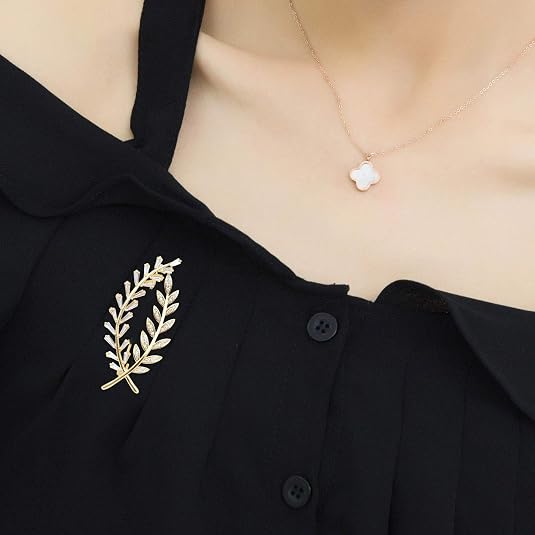
or a pair of statement earrings that peek out beneath your hat all add personality without compromising warmth.
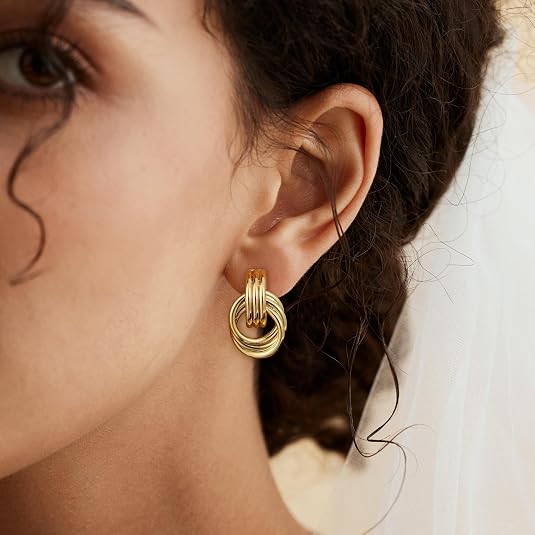
a leather belt to define your coat or a looser sweater to make it look more classy.

Local tip: A simple gold or silver hoop is easier to manage all day than a long dangly earring that catches on scarves and hats.
Rain and Snow Prep (Because It Will Probably Happen)
Somewhere between “cold” and “beautiful snow globe scene” is a genuine risk of standing in cold rain for an hour.
A waterproof outer layer — either your coat itself or a packable rain shell underneath it — is worth checking before you go, since a soaked wool coat takes hours to dry and stays cold the whole time you’re wearing it.
A compact umbrella is fine for light rain, though a hood is genuinely more practical once you’re holding food, a drink, and trying to browse stalls at the same time.

Waterproof boots matter here too, doubly so if snow has melted into slush on the cobblestones.
Local tip: A small pack of hand warmers, the kind you can buy at most pharmacies, are a cheap and surprisingly effective backup if the forecast looks damp.
Fabrics to Choose (and the Ones to Leave at Home)
Not all “warm-looking” fabrics actually perform the same way outdoors.
Wool, fleece, and down all trap heat effectively even when damp, which is exactly the condition you’ll likely encounter. Cotton, on the other hand, absorbs moisture and loses its insulating ability almost entirely once it’s wet — a cotton hoodie under a jacket sounds cozy but performs badly the moment it starts drizzling. Merino wool base layers, wool-blend sweaters, and a properly insulated coat are worth prioritizing over anything cotton-heavy for the market portion of your trip specifically.
Local tip: If you’re also visiting a town along the Rhine or Moselle like Cochem, pack for slightly more humidity near the river — it tends to feel colder than the temperature suggests.
A Simple Capsule for a Market Weekend
You don’t need a different outfit for every day — you need one system that layers well.
One pair of jeans and one pair of wool trousers, two chunky sweaters, one merino base layer set, one warm coat, one scarf, one hat, one pair of gloves, and one pair of waterproof lined boots covers a three- or four-day market trip comfortably, with outfits built by swapping sweaters and accessories rather than starting from scratch each morning. If your trip includes a city with more sightseeing between markets — somewhere like Würzburg with its Baroque architecture — the same capsule works fine, since you’re layering for the same cold regardless of the setting.
How Much to Actually Pack
Bring fewer outfits than you think you need and more layering pieces than you think you need — that’s the real lesson of a winter market trip. Two warm sweaters, rotated with different scarves and accessories, will read as different outfits in photos while taking up half the suitcase space of four separate looks.
Overpacking on this kind of trip usually means bringing outfits that aren’t actually warm enough and realizing it too late, rather than simply bringing too many clothes.
The biggest mistake is treating this like a city-break packing list and bolting on a coat at the last minute. Build the outfit from the base layer outward, and the coat becomes the easy final decision rather than the thing doing all the work.
There’s something genuinely special about standing in a medieval square with a cup of mulled wine, fairy lights overhead, and the smell of cinnamon and roasted chestnuts in the air — and it’s a completely different experience when you’re not distracted by cold feet or wishing you’d brought gloves. Layer properly, choose function over flash where it counts, and you’ll actually get to enjoy the market instead of counting down the minutes until you can warm up. Prost to that.

