
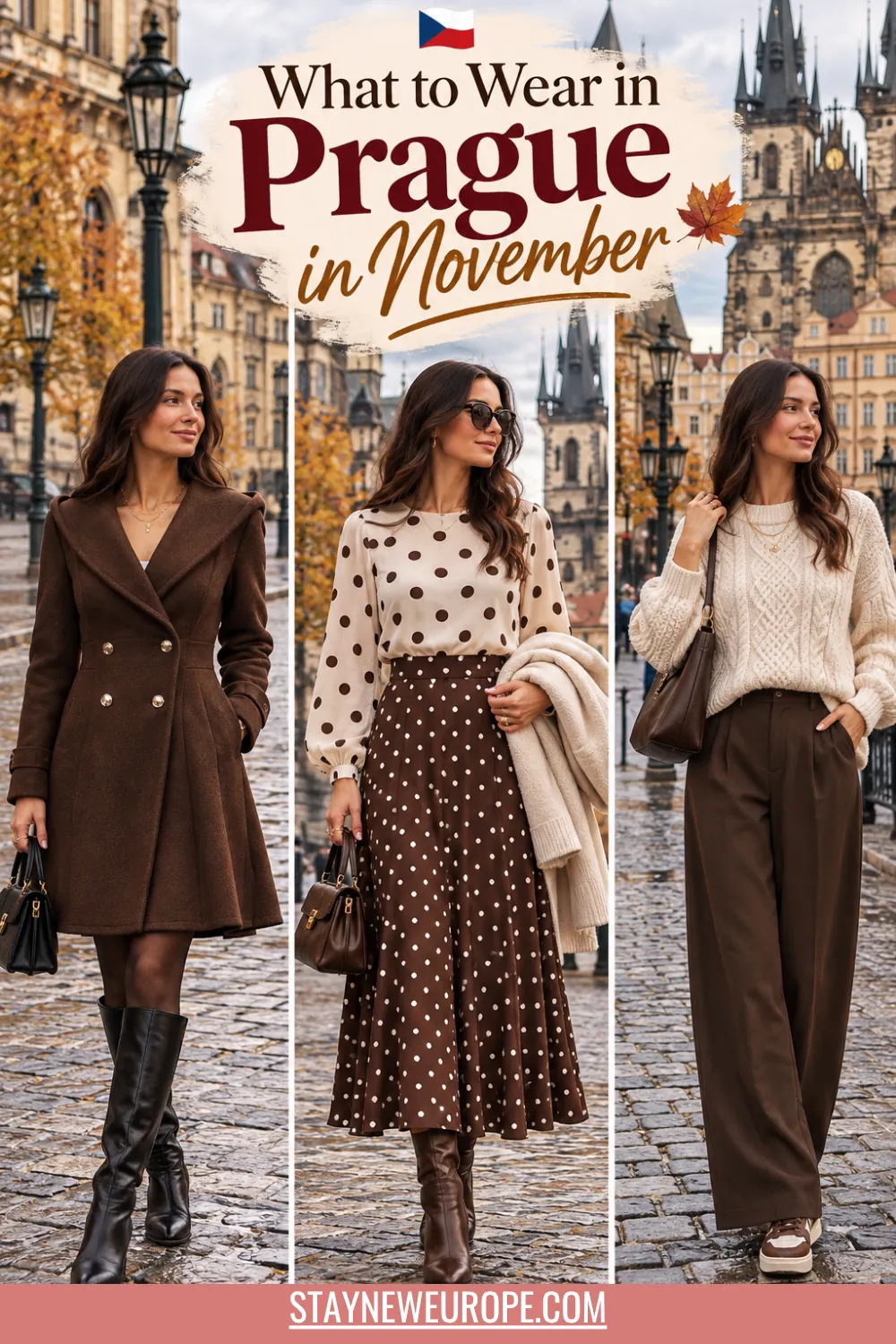
Prague in November looks like a film set somebody forgot to turn the lights on. Fog drifts off the Vltava, the spires go soft and grey, and by 4:30pm the whole Old Town is glowing orange like a giant lantern. It is beautiful, moody and a little bit freezing.
It is also deceptively tricky to pack for. You will be walking on wet cobblestones, climbing castle hill into a surprise wind, ducking into overheated trams and then stepping back out into air that bites. I watched plenty of people shiver through it in a single stylish jacket that looked great in the hotel mirror.
Let me save you from being that person. Here is exactly what to wear, what to leave at home, and the few small things that make the difference between “I’m having a lovely time” and “where is the nearest café, I need to sit down.”
Before We Dive In
Weather: Expect roughly 3–8°C (37–46°F) most days, dropping to around freezing at night. It is more damp, grey drizzle than dramatic downpour, and fog is common. A flurry of early snow is possible, especially toward the end of the month.
Daylight: It gets dark around 4:30pm early in the month and even sooner by the end. Plan outfits that work from a chilly morning through to a long evening.
Walking conditions: Prague is a walking city built on cobblestones, with steep climbs up to the Castle and Petřín Hill. Wet stone is slippery stone. Your shoes matter more than anything else you pack.
Style culture: Locals dress in dark, practical, quietly put-together layers. Lots of black, charcoal, navy and camel, very little flash. Blend in with a good coat and clean boots and you will look like you live there.
The Coat That Does All the Heavy Lifting
Your coat is the outfit. Everything else in Prague is just what’s peeking out from underneath it.
I’d go for a knee-length wool-blend coat, or a slim insulated coat with a real hood. Knee-length matters because it covers the part of your legs that the river wind loves to attack. In dark camel, charcoal or black it looks right at a beer hall and at the opera, which is exactly the range you need.

A puffer works too, as long as it is sleek and not an expedition-grade sleeping bag. If you’re deciding between two coats, pick the one you can comfortably fit a sweater under.

Local tip: Wear your coat on the plane. It saves the most luggage space of any single trick, and I’ll say more about that in the packing section.
Lightweight Layers (Your Real Secret Weapon)
The temperature swing from outdoors to indoors is enormous. Trams, cafés and museums are properly heated, so one thick sweater under a coat will have you sweating within ten minutes.
Start with a thin base layer, add a mid-layer, then your coat. A fitted long-sleeve tee in merino or a good synthetic blend is the foundation, and it dries quickly if you get caught in drizzle. On very cold days, thin thermal leggings under trousers are a quiet miracle and nobody can see them.
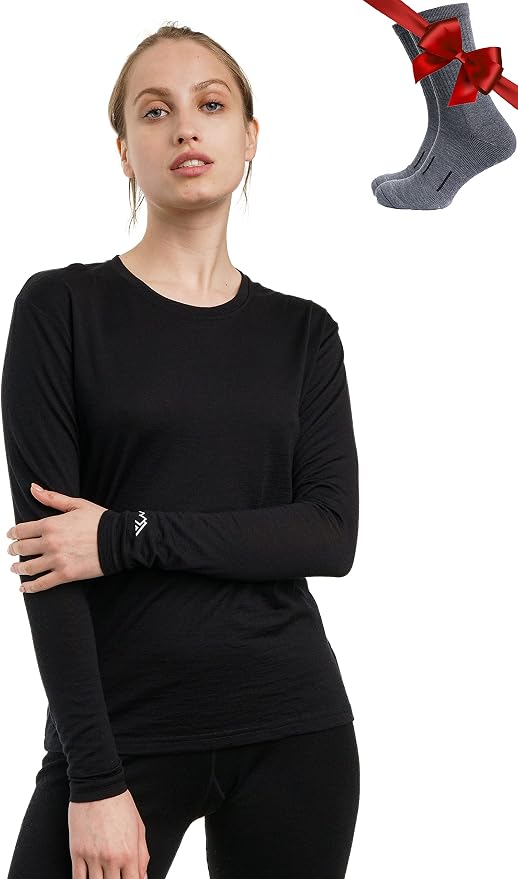
A typical day for me looked like this: thermal tee, cotton-free knit, scarf, coat. Warm outside, easy to shed inside, and no lumpy silhouette.

Local tip: Peel layers before you board the tram, not after. You’ll thank yourself when you aren’t wrestling a scarf in a crowd.
Sweaters and Knits Worth the Suitcase Space
Knitwear is where Prague outfits get their personality, and honestly where you can have the most fun.
Bring two or three: a chunky wool or wool-blend crewneck, a slim turtleneck, and one cardigan or fine knit for layering. Cream, forest green, burgundy and grey look gorgeous against the muted city backdrop and the autumn leaves still clinging to the trees along the river.

Turtlenecks are my favorite. They work solo on milder days and double as a built-in scarf on windy ones. Avoid anything scratchy; you’ll be wearing it all day.
Local tip: Merino keeps its freshness for several wears, which is great if you’re trying to pack light. If you’re building a compact wardrobe, my travel capsule wardrobe guide has more on which pieces earn their space.
Jeans and Trousers (Skip the Thin Ones)
Thin summer trousers in Prague in November are a mistake you only make once.
Dark, straight or slightly relaxed jeans are the easiest answer. They handle damp hems better than light colors and look right everywhere from a pub lunch to a gallery. Lined or wool-blend trousers are even better for evenings, and they pair well with boots.

Skip anything cropped. Cold ankles will ruin your afternoon, and the gap between your trouser hem and your boot is exactly where the wind finds you.
Local tip: Choose trousers with a bit of stretch. Climbing the Castle stairs and getting on and off trams in skinny, rigid denim is no one’s idea of a good time.
Dresses and Skirts (Yes, You Can)
If you love dresses, you don’t have to give them up. You just have to winterize them.
A long-sleeve knit or wool-blend midi dress with opaque tights and knee-high or ankle boots looks effortlessly Prague, and it’s warmer than it sounds. Add a long coat and a scarf, and you’ll feel like you stepped out of a moody Eastern European film.
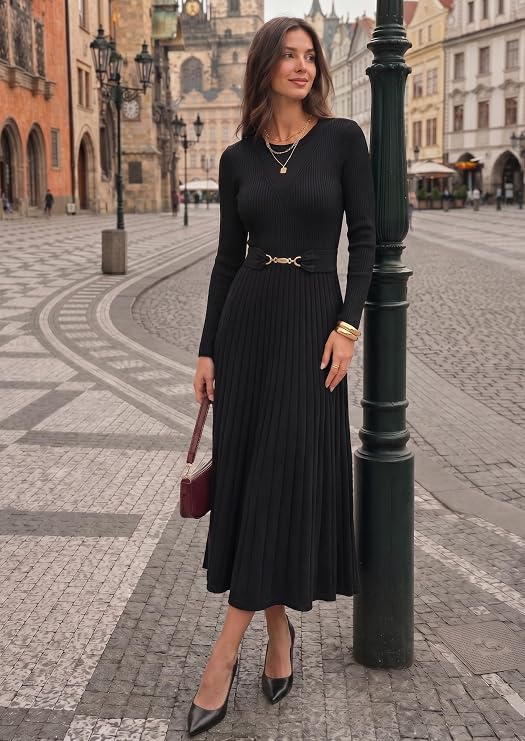
Save short, flimsy or sleeveless dresses for another season. They simply don’t make sense in this weather.
Local tip: Fleece-lined tights are a game changer and take up almost no room. Pack a spare pair in case of a rain-soaked afternoon.
Boots and Walking Shoes That Survive the Cobblestones
If you only get one packing decision right, make it this one.
You want comfortable, broken-in, waterproof or water-resistant ankle boots with real grip on the sole. Cobblestones in Prague are uneven, polished by centuries of footsteps and very slippery when wet. A smooth-soled fashion boot is an accident waiting to happen on the slope down from the Castle.

Leather or leather-look boots in black or dark brown suit everything in your suitcase. Chunky lug soles look current and give you traction, which feels like cheating.
I’d bring one pair of boots for daytime, and if you want an evening pair, make sure they’re equally comfortable. Never break in new shoes in Prague. Your feet will file a complaint.
Local tip: Treat leather boots with a waterproofing spray before you leave. It takes two minutes and makes a surprising difference when fog turns into drizzle.
Socks Are Not an Afterthought
Wet, cold feet ruin a trip faster than bad food. I know because I’ve done it.
Merino or wool-blend socks keep you warm even if they get damp, and they don’t get smelly after a long walking day. Pack at least three or four pairs and rotate them. Cotton socks soak up moisture and then stay cold, so leave them for the gym.

If your boots run snug, pick thin merino instead of thick wool. Cramped toes get colder, not warmer.
Local tip: Slip a spare pair in your daypack. If you do get soaked at midday, a dry pair can save the entire afternoon.
Scarves, Hats and Gloves: The Accessories That Matter
Accessories are the one place where practical and stylish actually point in the same direction.
A big wool scarf is the single most useful thing you can wear. It dresses up a basic outfit, blocks wind at your neck, and can double as a shoulder cover in a church. Pick one in a rich color or a classic check; it becomes the focal point.

Add a beanie or a soft wool hat, and a pair of gloves with decent lining. Touchscreen-friendly fingertips mean you can still take photos of the Astronomical Clock without losing a finger.

Local tip: Hands and ears get cold first. If you tend to run chilly, a headband that covers your ears is slimmer than a hat and keeps your hair from getting squashed.
Rain Prep (Boring, Unavoidable, Worth It)
It won’t rain constantly, but it will drizzle, and you’ll want to be ready without looking like a hiker.
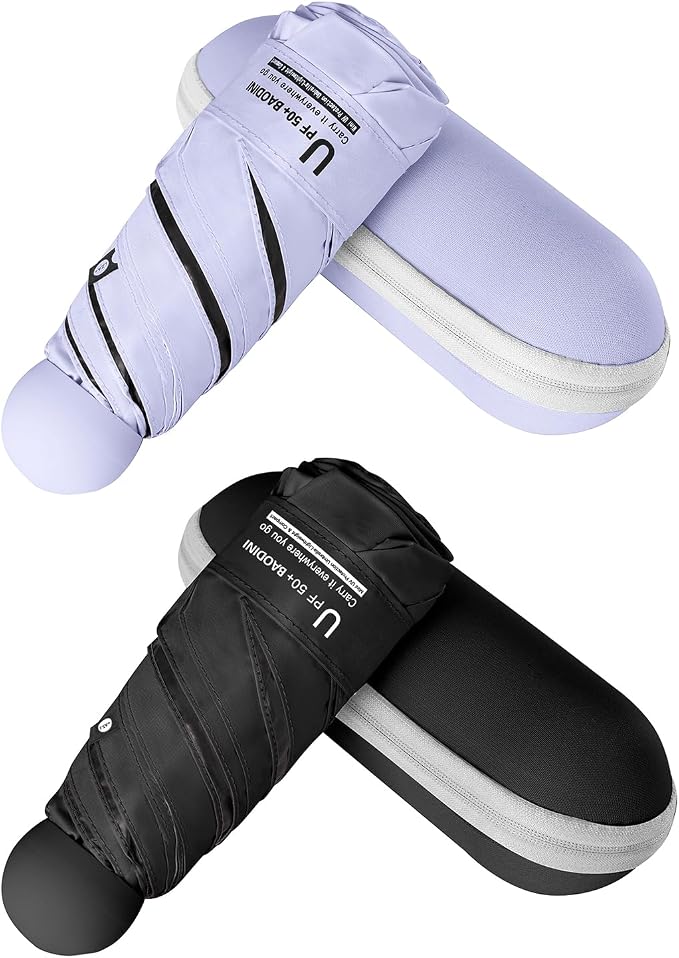
A compact umbrella that fits in your bag is the simplest fix. Pick a sturdy one, because Prague’s river wind chews through flimsy ones. If your coat has a hood, you might skip the umbrella on days with light mist.
Waterproof boots do far more work than a rain jacket, so prioritize those. A packable rain shell is a good backup if your main coat isn’t water-resistant.

Local tip: On wet days, plan indoor stops like cafés and museums to dry off. Heated spaces make hanging a damp scarf over a chair part of the experience.
Bags: Crossbody vs Backpack (and What to Check in)
For daily sightseeing, a zip-top crossbody bag is my pick. It keeps your hands free, sits in front of you in crowded places like Charles Bridge, and works with any outfit. Look for a leather or sturdy fabric one that fits a phone, wallet, tissues and a small umbrella.

A small backpack is better for long days with layers to stash, or if you’re carrying camera gear. Wear it on your front in tourist-heavy spots. Prague is generally safe, but busy areas attract pickpockets, so keep zippers closed and bags in sight.

For your main luggage, a cabin-size carry-on is the winner, even in November when everything is bulkier. A soft-sided carry-on or a structured duffel is easier to squeeze into overhead bins, and Prague’s cobblestones are brutal on small wheels, so choose something you can lift. If you want more on getting everything into one bag, my carry-on packing tips will help.

Local tip: A bag with an interior zip pocket is worth its weight in gold on crowded trams.
Evening Outfits: Beer Halls, Jazz Clubs and the Opera
Prague evenings are casual until they aren’t, and the range is part of the fun.
For a classic beer hall or pub dinner, dark jeans, a nice knit and your boots are perfect. For jazz clubs or cocktail bars, upgrade with a silk-blend top or a slim turtleneck and a statement earring. If you’re heading to the State Opera or the National Theatre, go smarter: a midi dress or tailored trousers with a blazer, plus polished boots.

Don’t pack a separate “dressy” wardrobe. One dark dress or a good pair of trousers with a swap-in top covers every scenario.

Local tip: Check the temperature at your venue. Old-world theatres can be warm inside and icy at the entrance, so take a coat that slips off easily.
What to Wear to Churches and Prague Castle
Czech churches aren’t strict, but being respectful is simple and appreciated.
St. Vitus Cathedral at Prague Castle is the big one. Keep shoulders covered and avoid very short shorts or skirts. In November this is easy, since you’ll already be wearing sleeves, a scarf and long trousers.
Prague Castle sits high on a hill and is cold and windy, so wear your warmest layers there. Plan a mild outfit for the morning and add a layer after lunch. You’ll feel the difference between the valley and the hilltop.
Local tip: Keep a scarf in your bag. It can cover shoulders if you’ve peeled down to a lighter top, and it keeps you warm in drafty cathedral spaces.
What NOT to Wear (Tourist Mistakes and Fabric Fails)
Let me be honest: most Prague packing mistakes come from underestimating November.
Leave the white sneakers at home, because cobblestone puddles will ruin them within an hour. Skip flimsy ballet flats and heels, since they’re slippery and will hurt. Say no to thin cotton hoodies as your main warmth layer; they soak up damp and never really dry.
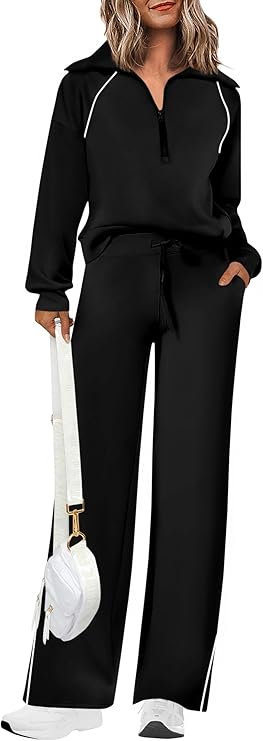
Avoid fabrics that trap sweat or lose heat when wet: cotton jersey as a base layer, thin polyester knits, anything that clings. Choose wool, merino, cashmere blends, and good quality synthetics instead. And skip the huge logo-covered puffer, because locals tend to dress more discreetly.
Local tip: If you’re heading to Europe more broadly this season, my guide to what to wear in Europe in fall covers more general rules that apply here too.
How to Pack It All (Without Overdoing It)
Aim for five to seven days of outfits built from a small color palette, even if you’re staying longer. Prague has laundromats, and you’ll be happier with a lighter bag.
My rough formula: two pairs of trousers or jeans, one dress or skirt, three or four tops, two or three sweaters, one coat, one pair of boots, plus accessories. Choose a palette of black, grey, camel and one accent color, so everything mixes and matches. Wear the bulkiest items, such as your coat and boots, on the flight.
The biggest mistakes I see are packing for the weather you want instead of the weather you’ll get, overpacking “just in case” outfits, and forgetting that bulky winter layers eat suitcase space. Rolling clothes helps; here’s how rolling vs folding stacks up. If you’re also visiting nearby cities, my guides for Vienna and Budapest have a lot in common with this one.
Local tip: Lay your outfits out on the bed before you pack. If a piece doesn’t work with at least two other things, it stays home.
Go and Get Lost in the Fog
Here’s what I love most about Prague in November: the city rewards people who show up warm and curious. The crowds thin out, the cafés feel like living rooms, and you can stand on Charles Bridge at dusk and hear your own footsteps.
Pack your coat, lace up your boots, wrap that big scarf twice, and walk out into the mist. A steaming cup of mulled wine is waiting around the corner, and Christmas market stalls begin to light up toward the end of the month. You’ll look the part, feel the part, and spend your energy on what matters: the view.

