
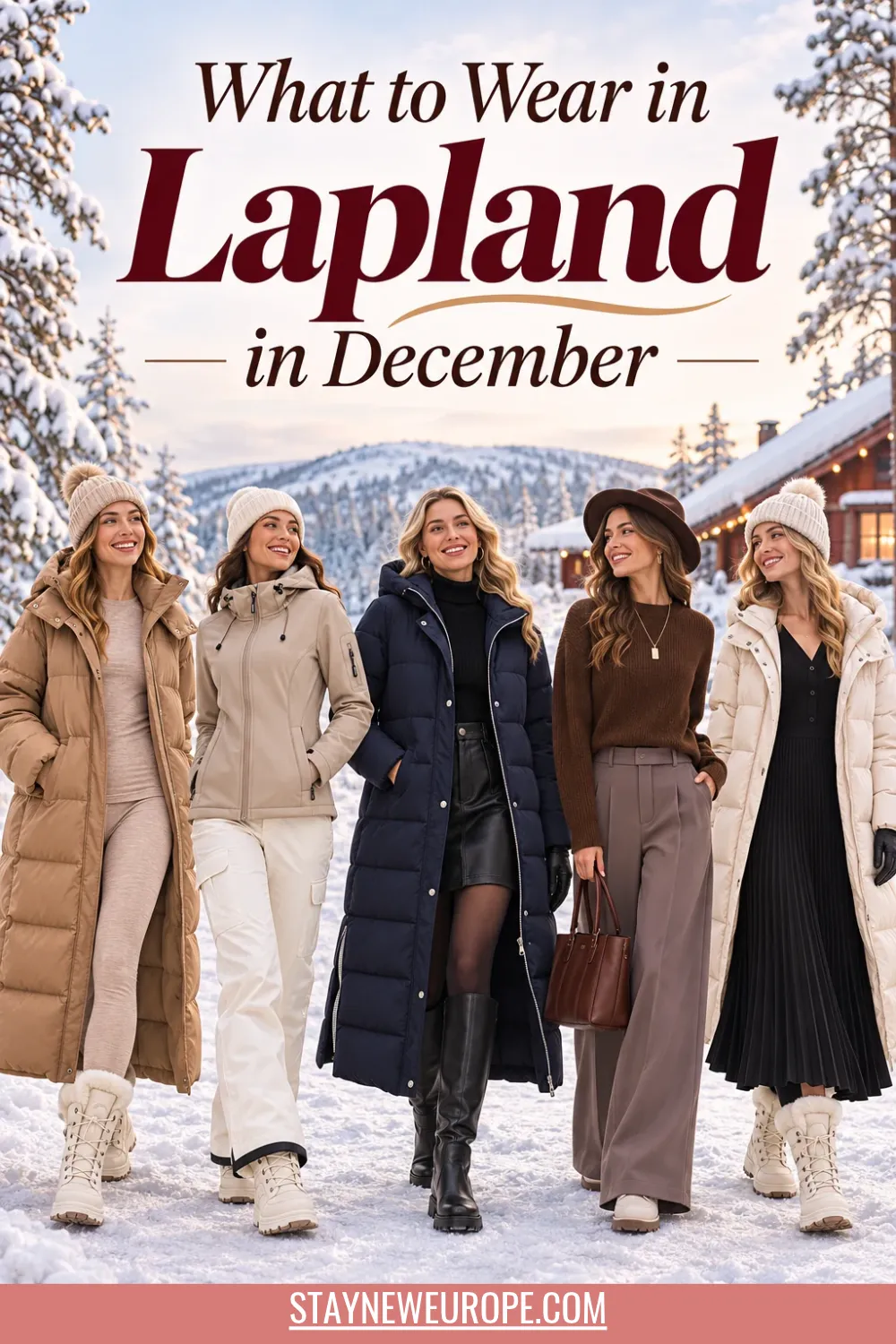
Let me set the scene. It’s 2pm, the sun has barely bothered to show up, and the sky is a soft smudge of pink and blue that photographers call the blue hour and I call “Tuesday”. The snow squeaks under your boots. Your eyelashes have frozen together. Somewhere nearby, a reindeer is judging your outfit.
Lapland in December is not cold the way London is cold. It’s cold the way your freezer is cold, except you’re going to spend hours outside in it, on purpose, and love every minute. The trick is dressing for it properly, and most people get it wrong in the same few ways: cotton everywhere, fashion boots, and a single enormous coat doing the work of an entire system.
I learned most of this the hard way, so you don’t have to. Here’s what actually works.
Before We Dive In
A few quick facts, because they shape every packing decision:
Weather: Expect roughly -5°C to -15°C in Rovaniemi and the southern towns, and it can plunge to -25°C or colder further north, especially on clear nights. Snow is almost guaranteed. The air is dry, so it feels sharper than the number suggests, and wind is the real villain.
Daylight: Very little. December is the dark season, with a few hours of twilight rather than proper daylight (and in the far north, the sun doesn’t rise at all). Most of your adventures happen under blue skies, stars or, if you’re lucky, the northern lights.
Walking conditions: Packed snow, ice, and the occasional deep drift. Pavements in town are gritted, but forest trails and frozen lake edges are another story. Grip matters more than looks.
Style culture: Finns are practical and unfussy. Nobody is judging you for wearing a snowsuit to dinner. In fact, the locals will look at you with quiet approval. The one place you’ll want to dress up slightly is a nice restaurant, and even then it’s knitwear, not sequins.
Planning more than one trip? If you’re exploring other corners of Europe, have a look at our other guides: INSERT SITEMAP LINK: another winter destination guide and INSERT SITEMAP LINK: Europe packing guide.
The Layering System (Forget Everything You Think You Know)
Here’s the thing nobody tells you: one huge coat won’t save you. Layers will.
The system has three parts. A base layer sits against your skin and moves sweat away. A mid layer traps warmth. An outer layer blocks wind and snow. Get these right and you can add or strip as the day demands, which matters because you’ll be sweating on a snowshoe hike and freezing five minutes later at a standstill.
I once skipped the proper mid layer because “my coat is really thick”. Forty minutes into a husky safari, I was the only person shivering. Never again.
Local tip: Dress so that you’re slightly cool when you step outside. You’ll warm up within minutes, and sweat is what actually makes you cold later.
Base Layers: Wool Beats Cotton, Every Time
Cotton is your enemy up here. It soaks up moisture, stays wet, and sucks the heat out of you. Leave it at home for anything touching your skin.
Go for merino wool thermal tops and leggings. They’re warm, they don’t smell after three days of wearing (a genuine travel blessing), and they feel soft rather than scratchy. Pack at least two sets so one can dry while you wear the other.

Synthetic thermals work too, and dry faster, but I find merino far nicer for multi-day trips. For very cold days, look for a mid-weight or heavyweight option rather than the thinnest one.
Local tip: Many hotels in Lapland have drying rooms. Ask about them on arrival, and hang your base layers there overnight.
Mid Layers: The Unsung Heroes
This is where the warmth lives. A fleece, a wool jumper, or a lightweight down or synthetic insulated jacket all do the job.
I like bringing two: a thin fleece for active days, and a cosy chunky knit for evenings. Wool knitwear also happens to be the most photogenic thing you can wear against a snowy backdrop, and yes, I thought about that.

If you only buy one new item, make it a good insulated mid layer. It’s the piece that gets you through the coldest hours.

Local tip: Avoid bulky layers that restrict movement. If you can’t lift your arms to take a photo, it’s too much.
The Outer Layer: Your Winter Jacket (or Snowsuit)
Your jacket needs to be windproof, waterproof or at least water-resistant, and long enough to cover your hips. Down is warmest for weight, though synthetic insulation copes better when wet.

Here’s a secret: you often don’t need to buy one. Most Lapland tour operators, and plenty of hotels, provide thermal snowsuits and boots for activities like snowmobiling and husky rides. They’re bulky and not glamorous, but they’re properly warm and usually included in the price.
Check your booking first. If it’s included, bring a good everyday jacket for town and save your luggage space.
Local tip: A hood is non-negotiable. Fur-lined or not, you want something that stays up in wind.
Snow Trousers vs Jeans (Please, Not Jeans)
Jeans are cold, heavy when wet, and slow to dry. I watched someone in denim attempt a snowshoe trek and honestly felt for them.
Choose insulated, waterproof snow trousers or ski pants for outdoor days. For town and dinners, thermal leggings under wool trousers or thick leggings work beautifully.

Fit matters: you want room for thermals underneath without feeling like you’re wearing a duvet. And do check the length so they fall over your boots rather than tucking in awkwardly.
Local tip: Trousers with a snow gaiter or elastic cuff keep powder from creeping up your legs.
Boots: Where I Refuse to Compromise
If you take one thing seriously, make it your feet. Cold toes will ruin your whole trip faster than anything else.
You want insulated, waterproof winter boots with a thick grippy sole, rated for at least -30°C. Size up half a size to leave room for thick socks and air, because a snug boot is a cold boot (tight compresses your socks and cuts circulation).

Sorel, Kamik and Baffin are all well-known names for proper winter boots, and genuine Arctic-rated ones are worth the money if you’ll use them again. Fashion boots with a thin sole, however stylish, will let you down by minute twenty.
Local tip: Bring a spare pair of dry indoor shoes or slippers. Taking your boots off at the door is standard, and your feet will thank you.
Socks: The Thing You’ll Wish You’d Brought More Of
Thick wool socks, and plenty of them. Merino wool hiking or ski socks are ideal. Pack a fresh pair for each day if you can, plus one extra pair for emergencies.

Here’s a mistake I see all the time: layering two or three pairs of thick socks into a tight boot. It cuts off circulation and makes your feet colder. One good, thick pair in a boot with enough room is warmer.
For very cold excursions, a thin liner sock under a thicker wool sock can help with moisture.

Local tip: Keep a dry pair in your bag during long outdoor activities. Changing damp socks is a small luxury that feels enormous.
Gloves, Mittens and Hats: Small Items, Huge Impact
Mittens are warmer than gloves because your fingers share heat. Pair them with thin liner gloves so you can use your phone without exposing bare skin to -20°C air. I lost feeling in my fingertips in about ninety seconds once, trying to photograph a fox without them.

A warm hat that covers your ears is essential, and a buff or neck gaiter can be pulled up over your nose and chin when the wind picks up. A scarf works too, but a neck tube stays in place better.

Look for wool or fleece-lined options. And bring a spare pair of mittens, because you will drop one in the snow at some point.
Local tip: Chemical hand and toe warmers are cheap, light, and brilliant for aurora-watching nights when you’re standing still for hours.
What NOT to Wear (The Tourist Mistakes)
Let me be honest: I’ve made at least three of these.
Cotton anything against your skin. Skinny jeans. Fashion boots with smooth soles. Tight boots stuffed with too many socks. Leather gloves that aren’t lined. A single thick coat over a T-shirt. Overdoing it until you’re sweating before you’ve even stepped outside.
The pattern is the same each time: people dress for how it looks or for how cold it feels in the first five minutes, instead of for hours outdoors. Dress for the long game.
Local tip: If you’re ever unsure, ask your hotel what the day’s activities require. Staff will tell you exactly what to wear, and they’ve seen every mistake.
Evening Outfits That Don’t Scream “Tourist”
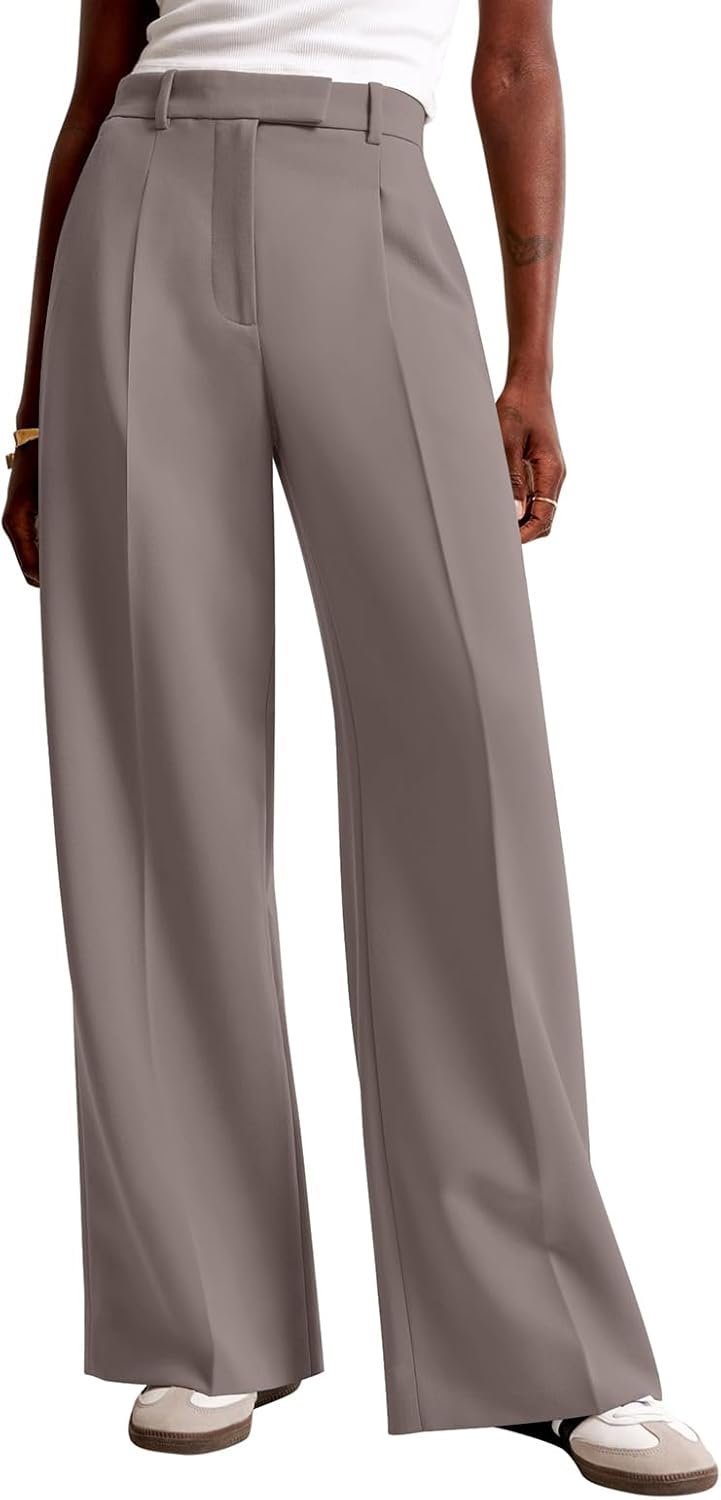
Dinners in Lapland are cosy, not formal. Think wool jumper, comfortable trousers or a skirt with thermal tights underneath, and warm boots for the walk there.

I like a good chunky knit and a pair of dark trousers. Add a scarf, some simple jewellery, and you’re dressed as well as anyone in the room. Restaurants and glass igloo hotels are well heated, so you’ll want layers you can peel off.
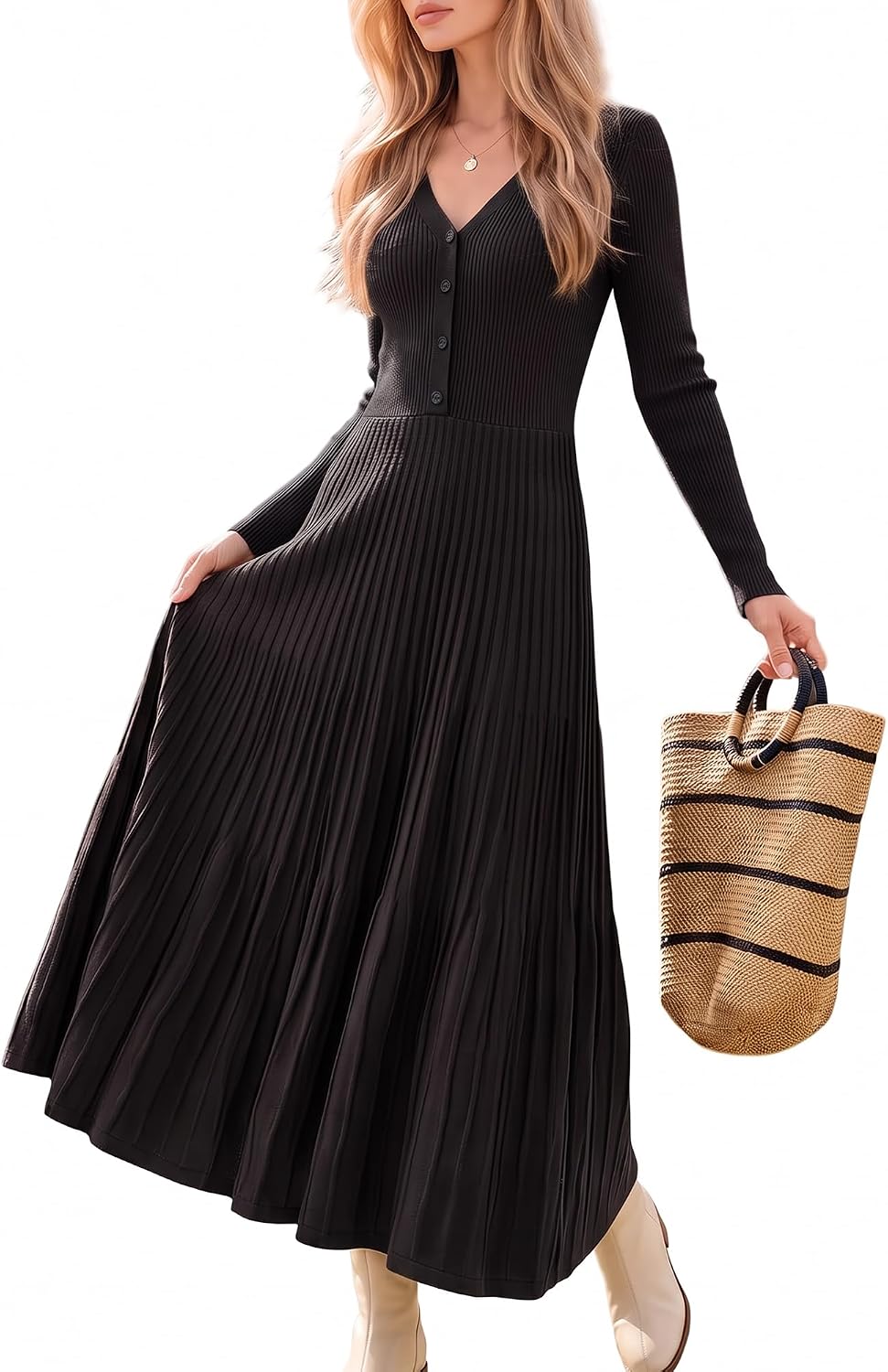
For something a bit nicer, like a fancy Christmas dinner, a knit dress with thermals underneath and boots you can change out of works perfectly.
Local tip: Pack a pair of indoor shoes for dinner. Nobody wants to eat in snow boots, and nobody wants to freeze in sandals.
Accessories and Extras Worth Packing
A few small things make a big difference. Sunglasses (yes, really, because snow glare is fierce even in low winter sun). Lip balm and a rich moisturiser, because the cold air is brutally dry. A small headlamp for dark trails. A thermos, and a small daypack for carrying extra layers.

I also bring a pair of lightweight camera gloves and a spare phone battery, because the cold drains batteries startlingly fast. Keep your phone in an inside pocket, close to your body, until you need it.
Local tip: Keep spare batteries warm in an inner pocket. A phone that dies in the cold often revives once it warms up.
Bags and Luggage: What Actually Works
A sturdy duffle bag or a soft-shell suitcase is better than a hard case here, since snow gear is bulky and squashes into soft bags more easily. A medium wheeled duffle with a good strap handles snowy pavements better than a tiny-wheeled case.

For daily outings, a small waterproof backpack is more useful than a handbag. You’ll want your hands free for mittens, cameras and balancing on ice.

Local tip: Pack your bulkiest items, like boots and your jacket, in your carry-on or wear them on the plane. It saves space and protects you if your checked bag goes astray.
How Many Outfits to Bring (and How to Pack Light)
Here’s the good news: you don’t need a new outfit every day. You need a system.
Two or three base layer sets, two or three mid layers, one outer jacket (if not provided), one pair of snow trousers (or rental), a few pairs of trousers or leggings for evenings, and about one pair of socks per day. Rotate and re-wear. Nobody on a husky safari cares.
The biggest packing mistake is overpacking cotton and underpacking warm basics. Pack fewer items, but make each one count. Plan outfits by activity rather than by day, and ask your tour operators what’s provided.
Mistakes to avoid: leaving gear until the last minute, skipping a test wear of new boots, and forgetting spare gloves.
FAQs About Packing for Lapland in December
How cold does it actually get? Typically -5°C to -15°C, and colder at night or further north. Always check the forecast just before you go.
Do I need to buy a full snowsuit? Usually not. Most tours and many hotels lend thermal suits and boots. Check before you buy.
Can I wear jeans? For short walks in town, sure. For anything outdoors for long, choose snow trousers or thermal-lined options instead.
What fabric is best? Merino wool and quality synthetics for base and mid layers. Avoid cotton against your skin.
Is it too dark to enjoy December? Not at all. The twilight glow is gorgeous, and darkness is what makes the aurora possible.
One Last Thing
Lapland in December has a way of making you feel small in the best possible way: the hush of snow, the stars, a campfire with a mug of hot berry juice in your mittened hands. Get your layers right and you won’t think about the cold at all. You’ll just think about how lucky you are to be standing there.
So pack your wool, size up your boots, and go. The reindeer are waiting, and I promise, they’re not judging your outfit as much as I said.

