
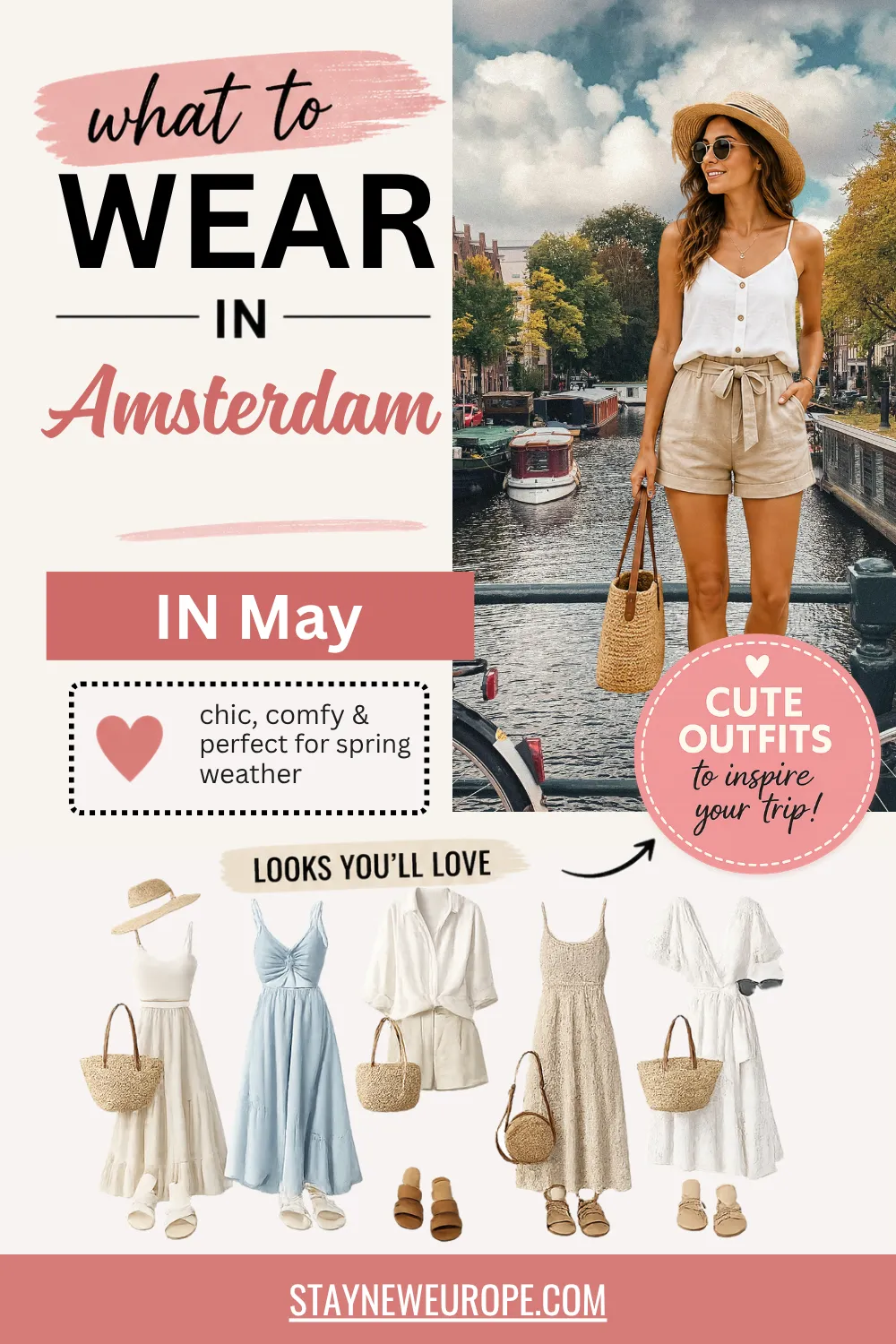
Amsterdam in May is one of those cities that looks like it was built for Instagram but feels like it was designed to destroy your outfit plans. One morning you’re sipping coffee in golden sunshine outside a canal café, sleeves rolled up, thinking you’ve nailed it. By afternoon, the sky has turned the colour of a dishcloth and a horizontal rain shower is soaking through your linen shirt. Welcome to Amsterdam in spring.
May is arguably the best month to visit — the tulips are fading but the city is alive, the days are long, and the tourists haven’t quite reached peak chaos yet. But the weather? It does whatever it wants. I’ve been to Amsterdam in May twice now, and both times I packed wrong the first trip and right the second. Let me save you the soggy socks.
The biggest mistake I see visitors make is packing for a Mediterranean spring. Amsterdam is not Rome. It’s not even Paris. It sits in a flat, wind-exposed delta at 52 degrees north, and May can feel like anything from a warm British summer to a grey November afternoon, sometimes on the same day. Pack accordingly, and you’ll have the trip of your life. Pack for sunshine only, and you’ll be panic-buying a €45 plastic poncho from a tourist shop on the Damrak.
Before We Dive In: What Amsterdam in May Is Actually Like
The Weather (Be Honest With Yourself)
May temperatures in Amsterdam typically hover between 10°C and 18°C (50°F–64°F). That’s cool to mild — not cold, not warm. Mornings often start around 11°C, climbing to the high teens on a good day, but the wind coming off the canals can make it feel significantly colder than the thermometer suggests.
Rain is a real factor. Amsterdam gets about 12 rainy days in May, and these aren’t polite afternoon showers — they can be sudden, sideways, and brief but soaking. Humidity is moderate, which means fabrics that trap moisture will feel clammy fast.
The good news: May has some genuinely gorgeous days. When the sun’s out and there’s no wind, you’ll be sitting outside in just a light layer feeling absolutely smug about life. The trick is being dressed for both scenarios at once.
The Walking Situation
Amsterdam is a walking and cycling city, and you will walk more than you think. The streets are cobblestoned in many areas, the bridges have steps, and the city is spread out along a series of concentric canals. In a single day of sightseeing, 15,000–20,000 steps is entirely normal.
This matters enormously for shoe choices. A heel that looks great at dinner will feel like a medieval torture device by 3pm. We’ll get to that.
Style Culture in Amsterdam
Here’s something that surprised me: Amsterdam has its own distinct style that sits between effortlessly cool and practically dressed. Dutch people, generally speaking, dress well but practically. Cycling culture means you won’t see the manicured, head-to-toe polished looks you’d spot in Milan or Paris. Instead, there’s a clean, considered aesthetic — quality basics, interesting cuts, good outerwear.
As a visitor, you don’t need to dress up. But you’ll feel more at home (and less like you’re wearing a neon sign that says “tourist”) if you lean towards clean, simple pieces rather than resort wear or overly casual travel clothes.
Lightweight Layers: The Non-Negotiable Strategy
If there’s one thing I want you to take from this entire article, it’s this: layering is not optional in Amsterdam in May. It’s the entire wardrobe strategy.
The temperature swings between morning and afternoon can be dramatic — sometimes a full 8–10 degrees. I’ve walked out of my hotel at 9am genuinely wondering if I needed a scarf, then been sitting in a courtyard garden at 2pm with my jacket tied around my waist. The answer isn’t to pack light clothes or warm clothes. It’s to pack clothes that work together in combinations.
Think of it in three layers. Base layer: a breathable long-sleeve top or fitted t-shirt. Mid layer: a soft knit, a cardigan, or a light sweatshirt. Outer layer: a jacket with some wind and rain resistance. On cold mornings, you wear all three. By noon, you’ve stripped to your base and mid layer. If a shower comes, the outer layer goes back on. This system means every item in your bag earns its place multiple times.
What doesn’t work here is the all-or-nothing approach — a heavy winter coat you can’t remove without being too cold, or lightweight summer separates with no backup plan.
Local tip: Amsterdam locals are experts at this. Watch how they dress — you’ll almost always see a quality light jacket even on sunny days, often a slightly oversized trench or a tailored bomber.
The Jacket You Choose Will Make or Break Your Trip
I cannot stress this enough. Your jacket is the most important item you will pack for Amsterdam in May.
You need something that does at least two of these three things: blocks wind, repels light rain, and looks good enough to wear to a nice dinner. A technical waterproof hiking jacket technically ticks the first two but will make you feel deeply underdressed at any restaurant worth visiting. A beautiful wool blazer ticks the last one but will be soaked and miserable within five minutes of an Amsterdam shower.

The sweet spot? A water-resistant trench coat, a waxed cotton jacket, or a sleek anorak in a neutral colour. A classic trench is genuinely the move here — it’s windproof, handles light rain, looks polished over everything from jeans to dresses, and feels very appropriate for a city full of canals and grey-blue skies. I wore a camel trench on my second trip and it worked for every single situation I found myself in, from morning market visits to evening dinners along the Prinsengracht.

A tailored quilted jacket or an unstructured blazer in a technical fabric are also excellent options if you want something slightly less classic. What you want to avoid: a heavy parka (too bulky, too warm by afternoon), a denim jacket alone (not water-resistant enough), or a thin fashion blazer (no wind protection whatsoever).

Local tip: If you arrive and it’s colder than expected, Amsterdam has excellent shopping. The Nine Streets (De 9 Straatjes) neighbourhood has brilliant boutiques where you can pick up exactly the kind of well-made, stylish outerwear the Dutch actually wear.
Shoes: The Most Important Decision You’ll Make
Let me be honest with you: I have seen grown adults nearly in tears on Amsterdam’s cobblestones because they wore the wrong shoes. I have been one of those adults.
The streets in central Amsterdam are gorgeous — narrow, historic, lined with canal houses — and absolutely brutal on feet. The cobblestones are uneven, the bridge steps are steep, and the ground stays damp after rain. Heels sink between stones. Thin-soled flats offer no cushioning after hour three. Flip flops in May are wishful thinking.

What you want is a shoe with a cushioned sole, a low or block heel at most, and ideally some water resistance. White leather trainers are genuinely one of the best choices — clean, stylish, comfortable, and very much in line with Amsterdam’s aesthetic. A pair of quality leather loafers with a thick sole works beautifully too. Chelsea boots or ankle boots in leather are perfect for cooler days and look great with almost everything.

If you want to bring one “nicer” shoe for evenings, a low block-heeled ankle boot or a sleek leather flat sandal (if you’re optimistic about May warmth) can work. But make sure it has enough structure to handle cobblestones without turning a 10-minute walk into an ordeal.

Local tip: Dutch people cycle everywhere and walk the rest of the time. Comfort footwear is genuinely fashionable here in a way it isn’t in some other European cities. A clean, quality trainer will never look out of place — even at a good restaurant.
Dresses and Skirts: Yes, But Strategically
Dresses in Amsterdam in May are absolutely possible — and on a warm afternoon along the canals, there’s nothing better. But the approach matters.
A midi dress in a slightly heavier fabric (think viscose, heavy cotton, or a light knit) works infinitely better than a floaty summer mini in thin cotton. The length helps with wind (Amsterdam is windy — a short dress can become a problem on a bridge), and the heavier fabric means you don’t immediately feel cold when a cloud passes. Layer it with your trench or a chunky knit cardigan in the morning and you’re set.

Wrap dresses are brilliant for this climate because you can adjust how much you’re covered. Linen shirt dresses in darker colours (navy, olive, rust) look effortlessly put-together and can be belted or left loose depending on the temperature. I wore a rust-coloured midi wrap dress with white trainers and a camel trench on a May afternoon in Amsterdam and felt, for approximately six hours, like I had my life completely together.

What doesn’t work as well: very lightweight, sheer sundresses without a backup layer, anything white (canal cities are damp and surprisingly muddy in places), and anything with a skirt that will fight you on every bridge crossing.
Local tip: Bring a thin slip layer under dresses. Canal breezes are real, and even a basic cotton slip adds surprising warmth without bulk.
Jeans: Your Most Reliable Friend
There’s a reason jeans are the most-worn item in any European city break wardrobe. They just work.
In Amsterdam in May, a well-fitting pair of jeans is genuinely the backbone of a sensible capsule wardrobe. They’re wind-resistant, they don’t show damp easily, they’re comfortable for walking, and they look appropriate everywhere from street food stalls to canal-side restaurants. Dark wash jeans look particularly good and more polished than light blue or distressed styles.

Straight-leg or slightly tapered jeans are the most versatile cut — they work with trainers, ankle boots, loafers, and can be dressed up with a nice top and your trench for dinner without looking like you’re trying too hard. Skinny jeans still work but can feel cold if you get caught in rain.
The one thing I’d steer away from: bringing only jeans. You’ll want at least one or two other trouser options — a pair of relaxed trousers in a ponte or technical fabric gives you a smarter option for evenings, and if your jeans get wet (it happens), having a backup is essential.

Local tip: Pack a small fabric refresher spray. Walking 18,000 steps a day in the same jeans means they need freshening between wears. It’s a small thing that makes re-wearing much more pleasant.
Knitwear and Sweaters: More Essential Than You’d Think
Every single time I think I’ve overpacked knitwear for a May trip somewhere in Northern Europe, I end up wearing it every day. Learn from my lesson.
A medium-weight knit — not a heavy cable-knit, not a thin summer jumper — is one of the most useful items you can bring to Amsterdam in May. It works as a mid-layer under your jacket on cold mornings, as a standalone top on mild afternoons, and as an extra layer over a dress in the evening when temperatures drop to 11°C and a canal restaurant’s outdoor seating turns distinctly chilly.

Crew necks and V-necks in merino wool or a cotton-wool blend are ideal. They’re not bulky, they breathe reasonably well, and they feel considered rather than sloppy. A classic striped Breton top also works brilliantly here — it’s practically a Dutch canal cliché at this point, but it’s a cliché for good reason.

What to avoid: chunky oversize knits that take up half your bag, purely synthetic sweaters that trap moisture and smell after a full day of walking, and anything too formal that can’t be layered naturally.
Local tip: Merino wool is worth the investment for city trips in variable weather. It regulates temperature, dries quickly, and doesn’t need washing after every wear — ideal when you’re packing light.
What NOT to Wear in Amsterdam in May
Alright, let’s be direct.
White trainers with no grip: If it’s been raining (and it will have been), Amsterdam’s cobblestones turn treacherous. Smooth-soled white trainers become slip hazards near canals. Make sure whatever you bring has actual grip.
Heavy luggage-filler coats: A bulky down parka might feel like the “safe” choice, but it’ll be too warm by midday and impossible to compress into your bag. Leave it at home.
Flip flops as a primary shoe: I’ve seen tourists in flip flops on Amsterdam’s cobblestones looking quietly devastated. May evenings drop to 10°C. Your toes will not thank you.
Overly touristy or logo-heavy casualwear: Amsterdam has a strong local aesthetic and is a genuinely fashion-conscious city. The matching tracksuit, the branded theme park hoodie, the neon tourist tee — none of these will cause any actual harm, but you’ll feel more at home in clean, simple clothes.
Linen-everything: I know, I know. Linen is the travel fabric everyone recommends. But linen in 13°C with canal wind is a fast track to being miserable. Save the full linen looks for later in summer.
Local tip: If you’re going to make one “wrong” packing choice (and we all do), make it on the side of too warm rather than too light. You can always remove layers. You cannot conjure warmth from a thin t-shirt.
Rain Gear: Don’t Skip This Section
Here’s the thing about Amsterdam rain: it doesn’t always give you warning, and it doesn’t always last long. A 15-minute downpour can soak you completely if you’re unprepared, and then the sun comes back out and you’re wandering around looking and feeling like you fell in a canal.
A water-resistant outer layer is essential — we’ve covered that. But a small, packable umbrella is also genuinely worth bringing. Not a massive golf umbrella that takes up your whole bag, but one of those flat, lightweight ones that fits in a side pocket. Amsterdam is flat, which means you get wind from all directions — a compact umbrella handles light drizzle better than a poncho, and it doesn’t require you to wrestle with a plastic bag while looking flustered outside the Rijksmuseum.

If you prefer ponchos, a packable waterproof poncho takes up almost no space and genuinely works in heavier rain. But honestly, if your jacket is properly water-resistant, you’ll often just pull the hood up and keep going like a local.

Water-resistant shoes, or at least treating your leather shoes with a waterproofing spray before you go, is also worth doing. Wet leather shoes are miserable, take days to dry, and can ruin a perfectly good travel day.
Local tip: The tourist shop umbrellas sold all over the city centre are genuinely terrible quality — they invert in the first gust of wind. Bring your own.
Evening Outfits in Amsterdam: Smarter Than You’d Think
Amsterdam’s evening scene ranges from casual canal-side bars to proper sit-down restaurants, cocktail lounges, and the occasional jazz café where looking slightly put-together actually feels good. The dress code is generally smart casual rather than formal, but there’s a noticeable step up from daytime exploring.
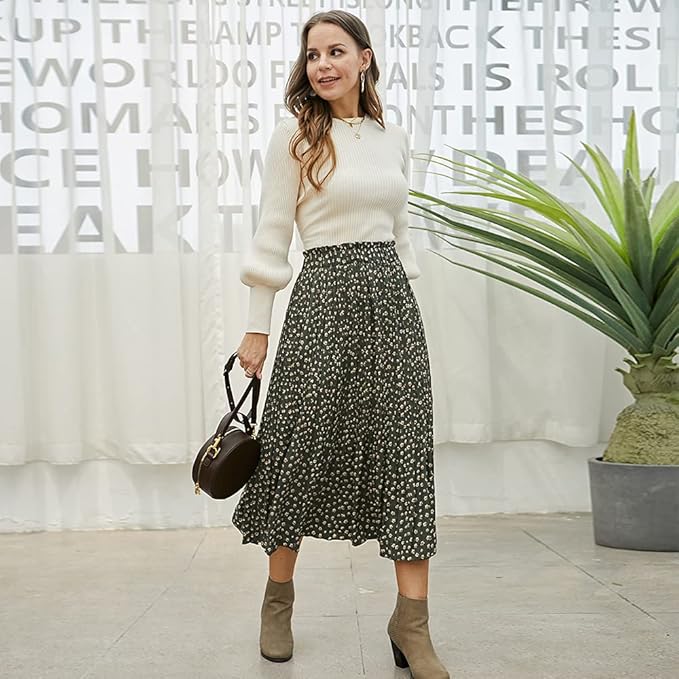
For women, a midi skirt or wide-leg trousers with a silk-effect blouse and ankle boots covers almost everything. A simple knit dress with leather boots looks brilliant and requires no thinking. For men, clean chinos or dark jeans with a collared shirt and leather shoes will fit in everywhere.

The key in the evening is that temperatures drop, often to 10–12°C by 9pm, and if you’re walking between restaurants or bars, you’ll need that jacket. A trench over an evening outfit looks genuinely elegant in Amsterdam’s canal light, which — and I say this having seen it in person — is some of the most flattering ambient lighting any city has to offer.

What I’d avoid for evenings: overly sporty trainers (leather or suede trainers are fine, running shoes less so), casual hoodies as your top layer, and very light summer dresses without a wrap or jacket.
Local tip: Many of Amsterdam’s nicer restaurants have outdoor terraces with overhead heaters — they’re worth requesting. But you’ll still want an extra layer handy.
What to Wear for Museums and Cultural Sites
Amsterdam’s museums are world-class and very much worth dressing for — not because there’s a dress code, but because you’ll feel better spending three hours in the Van Gogh Museum or the Anne Frank House if you’re comfortable, not self-conscious about your outfit.
There are no specific dress code requirements at Amsterdam’s cultural attractions, unlike churches in Southern Europe. You won’t be refused entry for bare shoulders. That said, comfort is key: museums involve a lot of standing and slow walking on hard floors, so shoe choice matters again here.
For the Anne Frank House specifically, the experience is a moving one and many visitors find themselves wanting to have dressed with a little more intention. It’s a small, emotional space. This isn’t a rule, just an observation from someone who felt slightly wrong in a loudly branded hoodie the first time.
Local tip: Queue times at the Anne Frank House and Van Gogh Museum can be long. Book in advance and dress in layers — you may be standing outside in the cold before your timed slot, then warm inside the museum.
Bags: Practical Without Looking Like a Tourist
Your bag does more work than you think on a city trip, and in Amsterdam, it also makes a fairly loud statement about whether you’ve done this before.
A crossbody bag is the gold standard for Amsterdam. It’s hands-free (critical for canal bridge navigation and looking at your phone map), secure against the city’s notoriously skilled pickpockets, and comfortable for a full day of walking. A medium-sized leather or leather-effect crossbody in a neutral colour — tan, black, cognac — looks good with everything and doesn’t scream “tourist bag”.

A structured tote works well too, particularly if you’re planning a day at markets or want to carry a layer you’ve removed. Just make sure it zips or closes securely at the top.

What I’d avoid: large rolling backpacks (the canal streets are narrow and crowded), open-top tote bags in busy tourist areas, and bum bags worn at the front in a way that broadcasts “I’m nervous about pickpockets” (counterintuitively, this can attract attention).
Local tip: Leave your big camera bag at the hotel if you can. A mirrorless camera in a small pouch or just your phone will handle Amsterdam’s photogenic canals beautifully without weighing you down.
Accessories That Actually Earn Their Space
Accessories in Amsterdam in May aren’t just decorative — they’re functional.
A lightweight scarf is one of the most versatile things you can pack. On cold mornings, it adds real warmth around your neck without bulk. On mild afternoons, it becomes a stylish accent tied loosely or tucked into a jacket. In the evening, a silk or fine knit scarf elevates a simple outfit instantly. I wore the same scarf approximately six different ways on a five-day trip and it earned its 30 grams of luggage space a hundred times over.

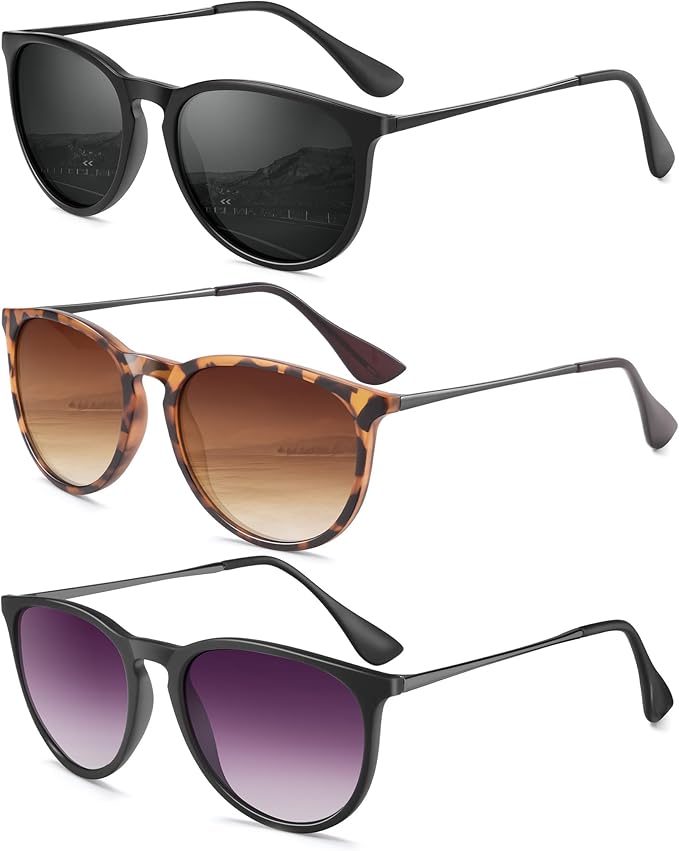
Sunglasses are worth bringing — May in Amsterdam does produce genuine sunshine, and canal light is beautiful but bright. A pair of good sunglasses also just makes you look like you’re having a better time.
A compact daypack or tote for carrying your jacket when you warm up, a water bottle, and your purchases from the flower market is genuinely useful. It doesn’t need to be fancy, just packable.
What I wouldn’t bother with: statement jewellery that requires outfit planning around it, heavy belts that add unnecessary weight, or multiple pairs of shoes beyond what you actually need.
Local tip: A lightweight cashmere beanie takes up almost no space and has saved me on more than one unexpectedly cold May morning in Northern Europe. I always pack one regardless of the forecast.
Fabrics to Pack (and Fabrics to Leave at Home)
This might sound like obsessive detail, but fabric choices make a genuine difference in how comfortable and versatile your wardrobe feels across a week of variable spring weather.
Pack these: Merino wool (temperature-regulating, odour-resistant, packable), cotton-modal blends (soft, breathable, drape beautifully), ponte or technical fabric trousers (hold their shape, comfortable, slightly water-resistant), woven cotton (for shirts and tops — breathes well and doesn’t look messy after being folded), nylon or technical fabric for your outer layer.
Leave these at home: Pure linen (wrinkles immediately, feels cold in a breeze), very thin cotton jersey (no insulation, shows sweat, looks tired quickly), heavy denim (takes forever to dry if wet, uncomfortable for long walks), anything dry-clean only (impractical for a trip where you might get rained on).
The fabric sleeper hit? A ponte fabric trouser or dress. It looks sharp, it’s comfortable enough to walk all day in, it doesn’t wrinkle, and it feels slightly smarter than jeans for evenings. I converted to ponte trousers for city trips several years ago and haven’t looked back.
Local tip: Check fabric content labels before you pack, not after. If you’re buying new pieces for the trip, touch the fabric — if it feels cold and thin, it’ll feel cold and thin in Amsterdam too.
A Practical Capsule Wardrobe for Amsterdam in May
If you’re packing for a 5–7 day trip and want a framework, here’s what actually works without overpacking or underpacking.
Tops (4–5 items): 2 long-sleeve fitted tops (one plain, one slightly interesting — a stripe, a subtle print), 2 lightweight knits or sweaters, 1 slightly dressier top for evenings (a silk-effect blouse or a fitted ribbed top in a good colour).
Bottoms (3 items): 1 pair of dark jeans, 1 pair of comfortable trousers in ponte or a similar fabric, 1 midi skirt or dress that can be worn day or evening.
Outerwear (1–2 items): 1 water-resistant trench or anorak (your main jacket), optionally 1 light cardigan or overshirt as an indoor layer.
Shoes (2–3 pairs): 1 pair of comfortable trainers with grip, 1 pair of ankle boots or loafers for smarter days and evenings, optionally 1 pair of very simple flat sandals if you’re optimistic about warm days.
Accessories: 1 scarf, sunglasses, compact crossbody bag, packable tote, small umbrella, 1 beanie if you run cold.
This gives you roughly 15 distinct outfit combinations from 12–15 packing items. The key is that every single piece works with at least three others.
Local tip: Lay everything out on your bed before you pack it and ask yourself: does this work with at least three other things I’m bringing? If the answer is no, it stays home.
Packing Smart: A Few Final Practical Notes
Overpacking for a city trip is genuinely worse than underpacking. Amsterdam’s canal houses were built without lifts, and your accommodation — whether a hotel, canal house apartment, or hostel — will almost certainly involve steep, narrow staircases. A huge suitcase is a liability before you even start thinking about outfit planning.
Aim for carry-on only if you can manage it for a week or less. It forces good packing decisions, saves you baggage fees, and means you can get from the airport to your canal-side hotel without negotiating a giant bag up three flights of spiral stairs.
Re-wearing is not only acceptable but necessary and smart. In a city like Amsterdam where you’re walking all day and changing weather requires changing combinations, you’ll naturally wear pieces in rotation. Dark jeans can be worn three times in five days without anyone noticing or caring. A scarf worn daily in different configurations just looks like you know how to dress.
Don’t pack for hypothetical activities you might do. If you don’t have a specific plan for a formal dinner, leave the formal dress at home. If you’re not planning a bike tour in the rain, you don’t need full waterproofs. Pack for what you will actually do, not what you might conceivably do if circumstances were completely different.
Local tip: Leave a small amount of bag space intentionally empty. Amsterdam has excellent independent boutiques, a brilliant vintage clothing scene, and markets where you’ll want to buy things. It’s much more fun than over-packing things you won’t wear.
Go Enjoy It
Amsterdam in May is genuinely one of Europe’s great spring experiences. The canals catch the light differently at this time of year — there’s a clarity to the air that doesn’t exist in summer heat — and the city feels alive without being overwhelmed.
You don’t need a perfect wardrobe. You need a smart one. A few good pieces that layer well, shoes that won’t betray you on a cobblestone, and a jacket that can handle what the weather throws at you. Once the packing anxiety is gone, you’ll spend your mental energy on what actually matters: which canal to walk along first, which brown café to duck into when a shower comes, which herring stall to be brave enough to try.
Amsterdam doesn’t require you to dress up or dress down. It just asks that you’re ready for anything. Pack for the city as it actually is — unpredictable, beautiful, utterly worth it — and you’ll be absolutely fine.

