
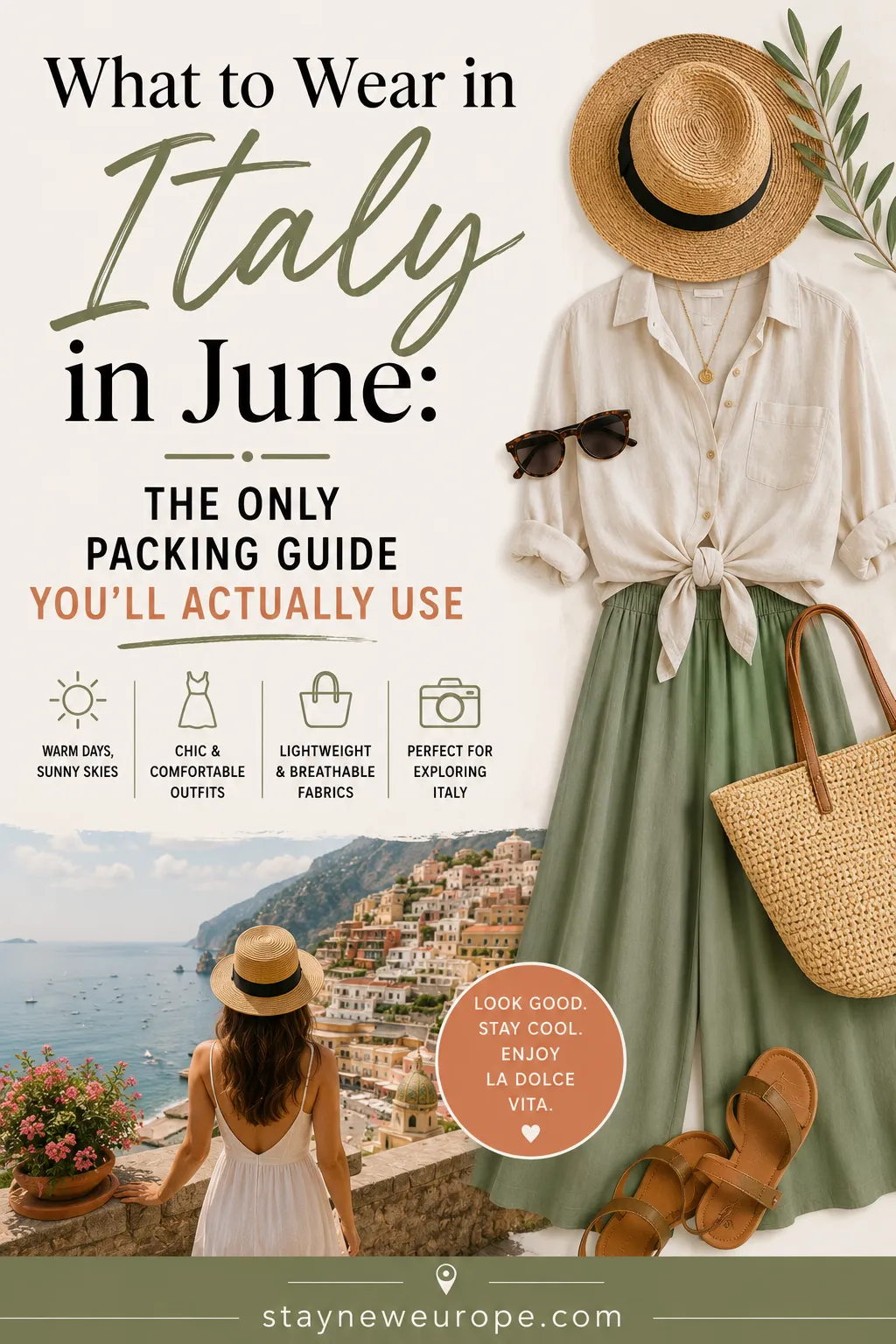
Let me paint you a picture. It’s 9am in Florence. The light is doing that golden, cinematic thing it does over the Arno, the espresso is strong enough to rearrange your personality, and you are standing in the middle of the Piazza della Repubblica — sweating through a fabric that has absolutely no business being in a Mediterranean summer. Meanwhile, every Italian woman who walks past looks effortlessly put-together in a linen dress and leather sandals, not a bead of sweat in sight.
This is the moment most tourists realise they packed wrong. I know because I was that tourist once, in black jeans in June, deeply regretting my life choices by 10:30am.
Italy in June is magical — warm without being unbearable (mostly), lively without the absolute chaos of August, and genuinely one of the best months to go. But the packing decisions you make before you leave will define whether you float through the streets feeling chic and comfortable, or spend the trip lugging a heavy bag and changing three times a day. Here’s everything I’ve figured out — the hard way, mostly.
Before We Dive In: What June in Italy Is Actually Like
The Weather
June in Italy is warm, occasionally hot, and more variable than Instagram would have you believe. In northern cities like Venice and Milan, you’re looking at average highs of around 26–28°C (78–82°F), with evenings that can dip to a very pleasant 16–18°C. Further south — Rome, Naples, Sicily — expect it to push 30°C or higher by midday, especially later in the month.
Humidity is the sneaky variable nobody talks about. Venice in particular sits in a lagoon, which means even a “mild” 25°C day can feel muggy and close. Rome gets dry heat, which is easier to manage but still fierce in direct sunlight. What this means for packing: breathable fabrics are non-negotiable, layers are still useful (especially for early mornings and air-conditioned museums), and anything synthetic is your enemy.
Rain does happen in June, more than people expect. Northern Italy gets afternoon thunderstorms, usually brief but intense. The south is drier, but not immune. Build some flexibility into your wardrobe for this.
The Walking
This is the part nobody warns you about enough. Italian cities are relentlessly walkable — which sounds like a selling point, and it is, right up until you’ve done 22,000 steps on cobblestones in shoes that weren’t designed for it.
Venice has bridges — hundreds of them — with steps. Florence has the stretch up to Piazzale Michelangelo. Rome has… everything. The point is, whatever shoes you bring will be tested. Sandals that are cute but offer no support, heels that look incredible but can’t handle a basalt slab, trainers that are deeply practical but make you look like you’ve wandered off a school trip — these are the decisions that will define your holiday.
The Style Culture
Italians dress well. I don’t say this to intimidate you — I say it because it sets an energy that’s actually quite inspiring. Nobody is in matching athleisure. Nobody is wearing socks with sandals (please). The aesthetic tends toward elegant simplicity: well-cut basics, quality fabrics, restrained colour palettes with the occasional bold accessory.
You don’t need to dress like a Milan fashion editor to feel at home. But you’ll enjoy the experience more — and avoid standing out as an obvious tourist — if you put a little thought into what you’re wearing. Italy rewards that effort.
Lightweight Layers: The Thing I Wish Someone Had Told Me First
People assume June in Italy means packing only summer clothes. I packed only summer clothes my first trip. I was cold in every single museum, church, and restaurant with aggressive air conditioning.
The key to dressing well in Italy in June isn’t choosing between warm and cool — it’s building an outfit that can adapt within the same day. A lightweight linen shirt worn open over a vest. A cotton cardigan that folds into nothing. A thin silk scarf that doubles as a shoulder cover for churches and a layer for cool evenings. These small, packable pieces are worth their weight in packing space.
What works brilliantly is the idea of a “temperature transition” outfit — something that starts the morning feeling just right, handles the midday heat, and still looks presentable for an aperitivo at 7pm. Linen-blend trousers with a fitted tank and a relaxed blazer in a neutral colour will take you through all of those situations without needing to go back to the hotel to change.
Local tip: Italian women layer a lot more than tourists realise. A cotton scarf worn loosely around the shoulders isn’t just a church-entry solution — it’s an actual outfit piece. Lean into it.
Dresses: Your Single Best Packing Decision
If you wear dresses, Italy in June is the argument for bringing more of them. A good midi or maxi dress in a breathable fabric is the closest thing to a packing cheat code: one piece, one outfit, minimal decisions.
The silhouettes that work best are anything with movement — wrap dresses, shirt dresses, tiered linen styles. They’re cool, they look intentional, and they translate from morning sightseeing to evening dinners without any effort. I wore the same flowy midi dress to the Uffizi in the morning and to dinner in Oltrarno the same evening with just a swap of sandals for slightly nicer shoes and a different bag. Nobody would have known.

What doesn’t work as well: very fitted bodycon styles (too hot, and the aesthetic reads more nightclub than Italian summer), anything with very thin spaghetti straps alone (you’ll need to cover for churches constantly, which gets annoying), and loud prints if you’re going to multiple destinations (they’re memorable in photos, but you’ll feel like everyone’s seen the outfit already by day three).

For colour, I’d argue for at least one neutral-toned dress and one with personality. White and cream are everywhere in Italian summer fashion and photograph beautifully — just accept that Venice’s acqua alta residue and gelato are working against you.
Local tip: Wrap dresses are brilliant for church visits — they can be adjusted to cover the décolletage and shoulders without needing an extra layer. Look for ones with ties long enough to pull into a modest neckline when needed.
The Jeans Question (Honest Answer: Bring One Pair, Maybe)
Here’s where I’ll be unpopular: jeans in Italy in June are mostly fine, but you probably don’t need more than one pair, and you might want to rethink even that.
A good pair of straight-leg or wide-leg jeans in a mid-weight denim — not the thick, rigid kind — works well for cooler days, evening dinners in more formal restaurants, and cities like Milan where the aesthetic skews more urban and put-together. They travel well, they look polished, and they solve the “what do I wear to something slightly dressier” problem neatly.

What doesn’t work: skinny jeans in full-on summer heat. Dark wash jeans that absorb the sun. Distressed denim if you’re trying to look intentionally chic rather than like a gap year student. And honestly, on days above 28°C in Rome or Naples, any jeans at all — your body will simply reject them by noon.
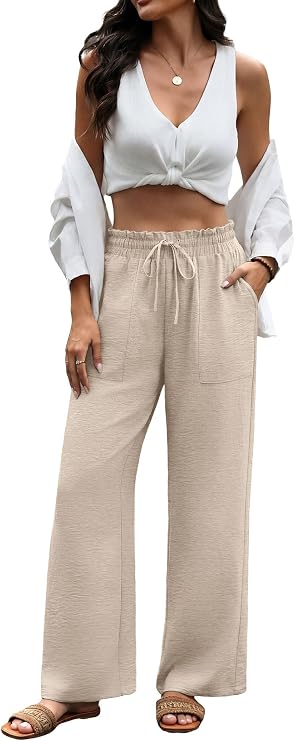
The alternative that most experienced Italy travellers land on is a pair of linen or cotton-blend trousers. They look just as polished, move better on cobblestones, breathe properly, and don’t require the same breaking-in that new denim does. Tan, cream, navy, or soft terracotta all work beautifully.
Local tip: If you’re going to Milan or doing anything that feels more fashion-forward, upgrade the jeans to a tailored fit and pair with something slightly elevated on top. Milan has a different energy from the rest of Italy — the aesthetic is more considered.
Shoes: The Decision That Will Make or Break Everything
I cannot stress this enough: your shoes will determine how much you enjoy Italy. Full stop. No caveats.
The ideal June Italy shoe wardrobe is small and specific. You want: one pair of comfortable leather or leather-look sandals with proper footbed support (Birkenstock, Camper, or similar); one pair of comfortable walking shoes that don’t look like running trainers (think sneakers with a clean sole, loafers, or low-profile leather shoes); and optionally, one pair of slightly dressier flats or low heels for evenings.

What you do not need: high heels (they get stuck in cobblestones, they ruin your mood, and nobody is impressed enough to make it worth it); brand new shoes of any kind (break them in before you go or accept the blisters); flip flops as your primary shoe (they offer nothing on uneven surfaces and tend to look under-dressed for everything above basic beach trips).

The sandal question is worth a paragraph of its own. A good leather sandal — simple, flat, with a slightly padded insole — is honestly the quintessential Italy shoe. Romans have been wearing them for two thousand years and they were onto something. They look good with dresses, linen trousers, and light skirts. They breathe. They don’t rub. They pack flat. They are the answer.
Local tip: Italians are very particular about not wearing sports shoes with dressy outfits. If you’re wearing a nice dress or smart trousers, a chunky white trainer reads as a deliberate fashion choice in the right context — but only if the rest of the outfit is intentional. Don’t pair expensive gym shoes with a sloppy outfit and expect it to land.
What NOT to Wear: The Gentle Intervention You Needed
This section is written with love, not judgement. Mostly.
Matching sets in loud prints: This is personal, but matching co-ords in bright tropical prints tend to read more “all-inclusive resort” than “Italian summer.” If you love them, wear them — but one statement piece at a time tends to feel more aligned with Italian style sensibility.
Shorts above mid-thigh in churches and more formal settings: Italy has strict dress codes at major religious sites, and some smaller churches won’t let you in at all if your shorts are too short. It’s also just worth knowing that in many southern Italian towns, very short shorts attract more attention than you might want.
White trainers with everything: The all-white-sneaker-with-dress look is everywhere, and it can absolutely work — but when it’s the same shoe doing every job from museum to dinner to morning coffee, it starts to look like you didn’t think about it. Have a second option.
Overpacked luggage: This isn’t what you wear, but it affects what you wear. When you’ve brought twelve outfits for seven days, you spend the whole trip feeling like you have nothing to wear because there’s too much choice. Edit ruthlessly before you go.
Visible money belts under shirts: I know. Safety. But a good crossbody bag or a small anti-theft bag worn naturally is both more secure and infinitely less conspicuous.
Local tip: Italians rarely wear branded athleisure outside of actually exercising. If you want to blend in rather than be clocked as a tourist immediately, leave the matching gym set at home unless you’re going for a run.
Jackets and Outerwear: Yes, Even in June
The number of times I’ve heard “it’s Italy in June, I won’t need a jacket” — and the number of times those same people are shivering in an air-conditioned restaurant at 8pm, wrapped in a paper tablecloth napkin…

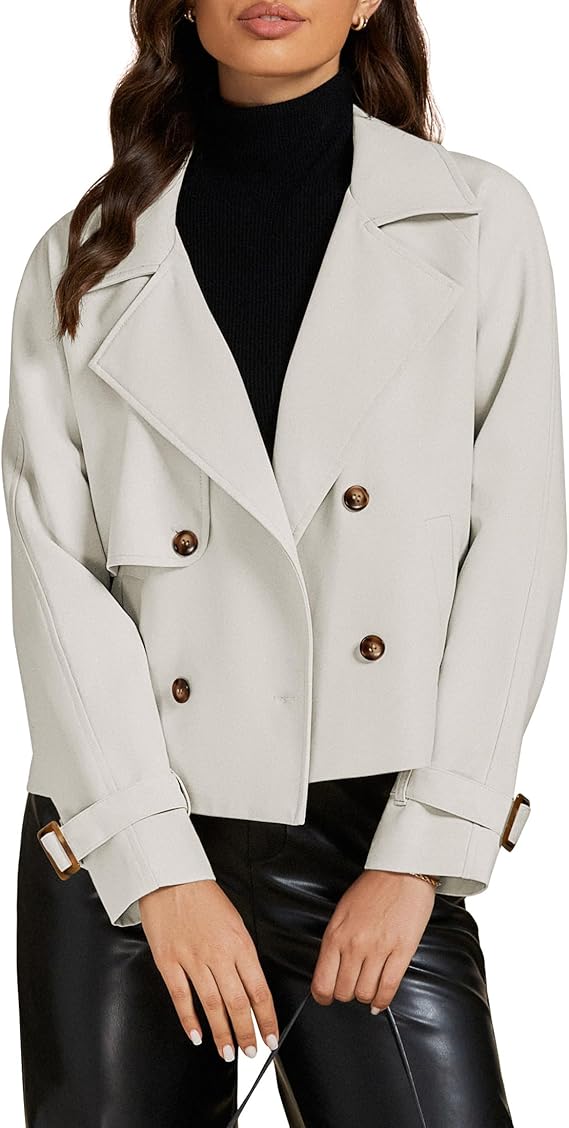
You need something. Not a winter coat, not a puffer — but something. A lightweight linen blazer is probably the single most versatile piece you can bring. It elevates any outfit, provides a layer when the temperature drops or the air conditioning attacks, and is thin enough to fold into a bag during the day. A denim jacket works too, and is slightly more casual. A thin trench or mac is ideal if you’re visiting northern Italy or planning to be there in the early or late parts of June.
The one thing most people forget: evening temperatures, even in Rome, can drop noticeably. You’re eating outside at 9pm after a long hot day, and by 10pm you’re genuinely chilly. This is not a hypothetical — it’s a ritual.
Local tip: If you’re pressed for space, a lightweight cotton overshirt (the kind you’d wear unbuttoned as a layer) does triple duty as a jacket, a beach cover-up for day trips to the coast, and a basic layer over a camisole for evening. One piece, three uses.
Evening Outfits: When Italy Asks You to Try a Little
Aperitivo culture is real, dinner is taken seriously, and evening in Italy has an energy that kind of demands you meet it halfway. This doesn’t mean black tie — but it does mean “I thought about this.”
For women, a midi dress or a good trouser-and-top combination works beautifully. Silk or satin-look fabrics feel appropriately elevated without being overdressed. A simple slip dress with some jewellery and a small bag is one of the best evening formulas I know — light, cool, looks intentional, and works in virtually any restaurant from a neighbourhood trattoria to somewhere slightly more upscale.

For men, chinos or linen trousers with a good shirt (could be a short-sleeve linen shirt — this is perfectly acceptable in Italy in summer) will serve every evening situation. A clean pair of leather shoes or smart loafers finishes the look. You do not need a full suit unless you’re attending a wedding or a very formal event, but the combination of clean trousers and a collared shirt is really the baseline.

What I’d avoid for evenings: shorts, running shoes, very casual T-shirts with slogans, and — I cannot believe I’m writing this — flipflops. I’ve seen people show up to lovely restaurants in Florence in flipflops. The restaurants let them in. The Italians at the next table did not.
Local tip: In many Italian cities, especially Rome and Naples, dinner doesn’t really start until 8pm or later. If you’re eating at 6:30, you’ll either be alone in the restaurant or surrounded only by other tourists. Use the extra time to stroll, watch the evening light, and let the outfit breathe.
Church Dress Codes: The Non-Negotiable Section
Italy’s major churches — the Duomo in Florence, St Peter’s Basilica in Rome, the Frari in Venice — have dress codes. They enforce them. There are attendants at the door with little measuring gauges in their eyes, and they will turn you away.
The rules are consistent: shoulders covered, knees covered. That’s essentially it. No crop tops, no shorts, no sleeveless anything on its own. Many churches provide cover-up wraps at the door (often paid for or with a suggested donation), but they’re usually not great quality and having your own feels better.
The easiest solutions: carry a lightweight scarf or sarong that can be tied around the waist to cover shorts or a mini skirt, and that can be draped over shoulders. If you’re in a dress with thin straps, an overshirt or cardigan solves both problems. Linen trousers and a short-sleeved shirt need no modifications at all — probably the most church-ready summer outfit there is.

One thing that surprised me: smaller churches in rural areas or southern towns sometimes have even stricter informal expectations than the famous tourist sites. When in doubt, cover more rather than less.
Local tip: Keep a lightweight scarf in your bag every single day in Italy — not just days you’re planning church visits. You’ll be surprised how often you wander past something magnificent and want to go in.
Bags: Crossbody Wins, Every Time
This is one of those things where I have a very strong opinion and I’m going to share it directly: in Italian cities, a crossbody bag is the right choice.
It sits against your body, leaves your hands free for gelato and coffee and clutching ancient handrails, and is substantially harder to snatch than a shoulder bag or backpack. Italian cities — particularly Rome, Naples, and the tourist-heavy areas of Venice — have opportunistic pickpocketing, and an open tote or a dangling shoulder bag is an invitation.
For day trips: a small-to-medium crossbody in leather or a leather-look material. Big enough for your phone, sunscreen, a scarf, water, and a small camera. Small enough to feel like a deliberate outfit choice rather than a survival kit.

For evenings: a small clutch or minibag. You don’t need much — phone, cards, lipstick, keys. Everything else stays at the hotel.
What I’d reconsider: large backpacks in busy spaces (they’re cumbersome on crowded streets and notorious pickpocket targets when worn on the back), open-top totes in tourist areas, and belt bags worn at the front in an anxious tourist way that signals “I’m worried about my wallet.”
Local tip: A good leather crossbody in tan or black will look authentically Italian and work with everything you pack. It doesn’t need to be expensive — Italian leather markets and smaller shops often sell excellent bags at very reasonable prices. Consider buying one when you arrive.
Accessories That Do the Heavy Lifting
The right accessories in Italy turn a simple outfit into a considered one. And more importantly, they let you pack fewer clothes while still feeling like you have variety.
Sunglasses: Non-negotiable. Good ones, if possible — not because of brand status, but because Italy in June is genuinely bright and you’ll be wearing them constantly. A classic frame in a neutral colour goes with everything.

A quality scarf: Already mentioned, but worth repeating. Linen or silk-look, in a neutral or one accent colour. Wears as a wrap, a head covering, a belt, a bag accent, a church cover. One piece, infinite uses.

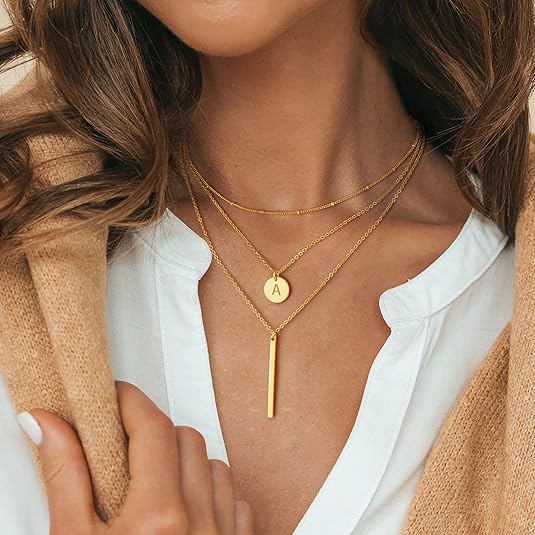
Simple jewellery: Italian style tends toward elegant restraint — delicate gold, simple silver, maybe one statement piece. A good pair of earrings elevates any outfit. You don’t need to bring all of it.
A good hat: Sun protection and style simultaneously. A packable straw hat or a structured cap (not a baseball cap — unless you’re going for a very deliberate casual look) works brilliantly in June’s sun.

Local tip: Leave the chunky costume jewellery at home. Italy’s aesthetic tends toward quality over quantity in accessories — one good thing is always more impressive than a lot of loud things.
Rain Preparation: The Part Everyone Skips
June thunderstorms in northern Italy are not rare. They are fast, dramatic, and absolutely drenching. I’ve been caught in them in Venice, in Florence, and in the Cinque Terre, and I can tell you that a good umbrella is worth its weight in gold.
A compact, fold-flat travel umbrella takes up almost no space and costs very little grief. Buy one before you go or at the first market you find. Do not buy one from the person selling them on the street the moment it starts raining — they will charge you accordingly.

Beyond the umbrella: a light rain mac or packable windbreaker is brilliant for June travel. It folds into nothing, weighs almost nothing, and means a bit of rain doesn’t derail an outdoor morning. A thin layer of water resistance on your bag is also worth thinking about — a small rain cover or just a bag that isn’t suede.

What I’d avoid: leaving the hotel without any rain contingency because it looks sunny at 9am. Italian thunderstorms don’t announce themselves.
Local tip: In Venice especially, rain means acqua alta risk on lower-lying walkways. Water-resistant shoes or sandals (rather than suede or canvas) will save you from very soggy feet on low-lying areas near the lagoon.
Fabrics: The Short, Important Version
The right fabric in June Italy is the difference between floating through the day and suffering through it.
Linen: The answer to most questions. Breathes brilliantly, looks effortlessly chic when slightly rumpled (and it will be rumpled — just accept this), packs relatively lightly. Linen-blend with a little cotton or elastane holds its shape slightly better if the crinkled aesthetic bothers you.
Cotton: Close second. Light-weight cotton — voile, poplin, jersey — works well in most situations. The thicker the cotton, the more it holds heat, so go light.
Silk and silk-look fabrics: Beautiful for evenings, surprisingly comfortable in heat, and they photograph magnificently. Dry quickly if caught in rain, which is a bonus.
What to avoid: Polyester and other synthetics trap heat and sweat in a way that becomes genuinely unpleasant by midday. Fast-fashion “linen-look” fabrics that are actually mostly polyester — check the label. Thick denim beyond one pair. Heavy wool or structured blazer fabrics.
Local tip: If you’re shopping in Italy (and you should — the markets and small shops are excellent), feel the fabric before you buy. Good linen feels almost papery when new but softens immediately with wear. If it feels slick or doesn’t breathe when you hold it to your face, it’s not what it says it is.
A Capsule Wardrobe for Italy in June
If you’re starting from scratch or want a framework, here’s what I’d build for a seven to ten day Italy trip in June:
Tops: Two to three lightweight tanks or camisoles in neutrals, two linen or cotton shirts (one white, one in a colour or print you love), one slightly dressier blouse for evenings.
Bottoms: One pair of linen or cotton-blend trousers, one pair of well-fitting jeans (if you want them), one casual skirt that transitions from day to evening.
Dresses: Two to three — one casual day dress, one midi or maxi for multiple uses, one slightly dressier option for evenings.
Layers: One lightweight blazer or structured overshirt, one thin cardigan, one packable rain layer.
Shoes: Comfortable leather sandals, clean walking shoes, one slightly dressier flat.
Accessories: Sunglasses, a scarf, simple jewellery, a hat, a crossbody bag for day, a small evening bag.
This gets you through ten days easily with mix-and-match combinations, and fits into a carry-on if you roll rather than fold and use packing cubes properly.
Practical Packing: The Bit That Saves the Trip
How many outfits to bring: The rough rule is outfits for half the days you’re away, plus one or two extras. Italy has laundry facilities, hotel laundry services, and — if you’re staying somewhere with a basin — you can hand-wash basics overnight. You do not need a different outfit for every day.
Packing light vs overpacking: I have overpacked for Italy. The experience is: you spend half the trip deciding what to wear from too many options, you lug a heavy bag up stairs in hotels with no lifts, and you come home having worn maybe sixty percent of what you brought. Pack less than you think you need. You can always buy something if you’re missing a piece — and Italian shopping is part of the experience.
Outfit planning tips: Before you pack, physically lay out every combination you intend to wear. If a piece only works with one other piece, reconsider it. Neutrals that mix with everything are your friends. That one very specific dress you’ve been saving — bring it, wear it on day two before you’ve had a chance to overthink it.
Mistakes to avoid: Packing new shoes. Bringing “maybe” outfits that require specific accessories you also have to pack. Ignoring the church dress code requirements and then being stuck outside the Duomo in shorts. Forgetting that evenings cool down. Assuming one pair of shoes will do everything (it won’t, unless that one pair is incredibly well-chosen).
One Last Thing Before You Go
There’s a particular feeling you get in Italy when you’ve got it right — when the outfit works, the shoes are comfortable, the bag isn’t too heavy, and you’re walking through some sun-drenched piazza feeling like you belong there. It’s a small thing, but it’s real.
Italy invites you to be a slightly better version of yourself. More present, more considered, more willing to sit still over a second coffee and just watch the light change. Your wardrobe is part of that. Not because fashion matters more than experience — it absolutely doesn’t — but because when you’re not worried about blisters or overheating or being turned away from a church, you can actually be in the moment rather than managing it.
Pack thoughtfully, leave room for imperfection, and buy something you love when you find it. Italy in June is extraordinary. Go enjoy it.

