
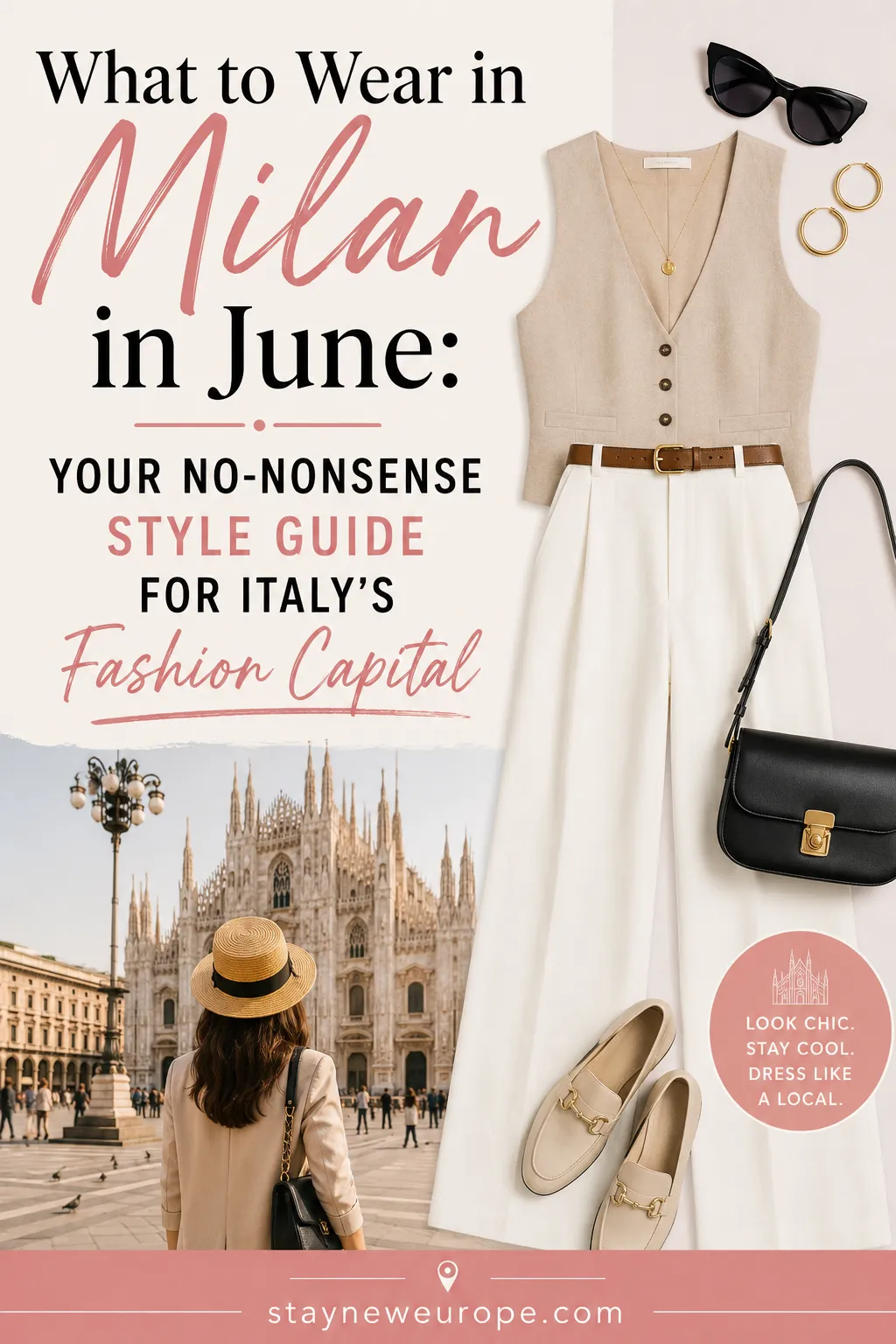
Milan in June is one of those travel experiences that catches people off guard. You expect it to be hot — and it is — but you also don’t expect to feel quite so…watched. Not in a creepy way. In a Milanese way. The kind of way where the woman at the café next to you is wearing a perfectly pressed linen blazer at 9am on a Tuesday and somehow doesn’t look like she’s trying at all. Milan is Italy’s style capital, and June is when the city is fully alive — warm evenings, aperitivo culture at its peak, and a heat that creeps up on you faster than you’d think.
The thing is, most tourists pack for the weather and forget to pack for the city. They arrive in athletic shorts and a tech-fabric t-shirt, and while nobody is going to say anything to your face, you will feel the difference. I learned this on my first trip — I thought I was being practical. I was not being stylish. These are not always the same thing.
This guide is what I wish someone had handed me before I landed. It’s not about spending a fortune or packing a whole extra suitcase. It’s about making smart choices that keep you cool, comfortable, and — crucially — looking like you belong in one of the most fashion-conscious cities on the planet.
Before We Dive In: What June in Milan Actually Feels Like
Let me set the scene properly, because the weather matters more than you might think when it comes to packing decisions.
Temperature: June in Milan sits comfortably between 20°C and 30°C (68°F to 86°F), with the hottest days pushing past 32°C, especially towards the end of the month. Mornings are pleasant and breezy. By early afternoon? You will be sweating. This is not negotiable.
Humidity and Rain: Milan sits in the Po Valley, which makes it muggier than coastal Italian cities. There’s also a real chance of afternoon thunderstorms in early June — those dramatic, come-out-of-nowhere downpours that last 20 minutes and leave the streets steaming. Don’t pack for a dry desert heat. Pack for unpredictability.
The Walking Situation: Milan is a walkable city, but it’s not a cobblestone-obstacle-course city the way Venice or Siena can be. The streets are mostly smooth, wide, and flat, which is genuinely good news for your shoe choices. That said, you’ll clock serious steps exploring the Duomo district, the Brera neighbourhood, and the canals of Navigli — so comfort still matters.
The Style Culture: Here’s the thing nobody puts in a packing guide but absolutely should. Milanese people dress well. Not ostentatiously, not in a try-hard way — just well. Clean lines, quality fabrics, understated colours. The city is home to Prada, Versace, Armani, and Dolce & Gabbana for a reason. You don’t need to shop there, but you will notice the aesthetic on every street corner. Blending in, even a little, feels surprisingly good.
Lightweight Layers: Your Secret Weapon (Seriously, Don’t Skip This)
People hear “June in Milan” and immediately think: layers? Really? But hear me out, because this is probably the single most useful piece of advice in this entire article.
The temperature swings in Milan in June are real. You might start your morning exploring the Castello Sforzesco in a light breeze with a coffee in hand, spend midday melting in the direct sun near the Duomo, duck into an aggressively air-conditioned museum for an hour (bring a layer — those places are freezing), and then sit outside for a four-hour aperitivo dinner as the temperature drops pleasantly to around 20°C. That’s four different temperature needs in one day.
A thin linen or cotton cardigan, a lightweight blazer, or even a long-sleeve shirt you can tie around your waist works perfectly. You’re not packing for cold — you’re packing for the gap between air-conditioned interiors and outdoor heat, and for the evenings when a sleeveless top suddenly feels a touch cool.
I wore the same lightweight grey linen cardigan almost every day of my last Milan trip. It dressed up a simple outfit for dinner, covered my shoulders for church visits, and saved me in the Pinacoteca di Brera when I didn’t realise how cold museums get in summer. Worth its weight in gold.
Local tip: Milanese women layer effortlessly — a silk slip dress under a tailored blazer, or a linen shirt loosely over a thin camisole. Stealing this approach makes your outfits look intentional rather than thrown together.
The Linen Question (Spoiler: The Answer is Always Linen)
If there is one fabric that Milan in June demands, it’s linen. And if you’re not a linen convert yet, this trip will make you one.
Linen breathes in a way that cotton simply doesn’t match, and it’s genuinely built for hot, slightly humid European summers. Yes, it wrinkles. Yes, the wrinkles are actually kind of charming and very Milanese — there’s a whole aesthetic around effortlessly crumpled linen that fashion people have been doing on purpose for decades. Don’t fight the wrinkles. Lean into them.
Linen trousers in cream, sand, or stone are one of those packing decisions you’ll thank yourself for. Pair them with a simple tucked-in tank or a lightweight cotton shirt and you’ve got an outfit that works from morning sightseeing through to evening drinks without any wardrobe change. Add a leather sandal and you look like you live there. Add a white linen shirt and you look like you write novels there.
Beyond linen, look for breathable cotton, bamboo blends, and anything with a loose weave. What to avoid — and I’ll be more emphatic about this in a later section — is synthetic fabric. Polyester in June Milan will ruin your day.
Local tip: Don’t pack your linen pieces neatly pressed. Once you arrive, hang them in the bathroom while you shower and let the steam take care of any harsh fold lines. They’ll settle into that perfect slightly-relaxed look on their own.
Dresses: The Easiest Outfit Decision You’ll Make
If you wear dresses, pack dresses. Full stop. A good midi or maxi dress in June Milan is the closest thing to a packing cheat code.
One piece, one decision, entire outfit sorted. Throw on a pair of sandals, grab your crossbody bag, and you’re done. It’s cooler than any two-piece combination, it looks polished with almost zero effort, and it takes up a fraction of your suitcase compared to separates.
The key is fabric and cut. Go for something flowy rather than clingy — a body-con dress in Milan’s June heat is a commitment your skin will not thank you for. Midi length (hitting around the knee or just below) is particularly versatile because it’s appropriate for churches, smart enough for nice restaurants, and still breezy enough for a sweaty afternoon. Florals, solid neutrals, soft stripes — all work well.

I had a simple terracotta linen midi dress on my last trip that I wore to the Duomo in the morning (just added a scarf for the shoulders), to lunch in Brera, and to aperitivo in Navigli that evening. Three different contexts, zero wardrobe changes, zero regrets.
If you’re more of a jeans person: lightweight, straight-leg or wide-leg jeans in a breathable cotton blend work well for cooler mornings and evenings. Save the dark skinny jeans for home — they’ll roast you and they won’t look as sharp as you’re imagining.
Local tip: Milanese women love a monochromatic dress look — all ivory, all caramel, all sage green. It photographs beautifully against the city’s architecture and reads as intentional and pulled-together rather than underdressed.
Shoes: The Part Where Most Tourists Get It Wrong
Let me be honest with you: Milan will test your shoes. Not because the terrain is brutal — it’s actually quite forgiving — but because you will walk more than you expect, and the heat does strange things to your feet by mid-afternoon.
The golden rule is: stylish AND comfortable. Not one or the other. This is not the city to be a hero in brand new sandals or to squeeze into shoes that looked great on the internet but rub your heels raw by day two.
What works:
Leather or leather-look sandals with some ankle support are the Milan summer shoe. Not flip-flops (too casual and genuinely hard to walk in for hours), not chunky sports sandals (too utilitarian for this city), but a well-made flat or low-heeled sandal in tan, white, or black. Birkenstock-style sandals have actually become completely acceptable in Milan — even trendy — as long as they look considered rather than thrown on.

Loafers are another brilliant option. A classic slip-on loafer in leather or a lightweight canvas works for everything from morning sightseeing to dinner. They’re the Milanese casual-smart staple and they’ll carry you through every part of the day without complaint.
White leather or canvas sneakers — clean ones, not beaten-up gym trainers — are also fine and widely worn. Just make sure they’re actually clean. Milanese people notice.

What doesn’t work:
High heels for daytime sightseeing. You’ll see some locals doing this but trust me, they’ve been training for years. Running shoes. Flip-flops in anything beyond the most casual dinner. Shoes with no grip in case you get caught in one of those afternoon thunderstorms.
Local tip: Break in any new shoes at home before you leave. Even one afternoon wearing them around the house makes a significant difference. Blisters in Milan are a tragedy — you won’t want to slow down for anything.
What NOT to Wear in Milan: The Honest List
This section exists because I’ve seen the full range of tourist outfits in Milan, and I say this with genuine kindness: some of them are working against you.
Athletic wear for sightseeing. I know it’s comfortable. I know the leggings are stretchy and the moisture-wicking t-shirt is practical. But walking through the Quadrilatero della Moda in gym clothes while Milanese women stride past you in linen blazers is an experience that will make you question your choices. Save the athleisure for the airport.
Loud logo t-shirts and novelty clothing. “I ❤️ MILAN” shirts. Branded tourist merchandise. Oversized novelty prints. These mark you as someone who just arrived and doesn’t plan to engage with the city on its own terms. Milan is cool and understated — your outfit can be too.
Shorts that are too short or too casual. Casual shorts are fine in Milan — it’s summer. But very short cut-offs or beach-style shorts look out of place outside of the most casual settings. Aim for a Bermuda or walking short length, in a solid colour, and pair it with something slightly more considered on top.
Heavy denim. Thick jeans in 30°C heat is a form of self-punishment. If you love denim, go for a lightweight version. Otherwise, leave the heavy jeans at home.
Overly revealing outfits for daytime. Milanese style is not prudish, but it is tailored and intentional. Extremely revealing tops or very short skirts for daytime sightseeing can also be an issue practically — you’ll be turned away from churches, of which there are many, if your shoulders and knees aren’t covered.
Local tip: When in doubt, ask yourself: would this outfit look intentional on a street in a cool European city? If the answer is yes, you’re probably fine. If the answer is “it’s just comfortable,” rethink it.
What to Wear to Churches (Because Milan Has Incredible Ones)
The Duomo di Milano alone is worth a dedicated outfit consideration. It’s one of the most breathtaking Gothic cathedrals in the world, and it has a dress code — and they do enforce it.
The rules are consistent across most Italian churches: shoulders must be covered, knees must be covered. That’s essentially it, but it matters, and being turned away at the door is a genuinely frustrating experience when you’ve just queued for 20 minutes.
The easiest solution is a light scarf or wrap that lives permanently in your bag. Throw it over your shoulders when you enter a church, tie it around your waist if you need to cover your knees. It weighs nothing and solves the problem instantly. I use a large lightweight cotton scarf in a neutral colour that also works as a beach cover-up, a blanket on cool evenings, and a makeshift pillow on long train journeys. One item, many functions.

If you’re planning a heavy church-visiting day — and between the Duomo, Sant’Ambrogio, and Santa Maria delle Grazie (where The Last Supper lives), you might well be — just dress accordingly from the start. A midi dress or linen trousers and a short-sleeve shirt mean you can walk straight in anywhere without rummaging in your bag.
Local tip: The Duomo also has a rooftop, which is extraordinary but exposed and can be windy even on warm days. A layer you can grab from your bag makes the experience much more comfortable.
Evening Outfits: Milan After Dark Is Its Own Thing
Aperitivo culture in Milan is genuinely one of the great pleasures of Italian life, and June is peak season for it. The bars around Navigli and Isola fill up from 6pm onwards with beautifully dressed Milanese people drinking Aperol Spritz and picking at generous snack spreads. You will want to look the part.
The good news is that “dressing up” for a Milan evening doesn’t mean formal. It means considered. A step up from your daytime outfit — a smarter dress, a linen shirt instead of a t-shirt, a blazer thrown over a simple top. The Milanese do this effortlessly because they’re not actually changing their whole outfit; they’re just adjusting it slightly.

Practically: swap flat sandals for a slightly heeled one. Add a pair of simple gold earrings. Change your crossbody bag for something a little sleeker. These small swaps read as an intentional evening upgrade without requiring you to lug a second full outfit around all day.

For actual dinner at a proper restaurant: a midi dress or a smart trouser and blouse combination works perfectly. Milan’s restaurant scene is not black-tie in summer, but it’s also not “just rolled off the beach.” Smart casual, slightly elevated, is the sweet spot.
Local tip: Milanese aperitivo typically runs from 6–9pm and it’s the social event of the day. Dress as though you’re meeting someone you’d like to impress — not overdressed, just thoughtful. You’ll feel much more at home.
Rain Preparation: The Part Nobody Wants to Think About But Should
June in Milan has a mean seasonal streak when it comes to rain. Those afternoon thunderstorms — dramatic, sudden, and over in 20 minutes — are genuinely common in early June, and getting caught in one unprepared is its own kind of miserable adventure.
A compact, packable rain jacket is worth its space in your suitcase. Not a heavy waterproof — you don’t need that. A thin, packable shell that folds into its own pocket and weighs almost nothing. Something you can stuff at the bottom of your day bag and forget about until suddenly you need it very much.

A small travel umbrella is also genuinely useful, though more annoying to carry. The packable jacket is more versatile because it also doubles as a layer in cold museums.

What I’d avoid: ponchos. I know they seem practical. They look terrible and they billow in the wind in a way that will make you miserable. A proper packable jacket is worth the extra £20.
Your shoes matter here too. Leather sandals and suede loafers in a downpour are not ideal. If rain is in the forecast, wearing canvas or rubber-soled shoes that morning is the smart call.
Local tip: The storms pass quickly. If you get caught without cover, find a café, order an espresso, and wait it out. You’ll be dry in 20 minutes and you’ll have had good coffee. This is actually an excellent outcome.
Bags: Crossbody is King (But Here’s What to Actually Look For)
Bag choice in Milan is more important than people realise, both for practical and security reasons.
The crossbody bag is the undisputed travel champion of the Italian city. It keeps your hands free, stays close to your body, doesn’t scream tourist, and holds everything you actually need for a day out — phone, wallet, sunscreen, scarf, small water bottle, sunglasses.

What makes a good Milan crossbody: something with a zip closure rather than a magnetic snap or open top, a strap that’s long enough to wear across the body comfortably, and a size that’s not so large it becomes a burden. Leather or leather-look is more secure than fabric (harder to slash) and also looks more put-together.
Backpacks are not wrong, but be aware that in crowded spots — the Duomo, Navigli on a Friday night, the metro — a backpack is much easier to pickpocket than a crossbody. If you love a backpack, wear it on your front in crowds.

Large tote bags are fine for shopping or a beach day, but they’re open at the top and awkward for navigation. Leave yours for specific days.
Local tip: Milanese women often carry small, structured bags rather than large slouchy ones — it’s very much part of the aesthetic. If you have a slightly more structured crossbody or a neat mini bag, Milan is the perfect city to bring it out.
Accessories That Actually Earn Their Suitcase Space
Accessories in Milan are not an afterthought — they’re the finishing touch that separates “tourist in Italy” from “person who might actually live here.”
Sunglasses. This is non-negotiable — both for style and UV protection. June sun in Milan is serious. A good pair of sunglasses does more for an outfit than almost any other single item. You don’t need designer (though Milan will tempt you). You need a shape that suits your face and lenses that actually protect your eyes.

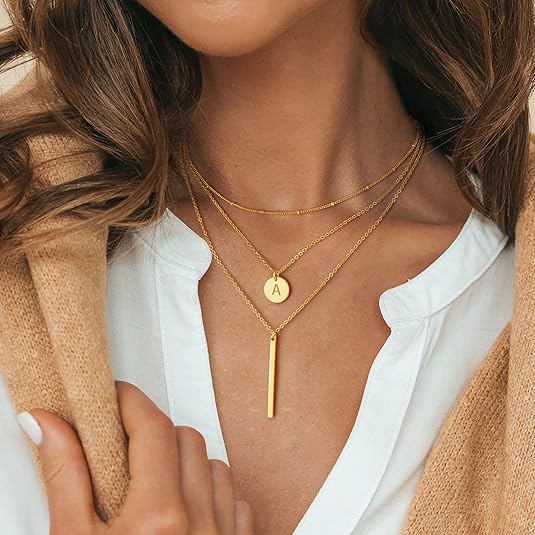
Simple gold jewellery. Milan loves understated gold. Small hoop earrings, a delicate chain necklace, a thin bracelet. Nothing costume-y or oversized. This is one of those details that costs almost nothing but makes a significant difference to how pulled-together you look.
A quality scarf. I’ve already mentioned it in the church section, but it bears repeating. A large, lightweight scarf in a neutral or complementary colour is genuinely one of the most useful accessories you can pack for a Milan June trip.
A good hat. June sun is hot enough that a hat goes from aesthetic choice to practical one. A structured straw hat looks deliberately stylish; a simple linen or canvas cap works if you prefer something low-profile. Both are better than sunburn.

Local tip: Milanese style tends to prioritise one good accessory over many smaller ones. A great pair of sunglasses and clean earrings will read as more intentional than four bracelets, two necklaces, and a chunky ring all at once.
Fabrics to Pack and Fabrics to Leave at Home
This section is short but genuinely important, because fabric choice in Milan’s June heat makes the difference between enjoying your day and enduring it.
Pack:
- Linen (the king of summer travel fabrics)
- Breathable cotton and cotton blends
- Bamboo jersey (surprisingly breathable and soft)
- Silk or silk blends (feels luxurious, breathes well, very Milanese)
- Lightweight chambray (the in-between of denim and cotton)
Leave at home:
- Polyester (it traps heat and sweat in a way that becomes genuinely unpleasant by midday)
- Heavy denim
- Thick wool or knits (save these for autumn)
- Velvet, velour, or any heavy pile fabric
- Synthetic athletic blends that aren’t specifically designed for heat
The quickest test: hold the fabric up to your mouth and breathe out. If you can feel air moving through it easily, it’ll likely breathe well on your body. If it feels like breathing into a plastic bag — leave it.
Local tip: If you don’t have much linen at home and don’t want to invest before your trip, Milan has excellent options at accessible price points. Zara and Massimo Dutti both have strong linen collections in summer. You could pack light and pick up a piece or two when you arrive.
What to Wear for the Navigli District Specifically
The Navigli — Milan’s canal district — deserves its own section because it has a distinct vibe compared to the fashion district or the historic centre.
Navigli is arty, slightly bohemian, full of vintage shops and independent bars, and particularly alive on weekend evenings when the whole neighbourhood turns into one long, joyful aperitivo. The style here skews more relaxed than the Quadrilatero della Moda, but still considered. Think: interesting rather than expensive.
This is where you can pull out a flowy maxi skirt with a tucked-in graphic t-shirt, or a colourful printed dress that might feel too bold elsewhere. Wide-leg linen trousers with a crop top work beautifully here. The Navigli crowd appreciates individuality and creative dressing more than strict Milanese polish.
Comfortable shoes are key because the canal banks involve uneven paving and the bars themselves are often standing-room-only. A low block heel or flat sandal is the sweet spot.
Local tip: Sunday mornings in Navigli have an antique market that’s brilliant for browsing. Go early (before 10am), dress casually and comfortably, and leave room in your bag for any small finds you can’t resist.
Your Milan June Capsule Wardrobe
This is what I’d actually pack for a 7-day Milan trip in June, if I was packing for maximum style with minimum bulk.
Tops:
- 2 simple fitted t-shirts in neutral colours (white, cream, or grey)
- 1 lightweight linen or cotton shirt in a neutral (can be worn open as a layer)
- 1 slightly nicer top for evenings (silk or satin blends are great)
- 1 camisole or tank top for wearing under things and layering
Bottoms:
- 1 pair of lightweight linen or cotton trousers
- 1 pair of tailored shorts (Bermuda length)
- 1 pair of slim straight jeans in a lightweight denim (optional, for cooler evenings)
Dresses:
- 2 midi dresses — one for daytime, one that works for evening. These are doing heavy lifting so choose carefully.
Shoes:
- 1 comfortable leather sandal you’ve already broken in
- 1 pair of clean white sneakers or loafers
- 1 option with a slight heel for evening (optional but nice to have)
Layers:
- 1 lightweight linen blazer (doubles as evening layer and church cover-up)
- 1 large lightweight scarf
Extras:
- 1 packable rain jacket
- Quality sunglasses
- Simple gold jewellery (takes up no space, makes a huge difference)
- Hat of your choice
That’s a full week of outfits with room to mix and match — without overpacking, without a second checked bag, and without wearing the same look twice in an obvious way.
Local tip: Plan your outfits before you leave, not after you arrive. Lay everything on the bed and check that each piece works with at least two other items. If something only makes one outfit, it’s probably not earning its place in the suitcase.
Practical Packing Advice (The Honest Version)
How many outfits do you actually need?
A rough formula: one outfit per day, minus two. If you’re there for a week, plan five core outfits and rely on re-wearing and mixing and matching for the rest. Unless you have access to laundry, in which case pack even lighter.
Packing light vs overpacking:
Overpacking for Milan is a particular mistake because many hotels have small rooms, left luggage is expensive, and lugging a heavy suitcase around cobblestone-adjacent streets is its own punishment. The liberating truth is that you will wear less than you think, and you will find yourself reaching for the same three outfits on rotation. Pack those three outfits plus a handful of extras.
Mistakes to avoid:
Packing “just in case” outfits for scenarios that won’t happen. That cocktail dress for a fancy event you might attend — leave it. The extra pair of shoes just in case — leave them. Pack for the trip you’re actually taking.
Don’t pack dry-clean-only items. They’re stressful to travel with and you’ll spend the whole trip being careful rather than living in them.
Don’t assume you’ll find what you forgot in a Milan pharmacy for cheap. Personal care items are more expensive than you’d expect, and shopping time is sightseeing time you’re not getting back.
A Final Thought
Here’s what I want you to remember as you close this article and start pulling things out of your wardrobe: Milan is a city that rewards you for caring, even a little. You don’t need an expensive wardrobe, a stylist, or a full weekend of outfit planning. You just need to make a few thoughtful choices — breathable fabrics, comfortable shoes you love, one or two pieces that make you feel genuinely good — and then stop worrying about it.
Because the real magic of Milan in June isn’t in looking perfect. It’s in sitting outside a Navigli bar as the sky turns gold, a Spritz in hand, the warm evening air carrying the sound of a city fully in its element — and feeling, even for a moment, like you belong there completely.
Pack light. Dress with intention. And enjoy every second.

