
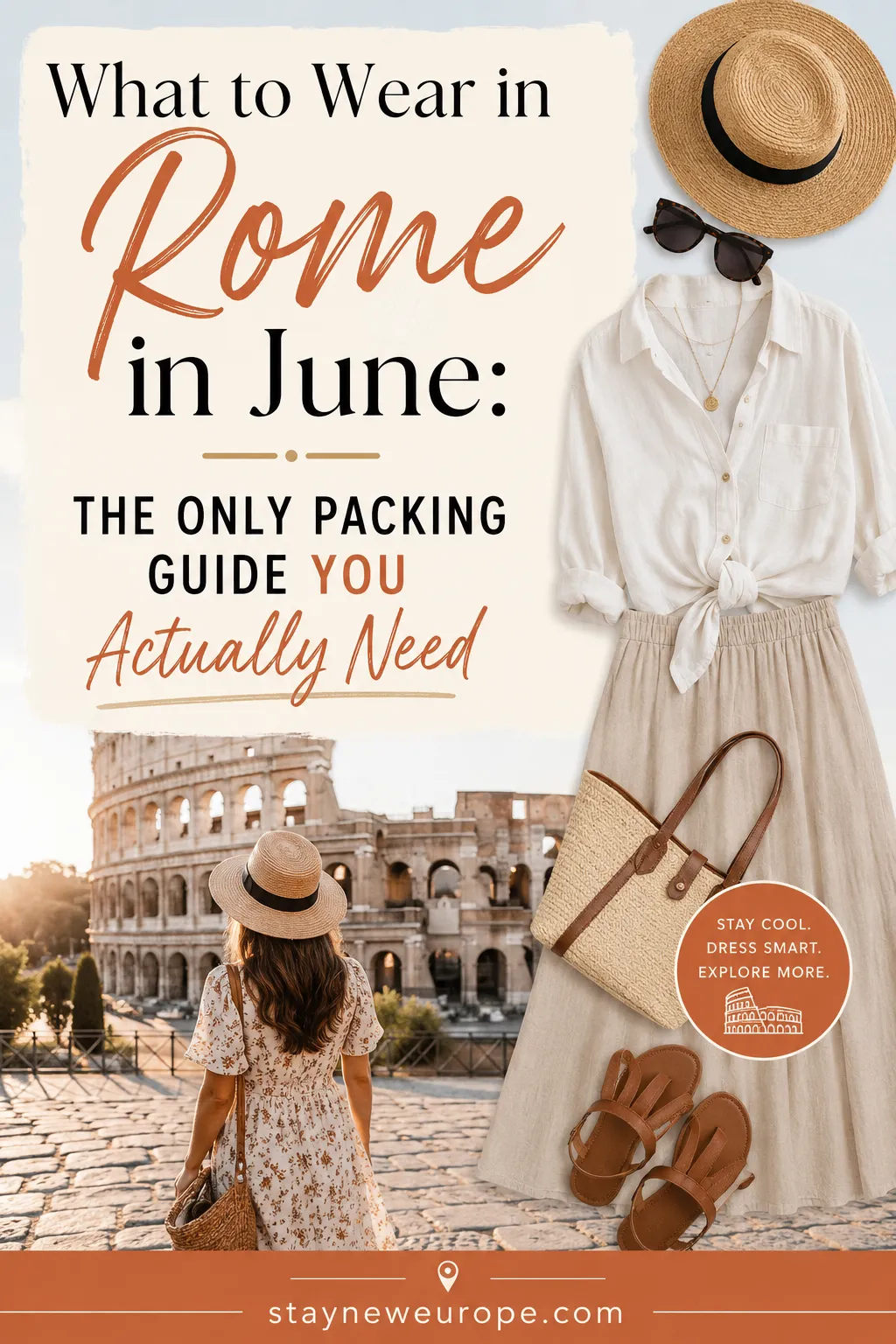
Rome in June is the kind of city that will seduce you completely — and then quietly wreck you if you showed up wearing the wrong shoes. I know, because I’ve done it. I’ve hobbled across the Colosseum in sandals that seemed perfectly reasonable in my bedroom at home but turned into instruments of torture by 10am. I’ve sweat through a denim jacket at the Pantheon and wished I could melt into the pavement. June in Rome is gorgeous, golden, and genuinely hot — and the city rewards the people who dress smartly.
Most tourists pack for Rome the way they’d pack for a beach holiday — shorts, flip-flops, maybe a sundress — and then spend their first afternoon being turned away from churches, sunburned by noon, and quietly mortified by how out of place they look next to the Romans, who seem to float around in linen like they were born in it. (They practically were.)
This guide is everything I wish someone had told me before my first June trip. Not a generic “pack layers!” rundown — but real, specific advice about what works on Rome’s cobblestones, inside its cool-stoned churches, at a trattoria terrace at 9pm, and everywhere in between.
Before We Dive In: What June in Rome Is Actually Like
Let’s be honest about the weather first, because it shapes everything.
June in Rome is warm to hot — daytime temperatures typically sit between 25°C and 32°C (77°F to 90°F), and it’s not unusual to have a week of 34°C days right at the end of the month. The sun is intense, the city is mostly stone and marble, and that reflected heat is no joke. Humidity is moderate — not Bangkok-level, but enough that synthetic fabrics will make you miserable within the hour.
Rain does happen in June, but it’s usually brief and dramatic — a summer thunderstorm that rolls in, dumps rain for 20 minutes, and leaves. You don’t need to pack a full rain kit, but a tiny packable layer or compact umbrella has saved me more than once.
The walking situation deserves its own paragraph. Rome is not a flat city you can wander in whatever shoes feel cute. The cobblestones — those ancient, gorgeous, uneven sampietrini stones — are everywhere in the historic centre, and they will eat your heels, twist your ankles in wedges, and leave you limping if your shoes don’t have proper support. The distances are also deceptive. You’ll think “I’ll just pop from the Piazza Navona to the Campo de’ Fiori” and realise you’ve walked 8km by lunchtime.
Then there’s the style culture. Romans dress well. Not ostentatiously — not like you need to show up in designer pieces — but there’s an effortless put-togetherness that the city’s residents carry with them that makes tourists in neon running shoes and logo-covered t-shirts stick out immediately. Dressing thoughtfully isn’t just about vanity here. It’s about blending in, getting better service at restaurants, and honestly, feeling more like you belong.
Lightweight Layers: More Important Than You Think
Here’s the paradox nobody warns you about: June in Rome is hot outside and freezing inside.
Not literally freezing, of course, but the air conditioning in restaurants, museums, and shops is turned up ferociously high. You’ll walk into the Vatican Museums drenched in sweat from the queue outside, and within ten minutes you’ll be wishing you had a jumper. Churches, meanwhile, are kept cool by their thick stone walls and are often genuinely chilly even without AC.
The solution is always, always a layer you can throw on and peel off. It doesn’t need to be heavy — in fact, it shouldn’t be.
- A lightweight linen or cotton long-sleeved shirt that ties around your waist.
- a fine-knit cardigan that compresses to nothing in your bag.
- a thin cotton blazer that works equally well at noon and midnight.
These are the things that will save you.
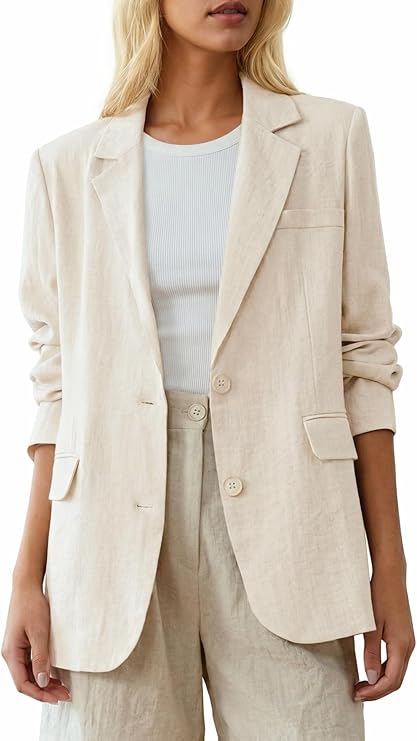
The other reason layers matter: Rome’s June evenings are genuinely lovely — warm but with a breeze that makes outdoor dining feel perfect — and having something to drape over your shoulders as the sun goes down is the difference between lingering over a second glass of wine and bolting back to your hotel.
Local tip: Romans often carry a cotton or silk scarf year-round. It works as a sun wrap, a layer, a church cover-up, and a style piece all at once. Pack one. It’s the most versatile item in your bag.
Linen, Linen, Linen: The Fabric You Need to Actually Know
I used to overlook linen because I associated it with wrinkled disasters. Then I went to Rome in June and converted completely.
Linen is the answer to most of your June packing questions. It breathes better than cotton, dries faster, looks more elegant than any synthetic “travel fabric,” and — here’s the thing nobody tells you — the wrinkles actually look intentional when you’re in Italy. A slightly rumpled linen shirt on a Roman street looks lived in, not sloppy. The same shirt in London just looks like you slept in it on the train.
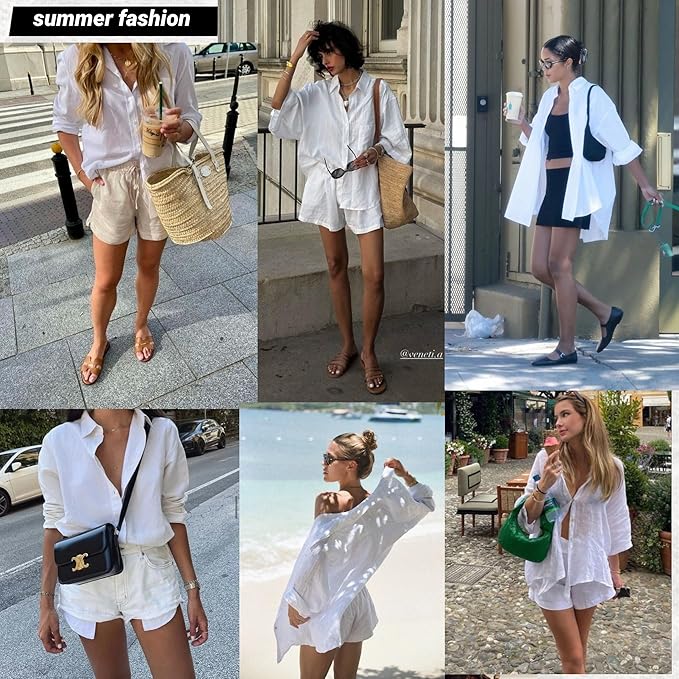
Linen trousers, linen shirts, linen dresses — all of it works in June. Go for natural, earthy tones or classic neutrals: sand, white, navy, terracotta, sage. These colours work together easily, look effortless in the heat, and don’t show sweat as dramatically as darker shades can (counterintuitively).
What to avoid: polyester blends, anything marketed as “wrinkle-free travel fabric” (they’re plastic, basically, and they trap heat), heavy cotton denim in full-length styles (denim shorts are fine; jeans in 30°C heat is a choice you’ll regret by hour two), and anything with too much stretch. Roman fashion leans toward structured, not clingy.
Local tip: If you forget something or fall in love with the linen lifestyle mid-trip, Rome has beautiful options at every price point. The shops near Campo de’ Fiori and along Via del Corso have linen pieces that won’t break the bank.
Dresses in Rome: Your Best Friend (With Conditions)
A well-chosen dress might be the single most useful item you pack for June in Rome.
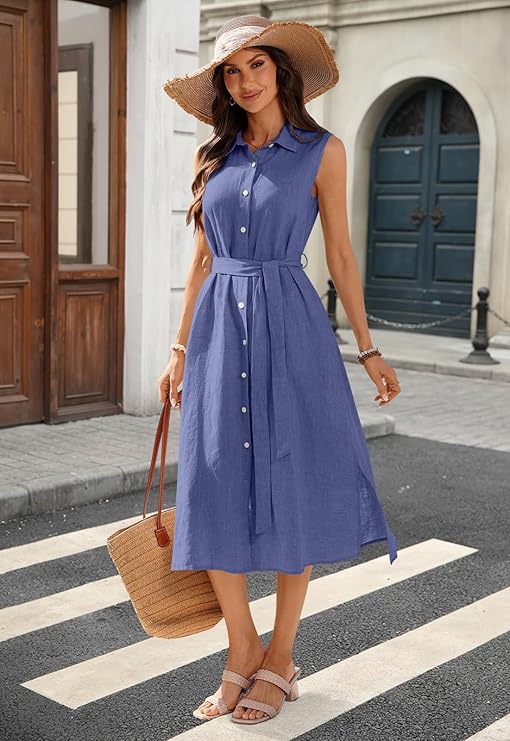
The logic is simple: one piece, done. No coordination required. In the heat, dresses allow airflow that trousers and shorts simply don’t. A midi dress in lightweight cotton or linen hits a sweet spot — it looks polished enough for dinner, it’s cool enough for a 2pm walk past the Forum, and the length means you can walk straight into most churches without scrambling for something to cover your knees.

The conditions: watch the neckline, watch the shoes, and watch the fabric. Strapless or very low-cut dresses create headaches at churches (you’ll need to cover up constantly) and look slightly incongruous when you’re trying to blend in for dinner

Wrap dresses are endlessly practical. Shirt dresses in linen are probably the most universally useful dress you can pack. Floaty, sheer dresses look beautiful but can be impractical on windy days or in breezy piazzas — Rome’s wind tunnels between buildings are no joke.

For shoes, a dress paired with white trainers is a perfectly acceptable and genuinely stylish Roman choice. Strappy flat sandals work if they have a supportive footbed. Heels are essentially ruled out by the cobblestones (more on this below).
Local tip: Pack a dress that can go from sightseeing to dinner without a change. Add a leather belt, swap sandals for something slightly dressier, and throw on the silk scarf — done.
The Great Shoe Question: What Actually Works on Roman Cobblestones
This is the section that could save your entire trip.
Roman cobblestones — the sampietrini — are the beautiful ancient stones that pave most of the historic centre, and they are genuinely, legitimately dangerous for the wrong footwear. Heels sink into the gaps and snap. Thin-soled sandals transmit every stone through your foot. Flat flip-flops offer zero support and leave you limping by afternoon. I have watched countless tourists (and, embarrassingly, myself) figure this out the hard way.

What works: shoes with a cushioned, grippy sole and real arch support. This sounds like it should mean ugly trainers, but it absolutely doesn’t have to.
- White leather trainers (Veja, New Balance 574, Adidas Stan Smith — anything clean and simple) look effortlessly Roman and are probably the most widely worn tourist shoe for good reason.
- Leather loafers with a low block sole are excellent — very in keeping with Italian style, comfortable, supportive.
- Sandals can work brilliantly if they have a proper footbed (think Birkenstocks, or the Mephisto-style leather sandals that Romans themselves wear constantly).

What genuinely doesn’t work: stilettos (just don’t), thin-soled ballet flats for long days, plastic flip-flops, and brand-new shoes you haven’t broken in yet. I learned that last one very personally and I have the blister memory to prove it.

For evenings in June, if you want something slightly dressier, a low block-heeled mule or a sandal with a modest wedge can work — just know that any outdoor piazza dining will involve cobblestones between the taxi and the table.

Local tip: Italians are not wearing running shoes in the city unless they’re actively exercising. A clean leather sneaker reads “city-chic.” Neon-coloured sports shoes read “American tourist on a stadium tour.” The difference matters less than you might think, but it’s worth knowing.
What NOT to Wear in Rome in June
Let me be blunt about a few things, because nobody else will be.
Flip-flops for sightseeing. They’re not shoes. They’re barely foot-coverings. The cobblestones will find you out within the first hour, and you’ll end up in a pharmacy buying plasters. Save the flip-flops for the pool or the hotel hallway.
Shorts that are too short. For men and women both — very short shorts are going to get you turned away from churches. Beyond the practical issue, very short shorts in the heat of a Roman summer look beach-ready, not city-ready. Knee-length or mid-thigh works. Anything significantly shorter looks out of place everywhere except gelato queues.
Logo-heavy or novelty t-shirts. Nothing screams tourist like a branded souvenir tee or a shirt with a large graphic print. Romans dress simply but elegantly — a plain linen shirt, a plain cotton t-shirt in a good colour, a simple stripe. That’s it. That’s the whole move.
Full-length jeans on hot days. I know, I know. Jeans feel safe and neutral. But in 30°C heat with full sun, you’ll be miserable. If you love denim, pack a pair of lightweight denim shorts or a denim skirt. Leave the skinny jeans at home for summer trips.
Overly casual activewear in restaurants. Leggings and a sports bra are not dinner attire in Rome. Italians take their aperitivo and dinner hour seriously, and turning up in gym clothes to a trattoria creates a visible frisson of disapproval. Save the activewear for the hotel gym or a morning jog along the Tiber.
Local tip: If you’re unsure about an outfit, ask yourself: “Would I wear this to a nice lunch at home?” If yes, it works in Rome. If it’s pure sportswear or full beach mode, dial it back.
The Church Problem: Dressing for Rome’s Sacred Spaces
No one tells you how many churches you’ll want to visit until you’re in Rome.
Rome has over 900 churches, and the rules for entering them are non-negotiable: covered shoulders, covered knees. No exceptions, not even for the most casual parish church, and definitely not for the Vatican or major basilicas. Guards will stop you at the door. There are sometimes cover-ups you can borrow, but they’re often unpleasant synthetic wraps and the queues to get them can be annoying.
The easy solution is to simply build church-appropriate dressing into your base outfits. Midi dresses and skirts that hit at or below the knee. Trousers or longer shorts. And always something to cover your shoulders — that linen overshirt, a cardigan, or your trusty scarf.

Scarves are genuinely the most convenient church solution. You can tie one around your waist as a skirt wrap if your dress is too short, drape it over your shoulders in seconds, and then whip it off the moment you step back into the sunshine.

For the Vatican, I’d dress a step above your usual sightseeing outfit. It’s not required, but the Vatican is a formal institution and the atmosphere calls for it. Long linen trousers or a maxi skirt, a proper shirt — it also means no fussing with cover-ups in the queue.
Local tip: The Churches in Rome are genuinely cool — thermally, not just aesthetically. Popping into a church for ten minutes is one of the best ways to escape the midday heat. Dress for it and you can use them strategically as air-conditioning throughout the day.
Men’s Packing: What Works in Rome in June
Men’s packing for Rome is often underserved in these guides — so here it is specifically.
Linen shirts are your MVP. A simple linen shirt in white, pale blue, or a warm sand colour, worn untucked over chino shorts or lightweight trousers, is exactly right for Rome in June. It reads as relaxed but intentional — and it’s what Romans actually wear. Pack two or three and rotate them. They dry fast if you rinse them at the hotel.

Chino shorts in a neutral colour (khaki, stone, navy) that hit at or just above the knee are ideal. They’re cool, they look put-together, and they allow church entry without any fuss. Avoid very long cargo shorts (too casual, too many pockets) and very short shorts (church access issues, cultural misfit).

For evenings or nicer dinners, pack one pair of lightweight linen or cotton trousers. Not formal — just long. They elevate the look significantly and Italians notice. Add a clean leather shoe or a leather loafer and you’ll look immediately less tourist, more traveller.
Comfortable walking shoes are critical — white leather trainers, clean suede loafers, or leather sandals with a proper sole. No sports sandals with socks, no plastic slides, no running shoes with neon colour-blocking.

Local tip: Italian men don’t generally wear shorts after 7pm, even in summer. If you’re heading somewhere nice for dinner, make it trousers. Nobody will say anything to you if you show up in shorts, but you’ll notice you’re the only one.
Evening Outfits in Rome: The Aperitivo to Dinner Flow
Rome at night is a different energy — warmer, slower, golden-lit, and noticeably more stylish.
The aperitivo hour (usually 6-8pm) and dinner (Romans eat late, often 8-9pm) are social rituals in Rome, and people do make a little more effort for them. Not black-tie effort. Not cocktail dress effort. Just a small, visible notch upward from daytime sightseeing.
For women: a lightweight wrap dress or a floaty midi in a jewel tone or a warm terracotta. Add a delicate necklace, swap flat sandals for something slightly dressier, and you’re done. A linen set — wide-leg trousers and a matching cami or top — looks incredibly chic at an outdoor restaurant and is still entirely practical for June heat. Linen blazer over a silk cami is another great option.

For men: switch from the shorts to those lightweight linen trousers. Keep the linen shirt, maybe tuck it slightly. Add a leather loafer. That’s genuinely it — you’ll look like a Roman.

The key for both is avoiding the sharp divide between “tourist daywear” and “going out” that requires a whole outfit change. The best June-in-Rome outfits work across the whole day with small adjustments. A pair of gold earrings, a belt, a scarf tied differently — these details do the evening transition work.
Local tip: Rome’s restaurant terraces stay warm and pleasant well into the evening in June. You won’t need a heavy jacket at dinner most nights — your lightweight layer is enough. If you have dinner at 9:30pm and decide to walk home at midnight, the evenings in June are genuinely soft and lovely.
Bags: Crossbody vs Backpack vs Tote
Your bag choice in Rome matters more than people realise — for safety reasons as much as style ones.
Rome, like any major tourist-heavy European city, has a pickpocket problem — particularly around the Colosseum, the Trevi Fountain, and on buses. Backpacks worn on your back are vulnerable (you can’t see what’s happening behind you). Large tote bags hanging off one shoulder are easy to grab. The crossbody bag, worn across the chest with the bag sitting in front of your body, is genuinely the smartest option.
A small to medium leather crossbody is ideal — it holds your essentials (phone, cards, sunscreen, a folding fan, that scarf), it’s secure, it looks appropriate everywhere from a museum to a dinner, and it doesn’t scream “tourist with everything they own on their person.” I wore mine every single day across Rome and never felt worried.

If you want to carry more on sightseeing days (water bottle, a light layer, your camera), a small leather backpack worn in front of you at crowded spots is an acceptable compromise. Alternatively, pack a lightweight tote that folds up in your crossbody and deploy it only when you’re somewhere low-risk and need the extra space.

Local tip: Avoid bags with external zip pockets — those are the first thing pickpockets go for. Keep your crossbody zipped and sitting in front of you in crowds. And honestly? Leave your big fancy designer bag at home. It draws attention you don’t want.
Accessories That Elevate Everything
This is the bit where Italian style really shows.
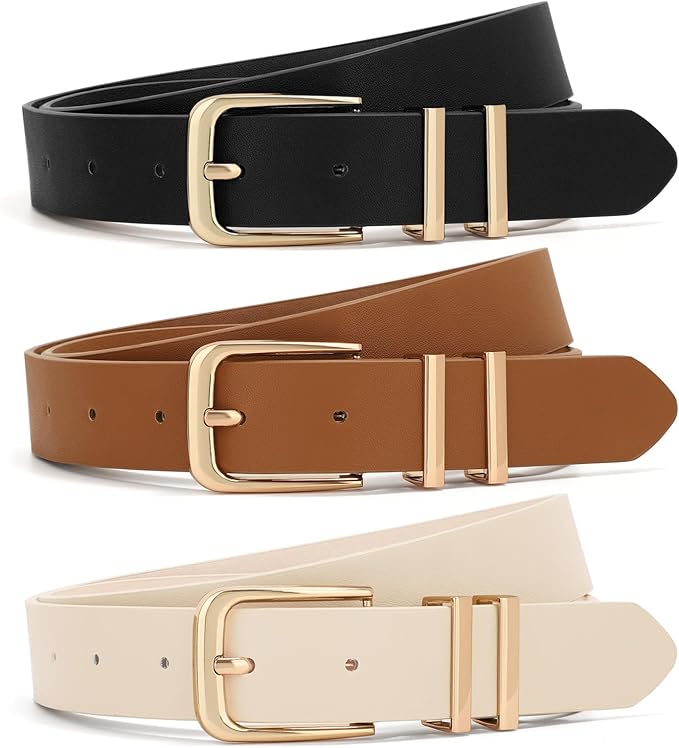
Romans don’t out-spend you on clothes. They just wear better accessories. A beautiful silk scarf, a quality leather belt, a pair of simple gold earrings, a good watch — these things pull an entire outfit together and make the simplest linen dress look intentional and stylish.
For June in Rome, accessories also serve practical purposes.
A wide-brimmed sun hat is essential for afternoon sightseeing — the sun at the Forum, the Palatine Hill, and any outdoor site is relentless from 11am onward, and sunburn is genuinely fast in June. Choose something with a brim wide enough to actually protect your face, but that doesn’t make you look like you’re going gardening. A straw hat is both practical and very in keeping with Roman summer aesthetics.

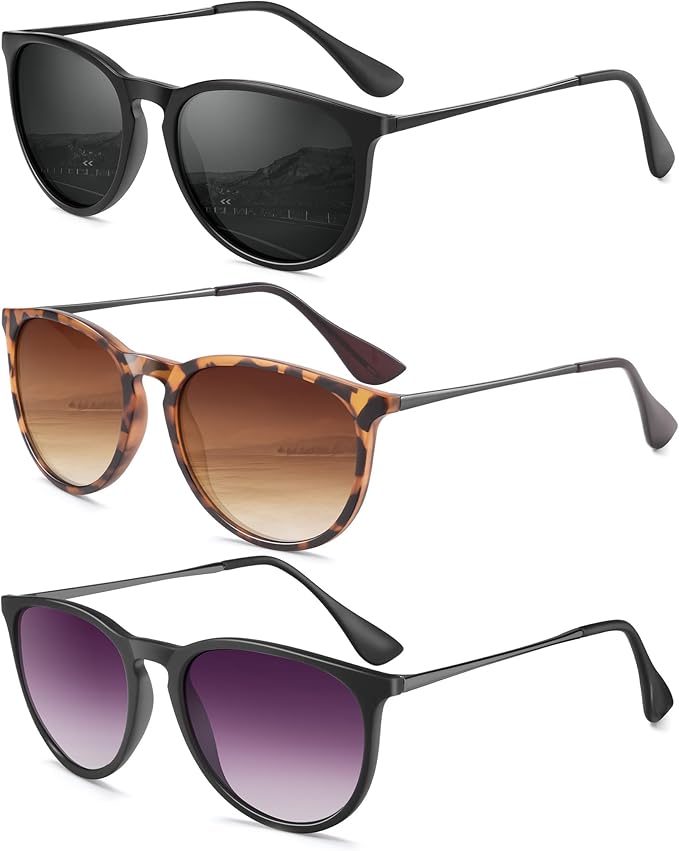
Sunglasses are non-negotiable — pack a pair you love, because you’ll wear them constantly. In Italy, good sunglasses are a statement piece, not an afterthought.
A lightweight scarf doubles as a wrap, a church cover-up, a bag accessory, and an evening layer. Go for silk or a fine cotton in a colour that works with your outfits. Neutral or warm-toned prints work beautifully.

A good belt in leather elevates linen trousers and simple dresses from casual to put-together in seconds. This is the one accessory men often overlook and Romans never do.
Local tip: Skip costume jewellery that looks too flashy in crowded tourist spots. Simple gold or silver pieces, one at a time, look far more Roman than piling it on.
Rain in June: Rare but Real
June is not Rome’s rainy season — but nobody tells you about the Roman summer thunderstorms.
They come fast and they come hard. A perfectly sunny morning can turn into an absolute downpour by 4pm, and then be blazing sunshine again by 6pm. These storms are brief but drenching, and being caught completely unprepared makes for a miserable hour sheltering in a doorway.
The solution is not a full rain kit. You don’t need a waterproof jacket taking up half your bag. What you need is a tiny, compact umbrella — the kind that folds down to 20cm and weighs nothing. It lives in your crossbody bag all trip and comes out exactly twice, and you’ll be very glad you have it.

A light, packable water-resistant layer is worth considering if you’re there for more than a few days. Not for warmth — just to keep the worst of a sudden shower off you while you find shelter. These pack down to almost nothing and double as a layer in overly air-conditioned spaces.

What you don’t need: a heavy waterproof mac, wellies, or rain trousers. This isn’t Scotland. It’s a summer thunderstorm, and it will pass.
Local tip: If you’re planning outdoor sightseeing at the Roman Forum or Palatine Hill, check the weather forecast that morning. Those sites offer zero shelter, and standing in a downpour with no cover among ancient ruins is more romantic in theory than in practice.
The Capsule Wardrobe: What I’d Actually Pack for One Week
Let me give you something concrete.
Here’s what a well-edited week in Rome in June actually looks like in a suitcase:
For women:
- Two or three linen dresses (midi length, varying necklines).
- one pair of linen wide-leg trousers.
- two linen or fine cotton tops that work with the trousers.
- one lightweight long-sleeved layer (linen shirt or fine cardigan).
- one pair of white leather trainers.
- one pair of flat leather sandals with a proper sole.
- swimwear if your accommodation has a pool.
- one elegant sandal or low block heel for evenings.
- a crossbody bag.
- a wide-brimmed hat.
- two or three scarves.
For men:
- Three linen shirts.
- two pairs of chino shorts in different colours.
- one pair of lightweight linen or cotton trousers.
- one lightweight overshirt or fine-knit layer.
- white leather trainers, leather sandals or loafers.
- one slightly dressier shoe for evenings.
- a crossbody or small leather backpack, a sun hat, sunglasses.
This fills a carry-on. You do not need more. Resist the urge to add “just in case” pieces — Rome has shops. You can buy something if you genuinely need it. What you cannot do is carry a heavy bag across the Forum Romanum while also trying to look at where Julius Caesar was cremated.
Local tip: Build your wardrobe around two or three core colours. Everything linen in sand, white, and navy means everything goes with everything. You can dress it up or down without needing to think too hard while standing in your hotel room at 8am.
Practical Packing: How to Get It Right Without Overpacking
The number one packing mistake for Rome in June is overpacking — and I say this as someone who once dragged a 25kg bag up to a fourth-floor walk-up in Trastevere and genuinely considered leaving it on the stairs.
Aim for a carry-on only if you’re staying for a week or under. It is entirely doable with thoughtful packing, and it changes the trip entirely — no checked bag fees, no waiting at baggage claim, no humping a giant case over Roman cobblestones.
The formula that works: pack for five days, not seven or ten. You can rinse and repeat linen pieces, and most Rome accommodations have a laundry service or a nearby lavanderia if you need it. Wear your bulkiest items on travel days. Roll rather than fold — linen takes to this especially well and it actually looks fine.
Mistakes to avoid: packing shoes for every possible scenario (three pairs is enough: one walking shoe, one sandal, one slight evening upgrade), bringing “just in case” formal pieces that sit unused, and treating every day as a separate outfit requiring unique pieces. Rome is casual-elegant. Repeat outfits. Nobody is watching.
One more thing: leave space for what you buy. The ceramics, the leather, the linen shirt you find in a market that’s slightly too perfect to leave behind. A half-empty suitcase on arrival is a very intentional choice.
Before You Go: One Last Thing
Rome in June will ask things of you — more walking than you planned, more heat than you expected, more beauty than you thought possible for a single city. The Colosseum at golden hour. The Pantheon from inside. A plate of cacio e pepe at 9pm on a terrace while the city hums around you.
What you wear shapes how you move through all of it. Comfortable shoes mean you walk farther and discover more. A thoughtful outfit means you glide into restaurants and churches without friction. Light, breathable fabrics mean the heat doesn’t beat you into the nearest air-conditioned café by noon.
Pack thoughtfully, pack lightly, and pack with intention. Rome doesn’t reward the overprepared tourist dragging a massive suitcase — it rewards the person who shows up ready to walk, to wander, to sit at a pavement café for an hour and watch the city go by.
That person wears linen, carries a good bag, and has a scarf tied around their neck that they bought in a market the second day and never want to take off. Go be that person.

