
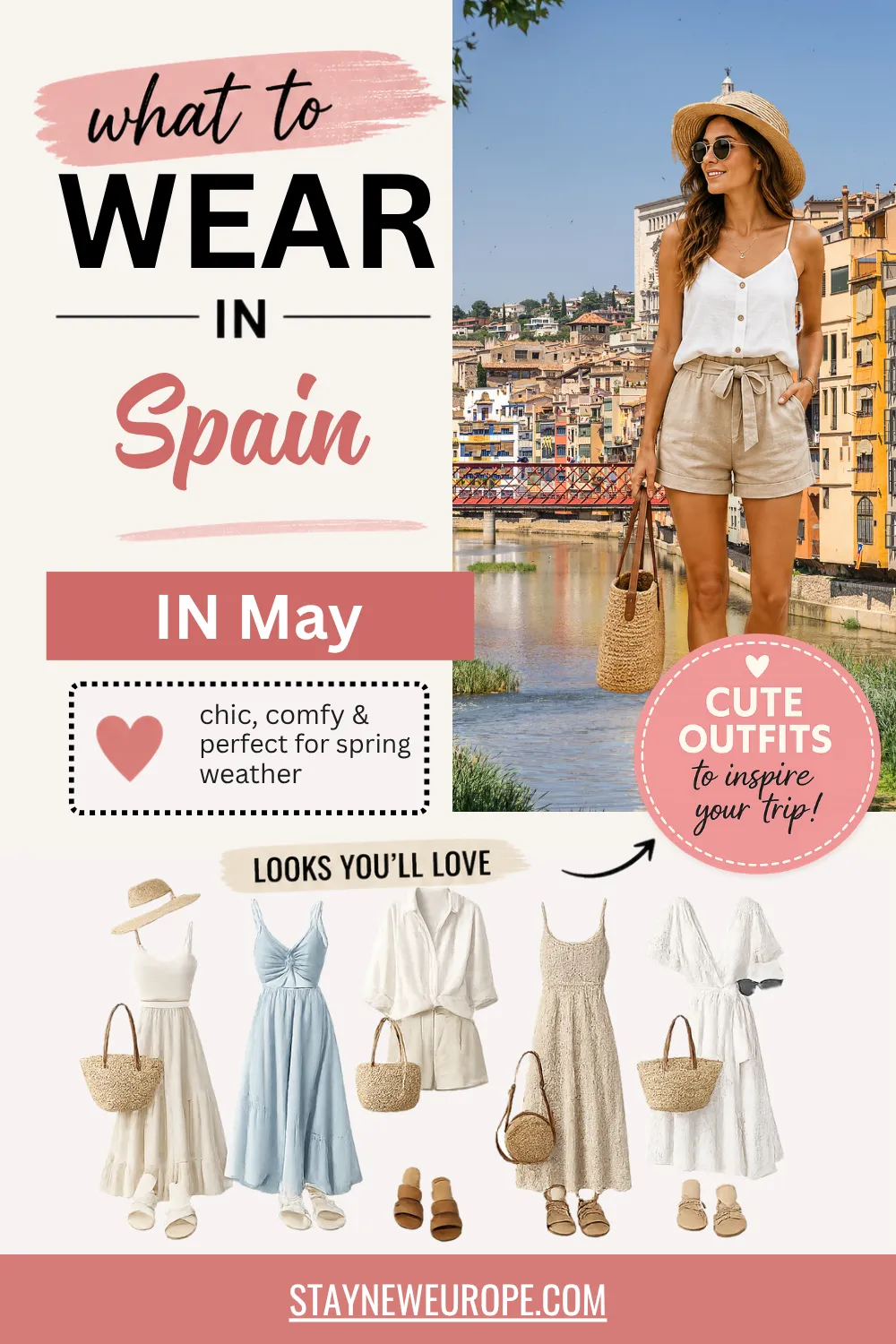
Spain in May is one of those travel sweet spots that people who’ve been there keep quietly to themselves. The crowds haven’t fully arrived yet, the light is golden and long, and the temperatures are just warm enough to feel like summer without flattening you into the pavement. But here’s the thing nobody tells you before you go: Spain in May is not one climate. It’s about five of them, stacked on top of each other depending on where you are, what time of day it is, and whether you’re inland or on the coast.
I’ve made the mistake of packing for “warm Spain” and ending up shivering on a Bilbao street corner in a linen shirt. I’ve also overdressed in Madrid mid-afternoon and nearly combusted. The trick isn’t packing more — it’s packing smarter. And dressing like someone who actually lives there, rather than someone who just landed.
This guide covers exactly what to wear in Spain in May, from the practical to the stylish, so you can spend your time eating patatas bravas instead of standing outside a cathedral being turned away for bare shoulders.
Before We Dive In: What May in Spain Actually Feels Like
Spain in May sits in a genuinely comfortable weather window — but it varies significantly by region. In Madrid and the central meseta, expect daily highs around 20–24°C (68–75°F), with crisp mornings and evenings that drop to 12–14°C. Seville and Andalucía can already be hitting 28–30°C by mid-May — genuinely hot. Barcelona sits somewhere in between, at 20–23°C, but with coastal humidity that makes it feel warmer. The north — San Sebastián, Bilbao, Galicia — is cooler, cloudier, and frankly should be treated like an entirely different country weather-wise. Pack accordingly: 15–18°C with a real chance of rain.
Rain is possible almost everywhere in May, though it’s rarely prolonged. You might get a dramatic afternoon thunderstorm in the south, a drizzly morning in the north, or nothing at all. A lightweight rain layer isn’t paranoia — it’s just sense.
Spanish culture is beautifully image-conscious. People dress well here, without necessarily being formal. There’s a neatness and put-togetherness to everyday Spanish style that casual doesn’t quite cover. You won’t be judged for being a tourist, but you will feel significantly more comfortable — and treated better at restaurants and tapas bars — if you look like you made some effort.
Lightweight Layers: The Philosophy That Will Save Your Trip
Let me be direct about this one: layers are not optional in Spain in May. They are the foundation of your entire wardrobe strategy.
The temperature swing between 8am and 3pm can be 12–15 degrees. You’ll start your morning in a jacket, strip it off by 11am, sling it around your waist (or not — we’ll come to that), and possibly want it again for the air-conditioned museums and restaurants that seem to be competing with Antarctic research stations for coldest interior temperature. I cannot stress this enough: Spanish air conditioning in summer is aggressive, and May marks the beginning of the season.

The key is thin layers you can genuinely stuff into a bag. A lightweight cotton or linen shirt over a simple vest or tee. A thin merino cardigan. A packable jacket that folds to almost nothing. Each item should work alone and together — that’s the rule. You’re not carrying a bag of contingencies; you’re building a versatile system.
Local tip: Buy a light scarf at a market if you don’t already have one. It doubles as a sun shade, a church cover-up, a blanket on cold transport, and an accessory that immediately makes any outfit look more intentional.
The Linen Question: Yes, But Not That Linen
Linen in Spain in May sounds perfect in theory, and it mostly is — except everyone imagines linen wrong.
The breezy, floaty, slightly-crumpled linen look is genuinely wonderful in Andalucía or on the coast where it’s warmest. But straight linen shirts in the north of Spain, or in Madrid on a cooler day, will leave you genuinely cold and looking like you got dressed in the dark. The solution is linen-cotton blends, which behave much better in variable temperatures, don’t wrinkle quite as dramatically, and still breathe beautifully when it’s hot.
Linen trousers for women are a near-perfect May Spain item — they look polished, stay cool, work for everything from a walking tour to a long lunch. Linen trousers for men are equally excellent, particularly in navy, stone, or olive. Pair with a fitted shirt (not a beach shirt — a proper shirt) and you’ll look entirely at home.

What doesn’t work: heavily wrinkled all-linen sets where the outfit looks like you slept in it on the plane. Spanish style has a certain neatness to it, and while nobody expects dry-cleaning, there’s a difference between relaxed and dishevelled.
Local tip: Mango and Zara — both Spanish brands — sell exactly the right kind of linen-blend pieces at reasonable prices. If you’re in a bigger city, grabbing one item there lets you dress exactly like a local because, well, you literally are.
Jeans in Spain in May: Still the Most Reliable Item You Own
I know travel fashion content often wants to dismiss jeans as heavy and boring. But honestly? A good pair of slim or straight jeans is one of the hardest-working items in your May Spain suitcase.
They work in the north where it’s cooler. They work for evenings everywhere. They look sharp with a nice top for dinner. They’re practical for long walking days on uneven cobblestone streets without being sporty. And unlike linen or cotton trousers, they keep you warm enough on a cool evening without needing another layer.

The key is fit. Baggy, worn-out jeans will make you feel out of place against the generally well-fitted aesthetic of Spanish streetwear. Slim or straight cut, in a dark indigo or classic blue, will take you almost everywhere. I wore one pair of dark jeans across nine days in Barcelona and Madrid last May and they earned their place every single time.
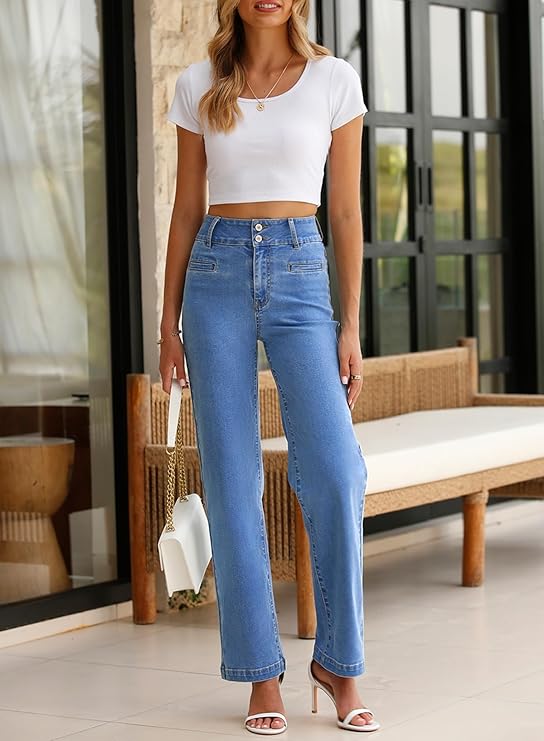
For women, wide-leg jeans have been very much on-trend in Spain recently — seen everywhere in Barcelona and Madrid — and they’re comfortable enough for a full walking day if the waistband fits properly.
Local tip: Avoid overly distressed or ripped jeans for restaurant dinners, especially anywhere with tablecloths. It’s not that you’d be turned away, but you’d feel under-dressed once you’re inside.
Dresses and Skirts: When Spain Rewards You for Wearing Them
If you love dresses and skirts, Spain in May will reward you generously. The climate in southern and central Spain is almost tailor-made for midi dresses, wrap styles, and floaty skirts by midday.
A midi dress in a cotton or viscose blend is genuinely one of the best single items you can pack. It’s comfortable, packs small, looks put-together without trying, and can be dressed up with sandals and a small bag for dinner or worn with trainers and a denim jacket for morning exploring. One dress, four outfits. That’s the maths I work with.
Wrap dresses specifically are endlessly practical: they work across a range of temperatures (add tights or a layer for cooler days), they flatter most figures, and they’re accepted in churches when you add a scarf over the shoulders. Floral prints feel right for the season without being costume-y.

For skirts, a midi linen skirt paired with a tucked-in top and sandals is a classic Spanish look you’ll see on every Barcelona terrace. Short skirts work fine for casual days but have limited church access — bring a sarong or scarf to cover up when needed.

Local tip: Avoid anything too sheer for daytime city exploring, particularly in smaller towns and religious sites. What reads as summery in a coastal resort can feel out of place on a busy street in Seville’s historic centre.
Shoes: This Decision Will Make or Break Your Trip
I’m going to be honest with you here because nobody else will be: Spain is not kind to bad shoes. The cobblestones in historic quarters are genuinely brutal — uneven, slippery when wet, and relentless after four hours. Granada’s Albaicín district involves stairs. Toledo is essentially a hill. Barcelona’s Gothic Quarter looks charming until your heels are screaming.

You need comfortable shoes. And here’s the good news: comfortable shoes and stylish shoes are not mutually exclusive anymore.
For women, a leather or good-quality faux leather loafer with a low block heel is the single best item you can put on your feet in Spain in May. It looks polished, works with jeans, trousers, skirts, and dresses, and gives you support on uneven surfaces. White leather sneakers (clean ones, not gym trainers) are equally versatile and genuinely fashionable across Spain right now. Ballet flats look lovely but offer almost no support — if you love them, limit them to evening use and shorter walks.

For men, a clean leather or suede sneaker — think New Balance 574 or similar — or loafers work brilliantly. Avoid flip-flops away from beach towns. They mark you as a tourist and your feet will thank you for the support.

What absolutely doesn’t work: fashion trainers with no sole support, open-toe sandals on cobblestones longer than an hour, or heeled boots on steep alleyways.
Local tip: Break in any new shoes at home before the trip. There are no compromises here. A blister on day two will haunt the rest of your itinerary.
What NOT to Wear in Spain in May (Tourist Mistakes That Stand Out)
This section comes from love, not judgment. But there are a handful of clothing choices that will immediately read as “tourist” — and while that’s not the end of the world, it can affect how you’re treated, and more importantly, how you feel.
Sports clothing outside of exercise contexts. Gym leggings, running shorts, and athletic zip-ups have their place — at the gym, on a run, in your hotel room. Wearing them to a tapas bar or a cathedral signals that you didn’t quite engage with where you are. Spanish people are casual but they’re rarely sporty-casual in public settings.
Matching his-and-hers or full-family co-ordinated travel outfits. You know what I mean. The matching linen sets. It’s a look.
Socks with sandals. I know it’s crept into fashion in some circles. In Spain, it still reads as emphatically northern European tourist, which you may well be — but you don’t have to announce it.
Overly branded or logo-heavy casual clothing. Big logos on sweatshirts, branded caps, novelty printed t-shirts. Spanish style tends toward clean, understated pieces.
Shorts to a nicer dinner. Fine for lunch or a beach town, but if you’re heading somewhere with actual tablecloths, trousers are the right call.
Local tip: The standard of dress in Spain goes up noticeably for the evening meal. Spaniards treat dinner as a social occasion worth dressing for. You don’t need to be formal — but a small elevation from your daytime look goes a long way.
Jackets and Outerwear: Lighter Than You Think, More Essential Than You Expect
The jacket situation in Spain in May is nuanced. You almost certainly need one — but not the kind you might reach for at home.

In Madrid and central Spain, mornings can be genuinely chilly, and a light jacket is essential until around 11am. A denim jacket is one of the most versatile options here: it works with dresses, jeans, skirts, and almost everything else, it’s an appropriate weight, and it looks at home in Spanish cities without being too casual. A linen blazer is even better if you want something with a bit more polish — it can go straight from a day of sightseeing to a nice restaurant without feeling wrong.

In Seville or coastal Andalucía, where May is warmer, you might find you only need a jacket for evenings. A lightweight bomber or a thin cotton zip-up jacket is enough. Don’t bring a wool coat.
In northern Spain — Galicia, the Basque Country, Cantabria — treat the weather more like a mild British summer than a Mediterranean holiday. A slightly heavier jacket, something shower-resistant, is genuinely useful. The north is magnificent in May but it will rain on you.
Local tip: A packable down gilet (body warmer) takes up almost no space and adds real warmth without bulk on cool evenings. Underrated packing item for Spain in May.
Evening Outfits in Spain: The Upgrade You Actually Need
Dinner in Spain starts late — genuinely late, by 9 or 10pm — and it’s a proper social occasion. The evening is when Spanish style really comes into its own, and if you’re eating somewhere decent, you want to feel the part.
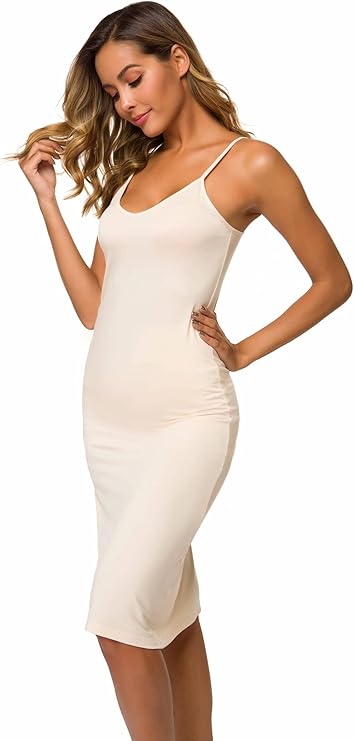
This doesn’t mean formal. It means neat, intentional, and slightly elevated from your daytime look. For women: a midi dress or a nice blouse with tailored trousers and sandals or heeled mules. A simple silk or satin slip dress with a blazer over the top. For men: clean chinos or dark jeans with a proper shirt (tucked in, or a relaxed open-collar), and leather shoes or loafers rather than trainers.

The good news is that evening looks don’t require packing additional items if you’ve planned well. The same dark jeans that worked for your afternoon walk can work for dinner with a nicer top and shoes swapped in. A dress that worked for sightseeing can work for dinner with a small bag and elevated accessories. Packing for evening doesn’t mean packing more — it means packing items that flex up.
Local tip: In Seville and Barcelona especially, restaurant patios are magical in May but the evenings cool down quickly after 10pm. Always have a layer within reach for a long dinner.
What to Wear for Churches and Religious Sites
Spain has some of the most spectacular religious architecture in the world — and it comes with dress code expectations that are taken seriously. Not everywhere, and not always policed at the door, but walking into a cathedral in a crop top or shorts will get you turned away or, at best, handed a paper wrap-around with clear disapproval.
The rules are fairly consistent: shoulders covered, knees covered. That’s it, essentially. It sounds restrictive but with a little planning it’s entirely simple.

For women, a midi dress is almost always fine as-is. Jeans and a short top? Add a lightweight scarf over the shoulders and you’re in. Shorts? A sarong or large scarf tied around the waist brings the hem to knee level. A thin linen shirt carried in your bag is the ideal solution — takes up no room, solves the problem instantly.

For men, the standard is easier: no bare shoulders, no shorts. A t-shirt and trousers are almost always fine.
Local tip: Keep a lightweight scarf in your day bag at all times in Spain. It solves the church problem, provides shade, works as a beach cover-up, and adds a layer of warmth on cool evenings. It’s the single most useful accessory you’ll carry.
Bags: Crossbody All the Way
Let me be straightforward: Barcelona has pickpocketing issues. Madrid’s tourist areas are not immune. This is not alarmism — it’s just a thing you plan around, and the right bag is part of that plan.

A crossbody bag worn across the front is the gold standard for Spain. It keeps your hands free for coffee and bread, is harder to snatch, and doesn’t mark you as an easy target the way a backpack with an open top does. A small, structured leather or canvas crossbody that fits your essentials — phone, cards, cash, sunscreen, the indispensable scarf — is everything you need for a day.

For day trips or hiking, a small backpack is fine, but be conscious of it in crowds and on metro trains: wear it on your front in busy spaces, or use one with secure closures.
Large tote bags are risky in crowded areas and tire your shoulder after a full day of walking. Fashion backpacks look great but require more vigilance in tourist hotspots.
Local tip: Leave your passport at the hotel safe and carry a photo of it on your phone. Keep your main cards and bulk cash separate from your day bag. It sounds like over-preparation until the one time you’re really glad you did it.
Accessories That Do Actual Work
Good accessories in Spain in May aren’t decorative — they pull double duty. The right ones solve problems and elevate your outfits simultaneously.
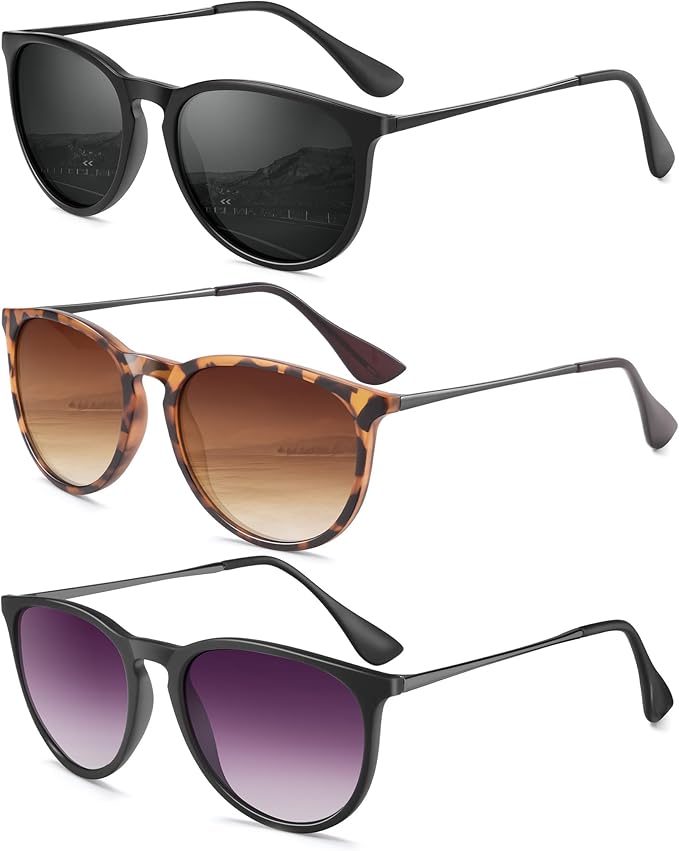
Sunglasses are non-negotiable. The May sun in Spain, particularly in the south, is genuinely strong. A good pair of polarised sunglasses protects your eyes and, frankly, makes every outfit look more pulled-together.
A hat is more useful than you might think. Not a tourist safari hat — a straw hat with a brim, a linen baseball cap, or a cotton bucket hat. It keeps you cooler, protects your skin, and in southern Spain, especially Seville where it’s already hot in May, you will feel the difference by 2pm.

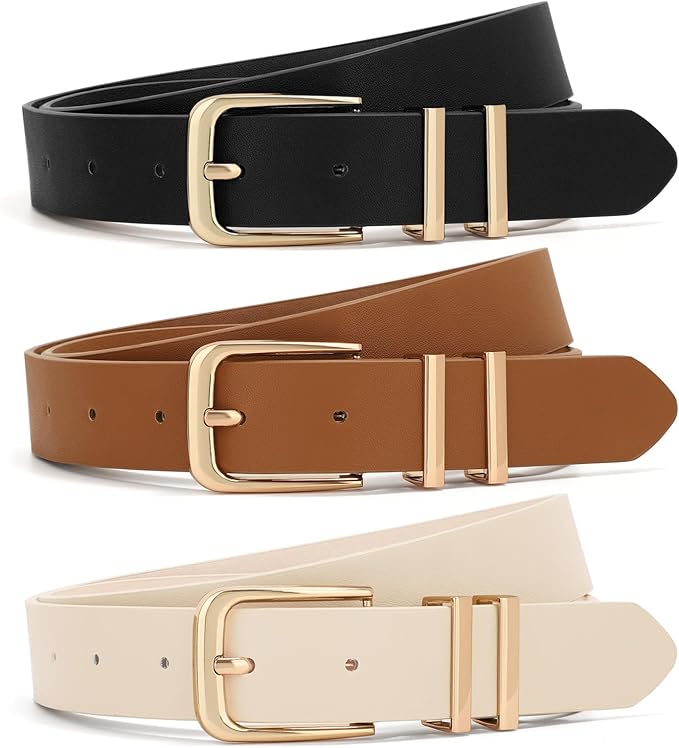
A thin belt sounds trivial but does a lot. It makes trousers and jeans look more intentional, helps with tucking in tops neatly, and costs almost nothing in luggage space.
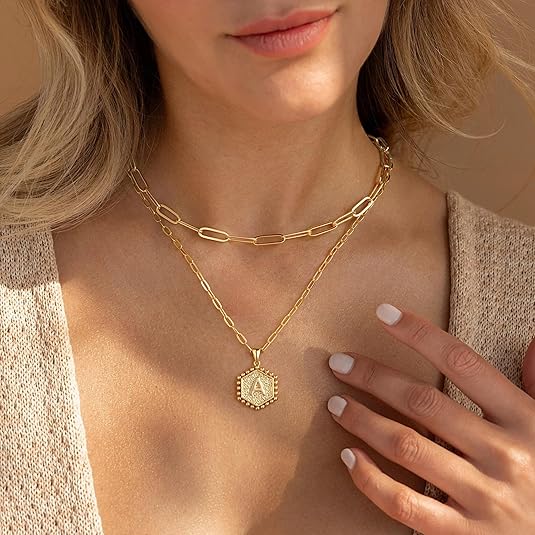
Jewellery — keep it minimal and secure. Dangly earrings, simple necklaces, a ring or two. Over-accessorising in the heat is uncomfortable and increases what you have to worry about.
Local tip: A Spanish fan (abanico) is not a tourist gimmick in Seville or Córdoba in May — it’s genuinely practical. You’ll see local women using them. Pick one up at a market and use it without shame.
Rain Preparation: Don’t Get Caught Out
May rain in Spain is rarely the kind of sustained downpour that ruins a whole day. But it happens, and the afternoon thunderstorms in particular can arrive with almost no warning and be dramatic for 30–45 minutes before clearing entirely.
A compact, packable rain jacket or windbreaker that stuffs into its own pocket is the ideal solution. You probably own one already — it’s worth throwing in. What you don’t want to rely on is an umbrella on a city street: they’re awkward in narrow alleyways, annoying in crowds, and mostly unnecessary if you have a hood.

In northern Spain, where rain is a more consistent companion throughout May, a waterproof outer layer isn’t optional. The Camino de Santiago, Galicia, the Basque Country — these are places where you may well get properly rained on. Treat them like you would any slightly unpredictable northern European destination and pack accordingly.
Local tip: If caught in a sudden downpour without a jacket, ducking into a café and ordering a coffee while you wait it out is the local response. Most May storms pass in under an hour.
Fabrics to Choose (and the Ones to Leave at Home)
The fabric choices you make will have more impact on your comfort than almost anything else. Spain in May can swing between genuinely cool mornings and proper afternoon heat, which means the wrong fabrics will leave you either sweaty or cold.
Choose: Cotton (breathable, comfortable in heat, easy to layer), linen and linen-cotton blends (ideal for warmer days, especially the south), viscose and Tencel (drape beautifully, stay cool, pack well), merino wool (sounds counterintuitive but thin merino is temperature-regulating and works across a wide range, great for evenings and northern Spain), lightweight denim (for jeans and jackets — reliable across all temperatures).
Avoid: Thick synthetic fabrics that trap heat (polyester blouses, nylon trousers — you’ll be uncomfortable by noon). Heavy cotton jersey that wrinkles badly and takes forever to dry. Thick wool knits that are too warm for sunny days. Anything that doesn’t breathe, because it will make itself known.
Local tip: Merino wool t-shirts are genuinely worth the investment for travel. They resist odour, require less washing, regulate temperature better than cotton, and take up almost no space. I travel with two and they do more than three regular tees.
Capsule Wardrobe for Spain in May: The Full Picture
Here’s how I’d actually pack for a 7–10 day trip to Spain in May, using everything above as the framework.
Tops: 3 lightweight t-shirts or simple vest tops (base layers and standalone), 2 proper shirts or blouses (for smarter occasions), 1 linen or cotton shirt (church cover-up and layer).
Bottoms: 1–2 pairs of trousers or jeans (dark-wash slim jeans do everything), 1–2 midi skirts or a pair of linen trousers (depending on your preference), 1–2 shorts for beach areas or very hot days (not for city use primarily).
Dresses: 2 midi dresses (one casual, one that can dress up for evening).
Layers: 1 denim or linen jacket, 1 lightweight packable rain jacket, 1 thin cardigan or merino jumper.
Shoes: 1 comfortable walking shoe (loafer, leather trainer), 1 sandal, 1 option that works for evening (heeled mule, clean loafer).
Accessories: Sunglasses, hat, crossbody bag, scarves ×2 (one warm, one lightweight), a belt.
This is approximately 20 pieces total. It sounds like a lot laid out but it packs into a medium carry-on if you fold well and eliminates “I have nothing to wear” for every situation.
Local tip: Lay everything out before you pack and ask yourself: does this work with at least three other items in this pile? If the answer is no, leave it at home. The best travel wardrobe is one where everything talks to everything else.
Practical Packing: How to Bring Enough Without Overpacking
Overpacking for Spain in May is a remarkably common mistake. People imagine every scenario — the fancy dinner, the hiking trail, the beach, the rain, the cool night — and pack for all of them individually. What you actually need is a wardrobe that covers those scenarios through versatility, not volume.
My hard rules: never pack more than two pairs of shoes plus one pair of sandals. Never pack “just in case” items that don’t actually match anything else you’ve brought. Never bring anything that requires special laundering. Never pack your entire skincare routine if you’re checking in with a carry-on.
A few outfit planning moves that actually work: choose one neutral palette that everything in your suitcase coordinates with (mine is usually navy, white, sand, and one colour accent). Pack clothes that feel comfortable after six hours of walking and still look good for dinner. Bring items you actually love wearing, not ones you think you should wear. The outfit you’re excited about wearing will serve you better than the “sensible” one you’re neutral about.
Laundry is a genuine option for trips over a week. Most Spanish hotels have laundry services, and a small travel laundry bag with a couple of detergent sheets takes up no space and extends your wardrobe significantly.
One Last Thing Before You Go
Spain in May is genuinely wonderful to dress for, once you stop trying to pack for every possible version of the trip and start packing for the actual one — warm days, cool evenings, cobblestone streets, long dinners, brilliant sunshine, and the occasional dramatic thunderstorm rolling in off the coast.
You don’t need to dress like a Spaniard. But dressing like someone who cares a little — who chose things that fit, that work together, that suit where they’re going — will make you feel better in every single moment. That’s not about impressing anyone. It’s about being comfortable in your own skin in a place that has a very strong sense of its own style.
Pack light. Pack well. And leave room in your bag for something beautiful you’ll inevitably want to bring home.

