
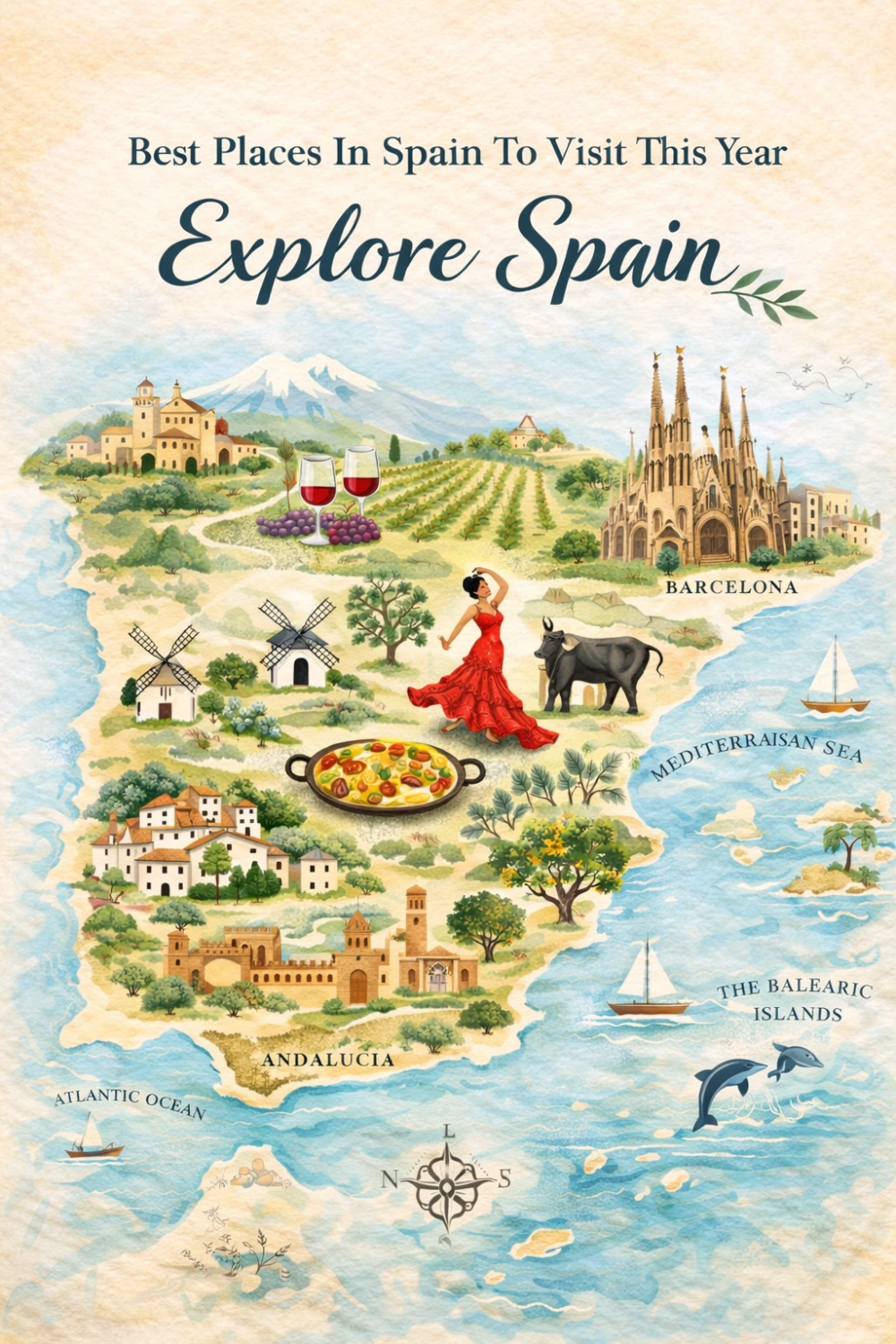
Spain is one of those countries that somehow manages to be everything at once. Sun-bleached coastlines, ancient Moorish palaces, cities that don’t sleep until 3am, wine regions that stretch as far as you can see — and food that ruins you for everywhere else. It’s a country with serious range, and the best part? Every single region feels like a completely different destination.
Whether you’re a first-timer who wants to tick off the classics, or someone who’s been before and wants to go a little deeper, Spain will not disappoint. So here are 15 of the best places to visit — from iconic cities to hidden corners you’ll be glad you discovered.
1. Barcelona
Let’s start with the obvious one — because Barcelona really is worth every bit of the hype, and then some.
This is a city that somehow balances everything beautifully. You’ve got world-class architecture, a beach right on the doorstep, a food scene that goes from hole-in-the-wall tapas joints to Michelin-starred tasting menus, and a creative energy that hits you from the moment you step off the plane.
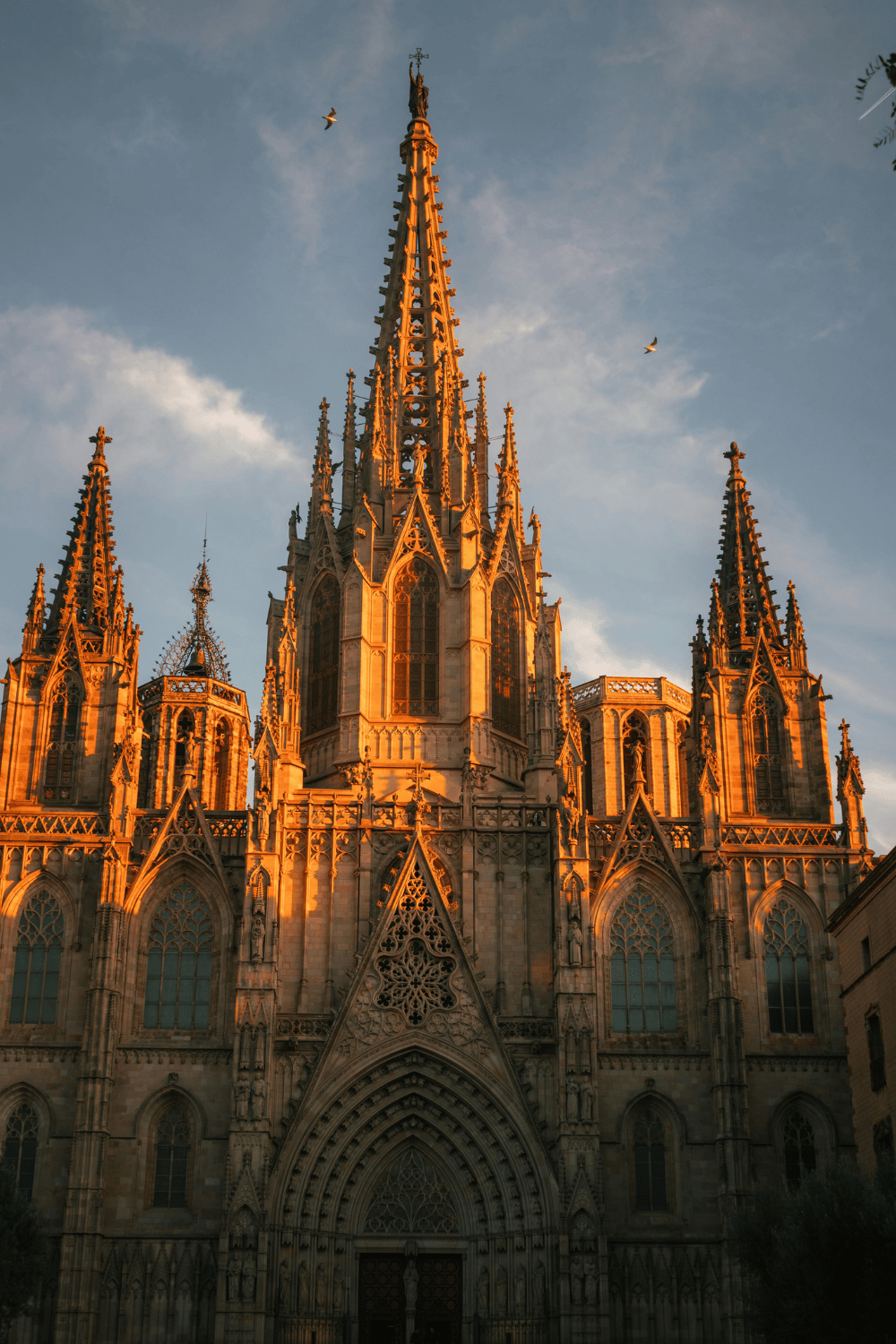
Start your mornings doing the tourist thing — because honestly, the tourist things here are genuinely great. The Sagrada Família is one of those rare landmarks that actually exceeds expectations in real life, especially if you go early before the crowds build up. Then wander into the Gothic Quarter and just let yourself get lost. There are no wrong turns.
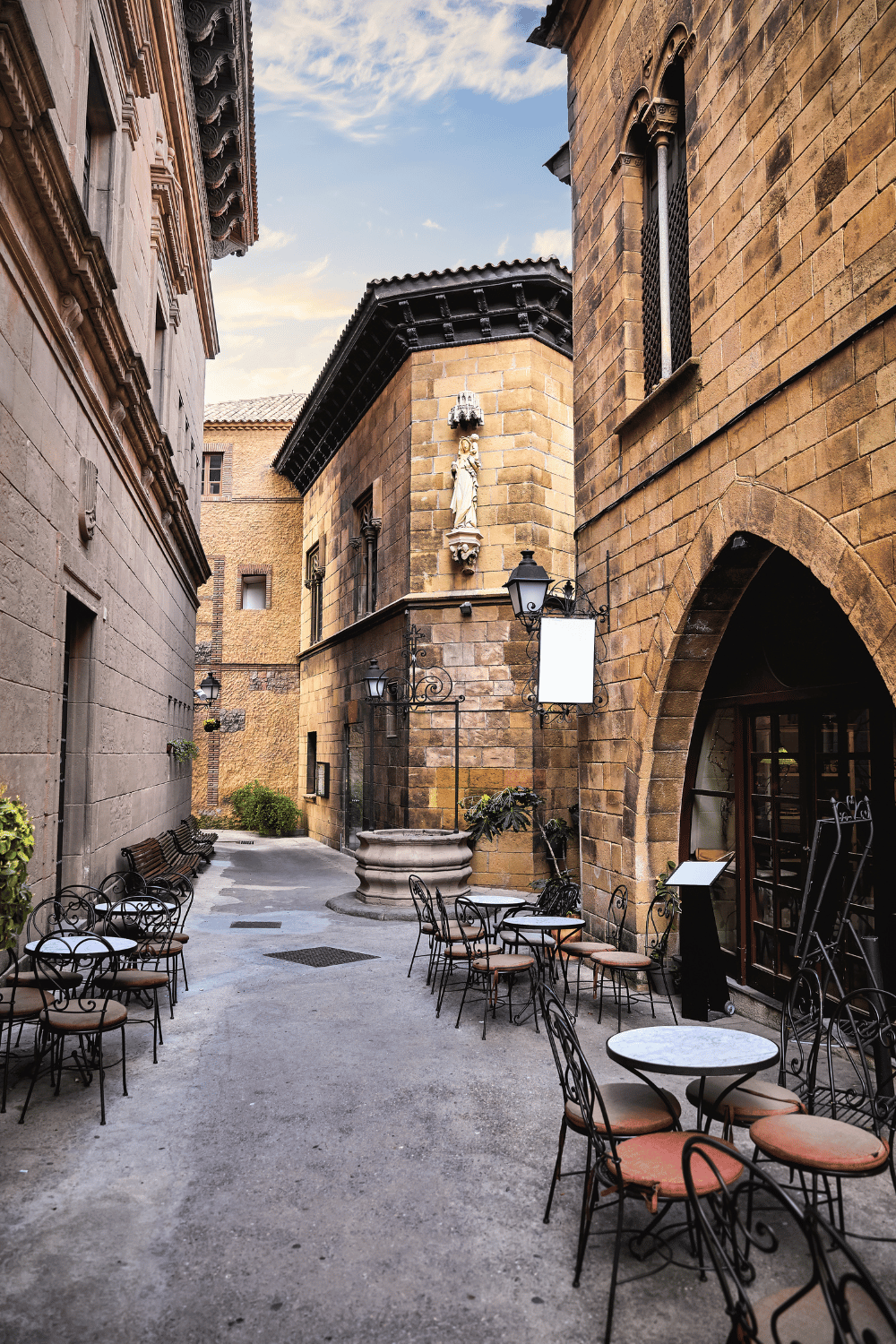
Afternoons are best spent down at Barceloneta Beach, and evenings are for eating and drinking slowly — the city doesn’t really get going until 9pm anyway, so there’s no rush. If you’re planning a Barcelona trip, you’ll also want to know what to wear in Barcelona in May to pack right for the weather.
If you can time your visit for late September, the La Mercè Festival transforms the entire city with fire runs, human towers, and free outdoor concerts. It’s one of the best things you’ll ever see in Europe.
Don’t miss: Montjuïc hill at sunset — you can see the whole city shift from gold to shadow from up there. Before you visit, check out these Barcelona spring outfits so you’re dressed perfectly for the season.
Travel tip: Book the Sagrada Família and Park Güell in advance. They sell out weeks ahead in summer.
2. Madrid
Madrid has an undeserved reputation for being the “other city” — the one people visit when they can’t get cheap flights to Barcelona. That’s a shame, because in many ways, Madrid is the more interesting trip.
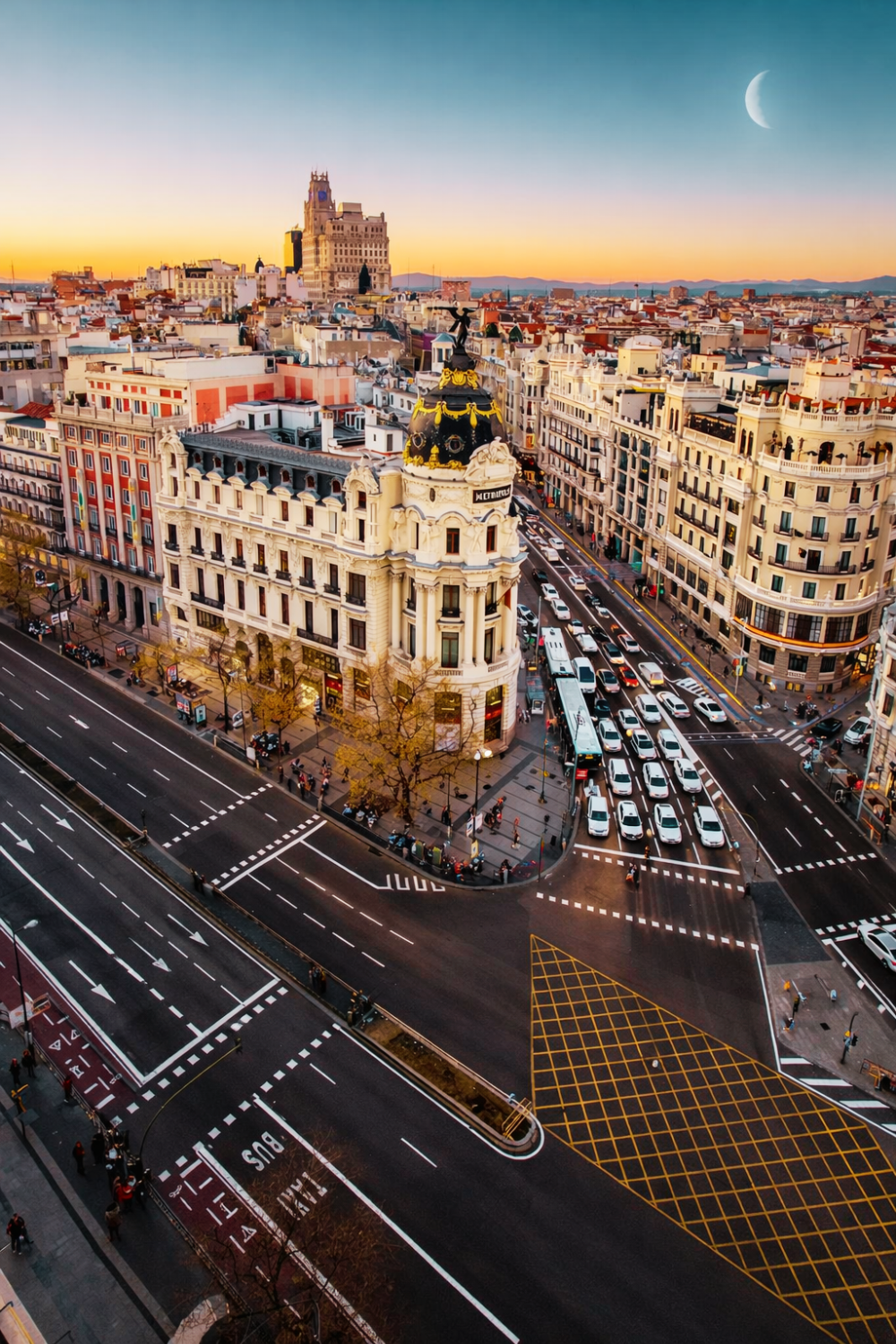
It’s a city that feels genuinely alive 24 hours a day. The nightlife is legendary (people genuinely go out at midnight and consider it early), the food scene is exceptional, and the museums are some of the best in the world. The Prado alone — with its Van Dyck, Velázquez, Goya, and El Greco — is worth a trip to Spain on its own.
Spend a morning wandering through Retiro Park, then head to the Royal Palace (the exterior is stunning even if you don’t go inside), and make sure you visit the Temple of Debod — an actual ancient Egyptian temple, gifted to Spain in the 1960s as a thank-you for helping preserve monuments during the Aswan Dam construction. It sits in the middle of Madrid like a beautiful, surreal surprise.
For food, don’t leave without eating at one of the traditional markets. Mercado de San Miguel near the Plaza Mayor is a great starting point — though locals would point you toward Mercado de la Paz in Salamanca, which is a little less polished and a lot more real.
Travel tip: Madrid is a city that rewards a slower pace. Give it at least three full days.
3. Seville
If you’ve never been to southern Spain, Seville is exactly where you should start.
Everything about this city feels theatrical — in the best possible way. Orange trees line the streets (you can actually smell the blossom in spring), flamenco music drifts out of bars at night, and the architecture is so ornate it almost feels excessive. Almost.
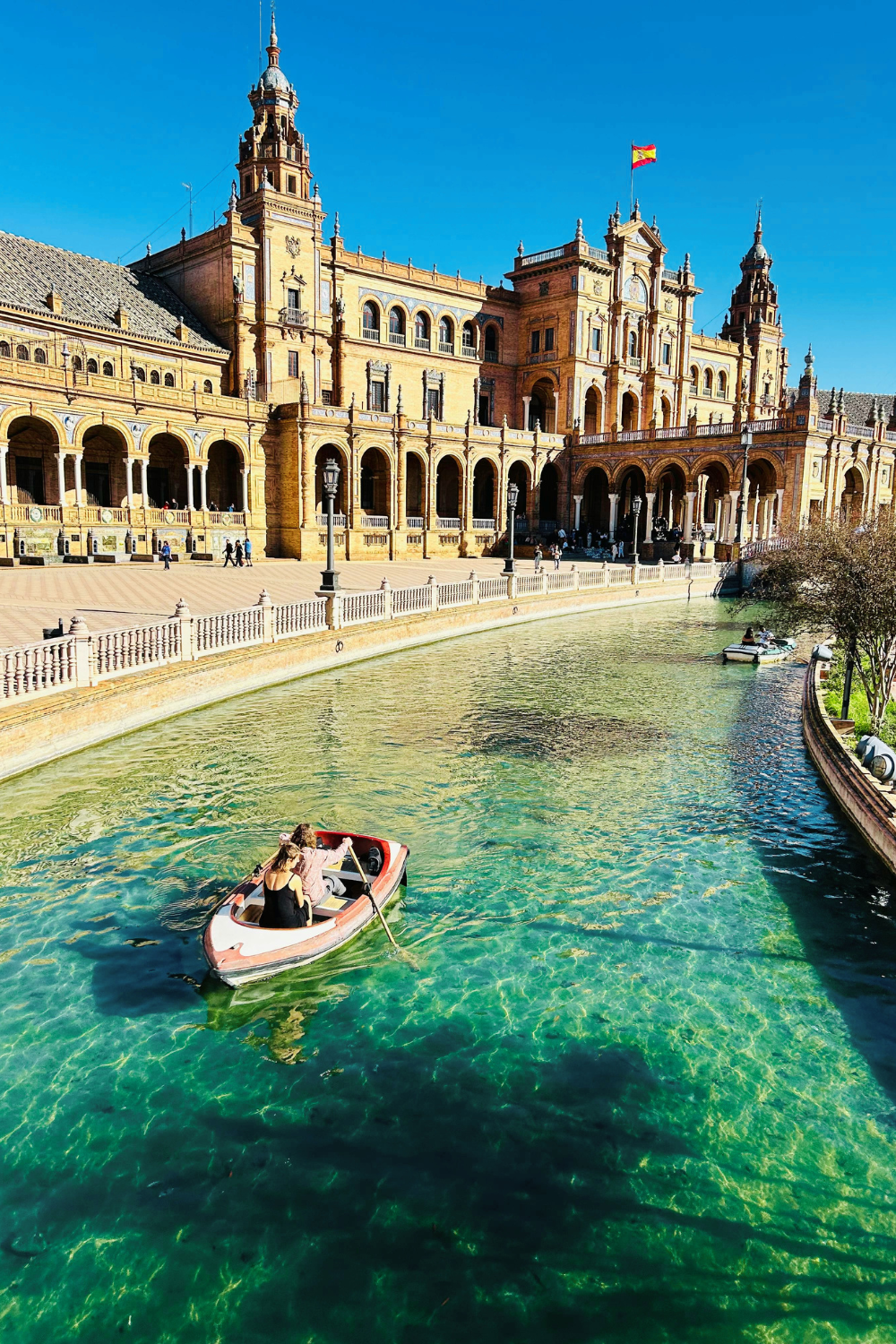
The Alcázar is one of the most extraordinary buildings in Europe — a 14th-century royal palace with intricately tiled rooms, fountains, and walled gardens that look like something from another century. And technically, they are. Book your tickets before you arrive, because it gets busy.
The Plaza de España is another must — it’s an enormous semi-circular complex with painted ceramic tiles representing every province of Spain. It’s the kind of place you walk into and immediately understand why people talk about Seville the way they do.
For food, head to Eslava in the Triana neighbourhood — they do both traditional Sevillian dishes and more creative modern plates, and unlike most good restaurants in Spain, they don’t close between lunch and dinner.
Travel tip: Come in spring if you possibly can. The weather is perfect, the city is covered in flowers, and the atmosphere during Semana Santa (Holy Week) is unlike anything else in the world.
4. Granada
Granada is one of those rare places that gets under your skin in a way you don’t quite expect.
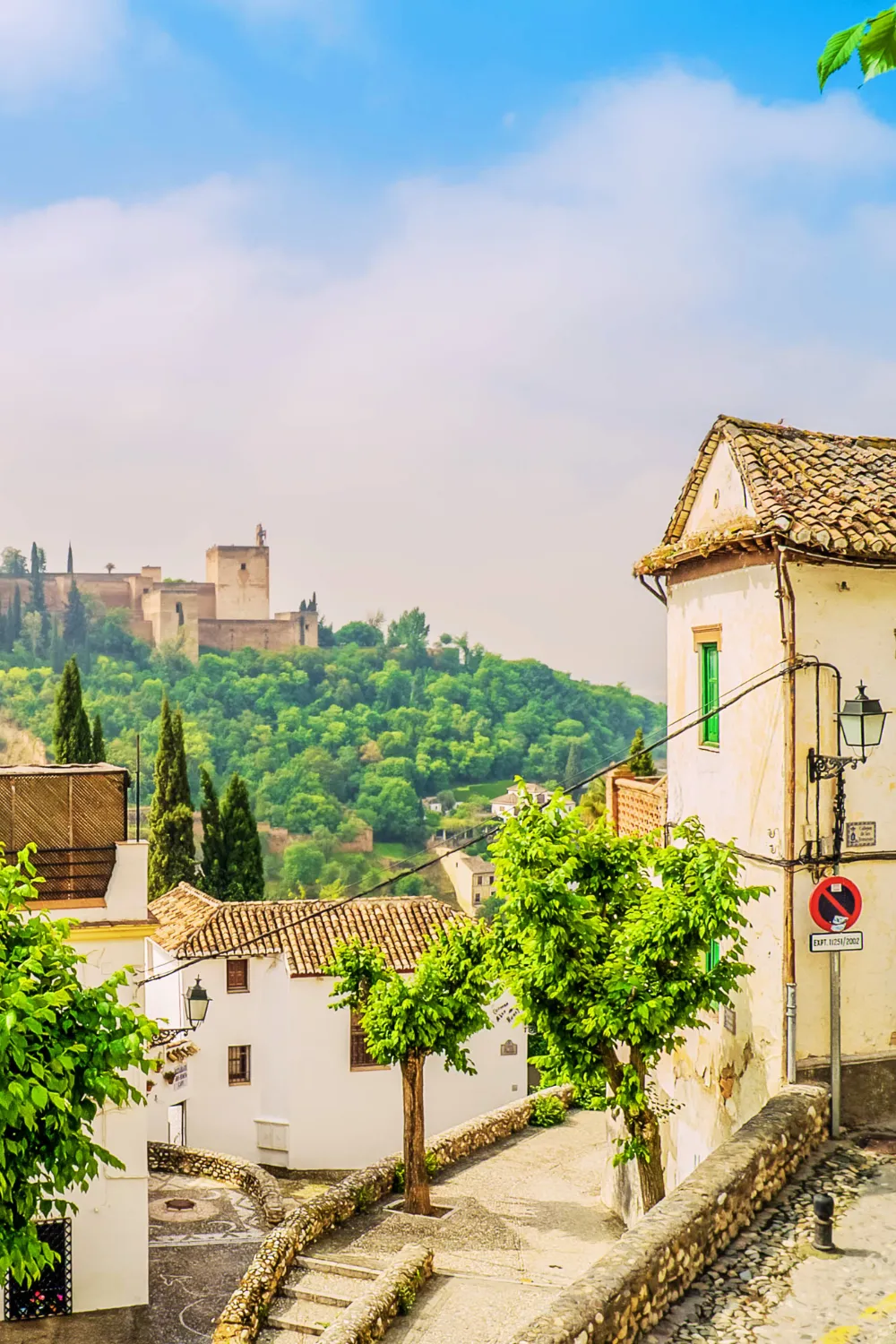
The Alhambra — the sprawling Moorish palace complex on the hill above the city — is the obvious drawcard, and it absolutely lives up to the reputation. The sheer intricacy of the tilework, the water channels running through every room, the views across to the Sierra Nevada from the gardens — it’s genuinely breathtaking. Book tickets at least two weeks in advance in high season. They sell out fast and there’s no way around it.
But Granada is more than just its famous palace. The Albaicín neighbourhood — the old Moorish quarter — is a maze of cobbled streets and whitewashed houses, and the viewpoint at the Mirador de San Nicolás offers one of the most jaw-dropping sunset views you’ll find anywhere in Spain.
Oh, and one more thing: Granada is one of the few places left in Spain where you still get free tapas with every drink you order at a bar. It’s a dying tradition elsewhere, but here it’s alive and wonderful. Order a glass of local wine and you’ll get a little plate of something delicious alongside it. Repeat until dinner.
Granada is also one of the top picks in our full guide to the best places in Spain to visit this year — but if you want a deep dive into its Moorish neighbour Frigiliana, don’t miss our guide to magical things to do in Frigiliana, Spain.
Don’t miss: A flamenco show in a cave in the Sacromonte neighbourhood. The original cave homes of the Roma community have been performing here for generations, and it’s deeply atmospheric.
5. Valencia
Valencia is criminally underrated, which is strange given how much it has going for it.
This is the city where paella was invented — and if you eat it here, made properly with rabbit and chicken (not the seafood version you see everywhere else, which is technically a different dish), you’ll understand why it became one of the most famous dishes in the world. Find a traditional restaurant, order the Valencian version, and eat it at lunchtime the way locals do.
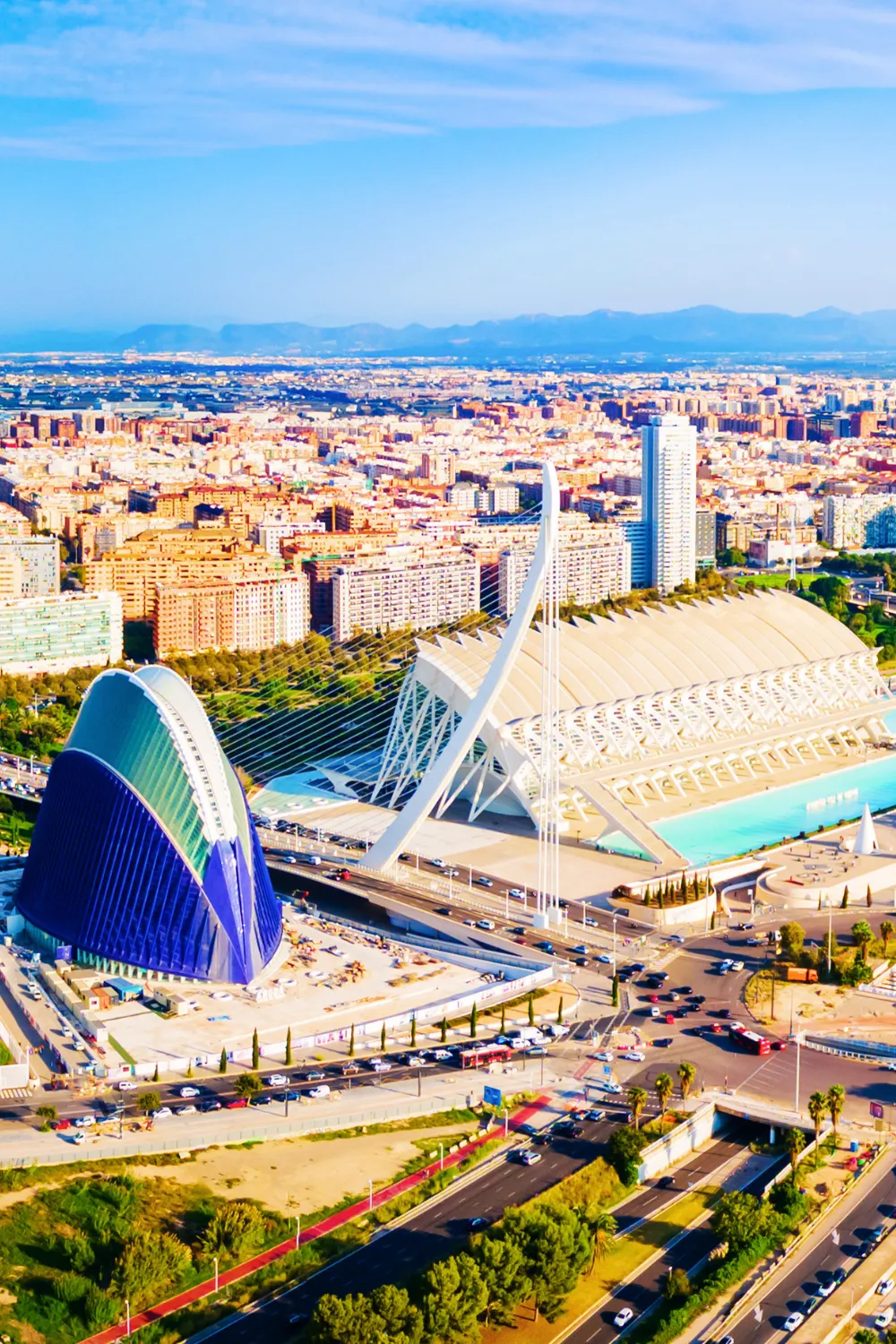
Beyond the food, the City of Arts and Sciences is genuinely stunning — a futuristic complex of museums, an aquarium, and an opera house designed by Santiago Calatrava that looks like a film set for a sci-fi movie. It sits in the old riverbed of the Turia River, which was diverted after catastrophic floods in the 1950s and turned into one of the most beautiful urban parks in Europe.
The old town is everything the City of Arts and Sciences is not — narrow medieval streets, baroque churches, and the daily buzz of the Mercado Central, one of the largest covered food markets in Europe.
Don’t miss: The Valencia Cathedral, which claims to hold the Holy Grail. Whether you believe it or not, it’s a fascinating story and a beautiful building.
6. San Sebastián
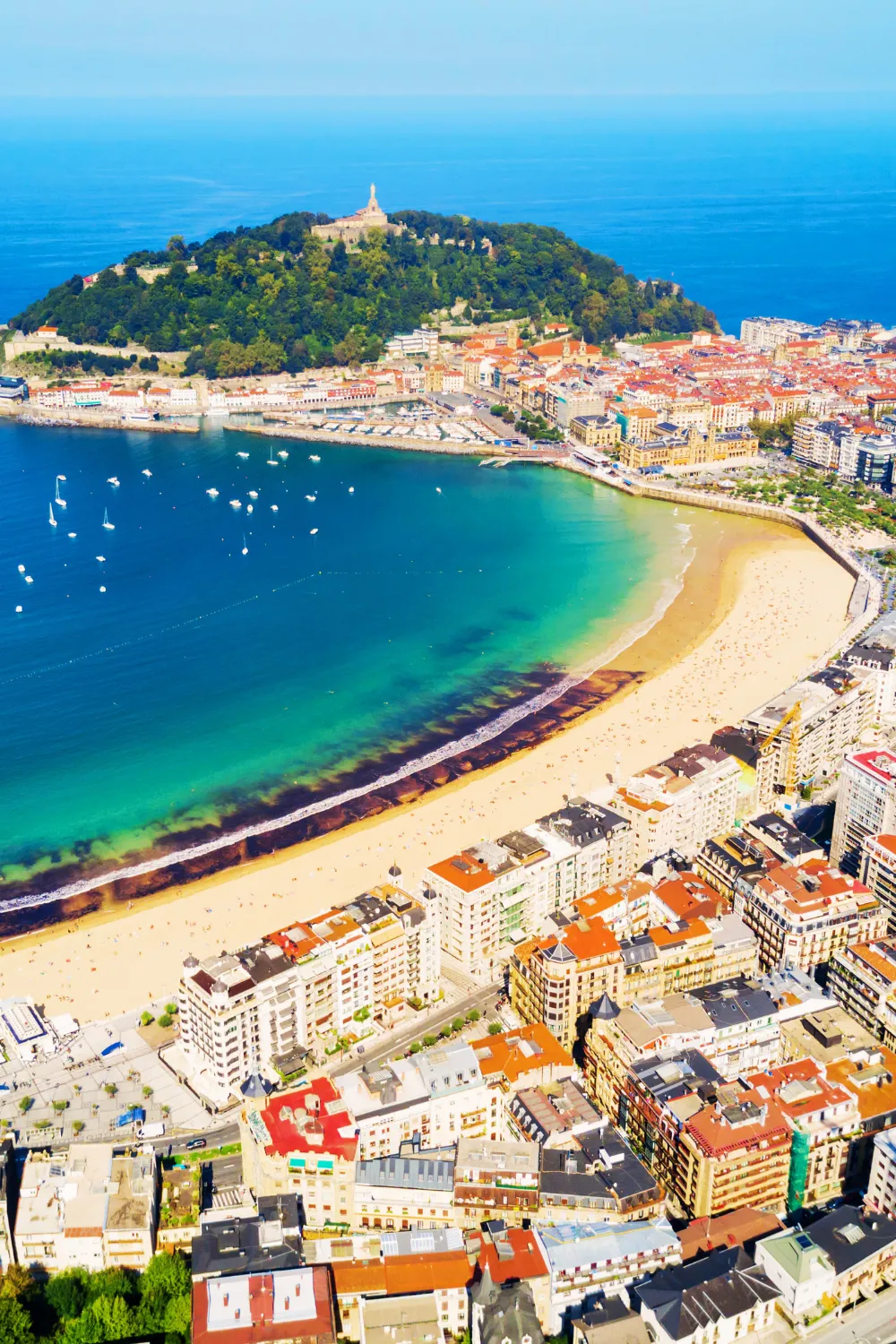
San Sebastián might be the single best place to eat in Europe. That’s not hyperbole — it has more Michelin stars per capita than almost any other city on earth, and that’s before you even get to the pintxos bars of the old town (Parte Vieja), where you can eat some of the most creative and delicious small bites you’ve ever tasted for about €2 each.
The formula for a perfect evening here is simple: wander from bar to bar in the Parte Vieja, eat pintxos and drink txakoli (a sharp, slightly sparkling local white wine), and repeat until satisfied. It’s one of life’s great pleasures.
But San Sebastián isn’t just about eating. La Concha beach — the curved bay right in the centre of the city — is considered one of the most beautiful urban beaches in the world, and even on an overcast day, it’s a gorgeous place to walk. For an elevated view, take the funicular up Mount Igueldo.
For a more formal dining experience, Misura does an exceptional tasting menu — but book ahead, it fills up fast.
Travel tip: San Sebastián is quieter and more laid-back than Spain’s bigger cities. It’s perfect for a long weekend where you just eat, walk, and relax.
7. Mallorca
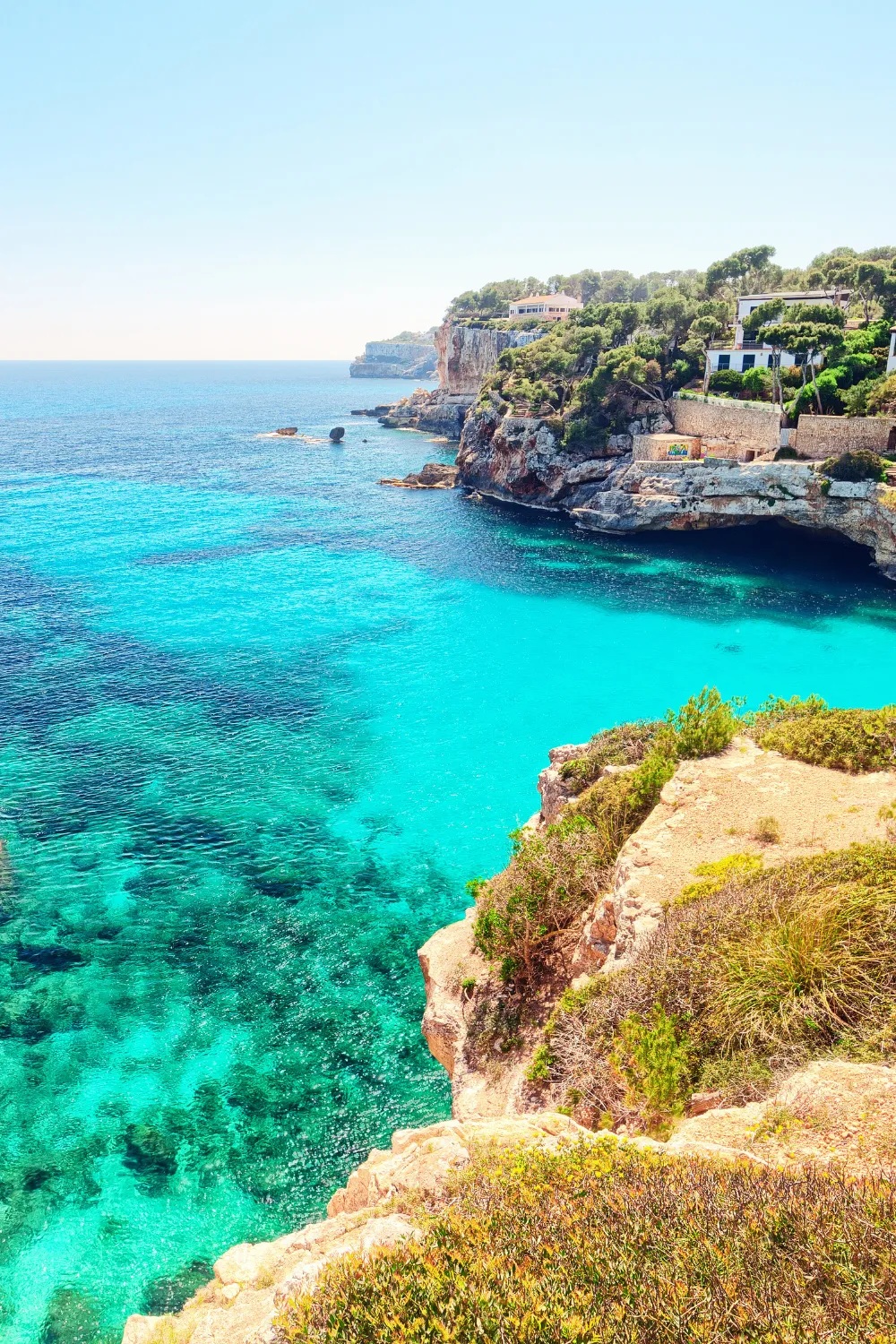
Most people think of Mallorca as a beach package holiday destination — and yes, the beaches are exceptional — but the island has a whole other dimension that most visitors never see.
Rent a car (it’s really the only way to explore properly) and head into the interior. The Serra de Tramuntana mountain range in the northwest is a UNESCO World Heritage Site, with dramatic roads winding through pine forests and past ancient stone villages. Valldemossa is particularly beautiful — a small hilltop village where Frédéric Chopin spent a famously miserable winter in 1838, which inspired some of his most celebrated compositions.
The hidden coves (calas) along the northeast and east coast are extraordinary — turquoise water, limestone cliffs, and hardly any crowds if you know where to look. Cala Varques and Cala Mesquida are worth seeking out.
Travel tip: Come in May or October. Summer is beautiful but packed. In shoulder season, you get the beaches mostly to yourself and perfect weather.
8. Ibiza
Ibiza has a reputation problem. Mention it to someone who’s never been and they picture superclubs, €20 cocktails, and sunburned tourists. And yes, that side of Ibiza exists — but it’s one small corner of a much more interesting island.
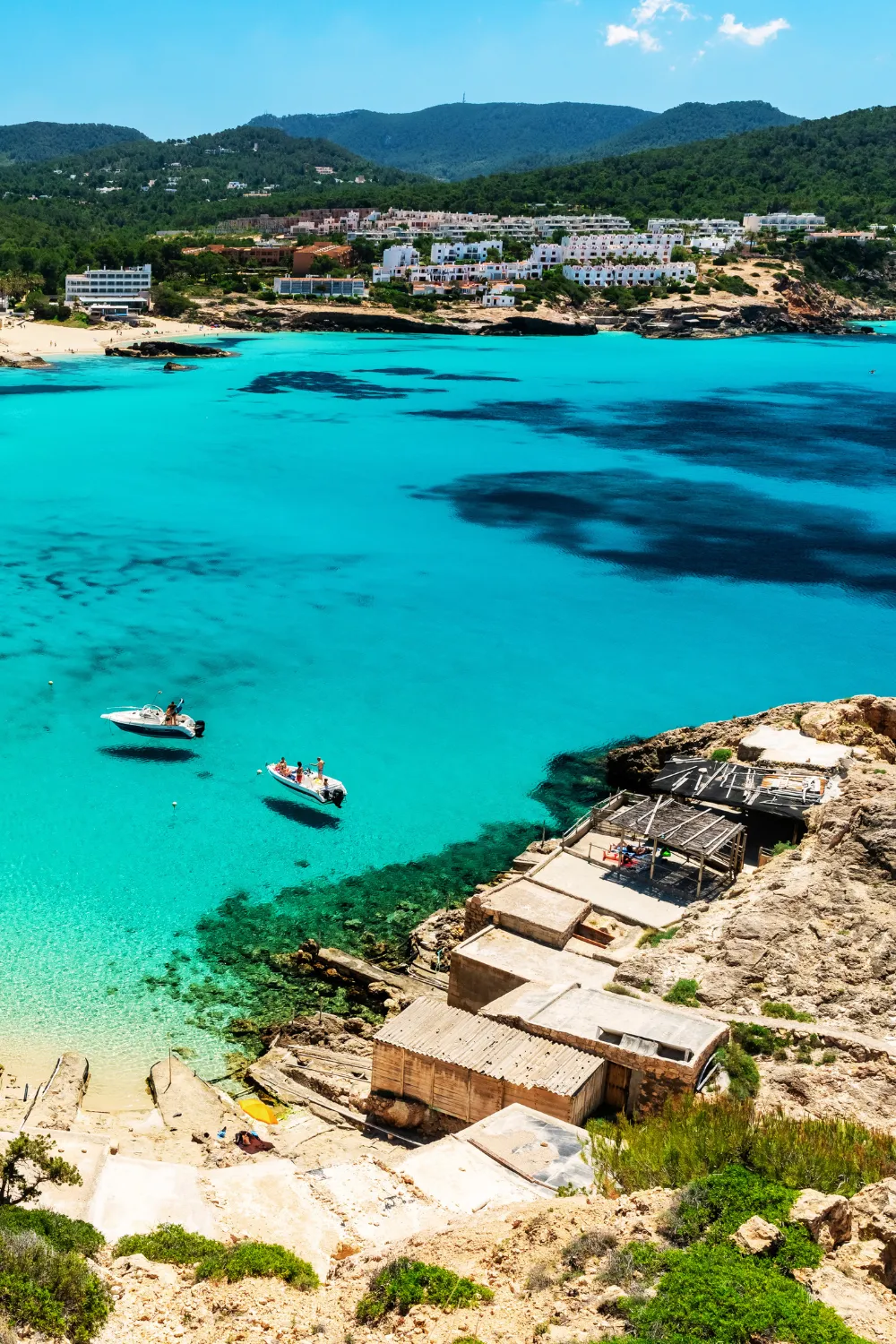
The north of Ibiza is genuinely serene. Small coves, yoga retreats, organic farms, artisan markets — a completely different world from the party scene in the south. Es Vedrà, the mysterious rocky island off the southwest coast, is one of the most atmospheric spots in all of Spain, especially at sunset.
The old town (Dalt Vila) is a UNESCO-listed walled city with stunning views and some excellent restaurants. Sa Brisa in Ibiza Town does some of the most creative tapas on the island.
If you do want to experience the nightlife, there’s nothing quite like it anywhere in the world. Just be strategic — it’s not cheap, and it helps to know which clubs are worth it on which nights.
9. Bilbao
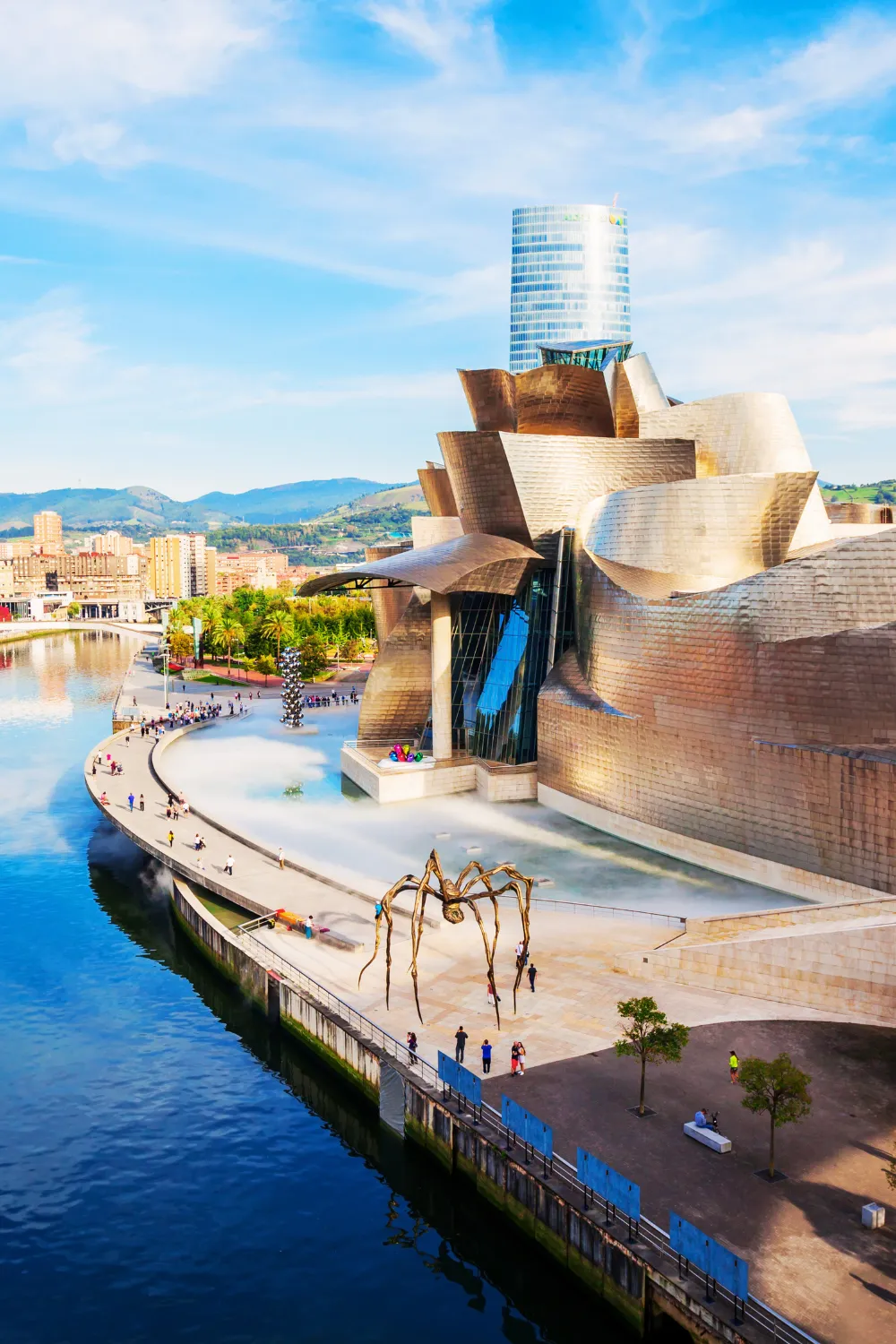
Twenty-five years ago, Bilbao was a declining industrial port. Today it’s one of the most exciting cities in Spain — and the transformation is largely thanks to one building.
The Guggenheim Museum Bilbao, designed by Frank Gehry and completed in 1997, is a titanium-clad masterpiece that triggered a complete reimagining of the city. Even if you have zero interest in contemporary art, the building itself is worth the trip. It sits on the riverbank like a sculpture you can walk around for an hour without getting bored.
But don’t stop at the Guggenheim. Bilbao has one of the best old towns in northern Spain, a fantastic food market (La Ribera, the largest covered market in the region), and the txikiteo culture — bar hopping from place to place for small glasses of wine and pintxos — which is every bit as good as San Sebastián’s.
The restaurant Nerua, inside the Guggenheim, is an exceptional fine dining experience — expensive, but worth it for a special occasion.
10. Tenerife
Tenerife tends to get reduced to its resort strip in the south — but venture beyond it and you’ll find one of the most dramatically varied landscapes in Spain.
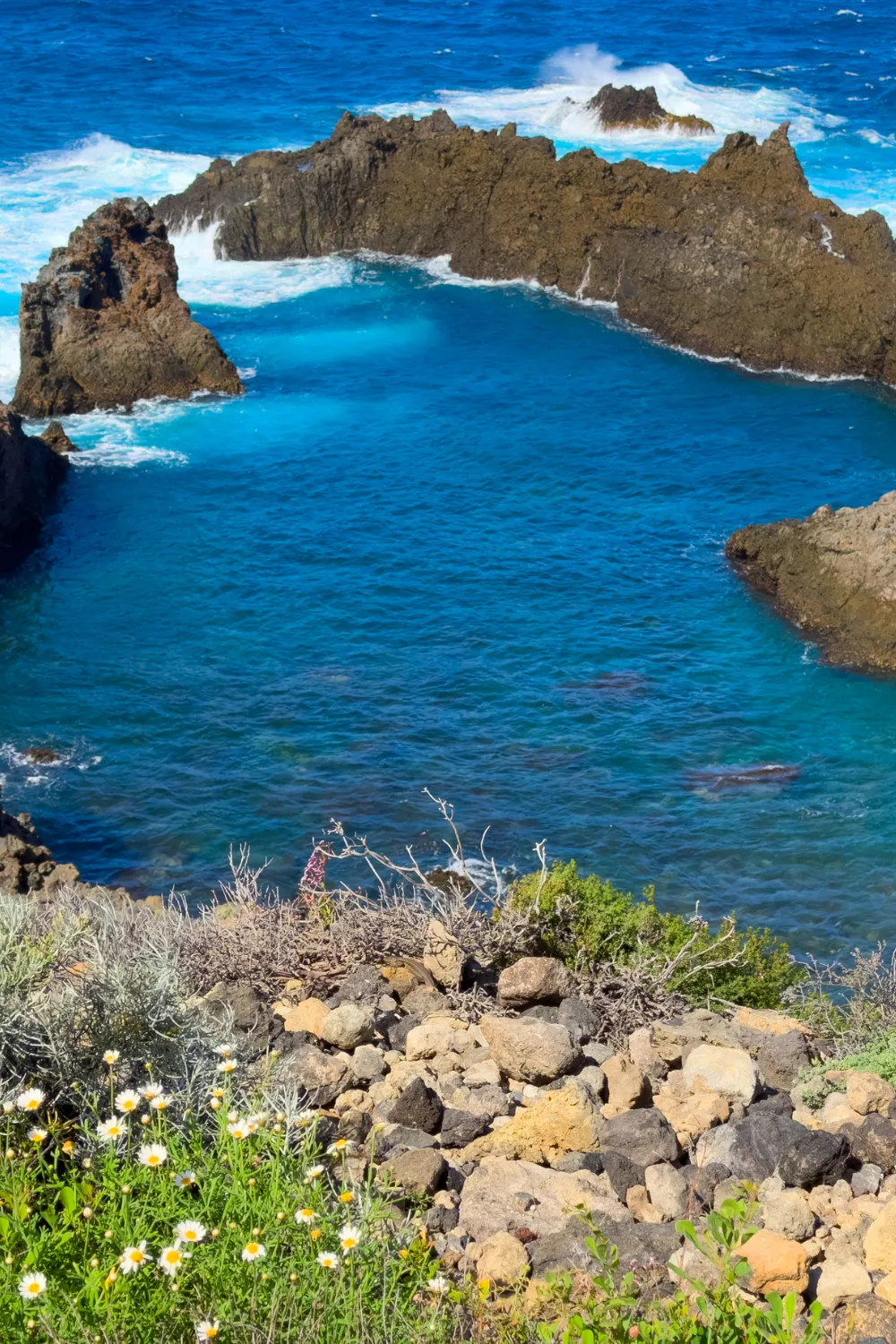
Mount Teide, the volcanic peak that dominates the island’s centre, is Spain’s highest point and one of the most extraordinary things you can see on Spanish soil. The landscape around it — black lava fields, red craters, clouds below you — looks more like another planet than a tourist destination. Take the cable car up and you’ll understand why it was used as a filming location for a number of sci-fi productions.
The Anaga Rural Park in the northeast is equally stunning — ancient laurel forest, tiny villages, and hiking trails with ocean views on both sides. Very few of the sun-and-sand tourists ever make it there.
Travel tip: Tenerife works year-round, but spring and autumn offer the best combination of good weather and manageable crowds.
11. Ronda
Ronda is dramatic in a way that feels almost theatrical.
Perched on a cliff, the town is split in two by a gorge nearly 100 metres deep — El Tajo — with the 18th-century Puente Nuevo bridge connecting both halves. The view from the bridge down into the gorge is one of the most striking images in all of Spain. Hemingway wrote about this place. It’s easy to understand why it got under his skin.
It’s a smaller, quieter destination than most others on this list, which is exactly the point. Walk the Paseo de los Ingleses along the clifftop, explore the Arab Baths, and visit the oldest bullring in Spain if that kind of history interests you.
About 90 minutes’ drive from Málaga, it makes for a brilliant day trip or an even better overnight stop.
12. Málaga
Málaga has quietly become one of the most underrated cities in Spain, and it’s about time more people noticed.
Most visitors fly in and immediately head further south — to Marbella, Nerja, or the mountains. But the city itself deserves your attention. It’s got a genuine buzz, a compact and walkable old town, some seriously good food, and a relaxed energy that makes it instantly likeable.
The Alcazaba (a Moorish fortress from the 11th century) sits above the city with sweeping views over the port. The Museo Picasso Málaga is excellent — Picasso was born here, and the collection covers the full arc of his career. And the cathedral is beautiful, nicknamed “La Manquita” (the one-armed woman) because one of its two towers was never completed.
For eating, the tapas culture here is strong — wander into the old town in the early evening and just follow your nose.
13. Córdoba
Córdoba is one of the most historically layered cities in Spain, and it’s too often skipped in favour of its more famous Andalusian neighbours.
The Mezquita is the reason to come. This extraordinary building started as a Visigoth church, became one of the most important mosques in the medieval world, and was then converted into a Catholic cathedral — with a Renaissance nave literally built into the middle of the Islamic prayer hall. The result is something completely unique: a forest of red-and-white striped arches with a baroque choir rising from the centre. It’s genuinely like nothing else you’ll ever see.
The old Jewish quarter around the Mezquita is one of the prettiest neighbourhoods in southern Spain — white-washed houses with flower-filled interior patios, narrow streets, and fountains at every turn. In May, the city holds the famous Festival de los Patios when residents open their private courtyards to visitors. It’s extraordinary.
14. The Beach of the Cathedrals (Playa de las Catedrais)
This one is a little different — not a city, but a single stretch of coastline in Galicia, in Spain’s rugged northwest, that’s one of the most visually dramatic natural landscapes in the country.
At low tide, you can walk beneath towering natural stone arches that reach nearly 30 metres high, carved over millennia by Atlantic waves. The effect is almost medieval — hence the name. At high tide, the arches disappear completely under water.
The experience is tidal-dependent, so check the times before you go. You’ll also need to book access in advance between July and September, as visitor numbers are capped to protect the beach.
It’s not the easiest place to get to — the nearest town is Ribadeo, which is a couple of hours’ drive from Santiago de Compostela — but it’s genuinely unforgettable.
15. Cádiz
Cádiz is one of the oldest continuously inhabited cities in Western Europe — founded by Phoenician traders around 1100 BC — and it wears its age beautifully.
The old city sits on a narrow peninsula jutting into the Atlantic, almost entirely surrounded by water, with a bleached white skyline that looks almost North African from a distance. The streets are narrow, the pace is slow, and the seafood is some of the best in Spain. Order fried fish at any of the small bars near the market and you will not be disappointed.
The beaches here are genuinely beautiful — La Caleta, right in the old town, is small and atmospheric, while the beaches to the north and south are longer and wilder. The city also has one of the most celebrated Carnivals in Spain (second only to Tenerife in scale), if you happen to be visiting in February or March.
It’s the kind of place where you don’t need an itinerary. Just arrive, wander, eat, and breathe in the sea air.
Final Thoughts
The best thing about Spain is that it refuses to be just one thing.
Every region has its own culture, its own dialect, its own food — and sometimes its own flag. A weekend in Bilbao feels nothing like a weekend in Seville, which feels nothing like a weekend in Valencia. You could spend months here and still feel like you’re only scratching the surface.
Wherever you go, you’ll find people who take their food seriously, landscapes that stop you mid-step, and a rhythm to daily life that — even if it’s completely unlike your own — is very hard not to fall in love with.
Spain will keep pulling you back. It always does.
Planning your Spain trip? You’ll also want to pack right — our Spain packing list covers 30 clothing must-haves for every trip. If you’re deciding which European countries to include in your itinerary, see our guide to the best European countries to visit in summer. And if you’re watching your budget, you’ll love our picks for cheap European summer destinations that will blow your mind.

