
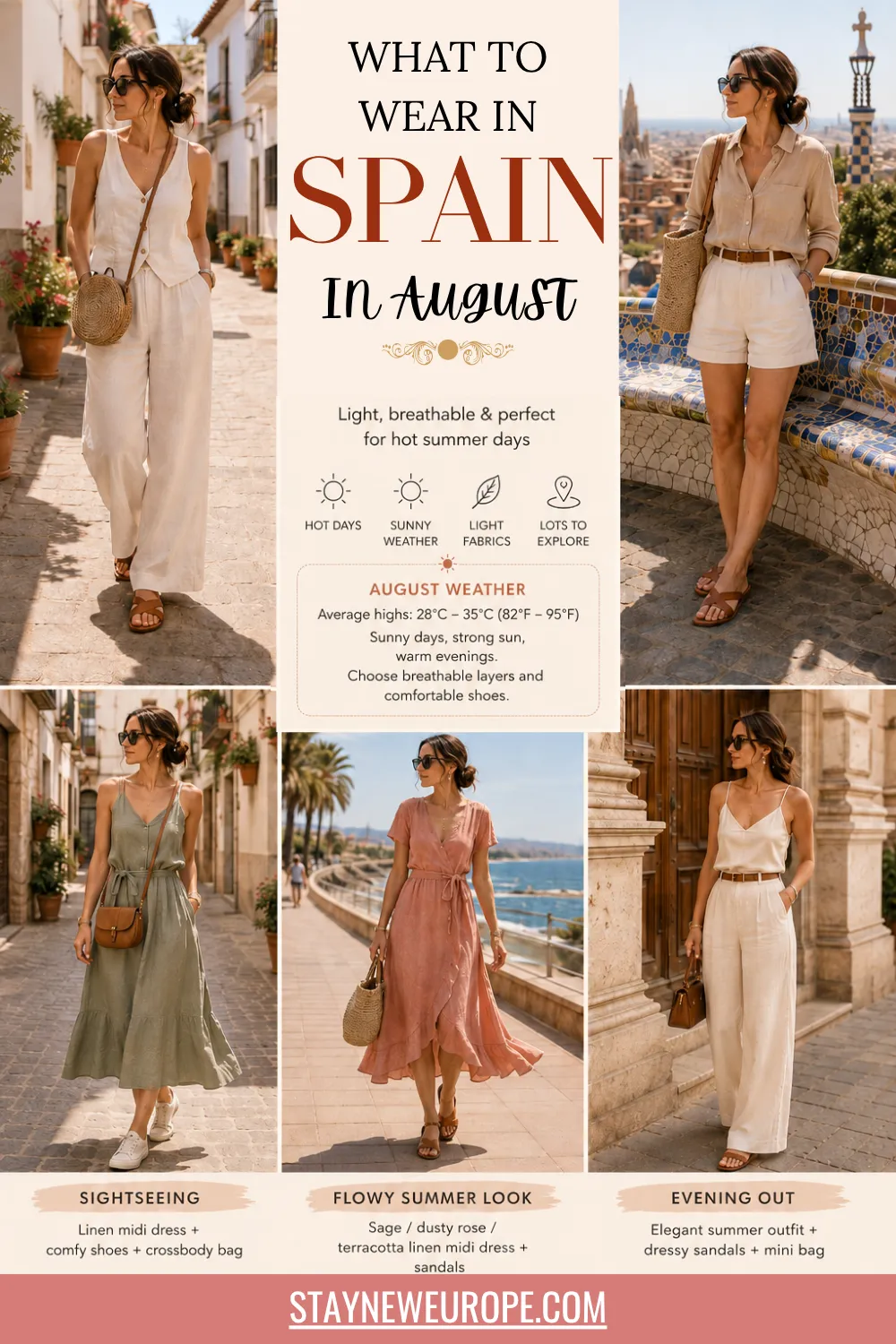
Let me be honest about something first: nothing prepares you for Spanish heat in August quite like standing on a sun-baked street in Seville at 2pm, watching every local disappear indoors while you’re still out there in a cotton t-shirt that’s basically a sponge at this point. I learned this the hard way on my first trip — I packed like it was a normal European summer. It is not a normal European summer.
August in Spain is a different beast depending on where you land. Madrid and Seville can hit temperatures that genuinely don’t feel real, the kind where the air itself seems to shimmer. The coast — Barcelona, the Costa del Sol, the islands — is hot too, but it comes with sea breeze and humidity instead of that dry inland furnace. And through all of it, Spaniards are still managing to look effortlessly put together, which is honestly a little annoying when you’re the one sweating through your shirt.
The biggest mistake I see tourists make is packing for “summer” in a generic sense — shorts, tank tops, trainers — instead of packing for this summer, in this country, where the sun has main character energy and the local style is more elegant than your average European city break. This guide is everything I wish someone had told me before my suitcase betrayed me.
Before We Dive In
Weather:
August in Spain runs hot — properly hot. Inland cities like Madrid, Seville, and Toledo regularly climb into the high 30s and low 40s Celsius, and the heat has a dry, radiating quality that makes pavement feel like a stovetop by midafternoon. Coastal spots like Barcelona or Málaga sit a bit lower on the thermometer but trade dry heat for humidity, so you’re sweating either way, just differently. Evenings cool down everywhere, sometimes dramatically, which is why Spanish dinner doesn’t even start until 9 or 10pm — nobody’s eating in that daytime heat if they can help it.
Walking conditions:
Spanish old towns — Seville’s Santa Cruz quarter, Granada’s Albaicín, the backstreets of Toledo — are full of uneven cobblestones, slight hills, and narrow lanes that get sun-baked and slippery underfoot. You will be walking a lot, often in heat that makes you reconsider every footwear decision you’ve ever made.
And then there’s the style culture:
which I genuinely think people underestimate. Spaniards dress with intention even in extreme heat — you’ll rarely see locals in gym shorts or flip-flops outside the beach. It’s linen trousers, a good dress, leather sandals that look like they cost more than they did. Dressing well isn’t about vanity here; it’s just the local default, and showing up looking like you rolled out of a budget airline seat tends to mark you as a tourist instantly.
Linen Is Not a Trend Here, It’s Survival Gear
I used to think linen was just an aesthetic choice — something for Pinterest boards and influencer trips. Then I wore a linen shirt through a Seville afternoon and a cotton one the next day, and the difference honestly shocked me.
Linen breathes in a way most fabrics simply can’t fake. It allows air to move against your skin, it doesn’t trap heat, and it dries fast if you sweat through it (you will sweat through it). The slightly rumpled look that linen gets after a few hours isn’t a flaw, either — in Spain, it almost reads as intentional, like you’ve been living elegantly and unbothered all day rather than just melting.
- A linen shirt-dress works for sightseeing, a linen button-down over a tank works for transitioning into evening, and wide-leg linen trousers are honestly one of the most underrated heat-survival items you can own.
I’d avoid head-to-toe white linen though — between street dust, gelato, and sangria, you’ll be doing laundry by day two.
Local tip: buy a linen piece once you’re actually in Spain if you can. Markets in cities like Seville and Granada sell loose, lightweight linen pieces designed specifically for this climate, often better suited to the heat than anything from home. If you want a full rundown of what’s actually worth packing before you even land, our Spain packing list breaks down the must-haves by category.
Dresses Win, Jeans Lose (Sorry)
This surprised me on my first trip and it still surprises new travelers every time I mention it: jeans in Spain in August are basically a punishment you’ve chosen for yourself.
Denim doesn’t breathe, it clings, and after twenty minutes of walking in 38-degree heat, you’ll feel it sticking to the backs of your knees in a way that ruins the whole afternoon.

Flowy dresses, on the other hand, let air circulate, photograph beautifully against white-washed Andalusian walls, and require zero thought once you’re dressed. A midi dress in cotton or linen, a slip dress for evening,

A shirt dress for transitioning between sightseeing and lunch — these do all the work jeans simply can’t.
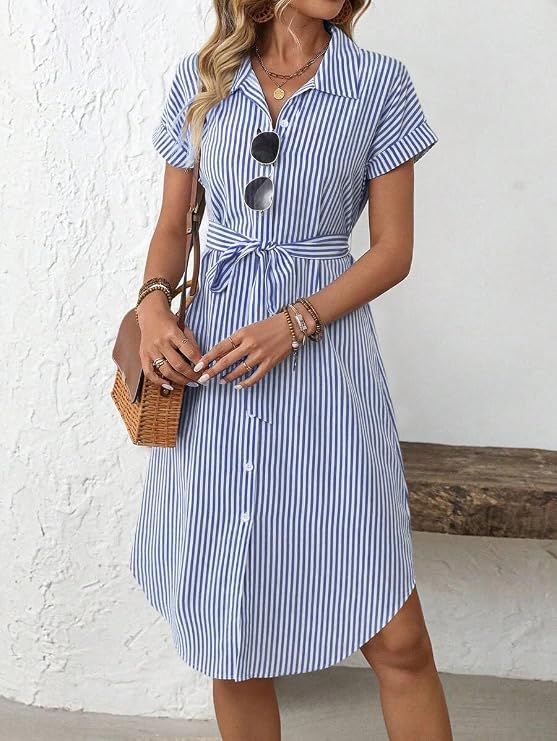
That said, I’m not saying never bring trousers. Lightweight, wide-leg linen or viscose pants are a great alternative if dresses aren’t your thing, especially for days you want pockets or a bit more coverage for church visits. Just steer clear of anything fitted or made from heavier fabric.

Local tip: a flowy dress doubles brilliantly for both city sightseeing and a beach day with a light cardigan thrown over your shoulders for the walk back — one piece, two completely different vibes.
The Walking Shoe Problem Nobody Warns You About
Here’s the thing about Spanish old towns — they’re stunning and absolutely brutal on footwear. Cobblestones, slight inclines, baking-hot pavement; your shoes need to handle all of it without turning your feet into a crime scene.
I made the mistake of bringing brand-new white sneakers on one trip, thinking they’d look chic with everything. By day two in Toledo, I had blisters in places I didn’t know could blister.
What actually works is something already broken in — leather sandals with real arch support, a soft slip-on sneaker, or a cushioned espadrille.
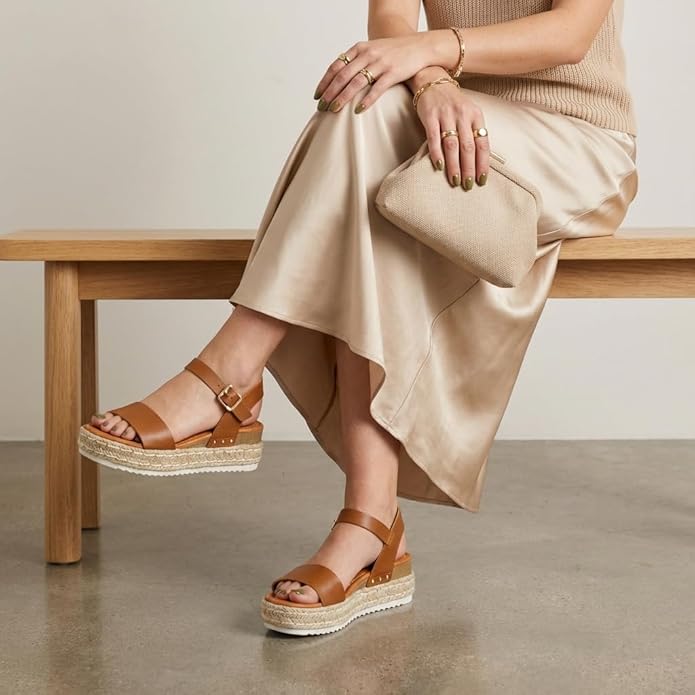
Flat doesn’t mean flimsy; you need actual structure underneath you, because cobblestones punish thin soles fast.
For evenings: a slightly dressier flat sandal works fine —

Spanish women rarely do heels on cobblestones unless they’re staying somewhere very specifically paved, and even then it’s a calculated risk. Comfort and style aren’t opposites here, they’re just both required.

Local tip: break in any new shoes for at least two weeks before you travel, no exceptions. Your future self walking up to the Alhambra will thank you.
What NOT to Wear (Tourist Mistakes I’ve Watched People Make)
Let’s talk about the outfits that make you instantly identifiable as a tourist, because I’ve seen — and made — most of these mistakes myself.
Athletic shorts and gym wear are the biggest offender. I understand the heat logic, but Spaniards simply don’t dress like they’re heading to a workout unless they actually are, and wearing performance fabric through Seville Cathedral gets you side-eyed by locals and turned away by staff if shoulders or knees are exposed.
Flip-flops are another one — fine for the beach, a disaster for cobblestones, and a quick way to twist an ankle on uneven stone. And the classic crime: full matching tourist sets in synthetic fabric that traps every degree of heat against your skin.
The fix isn’t complicated — it’s just choosing breathable, slightly more considered pieces over whatever’s quickest to throw on. You don’t need to dress up dramatically, you just need to dress like you actually thought about where you’re going.
Sun Protection That Doesn’t Look Like an Afterthought
I used to treat sun protection as purely functional — a baseball cap shoved on as a last resort. Spain changed that for me, mostly because the sun here doesn’t give you a choice.
A wide-brim straw hat does triple duty: it shades your face, it photographs well against literally every backdrop in Spain, and it signals “I’ve done this before” in a way a baseball cap never quite manages.

Oversized sunglasses are non-negotiable too, not just for style but because the glare off white buildings and pale stone streets is intense enough to genuinely strain your eyes by midday.
A lightweight scarf is worth packing as well — useful as sun protection on your shoulders, as an impromptu head covering for cooler church interiors, or just draped over a bag strap for a bit of polish. None of this needs to be expensive. It needs to be functional first, with style as a very welcome side effect.

Local tip: apply sunscreen before you get dressed, not after — sweat plus fabric plus sunscreen residue is a sticky combination you’ll regret by lunchtime.
Evening Outfits for the Paseo and Late Dinners
Spanish evenings operate on an entirely different clock, and your outfit needs to shift with it. Dinner doesn’t start until 9 or 10pm, which means there’s a whole stretch of golden-hour time for wandering, drinks, and the local paseo — that unhurried evening stroll through plazas that Spaniards have basically perfected.

This is where you can dress up slightly more than you did during the day.

A slip dress, a linen jumpsuit, a simple top with a statement skirt — paired with gold jewelry and a slightly dressier sandal.

The heat has usually eased by 8 or 9pm, so you can layer in a light blazer or cardigan without overheating. If you’re heading somewhere specific for dinner, Barcelona’s tapas scene tends to lean smart-casual — nothing stiff, but definitely a step up from daytime sightseeing clothes.
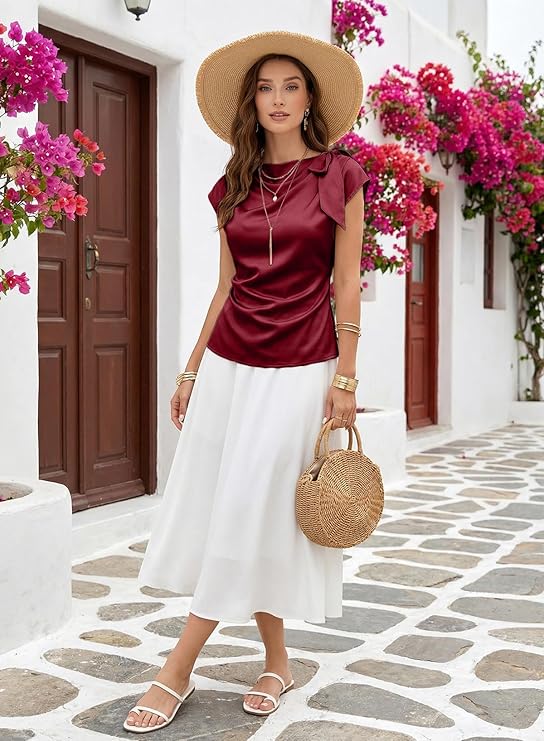
What I’ve noticed is that Spaniards treat evening dressing almost like a small daily ritual — not fussy, just considered. You don’t need a suitcase full of formalwear, just one or two evening pieces that feel a notch more polished than your daytime rotation.
Church Dress Codes Will Catch You Off Guard
I cannot stress this enough: Spain’s churches and cathedrals are strict about dress codes, and the heat does not earn you an exception. Seville Cathedral, the Mezquita in Córdoba, the Sagrada Família in Barcelona — all of them expect shoulders and knees covered, no exceptions for tourists who clearly didn’t plan ahead.
The fix is simple if you plan for it: bring a lightweight scarf or shawl that can cover shoulders in seconds, and choose dresses or skirts that sit at or below the knee rather than mid-thigh minis.

I’ve watched people get turned away at entrances after queuing for an hour, which is its own kind of heartbreak when you’ve traveled that far to see the inside of the Mezquita.
Local tip: keep a scarf rolled up in your bag at all times during a Spain trip, even on days you’re not “planning” to visit a church — you’ll inevitably walk past one that’s too beautiful to skip.
Bags: Crossbody Wins, Backpacks Are a Close Second
Pickpocketing is a real consideration in busy Spanish cities, especially around Las Ramblas in Barcelona or crowded metro stations, so your bag choice matters more here than in quieter destinations.
A crossbody bag worn in front of your body, not swinging at your hip, is the safest and most practical option for a day of sightseeing — it keeps your hands free and your valuables visible to you at all times.

A woven raffia bag also highlights your sightseeing vision.

A structured tote works for beach days but is a worse choice for crowded city streets. Backpacks are fine too, as long as you wear them on your front in tight crowds or markets, which feels a little silly the first time but is standard practice for a reason.

If you’re heading to Barcelona specifically, it’s worth reading up on the local safety basics before you go — a little awareness goes a long way in the busier tourist zones.
Accessories That Do the Heavy Lifting
When your outfit options are limited by heat, accessories become your main creative outlet, and Spain gives you plenty of inspiration for using them well.
Gold hoop earrings, a stack of thin bracelets— these small touches elevate a simple linen dress into something that feels intentional rather than thrown together.
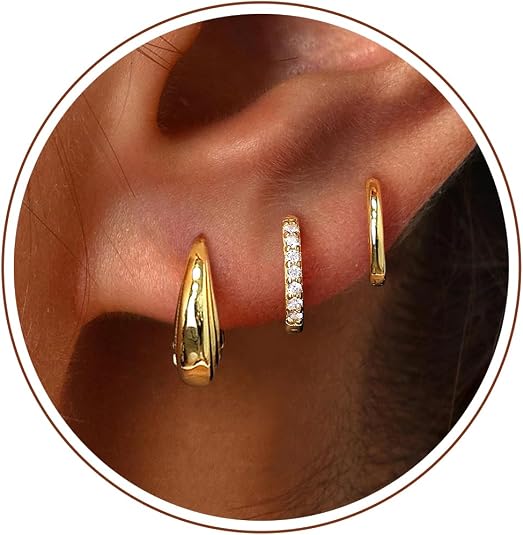
Even a colorful hair scarf tied around a low bun does double duty: keeping hair off your neck in the heat while adding a genuinely Mediterranean touch to your look.

I tend to pack three or four versatile accessories rather than a full jewelry box, and rotate them across the same handful of outfits. It makes everything feel different day to day without adding suitcase weight.
Fabrics to Choose (and the Ones to Leave at Home)
If there’s one packing lesson Spain taught me the hard way, it’s that fabric choice matters more than almost anything else on this list.
Linen, cotton, and lightweight viscose are your best friends — they breathe, they handle heat, and they don’t trap sweat against your skin the way synthetics do. Polyester, anything with spandex blends, and heavy denim are the fabrics to actively avoid; they hold heat in and turn a hot day into a genuinely uncomfortable one. I learned this lesson similarly while researching Sardinia’s summer heat, where the same Mediterranean fabric rules apply almost identically.
A quick gut check before you pack anything: hold the fabric up to light. If you can’t see through it at all, it’s probably too heavy for a Spanish August. If light passes through easily, it’ll likely breathe well too.
Building a Capsule Wardrobe for Spain in August
A tight, well-planned capsule wardrobe beats an overpacked suitcase every single time in this climate, mostly because you’ll want to do laundry partway through anyway given how much you’ll sweat.
Stick to a simple color palette — whites, sandy neutrals, a couple of warm tones like terracotta or olive — so everything mixes interchangeably. Two or three dresses, one pair of breathable trousers, a couple of breathable tops, one cardigan or light layer for cooler evenings, and your accessories doing the rest of the work. If you want a more detailed breakdown of building this kind of flexible, carry-on-friendly wardrobe, our guide on packing a carry-on for ten days walks through the exact process.
How Much to Actually Pack
Overpacking is the single most common mistake I see, and it’s almost always driven by anxiety rather than need. You genuinely don’t need a different outfit for every single day in a Spanish August — you need enough breathable pieces to rotate through, plus access to a washing machine or sink for a quick mid-trip refresh.
For a ten-day trip, I’d pack five or six daytime outfits, two evening pieces, one swimsuit if you’re near the coast, and one layer for cooler nights or air-conditioned interiors. That’s it. Plan your outfits loosely around mix-and-match basics rather than fixed “outfit one, outfit two” combinations, because you’ll inevitably want flexibility once you’re actually living the trip day to day.
The biggest mistake beyond overpacking is bringing one too-heavy “just in case” item — a jacket for weather that won’t happen, jeans for a cool evening that never arrives. Trust the forecast and trust this guide instead of your instinct to over-prepare.
There’s something almost freeing about dressing for a Spanish August once you stop fighting the heat and start working with it. Lean into the linen, embrace the slower pace of the evenings, let your accessories do the talking when your outfit choices get simple out of necessity. You’ll end up looking more put together than you expected, and feeling considerably less like a puddle on the pavement. Spain rewards people who dress like they belong there — so go ahead and belong there.

