
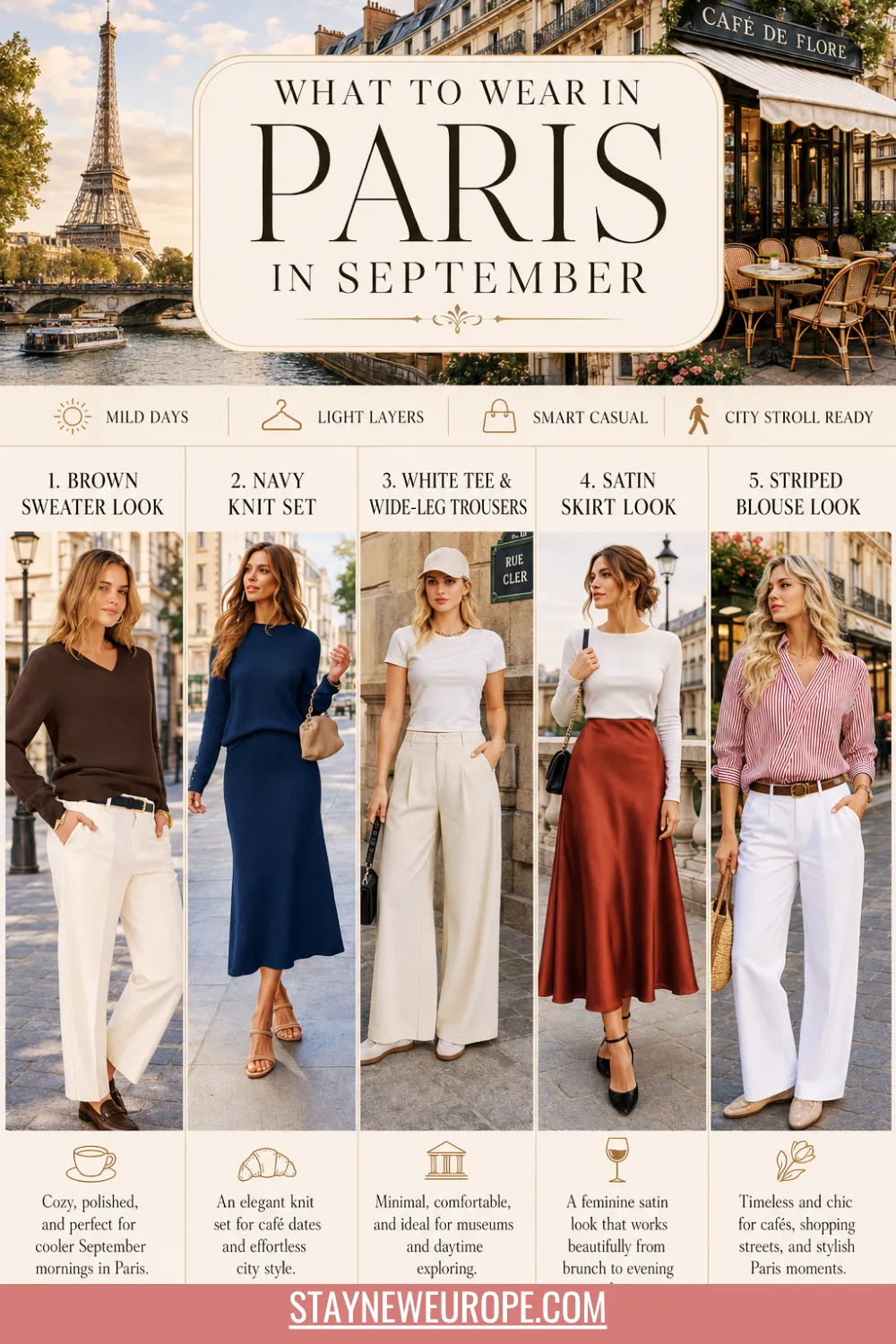
Let me be honest: September in Paris tricked me the first time. I packed like it was still summer — sundresses, sandals, one flimsy cardigan shoved in as an afterthought — and spent half my trip cold on the Seine at 8pm wishing I’d brought literally anything with sleeves.
Because here’s the thing nobody tells you: Paris in September isn’t summer anymore, but it’s not quite fall either. It’s somewhere in between — golden light, chestnut trees just starting to turn, the whole city easing back from vacation mode into that brisk, purposeful energy of la rentrée. Mornings can be crisp enough for a coat. Afternoons can still hit t-shirt weather. And Parisians, being Parisians, seem to navigate this without ever looking like they’re improvising.
This is what actually works — no fluff, no aspirational nonsense about berets, just what I’ve learned from walking this city in September more than once and getting caught out more than I’d like to admit.
Before We Dive In
Weather: September in Paris usually sits somewhere between 55°F and 70°F (13°C–21°C), though early September can still flirt with warm, sticky afternoons while late September starts feeling genuinely autumnal. Rain shows up more than people expect — not dramatic downpours, just sudden, unbothered drizzle that passes in twenty minutes and leaves everyone acting like nothing happened.
walking condiotion: You’ll be walking a lot, and Paris doesn’t do you any favors underfoot — cobblestones in the Marais, uneven sidewalks near the Seine, endless metro stairs with zero elevators in half the older stations. Comfortable footwear isn’t optional here; it’s the whole trip.
Culture: And yes, the style thing is real. September is also the start of fashion month, so the city is quite literally dressed for it. You don’t need to compete with that, but it does mean effort is visible everywhere you look, and showing up in head-to-toe activewear will make you feel more like a tourist than you probably want to.
The Carry-On Question (And Why Paris Rewards Packing Light)
Here’s something that surprised me: the less I brought to Paris, the better my outfits actually got.
Paris apartments and hotel rooms are small, elevators are hit-or-miss, and metro stations were not designed with a 28-inch suitcase in mind. A carry-on forces you into a tighter edit, and a tighter edit is basically what Parisian style already is — fewer pieces, worn more intentionally, mixed and matched rather than worn once and abandoned.

I’d pack a structured carry-on over a duffle for September specifically, since you’re straddling two seasons and need it to hold its shape with a mix of lighter pieces and one or two bulkier layers like a jacket. A duffle is fine for a long weekend, but for anything longer, a hard-shell or semi-structured carry-on keeps your knitwear from turning into a wrinkled ball by day three.
Local tip: if you’re combining Paris with other stops, check our Italy in September packing guide — the layering logic is nearly identical, which makes cross-country packing a lot less stressful.
Lightweight Layers Are Doing More Work Than You Think
This surprised me the most on my first September trip: I didn’t need heavy clothes, I needed smart clothes.
September Paris is a layering game, not a heavy-coat game. A thin merino sweater over a tee, a linen shirt left open over a tank, a light cardigan you can tie around your bag — these do more for you than one thick jumper ever will, because the temperature genuinely shifts across a single day
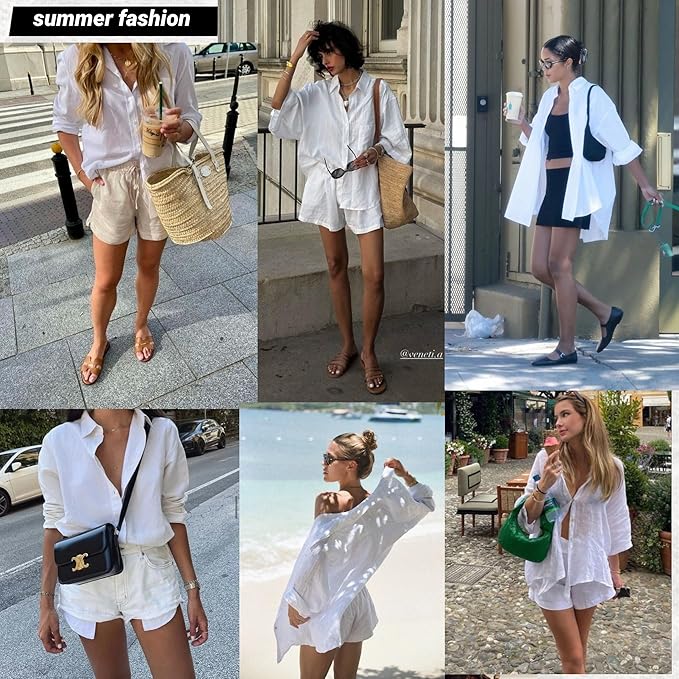
You’ll start cool, warm up by early afternoon, and cool right back down the second the sun dips behind a building around 7pm.

I learned this the hard way after sweating through a wool sweater at 2pm outside the Louvre, then freezing in the same sweater three hours later because it was the only warm thing I’d packed. Layers you can add and subtract solve both problems with the same three or four pieces.

Local tip: a silk or satin slip layered under a knit is a very Parisian trick — it keeps you warm without bulk, and it peeks out at the sleeve or hem in a way that looks deliberate.
Dresses That Actually Match September’s Mood
A breezy little sundress that was perfect in July can feel oddly out of place in September — not wrong, just slightly off-season, like wearing sandals to a bonfire.
What works instead are dresses in heavier cotton, linen-blend, or a light knit — still easy, still comfortable, but with a bit more structure and richer color.

Think rust, olive, chocolate brown, burgundy, deep navy — the same silhouettes you wore all summer, just in a September palette. A midi shirt dress with the sleeves rolled up is close to unbeatable here: dressy enough for dinner, casual enough for wandering the Marais all afternoon.

I wore a simple black knit dress on repeat one September trip — with sneakers and a denim jacket during the day, with boots and a blazer at night — and it did more heavy lifting than anything else in my suitcase.

Local tip: pack one dress that can go from museum to dinner without a full outfit change. You will use it more than you expect.
Jeans, Trousers, or Shorts — What Actually Earns Its Spot
Short answer: jeans and tailored trousers, with shorts as a maybe.
Straight-leg or slightly wide-leg jeans are the workhorse of a September Paris wardrobe — comfortable for walking, warm enough for cooler mornings, and dressed up easily with the right top and shoe.

Tailored trousers are the elevated alternative for dinner or a museum day where you want to look slightly more put-together.

Shorts aren’t off-limits, but by September they read as a warm-afternoon option rather than an all-day uniform, and if you do pack a pair, go for a tailored or longer inseam rather than anything overtly athletic or beachy — it just fits the city’s register better.

Local tip: one pair of dark, well-fitted jeans will outperform three “cute” pairs. Dark denim reads dressier and hides travel-day wrinkles far better than lighter washes.
Comfortable Shoes That Don’t Scream “Tourist”
I will die on this hill: the shoes make or break a Paris September trip, more than any other single item.
Cobblestones, metro stairs, hours of unplanned wandering — your feet need to survive all of it, but bulky running shoes or brand-new sneakers will both give you away and give you blisters.

What works: is a broken-in white or neutral sneaker, a leather loafer, or a low ankle boot once the evenings turn properly cool. All three go with nearly everything in a typical capsule and can handle a full day of walking without complaint.

I made the mistake once of packing shoes I’d never actually worn outside my apartment. Two days in, I was limping through the Tuileries in flip-flops I’d bought at a pharmacy out of sheer desperation. Break your shoes in before you go — genuinely, this is non-negotiable advice.

Local tip: pack a pair of foldable flats or slip-ons as backup. They weigh nothing and save the day when your feet finally revolt around hour six.
What NOT to Wear (Tourist Mistakes I’ve Actually Made)
Let’s get the uncomfortable ones out of the way.
Athletic wear as daily clothing is the biggest giveaway — leggings, oversized branded hoodies, and running shoes worn as a full outfit read as “just here to sightsee, not really trying,” which is fine, but it changes how you’re treated in restaurants and shops more than people expect.
Flip-flops are another one; they simply don’t belong on Parisian streets, cobblestones or otherwise. And overly casual event wear — think giant novelty totes, character t-shirts, anything with an airport-logo font — tends to mark you as a first-timer more than any accent ever could.
None of this means dressing formally. It means dressing like you tried, even a little, which is really the entire Parisian style philosophy in one sentence.
Local tip: if in doubt, ask yourself whether you’d wear the outfit to a slightly nice weekday lunch back home. If yes, you’re probably fine for Paris.
Jackets for September’s Mood Swings
You need exactly one really good jacket, and ideally a second lighter backup.
A trench coat is the obvious, classic choice and genuinely earns its reputation — it works over nearly everything, handles a light rain shower, and looks intentional rather than practical-only.

For cooler September evenings, a denim or leather jacket adds edge without the formality of a full coat, and works especially well layered over a dress or knit.

I now travel with a lightweight trench and a cropped leather jacket, and between the two, I’ve never been caught without the right layer — one for daytime drizzle, one for evening chill.
Local tip: pick a jacket in a color that goes with everything else you packed — camel, black, or navy — so it’s not the one piece limiting your outfit combinations.
Evening Outfits That Work for Paris After Dark
Dinner in Paris deserves slightly more effort than most cities, and September’s cooler evenings actually make this easier, not harder.
A simple slip dress or midi skirt with a fitted top, paired with boots or heeled sandals and a blazer or leather jacket over the top, covers almost every dinner scenario — bistro, wine bar, or something slightly nicer.

you can style them however you like
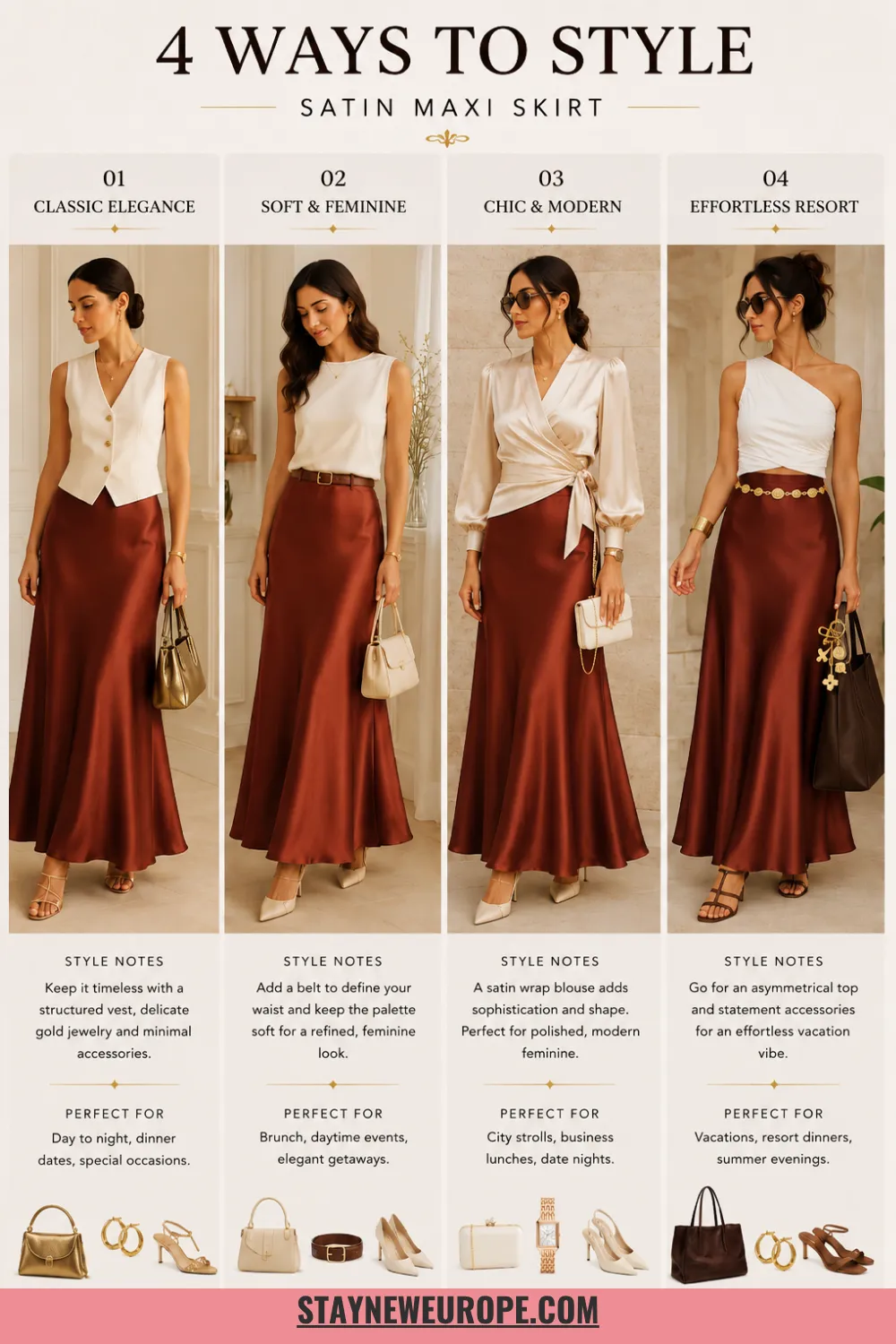
Silk or satin trousers with a simple top are another reliable option if dresses aren’t your thing; they read as elevated without trying too hard.
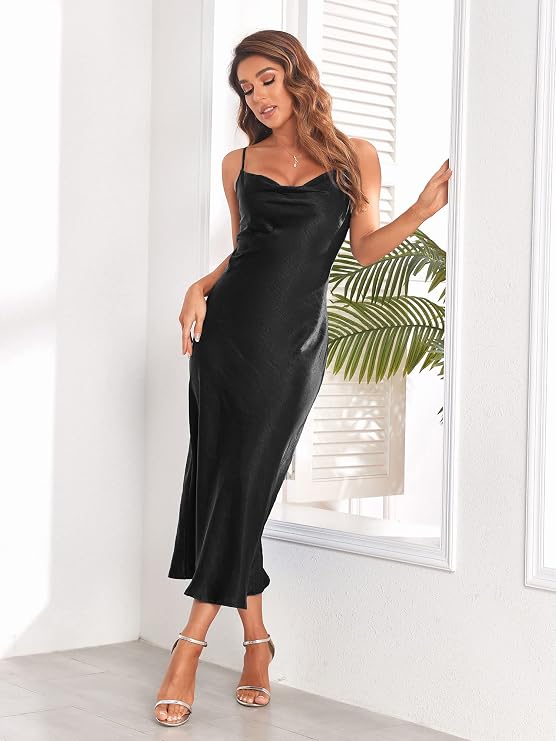
One trick I picked up: repurpose your daytime dress for evening by swapping sneakers for boots and adding a blazer. Same dress, completely different outfit, half the packing.

Local tip: most Paris restaurants don’t have a strict dress code, but jeans-and-sneakers-only will feel noticeably underdressed at anything above a casual bistro. A slightly elevated top solves this without overpacking.
Dressing for Churches and Sacred Sites
This one catches people off guard every single time.

Notre-Dame, Sacré-Cœur, and most churches across Paris expect shoulders and knees covered, regardless of the September heat that day.

A lightweight scarf or shawl is the easiest fix — throw it over bare shoulders or a sleeveless top right before you walk in, then let it drape as an accessory the rest of the day.

I keep a pashmina in my bag on any day that includes a church visit, purely because I’ve been turned away once and never wanted to repeat the experience.

Local tip: a scarf isn’t just practical here — it also softens an otherwise casual outfit, which makes it worth carrying even on non-church days.
Bags: Crossbody Over Everything Else
A crossbody bag is close to essential in Paris, September or otherwise.
It keeps your hands free for the inevitable croissant-holding, phone-navigating, metro-ticket-fumbling combination, and it’s genuinely more secure against pickpocketing than a shoulder bag you can easily have lifted off your arm in a crowd.

A structured leather crossbody in a neutral tone works with nearly every outfit in a typical capsule, day or night.
I switched to a crossbody after a slightly too-eventful metro ride, and I haven’t looked back since — it’s just less to think about all day.

Local tip: choose one with a zip closure rather than an open top. Paris crowds around major sites (hello, Louvre queue) are exactly where bag security actually matters.
Accessories That Elevate a Simple Outfit
The trick to looking put-together in Paris isn’t more clothes, it’s better accessories on repeat outfits.
A good scarf, a structured belt, and a pair of statement earrings can turn the same jeans-and-sweater combination into three visually different outfits across a week.

Sunglasses matter more than you’d think too, both for the September sun and for that effortless, slightly mysterious look every café photo seems to have.

I now pack maybe four accessory pieces total and rotate them constantly, and it stretches a small suitcase further than any extra clothing item ever could.

Local tip: a silk scarf tied on your bag handle, rather than your neck, is a low-effort way to add color without committing to wearing it all day.
Rain Prep (Because It Will Happen at Least Once)
September rain in Paris is rarely dramatic, but it is frequent — a sudden ten-minute shower, then blue sky again like nothing happened.

A packable rain jacket or a small umbrella solves this without you needing to build your whole outfit around weather anxiety.
I’d skip anything bulky; a compact umbrella that fits in your crossbody bag is more realistic than remembering to carry a full-size one everywhere.

Local tip: avoid suede shoes on days with rain in the forecast — I ruined a pair this way, and it wasn’t a cheap lesson.
Fabrics to Pack (and the Ones to Skip)
Cotton, linen-blends, merino wool, and light knits are your friends for September — breathable enough for a warm afternoon, warm enough for a cool evening, and they travel without looking destroyed by day two.
Skip heavy pure wool (too warm for anything but the coldest late-September evenings) and anything overly synthetic that doesn’t breathe — you’ll notice it fast on a long walking day. Linen wrinkles, yes, but it wrinkles in a way that reads as relaxed rather than sloppy, which is more than I can say for most polyester blends.
How Many Outfits to Actually Pack
For a week in Paris, I’d bring roughly five tops, three bottoms, one or two dresses, and two jackets — mixed and matched into far more outfits than the piece count suggests.
The mistake most people make is packing complete outfits rather than interchangeable pieces. A capsule approach, where nearly everything pairs with nearly everything else, means you can pack less and still never repeat a look. If you want the fuller breakdown, our travel capsule wardrobe guide walks through exactly how to build one from scratch.
Local tip: lay everything out before you pack and count the outfit combinations. If a piece doesn’t pair with at least two others, it probably doesn’t need to come.
Closing
Paris in September doesn’t ask for a complicated wardrobe — it asks for a thoughtful one. A few good layers, shoes you’ve actually broken in, a scarf that can do double duty, and you’re set for whatever the weather decides to throw at you that day.
Pack less than you think you need, wear it with a little more intention than you would at home, and let the city do the rest. You’ll be surprised how far a handful of well-chosen pieces can carry you — through golden afternoons in the Tuileries, sudden rain on the Pont Neuf, and dinners that stretch late into a cooling September evening.


8 Responses