

Let me be honest — I packed for Portugal in September like I was still chasing full-blown summer, and by day three I was sweating through linen at noon and shivering on a Lisbon rooftop by 9pm. Nobody warns you that September in Portugal is basically two seasons fighting for control of the same day.
The mornings are soft and golden, the afternoons are still properly hot — we’re talking late-summer, sun’s-out-in-full-force hot — and then the evening drops just enough that you’ll want something over your shoulders before dessert arrives. Add cobblestones that seem specifically engineered to punish wedge sandals, and you’ve got a packing puzzle that trips up more travellers than you’d think.
This isn’t a “pack these 10 things and you’re done” list. It’s what actually works when you’re walking eight miles a day between Alfama’s hills and an evening glass of vinho verde, and what I wish someone had told me before I checked a bag I genuinely didn’t need.
Before We Dive In
Weather condition: September in Portugal runs warm — expect highs around 25-29°C (77-84°F) in Lisbon and the Algarve, dropping to a much more comfortable 17-19°C (63-66°F) once the sun goes down. Porto and the north cool off a touch faster than the south, so if your trip covers both, pack with that gap in mind. Rain is rare but not impossible, especially toward the end of the month — think one unpredictable afternoon shower, not a washout.
Walking conditions matter more here than almost anywhere else in Europe. Lisbon and Porto are both built on hills, and the pavement is traditional calçada portuguesa — small, smooth limestone cobbles that turn beautiful and treacherous in the same step. Your shoes will make or break your trip far more than your outfits will.
And on style — Portuguese people dress well, but quietly. This isn’t Milan’s fashion-forward energy or Paris’s studied nonchalance. It’s clean lines, good denim, well-fitting basics, and almost nobody in activewear unless they’re actually exercising. You’ll stand out less by dressing “fancy” and more by dressing put-together.
Your Bag Situation: Carry-On or Duffle?
Here’s the thing nobody tells you: Portugal is brutal on wheeled suitcases.
Between the cobblestones and the fact that half of Lisbon’s Airbnbs come with narrow spiral staircases and zero elevators, a big hard-shell case turns your arrival into a wrestling match. I learned this the hard way dragging a 26-inch suitcase up Alfama’s steepest street while genuinely questioning my life choices. A soft-sided carry-on or a structured duffle with backpack straps handles stairs, trams, and uneven ground infinitely better.

If you’re doing a multi-city trip — Lisbon, Porto, maybe a detour to the Algarve — packing light isn’t a nice-to-have, it’s survival. You’ll be hauling your own bag on and off regional trains more than once.
Local tip: Skip anything with spinner wheels for Portugal specifically. They catch on cobblestones constantly. Two sturdy in-line wheels you can drag at an angle work far better than four spinners that want to go sideways.
Lightweight Layers (Why They Matter More Than You Think)
September in Portugal is a layering exercise disguised as a summer trip.
You’ll start the day comfortable, hit an uncomfortably warm early afternoon, and then need something by the time the sun dips — Lisbon evenings especially have a breeze off the Tagus that catches you off guard.
The fix isn’t a heavy cardigan, it’s thin, breathable layers you can add or peel off without thinking twice: a lightweight linen shirt worn open over a tank, a fine-knit cotton wrap, a breathable button-down.
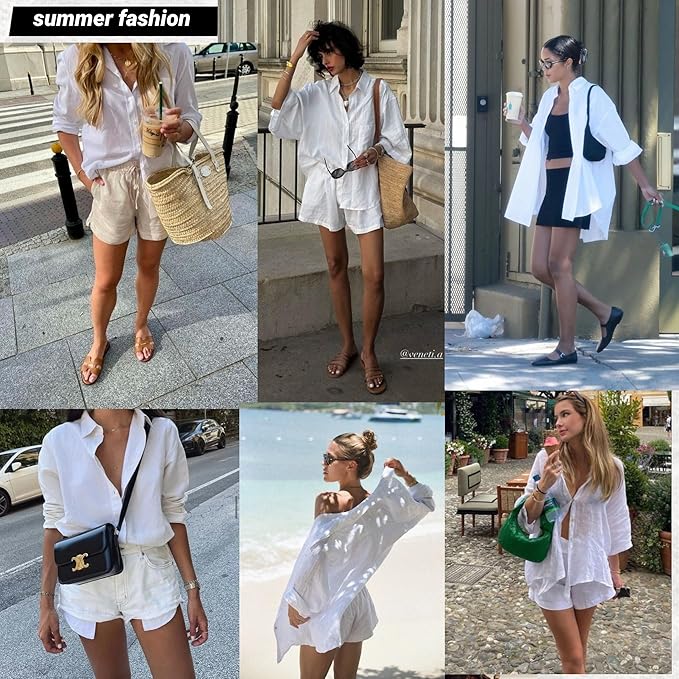
I pack one linen overshirt on every September Portugal trip and wear it constantly — over a dress at 8pm, tied around my bag at 2pm, buttoned up for a slightly cooler morning in Porto. It’s doing more outfit work than anything else in my suitcase.
Local tip: Stick to natural fibres. Synthetic layers trap heat during the day and don’t breathe when you need them to.
Dresses That Actually Work in Portugal
A dress genuinely earns its space in a Portugal packing list — it’s the fewest decisions for the most versatility.

What works here specifically is a little different from what works in, say, Spain. Portuguese style leans slightly more relaxed and less fitted — think a simple linen midi or a loose cotton shirt dress rather than anything structured or body-con.

It needs to survive hills, humidity, and a full day of walking without wilting, and it needs to transition into an evening look with almost no effort. I’ve written before about how dresses become the backbone of a whole trip, and Portugal is no exception — pack two or three in different colours and you’ve effectively packed a week of outfits.

Swap sandals for espadrilles or block heels in the evening, add a gold hoop, and the same dress goes from cathedral-hopping to dinner in Chiado without a second look.
Local tip: Avoid pale or white dresses if you’re doing a lot of walking through Lisbon’s older neighbourhoods — the streets are dusty and you will notice by 4pm.
Trousers, Jeans, or Shorts — What Actually Works
Portuguese locals wear a lot of jeans, even in September heat, which surprised me the first time I visited. But that’s them, not necessarily you if you’re walking ten kilometres a day in the sun.
My honest take: lightweight wide-leg trousers in linen or cotton blend beat both jeans and shorts for most of the trip. They read as put-together (important near churches and nicer restaurants), they breathe far better than denim, and they’re more forgiving than shorts if you end up somewhere that expects covered knees.

That said, one pair of shorts is worth packing for Algarve beach days or a genuinely scorching afternoon — just choose tailored over athletic-looking.

If jeans are non-negotiable for you, pack one pair in a lighter wash, save them for cooler Porto evenings, and don’t plan to wear them for an all-day walking itinerary in Lisbon’s midday sun.

Local tip: Cream, olive, and stone-coloured trousers hide dust and travel wrinkles far better than black, which shows every crease by lunchtime.
Walking Shoes That Won’t Betray You on Cobblestones
This is the one category where I will not compromise, and neither should you.
Portugal’s cobblestones are gorgeous in photos and genuinely dangerous underfoot — smooth, uneven, and slick when even slightly damp. New shoes, anything with a smooth leather sole, or wedges are all asking for a twisted ankle.
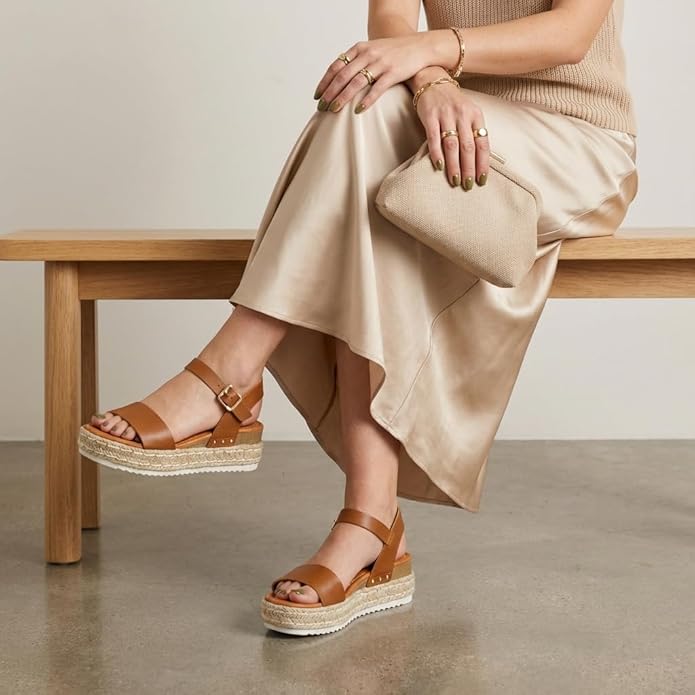
What actually works is a broken-in leather sneaker or a supportive walking sandal with real grip — the kind you’d trust on a hiking trail, not just a city break.

I’ve said this before writing about walking conditions across Southern Europe, and it holds even more true here: comfort has to win over the “cute shoe” instinct, because Portugal will test your feet more than almost anywhere else on the continent.

Local tip: Bring two pairs and rotate them daily. Wearing the same shoes every day on cobblestones speeds up blisters dramatically.
What NOT to Wear (Tourist Mistakes I’ve Actually Made)
Let’s talk about the outfits that mark you as a tourist before you’ve said a word.
Flip-flops for city sightseeing are the biggest one — they offer zero grip on cobblestones and Portuguese people simply don’t wear them outside the beach.
Head-to-toe athletic wear is another; a matching tracksuit or visible gym leggings read as “just landed from the airport,” not “exploring the city.”
And ironically, over-packed “resort wear” — sequins, statement florals, anything you’d wear poolside at an all-inclusive — feels out of step with how understated Portuguese daily style actually is.
The other mistake, and I’m guilty of this one myself, is packing like it’s still July. September heat here fools people into leaving the light layer at home, and then they’re cold and uncomfortable by 9pm with nothing to reach for.
Local tip: If in doubt, dress slightly more “put together” than you think you need to — smart-casual, not resort-casual, is the safer read almost everywhere in Portugal.
Jackets for the Unpredictable Bits
You won’t need a real jacket most days, but you’ll be genuinely glad for a light one on the days you do.
A packable denim jacket or an unlined trench-style cotton jacket covers you for cooler Porto mornings, breezy evening walks along the Tagus, and the one rogue rain shower September occasionally throws in.

Skip anything heavier — puffers and wool coats are overkill and just dead weight in your bag for a trip that’s still fundamentally warm.
I keep mine folded into my daybag every single day in September, rain or shine, because Portugal’s evening temperature drop happens faster than you expect once the sun actually sets.

Local tip: A neutral denim jacket doubles as both your rain-shower cover and your evening layer — one item, two jobs.
Evening Outfits: Dinner, Drinks, and a Little Polish
Portuguese evenings call for more effort than the daytime does, and it’s one of my favourite parts of dressing for this country.

A simple midi dress with sandals swapped for a low block heel works beautifully for dinner in Lisbon or Porto, especially somewhere like the Time Out Market or a proper tasca.

For a slightly dressier night, add a silk-blend top with tailored trousers and gold jewellery — understated but clearly not “just came from the beach.”

The trick is that nothing here needs to be formal — it just needs to look intentional.

Men generally do well with a linen shirt and chinos; shorts read too casual for most dinner spots after dark.
Local tip: Most restaurants in Lisbon and Porto are more relaxed than you’d expect, but a few upscale spots do turn away visible beachwear or flip-flops after 7pm, so keep one “dinner-ready” outfit in your rotation.
Church Dress Codes (Yes, They’re Enforced)
Portugal’s churches and monasteries — and there are stunning ones everywhere, from Jerónimos in Lisbon to Porto’s Igreja do Carmo — expect covered shoulders and knees, and this is actually checked at the door in the more visited sites.
I always keep a lightweight scarf in my daybag specifically for this. It works as a shoulder cover if I’m in a tank top, doubles as sun protection walking between sites, and takes up almost no space. For bottoms,

this is exactly where those lightweight trousers earn their keep over shorts — you won’t need to think about it at all.
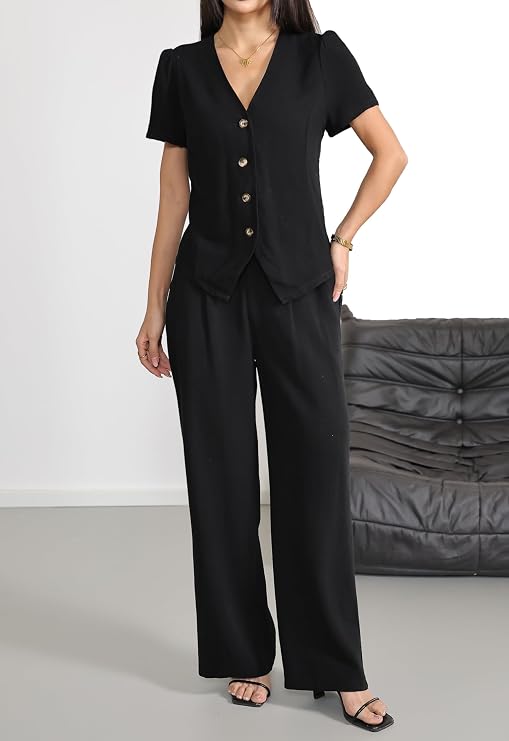
Local tip: Jerónimos Monastery and Sé Cathedral both enforce the dress code strictly during peak season — don’t assume you’ll be waved through.
Bags: Crossbody vs. Backpack
For daily sightseeing, a crossbody wins, and it’s not close.
Portugal’s cities involve a genuine amount of hill-climbing and tram-hopping, and a crossbody keeps your hands free and your bag secure against your body — which matters, because Lisbon and Porto do see their share of pickpocketing in tourist-heavy areas like Alfama and Ribeira.

A small structured backpack is the second-best option if you’re carrying more (camera gear, a water bottle, a layer), but skip anything oversized that reads as a full daypack; it slows you down on narrow, crowded streets.

Local tip: Choose a crossbody with a zip closure, not a magnetic snap or open top — worth the extra care given how packed some of these neighbourhoods get in September.
Accessories That Elevate Simple Outfits
September in Portugal is really about a few well-chosen basics doing a lot of work, and accessories are where you make that happen without adding bulk.
A wide-brim straw hat handles the midday sun without looking like beachwear once you’re in the city.

Gold jewellery — a couple of simple layered necklaces, hoop earrings — instantly dresses up the same linen dress you wore during the day for an evening out.
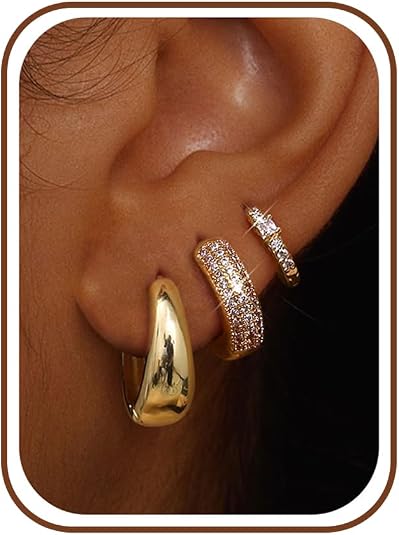
And genuinely good sunglasses matter more here than people expect; the light off the Tagus and the whitewashed buildings is intense even on cloudy days.

Local tip: Pack one statement scarf. It’s your church cover-up, your sun protection, and your evening accessory all in one — I never travel to Portugal without at least one.
Rain Preparation (Unexpected, But Worth It)
September rain in Portugal is rare, but when it shows up, it tends to arrive fast and heavy rather than as a gentle drizzle.
A compact travel umbrella is worth the small amount of space it takes, and it beats a rain jacket for this specific climate — Portuguese people themselves mostly reach for umbrellas rather than rain gear, since showers usually pass within the hour.

I’d skip a full rain coat unless you’re heading somewhere specifically wet like the north in late September; for Lisbon, Porto, and the Algarve, an umbrella plus your denim jacket covers you completely.
Local tip: Keep a small dry bag or pouch in your daybag for your phone — Portugal’s sudden showers have caught more than one traveller off guard mid-photo.
Fabrics to Choose (and Avoid)
Fabric choice matters more in September Portugal than almost any other packing decision, because you’re dealing with real heat and real humidity, especially in Lisbon and the Algarve.
Linen, cotton, and lightweight linen-cotton blends are your best friends — they breathe, they handle the humidity, and honestly they look better slightly rumpled, which takes the pressure off ironing anything.
Avoid polyester and other synthetic blends entirely if you can; they trap heat and don’t wick moisture, which is miserable on a long walking day. A little stretch cotton or a merino-blend knit is worth packing for the one or two cooler evening moments, since merino regulates temperature without adding bulk.
Local tip: If you’re unsure about a fabric, do the wrinkle test in the shop — if it wrinkles easily, it’s probably a natural fibre, which is exactly what you want here.
Building a Capsule Wardrobe for Portugal in September
Here’s roughly what I’d actually pack for a week-long September trip: two or three dresses, one pair of lightweight trousers, one pair of tailored shorts, three to four breathable tops, one linen overshirt, one packable jacket, and two pairs of shoes — one sneaker, one dressier sandal.
Keep the palette tight — neutrals like stone, white, olive, and a couple of accent colours — and everything mixes with everything else. That’s the whole point of a capsule: fewer decisions each morning, not fewer outfit options.
Practical Packing: How Much Is Actually Enough
For a week in Portugal in September, five to six outfit combinations genuinely covers you, because you’re remixing the same core pieces rather than packing a new outfit for every single day. Overpacking is the far more common mistake I see — and make myself — versus underpacking; you almost always wear less than you think you will, especially once the heat sets in and simplicity starts to feel like the smarter choice by day two.
Plan your outfits loosely around activities rather than days: one “church and sightseeing” look, one “beach or coastal day” look, one “dinner out” look, and let the rest fill in around those anchors. The biggest mistake to avoid is packing for a Portugal you’re imagining rather than the one that’s actually going to happen — pack for real heat, real hills, and real cobblestones, and you’ll be far more comfortable than the traveller next to you in white wedges.
Portugal in September has a way of rewarding the people who pack light and dress simply — you’ll move easier, sweat less, and actually enjoy the golden-hour walk back to your hotel instead of nursing blisters. Pack the basics, trust the layers, and leave a little room in your bag for whatever you inevitably buy in a Lisbon market anyway.

