
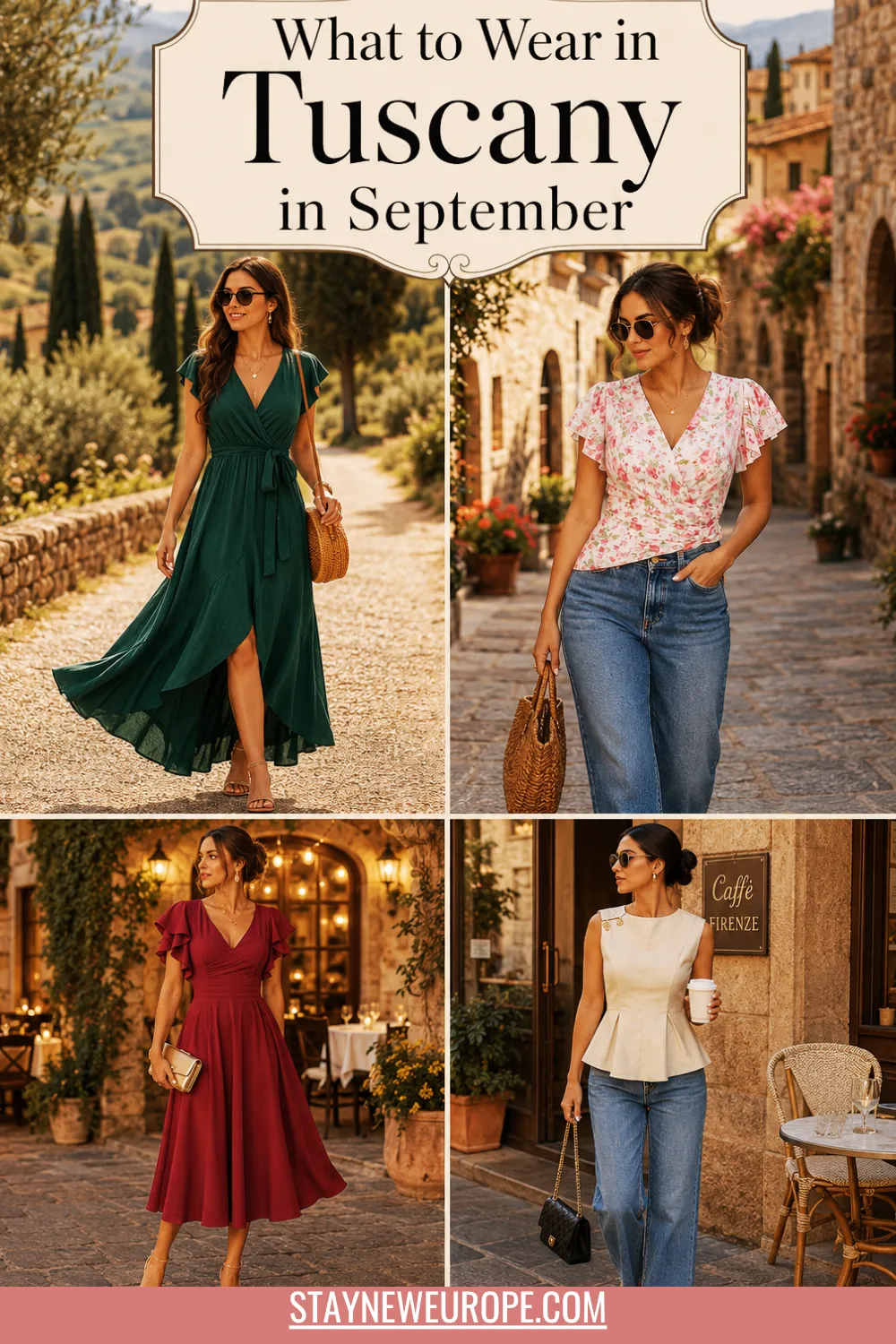
Let me be honest: I packed for Tuscany in September like I was still packing for August. Big mistake. I landed in Florence sweating through a linen dress by 10am, then froze at an outdoor dinner in Montepulciano that same night because I hadn’t brought a single thing with sleeves.
Tuscany in September is a trick. The postcards still look like summer — golden light, grape harvests, cypress trees lined up like they’re posing for you — but the actual temperature swing between a hilltop morning and a sun-scorched afternoon piazza is bigger than almost any other month. Add in gravel paths, uneven stone streets, and vineyards that do not care how good your sandals look, and you’ve got a packing puzzle that most “just bring a sundress” guides completely ignore.
This surprised me the most: it’s not really about packing more clothes. It’s about packing the right five or six pieces that can move with you from a market in Siena to a wine cellar to a candlelit dinner in the same day. That’s what we’re actually solving here.
Before We Dive In
Weather: September in Tuscany runs warm during the day and genuinely cool at night, and the gap between the two is the whole story. Expect daytime highs around 26–29°C (79–84°F) through early September, dropping to a more manageable low-to-mid 20s by the end of the month, while evenings can slide into the mid-teens Celsius (upper 50s Fahrenheit), especially up in hill towns like Cortona or Volterra where the elevation adds a real chill once the sun drops. Rain shows up more than people expect — not daily, but often enough that a dry September trip with zero rain gear will occasionally leave you stranded under a café awning.
Walking and standing conditions: Walking conditions matter more here than in most of Italy. You’re not just dealing with cobblestones in the historic centers of Florence, Siena, and Lucca — you’re also dealing with gravel vineyard paths, uneven farmhouse courtyards, and hill towns built quite literally on hills, where every charming alley comes with an incline. Shoes are not a minor decision in Tuscany. They’re the decision.
Style culture: And then there’s the style culture, which — I’ll say this gently — is not optional to think about. Tuscans, and Italians generally, dress with intention even in the countryside. You won’t get side-eyed for looking like a tourist, exactly, but there’s a noticeable difference between someone dressed for a beach holiday and someone dressed for wine country, and Tuscans clock it instantly. This isn’t about designer labels. It’s about fit, a bit of color coordination, and clothes that look like you thought about them for more than four seconds.
Lightweight Layers (Why They Matter More Than You Think)
I used to treat layering as an afterthought — something you do if you happen to pack a cardigan. In Tuscany in September, layering is the entire strategy, not a backup plan.

The daily temperature swing is the reason. You’ll leave your agriturismo at 9am in cool air, be sweating by 1pm walking through Siena’s Piazza del Campo, and then be genuinely cold again by 8pm at an outdoor dinner table. One outfit cannot survive all three of those moments unless it’s built in layers you can add or strip without changing the whole look.

A lightweight cotton or linen shirt worn open over a simple tank, a fine-knit cardigan that rolls up small, and a scarf that can double as a light wrap — that combination alone gets you through most days.

What doesn’t work: thick layers that don’t compress, or “just in case” jumpers that only make sense for December. You want pieces that weigh nothing in your bag but change the whole feel of an outfit once you put them on.
Local tip: Tuscan evenings cool down faster near the hill towns than in the valley — if you’re staying somewhere like Cortona or San Gimignano, pack one layer warmer than you think you’ll need for dinner. If your September trip is part of a longer Italian loop, our what to wear in Italy in August guide has more on how the layering logic shifts as you move between cities and the coast.
Dresses That Actually Work for Tuscany (Not Just Pretty Ones)
A breezy sundress that photographs beautifully in a vineyard can feel completely wrong the second the sun goes behind a cloud.
The dresses that actually earn their space in a Tuscany September bag are midi-length, in a slightly heavier fabric than pure summer cotton — think linen-blend, a light viscose, or a soft knit.

These hold up to wind on a hilltop terrace, they don’t need constant adjusting when you’re climbing uneven steps, and they photograph just as well in golden afternoon light as any flimsy sundress does.

I wore one rust-colored linen-blend wrap dress on repeat through an entire week in the Val d’Orcia — with sneakers and a denim jacket by day, with sandals and gold hoops by night — and it did more work than anything else I packed.

Solid colors and muted earth tones — terracotta, olive, warm browns, dusty pink — read as intentional here in a way that loud prints sometimes don’t, especially against Tuscany’s landscape, which is doing plenty of visual work on its own.

Local tip: Skip anything with a built-in structure that can’t handle sitting in a car for an hour on the way to a vineyard — you’ll be getting in and out of cars more than you expect on a Tuscany trip.
Jeans, Trousers, or Shorts — What Actually Wins in September
Shorts are not the villain people make them out to be, but September Tuscany isn’t really shorts weather the way July is.

Trousers are the quiet winner of this whole trip. A pair of lightweight linen or cotton-blend trousers in a neutral tone works for wine tastings, city walking, and dinner, and they handle the temperature drop far better than shorts once the sun starts setting.

Dark, well-fitted jeans are the second workhorse — they look intentional in Florence, they’re forgiving after a big Tuscan lunch, and they transition to evening without any adjustment. I’d bring one pair of each rather than committing fully to either.

If you do bring shorts, keep them tailored rather than athletic — a linen short with a bit of structure, paired with a nice top, still reads as put-together for daytime touring, even if they’re not appropriate for church visits or the occasional dressier restaurant.
Local tip: Bring one pair of trousers that can survive a slightly dusty vineyard tour without looking ruined — you will be standing in actual dirt more than you expect.
Comfortable but Stylish Walking Shoes
This is the section where I actually apologize on behalf of every travel blog that told you cute sandals would be fine.
Tuscany’s terrain is not one texture. You’ve got smooth marble piazzas in Florence, rough medieval cobblestones in Siena, gravel paths through vineyards, and dirt tracks around farmhouses. A shoe that handles one of these badly will ruin an afternoon.

A minimal leather sneaker — something clean, low-profile, and already broken in — is the single most versatile shoe you can bring.

For evenings, a slightly dressier flat sandal with good sole support earns its spot, but I wouldn’t trust anything with a delicate strap for daytime walking.

I learned this the hard way with a pair of new leather sandals that looked incredible in the packing photo and destroyed my feet by day two in San Gimignano. Break shoes in before you leave, always.

Local tip: If your trip includes any hill towns with steep approaches — Cortona and Volterra especially — a sneaker with actual tread beats anything flat-soled.
What NOT to Wear (Tourist Mistakes I’ve Watched People Make)
I’m not here to shame anyone’s holiday wardrobe, but a few patterns show up over and over, and they’re easy fixes.
Athletic wear outside of actual athletic activity is the biggest one — leggings and performance fabric worn as daywear reads instantly as “just arrived from the airport” in a way that a simple pair of trousers doesn’t.
Bulky running shoes are the second offender; they’re fine for genuine hiking, but paired with a sightseeing outfit in Florence or Siena, they stand out more than people realize.
Flip-flops are a hard no for anything beyond the pool at your accommodation — cobblestones and gravel will make quick work of them, and they’re not considered appropriate footwear for towns or restaurants here.
And shorts or bare shoulders at churches will genuinely get you turned away — this isn’t a myth, it’s enforced.
Local tip: If in doubt, dress slightly more polished than you think you need to — you’ll never feel overdressed in Tuscany, but underdressed does happen.
Jackets for Unpredictable September Weather
September in Tuscany can throw a genuinely cool, windy evening at you with almost no warning, especially if a storm has just passed through.

A lightweight trench or a structured denim jacket is the sweet spot — enough to cut wind and hold off a light drizzle, without the bulk of anything winter-weight.

I keep mine folded at the top of my bag rather than packed away, because September is exactly the kind of month where you’ll want it on a whim, not after a ten-minute dig through your suitcase.

For evenings specifically, a slightly nicer jacket — something you wouldn’t feel underdressed wearing to dinner — pulls double duty and saves you from needing a separate “smart” layer.

Local tip: A cropped denim jacket works over almost every dress or outfit combo in this guide and takes up almost no suitcase space — it’s the most efficient single item you can pack.
Evening Outfits in Tuscany
Tuscan evenings — especially dinners at agriturismos or restaurants in the historic centers — have a quiet elegance to them that’s worth dressing for, even casually.

A midi dress with sandals and simple jewelry covers most dinner situations without effort.

For a cooler night, swap the dress for trousers with a silk or fine-knit top, add the jacket from the last section, and you’re set for anywhere from a rustic trattoria to a proper sit-down restaurant in Florence.

What I’d avoid is anything overly casual — the athleisure-to-dinner move that works in some cities doesn’t quite land here, where even a simple family-run restaurant tends to have people dressed a notch above what you’d expect at home.
Local tip: Gold jewelry over silver photographs beautifully against Tuscany’s warm evening light — worth keeping in mind if you’re deciding what to pack in limited space.
What to Wear for Churches (Yes, There’s a Dress Code)
Tuscany has an extraordinary number of churches worth seeing — the Duomo in Florence, the Duomo in Siena, countless smaller chapels in the hill towns — and almost all of them enforce a real dress code.

Shoulders and knees need to be covered, for both men and women, and this is checked at the door in the bigger churches.

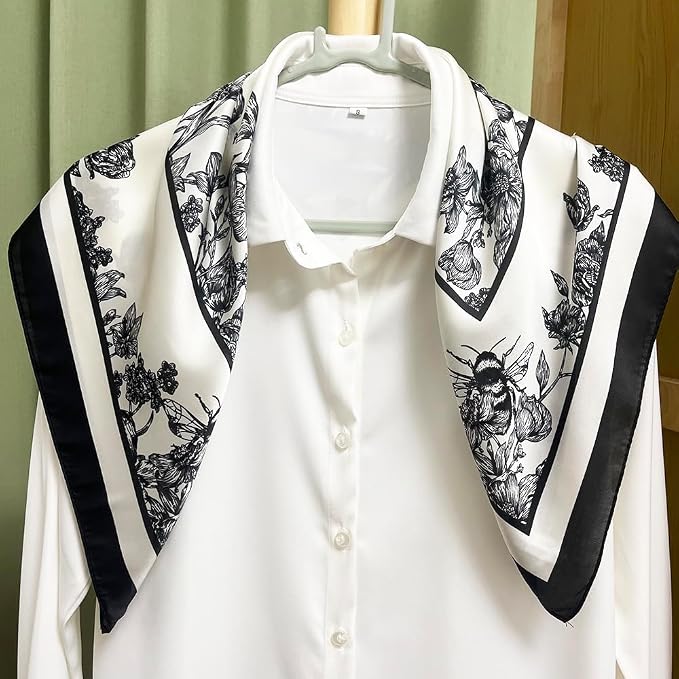
A light scarf is the single most useful item for this — it can cover shoulders in seconds and takes up no space in a bag. I keep one in my daybag at all times when visiting Tuscany, because the plan to “just avoid churches that day” rarely survives contact with an itinerary that inevitably wanders past the Duomo.
Local tip: Linen trousers instead of shorts solve this problem before it starts — you’ll never be stopped at a church door if your knees were already covered on arrival.
Bags: Crossbody vs. Backpack
For a day of walking between vineyards, towns, and the occasional museum, a structured crossbody bag is the more practical choice than it might seem.

It keeps your hands free for the inevitable moments of climbing stairs, holding a wine glass, or steadying yourself on uneven cobblestones, and it sits close enough to your body to feel secure in busier towns like Florence and Siena.

A small daypack or tote works well for longer excursions where you need to carry a water bottle, a light jacket, and the church scarf mentioned above — just avoid anything too bulky for narrow medieval streets, where a wide bag becomes a minor obstacle course.

Local tip: A cross-body with a zip (not just a magnetic clasp) is worth the extra few euros in crowded tourist spots like the Uffizi queue or Ponte Vecchio.
Accessories That Elevate a Simple Outfit
The fastest way to make a basic outfit look intentional in Tuscany is through accessories, not extra clothing.

A pair of good sunglasses, a scarf that does double duty as a church cover-up and an evening accent,
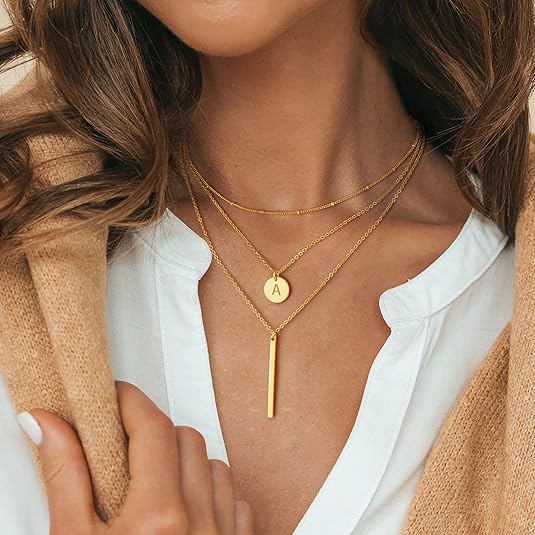
and simple gold jewelry go a long way toward making a repeated linen shirt or the same pair of trousers feel like a new outfit each time.
A wide-brim straw hat earns its keep on vineyard tours where shade is scarce, and it photographs well against the landscape, which — let’s be honest — is part of the point of a Tuscany trip.

Local tip: One scarf in a neutral or earthy tone will match almost everything else in this guide — buy it before the trip rather than hoping to find the perfect one once you’re there.
Rain Preparation (The Part Everyone Forgets)
September isn’t the rainy season in Tuscany, but it’s also not immune to a sudden afternoon storm, particularly toward the end of the month.

A compact travel umbrella that fits in a daybag is worth the small amount of space it takes up, paired with shoes that can handle a bit of wet without falling apart — this is another point in favor of a leather sneaker over anything suede or delicate. I’ve been caught in exactly one Tuscan downpour with zero preparation, and it turned an afternoon in Siena into an unplanned two hours in a café doorway.

Local tip: Skip a full rain jacket unless you’re traveling in early September storm season — a packable umbrella plus your existing layers usually covers it.
Fabrics to Choose (and Avoid)
Fabric choice matters more in September than in peak summer, because you need something that handles both heat and a cooler evening without changing your entire outfit.
Linen, linen-blends, and lightweight cotton are the backbone of a good Tuscany wardrobe — breathable during the day, and layered with a knit or jacket, still comfortable once it cools. A fine-knit top or light cardigan is worth its space for the same reason.
What to avoid: heavy denim on its own (fine for jeans as trousers, less fine as a jacket in daytime heat), synthetic fabrics that trap heat and don’t breathe on a warm afternoon, and anything that wrinkles so badly it looks slept-in after one car ride — which, in Tuscany, you will be taking often.
Local tip: A linen-cotton blend wrinkles noticeably less than pure linen and still gives you that same breathable, relaxed look.
Building a Capsule Wardrobe for Tuscany
The goal isn’t to bring fewer clothes for the sake of it — it’s to bring pieces that combine into more outfits than the number of items would suggest.
A workable Tuscany capsule looks something like:
- two midi dresses,
- one pair of trousers, one pair of jeans,
- three tops, one fine-knit layer,
- one light jacket,
- and a scarf,
- plus two pairs of shoes — a walking sneaker and a dressier sandal.
That’s roughly ten pieces creating well over a dozen outfit combinations across a week, which is the entire point of a capsule approach rather than packing a separate outfit for every single day.
How Many Outfits to Bring (and How to Actually Plan Them)
For a week in Tuscany, I’d plan around five or six daytime outfit combinations and three or four evening options, built from the capsule above rather than as separate items.
Lay everything out before you pack and actually build the outfits on your bed — it sounds tedious, but it’s the single fastest way to spot that you’ve accidentally packed four things that only work with each other and nothing else.
The most common mistake I see (and have made myself) is overpacking “special occasion” pieces that only work for one specific dinner, when a slightly dressed-up version of something you’re already wearing would have done the job. Pack light, repeat pieces confidently, and let accessories do the work of making a repeated outfit feel fresh.
If your trip continues on to other parts of Europe afterward, it’s worth checking how the climate shifts — our guides on what to wear in Paris in September and what to wear in Stockholm cover very different September realities if your itinerary includes a stop further north.
Tuscany in September has a way of making you feel like you’ve stepped into exactly the version of Italy you pictured before you booked the trip — golden light, harvest season, long dinners outside. Pack for the version of the day that actually happens, not just the postcard version, and you’ll spend a lot less time thinking about your suitcase and a lot more time actually looking up.

