
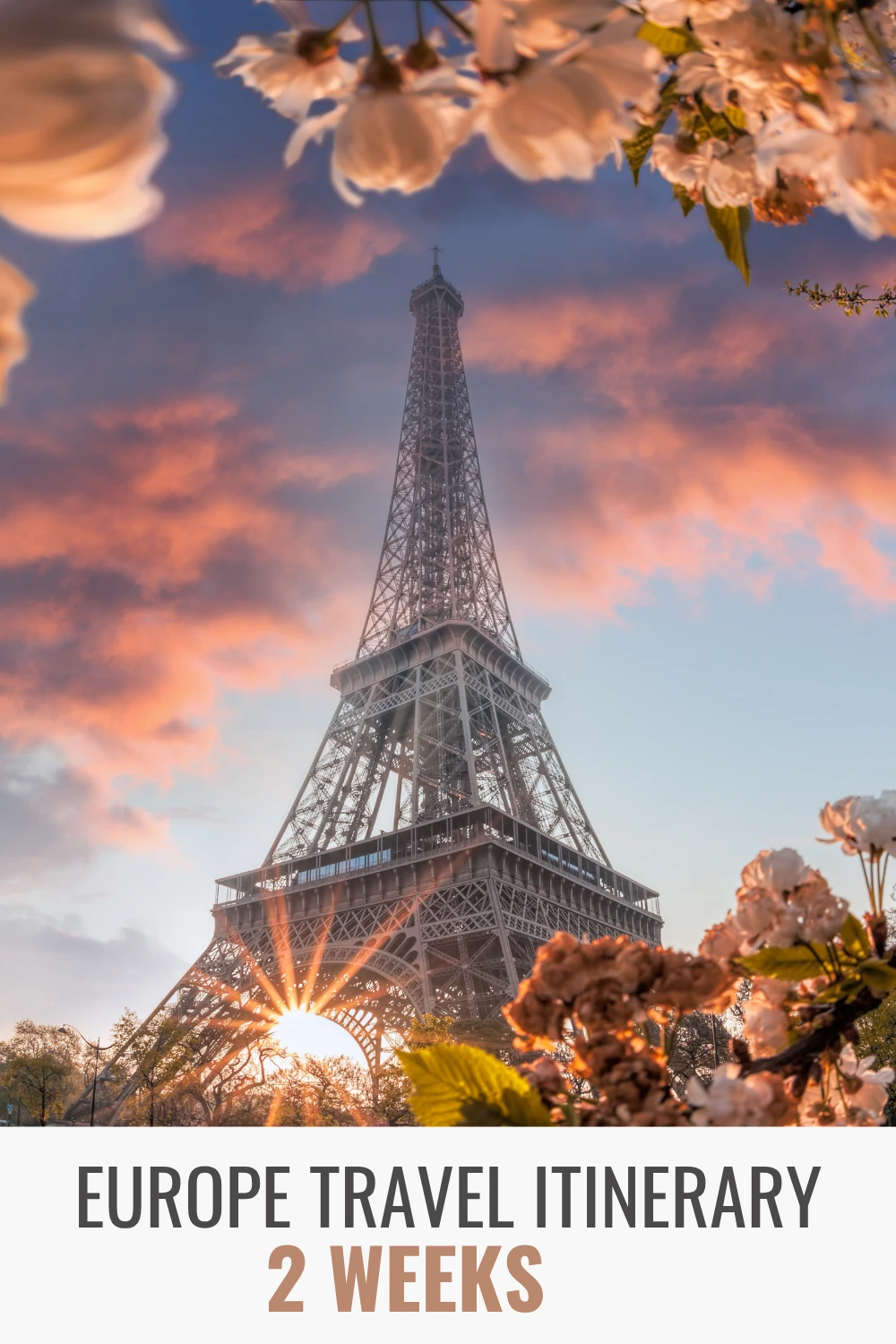
Let me be honest with you from the start — two weeks in Europe is not enough. It never will be. You will return home sunburnt, slightly over-budget, completely in love, and already plotting your return. I’ve been there. Most people who’ve done it have been there. But here’s what I also know: a well-planned Europe travel itinerary for 2 weeks can pack in more beauty, history, food, and genuine human experience than most people manage in a month of aimless wandering.
This is the itinerary I wish someone had handed me before my first European trip — one that mixes the unmissable icons with the quieter places that actually steal your heart. We’re talking cobblestone streets that smell like fresh bread at 7am, train journeys where the view outside the window is better than any museum, and that specific feeling of sitting in a square with a cheap glass of local wine, watching the world move at a pace yours never does back home.
Whether you’re coming from North America, Asia, Australia, or anywhere else — this guide is going to get you to Europe and make those 14 days count. Let’s go.
Before We Talk Destinations — A Few Things Worth Knowing First
Two weeks sounds like a lot. In Europe, it goes fast. So before we get into the beautiful, overwhelming specifics of where to go, here are a few things that will shape how well this trip actually works for you.
Choose a region, not a continent. The biggest mistake first-time European travellers make is trying to cover too much ground. London to Athens in two weeks sounds romantic until you’re spending a quarter of your trip in airports. The itinerary I’m laying out here follows a logical corridor — starting in the UK, sweeping through Western Europe, dipping into Central Europe, then finishing in the Mediterranean south. It’s ambitious but doable. You won’t be backtracking.
Trains are your best friend. Europe’s rail network is genuinely one of the great joys of travel here. The Eurostar through the Channel Tunnel, the high-speed TGV through France, the scenic Austrian rails — some of these journeys are worth taking for the ride alone. Book train tickets at least four to six weeks ahead for the best prices, and use Rail Europe or each country’s national rail site to compare options.
Three nights minimum per city, two if you must. Anything less and you’re just ticking boxes. The places I’ve highlighted give you the right amount of time to actually feel somewhere rather than just photograph it.
Now — let’s get into it.
1. London, England — Where the Journey Begins and You Immediately Lose Your Mind at Arrivals
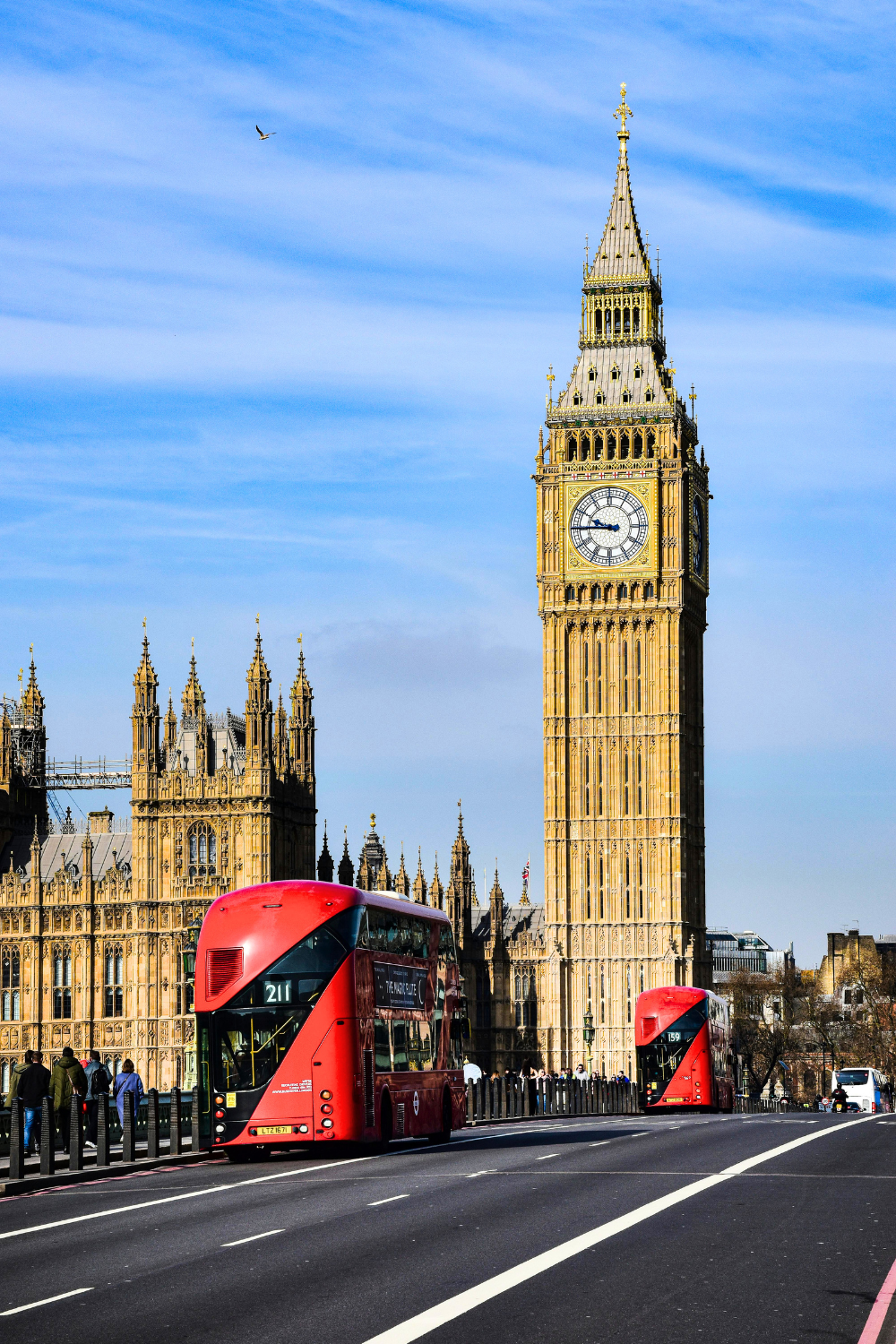
London doesn’t ease you in gently. It hits you immediately — the accents, the red buses, the sheer scale of it — and your two weeks begin with a city that could consume a fortnight on its own.
Give yourself three nights here, and make peace with the fact that you cannot see everything. What you can do is see the right things. Walk across Tower Bridge at dusk when the light turns the Thames copper. Stand in front of the Rosetta Stone at the British Museum (free entry — yes, really free) and let it slowly dawn on you that you’re looking at something from 196 BC. Wander through Borough Market on a Saturday morning and eat your way through it — the Montgomery Cheddar toasties, the Ethiopian injera, the Portuguese custard tarts fresh from the oven.
What surprises most people about London is how much of it is free, and how much of it exists at street level. Skip the London Eye. Instead, walk along the South Bank from Tate Modern to Borough Market, cross over to St. Paul’s, and keep walking. You’ll stumble into more beauty than you can plan for. For dinner, head to Dishoom in Covent Garden for Bombay-style café food — the black dal alone has a cult following for a reason, and yes, it really is that good.
Spend one of your evenings in a proper London pub — not a tourist trap near Piccadilly, but a neighbourhood one. The Churchill Arms in Notting Hill is famous for its hanging flower baskets. The Lamb and Flag in Covent Garden has been pouring ales since 1772. These places carry centuries in their walls.
Local tip: The Changing of the Guard at Buckingham Palace draws huge crowds. Instead, watch the Guard March — the procession from Wellington Barracks along Birdcage Walk — which happens roughly 45 minutes before the ceremony at the Palace. You’ll see just as much with a fraction of the crowd, and you can actually move.
2. Paris, France — The City That Looks Exactly Like You Imagined, and Still Surprises You
Take the Eurostar from London St. Pancras to Paris Gare du Nord — two hours and fifteen minutes through the Channel Tunnel, and you arrive in France feeling like you’ve pulled off something clever. You have.
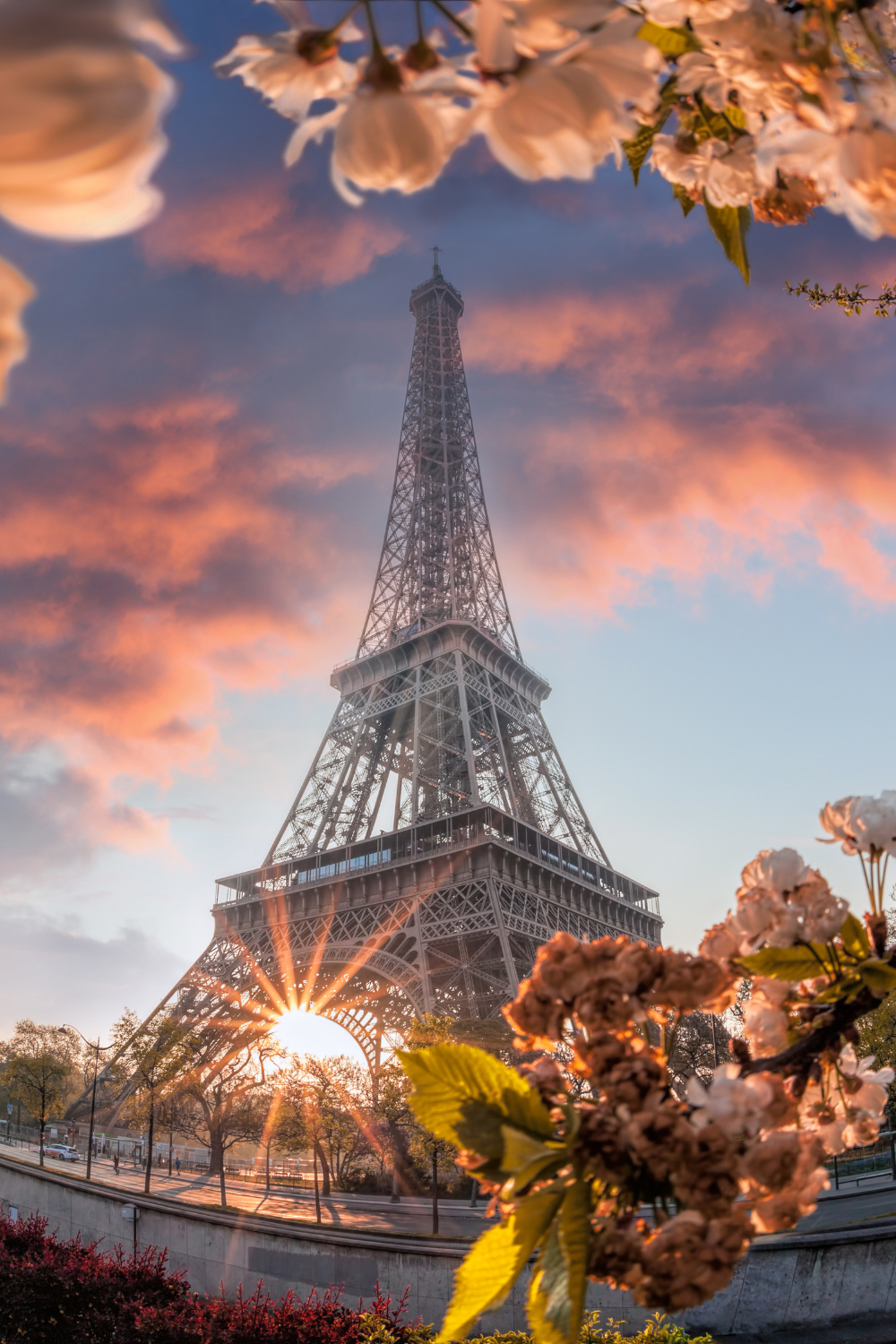
Three nights in Paris. Everyone says it’s overrated before they go, and everyone comes back converted. I was sceptical too, until I walked across the Pont des Arts at midnight and saw the Eiffel Tower sparkling like it does on the hour, and thought: fine. Fine, Paris. You win.
The Louvre is non-negotiable, but don’t try to do it in a single visit — pick two or three wings you genuinely care about rather than death-marching through all of it exhausted. The Musée d’Orsay, housed in a stunning old railway station, is where the Impressionists live — Monet, Renoir, Van Gogh’s self-portrait. If you only have time for one museum, make it this one.
But what makes Paris truly magical isn’t the monuments. It’s the arrondissements. Spend a morning in Le Marais — the oldest neighbourhood in Paris, with magnificent medieval architecture, the Place des Vosges, brilliant independent boutiques, and some of the best falafel in Europe at L’As du Fallafel on Rue des Rosiers. Wander up to Montmartre in the evening and watch the city spread out below the Sacré-Cœur. Sit in one of the terrasse cafés on Rue Lepic and order a café crème and a croissant and just exist for a while.
For food, go beyond the tourist menus. A classic steak frites or a croque monsieur in a proper neighbourhood bistro will cost you a fraction of what you’d pay near the Champs-Élysées and taste infinitely better. Try a traditional French onion soup — soupe à l’oignon — somewhere that’s been making it for decades.
Local tip: Paris’s best viewpoint isn’t the Eiffel Tower. It’s the rooftop terrace of the Galeries Lafayette department store on Boulevard Haussmann. It’s free, open to the public, and gives you a 360-degree view of Paris’s iconic Haussmann rooftops with zero queue. Go late afternoon when the light is golden.
3. Bruges, Belgium — The Fairytale City That Absolutely Warrants the Detour
Here’s where your itinerary earns its first genuinely unexpected highlight. Bruges is not technically “on the way” between Paris and Amsterdam, but it’s close enough, and it’s so ridiculously beautiful that skipping it would be something you’d later regret.
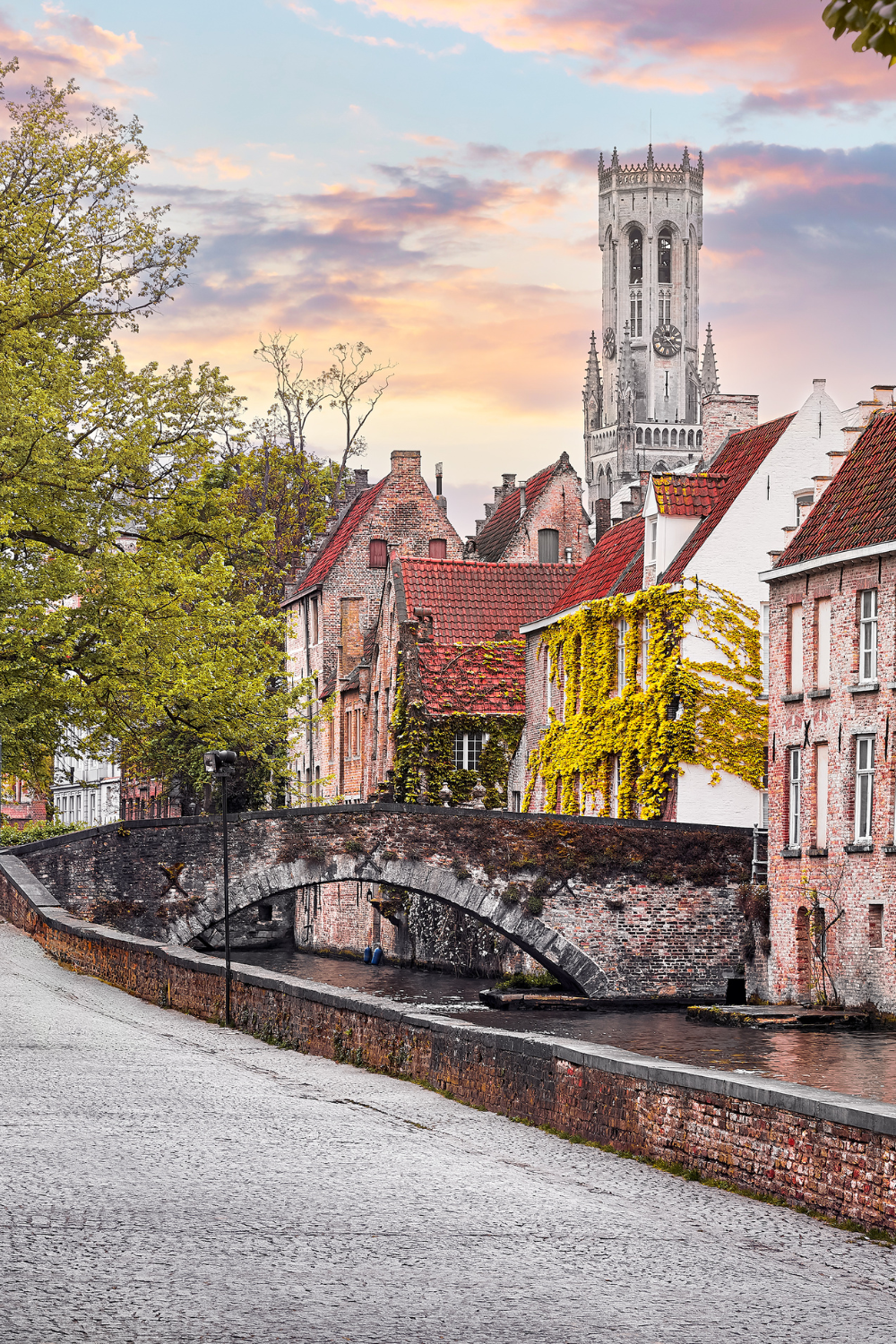
One full day and night in Bruges. Take a morning train from Paris via Brussels (under three hours), drop your bags, and give yourself the afternoon and evening to fall completely under its spell. Bruges is essentially a medieval city that was frozen in time when the trading routes shifted, and what you get today is a perfectly preserved canal city with Gothic architecture, chocolate shops every fifteen metres, and a pace of life that feels deliberately slow.
The Markt square is where most people start, and it’s everything you’d hope for — the medieval Belfort tower rising above restaurant terraces and horse-drawn carriages. Climb the Belfort’s 366 steps if your legs will allow it; the view over the rooftops and canals is worth every one. Then wander out to the quieter parts of the city — the area around the Begijnhof, a medieval women’s refuge that now functions as a Benedictine monastery, is one of the most peaceful corners in all of Belgium. The adjacent Minnewater Lake, known locally as the Lake of Love, is exactly as pretty as that name suggests.
Belgian beer is serious business and Bruges is the perfect place to explore it. The Bruges beer scene includes lambics, trappist ales, and sours with more personality than most wine lists. Sit in a traditional brown café — a bruin kroeg — and work your way through the list with the help of whoever’s behind the bar.
Local tip: Buy your chocolates at The Chocolate Line on Simon Stevinplein rather than the tourist shops on the main square. The chocolatier here is considered one of the most innovative in Belgium and the difference in quality is immediately obvious. They make combinations like wasabi ganache and passionfruit praline that sound wild and taste extraordinary.
4. Amsterdam, Netherlands — Canals, Culture, and the Realization That You Should Have Booked the Anne Frank House Weeks Ago
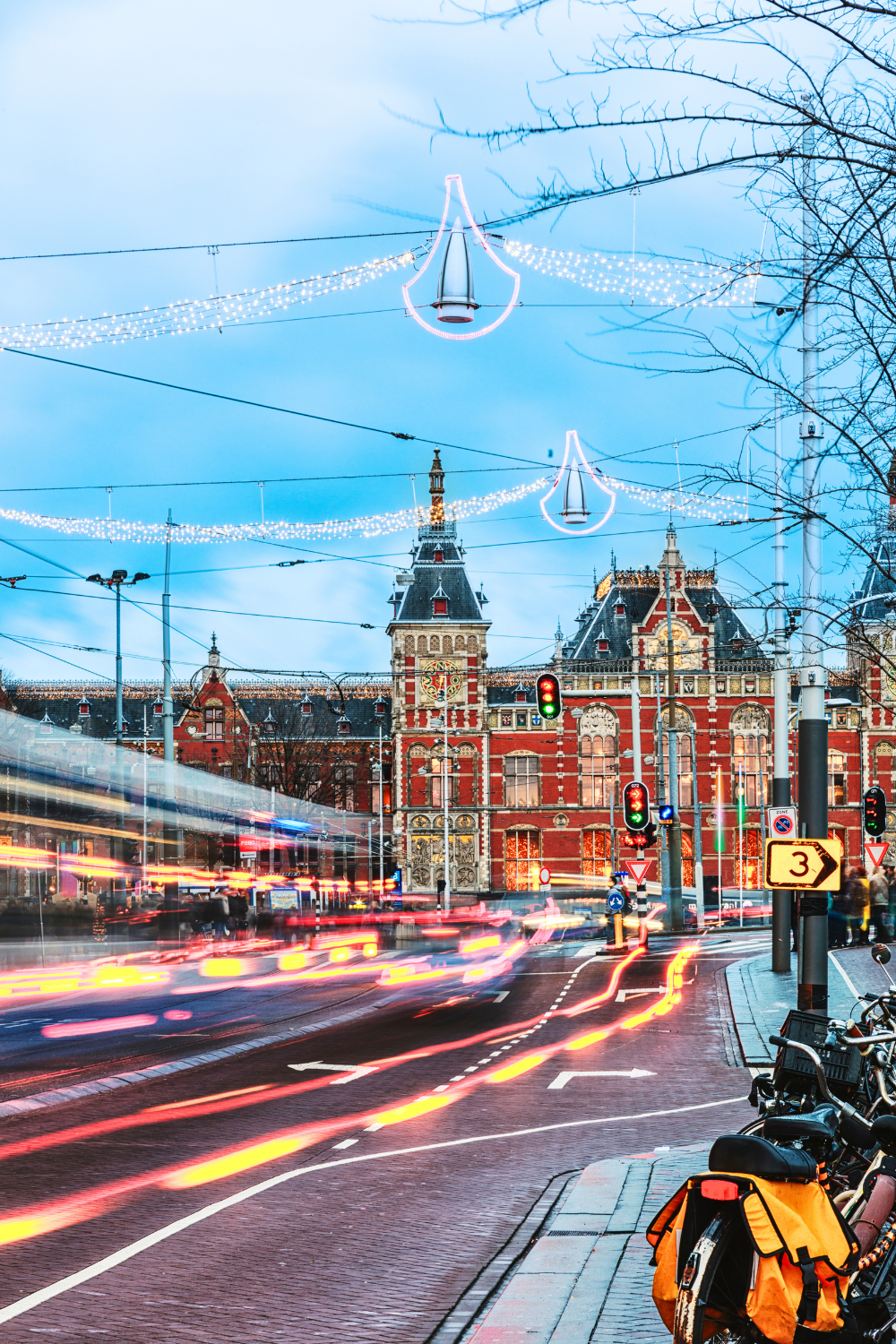
Amsterdam is one of those cities that rewards walking above almost anything else. Take an afternoon train from Bruges, check into your hotel, and then just walk. Along the Herengracht, the Keizersgracht, the narrow bridges connecting them, the city reveals itself better this way than any guided tour can manage.
Two nights and two full days here. The Rijksmuseum is essential — the Rembrandt collection alone justifies the ticket price, and Vermeer’s The Milkmaid is one of those paintings you stand in front of for longer than you expect, unsure exactly why it moves you. Book the Anne Frank House well in advance — this is not optional, they sell out weeks or months ahead — and visit in the early morning before the tour groups arrive if you can manage it. The weight of that place stays with you.
But Amsterdam also has a lighter, more playful side that I love. The Jordaan neighborhood is the best part of the city for wandering — independent galleries, tiny boutiques, canal-side café terraces, and streets so beautiful they feel staged. The Albert Cuyp Market in De Pijp is the city’s largest outdoor market and a brilliant place to eat your way through stroopwafels, raw herring (a Dutch rite of passage — hold it by the tail, tilt your head back, and commit), smoked eel, and fresh stroopwafels made in front of you.
Don’t rent a bike on your first morning if you’re not used to city cycling — Amsterdam’s cycling culture is fast, assertive, and takes no prisoners. Get comfortable with the pedestrian routes first, then decide.
Local tip: The Moco Museum, a short walk from the Rijksmuseum, houses a Banksy collection and rotating contemporary art that most visitors overlook because they’re fixated on the big-name institutions. The Banksy rooms in particular are brilliant — sharp, political, and surprisingly moving. Tickets are cheaper than the Rijksmuseum and the queues are far shorter.
5. Cologne, Germany — The Cathedral City That Gets Criminally Overlooked
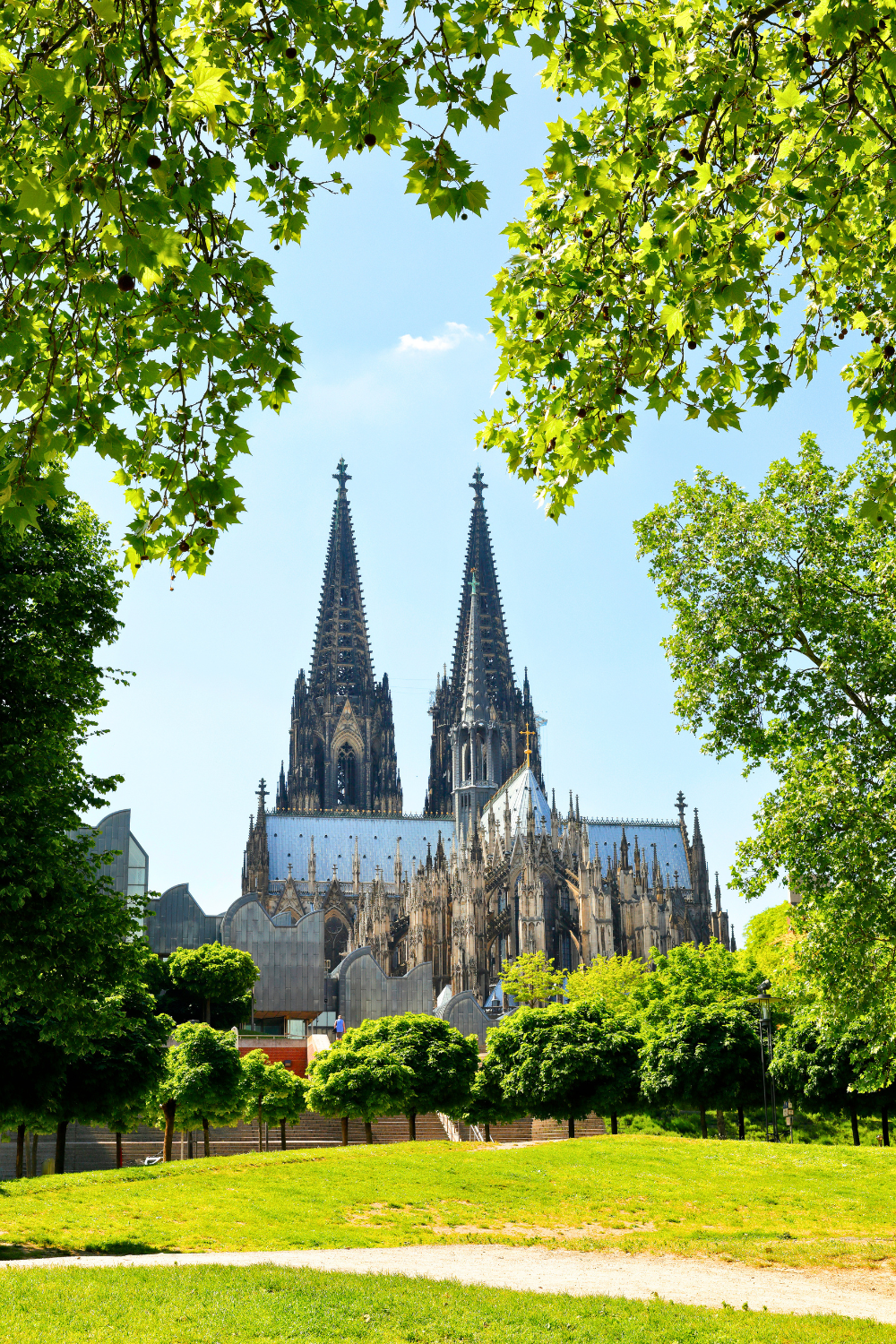
Most European itineraries skip straight from Amsterdam to Prague or Berlin. This one doesn’t, and here’s why: Cologne deserves better than being a footnote.
One night is all you need, but make it count. The Cologne Cathedral — the Kölner Dom — is one of the most genuinely staggering pieces of Gothic architecture on earth. It took over 600 years to build, and when you stand at its base and crane your neck upward, you understand why. Go inside and let your eyes adjust to the light filtering through the medieval stained glass. It’s free to enter the cathedral, and the effect is extraordinary regardless of whether you’re religious.
Walk the old town — the Altstadt — along the Rhine, grab a glass of Kölsch (the local beer served in small, cylindrical glasses that the locals insist must never be allowed to go empty), and eat a proper Cologne dinner: Himmel un Ääd (mashed potato with black pudding and apple sauce, which is better than it sounds) or Reibekuchen (potato pancakes with apple sauce or smoked salmon).
The Rhine waterfront is beautiful in the late afternoon light, and the view back to the Dom from across the river — especially at dusk — is one of the finest cathedral views in Europe.
Local tip: Book the Dom tower climb, not just the cathedral visit. The climb takes you up 533 steps past massive medieval bells (the Petersglocke weighs 24 tonnes and was cast in 1923 — it’s the largest free-swinging bell in the world) and onto an open platform with views across the Rhine and city. Buy tickets inside the cathedral — they sell out during summer.
6. Prague, Czech Republic — The Most Beautiful City in Central Europe, and It Knows It
Take an overnight train or an early morning fast connection from Cologne via Frankfurt — Prague is roughly six to seven hours by rail and worth every minute of the journey through the German and Czech countryside.
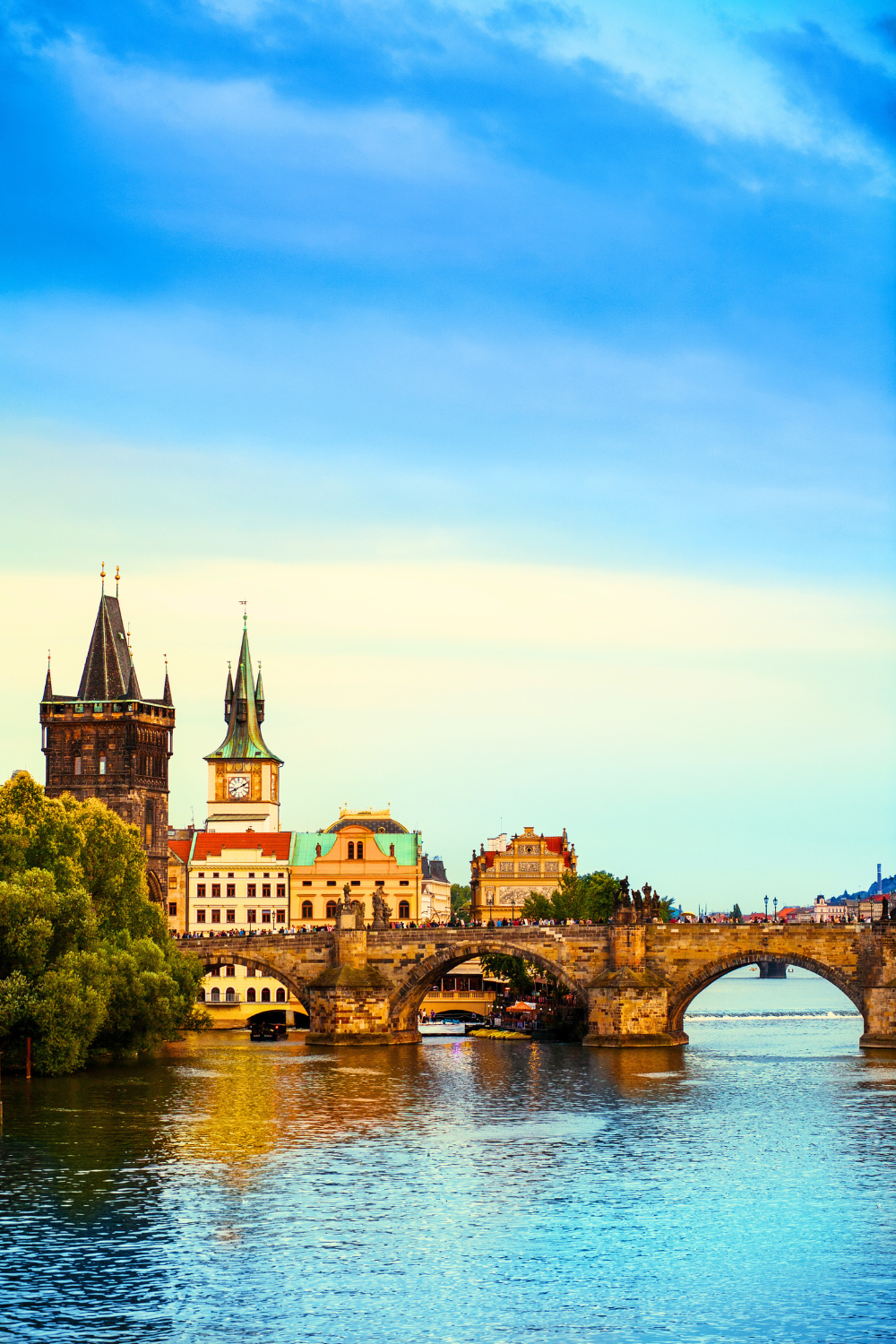
Three nights in Prague. Let me be honest with you: Prague is touristy. Very touristy. The Old Town Square is thronged with tour groups from morning to midnight, the Charles Bridge is elbow-to-elbow at golden hour, and the astronomical clock, while genuinely beautiful, takes thirty seconds to do its thing and then a crowd of three hundred people collectively wonders what to do next. Go anyway. All of it. Because even surrounded by tourists, Prague’s beauty is so overwhelming that it cuts through everything.
The Prague Castle complex — a hilltop city in itself — is the largest ancient castle in the world and contains a cathedral, palaces, galleries, and gardens that could absorb an entire day. St. Vitus Cathedral inside the complex is one of the most remarkable Gothic churches in all of Central Europe. Go in the morning before the crowds and catch the light through the rose window.
The Jewish Quarter — Josefov — is one of the most poignant and important historic districts in Europe. The Old Jewish Cemetery, where up to twelve layers of graves are stacked on top of each other due to the lack of space, is haunting and unforgettable. The Pinkas Synagogue lists the names of 77,297 Bohemian and Moravian Jewish Holocaust victims on its walls, hand-painted, floor to ceiling. I am not exaggerating when I say it changed the texture of my day.
For beer — and in the Czech Republic, beer is a cultural drink — drink at U Fleků, the oldest brewery-restaurant in Prague, established in 1499. Order the dark lager. Order it again.
Local tip: Cross Charles Bridge at 6 am. I know that sounds unhinged, but the bridge is almost entirely empty at that hour, the light is golden, the river is still, and the view of the castle from the bridge is genuinely the most beautiful thing you will see on this trip. Set your alarm. You will not regret it.
7. Kutná Hora, Czech Republic — The Day Trip That Will Haunt You (Beautifully)
About an hour east of Prague by train sits one of the strangest and most unforgettable places I have ever been. Kutná Hora is a medieval silver-mining town with a breathtaking Gothic cathedral — St. Barbara’s, decorated by miners who covered it in frescoes of their own daily working life — and the Sedlec Ossuary.
The Sedlec Ossuary is a small Roman Catholic chapel decorated with the bones of approximately 40,000 to 70,000 people. Chandeliers made of skulls hang from the ceiling. A coat of arms is rendered in femurs and pelvises. Garlands of bones swoop across the walls. It is extraordinary, and eerie, and oddly beautiful. Not everyone’s thing — let me be clear about that — but genuinely one of the most singular experiences in this entire part of Europe.
Take an early train, spend the morning at the Ossuary and the cathedral, have lunch in the old town square where silver-era merchants once gathered, and be back in Prague for dinner.
Local tip: The church itself is small and fills up quickly with tour groups mid-morning. Take the 8:15am train from Prague Hlavní nádraží to arrive before the rush. The walk from the Sedlec train station passes through the old monastery grounds and takes about fifteen minutes — it’s a pleasant approach through quiet streets that softens the contrast when you step inside.
8. Vienna, Austria — Coffee, Cake, Klimt, and the City That Treats Culture Like a Daily Practice
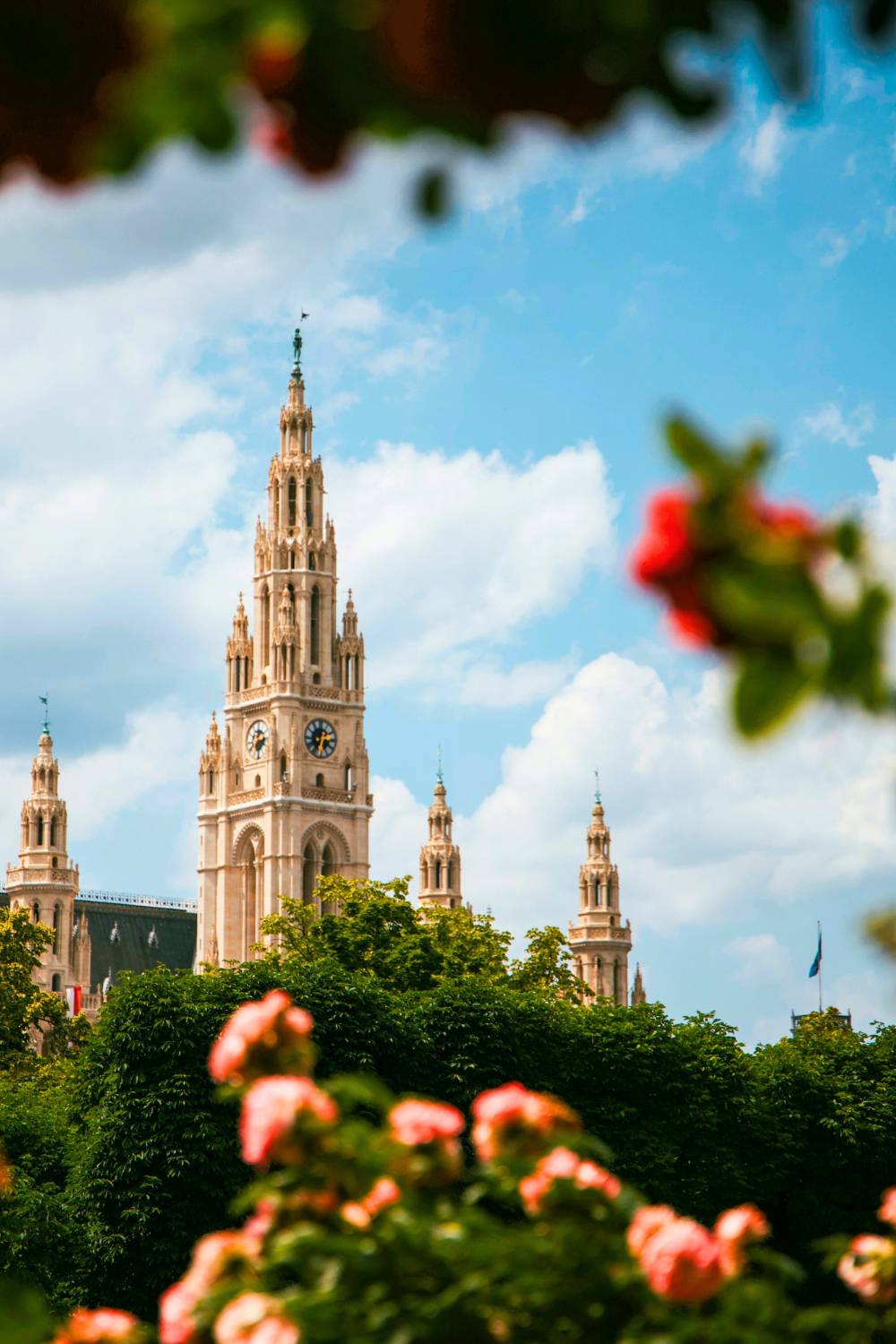
The train from Prague to Vienna takes roughly four hours, and the last stretch through the Austrian countryside — rolling hills, vineyards, the Danube emerging — is a preview of the elegance you’re about to step into.
Three nights in Vienna. If Prague is beautiful in spite of itself, Vienna is beautiful because it has always chosen to be. This is a city that built opera houses and concert halls the way other cities build shopping centres. Where the coffee houses are considered cultural institutions (and have been since the 17th century). Where the Kunsthistorisches Museum — the art history museum — has one of the finest collections of Old Masters in the world, including Bruegel’s entire collection of paintings housed in a single room.
The Belvedere Palace and Gardens is where you’ll find Klimt’s The Kiss, the most famous painting in Austria and one that photographs obsessively but still produces a small shock of recognition in person. The gardens are extraordinary — formal, symmetrical, looking out over the city — and worth the visit even if you don’t go inside the gallery.
Spend a morning in the Naschmarkt — Vienna’s largest open-air market, stretching along the Wienzeile for nearly two kilometres. It sells everything: fresh produce, cheeses from across the Alps, pickles and olives, fresh fish, Viennese sausages, Turkish street food, and more. Eat your way along it. Have a coffee in one of the market cafés.
For coffee and cake, you must sit in one of Vienna’s grand Kaffeehäuser. Café Central, where Freud and Trotsky once sat at separate tables on the same days, is worth the slight tourist-trap status just for the architecture. Order a Melange (Vienna’s equivalent of a cappuccino) and a slice of Sachertorte. This is not optional.
Local tip: The Vienna State Opera — the Staatsoper — offers standing room tickets at a fraction of the seat price. For around €3–€10, you can attend one of the world’s greatest opera performances. Queue at the standing room entrance two hours before the performance, and pick up a scarf to tie around the railing to claim your spot while you explore the foyer. Even if opera isn’t your thing, the experience is worth having once.
9. Hallstatt, Austria — The Village That Doesn’t Look Real, Because It Barely Should
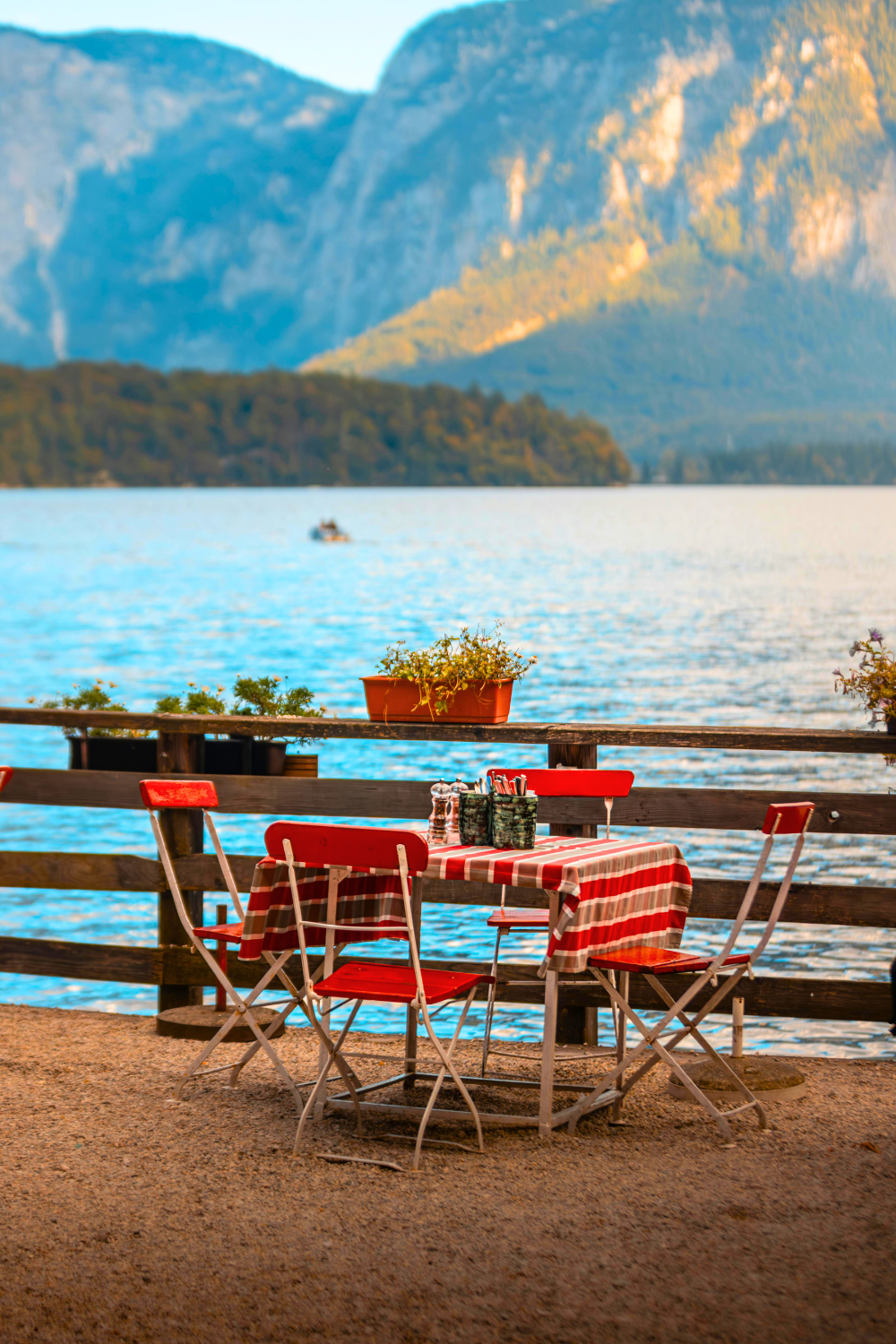
Hallstatt is one of the most photographed villages on earth. You may have seen it without knowing: a cluster of colourful houses nestled between a mountain and a luminous blue lake, reflected perfectly in the water below. It’s on Instagram constantly. It inspired Disney. The Chinese built a replica of it. None of that diminishes the actual place.
Take a day trip from Vienna (or from Salzburg, which comes next) — about three hours each way by train and ferry connection. It’s a long day trip but worth it, or you can stay one night if you want to experience it in the golden light of early morning or evening after the day trippers have gone.
The village takes about twenty minutes to walk end to end. That’s intentional — Hallstatt is tiny, and its charm is precisely in that compactness. Walk up the hill to the Beinhaus (the charnel house, where space constraints led to the practice of decorating skulls of the deceased — a theme emerging in this itinerary), take the funicular up to the salt mine (the world’s oldest, still active), and rent a rowboat on the lake if you want to see the reflection that appears on every travel calendar.
Local tip: Arrive on the first ferry of the morning, before 9am. After 11am, Hallstatt’s narrow streets fill up with day-trip buses, and the magic is harder to access. The very early morning light on the lake is also genuinely one of the most beautiful things you can witness in this part of the world.
10. Salzburg, Austria — Mozart, Mountains, and Strudel That Deserves Its Own Paragraph
An hour and a half by train from Vienna (or included as a stop on the way to Italy), Salzburg is one of the best mid-sized cities in Europe. It’s not overwhelming. It has enough to fill two nights comfortably without exhausting you, and it serves as a perfect decompression point between the grandeur of Vienna and the sensory overload of Italy.
Salzburg is Mozart’s birthplace — you’ll see it on plaques, in museums, on marzipan packaging — and the old town is a UNESCO World Heritage Site of Baroque architecture that somehow manages to be magnificent without feeling oppressive. The Hohensalzburg Fortress looming above the city is one of the best-preserved medieval castles in Central Europe, and the views from its ramparts over the city and the mountains beyond are genuinely majestic.
Walk across the Mozartsteg bridge, wander through the Getreidegasse (the city’s oldest commercial street, lined with guild signs so shops could advertise to illiterate customers centuries ago), and take the funicular up to the fortress in the golden hour before sunset. The Mirabbell Palace gardens, which appeared in The Sound of Music, are one of the finest Baroque gardens in Austria and free to enter.
For strudel — and this matters — seek out a place that makes it fresh and serves it warm with vanilla sauce. The Café Tomaselli on the Alter Markt has been serving it since 1705, which is not a typo.
Local tip: The Sound of Music tours are enormously popular and genuinely fun even if you’re not a huge fan of the film. The Mirabell Gardens, the Mondsee church, the lake district locations — they’re all beautiful in their own right, and the tour gives you context and transport to places outside the city that you wouldn’t otherwise reach easily. Book ahead.
11. Venice, Italy — Arrive by Train, Keep Your Expectations High, Refuse to Be Disappointed
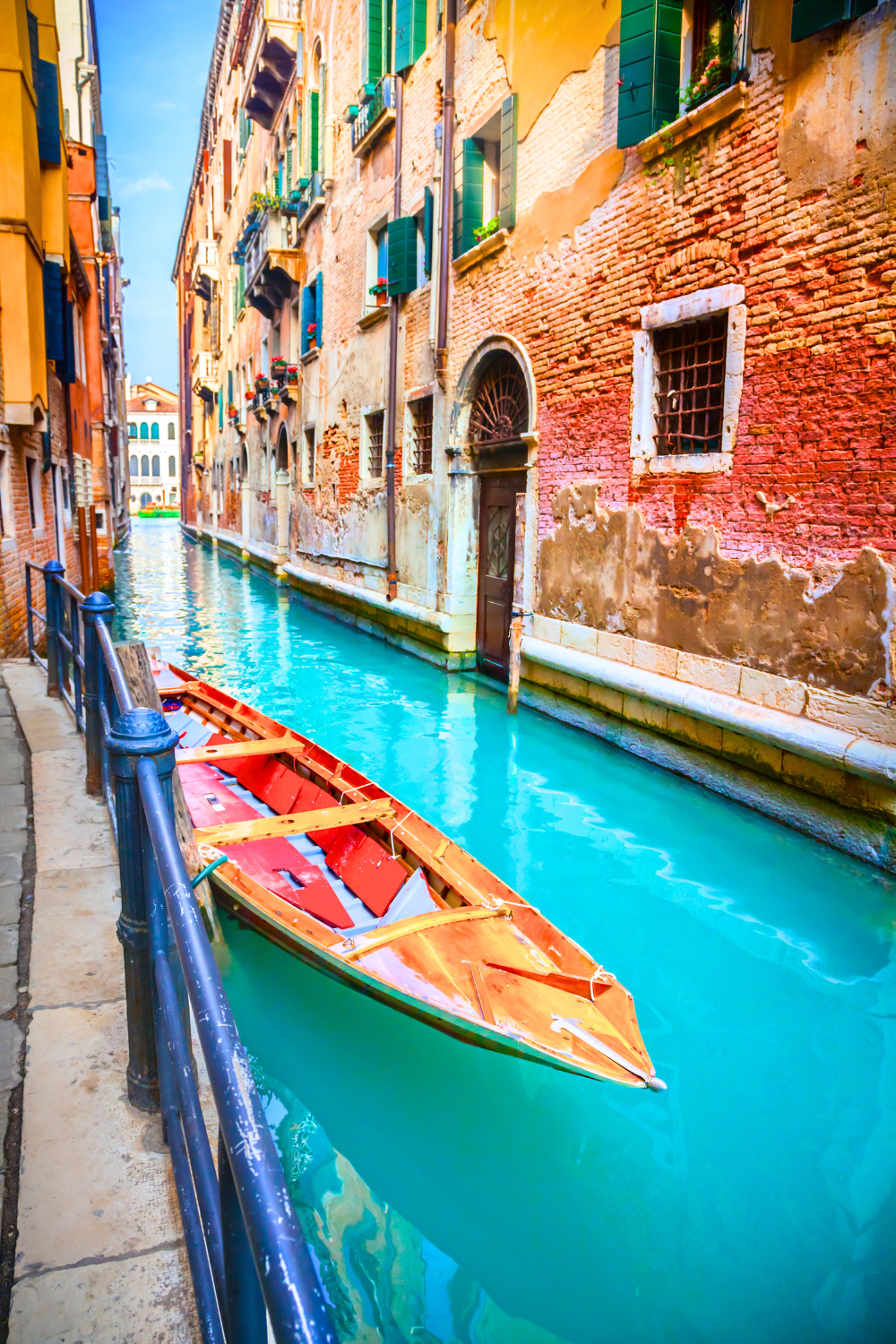
The train from Salzburg to Venice is one of the great European rail journeys — the Brenner Pass through the Alps, the slow descent into northern Italy, and then, approaching Venice, the rail line crosses the Lagoon on a long causeway and the city appears, floating impossibly on the water, looking exactly like every painting you’ve ever seen of it.
Two nights in Venice. Yes, it’s expensive. Yes, it’s crowded in summer. And yes, it is still utterly, unreasonably magical. The thing about Venice is that it simply should not exist, and the sheer improbability of it — a city of 100 islands, 400 bridges, zero cars — never entirely fades, no matter how many tourists share the experience with you.
Spend your first afternoon getting deliberately lost. Put away the map. Wander into the quieter Castello and Cannaregio districts, away from the San Marco crowds, and discover the Venice that Venetians actually live in. The Rialto Market in the morning sells the city’s fish and produce and has done for centuries — arrive early when the fishmongers are setting out their catch and the light is soft.
The Basilica di San Marco is extraordinary and free to enter (buy the skip-the-line ticket online — the queues on the square itself are punishing). The Doge’s Palace next door is even more fascinating historically — the Bridge of Sighs, the prisons, the vast chambers where the Republic of Venice governed its empire for centuries.
Take a vaporetto (water bus) along the Grand Canal at sunset. It costs the same as any other vaporetto trip, takes about forty minutes, and offers one of the most beautiful urban experiences in the world.
Local tip: Eat cicchetti, not tourist menus. Cicchetti are Venice’s version of tapas — small bites served in traditional bacari (wine bars) — and they’re cheap, delicious, and exactly what locals eat. The area around Rialto has a cluster of excellent bacari. Order a glass of Aperol Spritz (invented in Venice, more or less), pick up several small plates of crostini, polpette (meatballs), and baccalà mantecato (creamed salt cod on bread), and eat like a local at a fraction of the tourist restaurant price.
12. Cinque Terre, Italy — Five Tiny Villages Clinging to a Cliff, and the Hike That Connects Them
About two and a half hours south of Venice by high-speed train (change at La Spezia), the Cinque Terre is one of the most dramatically beautiful stretches of coastline on earth. Five pastel-coloured fishing villages — Monterosso, Vernazza, Corniglia, Manarola, and Riomaggiore — are stacked into cliff faces above the Ligurian Sea, connected by hiking trails and a local train.
Two nights is ideal, one if you’re pressed for time. Stay in Vernazza or Manarola — they’re the most beautiful and have the best accommodation options. The trail between the villages (buy a Cinque Terre card for trail and train access) takes roughly five to six hours to walk in full, but you can do sections of it and use the train for the rest.
The view from the trail above Vernazza, looking down at the tiny harbour, is one of those images that you carry home with you and think about years later. The water is an implausible shade of turquoise. The cliff faces are terraced with vineyards that produce the local Sciacchetrà dessert wine. It feels, very powerfully, like a corner of the world that has been here forever and will remain when we’re all gone.
Eat fresh pasta with pesto — Cinque Terre sits in Liguria, which invented pesto, and here it is made with small, sweet local basil that tastes different from anything you’ve had before. Order the trofie al pesto and do not feel guilty about ordering it twice.
Local tip: The villages get genuinely overwhelmed with day trippers from May through September. If you’re staying overnight, the magic hour is early morning and evening after the day trippers have left — the villages return to themselves, the light is better, and the restaurants aren’t three deep with queues. Pay slightly more for an accommodation that includes breakfast with a sea view. It’s worth every euro.
13. Florence, Italy — Art, Gelato, and the Realization That the Renaissance Was Not Exaggerated
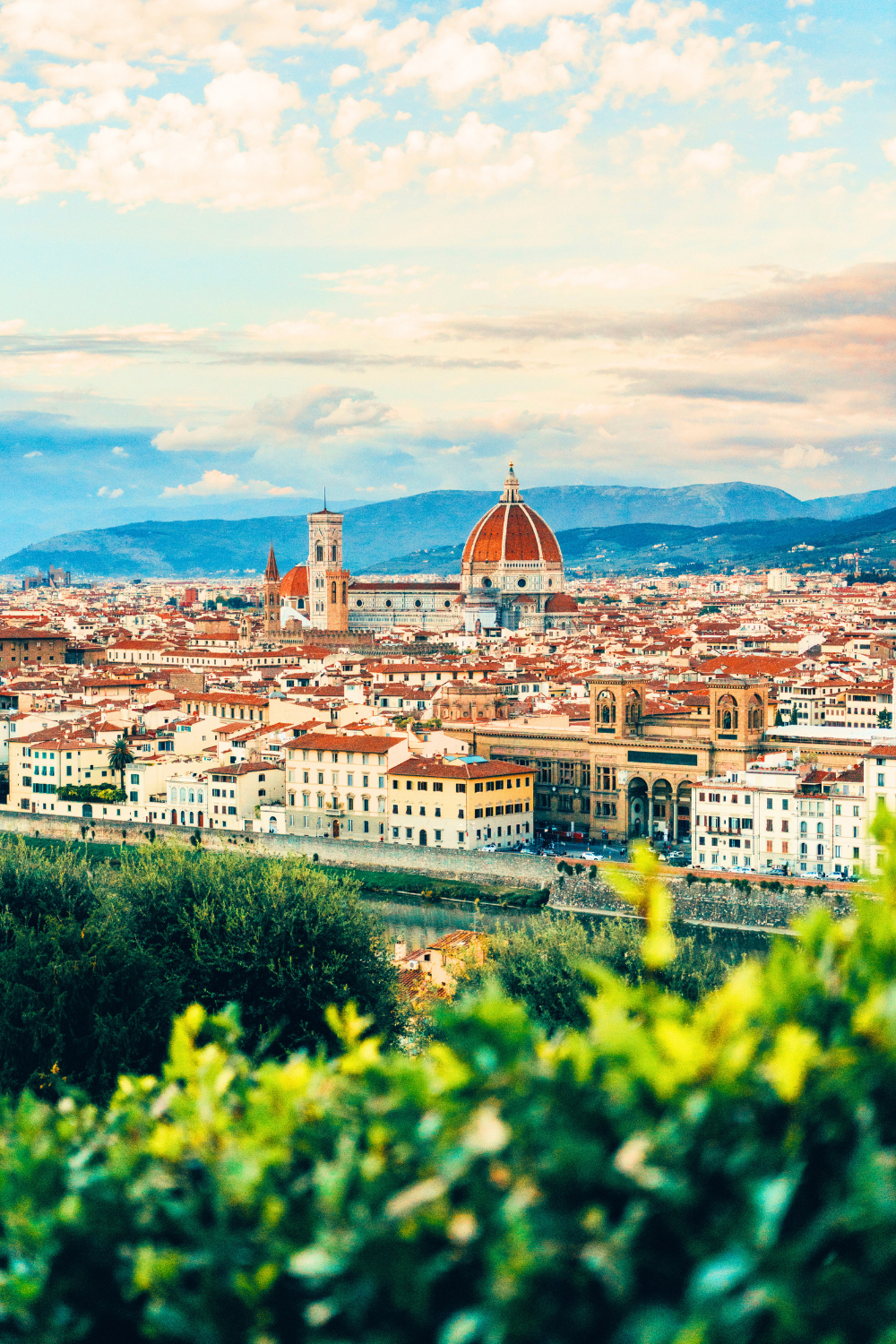
Two hours south by train, Florence is a city that has been gently ruining people for art ever since the Medici started collecting it. It is one of the densest concentrations of artistic genius on earth, and the effect is cumulative — by your second day, you’ll find yourself standing in front of a Donatello marble or a Ghirlandaio fresco in some side church you wandered into by accident and feeling something you weren’t expecting.
Three nights here. The Uffizi Gallery is the priority — book weeks ahead for time-slot entry and give yourself a full morning. The Birth of Venus, Botticelli’s Primavera, Leonardo’s unfinished Adoration of the Magi — these are the works that defined Western art history, and they’re all here. The Accademia has Michelangelo’s David, which again, you’ve seen in photographs a thousand times and which is still startling in person. The scale, the detail, the way the figure seems to hold tension in every muscle — it’s one of those things the photographs simply cannot convey.
But Florence is also a city to eat in, deeply and seriously. Cross the Ponte Vecchio (the city’s medieval bridge lined with goldsmiths, though it now also sells more tourist trinkets than gold) and head to the Oltrarno — the less-visited south side of the Arno. Eat at one of the family-run trattorie on Via Maggio or Via dei Serragli, where the ribollita (a thick Tuscan bread and vegetable soup) and the bistecca Fiorentina (a thick T-bone steak cooked over wood, ordered by weight) are the real reasons you are here.
Get gelato at Gelateria dei Neri on Via dei Neri. This is not negotiable.
Local tip: The Piazzale Michelangelo — a hilltop square ten minutes’ walk above the south bank — gives the most famous view of Florence, the terracotta dome of the Duomo rising above the city’s orange rooftops with the Arno winding through the middle. Go at sunset. Every sunset. It is extraordinary every time.
14. Rome, Italy — The Eternal City, and It Has Earned That Name
Three nights. There are people who spend their entire lives studying Rome and still haven’t covered it. You have three days. Use them ruthlessly well.
The Vatican is non-negotiable — St. Peter’s Basilica (free, no ticket needed, but book a time slot for the Museums), the Sistine Chapel (book online weeks ahead — the queues for walk-ins are punishing). Michelangelo’s ceiling is different from the photographs in a way that’s hard to explain: it’s larger, more complex, more human, and the moment your eyes adjust and you start picking out individual figures from the narrative — Adam reaching toward God, the prophets flanking the scenes, the massive Last Judgement behind you on the altar wall — you lose track of time.
The Colosseum, the Roman Forum, the Palatine Hill — buy a combined ticket and give it a full morning. Walking through the Forum, where the political heart of the ancient Roman Republic once stood, surrounded by temples and triumphal arches in various states of magnificent ruin, is as close as modern travel gets to genuine time travel.
But Rome’s greatest pleasure is wandering. Walk from the Campo de’ Fiori to the Piazza Navona. Cross the Tiber to Trastevere, Rome’s most characterful neighbourhood, and eat dinner at a place that has been there for decades and has no English on the menu. Order cacio e pepe and carbonara — Rome is where they were invented and where they’re made best.
Throw a coin in the Trevi Fountain at midnight, when the crowds thin and the water is lit and the baroque drama of it is at its most overwhelming. You know you want to.
Local tip: Rome’s best aperitivo scene is in the Pigneto neighbourhood, about twenty minutes east of the centre by tram. It’s where Romans aged 25–35 actually spend their evenings — cheap drinks, free snacks, outdoor tables spilling onto streets with no tourists in sight. It’s a genuine slice of real Roman life and a welcome break from the historic centre’s intensity.
15. The Amalfi Coast, Italy — The Most Beautiful Stretch of Road You’ll Ever Be Too Terrified to Drive
An hour south of Naples (which is itself a chaotic, overwhelming, incredible city worth a day on its own) lies the Amalfi Coast — a stretch of southern Italian coastline so beautiful that it feels almost accusatory. Cliffs plunge into the Mediterranean. Lemon groves cling to vertical terraces. Pastel-coloured towns stack up the hillsides like something from a painting, because they have been in paintings, constantly, for centuries.
Two nights — base yourself in Positano for the most striking location, or Praiano for fewer tourists and better value. The coastal road (the SS163) is narrow, dramatic, and served by local buses that hug the cliff edge with terrifying confidence. Use the buses or the ferry boats between towns rather than renting a car unless you have genuinely extraordinary spatial awareness.
Swim in the water at Spiaggia Grande in Positano. Eat fresh buffalo mozzarella. Drink limoncello — the Amalfi Coast produces its own version made from sfusato amalfitano lemons (larger, more intensely flavoured, with a thick waxy skin) and the difference from supermarket limoncello is significant. Buy a bottle to take home.
Walk the Path of the Gods — the Sentiero degli Dei — a clifftop hiking trail between Agerola and Positano that gives views down over the coast and out across the Bay of Naples. It takes about two and a half hours and is one of the finest coastal walks in Europe.
Local tip: Visit the town of Ravello, perched high above the coast road, for the Villa Cimbrone gardens — a series of terraces planted with roses and classical statues culminating in the Belvedere of Infinity, a balcony at the edge of the cliff that looks straight down over the coast and out to the horizon. Arguably the finest garden view in all of southern Italy, and far fewer people make the effort to get there than it deserves.
16. Barcelona, Spain — Gaudí, Tapas, and a City Running on Its Own Schedule
Fly from Naples to Barcelona — roughly two hours — and arrive somewhere that operates at an entirely different rhythm to anywhere you’ve been so far. Dinner at 9pm is early here. The city genuinely does not fully wake up until midnight on weekends. Adjust accordingly and lean into it.
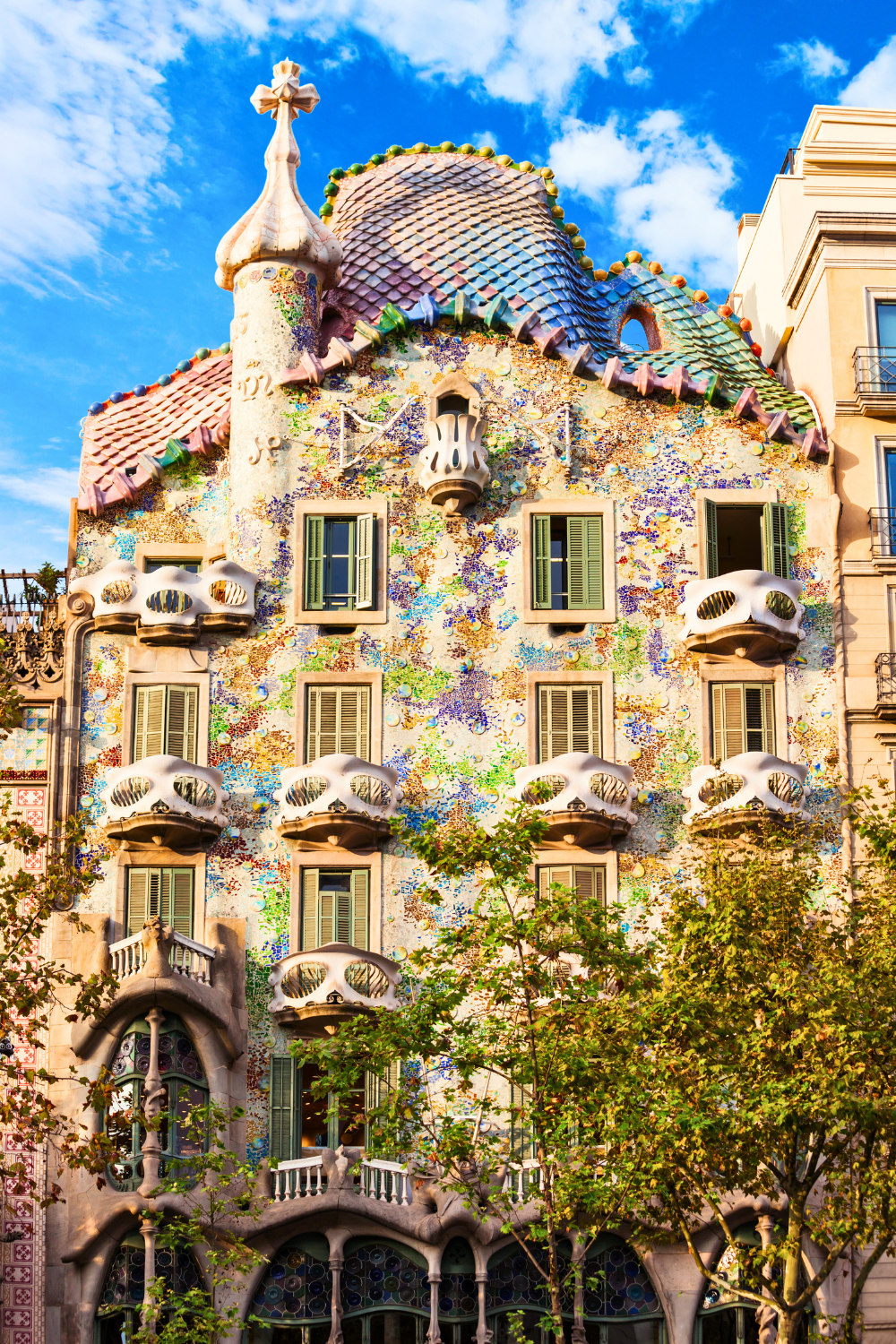
Three nights. Antoni Gaudí’s architecture is the obvious draw and it absolutely warrants the attention. The Sagrada Família is one of the most genuinely astonishing buildings on earth — under construction since 1882 and still not finished, it grows more extraordinary as more of the interior is completed. Book online, book early, visit in the morning when the eastern facade’s stained glass floods the interior with colour. Park Güell, his eccentric hilltop garden complex, is equally extraordinary and the views over the city are wonderful.
But Barcelona is also Las Ramblas (touristy, fine, walk it once), the Gothic Quarter (genuinely ancient, genuinely beautiful, genuinely worth getting lost in), El Born (the neighbourhood I’d move to in a heartbeat — artisan shops, excellent restaurants, the Picasso Museum, medieval architecture), and Barceloneta beach. The food culture here — tapas, pintxos, fresh seafood, cava — is one of the great pleasures of any European trip.
Eat at the Boqueria Market (skip the stalls directly inside the entrance which cater to tourists, and walk to the back where locals actually shop and eat), and seek out a vermouth bar in the Gràcia neighbourhood for a mid-morning vermut — a Barcelona Sunday ritual involving vermouth, olives, and no particular hurry.
Local tip: Take the metro to the Turó de la Rovira — a hilltop in the Gràcia district with anti-aircraft gun emplacements from the Spanish Civil War and a 360-degree panoramic view of Barcelona, the sea, and the mountains. Almost no tourists make it here. The sunset view is equal to anything you’d pay €20 for at an official viewpoint, and it costs nothing.
17. Lisbon, Portugal — Where Europe Ends and the Atlantic Begins
Fly or take the overnight train from Barcelona to Lisbon — your final destination, and one of the finest cities in all of Europe to end a journey in. Lisbon is warm, melancholy, sun-baked, and charming in a way that gets under your skin in roughly forty-eight hours.
Three nights. The city is built on seven hills and divided into neighbourhoods — Alfama (the Moorish old city, winding and ancient, where fado music drifts from restaurant doorways in the evenings), Chiado (elegant, bookshop-filled, where Pessoa sat in the same café for years), Belém (along the river, where the explorers set sail and where the Jerónimos Monastery and the Tower of Belém guard the water’s edge), and LX Factory (a repurposed industrial space now full of independent shops, restaurants, and the city’s best Sunday market).
The National Tile Museum — the Museu Nacional do Azulejo — is dedicated entirely to the azulejo tiles that cover Portuguese churches, stations, and buildings. It sounds niche. It is, in fact, one of the best small museums in Europe, and the 27-metre panoramic panel of pre-earthquake 18th-century Lisbon is extraordinary.
Eat a pastel de nata (the flaky, custard-tart that the monks at Jerónimos invented in the 19th century) at the original Pastéis de Belém, still operating from the same location since 1837. Queue for it. It’s worth it.
Go up to the Miradouro da Graça at sunset, the quietest and most authentic of Lisbon’s famous viewpoints — a terrace above the Alfama with sweeping views over the old city and the Tagus river — and think about the fact that this is where your two weeks ends: standing above one of Europe’s oldest cities, watching the light turn the river gold, completely incapable of believing how much you’ve managed to see.
Local tip: On Sundays, the LX Factory market on Rua Rodrigues de Faria is the best market in Lisbon — perhaps in Portugal — for food, artisan goods, and just absorbing the city’s creative energy. It starts mid-morning and runs until early afternoon. Time your last Sunday in Lisbon around it.
Practical Planning Tips for Your 2-Week Europe Trip
Getting a trip like this right is mostly about preparation, and the good news is that it’s all very doable with a bit of time invested before you leave.
When to go. Late April through June and September through October are the sweet spots — warm enough to be comfortable everywhere on this route, before the extreme crowds of July and August, and with longer daylight hours. July and August are doable but hot (especially Italy and Spain) and significantly busier.
Getting around. Rail Europe, the Eurail website, and individual national rail sites (SNCF for France, DB for Germany, Trenitalia for Italy, Renfe for Spain, CP for Portugal) are your main booking tools. Buy point-to-point tickets well in advance for the best prices rather than a rail pass, unless you’re making many flexible changes. Flights between non-adjacent cities (Naples to Barcelona, Barcelona to Lisbon) are often cheaper and faster than the train and worth using strategically.
Where to stay. Aim for centrally-located mid-range hotels or well-reviewed boutique properties — being central saves enormous amounts of time and lets you walk back to the hotel mid-day. Hostels with private rooms are excellent value in Prague, Budapest (if you extend here), and Portugal, where prices are lower. Book accommodation as early as possible for summer travel.
Budgeting. A realistic budget for this route runs roughly €100–€160 per person per day for mid-range accommodation, meals (mixing local spots with the occasional splurge), entry fees, and local transport. Train tickets and flights between cities are on top of this and should be estimated separately — book early and they’re manageable.
Visas and entry. Most nationalities from North America, Australia, New Zealand, and many other regions can enter the Schengen Area (which covers most of this itinerary) for up to 90 days visa-free. The UK is no longer in Schengen post-Brexit and requires its own entry consideration for some nationalities. Always check current requirements against your specific passport before booking.
What to pack. Comfortable walking shoes that are already broken in — this is non-negotiable. A packable rain jacket that doesn’t add weight. A universal travel adapter. A small day bag. Clothes that layer. And bring fewer things than you think you need; you’ll buy things along the way.
One Final Thought Before You Go
Here’s the thing nobody fully explains before your first major European trip: the moments that stay with you are rarely the big ones you planned. They’re the conversation with a stranger at a bar in Venice who turned out to be a third-generation gondolier. The unexpected rain in Paris that pushed you into a bookshop you’d never have entered otherwise. The train pulling into Rome at dawn with the city just beginning to wake, the dome of St. Peter’s visible from the window, and the feeling — overwhelming and sudden — that you are exactly where you should be.
Plan the bones of this trip well. Book the trains, secure the museum tickets, choose the right neighbourhoods to stay in. But leave room in between. The best travel is rarely what you planned — it’s what you stumbled into because you were paying attention.
Europe will meet you halfway. Go find out.

