

There is a specific kind of chaos that happens three days before a trip to Greece. You’re standing in front of your wardrobe, pulling out every white dress, every pair of sandals, every floaty thing you own, convinced that more is better — that the Mediterranean deserves your full sartorial effort. And then you zip up a suitcase that is roughly the size of a small child and haul it onto a ferry in 38-degree heat, sweating through the very linen you brought to look effortless, and you think: I have made a terrible mistake.
Greece has a way of making you feel like you should look a certain way — all flowing cotton and golden hour skin. The good news is that aesthetic is completely achievable. The less good news is it requires about a third of what you’ve just packed. I’ve done this trip more than a few times now, island-hopping in July with bags that have ranged from chaotic overflowing disasters to a beautifully edited carry-on. This is the packing list for Greece in summer that came from all of that experience — and a fair amount of ferry-related sweating.
What you’ll find here isn’t a checklist of obvious things. It’s outfit-by-outfit, decision-by-decision advice on what to actually bring to Greece in summer, what works across Athens and the islands, and what you can confidently leave at home.
Before We Dive In: What Greece in Summer Actually Feels Like
Before you head off, the ultimate printable Italy travel checklist is also worth a look if you’re combining destinations — and if you’re comparing summer destinations, the cheap European summer destinations guide has some useful context for planning the broader trip. For tips from Greece itself, the things to know before traveling to Greece guide will fill in everything beyond the wardrobe.
Weather:
Greece in summer is genuinely, unapologetically, relentlessly hot. If you’re heading in July or August, expect temperatures anywhere from 32°C to 40°C in the afternoon — and that’s before you factor in the sun reflecting off white-washed walls and marble staircases. It’s the kind of heat that makes you grateful for every breeze off the Aegean and deeply suspicious of anyone who claims to be comfortable in denim.
Mornings and evenings are where the magic happens. There’s usually a brief window of gentler warmth before 10am and again after 7pm, when a light layer might be genuinely welcome. On the islands, especially the Cyclades, the meltemi wind picks up in the afternoons — it sounds romantic until it whips the hat off your head mid-photo on the Santorini caldera.
Rain condition:
Rain in July and August in Greece is so rare it barely warrants a sentence. You won’t need a proper rain jacket. The Aegean islands are genuinely arid in summer, which is both a weather gift and a reminder to drink water constantly.
Road condition:
The terrain deserves serious consideration. Athens means cobblestones, marble, and long uphill climbs through the Plaka. The islands mean uneven stone paths, steep village steps, sometimes loose gravel, and the occasional rocky beach that will humble your sandal collection immediately. If you’re heading to Crete or Rhodes, you’ll likely have a mix of beach days and archaeological sites that demands real shoe versatility.
Fashion culture:
Greek fashion culture is relaxed but not careless. In Athens, people dress up more than you’d expect — nice restaurants in Kolonaki see proper evening looks, and Athenians have a real eye for style. On the islands, the vibe softens considerably, though beach-to-bar dressing is absolutely an art form. Bikinis are for the beach and boat. Cover-up culture is genuine, especially if you’re visiting churches or monasteries where shoulders and knees must be covered.
If you’re curious about the broader context of planning a trip, the best places in Greece to visit guide covers exactly where you might end up — and it matters for packing, because Santorini walking involves very different footwear from a Crete beach day.
Linen Everything: The One Fabric That Actually Makes Sense
I used to be a linen sceptic. It wrinkles, it creases, it looks slept-in within approximately six minutes of wearing it. And then I went to Greece in July in something that wasn’t linen, and I will never make that mistake again.
Linen is the fabric of Greek summers for a reason.
It breathes in a way that cotton doesn’t quite manage in extreme heat, it dries quickly when you inevitably sweat through it, and — here is the crucial part — the wrinkles don’t matter because everyone around you is wearing the same thing. In fact, slightly rumpled linen reads as intentional in Greece. It looks lived-in and correct. It looks like someone who has been here long enough to stop trying too hard.
Aim to bring at least two or three pieces:
• a linen shirt (great for day into evening)a pair of wide-leg linen trousers, and a linen dress if dresses are your thing. Wide-leg linen trousers are genuinely transformative — they look polished over a simple tank, they work with sandals or sneakers, and they keep you far cooler than anything fitted. Pair them with a tucked-in white linen shirt for sightseeing in Athens, or swap the shirt for a bralette for a beach taverna dinner on Mykonos. The same pair of trousers will carry you through more situations than you’d imagine.
Local tip: Greeks tend to wear their linen well-fitted rather than oversized. Billowing fabric reads as tourist; clean, tailored linen reads as intentional. A slight tuck or a rolled sleeve makes all the difference.
Linen or Cotton Dresses: Your Island Uniform
The floaty midi dress is not a cliché for Greece — it is genuinely the most practical outfit you can pack. It covers your shoulders for churches (or can be quickly fixed with a scarf), it works for every setting from beach lunch to rooftop dinner, and it generates exactly zero outfit decisions when you’re standing in a hot room trying to figure out what to wear.
The best dress for Greece in summer has a few non-negotiable qualities: it needs to be loose rather than fitted, in a natural fabric (linen or cotton, not synthetic — polyester in 38°C heat is a kind of suffering I wouldn’t wish on anyone), and ideally in a colour that hides sweat.

White and pale colours are gorgeous and photogenic but unforgiving in practice. Terracotta, ochre, sage, dusty rose — these are your friends.

I’d suggest packing two or three dresses that work as genuine day-to-evening pieces.

Style one with flat leather sandals and a woven bag for a morning in the Plaka; swap to wedge sandals and gold jewellery for dinner. Same dress, completely different feel.

For the islands, the off-shoulder and wrap silhouettes are everywhere and for good reason — they adjust to cover you when needed, and the wrap style is genuinely flattering in every direction. Just make sure the fabric isn’t so light it becomes see-through in direct sunlight. An embarrassing discovery to make while walking past an outdoor café.

Local tip: If you’re visiting any Greek Orthodox monastery or chapel — and you absolutely should, even the tiny whitewashed ones — keep a lightweight cotton scarf in your bag to wrap around your hips or shoulders. It takes up no space and saves you from buying a disposable one at the entrance.
Swimwear: More Than You Think, Actually
Greece is the one place where the swimwear-to-day-outfit ratio genuinely tips in favour of swimwear. If you’re island-hopping, a beach day can turn into a boat trip which turns into a beach bar which turns into a late lunch in a taverna by the sea — and you’ll be in your swimsuit the entire time without it feeling odd.
Bring two swimsuits minimum. One, because things need to dry overnight and Greek bedrooms aren’t always equipped for that. Two, because salt and sun will age a swimsuit quickly, and you don’t want to be wearing the same washed-out one for ten days. Three, if you have the space.
The bikini versus one-piece question is real. Both are completely acceptable in Greece. On more party-forward islands like Mykonos, both are equally common at beach clubs. For more traditional villages or day trips to smaller islands, a one-piece or high-waist bikini tends to feel more appropriate — not required, but more comfortable socially.
The cover-up is not optional. A sarong, a thin shirt, a cotton kaftan — something to throw on when you leave the beach.

It’s not a fashion rule so much as a practicality: you’ll be walking on hot pavements, popping into a supermarket, eating lunch. The cover-up bridges the gap.

Local tip: Skip the structured beach bag from home and buy a woven straw or net bag at a local market for a few euros. They pack flat, dry instantly, and look exactly right for Greece.
The Sandal Situation: This Needs More Thought Than You’ve Given It
Footwear is where most Greece packing lists fall apart. People bring cute strappy sandals that they’ve never walked more than a block in, and then spend their first day in Athens limping up the Acropolis in silent agony.
Greece requires walking shoes that are also stylish enough to wear to dinner. It’s a narrow category, but it exists.

The absolute hero piece is a good leather flat sandal with some ankle or foot support — think Greek-leather-shop style, the kind that have straps across the instep and a sole with actual structure. These will carry you through five kilometres of Athens cobblestones without destroying your feet, and they look completely intentional with anything from a linen dress to wide-leg trousers.
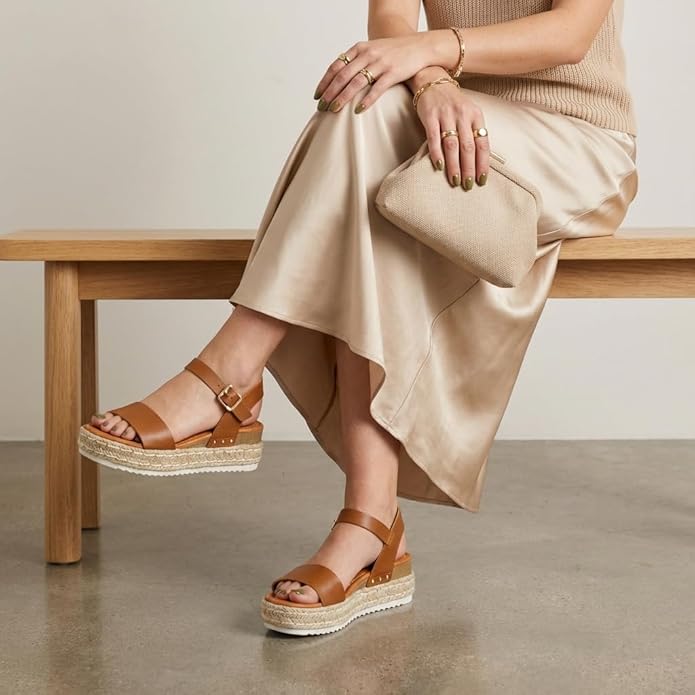
Bring a second sandal for beach and pool days — something you don’t mind getting wet, in rubber or EVA foam. There are genuinely stylish options now that don’t read as purely functional. And that’s genuinely all you need on the footwear front unless you’re planning a specific hike (in which case: proper trainers, no negotiation).

The heel question. Heels on Greek cobblestones are genuinely difficult — the uneven stones catch heels and can make walking both awkward and slow. That said, plenty of people wear block-heeled sandals or wedges very successfully. If you want the option, a low block heel on a sandal is your best bet. Stilettos: leave at home.
Classic white sneakers are perfect for walking and pair well with dresses, trousers, and casual outfits, making them one of the most versatile footwear choices.

Local tip: Greece is home to some of the world’s best leather sandal workshops, particularly in Athens (the Monastiraki area) and on islands like Crete. Buy sandals when you arrive rather than packing them — they’re often custom-made in a day, affordable, and you’ll get exactly what you need for the terrain you’re actually walking.
The Crossbody Bag: Non-Negotiable
I cannot stress this enough: bring a crossbody bag, and make it your primary bag for daily use. Greece in summer is warm, crowded, and occasionally involves navigating markets, ferries, and winding alleyways where you want both hands free and your belongings secure.

A small leather crossbody or a canvas bucket bag with a long strap is the move. It sits against your body, keeps valuables safe, and looks polished with literally any outfit.

The woven straw bags mentioned in the swimwear section are for the beach only — they’re beautiful but not practical for a full day of sightseeing.

Athens in particular warrants attention to bag security. The tourist areas around the Acropolis and Monastiraki can be busy, and a bag that hangs open or sits loosely on your shoulder is an easy target. A crossbody with a zip top solves this completely and without paranoia.
Local tip: If your crossbody is leather, spray it with a protectant before you go. Sunscreen and salt water can stain leather quickly, and you’ll definitely be fumbling with your bag while covered in both.
A Light Linen Shirt for Men: The Secret Weapon
This section is for the men, and I say this with genuine conviction: a linen shirt is the single item that will transform how comfortable and appropriate you look across every situation in Greece in summer.
The formula for Greek island style for men is almost aggressively simple: linen shirt (open one or two buttons, sleeves rolled to the elbow), light chino shorts or linen trousers, and leather sandals or clean white sneakers. This works for beach lunch, for sightseeing, for a taverna dinner, for a rooftop bar. It’s effortless in the right way.
Colour palette:
- white, cream, pale blue, olive, terracotta.
These all read as intentional in the Greek light. Avoid very dark colours in extreme heat — they absorb the sun and make everything more uncomfortable than it needs to be.
For evenings that call for something slightly more polished — dinner in a better Athens restaurant, a sunset cocktail bar in Santorini — a lightweight structured shirt (still linen or fine cotton, not polyester dress shirt) over tailored shorts or light trousers is all that’s needed. Greece doesn’t demand formality. It demands that you look like you thought about it for at least a few minutes.
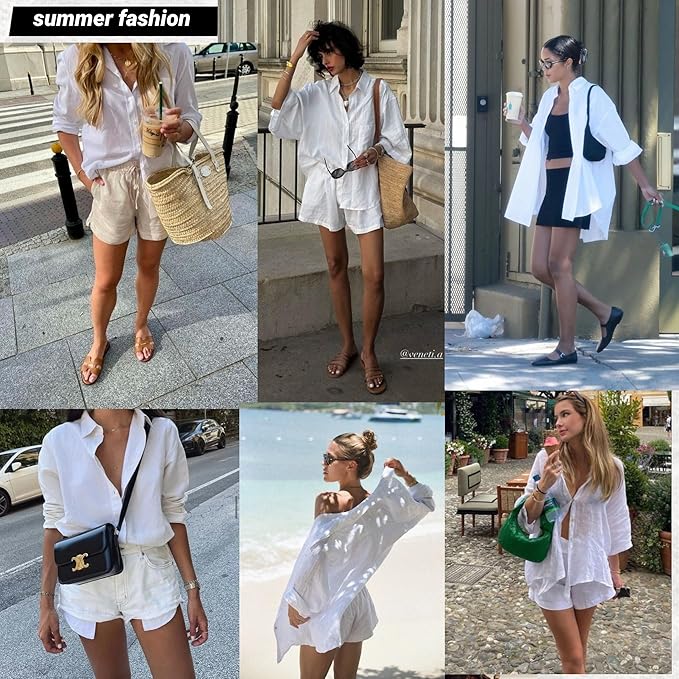
Local tip: Men often underpack in a way that creates a different problem: wearing the same outfit for three days in a row when it’s been through ferry travel, heat, and a beach day. Bring at least one more shirt than you think you’ll need.
Shorts: Which Ones and How Many
Shorts in Greece work best when they’re either clearly beach-ready or clearly polished enough for the street. The category in between — mid-length athletic shorts, cargo shorts, board shorts worn to dinner — is where Greek style gets quietly judgmental.
For women: linen or cotton shorts in a relaxed mid-thigh length are incredibly versatile. Style with a tucked-in top and sandals for a day out, or with a sleeveless blouse for something more dinner-appropriate. Denim shorts are fine but heavy in extreme heat — if you pack them, pack one pair only.

For men: linen or chino-style shorts in a tailored fit hit mid-thigh or just above the knee. These are what Athenians and island regulars are actually wearing. They dress up with a good shirt and down with a fitted tee. Board shorts are for the beach and boat — they’re not suited to walking into a restaurant.

Both: two to three pairs of shorts is plenty for a week to ten days, assuming you’re also wearing dresses or trousers some days.
Local tip: White shorts in Greece sounds like an obvious aesthetic choice, but the reality of ferry travel, ketchup at beach tavernas, and hours on dusty paths will humble you quickly. Opt for lighter neutrals — sand, stone, cream — rather than pure white if you want to actually enjoy wearing them.
The Evening Layer: Lighter Than You Think
Here’s something that surprises first-time visitors: evenings in Greece in summer can genuinely require a layer. On the islands especially, sea breezes pick up after sunset, and sitting outside for a three-hour dinner (which is absolutely how Greek meals go) can leave you cold in something sleeveless by 10pm.

You don’t need a jacket or a knit. What you need is one thin layer — a lightweight cotton cardigan, an oversized linen shirt worn as an overshirt, or a very fine merino wrap. Something that folds to almost nothing in your bag but makes the difference between comfortable and shivering at a candlelit table overlooking the sea.

This is not a layer you’ll use every night, and it’s definitely not a layer you’ll use in August in Athens, where the night stays genuinely warm. But for island evenings in June or July, or for air-conditioned ferries and airports, it earns its place.
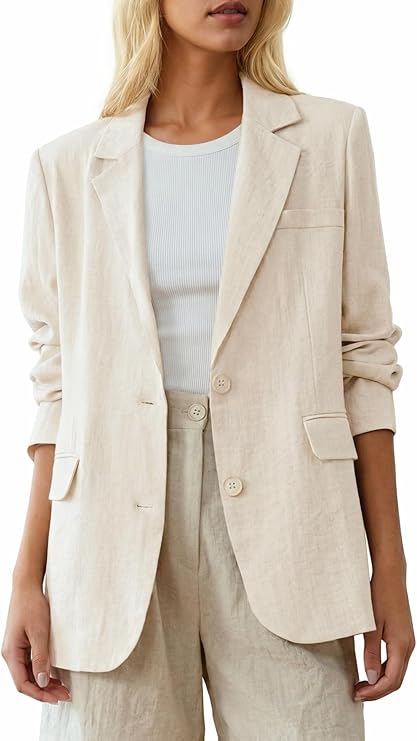
Local tip: A lightweight cotton or modal turtleneck is underrated for Greece evenings. It layers under a dress, works with trousers, and takes up no space. Not a heavyweight knit — something barely-there.
Church and Monastery Outfits: The Non-Negotiable
Greece has some of the most extraordinary religious architecture in the world, and visiting it means dressing appropriately — or not being allowed in at all. This isn’t a suggestion; it’s a policy enforced at the door.
The rules are consistent: shoulders covered, knees covered.

For women: this usually means a dress or skirt below the knee, or trousers, with a cover-up for arms.

For men: it means no shorts and no sleeveless tops. Many churches and monasteries sell or loan wraps at the entrance, but it’s better not to rely on this.
The good news is that if you’ve packed well for the rest of your trip, you already have appropriate pieces. Wide-leg linen trousers plus a shirt is church-ready for both men and women. A midi dress with a cotton scarf draped over the shoulders works perfectly.
The key is keeping one light scarf or cotton wrap in your bag at all times so you’re never caught out.

Local tip: In the more remote monasteries of Meteora or the mountain chapels of Crete, the dress code tends to be taken more seriously than at tourist-heavy sites. When in doubt, be more covered rather than less — you’re walking into a place of worship, not a sightseeing attraction.
Sunglasses and a Hat: The Items That Earn Their Weight
Both of these are so obvious they barely feel worth mentioning, and yet every trip I’ve seen people arrive in Greece in July without a hat and spend three days slightly dazed and over-sunned.
The hat needs to have a proper brim. A baseball cap will do in a pinch, but a wide-brimmed straw or canvas hat is what you actually want — it protects your face, your neck, and your shoulders, and it looks exactly right in Greek light. The straw styles that look clichéd at home look completely correct when you’re sitting at a marble-topped café table in Nafplio with an iced coffee.

For sunglasses, polarised lenses are worth the investment in Greece specifically, because the combination of bright sun and reflective water is extreme. You’ll wear them from the moment you step outside until the sun sets, and good lenses make the difference between enjoying the Aegean view and squinting through it.

Local tip: Hat hair in Greek heat is real and irreversible for the day. Embrace it. Your hair will look sun-streaked and messy and completely appropriate. Greece is not the place for a blowout.
The Travel Day Outfit: Comfort Without Looking Like You’ve Given Up
There’s a specific travel-day aesthetic that develops in the absence of planning: leggings, an oversized hoodie, and trainers. Comfortable, functional, and absolutely fine — except that if your flight lands in Athens at 2pm and you’re taking a taxi straight to your hotel and then heading out to explore, you want to arrive feeling like yourself.
My travel day formula for Greece:
1.wide-leg linen or cotton trousers (comfortable as leggings but polished)
2. a loose cotton tee or tank
3.a lightweight overshirt for air-conditioned airport and plane.
4. and clean white trainers or flat sandals.
This combination is comfortable for a long-haul or medium-haul flight, appropriate the moment you land, and doesn’t require a full outfit change before you can go anywhere.
The how to pack a carry-on for 10 days guide has useful detail on making the travel day outfit your most versatile choice — the pieces you wear should also be pieces that pull double or triple duty across the rest of the trip.
Local tip: Arrive in Greece wearing your heaviest or bulkiest item — whether that’s your trainers, your one cardigan, or your most structured pair of trousers. It saves luggage space and you’ll ditch the layer the moment you’re in the sun anyway.
What a 10-Day Greece Packing List Actually Looks Like
If you’re spending ten days in Greece — which is genuinely one of the better trip lengths for doing Athens plus two or three islands — here’s the honest breakdown of what you actually need.
Tops: 5 (mix of tanks, loose tees, and one or two linen shirts). You’ll re-wear these freely.
Bottoms: 2 (one linen trouser, one pair of shorts). Dresses cover most outfit needs.
Dresses: 3 (one casual beach/daywear, one elevated day-to-evening, one actual evening option if you’re planning nicer dinners).
Swimwear: 2 bikinis or swimsuits. No more unless you’re spending every single day on the water.
Cover-up: 1 (serves as beach cover-up and light layer).
Shoes: 3 pairs max. Leather flat sandals, beach/pool sandals, white sneakers. Everything else is dead weight.
Layers: 1 thin cardigan or light shirt.
Laundry: most island accommodations have a washing machine or can point you to a launderette. Doing laundry once mid-trip liberates you enormously. Linen and cotton dry within a few hours in Greek summer heat — hang things outside at noon and they’ll be ready for dinner.
Two weeks follows exactly the same logic with one or two extra tops added, not a second suitcase.
Local tip: Packing cubes are non-negotiable for island-hopping. When you’re pulling things in and out of a bag on ferries and taxis multiple times a week, having categories of items organised in cubes means you never spend twenty minutes unpacking to find your swimsuit.
What I Regretted Packing (The Honest List)
Let me be straightforward about the items I have brought to Greece in summer and genuinely never used.
Jeans. Every trip. Never worn. They’re heavy, they’re hot, and there is no moment in a Greek summer where jeans are the obvious choice. Leave them completely.
A blow dryer. My hair air-dries beautifully in Greek heat. Yours will too. Most accommodation has one if you genuinely need it.
More than one nice evening bag. I packed two on one trip — a small leather clutch and a beaded pouch. I wore one, twice. One bag for evenings is entirely sufficient.
Heeled boots. I think I was imagining a very different Greece when I packed these. They stayed in my case for fourteen days.
Multiple bottles of full-size toiletries. Pharmacies in Greece are excellent, affordable, and everywhere. You can buy sunscreen, shampoo, and anything else you need. Decant into small containers or buy when you arrive.
A rain jacket. August in the Cyclades. What was I thinking.
That third maxi dress. Beautiful. Never worn. Two is the right number; three is hope over experience.
Packing for Two Weeks in Greece: The Strategy
Two weeks in Greece in summer often means some combination of Athens, at least one Cyclades island, possibly Crete, and maybe a Dodecanese island like Rhodes if you’re ambitious. The terrain, vibe, and outfit requirements shift subtly across all of these, and the strategic challenge is packing for variety without doubling your wardrobe.
The solution is a capsule approach built around neutrals that talk to each other.
If everything is in the same general family — cream, white, sand, terracotta, olive, soft blue — everything can be mixed and matched without effort. Add one print (a patterned dress or a printed scarf) for visual interest, and you have variety without chaos.

For two weeks, the luggage question matters.
A mid-size checked bag (not a giant one) or a 40L carry-on used as a personal item alongside a smaller backpack is the ideal setup. You want to be able to take it onto ferries without it becoming a production, and you want to fit it into the tiny overhead lockers on island-hop flights.

Checked luggage makes sense for two weeks if you’re not moving accommodation more than every three or four days. If you’re hopping islands every two nights, carry-on only will transform your experience.
Local tip: If you’re moving between islands by ferry and staying in Santorini, don’t underestimate the luggage situation. Oia and Fira have steep steps where wheeled suitcases become a different kind of adventure entirely. A soft-sided duffel or backpack is significantly easier to navigate.
Men’s Summer Outfits for Greece: What Actually Works
Men often approach a Greece packing list as a simpler problem, and honestly, it is — but there are still meaningful choices to make.
The core of a stylish Greek summer wardrobe for men is:
- linen shirts in light colours, one or two pairs of tailored linen or chino shorts, one pair of light trousers for evenings and church visits, and leather sandals plus clean white sneakers.

That’s essentially it. Everything else is extra.
For evenings in Athens, where the bar for dressing up is slightly higher-—
- a structured short-sleeve shirt (not a tee, but a shirt you’d button to the second-to-top button) with light trousers and clean leather sneakers or loafers is completely appropriate and polished.

Leave the formal trousers at home unless you have a specific occasion.
Greek men dress with a kind of quiet care that isn’t ostentatious — good basics, well-fitted, nothing too loud. If you’re wanting to blend in rather than read as a tourist, the details matter: clean clothes, a leather belt, shoes that aren’t worn-out trainers. You don’t need to spend a lot; you need to look like you cared slightly.
Local tip: White linen shirts show sweat. Pack a few and rotate them. There is nothing worse than a beautiful white shirt with visible sweat marks through a full day of Athens sightseeing.
What NOT to Bring to Greece in Summer
Consider this the edit. The things that take up space, add weight, and contribute nothing to your actual Greek summer.
Heavy jeans or trousers. Already mentioned. Worth repeating.
Multiple layers or knits. One thin cardigan is sufficient. A collection of jumpers is baffling.
A full skincare routine in full-size bottles. Decant. Or buy there.
Athletic wear for anything other than actual sport. Gym leggings worn around the islands look out of place. If you’re not doing a yoga retreat or hiking, leave the activewear at home.
Too many shoes. Three pairs maximum. Every extra pair is several hundred grams you’re dragging through a ferry terminal.
An outfit for every specific occasion you’ve imagined. You will not, in fact, go to a fancy gala in Mykonos. You will eat pasta by the sea and wear a linen dress and it will be perfect.
A Final Thought Before You Zip Up
Greece is one of the best places in Europe to visit in summer for reasons that have nothing to do with what you’re wearing. The light is extraordinary. The food is honest and extraordinary. The sea is that colour blue that you’ve seen in photos and then gasped at in person because photos don’t quite capture it.
What you wear matters only in the sense that you want to be comfortable, appropriate, and free — free to walk the Acropolis without your feet aching, free to step into a monastery without scrambling for a cover-up, free to go from beach to dinner without carrying a second bag.
You don’t need a lot to feel perfectly dressed in Greece. You need linen, sandals, a crossbody bag, and the willingness to repeat outfits in a country where everyone is too busy enjoying themselves to notice. Pack less than you think. You’ll look better for it.
Pack the linen. Leave the heeled boots. The Aegean awaits.

