
The first time I packed for Italy in summer, I brought two pairs of heeled sandals, a full-size hair dryer, and four linen blazers “just in case.” I wheeled my overstuffed suitcase across the cobblestones of Florence in 34-degree heat, sweating through my airport outfit before I’d even made it to my hotel. Never again.
There’s something about Italy that makes you want to pack beautifully — the country practically demands you show up in linen and a silk scarf. And then reality hits: the humidity, the hills, the endless stairs, the fact that Roman cobblestones will destroy anything with a heel above two centimetres. Getting your packing list for Italy in summer right isn’t just about looking good. It’s about being comfortable enough to actually enjoy the country.
What follows is everything I’ve learned across multiple Italian summers — the mistakes, the revelations, and the outfits that genuinely worked. I want you to arrive lighter, move easier, and look better than I did on my first trip.
Before We Dive In: What Italian Summers Are Actually Like
Let me set the scene honestly, because a lot of packing guides skip the useful stuff.
The heat is real. In July and August, temperatures in Rome, Florence, and inland Tuscany regularly hit 35–38°C (95–100°F). Venice gets muggy. The Amalfi Coast is breezy but intense. Milan, despite being a fashion capital, can feel like walking through a warm soup pot. Mornings are bearable — sometimes even lovely — but by noon, you’re searching for shade.
Evenings cool down, but not always dramatically. In Rome, nights stay warm. On the Amalfi Coast or in northern lake towns, you’ll want a light layer after dinner. The temperature swing is rarely more than 10 degrees, so you don’t need to pack for autumn — you just need one or two thoughtful transitional pieces.
Rain is possible, not frequent. Summer storms tend to be short and theatrical — they arrive fast, drench everything, and leave. A packable rain layer is sensible; a full waterproof jacket is overkill.
Cobblestones are everywhere. Rome, Venice, Siena, Orvieto, Positano — almost every beautiful Italian place is paved with slippery, ankle-twisting, heel-eating stone. Factor this into every single shoe decision you make.
Italian fashion culture is real, but not intimidating. Italians dress with an easy elegance that’s hard to replicate exactly, but the principle is simple: put-together but not overdressed, quality over logos, and virtually no athletic wear outside an actual gym. You don’t need to dress like you’re going to Milan Fashion Week. You just need to look like you made an effort.
A note on regions:
- Rome — Hot, formal-casual, mix of tourists and very stylish locals
- Florence — Similar heat, artsy, relaxed but polished
- Milan — Hotter than you’d expect, the fashion capital — people dress sharply here
- Venice — Humid and walkable; sensible shoes are essential
- Amalfi Coast — Beach-resort casual with some upscale dinner expectations
- Tuscany countryside — Relaxed, rustic-chic, linen all day every day
Linen Trousers: The Item I’d Pack First, Always
I used to think linen trousers were something my dad wore on holiday. Then I spent a week in Florence sweating through my jeans and watched every stylish Italian woman glide past me in wide-leg linen, looking completely unbothered by the heat. Lesson learned.
Linen trousers are the single most versatile item on any Italian summer packing list. They’re cool enough for 35-degree afternoons, smart enough for dinner, and — crucially — acceptable inside churches and museums where bare legs sometimes aren’t. A pair in a neutral (cream, sand, white, olive, or stone) can be worn five different ways across a ten-day trip without anyone noticing.

How to wear them: Pair with a fitted tank and sandals for daytime sightseeing. Swap in a silk camisole and wedge mules for dinner. Tuck in a linen shirt for a slightly more elevated look on a boat trip or winery visit. They work with sneakers too — don’t overthink it.
Pack two pairs if you’re going for two weeks. One in a light neutral, one in a slightly richer tone — terracotta, dusty blue, or deep olive. They take up almost no space and they’re cooler than any other trouser option.

Local tip: Wide-leg is the silhouette you want. Slim or tapered linen looks a bit cruise-ship-casual. Wide-leg reads European.
Lightweight Summer Dresses: Your Easiest Outfits
A good summer dress for Italy is basically a complete outfit in one item. Throw it on, add sandals, grab a bag — done. I cannot overstate how much mental energy this saves when you’re hot, slightly lost, and trying to find the Pantheon.
The ideal Italian summer dress is:
- Made from natural fabric (linen, cotton, or a cotton blend)
- Not too short (knee-length or midi works for both churches and dinner)
- Not too tight (airflow is everything)
- Easy to style up or down
I’d pack two or three dresses and rotate them constantly. A simple white cotton dress with flat sandals is so classically Italian it almost feels like a costume — but in the best way. A midi wrap dress in a print works for coastal towns, boat trips, aperitivo, dinner, and museums. A smocked or tiered dress in a dusty floral reads Tuscany farmhouse in exactly the right way.

What about straps? Spaghetti straps are fine for the streets, but bring a light scarf or cardigan for church visits. You’ll be asked to cover your shoulders and sometimes your knees at major religious sites — the Sistine Chapel, the Duomo, many basilicas. A scarf takes up no room and removes a lot of stress.

Local tip: Avoid anything that looks like it came straight from a beachwear brand. Even on the Amalfi Coast, Italians distinguish between beach and street. A sarong thrown over a swimsuit is beach. A proper dress — even a casual one — is street.
White Sneakers: The Only Shoe That Works Everywhere
I have tried many approaches to Italian footwear. Leather sandals that gave me blisters by noon. Ballet flats that couldn’t handle cobblestones. Espadrilles that soaked through in a ten-minute summer storm. And every time, the people walking comfortably past me were wearing white sneakers.
Clean white leather sneakers — think classic tennis shoe silhouette, not chunky athletic trainers — are the shoe Italy was made for. They work with linen trousers, summer dresses, shorts, everything. They’re cool enough for 35-degree days if you wear them with no-show socks. They look stylish rather than tourist-ish if they’re kept clean. And they don’t destroy your feet on cobblestones.

Bring one pair. Keep them white. Carry a small stain wipe in your bag. They will carry you through almost every situation: morning market visits, museum queues, afternoon gelato walks, evening passeggiata. For dinner at nicer restaurants, swap in a flat sandal or a loafer.
Local tip: Chunky white trainers — the “dad shoe” style — look tourist in Italy. The sleeker the better. And no, Italians don’t wear New Balance 550s on their sightseeing days the way the internet seems to think.
Flat Sandals: Non-Negotiable, But Choose Wisely
You need flat sandals. But not just any flat sandals — sandals with actual structure and a grip sole. The beautiful thin-strap leather sandals that photograph perfectly tend to slide on wet cobblestones and offer zero foot support for ten-hour walking days.

My favourite compromise is a sandal with a slightly padded footbed, a secure ankle strap, and leather or leather-look upper so they look polished. Birkenstock-style footbeds are everywhere in Italy precisely because they work — even Italian women wear them in summer. Minimalist strappy sandals are gorgeous for a short evening out, but they shouldn’t be your all-day walking shoe.

Pack one pair of practical flat sandals and one pair of slightly dressier sandals if you have room. Or invest in a single pair that does both — there are plenty of options that look nice enough for dinner without destroying your feet by 3pm.
Local tip: Get sandals from a market or local cobbler if you can. Italian-made leather sandals are often better quality than what you brought from home and make for a good souvenir that also gets used.
Linen or Cotton Shirts: The Ultimate Layer
A lightweight linen or cotton shirt might be the most underrated item on any Italy packing list. It’s your sun protection on exposed coastal walks. Your shoulder cover for churches. Your layer when air-conditioned restaurants make you shiver. Your smart option for winery visits or lunch at a proper trattoria.
I pack two: one white, one in a soft colour (pale blue, sage, dusty pink). Worn open over a tank and tucked loosely into trousers, they photograph beautifully and feel authentically Italian. Worn buttoned up with shorts, they look put-together without trying too hard.

Men particularly benefit from having two or three quality linen shirts. They cover you for every situation — beaches, restaurants, churches, casual dinners — without requiring additional thought.
How to wear them: Open over a slip dress for an evening look. Knotted at the waist with wide-leg trousers for a market morning. Fully buttoned tucked into shorts for a boat trip. The combinations are endless and they take up almost no space.
Local tip: Linen wrinkles. Italians know this and don’t care. Neither should you.
A Crossbody Bag: Your Entire Life in One Small Package
Security and practicality converge here. A crossbody bag — leather or quality faux leather, not a nylon day pack — is your best companion in Italy’s crowded tourist areas.
Pickpocketing is a real concern in Rome, Florence, Naples, and Venice, particularly on public transport and around major sights. A crossbody bag that sits in front of your body is dramatically safer than a tote or a backpack. It also looks far more stylish, which matters in a country where style is practically a social currency.

Choose something big enough for your essentials — phone, wallet, sunscreen, a small water bottle, your museum tickets — but small enough to not feel bulky. A structured leather crossbody in tan, black, or cognac works with everything and lasts for years.
Local tip: If you’re visiting markets or very crowded areas like the Trevi Fountain, clasp your bag shut and keep your hand on it. This isn’t paranoia — it’s just sense.
The Right Sunglasses and Sun Hat: Non-Negotiable Accessories
Italy in summer is bright. Aggressively, beautifully bright. You will squint constantly without sunglasses and potentially get heatstroke without a hat on particularly brutal days.
Sunglasses are also part of Italian style — a good pair can elevate an otherwise simple outfit instantly. Oversized frames, classic aviators, cat-eye shapes — all work. Italians wear sunglasses constantly and they take them seriously.

A sun hat is where many travellers get self-conscious. Don’t. A simple straw hat or cotton bucket hat is both practical and stylish in summer Italy. It keeps you cooler, protects your face, and photographs beautifully against a terracotta backdrop. Choose one that can be packed flat or rolled without losing shape.

Local tip: Don’t pack a giant floppy resort hat unless you want to carry it in your hands all day. A structured straw hat or a packable bucket hat is infinitely more practical.
Church-Ready Outfits: This Matters More Than You Think
The Sistine Chapel, St. Peter’s Basilica, the Duomo in Florence, Santa Maria Novella — these are among the most magnificent buildings in the world, and they require covered shoulders and knees for entry. This is not optional, and the dress code is enforced.
The good news is that “church appropriate” in Italy is not frumpy.
1.A midi dress with a light scarf thrown over your shoulders is perfectly acceptable.
2.Linen trousers and a linen shirt is ideal.
3. A maxi skirt with a tank covered by a cardigan works too.

The mistake most people make is planning “a church outfit” separately. Instead, just ensure that a few of your regular outfits meet the requirements naturally — midi length, or trousers, with a layer available. Then you can walk directly from the market into the Duomo without any scrambling.
Local tip: Disposable plastic ponchos are sold outside major churches for people who forgot about the dress code. Don’t be that person.
Men’s Summer Outfits in Italy: A Specific Guide
Italian men dress well in a way that looks effortless but isn’t accidental. The formula is simpler than it seems: quality basics in neutral tones, well-fitting clothes, and no athletic wear outside of actual sport.
What works for men in Italian summer:
- Linen trousers in cream, navy, olive, or sand paired with a simple fitted tee or linen shirt. This is the cornerstone of Italian men’s summer dressing.
- Chino shorts (not cargo, not board shorts) that hit at or just above the knee. Pair with a polo or a tucked linen shirt.
- Clean white or striped t-shirts — quality cotton, fitted but not tight.
- A linen shirt in white, light blue, or pale yellow. Worn open over a white tee for casual sightseeing; buttoned up for dinner.
- Loafers or leather sneakers — one pair of each covers nearly every situation.
- A lightweight blazer in linen or unstructured cotton — not essential but brilliant for smarter dinners or Milan, where the dress standard is higher.
For dinners and evenings: Long trousers are standard at any restaurant worth visiting. A linen trouser, leather shoe, and clean shirt will get you into almost anywhere.
Local tip: Italian men almost never wear athletic shorts, gym trainers, or baseball caps in city centres. Adapting even slightly to this will make you feel less conspicuous and more comfortable.
What to Wear for Travel Days
Long train journeys, early morning flights, multiple connections — travel days require their own outfit logic. The mistake is wearing your most comfortable-at-home outfit (usually your sloppiest) when you’re about to arrive somewhere beautiful and possibly need to go straight to a hotel, a taxi, or a piazza.
My travel day formula for Italy: wide-leg or pull-on trousers in a soft fabric, a quality t-shirt, a lightweight overshirt or cardigan, and white sneakers. Comfortable, yes — but packable enough that I look presentable arriving, and flexible enough for a very long day.
Avoid: jeans (hot, uncomfortable on long journeys, hard to layer), shorts (cold on planes, not ideal if you’re arriving in an Italian city), and anything you’d feel embarrassed to be photographed in.
Local tip: Train travel in Italy on the Freccia trains is quite pleasant and the seats are spacious. Regional trains can be crowded and warmer. Dress in layers you can add or remove.
Layers for Chilly Evenings and Air-Conditioned Spaces
This surprises almost everyone on their first summer Italian trip: some places are absolutely arctic inside. Churches (naturally cool), museums with aggressive air conditioning, upscale restaurants, and long-distance trains can all get surprisingly cold. Meanwhile, you’re sitting outside at aperitivo in 30-degree warmth two hours later.
The solution is a single good transitional layer. This could be:
- A lightweight cotton cardigan in a neutral tone
- A thin merino layer
- A silk-feel overshirt
- A fine-knit wrap
One layer. That’s it. You don’t need to pack a sweater or a jacket — just something that takes you from an over-air-conditioned space back to the warm evening without issue.

For later evenings on the Amalfi Coast or in northern Italy: A light wrap or scarf doubles as both warmth and a church-appropriate shoulder cover. Two uses, zero extra space.

Local tip: The Amalfi Coast gets a sea breeze that makes evenings genuinely cooler than Rome or Florence. Worth packing a slightly weightier layer if this is a major part of your trip.
Swimwear and Beach Days
If the Amalfi Coast, Capri, Sicily, Sardinia, or the Italian Riviera are on your itinerary, swimwear obviously makes the cut. But be strategic.
Two swimsuits is the right number — one dries while you wear the other. For women, a one-piece or bikini both work. For beach towns, a cover-up or light cotton shorts are expected between the beach and the nearest café or gelateria. Walking through an Italian village in just a swimsuit draws disapproving looks.
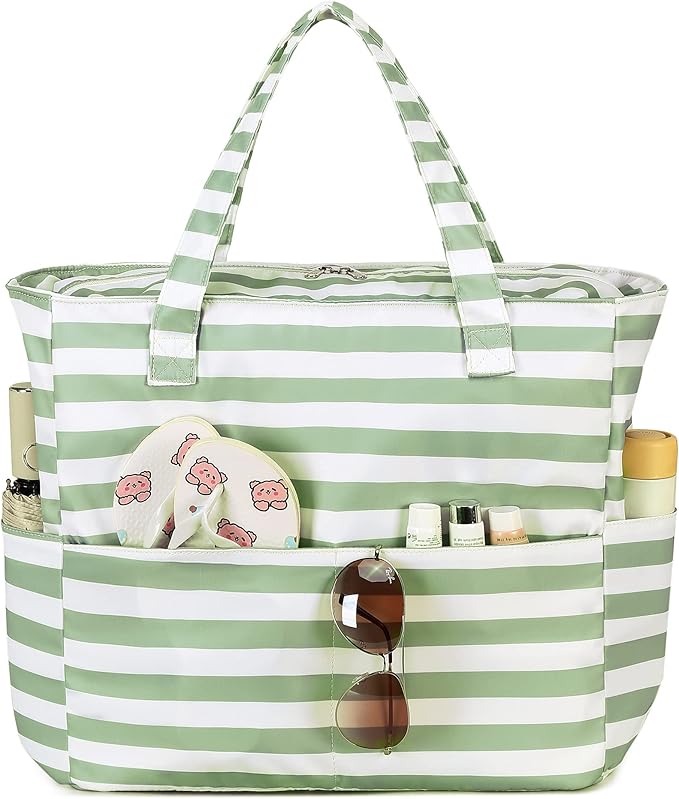
Beach bag: Consider a lightweight mesh or canvas tote as your beach bag rather than packing a specific one. It doubles as a day bag and takes up almost no room.
Reef-safe sunscreen: Not just for the environment — some Italian coastal areas actively prohibit certain sunscreen types to protect marine life. Bring yours from home.
Local tip: Private beach clubs (lidos) are common in Italy and you often pay for a sunbed and umbrella. The free public beaches are there but often more crowded. Neither is right or wrong — just know what you’re walking into.
Rain Essentials: Light and Packable Only
Italy in summer is not rainy, but summer storms happen — fast and violent and over within twenty minutes. What you need is minimal.
A packable rain poncho or a very lightweight rain jacket that folds into its own pocket is ideal. I carry mine and have used it maybe three times across multiple trips. But those three times, I was deeply grateful.
What you don’t need: a full waterproof jacket, wellies, an umbrella (wind will destroy it in an Italian summer storm). A compact travel umbrella if you’re particularly rain-anxious — but even those are available in every Italian tabacchi if you’re caught short.

Local tip: Rome’s summer storms are legendary. They arrive with dramatic thunder, flood certain piazzas briefly, and then the sun comes back out and everything dries in twenty minutes. Shelter, wait, continue.
Packing List for 2 Weeks in Italy in Summer: The Capsule Approach
Two weeks in Italy sounds like a lot of clothes. It doesn’t have to be.
The key is building a capsule wardrobe — a small collection of pieces that work together interchangeably — rather than packing specific outfits. Here’s a realistic framework:
Tops (5–6 items):
- 2 quality cotton or linen t-shirts (white, cream, or neutral)
- 1 silk-look camisole or tank
- 2 linen shirts (one white, one colour)
- 1 lightweight knit for evenings
Bottoms (3–4 items):
- 2 pairs of linen trousers
- 1 pair of shorts or a casual skirt
- 1 versatile midi dress (can replace a top + bottom entirely)
Dresses (2–3 items):
- 1 midi wrap or smock dress (day-to-dinner)
- 1 simple cotton dress for heat
- Optional: 1 slightly dressier dress for a nice dinner
Outerwear (1 item):
- 1 lightweight overshirt or cardigan
Shoes (3 pairs):
- White leather sneakers
- Flat leather sandals
- Dressier flat or low-heeled sandal
Accessories:
- 1 crossbody bag
- 1 small evening clutch or tote
- Sunglasses, sun hat, 2 silk scarves (for churches and styling)
With this, you have roughly 14+ distinct outfit combinations, easy outfit repeating, and a bag that doesn’t require checking.
Laundry strategy: For two weeks, plan one laundry stop. Most Italian cities have laundromats (lavanderia) that are inexpensive and easy to find. Alternatively, many Airbnbs have washing machines. Washing a few things mid-trip is far easier than packing for 14 days from scratch.
10 Day Italy Packing List Summer: Slightly Simpler
Ten days is the sweet spot where you can travel with just a carry-on if you’re disciplined. Remove one pair of trousers and one dress from the two-week list above, and you’re there.
The honest outfit count for 10 days:
- 4–5 tops that mix freely with your bottoms
- 2–3 bottoms
- 2 dresses
- 1 transitional layer
- 3 pairs of shoes
Plan to re-wear your trousers 3–4 times each, your shoes constantly, and your accessories daily. Nobody in Italy is tracking your outfit repetition — they’re too busy looking effortless themselves.
Pack in packing cubes to compress and organise. Roll soft items; fold structured ones. Shoes at the bottom of your bag, packed with socks inside them. Accessories in a small pouch.
Local tip: Every extra kilo matters when you’re carrying your suitcase up three flights of stairs in a building with no lift, which is most buildings in historic Italian centres. Pack light for your own sanity.
What I Regretted Packing (An Honest List)
This might be the most useful section I can write.
Heeled sandals. I brought two pairs on my first trip. I wore them for a combined total of maybe three hours over nine days. The cobblestones won.
Multiple blazers. One linen blazer would have been fine. Four was absurd. I wore one once, to a work dinner that I had artificially built into the itinerary as an excuse to justify the packing.
A full-size hair dryer. Hotels have them. Airbnbs almost always have them. The one I brought weighed half a kilo and I used it twice.
Heavy denim jeans. I packed these “for cooler evenings.” There were no cooler evenings. My jeans sat in my suitcase for two weeks while I rotated the same three linen outfits on repeat.
A “nice” bag I didn’t want to risk. I brought an expensive tote that I was terrified to damage in the crowds. It sat at the bottom of my suitcase while I used the same crossbody every day. Leave precious things at home or don’t bring them at all.
More than two swimsuits. I went to a beach for three days. Two would have been exactly enough. Three was optimistic.
The pattern is obvious in retrospect: I packed for a version of the trip that involved dressier evenings, cooler weather, and more formality than actually materialised. Italy in summer is beautiful and stylish — but it’s also hot, casual, and very, very walkable.
The Practical Section: Making It All Work
Carry-on vs checked bag: For 10 days or less, a carry-on is absolutely achievable with a capsule wardrobe. For two weeks, you might opt for a medium-sized checked bag — though disciplined packers manage carry-on for even longer.
Packing cubes: Genuinely transformative. Use them to separate categories (tops, bottoms, underwear/socks, accessories) and compress items. They also make unpacking and repacking at multiple hotels dramatically easier.
The shoe problem: Shoes are the biggest variable. Three pairs is the maximum I’d recommend. If you pack more, at least one pair won’t be worn.
Outfit repeating: Do it. Do it proudly. Nobody in Italy — tourists or locals — is tracking what you wore yesterday. Italians themselves are famous for having a small, quality wardrobe and wearing pieces multiple times per week.
The “what if” items: Every overpacked bag contains “what if” items — the blazer for a fancy dinner that didn’t materialise, the rain jacket for weather that stayed sunny. Challenge every “what if” item mercilessly. If there’s less than a 50% chance you’ll use it, leave it.
Colours: Keep your palette cohesive. If everything works with everything else, you multiply your outfit options without adding items. White, cream, sand, olive, terracotta, dusty blue, cognac — these all play beautifully together and feel authentically Italian.
Closing: Pack Less, See More
Here’s what I know after too many trips and one too many overstuffed suitcases: the best version of your Italian summer isn’t hidden in your luggage. It’s in the moment when you’re light enough to walk wherever your curiosity takes you, dressed simply enough to feel comfortable, and put-together enough to feel like yourself.
Italy rewards the traveller who shows up present and unhurried. The one who can duck into a church without checking their outfit, wander into a tratoria for lunch without wondering if they’re dressed appropriately, and sit at a harbour as the sun goes down without worrying about whether they brought the right shoes.
Pack the linen. Pack the sunscreen. Pack your sense of wonder, and leave the rest behind.
Buon viaggio.

