
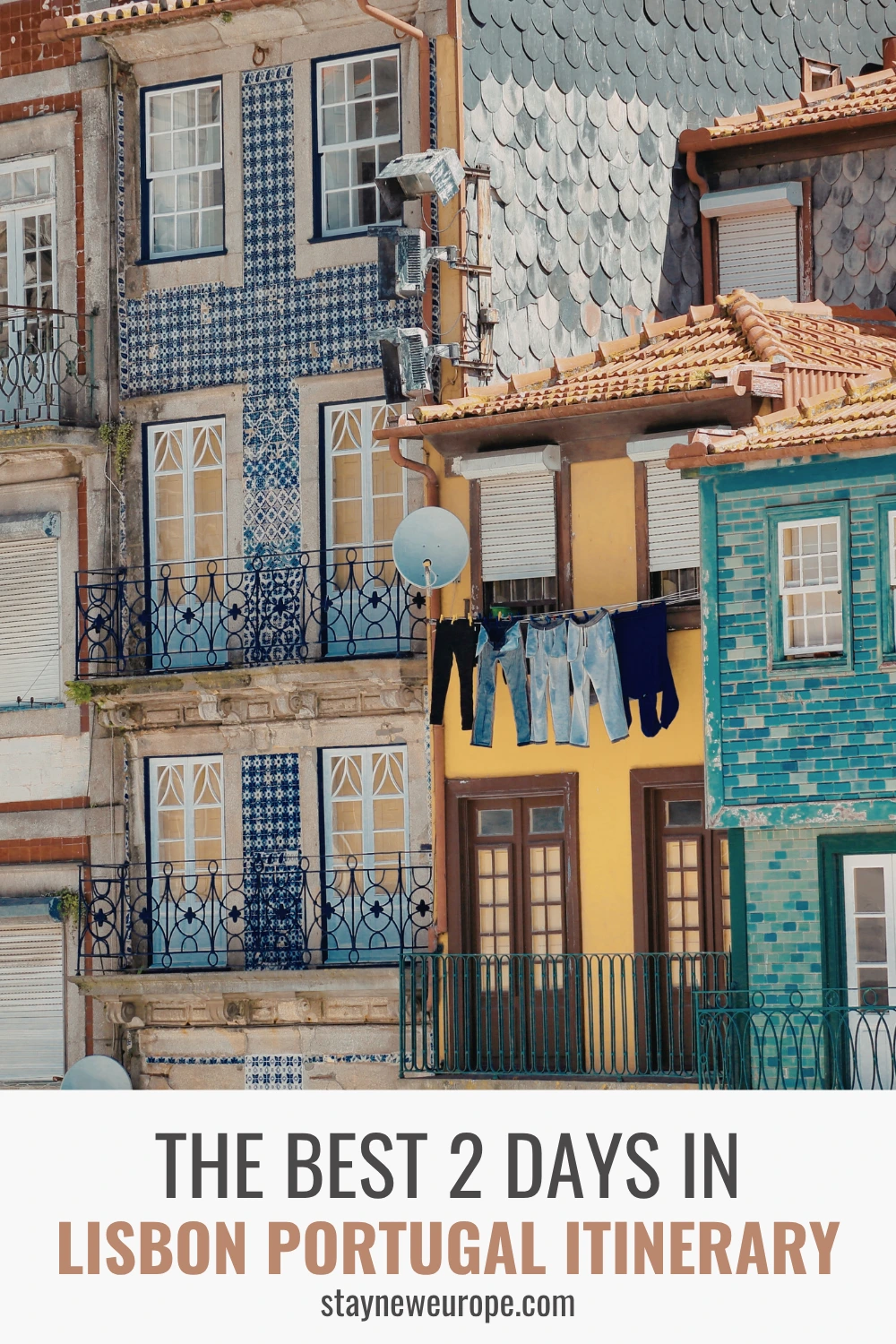
There’s a moment — and if you’ve been to Lisbon, you’ll know exactly the one I mean — where you turn a corner somewhere in the Alfama, the street narrows to almost nothing, a woman’s laundry is strung across the lane above your head like bunting, and the smell of grilled sardines drifts up from somewhere below. You stop. You just stand there. And you think: why did no one warn me this city was going to do this to me?
Lisbon is one of those rare places that earns its hype and then quietly exceeds it. It’s got the grand history, the jaw-dropping tiles, the hilltop castles and the custard tarts. But it also has this unhurried, slightly melancholic soul — something to do with the light, the sea air, the fado — that sneaks up on you and stays with you long after you’ve left.
The good news is that even with just 2 days in Lisbon, Portugal has enough to leave you thoroughly, helplessly besotted. You just need to know where to go — and in what order. That’s exactly what this itinerary is for.
Before You Start: A Few Things Worth Knowing
Let me be honest with you upfront: Lisbon is hilly. Genuinely, hilariously, sometimes brutally hilly. The kind of hilly where you’ll look at your map, see that two places are “close together,” and discover mid-climb that close is a relative concept when a neighbourhood rises 100 metres from the waterfront.
This itinerary is organised to work with the city’s topography rather than against it. On Day 1, we tackle the steep, ancient heights of the Alfama before descending into the arty flatlands of Chiado and Bairro Alto for the evening. On Day 2, we start in the commercial buzz of the Baixa, then head out along the Tagus River to the royal grandeur of Belém.
A few practical notes before we go: Most Lisbon attractions close on Mondays, so try to avoid starting your visit on a Sunday night. The Lisboa Card — a combined transport and museum pass — is genuinely worth buying if you’re planning to tick off multiple paid sites. And if you’re coming in July or August, prepare yourself: this city is beautiful in summer but it’s also packed, sweaty, and very much at peak tourist intensity. March to May and September to October are the sweet spots.
Right. Let’s go.
Day 1: The Alfama, Chiado, and an Evening of Fado
1. The Alfama — Lisbon’s Ancient, Labyrinthine Heart
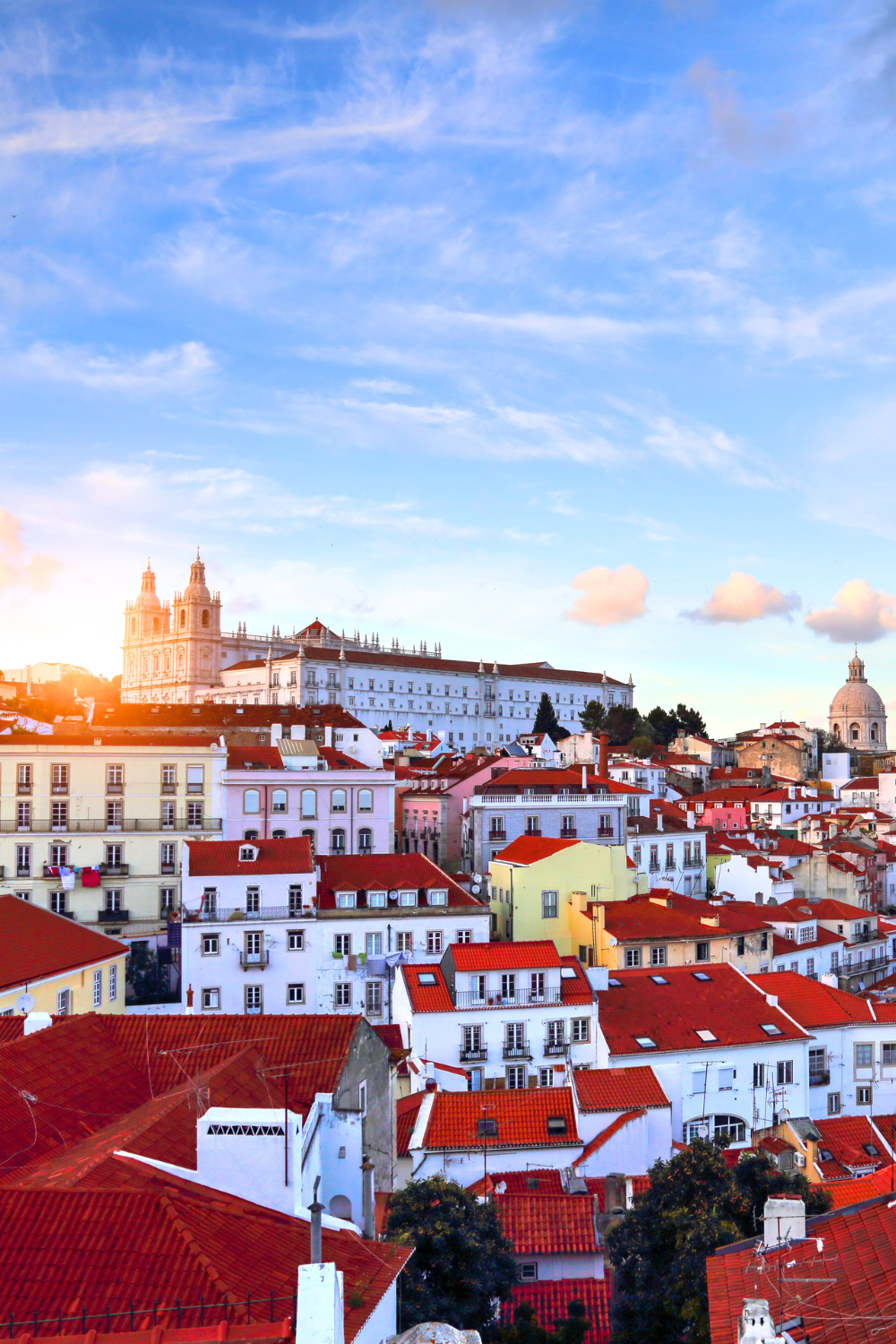
There is nowhere else in Lisbon quite like the Alfama, and there’s a reason every traveller ends up here eventually. This is the city’s oldest neighbourhood, a dense tangle of whitewashed houses, cobbled lanes, and stairways so steep they become staircases mid-street. It survived the catastrophic earthquake of 1755 that levelled much of Lisbon, which means walking through the Alfama is as close as you’ll get to medieval Lisbon — the real thing, not a recreation.
What makes it special, beyond the obvious photogenic appeal, is that it still feels lived-in. Yes, there are tourists (plenty of them), but there are also elderly residents sitting in doorways, kids kicking footballs between parked scooters, and corner tabacarias selling newspapers and local wine. The Alfama has soul, and it hasn’t entirely sold it yet.
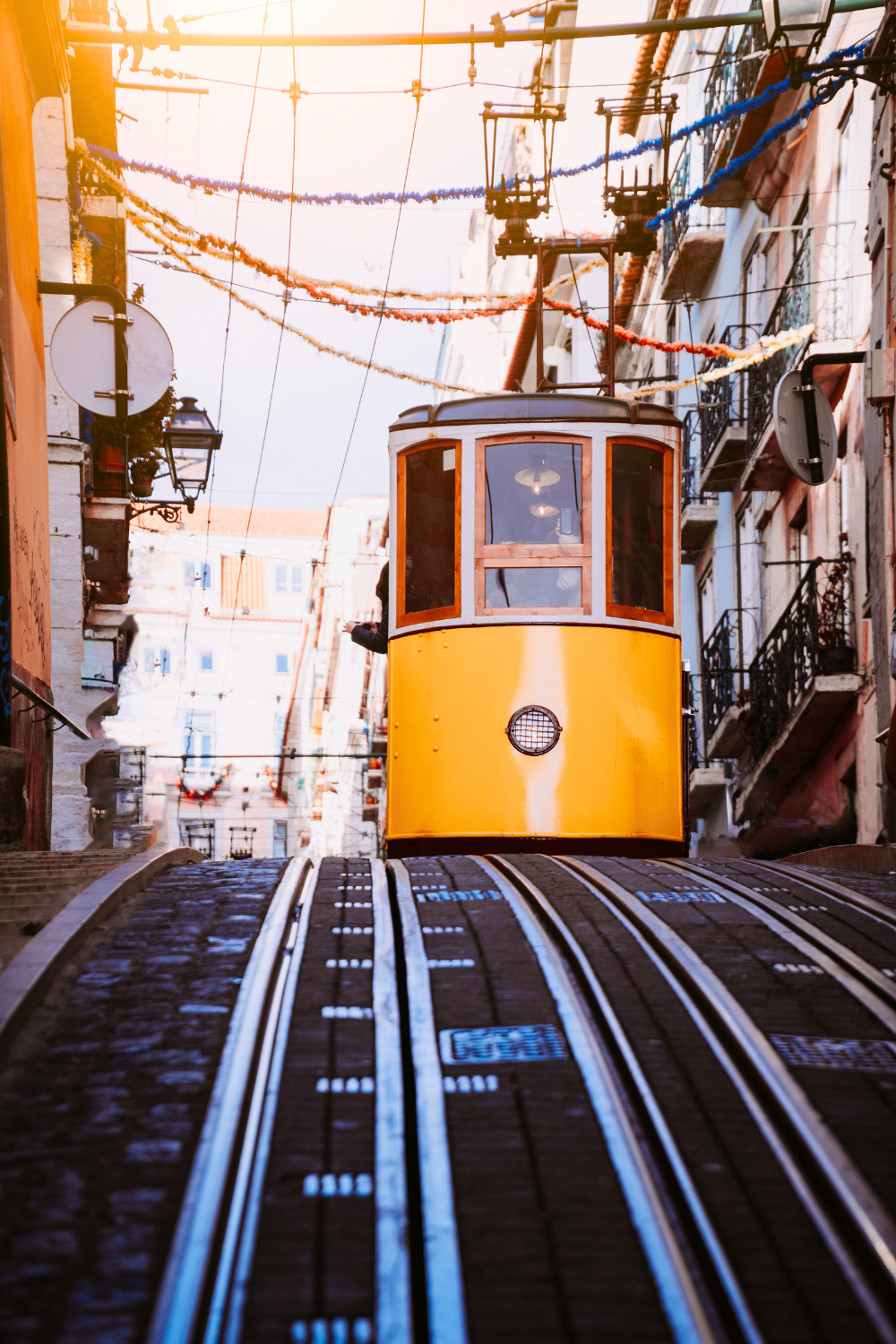
The most sensible strategy is to take Tram 28 — the famous yellow tram that’s been creaking up these streets since 1928 — to the top of the hill and walk downwards. Gravity should be your friend here, not your enemy.
Local tip: The Tram 28 is iconic but notoriously pickpocket-heavy during peak hours. Keep your valuables in a front pocket or day bag you can see. Alternatively, an Uber to the castle and then a downhill walk gives you the same views without the sardine-tin experience.
2. Castelo de São Jorge — The Castle on the Hill
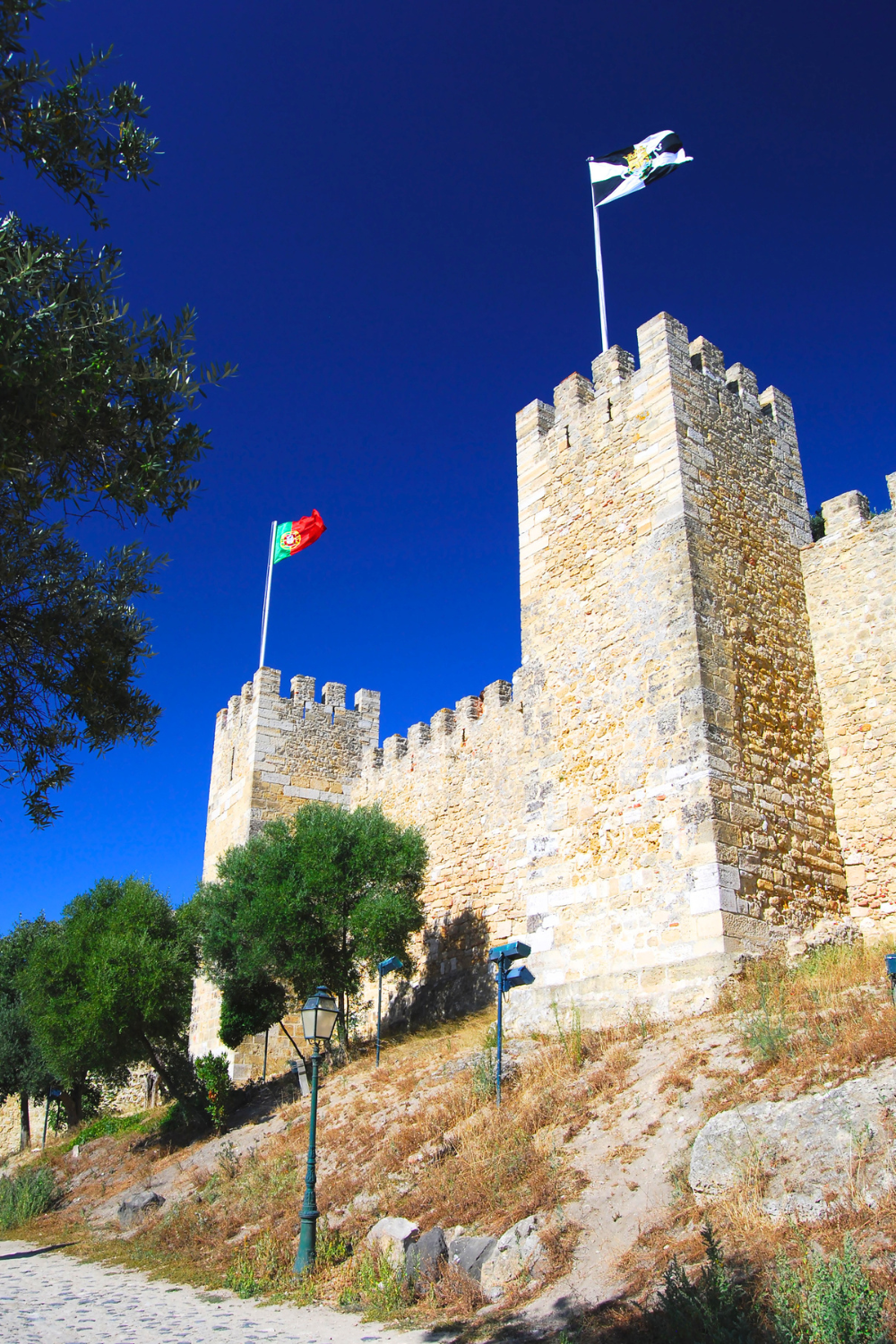
Castelo São Jorge looms over the Alfama with the casual authority of something that has been there for a very long time, which it has. The original Moorish fortress dates to the 11th century; the current version is a 20th-century reconstruction, and let me be honest — the inside is more evocative than historically rich. It’s not the Alhambra. There aren’t layers of original Moorish interiors waiting to blow your mind.
That said, I’d still argue it’s worth paying the entry fee (book a skip-the-line ticket online — the queues in high season are spectacular in the wrong way). Here’s why: the views. From the castle towers, Lisbon spreads out beneath you in every direction — the red-tiled rooftops, the glittering Tagus, the suspension bridge that looks uncannily like the Golden Gate, the white dome of the National Pantheon. You won’t find a more complete panorama of the city anywhere.
There’s a resident population of peacocks wandering the grounds, which nobody ever seems to mention in guides but which genuinely delights everyone who encounters them. The Tower of Ulysses houses a periscope that gives you an unusual bird’s-eye view of the streets below through an arrangement of mirrors — it sounds gimmicky but it’s actually rather magical.
Local tip: Come early — before 10am if you can manage it. The light is beautiful, the crowds are thin, and you’ll have the towers more or less to yourself. By midday, it’s a different story entirely.
3. The Sé Cathedral — Older Than You Think
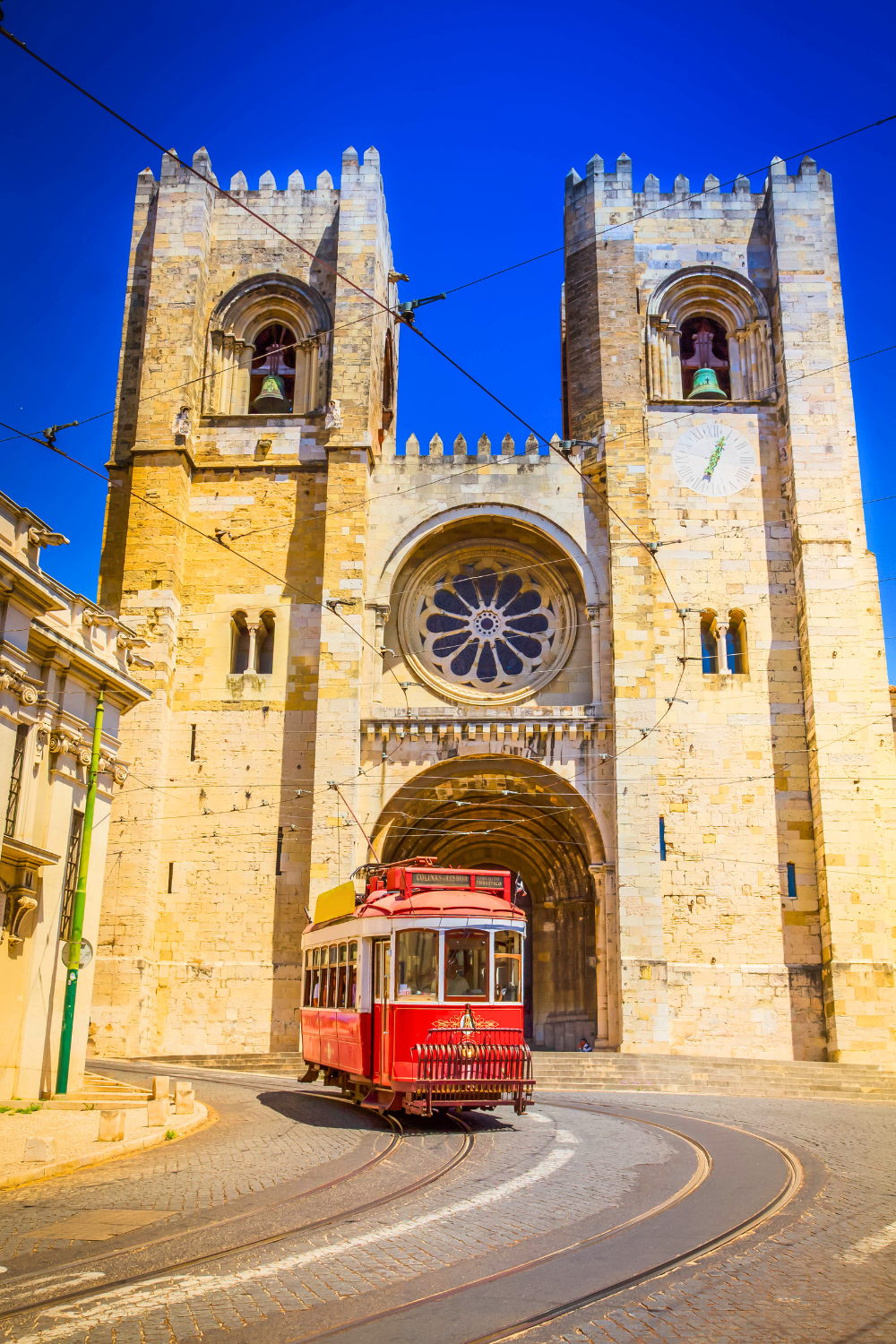
The Sé sits on the southern slope of castle hill, and if you’re walking down from Castelo São Jorge you’ll essentially pass right by it. Don’t just walk past — give it twenty minutes of your time. Built in the late 12th century, this is Lisbon’s oldest church, and its fortress-like Romanesque facade is genuinely imposing in a way that catches you off guard after all those cheerful azulejo facades.
Like most of Lisbon’s historic buildings, the Sé was damaged badly in the 1755 earthquake and rebuilt, which means the interior is a patchwork of different centuries rather than a coherent original. That’s fine — the main nave still has a cool, cathedral-calm that’s welcome after the brightness outside. If you’ve got the budget for it, the Gothic cloister (accessed through a separate entrance) is worth the small fee for its archaeological excavations and medieval fragments.
What I love about the Sé is how effortlessly it anchors you in Lisbon’s long history. This church was standing when the Portuguese were just beginning their first, tentative explorations down the African coast. Stand outside and let that sink in for a moment.
Local tip: The tram lines run right past the Sé, which makes for a brilliant photograph if you time it right. A yellow tram rattling past the ancient Romanesque towers is peak Lisbon aesthetics — hang around a few minutes and you’ll get your shot.
4. Miradouro das Portas do Sol — Your First Proper Viewpoint
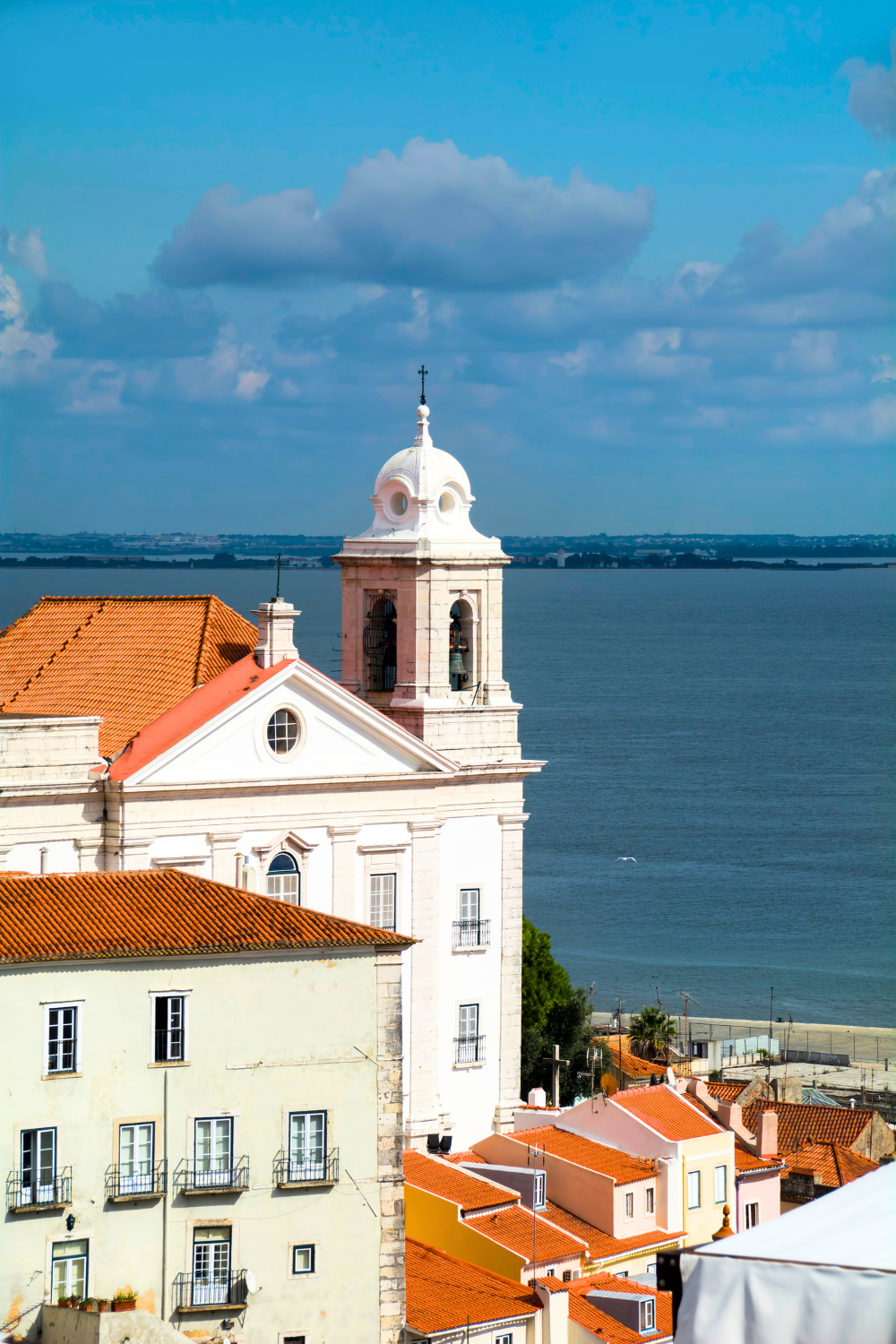
Lisbon’s miradouros — its hilltop viewpoints — are one of the city’s great free pleasures, and the Miradouro das Portas do Sol in the lower Alfama is a perfect introduction to the concept. It’s a wide, open terrace with a sweeping view over the red rooftops, the dome of the National Pantheon, the white towers of the Monastery of São Vicente de Fora, and the Tagus glinting in the distance.
It will, absolutely, be full of tourists, tuk-tuks, and a man playing something soulful on a guitar. This is unavoidable. Do not let this put you off — the view is worth sharing. Grab a bica (a tiny, powerful espresso) from one of the cafes on the terrace, stand at the railing, and drink it all in.
If you want something slightly less crowded and arguably more beautiful, the Miradouro da Graça, further up the hill, gives you a wider, quieter panorama. The Miradouro da Senhora do Monte — the highest viewpoint in Lisbon — is even better. It requires a bit more effort to reach, but on a clear day you can see for miles.
Local tip: Every miradouro in Lisbon is a better use of your time and money than the Santa Justa Elevator, which charges for a view you can get for free from half a dozen hilltops. The elevator itself is a gorgeous piece of 1902 ironwork — absolutely photograph it from the outside — but skip the queue to ride it.
5. The National Pantheon — Surprisingly Moving
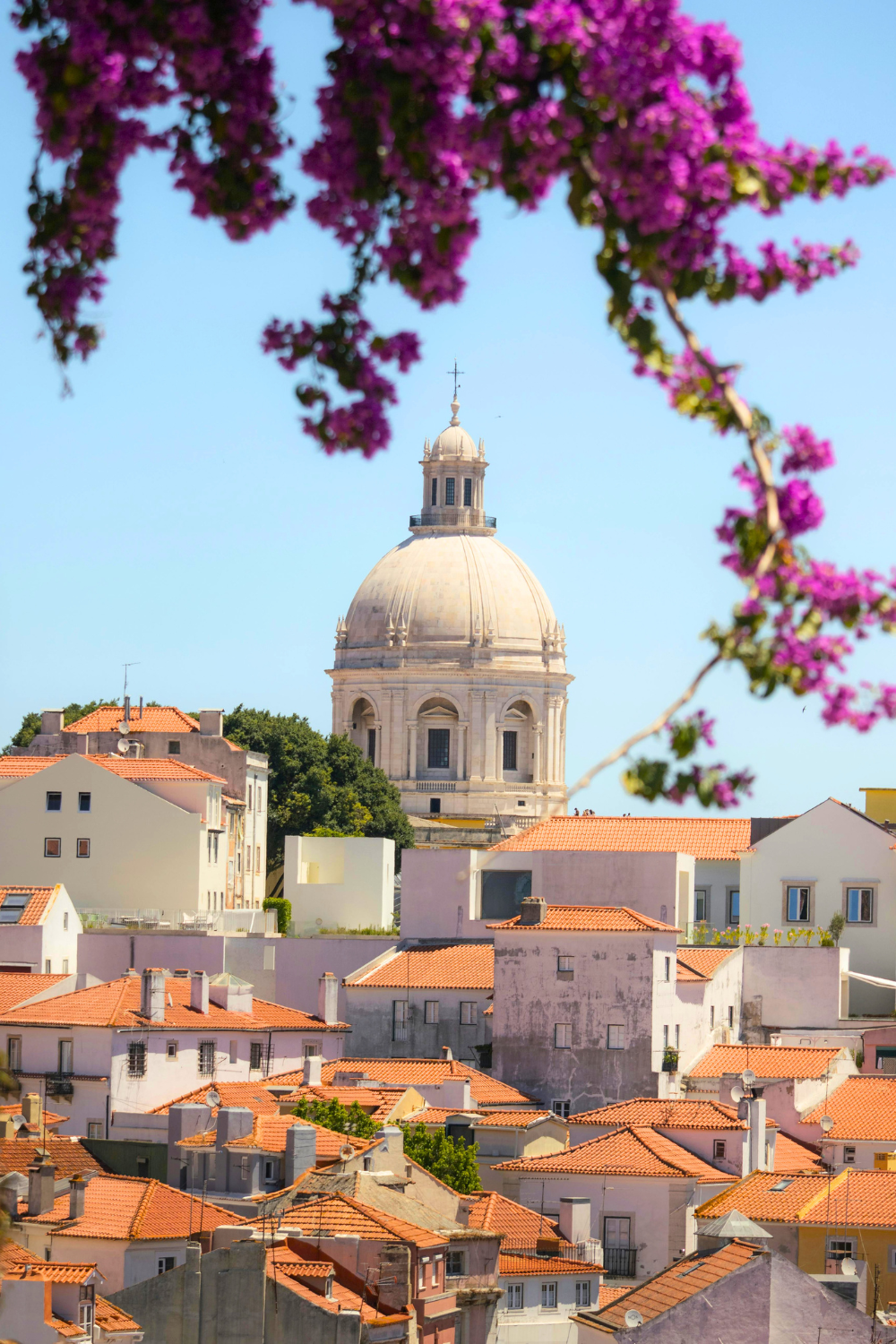
This one surprised me. I almost skipped it — it’s not always top of the must-see lists — and I’m glad I didn’t. The National Pantheon sits in the Campo de Santa Clara square and is the resting place of Portugal’s most celebrated historical figures: Vasco da Gama, Luís de Camões, Amália Rodrigues, the great fado singer whose voice defined an era. The entry fee is just a few euros, and it includes access to the roof terrace.
The interior is cool and hushed and beautiful in a restrained way — great arching domes, white marble floors, the kind of silence that makes you instinctively lower your voice. The cenotaphs (symbolic tombs) are laid out with a certain quiet dignity. Amália Rodrigues’s, in particular, is always surrounded by flowers left by visitors.
The roof is the real reason to come. From up there, the view stretches across the Alfama and down to the river, and because it’s not as famous as the castle views, it’s usually blissfully uncrowded.
Local tip: On Tuesdays and Saturdays, the square outside the Pantheon transforms into the Feira da Ladra — Lisbon’s famous flea market, known locally as the “Thieves’ Market.” Old tiles, vintage books, handmade ceramics, brass compasses, absolute junk — it’s chaotic and wonderful. If your visit coincides, go straight there before hitting the Pantheon.
6. Mosteiro de São Vicente de Fora — The Alfama’s Hidden Masterpiece
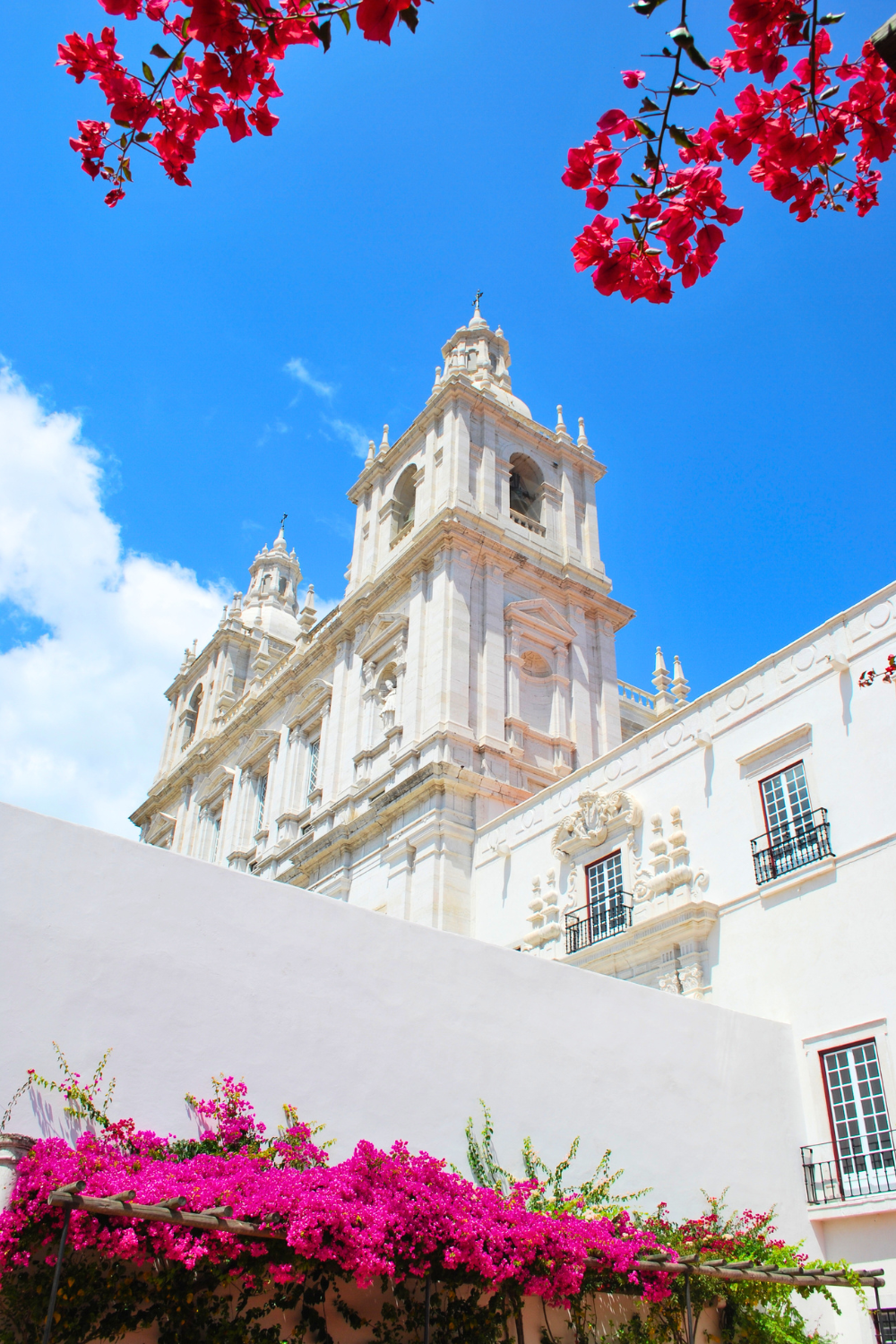
A two-minute walk from the Pantheon brings you to one of my absolute favourite places in Lisbon, and one that’s surprisingly overlooked. The Monastery of São Vicente de Fora is a 16th-century Augustinian complex that survived the earthquake largely intact, which makes it something genuinely rare in this city.
The cloister is the reason to come, and it’s one of the most beautiful rooms I’ve encountered in all my travels in Portugal. Every wall is lined floor to ceiling with stunning blue-and-white azulejo panels depicting scenes from the fables of La Fontaine. The tiles are exquisite — precise and detailed and somehow both formal and playful. Walk slowly around the cloister and take your time with them. They reward attention.
The monastery also has a terrace with rooftop views over the city and the Tagus, a small treasury, and the royal pantheon of the House of Braganza — the Portuguese royal family — whose tombs line the former refectory. The whole place is inexpensive, rarely crowded, and deeply atmospheric.
Local tip: The monastery is open every day except Monday. Come in the morning before the tour groups arrive and you’ll often have the cloister almost entirely to yourself. I’m not overstating it when I say this is one of the most beautiful rooms in Lisbon.
7. The Fado Museum — For the Soundtrack to Everything You’re Feeling
If you’ve been wandering the Alfama for a few hours and you’ve started to feel it — that particular nostalgic ache, that bittersweet awareness of time passing — then you’re already halfway to understanding fado. Lisbon’s haunting folk music is the soul of the Alfama, and the Fado Museum, housed in a lovely pink building near the waterfront, is the best place to understand where it came from.
Fado — the word means “fate” — is a music built on saudade, the Portuguese concept of longing for something lost or absent. It’s mournful without being depressing, soulful without being sentimental, and when you hear it performed live in a small restaurant later tonight, you’ll feel something shift in you. The museum prepares you for that.
The space is genuinely interactive — listening stations, video performances, the history of the music from its likely African-Brazilian roots to its 19th-century Alfama form to its UNESCO Intangible Heritage status in 2011. It doesn’t take long to go through, but it’s time well spent.
Local tip: Pick up the names of a few legendary fado singers at the museum — Amália Rodrigues, Mariza, Ana Moura — and then listen to a few tracks before your fado dinner tonight. It makes the live experience considerably richer.
8. Chiado — The City’s Elegant, Bookish Soul
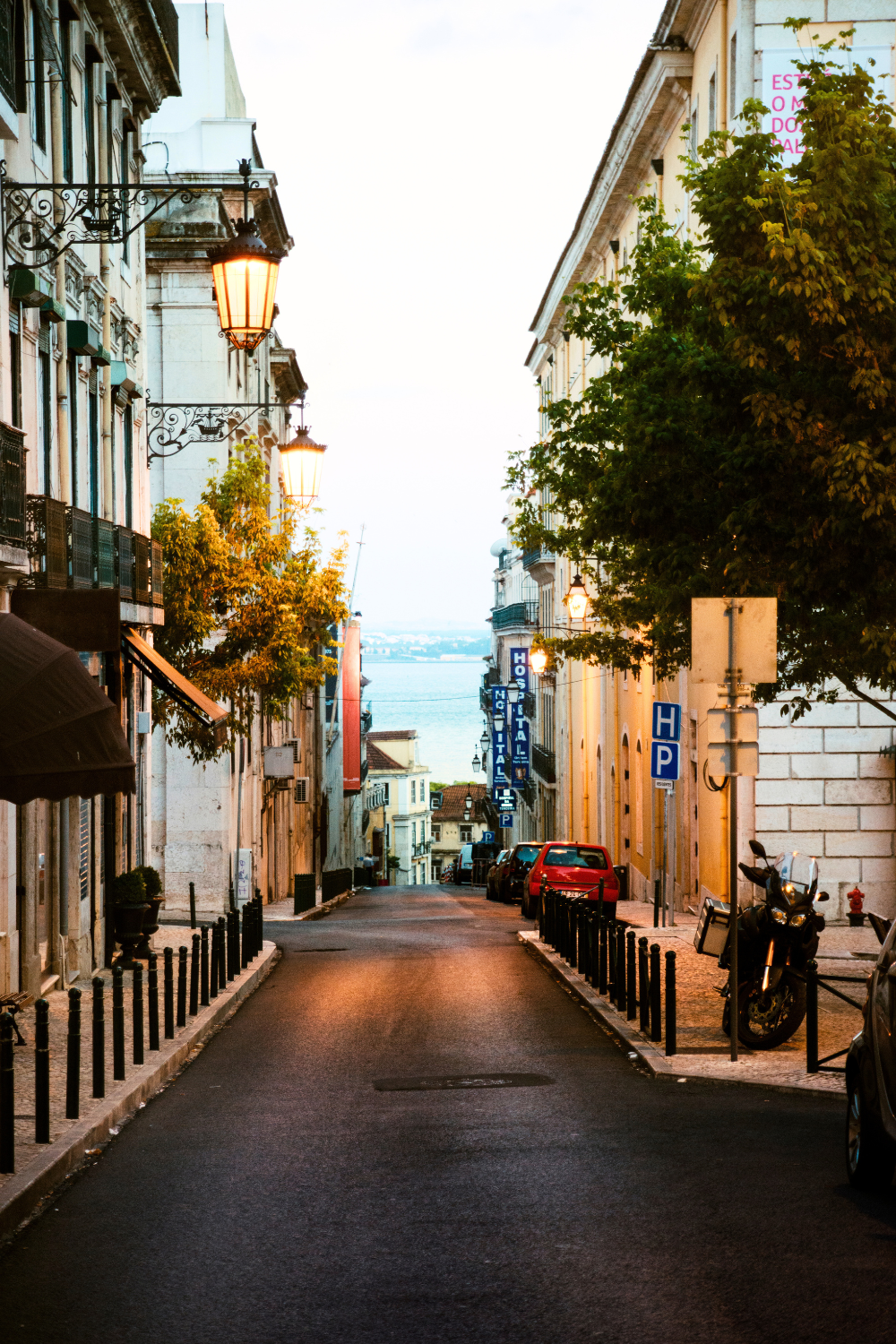
After the ancient tangles of the Alfama, Chiado comes as a kind of elegant exhale. This is Lisbon’s most cultured neighbourhood — part literary quarter, part upmarket shopping street, part open-air art gallery. It’s where intellectuals and poets traditionally gathered, where the city’s best cafes have been dispensing coffee and conversation for over a century, and where the buildings are just beautiful enough to make you stop every fifty metres.
Livraria Bertrand, on Rua Garrett, holds the title of the world’s oldest operating bookshop — it opened in 1732, survived the earthquake, survived everything, and is still there selling books in a series of low-ceilinged, treasure-filled rooms. Even if you can’t read Portuguese, go in. The atmosphere alone is worth it.
Look out for the House of Ferreira das Tabuletas on Rua Nova do Almada — its facade is covered in one of the most spectacular azulejo tableaux in Lisbon, an allegorical scene of the arts and seasons in vivid colour. Stand across the street to get the full effect. Then stop at Pastelaria Benard, open since 1868, for a coffee and a pastry before you carry on.
Local tip: Chiado also has one of Lisbon’s best-kept secrets for views. The Miradouro de São Pedro de Alcântara, just on the edge of the neighbourhood, is a formal garden terrace with a panoramic view of the castle and Alfama. It’s usually far quieter than the more famous viewpoints and has benches, tiled maps identifying landmarks, and a kiosk bar. Bring your coffee and sit for a while.
9. Carmo Convent — A Cathedral Open to the Sky
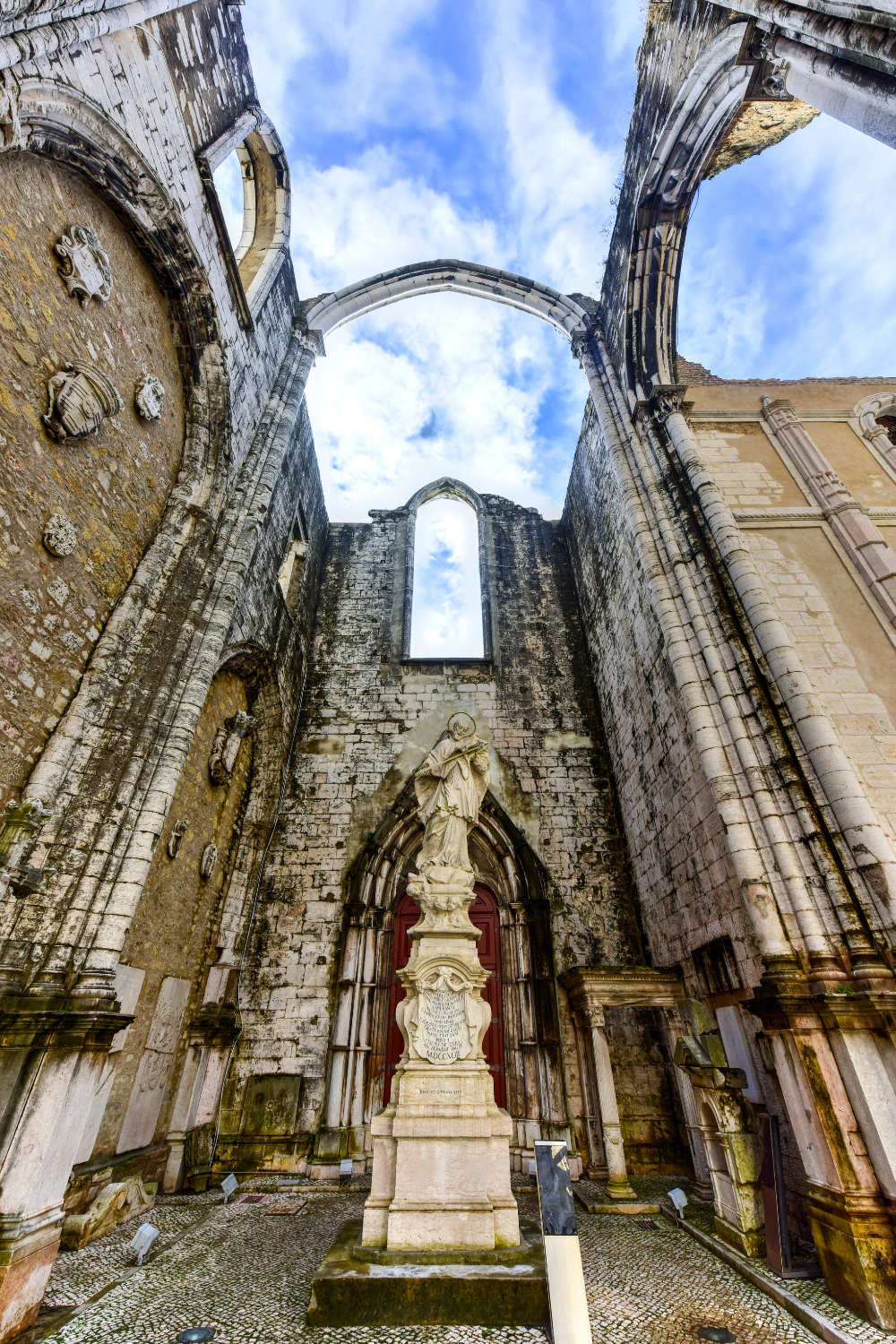
This one is an emotional gut punch, and I mean that as a compliment. The Convento do Carmo was a Gothic church that the 1755 earthquake destroyed so completely that its roof collapsed entirely. Instead of rebuilding it, Lisbon left it open to the sky — and the result is one of the most hauntingly beautiful spaces in the whole city.
The skeletal Gothic arches rise above you with nothing but open air between them. Weeds and wildflowers grow at the base of the stone columns. It’s a ruin that doesn’t feel ruined — it feels purposeful, like a memorial, which in many ways it is. The earthquake killed thousands of people across Lisbon in minutes; the Carmo stands as a physical reminder of what was lost.
Inside the nave, there’s a small but genuinely fascinating archaeological museum housing everything from Egyptian sarcophagi to mummies from Peru, medieval tomb effigies, and fragments of Manueline stonework rescued from demolished buildings. It’s a pleasingly odd collection, and it works beautifully in this unusual space.
Local tip: The terrace in front of the convent offers one of the best views of the castle and the Alfama, and it’s far less trafficked than the official viewpoints. Come in the late afternoon when the light is golden and the shadows are long.
10. Bairro Alto — Narrow Streets, Loud Nights, and the Best Cod in Lisbon
Bairro Alto sits right next to Chiado, separated by little more than the width of Praça Luís de Camões, but the vibe shifts noticeably. Where Chiado is elegant and literary, Bairro Alto is louder, messier, and more alive after dark. This is Lisbon’s nightlife hub — a dense grid of narrow streets where restaurants, bars, and fado houses spill out onto pavements in the evening and the whole neighbourhood vibrates with noise.
During the day, it’s quietly charming — street art on the shuttered bar fronts, old ladies opening windows onto the street, cats sleeping on steps. In the evening, it transforms. If you can, take a wander through both versions.
For dinner, this is a wonderful neighbourhood to explore. Avoid anywhere with a laminated picture menu propped outside — those exist primarily to extract tourist money rather than deliver good food. Instead, look for small, handwritten chalkboard menus. A Salgadeiras is a reliable local favourite known for its bacalhau — salt cod, the great obsession of Portuguese cooking. Yes, it really is that good, in all its hundred-and-one preparations.
Local tip: The Time Out Market, a ten-minute walk towards the river in the Cais do Sodré, is one of the best food halls I’ve encountered anywhere in Europe. It’s a converted 1892 iron market building now housing stalls run by some of Lisbon’s best chefs. Go for the variety — petiscos, seafood rice, pastéis de nata, Alentejo wines. It gets extremely busy by 8pm, so arrive at six or be prepared to wait.
11. A Fado Show — The Night Lisbon Was Made For
Let me be direct: if you leave Lisbon without having heard live fado, you’ve missed something essential. This music was made for small candlelit rooms in old neighbourhoods exactly like the ones you’ve been walking through all day. It’s mournful and beautiful and utterly specific to this place.
You have options. The most atmospheric experience is simply wandering the streets of Bairro Alto until you find a bar with a handwritten note on the door — “Fado Tonight.” Sit down, order some house wine, and let it happen. This is fado as the locals experience it — informal, unscheduled, gloriously unpolished.
The more reliable option, especially if you want to be sure of a seat, is to book a dedicated fado house in advance. Tasca do Chico in Bairro Alto is small, cramped, and excellent. Clube de Fado in the Alfama is larger and more polished but still delivers the real thing. Avoid anywhere that seems more like a dinner show aimed at coach parties — the music deserves better than that.
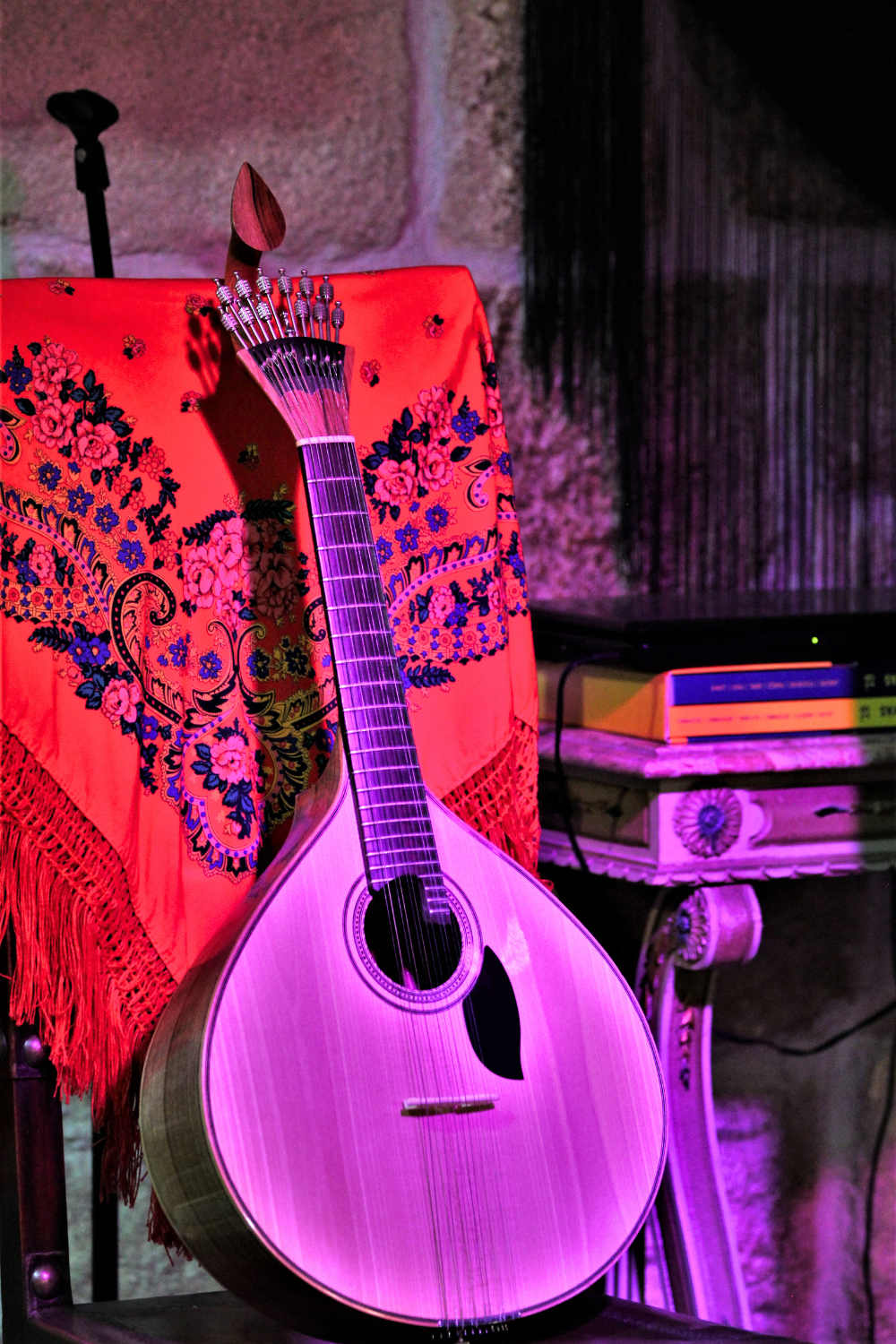
What you’re listening for is the guitarra portuguesa — the Portuguese twelve-string guitar with its teardrop body — weaving around the singer’s voice. When the voice rises and the guitar follows and the whole room goes very still, you’ll understand why fado made UNESCO’s list of humanity’s intangible cultural heritage.
Local tip: Most fado houses don’t start until 9 or 10pm, which is perfectly normal in Lisbon — dinner at 9 is standard, not eccentric. Don’t rush your evening. The city is at its most beautiful after dark.
Day 2: Baixa, Belém, and an Evening at LX Factory
12. Café A Brasileira — Where Day 2 Begins Properly
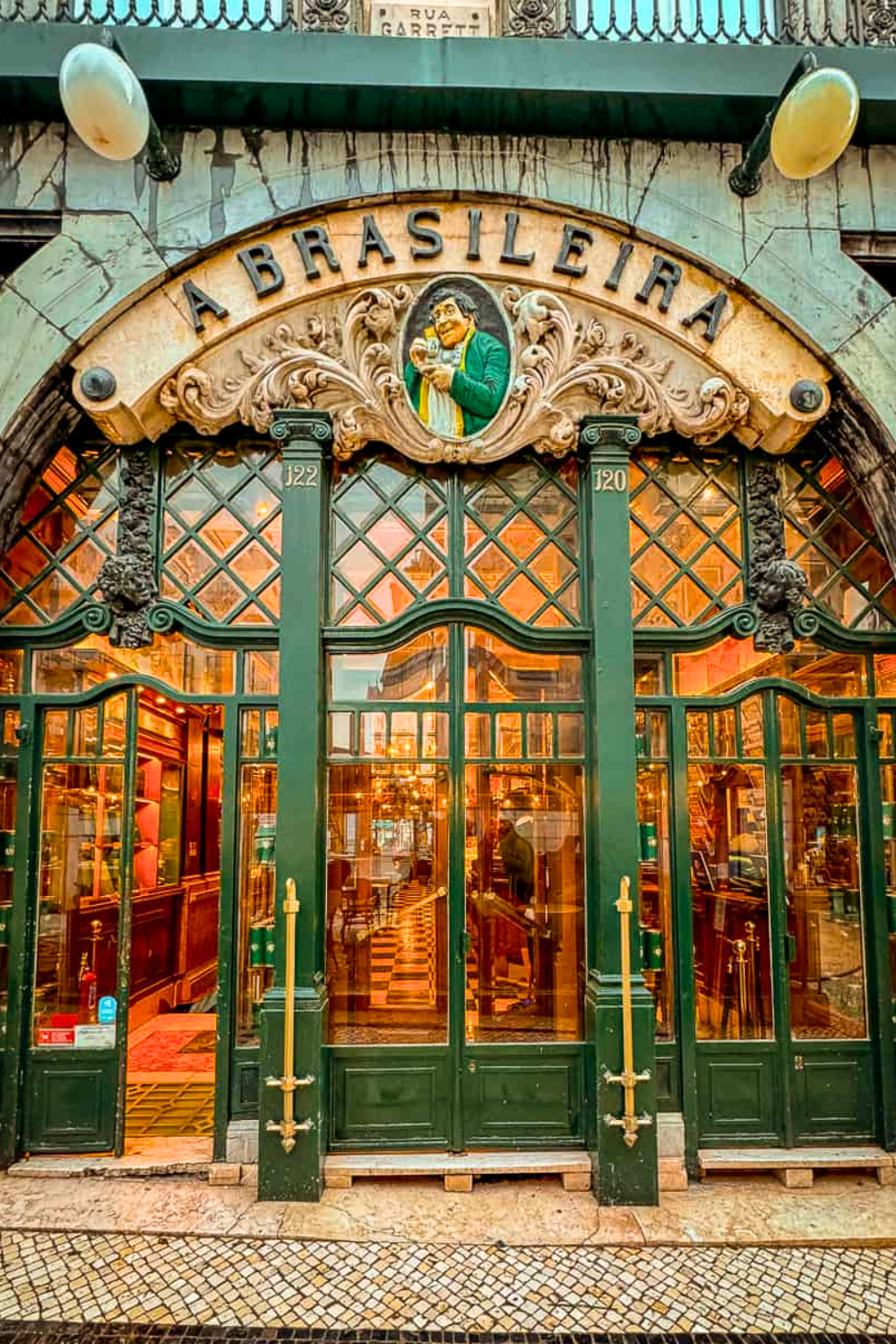
Start your second morning at Café A Brasileira on Rua Garrett in Chiado. It’s one of the oldest and most celebrated cafes in Lisbon — open since 1905, Art Nouveau interior, dark polished wood, mirrors everywhere, the smell of strong coffee and old walls. Outside the door sits a bronze statue of the poet Fernando Pessoa, who was a regular. He looks like he’s waiting for someone. He’s been waiting for over a century.
Order a bica — Lisbon’s version of an espresso, tiny and extraordinarily powerful — and a torrada, which is thick toast with butter that arrives looking deceptively simple and tastes, inexplicably, like the best toast you’ve ever had. Sit at a table, watch the neighbourhood wake up, and take a moment to appreciate that you’re about to spend a day in one of Europe’s great capital cities.
Local tip: A Brasileira gets busy fast. If you arrive before 9am on a weekday, you’ll have an easy time finding a seat and the waitstaff will be unhurried and charming. By 10am, it’s considerably more hectic.
13. Praça do Comércio — Where Lisbon Meets the River
Head downhill from Chiado to Praça do Comércio — Commerce Square — and you’ll understand immediately why Lisbon’s residents once called it the Terreiro do Paço, or Palace Square. This vast waterfront plaza was once the site of the royal Ribeira Palace, destroyed entirely in the earthquake of 1755. What replaced it is still magnificent: a huge, symmetrical square lined with bright yellow arcaded buildings, open entirely to the river on one side, and dominated by a magnificent equestrian statue of King José I at its centre.
Walk to the river steps at the far end and look out across the Tagus. On a clear morning, the light on the water is extraordinary — the kind of light that explains why Lisbon painters have been obsessing over it for centuries. The other bank is visible in the distance, the Christ the King statue with its arms outstretched looking remarkably like a smaller sibling of the Rio de Janeiro version.
At the northern edge of the square stands the Arco da Rua Augusta — the triumphal arch that frames the entrance to Rua Augusta. You can take a lift up inside it for views over the square and down the pedestrianised street beyond. Worth a few minutes.
Local tip: The Lisboa Story Centre, on the eastern side of the square, is one of the most underrated museums in Lisbon. It takes you through the city’s history from its earliest settlements to the modern day, with a particularly vivid section on the 1755 earthquake — film, maps, and reconstructions that make the scale of the disaster viscerally real. Inexpensive, rarely crowded, and genuinely informative.
14. Rua Augusta — Lisbon’s Main Promenade
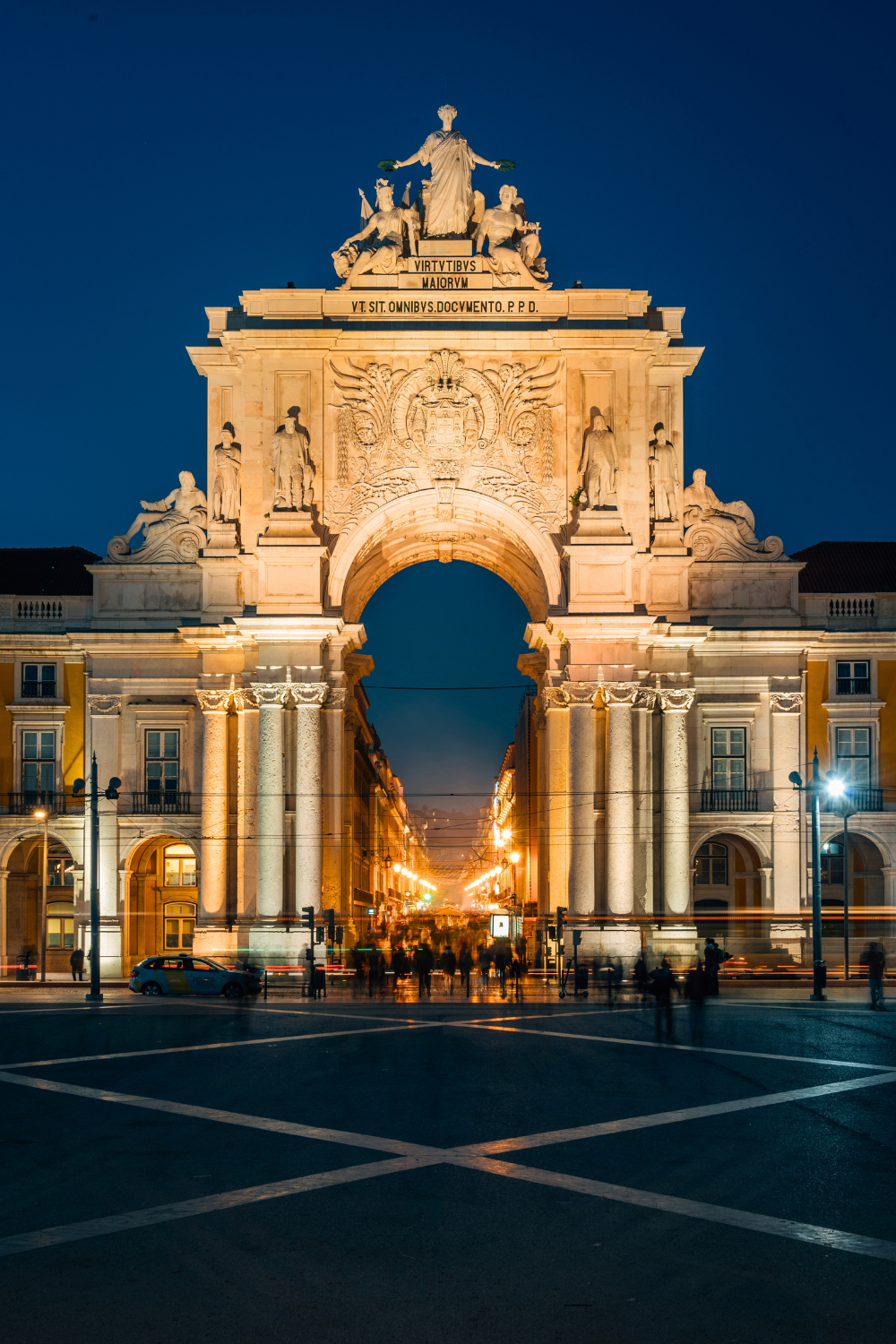
Rua Augusta is Lisbon’s great pedestrian thoroughfare, running north from the Arco da Rua Augusta through the Baixa all the way to Rossio Square. It’s wide, handsome, lined with restaurants and shops and pavement cafes, and reliably full of people doing what people always do on great city streets: walking purposefully, stopping unexpectedly, buying things they don’t need, eating things they do.
It’s not where you’ll find the most authentic Lisbon experience, but it’s where you’ll get a feel for the city’s bones — the Pombaline grid layout that the Marquis of Pombal imposed on the ruins after the earthquake, rational and elegant and very 18th century. Look up at the buildings as you walk. The decorative tilework on the upper facades is remarkable, especially given that this was essentially a planned reconstruction rather than centuries of organic growth.
The Baixa is also where you’ll find the Santa Justa Elevator, a stunning piece of wrought ironwork from 1902 that connects the lower town with the Chiado above. Photograph it absolutely — it’s gorgeous. Just don’t wait in the queue to ride it unless you have time to spare. There are better views to be had.
Local tip: The bakery Fábrica da Nata has branches throughout Lisbon but its Rua Augusta location is convenient and genuinely excellent. Stop for a pastel de nata — the custard tart that Portugal has given to the world. Eat it warm, standing at the counter, with cinnamon and a sprinkle of icing sugar. This is non-negotiable.
15. Rossio Square — The Living Room of Lisbon
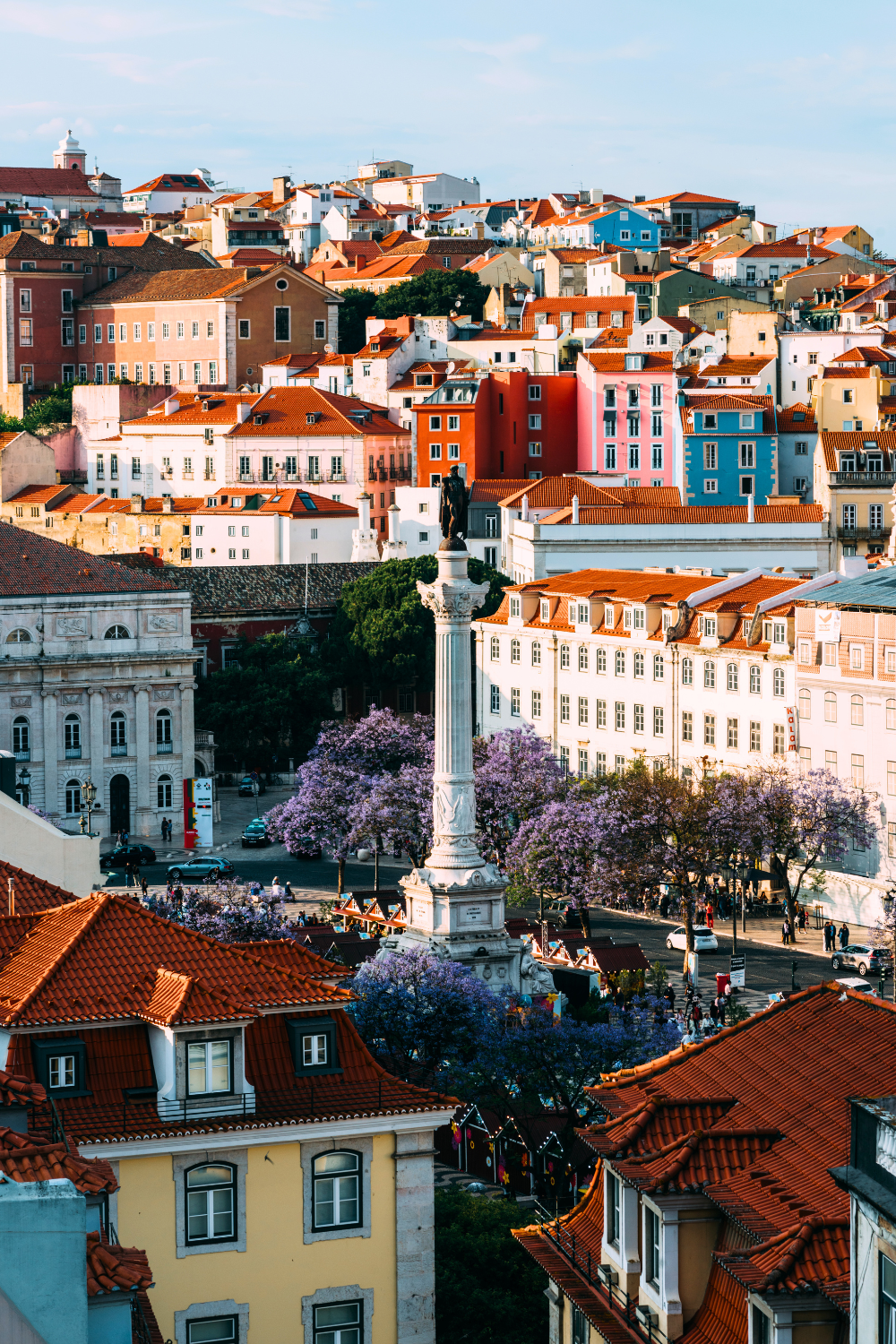
Rossio Square is the true centre of daily Lisbon life — it has been for centuries. The wavy black-and-white cobblestone pavement (a Portuguese art form in itself, each stone laid by hand) sweeps around two baroque fountains and the tall Column of Pedro IV, the king who stands permanently elevated above the square that’s named after him.
The grand National Theatre Dona Maria II closes off the northern end, its neoclassical facade just pompous enough to be impressive. The square is ringed by cafes with outdoor tables, and this is where Lisbon residents sit to read newspapers, meet friends, and watch the world pass. Join them. Have a coffee at one of the old-school kiosks and appreciate the scale of the place — it’s a proper European piazza, busy and alive.
Rossio is also a good lunch spot before you head out to Belém. The neighbourhood around the square has several good options beyond the obvious tourist traps — look for places where the menu is handwritten on a chalkboard and most of the tables are occupied by local office workers.
Local tip: Ginjinha — the local sour cherry liqueur that Lisbon has been drinking since the 1840s — is sold by the glass at the tiny bar A Ginjinha on the northern side of Rossio Square. It’s served in a small glass, optionally with a cherry, and sometimes in a dark chocolate cup (always choose the chocolate cup). It’s a Lisbon institution, it costs about two euros, and it tastes like concentrated cherry jam with a warm alcoholic kick. Have one. You’re in Lisbon.
16. Jerónimos Monastery — The Building That Will Stop You in Your Tracks
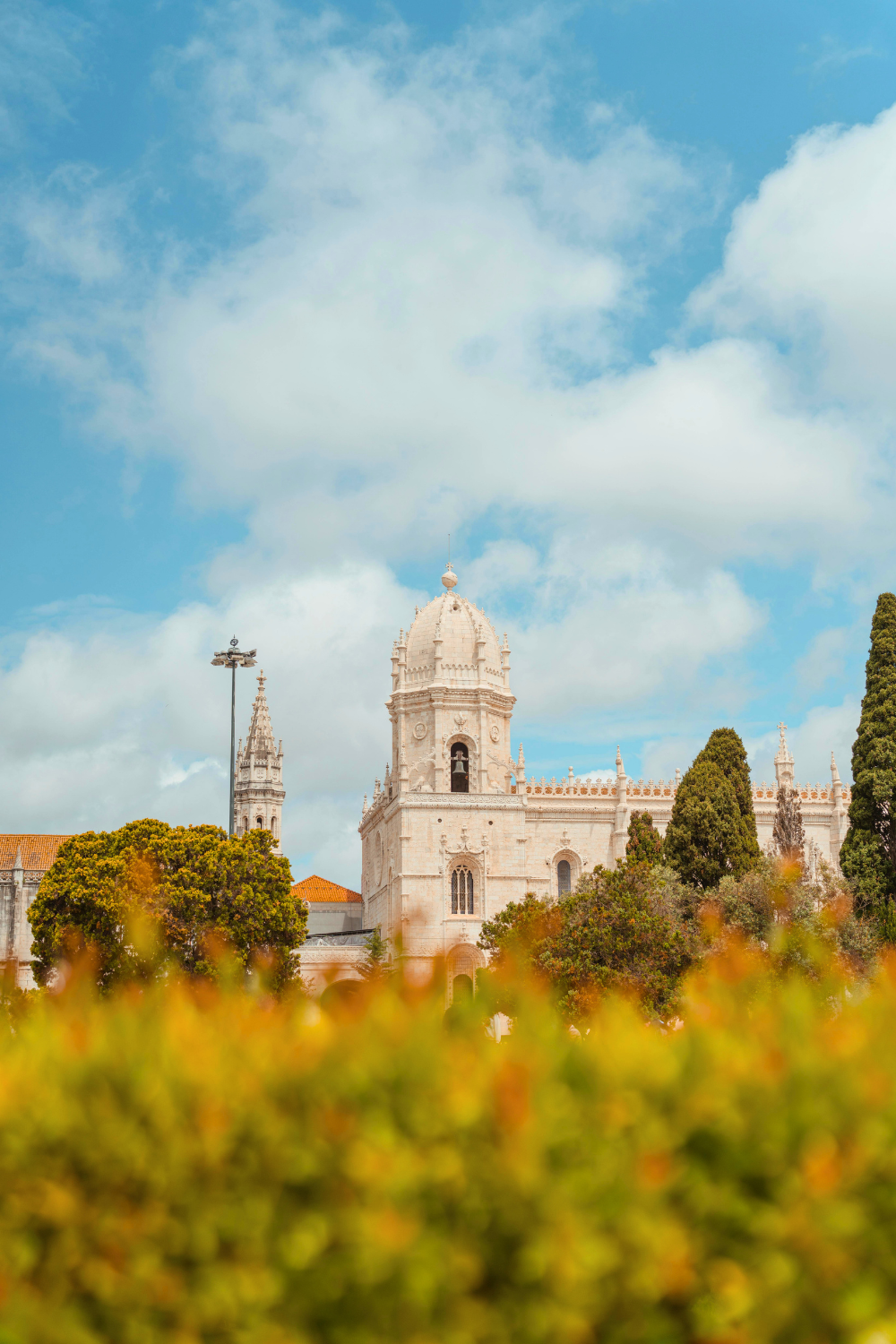
There are buildings you see in photographs and think: yes, that looks impressive. And then there are buildings you see in person and actually stop walking because your brain momentarily can’t process what it’s looking at. The Mosteiro dos Jerónimos in Belém is firmly in the second category.
Take the Number 15E tram from Praça do Comércio along the waterfront — it takes about 20 minutes and gives you a lovely river view — and get off at Mosteiro dos Jerónimos. The monastery was built in the 16th century by King Manuel I, who was flush with the extraordinary wealth flowing in from Portugal’s spice trade routes. He used some of that money to build the most extravagant monument to Portuguese maritime glory that stone and human ingenuity could produce.
The style is Manueline — a distinctly Portuguese take on late Gothic that incorporates maritime symbols: ropes, coral, anchors, armillary spheres, exotic fruits from the new trade routes. Every surface is carved. The honey-coloured limestone glows like warm light in the afternoon sun. The cloister — two storeys of intricate stone lacework surrounding a central garden — is simply one of the most beautiful spaces in Europe. Full stop.
The church is free to enter. The monastery (cloister, refectory, chapter house) requires a ticket, and you absolutely must book a skip-the-line ticket online. The queues, especially in summer, are genuinely discouraging.
Local tip: The bones of Vasco da Gama and the poet Luís de Camões rest in the church, in elaborate late-19th-century tombs near the entrance. Camões’s tomb is carved with an armillary sphere and a globe — fitting for the poet who celebrated Portugal’s age of discovery in Os Lusíadas. They’re easy to walk past, so look for them near the door.
17. Torre de Belém — The Postcard Made Real
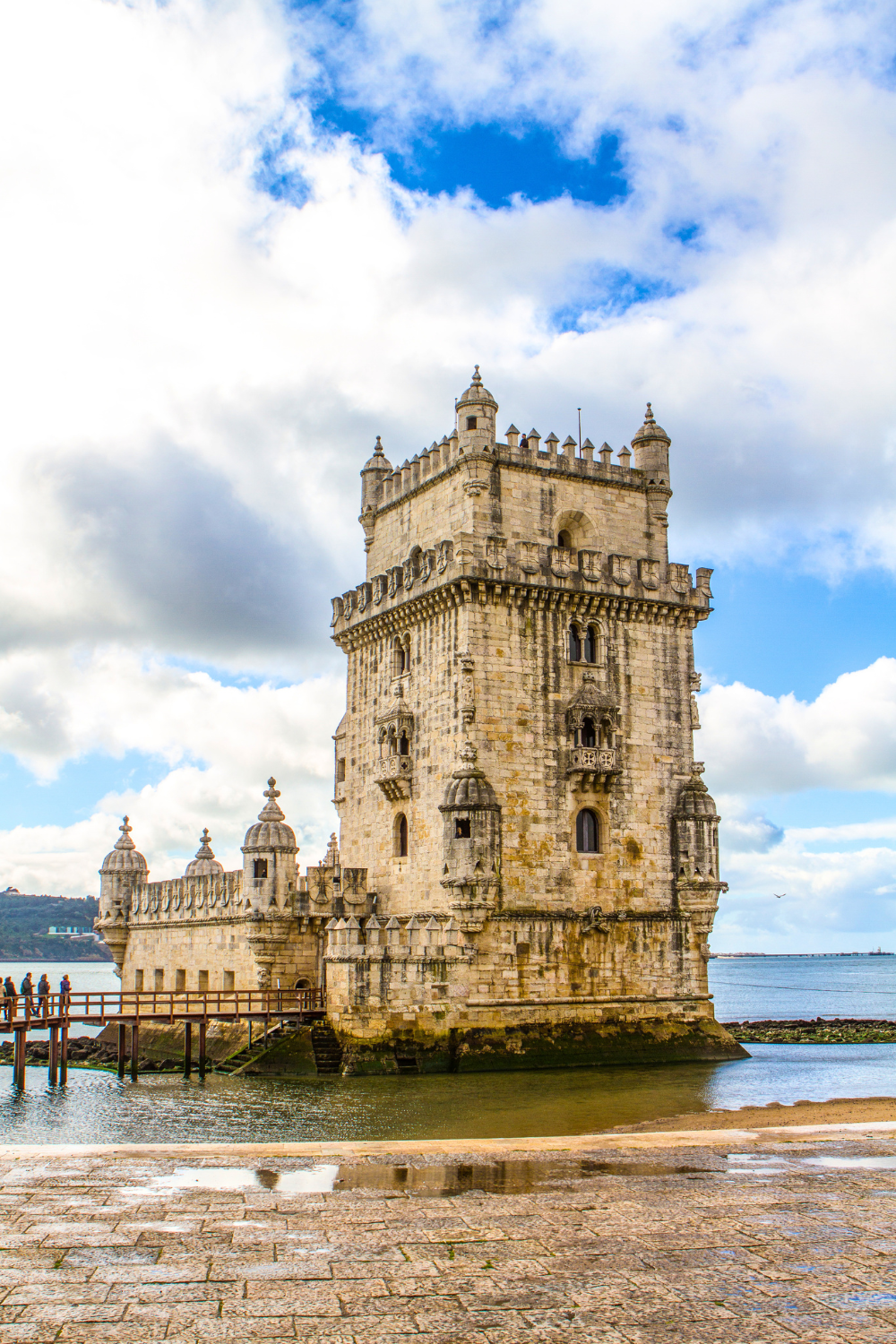
The Tower of Belém is the image that appears on approximately every third piece of Lisbon merchandise, and yes, in person it is exactly as photogenic as advertised. This is a happy thing. Not every famous landmark lives up to its photographs.
The tower sits at the water’s edge of the Tagus, and was built between 1516 and 1521 as a ceremonial gateway to Lisbon — the last thing Portuguese sailors would have seen as they headed out on their voyages of discovery and the first thing they’d have seen on return. It’s Manueline in style, decorated with twisted rope battlements, Venetian loggias, and a rhinoceros carved in bas-relief on one of its corbels — the rhinoceros being one of the exotic animals that Manuel I kept in his menagerie after it arrived from India. This small, unexpected creature on a military fortress is one of my favourite details in all of Lisbon.
The queue to go inside is usually substantial, and the interior itself is rather austere — narrow stairs, bare stone rooms, good views from the rooftop. It’s worth it for the views if you have time; fine to admire from outside if you don’t. Either way, walk around the full perimeter and photograph it from every angle.
Local tip: Walk past the tower towards the water’s edge and look back at it with the Tagus stretching out behind you. This is the view that makes the tower look most like it’s floating on the river — which, in high tide, it essentially does. It’s a better photograph than the standard straight-on shot from the esplanade.
18. The Monument to the Discoveries — A Nation in Stone
Between the monastery and the tower stands the Padrão dos Descobrimentos — the Monument to the Discoveries — and it’s one of those things you photograph as a backdrop and then, when you stand in front of it, realise is considerably more powerful than you expected.
Built in 1960 to mark the 500th anniversary of the death of Prince Henry the Navigator, the monument is designed in the shape of a caravel’s prow rising 52 metres from the riverbank, with Henry himself standing at the point holding a model ship. Behind him, in two sloping rows, stand 32 figures from Portugal’s age of exploration: navigators, cartographers, kings, poets, missionaries. It’s a roll-call of an era when a small country on the edge of Europe changed the shape of the known world.
The large marble compass rose embedded in the pavement in front of the monument is itself worth examining — it’s a 1960 gift from South Africa, decorated with maps of the exploration routes, and it’s one of the most photographed spots in Belém.
Local tip: You can take a lift to the top of the monument for views of the Tagus and the Jerónimos Monastery behind you, and it’s considerably less crowded than the Tower of Belém’s queue. The combination of views — river on one side, the extraordinary monastery behind you — is hard to beat.
19. Pastéis de Belém — A Custard Tart You Will Remember for Years

I need to tell you something about the pastéis de nata at Pastéis de Belém, and I need you to believe me: they are different from all the other custard tarts you will eat in Lisbon, and Lisbon is absolutely full of very good custard tarts. This is not marketing. This is not the kind of thing food journalists say about every “famous” café. They genuinely are better.
The recipe — a combination of puff pastry, custard made with egg yolks and cream, and a secret ingredient combination developed by the monks of Jerónimos Monastery in the 19th century — has never been published, and only a handful of people in the world know it. The café opened in 1837 and has been making them every day since.
The interior is a labyrinth of tiled rooms — sit down if you can, or eat standing at the counter if you can’t. Order two. Dust liberally with cinnamon and powdered sugar, the way the locals do. Eat them while they’re still warm. Try not to immediately order more. Fail at this.
Local tip: The queue outside Pastéis de Belém can look intimidating, but it moves faster than you’d think, and there’s also a separate entrance further down the facade for people wanting to take pastries away rather than sit in. If you’re happy to eat standing outside, go for the takeaway option and save 20 minutes.
20. LX Factory — Where the Evening Ends Perfectly
Before you leave Belém, get back on the tram (or grab an Uber) and head to the LX Factory near the Alcântara neighbourhood — a five-minute ride from the monuments. This former 19th-century industrial complex was abandoned for decades before being taken over in 2008 by artists, designers, restaurants, bookshops, and food producers. It’s now one of the most vibrant places in Lisbon, and on Sunday mornings it hosts a market that draws half the city.
On any day of the week, it’s a wonderful place to spend an evening. The main street of the complex is lined with restaurants serving everything from Portuguese traditional to Japanese, Brazilian, and beyond. Find a table outside if the weather’s good — in the shadow of the old factory buildings and the 25 de Abril Bridge above, it has an atmosphere unlike anywhere else in the city.
Do not, under any circumstances, leave without visiting Ler Devagar, the bookshop that occupies a vast former printing hall and is one of the most beautiful bookshops in the world — books stacked to an industrial ceiling, a bicycle suspended in mid-air, and a reading nook in the back that makes you want to cancel your onward travel plans and simply stay here forever.
And if you have any room left after a day of custard tarts and fado — Landeau Chocolate is in the LX Factory, and their chocolate cake is, without exaggeration, the best I have eaten anywhere in Europe. Get a slice. You’ve earned it.
Local tip: The LX Factory is at its most alive on Sunday mornings when the weekly market fills the main courtyard with vintage clothes, ceramics, plants, food stalls, and approximately everyone in Lisbon who isn’t at the beach. If your two days fall on a Saturday and Sunday, arrange your schedule so that Sunday morning starts here before heading to Belém.
Practical Tips for Your 2 Days in Lisbon
Getting there: Lisbon Humberto Delgado Airport (LIS) is connected to the city centre by Metro (Line Vermelha to Alameda, then transfer — about 30–40 minutes) or by taxi/Uber (15–25 minutes, usually €15–20). The AeroBus is a good budget option. Skip the private transfer companies at the arrivals door and pre-book if you want reliability.
Getting around: Lisbon is more walkable than it looks on a map, especially once you’ve accepted the hills. For the Alfama-to-Chiado stretch, you can walk downhill easily. For Belém, take the 15E tram from Praça do Comércio — it runs along the waterfront and is atmospheric as well as practical. Uber works well throughout the city and tends to be slightly cheaper than taxis.
The Lisboa Card: If you’re planning to visit the Jerónimos Monastery, the National Pantheon, the Fado Museum, and a few other paid sites, the 48-hour Lisboa Card usually pays for itself. It also includes unlimited use of the Metro, trams, and buses, which is genuinely useful. Buy it online before you go to avoid the queue at the information desk.
Food and drink: The Portuguese eat late — lunch is 1-3pm, dinner rarely before 8pm, and most restaurants don’t hit their stride until 9 or 10. Don’t try to eat dinner at 6.30pm; you’ll be nearly alone and the kitchen will be unprepared. The house wine in even modest restaurants is consistently good and astonishingly inexpensive. Always try the prego (thin steak sandwich) for a quick lunch, the caldo verde (kale and potato soup with chorizo) whenever you see it, and at least one proper bacalhau dish — salt cod done properly is one of the great pleasures of Portuguese food.
Weather: Lisbon is warm and sunny for most of the year. Spring (March–May) and autumn (September–October) are the sweet spots — fewer crowds, comfortable temperatures, and the light that makes the tiles and facades glow. Summer is genuinely hot (often hitting 35°C in July-August) and very busy. Winter is mild but can be rainy.
What to wear: Comfortable walking shoes are not optional — they’re essential. The cobblestones are beautiful and brutal on unsuitable footwear. Pack layers even in summer, as evenings near the river can be cool.
One Last Thing
Lisbon will not let you leave without a little of that Portuguese saudade working its way into your chest. You’ll be on the plane home — or on the train to Porto, or in the taxi to the airport — and you’ll find yourself replaying a specific moment: the light on the monastery cloister, the sound of a fado singer through a half-open door, the way the river looked from the castle walls at golden hour.
That’s the thing about this city. Two days is enough to fall for it. It’s nowhere near enough to feel like you’re done. Go. Take the hills slowly, eat the custard tarts warm, and stay up later than you planned. Lisbon is absolutely worth it.


One Response